
1. Search Result
Search Result
Results for "

protein conjugation

" in MedChemExpress (MCE) Product Catalog:

69

Inhibitors & Agonists

1

Screening Libraries

9

Fluorescent Dyes

12

Biochemical Assay Reagents

6

Peptides

15

MCE Kits

5

Natural
Products

7

Isotope-Labeled Compounds

8

Click Chemistry

1

Oligonucleotides

2

GMP Molecules

Cat. No. Product Name Target Research Areas Chemical Structure
  • HY-W019543

    Biochemical Assay Reagents Cancer
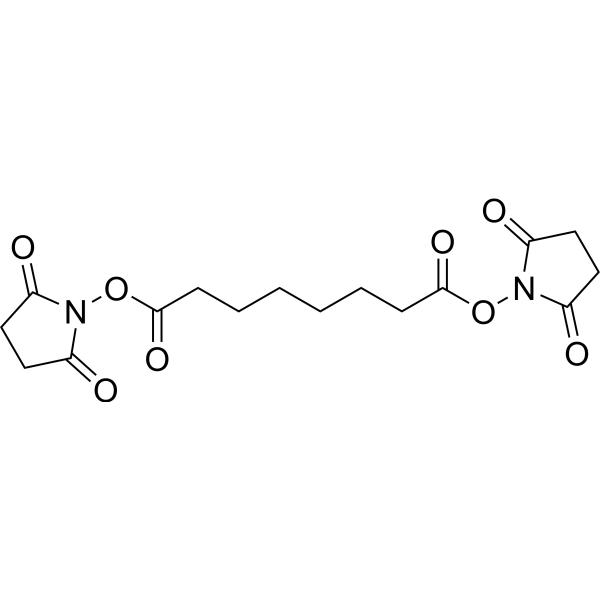
    Disuccinimidyl suberate Crosslinker is an amine-reactive bifunctional protein crosslinker. Disuccinimidyl suberate Crosslinker enables stable protein-protein, peptide, and biomolecule conjugation.
    Disuccinimidyl suberate Crosslinker
  • HY-100487
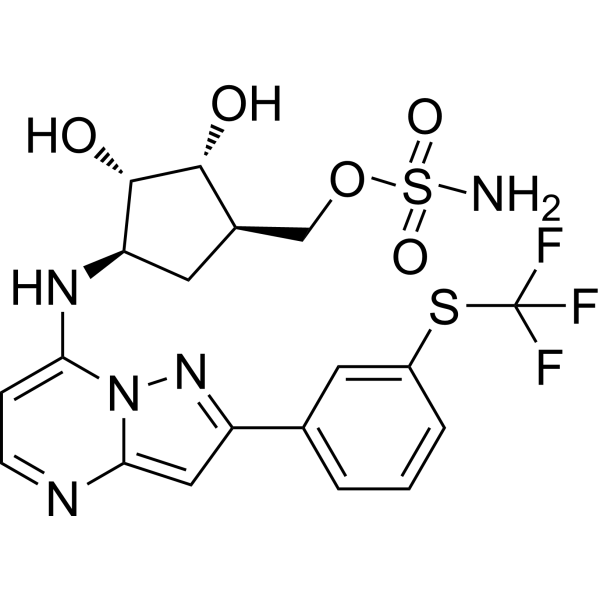
    TAK-243
    Maximum Cited Publications
    83 Publications Verification

    MLN7243

    E1/E2/E3 Enzyme NF-κB Apoptosis Cancer
    TAK-243 (MLN7243) is a first-in-class, selective ubiquitin activating enzyme, UAE (UBA1) inhibitor (IC50=1 nM), which blocks ubiquitin conjugation, disrupting monoubiquitin signaling as well as global protein ubiquitination. TAK-243 (MLN7243) induces endoplasmic reticulum (ER) stress, abrogates NF-κB pathway activation and promotes apoptosis .
    TAK-243
  • HY-114697
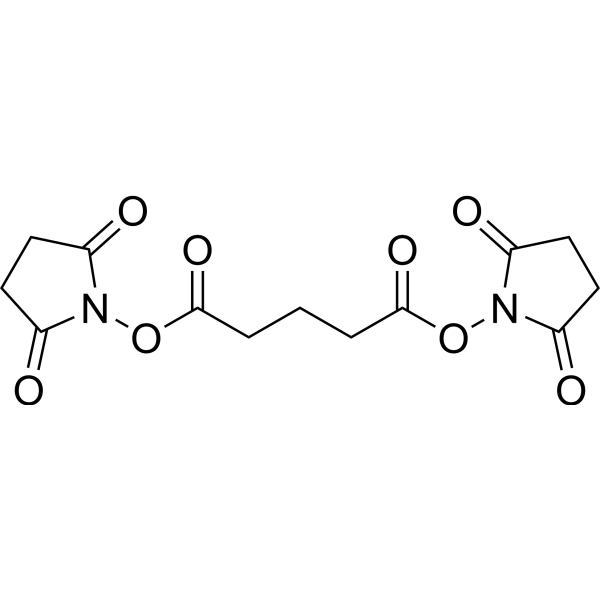
    DSG Crosslinker
    4 Publications Verification

    Disuccinimidyl glutarate

    Biochemical Assay Reagents Inflammation/Immunology
    DSG Crosslinker is an amine-reactive and noncleavable protein crosslinker. DSG Crosslinker enables stable protein-protein, peptide, and biomolecule conjugation.
    DSG Crosslinker
  • HY-124329
    BS3 Crosslinker
    1 Publications Verification

    Biochemical Assay Reagents Cancer
    BS3 Crosslinker is an amine-reactive homobifunctional protein crosslinker. BS3 Crosslinker enables stable protein-protein, peptide, and biomolecule conjugation.
    BS3 Crosslinker
  • HY-118759
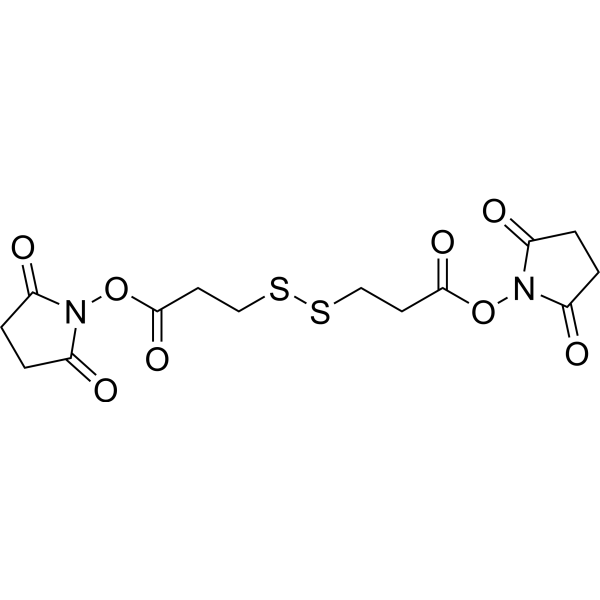
    DSP Crosslinker
    2 Publications Verification

    Biochemical Assay Reagents Inflammation/Immunology
    DSP Crosslinker is an amine-reactive and cleavable protein crosslinker. DSP Crosslinker enables stable protein-protein, peptide, and biomolecule conjugation.
    DSP Crosslinker
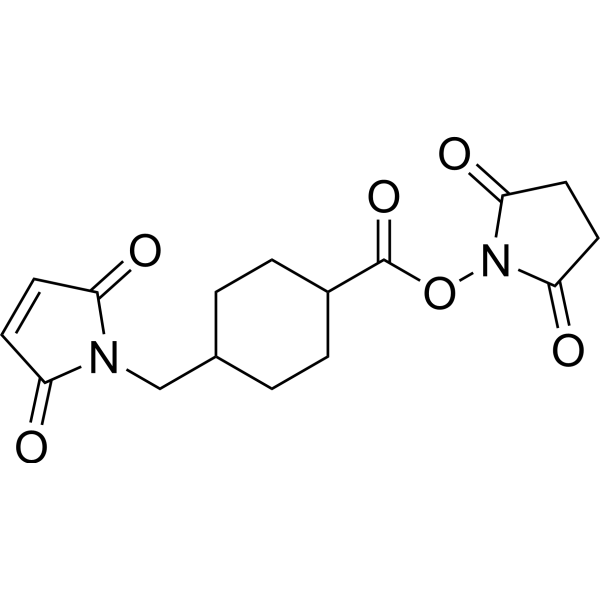
  • HY-42360
    SMCC
    1 Publications Verification

    ADC Linker Cancer
    SMCC is a protein crosslinker. SMCC contains an amine-reactive N-hydroxysuccinimide ester and a sulfhydryl-reactive maleimide group that can be used in the conjugation of proteins. SMCC-conjugated antigen coupled spleen cells to induce antigen-specific immune responses .
    SMCC
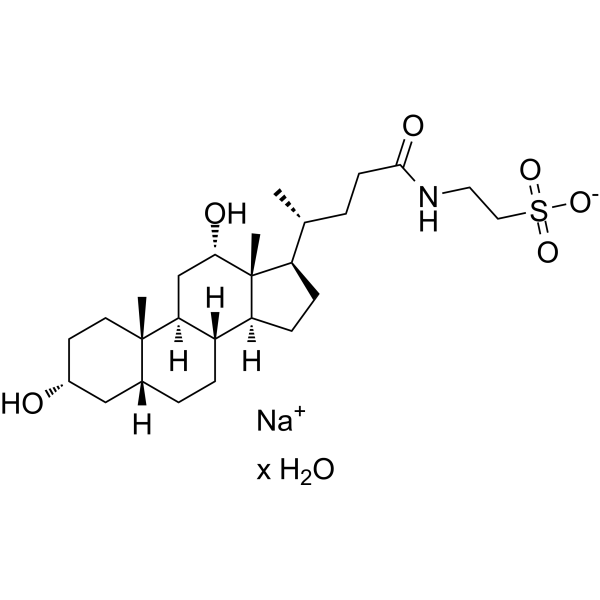
  • HY-128853
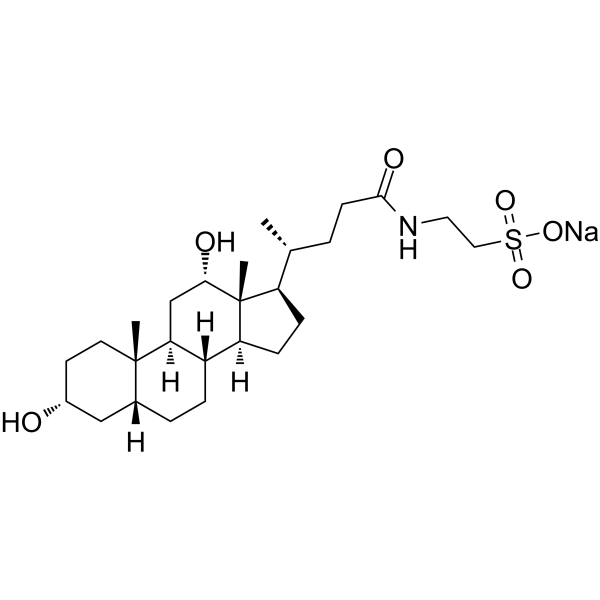
    Taurodeoxycholate sodium
    5+ Cited Publications

    Endogenous Metabolite G protein-coupled Bile Acid Receptor 1 PARP Apoptosis NF-κB PKA Neurological Disease Inflammation/Immunology
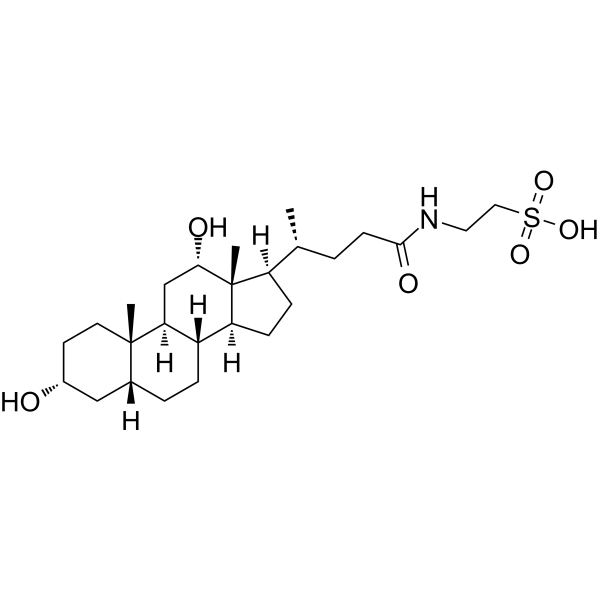
    Taurodeoxycholate sodium salt is a bile salt-related anionic detergent. Taurodeoxycholate sodium salt is formed in the liver by conjugation of deoxycholate with Taurine (HY-B0351). Taurodeoxycholate sodium salt is used for isolation of membrane proteins including inner mitochondrial membrane proteins. Taurodeoxycholate (TDCA) exhibits anti-inflammatory and neuroprotective effects .
    Taurodeoxycholate sodium
  • HY-124329A
    BS3 Crosslinker disodium
    1 Publications Verification

    Biochemical Assay Reagents Cancer
    BS3 Crosslinker disodium is an amine-reactive homobifunctional protein crosslinker. BS3 Crosslinker disodium enables stable protein-protein, peptide, and biomolecule conjugation.
    BS3 Crosslinker disodium
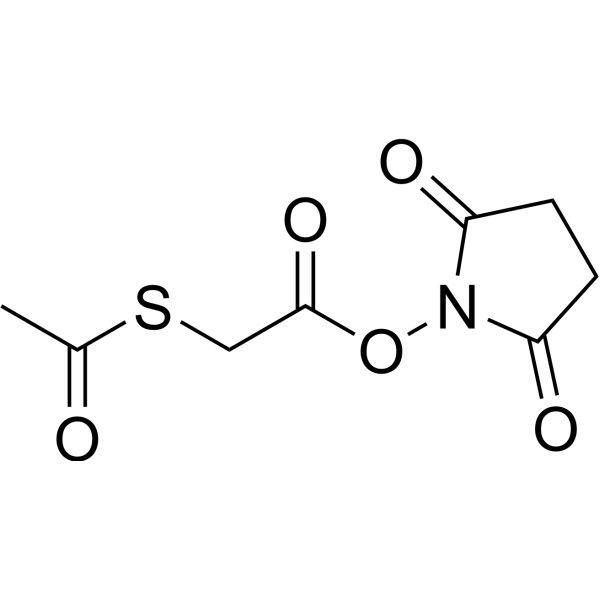
  • HY-135233

    SATA

    Biochemical Assay Reagents Others
    N-Succinimidyl S-acetylthioacetate (SATA) is a protein modifying agent. N-Succinimidyl S-acetylthioacetate adds sulfhydryl groups to proteins and other amine-containing molecules in a protected form. N-Succinimidyl-S-acetylthioacetate can thiolate antibodies, thereby promoting efficient attachment of antibodies to other molecules and exerting conjugation activity. N-Succinimidyl-S-acetylthioacetate can be used in immunoassays such as ELISA studies .
    N-Succinimidyl-S-acetylthioacetate
  • HY-B1899
    Taurodeoxycholic acid
    Maximum Cited Publications
    7 Publications Verification

    Taurodeoxycholate

    Endogenous Metabolite G protein-coupled Bile Acid Receptor 1 PARP Apoptosis NF-κB PKA Neurological Disease Inflammation/Immunology
    Taurodeoxycholate sodium salt is a bile salt-related anionic detergent. Taurodeoxycholic acid is formed in the liver by conjugation of deoxycholate with Taurine (HY-B0351). Taurodeoxycholic acid is used for isolation of membrane proteins including inner mitochondrial membrane proteins. Taurodeoxycholic acid (TDCA) exhibits anti-inflammatory and neuroprotective effects .
    Taurodeoxycholic acid
  • HY-W089835
    Sodium taurodeoxycholate hydrate
    1 Publications Verification

    G protein-coupled Bile Acid Receptor 1 Endogenous Metabolite PARP Apoptosis NF-κB PKA Neurological Disease Inflammation/Immunology
    Sodium taurodeoxycholate hydrate is a bile salt-related anionic detergent. Sodium taurodeoxycholate hydrate is formed in the liver by conjugation of deoxycholate with Taurine (HY-B0351). Sodium taurodeoxycholate hydrate is used for isolation of membrane proteins including inner mitochondrial membrane proteins. Taurodeoxycholate-d6 (TDCA) exhibits anti-inflammatory and neuroprotective effects .
    Sodium taurodeoxycholate hydrate
  • HY-15941
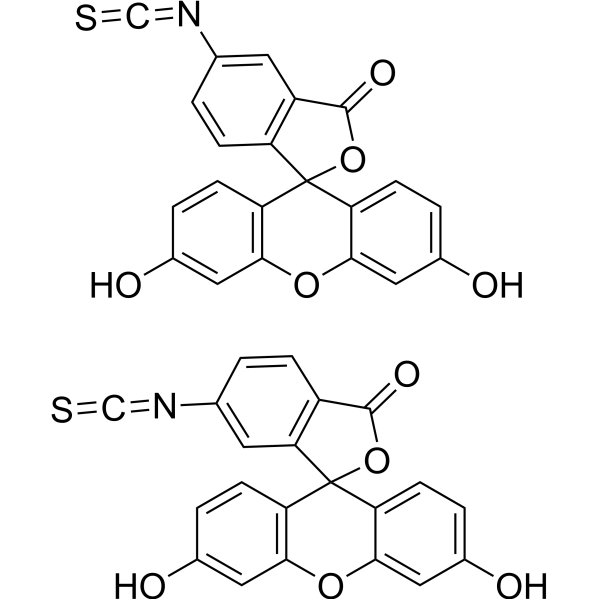
    5(6)-FITC
    2 Publications Verification

    Fluorescein 5(6)-isothiocyanate; Fluorescein isothiocyanate 5- and 6- isomers

    Fluorescent Dye Others
    5(6)-FITC (Fluorescein 5(6)-isothiocyanate) is an amine-reactive derivative of a fluorescent dye, characterized by high absorbance and excellent fluorescence quantum yield. The isothiocyanate group of FITC can react with various functional groups on proteins, including amines, thiols, imidazoles, tyrosines and carbonyls, enabling the labeling of proteins such as antibodies and lectins. 5(6)-FITC has a wide range of applications, including flow cytometry, immunofluorescence, protease assays and conjugation. The maximum excitation/emission wavelengths are 492/518 nm .
    5(6)-FITC
  • HY-P5623A

    RVG29-Cys; RDP-Cys; Rabies Virus Glycoprotein-29-Cys

    RABV Others
    RVG-Cys (RVG29-Cys) is a peptide derived from rabies virus glycoprotein (RVG29) with Cys attached to facilitate subsequent conjugation. RVG-Cys enhances the specific targeted delivery of proteins in brain tissue and neurons .
    RVG-Cys
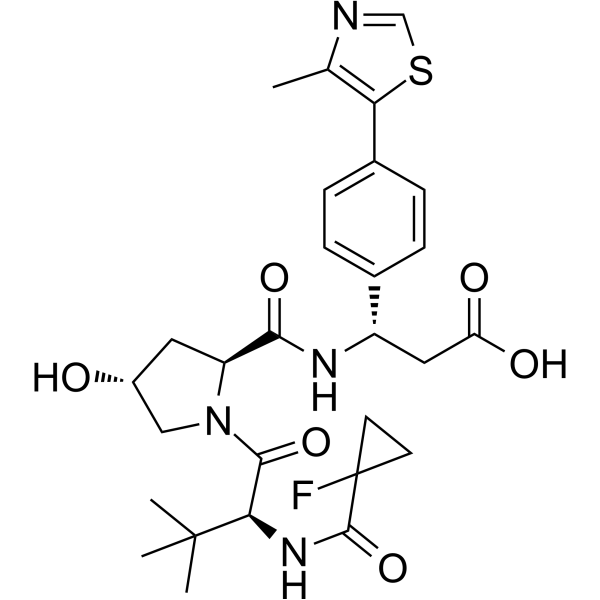
  • HY-47070

    Ligands for E3 Ligase Others
    VH 101, acid is a functionalized von-Hippel-Lindau (VHL) protein ligand for PROTAC research and development. VH 101, acid contains an E3 ligase ligand plus an alkyl linker with terminal amine ready for conjugation to a target protein ligand .
    VH 101, acid
  • HY-48999A
    FSK hydrochloride
    1 Publications Verification

    EGFR Cancer
    FSK hydrochloride is fluorosulfonyloxybenzoyl-L-lysine, which features a long, flexible aryl fluorosulfate-containing side chain that can reach protein sites inaccessible to covalent conjugation. FSK hydrochloride modifies nanomolecules to target epidermal growth factor receptor (EGFR), resulting in irreversibly bound covalent interactions. Through genetically encoded chemical crosslinking, FSK hydrochloride captures unknown enzyme-substrate interactions in living cells, targets residues other than Cys, and mediates crosslinking at the binding periphery. FSK hydrochloride enables the construction of a bioreactive SuFEx system for generating covalent bonds in various proteins both in vitro and in vivo .
    FSK hydrochloride
  • HY-157977

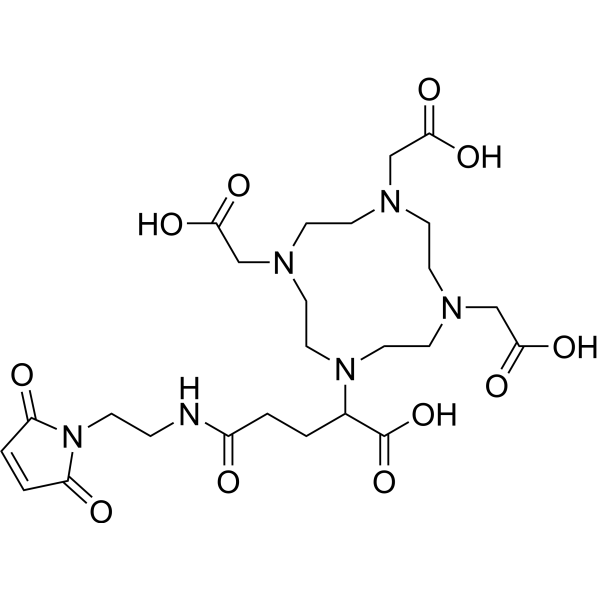
    Biochemical Assay Reagents Radionuclide-Drug Conjugates (RDCs) MMP Cancer
    DOTA-GA-maleimide is a bifunctional chelator with protein conjugation and radiometal chelation capabilities. DOTA-GA-maleimide forms stable complexes with 111In and conjugates with proteins via maleimide chemistry. DOTA-GA-maleimide conjugates with LFn, enabling 111In radiolabeling of LFn through direct or pre-labeling strategies. Radiolabeled LFn is applicable to MMP activity imaging studies. DOTA-GA-maleimide is used in cancer research .
    DOTA-GA-maleimide
  • HY-D1390A

    Fluorescent Dye Others
    Sulfo-Cy5-Mal is a fluorescent dye derivative composed of a CY5 dye and a maleimide functional group. Sulfo-Cy5-Mal specifically covalently binds to thiol-containing (-SH) biomolecules. Sulfo-Cy5-Mal can be used for protein labeling, antibody conjugation, molecular imaging, and drug delivery studies (Ex/Em = 633 nm/670 nm) .
    Sulfo-Cy5-Mal
  • HY-D0892

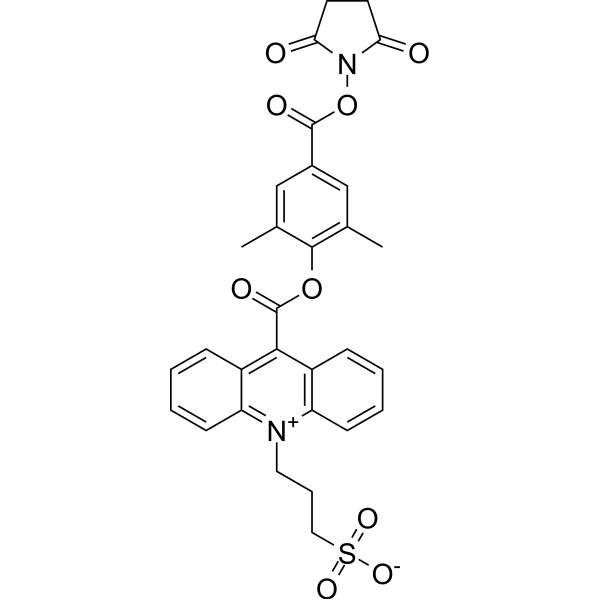
    Biochemical Assay Reagents Cancer
    NSP-DMAE-NHS is an acridinium ester-based signal amplifier that can act as a luminescent probe to effectively improve the detection performance of biosensors. NSP-DMAE-NHS preserves the biochemical activity of biomolecules during the conjugation process. NSP-DMAE-NHS has been successfully applied to label mouse anti-human PI3 monoclonal antibodies for chemiluminescent immunoassays, as well as for pre-competitive chemiluminescent immunochromatographic detection of TP53 fusion proteins. NSP-DMAE-NHS can be used in detection studies of cancer and related biomarkers .
    NSP-DMAE-NHS
  • HY-151645

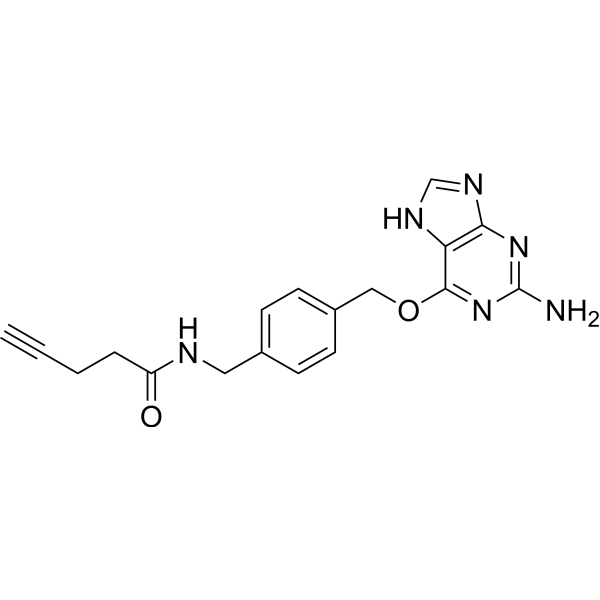
    ADC Linker Others
    Alkyne-SNAP (compound 3) is an Alkyne-conjugated benzylguanine. The benzylguanine moiety reacts with the SNAP-tag, allowing irreversible and covalent labeling of SNAP fusion proteins with an additional alkyne functionality for further click chemistry conjugation .
    Alkyne-SNAP
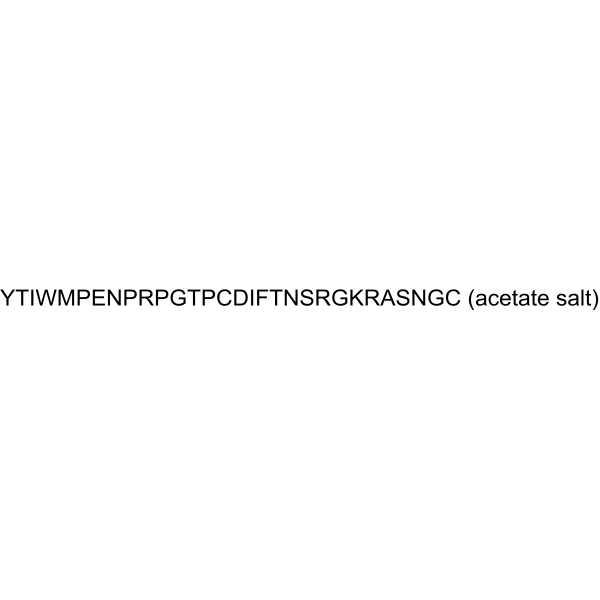
  • HY-P5623A1

    RVG29-Cys acetate; RDP-Cys acetate; Rabies Virus Glycoprotein-29-Cys acetate

    RABV Others
    RVG-Cys (RVG29-Cys) acetate is a peptide derived from rabies virus glycoprotein (RVG29) with Cys attached to facilitate subsequent conjugation. RVG-Cys acetate enhances the specific targeted delivery of proteins in brain tissue and neurons .
    RVG-Cys acetate
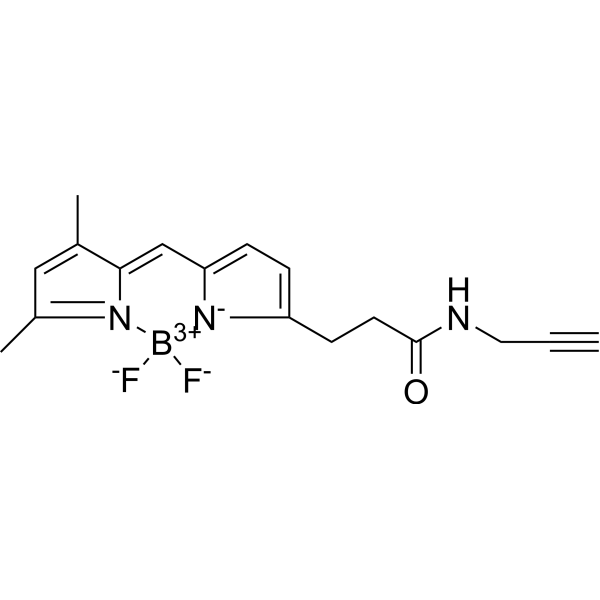
  • HY-114354

    BOD FL alkyne

    Fluorescent Dye Inflammation/Immunology
    BODIPY (BOD) FL alkyne is an alkyne-containing BODIPY fluorophore derivative. BODIPY FL alkyne is a bioorthogonal labeling reagent with low toxicity and extremely low non-specific reactivity, and it is widely used in fluorescent bioimaging. BODIPY FL alkyne specifically labels azide groups on intracellular glycoconjugates mainly via strain-promoted azide-alkyne cycloaddition (SPAAC), or mediates site-specific conjugation with proteins such as IL-33, and supports positive cross-linking with other probes (e.g., DBCO-SCy5) for dual labeling. With the advantages of high specificity and low background interference, BODIPY FL alkyne can be used in the research of related diseases such as asthma, atopic dermatitis and inflammatory bowel disease .
    BODIPY FL alkyne
  • HY-W410002

    E3 Ligase Ligand-Linker Conjugates Cancer
    Pomalidomide-propargyl contains an E3 ligand and a terminal alkyl group ready for click conjugation. Pomalidomide-propargyl is ready for conjugation to target proteins for PROTAC.
    Pomalidomide-propargyl
  • HY-W106411

    Dithio-bis-maleimidoethane

    Biochemical Assay Reagents Others
    DTME (dithio-bis-maleimidoethane) is a homobifunctional, maleimide crosslinker specifically designed for conjugation between sulfhydryl groups (-SH). DTME, whose molecular structure consists of two maleimide groups connected by an ethylene disulfide bridge, can specifically react with thiol - containing molecules (such as cysteine residues) to form stable covalent bonds. DTME allows crosslinks that can be cleaved with reducing agents such as DTT (HY-15917). DTME is commonly utilized to explore and characterize protein structure, particularly oligomerization, or protein interactions .
    DTME
  • HY-151646

    Alkyne-PEG5-BG

    ADC Linker Others
    Alkyne-PEG5-SNAP is a click chemistry reagent containing an alkyne group. Alkyne-PEG5-SNAP can alkyne conjugated benzylguanine (BG), the BG moiety reacts specifically and rapidly with SNAP-tag, a polypeptide protein tag, allowing irreversible and covalent labeling of SNAP fusion proteins with an additional alkyne functionality suitable for further conjugation . Alkyne-PEG5-SNAP is a click chemistry reagent, it contains an Alkyne group and can undergo copper-catalyzed azide-alkyne cycloaddition (CuAAc) with molecules containing Azide groups.
    Alkyne-PEG5-SNAP
  • HY-163167

    E3 Ligase Ligand-Linker Conjugates Others
    VH 032 amide-alkylC5-amine is a functionalized von-Hippel-Lindau protein ligand (VHL) for PROTAC research and development; incorporates an E3 ligase ligand plus an alkyl linker with terminal amine ready for conjugation to a target protein ligand .
    VH 032 amide-alkylC5-azide
  • HY-136005

    E3 Ligase Ligand-Linker Conjugates Others
    VH032-C7-COOH is a functionalized von-Hippel-Lindau (VHL) protein ligand for PROTAC research and development. VH032-C7-COOH contains an E3 ligase ligand and an alkyl linker with a terminal amine for conjugation of target protein ligands .
    VH032-C7-COOH
  • HY-161560

    Biochemical Assay Reagents Inflammation/Immunology
    Tacrolimus/BSA is the antigen-adjuvant conjugate formed by the conjugation of Tacrolimus (HY-13756) with Bovine Serum Albumin (BSA). By conjugating the antigen with a protein adjuvant, it can enhance the production of antigen-specific antibodies in vaccine models. The conjugate does not affect protein folding or disrupt major epitopes, and it can enhance cross-presentation and the generation of antigen-specific T cells.
    Tacrolimus/BSA
  • HY-W012166

    NHS-Bromoacetate

    Biochemical Assay Reagents Infection
    N-Succinimidyl bromoacetate (NHS-Bromoacetate) is a heterobifunctional crosslinking reagent, mainly used to modify the ɛ-amino group of lysine side chains. By covalently linking its bromoacetyl moiety to the ɛ-amino group of lysine in peptidomimetics, N-Succinimidyl bromoacetate enables their conjugation with thiol-modified nanoparticles via thioether bonds. N-Succinimidyl bromoacetate also performs bromoacetylation modification on carrier proteins, which then forms stable thioether bonds with the thiol groups of cysteine in peptides, thus efficiently preparing soluble peptide-protein conjugates with high substitution ratios. N-Succinimidyl bromoacetate can be used to prepare activated Sepharose derivatives for affinity chromatography, protein affinity labeling reagents, and peptide-protein immunogen conjugates with non-immunogenic linkages. N-Succinimidyl bromoacetate is applicable to studies related to HIV-1 infection and glioblastoma multiforme .
    N-Succinimidyl bromoacetate
  • HY-155887

    DSPE-PEG-NH2, MW 3400 ammonium

    Liposome Cancer
    DSPE-PEG-Amine (DSPE-PEG-NH2), MW 3400 ammonium is an amino-functionalized PEGylated phospholipid. It serves not only as a key component for preparing σ receptor-targeted liposomes (such as anisamide-modified lipids) but also as a starting material for synthesizing click chemistry- and tumor-targeted lipids including DSPE-PEG-DBCO (HY-155788) and DSPE-PEG2000-TCO (HY-170704). DSPE-PEG-Amine, MW 3400 ammonium effectively modulates the ζ potential of nanoparticles, enables complexation with nucleic acids or proteins to protect DNA from nuclease degradation, and supports ligand conjugation on the nanoparticle surface. It is used in studies related to DU-145 tumors, breast cancer, and other relevant research .
    DSPE-PEG-Amine, MW 3400 ammonium
  • HY-P5107

    LMWP; TDSP5

    VEGFR Cancer
    Low molecular weight protamine (LMWP;TDSP5) is a truncated arginine-rich protamine peptide, as well as a heparin/low-molecular-weight heparin antidote and a cell-penetrating delivery carrier. Low molecular weight protamine neutralizes heparin-induced anticoagulant activities, including aPTT, anti-Xa and anti-IIa activities, and also neutralizes anti-Xa activity of commercially available low-molecular-weight heparin preparations. Low molecular weight protamine translocates across mammalian cell membranes, delivers conjugated impermeable molecules across tumor tissues, enhances skin permeability of conjugated epidermal growth factor, and accelerates wound healing when conjugated with epidermal growth factor. Low molecular weight protamine retains the in vitro cell proliferation activity of conjugated EGF, and also enables site-specific conjugation with peptides or proteins via genetic recombination. Low molecular weight protamine can be used in studies related to colon adenocarcinoma, skin wounds and diabetic skin wounds .
    Low molecular weight protamine
  • HY-W1048851B

    4-Arm-PEG10000-Mal

    Biochemical Assay Reagents Others
    4-Arm-PEG10000-Maleimide (4-Arm-PEG10000-Mal) is a four-arm star-shaped multifunctional PEG crosslinker with an average molecular weight of 10 kDa and maleimide terminal groups. 4-Arm-PEG10000-Maleimide efficiently conjugates biomolecules via thiol-Michael reaction, and is widely used in protein modification, antibody-drug conjugation and biomaterial preparation .
    4-Arm-PEG10000-Maleimide
  • HY-B1899R

    Taurodeoxycholate (Standard)

    Reference Standards Endogenous Metabolite G protein-coupled Bile Acid Receptor 1 PARP Apoptosis NF-κB PKA Neurological Disease Inflammation/Immunology
    Taurodeoxycholic acid (Standard) is the analytical standard of Taurodeoxycholic acid. This product is intended for research and analytical applications. Taurodeoxycholate sodium salt is a bile salt-related anionic detergent. Taurodeoxycholic acid is formed in the liver by conjugation of deoxycholate with Taurine (HY-B0351). Taurodeoxycholic acid is used for isolation of membrane proteins including inner mitochondrial membrane proteins. Taurodeoxycholic acid (TDCA) exhibits anti-inflammatory and neuroprotective effects[1][2][3][9][10].
    Taurodeoxycholic acid (Standard)
  • HY-125385

    Endogenous Metabolite Metabolic Disease
    Sulforhodamine 101 DHPE is a fluorescent probe made from the conjugation of the phospholipid 1,2-dipalmitoyl-sn-glycero-3-PE to sulforhodamine 101, a red fluorescent dye that displays excitation/emission spectra of 586/605 nm, respectively. It integrates into phospholipid bilayers and has been used for imaging of solid supported lipid bilayers, detection of protein-ligand binding on bilayers, and to monitor colocalization of lipid probes in liposomes via resonance energy transfer (RET).
    Sulforhodamine 101 DHPE
  • HY-128853S

    Endogenous Metabolite G protein-coupled Bile Acid Receptor 1 PARP Apoptosis NF-κB PKA Neurological Disease Inflammation/Immunology
    Taurodeoxycholate-d6 sodium salt is a bile salt-related anionic detergent. Taurodeoxycholate-d6 sodium salt is formed in the liver by conjugation of deoxycholate with Taurine (HY-B0351). Taurodeoxycholate-d6 sodium salt is used for isolation of membrane proteins including inner mitochondrial membrane proteins. Taurodeoxycholate-d6 (TDCA) exhibits anti-inflammatory and neuroprotective effects .
    Taurodeoxycholate-d6 sodium
  • HY-151640

    ADC Linker Others
    Fmoc-DAP-N3 is a click chemistry reagent containing an azide group. Fmoc-DAP-N3 is a short, linear spacer molecule with Fmoc protected amino function. Fmoc-DAP-N3 can be used in click conjugation and amid bond formation either with small molecules or for bioconjugation with proteins and antibodies . It contains an azide group and can undergo copper-catalyzed azide-alkyne cycloaddition (CuAAc) with molecules containing alkyne groups. It can also undergo ring strain-promoted alkyne-azide cycloaddition (SPAAC) with molecules containing DBCO or BCN groups.
    Fmoc-DAP-N3
  • HY-130547A

    DNA Alkylator/Crosslinker Cancer
    BS2G Crosslinker is an amine-reactive homobifunctional protein crosslinker. BS2G Crosslinker enables stable protein-protein, peptide, and biomolecule conjugation.
    BS2G Crosslinker
  • HY-130547

    DNA Alkylator/Crosslinker Cancer
    BS2G Crosslinker disodium is an amine-reactive homobifunctional protein crosslinker. BS2G Crosslinker disodium enables stable protein-protein, peptide, and biomolecule conjugation.
    BS2G Crosslinker disodium
  • HY-W674324

    E3 Ligase Ligand-Linker Conjugates Cancer
    Thalidomide-5-NH-C-alkyne contains an E3 ligase ligand with a terminal alkyne. Thalidomide-5-NH-C-alkyne is ready for conjugation to target proteins for PROTAC.
    Thalidomide-5-NH-C-alkyne
  • HY-D1390

    Fluorescent Dye Others
    Sulfo-Cy5-Mal potassium is a fluorescent dye derivative composed of a CY5 dye and a maleimide functional group. Sulfo-Cy5-Mal potassium specifically covalently binds to thiol-containing (-SH) biomolecules. Sulfo-Cy5-Mal potassium can be used for protein labeling, antibody conjugation, molecular imaging, and drug delivery studies (Ex/Em = 633 nm/670 nm) .
    Sulfo-Cy5-Mal potassium
  • HY-D2772

    Biochemical Assay Reagents Others
    5-TAMRA cadaverine can used to modify carboxylic acid group in the presence of activators (e.g. EDC, or DCC) or activated esters (e.g. NHS esters) through a stable amide bond. It also can be reversibly coupled to aldehydes and ketones to form a Schiff base – which can be reduced to a generate stable amine derivative by sodium borohydride (NaBH4) or sodium cyanoborohydride (NaCNH3). Although the mixed isomers of 5(6)-TAMRA cadaverine is a preferred, routinely used orange-fluorescent dye for staining proteins, it is rearly used for labeling peptides and nucleotides. Purification of 5(6)-TAMRA labeled peptide and nucleotides might be troublesome due to significant signal broadening in HPLC purification. Peptides and nucleotides labeled with a single isomer TAMRA usually give better resolution in HPLC purification that is often required in the conjugation processes.
    5-TAMRA Cadaverine
  • HY-151837

    ADC Linker Others
    H-L-Phe(4-NH-Poc)-OH (hydrochloride) is a click chemistry reagent containing an azide group. Used as a modified Phe or Tyr analogue in protein and peptide biosynthesis. Propargyloxycarbonyl, commonly abbreviated as Poc or Pryoc, can either be used as alkyne component for standard Click conjugation or in combination with tetrazine linkers in copper-free Diels-Alder type Click reactions. It also has applications as unusual protecting group for amines, hydroxy functions and as esters. All 3 are stable to neat TFA, but can be cleaved at ambient temperature with Co2(CO)8 in TFA:DCM. Deprotection with other transition metals like palladium have also been reported . H-L-Phe(4-NH-Poc)-OH (hydrochloride) is a click chemistry reagent, it contains an Alkyne group and can undergo copper-catalyzed azide-alkyne cycloaddition (CuAAc) with molecules containing Azide groups.
    H-L-Phe(4-NH-Poc)-OH hydrochloride
  • HY-P5107A

    LMWP acetate; TDSP5 acetate

    VEGFR Cancer
    Low molecular weight protamine acetate (LMWP acetate;TDSP5 acetate) is a truncated arginine-rich protamine peptide, which also acts as an antidote for heparin/low molecular weight heparin and a cell-penetrating delivery vector. Low molecular weight protamine acetate neutralizes heparin-induced anticoagulant activities, including aPTT, anti-Xa and anti-IIa activities. Low molecular weight protamine acetate translocates across mammalian cell membranes, delivers conjugated impermeable molecules through tumor tissues, enhances the skin permeability of conjugated epidermal growth factor, and accelerates wound healing when conjugated with epidermal growth factor. Low molecular weight protamine acetate retains the in vitro cell proliferation activity of conjugated EGF, and also enables site-specific conjugation with peptides or proteins via genetic recombination. Low molecular weight protamine acetate can be used in studies related to colon cancer, skin wounds and diabetic skin wounds .
    Low molecular weight protamine acetate
  • HY-P10070

    Drug Intermediate Others
    Ac-pSar16-OH is a polysarcosine which can replace PEG for therapeutic protein conjugation .
    Ac-pSar16-OH
  • HY-157174

    Others Inflammation/Immunology
    Mannosamine-desthiobiotin adduct (compound MDTBA) is a carrier immunogenicity-reducing hapten that reduces the immunogenicity of protein carriers upon conjugation to available free amines on the carrier protein surface. Conjugation of Mannosamine-desthiobiotin adduct to hsIgG significantly (>1-fold) reduced the immunogenicity of hsIgG. Mannosamine-desthiobiotin adduct can be used in antigen design research .
    Mannosamine–desthiobiotin adduct
  • HY-118759S

    Isotope-Labeled Compounds Biochemical Assay Reagents Others
    DSP Crosslinker-d8 is the deuterium labeled DSP Crosslinker (HY-118759). DSP Crosslinker is an amine-reactive and cleavable protein crosslinker. DSP Crosslinker enables stable protein-protein, peptide, and biomolecule conjugation.
    DSP Crosslinker-d8
  • HY-114697S

    Disuccinimidyl glutarate-d4

    Isotope-Labeled Compounds Biochemical Assay Reagents Others
    DSG Crosslinker-d4 (Disuccinimidyl glutarate-d4) is the deuterium labeled DSG Crosslinker (HY-114697). DSG Crosslinker is an amine-reactive and noncleavable protein crosslinker. DSG Crosslinker enables stable protein-protein, peptide, and biomolecule conjugation.
    DSG Crosslinker-d4
  • HY-W705390

    Biochemical Assay Reagents Others
    Disuccinimidyl suberate Crosslinker-d4 is the deuterium labeled Disuccinimidyl suberate Crosslinker (HY-W019543). Disuccinimidyl suberate Crosslinker is an amine-reactive bifunctional protein crosslinker. Disuccinimidyl suberate Crosslinker enables stable protein-protein, peptide, and biomolecule conjugation.
    Disuccinimidyl suberate Crosslinker-d4
  • HY-P10697B

    LDLR Metabolic Disease
    H-PEG6-VH4127-NH2 is a VH4127 (HY-P10697) derivative that facilitates further conjugation with proteins .
    H-PEG6-VH4127-NH2
  • HY-160473A

    Microtubule/Tubulin Cancer
    TAM557 TFA is a cytotoxic tubulysin compounds, which is modified to be used for conjugation to transport vehicles that are targeting molecules, such as proteins, peptides, small molecules or polymeric carriers which can carry a targeting principle .
    TAM557 TFA
  • HY-128853R

    Reference Standards Endogenous Metabolite G protein-coupled Bile Acid Receptor 1 PARP Apoptosis NF-κB PKA Neurological Disease Inflammation/Immunology
    Taurodeoxycholate sodium salt (Standard) is a bile salt (Standard)-related anionic detergent. Taurodeoxycholate sodium salt (Standard) is formed in the liver by conjugation of deoxycholate with Taurine (HY-B0351). Taurodeoxycholate sodium salt (Standard) is used for isolation of membrane proteins including inner mitochondrial membrane proteins. Taurodeoxycholate (TDCA) exhibits anti-inflammatory and neuroprotective effects .
    Taurodeoxycholate sodium salt (Standard)

Inquiry Online

Your information is safe with us. * Required Fields.

Salutation


Country or Region *

Applicant Name *


Organization Name *

Department *


Email Address *


Product Name *

Cat. No.


Requested quantity *

Phone Number *


Remarks

Inquiry Online

Inquiry Information

Product Name:
Cat. No.:
Quantity:
MCE Japan Authorized Agent:

