
1. Search Result
Search Result
Results for "

scavenges hydroxyl radical

" in MedChemExpress (MCE) Product Catalog:

47

Inhibitors & Agonists

3

Biochemical Assay Reagents

1

Peptides

22

Natural
Products

9

Isotope-Labeled Compounds

1

Oligonucleotides

Cat. No. Product Name Target Research Areas Chemical Structure
  • HY-108749
    Olive oil
    5+ Cited Publications

    Cropure OL

    Environmental Pollutants Xanthine Oxidase Cardiovascular Disease Metabolic Disease Inflammation/Immunology Cancer
    Olive oil (Cropure OL) is an oleaginous compound found in the fruit of the Olea europaea tree . Olive oil contains many phenolic components and exerts antioxidant activity. Olive oil exhibits hydroxyl radical scavenging, platelet aggregation inhibition and xanthine oxidase inhibitory activity. Olive oil can promote wound healing and relieve inflammation. Olive oil can be used for the research of inflammation, cancer, metabolic and cardiovascular disease, such as diabetic foot ulcers and inflammatory bowel disease .
    Olive oil
  • HY-B2196
    Gastric mucin
    3 Publications Verification

    Antibiotic Bacterial Infection Metabolic Disease
    Gastric mucin is a glycoprotein with natural antibiotic function. Gastric mucin against Helicobacter pylori infection. Gastric mucin effectively scavenges hydroxyl radical. Gastric mucin play a major role in the protection of the gastrointestinal tract from acid, proteases, pathogenic microorganisms, and mechanical trauma .
    Gastric mucin
  • HY-N7075
    Inulin
    4 Publications Verification

    Endogenous Metabolite Infection Neurological Disease Metabolic Disease Cancer
    Inulin is an orally active prebiotic targeting the intestinal microbiota, selectively promoting the proliferation and activity of beneficial bacteria such as bifidobacteria and lactic acid bacteria, and playing a role in regulating the intestinal microecology. The functions of Inulin include: Fermentation by probiotics in the colon to produce short-chain fatty acids (such as butyrate and propionate), lowering the intestinal pH and inhibiting the overgrowth of harmful bacteria; Enhancing the intestinal barrier function and reducing endotoxin translocation; Directly scavenging free radicals (such as superoxide free radicals, hydroxyl free radicals) and activating antioxidant enzymes (SOD, CAT) to reduce oxidative stress. Inulin can also be used in the study of intestinal diseases (constipation, IBD), metabolic syndrome (diabetes, obesity) and liver damage by regulating glucose and lipid metabolism (such as reducing triglycerides, improving insulin sensitivity) and immune response (enhancing NK cell activity, inhibiting inflammatory factors)[1][2][3][4].
    Inulin
  • HY-W014423
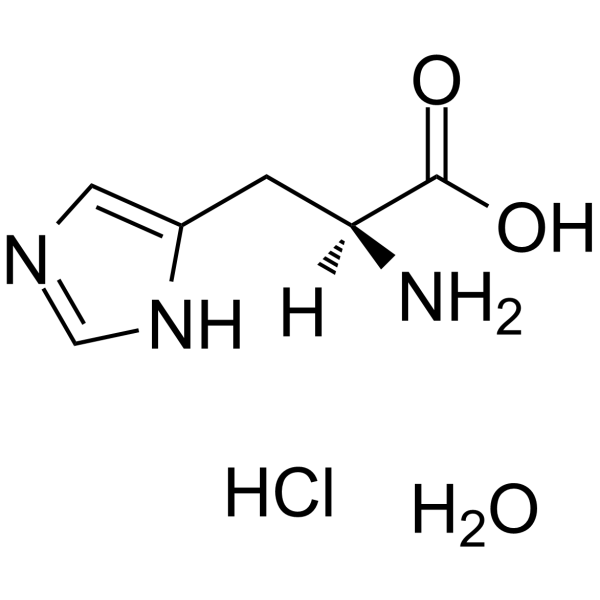
    L-Histidine hydrochloride hydrate
    3 Publications Verification

    H-His-OH.HCl.H2O

    Endogenous Metabolite Apoptosis Reactive Oxygen Species (ROS) Inflammation/Immunology Cancer
    L-Histidine hydrochloride hydrate is an endogenous metabolite. L-Histidine hydrochloride hydrate scavenges hydroxyl radicals and singlet oxygen, regulate the absorption of zinc, copper and iron, exhibits anti-inflammatory and antioxidant activities. L-Histidine hydrochloride hydrate is blood brain barrier penetrable .
    L-Histidine hydrochloride hydrate
  • HY-N13022
    Humic acid
    1 Publications Verification

    Environmental Pollutants Bacterial SOD Inflammation/Immunology Cancer
    Humic acid is an important component of organic matter in soil and water, and serves as a plant regulator. Humic acid has multiple reactive activities such as surface adsorption, ion exchange, and complexation. Humic acid can enhance pyrene degradation by Mycobacterium NJS-1. Humic acid can inhibit the activity of superoxide dismutase and scavenge hydroxyl radicals. Humic acid is also toxic to CEM cells .
    Humic acid
  • HY-W027951
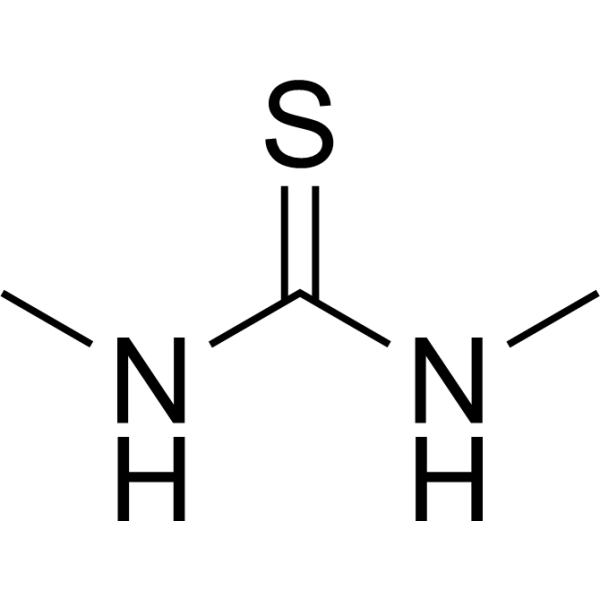
    N,N'-Dimethylthiourea
    1 Publications Verification

    DMTU

    Environmental Pollutants Reactive Oxygen Species (ROS) Inflammation/Immunology
    N,N'-Dimethylthiourea (DMTU), isolated from Allium sativum, is an orally active scavenger of hydroxyl radical (•OH) and blocks •OH production by activated neutrophils in vitro. N,N'-Dimethylthiourea protects against water-immersion restraint stress (WIRS)-induced gastric mucosal lesions in rats by exerting its antioxidant action including •OH scavenging and anti-inflammatory action .
    N,N'-Dimethylthiourea
  • HY-N0448
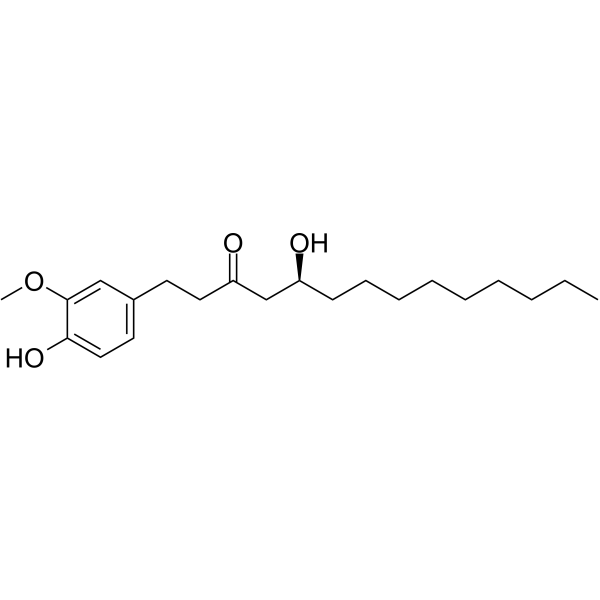
    10-Gingerol
    4 Publications Verification

    AMPK Reactive Oxygen Species (ROS) Akt PI3K Interleukin Related TNF Receptor Apoptosis Neurological Disease Inflammation/Immunology Cancer
    10-Gingerol is an AMPK agonist, which is found in the ginger oleoresin from fresh rhizome with anti-inflammatory, antioxidant and anti-proliferative activities. 10-Gingerol suppresses neointimal hyperplasia and inhibits vascular smooth muscle cell proliferation. 10-Gingerol exhibits substantial scavenging activities with an IC50 value of 10.47 μM against DPPH radical, an IC50 value of 1.68 μM against superoxide radical and an IC50 value of 1.35 μM against hydroxyl radical. 10-Gingerol inhibits the proliferation of MDA-MB-231 tumor cell line with an IC50 of 12.1 μM. 10-Gingerol suppresses the proliferation, migration, invasion, and induced apoptosis through targeting the PI3K/Akt signaling pathway in MDA-MB-231/IR cells. 10-Gingerol can be used in research on various common cancers such as ovarian cancer and colon cancer, as well as colitis and neurodegenerative diseases .
    10-Gingerol
  • HY-N4168A

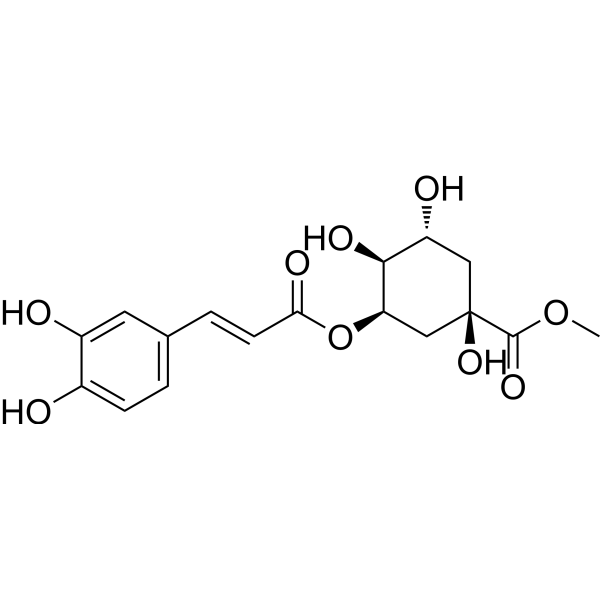
    5-O-Caffeoylquinic acid methyl ester

    Quinone Reductase HBV Infection Cancer
    Neochlorogenic acid (5-O-Caffeoylquinic) methyl ester is a selective quinone reductase inducer (EC50 = 6.7 μM) and also exhibits hydroxyl radical scavenging activity (EC50 = 0.81 μM). Neochlorogenic acid methyl ester scavenges hydroxyl radicals by donating electrons or hydrogen atoms, while simultaneously inducing quinone reductase expression to enhance carcinogen detoxification, thus exerting antioxidant and cancer chemopreventive activities. Neochlorogenic acid methyl ester is used in research on antioxidant damage and promoting detoxification metabolism, primarily in the fields of cancer chemotherapy and antioxidant-related diseases. Neochlorogenic acid methyl ester is also an HBV inhibitor and can be isolated from the flower buds of *L. japonica* .
    Neochlorogenic acid methyl ester
  • HY-N9497

    Galectin Fungal Infection
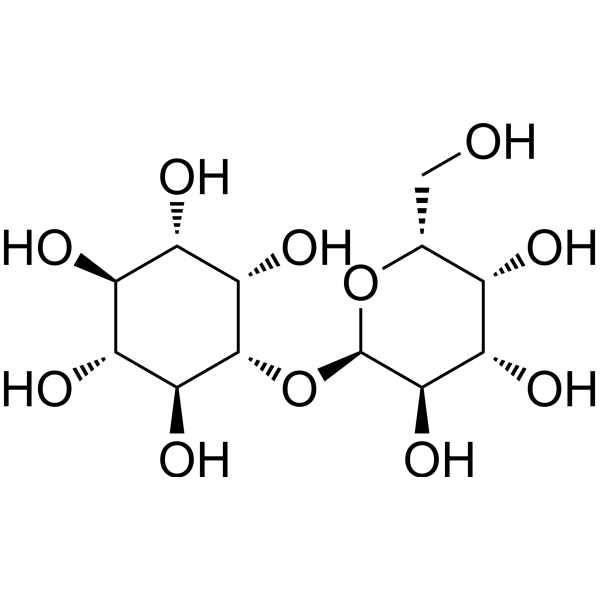
    Galactinol is a disaccharide carbohydrate serving as a galactosyl donor, which belongs to the raffinose family oligosaccharide pathway and acts as an important osmoprotectant. Galactinol not only induces disease resistance in plants against fungal and bacterial pathogens, but also significantly enhances plant tolerance to abiotic stresses such as drought, high salinity, low temperature and oxidative damage. In addition, Galactinol has the ability to scavenge hydroxyl radicals, can act as a signaling component for root colonization-induced systemic resistance, and is positively correlated with seed longevity in various crops, making it a potential biomarker for evaluating seed vigor. Therefore, Galactinol can be used in the research of various plant diseases including fungal leaf spot, bacterial angular leaf spot, gray mold and soft rot .
    Galactinol
  • HY-W047187

    Xanthine Oxidase NO Synthase TNF Receptor Others
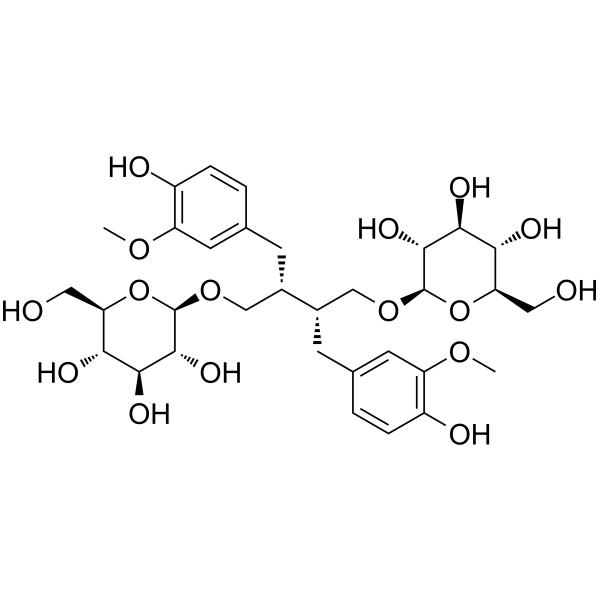
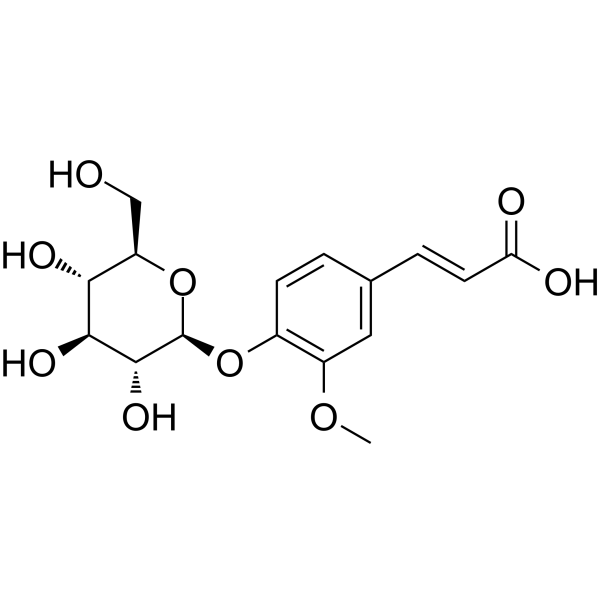
    Lavandoside is an ABTS ?+ free radical scavenger and a moderate inhibitor of xanthine oxidase (XO), with an IC50 of 71.6 μM for inhibiting NO production in LPS-induced macrophages. Lavandoside exerts its antioxidant and potential anti-inflammatory effects by directly scavenging free radicals and inhibiting XO activity, a mechanism related to the hydroxyl groups in its molecular structure. Lavandoside can be isolated from lavender and can be used in the development of natural antioxidants and in research on oxidative stress-related diseases and inflammation-related diseases .
    Lavandoside
  • HY-N3847

    Eriodictyol 7-O-β-D-glucoside

    Keap1-Nrf2 Neurological Disease
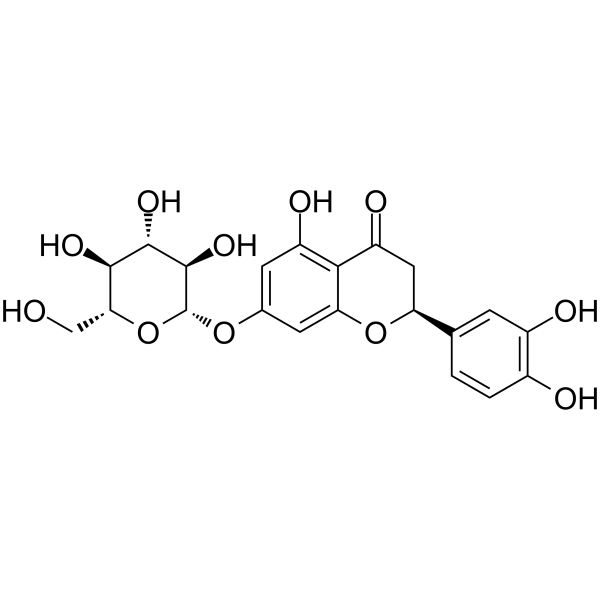
    Eriodictyol-7-O-glucoside (Eriodictyol 7-O-β-D-glucoside), a flavonoid, is an Nrf2 activator. Eriodictyol-7-O-glucoside exhibits significant scavenging effects on both hydroxyl radicals and superoxide anions, with IC50 values of 0.28 mM and 0.30 mM, respectively. Eriodictyol-7-O-glucoside increases the nuclear localization of Nrf2 and induces the expression of the Nrf2/ARE-dependent genes. Eriodictyol-7-O-glucoside provides protection against oxygen and glucose deprivation (OGD)-induced oxidative insult. Eriodictyol-7-O-glucoside demonstrates neuroprotective efficacy in a rat model of focal cerebral ischemia (MCAO). Eriodictyol-7-O-glucoside can be used for the study of stroke .
    Eriodictyol-7-O-glucoside
  • HY-W014423S2

    H-His-OH-13C6 hydrochloride hydrate

    Isotope-Labeled Compounds Apoptosis Reactive Oxygen Species (ROS) Endogenous Metabolite Inflammation/Immunology Cancer
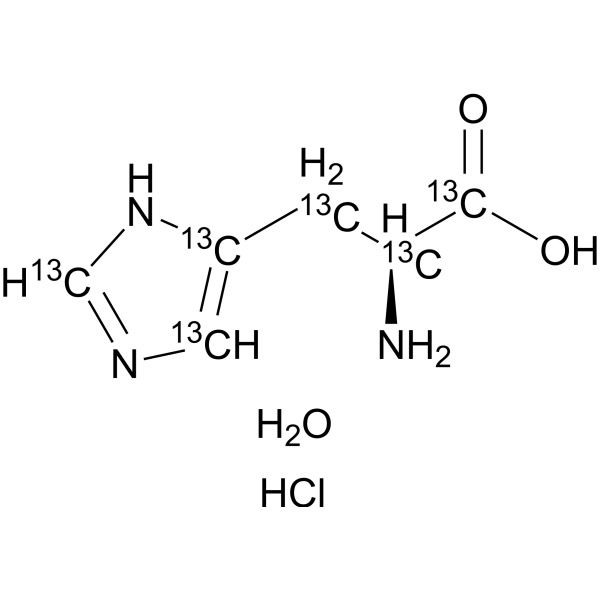
    L-Histidine- 13C6 (hydrochloride hydrate) is the 13C-labeled L-Histidine hydrochloride hydrate (HY-W014423). L-Histidine hydrochloride hydrate is an endogenous metabolite. L-Histidine hydrochloride hydrate scavenges hydroxyl radicals and singlet oxygen, regulate the absorption of zinc, copper and iron, exhibits anti-inflammatory and antioxidant activities. L-Histidine hydrochloride hydrate is blood brain barrier penetrable .
    L-Histidine-13C6 hydrochloride hydrate
  • HY-G0004

    3-Hydroxyacetaminophen

    Drug Metabolite Inflammation/Immunology
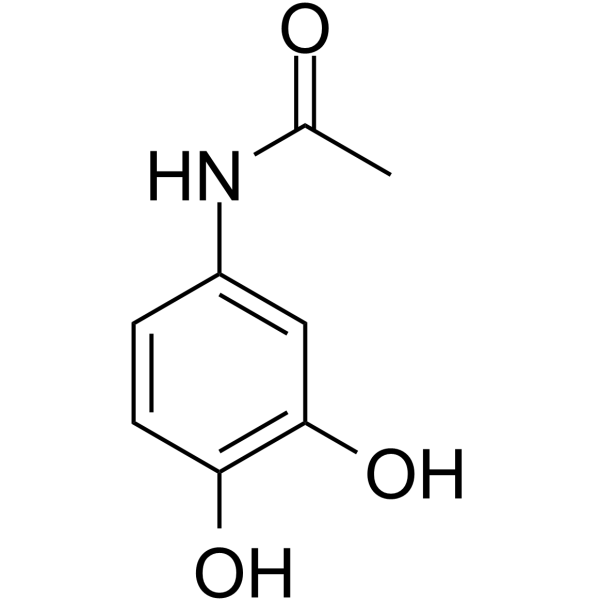
    Acetaminophen metabolite 3-hydroxy-acetaminophen (3-Hydroxyacetaminophen) is a non-toxic metabolite and antioxidant of acetaminophen (HY-66005) with free radical scavenging activity. Acetaminophen metabolite 3-hydroxy-acetaminophen can reduce oxidative damage by exerting electron donation ability and antioxidant activity through phenolic hydroxyl groups. 3-hydroxy-acetaminophen can be used to study the toxicity mechanism and drug metabolism of acetaminophen .
    Acetaminophen metabolite 3-hydroxy-acetaminophen
  • HY-P4280

    H-Arg-Tyr-OH

    Reactive Oxygen Species (ROS) Others
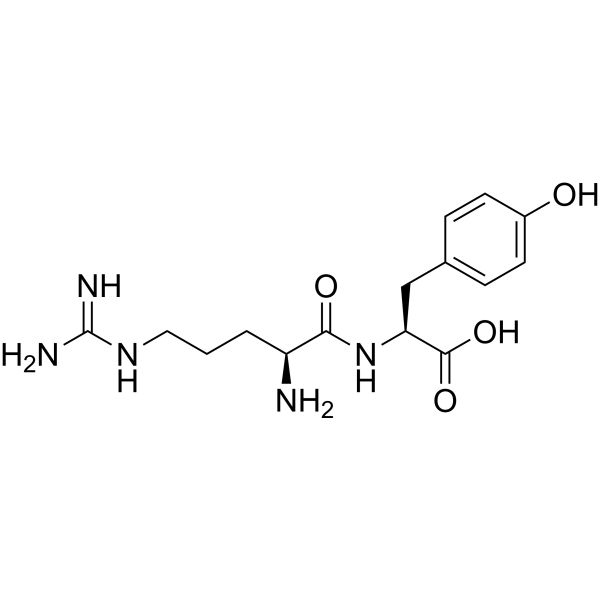
    Arg-Tyr is a dipeptide which has strong hydroxyl-radical and hydrogen-peroxide scavenging activity .
    Arg-Tyr
  • HY-N2625A

    Cytochrome P450 Cancer
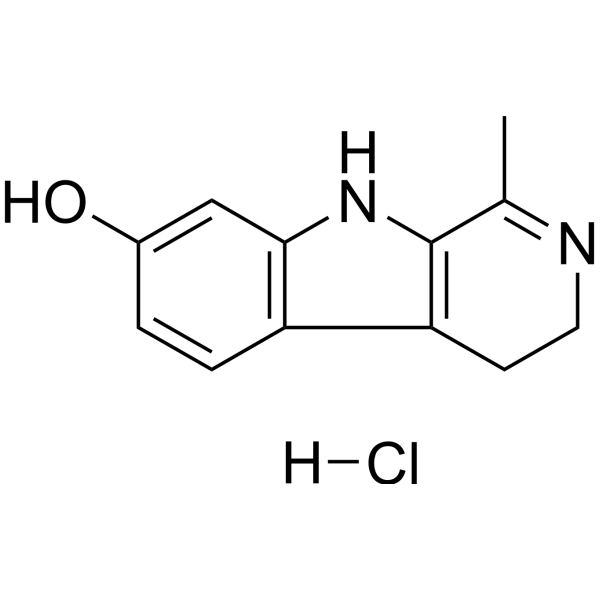
    Harmalol hydrochloride, a beta carboline alkaloid, presents in several medicinal plants such as Peganum harmala. Harmalol hydrochloride, main metabolite of Harmaline, significantly inhibits the dioxin-mediated induction of CYP1A1 at the transcriptional and posttranslational levels. Harmalol hydrochloride possesses antioxidant and hydroxyl radical-scavenging properties .
    Harmalol hydrochloride
  • HY-W021267

    Reactive Oxygen Species (ROS) Inflammation/Immunology
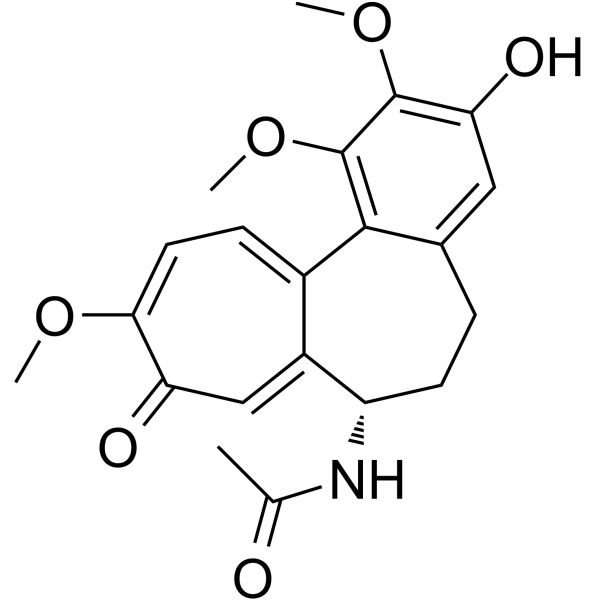
    3-Demethylcolchicine, a colchicine metabolite and anti-inflammatory agent, exhibits potent tubulin-binding activity. 3-Demethylcolchicine inhibits carrageenan-induced rat paw edema. 3-Demethylcolchicine bears a hydroxyl group on its carbocyclic ring; this group participates in free radical scavenging processes, allowing it to act as a free radical scavenger. 3-Demethylcolchicine is applicable to studies related to carrageenan-induced paw edema .
    3-Demethylcolchicine
  • HY-W014423S3

    H-His-OH-13C6,15N3 hydrochloride hydrate

    Isotope-Labeled Compounds Apoptosis Reactive Oxygen Species (ROS) Endogenous Metabolite Inflammation/Immunology Cancer
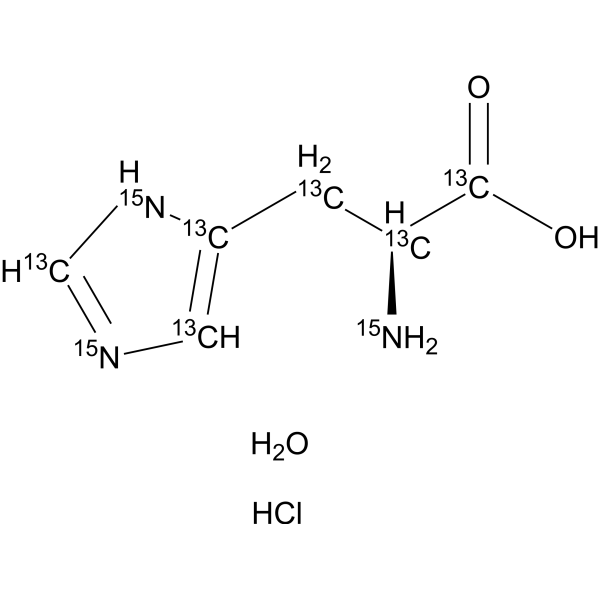
    L-Histidine- 13C6, 15N3 hydrochloride hydrate is the 13C- and 15N-labeled L-Histidine hydrochloride hydrate (HY-W014423). L-Histidine hydrochloride hydrate is an endogenous metabolite. L-Histidine hydrochloride hydrate scavenges hydroxyl radicals and singlet oxygen, regulate the absorption of zinc, copper and iron, exhibits anti-inflammatory and antioxidant activities. L-Histidine hydrochloride hydrate is blood brain barrier penetrable .
    L-Histidine-13C6,15N3 hydrochloride hydrate
  • HY-126241

    Aldehyde Dehydrogenase (ALDH) Inflammation/Immunology
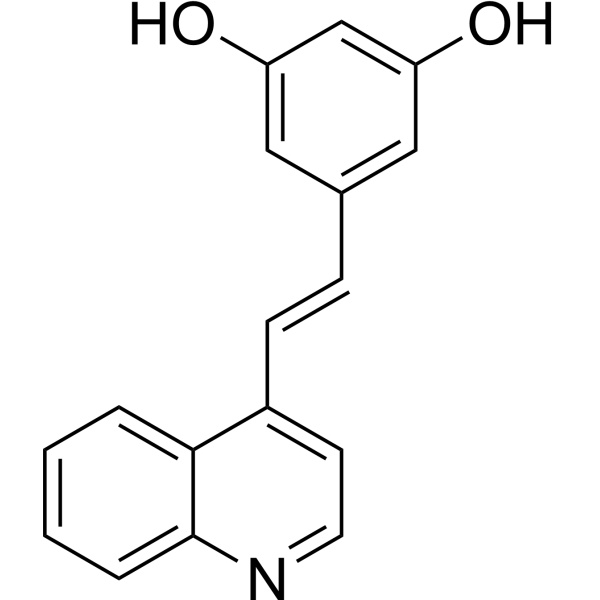
    RV01 is an analogue of resveratrol, inhibits DNA damage, reduces acetaldehyde dehydrogenase 2 (ALDH2) mRNA expression induced by ethanol, and exhibits hydroxyl radical scavenging activity . RV01 decreases iNOS expression, with anti-neuroinflammatory activity .
    RV01
  • HY-N7935

    Reactive Oxygen Species (ROS) Cardiovascular Disease Infection Cancer
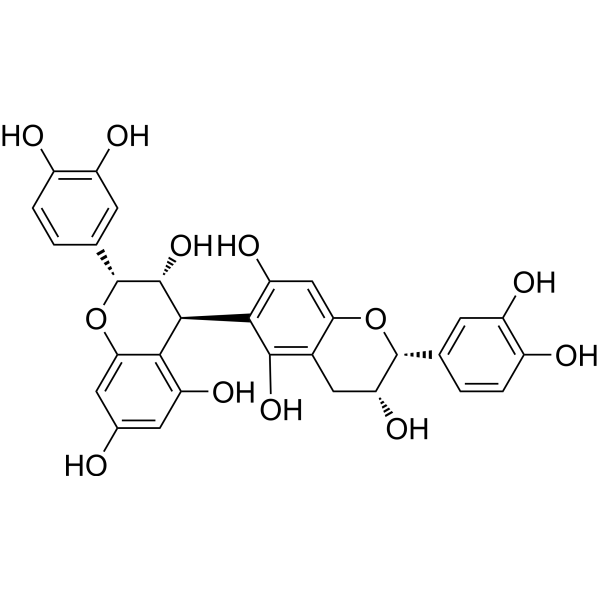
    Procyanidin B5 is an antioxidant with a IC50 of 0.1 mM in lipid peroxidation assays using mouse liver homogenates. Procyanidin B5 scavenges superoxide anions and hydroxyl radicals, and inhibits lipid peroxidation. Procyanidin B5 can be used in research related to cardiovascular diseases, cancer, and malaria .
    Procyanidin B5
  • HY-W014423S4

    H-His-OH-d5 hydrochloride hydrate

    Isotope-Labeled Compounds Apoptosis Reactive Oxygen Species (ROS) Endogenous Metabolite Inflammation/Immunology Cancer
    L-Histidine-d5 hydrochloride hydrate is the deuterium labeled L-Histidine hydrochloride hydrate (HY-W014423). L-Histidine hydrochloride hydrate is an endogenous metabolite. L-Histidine hydrochloride hydrate scavenges hydroxyl radicals and singlet oxygen, regulate the absorption of zinc, copper and iron, exhibits anti-inflammatory and antioxidant activities. L-Histidine hydrochloride hydrate is blood brain barrier penetrable .
    L-Histidine-d5 hydrochloride hydrate
  • HY-W014423S6

    H-His-OH-15N hydrochloride hydrate

    Isotope-Labeled Compounds Apoptosis Reactive Oxygen Species (ROS) Endogenous Metabolite Inflammation/Immunology Cancer
    L-Histidine- 15N hydrochloride hydrate is the 15N-labeled L-Histidine hydrochloride hydrate (HY-W014423). L-Histidine hydrochloride hydrate is an endogenous metabolite. L-Histidine hydrochloride hydrate scavenges hydroxyl radicals and singlet oxygen, regulate the absorption of zinc, copper and iron, exhibits anti-inflammatory and antioxidant activities. L-Histidine hydrochloride hydrate is blood brain barrier penetrable .
    L-Histidine-15N hydrochloride hydrate
  • HY-W014423S

    H-His-OH-13C hydrochloride hydrate

    Isotope-Labeled Compounds Apoptosis Reactive Oxygen Species (ROS) Endogenous Metabolite Inflammation/Immunology Cancer
    L-Histidine- 13C hydrochloride hydrate is the 13C-labeled L-Histidine hydrochloride hydrate (HY-W014423). L-Histidine hydrochloride hydrate is an endogenous metabolite. L-Histidine hydrochloride hydrate scavenges hydroxyl radicals and singlet oxygen, regulate the absorption of zinc, copper and iron, exhibits anti-inflammatory and antioxidant activities. L-Histidine hydrochloride hydrate is blood brain barrier penetrable .
    L-Histidine-13C hydrochloride hydrate
  • HY-76779

    Drug Derivative Cancer
    4-(Chloromethyl)-7-hydroxycoumarin (compound 4) is a hydroxycoumarin derivative with potent antioxidant effect and high hydroxyl radical-scavenging property. 4-(Chloromethyl)-7-hydroxycoumarin contains a methyl group and a chlorine group in the heterocyclic ring. A series of coumarins incorporating hydroxy-, chloro- and/or chloromethyl-moieties has been investigated as potent inhibitors of the zinc enzyme carbonic anhydrase, expecially tumor-associated isoforms CA IX and XII .
    4-(Chloromethyl)-7-hydroxycoumarin
  • HY-132280

    U 74006F free base

    Reactive Oxygen Species (ROS) SARS-CoV Virus Protease Neurological Disease Inflammation/Immunology
    Tirilazad (U 74006F free base) is a neuroprotective agent. Tirilazad can also bind tightly to the main protease of the COVID-19 virus and exert anti-SARS-CoV-2 activity. Tirilazad scavenges hydroxyl and lipid peroxyl free radicals and maintains the levels of endogenous antioxidants. Tirilazad reduces cerebral infarct volume and improves neurobehavioral scores in animal models of focal ischemia. Tirilazad can be used in research related to ischemic stroke and subarachnoid hemorrhage .
    Tirilazad
  • HY-W015229R

    Indole-3-propionic acid (Standard); 3-IPA (Standard)

    Reference Standards Endogenous Metabolite Reactive Oxygen Species (ROS) Neurological Disease Metabolic Disease
    3-Indolepropionic acid (Standard) is the analytical standard of 3-Indolepropionic acid. This product is intended for research and analytical applications. 3-Indolepropionic acid is shown to be a powerful antioxidant and has potential in the treatment for Alzheimer’s disease. In Vitro: 3-Indolepropionic acid is shown to be a powerful antioxidant and has potential in the treatment for Alzheimer’s disease . 3-Indolepropionic acid is a more potent scavenger of hydroxyl radicals than melatonin. Similar to melatonin but unlike other antioxidants, 3-Indolepropionic acid scavenges radicals without subsequently generating reactive and pro-oxidant intermediate compounds . It is also suggested that indolepropionic acid, a gut microbiota-produced metabolite, is a potential biomarker for the development of type 2 diabetes (T2D) that may mediate its protective effect by preservation of β-cell function .
    3-Indolepropionic acid (Standard)
  • HY-135258

    Galectin Fungal Others
    Galactinol dihydrate is a disaccharide carbohydrate serving as a galactosyl donor, which belongs to the raffinose family oligosaccharide pathway and acts as an important osmoprotectant. Galactinol dihydrate not only induces disease resistance in plants against fungal and bacterial pathogens, but also significantly enhances plant tolerance to abiotic stresses such as drought, high salinity, low temperature and oxidative damage. In addition, Galactinol dihydrate has the ability to scavenge hydroxyl radicals, can act as a signaling component for root colonization-induced systemic resistance, and is positively correlated with seed longevity in various crops, making it a potential biomarker for evaluating seed vigor. Therefore, Galactinol dihydrate can be used in the research of various plant diseases including fungal leaf spot, bacterial angular leaf spot, gray mold and soft rot .
    Galactinol dihydrate
  • HY-111314

    5-Hydroxy-1-methylhydantoin

    Reactive Oxygen Species (ROS) Inflammation/Immunology
    NZ 419 (5-Hydroxy-1-methylhydantoin) is a metabolite of creatinine and an antioxidant with oral activity, which has the ability to scavenge hydroxyl radicals (•OH). NZ 419 can inhibit the progression of chronic kidney disease (CKD) in rats .
    NZ 419
  • HY-W014423S7

    H-His-OH-d3 hydrochloride hydrate

    Isotope-Labeled Compounds Apoptosis Reactive Oxygen Species (ROS) Endogenous Metabolite Inflammation/Immunology Cancer
    L-Histidine-d3 hydrochloride hydrate is the deuterium labeled L-Histidine hydrochloride hydrate (HY-W014423). L-Histidine hydrochloride hydrate is an endogenous metabolite. L-Histidine hydrochloride hydrate scavenges hydroxyl radicals and singlet oxygen, regulate the absorption of zinc, copper and iron, exhibits anti-inflammatory and antioxidant activities. L-Histidine hydrochloride hydrate is blood brain barrier penetrable .
    L-Histidine-d3 hydrochloride hydrate
  • HY-W014423S1

    H-His-OH-13C6,15N3,d5 hydrochloride hydrate

    Isotope-Labeled Compounds Endogenous Metabolite Inflammation/Immunology Cancer
    L-Histidine- 13C6, 15N3,d5 hydrochloride hydrate is the deuterium, 13C-, and 15-labeled L-Histidine hydrochloride hydrate (HY-W014423). L-Histidine hydrochloride hydrate is an endogenous metabolite. L-Histidine hydrochloride hydrate scavenges hydroxyl radicals and singlet oxygen, regulate the absorption of zinc, copper and iron, exhibits anti-inflammatory and antioxidant activities. L-Histidine hydrochloride hydrate is blood brain barrier penetrable .
    L-Histidine-13C6,15N3,d5 hydrochloride hydrate
  • HY-N0448R

    Reference Standards Others Neurological Disease Inflammation/Immunology Cancer
    10-Gingerol (Standard) is the analytical standard of 10-Gingerol (HY-N0448). This product is intended for research and analytical applications. 10-Gingerol is an AMPK agonist, which is found in the ginger oleoresin from fresh rhizome with anti-inflammatory, antioxidant and anti-proliferative activities. 10-Gingerol suppresses neointimal hyperplasia and inhibits vascular smooth muscle cell proliferation. 10-Gingerol exhibits substantial scavenging activities with an IC50 value of 10.47 μM against DPPH radical, an IC50 value of 1.68 μM against superoxide radical and an IC50 value of 1.35 μM against hydroxyl radical. 10-Gingerol inhibits the proliferation of MDA-MB-231 tumor cell line with an IC50 of 12.1 μM. 10-Gingerol suppresses the proliferation, migration, invasion, and induced apoptosis through targeting the PI3K/Akt signaling pathway in MDA-MB-231/IR cells. 10-Gingerol is promising for research of ulcerative colitis .
    10-Gingerol (Standard)
  • HY-N3289

    Others Others
    Methyl 3,4,5-trimethoxycinnamate (Compound III) is a natural compound with hydroxyl radical-scavenging effects .
    Methyl 3,4,5-trimethoxycinnamate
  • HY-N2625AR

    Reference Standards Cytochrome P450 Others
    Harmalol (hydrochloride) (Standard) is the analytical standard of Harmalol (hydrochloride). This product is intended for research and analytical applications. Harmalol hydrochloride, a beta carboline alkaloid, presents in several medicinal plants such as Peganum harmala. Harmalol hydrochloride, main metabolite of Harmaline, significantly inhibits the dioxin-mediated induction of CYP1A1 at the transcriptional and posttranslational levels. Harmalol hydrochloride possesses antioxidant and hydroxyl radical-scavenging properties .
    Harmalol hydrochloride (Standard)
  • HY-W271506

    3,3,5,5-Tetramethyl-1-pyrroline 1-oxide

    Reactive Oxygen Species (ROS) Apoptosis Inflammation/Immunology
    TMPO (3,3,5,5-Tetramethyl-1-pyrroline 1-oxide) is a spin trap targeting free radicals. TMPO is capable of scavenging superoxide, hydroxyl radicals and inhibits thymocyte apoptosis with EC50 values of 19.1 mM (MPS-induced) to 30.7 mM (Etoposide-induced) for inhibiting DNA fragmentation. TMPO reacts with intracellular free radicals to form stable nitroxide radical products, reducing oxidative stress (e.g., decreasing peroxide levels, maintaining glutathione content) and blocking oxidative events in the apoptotic pathway. TMPO is promising for research of apoptosis in immune cells like thymocytes .
    TMPO
  • HY-W014423S5

    H-His-OH-15N3 hydrochloride hydrate

    Isotope-Labeled Compounds Apoptosis Reactive Oxygen Species (ROS) Endogenous Metabolite Inflammation/Immunology Cancer
    L-Histidine- 15N3 hydrochloride hydrate is the 15N-labeled L-Histidine hydrochloride hydrate (HY-W014423). L-Histidine hydrochloride hydrate is an endogenous metabolite. L-Histidine hydrochloride hydrate scavenges hydroxyl radicals and singlet oxygen, regulate the absorption of zinc, copper and iron, exhibits anti-inflammatory and antioxidant activities. L-Histidine hydrochloride hydrate is blood brain barrier penetrable .
    L-Histidine-15N3 hydrochloride hydrate
  • HY-W014423R

    H-His-OH.HCl.H2O (Standard)

    Reference Standards Apoptosis Reactive Oxygen Species (ROS) Endogenous Metabolite Inflammation/Immunology Cancer
    L-Histidine hydrochloride hydrate (Standard) is the analytical standard of L-Histidine hydrochloride hydrate (HY-W014423). This product is intended for research and analytical applications. L-Histidine hydrochloride hydrate is an endogenous metabolite. L-Histidine hydrochloride hydrate scavenges hydroxyl radicals and singlet oxygen, regulate the absorption of zinc, copper and iron, exhibits anti-inflammatory and antioxidant activities. L-Histidine hydrochloride hydrate is blood brain barrier penetrable .
    L-Histidine hydrochloride hydrate (Standard)
  • HY-W027951R

    DMTU (Standard)

    Reference Standards Reactive Oxygen Species (ROS) Inflammation/Immunology
    N,N'-Dimethylthiourea (DMTU), isolated from Allium sativum, is an orally active scavenger of hydroxyl radical (•OH) and blocks •OH production by activated neutrophils in vitro. N,N'-Dimethylthiourea protects against water-immersion restraint stress (WIRS)-induced gastric mucosal lesions in rats by exerting its antioxidant action including •OH scavenging and anti-inflammatory action .
    N,N'-Dimethylthiourea (Standard)
  • HY-N15727

    Others Inflammation/Immunology
    2,5-Dimethylchromone-7-O-β-D-glucopyranoside is an orally active chromone glycoside found in the underground parts of Rheum australe. 2,5-Dimethylchromone-7-O-β-D-glucopyranoside shows a DPPH radical scavenging activity with an IC50 value of 66.9 μM. 2,5-Dimethylchromone-7-O-β-D-glucopyranoside scavenges free radicals by providing hydrogen atoms through phenolic hydroxyl groups, inhibiting lipid peroxidation. 2,5-Dimethylchromone-7-O-β-D-glucopyranoside is promising for research of oxidative stress-related diseases such as inflammation and skin diseases .
    2,5-Dimethylchromone-7-O-β-D-glucopyranoside
  • HY-W014423S8

    Isotope-Labeled Compounds Apoptosis Reactive Oxygen Species (ROS) Endogenous Metabolite Inflammation/Immunology Cancer
    L-Histidine- 15N3,d5 hydrochloride hydrate is the deuterium and 15N labeled L-Histidine hydrochloride hydrate (HY-W014423). L-Histidine hydrochloride hydrate is an endogenous metabolite. L-Histidine hydrochloride hydrate scavenges hydroxyl radicals and singlet oxygen, regulate the absorption of zinc, copper and iron, exhibits anti-inflammatory and antioxidant activities. L-Histidine hydrochloride hydrate is blood brain barrier penetrable .
    L-Histidine-15N3,d5 hydrochloride hydrate
  • HY-N9503

    TRP Channel Na+/K+ ATPase Parasite Others Neurological Disease Inflammation/Immunology
    Carvacryl acetate is an orally active and brain-penetrant TRPA1 receptor activator and Na +/K +-ATPase activator. Carvacryl acetate modulates GABAergic signaling, alters hippocampal GABA and glutamine levels, reduces lipid peroxidation and nitrite formation, scavenges hydroxyl radicals, and boosts glutathione and antioxidant enzyme activity. Carvacryl acetate inhibits Haemonchus contortus larval hatching, development, adult motility, and fecal egg counts, and induces adult worm structural damage. Carvacryl acetate can be used for the research of intestinal mucositis, gastrointestinal nematode infection, epilepsy, and neurodegenerative diseases .
    Carvacryl acetate
  • HY-132280R

    U 74006F free base (Standard)

    Reference Standards Reactive Oxygen Species (ROS) SARS-CoV Virus Protease Neurological Disease Inflammation/Immunology
    Tirilazad (U 74006F free base) Standard is the analytical standard of Tirilazad (HY-132280). This product is intended for research and analytical applications. Tirilazad (U 74006F free base) is a neuroprotective agent. Tirilazad can also bind tightly to the main protease of the COVID-19 virus and exert anti-SARS-CoV-2 activity. Tirilazad scavenges hydroxyl and lipid peroxyl free radicals and maintains the levels of endogenous antioxidants. Tirilazad reduces cerebral infarct volume and improves neurobehavioral scores in animal models of focal ischemia. Tirilazad can be used in research related to ischemic stroke and subarachnoid hemorrhage .
    Tirilazad (Standard)
  • HY-G0004R

    3-Hydroxyacetaminophen (Standard)

    Reference Standards Drug Metabolite Inflammation/Immunology
    Acetaminophen metabolite 3-hydroxy-acetaminophen (3-Hydroxyacetaminophen) (Standard) is the analytical standard of Acetaminophen metabolite 3-hydroxy-acetaminophen (HY-G0004). This product is intended for research and analytical applications. Acetaminophen metabolite 3-hydroxy-acetaminophen is a non-toxic metabolite and antioxidant of acetaminophen (HY-66005) with free radical scavenging activity. Acetaminophen metabolite 3-hydroxy-acetaminophen can reduce oxidative damage by exerting electron donation ability and antioxidant activity through phenolic hydroxyl groups. 3-hydroxy-acetaminophen can be used to study the toxicity mechanism and drug metabolism of acetaminophen .
    Acetaminophen metabolite 3-hydroxy-acetaminophen (Standard)
  • HY-130743

    Bis-eugenol; Dehydrodieugenol

    Parasite Infection
    Dieugenol is a neolignan that has been found in N. leucantha and has antioxidative and antiprotozoal activities. It inhibits the formation of thiobarbituric acid reactive substances (TBARS) and scavenges superoxide anions, but not hydroxyl radicals, in cell-free assays. It has anti-trypanosomal activity against T. cruzi amastigotes and trypomastigotes (IC50s=15.1 and 11.5 μM, respectively) but is cytotoxic to NCTC L-929 fibroblasts with a 50% cytotoxic concentration (CC50) value of 58.2 μM.2 Dieugenol (15 μM) disrupts the integrity of the T. cruzi trypomastigote plasma membrane but does not induce the production of reactive oxygen species (ROS) in trypomastigotes or LPS-stimulated and unstimulated isolated mouse peritoneal macrophages.
    Dieugenol
  • HY-N15622

    Biochemical Assay Reagents Reactive Oxygen Species (ROS) Others
    Neouralenol is a free radical scavenger. Neouralenol can be isolated from licorice roots. Neouralenol scavenges hydroxyl radicals and hydroperoxyl radicals .
    Neouralenol
  • HY-186080

    Drug Metabolite Inflammation/Immunology
    Melatonin-OH is an oxidative Melatonin (HY-B0075) metabolite with free radical-scavenging activity. Melatonin-OH forms via Melatonin’s reaction with hydroxyl radicals (·OH). Melatonin-OH forms via Melatonin’s reaction with peroxynitrous acid or its activated form ONOOH .
    Melatonin-OH
  • HY-182333

    Cholinesterase (ChE) Neurological Disease
    AChE-IN-112 is an acetylcholinesterase (AChE) inhibitor with an IC50 of 0.41 μM. AChE-IN-112 scavenges various reactive oxygen and reactive nitrogen species, including DPPH, ABTS, NO, hydroxyl and hydrogen peroxide free radicals. AChE-IN-112 can be used for the research of Alzheimer's disease .
    AChE-IN-112
  • HY-N17833

    Kaempferol 3-O-2,4'''-acetylrhamninoside

    Reactive Oxygen Species (ROS) Cardiovascular Disease
    Actinoside E (Kaempferol 3-O-2,4'''-acetylrhamninoside) is a flavonoid triglycoside with antioxidant activity. Actinoside E scavenges DPPH, superoxide anion and hydroxyl radicals, and inhibits lipid peroxidation in mouse liver homogenate. Actinoside E can be used in studies related to myocardial ischemia .
    Actinoside E
  • HY-133849

    Sirtuin Cancer
    Aristoforin, a hypericin derivative, inhibits the activities of SIRT1 and SIRT2. Aristoforin induces G1 phase cell cycle arrest, scavenges hydroxyl free radicals, and exhibits protective activity against Fe 2+-induced DNA breakage. Aristoforin can be used in studies related to breast cancer and colon adenocarcinoma .
    Aristoforin

Inquiry Online

Your information is safe with us. * Required Fields.

Salutation


Country or Region *

Applicant Name *


Organization Name *

Department *


Email Address *


Product Name *

Cat. No.


Requested quantity *

Phone Number *


Remarks

Inquiry Online

Inquiry Information

Product Name:
Cat. No.:
Quantity:
MCE Japan Authorized Agent:

