1. Search Result
Search Result
Results for "

small-molecule kinase

" in MedChemExpress (MCE) Product Catalog:

49

Inhibitors & Agonists

10

Screening Libraries

10

Fluorescent Dyes

10

Biochemical Assay Reagents

1

Peptides

2

Natural
Products

10

GMP Molecules

Cat. No. Product Name Target Research Areas Chemical Structure
  • HY-10583G
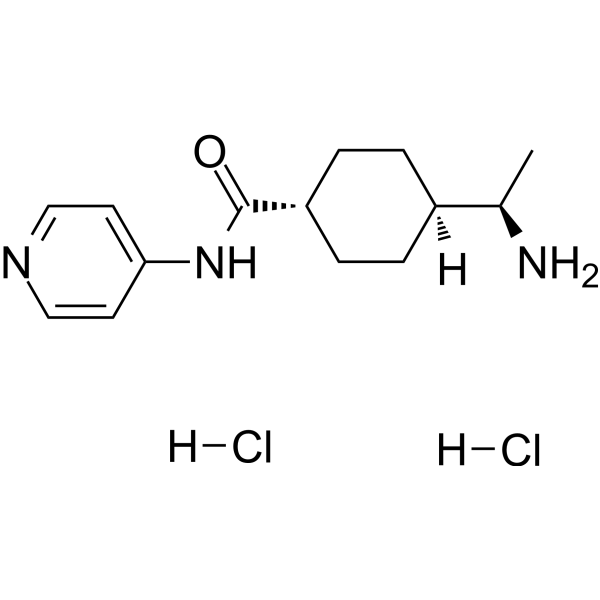
    Y-27632 dihydrochloride
    1 Publications Verification

    ROCK Neurological Disease Cancer
    Y-27632 dihydrochloride (GMP) is the GMP level of Y-27632 dihydrochloride (HY-10583). GMP guidelines are used to produce Y-27632 dihydrochloride (GMP). GMP small molecules works appropriately as an auxiliary reagent for cell research manufacture. Y-27632 dihydrochloride is an orally active and ATP-competitive ROCK (Rho-kinase) inhibitor with antiepileptic effect .
    Y-27632 dihydrochloride
  • HY-19708
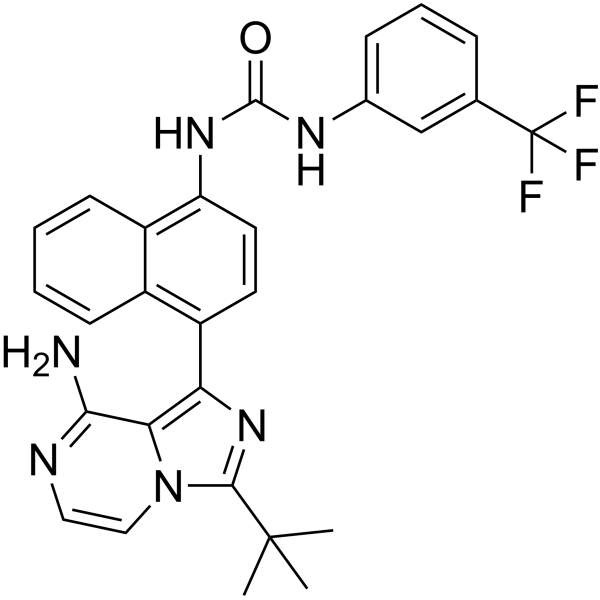
    KIRA6
    Maximum Cited Publications
    29 Publications Verification

    IRE1 Metabolic Disease Inflammation/Immunology Cancer
    KIRA6 is an advanced small-molecule IRE1α RNase kinase inhibitor with an IC50 of 0.6 µM . KIRA6 can trigger an apoptotic response .
    KIRA6
  • HY-10431G

    TGF-β Receptor Neurological Disease Cancer
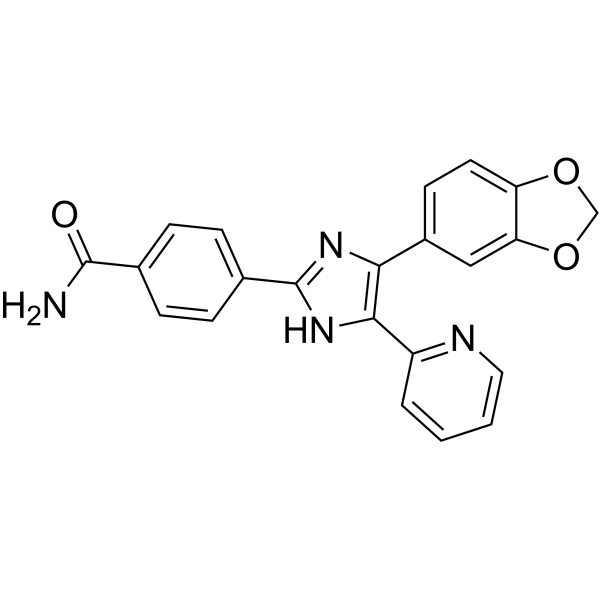
    SB-431542 (GMP) is SB-431542 (HY-10431) produced by using GMP guidelines. GMP small molecules works appropriately as an auxiliary reagent for cell therapy manufacture. SB-431542 is a TGF-β receptor kinase inhibitor (TRKI) in SMAD signaling .
    SB-431542
  • HY-148808

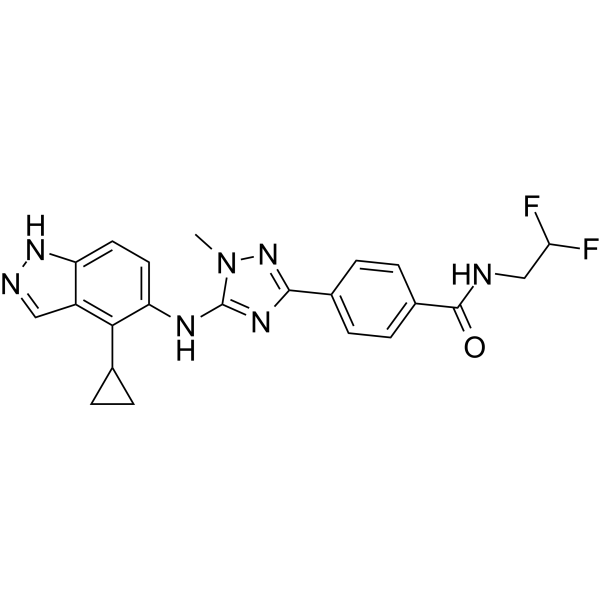
    RXC007

    ROCK Cancer
    Zelasudil (RXC007) is an orally active, highly selective small molecule Rho-associated coiled-coil containing protein kinase 2 (ROCK2) inhibitor with anti-fibrotic efficacy. Zelasudil elicits positive immunomodulatory effects in metastatic pancreatic tumors with increase of CD8+ and CD4+ T cell infiltrate into the tumor cortex and reduction in immunosuppressive FOXP3+ regulatory T cells at the tumor border. Zelasudil is promising for research of pancreatic ductal adenocarcinoma .
    Zelasudil
  • HY-125017
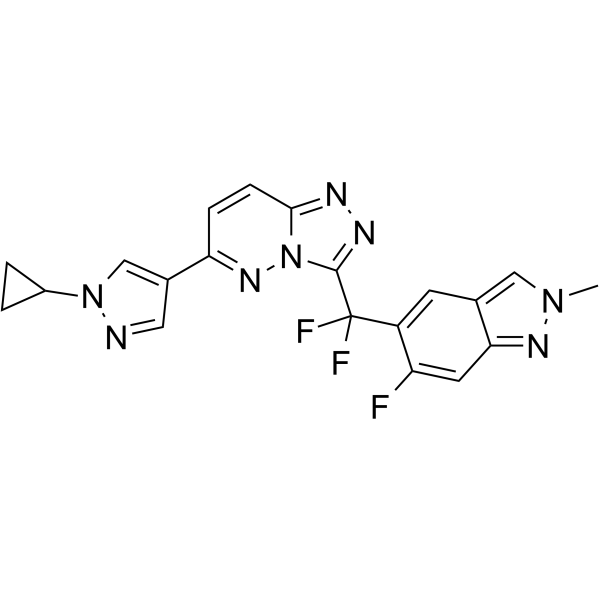
    Bozitinib
    1 Publications Verification

    PLB-1001; CBT-101; Vebreltinib

    c-Met/HGFR Cancer
    Bozitinib (PLB-1001) is a highly selective c-MET kinase inhibitor with blood-brain barrier permeability. Bozitinib (PLB-1001) is a ATP-competitive small-molecule inhibitor, binds to the conventional ATP-binding pocket of the tyrosine kinase superfamily .
    Bozitinib
  • HY-152185
    BSJ-04-122
    3 Publications Verification

    p38 MAPK Cancer
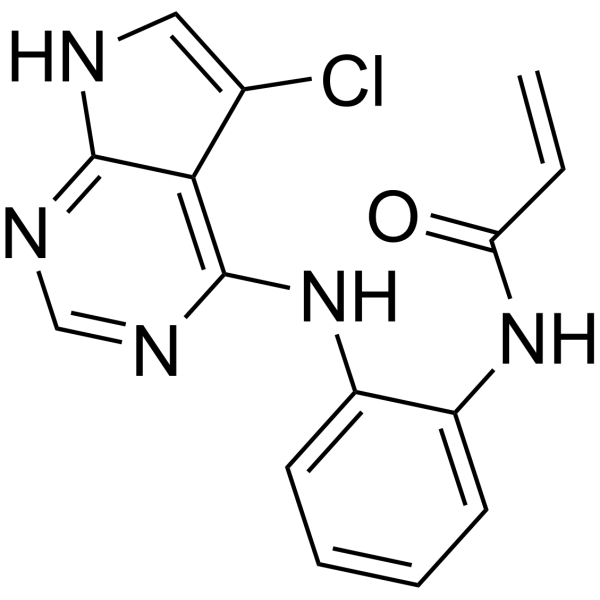
    BSJ-04-122 is a covalent MKK4/7 dual inhibitor. BSJ-04-122 inhibits MKK4 and MKK7 with IC50 values of 4 nM and 181 nM, respectively. BSJ-04-122 can be used for the research of cancer .
    BSJ-04-122
  • HY-107145A
    Ningetinib
    1 Publications Verification

    TAM Receptor VEGFR c-Met/HGFR Cancer
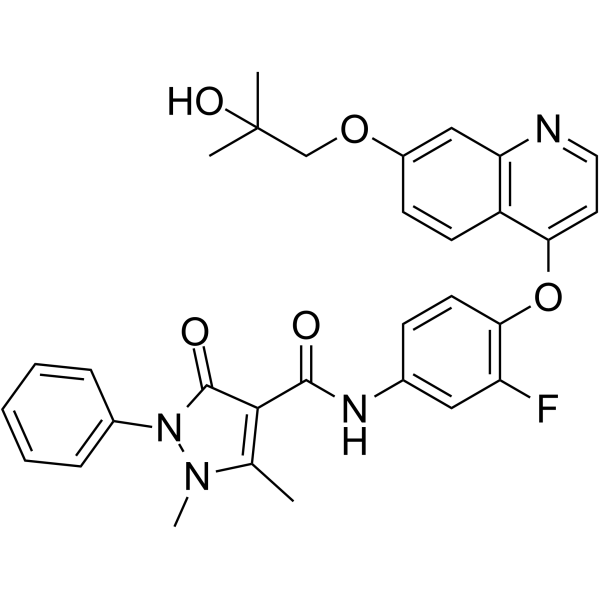
    Ningetinib is a potent, orally bioavailable small molecule tyrosine kinase inhibitor (TKI) with IC50s of 6.7, 1.9 and <1.0 nM for c-Met, VEGFR2 and Axl, respectively.
    Ningetinib
  • HY-109010
    Poseltinib
    2 Publications Verification

    HM71224; LY3337641

    Btk BMX Kinase Toll-like Receptor (TLR) Metabolic Disease
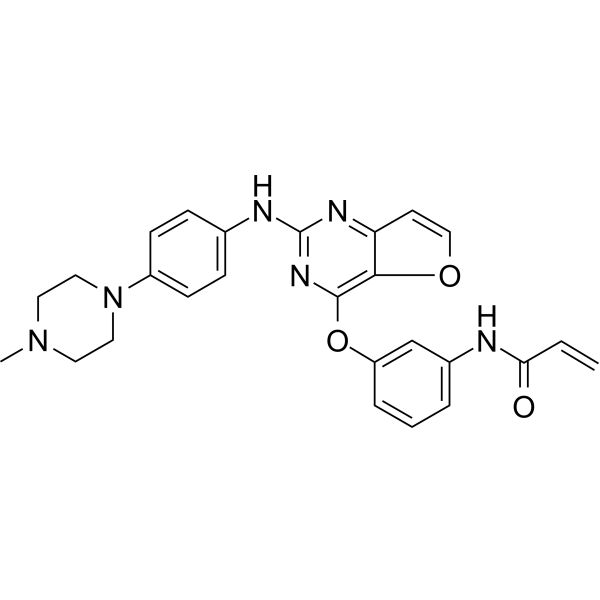
    Poseltinib (HM71224) is an orally active, selective, irreversible small molecule Bruton tyrosine kinase (BTK) inhibitor. With an IC50 of 1.95 nM. Poseltinib effectively inhibits the signaling mediated by B cell receptors (BCR), Fc receptors (FcR), and Toll-like receptors (TLR). Poseltinib has anti-inflammatory activity and can be used in the research of rheumatoid arthritis .
    Poseltinib
  • HY-14987
    AX20017
    2 Publications Verification

    Bacterial Infection
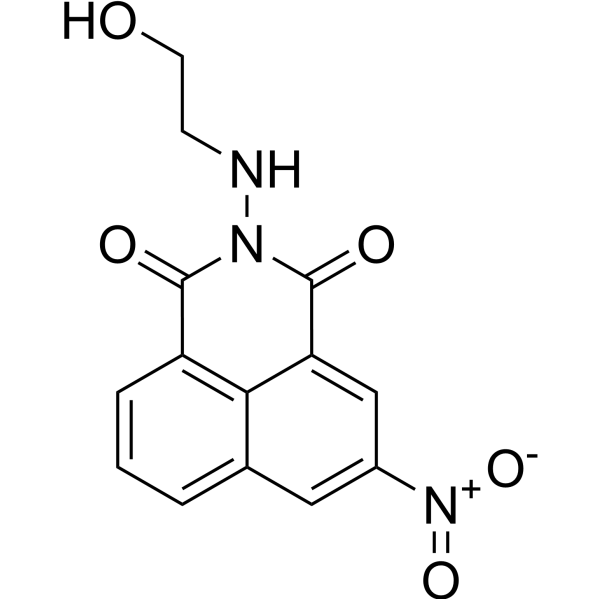
    AX20017 is a small-molecule protein kinase G (PknG) inhibitor with an IC50 of 0.39 μM.
    AX20017
  • HY-145601

    TT 00420

    Aurora Kinase FGFR VEGFR Cancer
    Tinengotinib (TT00420) is an orally active, spectrally selective small molecule kinase inhibitor targeting Aurora A/B (IC50=1.2-3.3 nM), FGFR1/2/3 (IC50=1.5-3.5 nM), VEGFRs, JAK1/2 and CSF1R. Tinengotinib blocks Aurora kinase-mediated cell cycle progression (inducing G2/M arrest), inhibits FGFR/JNK-JUN signaling pathway and activates MEK/ERK-dependent apoptotic pathway. Tinengotinib has the activity of anti-tumor proliferation, inducing apoptosis, inhibiting angiogenesis and regulating tumor microenvironment. Tinengotinib can be used in the study of triple-negative breast cancer (TNBC), gallbladder cancer and tumor immune microenvironment .
    Tinengotinib
  • HY-12185
    BRD7389
    2 Publications Verification

    Ribosomal S6 Kinase (RSK) Metabolic Disease Cancer
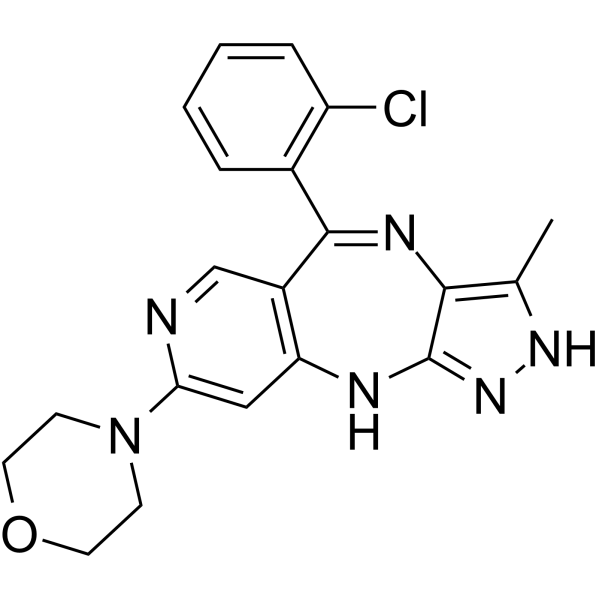
    BRD7389 is a specific RSK family kinase inhibitor with IC50s of 1.5 μM, 2.4 μM, and 1.2 μM for RSK1, RSK2, and RSK3, respectively. BRD7389 is a small-molecule inducer of insulin expression in pancreatic α-cells .
    BRD7389
  • HY-159190

    MAPKAPK2 (MK2) Cancer
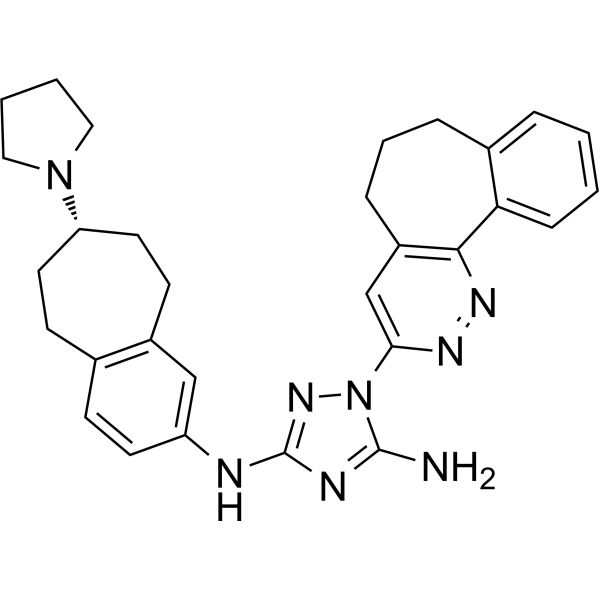
    HRX-0233 is a small-molecule MAP2K4 inhibitor. HRX-0233 results in strong tumor shrinkage without any apparent toxicity in H358 KRASG12C-mutant non-small cell lung cancers (NSCLC) in vivo. HRX-0233 efficiently prevents feedback activation of receptor tyrosine kinases (RTKs) upon monotherapy KRAS inhibitor Sotorasib (HY-114277) and causes a more sustained and complete inhibition of MAPK signaling. HRX-0233 is promising for research of AR-negative prostate cancer, lung and colon cancers .
    HRX-0233
  • HY-15141G

    Antibiotic AM-2282; STS; AM-2282

    PKC Infection Cancer
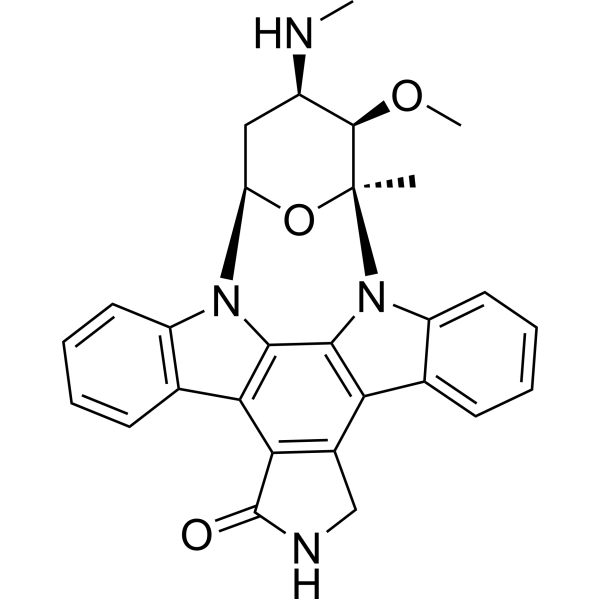
    Staurosporine (AM-2282) (GMP) is Staurosporine (HY-15141) produced by using GMP guidelines. GMP small molecules works appropriately as an auxiliary reagent for cell therapy manufacture. Staurosporine is a potent, ATP-competitive and non-selective inhibitor of protein kinases .
    Staurosporine
  • HY-P1805

    Calmodulin Neurological Disease
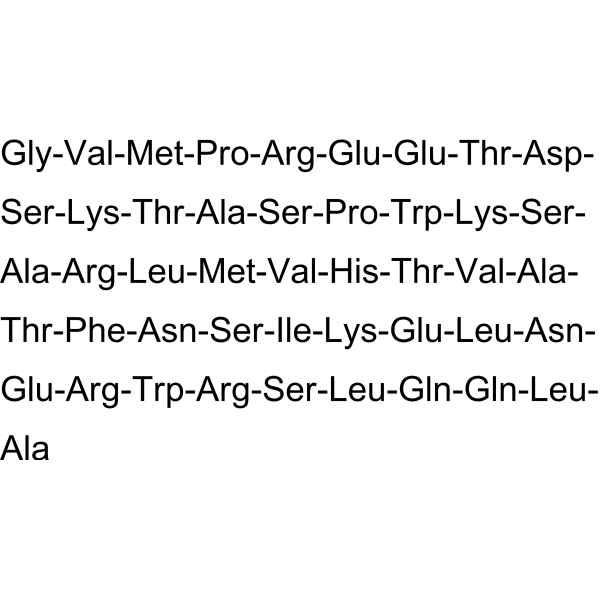
    Calmodulin Binding Peptide 1 is a high-affinity (pM) CaM-binding peptide derived from smooth muscle myosin light chain kinase (MLCK peptide). The interface of the complex formed by Calmodulin Binding Peptide 1 and Ca 2+-CaM can be specifically bound by small-molecule inhibitors, serving as a key target for selective regulation of smooth muscle contraction and development of anti-CaM drugs .
    Calmodulin Binding Peptide 1
  • HY-138916

    Biochemical Assay Reagents EGFR Others
    PF-06672131 is an alkynylated afatinib derivative and a small molecule probe that is reactive to cysteine. PF-06672131 is an inhibitor of epidermal growth factor receptor (EGFR) kinase that targets the ATP pockets of EGFR. PF-06672131 can be used for activity-based protein profiling studies .
    PF-06672131
  • HY-163565

    Btk Neurological Disease
    BIIB129 is a covalent, selective, small molecule inhibitor of Bruton's tyrosine kinase (BTK) capable of penetrating the blood-brain barrier. BIIB129 inhibits the activity of BTK by covalently binding to Cys481 in BTK, thereby affecting the function of B cells and myeloid cells. BIIB129 can be used in multiple sclerosis (MS) research .
    BIIB129
  • HY-117809

    PDK-1 Cancer
    PDK1-IN-2 is a small molecule inhibitor of 3-phosphoinositol-dependent protein kinase-1 (PDK1). PDK1-IN-2 inhibits the binding of PDK1 to its substrate by competitively binding to the PIF pocket of PDK1, thereby inhibiting the kinase activity and downstream signaling of PDK1. PDK1-IN-2 can be used for cell survival and proliferation in cancer .
    PDK1-IN-2
  • HY-10407G

    VEGFR EGFR PDGFR Cancer
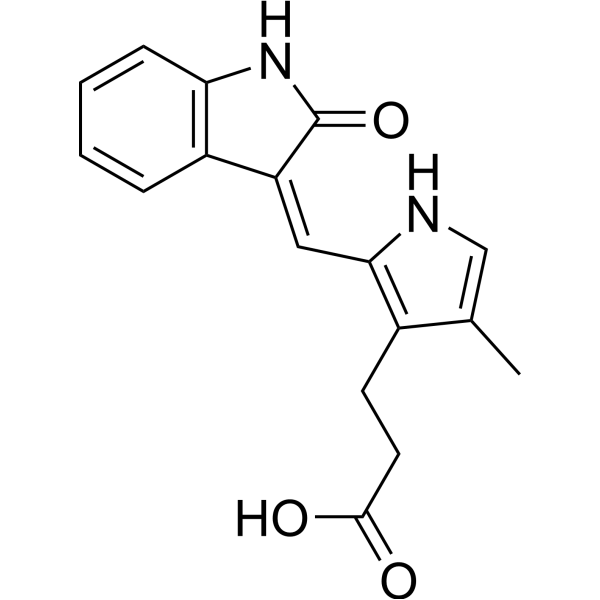
    SU 5402 (GMP) is SU 5402 (HY-10407) produced by using GMP guidelines. GMP small molecules work appropriately as an auxiliary reagent for cell therapy manufacture. SU 5402 is a potent multi-targeted receptor tyrosine kinase inhibitor with IC50 of 20 nM, 30 nM, and 510 nM for VEGFR2, FGFR1, and PDGFRβ, respectively .
    SU 5402
  • HY-N0737AG

    Telepathine

    DYRK 5-HT Receptor Neurological Disease Inflammation/Immunology Cancer
    Harmine (GMP) (Telepathine (GMP)) is Harmine (HY-N0737A) produced by using GMP guidelines. GMP small molecules works appropriately as an auxiliary reagent for cell therapy manufacture. Harmine is a natural dual-specificity tyrosine phosphorylation-regulated kinase (DYRK) inhibitor with anticancer and anti-inflammatory activities. Harmine has a high affinity of 5-HT2A serotonin receptor, with an Ki of 397 nM .
    Harmine
  • HY-18711

    Metatinib free base; c-Met inhibitor 2 free base

    c-Met/HGFR VEGFR Cancer
    SCR-1481B1 free base, also known as Metatinib free base, is a small molecule receptor kinase inhibitor that targets both c-MET and vascular endothelial growth factor receptor 2 (VEGFR2) .
    SCR-1481B1 free base
  • HY-50895G

    ZD1839

    EGFR Autophagy Apoptosis Cancer
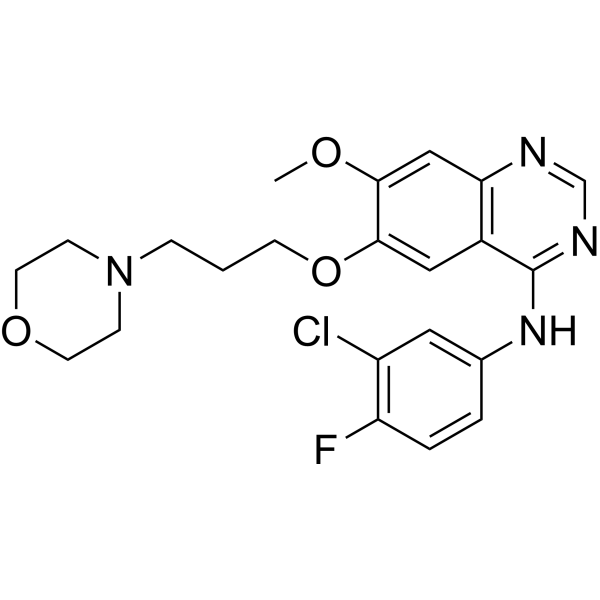
    Gefitinib (ZD1839) (GMP) is Gefitinib (HY-50895) produced by using GMP guidelines. GMP small molecules work appropriately as an auxiliary reagent for cell therapy manufacture. Gefitinib is a potent, selective and orally active EGFR tyrosine kinase inhibitor .
    Gefitinib
  • HY-101570G

    Peposertib; M3814

    DNA-PK BCRP Cancer
    Nedisertib (GMP) (Peposertib (GMP)) is Nedisertib (HY-101570) produced by using GMP guidelines. GMP small molecules works appropriately as an auxiliary reagent for cell therapy manufacture. Nedisertib is an orally active selective DNA-dependent protein kinase (DNA-PK) inhibitor with an IC50 value of less than 3 nM. Nedisertib also acts as a modulator of ABCG2, capable of reversing ABCG2-mediated multidrug resistance (MDR), thus providing new strategies for combination therapy. By inhibiting DNA double-strand break repair, Nedisertib can enhance the efficacy of chemotherapy and radiotherapy. Nedisertib exhibits antitumor activity .
    Nedisertib
  • HY-179457

    PI3K mTOR Akt HSP Cancer
    CC-11 is an orally active small molecule drug conjugate (SMDC) that links the PI3K/mTOR inhibitor with the extracellular heat shock protein 90 (EHSP90) targeting ligand through a cleavable linker. CC-11 exhibits strong HSP90 binding activity (IC50 = 15 nM) and inhibits PI3Kα kinase activity (IC50 = 0.54 nM). CC-11 has anti-proliferative activity against colon cancer cells. CC-11 shows significant efficacy in the HCT-116 xenograft tumor model. CC-11 can be used for research on colon cancer .
    CC-11
  • HY-103045A

    PKC ROCK G Protein-coupled Receptor Kinase (GRK) Cardiovascular Disease
    CMPD101 hydrochloride is a novel membrane-permeable, small-molecule inhibitor of both GRK2 and GRK3 with IC50s of 18 nM and 5.4 nM, respectively. CMPD101 hydrochloride also inhibits Rho-associated kinase 2 (ROCK-2) and PKCα (IC50s =1.4 μM and 8.1 μM, respectively) .
    CMPD101 hydrochloride
  • HY-107145
    Ningetinib Tosylate
    1 Publications Verification

    TAM Receptor VEGFR c-Met/HGFR Cancer
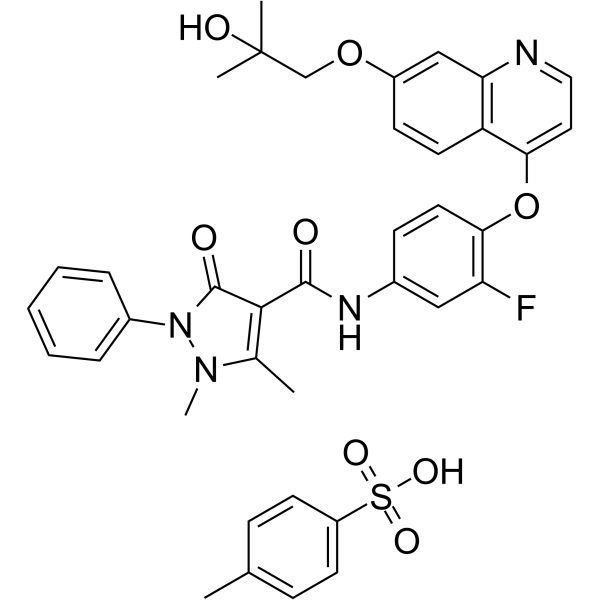
    Ningetinib Tosylate is a potent, orally bioavailable small molecule tyrosine kinase inhibitor (TKI) with IC50s of 6.7, 1.9 and <1.0 nM for c-Met, VEGFR2 and Axl, respectively.
    Ningetinib Tosylate
  • HY-124637

    Trk Receptor Neurological Disease
    ALE-0540, a nonpeptidic small molecule, is a nerve growth factor receptor antagonist. ALE-0540 inhibits the binding of NGF to tyrosine kinase (Trk) A or both p75 and TrkA with IC50 values of 5.88 μM and 3.72 μM, respectively. ALE-0540 can be used to examine mechanisms leading to the development of agents for the study of pain .
    ALE-0540
  • HY-176269

    Bcr-Abl ERK STAT PARP Caspase Apoptosis Cancer
    VS1150 (Compound 11) is a BCR-ABL-targeting phosphorylation-inducing chimeric small molecule (PHICS). VS1150 significantly inhibits oncogenic kinase BCR-ABL signaling by inducing inhibitory phosphorylation at its Y253 (EC50: 69 nM), subsequently triggering cell apoptosis. VS1150 also inhibits other oncogenic ABL fusions and drug-resistant mutants like T315I. VS1150 can be used for chronic myeloid leukemia (CML) and other ABL fusion-driven cancers research .
    VS1150
  • HY-15150G

    R428 (GMP); BGB324 (GMP)

    TAM Receptor Cancer
    Bemcentinib (R428) GMP is Bemcentinib (HY-15150) in GMP grade. GMP-grade small molecules can be used as auxiliary reagents in cell therapy.Bemcentinib (R428) is a selective and orally active Axl inhibitor with an IC50 of 14 nM. Bemcentinib retards cancer cell migration and invasion. Bemcentinib exhibits >100-fold selectivity for Axl versus Abl and 50- and >100-fold selectivity over TAM family kinases Mer and Tyro3, respectively, in cells. Bemcentinib blocks tumor spread and prolongs survival in models of metastatic breast cancer .
    Bemcentinib (GMP)
  • HY-173499

    Aurora Kinase Apoptosis Cancer
    HLDA-212 (Compound 43) is a bifunctional small molecule targeting HaloTag-tagged protein (Target Protein, TP) and Aurora kinase A/B (AURKA/B, Effector Protein, EP). HLDA-212 binds to TP and EP to form a stable ternary complex (TP:RIPTAC:EP), inhibiting the cell-survival function of EP and inducing apoptosis in TP-expressing cancer cells. HLDA-212 shows antiproliferative activity (GI50 of 0.011 μM) in 293_HFL cells. HLDA-212 is promising for research of cancers with high TP expression (such as prostate cancer and hematological malignancies) .
    HLDA-212
  • HY-156792

    RIO Kinase Cancer
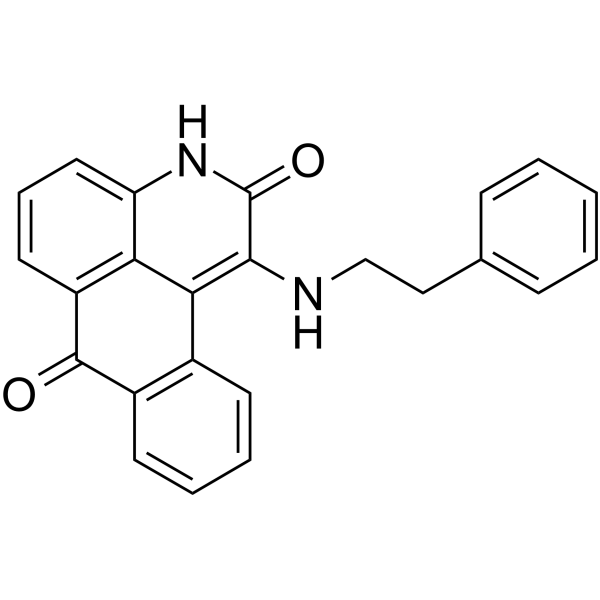
    RIOK2-IN-1 (com 4) is a potent and selective RIOK2 inhibitor (Kd=150 nM), but has low cellular activity (IC50=14,600 nM). RIOK2 is an atypical kinase associated with a variety of human cancers and is involved in ribosome maturation and cell cycle progression. The small molecule inhibitor CQ211 (HY-147655), an improvement of RIOK2-IN-1 as the lead compound, has good in vivo and in vitro activity, inhibits the proliferation of MKN-1 and HT-29 cancer cells, and can xenograft MKN in mice -1 model inhibits tumor progression .
    RIOK2-IN-1
  • HY-149489

    PKC Neurological Disease
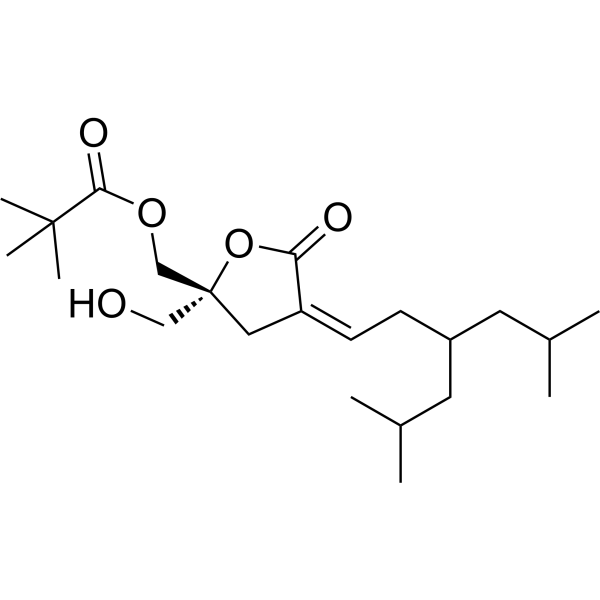
    JH-131e-153, a diacylglycerol (DAG)-lactone, is a small molecule activator of Munc13-1, targeting the C1 domain. The activation sequence of JH-131e-153 on Munc13-1 is WT>I590≈R592A≈W588A. The C1 domain of Munc13-1 and protein kinase C (PKC) are homologous in sequence and structure. The activation sequence of JH-131e-153 on Munc13-1 and PKC was PKCα>Munc13-1>PKCε. JH-131e-153 regulates neuronal processes through Munc13-1 and can be further used in the study of neurodegenerative diseases .
    JH-131e-153
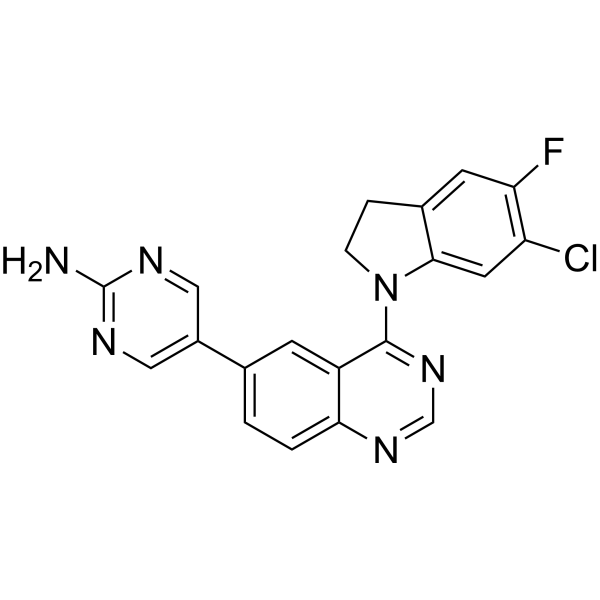
  • HY-111378A

    Casein Kinase Others
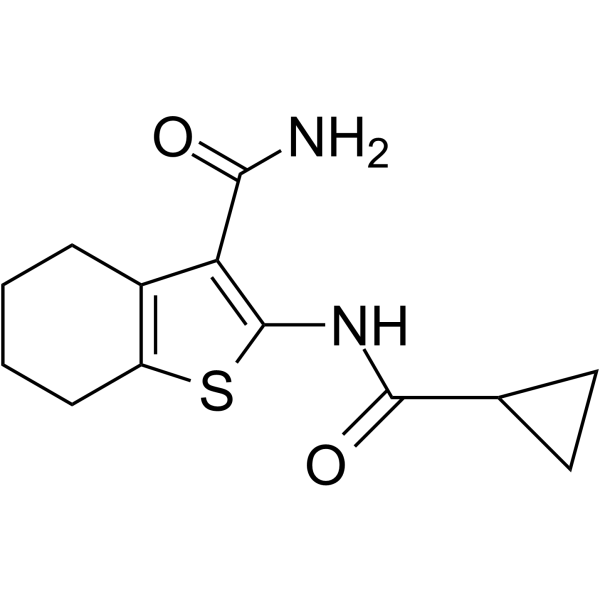
    Casein Kinase II Inhibitor IV Hydrochloride is a small-molecule inducer of epidermal keratinocyte differentiation.
    Casein Kinase II Inhibitor IV hydrochloride
  • HY-W684904

    TGF-β Receptor Cancer
    LY550410 is a small-molecule ATP-competitive inhibitor against type I TGF-β receptor kinase, which contains heteroaryl rings for potent binding to the kinase-domain active site. LY550410 modulates TGF-β signalling, thereby regulates gene expression and ultimately cell growth. LY550410 is promising for research of cancers .
    LY550410
  • HY-138271

    Phosphatase Others
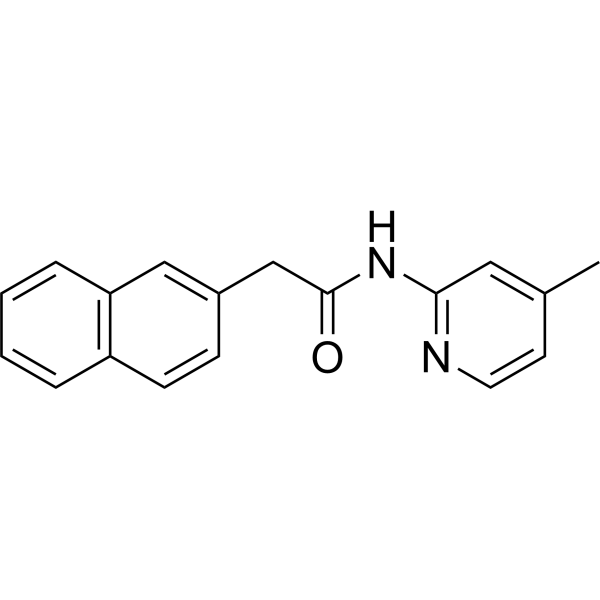
    LH65.3 is a compound with the potential to modulate bacterial infection that was identified through integrated small interfering RNA and small molecule screening to control bacterial infection, involving the regulation of multiple kinases and phosphatases.
    LH65.3
  • HY-116204

    Caspase CDK Apoptosis Bcl-2 Family PARP Others
    SKLB70326 is a small molecule inhibitor of cell cycle progression that induces cell cycle arrest and apoptosis in human hepatocellular carcinoma cells. SKLB70326 is involved in downregulating cyclin-dependent kinase (CDK) 2, CDK4, and CDK6, while also activating PARP, caspase-3, caspase-9, and Bax, and downregulating Bcl-2.
    SKLB70326
  • HY-110333

    EGFR Cancer
    BMS-599626 dihydrochloride is a small molecule pan-HER (human epidermal growth factor receptor) kinase inhibitor. BMS-599626 dihydrochloride primarily targets HER1 (IC50=20 nmol/L) and HER2 (IC50=30 nmol/L) kinase activity in the HER family. BMS-599626 inhibits the kinase activity of HER1 and HER2 by competing with their ATP-binding sites, and can inhibit the downstream signaling pathway by blocking the heterodimer formation of HER1 and HER2. BMS-599626 dihydrochloride can be used to study the antitumor effects of multiple HER1 or HER2 overexpressed tumor models .
    BMS-599626 dihydrochloride
  • HY-149556

    EGFR PI3K Cancer
    MTX-241F is a selective small molecule inhibitor targeting EGFR and PI3 kinase family members. MTX-241F is able to penetrate the blood-brain barrier and control tumor growth over the long term. MTX-241F exhibits radiosensitizing activity in patient-derived DIPG neurospheres and may be used in the study of diffuse intrinsic pontine glioma (DIPG) .
    MTX-241F
  • HY-15163A

    FLT3 JAK CDK Cancer
    Zotiraciclib hydrochloride is a novel small molecule multi-target enzyme inhibitor with activity in inhibiting tumor growth. Zotiraciclib hydrochloride exerts its anti-tumor effect by reducing the level of Myc through inhibiting cyclin-dependent kinase 9 (CDK9). Zotiraciclib hydrochloride may be useful for inhibiting cancers that cross the blood-brain barrier. The high protein level of MCL-1 of Zotiraciclib hydrochloride is associated with survival, suggesting that it may serve as a prognostic factor and inhibitory target in further studies .
    Zotiraciclib hydrochloride
  • HY-169652

    Reactive Oxygen Species (ROS) AMPK Cancer
    NPC26 is a small molecule mitochondrial disruptor with anti-tumor activity. NPC-26 shows significant anti-proliferative and cytotoxic effects on CRC cell lines (HCT-116, DLD-1, and HT-29). NPC26 can damage mitochondrial function, leading to the opening of the mitochondrial permeability transition pore (mPTP) and the production of reactive oxygen species, ultimately inducing cell death. NPC-26 can kill CRC cells by activating the AMP-activated protein kinase (AMPK) signaling pathway .
    NPC26
  • HY-116504

    EGFR Akt ERK Apoptosis Cancer
    WB-308 is a novel small molecule that was identified as an inhibitor of EGFR by an in vitro EGFR kinase activity system. WB-308 was able to reduce the proliferation and clonogenicity of NSCLC cells, causing G2/M phase arrest and apoptosis. In addition, WB-308 inhibited tumor growth in two in vivo animal models (lung orthotopic transplantation model and patient-derived clonal mouse model). WB-308 impaired the phosphorylation of EGFR, AKT, and ERK1/2 proteins. Compared with Gefitinib, WB-308 had lower cytotoxicity. This study showed that WB-308 is a new EGFR-TKI that may be considered as an alternative to Gefitinib in the clinical treatment of NSCLC.
    WB-308
  • HY-177989

    SGI-078

    EGFR Cancer
    ER121 (SGI-078) is an orally active non-toxic small molecule ErbB2 kinase inhibitor. ER121 shows potent antitumor activity can be used for the research of HER2-related breast cancer .
    ER121
  • HY-16294G

    GSK-3 Cancer
    LY2090314 (GMP) is LY2090314 (HY-16294) produced by using GMP guidelines. GMP small molecules works appropriately as an auxiliary reagent for cell therapy manufacture. LY2090314 is a potent inhibitor of glycogen synthase kinase-3 (GSK-3) with IC50 values of 1.5 nM and 0.9 nM for GSK-3α and GSK-3β, respectively.
    LY2090314
  • HY-107145R

    Reference Standards TAM Receptor VEGFR c-Met/HGFR Cancer
    Ningetinib Tosylate (Standard) is the analytical standard of Ningetinib Tosylate (HY-107145). This product is intended for research and analytical applications. Ningetinib Tosylate is a potent, orally bioavailable small molecule tyrosine Kinase inhibitor (TKi) with IC50s of 6.7, 1.9 and <1.0 nM for c-Met, VEGFR2 and Axl, respectively.
    Ningetinib Tosylate (Standard)
  • HY-107145AR

    Reference Standards TAM Receptor VEGFR c-Met/HGFR Cancer
    Ningetinib (Standard) is the analytical standard of Ningetinib (HY-107145A). This product is intended for research and analytical applications. Ningetinib is a potent, orally bioavailable small molecule tyrosine Kinase inhibitor (TKi) with IC50s of 6.7, 1.9 and <1.0 nM for c-Met, VEGFR2 and Axl, respectively.
    Ningetinib (Standard)
  • HY-180779

    Ras Neurological Disease
    SR-1815 is a small molecule multi-kinase inhibitor. SR-1815, through mechanisms such as splicing regulation effectively restores the SynGAP protein to normal levels in the disease model with Syngap1 haploinsufficiency, thereby correcting the functional abnormalities at the synaptic and neuronal network levels caused by the deficiency of this gene. SR-1815 can be used for the study of brain diseases .
    SR-1815
  • HY-178898

    NOD-like Receptor (NLR) Caspase Insecticide Ser/Thr Protease Pyroptosis Infection
    7-Oxogedunin (Compound 7DG; Compound 16) is a small molecule that protects macrophages from cell pyroptosis induced by anthrax lethal toxin (LT). Its target is protein kinase R (PKR). 7-Oxogedunin can widely inhibit the assembly of various inflammasomes (NLRP1 and NLRP3) and the activation of caspase-1 by inhibiting the kinase-independent function of PKR. 7-Oxogedunin has growth inhibitory activity on European corn borer larvae. 7-Oxogedunin can be used for LT toxicity inhibition and pest control research .
    7-Oxogedunin
  • HY-109010R

    HM71224 (Standard); LY3337641 (Standard)

    Reference Standards Btk BMX Kinase Toll-like Receptor (TLR) Metabolic Disease
    Poseltinib (Standard) is the analytical standard of Poseltinib (HY-109010). This product is intended for research and analytical applications. Poseltinib (HM71224) is an orally active, selective, irreversible small molecule Bruton tyrosine Kinase (BTK) inhibitor. With an IC50 of 1.95 nM. Poseltinib effectively inhibits the signaling mediated by B cell receptors (BCR), Fc receptors (FcR), and Toll-like receptors (TLR). Poseltinib has anti-inflammatory activity and can be used in the research of rheumatoid arthritis .
    Poseltinib (Standard)
  • HY-10966G

    Raf Apoptosis Cardiovascular Disease Cancer
    SB-590885 GMP is SB-590885 (HY-10966) produced by using GMP guidelines. GMP small molecules works appropriately as an auxiliary reagent for cell therapy manufacture. SB-590885 is a BRAF/c-Raf kinase inhibitor that selectively targets B-Raf, and it amplifies the ERK/MAPK signaling pathway in RAS-activated cells. SB-590885 effectively inhibits the malignant proliferation, transformation and tumorigenicity of oncogenic B-Raf cells; it also induces the proliferation of erythroid progenitor cells, delays their differentiation and promotes hemoglobin synthesis, thereby improving ineffective erythropoiesis and reducing apoptosis. SB-590885 exerts a synergistic effect with TGF-β inhibitors and glucocorticoids, significantly promoting the formation of erythroid colonies in cells from patients with Diamond-Blackfan anemia (DBA). SB-590885 is mainly used in relevant studies on DBA, cisplatin-induced myelosuppression-related anemia, and pan-cancers such as melanoma and colorectal cancer .
    SB-590885
  • HY-12292G

    NF-κB STAT GSK-3 β-catenin Bcr-Abl Cancer
    IM-12 GMP is IM-12 (HY-12292) produced by using GMP guidelines. GMP small molecules works appropriately as an auxiliary reagent for cell therapy manufacture. IM-12 is an orally active anti-inflammatory agent that targets and inhibits the NF-κB and STAT3 signaling pathways. IM-12 activates the Wnt signaling pathway and promotes the nuclear translocation of β-catenin by inhibiting GSK3β, while also blocking the tyrosine kinase activity of p210BCR/ABL. IM-12 reduces the levels of IL-6, IL-17, NO, prostaglandin E2, iNOS and COX-2, and induces ER stress, Ca 2+ release, autophagy and apoptosis. IM-12 is heat-sensitive and does not induce autophagy in IM-resistant p210BCR/ABL T315I mutant cells. IM-12 is also a component of the 5iLA medium used for naive pluripotent stem cell research. IM-12 has been applied in studies related to carrageenan (HY-125474)-induced hind paw edema, TNBS-induced colitis, and acute and chronic myeloid leukemia .
    IM-12

Inquiry Online

Your information is safe with us. * Required Fields.

Salutation


Country or Region *

Applicant Name *


Organization Name *

Department *


Email Address *


Product Name *

Cat. No.


Requested quantity *

Phone Number *


Remarks

Inquiry Online

Inquiry Information

Product Name:
Cat. No.:
Quantity:
MCE Japan Authorized Agent: