1. Search Result
Search Result
Results for "

sorafenib

" in MedChemExpress (MCE) Product Catalog:

55

Inhibitors & Agonists

1

Natural
Products

5

Isotope-Labeled Compounds

Cat. No. Product Name Target Research Areas Chemical Structure
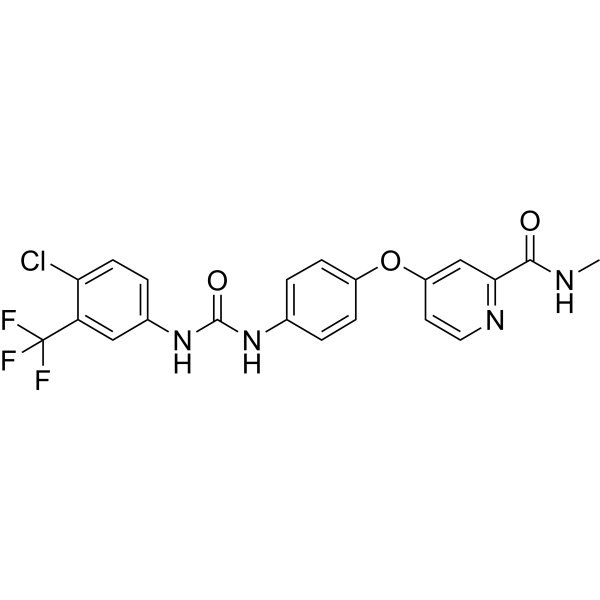
  • HY-10201
    Sorafenib
    Maximum Cited Publications
    283 Publications Verification

    Bay 43-9006

    Raf VEGFR FLT3 Autophagy Apoptosis STAT Akt MMP Cadherin p38 MAPK ERK MEK PI3K PARP Bcl-2 Family Infection Neurological Disease Metabolic Disease Inflammation/Immunology Cancer
    Sorafenib (Bay 43-9006) is a potent oral active multikinase inhibitor. Sorafenib blocks autophosphorylation and activity of receptor tyrosine kinases (VEGFR-2, VEGFR-3) and RAF family kinases, thereby suppressing the RAF/MEK/ERK and PI3K/Akt pathways, inhibiting STAT3 phosphorylation, and selectively inhibiting the MAPK pathway in cancer cells. Sorafenib induces cell cycle arrest, autophagy, apoptosis, and PARP cleavage, reduces Bcl-2, Bcl-XL, cyclin D1 levels, and activates Bak and Bax. Sorafenib inhibits tumor growth and metastasis in mouse and rat models. Sorafenib can be used for cancer research, such as colon, breast, non-small-cell lung cancer (NSCLC), ovarian, pancreatic, melanoma, colorectal and hepatocellular carcinoma .
    Sorafenib
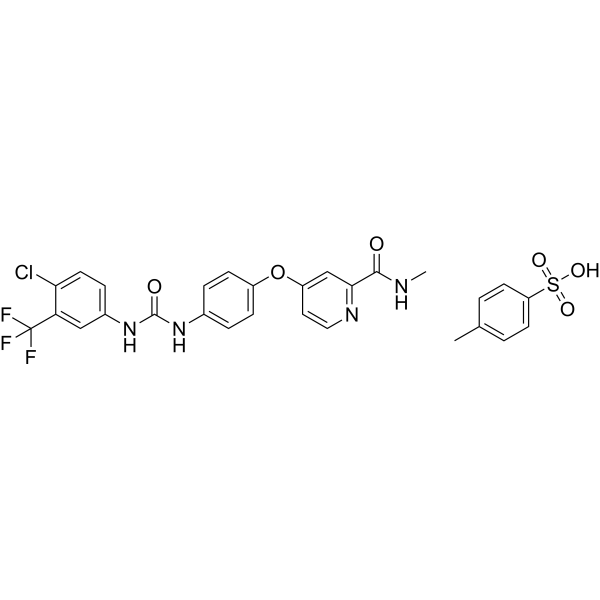
  • HY-10201A
    Sorafenib tosylate
    Maximum Cited Publications
    283 Publications Verification

    Bay 43-9006 tosylate

    Raf VEGFR FLT3 Autophagy Apoptosis STAT Akt MMP Cadherin p38 MAPK ERK MEK PI3K PARP Bcl-2 Family Infection Neurological Disease Metabolic Disease Inflammation/Immunology Cancer
    Sorafenib (Bay 43-9006) tosylate is a potent oral active multikinase inhibitor. Sorafenib blocks autophosphorylation and activity of receptor tyrosine kinases (VEGFR-2, VEGFR-3) and RAF family kinases, thereby suppressing the RAF/MEK/ERK and PI3K/Akt pathways, inhibiting STAT3 phosphorylation, and selectively inhibiting the MAPK pathway in cancer cells. Sorafenib tosylate induces cell cycle arrest, autophagy, apoptosis, and PARP cleavage, reduces Bcl-2, Bcl-XL, cyclin D1 levels, and activates Bak and Bax. Sorafenib tosylate inhibits tumor growth and metastasis in mouse and rat models. Sorafenib tosylate can be used for cancer research, such as colon, breast, non-small-cell lung cancer (NSCLC), ovarian, pancreatic, melanoma, colorectal and hepatocellular carcinoma .
    Sorafenib tosylate
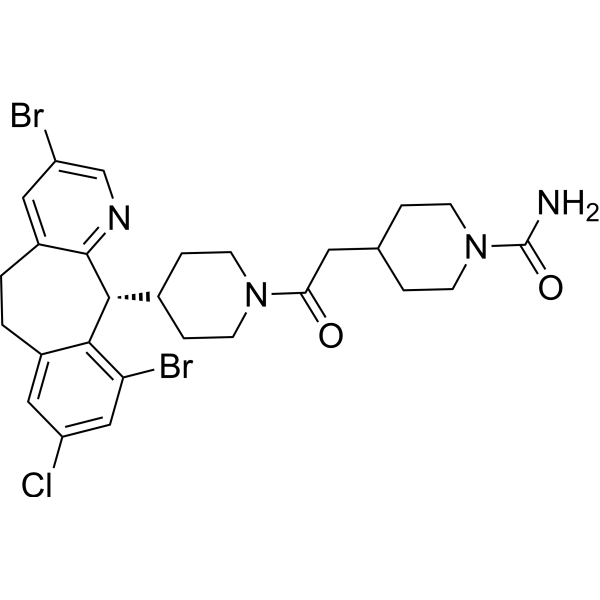
  • HY-112780
    UC2288
    5+ Cited Publications

    MDM-2/p53 Apoptosis Cancer
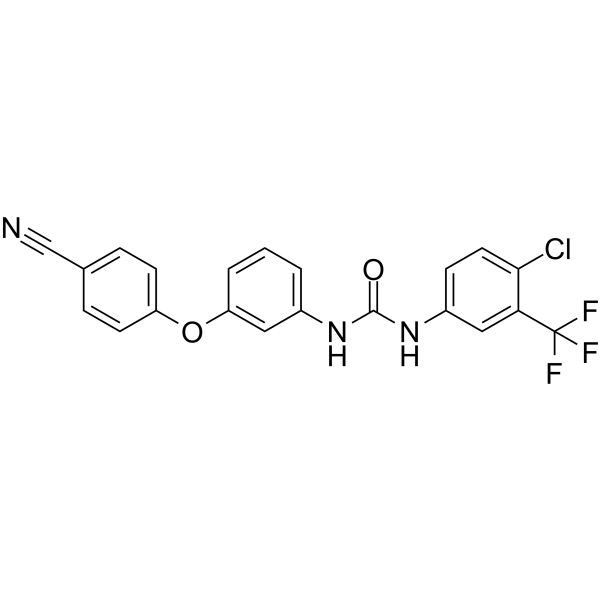
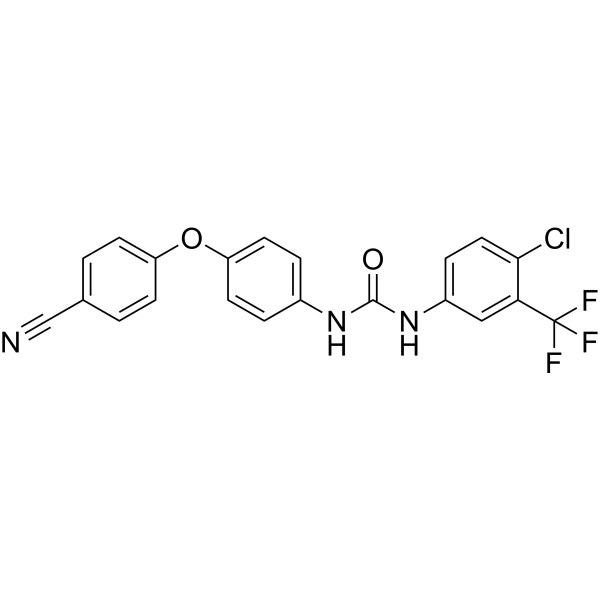
    UC2288 is a potent and orally active p21 attenuator (relatively selective activity for p21), which is synthesized based Sorafenib (HY-10201). UC2288 potently inhibits cancer cell growth by inducing apoptosis. UC2288 has no inhibition of VEGFR2 and Raf kinases even at 10 μM .
    UC2288
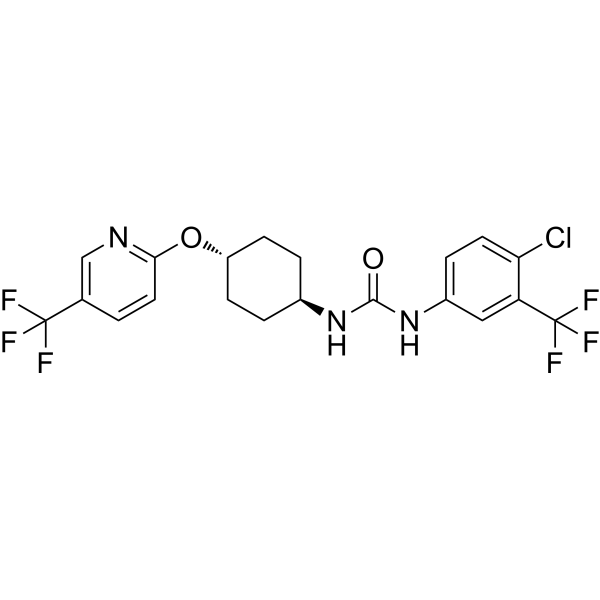
  • HY-136657
    SC-43
    5+ Cited Publications

    SHP1 Phosphatase STAT Apoptosis Cancer
    SC-43, a Sorafenib derivative, is a potent and orally active SHP-1 (PTPN6) agonist. SC-43 inhibits the phosphorylation of STAT3 and induces cell apoptosis. SC-43 has anti-fibrotic and anticancer effects .
    SC-43
  • HY-10201S
    Sorafenib-d3
    1 Publications Verification

    Donafenib; Bay 43-9006-d3

    Raf VEGFR FLT3 Ferroptosis Autophagy Apoptosis Cancer
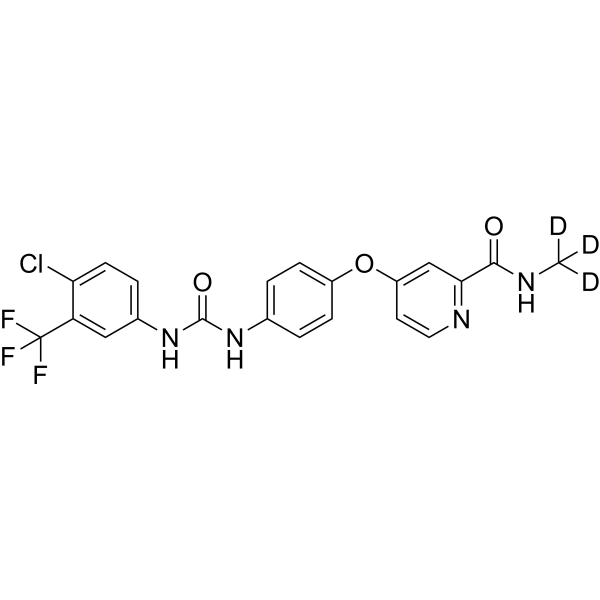
    Sorafenib-d3 (Donafenib), a deuterated compound of Sorafenib, is the first deuterium-generation tumor suppressor small molecule. Sorafenib is a multikinase inhibitor IC50s of 6 nM, 20 nM, and 22 nM for Raf-1, B-Raf, and VEGFR-3, respectively .
    Sorafenib-d3
  • HY-N8439

    Phx-3

    HSP Bacterial Antibiotic Infection Cancer
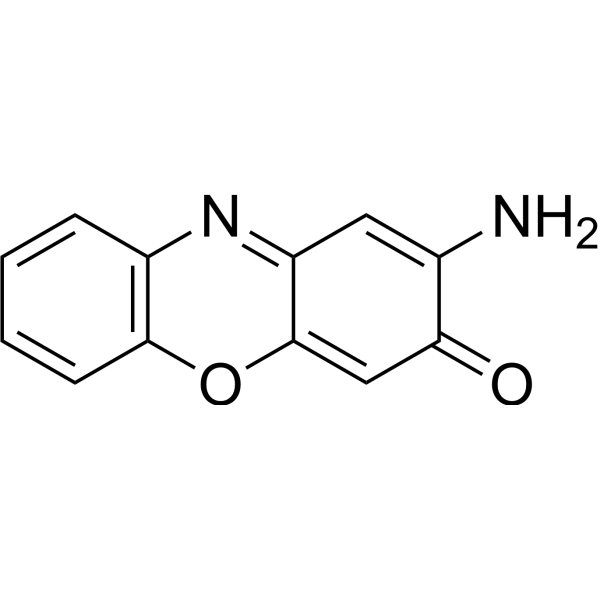
    Questiomycin A (Phx-3) is a GRP78 (cytoprotective endoplasmic reticulum chaperone) degrader and enhances the anticancer activity of Sorafenib. Questiomycin A is also an antimicrobial/antibiotic that can be obtained from the metabolite of Pseudomonas chlororaphis HT66. Questiomycin A can be used in research on biological control of cancer and plant diseases .
    Questiomycin A
  • HY-133119

    Bacterial Infection
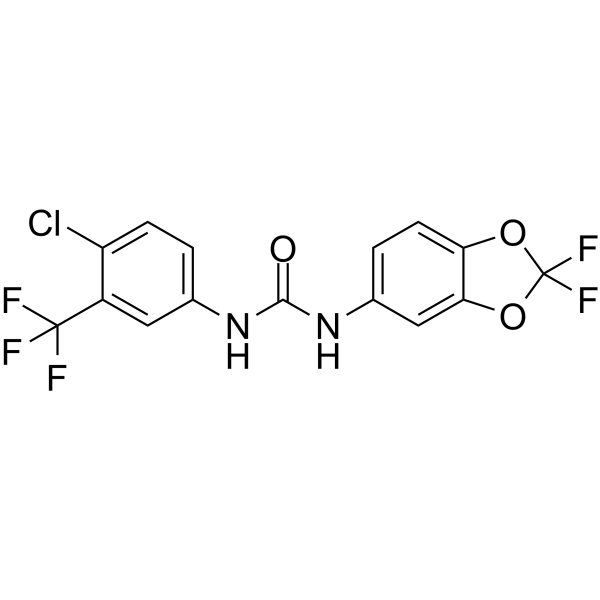
    PK150, an analogue of Sorafenib, shows oral bioavailability and antibacterial activity against several pathogenic strains at submicromolar concentrations. PK150 inhibits Gram-positive Methicillin-sensitive S. aureus (MSSA), Methicillin-resistant S. aureus (MRSA), Vancomycin intermediate S. aureus (VISA) with MICs of 0.3, 0.3-1, 0.3 μM, respectively .
    PK150
  • HY-123931
    ZLDI-8
    1 Publications Verification

    Notch Phosphatase Apoptosis Cancer
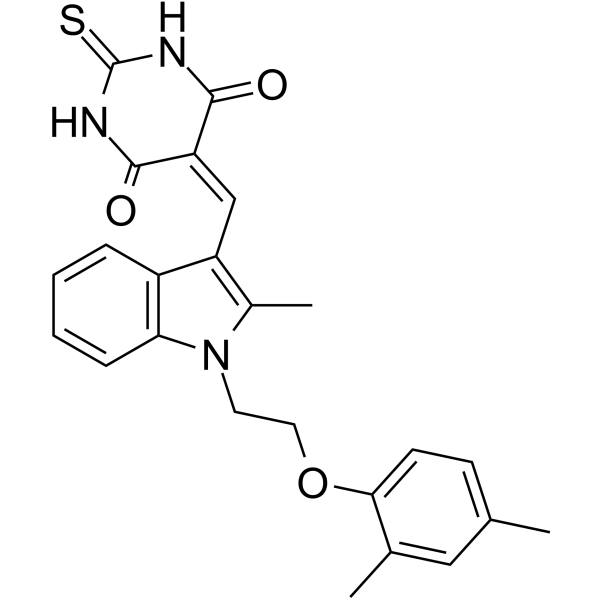
    ZLDI-8 is a Notch activating/cleaving enzyme ADAM-17 inhibitor and inhibits the cleavage of Notch protein. ZLDI-8 decreases the expression of pro-survival/anti-apoptosis and epithelial-mesenchymal transition (EMT) related proteins. ZLDI-8 is also a competitive and irreversible tyrosine phosphatase (Lyp) inhibitor with an IC50 of 31.6 μM and a Ki of 26.22 μM. ZLDI-8 inhibits the growth of MHCC97-H cells with an IC50 of 5.32 μM .
    ZLDI-8
  • HY-136658
    STAT3-IN-48
    1 Publications Verification

    STAT Apoptosis Cancer
    STAT3-IN-48 is a Sorafenib analogue and potently inhibits the phosphorylation of STAT3. STAT3-IN-48 induces cell apoptosis through SHP-1 dependent STAT3 inactivation. STAT3-IN-48 does not inhibit kinase activity and has anticancer effects .
    STAT3-IN-48
  • HY-145723
    MAX-40279
    1 Publications Verification

    FLT3 FGFR Inflammation/Immunology Cancer
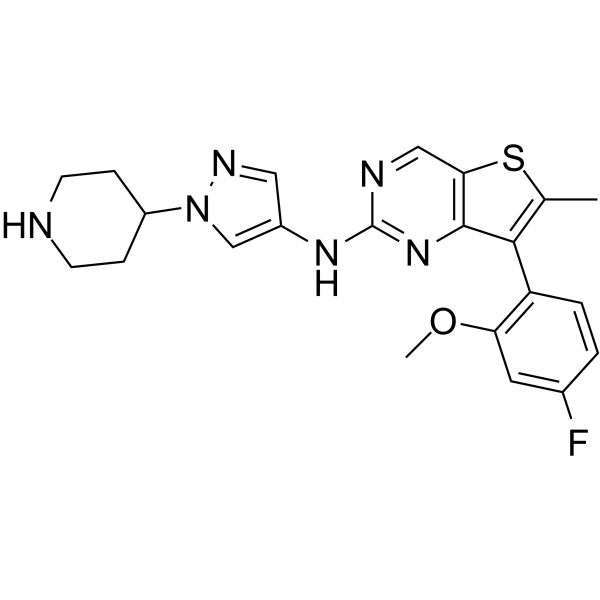
    MAX-40279 is a dual and orally active inhibitor of FLT3 kinase and FGFR kinase. MAX-40279 is also effective against the FLT3 mutants such as FLT3 D835Y, suggesting that it can overcome resistance to Quizartinib (HY-13001) and Sorafenib (HY-10201). MAX-40279 inhibits NDRG1 phosphorylation at Ser330 and suppresses endothelial-to-mesenchymal transition (EndMT). MAX-40279 can be used for the research of acute myelogenous leukemia (AML) .
    MAX-40279
  • HY-10201R

    Bay 43-9006 (Standard)

    Reference Standards Raf VEGFR FLT3 Autophagy Apoptosis Ferroptosis Cancer
    Sorafenib (Standard) is the analytical standard of Sorafenib. This product is intended for research and analytical applications. Sorafenib (Bay 43-9006) is a potent and orally active Raf inhibitor with IC50s of 6 nM and 20 nM for Raf-1 and B-Raf, respectively. Sorafenib is a multikinase inhibitor with IC50s of 90 nM, 15 nM, 20 nM, 57 nM and 58 nM for VEGFR2, VEGFR3, PDGFRβ, FLT3 and c-Kit, respectively. Sorafenib induces autophagy and apoptosis. Sorafenib has anti-tumor activity. Sorafenib is a ferroptosis activator .
    Sorafenib (Standard)
  • HY-10201S2
    Sorafenib-13C,d3
    1 Publications Verification

    Bay 43-9006-13C,d3

    Raf VEGFR FLT3 Autophagy Apoptosis Ferroptosis Cancer
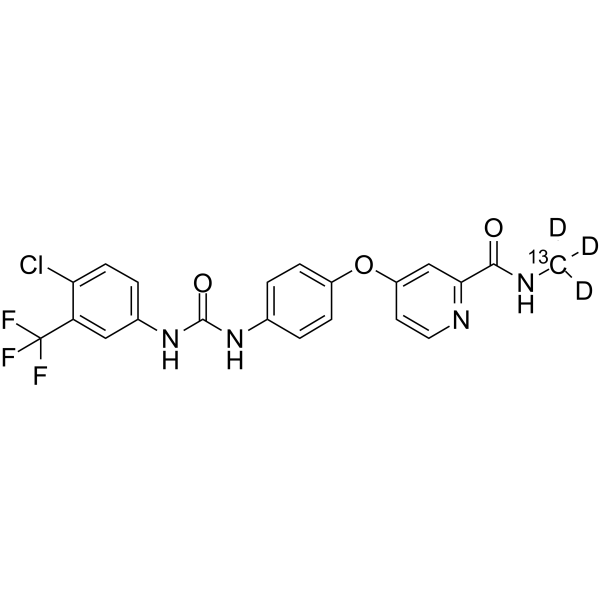
    Sorafenib- 13C,d3 is the 13C- and deuterium labeled Sorafenib. Sorafenib (Bay 43-9006) is a potent and orally active Raf inhibitor with IC50s of 6 nM and 20 nM for Raf-1 and B-Raf, respectively. Sorafenib is a multikinase inhibitor with IC50s of 90 nM, 15 nM, 20 nM, 57 nM and 58 nM for VEGFR2, VEGFR3, PDGFRβ, FLT3 and c-Kit, respectively. Sorafenib induces autophagy and apoptosis. Sorafenib has anti-tumor activity. Sorafenib is a ferroptosis activator .
    Sorafenib-13C,d3
  • HY-106856

    NT-11624

    iGluR Cancer
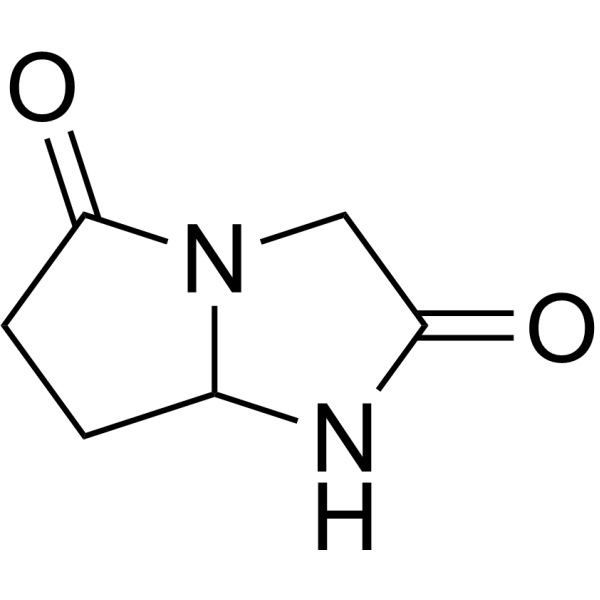
    Dimiracetam is an orally active compound, with anti-neuropathic activity. Dimiracetam inhibits hypersensitivity and neurological alterations, and inhibits Sorafenib (HY-10201)-induced neuropathy in cold stimulation rat models .
    Dimiracetam
  • HY-175646

    Acyltransferase mTOR Ribosomal S6 Kinase (RSK) Apoptosis Cancer
    AGPAT4-IN-1 (Compound CL26) is a covalent AGPAT4 inhibitor with an IC50 of 795 nM. AGPAT4-IN-1 covalently binds to AGPAT4 at Cys 228 and significantly inhibits acyltransferase activity, LPA-to-PA conversion and downstream mTOR/S6K pathways. AGPAT4-IN-1 sensitizes hepatocellular carcinoma (HCC) tumors to Sorafenib (HY-10201) and significantly induces apoptosis with a synergistic response. AGPAT4-IN-1 has antitumor activity and reduces tumorigenicity and stemness in HCC xenograft mouse models .
    AGPAT4-IN-1
  • HY-155248

    HDAC Cancer
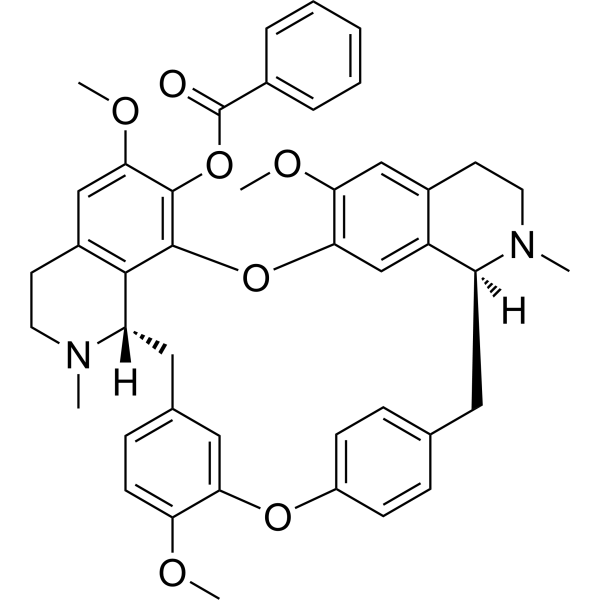
    HL23 is a histone deacetylase (HDAC) inhibitor with activity against hepatocellular carcinoma (HCC). HL23 enhances acetylation of the TXNIP promoter and upregulates TXNIP expression, thereby mediating potassium channel activity and triggering TXNIP-dependent potassium deprivation. HL23 inhibits HCC progression and metastasis and has a synergistic effect with Sorafenib (HY-10201) and is more potent than Sorafenib+Vorinostat (HY-10221) .
    HL23
  • HY-133798

    Cytochrome P450 Drug Metabolite Cancer
    Sorafenib N-oxide is an active metabolite of sorafenib (HY-10201). Sorafenib N-oxide is a linear-mixed inhibitor of microsomal CYP3A4, with a Ki of 15 μM .
    Sorafenib N-oxide
  • HY-117720

    PKC Apoptosis Cancer
    OSU-2S is a potent PKCδ activator. OSU-2S inhibits cell proliferation and migration. OSU-2S decreases the expression of p-ERK1/2, increases the expression of PKCδ (38 kDa) when combined with Sorafenib (HY-10201). OSU-2S induces Apoptosis. OSU-2S slao is a non-immunosuppressive analogue of FTY720. OSU-2S shows anticancer activity .
    OSU-2S
  • HY-161285

    MMP Cancer
    MMP-9/10-IN-2 (compound 6e) is a potent inhibitor of MMP10 and MMP9, with IC50 of 0.076 μM for MMP10, and 93.18% inhibition at 0.5 μM for MMP9. MMP-9/10-IN-2 plays an important role in anti-tumor .
    MMP-9/10-IN-2
  • HY-162934

    Apoptosis Connective Peptide Cancer
    TFCP2L1-IN-1 is a specific small molecule targeting TFCP2L1’s active domain with anti-cancer activity. TFCP2L1-IN-1 synergizes with Sorafenib (HY-10201) to induce Apoptosis and reduces cell proliferation, invasion, metastasis, clonal formation and sphere-forming capacity in hepatocellular carcinoma cells .
    TFCP2L1-IN-1
  • HY-10201S1

    Bay 43-9006-d4

    Raf VEGFR FLT3 Ferroptosis Autophagy Apoptosis Cancer
    Sorafenib-d4 (Bay 43-9006-d4) is the deuterium labeled Sorafenib. Sorafenib is a multikinase inhibitor IC50s of 6 nM, 20 nM, and 22 nM for Raf-1, B-Raf, and VEGFR-3, respectively.
    Sorafenib-d4
  • HY-178205

    CXCR ERK Akt Cancer
    BPRCX 807 is a selective and potent CXCR4 (CXC chemokine receptor type 4) antagonist. BPRCX 807 inhibits CXCL12-mediated ERK and Akt phosphorylation. BPRCX 807 can significantly suppress primary tumor growth. BPRCX 807 can be used for the study of hepatocellular carcinoma .
    BPRCX807
  • HY-10201B

    Drug Intermediate Others
    Sorafenib impurity 3 is an impurity of Sorafenib (HY-10201).
    Sorafenib impurity 3
  • HY-145723C
    MAX-40279 hemiadipate
    1 Publications Verification

    FLT3 FGFR Inflammation/Immunology Cancer
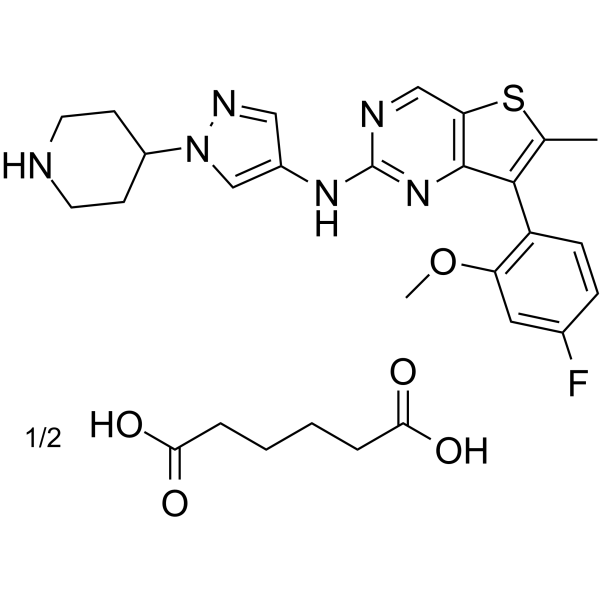
    MAX-40279 hemiadipate is a dual and orally active inhibitor of FLT3 kinase and FGFR kinase. MAX-40279 hemiadipate is also effective against the FLT3 mutants such as FLT3 D835Y, suggesting that it can overcome resistance to Quizartinib (HY-13001) and Sorafenib (HY-10201). MAX-40279 hemiadipate inhibits NDRG1 phosphorylation at Ser330 and suppresses endothelial-to-mesenchymal transition (EndMT). MAX-40279 hemiadipate can be used for the research of acute myelogenous leukemia (AML) .
    MAX-40279 hemiadipate
  • HY-10201AR

    Bay 43-9006 tosylate (Standard)

    Reference Standards Raf VEGFR FLT3 Autophagy Ferroptosis Apoptosis Cancer
    Sorafenib tosylate (Standard) is the analytical standard of Sorafenib tosylate. This product is intended for research and analytical applications. Sorafenib tosylate (Bay 43-9006 tosylate) is a potent and orally active Raf inhibitor with IC50s of 6 nM and 20 nM for Raf-1 and B-Raf, respectively. Sorafenib tosylate is a multikinase inhibitor with IC50s of 90 nM, 15 nM, 20 nM, 57 nM and 58 nM for VEGFR2, VEGFR3, PDGFRβ, FLT3 and c-Kit, respectively. Sorafenib tosylate induces autophagy and apoptosis. Sorafenib Tosylate has anti-tumor activity. Sorafenib tosylate is a ferroptosis activator .
    Sorafenib tosylate (Standard)
  • HY-123144

    Drug Metabolite Others
    N-Hydroxymethylsorafenib is a Sorafenib (HY-10201) metabolite, and can be used for research of metabolite of Sorafenib .
    N-Hydroxymethylsorafenib
  • HY-10201S4

    Donafenib tosylate; Bay 43-9006-d3 tosylate

    Isotope-Labeled Compounds Raf VEGFR FLT3 Autophagy Apoptosis Ferroptosis Cancer
    Sorafenib-d3 (Donafenib-d3) tosylate is the deuterium labeled Sorafenib (HY-10201). Sorafenib is a potent and orally active Raf inhibitor with IC50s of 6 nM and 20 nM for Raf-1 and B-Raf, respectively. Sorafenib-d3tosylate is a multikinase inhibitor with IC50s of 90 nM, 15 nM, 20 nM, 57 nM and 58 nM for VEGFR2, VEGFR3, PDGFRβ, FLT3 and c-Kit, respectively. Sorafenib-d3tosylate induces autophagy and apoptosis. Sorafenib-d3tosylate has anti-tumor activity. Sorafenib is a ferroptosis activator .
    Sorafenib-d3 tosylate
  • HY-173453

    Aldose Reductase Apoptosis Cancer
    AKR1C3-IN-15 (compound 30) is a potent and selective AKR1C3 inhibitor with an IC50 of 5 nM. AKR1C3-IN-15 enhances Sorafenib (HY-10201)-induced ROS generation, promoted apoptosis, and restored sorafenib sensitivity in HCC models both in vitro and in vivo .
    AKR1C3-IN-15
  • HY-108226

    N-Desmethyl regorafenib N-oxide

    Drug Metabolite Raf VEGFR c-Kit Cancer
    Regorafenib N-oxide and N-desmethyl (M5) (N-Desmethyl regorafenib N-oxide) is an active metabolite of Sorafenib (HY-10201) and can be metabolized by CYP3A4 .
    Regorafenib N-oxide and N-desmethyl (M5)
  • HY-W717425

    SHP1 STAT Caspase Apoptosis Bcl-2 Family CDK Survivin Drug Derivative Cancer
    SC-60 is a derivative of Sorafenib (HY-10201). SC-60 exerts its anti-tumor effect by activating the phosphatase activity of SHP-1, thereby inhibiting the STAT3 signaling pathway. SC-60 exhibits strong proliferation inhibitory activity in various hepatocellular carcinoma (HCC) cell lines. SC-60 downregulates the expression of downstream anti-apoptotic proteins (such as Bcl-2, Cyclin D1, Survivin), ultimately inducing caspase-dependent apoptosis. SC-60 significantly inhibits tumor growth in xenograft tumor models. SC-60 can be used for the study of HCC .
    SC-60
  • HY-161284

    MMP Cancer
    MMP-9/10-IN-1 (Compound 6b) is a potent dual MMP-9/10 Inhibotor with IC50s of 0.076 and 0.139 μM against NSCLC and A549 cells, respectively. MMP-9/10-IN-1 has anti-invasive and anti-angiogenic activities when in combination with Sorafenib (HY-10201) .
    MMP-9/10-IN-1
  • HY-W709612

    N-Desmethyl regorafenib N-oxide-d3-1

    Isotope-Labeled Compounds VEGFR Raf c-Kit Drug Metabolite Cancer
    Regorafenib N-oxide and N-desmethyl (M5)-d3-1 (N-Desmethyl regorafenib N-oxide-d3-1) is the deuterium labeled Regorafenib N-oxide and N-desmethyl (M5) (HY-108226). Regorafenib N-oxide and N-desmethyl (M5) (N-Desmethyl regorafenib N-oxide) is an active metabolite of Sorafenib (HY-10201) and can be metabolized by CYP3A4 .
    Regorafenib N-oxide and N-desmethyl (M5)-d3-1
  • HY-143303

    Apoptosis Cancer
    Anticancer agent 32 (compound 2g) is an anticancer agent. Anticancer agent 32 shows anticancer activities, affects cell cycle and induces cell apoptosis. Anticancer agent 32 can be used for the research of cancer .
    Anticancer agent 32
  • HY-151458

    VEGFR Bacterial Dihydrofolate reductase (DHFR) Fungal Infection Cancer
    VEGFR-2/DHFR-IN-1 (compound 8b) is an inhibitor of VEGFR-2 and DHFR with IC50s of 0.384 and 7.881 μM, respectively. VEGFR-2/DHFR-IN-1 shows good antibacterial activities against Escherichia coli, Streptococcus faecalis, Salmonella enterica, MSSA and MRSA with MIC values of 16, 16, 16, 8, and 16 μg/mL, respectively. VEGFR-2/DHFR-IN-1 exhibits good cytotoxic activities against C26, HepG2, and MCF7 cancer cell lines with IC50 values of 2.97-7.12 μM. VEGFR-2/DHFR-IN-1 can be used for the research of cancer .
    VEGFR-2/DHFR-IN-1
  • HY-151459

    VEGFR Bacterial Dihydrofolate reductase (DHFR) Fungal Infection Cancer
    VEGFR-2/DHFR-IN-2 (compound 5b) is an inhibitor of VEGFR-2 and DHFR with IC50s of 0.623 and 9.085 μM, respectively. VEGFR-2/DHFR-IN-2 exhibits good cytotoxic activities against C26, HepG2, and MCF7 cancer cell lines with IC50 values of 3.59-8.38 μM. VEGFR-2/DHFR-IN-2 can be used for the research of cancer .
    VEGFR-2/DHFR-IN-2
  • HY-151624

    PARP Apoptosis Cancer
    PARP-2-IN-2 (compound 27) is a PARP 2 inhibitor with an IC50 value of 0.057 μM. PARP-2-IN-2 induces cell cycle arrest and apoptosis of MCF-7 breast cancer cells. PARP-2-IN-2 can be used for the research of cancer .
    PARP-2-IN-2
  • HY-145723A

    FLT3 FGFR Inflammation/Immunology Cancer
    MAX-40279 hydrochloride is a dual and orally active inhibitor of FLT3 kinase and FGFR kinase. MAX-40279 hydrochloride is also effective against the FLT3 mutants such as FLT3 D835Y, suggesting that it can overcome resistance to Quizartinib (HY-13001) and Sorafenib (HY-10201). MAX-40279 hydrochloride inhibits NDRG1 phosphorylation at Ser330 and suppresses endothelial-to-mesenchymal transition (EndMT). MAX-40279 hydrochloride can be used for the research of acute myelogenous leukemia (AML) .
    MAX-40279 hydrochloride
  • HY-145723B
    MAX-40279 hemifumarate
    1 Publications Verification

    FLT3 FGFR Inflammation/Immunology Cancer
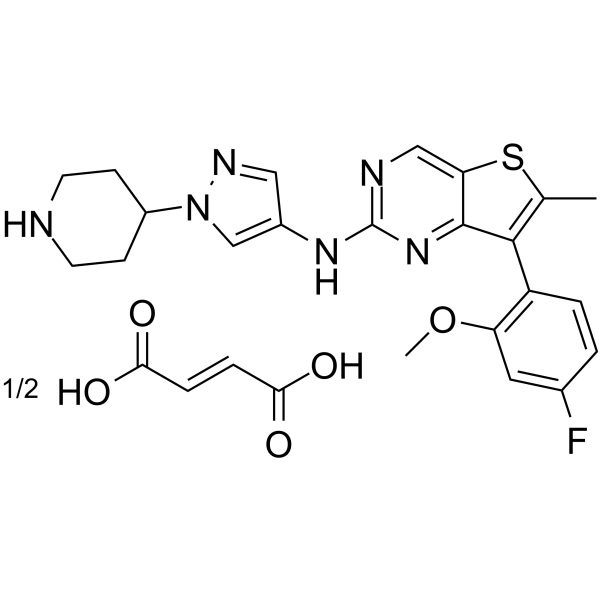
    MAX-40279 hemifumarate is a dual and orally active inhibitor of FLT3 kinase and FGFR kinase. MAX-40279 hemifumarate is also effective against the FLT3 mutants such as FLT3 D835Y, suggesting that it can overcome resistance to Quizartinib (HY-13001) and Sorafenib (HY-10201). MAX-40279 hemifumarate inhibits NDRG1 phosphorylation at Ser330 and suppresses endothelial-to-mesenchymal transition (EndMT). MAX-40279 hemifumarate can be used for the research of acute myelogenous leukemia (AML) .
    MAX-40279 hemifumarate
  • HY-173393

    LXR Cancer
    LXRα agonist 1 (Compound 40) is a selective LXRα agonist (EC50: 42 nM). LXRα agonist 1 also has a certain agonistic effect on LXRβ (EC50: 266 nM). LXRα agonist 1 promotes target gene transcription by stabilizing the ligand binding domain (LBD) of LXRα. LXRα agonist 1 exhibits potent antitumor effects in hepatocellular carcinoma cells when combined with the Raf inhibitor Sorafenib (HY-10201). LXRα agonist 1 can be used in the study of lipotoxic cancers .
    LXRα agonist 1
  • HY-Z4481

    Drug Intermediate Others
    Sorafenib impurity 4 is an impurity of Sorafenib (HY-10201).
    Sorafenib impurity 4
  • HY-W107225

    Drug Intermediate Others
    Sorafenib impurity 6 is an impurity of Sorafenib (HY-10201).
    Sorafenib impurity 6
  • HY-Z3477

    Drug Intermediate Others
    Sorafenib impurity 5 is an impurity of Sorafenib (HY-10201).
    Sorafenib impurity 5
  • HY-W048413

    Drug Intermediate Others
    Sorafenib impurity 2 is an impurity of Sorafenib (HY-10201).
    Sorafenib impurity 2
  • HY-W107225R

    Reference Standards Drug Intermediate Others
    Sorafenib impurity 6 (Standard) is the analytical standard of Sorafenib impurity 6 (HY-W107225). This product is intended for research and analytical applications.
    Sorafenib impurity 6 (Standard)
  • HY-Z3477R

    Reference Standards Drug Intermediate Others
    Sorafenib impurity 5 (Standard) is the analytical standard of Sorafenib impurity 5 (HY-Z3477). This product is intended for research and analytical applications.
    Sorafenib impurity 5 (Standard)
  • HY-10201BR

    Reference Standards Drug Intermediate Others
    Sorafenib impurity 3 (Standard) is the analytical standard of Sorafenib impurity 3 (HY-10201B). This product is intended for research and analytical applications.
    Sorafenib impurity 3 (Standard)
  • HY-W048413R

    Reference Standards
    Ethyl (4-chloro-3-(trifluoromethyl)phenyl)carbamate (Standard) is the analytical standard of Ethyl (4-chloro-3-(trifluoromethyl)phenyl)carbamate. This product is intended for research and analytical applications.
    Sorafenib impurity 2 (Standard)
  • HY-106856R

    NT-11624 (Standard)

    iGluR Reference Standards Cancer
    Dimiracetam (Standard) (NT-11624 (Standard)) is the analytical standard of Dimiracetam (HY-106856). This product is intended for research and analytical applications. Dimiracetam is an orally active compound, with anti-neuropathic activity. Dimiracetam inhibits hypersensitivity and neurological alterations, and inhibits Sorafenib (HY-10201)-induced neuropathy in cold stimulation rat models .
    Dimiracetam (Standard)
  • HY-112385

    SphK PERK Cancer
    ABC294735 is an orally active SK1/SK2 inhibitor. Combination of ABC294735 with Sorafenib (HY-10201) reduces pERK. ABC294735 exhibits anticancer activity against pancreatic adenocarcinoma and renal cell carcinoma. ABC294735 can be used in research related to pancreatic adenocarcinoma and renal cell carcinoma .
    ABC294735
  • HY-174240

    Drug Derivative Cancer
    Anticancer agent 274 (Compound 1) is a Sorafenib (HY-10201) analog. Anticancer agent 274 can inhibit the growth of tumor cells, with IC50 values of 0.034 μM and 0.042 μM against SaOS-2 and MNNG-HOS cells, respectively. Anticancer agent 274 has relatively low toxicity to normal cells and can be used in the research of tumors such as osteosarcoma .
    Anticancer agent 274
  • HY-182564

    CCR Cancer
    ST45177901 is a CC chemokine receptor 4 (CCR4) antagonist. The combination of ST45177901 and Sorafenib (HY-10201) effectively inhibits the chemotaxis of Treg cells via the CCL22/CCL17-CCR4 signaling pathway, thereby significantly suppressing the growth and metastasis of tumor cells. ST45177901 is applicable to liver cancer research .
    ST45177901

Inquiry Online

Your information is safe with us. * Required Fields.

Salutation


Country or Region *

Applicant Name *


Organization Name *

Department *


Email Address *


Product Name *

Cat. No.


Requested quantity *

Phone Number *


Remarks

Inquiry Online

Inquiry Information

Product Name:
Cat. No.:
Quantity:
MCE Japan Authorized Agent:

