1. Search Result
Search Result
Results for "

spasm

" in MedChemExpress (MCE) Product Catalog:

82

Inhibitors & Agonists

1

Peptides

9

Natural
Products

15

Isotope-Labeled Compounds

1

Oligonucleotides

Cat. No. Product Name Target Research Areas Chemical Structure
  • HY-B1188

    mAChR Neurological Disease
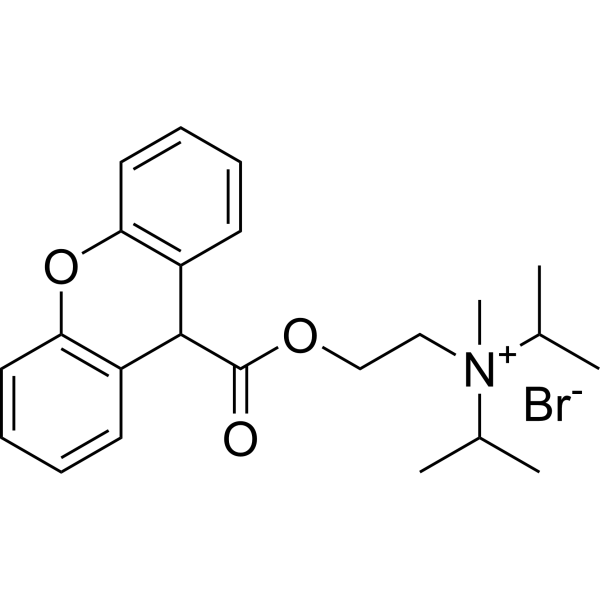
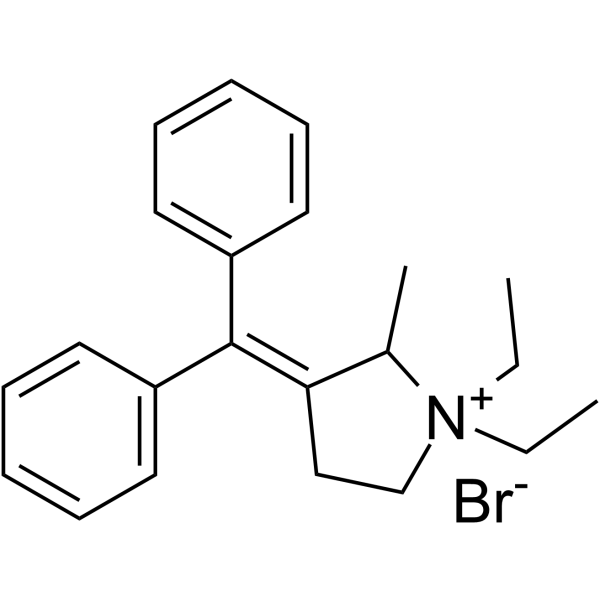
    Propantheline bromide is an orally active mAChR antagonist. Propantheline bromide can be used in the research of smooth muscle dysfunction, excessive sweating, cramps or spasms of the stomach, intestines or bladder, and involuntary urination. Propantheline bromide can hardly cross the blood-brain barrier .
    Propantheline bromide
  • HY-12542
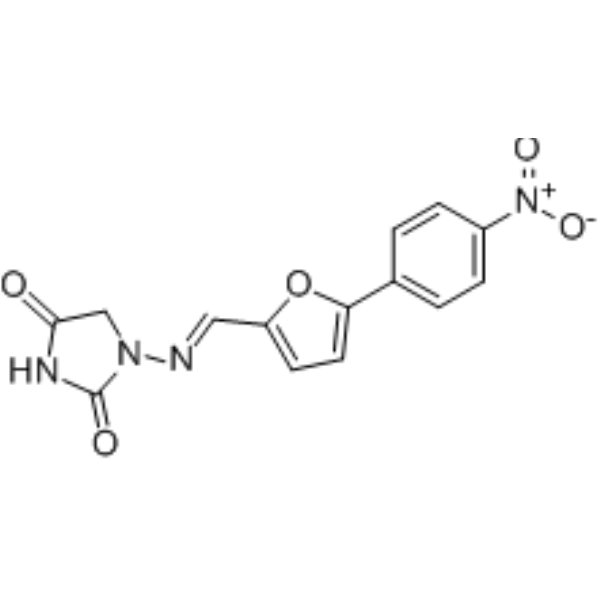
    Dantrolene
    Maximum Cited Publications
    15 Publications Verification

    F 368

    Calcium Channel Reactive Oxygen Species (ROS) Apoptosis Cardiovascular Disease Neurological Disease Inflammation/Immunology
    Dantrolene is an orally active, non-competitive glutathione reductase inhibitor with a Ki of 111.6 μM and an IC50 of 52.3 μM. Dantrolene is also a calcium channel protein inhibitor. Dantrolene inhibits the release of Ca 2+ from RyR1 and RyR3, which can be beneficial in a variety of pathologies caused by disruptions in calcium homeostasis (e.g., stroke, ischemia/reperfusion injury, and neurodegenerative diseases). Dantrolene offers relief of muscle spasms, malignant hyperthermia, and antitoxic, antipyretic, and anti-inflammatory properties .
    Dantrolene
  • HY-17583
    Griseofulvin
    1 Publications Verification

    Environmental Pollutants Antibiotic Apoptosis Fungal Endogenous Metabolite Bcl-2 Family Caspase Microtubule/Tubulin Infection Cardiovascular Disease Cancer
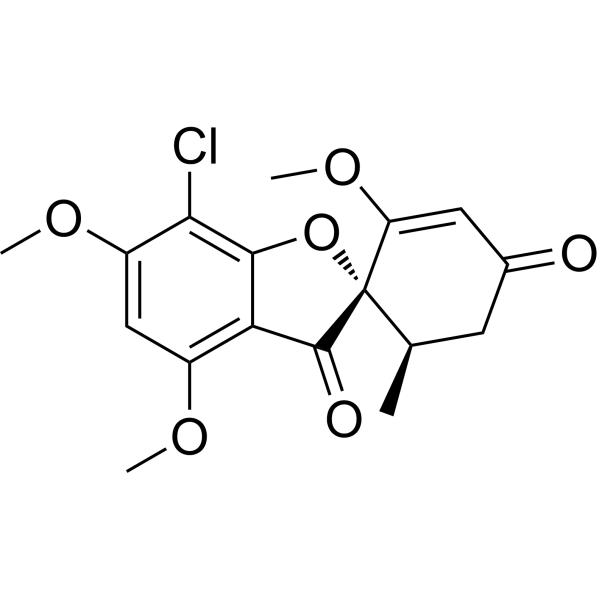
    Griseofulvin is an orally active antifungal antibiotic with antitumor activity. Griseofulvin induces apoptosis and G2/M cell cycle arrest in cancer cells. Griseofulvin also has cardiovascular modulatory activity, reducing angina pectoris, relieving hand artery spasm associated with onychomycosis, and peripheral vascular diseases such as shoulder-hand syndrome .
    Griseofulvin
  • HY-14657
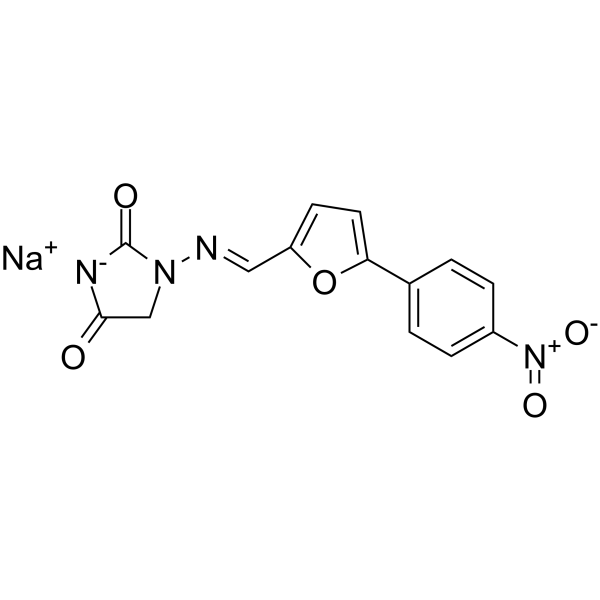
    Dantrolene sodium
    Maximum Cited Publications
    15 Publications Verification

    F 440

    Calcium Channel Reactive Oxygen Species (ROS) Apoptosis Cardiovascular Disease Neurological Disease Metabolic Disease
    Dantrolene sodium is an orally active, non-competitive glutathione reductase inhibitor with a Ki of 111.6 μM and an IC50 of 52.3 μM. Dantrolene sodium is also a calcium channel protein inhibitor. Dantrolene sodium inhibits the release of Ca 2+ from RyR1 and RyR3, which can be beneficial in a variety of pathologies caused by disruptions in calcium homeostasis (e.g., stroke, ischemia/reperfusion injury, and neurodegenerative diseases). Dantrolene sodium offers relief of muscle spasms, malignant hyperthermia, and antitoxic, antipyretic, and anti-inflammatory properties .
    Dantrolene sodium
  • HY-N0340
    Scopolamine butylbromide
    1 Publications Verification

    Hyoscine butylbromide; (-)-Scopolamine butylbromide; Butylscopolamine bromide

    mAChR Neurological Disease Inflammation/Immunology
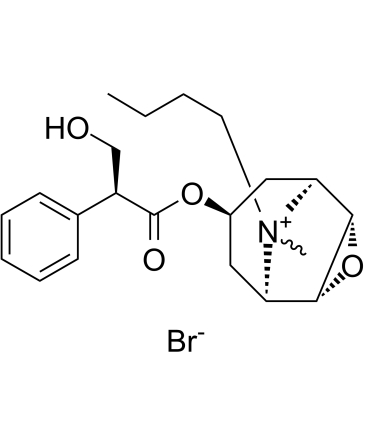
    Scopolamine butylbromide (Hyoscine butylbromide) is an orally active anticholinergic agent and spasmolytic. Scopolamine butylbromide binds with high affinity to rat cardiac M2 (Ki 83 nmol/L), hM2 (Ki 233 nmol/L), rat intestinal M3 (Ki 290 nmol/L) and hM3 (Ki 643 nmol/L) muscarinic receptors. Scopolamine butylbromide exerts a dose-dependent antagonistic effect on Carbachol-induced gastrointestinal smooth muscle spasm. Scopolamine butylbromide can be used for the research of abdominal colic and pain associated with gastrointestinal spasm, functional abdominal pain, chronic gastropathy and gastric ulcer .
    Scopolamine butylbromide
  • HY-B0740

    MK130 hydrochloride

    5-HT Receptor Parasite Infection Neurological Disease
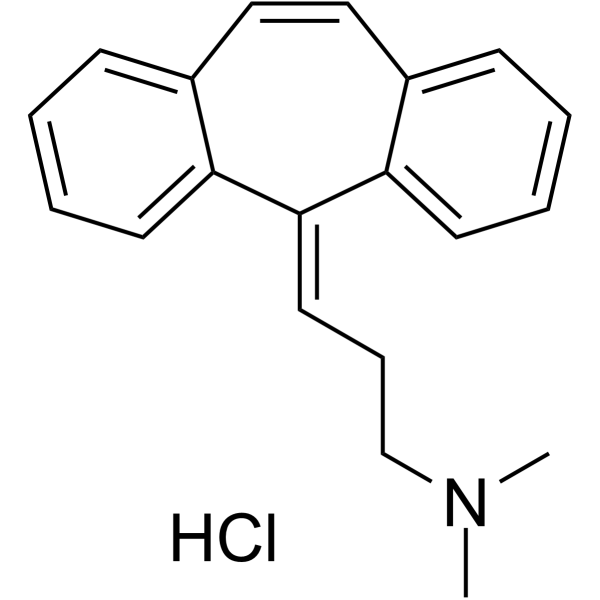
    Cyclobenzaprine (MK130) hydrochloride is an orally active 5-HT2 receptor antagonist. Cyclobenzaprine hydrochloride acts centrally, providing skeletal muscle relaxation, alleviating muscle spasms, and reducing pain. Cyclobenzaprine hydrochloride also possesses antiparasitic activity. Cyclobenzaprine hydrochloride holds promise for research in the fields of acute, painful skeletal muscle disorders and infectious diseases .
    Cyclobenzaprine hydrochloride
  • HY-W016221
    6-Hydroxy Chlorzoxazone
    1 Publications Verification

    Drug Metabolite Inflammation/Immunology
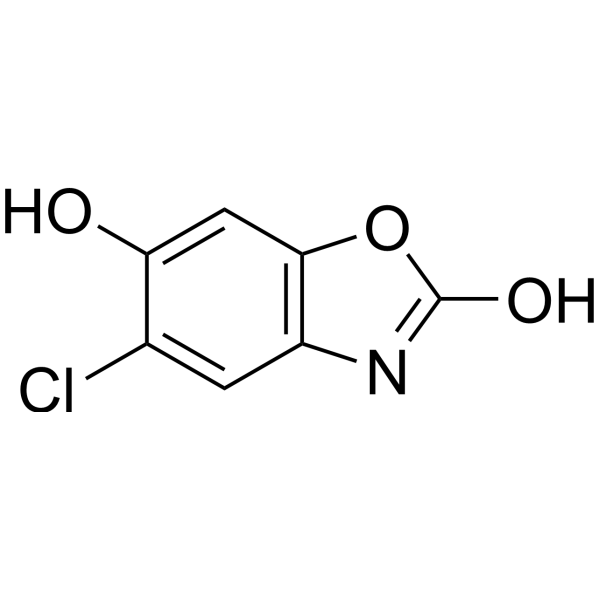
    6-Hydroxy Chlorzoxazone is a metabolite of Chlorzoxazone (HY-B1462). Chlorzoxazone is a centrally acting muscle relaxant used to treat muscle spasm and the resulting pain or discomfort .
    6-Hydroxy Chlorzoxazone
  • HY-B0262
    Methocarbamol
    1 Publications Verification

    Sodium Channel Neurological Disease
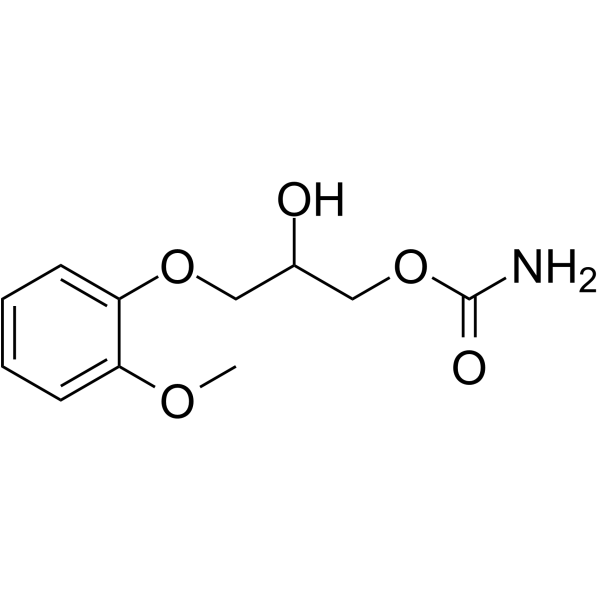
    Methocarbamol is an orally active central muscle relaxant and blocks muscular Nav1.4 channel. Methocarbamol reversibly affects voltage dependence of inactivation of Nav1.4 channel. Methocarbamol has the potential for muscle spasms and pain syndromes research .
    Methocarbamol
  • HY-17037
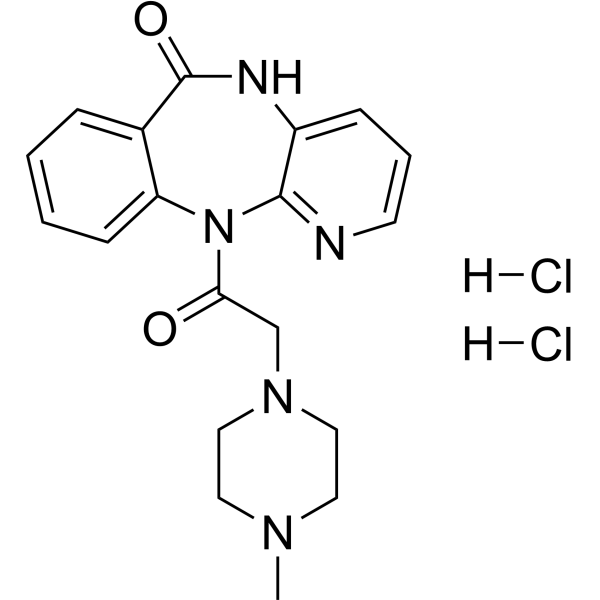
    Pirenzepine dihydrochloride
    5 Publications Verification

    LS 519; Pirenzepin dihydrochloride; Gastrozepin dihydrochloride

    mAChR Metabolic Disease Cancer
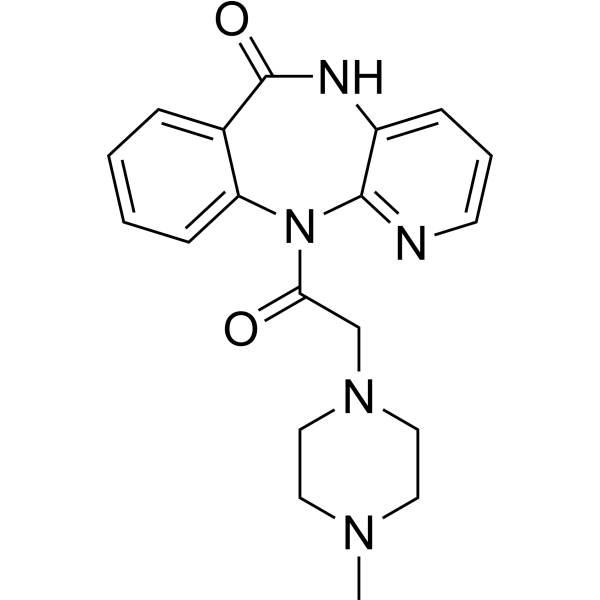
    Pirenzepine (LS 519) dihydrochloride is a selective M1 mAChR (muscarinic acetylcholine receptor) antagonist, with poor penetration of the blood-brain barrier. Pirenzepine dihydrochloride reduces gastric acid secretion and reduces muscle spasm, can be used in peptic ulcers research. Pirenzepine dihydrochloride shows anti-proliferative activity to cancer cells .
    Pirenzepine dihydrochloride
  • HY-B1339

    Dicycloverine hydrochloride

    mAChR Neurological Disease
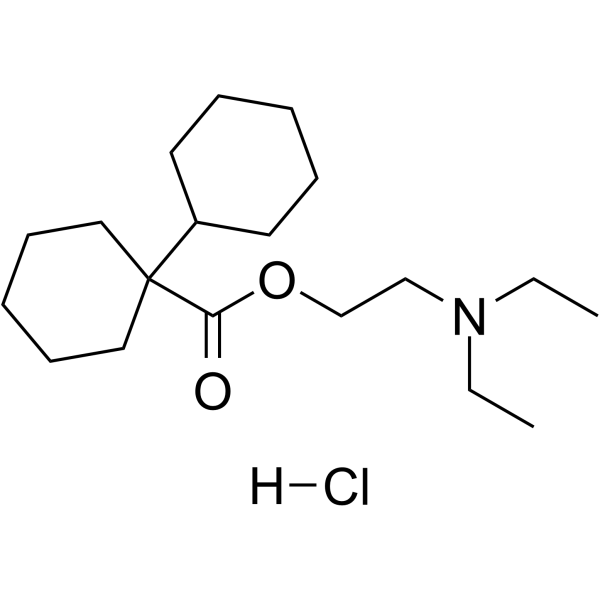
    Dicyclomine hydrochloride is a potent and orally active muscarinic cholinergic receptors antagonist. Dicyclomine hydrochloride shows high affinity for muscarinic M1 receptor subtype (Ki=5.1 nM) and M2 receptor subtype (Ki=54.6 nM) in brush-border membrane and basal plasma membranes, respectively . Dicyclomine is an antispasmodic agent and relieves smooth muscle spasm of the gastrointestinal tract in vivo .
    Dicyclomine hydrochloride
  • HY-B0229

    BW-311C90; 311C90

    5-HT Receptor Endogenous Metabolite Neurological Disease
    Zolmitriptan (BW-311C90; 311C90) is a 5-HT1B/1D receptor partial agonist that can cross the blood-brain barrier, with Kis of 5.01 nM, 0.63 nM, and 63.09 nM for 5-HT1B, 5-HT1D, 5-HT1F receptor, respectively. Zolmitriptan can be used for the research of migraine .
    Zolmitriptan
  • HY-B0267A

    mAChR Potassium Channel Neurological Disease Cancer
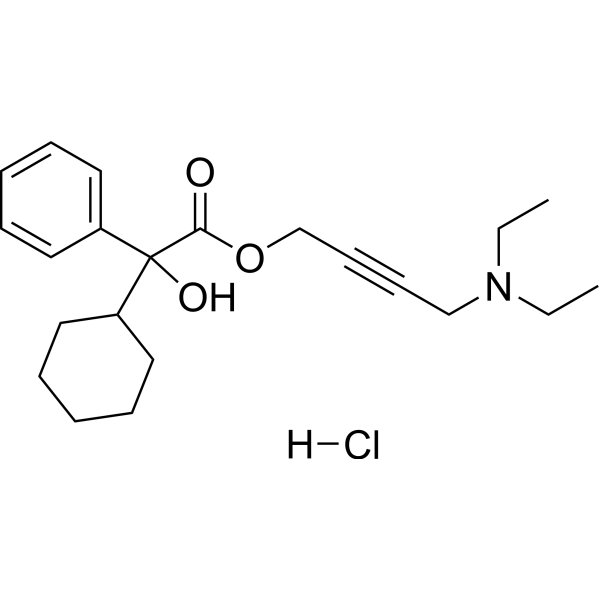
    Oxybutynin chloride is an oral active and competitive mAChR antagonist with Kis of 14.3 and 5.55 nM for specific [ 3H]NMS binding in the mouse bladder and cerebral cortex, respectively. Oxybutynin chloride inhibits vascular Kv channels in a manner independent of anticholinergic effect, with an IC50 value of 11.51 μM. Oxybutynin chloride reduces muscle spasm in the bladder and urinary tract, can be used in study of overactive bladder syndrome (OAB) . Oxybutynin (chloride) is a click chemistry reagent, it contains an Alkyne group and can undergo copper-catalyzed azide-alkyne cycloaddition (CuAAc) with molecules containing Azide groups.
    Oxybutynin chloride
  • HY-12542A
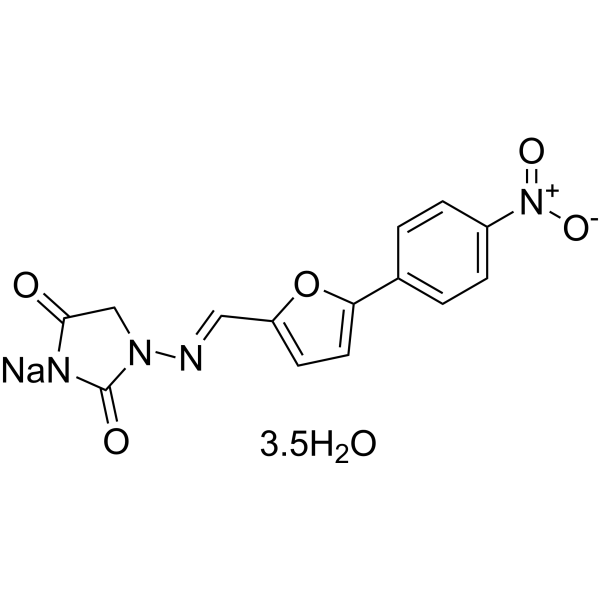
    Dantrolene sodium hemiheptahydrate
    Maximum Cited Publications
    15 Publications Verification

    Dantrolene sodium hydrate

    Calcium Channel Reactive Oxygen Species (ROS) Apoptosis Cardiovascular Disease Neurological Disease Metabolic Disease
    Dantrolene sodium hemiheptahydrate is an orally active, non-competitive glutathione reductase inhibitor with a Ki of 111.6 μM and an IC50 of 52.3 μM. Dantrolene sodium hemiheptahydrate is also a calcium channel protein inhibitor. Dantrolene sodium hemiheptahydrate inhibits the release of Ca 2+ from RyR1 and RyR3, which can be beneficial in a variety of pathologies caused by disruptions in calcium homeostasis (e.g., stroke, ischemia/reperfusion injury, and neurodegenerative diseases). Dantrolene sodium hemiheptahydrate offers relief of muscle spasms, malignant hyperthermia, and antitoxic, antipyretic, and anti-inflammatory properties .
    Dantrolene sodium hemiheptahydrate
  • HY-17037A
    Pirenzepine
    5 Publications Verification

    LS 519 free base; Pirenzepin; Gastrozepin

    mAChR Metabolic Disease Cancer
    Pirenzepine (LS 519 free base) is a selective M1 mAChR (muscarinic acetylcholine receptor) antagonist, with poor penetration of the blood-brain barrier. Pirenzepine reduces gastric acid secretion and reduces muscle spasm, can be used in peptic ulcers research. Pirenzepine shows anti-proliferative activity to cancer cells .
    Pirenzepine
  • HY-112076

    Methylatropine bromide

    mAChR Neurological Disease
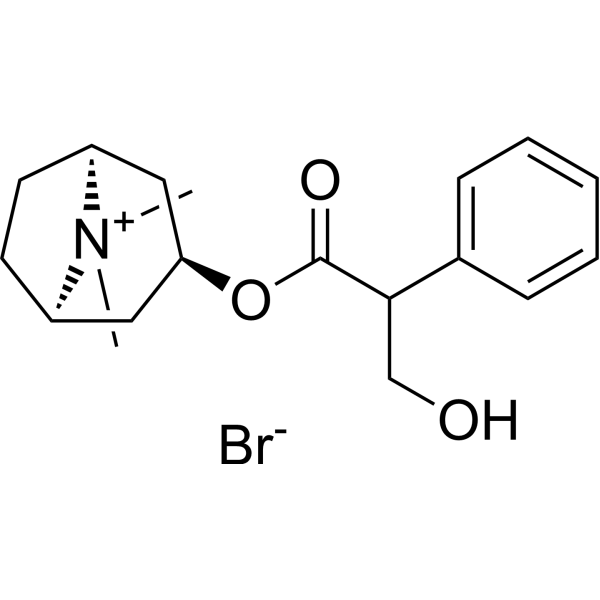
    Atropine methyl bromide, a muscarinic receptor (mAChR) antagonist, is a quaternary ammonium salt of atropine and a mydriatic for dilation of the pupil during ophthalmic examination. It is introduced for relieving pyloric spasm in infants for its highly polar nature. It penetrates less readily into the central nervous system than atropine .
    Atropine methyl bromide
  • HY-W010451

    Hydroxyhydroquinone

    PERK Eukaryotic Initiation Factor (eIF) Potassium Channel Apoptosis Cardiovascular Disease Cancer
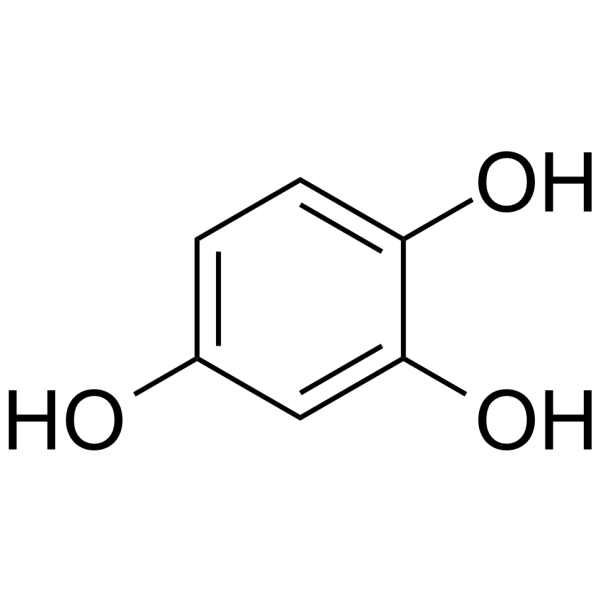
    1,2,4-Trihydroxybenzene (Hydroxyhydroquinone) is an ER stress inducer that targets proteins such as PKR-like ER kinase PERK to induce cytotoxicity. 1,2,4-Trihydroxybenzene selectively activates eIF2α phosphorylation, activates the PERK-eIF2α signaling pathway and induces stress granule formation. 1,2,4-Trihydroxybenzene subsequently exacerbates oxidative stress and causes DNA double-strand breaks, destroying organelles such as mitochondria and ER, and inducing cell death. 1,2,4-Trihydroxybenzene also has the potential to exhibit anti-tumor effect, increase blood pressure, and relieve spasm .
    1,2,4-Trihydroxybenzene
  • HY-B1239
    Drofenine hydrochloride
    1 Publications Verification

    Hexahydroadiphenine hydrochloride

    Cholinesterase (ChE) Potassium Channel Amyloid-β TRP Channel Tau Protein NOD-like Receptor (NLR) JNK NF-κB IKK Neurological Disease Metabolic Disease Inflammation/Immunology
    Drofenine (Cycloadiphene; Hexahydroadiphenine) hydrochloride is an brain-penetrant antispasmodic agent. Drofenine hydrochloride is a Kv2.1 channel inhibitor with human IC50 of 9.53 μM. Drofenine hydrochloride is a butyrylcholinesterase (BChE) inhibitor with Ki of 0.003 mM, and is a TRPV3 activator. Drofenine hydrochloride blocks Kv2.1-dependent potassium efflux, inhibits Kv2.1/JNK/NF-κB and IkBa/NF-kB signaling, suppresses Kv2.1 mRNA/protein expression. Drofenine suppresses oligomeric -induced microglial NLRP3 inflammasome activation and neuronal Tau hyperphosphorylation, improves cognitive impairment, promotes neurite outgrowth. Drofenine hydrochloride induces calcium influx in keratinocytes and exert cytotoxicity against keratinocytes. Drofenine hydrochloride ameliorates diabetic peripheral neuropathy -like pathology. Drofenine hydrochloride can be used for the researches of Alzheimer's disease, diabetic peripheral neuropathy and smooth muscle spasm .
    Drofenine hydrochloride
  • HY-112076A

    Methylatropine nitrate; Atropine methyl nitrate

    mAChR Neurological Disease
    Atropine methyl bromide, a muscarinic receptor (mAChR) antagonist, is a quaternary ammonium salt of atropine and a mydriatic for dilation of the pupil during ophthalmic examination. It is introduced for relieving pyloric spasm in infants for its highly polar nature. It penetrates less readily into the central nervous system than atropine .
    Atropine methyl nitrate
  • HY-107349

    spasmopriv

    Calcium Channel Neurological Disease
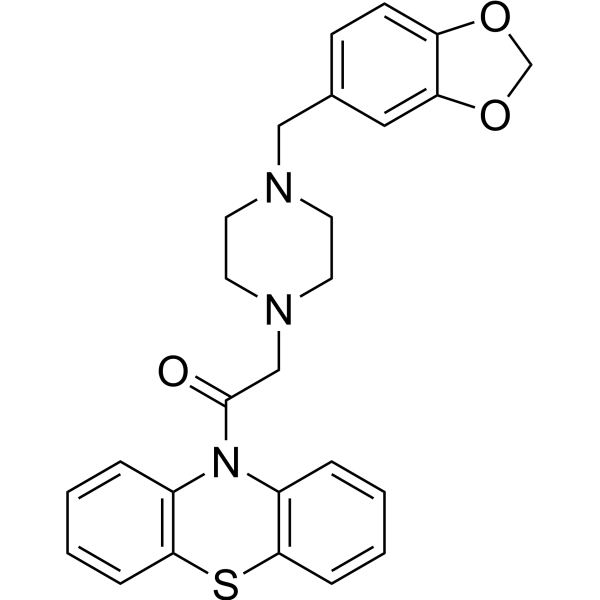
    Fenoverine (Spasmopriv) is an orally active and powerful anti-spasmodic drug. Fenoverine reduces calcium ion influx by suppressing voltage dependent calcium channels. Fenoverine has antiemetic, analgesic, and antidiarrheal effects. Fenoverine induces rhabdomyolysis. Fenoverine can be used to study smooth muscle overexcitation related conditions such as gastrointestinal spasms .
    Fenoverine
  • HY-N2050
    1,3,5,8-Tetrahydroxyxanthone
    1 Publications Verification

    Desmethylbellidifolin

    Others Neurological Disease Inflammation/Immunology
    1,3,5,8-Tetrahydroxyxanthone (Desmethylbellidifolin) is a natural xanthone extracted from Swertia chirata. 1,3,5,8-Tetrahydroxyxanthone has antispasmodic effect and anti-inflammatory activity .
    1,3,5,8-Tetrahydroxyxanthone
  • HY-W742955

    mAChR Neurological Disease
    Pargeverine hydrochloride is an antispasmodic opioid alkaloid. Pargeverine hydrochloride has a moderate and non-selective blockade of muscarinic cholinergic fibers. Pargeverine hydrochloride can be used in the research of painful spasms .
    Pargeverine hydrochloride
  • HY-B1462S1

    Cytochrome P450 Inflammation/Immunology
    Chlorzoxazone- 13C is the 13C labeled Chlorzoxazone . Chlorzoxazone is a centrally acting muscle relaxant used to treat muscle spasm and the resulting pain or discomfort .
    Chlorzoxazone-13C
  • HY-B1283

    iGluR Neurological Disease
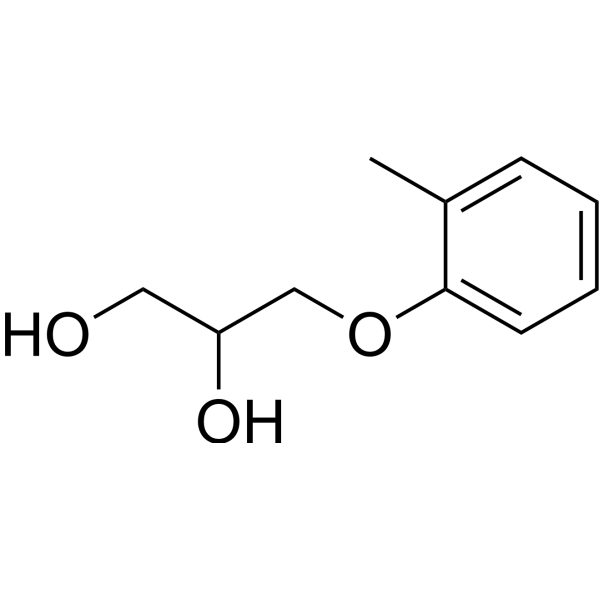
    Mephenesin is an NMDA receptor antagonist. Mephenesin is also a central muscle relaxant with antianxiety, muscle-paralyzing and anticonvulsant effects. Mephenesin acts directly on the skeletal muscle fibres to produce skeletal muscle relaxation. Mephenesin is promising for research of spasticity or painful muscle spasm .
    Mephenesin
  • HY-116910

    GABA Receptor Neurological Disease
    CPP-115 is a GABA transaminase inactivator with higher affinity and lower retinal toxicity than Vigabatrin (HY-15399). CPP-115 increases brain GABA levels by inhibiting GABA transaminase catabolism. CPP-115 can be used in the study of drug addiction and infantile spasms .
    CPP-115
  • HY-B1462S

    Cytochrome P450 Inflammation/Immunology
    Chlorzoxazone-d3 is the deuterium labeled Chlorzoxazone. Chlorzoxazone is a centrally acting muscle relaxant used to treat muscle spasm and the resulting pain or discomfort. It acts on the spinal cord by depressing reflexes.Chlorzoxazone is currently being used as a marker substrate in vitro/vivo studies to quantify cytochrome P450 2E1 (CYP2E1) activity in humans.
    Chlorzoxazone-d3
  • HY-B1188S

    mAChR Neurological Disease
    Propantheline-d3 (bromide) is the deuterium labeled Propantheline bromide. Propantheline bromide is an antimuscarinic agent, used for the treatment of hyperhidrosis, cramps or spasms of the stomach, intestines or bladder, and enuresis.
    Propantheline-d3 bromide
  • HY-119860

    ONO 41483

    Drug Derivative Cardiovascular Disease
    Ataprost (ONO 41483) is an orally active Carboprostacyclin (HY-112322) analogue. Ataprost exhibits 2.6 times more active than Carboprostacyclin in inhibiting ADP-induced platelet aggregation in vitro. Ataprost has the ability to relieve coronary spasm .
    Ataprost
  • HY-115763

    3-APPA; CGP 27492; CGA 147823

    GABA Receptor Neurological Disease
    3-Aminopropylphosphinic acid (3-APPA) is a phosphonic analog of GABA. 3-Aminopropylphosphinic acid is a potent, selective GABAB receptor agonist .
    3-Aminopropylphosphinic acid
  • HY-122548

    mAChR Endocrinology
    Butropium bromide is a competitive mAChR antagonist. Butropium bromide blocks acetylcholine-mediated glandular secretion and muscle contraction signals, suppressing salivary gland secretion and respiratory smooth muscle spasms. Butropium bromide is promising for research of excessive salivation .
    Butropium bromide
  • HY-W173257

    6-Amino-5-1,3-dimethyl-5-(formamido)uracil

    Others
    Theophylline EP impurity C is an alkaloid with anti-bronchial smooth muscle spasm activity. Theophylline EP impurity C can be used to assess the purity and quality of compounds. Theophylline EP impurity C has potential clinical value in the suppression of asthma and chronic obstructive pulmonary disease.
    Theophylline EP impurity C
  • HY-131896

    NOR4

    NO Synthase Cardiovascular Disease
    FR144420 (NOR4) is an orally active nitric oxide (NO)-releasing agent with vasodilatory and antiplatelet effects. FR144420 induces cGMP-mediated vasodilation and inhibits platelet aggregation. FR144420 is promising for research of cardiovascular diseases, particularly angina pectoris and coronary artery spasm .
    FR144420
  • HY-B0262R

    Reference Standards Sodium Channel Neurological Disease
    Methocarbamol (Standard) is the analytical standard of Methocarbamol. This product is intended for research and analytical applications. Methocarbamol is an orally active central muscle relaxant and blocks muscular Nav1.4 channel. Methocarbamol reversibly affects voltage dependence of inactivation of Nav1.4 channel. Methocarbamol has the potential for muscle spasms and pain syndromes research .
    Methocarbamol (Standard)
  • HY-165440

    MK130

    5-HT Receptor Parasite Infection Neurological Disease
    Cyclobenzaprine (MK130) is an orally active 5-HT2 receptor antagonist. Cyclobenzaprine acts centrally, providing skeletal muscle relaxation, alleviating muscle spasms, and reducing pain. Cyclobenzaprine also possesses antiparasitic activity. Cyclobenzaprine holds promise for research in the fields of acute, painful skeletal muscle disorders and infectious diseases .
    Cyclobenzaprine
  • HY-B1339A

    Dicycloverine

    mAChR Neurological Disease
    Dicyclomine (Dicycloverine) is a potent and orally active muscarinic cholinergic receptors antagonist. Dicyclomine (Dicycloverine) shows high affinity for muscarinic M1 receptor subtype (Ki=5.1 nM) and M2 receptor subtype (Ki=54.6 nM) in brush-border membrane and basal plasma membranes, respectively . Dicyclomine is an antispasmodic agent and relieves smooth muscle spasm of the gastrointestinal tract in vivo .
    Dicyclomine
  • HY-U00079A

    FK-176

    mAChR Neurological Disease
    Vamicamide (FK-176) is an orally active competitive mAChR antagonist that inhibits contractions induced by cholinergic nerve stimulation by preventing mAChR agonists from binding to mAChR. Vamicamide exhibits a good anti-bladder spasm effect, with a pA2 value of 6.82 in bladder tissue. Vamicamide can be used in research within the field of neurological diseases .
    Vamicamide
  • HY-B0954A

    mAChR Endocrinology
    Oxyphencyclimine is an orally active muscarinic receptor (mAChR) antagonist. Oxyphencyclimine is effective in reducing ulceration index and increasing pepsin activity in rat gastric ulcer model. Oxyphencyclimine can be used in studies of peptic ulcer disease and gastrointestinal spasm .
    Oxyphencyclimine
  • HY-107349S

    spasmopriv-d8

    Calcium Channel Isotope-Labeled Compounds Neurological Disease
    Fenoverine-d8 is the deuterium labeled Fenoverine. Fenoverine (Spasmopriv) is an orally active and powerful anti-spasmodic drug. Fenoverine reduces calcium ion influx by suppressing voltage dependent calcium channels. Fenoverine has antiemetic, analgesic, and antidiarrheal effects. Fenoverine induces rhabdomyolysis. Fenoverine can be used to study smooth muscle overexcitation related conditions such as gastrointestinal spasms .
    Fenoverine-d8
  • HY-107349R

    spasmopriv (Standard)

    Reference Standards Calcium Channel Neurological Disease
    Fenoverine (Standard) is the analytical standard of Fenoverine. This product is intended for research and analytical applications. Fenoverine (Spasmopriv) is an orally active and powerful anti-spasmodic drug. Fenoverine reduces calcium ion influx by suppressing voltage dependent calcium channels. Fenoverine has antiemetic, analgesic, and antidiarrheal effects. Fenoverine induces rhabdomyolysis. Fenoverine can be used to study smooth muscle overexcitation related conditions such as gastrointestinal spasms .
    Fenoverine (Standard)
  • HY-106564A

    Ba 598Br; Flubron

    mAChR Inflammation/Immunology
    Flutropium bromide (Ba 598Br) is a organic bromide salt of flutropium. Flutropium bromide shows an anticholinergic effect. Flutropium bromide effectively suppresses spasms and it can be used for the research of asthma and chronic obstructive pulmonary disease .
    Flutropium bromide
  • HY-19379

    Cytochrome P450 Others
    E-2101 is a novel antispastic agent. E-2101 is a competitive CYP2C19 and CYP2D6 inhibitor with Ki values of 15 and 48 μM, respectively. E-2101 is metabolized by Cytochromes P450 to form monohydroxylated (M1 and M2), dihydroxylated (M3), and N-dealkylated metabolites (M4). E-2101 can be used in the research of skeletal muscle spasm .
    E-2101
  • HY-14915A

    MN-221; KUR-1246

    Adrenergic Receptor Inflammation/Immunology
    Bedoradrine (MN-221) sulfate is a highly selective β2-adrenergic receptor agonist. Bedoradrine sulfate can effectively relieve airway spasm, dilate airway smooth muscle cells, reduce airway inflammation, and thus improve respiratory function. Bedoradrine sulfate can be used in research on asthma .
    Bedoradrine sulfate
  • HY-RS07070

    Small Interfering RNA (siRNA) Others

    KANTR Human Pre-designed siRNA Set A contains three designed siRNAs for KANTR gene (Human), as well as a negative control, a positive control, and a FAM-labeled negative control.

    KANTR Human Pre-designed siRNA Set A
    KANTR Human Pre-designed siRNA Set A
  • HY-B1230A

    Endogenous Metabolite Inflammation/Immunology
    Camylofin dihydrochloride is an antispasmodic drug with activity in relieving smooth muscle spasms. Camylofin dihydrochloride is used to suppress spasms during labor and to provide pharmacotherapy for ulcerative colitis. The analysis of camylofin dihydrochloride can be quantitatively determined by gas chromatography to assess its content in pharmaceutical preparations .
    Camylofin dihydrochloride
  • HY-B1139A

    Sodium Channel Neurological Disease
    Tolperisone, a centrally acting muscle relaxant, is utilized for alleviating symptoms of spasticity and muscle spasms.
    Tolperisone
  • HY-119913

    Ahistan

    Histamine Receptor Neurological Disease
    Dacemazine (Ahistan) is a phenothiazine derivative that acts as a histamine H1 receptor antagonist. Dacemazine exhibits local anesthetic activity and can alleviate spasms induced by acetylcholine and histamine .
    Dacemazine
  • HY-P10268

    Neurokinin Receptor Cardiovascular Disease Neurological Disease
    Neuropeptide K, human, porcine, rat exhibits bioactivity in gallbladder contraction, protein extravasation, hypotension and brcnchial smooth muscle spasm. Neuropeptide K, human, porcine, rat is concentrated in brain and acts as tachykinin neuromessenger .
    Neuropeptide K (human, porcine, rat)
  • HY-W747594

    Potassium Channel Neurological Disease
    SDZ PCO 400 is a potassium channel modulator that relaxes airway smooth muscle and reverses airway obstruction caused by intravenous bronchospasmodics .
    SDZ PCO 400
  • HY-116408

    mAChR Neurological Disease
    Propiverine is a potent antimuscarinic agent. Propiverine inhibits cellular calcium influx, thereby diminishing muscle spasm. Propiverine has neurotropic and musculotropic effects on the urinary bladder smooth muscle. Propiverine can used for overactive bladder (OAB) research .
    Propiverine
  • HY-124515

    Histamine Receptor mAChR Neurological Disease
    Dihexyverine hydrochloride is a compound belonging to the amino alcohol ester class. Dihexyverine hydrochloride possesses anticholinergic, smooth muscle relaxant, antihistaminic, and antiemetic effects. Dihexyverine hydrochloride can also shorten the duration of labor. Dihexyverine hydrochloride can be used in research related to gastrointestinal spasms, obstetrics, and other fields .
    Dihexyverine hydrochloride
  • HY-N0340R

    Hyoscine butylbromide (Standard); (-)-Scopolamine butylbromide (Standard); Butylscopolamine bromide (Standard)

    Reference Standards mAChR Neurological Disease Inflammation/Immunology
    Scopolamine butylbromide (Standard) is the analytical standard of Scopolamine butylbromide (HY-N0340). This product is intended for research and analytical applications. Scopolamine butylbromide (Hyoscine butylbromide) is an orally active anticholinergic agent and spasmolytic. Scopolamine butylbromide binds with high affinity to rat cardiac M2 (Ki 83 nmol/L), hM2 (Ki 233 nmol/L), rat intestinal M3 (Ki 290 nmol/L) and hM3 (Ki 643 nmol/L) muscarinic receptors. Scopolamine butylbromide exerts a dose-dependent antagonistic effect on Carbachol-induced gastrointestinal smooth muscle spasm. Scopolamine butylbromide can be used for the research of abdominal colic and pain associated with gastrointestinal spasm, functional abdominal pain, chronic gastropathy and gastric ulcer .
    Scopolamine butylbromide (Standard)

Inquiry Online

Your information is safe with us. * Required Fields.

Salutation


Country or Region *

Applicant Name *


Organization Name *

Department *


Email Address *


Product Name *

Cat. No.


Requested quantity *

Phone Number *


Remarks

Inquiry Online

Inquiry Information

Product Name:
Cat. No.:
Quantity:
MCE Japan Authorized Agent:

