Search Result
Results for "
whitening
" in MedChemExpress (MCE) Product Catalog:
3
Biochemical Assay Reagents
| Cat. No. |
Product Name |
Target |
Research Areas |
Chemical Structure |
-
- HY-N6006
-
|
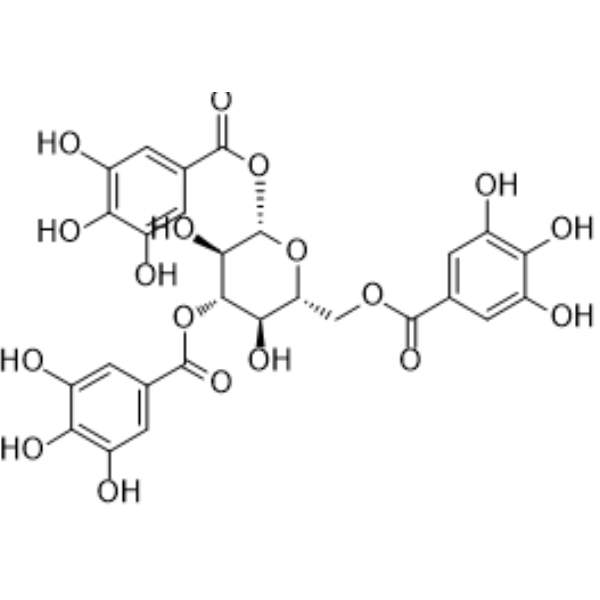
1,3,6-Tri-O-galloyl-β-D-glucose
|
Others
|
Others
|
|
1,3,6-Tri-O-galloyl-beta-D-glucose is a non-covalent inhibitor of tyrosinase (TYR), which can block the rate-limiting step of melanin synthesis and inhibit melanin deposition. 1,3,6-Tri-O-galloyl-beta-D-glucose has antioxidant and anti-inflammatory activities and can be used as a natural active ingredient to develop anti-freckle and whitening skin care products .
|
-
-
- HY-D0367
-
|
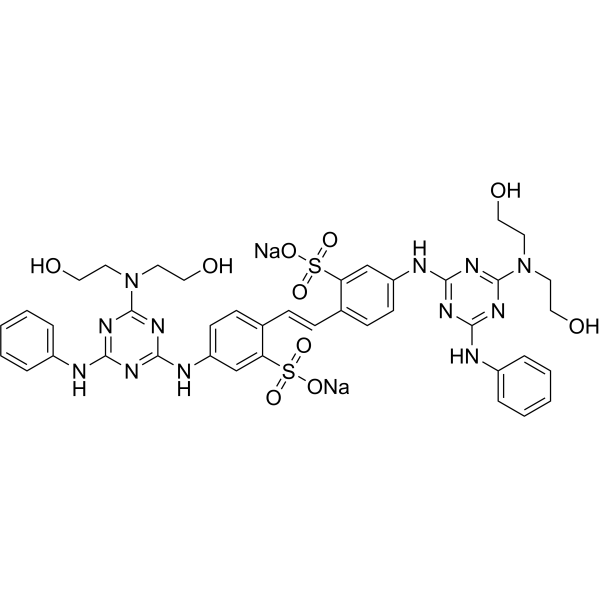
Calcofluor White M2R
|
Fluorescent Dye
|
Others
|
|
Fluorescent brightener 28 is a fluorescent whitening agent commonly used in the padding process of the textile industry. Fluorescent brightener 28 is capable of staining polysaccharides such as cellulose, and when the plasma membrane ruptures, it also weakly stains the cytoplasm and strongly stains the cell nucleus. Additionally, Fluorescent brightener 28 can be utilized to detect intracellular chitin in living cells. Fluorescent Brightener 28 also is a visible light emitting diode (LED)-light sensitive photoinitiator for free radical photopolymerizations .
|
-
-
- HY-W013812
-
|
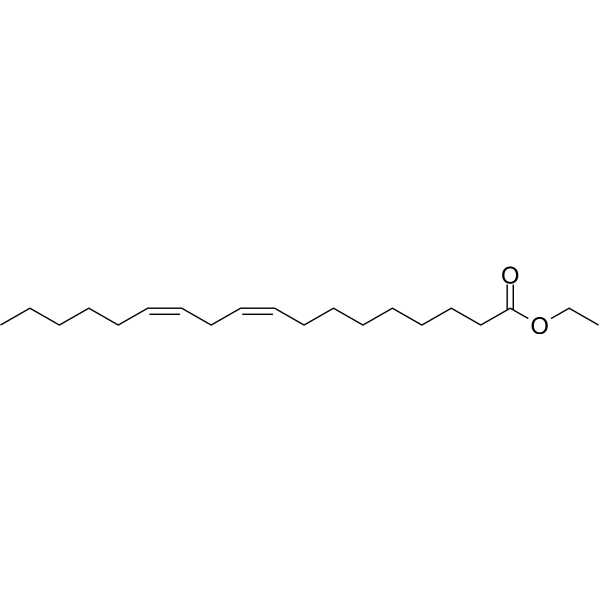
Linoleic Acid ethyl ester; Mandenol
|
Tyrosinase
Akt
GSK-3
β-catenin
Biochemical Assay Reagents
NF-κB
Heme Oxygenase (HO)
|
Cardiovascular Disease
Inflammation/Immunology
|
|
Ethyl linoleate (Linoleic Acid ethyl ester) is an orally active unsaturated fatty acid. Ethyl linoleate inhibits the Akt/GSK3β/β-catenin signaling pathway and the activation of NF-κB. Ethyl linoleate induces heme oxygenase-1 and inhibits tyrosinase. Ethyl linoleate has whitening and anti-inflammatory effects. Ethyl linoleate promotes compound absorption. Ethyl linoleate has a significant influence on atherosclerosis. Ethyl linoleate is used in the research of inflammatory diseases. Ethyl linoleate can be used in cosmetics
|
-
-
- HY-W003607
-
|
|
Tyrosinase
|
Inflammation/Immunology
|
|
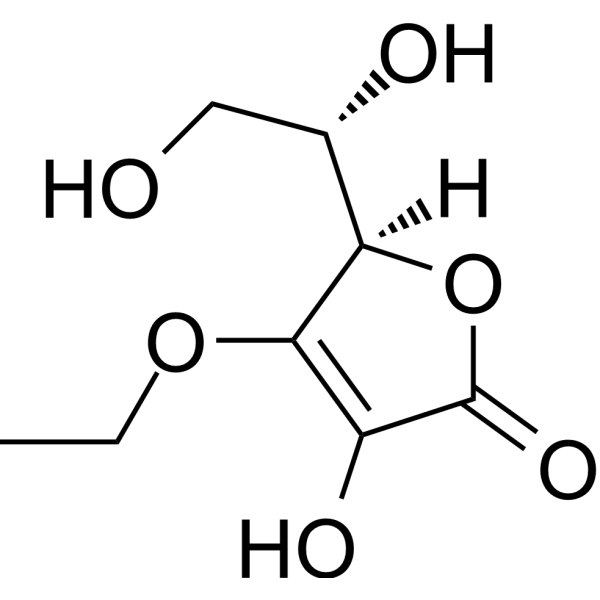
3-O-Ethyl-L-ascorbic acid is a stable derivative of vitamin C and a cosmetic tyrosinase inhibitor. 3-O-Ethyl-L-ascorbic acid has antioxidant, anti-aging, and skin-whitening activities. 3-O-Ethyl-L-ascorbic acid is often used in the study of cosmetic .
|
-
-
- HY-N6069
-
|
|
Interleukin Related
JAK
STAT
|
Inflammation/Immunology
|
|
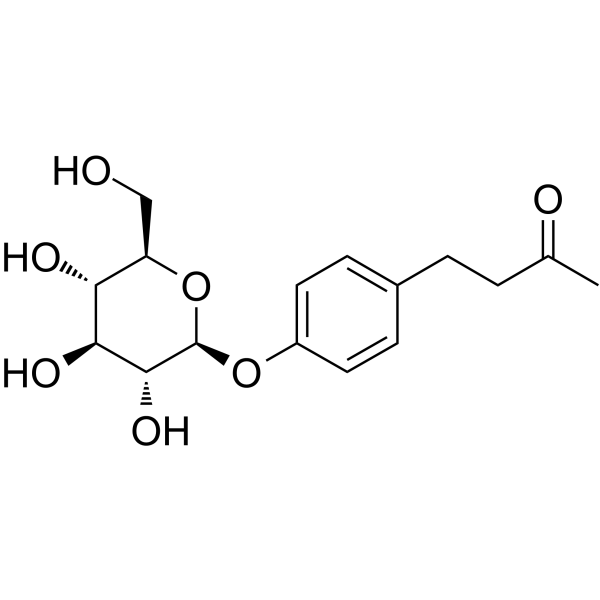
Raspberry ketone glucoside is a melanogenesis inhibitor. Raspberry ketone glucoside inhibits melanogenesis by activating the IL6/JAK1/STAT3 pathway, inhibiting the transcriptional activity of MITFa, and its downstream expression levels of the TYR and TYRP1a genes. Raspberry ketone glucoside shows remarkable whitening activity on both B16F10 cells in vitro and zebrafish model in vivo .
|
-
-
- HY-P10533
-
|
|
Tyrosinase
|
Others
|
|
Cysteine peptide is a tyrosinase inhibitor with skin-whitening, antioxidant and multi-regulatory activities. Cysteine peptide inhibits enzyme activity and blocks melanin transport, effectively reducing UV-B-induced skin erythema and pigmentation. Cysteine peptide synergistically maintains skin health by quenching ROS, resisting oxidative stress and promoting pheomelanin production. Cysteine peptide safely prevents daily ultraviolet damage and supports moderate sun exposure for vitamin D synthesis. Cysteine peptide also acts as a plant signaling factor to regulate vegetative growth, development and stress resistance responses .
|
-

-
- HY-N2278
-
|
Leachianone E
|
Tyrosinase
Glycosidase
|
Cancer
|
|
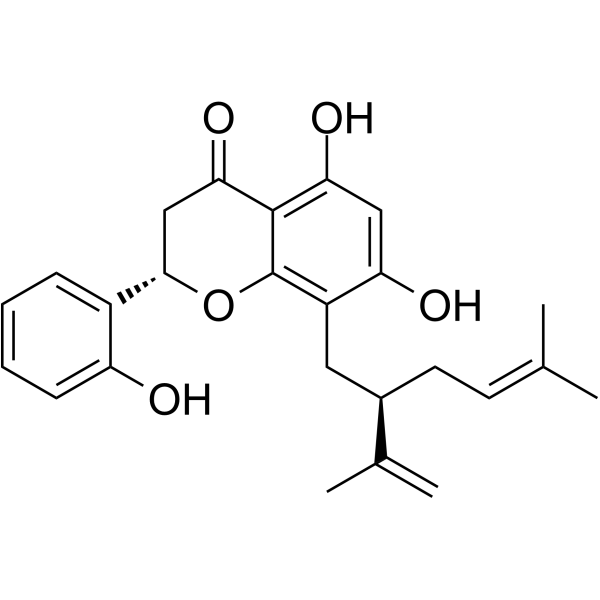
Kushenol A (Leachianone E) is isolated from the root of Sophora flavescent. Kushenol A is a non-competitive tyrosinase inhibitor to block the conversion of L-tyrosine to L-DOPA, shows IC50 and Kivalues of 1.1 μM and 0.4 μM, respectively . Kushenol A is a flavonoid antioxidant, has inhibitory effects on alpha-glucosidase (IC50: 45 μM; Ki: 6.8 μM) and β-amylase . Kushenol A is confirmed as potential inhibitors of enzymes targeted by cosmetics for skin whitening and aging .
|
-
-
- HY-W009938
-
|
Anthracen-9(10H)-one
|
Biochemical Assay Reagents
|
Others
|
|
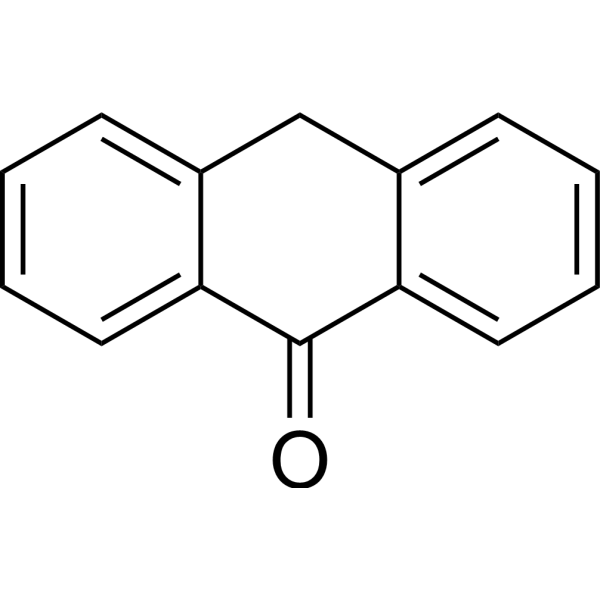
Anthrone is an organic compound commonly used as a dye and intermediate. It can be used to make products such as pigments, dyes and fluorescent whitening agents, and is widely used in certain industrial production fields such as textile manufacturing, soap making and paper making. In addition, this compound is also used as a reagent and catalyst in some organic synthesis reactions.
|
-
-
- HY-N1780
-
|
|
Tyrosinase
Bacterial
|
Infection
|
|
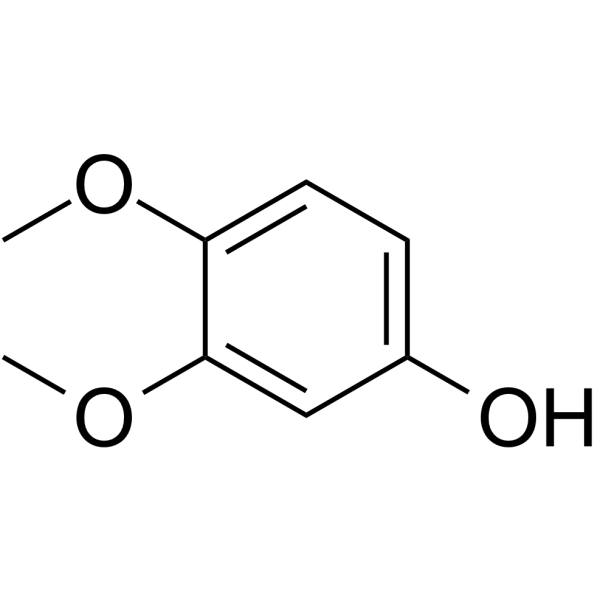
3,4-Dimethoxyphenol is a plant-derived phenylpropanoid compound and can use as a whitening agent in cosmetics. 3,4-Dimethoxyphenol exhibits broad-spectrum antimicrobial activity. 3,4-Dimethoxyphenol has tyrosinase-inhibiting activity. 3,4-Dimethoxyphenol has potent antioxidant effect isolated from the bacterial fermentation broth. 3,4-Dimethoxyphenol can be used for the study of infection .
|
-
-
- HY-133680
-
|
|
Tyrosinase
|
Others
|
|
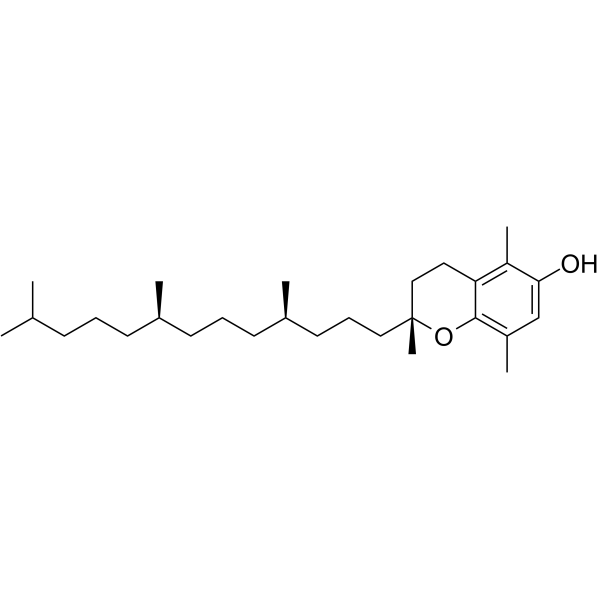
β-Tocopherol is an analogue of vitamin E, exhibits antioxidant properties. β-Tocopherol can inhibit tyrosinase activity and melanin synthesis. β-Tocopherol also can prevent the inhibition of cell growth and of PKC activity caused by d-alpha-tocopherol .
|
-
-
- HY-133079
-
|
tetra-isopalmitoyl Ascorbic acid; IPAA; Tetrahexyldecyl Ascorbate
|
Prostaglandin Receptor
|
Endocrinology
|
|
Ascorbyl tetra-2-hexyldecanoate (tetra-isopalmitoyl Ascorbic acid; IPAA) is a lipophilic derivative of vitamin C (L-ascorbic acid). Ascorbyl tetra-2-hexyldecanoate (100 μM ) can prevent the decrease in viability of HaCaT keratinocytes induced by UVB, hydrogen peroxide, or tert-butyl hydroperoxide, and reduce the production of IL-1α and prostaglandin E2 (PGE2). Topical application of ascorbyl tetra-2-hexyldecanoate (1%) increases epidermal viability thickness, stratum corneum water content, and skin smoothness, and reduces skin roughness in hairless mice. Ascorbyl tetra-2-hexyldecanoate can be used to develop skin whitening agents in the beauty industry.
|
-

-
- HY-B1461
-
|
|
Tyrosinase
Apoptosis
|
Cancer
|
|
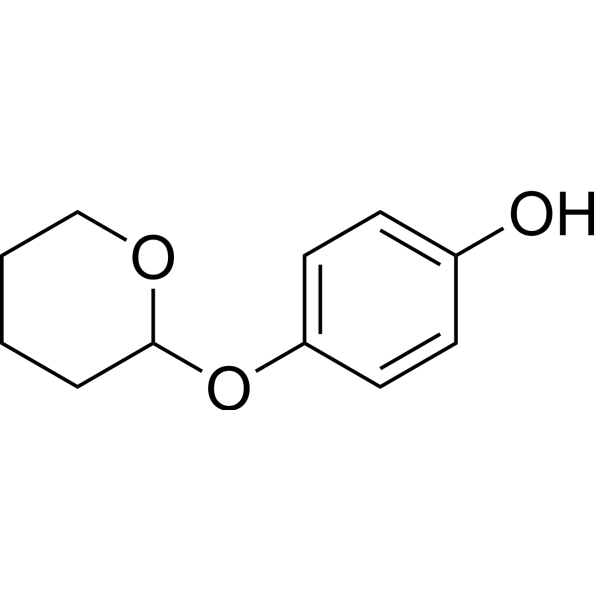
Deoxyarbutin is an orally active tyrosinase inhibitor that can promote apoptosis of melanoma cells, enhance the vitality of mouse acinar cells, and has skin whitening and anti-tumor activity [1][2][3].
|
-
-
- HY-P5250
-
|
|
MMP
|
Others
|
|
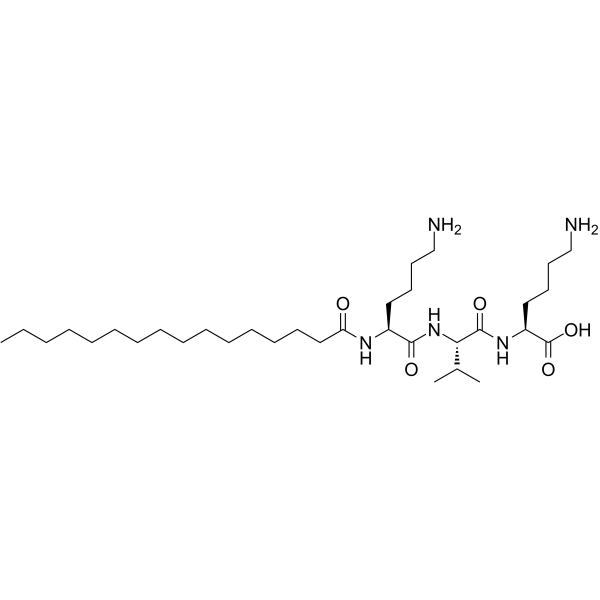
Palmitoyl tripeptide-5 is a bioactive peptide with anti-aging effect and has been reported used as a cosmetic ingredient .
|
-
-
- HY-137910
-
|
|
Environmental Pollutants
HPPD
Herbicide
|
Infection
|
|
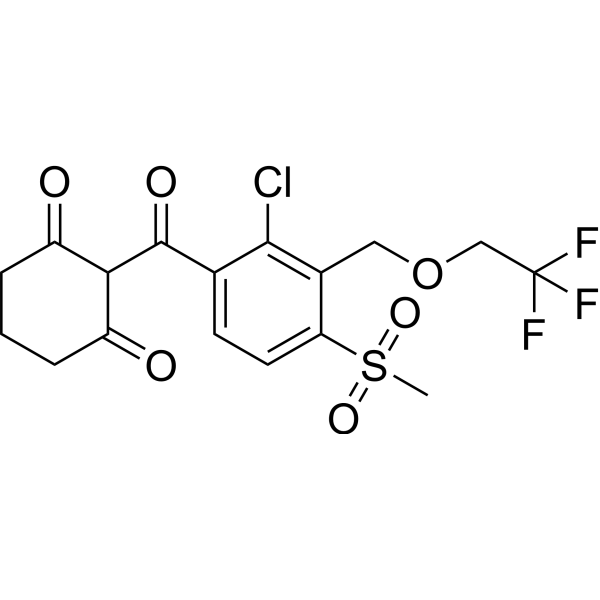
Tembotrione is a herbicide belonging to the HPPD (dioxygenase) inhibitor class with crop selectivity. Tembotrione effectively controls a variety of weeds including broadleaf and gramineous species by disrupting carotenoid synthesis, which leads to chlorophyll degradation and leaf whitening. Mixing Tembotrione with isoxaflutole or adding surfactants optimizes its efficacy and reduces phytotoxicity, with no residual impact on subsequent cruciferous crops, thus helping to increase maize grain yield. The activity of Tembotrione decreases under drought conditions, and under specific conditions (such as double-dose treatment), it may cause reversible yellowing and even yield reduction in crops such as poppy .
|
-
-
- HY-W015782
-
|
|
Tyrosinase
PKA
|
Metabolic Disease
Inflammation/Immunology
|
|
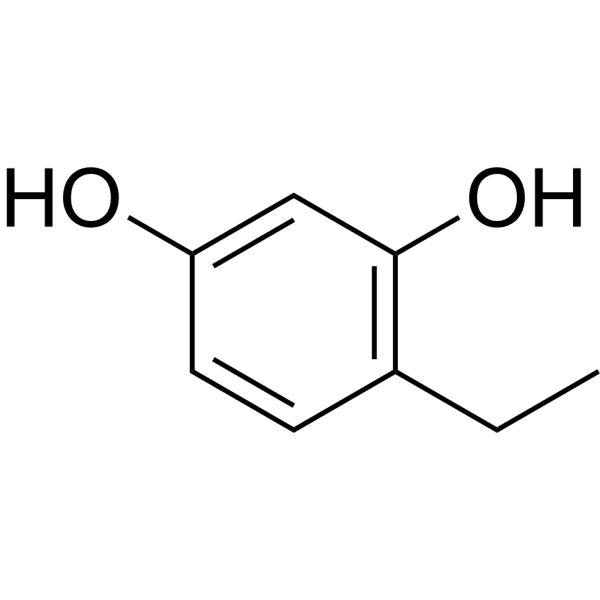
4-Ethylresorcinol is a derivative of resorcinol and can serve as a substrate for tyrosinase. 4-Ethylresorcinol has anti-hyperpigmentation and antioxidant effects and can inhibit melanin synthesis. 4-Ethylresorcinol has potential whitening value .
|
-
-
- HY-78700
-
|
|
Tyrosinase
|
Metabolic Disease
|
|
4-Bromobenzoic acid is a tyrosinase inhibitor (IC50 range 0-0.3 mg/mL). 4-Bromobenzoic acid can be metabolized through the protocatechuic acid (PCA) pathway. 4-Bromobenzoic acid can be used for research on cosmetic whitening or pigmentation conditions .
|
-

-
- HY-W750459
-
|
|
Fluorescent Dye
|
Others
|
|
Fluorescent brightener 28 (Technical Grade) is a fluorescent whitening agent commonly used in the padding process of the textile industry. Fluorescent brightener 28 is capable of staining polysaccharides such as cellulose, and when the plasma membrane ruptures, it also weakly stains the cytoplasm and strongly stains the cell nucleus. Additionally, Fluorescent brightener 28 can be utilized to detect intracellular chitin in living cells. Fluorescent Brightener 28 also is a visible light emitting diode (LED)-light sensitive photoinitiator for free radical photopolymerizations .
|
-

-
- HY-N1098
-
|
|
Tyrosinase
p38 MAPK
NF-κB
Bacterial
|
Infection
Metabolic Disease
Inflammation/Immunology
|
|
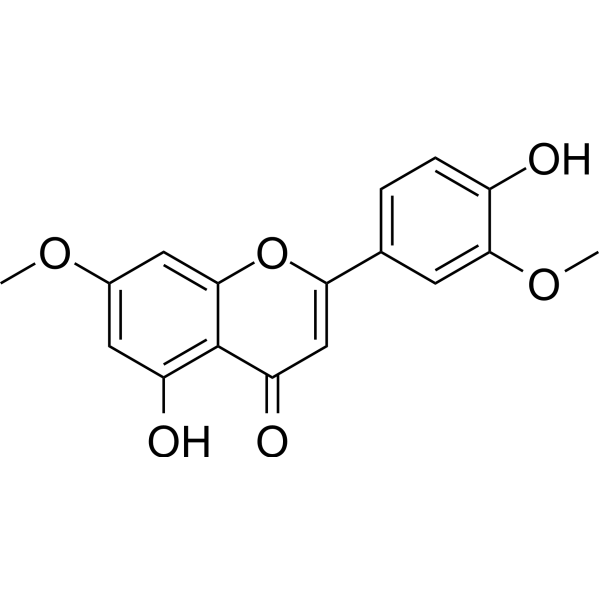
Velutin is a flavonoid. Velutin can be extracted from mistletoe. Velutin inhibits mushroom Tyrosinase activity with an IC50 of 910.1 μM. Velutin inhibits p38 phosphorylation, the NF-κB pathway and the MAPK pathway. Velutin prevents articular cartilage degeneration and subchondral bone loss. Velutin slows down the progression of intervertebral disc degeneration. Velutin exhibits inhibitory effects on melanogenesis, skin whitening, anti-inflammatory, anti-allergic, anti-oxidant and antibacterial activities. Velutin can be used in studies related to pigmented diseases, osteoarthritis and intervertebral disc degeneration .
|
-
-
- HY-W721119
-
|
|
p38 MAPK
Autophagy
|
Inflammation/Immunology
Cancer
|
|
7-Methylsulfinylheptyl isothiocyanate is an activator for MAPK signaling pathway, which downregulates the melanogenesis related proteins and suppresses the melanin synthesis in B16-F1 cells. 7-Methylsulfinylheptyl isothiocyanate induces autophagy. 7-Methylsulfinylheptyl isothiocyanate is an inducer for phase II enzyme, which exhibits chemoprotective effect against carcinogen. 7-Methylsulfinylheptyl isothiocyanate can be used as cosmetic ingredient for skin whitening and anti-inflammation .
|
-

-
- HY-N6069R
-
|
|
Reference Standards
Interleukin Related
JAK
STAT
|
Inflammation/Immunology
|
|
Raspberry ketone glucoside (Standard) is the analytical standard of Raspberry ketone glucoside (HY-N6069). Raspberry ketone glucoside is a melanogenesis inhibitor. Raspberry ketone glucoside inhibits melanogenesis by activating the IL6/JAK1/STAT3 pathway, inhibiting the transcriptional activity of MITFa, and its downstream expression levels of the TYR and TYRP1a genes. Raspberry ketone glucoside shows remarkable whitening activity on both B16F10 cells in vitro and zebrafish model in vivo .
|
-

-
- HY-W127738
-
|
Vitamin C stearate; Ascorbic acid 6-stearate; Ascorbyl stearate
|
Biochemical Assay Reagents
|
Others
|
|
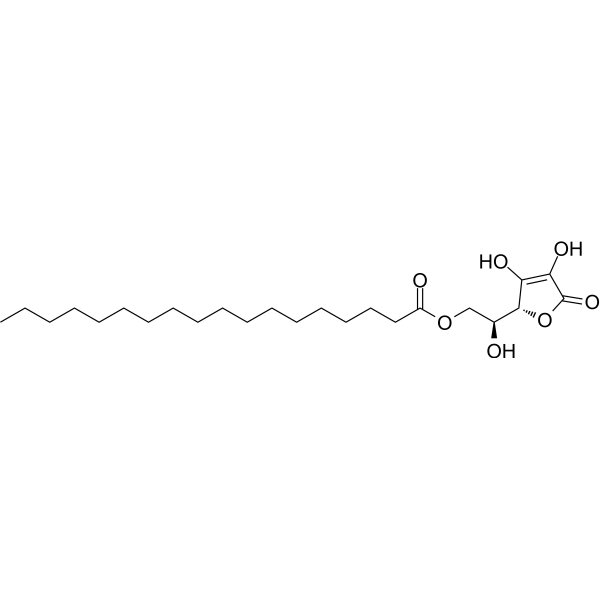
6-O-Staroyl-L-ascorbic acid is an organic compound commonly used in cosmetics and skin care products. It can be used as an antioxidant and whitening agent, and is widely used in anti-aging, moisturizing and skin repairing. In addition, this compound is used as a catalyst or buffer in certain chemical reactions.
|
-
-
- HY-W003607R
-
|
|
Reference Standards
Tyrosinase
|
Inflammation/Immunology
|
|
3-O-Ethyl-L-ascorbic acid (Standard) is the analytical reference standard for 3-O-Ethyl-L-ascorbic acid. 3-O-Ethyl-L-ascorbic acid is a stable derivative of vitamin C and a cosmetic tyrosinase inhibitor. 3-O-Ethyl-L-ascorbic acid has antioxidant, anti-aging, and skin-whitening activities. 3-O-Ethyl-L-ascorbic acid is often used in the study of cosmetic .
|
-

-
- HY-W050154R
-
|
|
Reference Standards
Parasite
Tyrosinase
NF-κB
CDK
|
Infection
Inflammation/Immunology
Cancer
|
|
Kojic acid (Standard) is the analytical standard of Kojic acid. This product is intended for research and analytical applications. Kojic acid is a substance produced by Aspergillus oryzae, with various biological activities including antitumor, insecticidal, antibacterial, antioxidant, and radioprotective effects. Kojic acid exhibits tyrosinase inhibition activity by capturing copper ions that bind to the active site of tyrosinase, preventing its activation. Tyrosinase is a key enzyme in the biosynthesis of melanin, so kojic acid can block melanin production. Additionally, kojic acid shows potential inhibition of NF-κB activity in human keratinocytes, which may also be related to the anti-melanogenic effect induced by kojic acid. Kojic acid is effective when administered orally and can also be absorbed transdermally. Nano-carrier systems prepared with kojic acid demonstrate effective delivery of anticancer drugs. Kojic acid holds promise for research in cancer, infectious diseases, and skin whitening among other fields .
|
-

-
- HY-W129441
-
|
N-Ac-4-S-CAP
|
DNA/RNA Synthesis
Tyrosinase
Thymidylate Synthase
|
Others
|
|
N-Acetyl-4-S-mercaptoaminophenol (N-Ac-4-S-CAP) is a compound that is selectively cytotoxic to melanocytes of black mouse hair follicles. It can cause 98% depigmentation of black mouse hair follicles. N-Ac-4-S-CAP can produce visible changes in hair follicle melanocytes 4 hours after intraperitoneal injection, including aggregation of melanin granules and nuclear condensation. Electron microscopy observations showed that it caused progressive destruction of melanocytes, including swelling of membranous organelles, nuclear condensation, and cytoplasmic vacuolation, ultimately leading to complete cell necrosis. N-Ac-4-S-CAP has a specific cytotoxic effect on melanocytes that actively produce eumelanin, but may not affect precursor or dormant melanocytes. These properties suggest that N-Ac-4-S-CAP may have potential application value in the treatment of melanoma or skin whitening.
|
-

-
- HY-N3091
-
|
|
Tyrosinase
|
Others
|
|
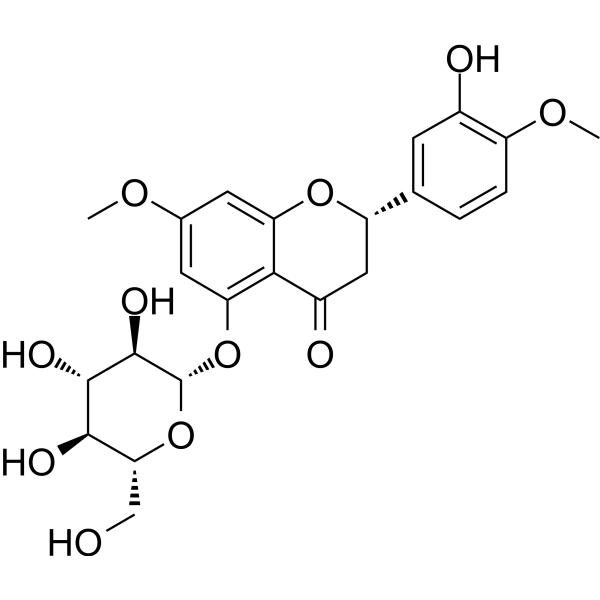
Persiconin is a tyrosinase Inhibitor. Persiconin can be isolated from Prunus persica. Persiconin has tyrosinase inhibitory activity of 46% at 500 μM. Persiconin can be used in whitening research .
|
-
-
- HY-121322
-
|
|
Others
|
Others
|
|
Neoagarobiose has both a moisturizing effect on skin and a whitening effect on melanoma cells. RagaA11 is an endo-type beta-agarase hydrolysing not only agarose, but also neoagarotetraose, to yield neoagarobiose as the final main product .
|
-

-
- HY-143449
-
|
|
Tyrosinase
|
Others
|
|
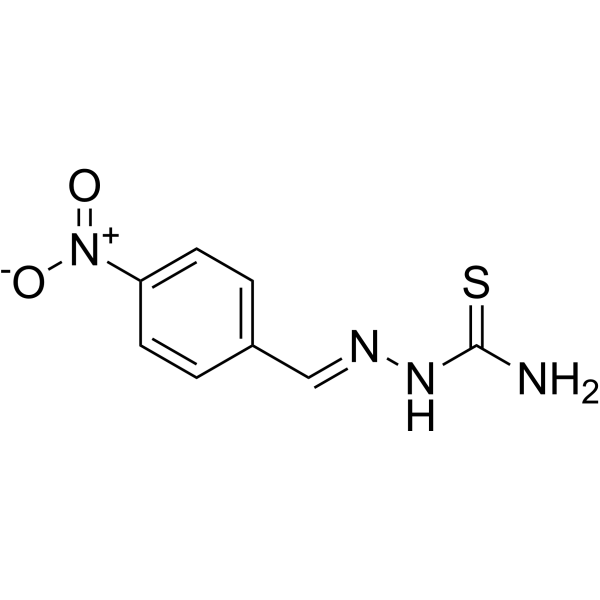
Tyrosinase-IN-2 (compound 67) is a potent inhibitor of tyrosinase. Tyrosinase is a copper-containing metalloenzyme that is responsible for the rate-limiting catalytic step in the melanin biosynthesis and enzymatic browning. Tyrosinase-IN-2 has the potential for the research of skin whitening agents and food preservatives .
|
-
-
- HY-143448
-
|
|
Tyrosinase
|
Others
|
|
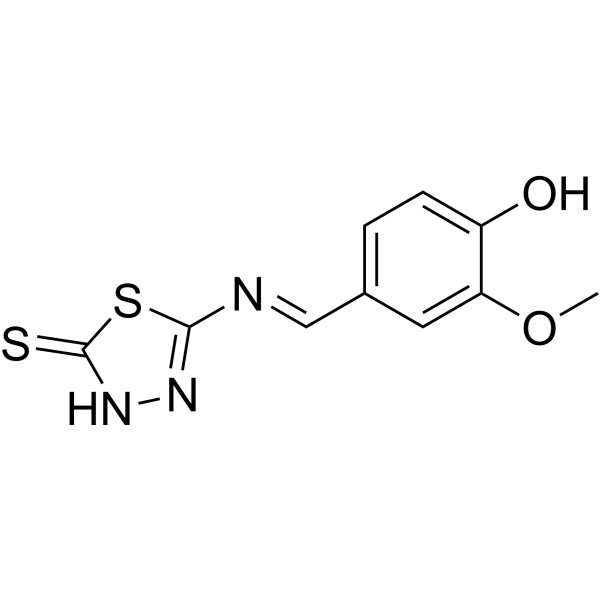
Tyrosinase-IN-1 (compound 90) is a potent inhibitor of tyrosinase. Tyrosinase is a copper-containing metalloenzyme that is responsible for the rate-limiting catalytic step in the melanin biosynthesis and enzymatic browning. Tyrosinase-IN-1 has the potential for the research of skin whitening agents and food preservatives .
|
-
-
- HY-143450
-
|
|
Tyrosinase
|
Others
|
|
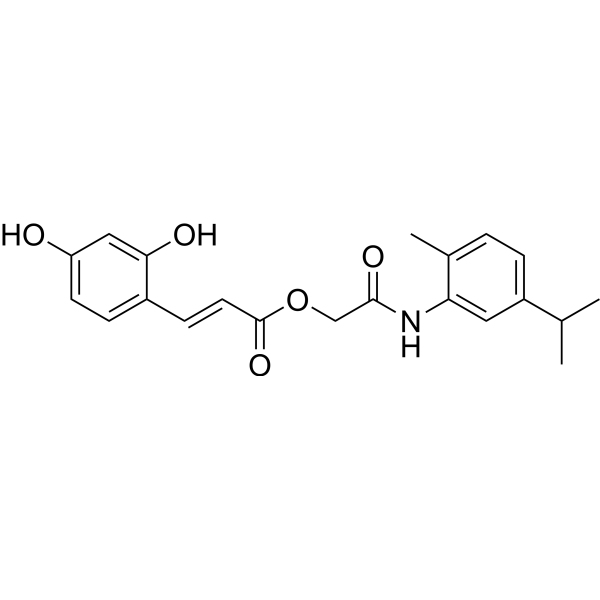
Tyrosinase-IN-3 (compound 54) is a potent inhibitor of tyrosinase. Tyrosinase is a copper-containing metalloenzyme that is responsible for the rate-limiting catalytic step in the melanin biosynthesis and enzymatic browning. Tyrosinase-IN-3 has the potential for the research of skin whitening agents and food preservatives .
|
-
-
- HY-143451
-
|
|
Tyrosinase
|
Others
|
|
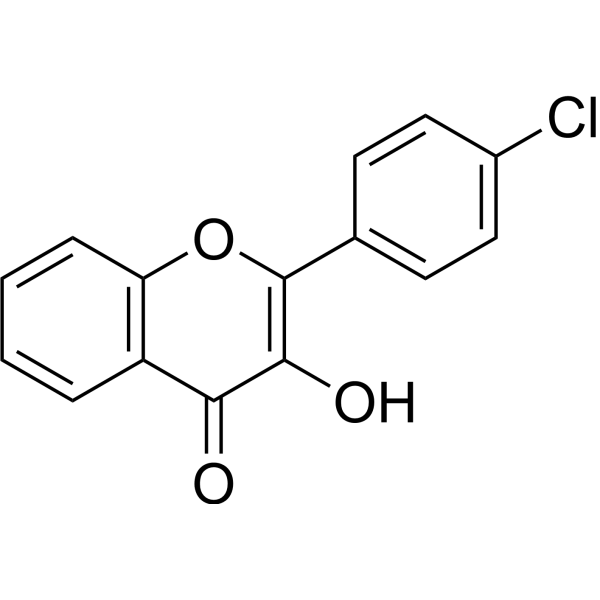
Tyrosinase-IN-4 (compound 34) is a potent inhibitor of tyrosinase. Tyrosinase is a copper-containing metalloenzyme that is responsible for the rate-limiting catalytic step in the melanin biosynthesis and enzymatic browning. Tyrosinase-IN-4 has the potential for the research of skin whitening agents and food preservatives .
|
-
-
- HY-N1780R
-
|
|
Reference Standards
Tyrosinase
Bacterial
|
Infection
|
|
3,4-Dimethoxyphenol (Standard) is the analytical standard of Lithocholic acid. This product is intended for research and analytical applications. 3,4-Dimethoxyphenol is a plant-derived phenylpropanoid compound and can use as a whitening agent in cosmetics. 3,4-Dimethoxyphenol exhibits broad-spectrum antimicrobial activity. 3,4-Dimethoxyphenol has tyrosinase-inhibiting activity. 3,4-Dimethoxyphenol has potent antioxidant effect isolated from the bacterial fermentation broth. 3,4-Dimethoxyphenol can be used for the study of infection .
|
-

-
- HY-169764
-
|
|
Endogenous Metabolite
|
Others
|
|
Pseudane V is the secondary metabolite that can be isolated from the marine bacterium Pseudoalteromonas sp. M2. Pseudane V inhibits the melanin synthesis in cell Melan-A, and can be used as a potential skin whitening agent .
|
-

-
- HY-126618
-
|
|
Tyrosinase
|
Cancer
|
|
Aspochalasin I exhibits cytotoxicity against cancer cells NCIH460, MCF-7 and SF-268, with IC50s of 22.1, 33.4 and 19.9 μM. Aspochalasin I inhibits melanogenesis (IC50 of 22.4 μM) through inhibition of tyrosinase, and can thus be used as whitening agent .
|
-

-
- HY-N1002
-
|
|
Melanocortin Receptor
|
Metabolic Disease
|
|
Cadin-1(14)-ene-7a,11-diol is a sesquiterpene alcohol with melanogenesis inhibitory activity. Cadin-1(14)-ene-7a,11-diol inhibits the melanogenesis in B16 melanoma cells induced with α-MSH (HY-P0252). Cadin-1(14)-ene-7a,11-diol can be used as a potential skin-whitening agent .
|
-

-
- HY-137910R
-
|
|
Reference Standards
Herbicide
HPPD
|
Others
|
|
Tembotrione (Standard) is the analytical standard of Tembotrione. This product is intended for research and analytical applications. Tembotrione is a drug that may reduce the
productivity of carrots. Tembotrione has the activity of reducing carrot stem
mass. Tembotrione can be used to study the total productivity of carrot
. Tembotrione is a herbicide belonging to the HPPD (dioxygenase) inhibitor class with crop selectivity. Tembotrione effectively controls a variety of weeds including broadleaf and gramineous species by disrupting carotenoid synthesis, which leads to chlorophyll degradation and leaf whitening. Mixing Tembotrione with isoxaflutole or adding surfactants optimizes its efficacy and reduces phytotoxicity, with no residual impact on subsequent cruciferous crops, thus helping to increase maize grain yield. The activity of Tembotrione decreases under drought conditions, and under specific conditions (such as double-dose treatment), it may cause reversible yellowing and even yield reduction in crops such as poppy .
|
-

-
- HY-179100
-
|
|
Tyrosinase
|
Inflammation/Immunology
|
|
Tyrosinase-IN-45 (compound 4) is a tyrosinase inhibitor (IC50 = 1.51 μM). Tyrosinase-IN-45 can reduce the melanin content. Tyrosinase-IN-45 can be used for skin whitening and improving pigmentation .
|
-

-
- HY-N10337
-
|
(-)-Norjuziphine
|
Drug Derivative
|
Cancer
|
|
Norjuziphine ((-)-Norjuziphine) is an alkaloid found in the lotus flower (Nelumbo nucifera). Norjuziphine inhibits the melanogenesis of murine B16 melanoma 4A5 cells stimulated by Theophylline (HY-B0809) (IC50=14.4 μM). Norjuziphine is promising for research of skin whitening and related skin pigmentation diseases .
|
-

-
- HY-N18682
-
|
|
Bacterial
|
Infection
Inflammation/Immunology
|
|
Lonicera caprifolium extract has anti-inflammatory, antibacterial, whitening, anti-aging, anti-allergic and moisturizing effects, and is mainly used in research on hand sanitizers, skin care products and skin contact cleaning products.
|
-

-
- HY-W015782R
-
|
|
Tyrosinase
PKA
Reference Standards
|
Metabolic Disease
Inflammation/Immunology
|
|
4-Ethylresorcinol (Standard) is the analytical standard of 4-Ethylresorcinol (HY-W015782). This product is intended for research and analytical applications. 4-Ethylresorcinol is a derivative of resorcinol and can serve as a substrate for tyrosinase. 4-Ethylresorcinol has anti-hyperpigmentation and antioxidant effects and can inhibit melanin synthesis. 4-Ethylresorcinol has potential whitening value .
|
-

-
- HY-N16838
-
|
|
Drug Derivative
|
Inflammation/Immunology
|
|
cis-Oxyresveratrol-4'-O-glucoside (compound 2a) is a β-D-glucoside derivative of oxyresveratrol, whose parent compound possesses potential anti-inflammatory, antioxidant, free radical scavenging, and tyrosinase inhibitory activities, and can be used in anti-inflammatory, antioxidant, and whitening-related research. cis-Oxyresveratrol-4'-O-glucoside is a product obtained by the biotransformation of oxyresveratrol using cell suspension cultures of Solanum mammosum (a plant of the genus Solanum in the Solanaceae family) .
|
-

-
- HY-N17896
-
|
|
Tyrosinase
|
Cancer
|
|
Pinoresinol-4-O-β-D-apiosyl-(1→2)β-D-glucoside is a lignan compound and a melanogenesis inhibitor with low cytotoxicity. Pinoresinol-4-O-β-D-apiosyl-(1→2)β-D-glucoside is isolable from the stem bark of Acer buergerianum (Acer buergerianum). Pinoresinol-4-O-β-D-apiosyl-(1→2)β-D-glucoside effectively inhibits the melanogenesis process in α-MSH (HY-P0252)-stimulated B16 melanoma cells. Pinoresinol-4-O-β-D-apiosyl-(1→2)β-D-glucoside exhibits extremely high safety towards normal cells, and serves as an ideal tool molecule for studying melanoma mechanisms and developing related whitening products .
|
-

| Cat. No. |
Product Name |
Type |
-
- HY-D0367
-
|
Calcofluor White M2R
|
Fluorescent Dyes
|
|
Fluorescent brightener 28 is a fluorescent whitening agent commonly used in the padding process of the textile industry. Fluorescent brightener 28 is capable of staining polysaccharides such as cellulose, and when the plasma membrane ruptures, it also weakly stains the cytoplasm and strongly stains the cell nucleus. Additionally, Fluorescent brightener 28 can be utilized to detect intracellular chitin in living cells. Fluorescent Brightener 28 also is a visible light emitting diode (LED)-light sensitive photoinitiator for free radical photopolymerizations .
|
| Cat. No. |
Product Name |
Type |
-
- HY-W009938
-
|
Anthracen-9(10H)-one
|
Biochemical Assay Reagents
|
|
Anthrone is an organic compound commonly used as a dye and intermediate. It can be used to make products such as pigments, dyes and fluorescent whitening agents, and is widely used in certain industrial production fields such as textile manufacturing, soap making and paper making. In addition, this compound is also used as a reagent and catalyst in some organic synthesis reactions.
|
-
- HY-78700
-
|
|
Biochemical Assay Reagents
|
|
4-Bromobenzoic acid is a tyrosinase inhibitor (IC50 range 0-0.3 mg/mL). 4-Bromobenzoic acid can be metabolized through the protocatechuic acid (PCA) pathway. 4-Bromobenzoic acid can be used for research on cosmetic whitening or pigmentation conditions .
|
-
- HY-W127738
-
|
Vitamin C stearate; Ascorbic acid 6-stearate; Ascorbyl stearate
|
Biochemical Assay Reagents
|
|
6-O-Staroyl-L-ascorbic acid is an organic compound commonly used in cosmetics and skin care products. It can be used as an antioxidant and whitening agent, and is widely used in anti-aging, moisturizing and skin repairing. In addition, this compound is used as a catalyst or buffer in certain chemical reactions.
|
| Cat. No. |
Product Name |
Target |
Research Area |
-
- HY-P10533
-
|
|
Tyrosinase
|
Others
|
|
Cysteine peptide is a tyrosinase inhibitor with skin-whitening, antioxidant and multi-regulatory activities. Cysteine peptide inhibits enzyme activity and blocks melanin transport, effectively reducing UV-B-induced skin erythema and pigmentation. Cysteine peptide synergistically maintains skin health by quenching ROS, resisting oxidative stress and promoting pheomelanin production. Cysteine peptide safely prevents daily ultraviolet damage and supports moderate sun exposure for vitamin D synthesis. Cysteine peptide also acts as a plant signaling factor to regulate vegetative growth, development and stress resistance responses .
|
-
- HY-P5250
-
|
|
MMP
|
Others
|
|
Palmitoyl tripeptide-5 is a bioactive peptide with anti-aging effect and has been reported used as a cosmetic ingredient .
|
-
- HY-66018
-
|
|
Peptides
|
Others
|
|
Palmitoyl tripeptide-5 biTFA is a bioactive peptide with anti-aging effect and has been reported used as a cosmetic ingredient .
|
| Cat. No. |
Product Name |
Category |
Target |
Chemical Structure |
-
- HY-N6006
-
-
-
- HY-W013812
-
-
-
- HY-N6069
-
-
-
- HY-N2278
-
-
-
- HY-N1780
-
-
-
- HY-133680
-
-
-
- HY-B1461
-
-
-
- HY-W015782
-
-
-
- HY-N1098
-
-
-
- HY-W721119
-
|
|
Natural Products
Eutrema wasabi (Siebold) Maximowicz
Plants
Brassicaceae
Source Classification
|
p38 MAPK
Autophagy
|
|
7-Methylsulfinylheptyl isothiocyanate is an activator for MAPK signaling pathway, which downregulates the melanogenesis related proteins and suppresses the melanin synthesis in B16-F1 cells. 7-Methylsulfinylheptyl isothiocyanate induces autophagy. 7-Methylsulfinylheptyl isothiocyanate is an inducer for phase II enzyme, which exhibits chemoprotective effect against carcinogen. 7-Methylsulfinylheptyl isothiocyanate can be used as cosmetic ingredient for skin whitening and anti-inflammation .
|
-
-
- HY-N6069R
-
-
-
- HY-W050154R
-
|
|
Structural Classification
Human Gut Microbiota Metabolites
Microorganisms
Ketones, Aldehydes, Acids
Endogenous metabolite
Source Classification
|
Reference Standards
Parasite
Tyrosinase
NF-κB
CDK
|
|
Kojic acid (Standard) is the analytical standard of Kojic acid. This product is intended for research and analytical applications. Kojic acid is a substance produced by Aspergillus oryzae, with various biological activities including antitumor, insecticidal, antibacterial, antioxidant, and radioprotective effects. Kojic acid exhibits tyrosinase inhibition activity by capturing copper ions that bind to the active site of tyrosinase, preventing its activation. Tyrosinase is a key enzyme in the biosynthesis of melanin, so kojic acid can block melanin production. Additionally, kojic acid shows potential inhibition of NF-κB activity in human keratinocytes, which may also be related to the anti-melanogenic effect induced by kojic acid. Kojic acid is effective when administered orally and can also be absorbed transdermally. Nano-carrier systems prepared with kojic acid demonstrate effective delivery of anticancer drugs. Kojic acid holds promise for research in cancer, infectious diseases, and skin whitening among other fields .
|
-
-
- HY-N3091
-
-
-
- HY-121322
-
-
-
- HY-N1780R
-
|
|
Structural Classification
Monophenols
Microorganisms
Phenols
Source Classification
|
Reference Standards
Tyrosinase
Bacterial
|
|
3,4-Dimethoxyphenol (Standard) is the analytical standard of Lithocholic acid. This product is intended for research and analytical applications. 3,4-Dimethoxyphenol is a plant-derived phenylpropanoid compound and can use as a whitening agent in cosmetics. 3,4-Dimethoxyphenol exhibits broad-spectrum antimicrobial activity. 3,4-Dimethoxyphenol has tyrosinase-inhibiting activity. 3,4-Dimethoxyphenol has potent antioxidant effect isolated from the bacterial fermentation broth. 3,4-Dimethoxyphenol can be used for the study of infection .
|
-
-
- HY-169764
-
-
-
- HY-126618
-
-
-
- HY-N1002
-
-
-
- HY-N10337
-
-
-
- HY-N18682
-
|
|
Structural Classification
Extract
|
Bacterial
|
|
Lonicera caprifolium extract has anti-inflammatory, antibacterial, whitening, anti-aging, anti-allergic and moisturizing effects, and is mainly used in research on hand sanitizers, skin care products and skin contact cleaning products.
|
-
-
- HY-W015782R
-
-
-
- HY-N16838
-
|
|
Structural Classification
Solanum mammosum L.
Phenols
Polyphenols
Solanaceae
Plants
Source Classification
|
Drug Derivative
|
|
cis-Oxyresveratrol-4'-O-glucoside (compound 2a) is a β-D-glucoside derivative of oxyresveratrol, whose parent compound possesses potential anti-inflammatory, antioxidant, free radical scavenging, and tyrosinase inhibitory activities, and can be used in anti-inflammatory, antioxidant, and whitening-related research. cis-Oxyresveratrol-4'-O-glucoside is a product obtained by the biotransformation of oxyresveratrol using cell suspension cultures of Solanum mammosum (a plant of the genus Solanum in the Solanaceae family) .
|
-
-
- HY-N17896
-
|
|
Structural Classification
Lignans
Sapindaceae
Phenylpropanoids
Acer buergerianum Miq.
Plants
Source Classification
|
Tyrosinase
|
|
Pinoresinol-4-O-β-D-apiosyl-(1→2)β-D-glucoside is a lignan compound and a melanogenesis inhibitor with low cytotoxicity. Pinoresinol-4-O-β-D-apiosyl-(1→2)β-D-glucoside is isolable from the stem bark of Acer buergerianum (Acer buergerianum). Pinoresinol-4-O-β-D-apiosyl-(1→2)β-D-glucoside effectively inhibits the melanogenesis process in α-MSH (HY-P0252)-stimulated B16 melanoma cells. Pinoresinol-4-O-β-D-apiosyl-(1→2)β-D-glucoside exhibits extremely high safety towards normal cells, and serves as an ideal tool molecule for studying melanoma mechanisms and developing related whitening products .
|
-
Your information is safe with us. * Required Fields.
Inquiry Information
- Product Name:
- Cat. No.:
- Quantity:
- MCE Japan Authorized Agent:








