1. Anti-infection Cell Cycle/DNA Damage
  2. Bacterial Antibiotic DNA/RNA Synthesis
  3. Erythromycin

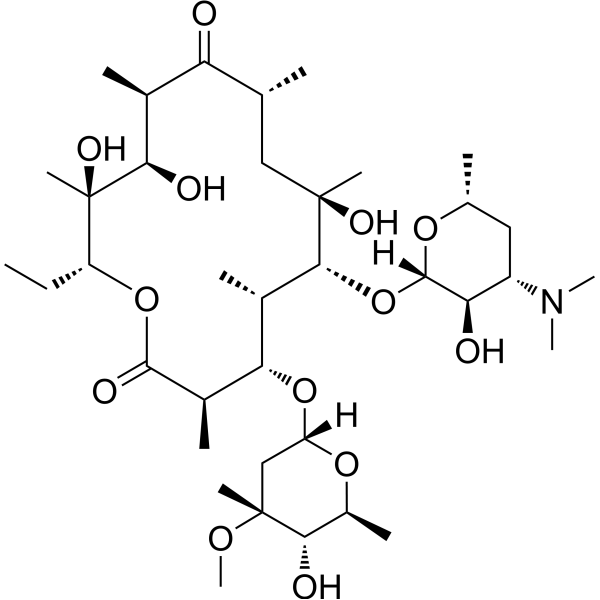
Erythromycin is a macrolide antibiotic produced by actinomycete?Streptomyces erythreus?with a broad spectrum of antimicrobial activity. Erythromycin binds to bacterial 50S ribosomal subunits and inhibits?RNA-dependent protein synthesis?by blockage of transpeptidation and/or translocation reactions, without affecting synthesis of nucleic acid[1][2]. Erythromycin also exhibits antitumor and neuroprotective effect in different fields of research[3][4].

For research use only. We do not sell to patients.

CAS No. : 114-07-8

Size Price Stock Quantity
Solid + Solvent (Highly Recommended)
10 mM * 1 mL in DMSO
ready for reconstitution
In-stock
Solution
10 mM * 1 mL in DMSO In-stock
Solid
500 mg In-stock
1 g In-stock
5 g In-stock
10 g In-stock
50 g   Get quote  

* Please select Quantity before adding items.

This product is a controlled substance and not for sale in your territory.

Customer Review

Based on 24 publication(s) in Google Scholar

Top Publications Citing Use of Products

    Erythromycin purchased from MedChemExpress. Usage Cited in: AMB Express. 2024 Dec 24;14(1):141.  [Abstract]

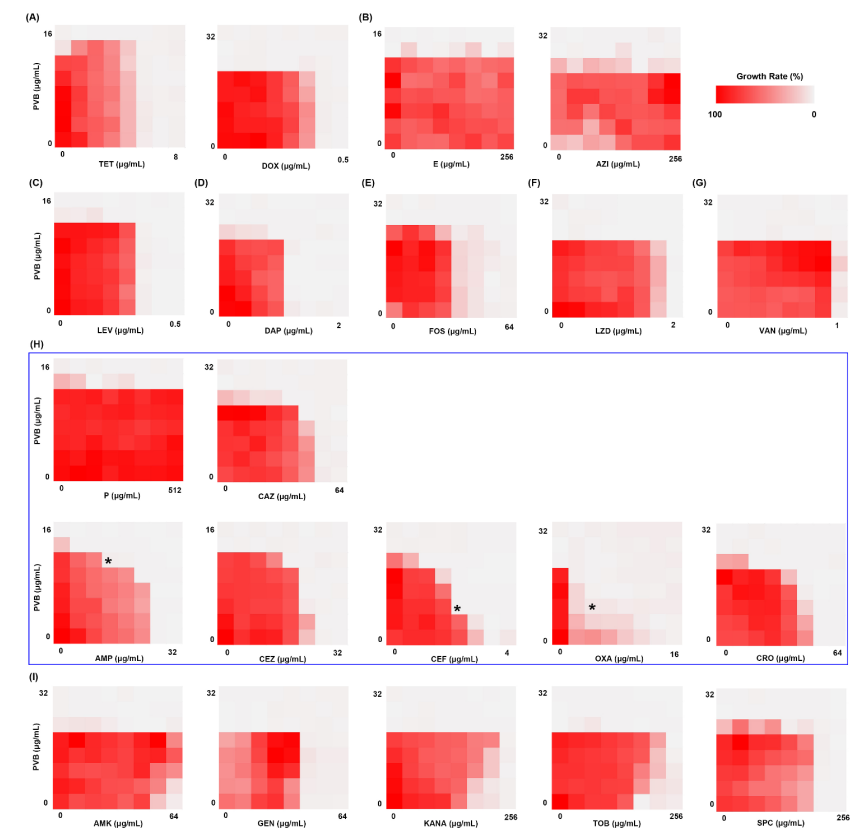
    Combinational antimicrobial effects between PVB and conventional antibiotics against MRSA ATCC 43,300. TET, Tetracycline. DOX, Doxycycline. E, Erythromycin. AZI, Azithromycin. P, Penicillin. CAZ, Ceftazidime. AMP, Ampicillin. CEZ, Cefazolin. CEF, Cefotaxime. OXA, Oxacillin. CRO, Ceftriaxone. AMK, Amikacin. GEN, Gentamycin, KANA, Kanamycin. TOB, Tobramycin. SPC, Spectinomycin.

    Erythromycin purchased from MedChemExpress. Usage Cited in: Theranostics. 2022 Jan 1;12(3):1187-1203.  [Abstract]

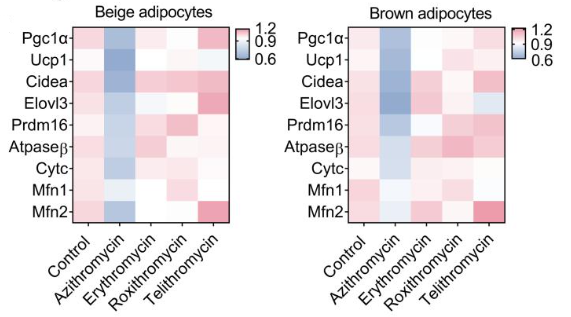
    mRNA levels of thermogenic and mitochondrial gene programs in immortal beige and brown adipocytes treated with controls,erythromycin, azithromycin roxithromycin and telithromyc at 5 uM for 24 h (n=3).

    Erythromycin purchased from MedChemExpress. Usage Cited in: EBioMedicine. 2022 Apr;78:103943.  [Abstract]

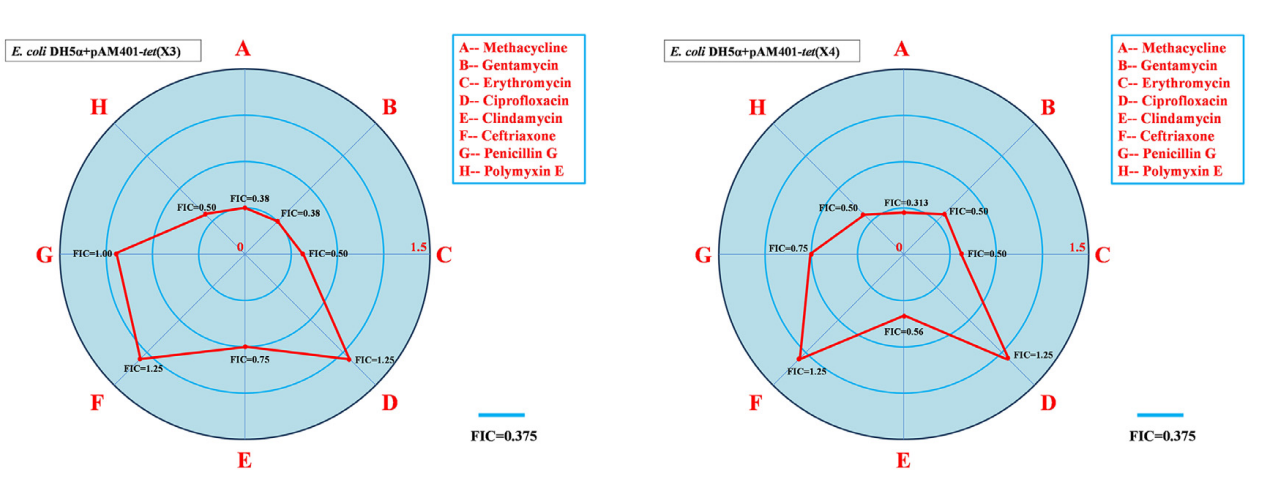
    FIC indices of the combination of plumbagin (32 μg/mL) and Erythromycin against tet(X3)/tet(X4)-positive strains. Synergy was defined as an FIC index of ≤ 0.5.
    • Biological Activity

    • Purity & Documentation

    • References

    • Customer Review

    Description

    Erythromycin is a macrolide antibiotic produced by actinomycete?Streptomyces erythreus?with a broad spectrum of antimicrobial activity. Erythromycin binds to bacterial 50S ribosomal subunits and inhibits?RNA-dependent protein synthesis?by blockage of transpeptidation and/or translocation reactions, without affecting synthesis of nucleic acid[1][2]. Erythromycin also exhibits antitumor and neuroprotective effect in different fields of research[3][4].

    IC50 & Target

    Macrolide


    Cellular Effect
    Cell Line Type Value Description References
    AML12 CC50
    > 100 μM
    Compound: ERY
    Cytotoxicity against mouse AML12 cells assessed as reduction in cell viability incubated for 48 hrs by MTT assay
    Cytotoxicity against mouse AML12 cells assessed as reduction in cell viability incubated for 48 hrs by MTT assay
    [PMID: 38354519]
    HEK293 IC50
    39 nM
    Compound: 1
    Inhibition of human ERG expressed in HEK cells
    Inhibition of human ERG expressed in HEK cells
    [PMID: 19821563]
    HEK293 IC50
    > 500 μM
    Compound: erythromycin
    Inhibition of human MATE1-mediated ASP+ uptake expressed in HEK293 cells after 1.5 mins by fluorescence assay
    Inhibition of human MATE1-mediated ASP+ uptake expressed in HEK293 cells after 1.5 mins by fluorescence assay
    [PMID: 23241029]
    HFF CC50
    475 μM
    Compound: 1
    Cytotoxicity against HFF after 48 hrs by MTS assay
    Cytotoxicity against HFF after 48 hrs by MTS assay
    [PMID: 21428405]
    HeLa IC50
    170 μg/mL
    Compound: Erythromycin
    Inhibition of metabolic activity in HeLa cells assessed as MTT reduction after 48 hrs
    Inhibition of metabolic activity in HeLa cells assessed as MTT reduction after 48 hrs
    [PMID: 17088489]
    HeLa IC50
    > 400 μg/mL
    Compound: Erythromycin
    Antiproliferative effect against HeLa cells after 48 hrs
    Antiproliferative effect against HeLa cells after 48 hrs
    [PMID: 17088489]
    LLC-PK1 IC50
    43 μM
    Compound: Erythromycin
    TP_TRANSPORTER: inhibition of Calcein-AM efflux in Mdr1a-expressing LLC-PK1 cells
    TP_TRANSPORTER: inhibition of Calcein-AM efflux in Mdr1a-expressing LLC-PK1 cells
    [PMID: 12699389]
    LLC-PK1 IC50
    > 35 μM
    Compound: Erythromycin
    Inhibition of P-glycoprotein, mouse L-mdr1b expressed in LLC-PK1 epithelial cells using calcein-AM polarisation assay
    Inhibition of P-glycoprotein, mouse L-mdr1b expressed in LLC-PK1 epithelial cells using calcein-AM polarisation assay
    [PMID: 12699389]
    LLC-PK1 IC50
    > 35 μM
    Compound: Erythromycin
    TP_TRANSPORTER: inhibition of Calcein-AM efflux in Mdr1b-expressing LLC-PK1 cells
    TP_TRANSPORTER: inhibition of Calcein-AM efflux in Mdr1b-expressing LLC-PK1 cells
    [PMID: 12699389]
    LLC-PK1 IC50
    > 50 μM
    Compound: Erythromycin
    Inhibition of P-glycoprotein, human L-MDR1 expressed in LLC-PK1 epithelial cells using calcein-AM polarisation assay
    Inhibition of P-glycoprotein, human L-MDR1 expressed in LLC-PK1 epithelial cells using calcein-AM polarisation assay
    [PMID: 12699389]
    LLC-PK1 IC50
    > 50 μM
    Compound: Erythromycin
    Inhibition of P-glycoprotein, mouse L-mdr1a expressed in LLC-PK1 epithelial cells using calcein-AM polarisation assay
    Inhibition of P-glycoprotein, mouse L-mdr1a expressed in LLC-PK1 epithelial cells using calcein-AM polarisation assay
    [PMID: 12699389]
    LLC-PK1 IC50
    > 50 μM
    Compound: Erythromycin
    TP_TRANSPORTER: inhibition of Calcein-AM efflux in MDR1-expressing LLC-PK1 cells
    TP_TRANSPORTER: inhibition of Calcein-AM efflux in MDR1-expressing LLC-PK1 cells
    [PMID: 12699389]
    MG-63 IC50
    300 μg/mL
    Compound: Erythromycin
    Antiproliferative effect against MG63 cells assessed as BrdU incorporation into DNA after 48 hrs after 48 hrs
    Antiproliferative effect against MG63 cells assessed as BrdU incorporation into DNA after 48 hrs after 48 hrs
    [PMID: 17088489]
    MG-63 IC50
    310 μg/mL
    Compound: Erythromycin
    Inhibition of metabolic activity in MG63 cells assessed as MTT reduction after 48 hrs
    Inhibition of metabolic activity in MG63 cells assessed as MTT reduction after 48 hrs
    [PMID: 17088489]
    Osteoblast IC50
    180 μg/mL
    Compound: Erythromycin
    Antiproliferative effect against primary human osteoblasts assessed as BrdU incorporation into DNA after 48 hrs
    Antiproliferative effect against primary human osteoblasts assessed as BrdU incorporation into DNA after 48 hrs
    [PMID: 17088489]
    Osteoblast IC50
    > 400 μg/mL
    Compound: Erythromycin
    Inhibition of metabolic activity in primary human osteoblasts assessed as MTT reduction after 48 hrs
    Inhibition of metabolic activity in primary human osteoblasts assessed as MTT reduction after 48 hrs
    [PMID: 17088489]
    In Vitro

    Erythromycin inhibits growth of P. falciparum with IC50 and IC90 values of 58.2 μM and 104.0 μM, respectively[1].
    Erythromycin (10 μM, 100 μM; 24 h, 72 h) shows antioxidant and anti-inflammatory effects and suppresses the accumulation of 4-HNE (p<0.01) and 8-OHdG (p<0.01), reduces Iba-1 (p<0.01) and TNF-α (p<0.01) expression significantly[4].

    MedChemExpress (MCE) has not independently confirmed the accuracy of these methods. They are for reference only.

    Cell Viability Assay[4]

    Cell Line: Embryos primary cortical neuron (from the cerebral cortices of 17-day-old Sprague-Dawley rat)
    Concentration: 10, 100 μM
    Incubation Time: 24, 72 hours
    Result: Improved the viability of cultured neuronal cells in vitro after 3 hours oxygen-glucose deprivation (OGD).
    In Vivo

    Erythromycin (gastric intubation; 0.1-50 mg/kg; 30-120 days) decreases tumor growth and prolong the survival time of mice from dose of 5 mg/kg in mice[3].
    Erythromycin (gastric intubation; 5 mg/kg) protects mice alive even at 120 days after inoculation, but shortens mean survival time in tumor-bearing mice by 4-5 days with dose of 50 mg/kg[3].
    Erythromycin (i.h.; single injection; 50 mg/kg) has a protective effect on the rat model with cerebral ischemia reperfusion-injury[4].

    MedChemExpress (MCE) has not independently confirmed the accuracy of these methods. They are for reference only.

    Animal Model: Female ddY mice at the age of 6 weeks with EAC cells or CDF mice at the age of 6 weeks with P388 cells[3]
    Dosage: 0.1 mg/kg; 0.5 mg/kg; 10 mg/kg; 30 mg/kg; 50 mg/kg
    Administration: Gastric intubation; 30-120 days
    Result: Decreased tumor growth and prolonged the mean survival time of mice from the dose of 5 mg/kg, however, the 50 mg/kg dosage shortened the MST in tumorbearing mice.
    Animal Model: Male Sprague-Dawley rats (8-week-old, 250-300 g)[4]
    Dosage: 50 mg/kg
    Administration: Subcutaneous single injection
    Result: Reduced infarct volume and edema volume, improved neurological deficit.
    Molecular Weight

    733.93

    Formula

    C37H67NO13

    CAS No.
    Appearance

    Solid

    Color

    White to off-white

    SMILES

    C[C@@H]([C@@H]([C@H](C(O[C@@H]1CC)=O)C)O[C@@](O[C@@H](C)[C@@H]2O)([H])C[C@@]2(C)OC)[C@H]([C@](O)(C[C@H](C([C@@H]([C@@H](O)[C@@]1(O)C)C)=O)C)C)O[C@@](O[C@H](C)C[C@@H]3N(C)C)([H])[C@@H]3O

    Structure Classification
    Initial Source

    Streptomyces erythreHs

    Shipping

    Room temperature in continental US; may vary elsewhere.

    Storage
    Powder -20°C 3 years
    4°C 2 years
    In solvent -80°C 6 months
    -20°C 1 month
    Solvent & Solubility
    In Vitro: 

    DMSO : ≥ 100 mg/mL (136.25 mM; Hygroscopic DMSO has a significant impact on the solubility of product, please use newly opened DMSO)

    H2O : < 0.1 mg/mL (insoluble)

    *"≥" means soluble, but saturation unknown.

    Preparing
    Stock Solutions
    Concentration Solvent Mass 1 mg 5 mg 10 mg
    1 mM 1.3625 mL 6.8126 mL 13.6253 mL
    5 mM 0.2725 mL 1.3625 mL 2.7251 mL
    View the Complete Stock Solution Preparation Table

    * Please refer to the solubility information to select the appropriate solvent. Once prepared, please aliquot and store the solution to prevent product inactivation from repeated freeze-thaw cycles.
    Storage method and period of stock solution: -80°C, 6 months; -20°C, 1 month. When stored at -80°C, please use it within 6 months. When stored at -20°C, please use it within 1 month.

    • Molarity Calculator

    • Dilution Calculator

    Mass (g) = Concentration (mol/L) × Volume (L) × Molecular Weight (g/mol)

    Mass
    =
    Concentration
    ×
    Volume
    ×
    Molecular Weight *

    Concentration (start) × Volume (start) = Concentration (final) × Volume (final)

    This equation is commonly abbreviated as: C1V1 = C2V2

    Concentration (start)

    C1

    ×
    Volume (start)

    V1

    =
    Concentration (final)

    C2

    ×
    Volume (final)

    V2

    In Vivo:

    Select the appropriate dissolution method based on your experimental animal and administration route.

    For the following dissolution methods, please ensure to first prepare a clear stock solution using an In Vitro approach and then sequentially add co-solvents:
    To ensure reliable experimental results, the clarified stock solution can be appropriately stored based on storage conditions. As for the working solution for in vivo experiments, it is recommended to prepare freshly and use it on the same day.
    The percentages shown for the solvents indicate their volumetric ratio in the final prepared solution. If precipitation or phase separation occurs during preparation, heat and/or sonication can be used to aid dissolution.

    • Protocol 1

      Add each solvent one by one:  10% DMSO    40% PEG300    5% Tween-80    45% Saline

      Solubility: ≥ 2.08 mg/mL (2.83 mM); Clear solution

      This protocol yields a clear solution of ≥ 2.08 mg/mL (saturation unknown).

      Taking 1 mL working solution as an example, add 100 μL DMSO stock solution (20.8 mg/mL) to 400 μL PEG300, and mix evenly; then add 50 μL Tween-80 and mix evenly; then add 450 μL Saline to adjust the volume to 1 mL.

      Preparation of Saline: Dissolve 0.9 g sodium chloride in ddH₂O and dilute to 100 mL to obtain a clear Saline solution.
    • Protocol 2

      Add each solvent one by one:  10% DMSO    90% (20% SBE-β-CD in Saline)

      Solubility: ≥ 2.08 mg/mL (2.83 mM); Clear solution

      This protocol yields a clear solution of ≥ 2.08 mg/mL (saturation unknown).

      Taking 1 mL working solution as an example, add 100 μL DMSO stock solution (20.8 mg/mL) to 900 μL 20% SBE-β-CD in Saline, and mix evenly.

      Preparation of 20% SBE-β-CD in Saline (4°C, storage for one week): 2 g SBE-β-CD powder is dissolved in 10 mL Saline, completely dissolve until clear.

    For the following dissolution methods, please prepare the working solution directly. It is recommended to prepare fresh solutions and use them promptly within a short period of time.
    The percentages shown for the solvents indicate their volumetric ratio in the final prepared solution. If precipitation or phase separation occurs during preparation, heat and/or sonication can be used to aid dissolution.

    • Protocol 1

      Add each solvent one by one:  0.5% CMC-Na/0.1% Tween-80 in Saline water

      Solubility: 5 mg/mL (6.81 mM); Suspended solution; Need ultrasonic

    In Vivo Dissolution Calculator
    Please enter the basic information of animal experiments:

    Dosage

    mg/kg

    Animal weight
    (per animal)

    g

    Dosing volume
    (per animal)

    μL

    Number of animals

    Recommended: Prepare an additional quantity of animals to account for potential losses during experiments.
    Please enter your animal formula composition:
    %
    DMSO +
    +
    %
    Tween-80 +
    %
    Saline
    Recommended: Keep the proportion of DMSO in working solution below 2% if your animal is weak.
    The co-solvents required include: DMSO, . All of co-solvents are available by MedChemExpress (MCE). , Tween 80. All of co-solvents are available by MedChemExpress (MCE).
    Calculation results:
    Working solution concentration: mg/mL
    Method for preparing stock solution: mg drug dissolved in μL  DMSO (Stock solution concentration: mg/mL).
    The concentration of the stock solution you require exceeds the measured solubility. The following solution is for reference only. If necessary, please contact MedChemExpress (MCE).
    Method for preparing in vivo working solution for animal experiments: Take μL DMSO stock solution, add μL . μL , mix evenly, next add μL Tween 80, mix evenly, then add μL Saline.
     If the continuous dosing period exceeds half a month, please choose this protocol carefully.
    Please ensure that the stock solution in the first step is dissolved to a clear state, and add co-solvents in sequence. You can use ultrasonic heating (ultrasonic cleaner, recommended frequency 20-40 kHz), vortexing, etc. to assist dissolution.
    Purity & Documentation

    Purity: 98.0%

    References

    Complete Stock Solution Preparation Table

    * Please refer to the solubility information to select the appropriate solvent. Once prepared, please aliquot and store the solution to prevent product inactivation from repeated freeze-thaw cycles.
    Storage method and period of stock solution: -80°C, 6 months; -20°C, 1 month. When stored at -80°C, please use it within 6 months. When stored at -20°C, please use it within 1 month.

    Optional Solvent Concentration Solvent Mass 1 mg 5 mg 10 mg 25 mg
    DMSO 1 mM 1.3625 mL 6.8126 mL 13.6253 mL 34.0632 mL
    5 mM 0.2725 mL 1.3625 mL 2.7251 mL 6.8126 mL
    10 mM 0.1363 mL 0.6813 mL 1.3625 mL 3.4063 mL
    15 mM 0.0908 mL 0.4542 mL 0.9084 mL 2.2709 mL
    20 mM 0.0681 mL 0.3406 mL 0.6813 mL 1.7032 mL
    25 mM 0.0545 mL 0.2725 mL 0.5450 mL 1.3625 mL
    30 mM 0.0454 mL 0.2271 mL 0.4542 mL 1.1354 mL
    40 mM 0.0341 mL 0.1703 mL 0.3406 mL 0.8516 mL
    50 mM 0.0273 mL 0.1363 mL 0.2725 mL 0.6813 mL
    60 mM 0.0227 mL 0.1135 mL 0.2271 mL 0.5677 mL
    80 mM 0.0170 mL 0.0852 mL 0.1703 mL 0.4258 mL
    100 mM 0.0136 mL 0.0681 mL 0.1363 mL 0.3406 mL
    • No file chosen (Maximum size is: 1024 Kb)
    • If you have published this work, please enter the PubMed ID.
    • Your name will appear on the site.
    Help & FAQs
    • Do most proteins show cross-species activity?

      Species cross-reactivity must be investigated individually for each product. Many human cytokines will produce a nice response in mouse cell lines, and many mouse proteins will show activity on human cells. Other proteins may have a lower specific activity when used in the opposite species.

    Your Recently Viewed Products:

    Inquiry Online

    Your information is safe with us. * Required Fields.

    Product Name


    Requested Quantity *

    Applicant Name *


    Salutation

    Email Address *


    Phone Number *

    Department


    Organization Name *

    City

    State

    Country or Region *


    Remarks

    Bulk Inquiry

    Inquiry Information

    Product Name:
    Erythromycin
    Cat. No.:
    HY-B0220
    Quantity:
    MCE Japan Authorized Agent: