



PARP
poly ADP ribose polymerase
PARP is a family of proteins involved in a number of cellular processes involving mainly DNA repair and programmed cell death. The PARP family comprises 17 members. They have all very different structures and functions in the cell. PARP1, PARP2, VPARP (PARP4), Tankyrase-1 and -2 (PARP-5a or TNKS, and PARP-5b or TNKS2) have a confirmed PARP activity. Others include PARP3, PARP6, TIPARP (or PARP7), PARP8, PARP9, PARP10, PARP11, PARP12, PARP14, PARP15, and PARP16. PARP is found in the cell’s nucleus. The main role is to detect and signal single-strand DNA breaks (SSB) to the enzymatic machinery involved in the SSB repair.
PARP Isoform Specific Products
-
PARP
(302)
View all products
-
PARP1
(204)
View all products
-
PARP2
(82)
View all products
-
PARP3
(22)
View all products
-
PARP4
(11)
View all products
-
TNKS1/PARP5A
(40)
View all products
-
TNKS2/PARP5B
(37)
View all products
-
PARP7
(24)
View all products
-
PARP10
(20)
View all products
-
PARP14
(17)
View all products
-
PARP15
(14)
View all products
-
PARP12
(4)
View all products
-
PARP16
(3)
View all products
All Product Categories
-
PARP Inhibitors
(456)
View all products
-
PARP Agonists
(4)
View all products
-
PARP Activators
(104)
View all products
-
PARP Modulators
(11)
View all products
-
PARP Inducers
(20)
View all products
-
PARP Degraders
(23)
View all products
-
PARP Substrate
(1)
View all products
-
PARP Ligands
(4)
View all products
-
PARP Related Products (680)
Related Products (680)

-
Antibodies (11)
-
PARP Isoform Comparison
-
TNKS-2-IN-2
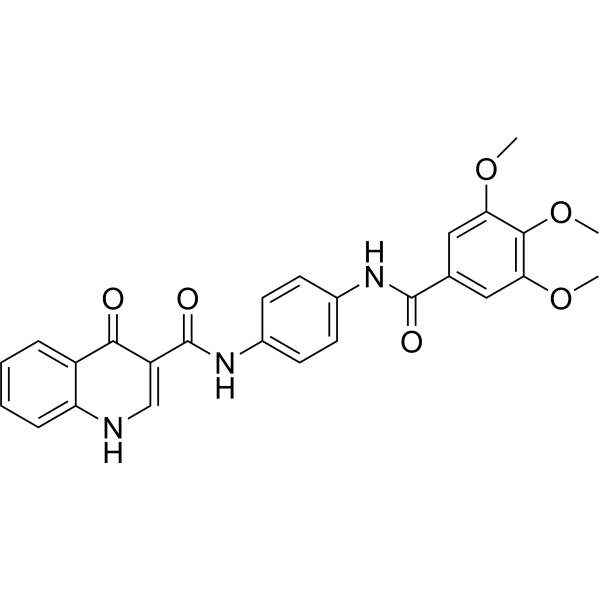 0 ImagesTNKS-2-IN-2 is a potent and selective inhibitor of TNKS2 with an IC50 of 22 nM.

-
PCIP-1
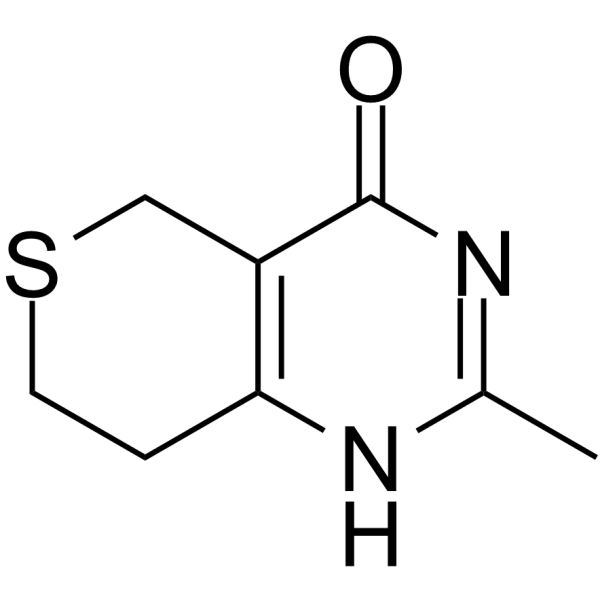
 0 ImagesCat. No.: HY-185459Purity: 98.80%PCIP-1 is a PARP2 inhibitor. PCIP-1 recruits BET proteins to PARP2 to inhibit DNA repair, acts via event-driven pharmacology, and does not inhibit PARP-catalyzed PARylation. PCIP-1 inhibits DNA repair, thereby inducing synthetic lethality in homologous recombination-deficient cancer cells and increasing the sensitivity of PARP1-knockout cells. PCIP-1 can be used in the research of homologous recombination-deficient cancers, T-cell acute lymphoblastic leukemia, and BRCA-mutant cancers.
-
(2S,3R,4S)-ASX-173
 0 Images(2S,3R,4S)-ASX-173 is the (2S,3R,4S)-enantiomer of ASX-173 (HY-175282). ASX-173 is an orally active inhibitor of asparagine synthetase (ASNS) (IC50 = 0.113 μM, Ki = 0.4 nM). ASX-173 enhances the anticancer activity of L-asparaginase (ASNase) (HY-P1923). ASX-173 disrupts nucleotide synthesis and induces leukemia cell cycle arrest, apoptosis and autophagy in leukemia cells in combination with ASNase. ASX-173 slows the growth of OCI-AML2 xenografts in combination with ASNase. ASX-173 is indicated for the study of acute lymphoblastic leukemia, acute myeloid leukemia, colorectal cancer, and other cancers.
-
(-)-β-Peltatin
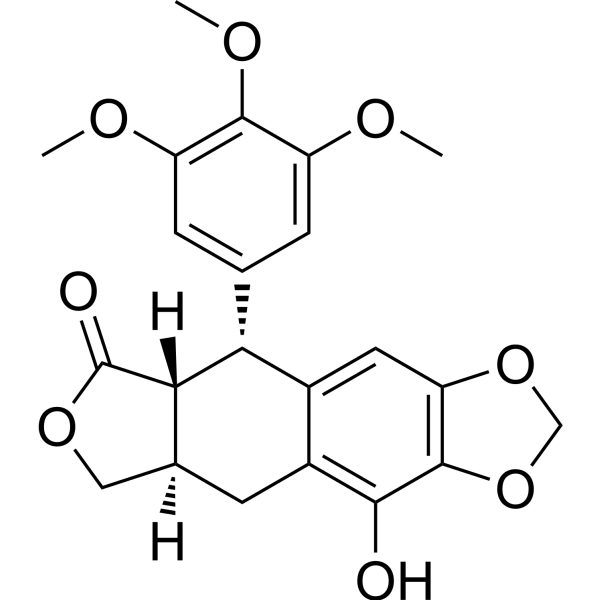 0 Images(-)-β-Peltatin is an aryltetrahydronaphthalene lignan. (-)-β-Peltatin exhibits antitumor activity and cytotoxicity against pancreatic cancer cells. (-)-β-Peltatin induces G2/M cell cycle arrest and apoptosis in pancreatic cancer cells. (-)-β-Peltatin inhibits the growth of subcutaneous xenografts of pancreatic cancer cells in nude mice. (-)-β-Peltatin can be used in pancreatic cancer-related research.

-
Triclabendazole (Standard)
 0 ImagesSynonyms: CGA89317 (Standard)Triclabendazole (Standard) is the analytical standard of Triclabendazole. This product is intended for research and analytical applications. Triclabendazole is an orally active parasite inhibitor. Triclabendazole has anti-Leishmania activity and induces gasdermin E (GSDME)-dependent pyroptosis by caspase-3 activation. Triclabendazole can be used for the research of fasciola hepatica.
-
AZ3391
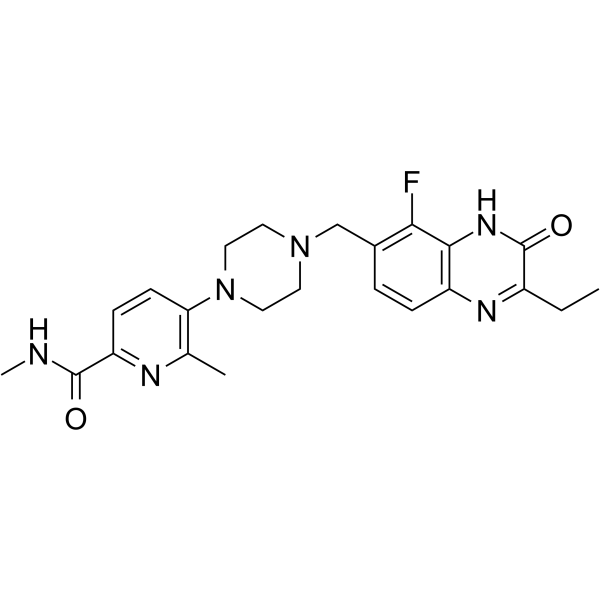 0 ImagesAZ3391 is a potent inhibitor of PARP. AZ3391 is a quinoxaline derivative. PARP family of enzymes play an important role in a number of cellular processes, such as replication, recombination, chromatin remodeling, and DNA damage repair. AZ3391 has the potential for the research of diseases and conditions occurring in tissues in the central nervous system, such as the brain and spinal cord (extracted from patent WO2021260092A1, compound 23).
-
Amelparib
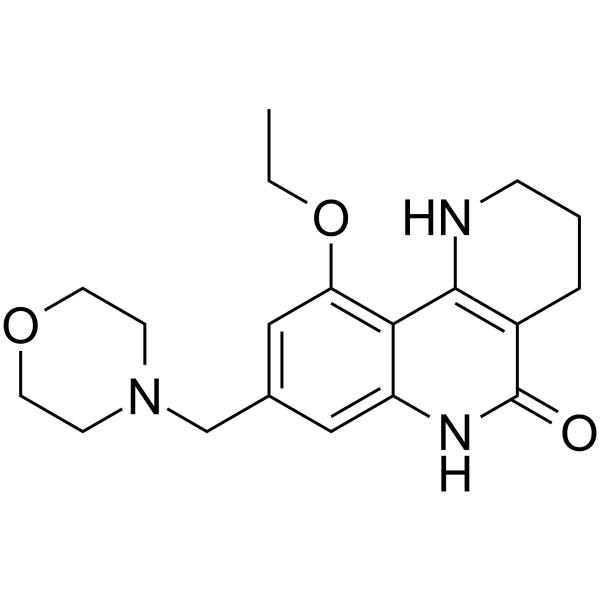 0 ImagesSynonyms: JPI-289 free baseAmelparib (JPI-289 free base) is a potent, orally active, and water-soluble inhibitor of PARP-1. Amelparib inhibits PARP-1 activity (IC50=18.5 nM) and cellular PAR formation (IC50=10.7 nM) in the nanomolar range. Amelparib is a potential neuroprotective agent. Amelparib has the potential for the research of acute ischaemic stroke.
-
Amelparib hydrochloride
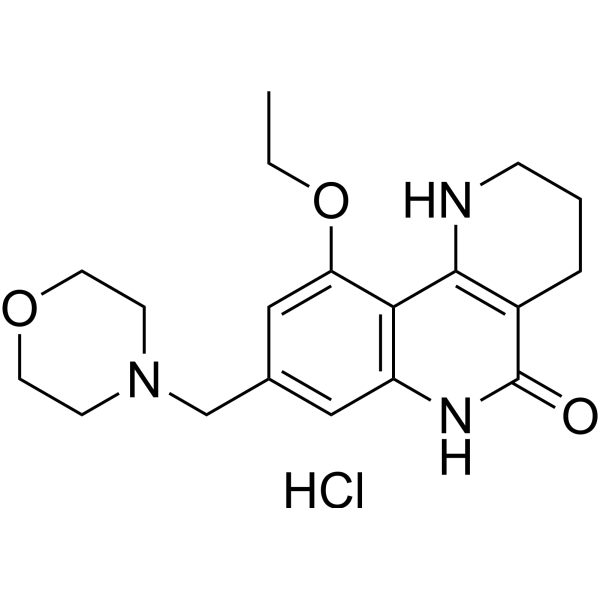 0 ImagesCat. No.: HY-116218CPurity: 98.37%Synonyms: JPI-289 hydrochlorideAmelparib (JPI-289) hydrochloride is a potent, orally active, and water-soluble inhibitor of PARP-1. Amelparib hydrochloride inhibits PARP-1 activity (IC50 = 18.5 nM) and cellular PAR formation (IC50 = 10.7 nM). Amelparib hydrochloride is a potential neuroprotective agent. Amelparib hydrochloride has the potential for the research of acute ischaemic stroke.
-
Sulfabenzamide-d4
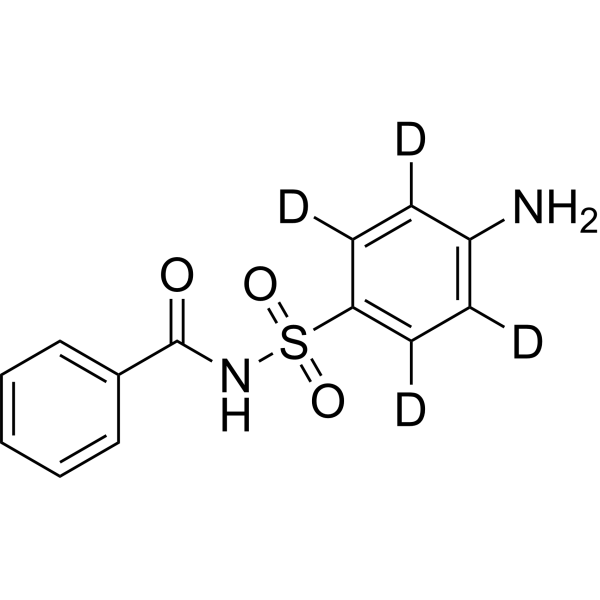 0 ImagesSynonyms: N-Sulfanilylbenzamide-d4Sulfabenzamide (N-Sulfanilylbenzamide)-d4 is the deuterium labeled Sulfabenzamide (HY-B0960). Sulfabenzamide is a sulfonamide antibacterial agent. Sulfabenzamide exhibit antibacterial activity against Staphylococcus aureus (ATCC 25923) and Escherichia coli (ATCC 8739). Sulfabenzamide can promote autophagic cell autophagy in breast cancer cells through p53/ DRAM pathway. Sulfabenzamide increases caspase-3 activity, deactivates PARP1 and DNA-PK, downregulates AKT1 and AKT2. Sulfabenzamide can be used for the researches of breast cancer and bacterial infections.
-
Itareparib
 0 ImagesSynonyms: NMS-03305293; NMS-293Itareparib (NMS-03305293; NMS-293) is a selective, orally active, blood-brain barrier-permeable PARP1 inhibitor with an IC50 < 0.01 μM. Itareparib does not form PARP1-DNA trapping complexes, avoids PARP-DNA "retention", reduces PAR levels and inhibits the growth of homologous recombination-deficient cells. Itareparib can be used in research on advanced solid tumors, recurrent gliomas and other conditions.
-
Taurodeoxycholate-d6 sodium
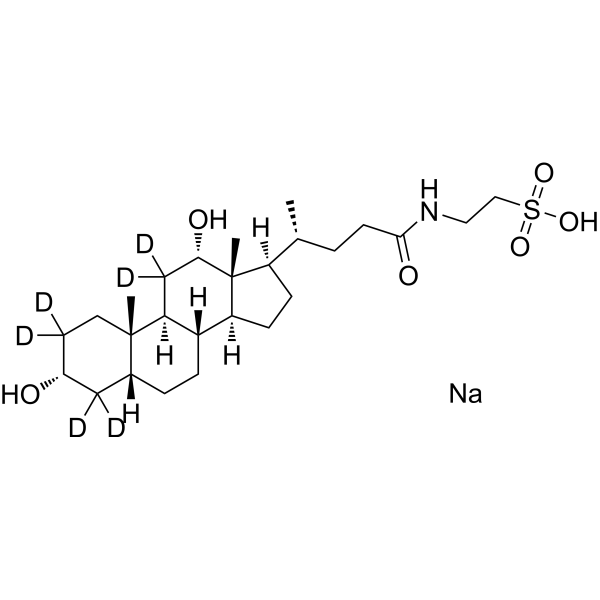 0 ImagesTaurodeoxycholate-d6 sodium salt is a bile salt-related anionic detergent. Taurodeoxycholate-d6 sodium salt is formed in the liver by conjugation of deoxycholate with Taurine (HY-B0351). Taurodeoxycholate-d6 sodium salt is used for isolation of membrane proteins including inner mitochondrial membrane proteins. Taurodeoxycholate-d6 (TDCA) exhibits anti-inflammatory and neuroprotective effects.
-
PARP1-IN-7
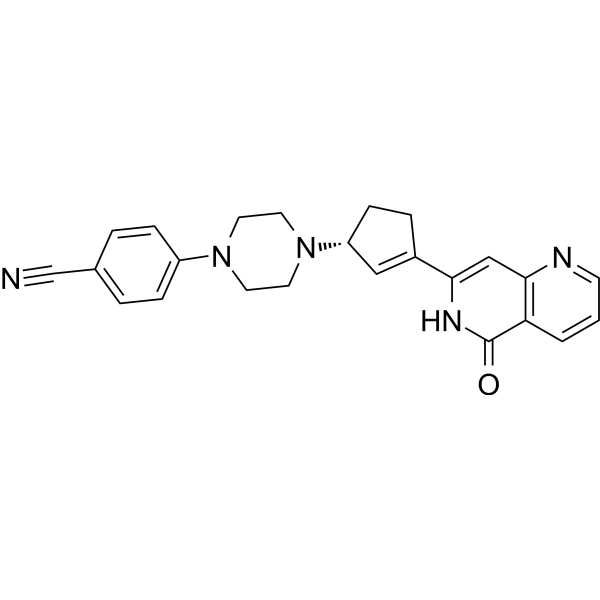 0 ImagesPARP1-IN-7 is an inhibitor of poly(ADP-ribose) polymerase-1 (PARP1) as an anticancer agent.
-
PARP-2-IN-1
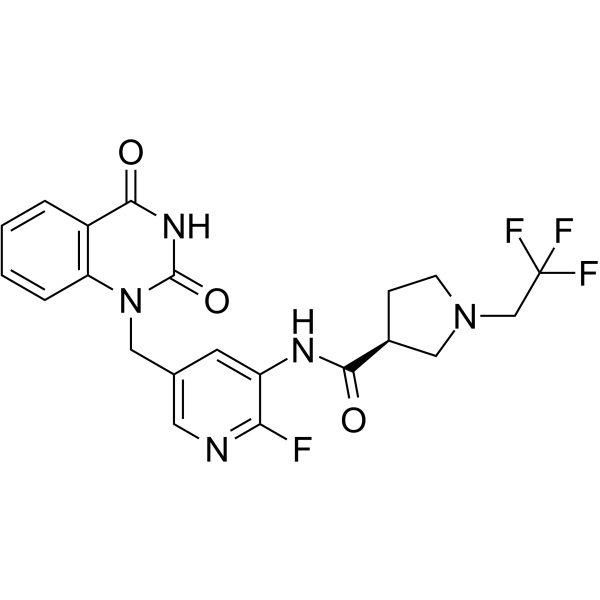 0 ImagesPARP-2-IN-1 is a potent and selective PARP-2 inhibitor with an IC50 of 11.5 nM.

-
SRSF1-IN-1
 0 ImagesCat. No.: HY-170935SRSF1-IN-1 is a SRSF1 inhibitor. SRSF1-IN-1 inhibits SRSF1 expression, thereby modulating the splicing of Bcl-x pre-mRNA. SRSF1-IN-1 inhibits the proliferation of various cancer cells. SRSF1-IN-1 induces apoptosis in gastric cancer cells, reduces Bcl-xl expression, and upregulates cleaved PARP and caspase 3. SRSF1-IN-1 induces autophagy and promotes cell death. SRSF1-IN-1 exhibits anti-tumor activity in a mouse gastric cancer xenograft model. SRSF1-IN-1 can be used for the research of various cancers including liver cancer, gastric cancer, breast cancer, colon cancer, glioma, and melanoma.




