Search Result
Results for "
aristolactam-iiia-n-beta-glucoside
" in MedChemExpress (MCE) Product Catalog:
1
Biochemical Assay Reagents
5
Isotope-Labeled Compounds
| Art. -Nr. |
Produktname |
Target |
Forschungsgebiete |
Chemical Structure |
-
- HY-P0267
-
-
-
- HY-106178
-
PMX-53
Maximum Cited Publications
8 Publications Verification
3D53
|
Complement System
|
Cardiovascular Disease
Inflammation/Immunology
Cancer
|
|
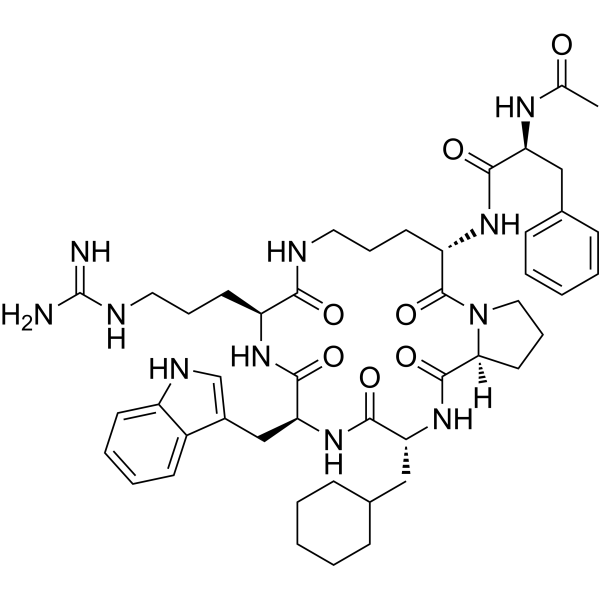
PMX-53 (3D53) is a synthetic peptidic and a potent and orally active complement C5a receptor (CD88) antagonist with an IC50 of 20 nM. PMX-53 is also a low-affinity MrgX2 agonist that stimulates MrgX2-mediated mast cell degranulation. PMX-53 specifically binds to C5aR1 and does not bind to the second C5aR (C5L2) and C3aR. PMX-53 has anti-inflammatory, anticancer and antiatherosclerotic effects .
|
-
-
- HY-N0012
-
Glycitin
Maximum Cited Publications
6 Publications Verification
Glycitein 7-O-β-glucoside
|
Bacterial
|
Infection
Cancer
|
|
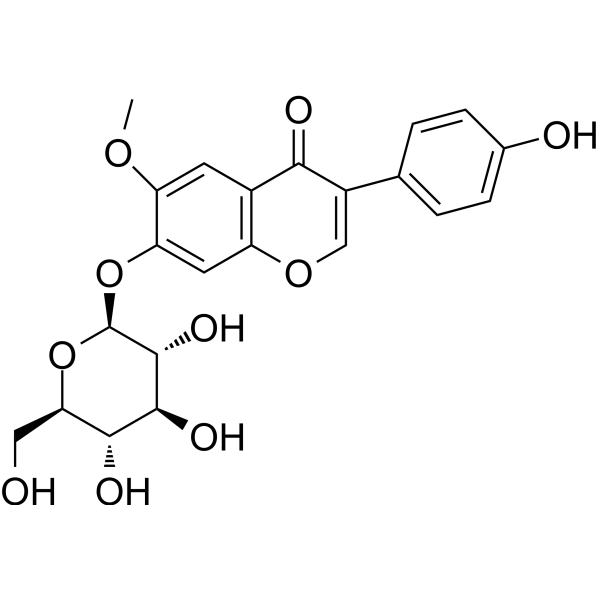
Glycitin (Glycitein 7-O-β-glucoside) is a natural isoflavone with antibacterial, antiviral, anticancer, anti-inflammation, anti-aging and estrogenic effects. Glycitin may regulate osteoblasts through TGF-β or AKT signaling pathways in bone marrow stem cells (BMSCs) .
|
-
-
- HY-18678A
-
|
PT-141 Acetate
|
Melanocortin Receptor
|
Metabolic Disease
|
|
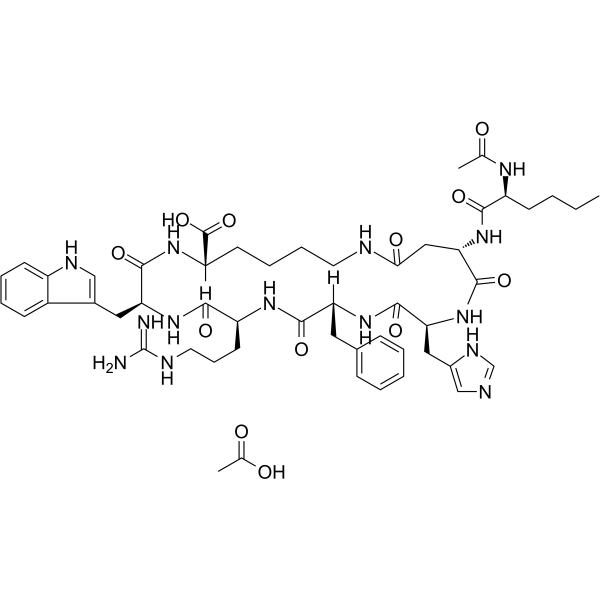
Bremelanotide (PT-141) Acetate is a melanocortin receptor agonist. Bremelanotide Acetate can activate MC4R and increases dopamine release. Bremelanotide Acetate induces appetitive sexual behaviors, female mounting behavior, and repetitive self-grooming. Bremelanotide Acetate can be used for the research of hypoactive sexual desire disorders .
|
-
-
- HY-P0227
-
|
|
Melanocortin Receptor
|
Metabolic Disease
|
|
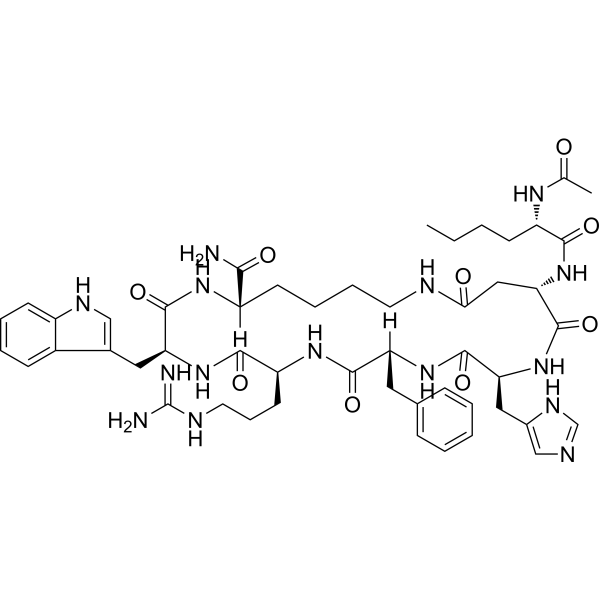
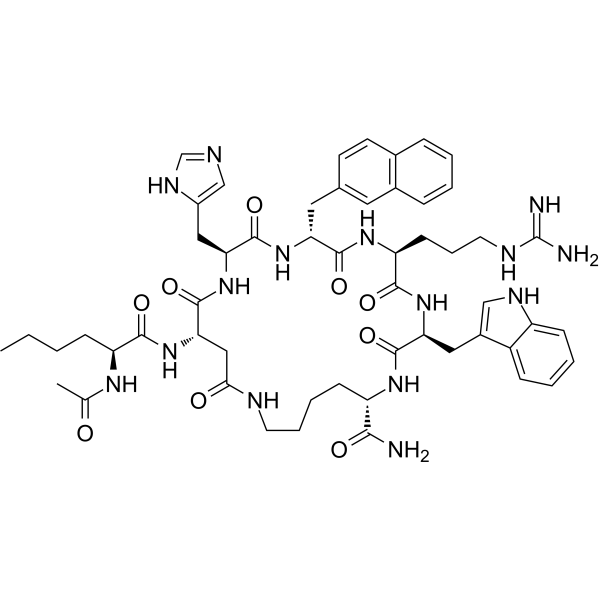
SHU 9119 is a potent human melanocortin 3 and 4 receptors (MC3/4R) antagonist and a partial MC5R agonist; with IC50 values of 0.23, 0.06, and 0.09 nM for human MC3R, MC4R and MC5R, respectively.
|
-
-
- HY-145632
-
|
ALT-801
|
GLP Receptor
GCGR
|
Metabolic Disease
|
|
Pemvidutide (ALT-801) is a GLP-1R/GCGR dual agonist, shows striking reductions in body weight, liver fat and serum lipids. Pemvidutide can be used in non-alcoholic steatohepatitis (NASH) and obesity research .
|
-

-
- HY-A0248A
-
|
|
Bacterial
|
Infection
|
|
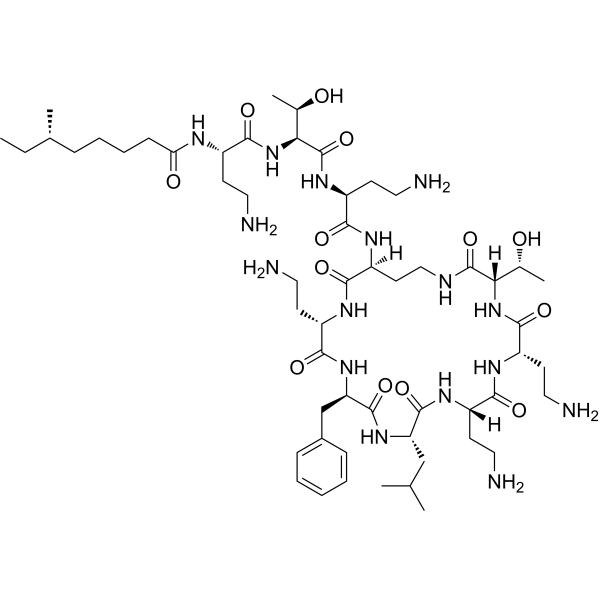
Polymyxin B1 is a potent antimicrobial lipopeptide first derived from Bacilus polymyxa. Polymyxin B1 is the major component in Polymyxin B (HY-A0248). Polymyxin B1 can induce lysis of bacterial cells through interaction with their membranes. Polymyxin B1 has the potential for multidrug-resistant Gram-negative bacterial infections treatment .
|
-
-
- HY-108052
-
|
Delphinidin 3-O-glucoside chloride; Delphinidin 3-O-β-glucoside chloride
|
EGFR
Apoptosis
Akt
|
Cardiovascular Disease
Cancer
|
|
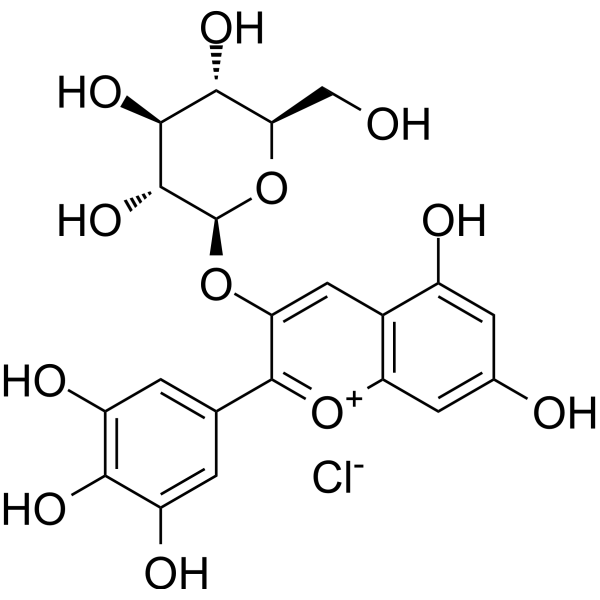
Delphinidin 3-glucoside chloride (Delphinidin 3-O-glucoside chloride) is an active anthocyanin found in Hibiscus sabdariffa extract. Delphinidin 3-glucoside chloride induces a pro-apoptotic effect in B cell chronic lymphocytic leukaemia (B CLL) . Delphinidin 3-glucoside chloride exerts phytoestrogen activity by binding to ERβ, with an IC50 of 9.7 μM . Delphinidin-3-O-glucoside chloride inhibits EGFR with an IC50 of 2.37 µM . Delphinidin 3-glucoside chloride exhibits antitumor effects through pAKT/IRF1/HOTAIR pathway. Delphinidin 3-glucoside chloride exhibits efficacy against oxidative stress, inhibits platelet activation and endothelial dysfunction .
|
-
-
- HY-N8161
-
|
Kaempferol 3,7-diglucoside
|
Glycosidase
Cholinesterase (ChE)
|
Neurological Disease
|
|
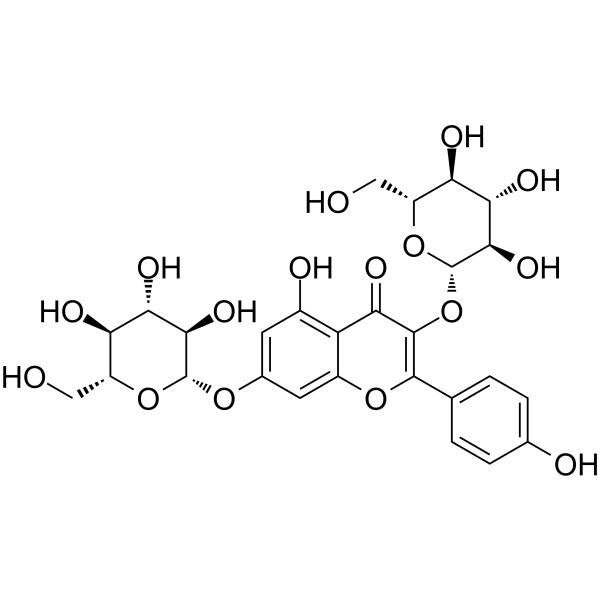
Kaempferol-3,7-di-O-β-glucoside (Kaempferol 3,7-diglucoside), a flavonol, possesses enzyme inhibition property towards α-amylase, α-glucosidase and Acetylcholinesterase. Kaempferol-3,7-di-O-β-glucoside protects differentiating neuronal cells, SH-SY5Y from Amyloid β peptide-induced injury. Kaempferol-3,7-di-O-β-glucoside has the potential for Alzheimer's research .
|
-
-
- HY-N2054
-
|
Kaempferol 4'-β-glucoside
|
Drug Derivative
|
Others
|
|
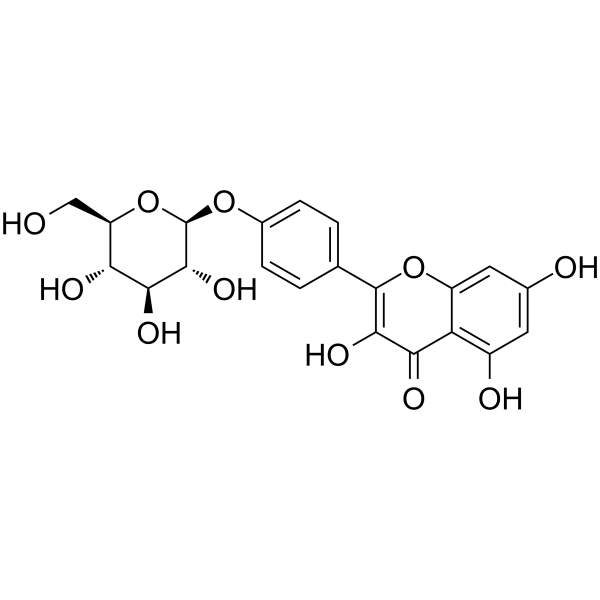
Kaempferol 4'-glucoside (Kaempferol 4'-β-glucoside) is a glycosylated form of Kaempferol (HY-14590). Kaempferol 4'-glucoside interacts with SBE-β-CD (HY-17031). Kaempferol 4'-glucoside can be used in the food and active compound industries .
|
-
-
- HY-N9529
-
|
|
Others
|
Others
|
|
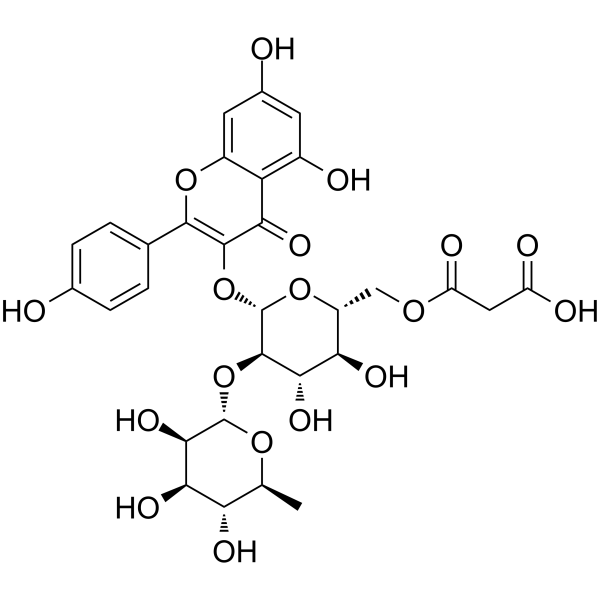
Kaempferol 3-O-(2′′-O-α-rhamnosyl-6′′-O-malonyl-β-glucoside) is a flavonoid glycoside compound .
|
-
-
- HY-P5189A
-
|
|
Endogenous Metabolite
Cholinesterase (ChE)
|
Others
|
|
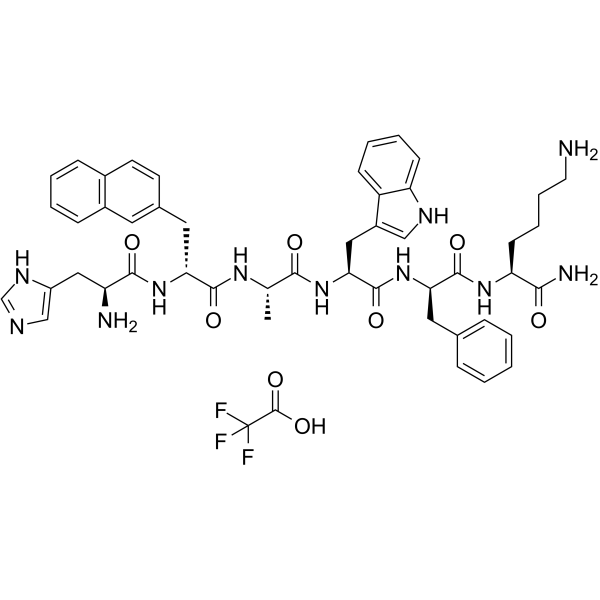
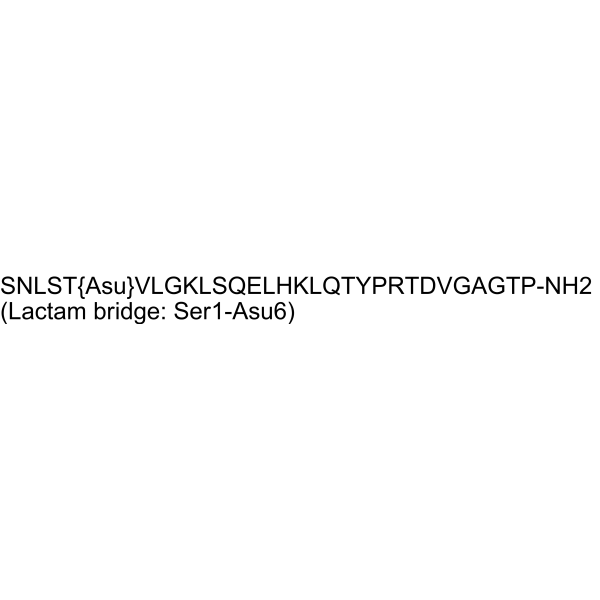
His-D-beta-Nal-Ala-Trp-D-Phe-Lys-NH2 TFA, is a growth hormone releasing peptide, as well as a metabolite of GHRP-1. GHRP-1, or Ala-His-D-beta Nal-Ala-Trp-D-Phe-Lys-NH2, has the effect of promoting the release of growth hormone (GH). GHRP-1 increases GH release and increases [Ca2+]i levels in static monolayer cells of rat pituitary gland, but does not affect cAMP levels .
|
-
-
- HY-P11290
-
-

-
- HY-P10447
-
|
Fengycin IX; SNA-60-367-3
|
Phospholipase
Fungal
|
Infection
|
|
Plipastatin A1 (Fengycin IX; SNA-60-367-3) is a lipopeptide with phospholipase A2 inhibitory activity. Plipastatin A1 inhibits conidial germination of Botrytis cinerea in vitro and reduces the incidence of gray mold on tomato leaves. Plipastatin A1 is applicable to research related to gray mold [1][2].
|
-

-
- HY-P1208
-
|
|
Melanocortin Receptor
|
Inflammation/Immunology
|
|
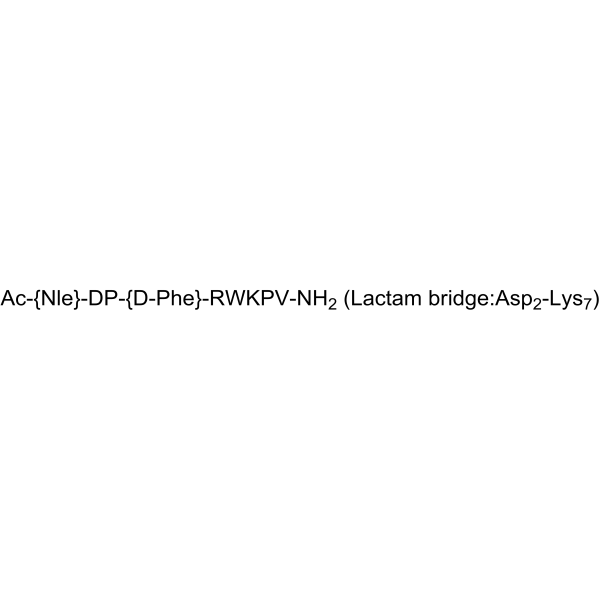
PG-931, an analog of SHU 9119 (HY-P0227), is a potent melanocortin 4 (MC4) receptor (IC50=0.58 nM) agonist and is more selective than for the hMC3R (IC50=55 nM) or the hMC5R (IC50=2.4 nM). PG-931 can reverse haemorrhagic shock and prevent multiple organ damage in vivo .
|
-
-
- HY-A0248AS
-
|
|
Isotope-Labeled Compounds
Bacterial
|
Infection
|
|
Polymyxin B1-d7 TFA is the deuterium labeled Polymyxin B1 TFA (HY-A0248A). Polymyxin B1 is a potent antimicrobial lipopeptide first derived from Bacilus polymyxa. Polymyxin B1 is the major component in Polymyxin B (HY-A0248). Polymyxin B1 can induce lysis of bacterial cells through interaction with their membranes. Polymyxin B1 has the potential for multidrug-resistant Gram-negative bacterial infections treatment .
|
-

-
- HY-145632A
-
|
ALT-801 TFA
|
GLP Receptor
GCGR
|
Metabolic Disease
|
|
Pemvidutide (ALT-801) TFA is a GLP-1R/GCGR dual agonist, shows striking reductions in body weight, liver fat and serum lipids. Pemvidutide TFA can be used in non-alcoholic steatohepatitis (NASH) and obesity research .
|
-

-
- HY-N0012R
-
|
Glycitein 7-O-β-glucoside (Standard)
|
Reference Standards
Bacterial
|
Infection
Cancer
|
|
Glycitin (Standard) is the analytical standard of Glycitin. This product is intended for research and analytical applications. Glycitin (Glycitein 7-O-β-glucoside) is a natural isoflavone with antibacterial, antiviral, anticancer, anti-inflammation, anti-aging and estrogenic effects. Glycitin may regulate osteoblasts through TGF-β or AKT signaling pathways in bone marrow stem cells (BMSCs) .
|
-

-
- HY-P1195
-
|
|
iGluR
|
Neurological Disease
|
|
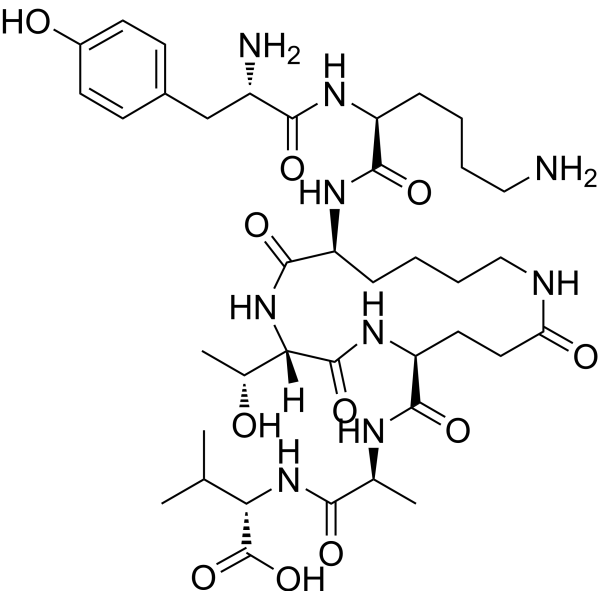
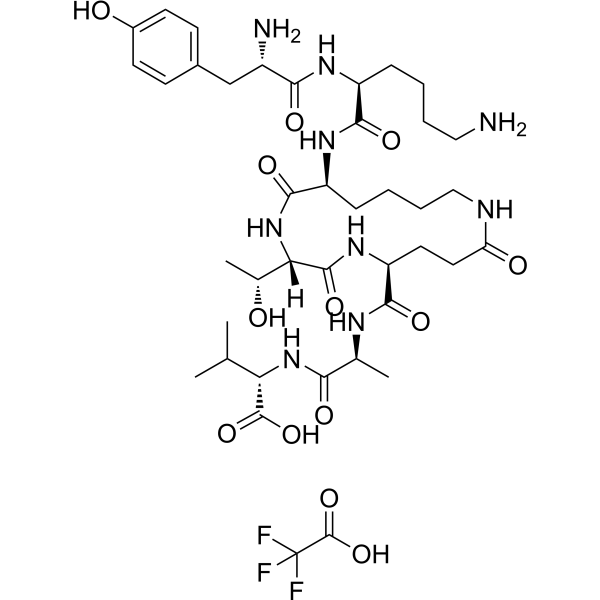
PDZ1 Domain inhibitor peptide, a cyclic peptide, incorporates a β-Ala lactam side chain linker and targets the PDZ1 domains of the postsynaptic density protein 95 (PSD-95). PDZ1 Domain inhibitor peptide disrupts the GluR6/PSD-95 interaction and is very efficient in competing against the C terminus of GluR6 for the PDZ1 domain .
|
-
-
- HY-P10768A
-
|
|
PACAP Receptor
|
Inflammation/Immunology
|
|
Ro 25-1553 TFA is a 31 amino acid vasoactive intestinal peptide (VIP) analog, that acts as an agonist for VIP2 receptor (VPAC2 receptor). Ro 25-1553 TFA exhibits a bronchodilator effect in nerve-induced or Carbachol (HY-B1208)-induced tracheal smooth muscle contraction in guinea pig model .
|
-

-
- HY-P3100
-
|
|
Parasite
|
Infection
|
|
Orfamide A is a major metabolite of insecticidal biosurfactant in Pseudomonas sp. F6 and has aphidicidal activity. Orfamide A can be used for aphid control in organic agriculture. Orfamide A exhibits dose-dependent mortality against aphids with an LC50 value of 34.5 μg/mL .
|
-

-
- HY-P1209A
-
|
|
Melanocortin Receptor
|
Metabolic Disease
|
|
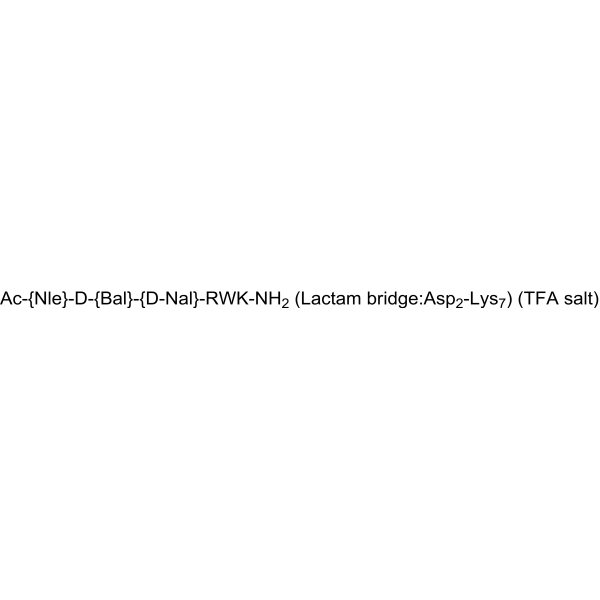
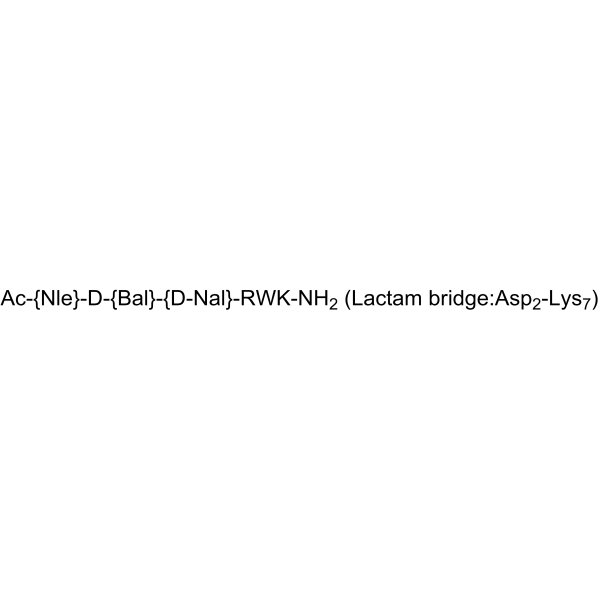
PG106 TFA is a potent and selective human melanocortin 3 (hMC3) receptor antagonist (IC50= 210 nM) and has noactivity at hMC4 receptors (EC50=9900 nM) and hMC5 receptor .
|
-
-
- HY-165683S
-
|
D-lysergic acid amide (LSA)
; D-lysergamide
|
Isotope-Labeled Compounds
|
Others
|
|
Alternariol-3-beta-glucoside-d3 (D-lysergic acid amide (LSA)) is deuterium labeled Alternariol-3-beta-glucoside .
|
-

-
- HY-N6250
-
|
Isomucronulatol 7-O-β-glucoside
|
NO Synthase
Interleukin Related
|
Inflammation/Immunology
|
|
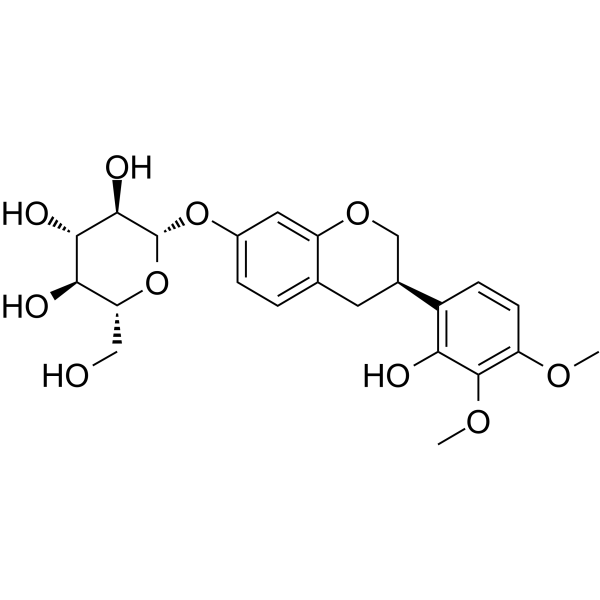
Isomucronulatol 7-O-glucoside (Isomucronulatol 7-O-β-D-glucoside) is an isoflavonoid glycoside isolated from the roots of Astragalus membranaceus. Isomucronulatol 7-O-glucoside targets inflammation-related pathways in vitro to exert anti-inflammatory activity without cytotoxicity at effective concentrations. Isomucucronulatol 7-O-glucoside inhibits NO production and weakly suppresses IL‑12 p40 production in vitro. Isomucronulatol 7-O-glucoside can be used for the research on inflammation .
|
-
-
- HY-108052R
-
|
Delphinidin 3-O-glucoside chloride (Standard); Delphinidin 3-O-β-glucoside chloride (Standard)
|
Reference Standards
EGFR
Apoptosis
Akt
|
Cardiovascular Disease
Cancer
|
|
Delphinidin 3-glucoside (chloride) (Standard) is the analytical standard of Delphinidin 3-glucoside (chloride). This product is intended for research and analytical applications. Delphinidin 3-glucoside chloride (Delphinidin 3-O-glucoside chloride) is an active anthocyanin found in Hibiscus sabdariffa extract. Delphinidin 3-glucoside chloride induces a pro-apoptotic effect in B cell chronic lymphocytic leukaemia (B CLL) . Delphinidin 3-glucoside chloride exerts phytoestrogen activity by binding to ERβ, with an IC50 of 9.7 μM . Delphinidin-3-O-glucoside chloride inhibits EGFR with an IC50 of 2.37 µM . Delphinidin 3-glucoside chloride exhibits antitumor effects through pAKT/IRF1/HOTAIR pathway. Delphinidin 3-glucoside chloride exhibits efficacy against oxidative stress, inhibits platelet activation and endothelial dysfunction .
|
-

-
- HY-P2064
-
|
|
Bacterial
|
Infection
|
|
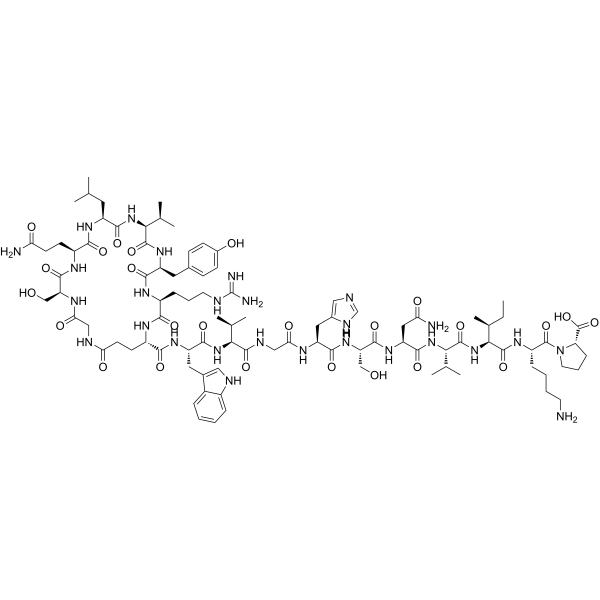
Lariatins is a novel anti-mycobacterial peptides with a lasso structure produced by Rhodococcus jostii K01-B0171 .
|
-
-
- HY-P0007
-
|
Carbocalcitonin
|
Drug Intermediate
|
Metabolic Disease
|
|
Elcatonin (Carbocalcitonin) is a synthetic analog of eel calcitonin. Elcatonin increases bone mineral density, inhibits bone resorption and processes a central analgesic effect .
|
-
-
- HY-P10768
-
|
|
PACAP Receptor
|
Inflammation/Immunology
|
|
Ro 25-1553 is a selective VIP2 receptor (VPAC2 receptor) agonist. Ro 25-1553 exhibits bronchodilatory effects on tracheal smooth muscle contractions induced by nerve stimulation or Carbachol (HY-B1208). Ro 25-1553 produces a superimposed effect when combined with Formoterol and Salmeterol (HY-14302). Ro 25-1553 can be used for the study of bronchoconstriction .
|
-

-
- HY-P1193
-
|
|
Neurokinin Receptor
|
Neurological Disease
|
|
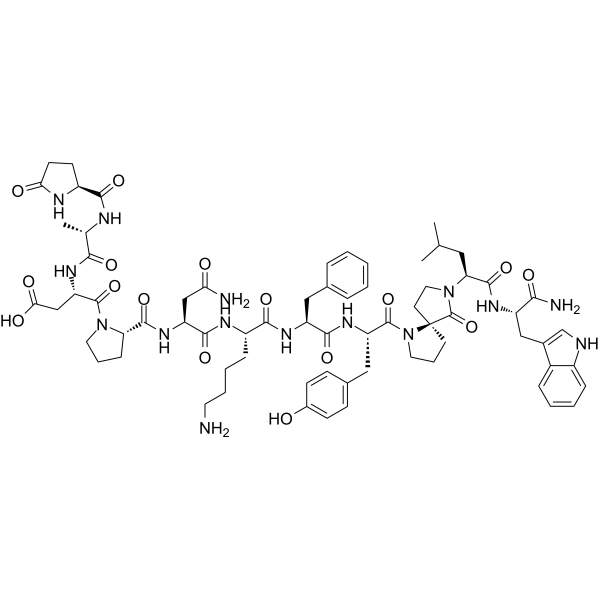
GR 82334 is a potent and specific reversible tachykinin NK1 receptor antagonist . GR 82334 inhibits substance P-induced sensitization by blocking SP NK1 receptors in naked mole-rats .
|
-
-
- HY-P2123A
-
|
|
Bacterial
Antibiotic
|
Infection
|
|
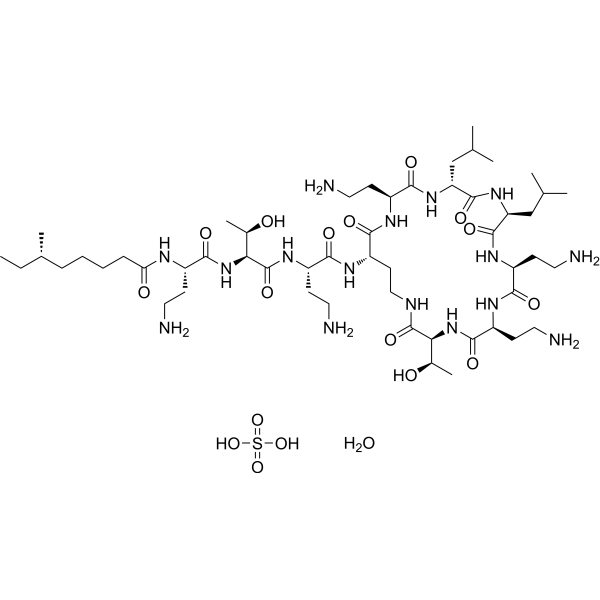
Colistin A sulfate hydrate is a major component of Colistin. Colistin is a polymyxin antibiotic and can be used to combat infections caused by problematic gram-negative bacteria .
|
-
-
- HY-P1209
-
-
-
- HY-N8805
-
|
|
Others
|
Cancer
|
|
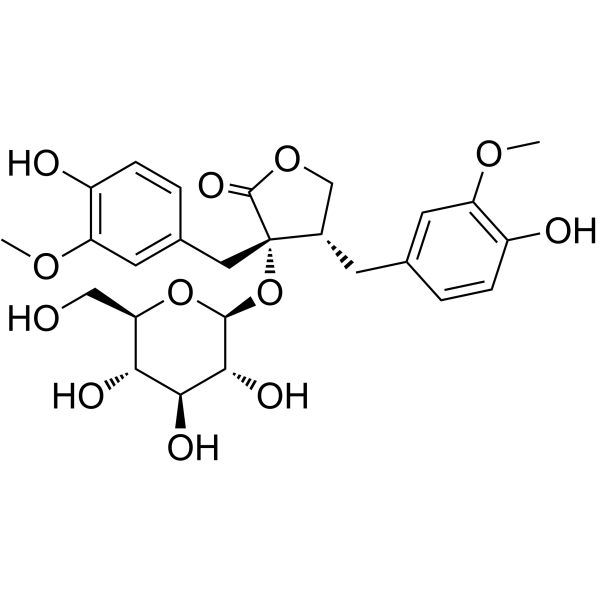
Nortrachelogenin-8'-O-β-glucoside is a natural product that can be isolated from the dried roots of Pulsatilla koreana. Nortrachelogenin-8'-O-β-glucoside inhibits cancer cell proliferation and reduces hormone dependence .
|
-
-
- HY-146972S
-
-
-
- HY-P2120
-
|
|
Bacterial
|
Others
|
|
Pseudobactin A is a non-fluorescent extracellular iron carrier produced by the plant growth-promoting bacterium Pseudomonas B10 .
|
-

-
- HY-N8021
-
|
(+)-Epipinoresinol-4′′-β-D-glucoside
|
Others
|
Others
|
|
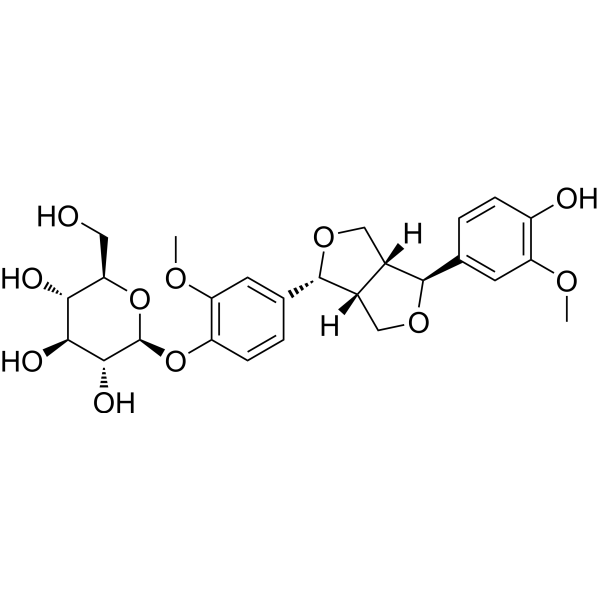
Epipinoresinol-4-O-β-glucoside (Compound 3) is a lignan glucoside that can be isolated from Forsythia suspensa .
|
-
-
- HY-W699540
-
|
|
Biochemical Assay Reagents
|
|
|
3-Hydroxykynurenine-O-β-glucoside is a class of biochemical reagents used in glycobiology research. Glycobiology studies the structure, synthesis, biology, and evolution of sugars. It deals with carbohydrate chemistry, glycan formation and degradation enzymology, protein-glycan recognition, and the role of glycans in biological systems. The field is closely related to basic research, biomedicine and biotechnology .
|
-

-
- HY-N8100
-
|
|
Others
|
Others
|
|
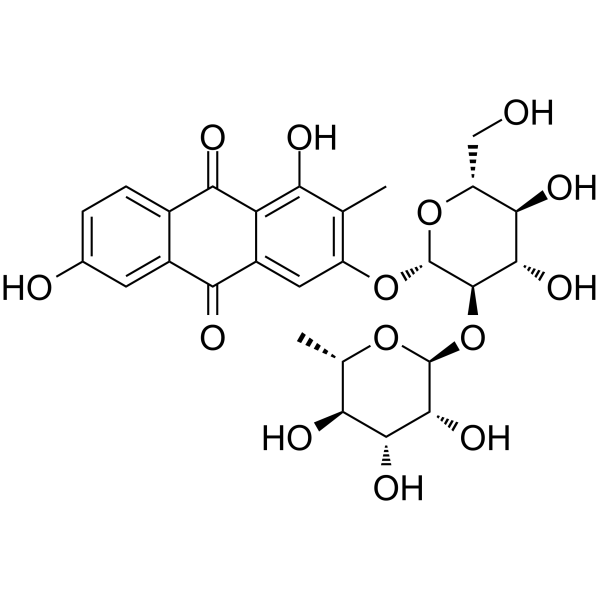
2-Methyl-1,3,6-trihydroxy-9,10-anthraquinone 3-O-α-rhamnosyl-(1→2)-β-glucoside is anthraquinone glycoside found in the dried roots of Rubia cordifolia .
|
-
-
- HY-P1195A
-
|
|
iGluR
|
Neurological Disease
|
|
PDZ1 Domain inhibitor peptide TFA, a cyclic peptide, incorporates a β-Ala lactam side chain linker and targets the PDZ1 domains of the postsynaptic density protein 95 (PSD-95). PDZ1 Domain inhibitor peptide TFA disrupts the GluR6/PSD-95 interaction and is very efficient in competing against the C terminus of GluR6 for the PDZ1 domain .
|
-
-
- HY-P10135
-
|
|
Endothelin Receptor
|
Cardiovascular Disease
|
|
RES-701-1 is a cyclic peptide composed of 16 common L-amino acids, acting as a specific antagonist for the ETB receptor. RES-701-1 can inhibit the binding of 125I-ET-1 (125I-labeled Endothelin (ET)-1) to the ETB receptor, with an IC50 value of 10 nM .
|
-

-
- HY-P1208A
-
|
|
Melanocortin Receptor
|
Inflammation/Immunology
|
|
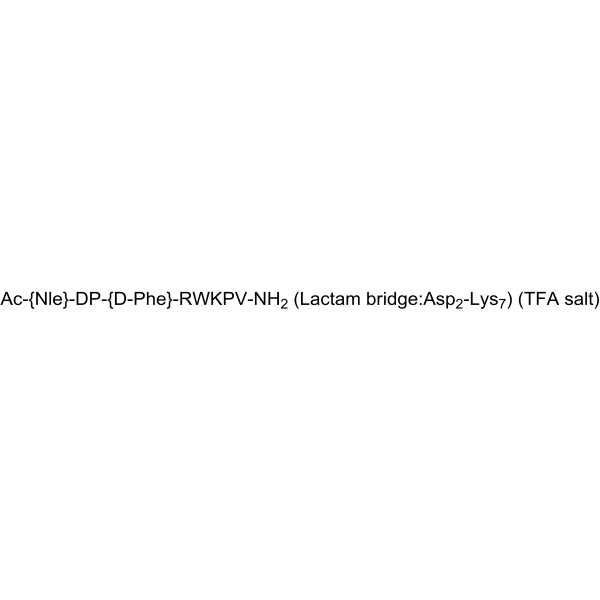
PG-931 TFA, an analog of SHU 9119 (HY-P0227), is a potent melanocortin 4 (MC4) receptor (IC50=0.58 nM) agonist and is more selective than for the hMC3R (IC50=55 nM) or the hMC5R(IC50=2.4 nM). PG-931 TFA can reverse haemorrhagic shock and prevent multiple organ damage in vivo .
|
-
-
- HY-P5568
-
|
RP 71955
|
HIV
|
Infection
|
|
RP 71955 is an antimicrobial peptide against HIV-1 .
|
-
-
- HY-P2202
-
|
|
Bacterial
|
Others
|
|
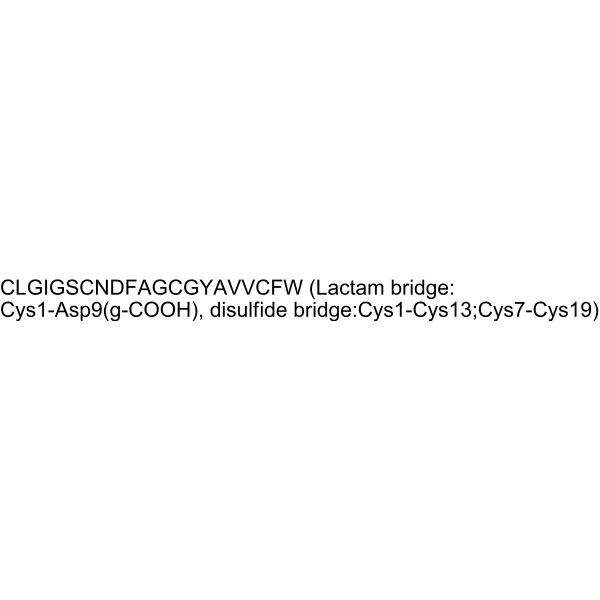
Desferriferribactin is a cyclic peptide containing a thirteen-membered ring. Desferriferribactin is a precursor of pyoverdins .
|
-

-
- HY-P11232
-
|
|
Toll-like Receptor (TLR)
Bacterial
|
Infection
|
|
NAB815 is a specific inhibitor of the Stx2a (Kd = 0.01 μM)/TLR4 interaction. NAB815 inhibits the neutrophil/Stx2a interaction (IC50 = 0.057 μg/mL). NAB815 inhibits the formation of Stx2-containing extracellular vesicles (EVs) produced by leukocytes and platelets and reduces their toxic effects in cellular (Vero cells) and animal models (CD-1 mice). NAB815 reduces bacterial loads in the kidneys, urine, and bladders of Escherichia coli-infected mice. NAB815 is useful in the study of hemolytic uremic syndrome (HUS) .
|
-

-
- HY-N3081
-
|
2',4',6'-Trihydroxyacetophenone 4'-O-β-D-glucoside; 2',4',6'-Trihydroxyacetophenone 4'-O-β-glucoside
|
Others
|
Others
|
|
Phloracetophenone 4'-O-glucoside (2',4',6'-Trihydroxyacetophenone 4'-O-β-D-glucoside) is a triterpenoid product that can be isolated from Salacia impressifolia .
|
-

-
- HY-E71324
-
|
|
Biochemical Assay Reagents
|
Others
|
|
β-Primeverosidase (EC 3.2.1.149) is responsible for the formation of the alcoholic aroma in oolong and black tea. In addition to β-primeverosides [i.e. 6-O-(β-D-xylopyranosyl)-β-D-glucopyranosides], it also hydrolyses 6-O-(β-D-apiofuranosyl)-β-D-glucopyranosides and, less rapidly, β-vicianosides and 6-O-(α-L-arabinofuranosyl)-β-D-glucopyranosides, but not β-glucosides. Geranyl-, linaloyl-, benzyl-and p-nitrophenol glycosides are all hydrolysed.
|
-

-
- HY-P10768B
-
|
|
PACAP Receptor
|
Inflammation/Immunology
|
|
Ro 25-1553 acetate is a selective VIP2 receptor (VPAC2 receptor) agonist. Ro 25-1553 acetate exhibits bronchodilatory effects on tracheal smooth muscle contractions induced by nerve stimulation or Carbachol (HY-B1208). Ro 25-1553 acetate produces a superimposed effect when combined with Formoterol and Salmeterol (HY-14302). Ro 25-1553 acetate can be used for the study of bronchoconstriction .
|
-

-
- HY-P0267A
-
|
|
Melanocortin Receptor
|
Neurological Disease
Metabolic Disease
Endocrinology
|
|
Melanotan (MT)-II acetate is a melanocortin receptor agonist that crosses the blood-brain barrier. Melanotan (MT)-II acetate activates melanocortin receptor 3 and melanocortin receptor 4, and stimulates the release of central endogenous oxytocin. Melanotan (MT)-II acetate reverses recognition memory impairment, increased anxiety levels and reduced exploratory tendency in zebrafish exposed to short-term high-fat diet. Melanotan (MT)-II acetate improves impaired social behavior indicators in mouse models of autism spectrum disorder. Melanotan (MT)-II acetate induces weight loss, reduces food intake and exerts anorectic effects. Melanotan (MT)-II acetate increases intracavernous pressure and erectile activity in brown rats. Melanotan (MT)-II acetate can be used in studies related to memory impairment, anxiety, reduced exploratory behavior, autism spectrum disorder, obesity and erectile dysfunction .
|
-

-
- HY-P2123S
-
-

-
- HY-P11596
-
|
|
Integrin
|
Cancer
|
|
NOTA-Asp2-αvβ6L is an integrin αvβ6 binder with selective accumulation in αvβ6-positive pancreatic cancer cells and tumors. NOTA-Asp2-αvβ6L can be used as a PET/CT tracer for imaging pancreatic ductal adenocarcinoma (PDAC) .
|
-

-
- HY-P11676
-
|
BRII-693; QPX9003
|
Antibiotic
Bacterial
|
Infection
|
|
Soralimixin (BRII-693), a Polymyxin derivative, is a next-generation intravenous (IV)-administered synthetic macrocyclic peptide antibiotic. Soralimixin can be used for the study of infections caused by drug-resistant Gram-negative pathogens .
|
-

- HY-P11607
-
|
|
Bacterial
|
Infection
|
|
CyLip-10 is a microbial-derived cyclic-lipid antimicrobial peptide. CyLip-10 has broad-spectrum antimicrobial efficacy, low hemolytic activity, and excellent stability. CyLip-10 can disrupt membrane integrity, inhibit biofilm formation and induce membrane permeabilization and bacterial cell death. CyLip-10 reduces bacterial load, promotes wound healing, and alleviates inflammatory responses in a mouse Methicillin (HY-121544)-resistant Staphylococcus aureus skin wound infection model. CyLip-10 can be used for the bacterial infection .
|
-

- HY-P2209
-
|
Daechuine S27; N-Demethylamphibine H
|
Parasite
Phosphodiesterase (PDE)
|
Infection
|
|
Nummularine B (Daechuine S27; N-Demethylamphibine H) is an anti-parasite agent. Nummularine B inhibits calmodulin-dependent phosphodiesterase activity with an IC50 of 16.8 μM. Nummularine B inhibits the growth of Plasmodium and Leishmania donovani in vitro. Nummularine B inhibits the calmodulin-dependent activity of actomyosin Ca 2+-ATPase. Nummularine B is applicable to research related to malaria and visceral leishmaniasis .
|
-

- HY-A0248AS1
-
|
|
Isotope-Labeled Compounds
Bacterial
|
Infection
|
|
Polymyxin B1-D-Leu-d7 TFA is the deuterium labeled Polymyxin B1 (HY-A0248A). Polymyxin B1 is a potent antimicrobial lipopeptide first derived from Bacilus polymyxa. Polymyxin B1 is the major component in Polymyxin B (HY-A0248). Polymyxin B1 can induce lysis of bacterial cells through interaction with their membranes. Polymyxin B1 has the potential for multidrug-resistant Gram-negative bacterial infections treatment .
|
-

| Art. -Nr. |
Produktname |
Type |
-
- HY-W699540
-
|
|
Biochemical Assay Reagents
|
|
3-Hydroxykynurenine-O-β-glucoside is a class of biochemical reagents used in glycobiology research. Glycobiology studies the structure, synthesis, biology, and evolution of sugars. It deals with carbohydrate chemistry, glycan formation and degradation enzymology, protein-glycan recognition, and the role of glycans in biological systems. The field is closely related to basic research, biomedicine and biotechnology .
|
| Art. -Nr. |
Produktname |
Target |
Research Area |
-
- HY-P0267
-
-
- HY-106178
-
PMX-53
Maximum Cited Publications
8 Publications Verification
3D53
|
Complement System
|
Cardiovascular Disease
Inflammation/Immunology
Cancer
|
|
PMX-53 (3D53) is a synthetic peptidic and a potent and orally active complement C5a receptor (CD88) antagonist with an IC50 of 20 nM. PMX-53 is also a low-affinity MrgX2 agonist that stimulates MrgX2-mediated mast cell degranulation. PMX-53 specifically binds to C5aR1 and does not bind to the second C5aR (C5L2) and C3aR. PMX-53 has anti-inflammatory, anticancer and antiatherosclerotic effects .
|
-
- HY-18678A
-
|
PT-141 Acetate
|
Melanocortin Receptor
|
Metabolic Disease
|
|
Bremelanotide (PT-141) Acetate is a melanocortin receptor agonist. Bremelanotide Acetate can activate MC4R and increases dopamine release. Bremelanotide Acetate induces appetitive sexual behaviors, female mounting behavior, and repetitive self-grooming. Bremelanotide Acetate can be used for the research of hypoactive sexual desire disorders .
|
-
- HY-P0227
-
|
|
Melanocortin Receptor
|
Metabolic Disease
|
|
SHU 9119 is a potent human melanocortin 3 and 4 receptors (MC3/4R) antagonist and a partial MC5R agonist; with IC50 values of 0.23, 0.06, and 0.09 nM for human MC3R, MC4R and MC5R, respectively.
|
-
- HY-145632
-
|
ALT-801
|
GLP Receptor
GCGR
|
Metabolic Disease
|
|
Pemvidutide (ALT-801) is a GLP-1R/GCGR dual agonist, shows striking reductions in body weight, liver fat and serum lipids. Pemvidutide can be used in non-alcoholic steatohepatitis (NASH) and obesity research .
|
-
- HY-A0248A
-
|
|
Bacterial
|
Infection
|
|
Polymyxin B1 is a potent antimicrobial lipopeptide first derived from Bacilus polymyxa. Polymyxin B1 is the major component in Polymyxin B (HY-A0248). Polymyxin B1 can induce lysis of bacterial cells through interaction with their membranes. Polymyxin B1 has the potential for multidrug-resistant Gram-negative bacterial infections treatment .
|
-
- HY-P5189A
-
|
|
Endogenous Metabolite
Cholinesterase (ChE)
|
Others
|
|
His-D-beta-Nal-Ala-Trp-D-Phe-Lys-NH2 TFA, is a growth hormone releasing peptide, as well as a metabolite of GHRP-1. GHRP-1, or Ala-His-D-beta Nal-Ala-Trp-D-Phe-Lys-NH2, has the effect of promoting the release of growth hormone (GH). GHRP-1 increases GH release and increases [Ca2+]i levels in static monolayer cells of rat pituitary gland, but does not affect cAMP levels .
|
-
- HY-P11290
-
-
- HY-P10447
-
|
Fengycin IX; SNA-60-367-3
|
Phospholipase
Fungal
|
Infection
|
|
Plipastatin A1 (Fengycin IX; SNA-60-367-3) is a lipopeptide with phospholipase A2 inhibitory activity. Plipastatin A1 inhibits conidial germination of Botrytis cinerea in vitro and reduces the incidence of gray mold on tomato leaves. Plipastatin A1 is applicable to research related to gray mold [1][2].
|
-
- HY-P1208
-
|
|
Melanocortin Receptor
|
Inflammation/Immunology
|
|
PG-931, an analog of SHU 9119 (HY-P0227), is a potent melanocortin 4 (MC4) receptor (IC50=0.58 nM) agonist and is more selective than for the hMC3R (IC50=55 nM) or the hMC5R (IC50=2.4 nM). PG-931 can reverse haemorrhagic shock and prevent multiple organ damage in vivo .
|
-
- HY-A0248AS
-
|
|
Isotope-Labeled Compounds
Bacterial
|
Infection
|
|
Polymyxin B1-d7 TFA is the deuterium labeled Polymyxin B1 TFA (HY-A0248A). Polymyxin B1 is a potent antimicrobial lipopeptide first derived from Bacilus polymyxa. Polymyxin B1 is the major component in Polymyxin B (HY-A0248). Polymyxin B1 can induce lysis of bacterial cells through interaction with their membranes. Polymyxin B1 has the potential for multidrug-resistant Gram-negative bacterial infections treatment .
|
-
- HY-145632A
-
|
ALT-801 TFA
|
GLP Receptor
GCGR
|
Metabolic Disease
|
|
Pemvidutide (ALT-801) TFA is a GLP-1R/GCGR dual agonist, shows striking reductions in body weight, liver fat and serum lipids. Pemvidutide TFA can be used in non-alcoholic steatohepatitis (NASH) and obesity research .
|
-
- HY-P1195
-
|
|
iGluR
|
Neurological Disease
|
|
PDZ1 Domain inhibitor peptide, a cyclic peptide, incorporates a β-Ala lactam side chain linker and targets the PDZ1 domains of the postsynaptic density protein 95 (PSD-95). PDZ1 Domain inhibitor peptide disrupts the GluR6/PSD-95 interaction and is very efficient in competing against the C terminus of GluR6 for the PDZ1 domain .
|
-
- HY-P10278
-
|
|
Peptides
|
Endocrinology
|
|
Anantin binds competitively to the receptor of atrial natriuretic factor (ANF) from bovine adrenal cortex (Kd = 0.6 μM) and acts as natriuretic peptide receptor A antagonist .
|
-
- HY-P10768A
-
|
|
PACAP Receptor
|
Inflammation/Immunology
|
|
Ro 25-1553 TFA is a 31 amino acid vasoactive intestinal peptide (VIP) analog, that acts as an agonist for VIP2 receptor (VPAC2 receptor). Ro 25-1553 TFA exhibits a bronchodilator effect in nerve-induced or Carbachol (HY-B1208)-induced tracheal smooth muscle contraction in guinea pig model .
|
-
- HY-P3100
-
|
|
Parasite
|
Infection
|
|
Orfamide A is a major metabolite of insecticidal biosurfactant in Pseudomonas sp. F6 and has aphidicidal activity. Orfamide A can be used for aphid control in organic agriculture. Orfamide A exhibits dose-dependent mortality against aphids with an LC50 value of 34.5 μg/mL .
|
-
- HY-P1209A
-
|
|
Melanocortin Receptor
|
Metabolic Disease
|
|
PG106 TFA is a potent and selective human melanocortin 3 (hMC3) receptor antagonist (IC50= 210 nM) and has noactivity at hMC4 receptors (EC50=9900 nM) and hMC5 receptor .
|
-
- HY-P2064
-
|
|
Bacterial
|
Infection
|
|
Lariatins is a novel anti-mycobacterial peptides with a lasso structure produced by Rhodococcus jostii K01-B0171 .
|
-
- HY-P0007
-
|
Carbocalcitonin
|
Drug Intermediate
|
Metabolic Disease
|
|
Elcatonin (Carbocalcitonin) is a synthetic analog of eel calcitonin. Elcatonin increases bone mineral density, inhibits bone resorption and processes a central analgesic effect .
|
-
- HY-P10768
-
|
|
PACAP Receptor
|
Inflammation/Immunology
|
|
Ro 25-1553 is a selective VIP2 receptor (VPAC2 receptor) agonist. Ro 25-1553 exhibits bronchodilatory effects on tracheal smooth muscle contractions induced by nerve stimulation or Carbachol (HY-B1208). Ro 25-1553 produces a superimposed effect when combined with Formoterol and Salmeterol (HY-14302). Ro 25-1553 can be used for the study of bronchoconstriction .
|
-
- HY-P1193
-
|
|
Neurokinin Receptor
|
Neurological Disease
|
|
GR 82334 is a potent and specific reversible tachykinin NK1 receptor antagonist . GR 82334 inhibits substance P-induced sensitization by blocking SP NK1 receptors in naked mole-rats .
|
-
- HY-P2123A
-
|
|
Bacterial
Antibiotic
|
Infection
|
|
Colistin A sulfate hydrate is a major component of Colistin. Colistin is a polymyxin antibiotic and can be used to combat infections caused by problematic gram-negative bacteria .
|
-
- HY-P1209
-
-
- HY-P2120
-
|
|
Bacterial
|
Others
|
|
Pseudobactin A is a non-fluorescent extracellular iron carrier produced by the plant growth-promoting bacterium Pseudomonas B10 .
|
-
- HY-P1195A
-
|
|
iGluR
|
Neurological Disease
|
|
PDZ1 Domain inhibitor peptide TFA, a cyclic peptide, incorporates a β-Ala lactam side chain linker and targets the PDZ1 domains of the postsynaptic density protein 95 (PSD-95). PDZ1 Domain inhibitor peptide TFA disrupts the GluR6/PSD-95 interaction and is very efficient in competing against the C terminus of GluR6 for the PDZ1 domain .
|
-
- HY-P10135
-
|
|
Endothelin Receptor
|
Cardiovascular Disease
|
|
RES-701-1 is a cyclic peptide composed of 16 common L-amino acids, acting as a specific antagonist for the ETB receptor. RES-701-1 can inhibit the binding of 125I-ET-1 (125I-labeled Endothelin (ET)-1) to the ETB receptor, with an IC50 value of 10 nM .
|
-
- HY-P1208A
-
|
|
Melanocortin Receptor
|
Inflammation/Immunology
|
|
PG-931 TFA, an analog of SHU 9119 (HY-P0227), is a potent melanocortin 4 (MC4) receptor (IC50=0.58 nM) agonist and is more selective than for the hMC3R (IC50=55 nM) or the hMC5R(IC50=2.4 nM). PG-931 TFA can reverse haemorrhagic shock and prevent multiple organ damage in vivo .
|
-
- HY-P5568
-
|
RP 71955
|
HIV
|
Infection
|
|
RP 71955 is an antimicrobial peptide against HIV-1 .
|
-
- HY-P2202
-
|
|
Bacterial
|
Others
|
|
Desferriferribactin is a cyclic peptide containing a thirteen-membered ring. Desferriferribactin is a precursor of pyoverdins .
|
-
- HY-P11232
-
|
|
Toll-like Receptor (TLR)
Bacterial
|
Infection
|
|
NAB815 is a specific inhibitor of the Stx2a (Kd = 0.01 μM)/TLR4 interaction. NAB815 inhibits the neutrophil/Stx2a interaction (IC50 = 0.057 μg/mL). NAB815 inhibits the formation of Stx2-containing extracellular vesicles (EVs) produced by leukocytes and platelets and reduces their toxic effects in cellular (Vero cells) and animal models (CD-1 mice). NAB815 reduces bacterial loads in the kidneys, urine, and bladders of Escherichia coli-infected mice. NAB815 is useful in the study of hemolytic uremic syndrome (HUS) .
|
-
- HY-P10768B
-
|
|
PACAP Receptor
|
Inflammation/Immunology
|
|
Ro 25-1553 acetate is a selective VIP2 receptor (VPAC2 receptor) agonist. Ro 25-1553 acetate exhibits bronchodilatory effects on tracheal smooth muscle contractions induced by nerve stimulation or Carbachol (HY-B1208). Ro 25-1553 acetate produces a superimposed effect when combined with Formoterol and Salmeterol (HY-14302). Ro 25-1553 acetate can be used for the study of bronchoconstriction .
|
-
- HY-P0267A
-
|
|
Melanocortin Receptor
|
Neurological Disease
Metabolic Disease
Endocrinology
|
|
Melanotan (MT)-II acetate is a melanocortin receptor agonist that crosses the blood-brain barrier. Melanotan (MT)-II acetate activates melanocortin receptor 3 and melanocortin receptor 4, and stimulates the release of central endogenous oxytocin. Melanotan (MT)-II acetate reverses recognition memory impairment, increased anxiety levels and reduced exploratory tendency in zebrafish exposed to short-term high-fat diet. Melanotan (MT)-II acetate improves impaired social behavior indicators in mouse models of autism spectrum disorder. Melanotan (MT)-II acetate induces weight loss, reduces food intake and exerts anorectic effects. Melanotan (MT)-II acetate increases intracavernous pressure and erectile activity in brown rats. Melanotan (MT)-II acetate can be used in studies related to memory impairment, anxiety, reduced exploratory behavior, autism spectrum disorder, obesity and erectile dysfunction .
|
-
- HY-P2123S
-
-
- HY-P11596
-
|
|
Integrin
|
Cancer
|
|
NOTA-Asp2-αvβ6L is an integrin αvβ6 binder with selective accumulation in αvβ6-positive pancreatic cancer cells and tumors. NOTA-Asp2-αvβ6L can be used as a PET/CT tracer for imaging pancreatic ductal adenocarcinoma (PDAC) .
|
-
- HY-P11676
-
|
BRII-693; QPX9003
|
Antibiotic
Bacterial
|
Infection
|
|
Soralimixin (BRII-693), a Polymyxin derivative, is a next-generation intravenous (IV)-administered synthetic macrocyclic peptide antibiotic. Soralimixin can be used for the study of infections caused by drug-resistant Gram-negative pathogens .
|
-
- HY-P11607
-
|
|
Bacterial
|
Infection
|
|
CyLip-10 is a microbial-derived cyclic-lipid antimicrobial peptide. CyLip-10 has broad-spectrum antimicrobial efficacy, low hemolytic activity, and excellent stability. CyLip-10 can disrupt membrane integrity, inhibit biofilm formation and induce membrane permeabilization and bacterial cell death. CyLip-10 reduces bacterial load, promotes wound healing, and alleviates inflammatory responses in a mouse Methicillin (HY-121544)-resistant Staphylococcus aureus skin wound infection model. CyLip-10 can be used for the bacterial infection .
|
-
- HY-P2209
-
|
Daechuine S27; N-Demethylamphibine H
|
Parasite
Phosphodiesterase (PDE)
|
Infection
|
|
Nummularine B (Daechuine S27; N-Demethylamphibine H) is an anti-parasite agent. Nummularine B inhibits calmodulin-dependent phosphodiesterase activity with an IC50 of 16.8 μM. Nummularine B inhibits the growth of Plasmodium and Leishmania donovani in vitro. Nummularine B inhibits the calmodulin-dependent activity of actomyosin Ca 2+-ATPase. Nummularine B is applicable to research related to malaria and visceral leishmaniasis .
|
-
- HY-A0248AS1
-
|
|
Isotope-Labeled Compounds
Bacterial
|
Infection
|
|
Polymyxin B1-D-Leu-d7 TFA is the deuterium labeled Polymyxin B1 (HY-A0248A). Polymyxin B1 is a potent antimicrobial lipopeptide first derived from Bacilus polymyxa. Polymyxin B1 is the major component in Polymyxin B (HY-A0248). Polymyxin B1 can induce lysis of bacterial cells through interaction with their membranes. Polymyxin B1 has the potential for multidrug-resistant Gram-negative bacterial infections treatment .
|
| Art. -Nr. |
Produktname |
Category |
Target |
Chemical Structure |
| Art. -Nr. |
Produktname |
Chemical Structure |
-
- HY-A0248AS
-
|
|
|
Polymyxin B1-d7 TFA is the deuterium labeled Polymyxin B1 TFA (HY-A0248A). Polymyxin B1 is a potent antimicrobial lipopeptide first derived from Bacilus polymyxa. Polymyxin B1 is the major component in Polymyxin B (HY-A0248). Polymyxin B1 can induce lysis of bacterial cells through interaction with their membranes. Polymyxin B1 has the potential for multidrug-resistant Gram-negative bacterial infections treatment .
|
-
-
- HY-165683S
-
|
|
|
Alternariol-3-beta-glucoside-d3 (D-lysergic acid amide (LSA)) is deuterium labeled Alternariol-3-beta-glucoside .
|
-
-
- HY-146972S
-
|
|
|
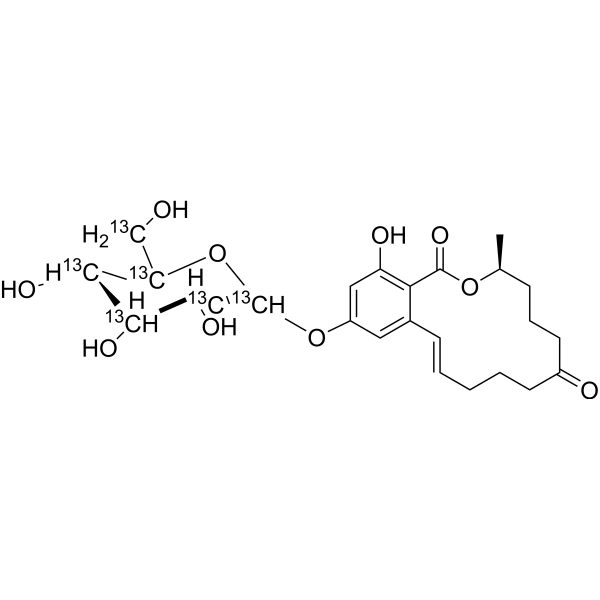
Zearalenone-14-O-β-glucoside- 13C6 is the 13C6 labeled Zearalenone-14-O-β-glucoside.
|
-
-
- HY-P2123S
-
|
|
|
Colistin A-d7 TFA is the deuterium labeled Colistin A.
|
-
-
- HY-A0248AS1
-
|
|
|
Polymyxin B1-D-Leu-d7 TFA is the deuterium labeled Polymyxin B1 (HY-A0248A). Polymyxin B1 is a potent antimicrobial lipopeptide first derived from Bacilus polymyxa. Polymyxin B1 is the major component in Polymyxin B (HY-A0248). Polymyxin B1 can induce lysis of bacterial cells through interaction with their membranes. Polymyxin B1 has the potential for multidrug-resistant Gram-negative bacterial infections treatment .
|
-
Your information is safe with us. * Required Fields.
Inquiry Information
- Produktname:
- Art. -Nr.:
- Menge:
- MCE Japan Authorized Agent:








