Search Result
Results for "
vero-cell
" in MedChemExpress (MCE) Product Catalog:
| Cat. No. |
Product Name |
Target |
Research Areas |
Chemical Structure |
-
- HY-13324
-
|
RTA 402; NSC 713200; CDDO Methyl ester
|
Keap1-Nrf2
SARS-CoV
Virus Protease
|
Cardiovascular Disease
Infection
Neurological Disease
Metabolic Disease
Inflammation/Immunology
Cancer
|
|
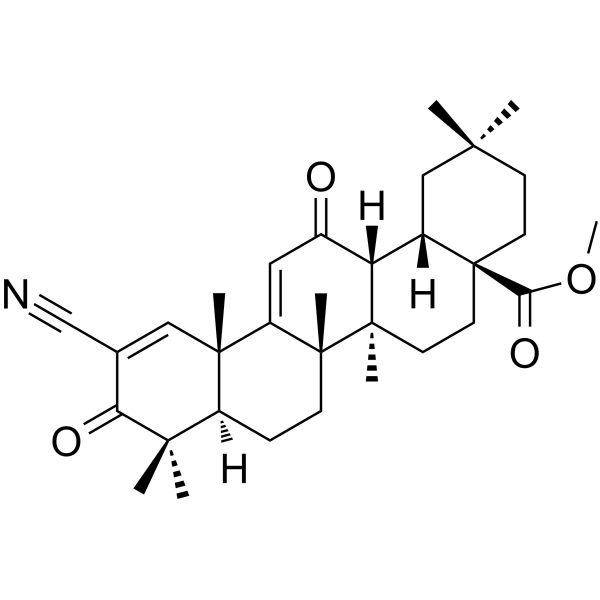
Bardoxolone (CDDO; RTA 401) methyl is an orally active and blood-brain-barrier-penetrant activator of Nrf2 and an inhibitor of SARS-CoV-2 3CL protease. Bardoxolone methyl inhibits SARS-CoV-2 replication in Vero cells with an EC50 value of 0.29 μM. Bardoxolone methyl increases levels of pNrf2 and HO-1, inhibits inflammatory mediators like pNFκB and MCP-1. Bardoxolone methyl activates the Nrf2 pathway to enhance antioxidant and anti-inflammatory responses, inhibits viral replication, and improves mitochondrial function. Bardoxolone methyl can be used in research on chemotherapy-induced neuropathic pain (CINP), COVID-19, and chronic kidney disease (CKD) .
|
-
-
- HY-W011100
-
-
-
- HY-150306
-
|
IM-250
|
DNA/RNA Synthesis
HSV
|
Infection
|
|
Adibelivir (IM-250) is an orally active helicase-primase inhibitor. Adibelivir is effective against HSV infection and reduces reactivation of latent HSV. Adibelivir inhibits HSV-1 infection in Vero cells (IC50: ~20 nM). Adibelivir can be used for the study of recurrent herpes disease[1][2].
|
-

-
- HY-W009245
-
|
|
HIV
|
Infection
Cancer
|
|
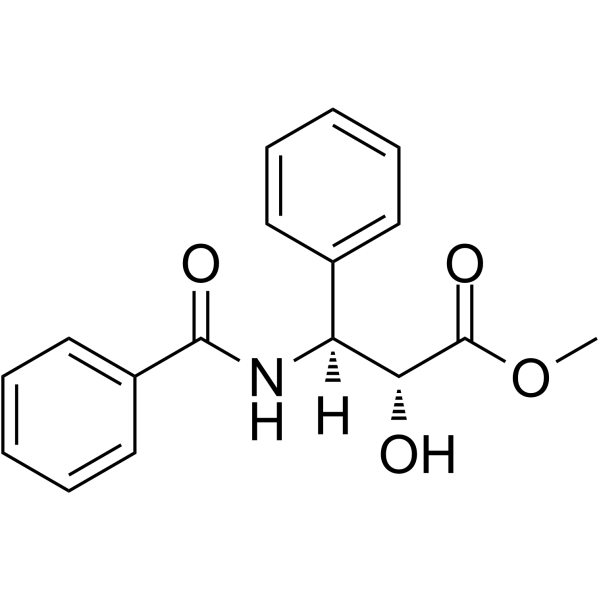
Bz-RS-iSer(3-Ph)-OMe (compound 2), a Taxol derivative, inhibits HSV replication cycle at low cytotoxicity, blocks mitotic divisions of Vero cells, influences M-MSV induced tumor size and affects immune response by inhibiting PHA-induced T lymphocyte proliferation .
|
-
-
- HY-N9351
-
|
Diphyllin O-glucoside
|
SARS-CoV
|
Infection
Cardiovascular Disease
Metabolic Disease
Cancer
|
|
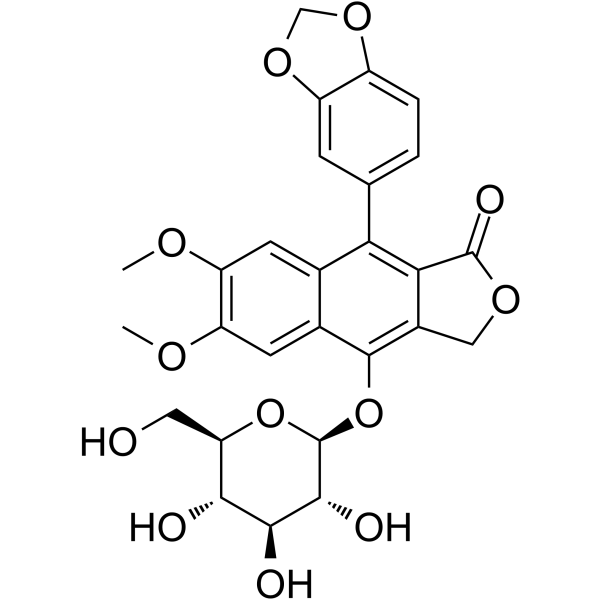
Cleistanthin B (Diphyllin O-glucoside) is an orally active arylnaphthalene lignan lactone glycoside. Cleistanthin B exhibits anti-SARS-CoV-2 effects in Vero cells, with EC50 of 6.51 µM. Cleistanthin B also exhibits antitumor, diuretic and antihypertensive effects in vivo .
|
-
-
- HY-138102
-
|
|
SARS-CoV
|
Infection
|
|
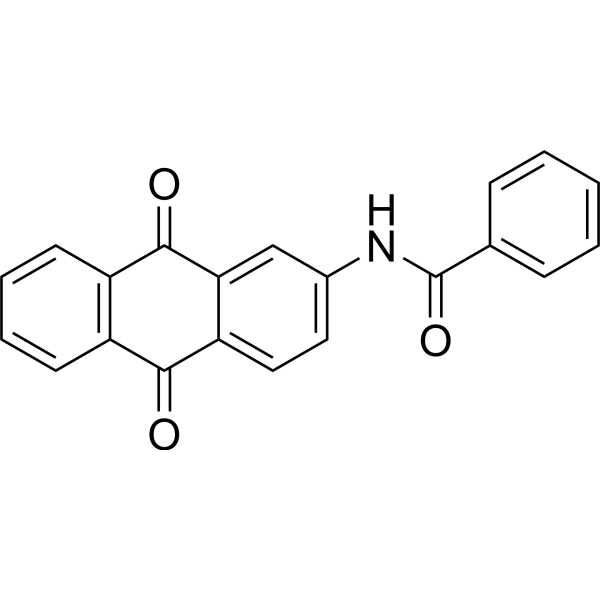
SSAA09E3 is a SARS-CoV entry inhibitor that inhibits SARS/HIV pseudotyped virus entry with an EC50 of 9.7 μM in 293T cells and inhibits SARS-CoV infection of Vero cells with an EC50 of 0.15 μM .
|
-
-
- HY-N15414
-
-

-
- HY-N10850
-
|
|
Bacterial
|
Cancer
|
|
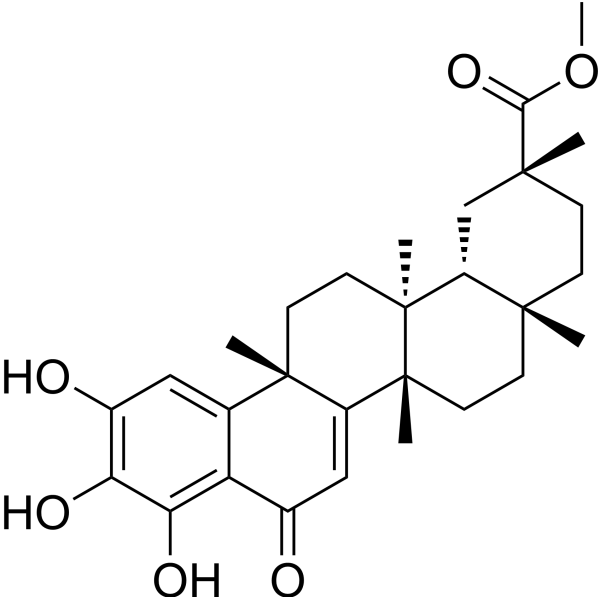
Blepharotriol is a phenolic triterpene that can be found in Maytenus blepharodes. Blepharotriol shows antimicrobial activity with a MIC value of 8-4 µg/ml for Bacillus subtilis. Blepharotriol shows cytotoxic activity with IC50s of 12.2, >20, >20 µM for HeLa, Hep-2, Vero cells, respectively .
|
-
-
- HY-176282
-
|
|
CDK
PI3K
|
Cancer
|
|
CDK8-IN-19 (Compound 3d) is a CDK8 inhibitor with an IC50 of 25.08 nM. CDK8-IN-19 has a broad-spectrum anticancer activity, such as leukemia, melanoma and breast cancer, without significant cytotoxic effect on the normal Vero cells (mean IC50s of 2.87, 3.65, 3.79 and 45.48 μM, respectively) .
|
-

-
- HY-149958
-
|
|
Parasite
|
Infection
|
|
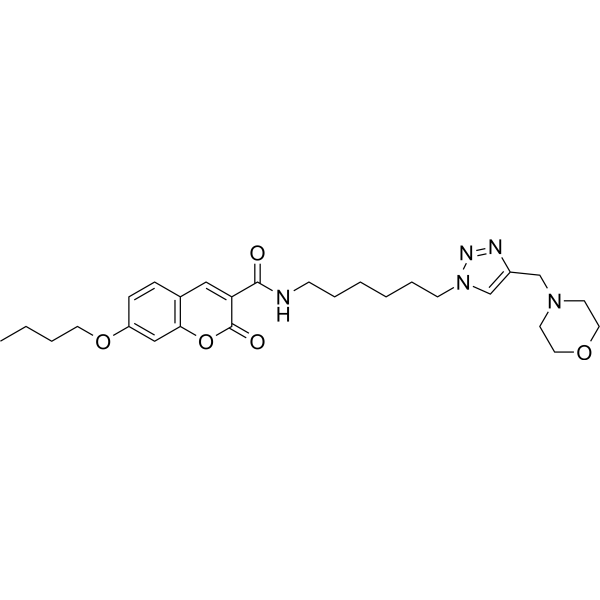
Antileishmanial agent-17 is a coumarin hybrid compound with antileishmanial effects (IC50 <0.78 μM). Antileishmanial agent-17 is safe to normal VERO cells. Antileishmanial agent-17 binds to folate pathway enzymes pteridine reductase and DHFR-TS. And Antileishmanial agent-17 shows the most potent with IC50 value of 0.40 μM against promastigote and 0.68 μM against amastigote, respectivley.
|
-
-
- HY-176281
-
|
|
PI3K
CDK
|
Cancer
|
|
PI3Kα-IN-26 (Compound 11e) is a PI3Kα inhibitor with an IC50 of 75.31 nM. PI3Kα-IN-26 has a broad-spectrum anticancer activity, such as leukemia, colon and breast cancer, without significant cytotoxic effect on the normal Vero cells (mean IC50s of 2.74, 3.50, 3.34 and 85.29 μM, respectively) .
|
-

-
- HY-174350
-
|
|
Casein Kinase
SARS-CoV
|
Infection
|
|
CK2-IN-15 (Compound Biv5) is a selective and potent bivalent protein kinase CK2 inhibitor with an IC50 value of 51 pM. CK2-IN-15 significantly reduces the replication of SARS-CoV-2 in HEK-ACE2-TMPRSS2 and Vero cells, and also reduces viral replication in an ex vivo model of human nasal epithelial cells. CK2-IN-15 is promising for research of β-coronavirus infection-related diseases .
|
-

-
- HY-14909R
-
|
CDDO (Standard); RTA 401 (Standard)
|
Keap1-Nrf2
Necroptosis
SARS-CoV
Virus Protease
Reference Standards
|
Infection
Cardiovascular Disease
Inflammation/Immunology
|
|
Bardoxolone (Standard) is the analytical standard of Bardoxolone (HY-14909). This product is intended for research and analytical applications. Bardoxolone is an orally active activator of nuclear regulatory factor (NRf-2) and an inhibitor of SARS-CoV-2 3CL protease. Bardoxolone inhibits SARS-CoV-2 3CL protease with an EC50 value of 0.43 μM in vero cells. Bardoxolone also inhibits necroptosis in HT-29 cells with an EC50 value of 1.30 μM by blocking necrosome formation through inhibiting phosphorylation of RIPK1 and RIPK3. Bardoxolone can be used in research on COVID-19, TNF-induced systemic inflammatory response syndrome (SIRS), and cerebral ischemia-reperfusion injury .
|
-

-
- HY-N9394
-
|
|
Others
|
Others
|
|
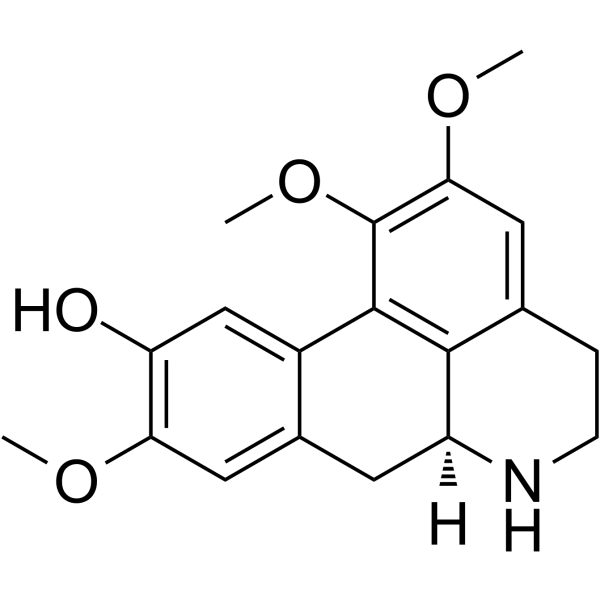
(+)-Norlirioferine is an alkaloid compound. (+)-Norlirioferine inhibits the cell growth of macrophages and VERO cells .
|
-
-
- HY-N14309
-
|
|
Parasite
|
Infection
|
|
Astechrome is a natural product with a strong antimalarial activity with an IC50 value of 0.94 μM. Astechrome exhibits cytotoxicity against Vero cells with IC50 value of 7.9 μM .
|
-

-
- HY-N1716
-
|
|
Parasite
|
Infection
|
|
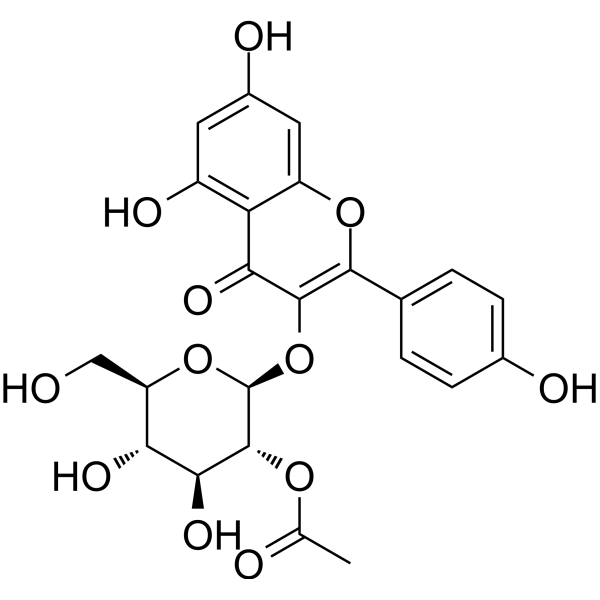
2’’-Acetylastragalin (Compound 2) is a compound isolated from the aerial parts of Delphinium staphisagria, with an IC50 value of 6.5 μM for Vero cells. 2’’-Acetylastragalin has trypanoidal activity .
|
-
-
- HY-169246
-
|
|
CDK
Apoptosis
|
Cancer
|
|
CDK2-IN-32 (Compound 5g) is a selective CDK2 inhibitor with an IC50 of 0.21 μM. CDK2-IN-32 shows cytotoxicity against Vero cells with an IC50 of 28.52 μM .
|
-

-
- HY-146374
-
|
|
Bacterial
|
Infection
|
|
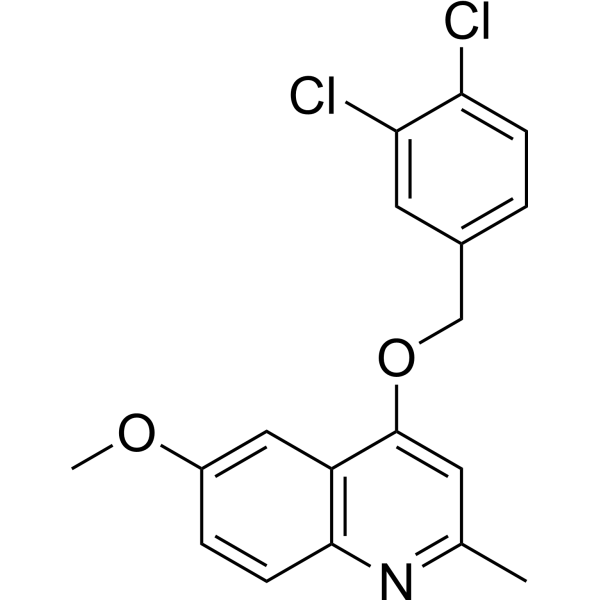
Antibacterial agent 96 (compound 4k) is a potent antibacterial agent. Antibacterial agent 96 shows antitubercular activity against agent-susceptible and multidrug-resistantMycobacterium tuberculosis (M. tuberculosis) strains. Antibacterial agent 96 shows toxicity to HepG2 and Vero cells .
|
-
-
- HY-N10351
-
|
|
Apoptosis
|
Cancer
|
|
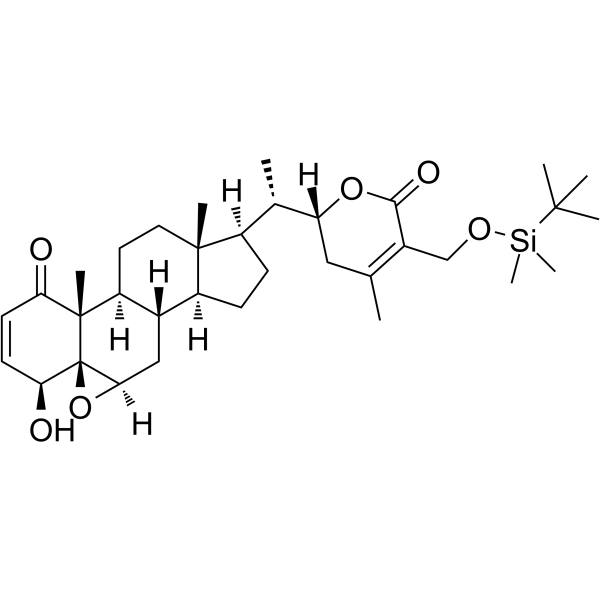
27-O-(tert-Butyldimethylsilyl)withaferin A (compound 9a), a natural withanolide, is an apoptosis inducer. 27-O-(tert-Butyldimethylsilyl)withaferin A shows antiproliferative activity against HeLa, A-549 and MCF-7 human cancer cell lines, and against normal Vero cells .
|
-
-
- HY-146104
-
|
|
Bacterial
|
Infection
|
|
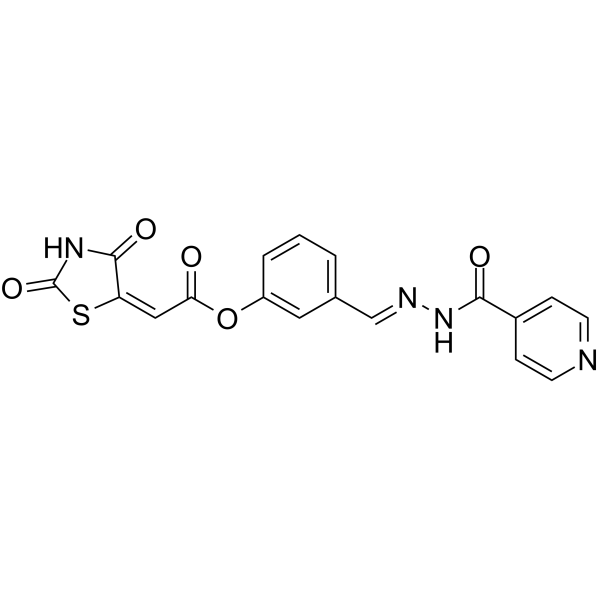
Antimycobacterial agent-1 (compound 33) has selectively antimycobacterial activity against Mycobacterium tuberculosis (M. tuberculosis) H37Ra with a MIC value of 1 μg/ml. Antimycobacterial agent-1 has relatively low cytotoxicity in normal cells (Vero cells IC50 = 143.2 μg/ml) .
|
-
-
- HY-W011100R
-
|
|
Dengue Virus
Reference Standards
Estrogen Receptor/ERR
Flavivirus
|
Infection
Endocrinology
|
|
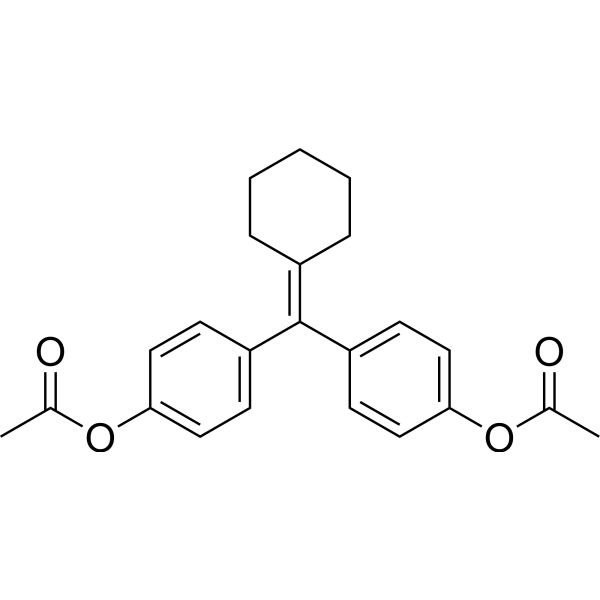
Cyclofenil (Standard) is the analytical standard of Cyclofenil. This product is intended for research and analytical applications. Cyclofenil is a selective estrogen receptor modulator and an ovulation-inducing agent. Cyclofenil shows an inhibitory effect on dengue virus replication in Vero cells with an EC50 of 1.62 μM. Cyclofenil has anti-dengue-virus activity .
|
-

-
- HY-145379
-
|
|
Parasite
Endogenous Metabolite
|
Infection
|
|
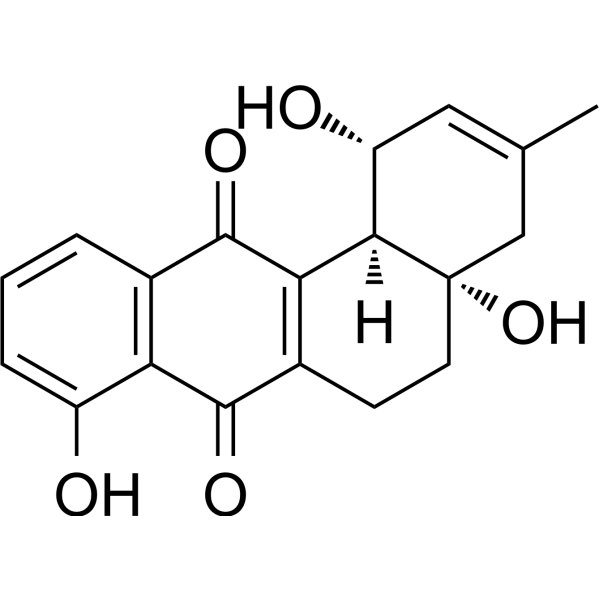
Miaosporone A, an angucyclic quinone, exhibits antimalarial activity against Plasmodium falciparum K1 and antibacterial activity against Mycobacterium tuberculosis with respective IC50 values of 2.5 and 2.4 μM and displays cytotoxic activities against both cancerous (MCF-7 and NCI-H187) and nonmalignant (Vero) cells .
|
-
-
- HY-121763
-
|
|
HSV
|
Infection
|
|
SCH-43478 is a non-nucleoside antiviral agent. SCH-43478 shows potent and selective activity against herpes simplex virus type 2 (HSV-2) with an IC50 of 1.8 μg/mL using Vero cells. SCH-43478 demonstrates significant efficacy in the guinea pig genital model of HSV infection .
|
-

-
- HY-150554
-
|
|
Bacterial
|
Infection
|
|
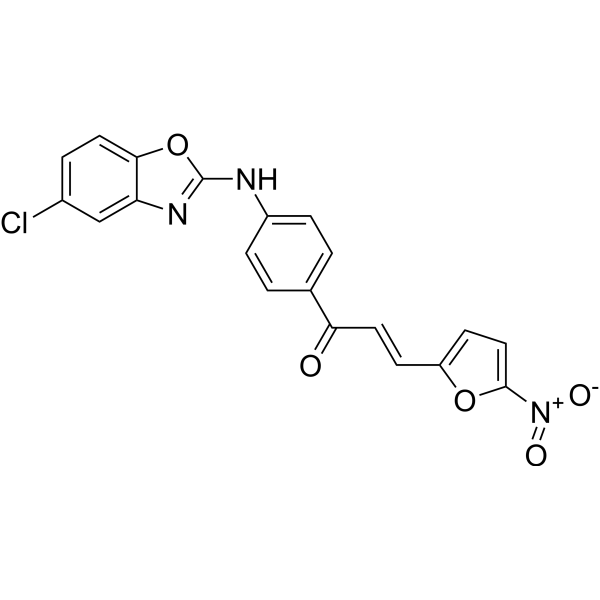
Antitubercular agent-29 (compound 6xa) is a potent agent resistant (DR) Mycobacterium tuberculosis (Mtb) inhibitor with MIC of 0.03 μg/mL against agent-susceptible (DS)-Mtb strains, MIC of 0.03-0.06 μg/mL against DR-Mtb strains, and favourable selectivity (SI>40) against Vero cells .
|
-
-
- HY-149957
-
|
|
Parasite
|
Infection
|
|
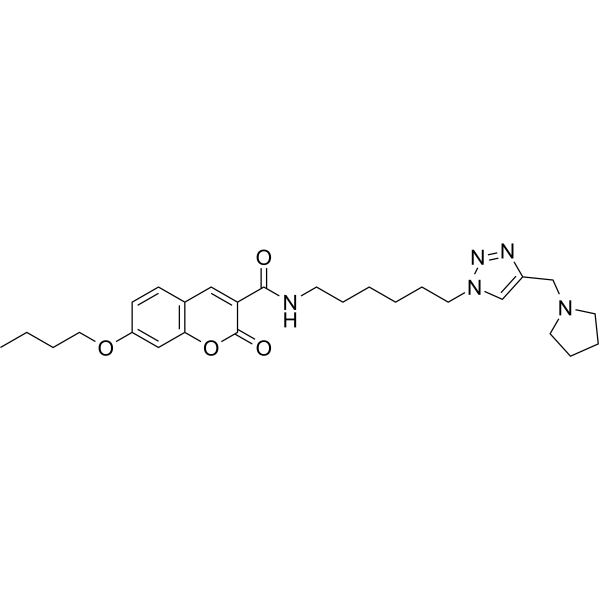
Antileishmanial agent-16 (compound 14c) is an anti-Leishmania agent. Antileishmanial agent-16 has superior anti-Leishmania major promastigotes activity (IC50 = 0.59 µM) and anti-Leishmania major amastigotes activity (IC50 = 0.81 µM). Antileishmanial agent-16 has good safety to mammalian cells (VERO cells) .
|
-
-
- HY-118362
-
|
|
Bacterial
|
Infection
|
|
Netzahualcoyonol is a quinone methyl triterpene isolated from the roots of Salacia multiflora (Lam.) DC. Netzahualcoyonol exhibits antibacterial and anti-biofilm activities. Netzahualcoyonol inhibits Gram-positive bacteria (MIC=3.26–52 μM). Additionally, Netzahualcoyonol demonstrates cytotoxicity against Hep G2 cells (IC50 = 1.95 μM) but exhibits low toxicity towards Vero cells .
|
-

-
- HY-146078
-
|
|
Bacterial
|
Infection
|
|
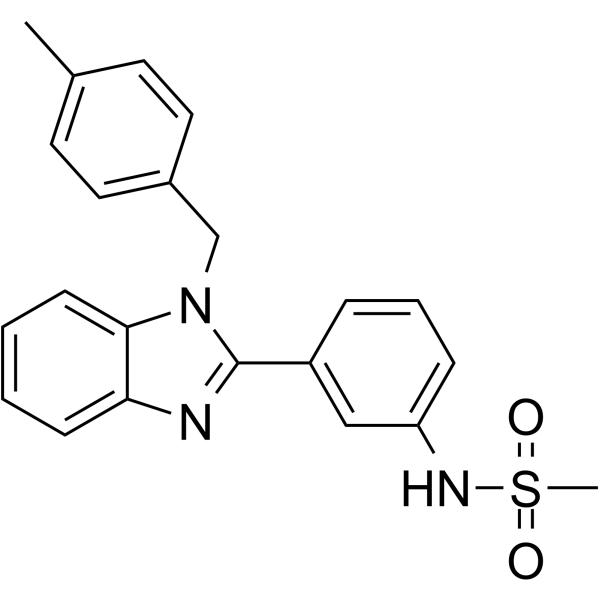
Antimicrobial agent-1 (compound 6C) possesses potent activity against TolC mutant E. coli with an MIC value of 2 μg/mL. Antimicrobial agent-1 and Colistin exhibit synergistic activity against Gram-negative bacteria. Antimicrobial agent-1 has no cytotoxicity on mammalian cell lines, with MICs > 128 μg/mL in Caco-2 and Vero cell lines .
|
-
-
- HY-151988
-
|
|
SARS-CoV
|
Infection
|
|
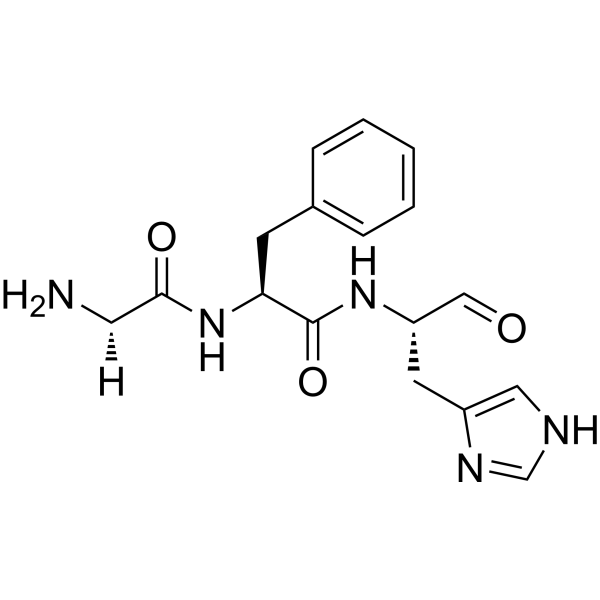
SARS-CoV-2-IN-36 is a potent SARS-CoV-2 Mpro (SARS-CoV) inhibitor with an IC50 of 2.37 μM and a Kd of 1.19 μM in enzymatic assays. SARS-CoV-2-IN-36 shows antiviral activity against UC-1074, RG2674, and NVDBB-2220 SARS-CoV-2 variants in Vero cells .
|
-
-
- HY-135855
-
|
|
SARS-CoV
Parasite
|
Infection
|
|
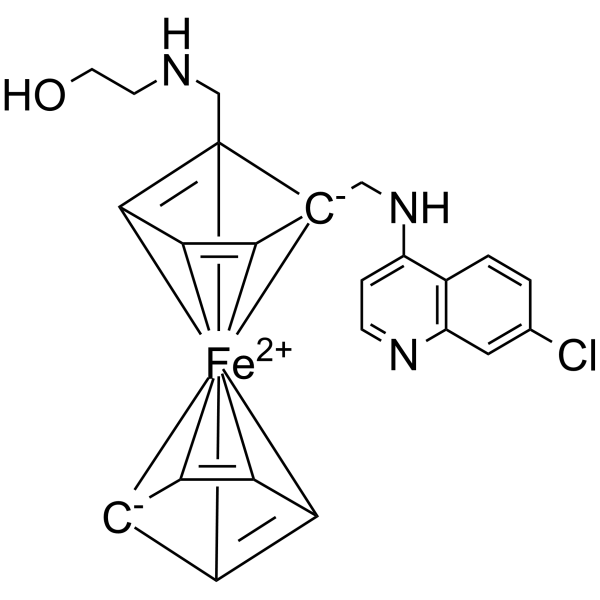
SARS-CoV-IN-1 is an effective inhibitor of SARS-CoV replication. SARS-CoV-IN-1 shows anti-Coronavirus activity with an EC50 of 4.9 μM in Vero cells. SARS-CoV-IN-1 inhibits the 3D7 and W2 strains of P. falciparum with IC50s of 15.4 and 133.2 nM; and IC90s of 25.7 and 459.1 nM; respectively. Antimalarial and antiviral activities .
|
-
-
- HY-N9475
-
|
|
Parasite
|
Infection
Inflammation/Immunology
Cancer
|
|
Betulonaldehyde is a pentacyclic triterpenoid that can be isolated from Diospyros filipendula. Betulonaldehyde has antiplasmodial activity (IC50: 3.36 µg/mL). Betulonaldehyde has cytotoxic to NCI H187 lung cancer cells and non-cancerous Vero cells (IC50s: 19.23 and 17.09 µg/mL, respectively). Betulonaldehyde inhibits Phorbol 12-myristate 13-acetate (HY-18739) induced inflammation in mice .
|
-

-
- HY-173362
-
|
|
SARS-CoV
Virus Protease
|
Infection
|
|
SARS-CoV-2 Mpro-IN-39 (Compound 9d) is an inhibitor of the main protease (Mpro) of SARS-CoV-2, with an IC50 value of 5.94 µM, an EC50 value of 9.33 µM for inhibiting the replication of SARS-CoV-2 in Vero cells, and a cytotoxicity CC50 value of 289.63 µM. SARS-CoV-2 Mpro-IN-39 can be used in the research of the anti-COVID-19 field .
|
-

-
- HY-P10872
-
|
|
SARS-CoV
|
Infection
|
|
P315V3 is an pan inhibitor for coronavirus, that inhibits SARS-CoV-2 prototypePT, Delta, BA.1 and BA.4 strain with IC50s of 10.9, 8.9, 8.6, and 2.7 nM. P315V3 exhibits cytotoxicity in Vero cell with CC50 of 4.3 μM. P315V3 exhibits anti-infectious efficacy in mouse models .
|
-

-
- HY-172621
-
|
|
EGFR
|
Cancer
|
|
EGFR-IN-159 (compound 12), a dihydropyrimidine, is a potent EGFR inhibitor with an IC50 value of 29.00 nM. EGFR-IN-159 exhibits dose-dependent inhibition against EGFR and HER2. EGFR-IN-159 shows cytotoxicity against MCF-7 breast cancer cells and Vero cells with IC50 values of 16.07 μg/mL and 35.98 μg/mL, respectively. EGFR-IN-159 has no BBB permeation. EGFR-IN-159 shows appreciable anti-cancer activity .
|
-

-
- HY-149058
-
|
|
Influenza Virus
|
Infection
|
|
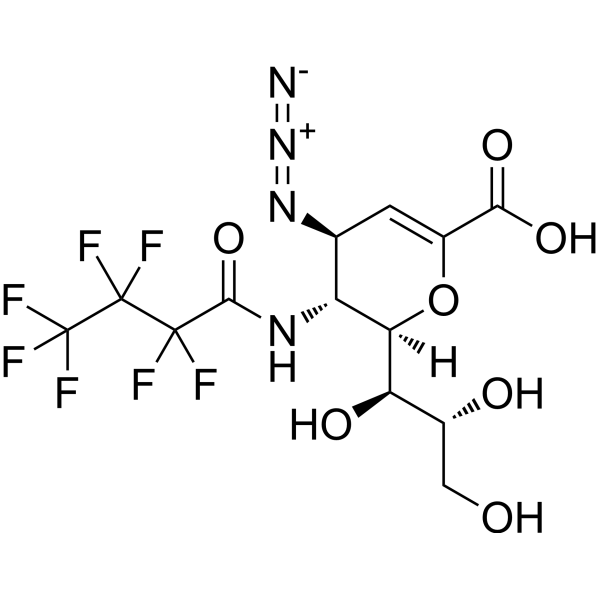
Neuraminidase-IN-13 (Compound 10) is a neuraminidase inhibitor with antiviral activity and low cytotoxicity. Neuraminidase-IN-13 significantly inhibits NDV infection of Vero cells by preventing the release of viral particles from infected cells . Neuraminidase-IN-13 is a click chemistry reagent, it contains an Azide group and can undergo copper-catalyzed azide-alkyne cycloaddition reaction (CuAAc) with molecules containing Alkyne groups. It can also undergo strain-promoted alkyne-azide cycloaddition (SPAAC) reactions with molecules containing DBCO or BCN groups.
|
-
-
- HY-159911
-
|
|
SARS-CoV
Virus Protease
|
|
|
SARS-CoV-2 Mpro-IN-29 (Compound 7) is an inhibitor of the SARS-CoV-2 main protease (Mpro) with an IC50 of 310 nM and an EC50 of 0.5 μM in Vero cells. SARS-CoV-2 Mpro-IN-29 binds to the active site of Mpro, blocking the cleavage of viral polyproteins, showing significant antiviral activity and enhanced metabolic function. SARS-CoV-2 Mpro-IN-29 holds potential for research on SARS-CoV-2 antiviral agents .
|
-

-
- HY-135858
-
|
|
SARS-CoV
Parasite
HIV
|
Infection
|
|
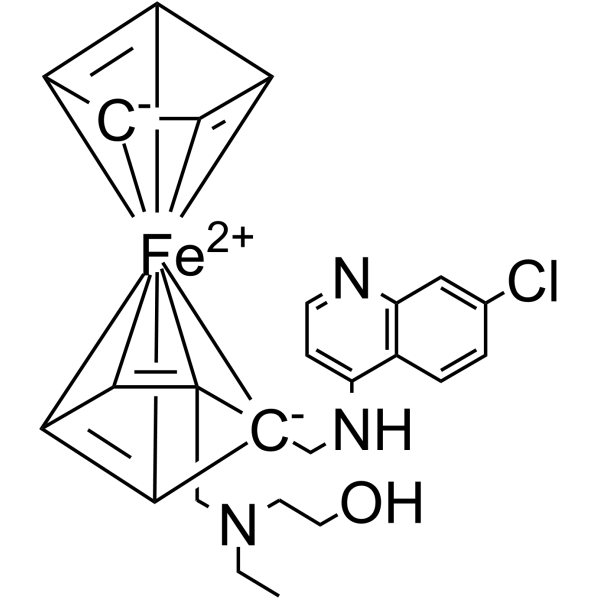
SARS-CoV-IN-3 is an effective inhibitor of SARS-CoV replication. SARS-CoV-IN-3 shows anti-Coronavirus activity with an EC50 of 3.6 μM in Vero cells. SARS-CoV-IN-3 inhibits the 3D7 and W2 strains of P. falciparum with IC50s of 11.7 and 20.4 nM; and IC90s of 29.19 and 56 nM; respectively. SARS-CoV-IN-3 reduces HIV-1-induced cytopathic effect with an EC50 of 10 μM in MT-4 cells .
|
-
-
- HY-N8470
-
|
NSC 204855; U 40615
|
Bacterial
|
Infection
|
|
Steffimycin B is an anthracycline bacterial metabolite originally isolated from Streptomyces. It binds to DNA, preferentially intercalating at sites containing cytosine and guanine.2 Steffimycin B is cytotoxic to MCF-7, KB, NCI-H187, and Vero cells (IC50s=3.5, 6.75, 3.28, and 10.5 μM, respectively). It is active against M. tuberculosis (MIC=5.2 nM), B. cereus (MIC=1.56 μg/mL), and P. falciparum (IC50=2.19 μM).
|
-

-
- HY-135856
-
|
|
SARS-CoV
Parasite
HIV
|
Infection
|
|
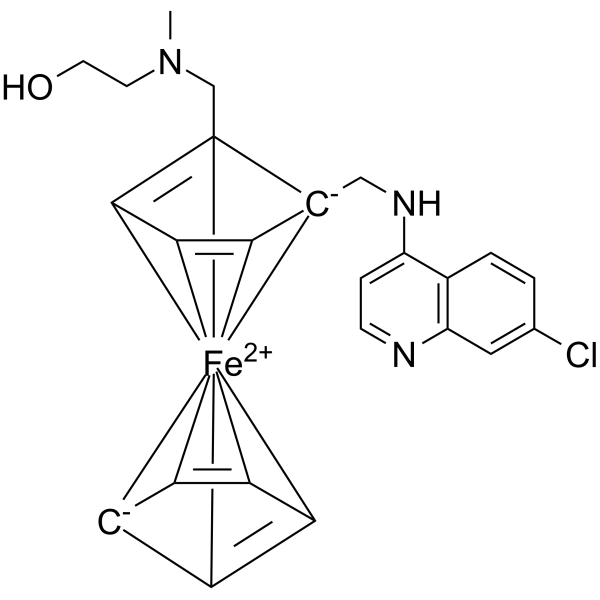
SARS-CoV-IN-2 is an effective inhibitor of SARS-CoV replication. SARS-CoV-IN-2 shows anti-Coronavirus activity with an EC50 of 1.9 μM in Vero cells. SARS-CoV-IN-2 inhibits the 3D7 and W2 strains of P. falciparum with IC50s of 21.5 and 30 nM; and IC90s of 51.0 and 99.9 nM; respectively. SARS-CoV-IN-2 reduces HIV-1-induced cytopathic effect with an EC50 of 2.9 μM in MT-4 cells. Antimalarial and Antiviral Activities .
|
-
-
- HY-149057
-
|
|
Influenza Virus
|
Infection
|
|
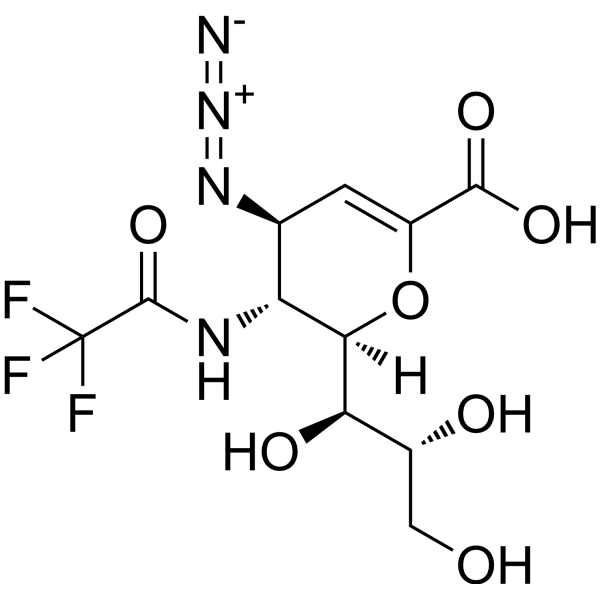
NDV-IN-1 is an antiviral agent with high neuraminidase inhibitory activity. NDV-IN-1 exhibits in vitro inhibitory activity against Newcastle disease virus (NDV). NDV-IN-1 significantly inhibits NDV infection of Vero cells by preventing the release of virus particles from infected cells . Neuraminidase-IN-12 is a click chemistry reagent, it contains an Azide group and can undergo copper-catalyzed azide-alkyne cycloaddition reaction (CuAAc) with molecules containing Alkyne groups. It can also undergo strain-promoted alkyne-azide cycloaddition (SPAAC) reactions with molecules containing DBCO or BCN groups.
|
-
-
- HY-N11650
-
|
|
Bacterial
|
Infection
|
|
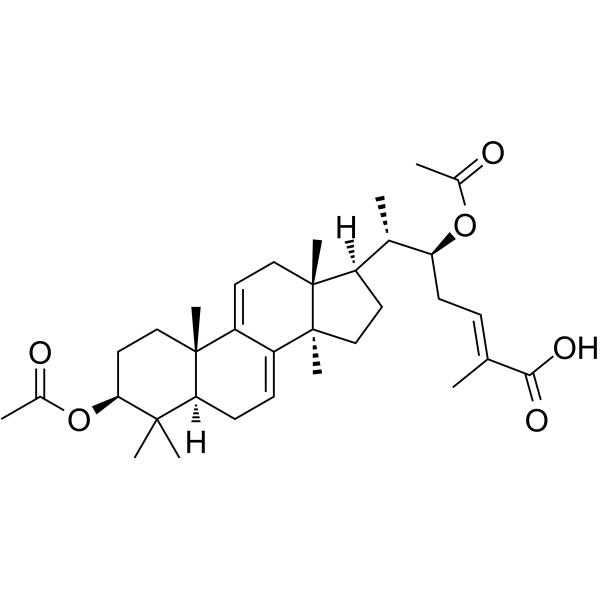
(22S,24E)-3β,22-Diacetoxylanosta-7,9(11),24-trien-26-oic acid (compound 15) is an antitubercular agent with MIC value of 12.5 μg/mL for Mycobacterium tuberculosis H37Ra. (22S,24E)-3β,22-Diacetoxylanosta-7,9(11),24-trien-26-oic acid shows cytotoxicity with IC50 value of 32 μM for Vero cells .
|
-
-
- HY-P11232
-
|
|
Toll-like Receptor (TLR)
Bacterial
|
Infection
|
|
NAB815 is a specific inhibitor of the Stx2a (Kd = 0.01 μM)/TLR4 interaction. NAB815 inhibits the neutrophil/Stx2a interaction (IC50 = 0.057 μg/mL). NAB815 inhibits the formation of Stx2-containing extracellular vesicles (EVs) produced by leukocytes and platelets and reduces their toxic effects in cellular (Vero cells) and animal models (CD-1 mice). NAB815 reduces bacterial loads in the kidneys, urine, and bladders of Escherichia coli-infected mice. NAB815 is useful in the study of hemolytic uremic syndrome (HUS) .
|
-

-
- HY-172206
-
|
|
Parasite
|
Infection
|
|
TSO-13 is the inhibitor for the main cysteine protease of Trypanosoma cruzi Cruzipain with an IC50 of 2.2 μM. TSO-13 inhibits T. cruzi in Vero cell with an IC50 of 1.9 μM .
|
-

-
- HY-N7302
-
|
|
Others
|
Cancer
|
|
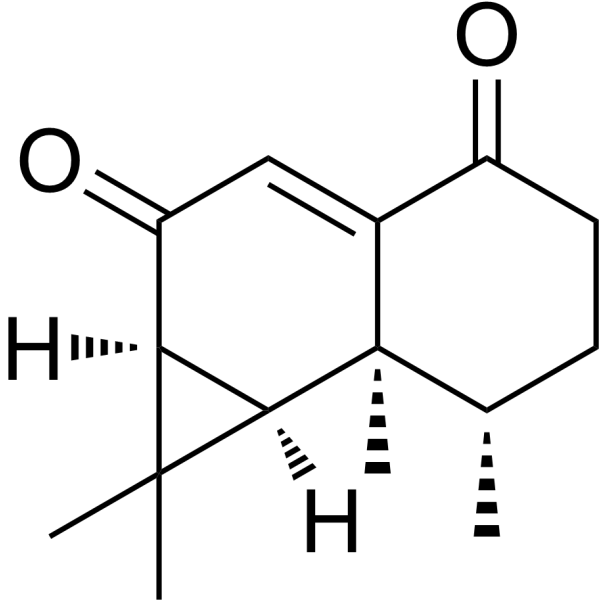
Anthracophyllone is an aristolane sesquiterpene that can be isolated from the mushroom Anthracophyllum. Anthracophyllone has cytotoxicity against MCF-7, KB, NCI-H187, Vero cells (IC50: 32.97, 18.02, 15.17, 18.06 μM) .
|
-
-
- HY-176414
-
|
|
SARS-CoV
|
Infection
|
|
SARS-CoV-2-IN-111 (compound 77) is a potent SARS-CoV-2 inhibitor with an IC50 of 0.67 μM. SARS-CoV-2-IN-111 significantly reduces SARS-CoV-2 within Vero cells .
|
-

-
- HY-170399
-
|
|
SARS-CoV
Virus Protease
|
Infection
Cancer
|
|
SARS-CoV-2 PLpro-IN-1 (Compound 85) is a non-covalent and competitive inhibitor of SARS-CoV-2 PLpro with an IC50 of 15.06 μM and a Ki of 22.93 μM. SARS-CoV-2 PLpro-IN-1 inhibits the proliferation of Vero cell with an IC50 of 7.47 μM .
|
-

-
- HY-P991771
-
|
|
Flavivirus
|
Infection
|
|
Anti-WNV E protein DI-DII Antibody (E53) reacts with an epitope in domain I and II of the envelope (E) protein. Anti-WNV E protein DI-DII Antibody (E53) blocks Vero cell infection with WNV in vitro. Recommend Isotype Controls: Mouse IgG2a kappa, Isotype Control (HY-P99978) .
|
-

-
- HY-P991766
-
|
|
Flavivirus
|
Infection
|
|
Anti-Venezuelan equine encephalitis virus E2 protein Antibody (VEEV-57) reacts with the E2 protein of the Venezuelan equine encephalitis virus (VEEV). Anti-Venezuelan equine encephalitis virus E2 protein Antibody (VEEV-57) inhibits VEEV attachment to Vero cells, viral egress, viral fusion, and LDLRAD3-D1-Fc binding. Recommend Isotype Controls: Mouse IgG2c kappa, Isotype Control (HY-P99981) .
|
-

-
- HY-W035144
-
|
|
HSV
Drug Intermediate
|
Infection
|
|
5-(4-Carboxyphenyl)-10,15,20-triphenylporphyrin is a porphyrin compound. 5-(4-Carboxyphenyl)-10,15,20-triphenylporphyrin exhibits virucidal effects of 85% and 60% against HSV-1 and HSV-2, respectively. 5-(4-Carboxyphenyl)-10,15,20-triphenylporphyrin has a maximum noncytotoxic studied concentration of 5 μg/mL on Vero cells. 5-(4-Carboxyphenyl)-10,15,20-triphenylporphyrin can be used for the synthesis of compounds with stronger antiviral activity .
|
-

-
- HY-180881
-
|
|
HSV
Tau Protein
Akt
GSK-3
|
Neurological Disease
|
|
PAV-174 is a potent antiviral agent that targets a host protein. PAV-174 prevents Herpes simplex virus (HSV-1) infection in cells (IC50 of 0.02 μM in Vero cells) and human brain organoids. PAV-174 inhibits oxidized macrophage migration inhibitory factor (oxMIF)-induced tau phosphorylation in vitro and in vivo independent of infection. PAV-174 reduces HSV-1-induced tau phosphorylation via the Akt/GSK3β signaling pathway. PAV-174 can be used for Alzheimer’s disease research .
|
-

| Cat. No. |
Product Name |
Target |
Research Area |
-
- HY-P10872
-
|
|
SARS-CoV
|
Infection
|
|
P315V3 is an pan inhibitor for coronavirus, that inhibits SARS-CoV-2 prototypePT, Delta, BA.1 and BA.4 strain with IC50s of 10.9, 8.9, 8.6, and 2.7 nM. P315V3 exhibits cytotoxicity in Vero cell with CC50 of 4.3 μM. P315V3 exhibits anti-infectious efficacy in mouse models .
|
-
- HY-P11232
-
|
|
Toll-like Receptor (TLR)
Bacterial
|
Infection
|
|
NAB815 is a specific inhibitor of the Stx2a (Kd = 0.01 μM)/TLR4 interaction. NAB815 inhibits the neutrophil/Stx2a interaction (IC50 = 0.057 μg/mL). NAB815 inhibits the formation of Stx2-containing extracellular vesicles (EVs) produced by leukocytes and platelets and reduces their toxic effects in cellular (Vero cells) and animal models (CD-1 mice). NAB815 reduces bacterial loads in the kidneys, urine, and bladders of Escherichia coli-infected mice. NAB815 is useful in the study of hemolytic uremic syndrome (HUS) .
|
| Cat. No. |
Product Name |
Target |
Research Area |
Image |
-
- HY-P991771
-
|
|
Flavivirus
|
Infection
|
|
Anti-WNV E protein DI-DII Antibody (E53) reacts with an epitope in domain I and II of the envelope (E) protein. Anti-WNV E protein DI-DII Antibody (E53) blocks Vero cell infection with WNV in vitro. Recommend Isotype Controls: Mouse IgG2a kappa, Isotype Control (HY-P99978) .
|
-

(5)
-
- HY-P991766
-
|
|
Flavivirus
|
Infection
|
|
Anti-Venezuelan equine encephalitis virus E2 protein Antibody (VEEV-57) reacts with the E2 protein of the Venezuelan equine encephalitis virus (VEEV). Anti-Venezuelan equine encephalitis virus E2 protein Antibody (VEEV-57) inhibits VEEV attachment to Vero cells, viral egress, viral fusion, and LDLRAD3-D1-Fc binding. Recommend Isotype Controls: Mouse IgG2c kappa, Isotype Control (HY-P99981) .
|
-
(5)
| Cat. No. |
Product Name |
Category |
Target |
Chemical Structure |
-
- HY-N9351
-
-
-
- HY-N15414
-
-
-
- HY-N10850
-
|
|
Triterpenes
Terpenoids
Celastraceae
Plants
Source Classification
|
Bacterial
|
|
Blepharotriol is a phenolic triterpene that can be found in Maytenus blepharodes. Blepharotriol shows antimicrobial activity with a MIC value of 8-4 µg/ml for Bacillus subtilis. Blepharotriol shows cytotoxic activity with IC50s of 12.2, >20, >20 µM for HeLa, Hep-2, Vero cells, respectively .
|
-
-
- HY-N9394
-
-
-
- HY-N14309
-
-
-
- HY-N1716
-
-
-
- HY-N10351
-
-
-
- HY-145379
-
-
-
- HY-N9475
-
|
|
Triterpenes
Betula alleghaniensis Britton
Terpenoids
Plants
Betulaceae
Source Classification
|
Parasite
|
|
Betulonaldehyde is a pentacyclic triterpenoid that can be isolated from Diospyros filipendula. Betulonaldehyde has antiplasmodial activity (IC50: 3.36 µg/mL). Betulonaldehyde has cytotoxic to NCI H187 lung cancer cells and non-cancerous Vero cells (IC50s: 19.23 and 17.09 µg/mL, respectively). Betulonaldehyde inhibits Phorbol 12-myristate 13-acetate (HY-18739) induced inflammation in mice .
|
-
-
- HY-N11650
-
|
|
Triterpenes
Microorganisms
Terpenoids
Source Classification
|
Bacterial
|
|
(22S,24E)-3β,22-Diacetoxylanosta-7,9(11),24-trien-26-oic acid (compound 15) is an antitubercular agent with MIC value of 12.5 μg/mL for Mycobacterium tuberculosis H37Ra. (22S,24E)-3β,22-Diacetoxylanosta-7,9(11),24-trien-26-oic acid shows cytotoxicity with IC50 value of 32 μM for Vero cells .
|
-
-
- HY-N7302
-
-
| Cat. No. |
Product Name |
|
Classification |
-
- HY-149058
-
|
|
|
Azide
|
|
Neuraminidase-IN-13 (Compound 10) is a neuraminidase inhibitor with antiviral activity and low cytotoxicity. Neuraminidase-IN-13 significantly inhibits NDV infection of Vero cells by preventing the release of viral particles from infected cells . Neuraminidase-IN-13 is a click chemistry reagent, it contains an Azide group and can undergo copper-catalyzed azide-alkyne cycloaddition reaction (CuAAc) with molecules containing Alkyne groups. It can also undergo strain-promoted alkyne-azide cycloaddition (SPAAC) reactions with molecules containing DBCO or BCN groups.
|
-
- HY-149057
-
|
|
|
Azide
|
|
NDV-IN-1 is an antiviral agent with high neuraminidase inhibitory activity. NDV-IN-1 exhibits in vitro inhibitory activity against Newcastle disease virus (NDV). NDV-IN-1 significantly inhibits NDV infection of Vero cells by preventing the release of virus particles from infected cells . Neuraminidase-IN-12 is a click chemistry reagent, it contains an Azide group and can undergo copper-catalyzed azide-alkyne cycloaddition reaction (CuAAc) with molecules containing Alkyne groups. It can also undergo strain-promoted alkyne-azide cycloaddition (SPAAC) reactions with molecules containing DBCO or BCN groups.
|
Your information is safe with us. * Required Fields.
Inquiry Information
- Product Name:
- Cat. No.:
- Quantity:
- MCE Japan Authorized Agent:








