1. Search Result
Search Result
Results for "

COX-2-IN-2

" in MedChemExpress (MCE) Product Catalog:

50

Inhibitors & Agonists

1

Fluorescent Dyes

11

Natural
Products

7

Isotope-Labeled Compounds

Cat. No. Product Name Target Research Areas Chemical Structure
  • HY-15036
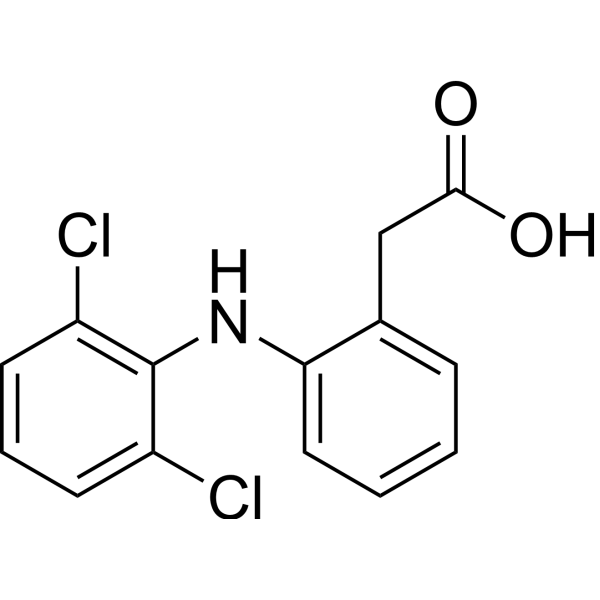
    Diclofenac
    Maximum Cited Publications
    24 Publications Verification

    COX Apoptosis Inflammation/Immunology Cancer
    Diclofenac is a potent and nonselective anti-inflammatory agent, acts as a COX inhibitor, with IC50s of 4 and 1.3 nM for human COX-1 and COX-2 in CHO cells , and 5.1 and 0.84 μM for ovine COX-1 and COX-2, respectively . Diclofenac induces apoptosis of neural stem cells (NSCs) via the activation of the caspase cascade .
    Diclofenac
  • HY-15038
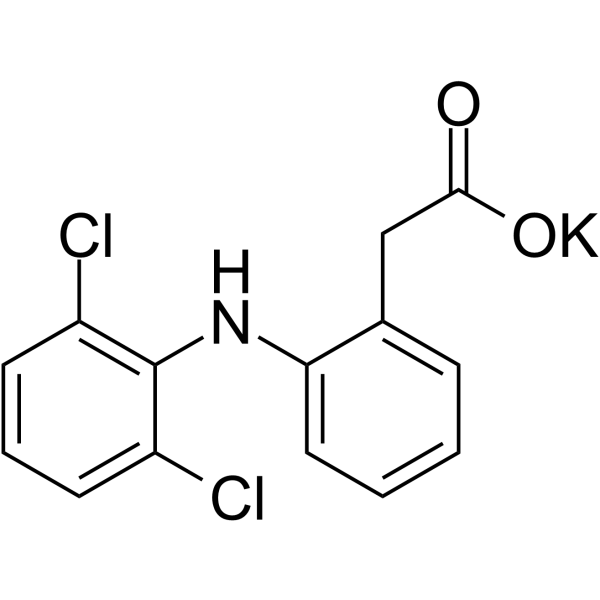
    Diclofenac potassium
    Maximum Cited Publications
    24 Publications Verification

    COX Apoptosis Inflammation/Immunology Cancer
    Diclofenac potassium is a potent and nonselective anti-inflammatory agent, acts as a COX inhibitor, with IC50s of 4 and 1.3 nM for human COX-1 and COX-2 in CHO cells , and 5.1 and 0.84 μM for ovine COX-1 and COX-2, respectively . Diclofenac potassium induces apoptosis of neural stem cells (NSCs) via the activation of the caspase cascade .
    Diclofenac potassium
  • HY-15037
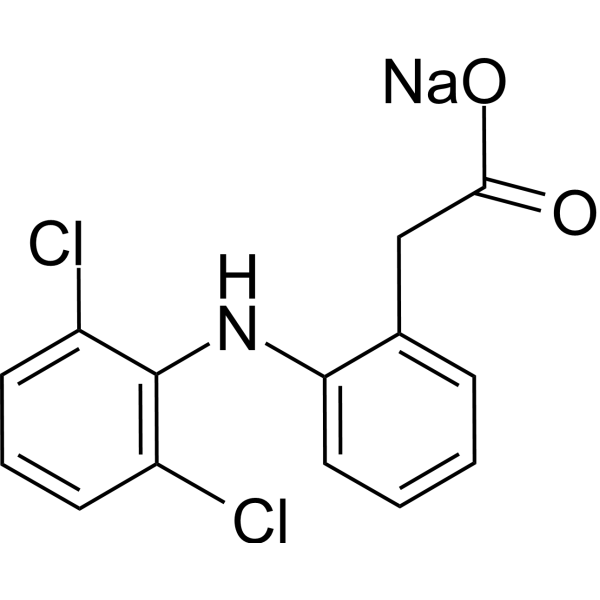
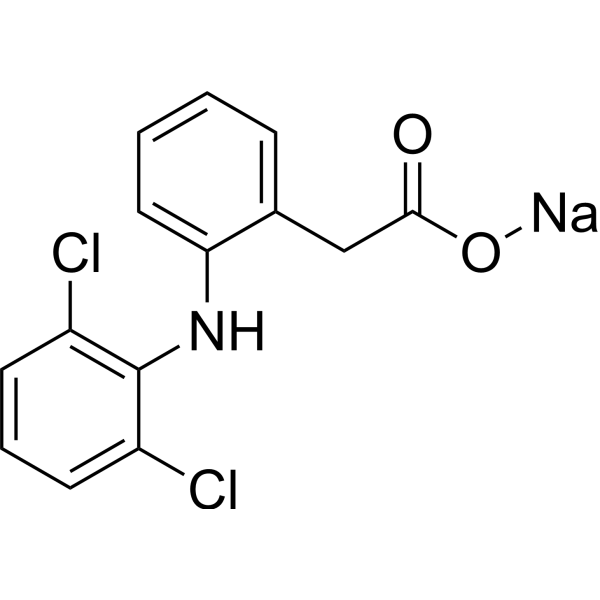
    Diclofenac Sodium
    Maximum Cited Publications
    24 Publications Verification

    GP 45840

    COX Apoptosis Inflammation/Immunology Cancer
    Diclofenac Sodium (GP 45840) is a potent and nonselective anti-inflammatory agent, acts as a COX inhibitor, with IC50s of 4 and 1.3 nM for human COX-1 and COX-2 in CHO cells , and 5.1 and 0.84 μM for ovine COX-1 and COX-2, respectively . Diclofenac Sodium induces apoptosis of neural stem cells (NSCs) via the activation of the caspase cascade .
    Diclofenac Sodium
  • HY-N0631
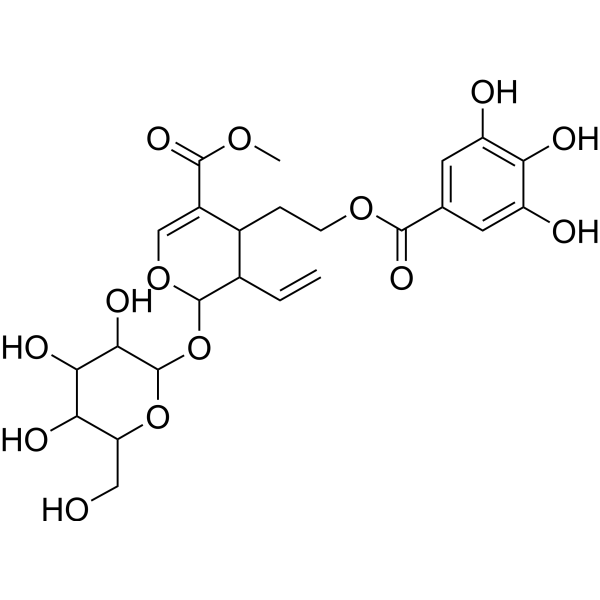
    Cornuside
    5+ Cited Publications

    p38 MAPK NF-κB JNK Cholinesterase (ChE) Acyltransferase NO Synthase Interleukin Related TNF Receptor Prostaglandin Receptor ERK COX Neurological Disease Inflammation/Immunology
    Cornuside is an iridoid glycoside with anti-allergic, anti-inflammatory, and neuroprotective activities. Cornuside exerts anti-allergic activity by downregulating the p38 MAPK, JNK, and NF-κB signaling pathways, and inhibits IgE-mediated histamine release from mast cells. Cornuside improves cognitive impairment in mice by inhibiting BACE1 activity (IC50 = 55.84 μg/mL) and enhancing ChAT activity. Cornuside inhibits LPS (HY-D1056)-induced inflammatory mediators, including iNOS, COX-2, PGE2, TNF-α, IL-6, and IL-1β, by suppressing NF-κB activation .
    Cornuside
  • HY-N0864

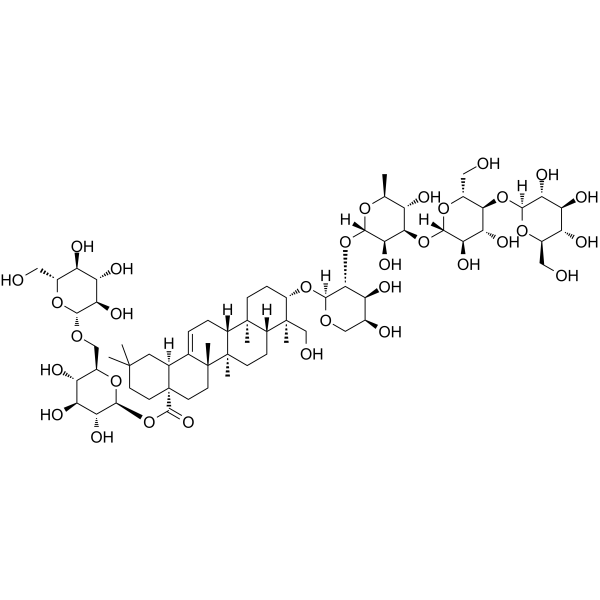
    Macranthoiside I

    Apoptosis COX Reactive Oxygen Species (ROS) Caspase SOD Cancer
    Macranthoidin B (Macranthoiside I) is an orally active triterpene saponin. Macranthoidin B inhibits epithelial-mesenchymal transition in endometriosis via the COX‑2/PGE2 pathway, and also induces tumor cell apoptosis and inhibits their proliferation by regulating metabolism and increasing ROS levels . Macranthoidin B can be used in studies related to endometriosis, colorectal cancer and hepatocellular carcinoma .
    Macranthoidin B
  • HY-15036A
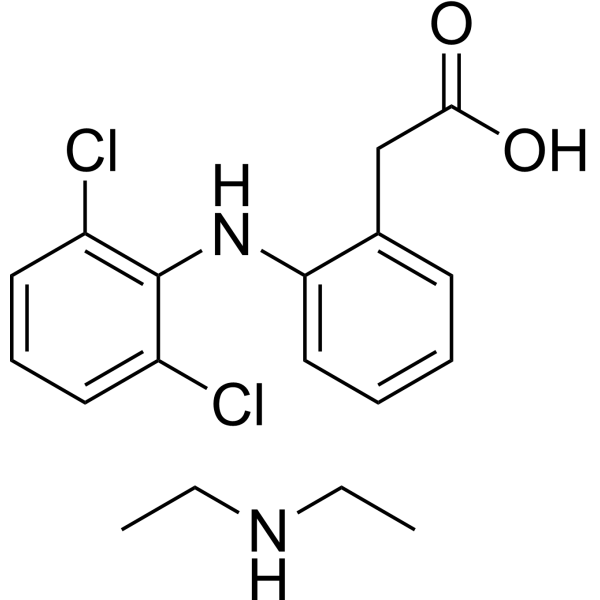
    Diclofenac diethylamine
    Maximum Cited Publications
    24 Publications Verification

    COX Apoptosis Inflammation/Immunology Cancer
    Diclofenac diethylamine is a potent and nonselective anti-inflammatory agent, acts as a COX inhibitor, with IC50s of 4 and 1.3 nM for human COX-1 and COX-2 in CHO cells , and 5.1 and 0.84 μM for ovine COX-1 and COX-2, respectively . Diclofenac diethylamine induces apoptosis of neural stem cells (NSCs) via the activation of the caspase cascade .
    Diclofenac diethylamine
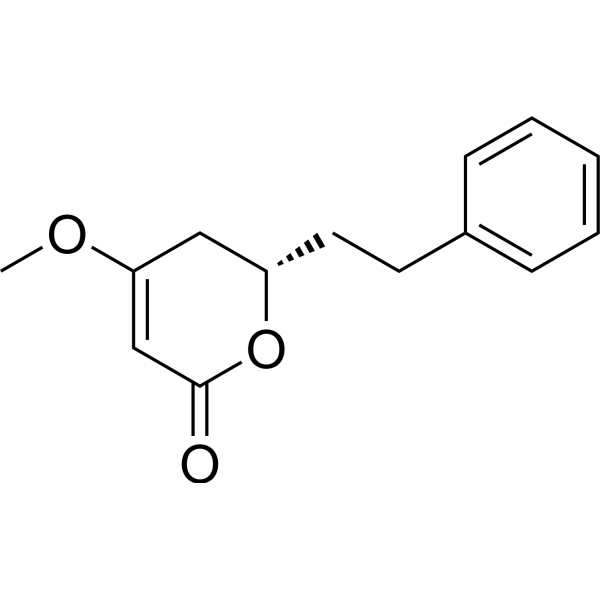
  • HY-N0920

    7,8-DihydrokawaIN; 7,8-DihydrokavaIN; MarINdININ

    COX Cytochrome P450 Neurological Disease Inflammation/Immunology
    Dihydrokavain (7,8-Dihydrokawain) is a natural kavalactone compound. Dihydrokavain inhibits COX-1, COX-2, CYP2C9 (IC50 = 130.95 μM), CYP2C19 (IC50 = 10.05 μM) and CYP3A4 (IC50 = 78.59 μM). Dihydrokavain reduces TNFα secretion. Dihydrokavain shows analgesic and anxiolytic effects .
    Dihydrokavain
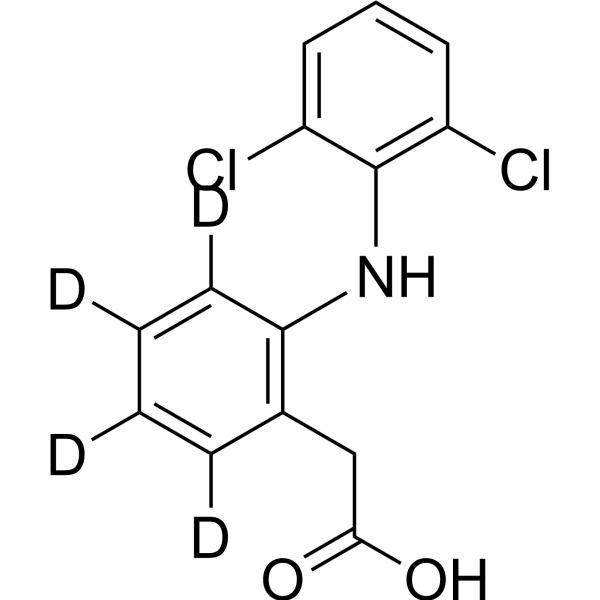
  • HY-15036S

    Isotope-Labeled Compounds COX Apoptosis Inflammation/Immunology
    Diclofenac-d4 is the deuterium labeled Diclofenac. Diclofenac is a potent and nonselective anti-inflammatory agent, acts as a COX inhibitor, with IC50s of 4 and 1.3 nM for human COX-1 and COX-2 in CHO cells , and 5.1 and 0.84 μM for ovine COX-1 and COX-2, respectively . Diclofenac induces apoptosis of neural stem cells (NSCs) via the activation of the caspase cascade .
    Diclofenac-d4
  • HY-B0736A
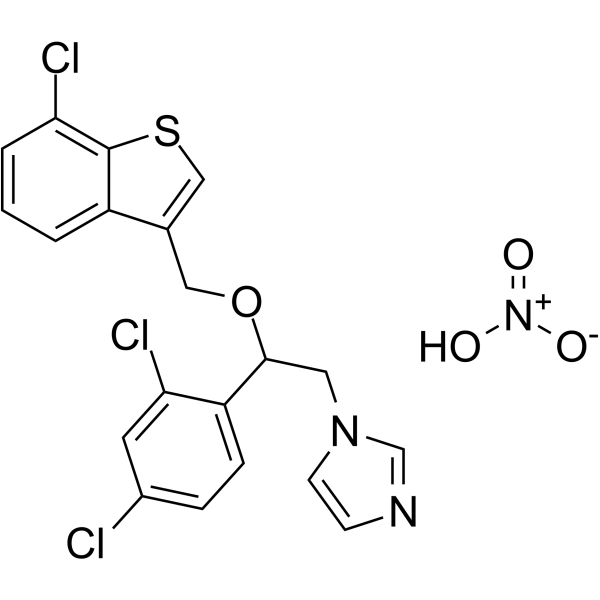
    Sertaconazole nitrate
    2 Publications Verification

    FI7056

    Fungal Autophagy Apoptosis p38 MAPK Microtubule/Tubulin Infection Cancer
    Sertaconazole nitrate (FI7056) is a broad-spectrum topical antifungal agent, exhibits anti-inflammatory activity via activation of a p38-COX-2-PGE2 pathway. Sertaconazole nitrate is also a microtubule inhibitor, shows antiproliferative effect, induces apoptosis and autophagy, and can also inhibit the migration of cells .
    Sertaconazole nitrate
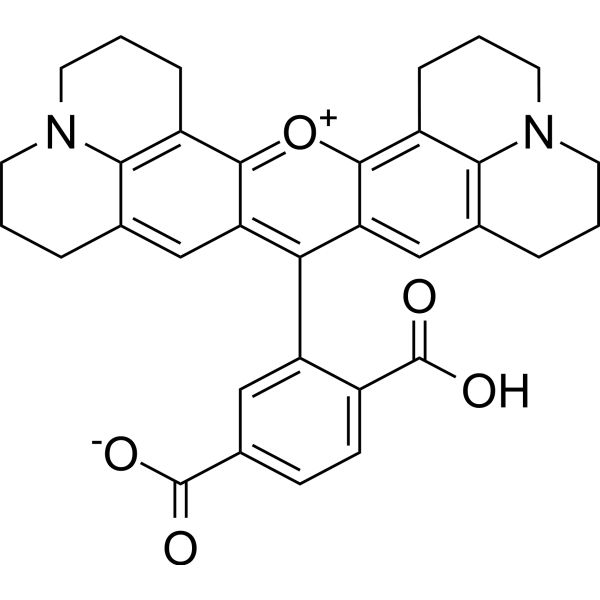
  • HY-D0053

    6-Carboxy-X-rhodamINe

    Fluorescent Dye Others
    6-ROX is a selective fluorescent probe and potential inhibitor of COX-2. 6-ROX binds to the active site of COX-2 and inhibits its conversion of arachidonic acid into prostaglandins. 6-ROX is often used in the field of optical imaging related to tumors and inflammation, and helps detect diseased tissues with high expression of COX-2 .
    6-ROX
  • HY-15037R

    GP 45840 (Standard)

    Reference Standards COX Apoptosis Inflammation/Immunology Cancer
    Diclofenac (Sodium) (Standard) is the analytical standard of Diclofenac (Sodium). This product is intended for research and analytical applications. Diclofenac Sodium (GP 45840) is a potent and nonselective anti-inflammatory agent, acts as a COX inhibitor, with IC50s of 4 and 1.3 nM for human COX-1 and COX-2 in CHO cells , and 5.1 and 0.84 μM for ovine COX-1 and COX-2, respectively . Diclofenac Sodium induces apoptosis of neural stem cells (NSCs) via the activation of the caspase cascade .
    Diclofenac Sodium (Standard)
  • HY-N0523S

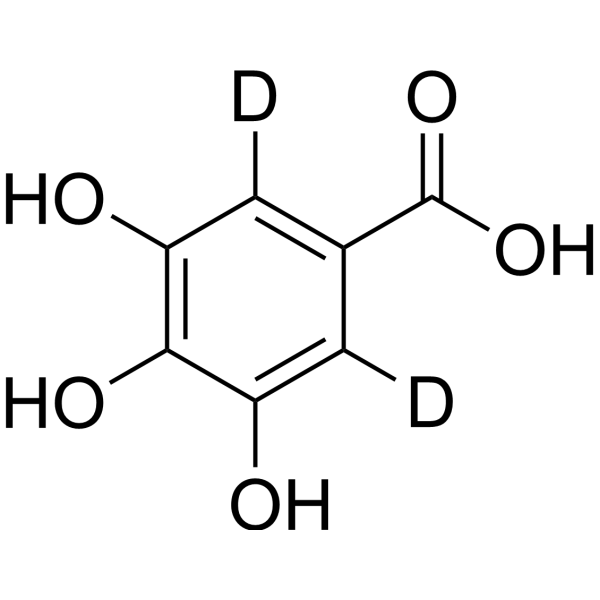
    3,4,5-Trihydroxybenzoic acid-d2

    Apoptosis COX Ferroptosis Endogenous Metabolite Reactive Oxygen Species (ROS) Cancer
    Gallic acid-d2 is the deuterium labeled Gallic acid . Gallic acid (3,4,5-Trihydroxybenzoic acid) is a natural polyhydroxyphenolic compound and an free radical scavenger to inhibit cyclooxygenase-2 (COX-2) . Gallic acid has various activities, such as antimicrobial, antioxidant, antimicrobial, anti-inflammatory, and anticance activities .
    Gallic acid-d2
  • HY-101655

    COX Inflammation/Immunology
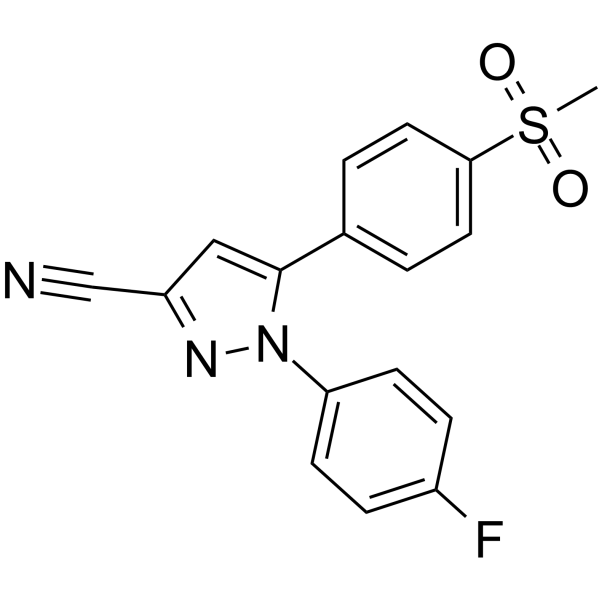
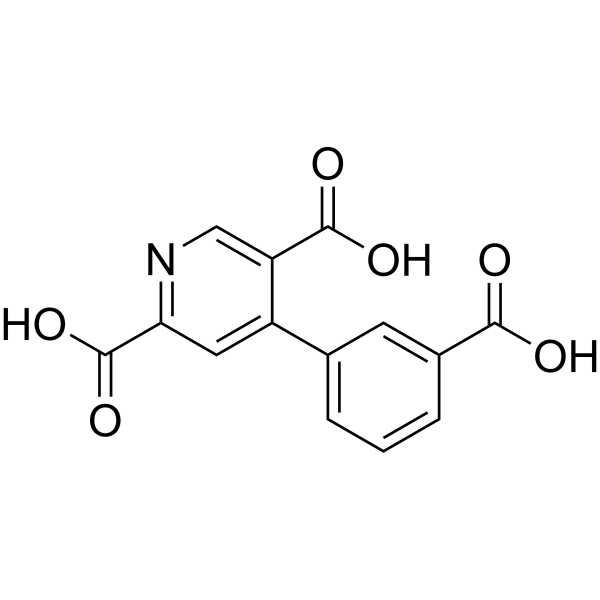
    COX-2-IN-2 is a selective and inducible COX2 inhibitor with an IC50 of 0.24 μM. COX-2-IN-1 is an anti-inflammatory compound with anti-inflammatory and analgesic activities.
    COX-2-IN-2
  • HY-19384

    E 6087

    COX Inflammation/Immunology
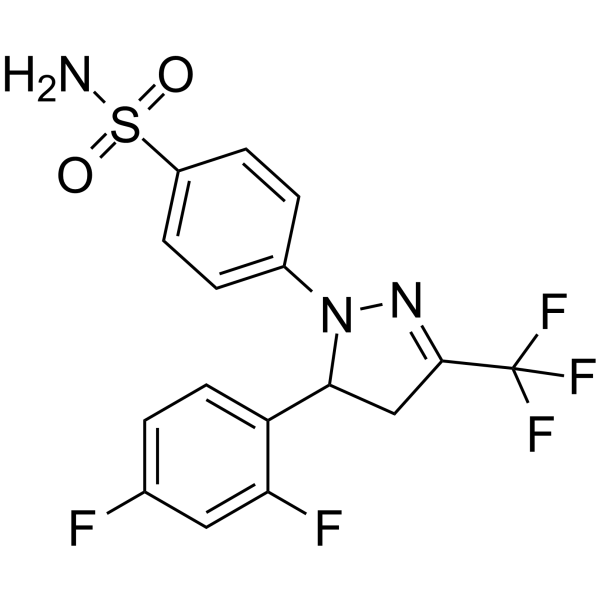
    Enflicoxib (E 6087) is a nonsteroidal anti-inflammatory compound that selectively inhibits cyclooxygenase-2 (COX-2).?Enflicoxib does not inhibit cyclooxygenase-1 (COX-1). E-6087 shows anti-inflammatory, analgesic and antipyretic activities in animal models .
    Enflicoxib
  • HY-W007539

    Endogenous Metabolite Drug Intermediate NO Synthase Reactive Oxygen Species (ROS) COX Metabolic Disease Inflammation/Immunology
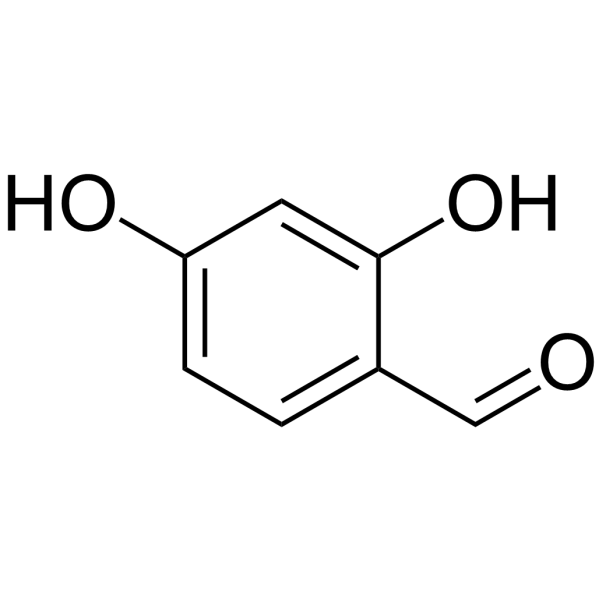
    2,4-Dihydroxybenzaldehyde is an endogenous metabolite. 2,4-Dihydroxybenzaldehyde is a pharmaceutical intermediate that can be used to synthesize various Schiff base compounds. 2,4-Dihydroxybenzaldehyde exhibits significant anti angiogenic, anti-inflammatory, and analgesic activities. 2,4-Dihydroxybenzaldehyde reduces the production of NO and ROS by inhibiting the expression of iNOS and COX-2. 2,4-Dihydroxybenzaldehyde is commonly used in the study of inflammatory conditions .
    2,4-Dihydroxybenzaldehyde
  • HY-15036R

    Reference Standards COX Apoptosis Inflammation/Immunology Cancer
    Diclofenac (Standard) is the analytical standard of Diclofenac. This product is intended for research and analytical applications. Diclofenac is a potent and nonselective anti-inflammatory agent, acts as a COX inhibitor, with IC50s of 4 and 1.3 nM for human COX-1 and COX-2 in CHO cells , and 5.1 and 0.84 μM for ovine COX-1 and COX-2, respectively . Diclofenac induces apoptosis of neural stem cells (NSCs) via the activation of the caspase cascade .
    Diclofenac (Standard)
  • HY-N7064

    Pyruvate Kinase COX STAT TNF Receptor NO Synthase Interleukin Related HIF/HIF Prolyl-Hydroxylase Cardiovascular Disease Inflammation/Immunology
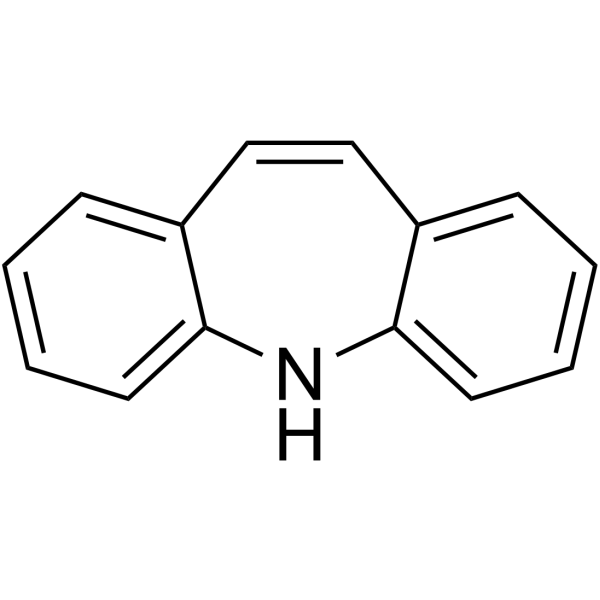
    Iminostilbene is a chemical precursor of carbamazepine. Additionally, Iminostilbene is an orally active inhibitor of PKM2 (Pyruvate Kinase M2) and COX2 (Cyclooxygenase-2). Iminostilbene exerts its effects by inhibiting PKM2 and its interaction with HIF-1α and STAT3, reducing COX2 and iNOS expression, and decreasing LPS-induced release of IL-1β, IL-6, TNF-α, and MCP-1, thereby suppressing macrophage-mediated inflammatory responses and improving myocardial ischemia/reperfusion (MI/R) injury. Iminostilbene holds promise for research in inflammation regulation, cardiovascular diseases (such as MI/R injury), and macrophage-mediated immune-related diseases .
    Iminostilbene
  • HY-15037S1

    COX Apoptosis Inflammation/Immunology
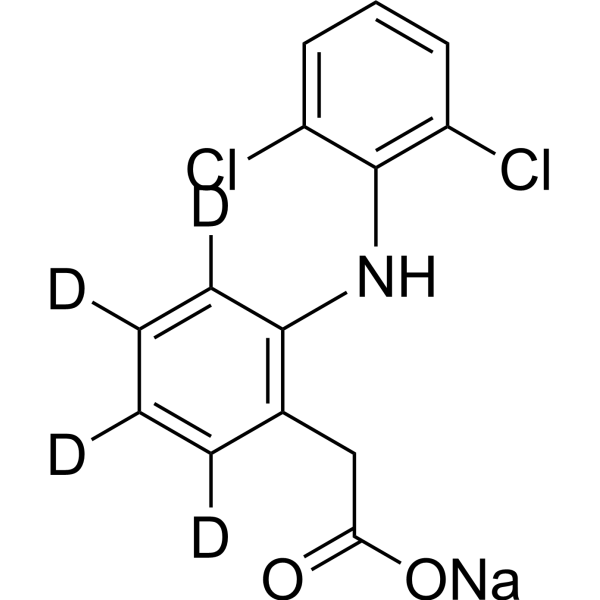
    Diclofenac-d4 (sodium) is the deuterium labeled Diclofenac sodium. Diclofenac Sodium (GP 45840) is a potent and nonselective anti-inflammatory agent, acts as a COX inhibitor, with IC50s of 4 and 1.3 nM for human COX-1 and COX-2 in CHO cells , and 5.1 and 0.84 μM for ovine COX-1 and COX-2, respectively . Diclofenac Sodium induces apoptosis of neural stem cells (NSCs) via the activation of the caspase cascade .
    Diclofenac-d4 sodium
  • HY-B0736
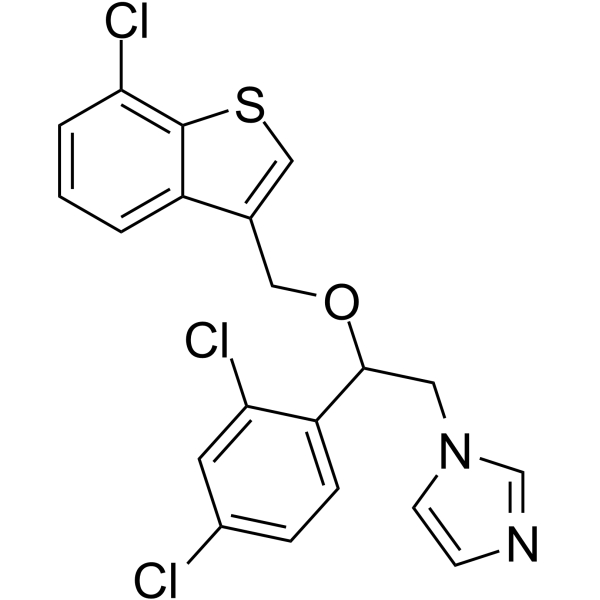
    Sertaconazole
    2 Publications Verification

    FI7056 free base

    Fungal Autophagy Apoptosis p38 MAPK Microtubule/Tubulin Infection Inflammation/Immunology Cancer
    Sertaconazole (FI7056 free base) is a broad-spectrum topical antifungal agent, exhibits anti-inflammatory activity via activation of a p38-COX-2-PGE2 pathway. Sertaconazole is also a microtubule inhibitor, shows antiproliferative effect, induces apoptosis and autophagy, and can also inhibit the migration of cells .
    Sertaconazole
  • HY-109158

    COX Inflammation/Immunology
    Rebamipide mofetil is an orally active proagent of Rebamipide (OPC12759). Rebamipide is a mucoprotective agent. Rebamipide induces COX-2 expression, increases PGE2 levels, and enhances gastric mucosal defense in a COX-2-dependent manner .
    Rebamipide mofetil
  • HY-178440

    EGFR COX Apoptosis Inflammation/Immunology Cancer
    EGFR/COX-2-IN-2 (Compound 10a) is a dual inhibitor targeting epidermal growth factor receptor (EGFR) (IC50= 6.0 μM) and cyclooxygenase-2 (COX-2) (IC50=50 μM). EGFR/COX-2-IN-2 induces S-phase cell cycle arrest and apoptosis. EGFR/COX-2-IN-2 is promising for research of cancers and inflammation-related diseases .
    EGFR/COX-2-IN-2
  • HY-B0360S

    OPC12759-d4; Proamipide-d4

    Isotope-Labeled Compounds COX Prostaglandin Receptor Inflammation/Immunology Cancer
    Rebamipide-d4 is deuterium labeled Rebamipide. Rebamipide is a mucoprotective agent. Rebamipide induces COX-2 expression, increases PGE2 levels, and enhances gastric mucosal defense in a COX-2-dependent manner .
    Rebamipide-d4
  • HY-15038R

    Reference Standards COX Apoptosis Inflammation/Immunology Cancer
    Diclofenac (potassium) (Standard) is the analytical standard of Diclofenac (potassium). This product is intended for research and analytical applications. Diclofenac potassium is a potent and nonselective anti-inflammatory agent, acts as a COX inhibitor, with IC50s of 4 and 1.3 nM for human COX-1 and COX-2 in CHO cells , and 5.1 and 0.84 μM for ovine COX-1 and COX-2, respectively . Diclofenac potassium induces apoptosis of neural stem cells (NSCs) via the activation of the caspase cascade .
    Diclofenac potassium (Standard)
  • HY-15036AR

    Reference Standards COX Apoptosis Inflammation/Immunology Cancer
    Diclofenac (diethylamine) (Standard) is the analytical standard of Diclofenac (diethylamine). This product is intended for research and analytical applications. Diclofenac diethylamine is a potent and nonselective anti-inflammatory agent, acts as a COX inhibitor, with IC50s of 4 and 1.3 nM for human COX-1 and COX-2 in CHO cells , and 5.1 and 0.84 μM for ovine COX-1 and COX-2, respectively . Diclofenac diethylamine induces apoptosis of neural stem cells (NSCs) via the activation of the caspase cascade .
    Diclofenac diethylamine (Standard)
  • HY-150755

    Topoisomerase COX Apoptosis Reactive Oxygen Species (ROS) Cancer
    Topo I/COX-2-IN-2 (Compound W10) is a potent dual-target inhibitor of Topo I and COX-2 with IC50 values of 0.90 μM and 2.31 μM, respectively. Topo I/COX-2-IN-2 induces cancer cell apoptosis through the mitochondrial pathway .
    Topo I/COX-2-IN-2
  • HY-163188

    COX Lipoxygenase Inflammation/Immunology
    COX-2/LOX-IN-2 (compound 6) is a dual inhibitor of COX-2/LOX with IC50s of 7.0 μM and 27.5 μM, respectively. COX-2/LOX-IN-2 has antioxidant activity and has the potential to be used in the development of nonsteroidal anti-inflammatory drugs (tNSAIDs) .
    COX-2/LOX-IN-2
  • HY-N11880

    COX Cancer
    2-O-Sinapoyl makisterone A (compound 2), a sinapinic acid-ecdysterone hybrid, is a selective inhibitor of COX-2. 2-O-Sinapoyl makisterone A significantly inhibits the expression of COX-2 protein .
    2-O-Sinapoyl makisterone A
  • HY-162228

    COX Phospholipase Inflammation/Immunology
    VI-60 is a dual, orally active inhibitor of cPLA2 and COX-2, which reveals an anti-inflammtory efficacy through the inhibition of p38 MAPK/cPLA2/COX-2/PGE2 pathway .
    VI-60
  • HY-B0736AR

    FI7056 (Standard)

    Reference Standards Fungal Autophagy Apoptosis p38 MAPK Microtubule/Tubulin Infection
    Sertaconazole (nitrate) (Standard) is the analytical standard of Sertaconazole (nitrate). This product is intended for research and analytical applications. Sertaconazole nitrate (FI7056) is a broad-spectrum topical antifungal agent, exhibits anti-inflammatory activity via activation of a p38-COX-2-PGE2 pathway. Sertaconazole nitrate is also a microtubule inhibitor, shows antiproliferative effect, induces apoptosis and autophagy, and can also inhibit the migration of cells .
    Sertaconazole nitrate (Standard)
  • HY-145988

    COX Inflammation/Immunology
    COX-2-IN-11 (compound 7b2) is a potent and selective inhibitor of COX-2. COX-2-IN-11 has the potential for the research of inflammation diseases .
    COX-2-IN-11
  • HY-N0864R

    Macranthoiside I (Standard)

    Reference Standards Others Cancer
    Macranthoidin B (Macranthoiside I) Standard is the analytical standard of Macranthoidin B (HY-N0864). This product is intended for research and analytical applications. Macranthoidin B (Macranthoiside I) is an orally active triterpene saponin. Macranthoidin B inhibits epithelial-mesenchymal transition in endometriosis via the COX‑2/PGE2 pathway, and also induces tumor cell apoptosis and inhibits their proliferation by regulating metabolism and increasing ROS levels . Macranthoidin B can be used in studies related to endometriosis, colorectal cancer and hepatocellular carcinoma .
    Macranthoidin B (Standard)
  • HY-163187

    COX Lipoxygenase Inflammation/Immunology
    COX-2/LOX-IN-1 (compound 5) is a dual cyclooxygenase-2/lipoxygenase (COX-2/LOX) inhibitor with IC50s of 30 μM and 0.55 μM, for LOX and COX-2, respectively. .
    COX-2/LOX-IN-1
  • HY-147748

    COX Inflammation/Immunology
    COX-2-IN-17 (compound 10) is a potent and BBB-penetrated COX-2 (cyclooxygenase-2) inhibitor, with an IC50 of 0.02 μM. COX-2-IN-17 shows anti-inflammatory and analgesic activities. COX-2-IN-17 attenuates hyperalgesia in the neurogenic phase as well as the inflammatory phase .
    COX-2-IN-17
  • HY-161266

    COX NOD-like Receptor (NLR) NF-κB Inflammation/Immunology
    COX-2/NLRP3-IN-1 (Compound 6k) is a COX-2/NLRP3 inhibitor with a IC50 of 1.53 μM for COX-2. COX-2/NLRP3-IN-1 exerts anti-inflammatory effects by inhibiting the NF-κB/NLRP3 signaling pathway .
    COX-2/NLRP3-IN-1
  • HY-147692

    COX Inflammation/Immunology
    COX-2-IN-14 (compound 2a) is a potent and selective COX-2 (cyclooxygenase-2) inhibitor. COX-2-IN-14 shows effective binding at the active site of COX-2 co-crystal. COX-2-IN-14 exhibits a high level of in vivo anti-inflammatory activity, reducing ear edema and myeloperoxidase (MPO) activity in mice .
    COX-2-IN-14
  • HY-115866

    COX Cancer
    COX-2-IN-6 (compound 10) is an orally active, gut-restricted and selective cyclooxygenase-2 (COX-2) inhibitor for colorectal Chemoprevention of cancer. COX-2-IN-6 selectively targets COX-2 with an IC50 of 0.84 μM and a Ki of 69 nM. COX-2-IN-6 also inhibits COX-2-driven PGE2 synthesis with an IC50 of 0.60 μM .
    COX-2-IN-6
  • HY-15037S

    Isotope-Labeled Compounds COX Apoptosis Inflammation/Immunology
    Diclofenac- 13C6 (sodium heminonahydrate) is the 13C-labeled Diclofenac Sodium. Diclofenac Sodium (GP 45840) is a potent and nonselective anti-inflammatory agent, acts as a COX inhibitor, with IC50s of 4 and 1.3 nM for human COX-1 and COX-2 in CHO cells , and 5.1 and 0.84 μM for ovine COX-1 and COX-2, respectively . Diclofenac Sodium induces apoptosis of neural stem cells (NSCs) via the activation of the caspase cascade .
    Diclofenac-13C6 sodium heminonahydrate
  • HY-N0920R

    7,8-DihydrokawaIN (Standard); 7,8-DihydrokavaIN (Standard); MarINdININ (Standard)

    Reference Standards COX Cytochrome P450 Neurological Disease Inflammation/Immunology
    Dihydrokavain (Standard) (7,8-Dihydrokawain (Standard)) is the analytical standard of Dihydrokavain (HY-N0920). This product is intended for research and analytical applications. Dihydrokavain is a natural kavalactone compound. Dihydrokavain inhibits COX-1, COX-2, CYP2C9 (IC50 = 130.95 μM), CYP2C19 (IC50 = 10.05 μM) and CYP3A4 (IC50 = 78.59 μM). Dihydrokavain reduces TNFα secretion. Dihydrokavain shows analgesic and anxiolytic effects.
    Dihydrokavain (Standard)
  • HY-W007539R

    Reference Standards Endogenous Metabolite Drug Intermediate NO Synthase Reactive Oxygen Species (ROS) COX Metabolic Disease Inflammation/Immunology
    2,4-Dihydroxybenzaldehyde (Standard) is the analytical standard of 2,4-Dihydroxybenzaldehyde. This product is intended for research and analytical applications. 2,4-Dihydroxybenzaldehyde is an endogenous metabolite. 2,4-Dihydroxybenzaldehyde is a pharmaceutical intermediate that can be used to synthesize various Schiff base compounds. 2,4-Dihydroxybenzaldehyde exhibits significant anti angiogenic, anti-inflammatory, and analgesic activities. 2,4-Dihydroxybenzaldehyde reduces the production of NO and ROS by inhibiting the expression of iNOS and COX-2. 2,4-Dihydroxybenzaldehyde is commonly used in the study of inflammatory conditions .
    2,4-Dihydroxybenzaldehyde (Standard)
  • HY-175637

    COX MyD88 Neurological Disease Inflammation/Immunology
    COX-2-IN-57 is an orally active COX-2 inhibitor with an IC50 value of 0.02 μM. COX-2-IN-57 reduces MyD88 expression and decreases serum levels of COX-2, PGE2, and COX-1 in Cisplatin (HY-17394)/radiation-induced neuropathy rat model. COX-2-IN-57 demonstrates superior antinociceptive efficacy in hot plate, cold allodynia, and Randall-Selitto tests, along with hepato-/renal protection. COX-2-IN-57 can be used for the study of inflammation .
    COX-2-IN-57
  • HY-160121

    PatrINoside aglycone

    Apoptosis NO Synthase TNF Receptor Interleukin Related PGE synthase COX Inflammation/Immunology Cancer
    Patrinoside aglucone (Compound 8) is an iridoid glucoside that can be isolated from the Valeriana tuberosa. Patrinoside aglucone has potent anticancer activity with G2/M phase tumor cell cycle arrest and apoptosis induction. Patrinoside aglucone also significantly inhibits the proliferation of cancer stem cells (such as MDA-MB-231 and U-251MG cells). Patrinoside aglucone has great anti-inflammatory activity by inhibiting NO release (IC50: 43.44 μM) and significantly reduces the level of TNF-α, IL-1β, IL-6, PGE2 and COX-2 .
    Patrinoside aglucone
  • HY-N0631R

    Reference Standards Prostaglandin Receptor ERK p38 MAPK Acyltransferase TNF Receptor COX Cholinesterase (ChE) Interleukin Related JNK NO Synthase NF-κB Neurological Disease Inflammation/Immunology
    Cornuside (Standard) is the analytical standard of Cornuside (HY-N0631). This product is intended for research and analytical applications. Cornuside is an iridoid glycoside with anti-allergic, anti-inflammatory, and neuroprotective activities. Cornuside exerts anti-allergic activity by downregulating the p38 MAPK, JNK, and NF-κB signaling pathways, and inhibits IgE-mediated histamine release from mast cells. Cornuside improves cognitive impairment in mice by inhibiting BACE1 activity (IC50 = 55.84 μg/mL) and enhancing ChAT activity. Cornuside inhibits LPS (HY-D1056)-induced inflammatory mediators, including iNOS, COX-2, PGE2, TNF-α, IL-6, and IL-1β, by suppressing NF-κB activation.
    Cornuside (Standard)
  • HY-W753956

    Isotope-Labeled Compounds Interleukin Related Pyruvate Kinase COX STAT TNF Receptor HIF/HIF Prolyl-Hydroxylase NO Synthase Inflammation/Immunology
    Iminostilbene-d10 is the deuterium labeled Iminostilbene (HY-N7064). Iminostilbene is a chemical precursor of carbamazepine. Additionally, Iminostilbene is an orally active inhibitor of PKM2 (Pyruvate Kinase M2) and COX2 (Cyclooxygenase-2). Iminostilbene exerts its effects by inhibiting PKM2 and its interaction with HIF-1α and STAT3, reducing COX2 and iNOS expression, and decreasing LPS-induced release of IL-1β, IL-6, TNF-α, and MCP-1, thereby suppressing macrophage-mediated inflammatory responses and improving myocardial ischemia/reperfusion (MI/R) injury. Iminostilbene holds promise for research in inflammation regulation, cardiovascular diseases (such as MI/R injury), and macrophage-mediated immune-related diseases .
    Iminostilbene-d10
  • HY-116115

    17-Oxo-DPA; 17-Oxo-7(Z),10(Z),13(Z),15(E),19(Z)-DPA

    NF-κB PPAR Inflammation/Immunology
    17-Oxo-7(Z),10(Z),13(Z),15(E),19(Z)-docosapentaenoic acid (17-Oxo-DPA; 17-Oxo-7(Z),10(Z),13(Z),15(E),19(Z)-DPA) is an electrophilic oxo-derivative (EFOX) of the docosahexaenoic acid (DHA) (HY-B2167). 17-Oxo-7(Z),10(Z),13(Z),15(E),19(Z)-docosapentaenoic acid is generated during inflammation by COX-2-catalyzed mechanism in activated macrophages. 17-Oxo-7(Z),10(Z),13(Z),15(E),19(Z)-docosapentaenoic acid acts as an agonist for PPARγ and a modulator for NF-κB signaling pathway, inhibits the production of pro-inflammatory cytokines and nitric oxide, and exhibits anti-inflammatory efficacy .
    17-Oxo-7(Z),10(Z),13(Z),15(E),19(Z)-docosapentaenoic acid
  • HY-181612

    COX Calcium Channel Interleukin Related TNF Receptor Neurological Disease Inflammation/Immunology
    COX-2/CaV2.2-IN-1 is an orally active and selective dual COX-2/CaV2.2 inhibitor, exhibiting a COX-2 IC50 of 0.26 μM and a CaV2.2 IC50 of 0.29 μM. COX-2/CaV2.2-IN-1 suppresses inflammatory responses and inflammatory mediator (IL-6, TNF-α, NO) production. COX-2/CaV2.2-IN-1 produces pronounced analgesic effects in diverse models of inflammatory, neuropathic, and visceral pain. COX-2/CaV2.2-IN-1 can be used for the research of chronic pain .
    COX-2/CaV2.2-IN-1
  • HY-181236

    COX Cytochrome P450 Inflammation/Immunology Cancer
    COX-2/Aromatase-IN-2 is a potent dual inhibitor of COX-2 and aromatase. COX-2/Aromatase-IN-2 can simultaneously inhibit COX-2 and aromatase, suppress inflammation and induce proliferation inhibition of breast cancer cells. COX-2/Aromatase-IN-2 exerts anti-breast cancer and anti-inflammatory effects in the MCF-7 breast cancer cell and carrageenan-induced rat paw edema model. COX-2/Aromatase-IN-2 can be used for the study of inflammation and breast cancer .
    COX-2/Aromatase-IN-2
  • HY-B0580S1

    Isotope-Labeled Compounds COX Inflammation/Immunology
    Ketorolac-d4 (RS37619 D4) is the deuterium labeled Ketorolac. Ketorolac is a non-steroidal anti-inflammatory agent, acting as a nonselective COX inhibitor, with IC50s of 20 nM for COX-1 and 120 nM for COX-2 .
    Ketorolac-d4
  • HY-W032938

    COX NO Synthase Neurological Disease Inflammation/Immunology
    COX-1-IN-4 (Compound P10) is a selective COX-1 inhibitor (IC50s: COX-1 = 0.09 μM; COX-2 = 2.49 μM). COX-1-IN-4 reduces the production of NO as well as the expression of the iNOS protein. COX-1-IN-4 can be used in the research of neuroinflammation .
    COX-1-IN-4
  • HY-165394

    COX EGFR PD-1/PD-L1 PI3K Akt Inflammation/Immunology Cancer
    Melafolone is a potent dual COX-2/EGFR inhibitor with IC50s of 13.2 μM (COX-2) and 17.4 μM (EGFR). Melafolone enhances the effect of anti-PD-1 through vascular normalization and PD-L1 downregulation via the PI3K/Akt pathway in Lewis lung carcinoma (LLC) and CMT167 models. Melafolone can be used for lung cancer research .
    Melafolone
  • HY-181926

    COX HDAC Microtubule/Tubulin Interleukin Related Amyloid-β Tau Protein Neurological Disease
    COX-2/HDAC6-IN-1 (Compound 11e) is a dual COX-2 and HDAC6 inhibitor, with an IC50 of 0.12 μM against HDAC6 and an IC50 of 0.66 μM against COX-2. COX-2/HDAC6-IN-1 enhances the acetylation level of α-tubulin, regulates epigenetic gene expression, and inhibits the expression of pro-inflammatory mediators (COX-2, IL-1β, IL-6 and TNF-α). COX-2/HDAC6-IN-1 promotes Amyloid-β clearance and reduces excessive phosphorylation of Tau protein. COX-2/HDAC6-IN-1 maintains neuronal morphology by stabilizing MAP2, protects synaptic integrity by regulating synapsin, and restores the expression of memory-related genes. COX-2/HDAC6-IN-1 possesses neuroprotective activity and improves learning and memory abilities in Scopolamine (HY-N0296)-induced Alzheimer's disease mouse models. COX-2/HDAC6-IN-1 is applicable to research related to Alzheimer's disease .
    COX-2/HDAC6-IN-1

Inquiry Online

Your information is safe with us. * Required Fields.

Salutation


Country or Region *

Applicant Name *


Organization Name *

Department *


Email Address *


Product Name *

Cat. No.


Requested quantity *

Phone Number *


Remarks

Inquiry Online

Inquiry Information

Product Name:
Cat. No.:
Quantity:
MCE Japan Authorized Agent:

