Search Result
Results for "
Carbon tetrachloride
" in MedChemExpress (MCE) Product Catalog:
1
Biochemical Assay Reagents
| Cat. No. |
Product Name |
Target |
Research Areas |
Chemical Structure |
-
- HY-44134
-
-
-
- HY-N0823
-
-
-
- HY-N0807
-
|
|
MMP
NF-κB
JAK
Keap1-Nrf2
|
Metabolic Disease
Inflammation/Immunology
Cancer
|
|
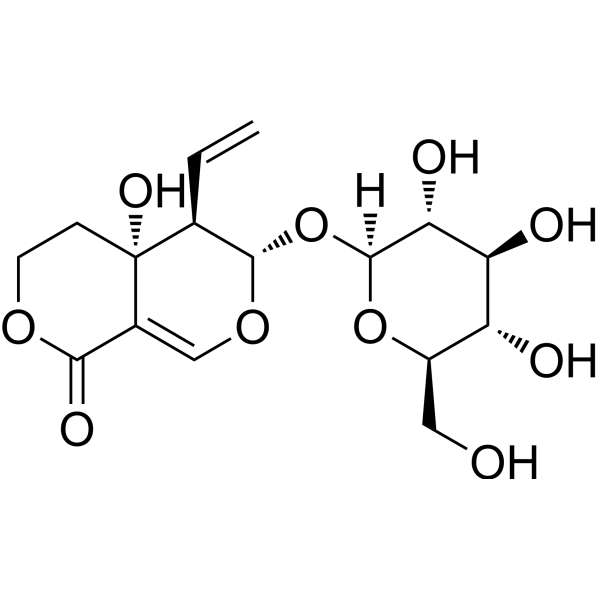
Swertiamarin is an orally active natural product with hypoglycemic, lipid-lowering, anti-rheumatic, and antioxidant activities. Swertiamarin can regulate the levels of pro-inflammatory cytokines, MMP, and NF-κB, and promote osteoblast proliferation. Swertiamarin has antioxidant and hepatoprotective effects against carbon tetrachloride induced rat liver toxicity through the Nrf2/HO-1 pathway. Swertiamarin can attenuate inflammatory mediators by regulating JAK2/STAT3 transcription factors in adjuvant induced arthritis rats. Swertiamarin can be used in the research of diabetes and arthritis .
|
-
-
- HY-N0444
-
|
|
Reactive Oxygen Species (ROS)
NF-κB
HBV
Apoptosis
Bacterial
Fungal
Parasite
|
Infection
Neurological Disease
Metabolic Disease
Inflammation/Immunology
Cancer
|
|
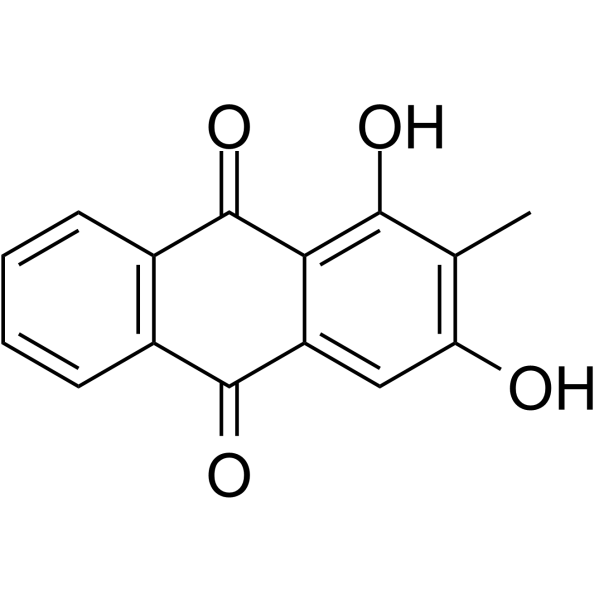
Rubiadin is an orally active free radical scavenger that inhibits the activation of the NF-κB pathway. Rubiadin inhibits osteoclast formation, bone resorption, lipid peroxidation, HBV DNA replication and cancer cell proliferation; reduces pro-inflammatory cytokine levels; induces cancer cell apoptosis; and possesses antifungal, antimalarial, antibacterial and anticonvulsant activities. Rubiadin can be used in the research of osteoporosis, acute inflammation, chronic inflammation, carbon tetrachloride-induced liver injury, Alzheimer's disease, breast cancer, iron overload disorders, hepatitis B virus infection, colon cancer, liver cancer, T-lymphocytic leukemia, cervical cancer, diabetic nephropathy, epileptic seizures, fungal infections, malaria and bacterial infections .
|
-
-
- HY-N10549
-
|
|
Ferroptosis
c-Myc
Glutathione Peroxidase
JNK
Reactive Oxygen Species (ROS)
GSK-3
|
Infection
Metabolic Disease
Cancer
|
|
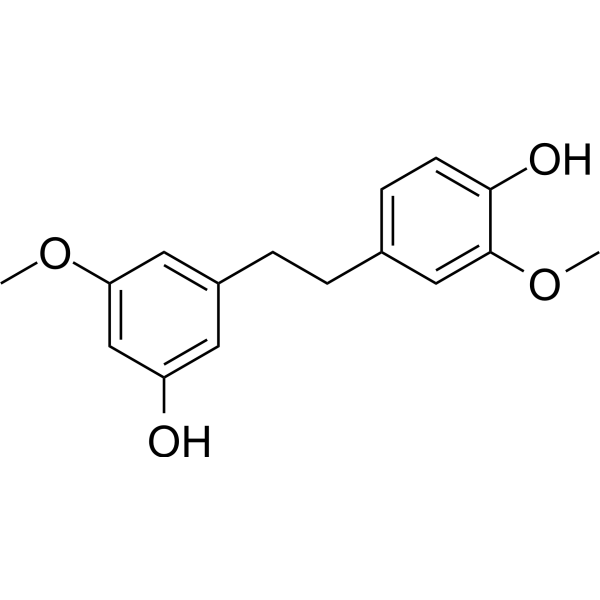
Gigantol is an orally active bibenzyl compound. Gigantol targets MYC to promote its ubiquitin-proteasomal degradation and inhibit the growth of lung cancer cells. Gigantol exerts anti-lung cancer activity by inducing ferroptosis (Ferroptosis) via the SLC7A11-GPX4 axis. Gigantol restores the sensitivity of mcr-harboring multidrug-resistant bacteria to colistin. Gigantol ameliorates carbon tetrachloride-induced liver injury by inhibiting the activation of the JNK/cPLA2/12-LOX inflammatory pathway. Gigantol promotes cholesterol metabolism and progesterone biosynthesis in Leydig cells. Gigantol can be used in studies related to diseases such as lung cancer, multidrug-resistant Gram-negative bacterial infections, and acute liver injury .
|
-
-
- HY-N7697B
-
|
|
Others
|
Others
|
|
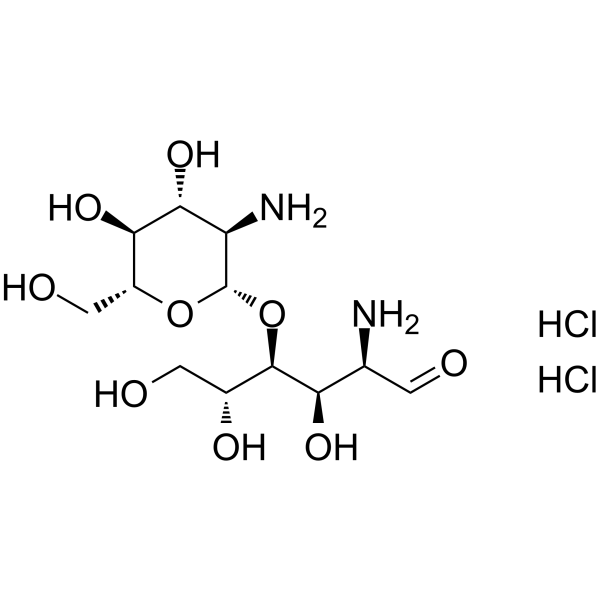
Chitobiose dihydrochloride is an orally active chitosan oligosaccharide (degree of polymerization 2). Chitobiose dihydrochloride shows hepatoprotective activity and counteracts CCl4-induced elevation of plasma aspartate transaminase and alanine transaminase activities in rats. Chitobiose dihydrochloride can be used for the research of carbon tetrachloride-induced acute hepatotoxicity .
|
-
-
- HY-N7327
-
|
|
Phospholipase
|
Inflammation/Immunology
|
|
Ochnaflavone is an inhibitor of IIA-type secretory phospholipase A2 (sPLA2-IIA) with an IC50 of 3.45 µM. Ochnaflavone exhibits significant anti-inflammatory and liver-protective effects, capable of inhibiting the degradation of phosphatidylethanolamine (PE) and lipid peroxidation induced by carbon tetrachloride (CCl4) in rat liver, with an IC50 of 7.16 µM for lipid peroxidation. Ochnaflavone can be used in research on liver damage and inflammatory diseases .
|
-

-
- HY-N7697F
-
|
|
Others
|
Metabolic Disease
|
|
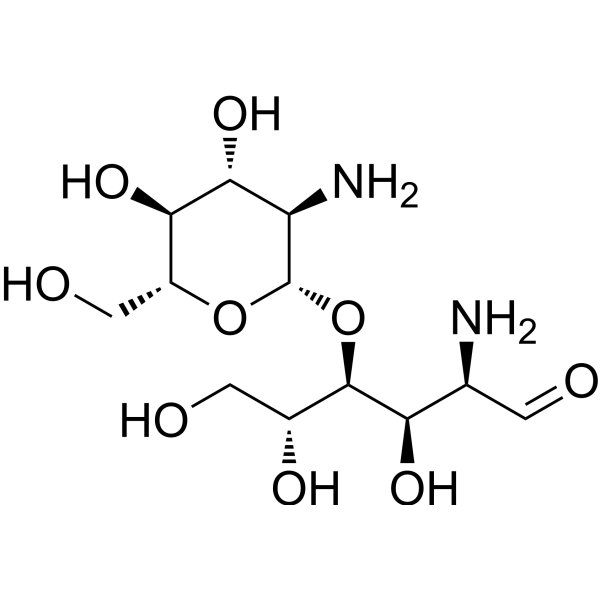
Chitobiose is an orally active chitosan oligosaccharide (degree of polymerization 2). Chitobiose shows hepatoprotective activity and counteracts CCl4-induced elevation of plasma aspartate transaminase and alanine transaminase activities in rats. Chitobiose can be used for the research of carbon tetrachloride-induced acute hepatotoxicity .
|
-
-
- HY-N2082
-
|
Cacticin
|
Thrombin
COX
ERK
JNK
Factor Xa
|
Cardiovascular Disease
Inflammation/Immunology
|
|
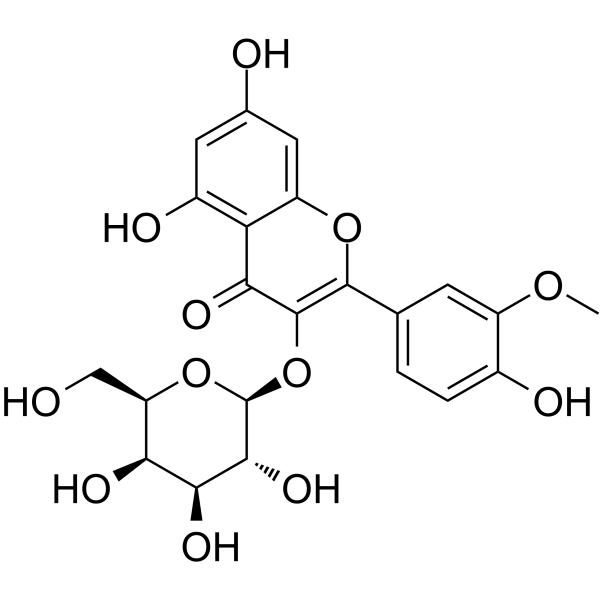
Isorhamnetin 3-O-galactoside (Cacticin) is a flavonoid glycoside that can be isolated from Oenanthe javanica, with antithrombotic and profibrinolytic activities. Isorhamnetin 3-O-galactoside inhibits the activities of thrombin and factor Xa (FXa) and reduces thrombin-catalyzed fibrin polymerization maximum rate. Isorhamnetin 3-O-galactoside suppresses TNF-α-induced PAI-1 secretion, decreases the PAI-1/tissue-type plasminogen activator (t-PA) ratio, and inhibits FXa production and FVa/FXa-mediated thrombin generation. Isorhamnetin 3-O-galactoside exerts protective effects against Carbon tetrachloride (CCl4) (HY-Y0298)-induced hepatic injury in mice. Isorhamnetin 3-O-galactoside can be used for the study of liver injury-related diseases and thrombotic vascular diseases .
|
-
-
- HY-N7026
-
|
|
Others
|
Metabolic Disease
|
|
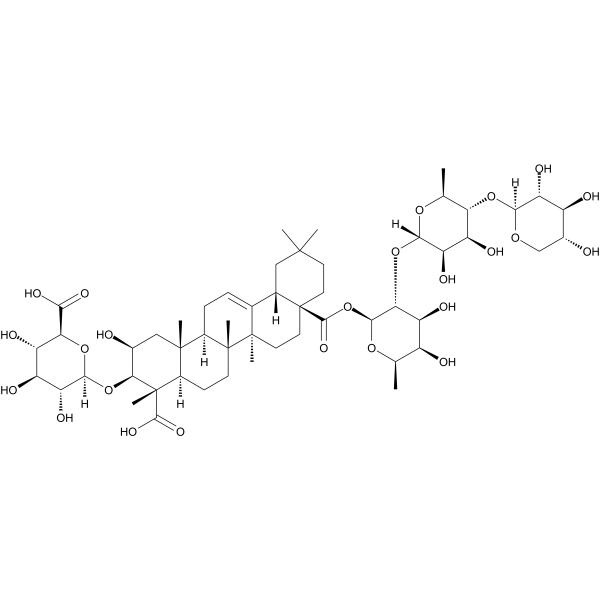
Celosin I, an oleanane-type triterpenoid saponin isolated from the seeds of Celosia argentea L, could be used as chemical markers for the quality control of C. argentea seeds. Celosin I exhibits significant hepatoprotective effect on carbon tetrachloride-induced and N,N-dimethylformamide-induced hepatotoxicity in mice .
|
-
-
- HY-142101
-
|
|
Others
|
Inflammation/Immunology
|
|
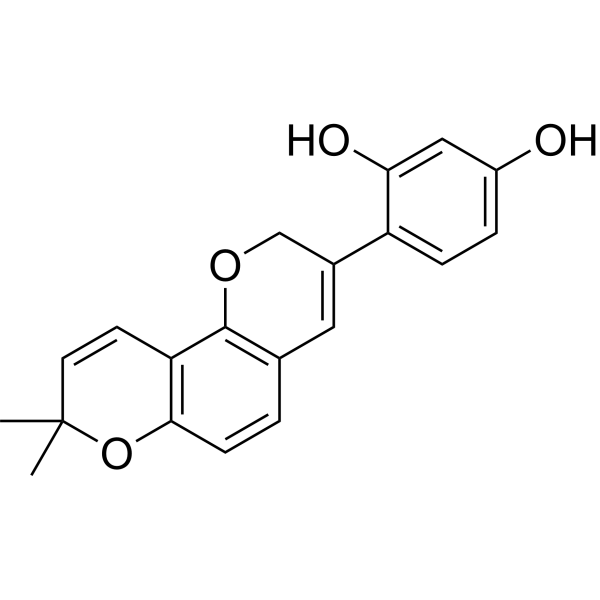
3,4-Didehydroglabridin is a natural product that can be found in licorice. 3,4-Didehydroglabridin exhibits protective activities against carbon tetrachloride-induced HepG2 cells injury. 3,4-Didehydroglabridin has the potential for the research of liver injury .
|
-
-
- HY-N0444R
-
|
|
Reference Standards
Reactive Oxygen Species (ROS)
Apoptosis
Fungal
Parasite
NF-κB
HBV
Bacterial
|
Infection
Neurological Disease
Metabolic Disease
Inflammation/Immunology
Cancer
|
|
Rubiadin (Standard) is the analytical standard of Rubiadin (HY-N0444). This product is intended for research and analytical applications. Rubiadin is an orally active free radical scavenger that inhibits the activation of the NF-κB pathway. Rubiadin inhibits osteoclast formation, bone resorption, lipid peroxidation, HBV DNA replication and cancer cell proliferation; reduces pro-inflammatory cytokine levels; induces cancer cell apoptosis; and possesses antifungal, antimalarial, antibacterial and anticonvulsant activities. Rubiadin can be used in the research of osteoporosis, acute inflammation, chronic inflammation, carbon tetrachloride-induced liver injury, Alzheimer's disease, breast cancer, iron overload disorders, hepatitis B virus infection, colon cancer, liver cancer, T-lymphocytic leukemia, cervical cancer, diabetic nephropathy, epileptic seizures, fungal infections, malaria and bacterial infections.
|
-

-
- HY-N13159
-
|
|
Others
|
Inflammation/Immunology
|
|
Goodyeroside A is a glycoside compound derived from the plant Goodyera that exhibits significant hepatoprotective activity. It can inhibit liver damage induced by carbon tetrachloride (HY-Y0298) in primary cultured rat hepatocytes .
|
-

-
- HY-N0823R
-
-

-
- HY-N2867
-
|
|
Bacterial
|
Cancer
|
|
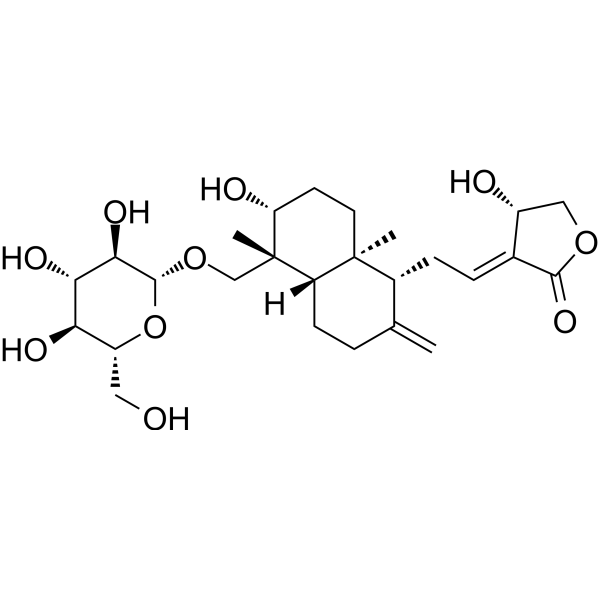
Andrographiside is a labdane diterpenoid glucoside that can be isolated from the leaves of Andrographis paniculata Nees. Andrographiside has antihepatotoxic and antioxidative effects. Andrographiside shows protective effects on mice with hepatotoxicity induced by carbon tetrachloride or tert-butylhydroperoxide (tBHP) . Andrographiside is a novel biofilm inhibitor of Pseudomonas aeruginosa PAO1 by modulating quorum-sensing proteins .
|
-
-
- HY-N15155
-
|
Vitexin 7-glucoside
|
Others
|
Metabolic Disease
|
|
Vitexin 7-O-β-D-glucopyranoside (Vitexin 7-glucoside) is a flavone glycoside found in Beta vulgaris var. cicla. Vitexin 7-O-β-D-glucopyranoside shows a hepatoprotective activity in primary cultured rat hepatocytes with Carbon tetrachloride (CCl4) (HY-Y0298)-induced cell toxicity .
|
-

-
- HY-172883
-
|
|
FABP
PPAR
|
Metabolic Disease
Inflammation/Immunology
|
|
ABP/PPAR modulator 1 is an orally active FABP and PPAR multiple modulator (IC50s of 0.65 μM and 1.08 μM for FABP1 and FABP4, EC50 s of 9.19 μM, 2.20 μM and 1.58 μM for PPARα, PPARγ and PPARδ). ABP/PPAR modulator 1 has potent anti-metabolic dysfunction-associated steatohepatitis (MASH) activity. ABP/PPAR modulator 1 dose-dependently ameliorates multiple pathological characteristics of fatty liver in WD + Carbon tetrachloride-induced MASH mice model .
|
-

-
- HY-172883A
-
|
|
FABP
PPAR
|
Metabolic Disease
Inflammation/Immunology
|
|
(E/Z)-ABP/PPAR modulator 1 is a mixture of the E and Z isomers of ABP/PPAR modulator 1 (HY-172883). ABP/PPAR modulator 1 is an orally active FABP and PPAR multiple modulator (IC50s of 0.65 μM and 1.08 μM for FABP1 and FABP4, EC50 s of 9.19 μM, 2.20 μM and 1.58 μM for PPARα, PPARγ and PPARδ). ABP/PPAR modulator 1 has potent anti-metabolic dysfunction-associated steatohepatitis (MASH) activity. ABP/PPAR modulator 1 dose-dependently ameliorates multiple pathological characteristics of fatty liver in WD + Carbon tetrachloride-induced MASH mice model .
|
-

-
- HY-N18297
-
|
|
Phosphatase
|
Metabolic Disease
|
|
Licoagrochalcone A is a PTP1B inhibitor. Licoagrochalcone A exerts protective effects against liver cell injury induced by carbon tetrachloride and Acetaminophen (HY-66005). Licoagrochalcone A is applicable to the research of type 2 diabetes, obesity and liver injury .
|
-

-
- HY-N13285
-
|
(-)-EGC-4'-O-ME
|
Drug Derivative
|
Metabolic Disease
Inflammation/Immunology
|
|
(-)-Epigallocatechin-4'-O-methylether ((-)-EGC-4'-O-ME) is an orally active natural phenolic catechin with antioxidant, free radical-scavenging and hepatoprotective activities. (-)-Epigallocatechin-4'-O-methylether interferes with radiation-induced free radical formation, scavenges DPPH free radicals, inhibits carbon tetrachloride-induced increases in serum GOT and GPT, suppresses carbon tetrachloride-induced TBA-RS formation, and counteracts carbon tetrachloride-induced hepatocyte toxicity. (-)-Epigallocatechin-4'-O-methylether binds specifically to human serum albumin. (-)-Epigallocatechin-4'-O-methylether can be used in studies related to liver injury .
|
-

-
- HY-N15464
-
|
|
Aldehyde Dehydrogenase (ALDH)
|
Metabolic Disease
|
|
Antihepatotoxic agent-1 is a cerebroside present in Lycium chinense Fruits with antihepatotoxic activity. Antihepatotoxic agent-1 exerts a protective effect by blocking the release of alanine aminotransferase and sorbitol dehydrogenase from primary cultured rat hepatocytes intoxicated with carbon tetrachloride. Antihepatotoxic agent-1 can be used in studies related to liver injury .
|
-

-
- HY-N11736
-
|
|
Collagen
|
Metabolic Disease
|
|
12-O-Tiglyl-phorbol 13-dodecanoate (TD13) is a potential inhibitor with anti-hepatic fibrosis activity, and it belongs to a series of derivatives of oral APOL2 inhibitors and anti-hepatic fibrosis agents. It shows no obvious toxicity in preclinical models. Compounds of the 12-O-Tiglyl-phorbol 13-dodecanoate series inhibit the expression of fibronectin, type I collagen and α-smooth muscle actin in hepatic stellate cells. 12-O-Tiglyl-phorbol 13-dodecanoate can be isolated from the Euphorbiaceae plant Euphorbia fischeriana, and it is applicable to the research of hepatic fibrosis .
|
-

-
- HY-N19083
-
|
|
Bacterial
|
Inflammation/Immunology
|
|
Tecomella undulata Extract, also known as Rohida extract, is a valuable botanical extract derived from the bark and leaves of the Tecomella undulata plant native to the Indian Thar Desert and is rich in bioactive compounds such as flavonoids, quinones, triterpenoids, and other phytochemicals that contribute to its diverse therapeutic properties. This extract is widely recognized for its hepatoprotective effects demonstrated through its ability to protect against liver damage induced by toxins such as paracetamol and carbon tetrachloride by normalizing elevated liver enzyme levels reducing oxidative stress and improving liver function. Additionally, it exhibits significant anti-inflammatory activity comparable to standard drugs like indomethacin and has been used to treat conditions like ascites and hepatosplenomegaly while also showing immunomodulatory effects by enhancing both humoral and cell-mediated immune responses and possessing antimicrobial properties that make it effective against various pathogens. Recent research suggests that Tecomella undulata may have potential in managing nonalcoholic steatohepatitis (NASH) by reducing body weight insulin resistance and improving liver function markers making it a versatile natural remedy with significant applications in hepatoprotection anti-inflammation and immune support.
|
-

| Cat. No. |
Product Name |
Type |
-
- HY-44134
-
|
Dimethyl α-ketoglutarate
|
Biochemical Assay Reagents
|
|
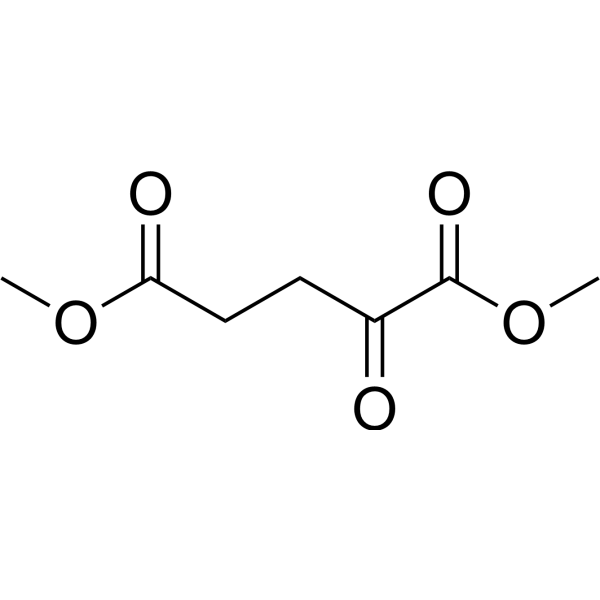
Dimethyl 2-oxoglutarate (Dimethyl α-ketoglutarate) is a cell-permeable derivative of 2-oxoglutarate and tricarboxylic acid cycle metabolite with antioxidant properties. Dimethyl 2-oxoglutarate inhibits Autophagy. Dimethyl 2-oxoglutarate prevents mitochondrial damage and reduces ROS production. Dimethyl 2-oxoglutarate alleviates Carbon tetrachloride (HY-Y0298)-induced liver fibrosis. Dimethyl-2-oxoglutaric acid can be used in the research of diseases such as Alzheimer's disease, diabetes, and cardiomyopathy .
|
| Cat. No. |
Product Name |
Category |
Target |
Chemical Structure |
-
- HY-44134
-
-
-
- HY-N0823
-
-
-
- HY-N0807
-
-
-
- HY-N0444
-
|
|
Quinones
Structural Classification
Classification of Application Fields
Anthraquinones
Rubiaceae
Phenols
Polyphenols
Plants
Morinda officinalis How
Inflammation/Immunology
Disease Research Fields
Source Classification
|
Reactive Oxygen Species (ROS)
NF-κB
HBV
Apoptosis
Bacterial
Fungal
Parasite
|
|
Rubiadin is an orally active free radical scavenger that inhibits the activation of the NF-κB pathway. Rubiadin inhibits osteoclast formation, bone resorption, lipid peroxidation, HBV DNA replication and cancer cell proliferation; reduces pro-inflammatory cytokine levels; induces cancer cell apoptosis; and possesses antifungal, antimalarial, antibacterial and anticonvulsant activities. Rubiadin can be used in the research of osteoporosis, acute inflammation, chronic inflammation, carbon tetrachloride-induced liver injury, Alzheimer's disease, breast cancer, iron overload disorders, hepatitis B virus infection, colon cancer, liver cancer, T-lymphocytic leukemia, cervical cancer, diabetic nephropathy, epileptic seizures, fungal infections, malaria and bacterial infections .
|
-
-
- HY-N10549
-
-
-
- HY-N7697B
-
-
-
- HY-N7327
-
|
|
Structural Classification
Flavonoids
Ochna atropurpurea DC.
Plants
Biflavones
Source Classification
|
Phospholipase
|
|
Ochnaflavone is an inhibitor of IIA-type secretory phospholipase A2 (sPLA2-IIA) with an IC50 of 3.45 µM. Ochnaflavone exhibits significant anti-inflammatory and liver-protective effects, capable of inhibiting the degradation of phosphatidylethanolamine (PE) and lipid peroxidation induced by carbon tetrachloride (CCl4) in rat liver, with an IC50 of 7.16 µM for lipid peroxidation. Ochnaflavone can be used in research on liver damage and inflammatory diseases .
|
-
-
- HY-N7697F
-
-
-
- HY-N2082
-
|
Cacticin
|
Cardiovascular Disease
Flavonols
Flavonoids
Typhaceae
Classification of Application Fields
Typha angustifolia L.
Phenols
Polyphenols
Plants
Disease Research Fields
Source Classification
|
Thrombin
COX
ERK
JNK
Factor Xa
|
|
Isorhamnetin 3-O-galactoside (Cacticin) is a flavonoid glycoside that can be isolated from Oenanthe javanica, with antithrombotic and profibrinolytic activities. Isorhamnetin 3-O-galactoside inhibits the activities of thrombin and factor Xa (FXa) and reduces thrombin-catalyzed fibrin polymerization maximum rate. Isorhamnetin 3-O-galactoside suppresses TNF-α-induced PAI-1 secretion, decreases the PAI-1/tissue-type plasminogen activator (t-PA) ratio, and inhibits FXa production and FVa/FXa-mediated thrombin generation. Isorhamnetin 3-O-galactoside exerts protective effects against Carbon tetrachloride (CCl4) (HY-Y0298)-induced hepatic injury in mice. Isorhamnetin 3-O-galactoside can be used for the study of liver injury-related diseases and thrombotic vascular diseases .
|
-
-
- HY-N7026
-
-
-
- HY-142101
-
-
-
- HY-N0444R
-
|
|
Quinones
Structural Classification
Anthraquinones
Rubiaceae
Phenols
Polyphenols
Plants
Morinda officinalis How
Source Classification
|
Reference Standards
Reactive Oxygen Species (ROS)
Apoptosis
Fungal
Parasite
NF-κB
HBV
Bacterial
|
|
Rubiadin (Standard) is the analytical standard of Rubiadin (HY-N0444). This product is intended for research and analytical applications. Rubiadin is an orally active free radical scavenger that inhibits the activation of the NF-κB pathway. Rubiadin inhibits osteoclast formation, bone resorption, lipid peroxidation, HBV DNA replication and cancer cell proliferation; reduces pro-inflammatory cytokine levels; induces cancer cell apoptosis; and possesses antifungal, antimalarial, antibacterial and anticonvulsant activities. Rubiadin can be used in the research of osteoporosis, acute inflammation, chronic inflammation, carbon tetrachloride-induced liver injury, Alzheimer's disease, breast cancer, iron overload disorders, hepatitis B virus infection, colon cancer, liver cancer, T-lymphocytic leukemia, cervical cancer, diabetic nephropathy, epileptic seizures, fungal infections, malaria and bacterial infections.
|
-
-
- HY-N13159
-
-
-
- HY-N0823R
-
-
-
- HY-N2867
-
-
-
- HY-N15155
-
-
-
- HY-N18297
-
-
-
- HY-N13285
-
|
(-)-EGC-4'-O-ME
|
Structural Classification
Ouratea Aubl.
Phenols
Polyphenols
Plants
Source Classification
|
Drug Derivative
|
|
(-)-Epigallocatechin-4'-O-methylether ((-)-EGC-4'-O-ME) is an orally active natural phenolic catechin with antioxidant, free radical-scavenging and hepatoprotective activities. (-)-Epigallocatechin-4'-O-methylether interferes with radiation-induced free radical formation, scavenges DPPH free radicals, inhibits carbon tetrachloride-induced increases in serum GOT and GPT, suppresses carbon tetrachloride-induced TBA-RS formation, and counteracts carbon tetrachloride-induced hepatocyte toxicity. (-)-Epigallocatechin-4'-O-methylether binds specifically to human serum albumin. (-)-Epigallocatechin-4'-O-methylether can be used in studies related to liver injury .
|
-
-
- HY-N15464
-
-
-
- HY-N11736
-
|
|
Structural Classification
Natural Products
Euphorbia fischeriana Steud.
Euphorbiaceae
Plants
Source Classification
|
Collagen
|
|
12-O-Tiglyl-phorbol 13-dodecanoate (TD13) is a potential inhibitor with anti-hepatic fibrosis activity, and it belongs to a series of derivatives of oral APOL2 inhibitors and anti-hepatic fibrosis agents. It shows no obvious toxicity in preclinical models. Compounds of the 12-O-Tiglyl-phorbol 13-dodecanoate series inhibit the expression of fibronectin, type I collagen and α-smooth muscle actin in hepatic stellate cells. 12-O-Tiglyl-phorbol 13-dodecanoate can be isolated from the Euphorbiaceae plant Euphorbia fischeriana, and it is applicable to the research of hepatic fibrosis .
|
-
-
- HY-N19083
-
|
|
Structural Classification
Extract
|
Bacterial
|
|
Tecomella undulata Extract, also known as Rohida extract, is a valuable botanical extract derived from the bark and leaves of the Tecomella undulata plant native to the Indian Thar Desert and is rich in bioactive compounds such as flavonoids, quinones, triterpenoids, and other phytochemicals that contribute to its diverse therapeutic properties. This extract is widely recognized for its hepatoprotective effects demonstrated through its ability to protect against liver damage induced by toxins such as paracetamol and carbon tetrachloride by normalizing elevated liver enzyme levels reducing oxidative stress and improving liver function. Additionally, it exhibits significant anti-inflammatory activity comparable to standard drugs like indomethacin and has been used to treat conditions like ascites and hepatosplenomegaly while also showing immunomodulatory effects by enhancing both humoral and cell-mediated immune responses and possessing antimicrobial properties that make it effective against various pathogens. Recent research suggests that Tecomella undulata may have potential in managing nonalcoholic steatohepatitis (NASH) by reducing body weight insulin resistance and improving liver function markers making it a versatile natural remedy with significant applications in hepatoprotection anti-inflammation and immune support.
|
-
Your information is safe with us. * Required Fields.
Inquiry Information
- Product Name:
- Cat. No.:
- Quantity:
- MCE Japan Authorized Agent:








