



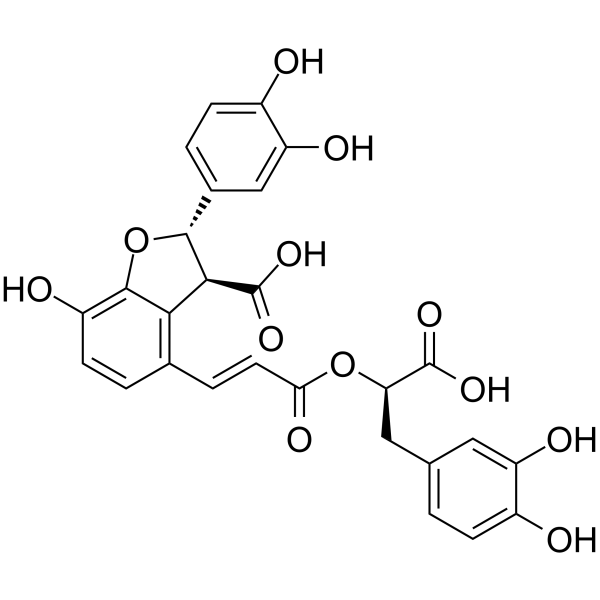
Lithospermic acid
Based on 6 publication(s) in Google Scholar
Lithospermic acid ((+)-Lithospermic acid) is a plant-derived polycyclic phenolic carboxylic acid isolated from Salvia miltiorrhiza, and has the anti-oxidative and hepatoprotective activity on carbon tetrachloride (CCl4)-induced acute liver damage in vitro and in vivo.
商品は「研究用試薬」です。人や動物の医療用・臨床診断用・食品用の製品ではありません。
研究用途以外に使用した場合、当社は一切の責任を負いかねます。
- 純度 : 99.46%
- CAS 番号: 28831-65-4
- 分子式: C27H22O12
- 分子量:538.46
-
保管条件:
-20°C, protect from light, stored under nitrogen
* In solvent : -80°C, 6 months; -20°C, 1 month (protect from light, stored under nitrogen)

To place orders, for customer services and technical support, please contact: MedChemExpress USA
Tel: 609-228-6898 E-mail: [email protected] [email protected]


-
 生物活性
生物活性
-
化学情報
-
溶剤 & 溶解度
- プロトコル
- 純度とドキュメンテーション
- 参考文献
-
 Help & FAQs


-
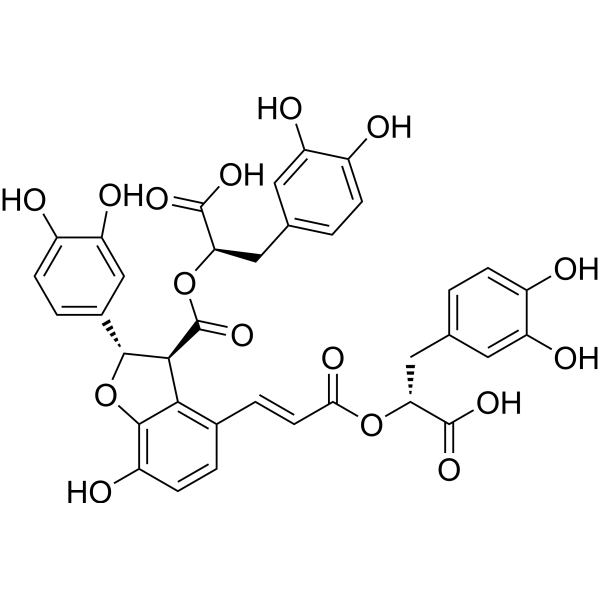
HY-N1362
Salvianolic acid BAntioxidant -
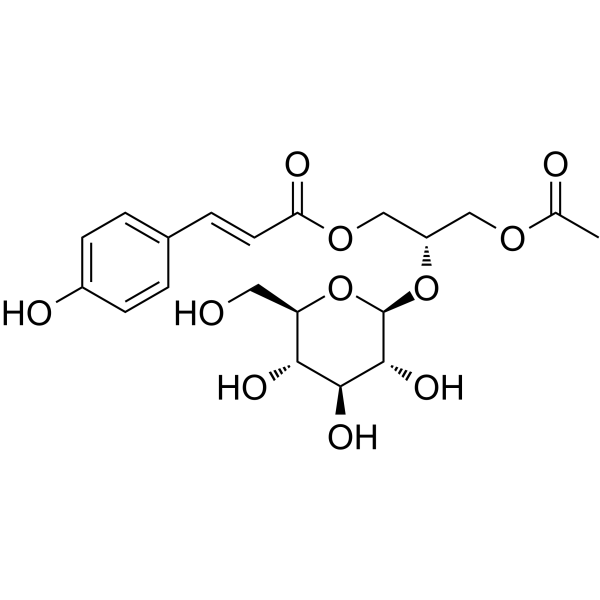
HY-N7688
Regaloside BAnti-inflammatory Agent -
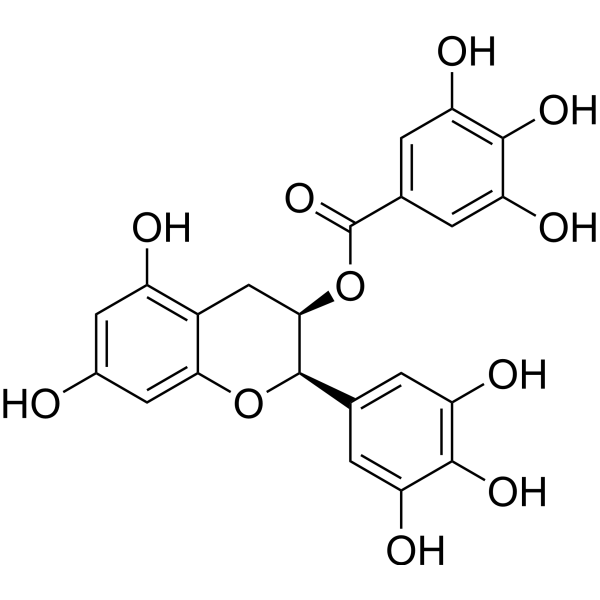
HY-13653
(-)-Epigallocatechin GallateAnticancer Agent -
HY-N0529
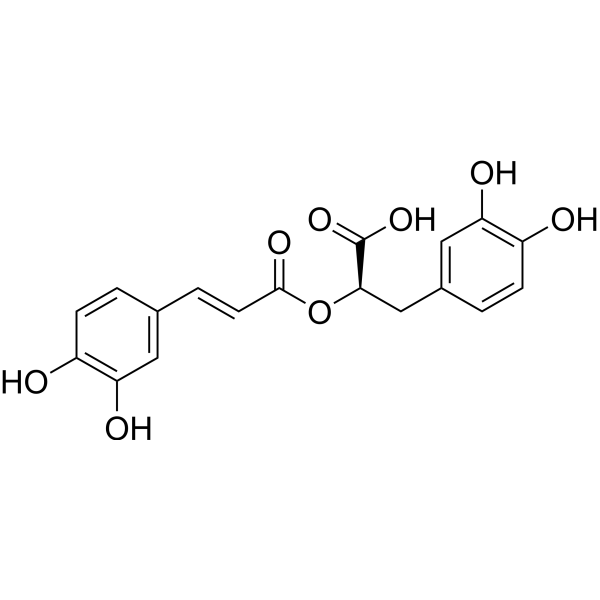
Rosmarinic acidAnti-Inflammatory Agent -
HY-15147
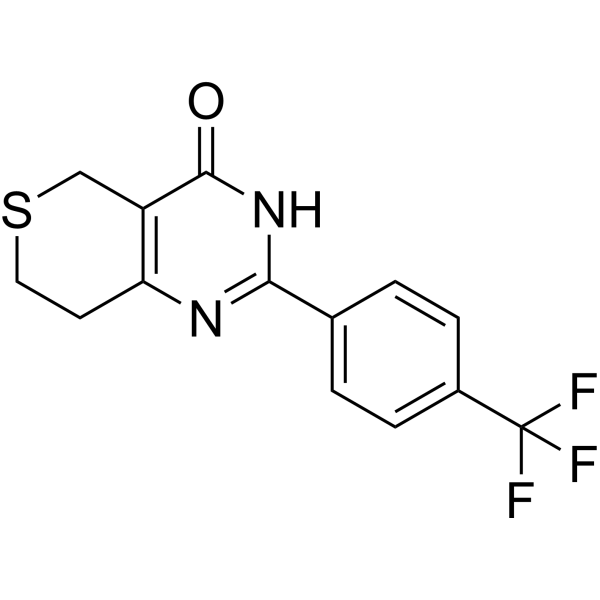
XAV-939Tankyrase Inhibitor -
HY-15979
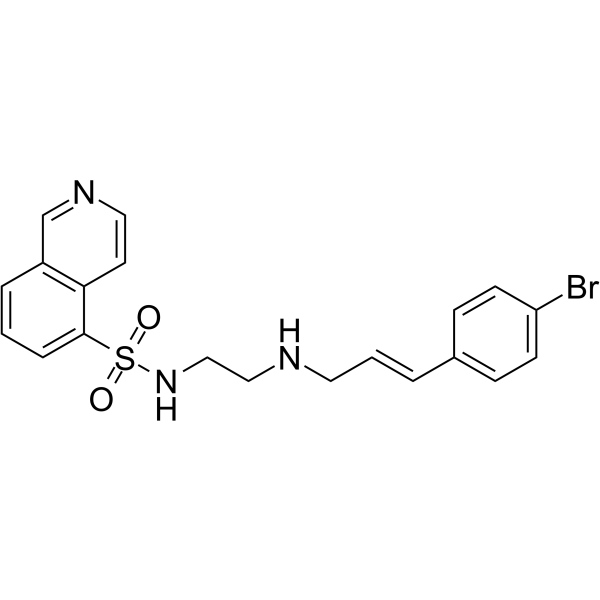
H-89PKA Inhibitor -
HY-13259
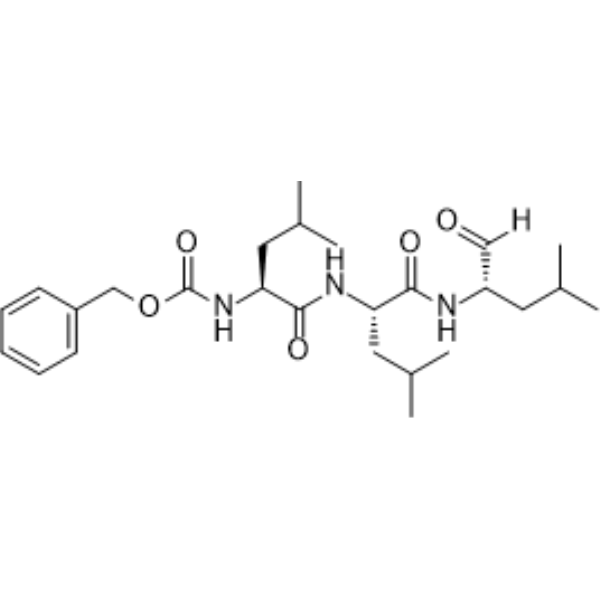
MG-132Proteasome Inhibitor -
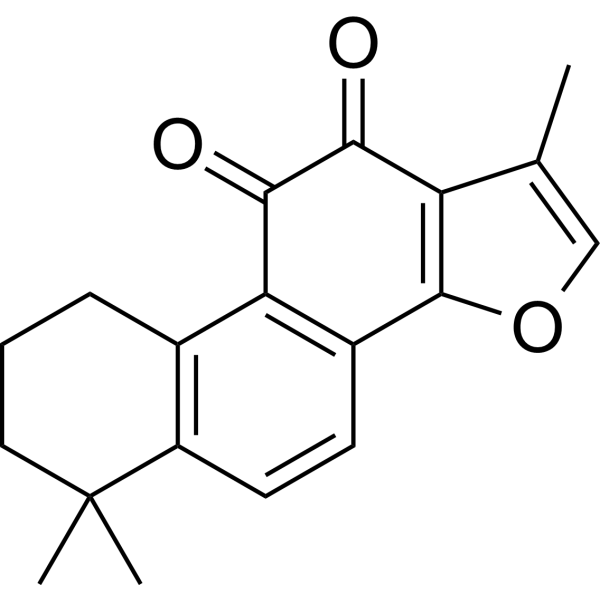
HY-N0135
Tanshinone IIAVEGFR Inhibitor -
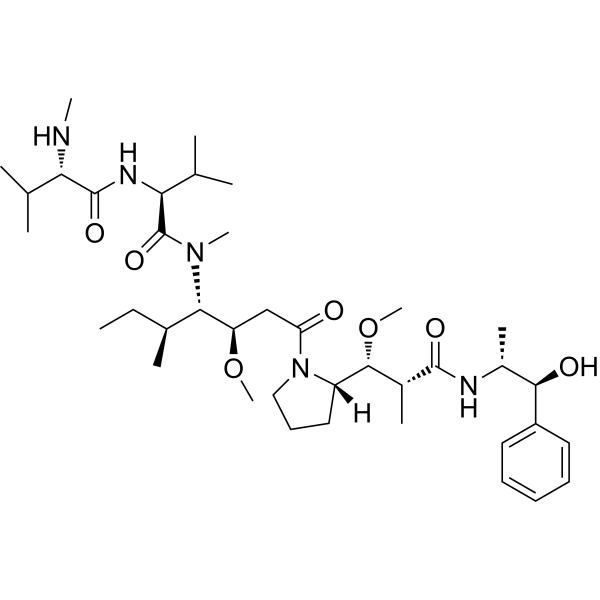
HY-15162
Monomethyl auristatin EAntimitotic Agent -

HY-Y1888
Corn oil -
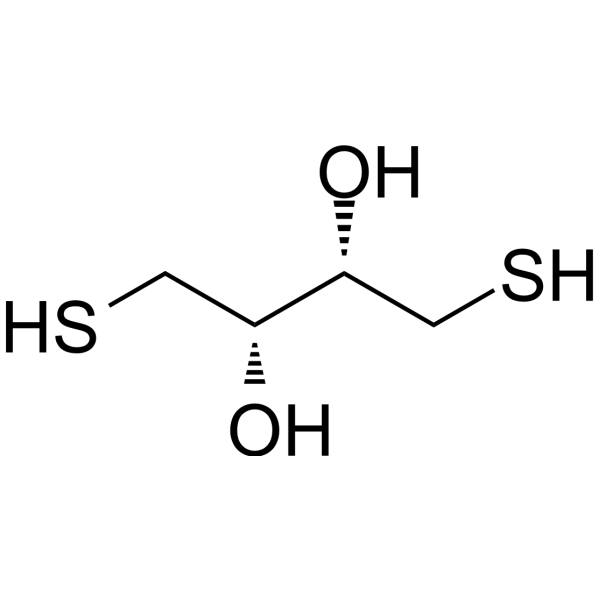
HY-15917
DL-DithiothreitolReducing Agent -
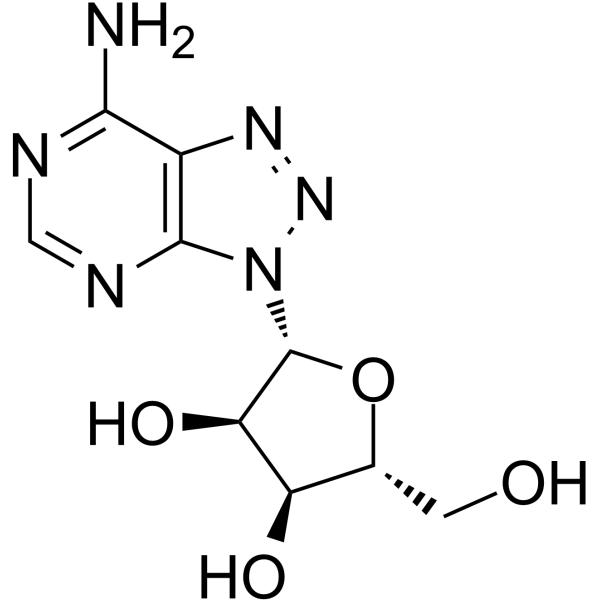
HY-115686
8-AzaadenosineADAR1 Inhibitor
MedChemExpress(MCE)の使用を引用している文献 Lithospermic acid
More- Mater Today Bio. 2025 Feb 20:31:101589. [Abstract]
- Eur J Pharmacol. 2025 Sep 15:1003:177896. [Abstract]
- Eur J Pharmacol. 2025 May 15:995:177390. [Abstract]
- J Inorg Biochem. 2025 Sep 26:274:113087. [Abstract]
- Vet Microbiol. 2026 May:316:110992. [Abstract]
- Immunol Res. 2025 Feb 19;73(1):54. [Abstract]
 Customer Validation & Images

-
Cell Proliferation/Viability Assay
-
WB
-
Bio/Physico-chemical Assay
-
Bio/Physico-chemical Assay
-
Cell Imaging/Staining
AMPK アイソフォーム固有の製品をすべて表示
More

生物活性
製品説明
Cellular Effect
|
Cell Line

|
Type | Value | Description | References |
|---|---|---|---|---|
| H9 | IC50 |
2 μM
Compound: 7
|
Inhibition of HIV1 integrase activity assessed as suppression of viral replication in human H9 cells
Inhibition of HIV1 integrase activity assessed as suppression of viral replication in human H9 cells
|
[PMID: 27676157] |
体外実験
Lithospermic acid (100 μM, 24 h) promotes the expression of eNOS and the phosphorylation of AMPKα, activates Nrf2/HO-1 signaling pathways, exhibits antioxidant and anti-apoptotic activities[2].
Lithospermic acid (16 μg/mL, 30 min) is the competitive inhibitor for xanthine oxidase, that inhibits uric acid production with an IC50 of 5.2 µg/mL, inhibits superoxide radicals (SOR) production with an IC50 of 1.08 µg/mL[3].
MedChemExpress (MCE) has not independently confirmed the accuracy of these methods. They are for reference only.
-
Cell Line:H9C2
-
Concentration:100 μM
-
Incubation Time:24 h
-
Result:Inhibited apoptosis in H9C2.
体内実験
Lithospermic acid (10-30 mg/kg, po, single dose) exhibits uric acid lowering and anti-inflammatory effects in rats hyperuricemia and gouty arthritis models[3].
MedChemExpress (MCE) has not independently confirmed the accuracy of these methods. They are for reference only.
-
Animal Model:C57BL/6 mouse MI/R injury models[2]
-
Dosage:50 mg/kg
-
Administration:po for 6 days
-
Result:Improved MI/R-induced cardiac dysfunction.
-
Animal Model:Hyperuricemia and gouty arthritis model[3]
-
Dosage:10-30 mg/kg
-
Administration:po, single dose
-
Result:Reduced the serum uric acid and monosodium urate crystal-induced paw edema.


化学情報
-
CAS 番号 28831-65-4
-
性状 Solid
-
分子量 538.46
-
分子式 C27H22O12
-
Color Off-white to light yellow
-
SMILES
O=C([C@@H]1[C@@H](C2=CC=C(O)C(O)=C2)OC3=C(O)C=CC(/C=C/C(O[C@@H](C(O)=O)CC4=CC=C(O)C(O)=C4)=O)=C13)O
-
別名
(+)-Lithospermic acid
-
Structure Classification
-
輸送条件
Room temperature in continental US; may vary elsewhere.
-
保管条件
-20°C, protect from light, stored under nitrogen
* In solvent : -80°C, 6 months; -20°C, 1 month (protect from light, stored under nitrogen)


Publications (6)
-
Journal Impact Factor
-
Most Recent
-
Mater Today Bio
sLithospermic acid etched ZIF-8 nanoparticles delays osteoarthritis progression by inhibiting inflammatory signaling pathways and rescuing mitochondrial damage. [Abstract]2025 Feb 20:31:101589. PMID: 40104643
Lithospermic acid purchased from MedChemExpress. Usage Cited in: Mater Today Bio. 2025 Feb 20:31:101589. [Abstract]
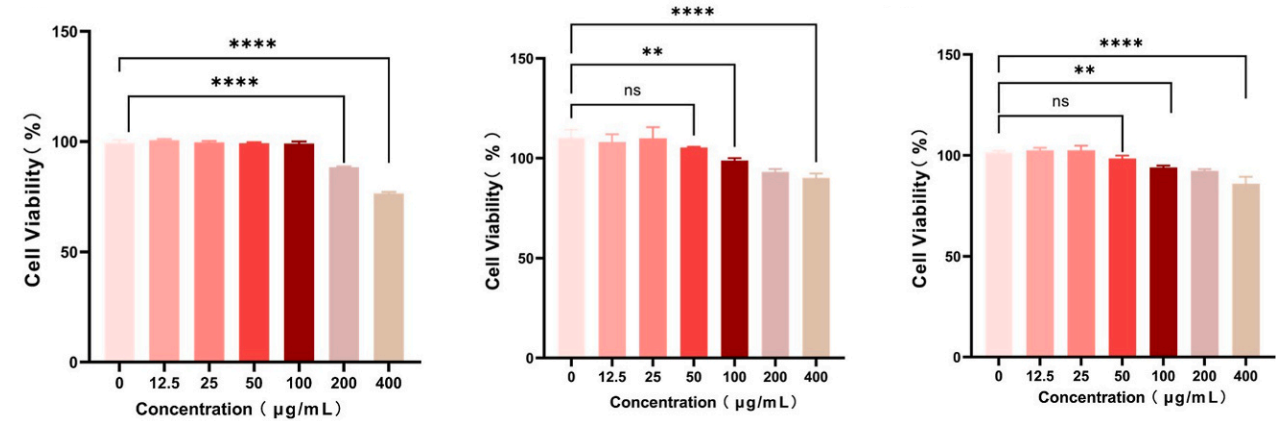
CCK8 assay of macrophages treated with various concentrations of ZIF-8, Lithospermic acid (LA, 0-400 μg/mL) and LA@ZIF-8 for 24h.
Lithospermic acid purchased from MedChemExpress. Usage Cited in: Mater Today Bio. 2025 Feb 20:31:101589. [Abstract]
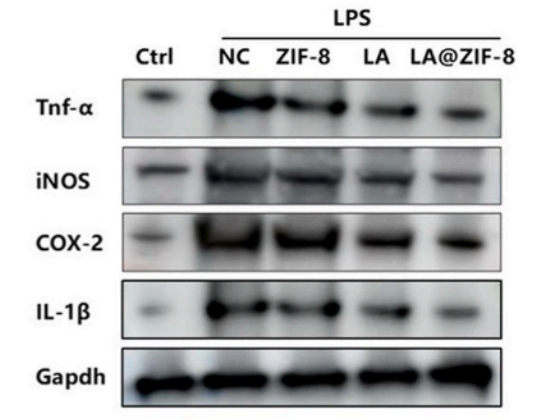
Treatment with Lithospermic acid (LA) or LA@ZIF-8 downregulated these protein levels, with LA@ZIF-8 showing stronger anti-inflammatory effects.
Lithospermic acid purchased from MedChemExpress. Usage Cited in: Mater Today Bio. 2025 Feb 20:31:101589. [Abstract]
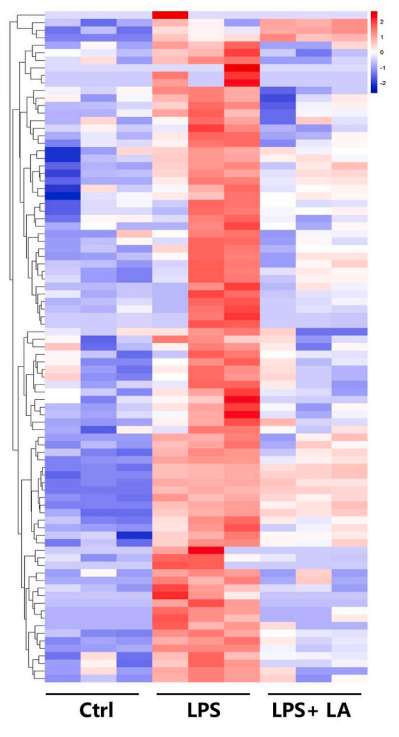
To explore the molecular mechanism of Lithospermic acid (LA)/ Lithospermic acid (LA)@ZIF-8 in reducing OA synovial macrophage inflammation, we performed genome-wide RNA-sequencing on LPS-stimulated RAW264.7 cells treated with LA.
Lithospermic acid purchased from MedChemExpress. Usage Cited in: Mater Today Bio. 2025 Feb 20:31:101589. [Abstract]
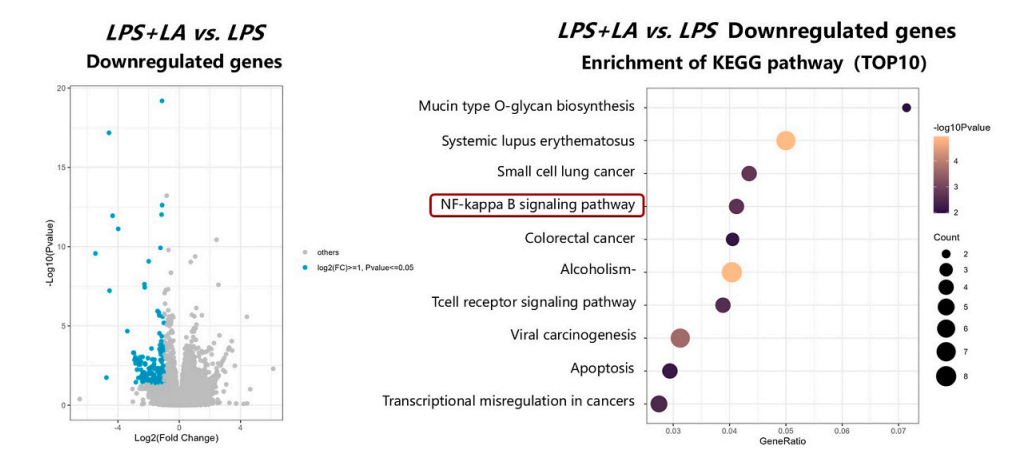
The inflammatory signaling pathways were significantly inhibited by Lithospermic acid (LA) treatment.
-
Eur J Pharmacol
Lithospermic acid improves diabetic kidney fibrosis by regulating Piezo1/TGF-β1/Smad signaling pathway. [Abstract]2025 Sep 15:1003:177896. PMID: 40609618 -
Eur J Pharmacol
Lithospermic acid alleviates oxidative stress and inflammation in DSS-induced colitis through Nrf2. [Abstract]2025 May 15:995:177390. PMID: 39956261 -
J Inorg Biochem
Heme and lithospermic acid synergistically inhibit aggregation of human islet amyloid polypeptide: A novel hIAPP inhibitor for the potential therapy of type 2 diabetes. [Abstract]2025 Sep 26:274:113087. PMID: 41022000 -
Vet Microbiol
The Chinese medicine monomer Schisandrin C inhibits PRRSV infection by regulating the OGT-PI3K/AKT/mTOR signaling pathway. [Abstract]2026 May:316:110992. PMID: 41865607 -
Immunol Res
Lithospermic acid targeting heat shock protein 90 attenuates LPS-induced inflammatory response via NF-кB signalling pathway in BV2 microglial cells. [Abstract]2025 Feb 19;73(1):54. PMID: 39969702
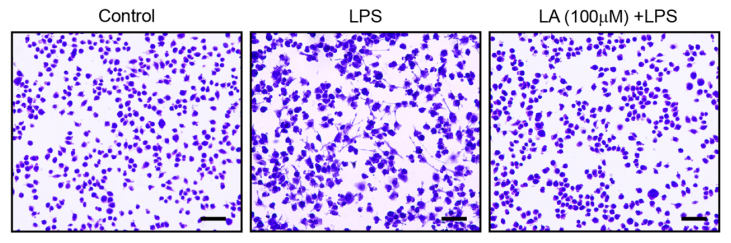
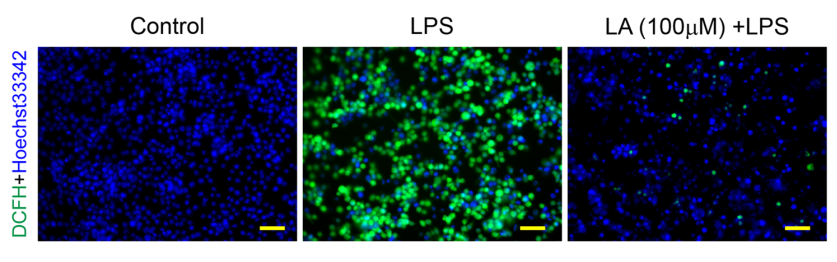
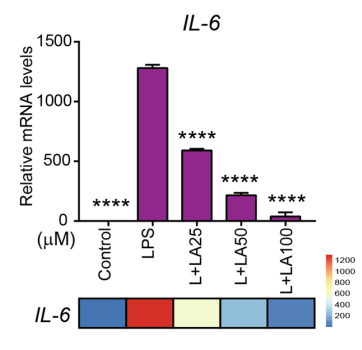
Lithospermic acid purchased from MedChemExpress. Usage Cited in: Immunol Res. 2025 Feb 19;73(1):54. [Abstract]
Prior to incubation with LPS (1 µg/ml) for 24 h, the cells were pre-treated with Lithospermic acid (100 µM) for 1 h. Cells were fixed with paraformaldehyde followed by staining with crystal violet solution. The morphological changes in different groups were observed and captured with microscopy. Scale bars, 50 µM.
Lithospermic acid purchased from MedChemExpress. Usage Cited in: Immunol Res. 2025 Feb 19;73(1):54. [Abstract]
Pre-treatment with Lithospermic acid (100 μM, 1 h) resulted in a marked decrease in ROS fluorescence intensity in BV2 cells.
Lithospermic acid purchased from MedChemExpress. Usage Cited in: Immunol Res. 2025 Feb 19;73(1):54. [Abstract]
Pre-treatment with Lithospermic acid dose-dependently suppressed LPS-primed IL-6 mRNA transcription.


溶剤 & 溶解度
体外:
DMSO : 100 mg/mL (185.71 mM; Need ultrasonic; Hygroscopic DMSO has a significant impact on the solubility of product, please use newly opened DMSO)
H2O : 66.67 mg/mL (123.82 mM; Need ultrasonic)
Please refer to the solubility information to select the appropriate solvent. Once prepared, please aliquot and store the solution to prevent product inactivation from repeated freeze-thaw cycles.
Storage method and period of stock solution: -80°C, 6 months; -20°C, 1 month (protect from light, stored under nitrogen). When stored at -80°C, please use it within 6 months. When stored at -20°C, please use it within 1 month.
* Note: If you choose water as the stock solution, please dilute it to the working solution, then filter and sterilize it with a 0.22 μm filter before use.
Please refer to the solubility information to select the appropriate solvent. Once prepared, please aliquot and store the solution to prevent product inactivation from repeated freeze-thaw cycles.
Storage method and period of stock solution: -80°C, 6 months; -20°C, 1 month (protect from light, stored under nitrogen). When stored at -80°C, please use it within 6 months. When stored at -20°C, please use it within 1 month.
* Note: If you choose water as the stock solution, please dilute it to the working solution, then filter and sterilize it with a 0.22 μm filter before use.
濃度 (開始) × 体積 (開始) = 濃度 (終了) × 体積 (終了)
体内:
Select the appropriate dissolution method based on your experimental animal and administration route.
- For the following dissolution methods, please ensure to first prepare a clear stock solution using an In Vitro approach and then sequentially add co-solvents:
- To ensure reliable experimental results, the clarified stock solution can be appropriately stored based on storage conditions. As for the working solution for In Vivo experiments, it is recommended to prepare freshly and use it on the same day.
- The percentages shown for the solvents indicate their volumetric ratio in the final prepared solution. If precipitation or phase separation occurs during preparation, heat and/or sonication can be used to aid dissolution.
Add each solvent one by one: 10% DMSO 40% PEG300 5% Tween-80 45% Saline
Solubility: ≥ 2.75 mg/mL (5.11 mM); Clear solution
This protocol yields a clear solution of ≥ 2.75 mg/mL (saturation unknown).
Taking 1 mL working solution as an example, add 100 μL DMSO stock solution (27.5 mg/mL) to 400 μL PEG300, and mix evenly; then add 50 μL Tween-80 and mix evenly; then add 450 μL Saline to adjust the volume to 1 mL.
Preparation of Saline: Dissolve 0.9 g sodium chloride in ddH₂O and dilute to 100 mL to obtain a clear Saline solution.
Add each solvent one by one: 10% DMSO 90% (20% SBE-β-CD in Saline)
Solubility: ≥ 2.75 mg/mL (5.11 mM); Clear solution
This protocol yields a clear solution of ≥ 2.75 mg/mL (saturation unknown).
Taking 1 mL working solution as an example, add 100 μL DMSO stock solution (27.5 mg/mL) to 900 μL 20% SBE-β-CD in Saline, and mix evenly.
Preparation of 20% SBE-β-CD in Saline (4°C, storage for one week): 2 g SBE-β-CD powder is dissolved in 10 mL Saline, completely dissolve until clear.
For the following dissolution methods, please prepare the working solution directly:
It is recommended to prepare fresh solutions and use them promptly within a short period of time.
The percentages shown for the solvents indicate their volumetric ratio in the final prepared solution. If precipitation or phase separation occurs during preparation, heat and/or sonication can be used to aid dissolution.
Add each solvent one by one: PBS
Solubility: 100 mg/mL (185.71 mM); Clear solution; Need ultrasonic
In Vivo Dissolution Calculator
Please enter the basic information of animal experiments:
-
-
-
-
Recommended: Prepare an additional quantity of animals to account for potential losses during experiments.
Working solution concentration: 0.22 mg/mL
This product has good water solubility, please refer to the measured solubility data in water/PBS/Saline for details.


純度とドキュメンテーション
-
データシート (283 KB)
-
SDS (396 KB)
- English - EN (396 KB)
- Français - FR (396 KB)
- Deutsch - DE (396 KB)
- Norwegian - NO (396 KB)
- Español - ES (396 KB)
- Swedish - SV (396 KB)
- Italian - IT (396 KB)
- Korean - KR (396 KB)
- Portuguese - PT (396 KB)
-
取扱説明書 (2659 KB)
参考文献
[1]. Chan KW, et al. Anti-oxidative and hepatoprotective effects of lithospermic acid against carbon tetrachloride-induced liver oxidative damage in vitro and in vivo. Oncol Rep. 2015 Aug;34(2):673-80. [Content Brief]
[2]. Zhang M, et al., Activation of Nrf2 by Lithospermic Acid Ameliorates Myocardial Ischemia and Reperfusion Injury by Promoting Phosphorylation of AMP-Activated Protein Kinase α (AMPKα). Front Pharmacol. 2021 Nov 26;12:794982. [Content Brief]
[3]. Liu X, et al., Lithospermic acid as a novel xanthine oxidase inhibitor has anti-inflammatory and hypouricemic effects in rats. Chem Biol Interact. 2008 Nov 25;176(2-3):137-42. [Content Brief]


Complete Stock Solution Preparation Table
Please refer to the solubility information to select the appropriate solvent. Once prepared, please aliquot and store the solution to prevent product inactivation from repeated freeze-thaw cycles.
Storage method and period of stock solution: -80°C, 6 months; -20°C, 1 month (protect from light, stored under nitrogen). When stored at -80°C, please use it within 6 months. When stored at -20°C, please use it within 1 month.
| Optional Solvent | Concentration Solvent Mass | 1 mg | 5 mg | 10 mg | 25 mg |
|---|---|---|---|---|---|
| H2O / DMSO | 1 mM | 1.8571 mL | 9.2857 mL | 18.5715 mL | 46.4287 mL |
| 5 mM | 0.3714 mL | 1.8571 mL | 3.7143 mL | 9.2857 mL | |
| 10 mM | 0.1857 mL | 0.9286 mL | 1.8571 mL | 4.6429 mL | |
| 15 mM | 0.1238 mL | 0.6190 mL | 1.2381 mL | 3.0952 mL | |
| 20 mM | 0.0929 mL | 0.4643 mL | 0.9286 mL | 2.3214 mL | |
| 25 mM | 0.0743 mL | 0.3714 mL | 0.7429 mL | 1.8571 mL | |
| 30 mM | 0.0619 mL | 0.3095 mL | 0.6190 mL | 1.5476 mL | |
| 40 mM | 0.0464 mL | 0.2321 mL | 0.4643 mL | 1.1607 mL | |
| 50 mM | 0.0371 mL | 0.1857 mL | 0.3714 mL | 0.9286 mL | |
| 60 mM | 0.0310 mL | 0.1548 mL | 0.3095 mL | 0.7738 mL | |
| 80 mM | 0.0232 mL | 0.1161 mL | 0.2321 mL | 0.5804 mL | |
| 100 mM | 0.0186 mL | 0.0929 mL | 0.1857 mL | 0.4643 mL |
* Note: If you choose water as the stock solution, please dilute it to the working solution, then filter and sterilize it with a 0.22 μm filter before use.


Lithospermic acid 関連分類
HY-N0823 関連分類
 Powered by Bioz