1. Search Result
Search Result
Results for "

Carotenoid

" in MedChemExpress (MCE) Product Catalog:

99

Inhibitors & Agonists

1

Biochemical Assay Reagents

71

Natural
Products

2

Isotope-Labeled Compounds

Cat. No. Product Name Target Research Areas Chemical Structure
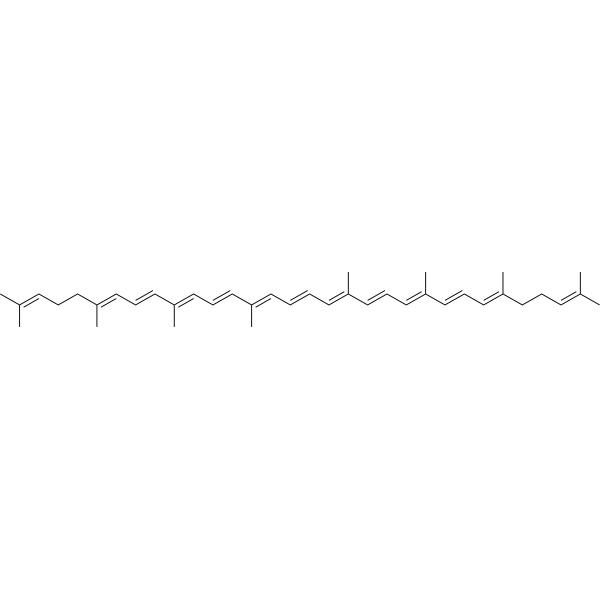
  • HY-N0287
    Lycopene
    Maximum Cited Publications
    19 Publications Verification

    Reactive Oxygen Species (ROS) Endogenous Metabolite Cardiovascular Disease Cancer
    Lycopene is naturally occurring carotenoids found in tomato, tomato products, and in other red fruits and vegetables; exhibits antioxidant effects.
    Lycopene
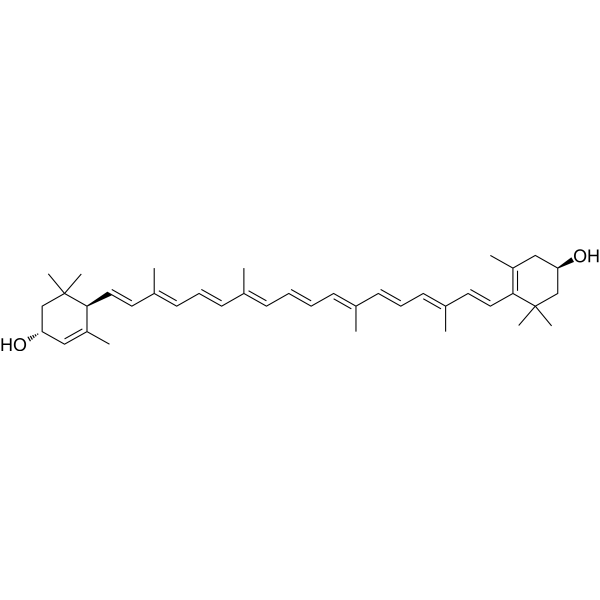
  • HY-N6947
    Lutein
    4 Publications Verification

    Xanthophyll

    Endogenous Metabolite Apoptosis Reactive Oxygen Species (ROS) Neurological Disease Inflammation/Immunology
    Lutein (Xanthophyll) is a carotenoid with reported anti-inflammatory properties. A large body of evidence shows that lutein has several beneficial effects, especially on eye health . Lutein exerts its biological activities, including anti-inflammation, anti-oxidase and anti-apoptosis, through effects on reactive oxygen species (ROS) . Lutein is able to arrive in the brain and shows antidepressant-like and neuroprotective effects. Lutein is orally active .
    Lutein
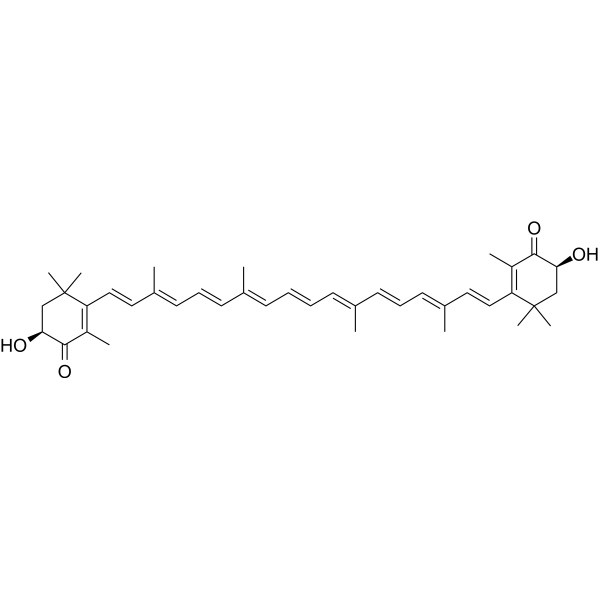
  • HY-B2163
    Astaxanthin
    15+ Cited Publications

    PPAR Reactive Oxygen Species (ROS) STAT NF-κB Apoptosis Cardiovascular Disease Metabolic Disease Cancer
    Astaxanthin, the red dietary carotenoid, is an orally effective and potent antioxidant. Astaxanthin inhibits NF-κB and down-regulates VEGF in blood glucose. Astaxanthin exerts anti-cancer cell proliferation, increases apoptosis, impairs migration and invasion by activating PPARγ and reducing the expression of STAT3. Astaxanthin also has neuroprotective and anti-inflammatory activity and can be used in studies of cancer, diabetic retinopathy, cardiovascular disease, and in the coloring of animal feed .
    Astaxanthin
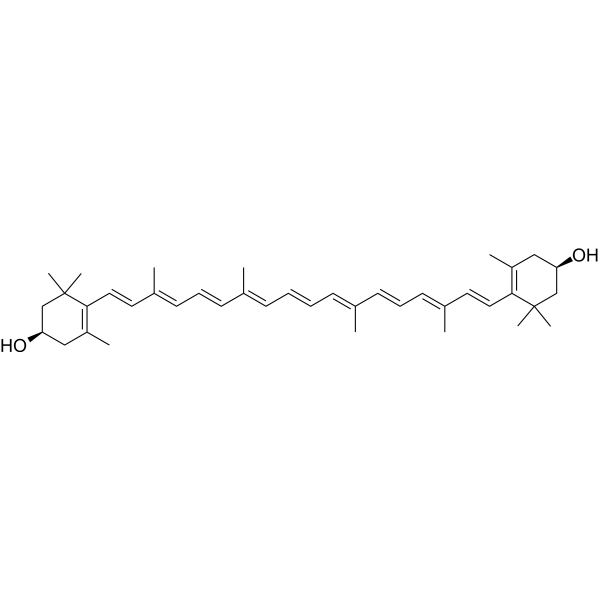
  • HY-120318
    Zeaxanthin
    2 Publications Verification

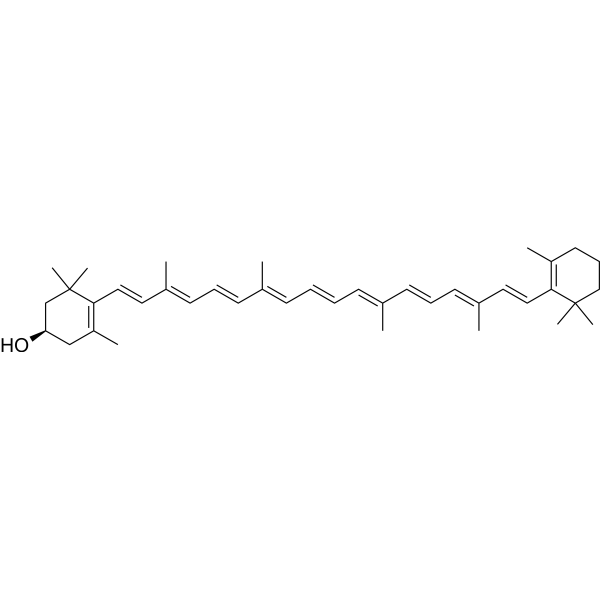
    Endogenous Metabolite Inflammation/Immunology Cancer
    Zeaxanthin, a diet-obtained carotenoid, presents in the macula region of the eye. Zeaxanthin shows antioxidant effects .
    Zeaxanthin
  • HY-N2302
    Fucoxanthin
    10+ Cited Publications

    all-trans-Fucoxanthin

    Bacterial PPAR c-Myc NO Synthase Caspase ERK Infection Cardiovascular Disease Metabolic Disease Inflammation/Immunology Cancer
    Fucoxanthin (all-trans-Fucoxanthin) is a marine carotenoid and shows anti-obesity, anti-diabetic, anti-oxidant, anti-inflammatory and anticancer activities .
    Fucoxanthin
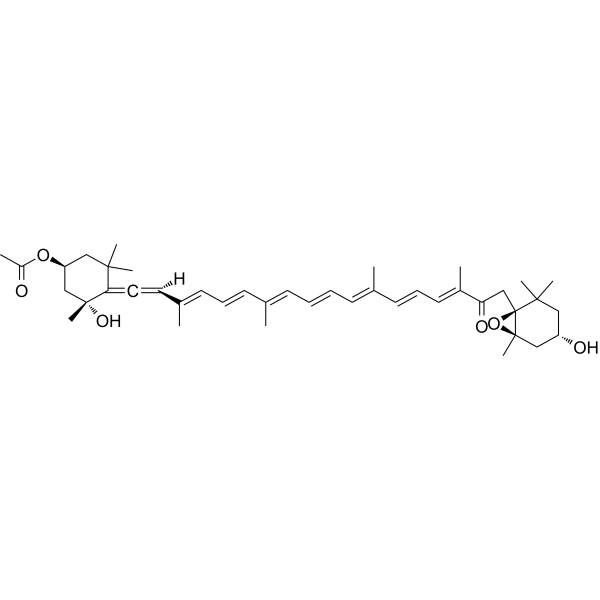
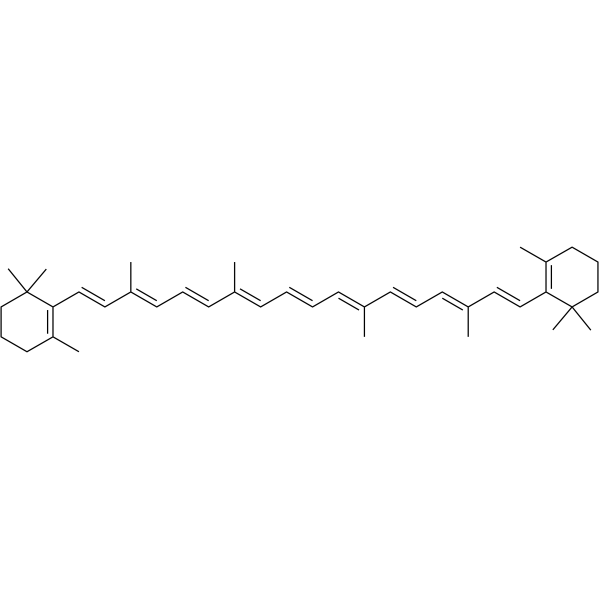
  • HY-N0411
    β-Carotene
    2 Publications Verification

    Provitamin A; beta-Carotene

    Environmental Pollutants Endogenous Metabolite Reactive Oxygen Species (ROS) Apoptosis Metabolic Disease Cancer
    β-Carotene (Provitamin A), a carotenoid compound, is a naturally-occurring vitamin A precursor. β-Carotene is a modulator of reactive oxygen species (ROS), with antioxidant and antiinflammatory activities. β-Carotene may serve as an antioxidant or as a prooxidant, depending on its intrinsic properties as well as on the redox potential of the biological environment in which it acts. β-Carotene induces breast cancer cells apoptosis, with anticancer activities .
    β-Carotene
  • HY-B1960
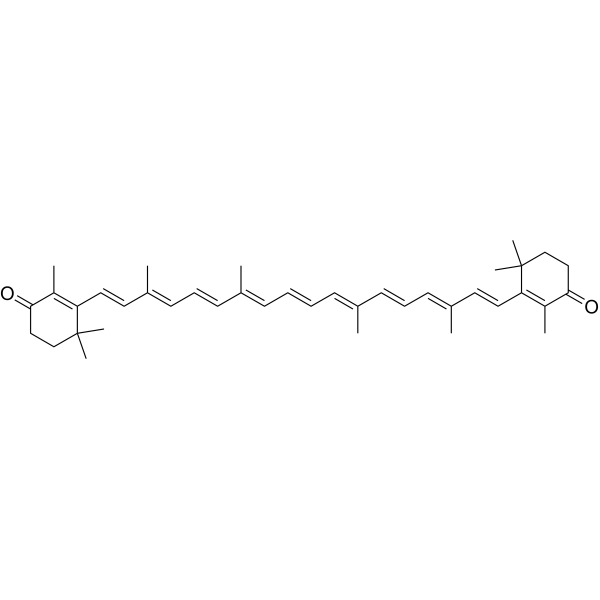
    Canthaxanthin
    3 Publications Verification

    E 161g; all-trans-Canthaxanthin

    Reactive Oxygen Species (ROS) Endogenous Metabolite Inflammation/Immunology Cancer
    Canthaxanthin is a red-orange carotenoid with various biological activities, such as antioxidant, antitumor properties.
    Canthaxanthin
  • HY-N6677

    Apocarotenal

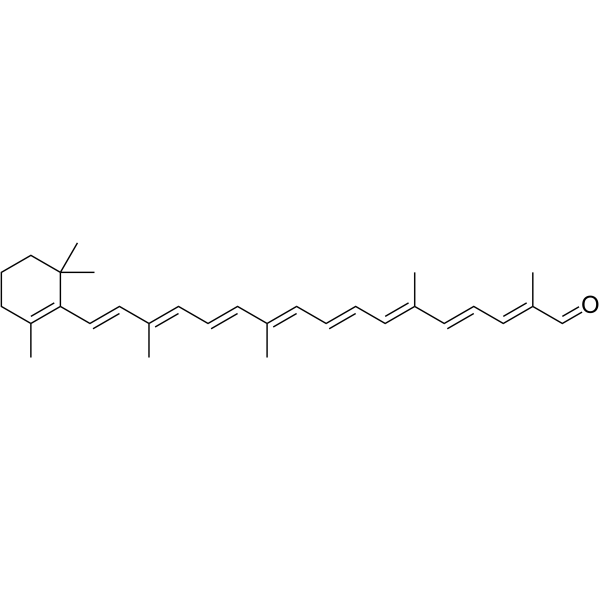
    Cytochrome P450 DNA/RNA Synthesis Metabolic Disease Cancer
    β-Apo-8'-carotenal (Apocarotenal), an orally active provitamin A carotenoid. β-Apo-8'-carotenal can induce the expression of CYP1A through the Ah receptor-dependent pathway. β-Apo-8'-carotenal can induce cancer cells DNA strand breaks and lipid peroxidation. β-Apo-8'-carotenal can be used for the researches of cancer and metabolic disease .
    β-​Apo-​8'-​carotenal
  • HY-N0411R

    Provitamin A (Standard); beta-Carotene (Standard)

    Reference Standards Endogenous Metabolite Apoptosis Reactive Oxygen Species (ROS) Metabolic Disease Cancer
    β-Carotene (Standard) is the analytical standard of β-Carotene. This product is intended for research and analytical applications. β-Carotene (Provitamin A), a carotenoid compound, is a naturally-occurring vitamin A precursor. β-Carotene is a modulator of reactive oxygen species (ROS), with antioxidant and antiinflammatory activities. β-Carotene may serve as an antioxidant or as a prooxidant, depending on its intrinsic properties as well as on the redox potential of the biological environment in which it acts. β-Carotene induces breast cancer cells apoptosis, with anticancer activities .
    β-Carotene (Standard)
  • HY-107425A

    PROTACs Epigenetic Reader Domain Cancer
    cis-MZ 1 is a cis isomer of meso-zeaxanthin, a xanthophyll carotenoid component of total zeaxanthin measured in serum and egg yolks.cis-MZ 1 is a triphenyltin benzoate that adopts either a tetrahedral monomeric structure (I) or a trans-SnR3O2 polymeric structure (III), with structure determined by a balance of steric and electronic factors .
    cis-MZ 1
  • HY-N10991

    Drug Derivative Others
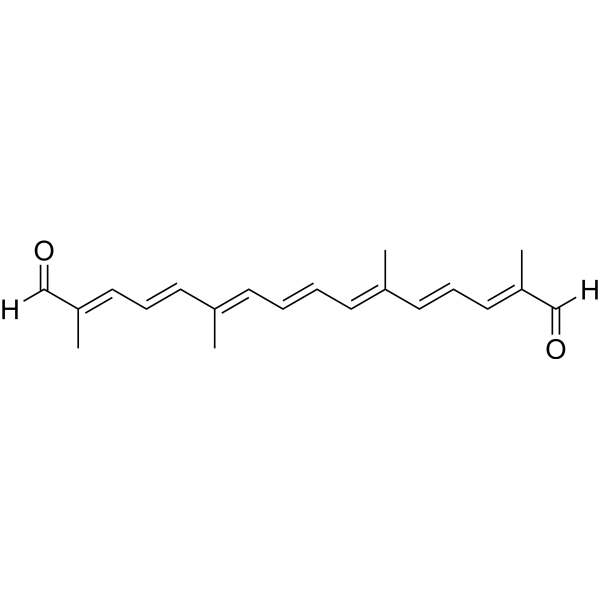
    Crocetin dialdehyde is a non-volatile apocarotenoid obtained by the action of the plastidic enzyme CCD2 over the carotenoid zeaxanthin in saffron. Crocetin dialdehyde can be converted into Crocetin (HY-N2072) by aldehyde dehydrogenases (ALDHs). Crocetin dialdehyde has no effect on the liver in mice .
    Crocetin dialdehyde
  • HY-108059

    (3R)-β-Cryptoxanthin

    Drug Derivative Neurological Disease Metabolic Disease Inflammation/Immunology Cancer
    β-Cryptoxanthin ((3R)-β-Cryptoxanthin) is an orally active carotenoid found in fruits and vegetables such as angerines, red peppers, and pumpkin. β-Cryptoxanthin inhibits prevents osteoclast formation and inhibits bone resorption. β-Cryptoxanthin maintains retinol status in vivo. β-cryptoxanthin shows anti-inflammation and anticancer activity. β-Cryptoxanthin can be used for the researches of osteoporosis and bladder carcer .
    β-Cryptoxanthin
  • HY-N9182

    Physalien

    Adiponectin Receptor P2X Receptor Autophagy Inflammation/Immunology
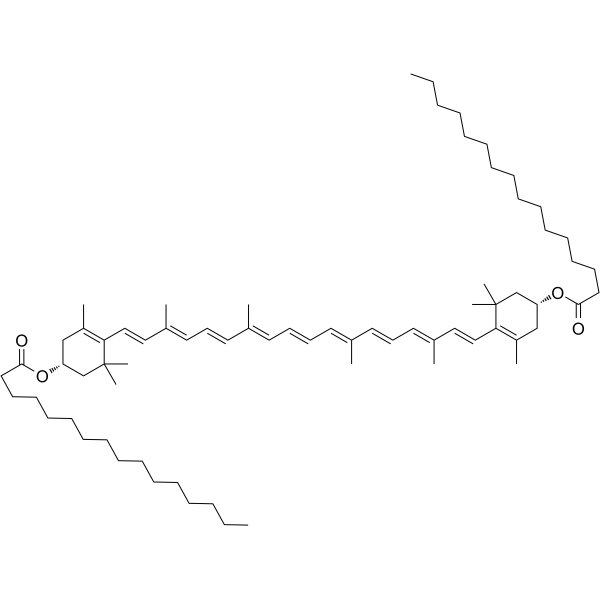
    Zeaxanthin dipalmitate (Physalien) is a wolfberry-derived carotenoid, has anti-inflammatory and anti-oxidative stress effects. Zeaxanthin dipalmitate directly interact with p2X7 receptor (Kd=81.2 nM) and adiponectin receptor 1 (AdipoR1; Kd=533 nM) in a positive dose-dependent manner. Zeaxanthin dipalmitate restores mitochondrial autophagy functions suppressed by ethanol intoxication. Zeaxanthin dipalmitate can be used in the research of alcoholic fatty liver disease (AFLD) and retinitis pigmentosa (RP) .
    Zeaxanthin dipalmitate
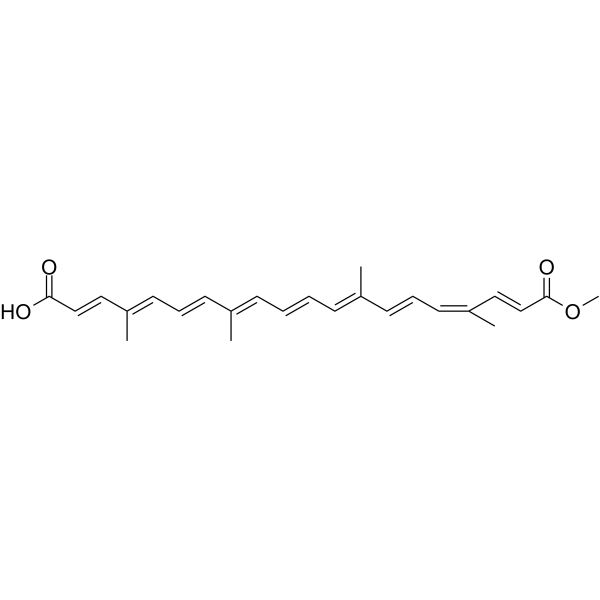
  • HY-N15637

    Apoptosis Cancer
    Torularhodin is a carotenoid with anti-cancer activity. Torularhodin induces apopotsis of tumor cells and can be used for the study of prostate cancer .
    Torularhodin
  • HY-W040206

    Environmental Pollutants Acetolactate Synthase (ALS) Herbicide Others
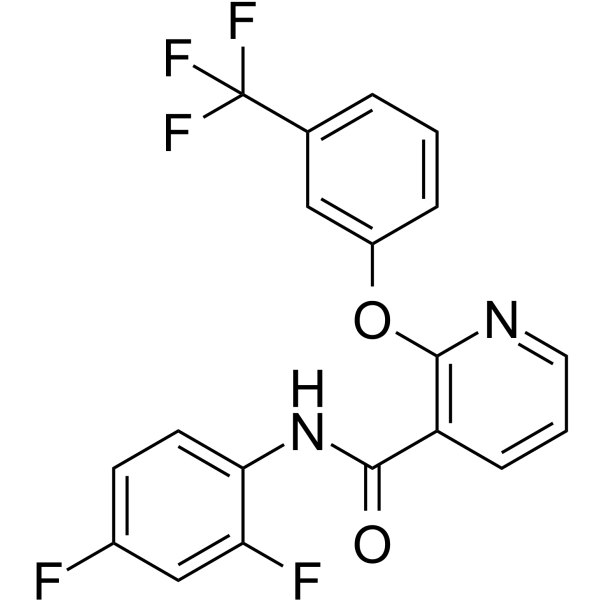
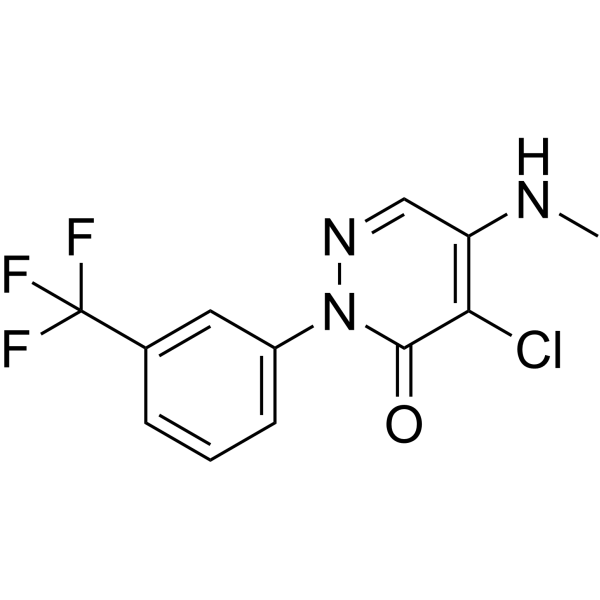
    Diflufenican is a Herbicide. Diflufenican inhibits phytoene desaturase (PDS) in the carotenoid synthesis pathway. Diflufenican suppresses the production of PDS, blocks carotenoid biosynthesis, thereby inducing chlorophyll destruction and cell membrane rupture, and ultimately causes the death of broadleaf weeds. The combination of Diflufenican and Flufenacet can be used to control Lolium rigidum populations resistant to ALS/ACCase .
    Diflufenican
  • HY-N9371

    Dicrocin

    Endogenous Metabolite Others
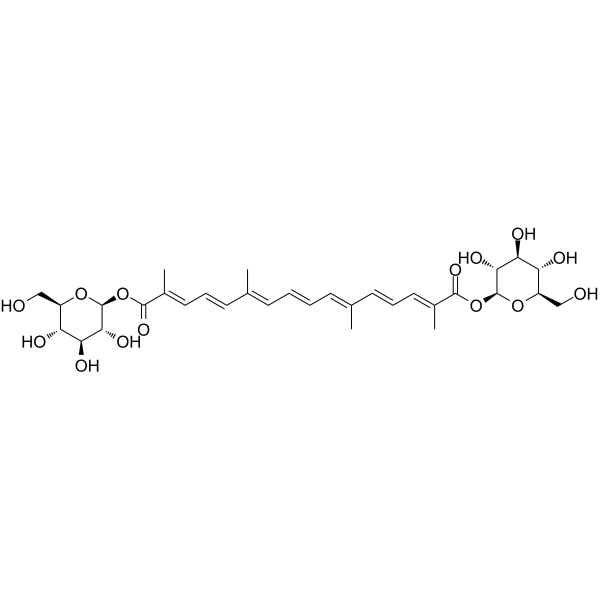
    Crocin IV (Dicrocin), a crocetin glycoside, is a carotenoid pigment. Crocin IV has potent antioxidant activity .
    Crocin IV
  • HY-W040194

    Environmental Pollutants Herbicide Metabolic Disease
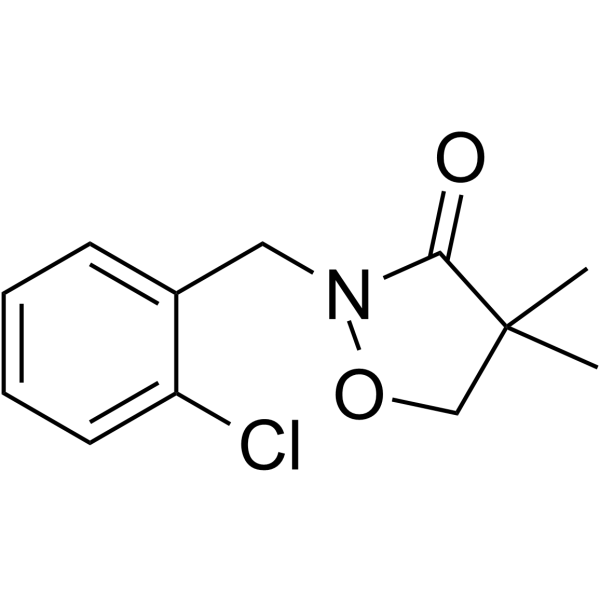
    Clomazone is a broad spectrum herbicide, mainly used to control annual broadleaf weeds and grass weeds in various crops such as rice, soybeans, and peanuts. Clomazone inhibits carotenoid biosynthesis, and treated plants show typical "albinism" symptoms due to the destruction of chloroplast membrane structure leading to chlorophyll degradation. Clomazone exhibits multiple toxic effects on non-target organisms, including aquatic lethality, developmental malformations, liver damage, mitochondrial dysfunction, and hematotoxicity .
    Clomazone
  • HY-137910

    Environmental Pollutants HPPD Herbicide Infection
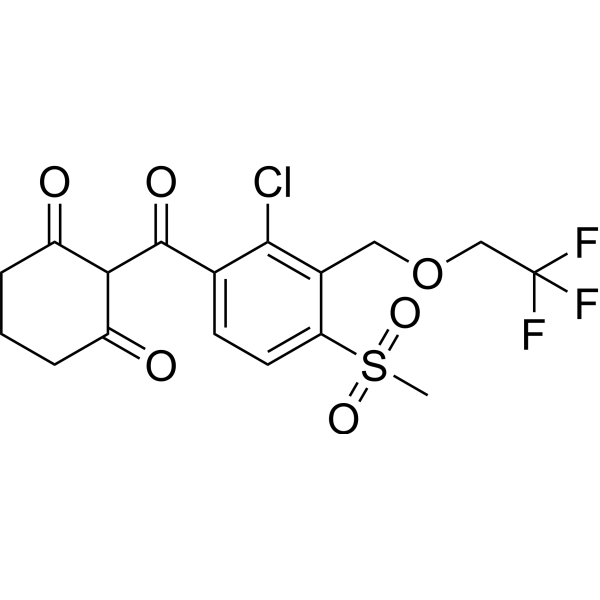
    Tembotrione is a herbicide belonging to the HPPD (dioxygenase) inhibitor class with crop selectivity. Tembotrione effectively controls a variety of weeds including broadleaf and gramineous species by disrupting carotenoid synthesis, which leads to chlorophyll degradation and leaf whitening. Mixing Tembotrione with isoxaflutole or adding surfactants optimizes its efficacy and reduces phytotoxicity, with no residual impact on subsequent cruciferous crops, thus helping to increase maize grain yield. The activity of Tembotrione decreases under drought conditions, and under specific conditions (such as double-dose treatment), it may cause reversible yellowing and even yield reduction in crops such as poppy .
    Tembotrione
  • HY-114849

    SAN 9789

    Environmental Pollutants Herbicide Others
    Norflurazon (SAN 9789) is a bleaching herbicide. Norflurazon can block carotenoid biosynthesis by inhibiting phytoene desaturase activity .
    Norflurazon
  • HY-N6884
    Bixin
    2 Publications Verification

    Reactive Oxygen Species (ROS) Apoptosis Cardiovascular Disease Inflammation/Immunology Cancer
    Bixin is an orally active carotenoid found in the seeds of Bixa orellana. Bixin induces apoptosis in cancer cells. Bixin possessing anti-inflammatory, anti-tumor and anti-oxidant activities. Bixin treatment ameliorated cardiac dysfunction through inhibiting fibrosis, inflammation and reactive oxygen species (ROS) generation .
    Bixin
  • HY-W750676

    AstaREAL; AstaXin; BioAstin

    Endogenous Metabolite Metabolic Disease
    rac-Astaxanthin is a carotenoid pigment found primarily in marine animals including shrimp and salmon. It is a potent lipid-soluble antioxidant.
    (rac./meso)-Astaxanthin
  • HY-N15686

    Torulin

    Apoptosis Androgen Receptor Bcl-2 Family MMP Cancer
    Torulene (Torulin) is an orally active carotenoid with anti-cancer activity. Torulene inhibits proliferation and induces apoptosis of tumor cells via a mitochondrial signal pathway and the down-regulation of androgen receptor (AR) expression. Torulene can be used for the study of prostate cancer .
    Torulene
  • HY-W743654

    Apoptosis Cancer
    Capsorubin is a carotenoid found in peppers with multiple biological activities. Capsorubin (167 μM) inhibits lipid peroxidation induced by 2,2'-azobis(2,4-dimethylvaleronitrile) (AMVN) in vitro. Capsorubin (1 μM) reduces UVB-induced DNA strand breaks and apoptosis in human dermal fibroblasts. Capsorubin also inhibits Epstein-Barr virus early antigen (EBV-EA) activation induced by phorbol 12-myristate 13-acetate in Raji cells, a marker of tumorigenesis.
    Capsorubin
  • HY-174423

    NC-656

    Herbicide Others
    Iptriazopyrid (NC-656) is an azole carboxamide herbicide targeting 4-hydroxyphenylpyruvate dioxygenase (HPPD) with a Ki value of 24.3 nM for Arabidopsis HPPD and 33.3 nM for rice HPPD. Iptriazopyrid blocks plastoquinone and carotenoid synthesis, leading to weed chlorosis and death. Iptriazopyrid is promising for research of controlling weeds such as Echinochloa crus-galli in paddy fields .
    Iptriazopyrid
  • HY-N2302R

    all-trans-Fucoxanthin (Standard)

    Reference Standards Bacterial PPAR c-Myc NO Synthase Caspase ERK Infection Cardiovascular Disease Metabolic Disease Inflammation/Immunology Cancer
    Fucoxanthin (Standard) is the analytical standard of Fucoxanthin. This product is intended for research and analytical applications. Fucoxanthin (all-trans-Fucoxanthin) is a marine carotenoid and shows anti-obesity, anti-diabetic, anti-oxidant, anti-inflammatory and anticancer activities .
    Fucoxanthin (Standard)
  • HY-N9625

    Photosystem II Others
    Violaxanthin is a lipophilic epoxy carotenoid and a light energy scavenger with biological activities such as antioxidation and anti-inflammation. Violaxanthin exists in photosynthetic eukaryotes including higher plants and participates in the xanthophyll cycle. As a component of the xanthophyll cycle, violaxanthin can be synthesized from zeaxanthin under the catalysis of epoxidase and scavenge excess light energy in photosynthetic eukaryotes .
    Violaxanthin
  • HY-113326

    trans-Phytoene

    Reactive Oxygen Species (ROS) Cancer
    Phytoene (trans-Phytoene) is a carotene pigment. Phytoene is the precursor of all carotenoids. Phytoene is the predominant PT isomer in most carotenogenic organisms. Phytoene can delay the skin tumors appearance and reduce their number in mice that are induced the tumors with UV-B light. Phytoene leads to protection against oxidative stress and malignant transformation. Phytoene inhibits the proliferation of breast cancer cells .
    Phytoene
  • HY-N7523

    DNA/RNA Synthesis Apoptosis Cancer
    Neoxanthin is a major xanthophyll carotenoid and a precursor of the plant hormone abscisic acid in dark green leafy vegetables. Neoxanthin is a potent antioxidant and light-harvesting pigment. Neoxanthin induces apoptosis and has anticancer actions .
    Neoxanthin
  • HY-W750676R

    AstaREAL (Standard); AstaXin (Standard); BioAstin (Standard)

    Endogenous Metabolite Reference Standards Metabolic Disease
    (rac./meso)-Astaxanthin (Standard) is the analytical standard of (rac./meso)-Astaxanthin. This product is intended for research and analytical applications. rac-Astaxanthin is a carotenoid pigment found primarily in marine animals including shrimp and salmon. It is a potent lipid-soluble antioxidant.
    (rac./meso)-Astaxanthin (Standard)
  • HY-W743654R

    Apoptosis Reference Standards Cancer
    Capsorubin (Standard) is the analytical standard of Capsorubin. This product is intended for research and analytical applications. Capsorubin is a carotenoid found in peppers with multiple biological activities. Capsorubin (167 μM) inhibits lipid peroxidation induced by 2,2'-azobis(2,4-dimethylvaleronitrile) (AMVN) in vitro. Capsorubin (1 μM) reduces UVB-induced DNA strand breaks and apoptosis in human dermal fibroblasts. Capsorubin also inhibits Epstein-Barr virus early antigen (EBV-EA) activation induced by phorbol 12-myristate 13-acetate in Raji cells, a marker of tumorigenesis.
    Capsorubin (Standard)
  • HY-N0411S4

    Provitamin A-13C10; beta-Carotene-13C10

    Isotope-Labeled Compounds Endogenous Metabolite Apoptosis Reactive Oxygen Species (ROS) Metabolic Disease Cancer
    β-Carotene- 13C10 (Provitamin A- 13C10) is the 13C-labeled β-Carotene (HY-N0411). β-Carotene (Provitamin A), a carotenoid compound, is a naturally-occurring vitamin A precursor. β-Carotene is a modulator of reactive oxygen species (ROS), with antioxidant and antiinflammatory activities. β-Carotene may serve as an antioxidant or as a prooxidant, depending on its intrinsic properties as well as on the redox potential of the biological environment in which it acts. β-Carotene induces breast cancer cells apoptosis, with anticancer activities .
    β-Carotene-13C10
  • HY-N15684

    Others Metabolic Disease
    Rhodoxanthin is a carotenoid. Rhodoxanthin exerts antioxidant activity via free radical scavenging and lipid peroxidation inhibition. Rhodoxanthin is promising for research of oxidative stress-related diseases (e.g., UV-induced skin damage) .
    Rhodoxanthin
  • HY-B1960R

    E 161g (Standard); all-trans-Canthaxanthin (Standard)

    Reference Standards Reactive Oxygen Species (ROS) Endogenous Metabolite Inflammation/Immunology Cancer
    Canthaxanthin (Standard) is the analytical standard of Canthaxanthin. This product is intended for research and analytical applications. Canthaxanthin is a red-orange carotenoid with various biological activities, such as antioxidant, antitumor properties.
    Canthaxanthin (Standard)
  • HY-W750678

    Apoptosis Caspase Inflammation/Immunology
    9-cis-Canthaxanthin is a carotenoid with pro-apoptotic activity in THP-1 macrophage cells. 9-cis-Canthaxanthin induces cell apoptosis by increasing caspase-3 and caspase-8 activity .
    9-cis-Canthaxanthin
  • HY-N15660

    Keap1-Nrf2 Heme Oxygenase (HO) Cardiovascular Disease Inflammation/Immunology
    Azafrin, a carotenoid, is one of the most abundant active ingredients in C. grandiflora. Azafrin increases HO-1, NQO1, and Nrf2 expression. Azafrin shows cardioprotective effect against myocardial injury via activation of the Nrf2-ARE pathway. Azafrin can be used for research of cardiovascular diseases .
    Azafrin
  • HY-W750694

    Drug Derivative Others
    β-Cryptoxanthin palmitate is a carotenoid, and is abundant in peels. Carotenoids are important biological active, and may regulate cellular differentiation, growth control, photooxidative protection, cell membrane stability, photosynthesis, vision process and nutrition .
    β-Cryptoxanthin palmitate
  • HY-D1290

    Fluorescent Dye Others
    Antheraxanthin, carotenoid, is a photoprotective pigment found in a chromophyte alga .
    Antheraxanthin
  • HY-W750675

    Astaxanthin palmitate

    Drug Derivative Others
    Astaxanthin monopalmitate (Astaxanthin palmitate) is an esterified form of Astaxanthin (HY-B2163) (a carotenoid). Astaxanthin monopalmitate degradation resulted in a mixture of free and palmitate apo-astaxanthins. Carotenoids are important biological active, and may regulate cellular differentiation, growth control, photooxidative protection, cell membrane stability, photosynthesis, vision process and nutrition .
    Astaxanthin monopalmitate
  • HY-W750692

    Drug Derivative Others
    β-Citraurin is a carotenoid. Jasmonates induce β-Citraurin biosynthesis in citrus by activating a CsMPK6-CsMYC2 cascade, thereby affecting fruit coloration .
    β-Citraurin
  • HY-N11697

    P-glycoprotein Cancer
    α-Cryptoxanthin is a natural carotenoid with anticancer effects. α-Cryptoxanthin inhibits multidrug resistance 1 (MDR1) mediated efflux pump .
    α-Cryptoxanthin
  • HY-W750716

    Taraxanthin; Lutein 5,6-epoxide

    Endogenous Metabolite Others
    Lutein epoxide is a carotenoid. Lutein epoxide can be converted into Lutein (HY-N6947) under the action of light. Lutein epoxide can be used to study the photoprotection mechanism of plants .
    Lutein epoxide
  • HY-N15440

    Citroxanthin

    Reactive Oxygen Species (ROS) Endogenous Metabolite Inflammation/Immunology Cancer
    Mutatochrome (Citroxanthin) is a naturally occurring carotenoid pigment found in certain plants. Mutatochrome has antioxidant property to help protect cells from damage caused by free radicals. Mutatochrome can be used for anti-inflammatory and anticancer study .
    Mutatochrome
  • HY-N10183

    Reactive Oxygen Species (ROS) Neurological Disease
    Crocin-4, a carotenoid constituent of saffron, is a potent and brain-penetrant antioxidant agent. Crocin-4 can inhibit the aggregation and the concomitant deposition of Aβ fibrils in the brain. Crocin-4 can be used for the research of Alzheimer's Disease. Crocin-4 also exhibits antitumor and anti-inflammatory activities .
    Crocin-4
  • HY-W740803

    (15Z)-Phytofluene

    Drug Intermediate Drug Isomer Others
    15-cis-Phytofluene is a cis-isomer of Phytofluene. 15-cis-Phytofluene is an acyclic carotenoid. 15-cis-Phytofluene acts as a biosynthetic intermediate in carotenoid biosynthesis .
    15-cis-Phytofluene
  • HY-N15683

    Biochemical Assay Reagents Others
    3-Hydroxyechinenone is a chromophore of the orange carotenoid protein (OCP). 3-Hydroxyechinenone is involved in the photoprotective mechanism of the photosynthetic apparatus of cyanobacteria .
    3-Hydroxyechinenone
  • HY-170473

    Biochemical Assay Reagents Others
    Wheat germ oil is an oil with nutritional value, especially its high Vitamin E content. Wheat germ oil is rich in health- beneficial bioactive compounds, such as phytosterols, tocopherols, carotenoids, and omega-3 fatty acids .
    Wheat germ oil
  • HY-W750719

    Endogenous Metabolite Drug Intermediate Cancer
    Neurosporene is a carotenoid. Neurosporene is an intermediate in the synthesis of Lycopene (HY-N0287). Neurosporene can be isolated from date palm, Kocuria sp. GMA bacteria, and Anthurus archeri fungi. Neurosporene has antioxidant activity. Neurosporene can be used in the research of diseases such as cancer .
    Neurosporene
  • HY-W587784

    PPAR Metabolic Disease
    Norbixin is a carotenoid that has been found in B. orellana.It binds to PPARγ in a cell-free assay (Ki = 1.15 μM) . Norbixin attenuates hyperglycemia, hyperinsulinemia, and insulin resistance, as well as decreases serum lipid levels and cardiac levels of thiobarbituric acid reactive substances (TBARS) and glutathione (GSH) in a rat model of cardio-metabolic syndrome .
    Norbixin
  • HY-W719989

    Drug Intermediate Metabolic Disease
    γ-Carotene is a carotenoid found in Hippophae rhamnoides L. and peach palm fruits. γ-Carotene exhibits no significant inhibitory activity against self-activated hepatic stellate cells in vitro. γ-Carotene can be converted into retinol (Vitamin A) (HY-B1342) and can be used for the research of vitamin A deficiency [2].
    γ-Carotene
  • HY-N6884R

    Reference Standards Reactive Oxygen Species (ROS) Apoptosis Cardiovascular Disease Inflammation/Immunology Cancer
    Bixin (Standard) is the analytical standard of Bixin. This product is intended for research and analytical applications.Bixin is an orally active carotenoid found in the seeds of Bixa orellana. Bixin induces apoptosis in cancer cells. Bixin possessing anti-inflammatory, anti-tumor and anti-oxidant activities. Bixin treatment ameliorated cardiac dysfunction through inhibiting fibrosis, inflammation and reactive oxygen species (ROS) generation.
    Bixin (Standard)

Inquiry Online

Your information is safe with us. * Required Fields.

Salutation


Country or Region *

Applicant Name *


Organization Name *

Department *


Email Address *


Product Name *

Cat. No.


Requested quantity *

Phone Number *


Remarks

Inquiry Online

Inquiry Information

Product Name:
Cat. No.:
Quantity:
MCE Japan Authorized Agent:

