Search Result
Results for "
Chinese Hamster Ovary
" in MedChemExpress (MCE) Product Catalog:
3
Isotope-Labeled Compounds
| Cat. No. |
Product Name |
Target |
Research Areas |
Chemical Structure |
-
- HY-17372
-
|
MK 966
|
COX
|
Inflammation/Immunology
Cancer
|
|
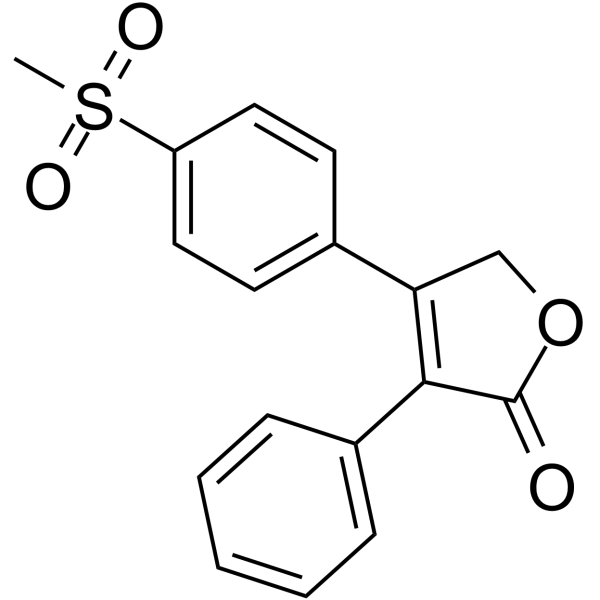
Rofecoxib is a potent, specific and orally active COX-2 inhibitor, with IC50s of 26 and 18 nM for human COX-2 in human osteosarcoma cells and Chinese hamster ovary cells, with a 1000-fold selectivity for COX-2 over human COX-1 (IC50 > 50 μM in U937 cells and > 15 μM in Chinese hamster ovary cells).
|
-
-
- HY-B0528A
-
|
(±)-p-Octopamine hydrochloride
|
Adrenergic Receptor
Endogenous Metabolite
|
Neurological Disease
Endocrinology
|
|
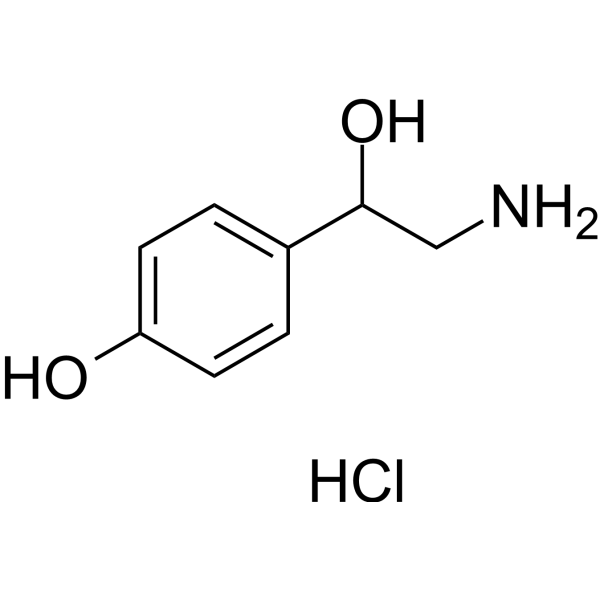
Octopamine ((±)-p-Octopamine) hydrochloride, a biogenic monoamine structurally related to noradrenaline, acts as a neurohormone, a neuromodulator and a neurotransmitter in invertebrates. Octopamine hydrochloride can stimulate alpha2-adrenoceptors (ARs) in Chinese hamster ovary cells transfected with human alpha2-ARs. Octopamine hydrochloride increased glycogenolysis, glycolysis, oxygen uptake, gluconeogenesis and the portal perfusion pressure .
|
-
-
- HY-W017113
-
|
|
Environmental Pollutants
Endogenous Metabolite
|
Metabolic Disease
|
|
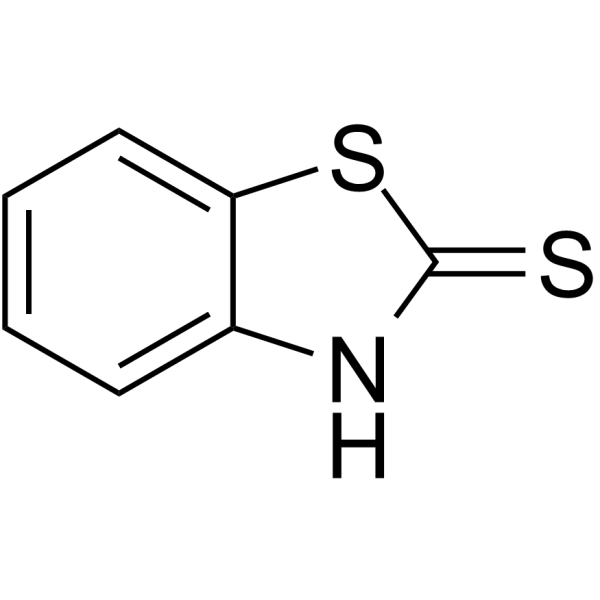
2-Mercaptobenzothiazole is an activator of the aryl hydrocarbon receptor (AhR) , inhibiting thyroid hormone synthesis and dopamine beta-hydroxylase activity . 2-Mercaptobenzothiazole promotes bladder cancer cell invasion by altering the conformation of the AhR ligand binding domain (LBD), activating AhR transcription, and upregulating the mRNA and protein expression of target genes CYP1A1 and CYP1B1 . 2-Mercaptobenzothiazole inhibits thyroid peroxidase (TPO) with an IC50 value of 11.5 μM, induces histological changes such as follicular cell hypertrophy in Xenopus laevis tadpoles, delaying metamorphosis . 2-Mercaptobenzothiazole increases chromosomal aberrations and sister chromatid exchanges (SCEs) in Chinese hamster ovary (CHO) cells, and enhances carcinogenicity in F344/N rats . 2-Mercaptobenzothiazole inhibits norepinephrine synthesis in mice and completely blocks the conversion of exogenous dopamine to norepinephrine in rat cardiomyocytes .
|
-
-
- HY-P99828
-
|
PF-06523435; hu24
|
ADC Antibody
RET
PERK
ROR
|
Cancer
|
|
Cofetuzumab (PF-06523435) is a humanized IgG1-κ monoclonal antibody targeting PTK7. The expression system of Cofetuzumab is typically CHO (Chinese hamster ovary) cells. Cofetuzumab downregulates PTK7 expression, modulates its downstream signaling pathways, and inhibits tumor sphere formation of ovarian cancer cells. Cofetuzumab can be used to synthesize the ADC molecule Cofetuzumab pelidotin (HY-P99829). Cofetuzumab is applicable to the research of tumors such as ovarian cancer .
|
-

-
- HY-42680
-
|
D-(-)-Tagatose
|
Endogenous Metabolite
|
Metabolic Disease
Inflammation/Immunology
Cancer
|
|
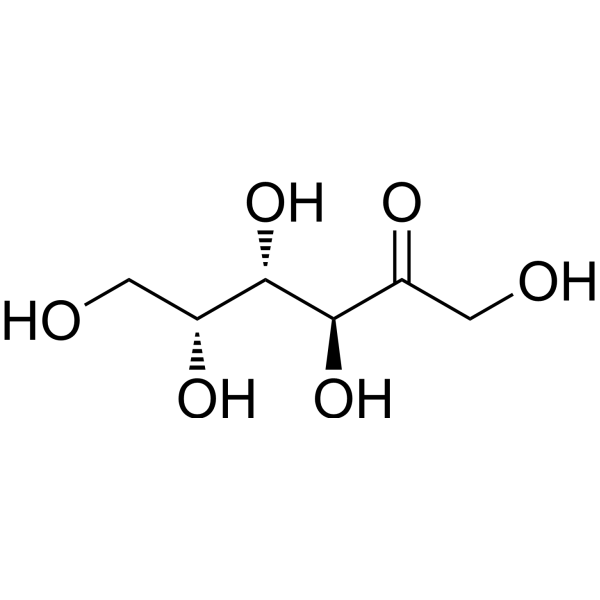
D-Tagatose (D-(-)-Tagatose) is a natural low-calorie rare sugar. D-Tagatose inhibits the activities of sucrase, maltase and intestinal disaccharidases, reduces the digestion of sucrose and starch, and blocks the absorption of sucrose, maltose and glucose. D-Tagatose promotes glucokinase activity and inhibits glycogen phosphorylase activity via tagatose-1-phosphate, regulates the synthesis and decomposition of hepatic glycogen, reduces postprandial and fasting blood glucose levels, and improves hyperinsulinemia. D-Tagatose regulates lipid profiles, stimulates GLP-1 secretion, and exhibits prebiotic effects. D-Tagatose is a bulking sweetener. D-Tagatose can be used in research related to diabetes, hyperlipidemia, dental caries, atherosclerosis and type 2 diabetes .
|
-
-
- HY-10898
-
-
-
- HY-19436
-
|
GW 427353
|
Adrenergic Receptor
|
Metabolic Disease
Endocrinology
|
|
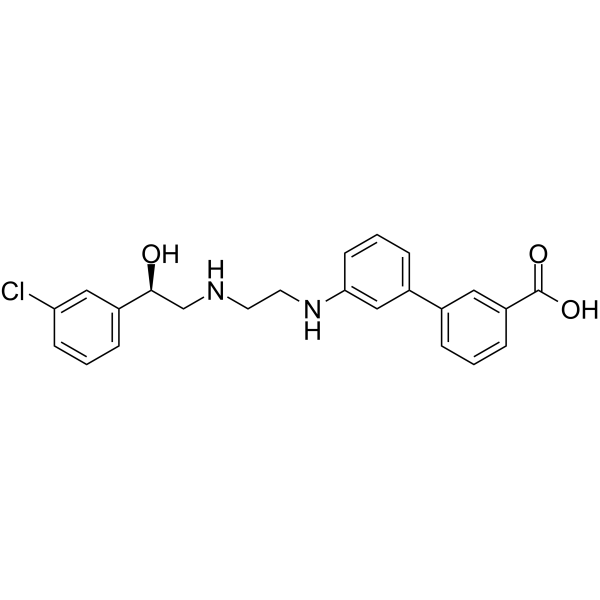
Solabegron (GW 427353) is a selective β3-adrenergic receptor agonist, stimulating cAMP accumulation in Chinese hamster ovary cells expressing the human β3-AR, with an EC50 value of 22 nM . Solabegron (GW 427353) is being developed for the treatment of overactive bladder and irritable bowel syndrome .
|
-
-
- HY-121267
-
|
|
Environmental Pollutants
DNA/RNA Synthesis
Herbicide
|
Others
|
|
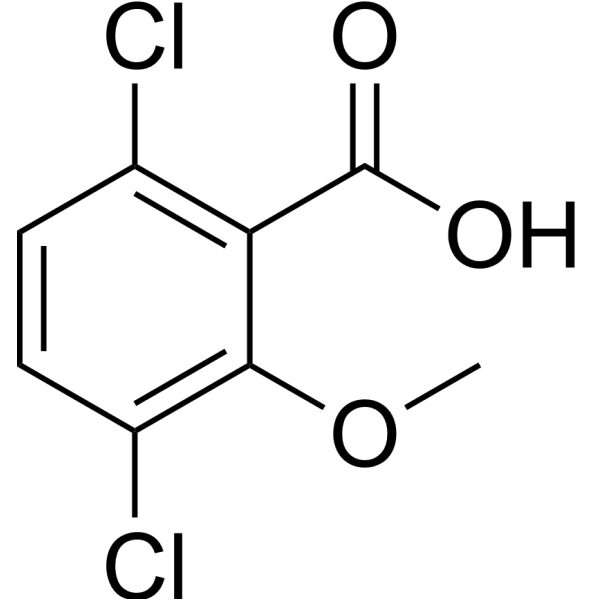
Dicamba is a herbicide. Dicamba is currently used in agriculture and gardening to control the growth of different unwanted vegetable species, mainly in cereal grain crops, but also on sugar cane and soybeans, among others. Dicambais induces significant DNA damage. Dicambais induces genotoxicity and cytotoxicity.
|
-
-
- HY-117213
-
|
S1P1-IN-Ex26
|
LPL Receptor
|
Neurological Disease
Metabolic Disease
Inflammation/Immunology
|
|
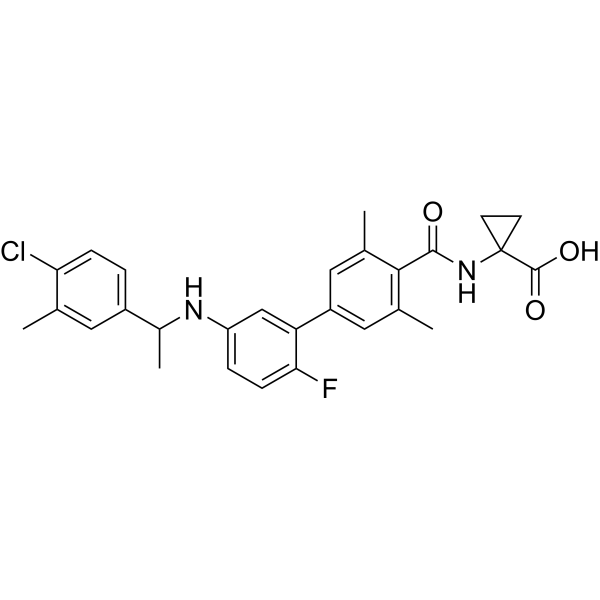
Ex26 (S1P1-IN-Ex26) is a potent and selective sphingosine 1-phosphate receptor 1 (S1P1) antagonist (IC50=0.93 nM). Ex26 shows >3,000-fold selectivity for S1P1 over other Sphingosine 1-phosphate receptors. Ex26 can be used in experimental autoimmune encephalomyelitis reseach .
|
-
-
- HY-119435
-
|
|
Herbicide
Environmental Pollutants
|
Others
|
|
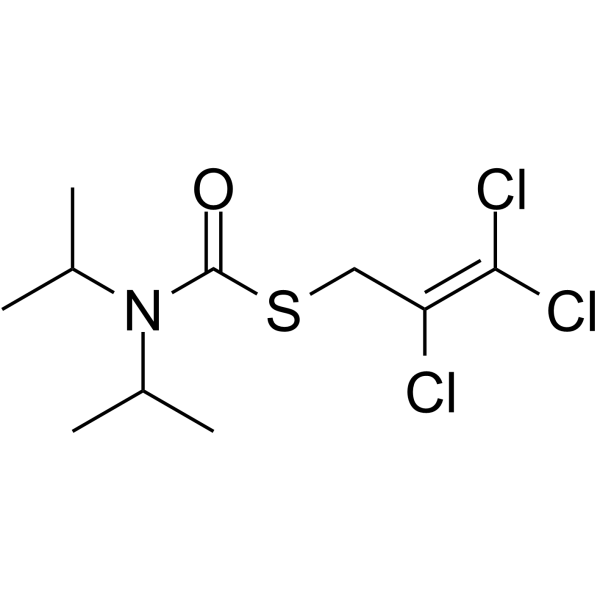
Triallate is a selective thiocarbamate herbicide. Triallate regulates the biosynthesis of very-long-chain fatty acids and inhibits the elongation and division of plant cells. Triallate is used to control wild oats in barley, spring wheat, durum wheat, winter wheat and sugar beets .
|
-
-
- HY-P99865
-
|
AK-119
|
CD73
|
Others
|
|
Dresbuxelimab (AK-119) is an IgG-κ monoclonal antibody targeting CD73. The expression system is usually CHO (Chinese Hamster Ovary) cells .
|
-

-
- HY-B0460
-
|
BA-679 BR monohydrate
|
mAChR
|
Inflammation/Immunology
|
|
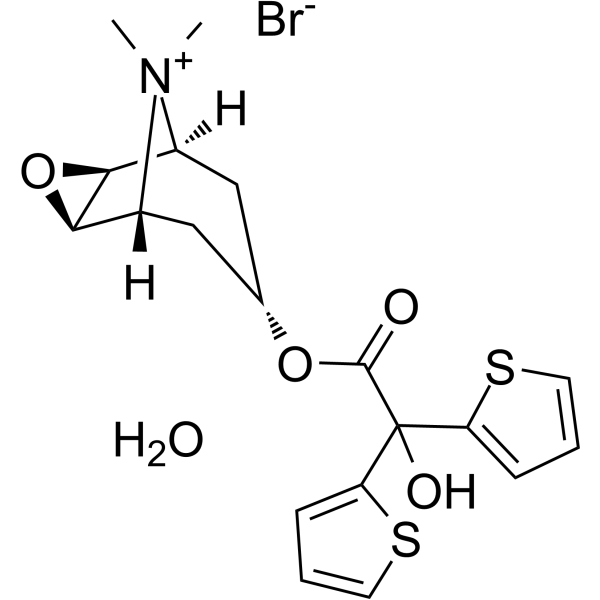
Tiotropium bromide monohydrate (BA-679 BR monohydrate) is a long-acting anticholinergic bronchodilator. Tiotropium bromide monohydrate blocks the action of acetylcholine at muscarinic M1, M2, and M3 receptors, prevents bronchoconstriction, and dilates bronchial airways. Tiotropium bromide monohydrate is applicable to research related to chronic obstructive pulmonary disease and asthma .
|
-
-
- HY-P1037
-
|
|
Motilin Receptor
|
Others
|
|
Motilin (26-47), human, porcine is an endogenous motilin receptor ligand with Ki and EC50 of 2.3 nM and 0.3 nM in a Chinese hamster ovary cell line.
|
-

-
- HY-N12109
-
|
|
Others
|
Others
|
|
Albizziin is an amino acid analog with activity as a competitive inhibitor of asparagine synthetase. Albizziin has been used to isolate Chinese hamster ovary cell mutants with altered levels of the target enzyme. Several mutational classes of albizziin can be distinguished based on cross-resistance to β-aspartic hydroxamic acid. Studies on asparagine synthetase have shown that resistance to albizziin may be associated with altered regulation of asparagine synthetase, structural mutations of the enzyme, and gene amplification .
|
-

-
- HY-B0528AR
-
|
(±)-p-Octopamine hydrochloride (Standard)
|
Reference Standards
Adrenergic Receptor
Endogenous Metabolite
|
Neurological Disease
Endocrinology
|
|
Octopamine (hydrochloride) (Standard) is the analytical standard of Octopamine (hydrochloride). This product is intended for research and analytical applications. Octopamine ((±)-p-Octopamine) hydrochloride, a biogenic monoamine structurally related to noradrenaline, acts as a neurohormone, a neuromodulator and a neurotransmitter in invertebrates. Octopamine hydrochloride can stimulate alpha2-adrenoceptors (ARs) in Chinese hamster ovary cells transfected with human alpha2-ARs. Octopamine hydrochloride increased glycogenolysis, glycolysis, oxygen uptake, gluconeogenesis and the portal perfusion pressure .
|
-

-
- HY-P99869
-
|
|
Interleukin Related
|
Others
|
|
Ebdarokimab (AK101) is a humanized IgG1-κ antibody, usually expressed in CHO (Chinese Hamster Ovary) cells .
|
-

-
- HY-P99844
-
|
ALPN-202; CD80 vIgD-Fc
|
CTLA-4
|
Cancer
|
|
Davoceticept (ALPN-202; CD80 vIgD-Fc) is a variant CD80 vIgD-Fc fusion protein targeting CTLA-4 and PD-L1. Davoceticept consists of the (1-107) fragment of CD80 linked to IGHG1 Fc via a peptidyl linker. The expression system of Davoceticept is usually CHO (Chinese Hamster Ovary) cells .
|
-

-
- HY-117507
-
|
|
5-HT Receptor
|
Neurological Disease
|
|
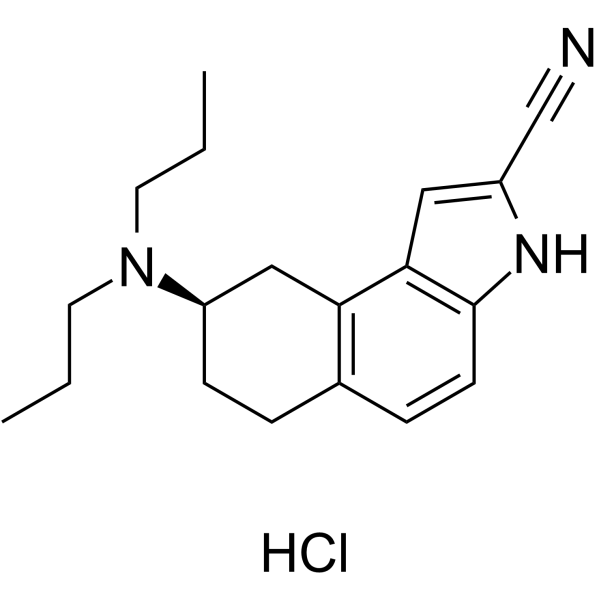
U92016A hydrochloride is a potent, metabolically stable, orally acitive 5-HT1A receptor agonist with an exceptionally high degree of intrinsic activity . U92016A hydrochloride binds with high affinity to human 5-HT1A receptors expressed in Chinese hamster ovary cells (Ki=0.2 nM) .
|
-
-
- HY-P991114
-
|
|
FLT3
|
Inflammation/Immunology
|
|
Adezkibart is a human monoclonal antibody immunosuppressant targeting the human FMS-like tyrosine kinase 3 ligand (FLT3LG). Adezkibart is found in the Chinese hamster ovary cell line CHO-K1, which binds to FLT3LG to block the relevant signaling pathway, inhibits the immune response, and exerts immunosuppressive activity. Adezkibart is promising for research of immune-related diseases .
|
-

-
- HY-B0528
-
|
|
Adrenergic Receptor
Endogenous Metabolite
|
Neurological Disease
Endocrinology
|
|
Octopamine is a biogenic monoamine structurally related to noradrenaline, acts as a neurohormone, a neuromodulator and a neurotransmitter in invertebrates. Octopamine can stimulate alpha2-adrenoceptors (ARs) in Chinese hamster ovary cells transfected with human alpha2-ARs. Octopamine increased glycogenolysis, glycolysis, oxygen uptake, gluconeogenesis and the portal perfusion pressure .
|
-

-
- HY-118944
-
|
|
Adrenergic Receptor
|
Endocrinology
|
|
L-748328 is a potent and selective human β3-adrenergic receptor antagonist. L-748328 has a Ki of 3.7 nM against human cloned β3-AR expressed in Chinese hamster ovary (CHO) cells. In addition, L-748328 inhibits the lipolytic response induced by the β3-AR agonist L-742791 in isolated non-human primate adipocytes .
|
-

-
- HY-P99871
-
|
AK102
|
PCSK9
|
Others
|
|
Ebronucimab (AK102) is an IgG1-λ2 antibody targeting PCSK9 and is primarily expressed by CHO DG44 (Chinese Hamster Ovary) cells .
|
-

-
- HY-P99892
-
|
PR-1594407; DC-1630423
|
EGFR
|
Others
|
|
Serclutamab is a humanized chimeric antibody targeting EGFR IgG1-κ. Mainly expressed by CHO (Chinese Hamster Ovary) cells .
|
-

-
- HY-114128
-
|
NN-7088; NN 7170
|
Factor VIII
|
Others
|
|
Turoctocog alfa pegol is a recombinant coagulation factor VIII (FVIII) from chinese hamster ovary (CHO) cells. Turoctocog alfa pegol can be used for researching haemophilia A .
|
-

-
- HY-17372S
-
|
|
Isotope-Labeled Compounds
COX
|
Inflammation/Immunology
Cancer
|
|
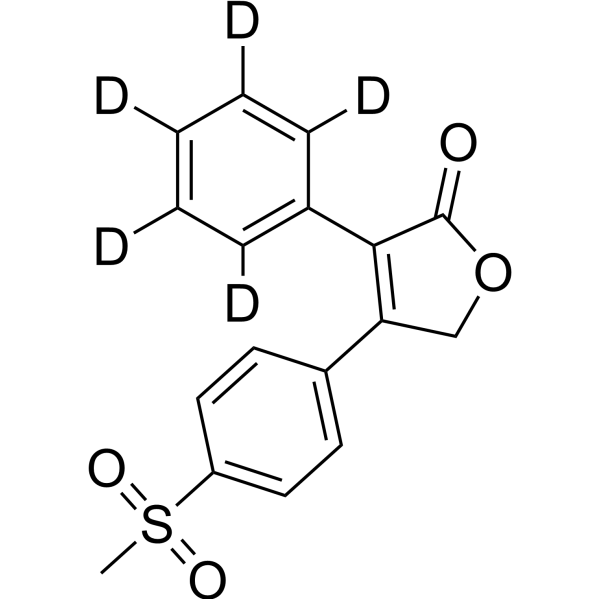
Rofecoxib-d5 is the deuterium labeled Rofecoxib. Rofecoxib is a potent, specific and orally active COX-2 inhibitor, with IC50s of 26 and 18 nM for human COX-2 in human osteosarcoma cells and Chinese hamster ovary cells, with a 1000-fold selectivity for COX-2 over human COX-1 (IC50 > 50 μM in U937 cells and > 15 μM in Chinese hamster ovary cells) .
|
-
-
- HY-116822
-
|
|
Neurokinin Receptor
|
Neurological Disease
|
|
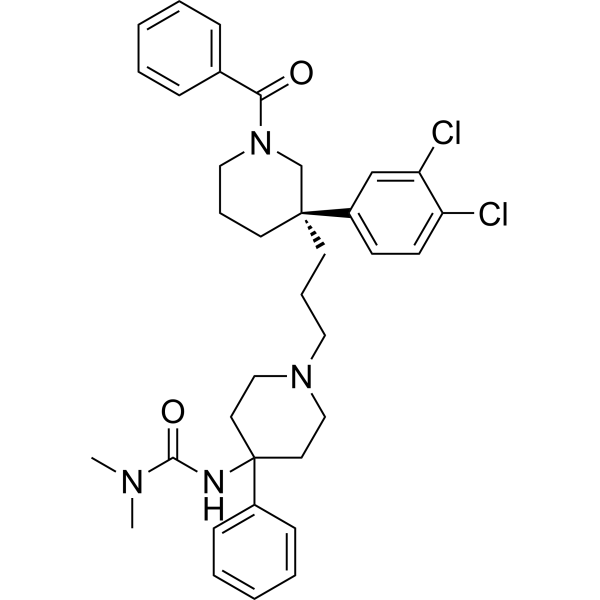
SSR 146977 is a potent and selective antagonist of the tachykinin NK3 receptor. SSR 146977 inhibits the binding of radioactive neurokinin B to NK3 receptors in Chinese hamster ovary cells, with a Ki of 0.26 nM .
|
-
-
- HY-122259
-
|
|
Antifolate
|
Cancer
|
|
AMPte-Glu-γ-Glu is a substrate for folylpoly-γ-glutamate synthetase (FPGS). AMPte-Glu-γ-Glu exhibits cytotoxicity against chinese hamster ovaries cells, with IC50s of 20, 350 and 3 nM, for Pro3, R2, and 43-10, respectively .
|
-

-
- HY-135957
-
|
N3dUrd
|
DNA/RNA Synthesis
|
Cancer
|
|
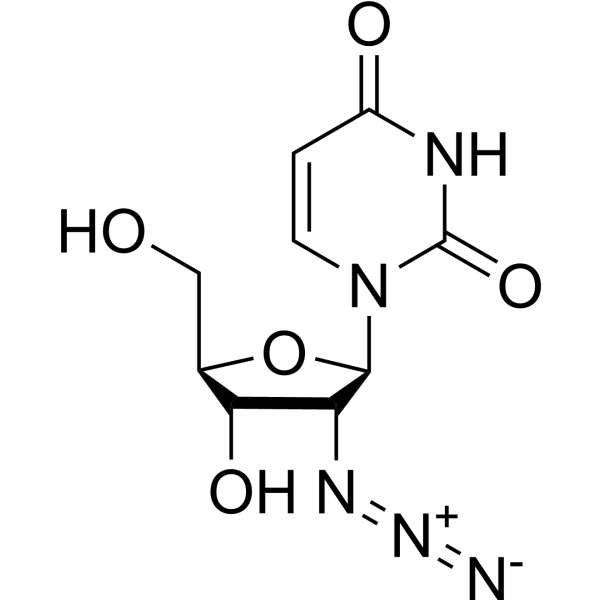
2'-Azido-2'-deoxyuridine (N3dUrd) is a ribonucleotide reductase inhibitor. 2'-Azido-2'-deoxyuridine has anti-cancer activity . 2'-Azido-2'-deoxyuridine is a click chemistry reagent, it contains an Azide group and can undergo copper-catalyzed azide-alkyne cycloaddition reaction (CuAAc) with molecules containing Alkyne groups. It can also undergo strain-promoted alkyne-azide cycloaddition (SPAAC) reactions with molecules containing DBCO or BCN groups.
|
-
-
- HY-17372R
-
|
MK 966 (Standard)
|
Reference Standards
COX
|
Inflammation/Immunology
Cancer
|
|
Rofecoxib (Standard) is the analytical standard of Rofecoxib. This product is intended for research and analytical applications. Rofecoxib is a potent, specific and orally active COX-2 inhibitor, with IC50s of 26 and 18 nM for human COX-2 in human osteosarcoma cells and Chinese hamster ovary cells, with a 1000-fold selectivity for COX-2 over human COX-1 (IC50 > 50 μM in U937 cells and > 15 μM in Chinese hamster ovary cells).
|
-

-
- HY-P99864
-
|
ZTS-00521505
|
Interleukin Related
|
Others
|
|
Dovanvetmab (ZTS-00521505) is an IgG1-κ antibody targeting Felcat IL31. Mainly expressed by CHO (Chinese Hamster Ovary) cells .
|
-

-
- HY-P99831
-
|
GB-221
|
EGFR
|
Others
Cancer
|
|
Coprelotamab (GB-221) is an IgG-κ monoclonal antibody targeting EGFR2. The commonly used expression system for Coprelotamab is CHO DG44 (Chinese Hamster Ovary) cells .
|
-

-
- HY-P5872
-
|
JZTX-XI
|
Sodium Channel
|
Neurological Disease
|
|
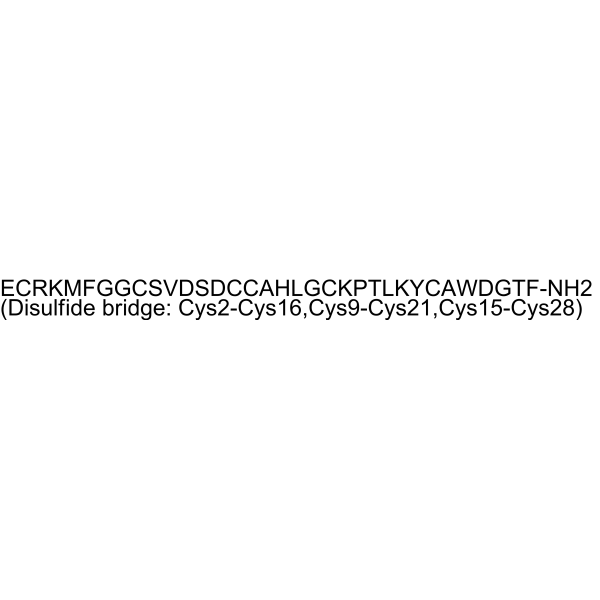
Jingzhaotoxin XI (JZTX-XI) is a sodium conductance inhibitor with an IC50 of 124 nM. Jingzhaotoxin XI slows the fast inactivation (EC50=1.18±0.2 μM) of Nav1.5 expressed in Chinese hamster ovary (CHO-K1) cells .
|
-
-
- HY-19436A
-
|
GW 427353B
|
Adrenergic Receptor
|
Metabolic Disease
Endocrinology
|
|
Solabegron hydrochloride is a selective β3-adrenergic receptor agonist, stimulating cAMP accumulation in Chinese hamster ovary cells expressing the human β3-AR, with an EC50 value of 22 nM . Solabegron hydrochloride (GW 427353) is being developed for the treatment of overactive bladder and irritable bowel syndrome .
|
-

-
- HY-19292
-
|
|
5 alpha Reductase
|
Endocrinology
|
|
AS-601811(compound 47) is a 5alpha-reductase 1 inhibitor with the IC50 of 20 nM and can be used for study of alopecia and hirsutism .
|
-

-
- HY-110041
-
|
|
Cannabinoid Receptor
|
Inflammation/Immunology
|
|
L-759656 is a selective cannabinoid CB2 receptor agonist, with the Ki of 11.8 nM for the human CB2 receptor. L-759656 potently inhibits Forskolin (HY-15371)-stimulated cyclic AMP production in Chinese Hamster Ovary (CHO) cells, with an EC50 of 3.1 nM. L-759656 can be used for the study of immune-related diseases and inflammatory diseases .
|
-

-
- HY-116723
-
|
|
mGluR
|
Neurological Disease
|
|
CFMMC is a selective allosteric metabotropic glutamate receptor 1 (mGluR1) antagonist. CFMMC inhibits L-glutamate-induced intracellular Ca 2+ mobilization ([Ca 2+]i) in Chinese hamster ovary cells expressing recombinant human mGluR1a with an IC50 value of 50 nM. CFMMC is promising for research of various central nervous system disorders, such as schizophrenia, epilepsy, anxiety, pain, cognitive dysfunction and drug abuse .
|
-

-
- HY-119333
-
|
|
mAChR
|
Neurological Disease
|
|
NNC 11-1607 is a selective M1/M4 muscarinic acetylcholine receptor (mAChR) agonist. NNC 11-1607 inhibits Forskolin (HY-15371)-stimulated cAMP accumulation in Chinese hamster ovary cells expressing the human M2 or M4 mAChR. NNC 11-1607 is promising for research of central nervous system disorders, such as Alzheimer’s disease and schizophrenia .
|
-

-
- HY-B0528AS
-
|
(±)-p-Octopamine-d4 hydrochloride
|
Adrenergic Receptor
Endogenous Metabolite
|
Neurological Disease
Endocrinology
|
|
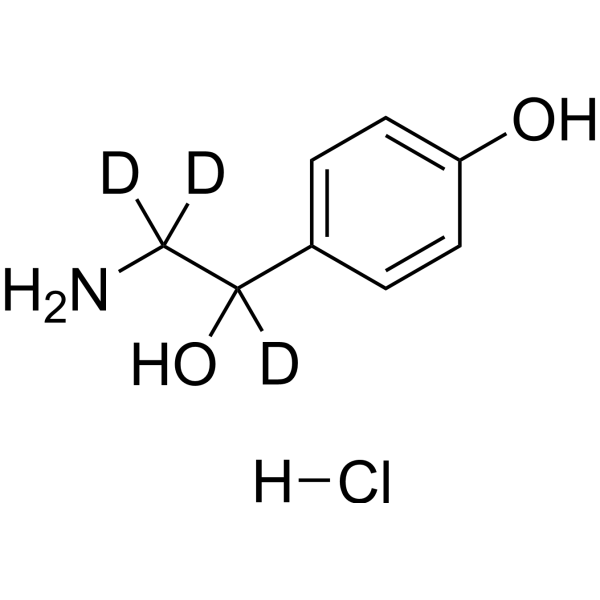
Octopamine-d4 (hydrochloride) is the deuterium labeled Octopamine hydrochloride. Octopamine ((±)-p-Octopamine) hydrochloride, a biogenic monoamine structurally related to noradrenaline, acts as a neurohormone, a neuromodulator and a neurotransmitter in invertebrates. Octopamine hydrochloride can stimulate alpha2-adrenoceptors (ARs) in Chinese hamster ovary cells transfected with human alpha2-ARs. Octopamine hydrochloride increased glycogenolysis, glycolysis, oxygen uptake, gluconeogenesis and the portal perfusion pressure .
|
-
-
- HY-19436S
-
|
GW 427353-d8
|
Isotope-Labeled Compounds
Adrenergic Receptor
|
Metabolic Disease
Endocrinology
|
|
Solabegron-d8 (GW 427353-d8) is deuterium labeled Solabegron. Solabegron (GW 427353) is a selective β3-adrenergic receptor agonist, stimulating cAMP accumulation in Chinese hamster ovary cells expressing the human β3-AR, with an EC50 value of 22 nM . Solabegron (GW 427353) is being developed for the treatment of overactive bladder and irritable bowel syndrome .
|
-

-
- HY-U00279B
-
|
|
DNA/RNA Synthesis
|
Cancer
|
|
Nitracrine hydrochloride is a platinum-based antineoplastic drug with selective toxicity to hypoxic cells. Nitracrine hydrochloride exhibits significant cytotoxicity against the Chinese hamster ovary cell line AA8 under hypoxic conditions. Nitracrine hydrochloride exerts its effect by binding to the insertion of DNA and forming covalent adducts. The cytotoxicity of Nitracrine hydrochloride under hypoxic conditions is related to its reductive metabolism to form alkylated substances. At the same time, it may enhance the reactivity to DNA through the insertion of DNA, thereby improving the efficacy. Nitracrine hydrochloride can also inhibit RNA synthesis, contributing to its anti-tumor effect .
|
-

-
- HY-117239
-
|
|
Adrenergic Receptor
|
Cardiovascular Disease
|
|
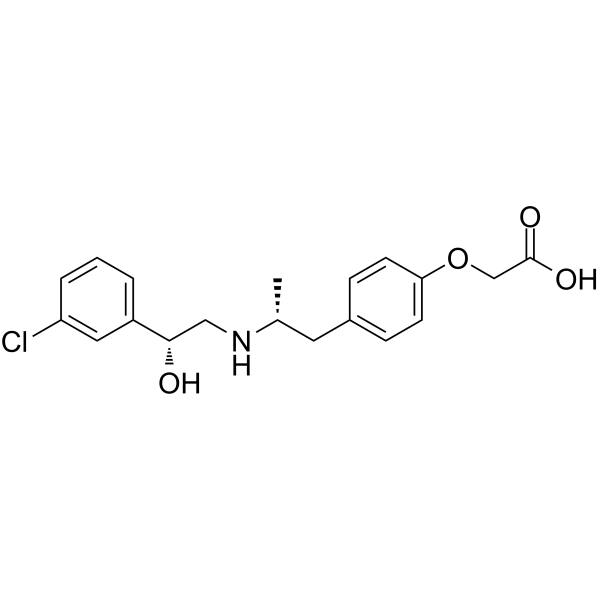
SB-206606, a stereoisomer of BRL 37344, is a potentially specific, beta 3-adrenergic receptor (β3-AR) ligand. The affinity of [3H]SB 206606 is 76 times higher for the β3-AR than for the beta 1/beta 2-adrenergic receptors .
|
-
-
- HY-126862
-
|
|
mAChR
|
Others
|
|
AQ-RA 721 is a muscarinic receptor antagonist with differential affinity for the m4 and M2 sites, which can be used to characterize muscarinic receptor subtypes. Other muscarinic receptor antagonists have differential affinity for the M1 (rat cerebral cortex), M2 (rat heart), M3 (rat submandibular gland), m4 (receptor expressed in Chinese hamster ovary cells transfected with CHO), and guinea pig uterine smooth muscle at the muscarinic binding site .
|
-

-
- HY-P992100
-
|
|
Annexin A
|
Cancer
|
|
Amesotatug is a humanized monoclonal antibody and ANXA1 binder. Amesotatug binds to Homo sapiens ANXA1 and exhibits antineoplastic activity. Amesotatug can be used for the research of cancer .
|
-

-
- HY-P992099
-
|
AB598
|
NTPDase
|
Cancer
|
|
Afivastobart (AB598) is a human ENTPD1 (CD39)-targeting monoclonal antibody with antineoplastic activity.Afivastobart binds as a monoclonal antibody to modulate Homo sapiens ENTPD1 activity.Afivastobart constitutes a glycoform alfa immunoglobulin G1-kappa monoclonal antibody .
|
-

-
- HY-120247
-
|
|
Vasopressin Receptor
P-glycoprotein
|
Others
|
|
TASP0434299 (Compound 10) is a labeled ligand for the vasopressin V1b receptor. TASP0434299 exhibits high binding affinity for human and murine V1B receptors, with IC50 values of 0.526 nM and 0.641 nM, respectively, and shows potent antagonistic activity against the human V1B receptor with an IC50 of 0.639 nM. TASP0434299 is a substrate for human and rhesus monkey P-glycoprotein, resulting in low brain uptake in rhesus monkeys. TASP0434299 binds to V1B receptors in rat and monkey pituitary tissues in a saturable and specific manner both in vitro and in vivo. When radiolabeled with tritium or 11C, TASP0434299 serves as a prototype V1B receptor radiotracer to visualize V1B receptor in the pituitary gland of anesthetized monkeys via positron emission tomography .
|
-

-
- HY-165459
-
|
MK-056
|
TRP Channel
|
Infection
Inflammation/Immunology
|
|
KJM429 (MK-056) is a high-affinity ligand for the rat vanilloid receptor rTRPV1 (Ki=30-63 nM) with a unique dual regulatory function. KJM429 acts as a competitive antagonist to inhibit TRPV1 receptor activation induced by Capsaicin (HY-10448), resiniferatoxin, thermal stimulation and weak acid (pH 6.0), and switches to a TRPV1 agonist under strong acid conditions (pH<5.5). KJM429 effectively blocks calcium influx induced by Capsaicin and partial thermal stimulation, and triggers calcium uptake under low pH conditions, with minimal effects on non-TRPV1-mediated calcium signaling. KJM429 can be used for research on the mechanisms of pain-related diseases such as postherpetic neuralgia, diabetic neuropathy, cluster headache, osteoarthritis and pruritus .
|
-

-
- HY-N17875
-
|
(+)-Demethylsalvicanol
|
Drug Derivative
|
Cancer
|
|
Demethylsalvicanol ((+)-Demethylsalvicanol), a diterpene, is a anticancer agent with an IC50 of 0.71 μg/mL against P388 murine leukemia cells. Demethylsalvicanol induces cytotoxic activity against leukemia cells and insect Sf9 cells. Demethylsalvicanol acts as an antifeedant against Leptinotarsa decemlineata. Demethylsalvicanol can be used for the research of leukemia .
|
-

-
- HY-P992111
-
|
UCB4594
|
MHC
|
Cancer
|
|
Elfritatug (UCB4594) is a humanized monoclonal antibody targeting human leukocyte antigen-G (HLA-G). By binding to HLA-G on the surface of tumor cells, Elfritatug blocks its immunosuppressive effect, thereby enhancing the body's immune response against tumors .
|
-

-
- HY-10898R
-
|
|
Reference Standards
Orexin Receptor (OX Receptor)
|
Neurological Disease
Endocrinology
|
|
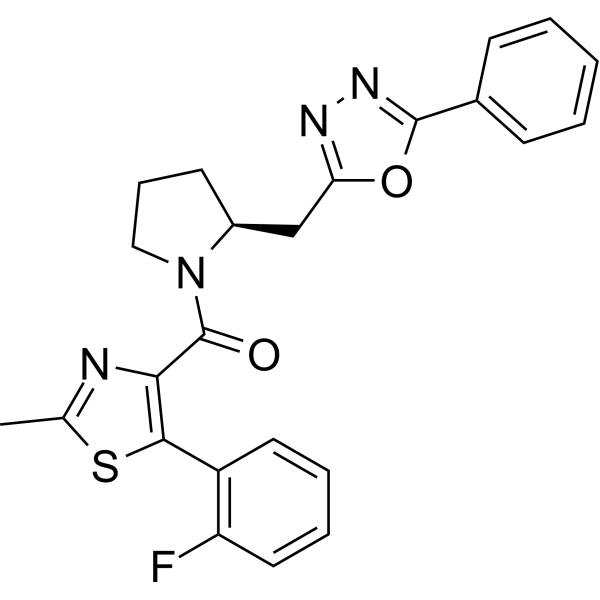
SB-674042 (Standard) is the analytical standard of SB-674042 (HY-10898). This product is intended for research and analytical applications. SB-674042 is a potent and selective non-peptide orexin OX1 receptor antagonist (Kd=5.03 nM), exhibits 100-fold selectivity for OX1 over OX2 receptors with IC50 values of 3.76 nM and 531 nM, respectively .
|
-

-
- HY-P992461
-
|
|
LAG-3
|
Cancer
|
|
SHR-1802 is a humanized anti-LAG-3 monoclonal antibody.SHR-1802 specifically binds to LAG-3 and inhibits its binding to major histocompatibility complex class II (MHC-II), fibrinogen-like protein 1 (FGL1), galectin-3, and liver sinusoidal endothelial cell lectin.SHR-1802 can be used for the research of advanced solid tumors .
|
-

- HY-N18066
-
|
|
Drug Derivative
Acyltransferase
NF-κB
PPAR
Fatty Acid Synthase (FASN)
Keap1-Nrf2
|
Cardiovascular Disease
Metabolic Disease
Inflammation/Immunology
|
|
Esculeogenin A is the sapogenol of tomato saponin Esculeoside A (HY-N18067). Esculeogenin A is an orally active hepatoprotective, hypolipidemic, and antioxidant agent. Esculeogenin A regulates molecular targets like PPARα, SREBP1, Nrf2, NF-κB, ACAT1/ACAT2 to promote hepatic fatty acid oxidation, suppress de novo lipogenesis, enhance antioxidant defense, and inhibit inflammation. Esculeogenin A improves liver function, alleviates hyperlipidemia, and inhibits hepatic steatosis and foam cell formation, preventing nonalcoholic fatty liver disease in high-fat-diet-fed rats and reducing atherosclerotic lesions in apoE-deficient mice. Esculeogenin A can be used for the research of nonalcoholic fatty liver disease, atherosclerosis, and hyperlipidemia .
|
-

| Cat. No. |
Product Name |
Target |
Research Area |
-
- HY-P1037
-
|
|
Motilin Receptor
|
Others
|
|
Motilin (26-47), human, porcine is an endogenous motilin receptor ligand with Ki and EC50 of 2.3 nM and 0.3 nM in a Chinese hamster ovary cell line.
|
-
- HY-P5872
-
|
JZTX-XI
|
Sodium Channel
|
Neurological Disease
|
|
Jingzhaotoxin XI (JZTX-XI) is a sodium conductance inhibitor with an IC50 of 124 nM. Jingzhaotoxin XI slows the fast inactivation (EC50=1.18±0.2 μM) of Nav1.5 expressed in Chinese hamster ovary (CHO-K1) cells .
|
-
- HY-K3030
-
|
|
|
Ham’s F-12K Medium was originally designed for the culture of primary human hepatocytes and differentiated rat and chicken cells. It is particularly suitable for single-cell cloning of Chinese hamster ovary (CHO) cells under serum-free conditions. When supplemented with serum, it can also be used for the culture of various other mammalian cell types, including chondrocytes and rat prostate epithelial cells.
|
| Cat. No. |
Product Name |
Target |
Research Area |
Image |
-
- HY-P99828
-
|
PF-06523435; hu24
|
ADC Antibody
RET
PERK
ROR
|
Cancer
|
|
Cofetuzumab (PF-06523435) is a humanized IgG1-κ monoclonal antibody targeting PTK7. The expression system of Cofetuzumab is typically CHO (Chinese hamster ovary) cells. Cofetuzumab downregulates PTK7 expression, modulates its downstream signaling pathways, and inhibits tumor sphere formation of ovarian cancer cells. Cofetuzumab can be used to synthesize the ADC molecule Cofetuzumab pelidotin (HY-P99829). Cofetuzumab is applicable to the research of tumors such as ovarian cancer .
|
-

(5)
-
- HY-P99865
-
|
AK-119
|
CD73
|
Others
|
|
Dresbuxelimab (AK-119) is an IgG-κ monoclonal antibody targeting CD73. The expression system is usually CHO (Chinese Hamster Ovary) cells .
|
-
(5)
-
- HY-P99869
-
|
|
Interleukin Related
|
Others
|
|
Ebdarokimab (AK101) is a humanized IgG1-κ antibody, usually expressed in CHO (Chinese Hamster Ovary) cells .
|
-
(5)
-
- HY-P99844
-
|
ALPN-202; CD80 vIgD-Fc
|
CTLA-4
|
Cancer
|
|
Davoceticept (ALPN-202; CD80 vIgD-Fc) is a variant CD80 vIgD-Fc fusion protein targeting CTLA-4 and PD-L1. Davoceticept consists of the (1-107) fragment of CD80 linked to IGHG1 Fc via a peptidyl linker. The expression system of Davoceticept is usually CHO (Chinese Hamster Ovary) cells .
|
-
(5)
-
- HY-P991114
-
|
|
FLT3
|
Inflammation/Immunology
|
|
Adezkibart is a human monoclonal antibody immunosuppressant targeting the human FMS-like tyrosine kinase 3 ligand (FLT3LG). Adezkibart is found in the Chinese hamster ovary cell line CHO-K1, which binds to FLT3LG to block the relevant signaling pathway, inhibits the immune response, and exerts immunosuppressive activity. Adezkibart is promising for research of immune-related diseases .
|
-
(5)
-
- HY-P99871
-
|
AK102
|
PCSK9
|
Others
|
|
Ebronucimab (AK102) is an IgG1-λ2 antibody targeting PCSK9 and is primarily expressed by CHO DG44 (Chinese Hamster Ovary) cells .
|
-
(5)
-
- HY-P99892
-
|
PR-1594407; DC-1630423
|
EGFR
|
Others
|
|
Serclutamab is a humanized chimeric antibody targeting EGFR IgG1-κ. Mainly expressed by CHO (Chinese Hamster Ovary) cells .
|
-
(5)
-
- HY-114128
-
|
NN-7088; NN 7170
|
Factor VIII
|
Others
|
|
Turoctocog alfa pegol is a recombinant coagulation factor VIII (FVIII) from chinese hamster ovary (CHO) cells. Turoctocog alfa pegol can be used for researching haemophilia A .
|
-
(5)
-
- HY-P99864
-
|
ZTS-00521505
|
Interleukin Related
|
Others
|
|
Dovanvetmab (ZTS-00521505) is an IgG1-κ antibody targeting Felcat IL31. Mainly expressed by CHO (Chinese Hamster Ovary) cells .
|
-
(5)
-
- HY-P99831
-
|
GB-221
|
EGFR
|
Others
Cancer
|
|
Coprelotamab (GB-221) is an IgG-κ monoclonal antibody targeting EGFR2. The commonly used expression system for Coprelotamab is CHO DG44 (Chinese Hamster Ovary) cells .
|
-
(5)
-
- HY-P990447
-
|
|
Inhibitory Antibodies
|
Inflammation/Immunology
|
|
Anti-IL-20 Antibody is a Chinese hamster ovary (CHO) expressed humanized antibody that targets IL-20. The Anti-IL-20 Antibody has a huIgG1 type heavy chain and a huκ type light chain, with a predicted molecular weight (MW) of 150 kDa. The isotype control for Anti-IL-20 Antibody can be referenced as Human IgG1 kappa, Isotype Control (HY-P99001).
|
-

(5)
-
- HY-P992100
-
|
|
Annexin A
|
Cancer
|
|
Amesotatug is a humanized monoclonal antibody and ANXA1 binder. Amesotatug binds to Homo sapiens ANXA1 and exhibits antineoplastic activity. Amesotatug can be used for the research of cancer .
|
-
(5)
-
- HY-P992099
-
|
AB598
|
NTPDase
|
Cancer
|
|
Afivastobart (AB598) is a human ENTPD1 (CD39)-targeting monoclonal antibody with antineoplastic activity.Afivastobart binds as a monoclonal antibody to modulate Homo sapiens ENTPD1 activity.Afivastobart constitutes a glycoform alfa immunoglobulin G1-kappa monoclonal antibody .
|
-
(5)
-
- HY-P992111
-
|
UCB4594
|
MHC
|
Cancer
|
|
Elfritatug (UCB4594) is a humanized monoclonal antibody targeting human leukocyte antigen-G (HLA-G). By binding to HLA-G on the surface of tumor cells, Elfritatug blocks its immunosuppressive effect, thereby enhancing the body's immune response against tumors .
|
-
(5)
-
- HY-P992461
-
|
|
LAG-3
|
Cancer
|
|
SHR-1802 is a humanized anti-LAG-3 monoclonal antibody.SHR-1802 specifically binds to LAG-3 and inhibits its binding to major histocompatibility complex class II (MHC-II), fibrinogen-like protein 1 (FGL1), galectin-3, and liver sinusoidal endothelial cell lectin.SHR-1802 can be used for the research of advanced solid tumors .
|
-
(5)
| Cat. No. |
Product Name |
Category |
Target |
Chemical Structure |
-
- HY-B0528A
-
-
-
- HY-W017113
-
|
|
Structural Classification
Natural Products
Classification of Application Fields
Metabolic Disease
Endogenous metabolite
Disease Research Fields
Source Classification
|
Environmental Pollutants
Endogenous Metabolite
|
|
2-Mercaptobenzothiazole is an activator of the aryl hydrocarbon receptor (AhR) , inhibiting thyroid hormone synthesis and dopamine beta-hydroxylase activity . 2-Mercaptobenzothiazole promotes bladder cancer cell invasion by altering the conformation of the AhR ligand binding domain (LBD), activating AhR transcription, and upregulating the mRNA and protein expression of target genes CYP1A1 and CYP1B1 . 2-Mercaptobenzothiazole inhibits thyroid peroxidase (TPO) with an IC50 value of 11.5 μM, induces histological changes such as follicular cell hypertrophy in Xenopus laevis tadpoles, delaying metamorphosis . 2-Mercaptobenzothiazole increases chromosomal aberrations and sister chromatid exchanges (SCEs) in Chinese hamster ovary (CHO) cells, and enhances carcinogenicity in F344/N rats . 2-Mercaptobenzothiazole inhibits norepinephrine synthesis in mice and completely blocks the conversion of exogenous dopamine to norepinephrine in rat cardiomyocytes .
|
-
-
- HY-42680
-
|
D-(-)-Tagatose
|
Structural Classification
Classification of Application Fields
Metabolic Disease
Endogenous metabolite
Disease Research Fields
Sweeteners
Saccharides
Monosaccharides
Source Classification
Food Research
|
Endogenous Metabolite
|
|
D-Tagatose (D-(-)-Tagatose) is a natural low-calorie rare sugar. D-Tagatose inhibits the activities of sucrase, maltase and intestinal disaccharidases, reduces the digestion of sucrose and starch, and blocks the absorption of sucrose, maltose and glucose. D-Tagatose promotes glucokinase activity and inhibits glycogen phosphorylase activity via tagatose-1-phosphate, regulates the synthesis and decomposition of hepatic glycogen, reduces postprandial and fasting blood glucose levels, and improves hyperinsulinemia. D-Tagatose regulates lipid profiles, stimulates GLP-1 secretion, and exhibits prebiotic effects. D-Tagatose is a bulking sweetener. D-Tagatose can be used in research related to diabetes, hyperlipidemia, dental caries, atherosclerosis and type 2 diabetes .
|
-
-
- HY-N12109
-
|
|
Microorganisms
Ketones, Aldehydes, Acids
Source Classification
|
Others
|
|
Albizziin is an amino acid analog with activity as a competitive inhibitor of asparagine synthetase. Albizziin has been used to isolate Chinese hamster ovary cell mutants with altered levels of the target enzyme. Several mutational classes of albizziin can be distinguished based on cross-resistance to β-aspartic hydroxamic acid. Studies on asparagine synthetase have shown that resistance to albizziin may be associated with altered regulation of asparagine synthetase, structural mutations of the enzyme, and gene amplification .
|
-
-
- HY-B0528AR
-
|
(±)-p-Octopamine hydrochloride (Standard)
|
Structural Classification
Monophenols
Phenols
Endogenous metabolite
Source Classification
|
Reference Standards
Adrenergic Receptor
Endogenous Metabolite
|
|
Octopamine (hydrochloride) (Standard) is the analytical standard of Octopamine (hydrochloride). This product is intended for research and analytical applications. Octopamine ((±)-p-Octopamine) hydrochloride, a biogenic monoamine structurally related to noradrenaline, acts as a neurohormone, a neuromodulator and a neurotransmitter in invertebrates. Octopamine hydrochloride can stimulate alpha2-adrenoceptors (ARs) in Chinese hamster ovary cells transfected with human alpha2-ARs. Octopamine hydrochloride increased glycogenolysis, glycolysis, oxygen uptake, gluconeogenesis and the portal perfusion pressure .
|
-
-
- HY-B0528
-
|
|
Monophenols
Microorganisms
Phenols
Source Classification
|
Adrenergic Receptor
Endogenous Metabolite
|
|
Octopamine is a biogenic monoamine structurally related to noradrenaline, acts as a neurohormone, a neuromodulator and a neurotransmitter in invertebrates. Octopamine can stimulate alpha2-adrenoceptors (ARs) in Chinese hamster ovary cells transfected with human alpha2-ARs. Octopamine increased glycogenolysis, glycolysis, oxygen uptake, gluconeogenesis and the portal perfusion pressure .
|
-
-
- HY-N17875
-
-
-
- HY-N18066
-
|
|
Structural Classification
Solanum lycopersicum L.
Solanaceae
Plants
Steroids
Source Classification
|
Drug Derivative
Acyltransferase
NF-κB
PPAR
Fatty Acid Synthase (FASN)
Keap1-Nrf2
|
|
Esculeogenin A is the sapogenol of tomato saponin Esculeoside A (HY-N18067). Esculeogenin A is an orally active hepatoprotective, hypolipidemic, and antioxidant agent. Esculeogenin A regulates molecular targets like PPARα, SREBP1, Nrf2, NF-κB, ACAT1/ACAT2 to promote hepatic fatty acid oxidation, suppress de novo lipogenesis, enhance antioxidant defense, and inhibit inflammation. Esculeogenin A improves liver function, alleviates hyperlipidemia, and inhibits hepatic steatosis and foam cell formation, preventing nonalcoholic fatty liver disease in high-fat-diet-fed rats and reducing atherosclerotic lesions in apoE-deficient mice. Esculeogenin A can be used for the research of nonalcoholic fatty liver disease, atherosclerosis, and hyperlipidemia .
|
-
| Cat. No. |
Product Name |
Chemical Structure |
-
- HY-17372S
-
|
|
|
Rofecoxib-d5 is the deuterium labeled Rofecoxib. Rofecoxib is a potent, specific and orally active COX-2 inhibitor, with IC50s of 26 and 18 nM for human COX-2 in human osteosarcoma cells and Chinese hamster ovary cells, with a 1000-fold selectivity for COX-2 over human COX-1 (IC50 > 50 μM in U937 cells and > 15 μM in Chinese hamster ovary cells) .
|
-
-
- HY-B0528AS
-
|
|
|
Octopamine-d4 (hydrochloride) is the deuterium labeled Octopamine hydrochloride. Octopamine ((±)-p-Octopamine) hydrochloride, a biogenic monoamine structurally related to noradrenaline, acts as a neurohormone, a neuromodulator and a neurotransmitter in invertebrates. Octopamine hydrochloride can stimulate alpha2-adrenoceptors (ARs) in Chinese hamster ovary cells transfected with human alpha2-ARs. Octopamine hydrochloride increased glycogenolysis, glycolysis, oxygen uptake, gluconeogenesis and the portal perfusion pressure .
|
-
-
- HY-19436S
-
|
|
|
Solabegron-d8 (GW 427353-d8) is deuterium labeled Solabegron. Solabegron (GW 427353) is a selective β3-adrenergic receptor agonist, stimulating cAMP accumulation in Chinese hamster ovary cells expressing the human β3-AR, with an EC50 value of 22 nM . Solabegron (GW 427353) is being developed for the treatment of overactive bladder and irritable bowel syndrome .
|
-
| Cat. No. |
Product Name |
|
Classification |
-
- HY-135957
-
|
N3dUrd
|
|
Azide
|
|
2'-Azido-2'-deoxyuridine (N3dUrd) is a ribonucleotide reductase inhibitor. 2'-Azido-2'-deoxyuridine has anti-cancer activity . 2'-Azido-2'-deoxyuridine is a click chemistry reagent, it contains an Azide group and can undergo copper-catalyzed azide-alkyne cycloaddition reaction (CuAAc) with molecules containing Alkyne groups. It can also undergo strain-promoted alkyne-azide cycloaddition (SPAAC) reactions with molecules containing DBCO or BCN groups.
|
Your information is safe with us. * Required Fields.
Inquiry Information
- Product Name:
- Cat. No.:
- Quantity:
- MCE Japan Authorized Agent:








