1. Search Result
Search Result
Pathways Recommended: Cell Cycle/DNA Damage
Results for "

DNA adduct

" in MedChemExpress (MCE) Product Catalog:

66

Inhibitors & Agonists

2

Fluorescent Dyes

3

Biochemical Assay Reagents

15

Natural
Products

8

Isotope-Labeled Compounds

4

Oligonucleotides

Cat. No. Product Name Target Research Areas Chemical Structure
  • HY-111375
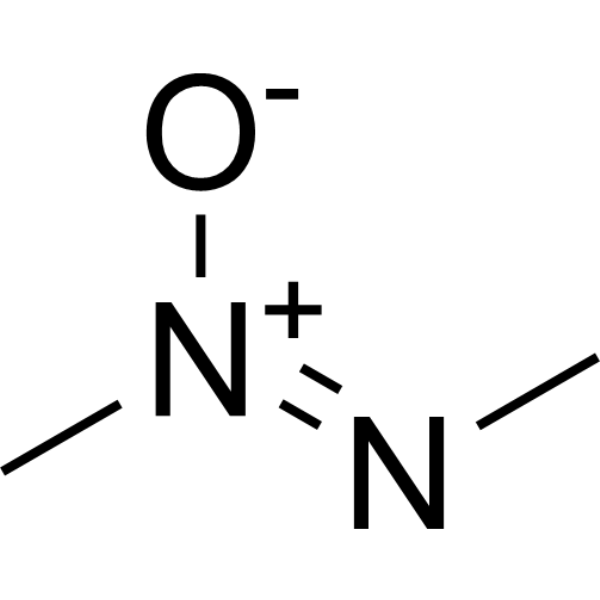
    Azoxymethane
    Maximum Cited Publications
    17 Publications Verification

    AOM

    DNA Alkylator/Crosslinker Cancer
    Azoxymethane is a colon carcinogen which leads to the formation of DNA adducts.
    Azoxymethane
  • HY-124489
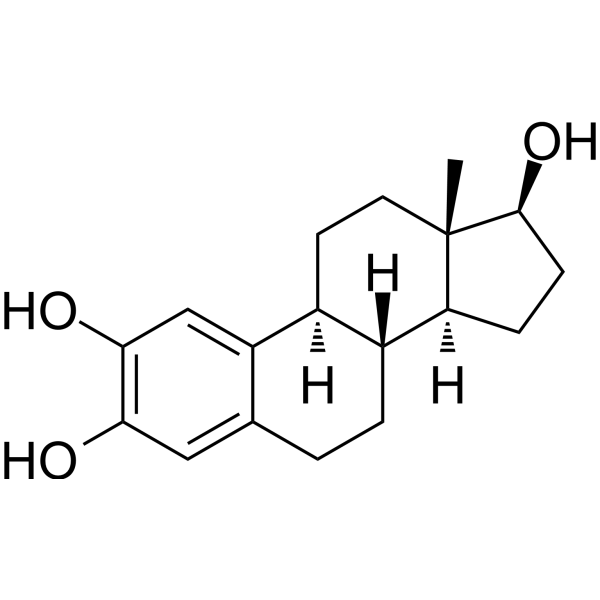
    2-Hydroxyestradiol
    2 Publications Verification

    Endogenous Metabolite Metabolic Disease
    2-Hydroxyestradiol, a metabolite of 17β-estradiol with minimal estrogenic activity, possesses antioxidant effects and reacts with DNA to form stable adducts and exerts genotoxicity .
    2-Hydroxyestradiol
  • HY-137316A

    DNA Alkylator/Crosslinker Drug Metabolite Cancer
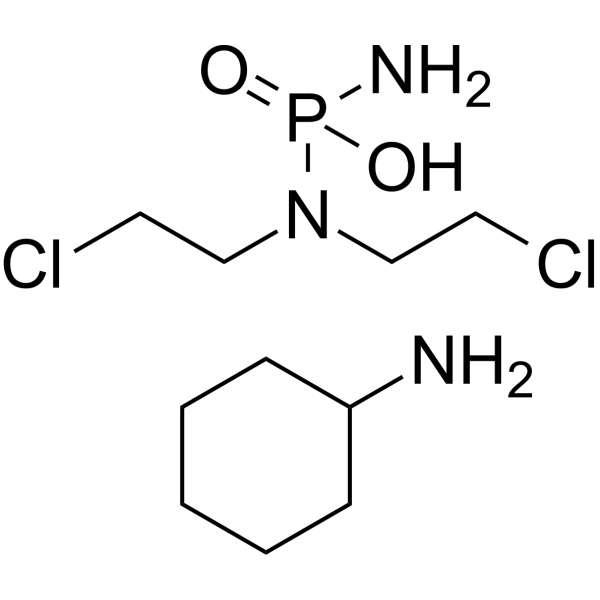
    Phosphoramide mustard cyclohexanamine is a biologically active metabolite of Cyclophosphamide (HY-17420), with anticancer activitiy. Phosphoramide mustard cyclohexanamine induces DNA damage .
    Phosphoramide mustard cyclohexanamine
  • HY-W088065

    Environmental Pollutants DNA/RNA Synthesis Others
    Sodium formate acts as a key promoter for heterogeneous nucleation of ZIF crystals and thin film synthesis. It is also recognized as a GRAS substance by the FDA, and serves as a cosmetic preservative and food additive. Sodium formate has low acute oral toxicity (acute oral LD50=7410 mg/kg and acute intravenous LD50=807 mg/kg in mice), with no heritable or carcinogenic effects, but exhibits embryonic developmental toxicity and teratogenicity at high concentrations. Sodium formate may cause moderate irritation to rabbit eyes, is relatively safe to the skin, and does not induce tumor formation in rats in vivo. Sodium formate is rapidly absorbed and oxidized to carbon dioxide in vivo, and forms DNA adducts in specific metabolic deficiency models or upon high-dose exposure .
    Sodium formate
  • HY-101160

    DRG16

    DNA Alkylator/Crosslinker ADC Payload Cancer
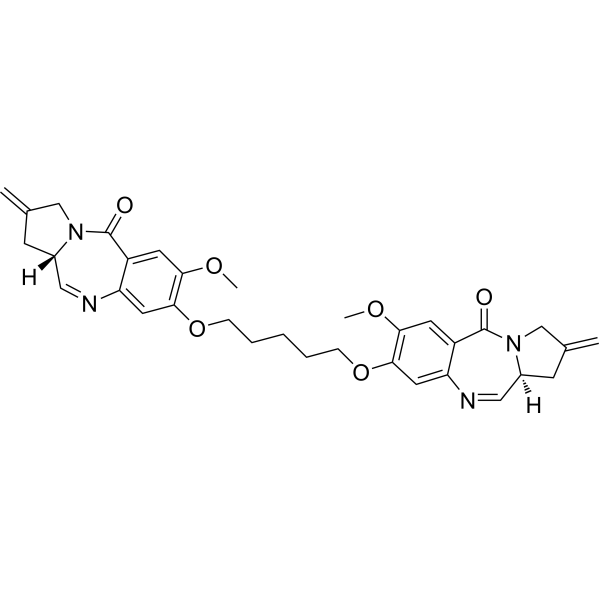
    SG2057 (DRG16) is a PBD dimer containing a pentyldioxy linkage which binds sequence selectively in the minor groove of DNA forming DNA interstrand and intrastrand cross-linked adducts. SG2057 is a highly active antitumor agent .
    SG2057
  • HY-N0511
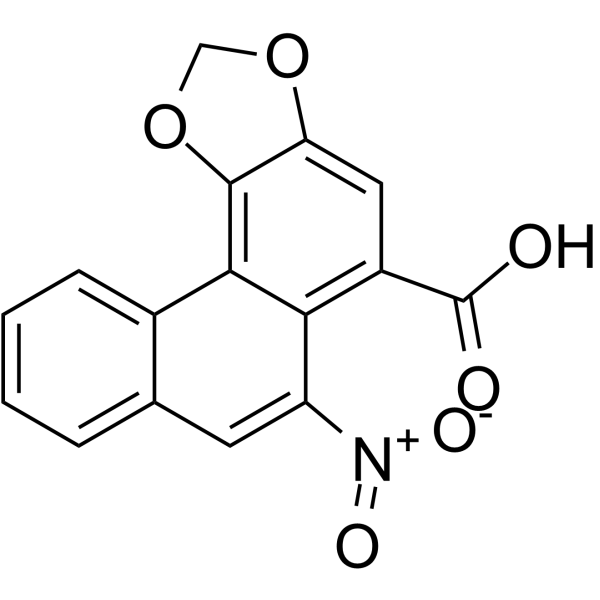
    Aristolochic acid B
    1 Publications Verification

    Aristolochic acid II

    DNA Alkylator/Crosslinker Cancer
    Aristolochic acid B (Aristolochic Acid II) is an orally active major component of aristolochic acid (AA). Aristolochic acid B can be isolated from plants of the genus Aristolochica. Aristolochic acid B forms DNA adducts. Aristolochic acid B is mutagenic. Aristolochic acid B exhibits a greater carcinogenic risk in vivo than Aristolochic acid I (HY-N0510) .
    Aristolochic acid B
  • HY-W013053

    DBA; 1,2,5,6-Dibenzanthracene; Benzo[k]tetraphene

    Environmental Pollutants DNA/RNA Synthesis MDM-2/p53 Apoptosis Cancer
    Dibenz[a,h]anthracene (DBA) is an orally active polycyclic aromatic hydrocarbon, a by-product of incomplete combustion of organic matter, a potent carcinogen, and an agonist of AhR. Dibenz[a,h]anthracene induces dose-dependent increases in DNA adduct formation and lacZ mutation frequency. Dibenz[a,h]anthracene upregulates St3gal5. Dibenz[a,h]anthracene can be used in cancer-related research .
    Dibenz[a,h]anthracene
  • HY-N0769
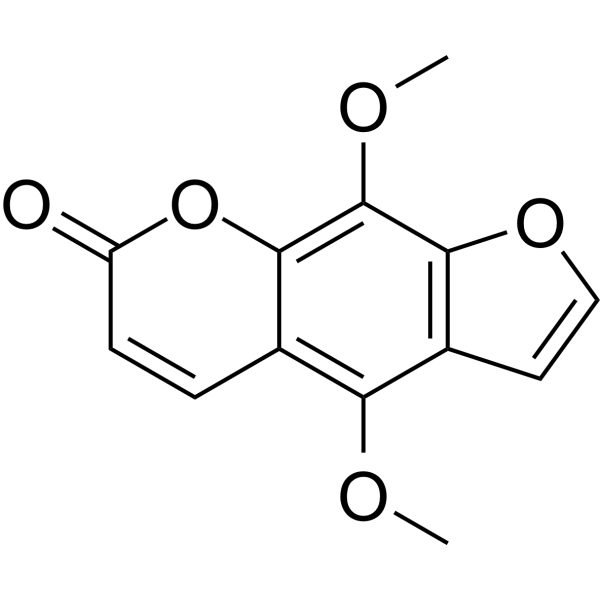
    Isopimpinellin
    1 Publications Verification

    DNA/RNA Synthesis Parasite Infection Inflammation/Immunology Cancer
    Isopimpinellin, an orally active compound isolated from Glomerella cingulata. Isopimpinellin blocks DNA adduct formation and skin tumor initiation by 7,12-dimethylbenz[a]anthracene. Isopimpinellin possesses anti-leishmania effect .
    Isopimpinellin
  • HY-141452

    Malondialdehyde

    Endogenous Metabolite Neurological Disease
    Propanedial (Malondialdehyde) (13.88 mM in water) is one of the final products of lipid peroxidation. Propanedial causes protein inactivation, DNA damage and cross-linking by forming stable covalent adducts with biological macromolecules, which is the main mechanism for its cytotoxicity and genotoxicity. Propanedial production increases with the elevation of free radicals. Propanedial is a key biomarker for evaluating the level of cellular oxidative stress [1][2][3].
    Propanedial (13.88 mM in water)
  • HY-W011168

    Nucleoside Antimetabolite/Analog DNA/RNA Synthesis Inflammation/Immunology Cancer
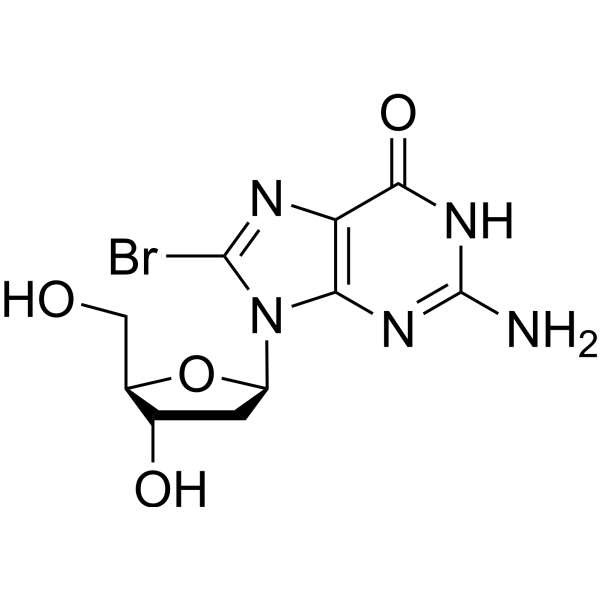
    8-Bromo-2'-deoxyguanosine is an inflammation-related DNA halogenated adduct and an early biomarker of inflammation-induced oxidative tissue damage. The formation of 8-Bromo-2'-deoxyguanosine precedes that of oxidative and nitrative products, and it can be generated via the MPO-H2O2-Cl --Br - system. 8-Bromo-2'-deoxyguanosine serves as the immunogen for preparing the monoclonal antibody mAb8B3, which can be used to detect early DNA modifications in preclinical models; its urinary level also increases significantly in inflammatory disease models. 8-Bromo-2'-deoxyguanosine can also be produced in the dermis of UV-B irradiated mice, and the extract of Coprinus comatus significantly reduces its level. 8-Bromo-2'-deoxyguanosine finds applications in studies related to inflammatory diseases, diabetes, hepatocellular carcinoma, and UV-B induced skin inflammation .
    8-Bromo-2'-deoxyguanosine
  • HY-137316

    DNA Alkylator/Crosslinker Drug Metabolite Cancer
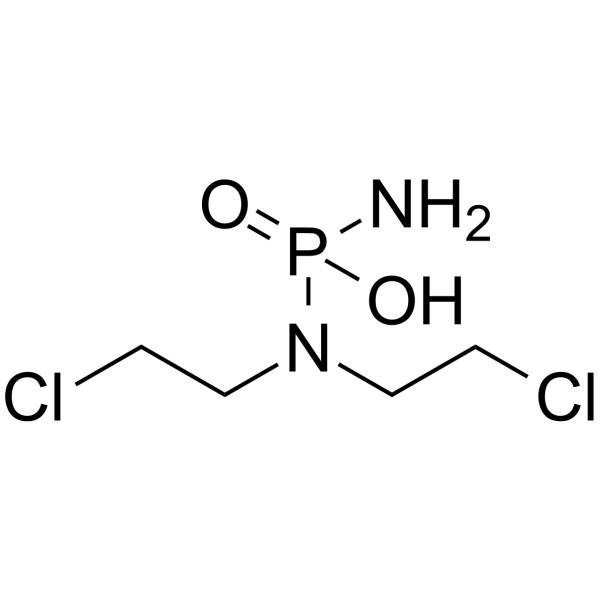
    Phosphoramide mustard is a biologically active metabolite of Cyclophosphamide (HY-17420), with anticancer activitiy. Phosphoramide mustard induces DNA damage .
    Phosphoramide mustard
  • HY-124421

    NSC-703786

    Aryl Hydrocarbon Receptor Others
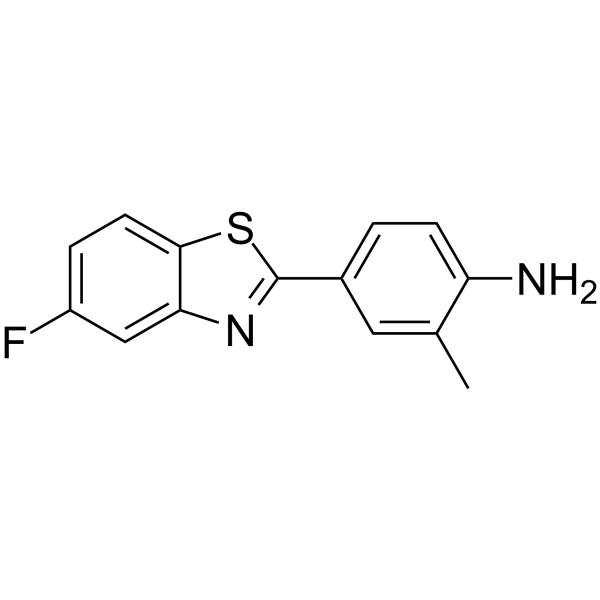
    5F-203 (NSC-703786) is a cytotoxic molecule that forms DNA adducts and cell cycle arrest. 5F-203 induces aryl hydrocarbon receptor (AhR) signaling and elevates expression of CYP1A1. 5F-203 also increases the levels of reactive oxygen species as well as activates JNK, ERK, and p38 .
    5F-203
  • HY-124211

    Environmental Pollutants MDM-2/p53 Aryl Hydrocarbon Receptor Cancer
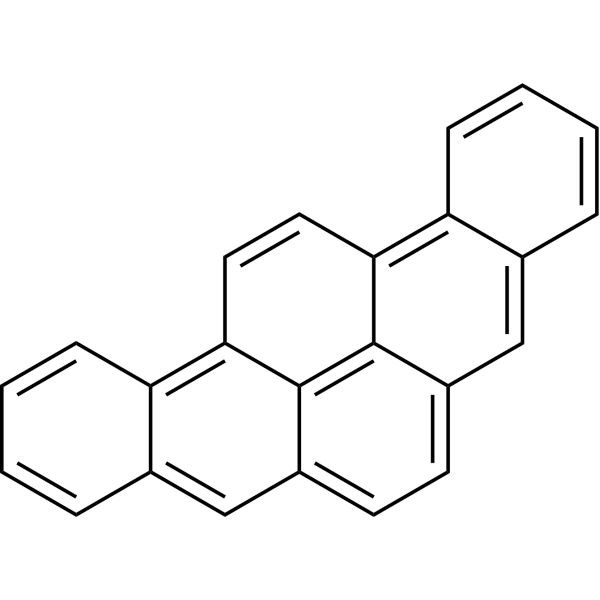
    Dibenzo (a,i) pyrene is a polycyclic aromatic hydrocarbon and also a carcinogenic ligand of the TCDD (Ah) receptor. Dibenzo (a,i) pyrene binds to the TCDD (Ah) receptor in rat liver. Dibenzo (a,i) pyrene induces DNA adduct formation and upregulates the protein levels of p53 and p21 WAF1 in diploid lung fibroblasts. Dibenzo (a,i) pyrene alters the cell cycle distribution of diploid lung fibroblasts, increasing the proportion of cells in the S phase, decreasing the proportions of cells in the G0/G1 and G2/M phases, and causing S phase delay/arrest. Dibenzo (a,i) pyrene is applicable for cancer research .
    Dibenzo(a,i)pyrene
  • HY-69014

    DNA/RNA Synthesis Endogenous Metabolite Cancer
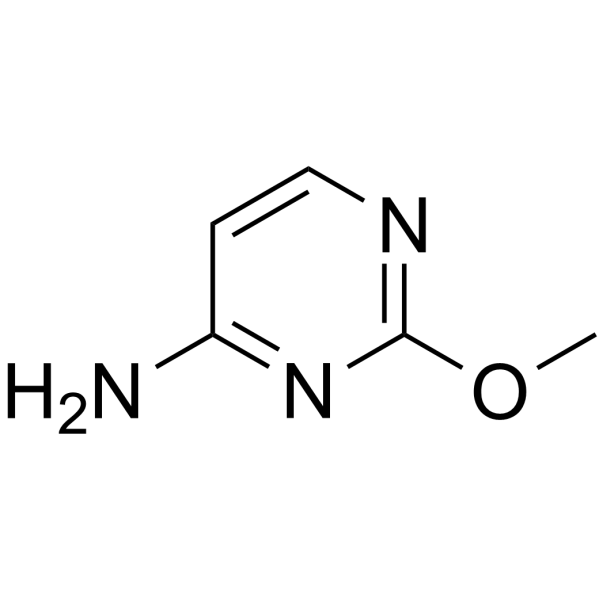
    2-O-Methylcytosine, an O-alkylated analogue a DNA adduct, is the damaged nucleobase .
    2-O-Methylcytosine
  • HY-U00279

    DNA/RNA Synthesis Cancer
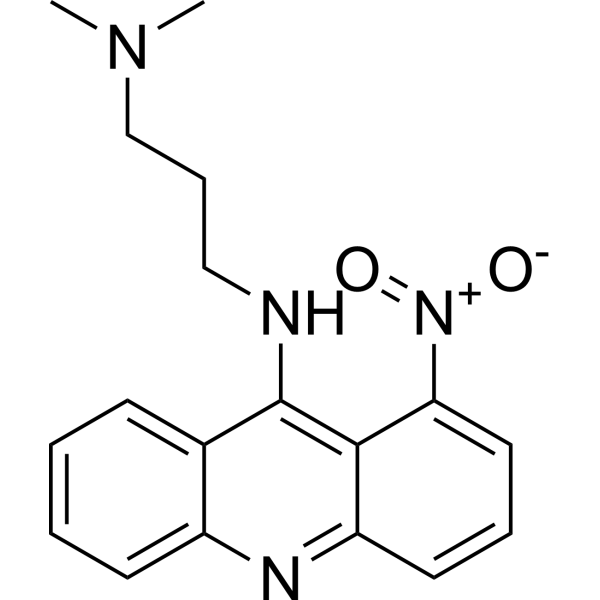
    Nitracrine inhibits RNA synthesis and covalently, reversibly binds to DNA but also forms covalent adducts with DNA in vivo. Nitracrine, a 1-nitroacridine derivative, is a potent hypoxia-selective agent in vitro and antitumor agent. Nitracrine has cytotoxicity towards most cells .
    Nitracrine
  • HY-N8022

    Lucidin 3-O-β-primeveroside

    Biochemical Assay Reagents Cancer
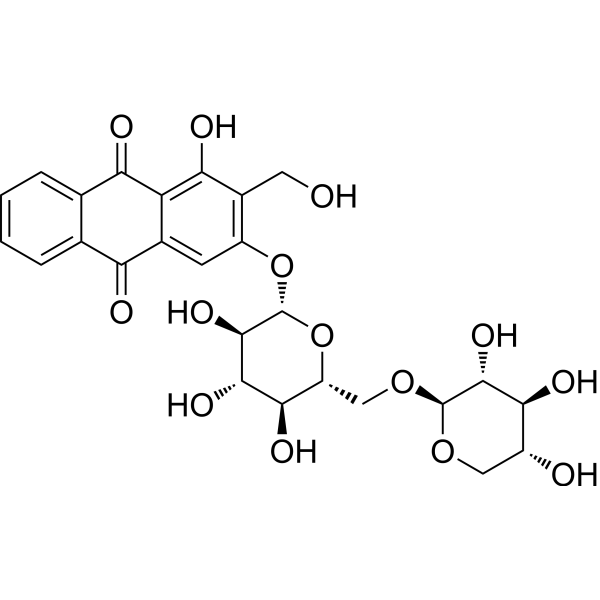
    Lucidin primeveroside (Lucidin 3-O-β-primeveroside) is an anthraquinone derivative present in madder root, which has been used as a coloring agent and food additive. Lucidin primeveroside can be metabolically converted to genotoxic compound Lucidin, which subsequently forms lucidin-specific DNA adducts .
    Lucidin primeveroside
  • HY-N1282

    Glutathione S-transferase Cytochrome P450 Cancer
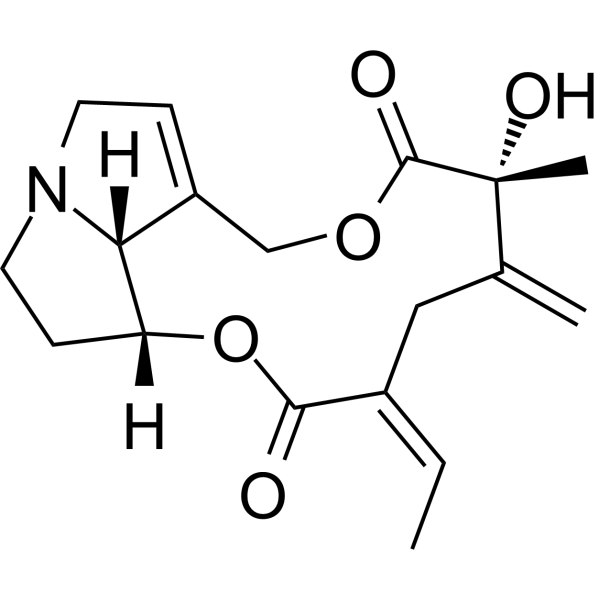
    Seneciphylline is an orally effective hepatotoxic inducer. Seneciphylline is metabolized by CYP450 enzymes into active intermediates, which covalently bind to intracellular biomacromolecules such as proteins and DNA to form adducts, which in turn trigger a series of toxic reactions, such as inducing cell apoptosis and damaging mitochondrial function. Seneciphylline can be used in hepatotoxicity research[1][2].
    Seneciphylline
  • HY-W094755

    3-Nitropyrene

    Environmental Pollutants DNA Stain Others
    1-Nitropyrene is a DNA probe whose metabolites can form nucleic acid adducts with DNA .
    1-Nitropyrene
  • HY-W347492

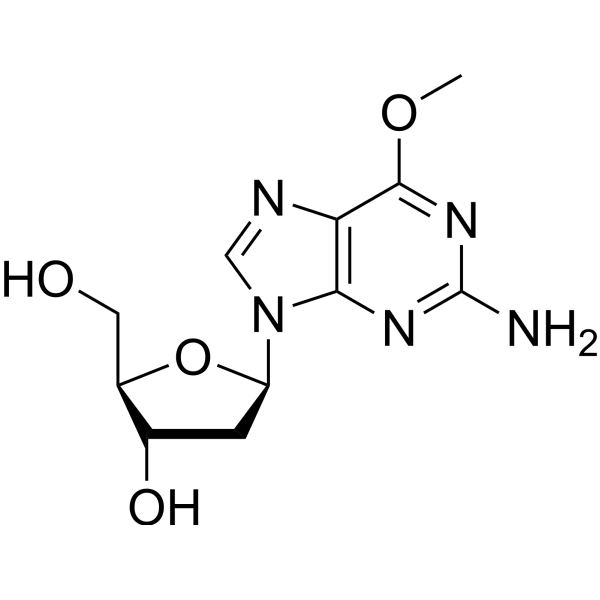
    O6-Methyl-2′-deoxyguanosine

    Nucleoside Antimetabolite/Analog Cancer
    O6-Methyldeoxy guanosine; DNA adduct is a purine nucleoside analog. Purine nucleoside analogs have broad antitumor activity targeting indolent lymphoid malignancies. Anticancer mechanisms in this process rely on inhibition of DNA synthesis, induction of apoptosis, etc .
    6-O-Methyldeoxyguanosine
  • HY-154406

    Nucleoside Antimetabolite/Analog Cancer
    2’-Deoxy-N2-methylguanosine, DNA adduct is a purine nucleoside analog. Purine nucleoside analogs have broad antitumor activity targeting indolent lymphoid malignancies. Anticancer mechanisms in this process rely on inhibition of DNA synthesis, induction of apoptosis, etc .
    2′-Deoxy-N-methylguanosine
  • HY-154578

    Nucleoside Antimetabolite/Analog Cancer
    N1-Methyl-2'-deoxyadenosine, DNA adduct is a purine nucleoside analog. Purine nucleoside analogs have broad antitumor activity targeting indolent lymphoid malignancies. Anticancer mechanisms in this process rely on inhibition of DNA synthesis, induction of apoptosis, etc .
    N1-Methyl-2'-deoxyadenosine
  • HY-107767

    DC 81

    Antibiotic Apoptosis DNA/RNA Synthesis Cancer
    Antibiotic DC 81 (DC 81), an antitumor antibiotic produced by Streptomyces species, is a PBD (pyrrolo[2,1-c][1,4]benzodiazepine). Antibiotic DC 81 is potent inhibitor of nucleic acid synthesis. Antibiotic DC 81 can recognize and bind to specific sequences of DNA and form a labile covalent adduct .
    Antibiotic DC 81
  • HY-12455

    ADC Payload Antibiotic DNA Alkylator/Crosslinker Apoptosis Caspase Cancer
    Duocarmycin A is an antitumor antibiotic and DNA alkylating agent with broad-spectrum antibacterial activity, which can serve as a payload for synthesizing antibody-drug conjugates (ADCs). Duocarmycin A selectively binds to the AT-rich minor groove of DNA, forms covalent adducts by alkylating the adenine N3 residue, thereby disrupting DNA structure and inhibiting its replication and transcription. Duocarmycin A induces apoptosis, sub-G1 phase accumulation and chromatin condensation, reduces the levels of pro-caspase-3/9, and induces p53-independent p21 expression. Duocarmycin A is widely used in the research of various malignancies, including leukemia, sarcoma, glioblastoma, as well as multiple solid tumor models such as lung cancer, breast cancer, and colorectal cancer .
    Duocarmycin A
  • HY-N9279

    Monocrotaline pyrrole; MCTP; 3,8-Didehydromonocrotaline

    Endogenous Metabolite Cardiovascular Disease Cancer
    Dehydromonocrotaline is a mitochondrial respiratory chain complex I NADH oxidase inhibitor, with a IC50 of 62.06 μM and a Ki of 8.1 μM in rats. Dehydromonocrotaline exerts non-competitive inhibitory effects by modifying cysteine thiol groups on complex I, and does not bind to the NADH-binding site. Dehydromonocrotaline dissipates mitochondrial membrane potential and reduces ATP levels. Dehydromonocrotaline can be used in studies related to hepatotoxicity, pulmonary hypertension and liver tumors .
    Dehydromonocrotaline
  • HY-W683760

    (2S)-N'-Nitrosonornicotine

    DNA/RNA Synthesis Cancer
    N-Nitrosonornicotine is a tobacco-specific nitrosamine that has carcinogenic and mutagenic activity, and it can induce micronuclei in C3A cells. N-Nitrosonornicotine can form DNA adducts .
    N-Nitrosonornicotine
  • HY-W141077

    Biochemical Assay Reagents Others
    1-Nitrosopyrrolidine is a molecule that primarily interacts with DNA and proteins, leading to the formation of DNA adducts and protein adducts.
    1-Nitrosopyrrolidine
  • HY-W591393

    Biochemical Assay Reagents Cancer
    Biotin Azide Plus is an oxazolidine reagent that integrates azide-biotin click chemistry and a photocleavable linker arm. Biotin Azide Plus not only reacts with biotin thioether to form stable sulfinimide products, but also enables bioconjugation of proteins and DNA through biotin redox-activated chemical labeling technology. Taking advantage of the streptavidin capture and photo-release properties, Biotin Azide Plus effectively facilitates the isolation of lipid-derived electrophile-protein adducts, thus finding wide application in scientific research related to fields such as SKBR3 cancer .
    Biotin Azide Plus
  • HY-141439

    Keap1-Nrf2 Quinone Reductase Glutathione S-transferase Apoptosis TNF Receptor Inflammation/Immunology Cancer
    TBE 31 is an orally active Keap1/Nrf2 pathway activator and NQO1 inducer with a Dm value of 1.1 nM for NQO1. TBE 31 binds to cysteine residues of Keap1, inhibits ubiquitination and degradation of Nrf2, thereby activating the expression of ARE-dependent genes. TBE 31 induces cytoprotective enzymes including NQO1 and GST isoforms, promotes Nrf2 accumulation, and upregulates Nrf2-regulated genes related to antioxidation and lipid metabolism. TBE 31 inhibits pro-inflammatory responses, formation of AFB1-DNA adducts, endoplasmic reticulum stress, cell apoptosis (apoptosis), hepatic fibrosis, oxidative stress, and the expression of ChREBP. TBE 31 reduces the number of tumors in a mouse model of ultraviolet-induced skin carcinogenesis. TBE 31 enhances nerve growth factor-induced neurite outgrowth. TBE 31 attenuates LPS-induced serum TNF-α levels and immobility time in mice. TBE 31 can be used in research related to liver cancer, skin cancer, inflammation-related depression, and non-alcoholic steatohepatitis .
    TBE 31
  • HY-W016433

    DNA/RNA Synthesis Others
    2-Aminofluorene is a synthetic chemical insecticide. 2-Aminofluorene is a genotoxin. 2-Aminofluorene can be used in the research of DNA adduct structure, DNA repair, carcinogenesis, and mutagenesis .
    2-Aminofluorene
  • HY-118517

    (E)-α-Hydroxy tamoxifen; α-OHTAM

    Drug Metabolite Cancer
    α-Hydroxytamoxifen is a metabolite of tamoxifen, reacts with DNA in the absence of metabolizing enzymes, and causes formation of DNA adducts .
    α-Hydroxytamoxifen
  • HY-U00265

    3-Carbethoxypsoralen; 3-Ethoxycarbonylpsoralen

    Bacterial Infection
    3-CPs is a monofunctional furanocoumarin and a photoprotective agent targeting Staphylococcus aureus DNA, possessesing anti-UVB lethal activity. 3-CPs competitively intercalates into DNA, forming exclusively 4',5'-furan-side mono-adducts upon UVB irradiation, and irreversibly inhibits the formation of cyclobutane pyrimidine dimers. 3-CPs prevents UVB-induced DNA damage by preferentially binding to strong (AT)n sites within the DNA, without inducing lethal interstrand DNA cross-links; the limited number of mono-adducts it induces can be efficiently repaired by bacteria. 3-CPs holds potential for use in the development of photoprotective formulations for skin diseases, as well as in studies investigating bacterial DNA photodamage repair mechanisms and the optimization of photochemotherapy safety .
    3-CPs
  • HY-W016433S1

    DNA/RNA Synthesis Others
    2-Aminofluorene-d11 is the deuterium labeled 2-Aminofluorene . 2-Aminofluorene is a synthetic chemical insecticide. 2-Aminofluorene is a genotoxin. 2-Aminofluorene can be used in the research of DNA adduct structure, DNA repair, carcinogenesis, and mutagenesis .
    2-Aminofluorene-d11
  • HY-W010482S

    Isotope-Labeled Compounds Cancer
    3-Ethylaniline-d5 is the deuterium labeled 3-Ethylaniline (HY-W010482). 3-Ethylaniline is metabolized in vivo to electrophilic intermediates that covalently bind to DNA and that adducts are formed in the DNA of bladder. 3-Ethylaniline can be used for the research of bladder cancer .
    3-Ethylaniline-d5
  • HY-W016433R

    Reference Standards DNA/RNA Synthesis Others
    2-Aminofluorene is a synthetic chemical insecticide. 2-Aminofluorene is a genotoxin. 2-Aminofluorene can be used in the research of DNA adduct structure, DNA repair, carcinogenesis, and mutagenesis .
    2-Aminofluorene (Standard)
  • HY-119983

    DBC

    Environmental Pollutants Cytochrome P450 Cancer
    7H-Dibenzo[c,g]carbazole (DBC) is an azaarene with high lipophilicity. 7H-Dibenzo[c,g]carbazole has carcinogenic activity and induce DNA adducts in fish, DNA adducts, mutations in diploid human fibroblasts and micronuclei in human blood lymphocytes. 7H-Dibenzo[c,g]carbazole is activated by cytochrome P450 enzymes resulting mainly in the generation of phenolic metabolites .
    7H-Dibenzo[c,g]carbazole
  • HY-173391

    4-HNE-GSH TFA

    Drug Metabolite Metabolic Disease
    4-Hydroxy nonenal glutathione (4-HNE-GSH) TFA is the primary metabolite of 4-Hydroxy-2-nonenal. 4-Hydroxy nonenal glutathionea TFA is a marker of oxidative stress in rat liver and hepatocytes. 4-Hydroxy nonenal glutathione TFA efficiently prevents formation of DNA adducts with 4-Hydroxy-2-nonenal in human cells .
    4-Hydroxy nonenal glutathione TFA
  • HY-W702826

    Isotope-Labeled Compounds Biochemical Assay Reagents Others
    1-Nitrosopyrrolidine-d4 is the deuterium labeled 1-Nitrosopyrrolidine (HY-W141077). 1-Nitrosopyrrolidine is a molecule that primarily interacts with DNA and proteins, leading to the formation of DNA adducts and protein adducts.
    1-Nitrosopyrrolidine-d4
  • HY-N6828

    Others Metabolic Disease
    Monocrotaline N-Oxide, a monocrotaline metabolite, leads to DNA adduct formation in vivo .
    Monocrotaline N-Oxide
  • HY-133590

    DNA Alkylator/Crosslinker Cancer
    Heliotrine N-oxide is the corresponding PA (pyrrolizidine alkaloid) N-oxide of Heliotrine (HY-126128). Heliotrine N-oxide leads to the formation of pyrrolic DNA adducts and potential initiation of PA-induced liver tumors in vivo .
    Heliotrine N-oxide
  • HY-176960

    Biochemical Assay Reagents Others
    3-Amino-2-hydroxypropyl dihydrogen phosphate is a chemical modification complex of the DNA phosphate backbone, which can be used to study the interaction between HIV integrase (IN) and DNA .
    3-Amino-2-hydroxypropyl dihydrogen phosphate
  • HY-69014R

    DNA/RNA Synthesis Endogenous Metabolite Reference Standards Cancer
    2-O-Methylcytosine (Standard) is the analytical standard of 2-O-Methylcytosine. This product is intended for research and analytical applications. 2-O-Methylcytosine, an O-alkylated analogue a DNA adduct, is the damaged nucleobase .
    2-O-Methylcytosine (Standard)
  • HY-U00279A

    DNA/RNA Synthesis Cancer
    Nitracrine dihydrochloride hydrate inhibits RNA synthesis and covalently, reversibly binds to DNA but also forms covalent adducts with DNA in vivo. Nitracrine dihydrochloride hydrate, a 1-nitroacridine derivative, is a potent hypoxia-selective agent in vitro and antitumor agent. Nitracrine dihydrochloride hydrate has cytotoxicity towards most cells .
    Nitracrine dihydrochloride hydrate
  • HY-U00279B

    DNA/RNA Synthesis Cancer
    Nitracrine hydrochloride is a platinum-based antineoplastic drug with selective toxicity to hypoxic cells. Nitracrine hydrochloride exhibits significant cytotoxicity against the Chinese hamster ovary cell line AA8 under hypoxic conditions. Nitracrine hydrochloride exerts its effect by binding to the insertion of DNA and forming covalent adducts. The cytotoxicity of Nitracrine hydrochloride under hypoxic conditions is related to its reductive metabolism to form alkylated substances. At the same time, it may enhance the reactivity to DNA through the insertion of DNA, thereby improving the efficacy. Nitracrine hydrochloride can also inhibit RNA synthesis, contributing to its anti-tumor effect .
    Nitracrine hydrochloride
  • HY-W013053R

    DBA (Standard); 1,2,5,6-Dibenzanthracene (Standard); Benzo[k]tetraphene (Standard)

    DNA/RNA Synthesis Apoptosis Reference Standards MDM-2/p53 Cancer
    Dibenz[a,h]anthracene (Standard) is the analytical standard of Dibenz[a,h]anthracene. This product is intended for research and analytical applications. Dibenz[a,h]anthracene (DBA) is a polycyclic aromatic hydrocarbon (PAH) of considerable tumorigenicity. Dibenz[a,h]anthracene results in DNA adduct formation leading to the activation of a DNA damage response. Dibenz[a,h]anthracene induces cell cycle arrest and apoptosis via both Tp53-dependent and Tp53-independent mechanisms .
    Dibenz[a,h]anthracene (Standard)
  • HY-W141077R

    Biochemical Assay Reagents Reference Standards Others
    1-Nitrosopyrrolidine (Standard) is the analytical standard of 1-Nitrosopyrrolidine. This product is intended for research and analytical applications. 1-Nitrosopyrrolidine is a molecule that primarily interacts with DNA and proteins, leading to the formation of DNA adducts and protein adducts.
    1-Nitrosopyrrolidine (Standard)
  • HY-147740

    DNA Alkylator/Crosslinker Cancer
    WEHI-150 is a replica of mitoxantrone, is a portent DNA interstrand crosslinkadduct half-lives of 12.5 h. WEHI-150 forms covalent adducts at CpG sequences and exhibits a preference for methylated CpG sites. Formaldehyde-activated WEHI-150 induces DNA interstrand crosslinks. Formaldehyde-activated WEHI-150 shows Concentration-dependent transcription blockages. WEHI-150 can mediate covalent adducts that are independent of interactions with the N-2 of guanine and is capable of adduct formation at novel DNA sequences .
    WEHI-150
  • HY-N15366

    DNA Alkylator/Crosslinker Cancer
    N-Acetoxy-IQ is a DNA alkylating agent that can covalently bind to DNA, especially guanine residues. N-Acetoxy-IQ exerts mutagenic and carcinogenic activities by forming DNA adducts. N-Acetoxy-IQ is promising for research of cancers .
    N-Acetoxy-IQ
  • HY-116832

    NO Synthase Cancer
    Retrorsine N-oxide, an N-oxide of pyrrolizidine alkaloid, is a carcinogen. Retrorsine N-oxide-derived DNA adducts are common toxicological biomarkers of pyrrolizidine alkaloid N-oxides .
    Retrorsine N-oxide
  • HY-W016286
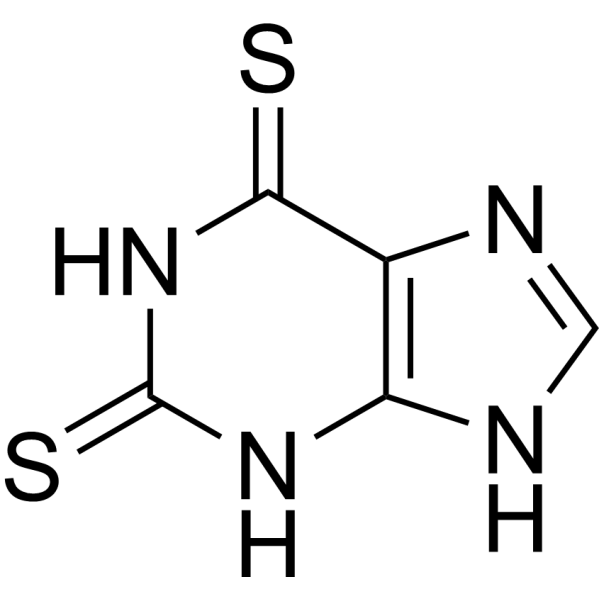
    2,6-Dithiopurine
    2 Publications Verification

    2,6-Dimercaptopurine

    Biochemical Assay Reagents Cancer
    2,6-Dithiopurine (2,6-Dimercaptopurine) is a nucleophilic scavenger for electrophilic carcinogens. 2,6-Dithiopurine abolishes both DNA adduct formation and the initiation of carcinogenesis .
    2,6-Dithiopurine
  • HY-W016286R

    2,6-Dimercaptopurine (Standard)

    Biochemical Assay Reagents Reference Standards Cancer
    2,6-Dithiopurine (2,6-Dimercaptopurine) is a nucleophilic scavenger for electrophilic carcinogens. 2,6-Dithiopurine abolishes both DNA adduct formation and the initiation of carcinogenesis .
    2,6-Dithiopurine (Standard)

Inquiry Online

Your information is safe with us. * Required Fields.

Salutation


Country or Region *

Applicant Name *


Organization Name *

Department *


Email Address *


Product Name *

Cat. No.


Requested quantity *

Phone Number *


Remarks

Inquiry Online

Inquiry Information

Product Name:
Cat. No.:
Quantity:
MCE Japan Authorized Agent: