From 11:00 pm to 12:00 pm EST ( 8:00 pm to 9:00 pm PST ) on January 6th, the website will be under maintenance. We are sorry for the inconvenience. Please arrange your schedule properly.
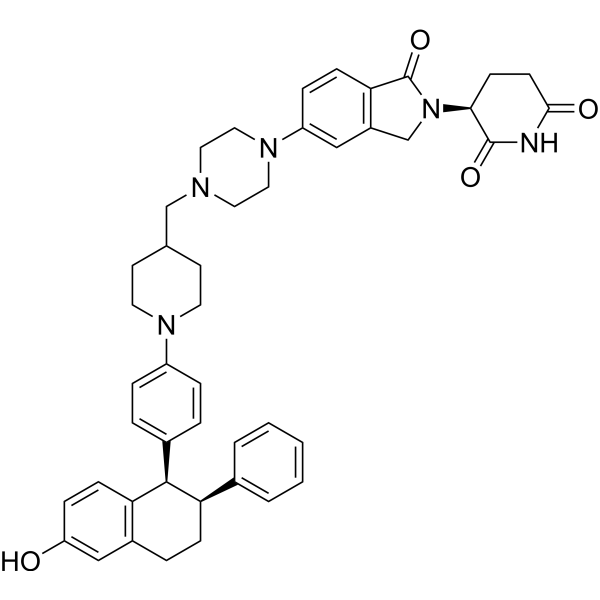
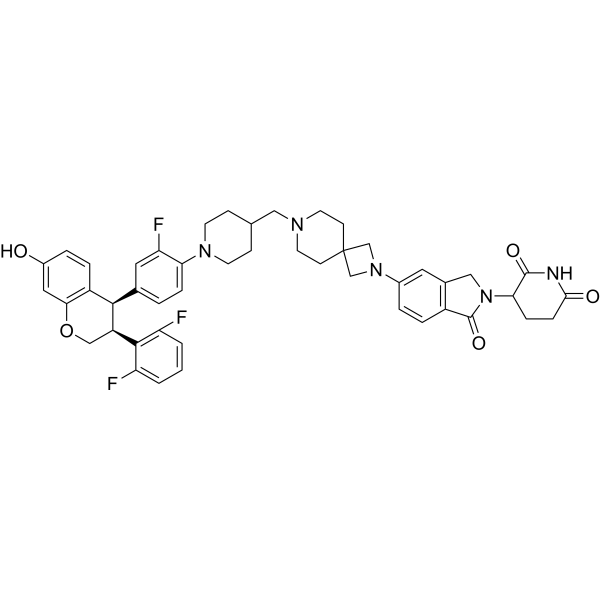
Vepdegestrant (ARV-471) is an orally active PROTACestrogen receptor degrader against breast cancer. Vepdegestrant is a hetero-bifunctional molecule that facilitates the interactions between estrogen receptor alpha and an intracellular E3 ligase complex. Vepdegestrant leads to the ubiquitylation and subsequent degradation of estrogen receptors via the proteasome. Vepdegestrant robustly degrades ER in ER-positive breast cancer cell lines with a half-maximal degradation concentration (DC50) of about 2 nM .
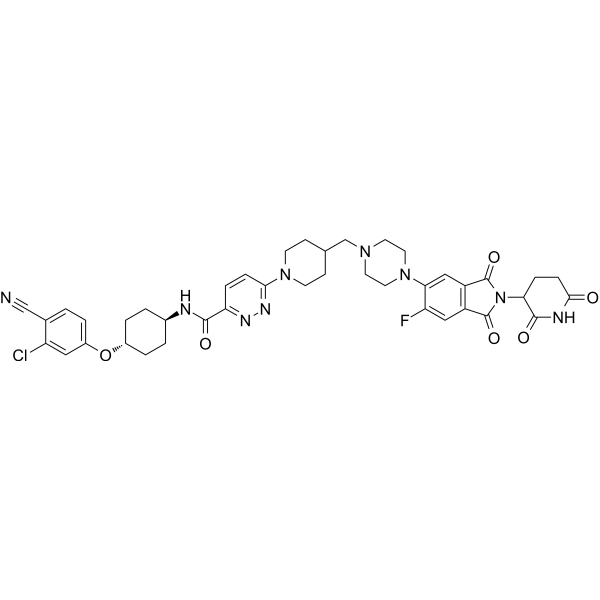
Bavdegalutamide (ARV-110) is an orally active, specific androgen receptor (AR) PROTAC degrader. Bavdegalutamide promotes ubiquitination and degradation of AR. Bavdegalutamide can be used for the research of prostate cancer (Pink: AR ligand (HY-168299); Blue: E3 ligase ligand (HY-W093272); Black: linker (HY-W091986)) .
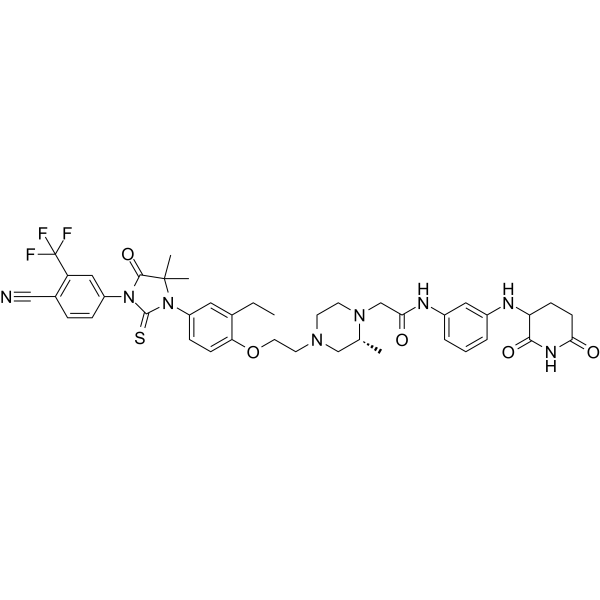
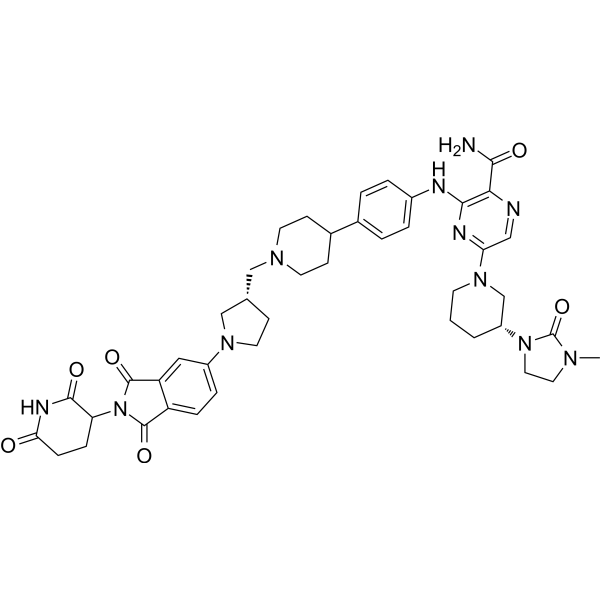
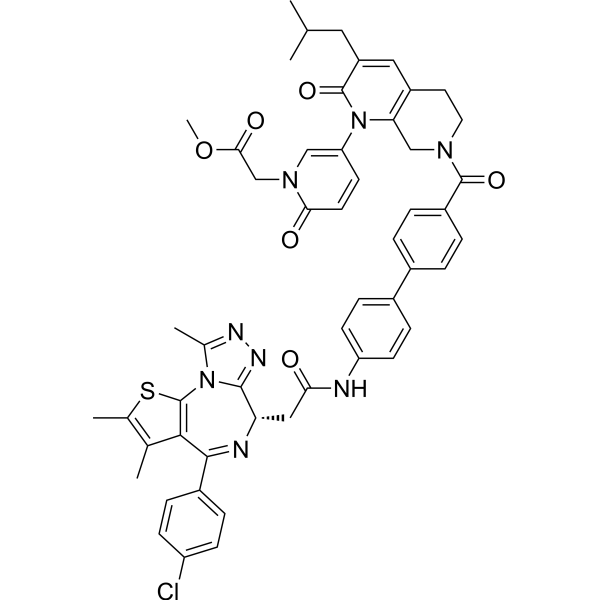
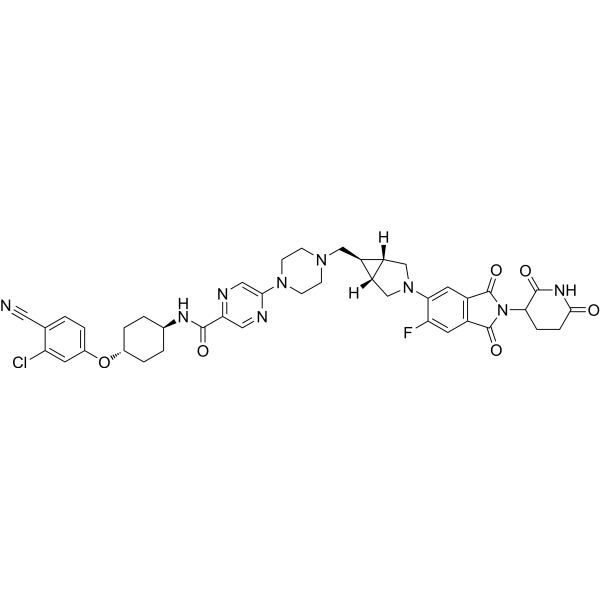
BMS-986365 (CC-94676) is an orally active and selective targeted androgen receptor (AR) PROTAC degrader (DC50 of 10-40 nM). BMS-986365 is capable of inducing cereblon (CRBN) E3 ligase-dependent ubiquitination and degradation of the androgen receptor (AR), as well as various AR mutants. BMS-986365 shows no degradation of the close AR family members estrogen receptor (ER), progesterone receptor (PR), and glucocorticoid receptor (GR). BMS-986365 shows significant in vivo potency, degrading AR, inhibiting AR signaling, and restricting tumor growth in animal models of advanced prostate cancer. BMS-986365 can be used for the study of metastatic castration-resistant prostate cancer (mCRPC) .
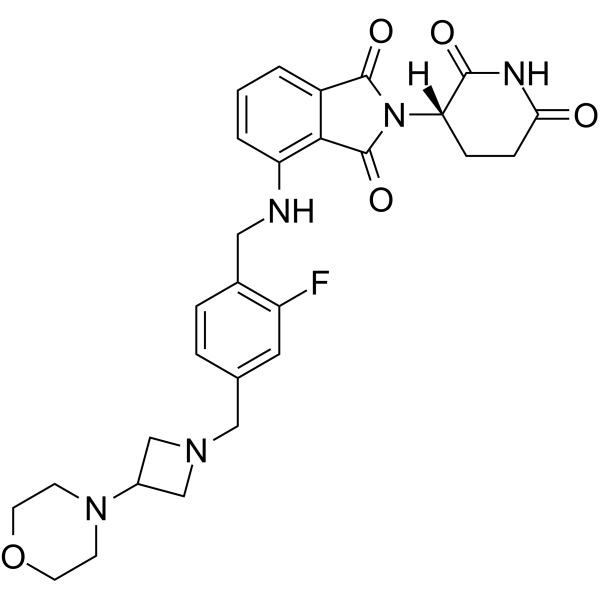
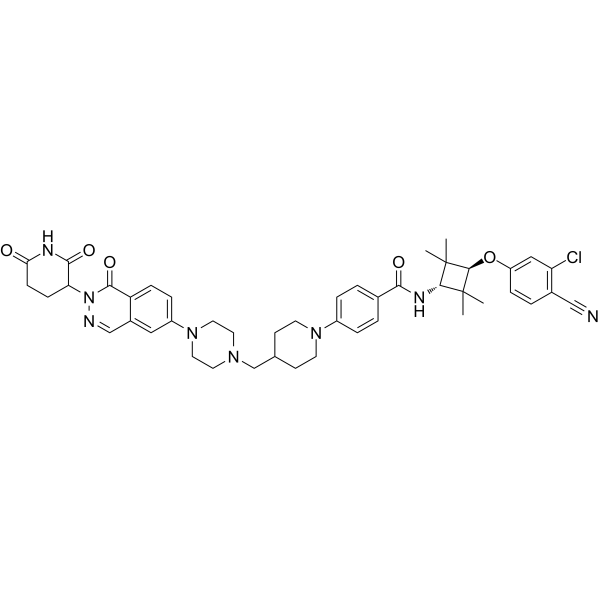
Golcadomide (CC-99282) is a potent and orally active CRBN E3 ligase modulator (CELMoD). Golcadomide interacts with the CRL4 CRBN E3 ubiquitin ligase substrate receptor CRBN, inducing the recruitment and ubiquitin-mediated proteasomal degradation of the transcription factors Ikaros and Aiolos. Golcadomide shows potential for research in cancer-related fields, including chronic lymphocytic leukemia (CLL) and non-Hodgkin lymphoma (NHL) .
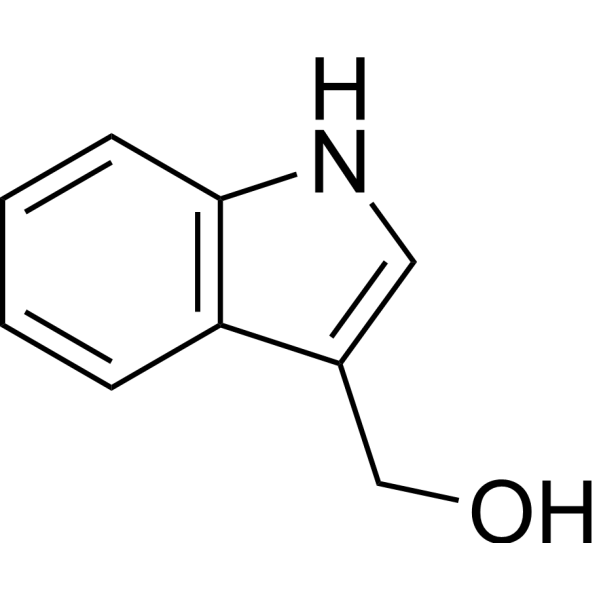
Indole-3-carbinol (I3C) inhibits NF-κB activity and also is an Aryl hydrocarbon receptor (AhR) agonist, and an inhibitor of WWP1 (WW domain-containing ubiquitin E3 ligase 1).
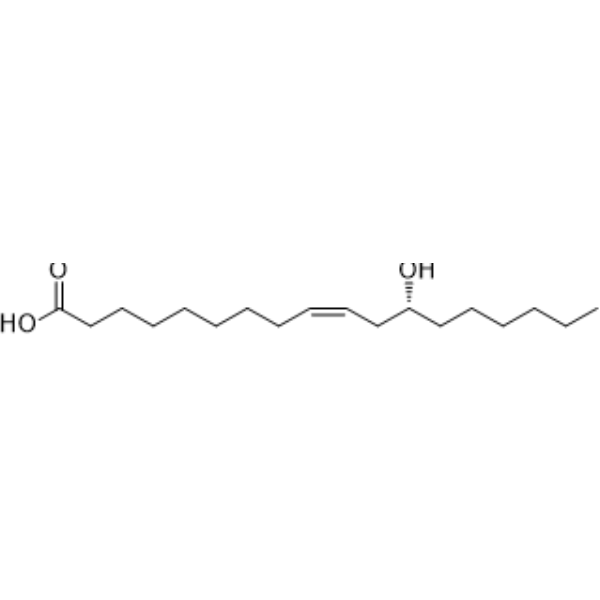
Ricinoleic acid (purity≥99%), a hydroxy fatty acid, is an attractive feedstock for the production of high-performance lubricants, cosmetics, polymers, surfactants, and coatings. Ricinoleic acid is the main active ingredient of Castor oil (HY-107799). Ricinoleic acid is the agonist for prostaglandin EP3 receptor (EP3 receptor) (EC50 in MEG-01 is 0.5 μM), that causes laxative effects and uterine contraction. Ricinoleic acid exhibits antianxiety-like, anti-inflammatory and pro-inflammatory properties .
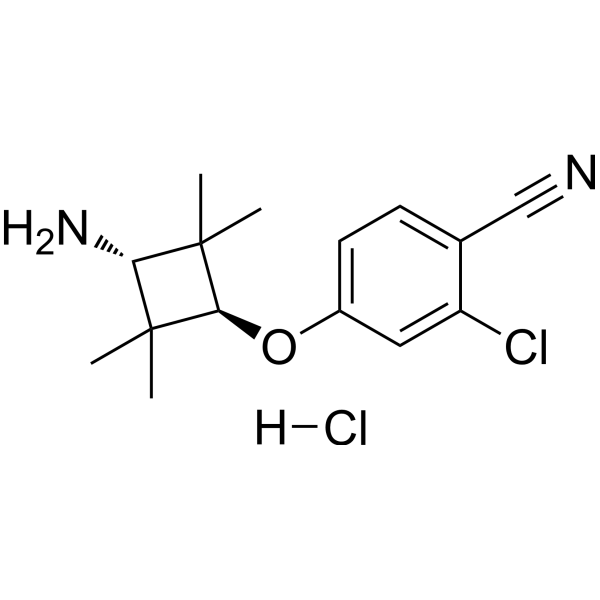
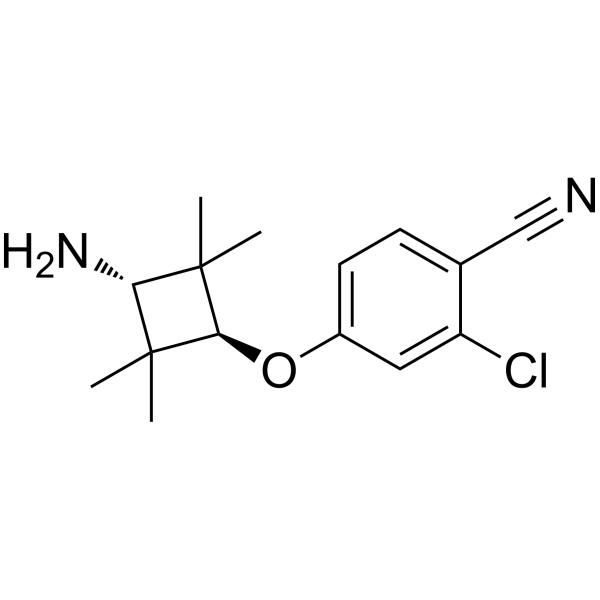
AR antagonist 1 (compound 29) hydrochloride is a potent androgen receptor (AR) antagonist and binds to E3 ligase ligands with weak binding affinities to VHL protein in the synthesis of PROTAC ARD-266 (HY-133020) .
GDC-2992 (Compound 28A) is an orally bioavailable androgen receptor (AR) PROTAC degrader. GDC-2992 degrads AR with a DC50 value of 2.7 nM and inhibits proliferation with an IC50 valude of 9.7 nM in VCaPcells. GDC-2992 can be used for prostatic cancer study. (Structure Note: Pink: target protein ligand (HY-130845); Blue: E3 ligase ligand (HY-W1003189A); Black: linker (HY-169975); E3 ligase ligand +linker (HY-169976A)) .
PLX-3618 is a molecular glue, that degrades BRD4 with DC50 of 12.2 nM. PLX-3618 promotes polyubiquitination and subsequent proteasomal degradation of BRD4 by recruiting of the E3 ligase substrate receptor, DCAF11. PLX-3618 inhibits the proliferation of various cancer cells, induces apoptosis in AML cells. PLX-3618 exhibits antitumor activity against AML in mouse models .
Abciximab (C7E3), a chimeric mouse/human monoclonal antibody fragment, is a glycoprotein (GP) IIb/IIIa inhibitor. Abciximab inhibits platelet aggregation and leucocyte adhesion by binding to the glycoprotein IIb/IIIa, vitronectin and Mac-1 receptors .
Fidasimtamab is a bispecific antibody targeting human epidermal growth factor receptor 2 (Her2) and programmed death protein 1 (PD-1), with a Ka of 3.55e-10 M for human Her2 and a Ka of 1.17e-9 M for human PD-1. Fidasimtamab cross-links Her2-positive tumor cells with PD-1-positive T cells to form immune synapses, blocks PD-1-ligand interactions, preserves antibody-dependent cellular cytotoxicity, induces gasdermin B (GSDMB)-mediated pyroptosis, and activates T cells. Fidasimtamab is applicable to relevant research on Her2-positive gastric cancer .
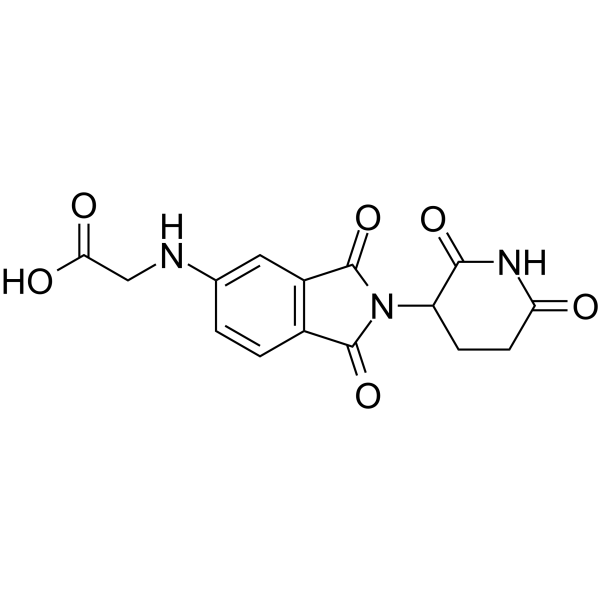
Thalidomide-5-NH2-CH2-COOH (compound 114) is a potent and selective inhibitor of tropomyosin receptor kinase (trk). Thalidomide-5-NH2-CH2-COOH is a ligand of E3 ligase. Thalidomide-5-NH2-CH2-COOH has the potential for researching one or more diseases (extracted from patent WO2021170109A1) .
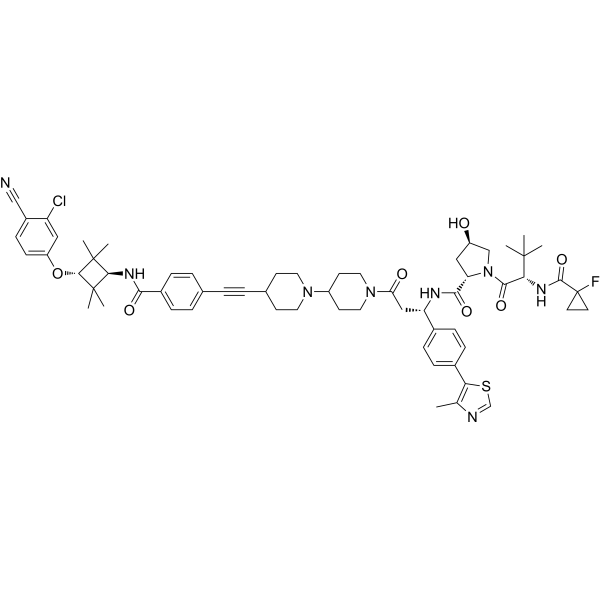
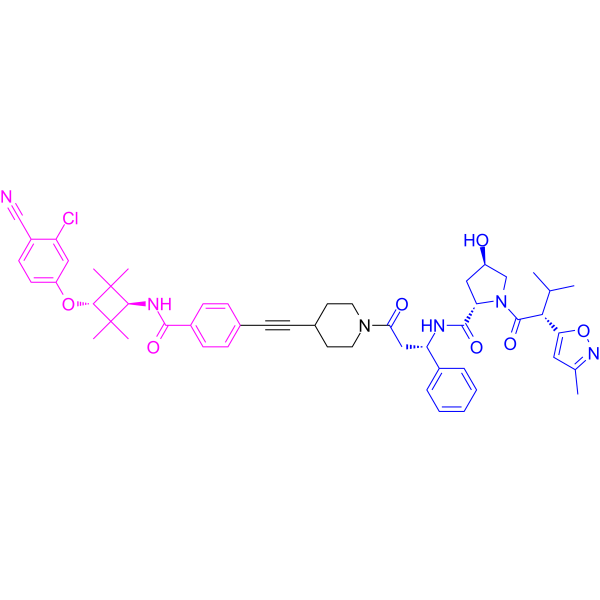
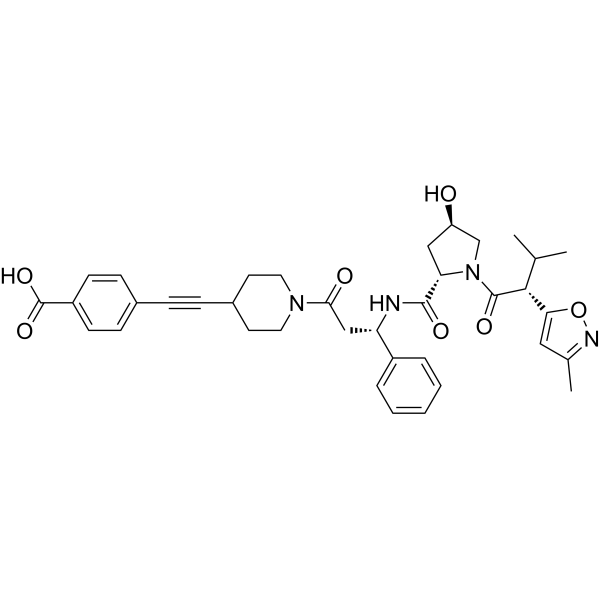
ARD-69 is a PROTAC degrader based on the E3 ubiquitin ligase VHL and targeting the androgen receptor, which can induce androgen receptor (AR) protein degradation in AR-positive prostate cancer cells. ARD-69 inhibits AR-regulated gene expression, binds to the AR ligand binding domain at one end and binds to VHL at the other end, prompting AR to be recruited to the E3 ubiquitin ligase complex, triggering proteasome degradation, thereby inhibiting AR signaling pathways and downstream gene expression (such as PSA, TMPRSS2). ARD-69 can be used to study of castration-resistant prostate cancer (mCRPC) . ARD-69 is composed of a target protein ligand (pink part) AR antagonist 14 (HY-172624), a PROTAC linker (black part) tert-Butyl 4-ethynyl-[1,4'-bipiperidine]-1'-carboxylate (HY-W442074), and a VHL-type E3 ubiquitinase ligand (blue part) VH 101, acid (HY-47070); among them, the VHL ligand and the linker can form a conjugate VH 101-amide-piperidine-Pip-alkyne (HY-172625).
PROTAC AR-V7 degrader-1 is an orally active and selective AR-V7 PROTAC degrader with a DC50 of 0.32 μM (in 22Rv1 cells). PROTAC AR-V7 degrader-1 can inhibit the proliferation of tumor cells and exhibit anti-tumor activity. PROTAC AR-V7 degrader-1 can be used for the research of cancers such as prostate cancer .(Pink: VPC-14228 (HY-117669); Black: linker (HY-W041652); Blue: VHL Ligand (HY-112078))
BRD4 degrader-1 (Compound mL 1-50) is a relatively selective, monovalent and covalent BRD4Molecular glue degrader. BRD4 degrader-1 induces degradation of both long and short isoforms of BRD4 by targeting DCAF16 (an E3 ligase). BRD4 degrader-1 can be used in breast cancer research .
MS39 (compound 6) is a PROTAC targeting EGFR. MS39 reduces the expression of EGFR and downstream signaling in HCC-827 and H3255 cells. MS39 inhibits the proliferation of H3255 cells .
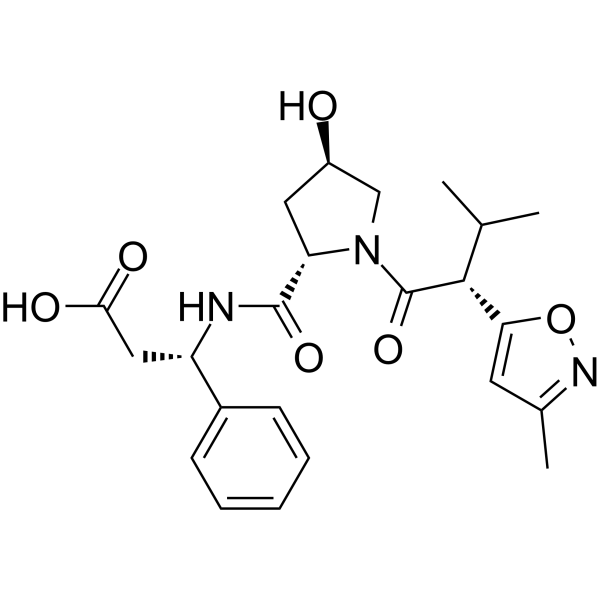
VHL Ligand 8 is a VHL ligand. VHL Ligand 8 can be used to synthesize ARD-266 (HY-133020), a highly potent and VHL E3 ligase-based androgen receptor (AR) PROTAC degrader. ARD-266 effectively induces degradation of AR protein in AR-positive LNCaP, VCaP, and 22Rv1 prostate cancer cell lines with DC50 values of 0.2-1 nM .
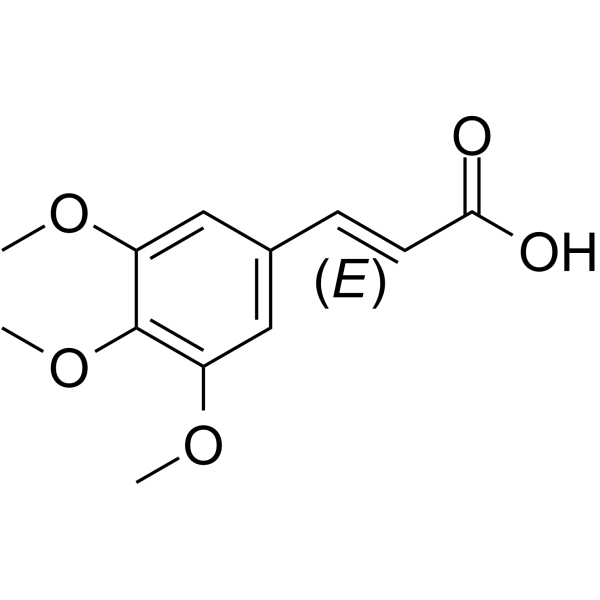
(E)-3,4,5-Trimethoxycinnamic acid (TMCA) is a cinnamic acid substituted by multi-methoxy groups. (E)-3,4,5-Trimethoxycinnamic acid is an orally active and potent GABAA/BZreceptor agonist. (E)-3,4,5-Trimethoxycinnamic exhibits favourable binding affinity to 5-HT2C and 5-HT1Areceptor, with IC50 values of 2.5 and 7.6 μM, respectively. (E)-3,4,5-Trimethoxycinnamic acid shows anticonvulsant and sedative activity. (E)-3,4,5-Trimethoxycinnamic acid can be used for the research of insomnia, headache and epilepsy .
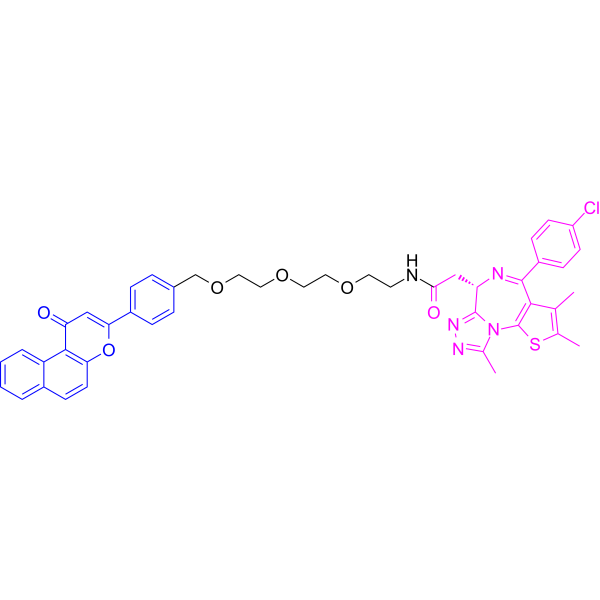
β-NF-JQ1 is a PROTAC that recruits Aryl Hydrocarbon ReceptorE3 ligase to target proteins. β-NF-JQ1 is directed against bromodomain-containing (BRD) proteins using β-NF as an AhR ligand, induces the interaction of AhR and BRD proteins, and displays effective anticancer activity that correlated with protein knockdown activity .
ARD-266 is a highly potent and von Hippel-LindauE3 ligase-based Androgen Receptor (AR) PROTAC degrader. ARD-266 effectively induces degradation of AR protein in AR-positive LNCaP, VCaP, and 22Rv1 prostate cancer cell lines with DC50 values of 0.2-1 nM . ARD-266 is a click chemistry reagent, it contains an Alkyne group and can undergo copper-catalyzed azide-alkyne cycloaddition (CuAAc) with molecules containing Azide groups.
AZ‘3137 is an orally active PROTAC-type androgen receptor (AR) degrader with a DC50 value of 22 nM. AZ‘3137 can degrade L702H mutant AR (DC50 of 92 nM). AZ'3137 can inhibit cell proliferation of LNCaP, with a GI50 value of 74 nM. AZ'3137 can inhibit AR signaling and tumor growth in prostate cancer mice (Pink: AR Ligand (HY-172954); Blue: CRBN ligand (HY-172955); Black: linker (HY-W262798); E3 Ligand+Linker: HY-172956) .
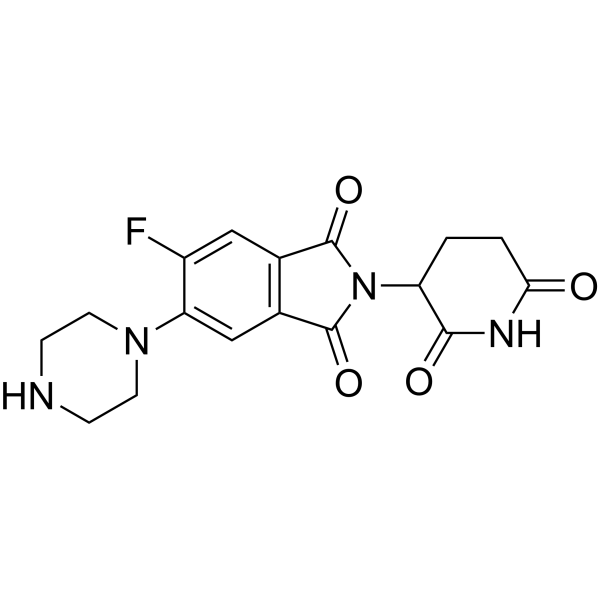
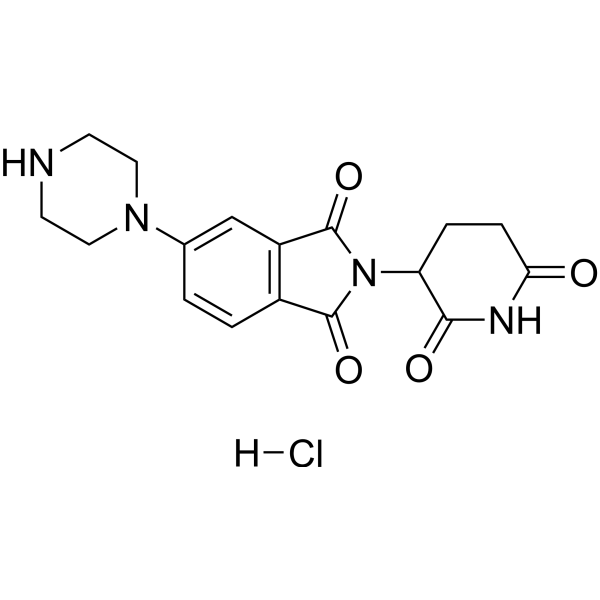
Thalidomide-piperazine hydrochloride is a synthetic E3 ligase ligand-linker conjugate, containing a cereblon ligand based on Thalidomide (HY-14658) and one linker. Thalidomide-piperazine hydrochloride can be used in studies related to PROTAC synthesis .
Sepetaprost (ONO-9054) is a dual agonist of the prostaglandin E3receptor and prostaglandin F receptor. Sepetaprost reduces intraocular pressure in animal models. Sepetaprost is applicable for research on ocular hypertension and open-angle glaucoma .
PROTAC ERα Degrader-1 comprises an ubiquitin E3 ligase binding group, a linker and a protein binding group. PROTAC ERα Degrader-1 extracts from patent WO2017201449A1, compound P1. PROTAC ERα Degrader-1 is an estrogen receptor-alpha (ERα) degrader.
Indole-3-carbinol (Standard) is the analytical standard of Indole-3-carbinol. This product is intended for research and analytical applications. Indole-3-carbinol (I3C) inhibits NF-κB activity and also is an Aryl hydrocarbon receptor (AhR) agonist, and an inhibitor of WWP1 (WW domain-containing ubiquitin E3 ligase 1).
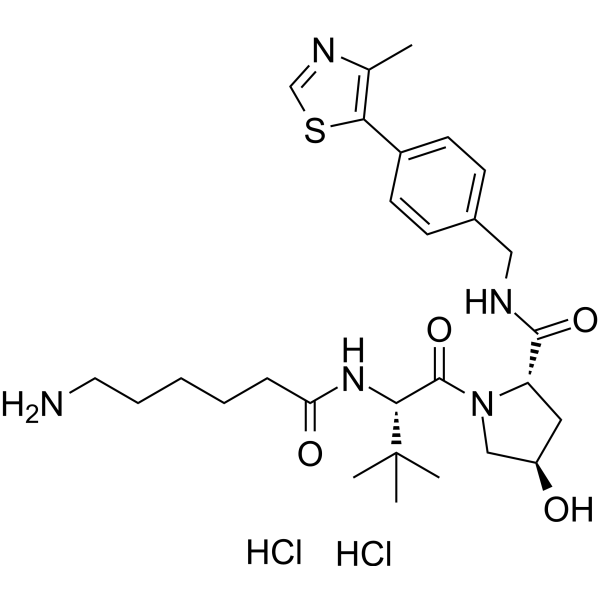
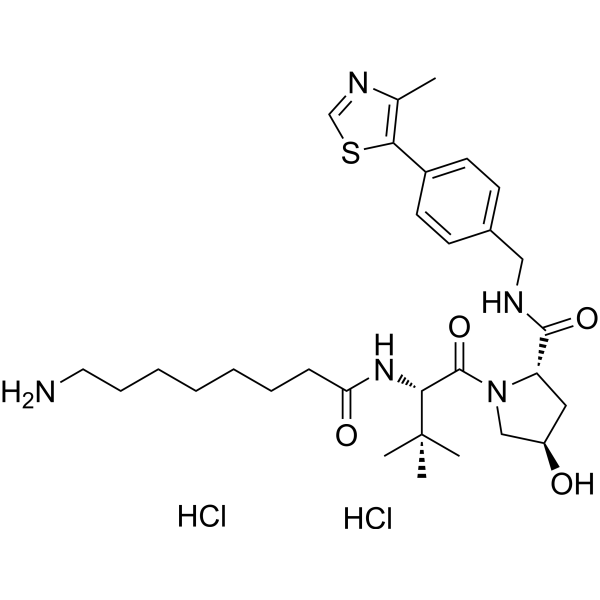
(S,R,S)-AHPC-C5-NH2 (VH032-C5-NH2) dihydrochloride is a synthesized E3 ligase ligand-linker conjugate that incorporates the VH032 based VHL ligand and a linker used for estrogen-related receptor α (ERRα) PROTAC degrader .
BR-cpd7 is a PROTAC degrader for fibroblast growth factor receptorFGFR1/2 with DC50 of 10 nM. BR-cpd7 arrests cell cycle, inhibits proliferations of FGFR1/2 aberrant activated tumor cells. (Pink: ligand for target protein FGFR-IN-12 (HY-160013); Black: linker; Blue: ligand for E3 ligase Thalidomide-NH-CH2-COOH (HY-131717))
AR Degrader-1 (Compound ML 2-9) is a molecular glue androgen receptor (AR) monovalent degrader. AR Degrader-1 degrades AR through DCAF16 (E3 ligase) without obvious cytotoxicity in LNCaP prostate cancer cells .
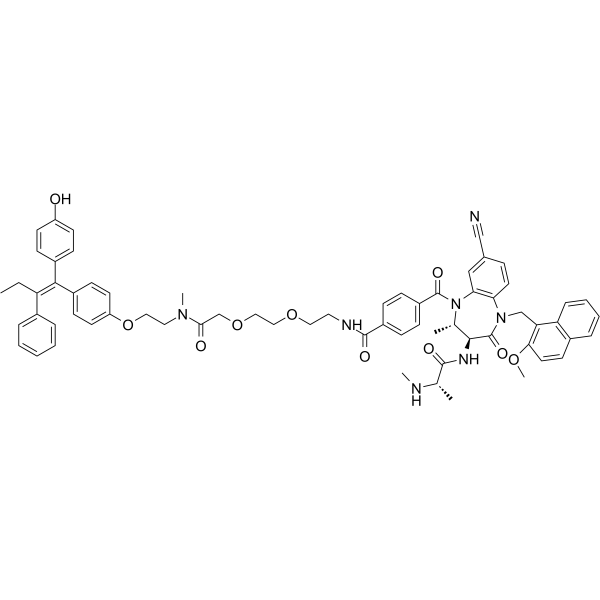
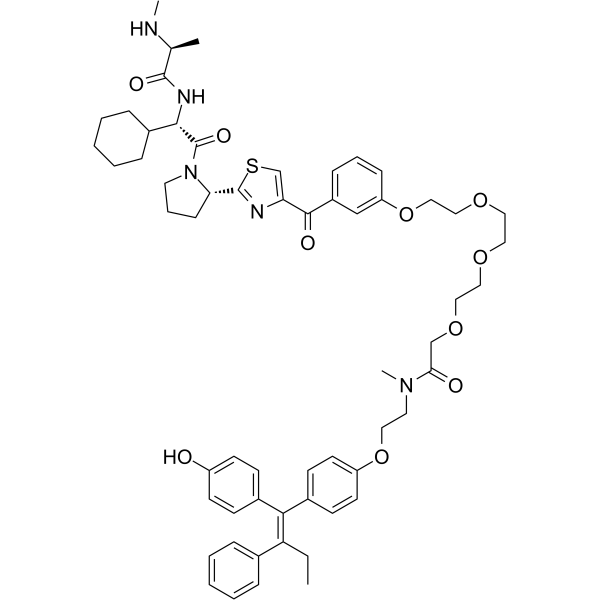
SNIPER(ER)-87 consists of an inhibitor of apoptosis protein (IAP) ligand LCL161 derivative that is conjugated to the estrogen receptor α (ERα) ligand 4-hydroxytamoxifen by a PEG linker, and efficiently degrades the ERα protein (IC50=0.097 μM). SNIPER(ER)-87 preferentially recruits XIAP to ERα in the cells, and XIAP is the primary E3 ubiquitin ligase responsible for the SNIPER(ER)-87-induced ERα degradation .
VHL Ligand-Linker Conjugates 17 incorporates a VHL ligand for the E3 ubiquitin ligase, and a PROTAC linker. VHL Ligand-Linker Conjugates 17 can be used in the synthesis of a series of PROTACs, such as ARD-266 (HY-133020). ARD-266 is a highly potent androgen receptor (AR) PROTAC degrader . VHL Ligand-Linker Conjugates 17 is a click chemistry reagent, it contains an Alkyne group and can undergo copper-catalyzed azide-alkyne cycloaddition (CuAAc) with molecules containing Azide groups.
AR antagonist 1 (compound 29) is a potent androgen receptor (AR) antagonist and binds to E3 ligase ligands with weak binding affinities to VHL protein in the synthesis of PROTAC ARD-266 (HY-133020).
K2-B4-5e is a E3 ligase KLHDC2-based BRD4 and androgen receptor (AR) degradation PROTAC. K2-B4-5e is capable of inducing rapid and robust degradation of BET-family and AR proteins in cells .
Vepdegestrant-d5 (ARV-471-d5) is the deuterium labeled Vepdegestrant (HY-138642). Vepdegestrant (ARV-471) is an orally active PROTAC estrogen receptor degrader against breast cancer. Vepdegestrant is a hetero-bifunctional molecule that facilitates the interactions between estrogen receptor alpha and an intracellular E3 ligase complex. Vepdegestrant leads to the ubiquitylation and subsequent degradation of estrogen receptors via the proteasome. Vepdegestrant robustly degrades ER in ER-positive breast cancer cell lines with a DC50 of about 2 nM .
Thalidomide-piperazine hydrochloride is a synthetic E3 ligase ligand-linker conjugate, comprising a cereblon ligand based on Thalidomide (HY-14658) and one linker. Thalidomide-piperazine hydrochloride can be used in studies related to PROTAC synthesis .
(Rac)-Vepdegestrant is the isomer of Vepdegestrant (HY-138642). Vepdegestrant ((R)-Lavandulol) is an orally active PROTACestrogen receptor degrader against breast cancer. Vepdegestrant is a hetero-bifunctional molecule that facilitates the interactions between estrogen receptor alpha and an intracellular E3 ligase complex. Vepdegestrant leads to the ubiquitylation and subsequent degradation of estrogen receptors via the proteasome. Vepdegestrant robustly degrades ER in ER-positive breast cancer cell lines with a half-maximal degradation concentration (DC50) of about 2 nM .
PROTAC AR Degrader-7 (compound 99) is a PROTAC targeting androgen receptor with an IC50 value of 3 nM. PROTAC AR Degrader-7 is composed of PROTAC target protein ligand AR ligand-32 (HY-170303) (red part), E3 ligase ligand E3 ligase Ligand 44 (HY-170304) (blue part) and PROTAC Linker N-Boc-piperazine (HY-30105) (black part), among which the conjugate of E3 ubiquitin ligase ligand + Linker is E3 Ligase Ligand-linker Conjugate 145 (HY-170305) .
WB156 is a dual MDM2 and GSPT1 degrader. WB156 can recruit CRBN (Cereblon, a substrate receptor of the E3 ubiquitin-ligase complex) to induce the ubiquitination-proteasome pathway-mediated degradation of MDM2 and GSPT1. WB156 is promising for research of cancers, such as leukemia .
(Rac)-GDC-2992 (Compound 1) is a PROTAC androgen receptor degrader (DC50: 10 nM in VCaP cell). (Rac)-GDC-2992 blocks the process of androgen receptor transduction and also degrades the receptor itself. (Rac)-GDC-2992 can be used for prostate cancer research. Pink: AR ligand (HY-130845); Blue: E3 ligase ligand (HY-W1003189); Black: linker (HY-169975) .
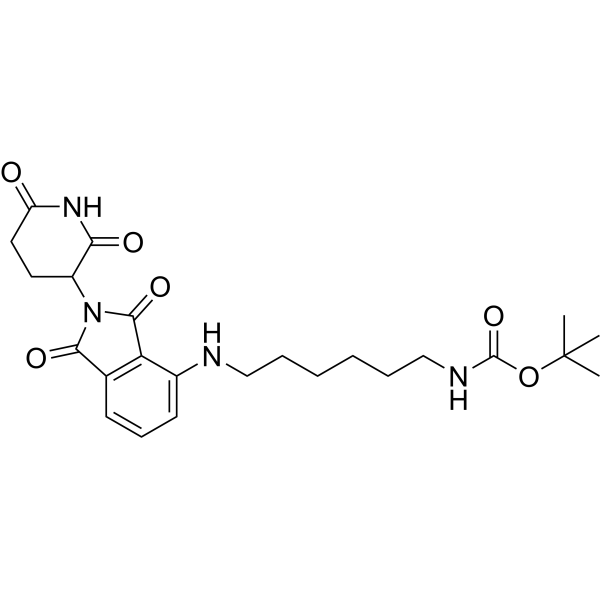
Thalidomide-NH-C6-NH-Boc is a synthesized E3 ligase ligand-linker conjugate that incorporates the Thalidomide based cereblon ligand and a linker used for MI-389 (compound 22) synthesis. MI-389 is a potent phthalimide PROTAC degrader based on the multi-targeted receptor tyrosine kinase inhibitor sunitinib (HY-10255A) .
Tamoxifen-PEG-Clozapine is an estrogen receptor α (ERα) PROTAC degrader. Tamoxifen-PEG-Clozapine degrades ERα via a ubiquitin-proteasome system that uses the ubiquitin protein ligase E3 component N-recognin 5. Tamoxifen-PEG-Clozapine can be used for the research of cancer . (Pink: ERα inhibitor (HY-W271653); Black: linker (HY-168870); Blue: CRBN Ligand (HY-G0021))
LO-4-25 is a covalent degrader targeting the androgen receptor (AR) and its truncated variant AR-V7. LO-4-25 covalently binds to the E3 ubiquitin ligase CUL4 DCAF16, promoting the ubiquitination of AR and AR-V7, which subsequently are recognized and degraded by the proteasome, reducing the protein levels of AR and AR-V7 in cells. LO-4-25 is promising for research of androgen-independent prostate cancers .
PROTAC AR Degrader-9 (Compound c6) is a PROTAC degrader for androgen receptor, that degrades AR in human hair follicle papilla cells (HDPCs) with a DC50 of 262.38 nM. PROTAC AR Degrader-9 promotes the expressions of paracrine factors, such as TGF-β1 and β-catenin, exhibits hair regenerating efficacy in mouse models . (Pink: ligand for target protein AR ligand-38 (HY-170450); Black: linker; Blue: ligand for E3 ligase Cereblon (HY-170449))
PROTAC BTK Degrader-13 (Compound 25) is the PROTAC degrader for BTK with a DC50 of 0.27 μM. PROTAC BTK Degrader-13 inhibits the activity of BTK with an IC50 of 0.44 μM, inhibits IL-2-induced T cell kinase (ITK) with an IC50 of 2.16 μM. PROTAC BTK Degrader-13 inhibits p38 MAPK signaling pathway, block the activation of the BCR (B cell receptor) signaling pathway . (Pink: ligand for target protein BTK ligand 15 (HY-168965); Black: linker (HY-Y0524); Blue: ligand for E3 ligase cereblon (HY-103596))
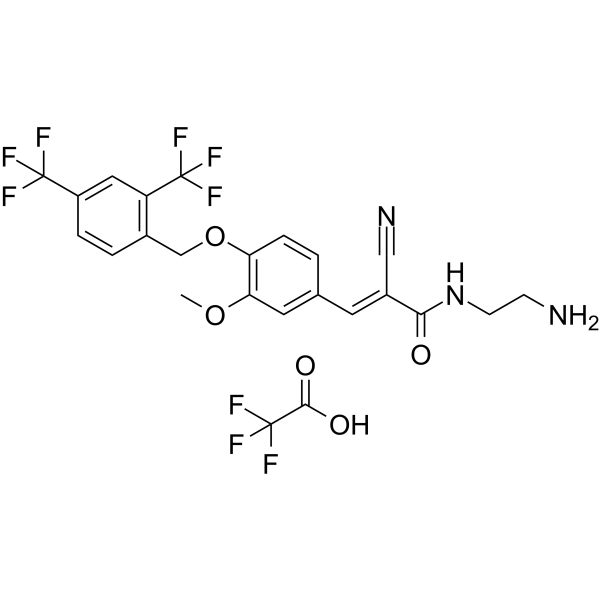
NR2E3 agonist 1 (Compound 11a) is a small molecule agonist of the photoreceptor-specific nuclear receptor(NR2E3) with an EC50 value of less than 200 nM. NR2E3 agonist 1 can be used in retinitis pigmentosa research .
PROTAC ER Degrader-15 (Compound 40) is an orally active degrader of the estrogen receptor (ER) with anticancer activity,which can be used in breast cancer research (Pink: Target Protein Ligand (HY-170334); Black: Linker (HY-30756); Blue: E3 Ligase Ligand (HY-138793); E3 Ligase Ligand-Linker Conjugate (HY-169979)) .
Androgen receptor ligand 1 is an androgen receptor (AR) ligand. Androgen receptor ligand 1 binds to CRBN E3 ligase via a linker to form an AR PROTAC degrader. Androgen receptor ligand 1 can be used in the study of prostate cancer .
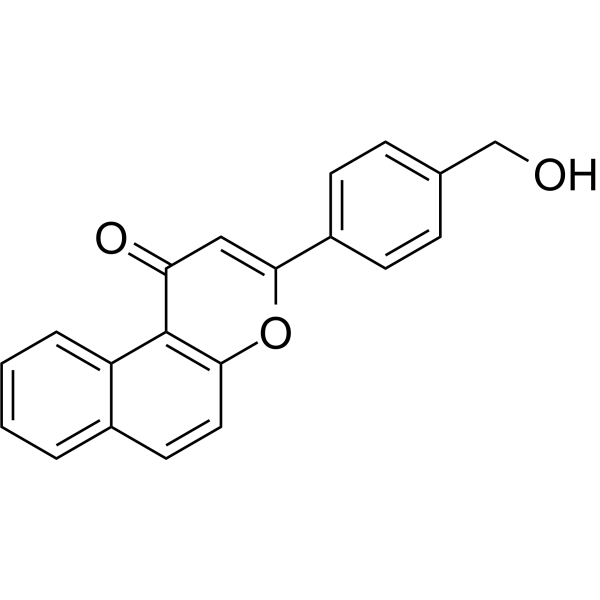
β-Naphthoflavone-CH2-OH (β-NF-CH2-OH) is a ligand for arylhydrocarbon receptor (AhR) E3 ligase. β-Naphthoflavone-CH2-OH can be connected to the ligand for protein by a linker to form PROTACs or SNIPERs (e.g., β-naphthoflavone-JQ1) that recruit the AhR E3 ligase complex by incorporating AhR ligands into chimeric molecules. PROTACs are inducers of ubiquitination-mediated degradation of cancer-promoting proteins .
E3 ligase Ligand 48 is a CRBN ligand for PROTAC AR Degrader-9 (HY-170448). PROTAC AR Degrader-9 (Compound c6) is a PROTAC degrader for androgen receptor, that degrades AR in human hair follicle papilla cells (HDPCs) with a DC50 of 262.38 nM .
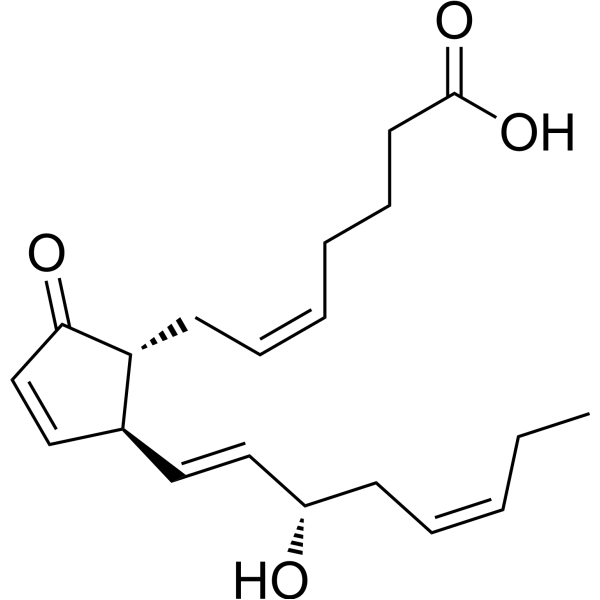
Prostaglandin A3 is a non-enzymatic dehydration product of prostaglandin E3 (PGE3). Prostaglandin A3 showed good affinity for canine EP2 and EP4 receptors with IC50 values of 120 and 20 nM, respectively. The Ki value of Prostaglandin A3 for human PPARγ was 188 μM .
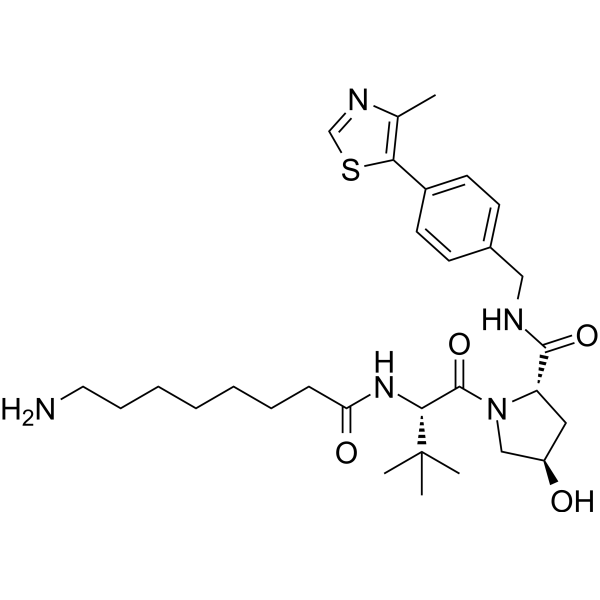
(S,R,S)-AHPC-C7-amine (VH032-C7-amine) is a synthesized E3 ligase ligand-linker conjugate that incorporates the VH032 based VHL ligand and a linker used for estrogen-related receptor α (ERRα) PROTAC degrader .
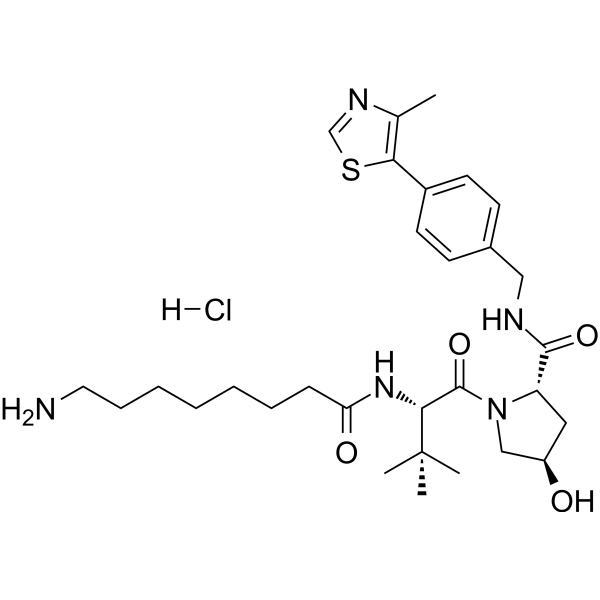
(S,R,S)-AHPC-C7-amine (VH032-C7-amine) hydrochloride is a synthesized E3 ligase ligand-linker conjugate that incorporates the VH032 based VHL ligand and a linker used for estrogen-related receptor α (ERRα) PROTAC degrader .
PROTAC ER Degrader-14 (compound 86) is a PTORAC-type Estrogen Receptor/ERR degrader, which is composed of E3 ubiquitin ligase ligand (blue part) (S)-Deoxy-thalidomide (HY-168055), PROTAC Linker (black part) N-Boc-piperazine (HY-30105) and target protein ligand (red part) ER ligand-6 (HY-170341). Among them, E3 ligase + Linker constitute tert-Butyl (S)-4-(2-(2,6-dioxopiperidin-3-yl)-1-oxoisoindolin-5-yl)piperazine-1-carboxylate (HY-W998234) .
PROTAC AR Degrader-10 (GT19) is a protein degrader targeting the androgen receptor (AR) with a DC50 value ≤100 nM. PROTAC AR Degrader-10 can be used for prostate cancer study. (Structure Note: Pink: target protein ligand (HY-173373); Blue: E3 ligase ligand (HY-138793); Black: linker) .
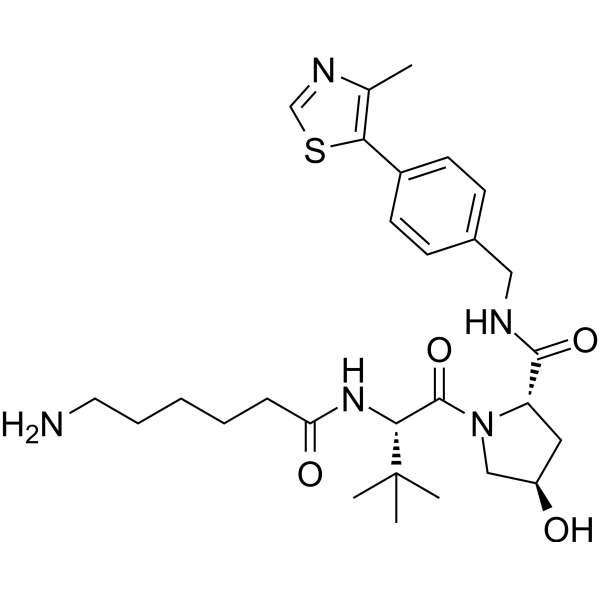
(S,R,S)-AHPC-C5-NH2 (VH032-C5-NH2) is a synthesized E3 ligase ligand-linker conjugate that incorporates the VH032 based VHL ligand and a linker used for estrogen-related receptor α (ERRα) PROTAC degrader .
ERD-1233 is a potent and orally active estrogen receptorPROTAC degrader, with the DC50 of 0.9 nM. ERD-1233 plays an important role in ER + breast cancer research (Pink: ligand for target protein (HY-201580); Black: linker (HY-W889109); Blue: E3 ligase ligand (HY-W1009348)) .
ERRα Ligand-Linker Conjugates 1 incorporates a ligand for estrogen-related receptor alpha (ERRα), and a PROTAC linker, which recruit E3 ligases MDM2. ERRα Ligand-Linker Conjugates 1 can be used in the synthesis of a series of PROTACs, such as PROTAC ERRalpha Degrader-1 (HY-128838). PROTAC ERRalpha Degrader-1 is an ERRα degrader .
PROTAC ERα Y537S degrader-1 comprises a ubiquitin E3 ligase binding group, a linker and a protein binding group. PROTAC ERα Y537S degrader-1 extracts from patent WO2021143822, example 12. PROTAC ERα Y537S degrader-1 is an estrogen receptor-alpha (ERα) Y537S degrader .
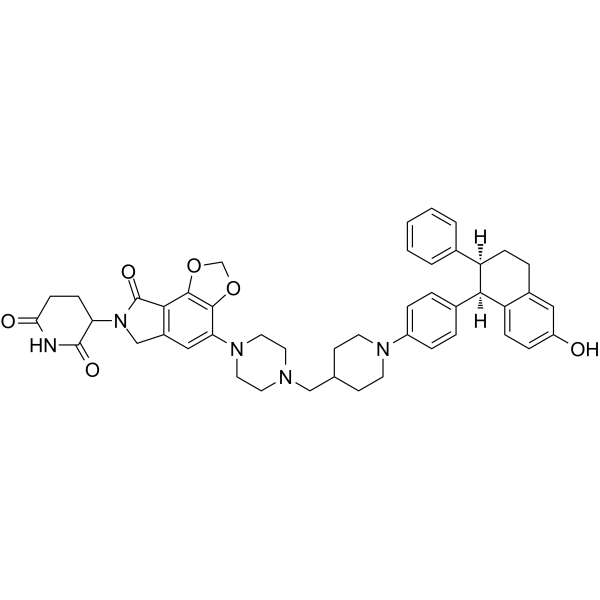
ERD-12310A is a PROTAC targeting Estrogen Receptor α (ERα) with a ED50 value of 47 pM. ERD-12310A has oral activity. ERD-12310A is composed of PROTAC target protein ligand ER ligand-4 (HY-164925) (red part), E3 ligase ligand (S)-Deoxy-thalidomide (HY-168055) (blue part). ERD-12310A can be used in the research of ER + breast cancer .
(S,R,S)-AHPC-C7-amine dihydrochloride is the dihydrochloride form of (S,R,S)-AHPC-C7-amine (HY-136186). (S,R,S)-AHPC-C7-amine is a synthesized E3 ligase ligand-linker conjugate that incorporates the VH032 based VHL ligand and a linker. (S,R,S)-AHPC-C7-amine can be used for estrogen-related receptor α (ERRα) PROTAC degrader .
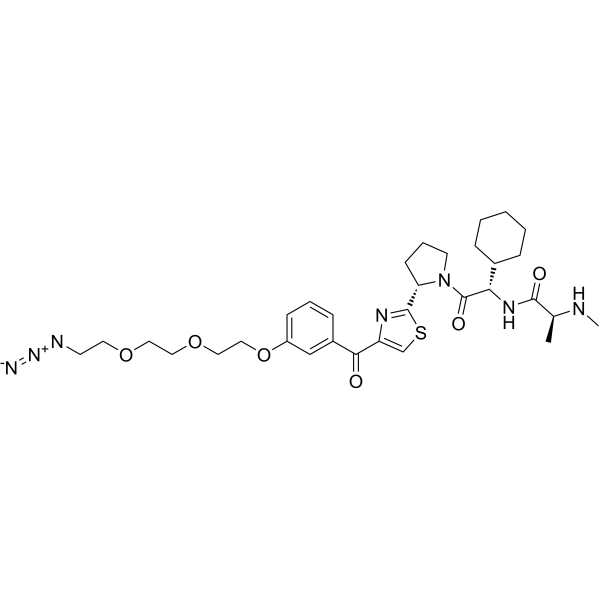
LCL-PEG3-N3 is a decoy oligonucleotide ligand for E3 ligase which can be used for developing chimeric molecules LCL-ER(dec), degrading the estrogen receptor . LCL-PEG3-N3 is a click chemistry reagent, it contains an Azide group and can undergo copper-catalyzed azide-alkyne cycloaddition reaction (CuAAc) with molecules containing Alkyne groups. It can also undergo strain-promoted alkyne-azide cycloaddition (SPAAC) reactions with molecules containing DBCO or BCN groups.
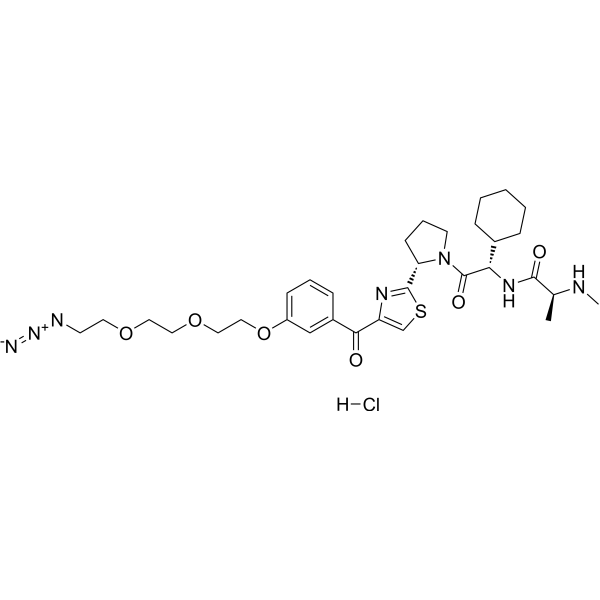
LCL-PEG3-N3 (hydrochloride) is a decoy oligonucleotide ligand for E3 ligase which can be used for developing chimeric molecules LCL-ER(dec), degrading the estrogen receptor . LCL-PEG3-N3 (hydrochloride) is a click chemistry reagent, it contains an Azide group and can undergo copper-catalyzed azide-alkyne cycloaddition reaction (CuAAc) with molecules containing Alkyne groups. It can also undergo strain-promoted alkyne-azide cycloaddition (SPAAC) reactions with molecules containing DBCO or BCN groups.
PROTAC HPK1 Degrader-3 (compound C3) is an orally effective PROTAC targeting HPK1 (DC50=21.26 nM). HPK1 is a negative regulator of T cell receptors, which can lead to T cell dysfunction after abnormal activation. PROTAC HPK1 Degrader-3 can inhibit SLP76 and NF-κB signaling pathways and inhibit MAPK signal transduction, and has anticancer activity and immune activation. PROTAC HPK1 Degrader-3 has a certain oral bioavailability and can be combined with PD-L1 antibody therapy to achieve a tumor growth inhibition rate of 65.58%. PROTAC HPK1 Degrader-3 is composed of E3 ligase ligand Thalidomide (HY-14658; blue part), PROTAC linker tert-Butyl 3-oxoazetidine-1-carboxylate (HY-40146; black part), and target protein ligand HPK1-IN-51 (HY-162842; red part); the activity control of the target protein ligand can be HPK1 ligand 1 (HY-162841) [1] .
PROTAC ERα Degrader-9 (Compound 18c) is a dual-targeting PROTAC degrader, which degrades estrogen receptor α (ERα) and aromatase (ARO). PROTAC ERα Degrader-9 binds to ERα with a Ki of 0.25 μM, inhibits ARO with an IC50 of 4.6 μM. PROTAC ERα Degrader-9 inhibits the proliferation of MCF-7 wildtype (IC50=0.54 μM) and ERα mutants MCF-7 EGFR (IC50=0.075 μM), MCF-7 D538G (IC50=0.31 μM), MCF-7 Y537S (IC50=2.3 μM), downregulates the expressions of ERS1 and MYC. PROTAC ERα Degrader-9 arrests the cell cycle at G2/M, induces apoptosis in MCF-7. PROTAC ERα Degrader-9 exhibits antitumor efficacy in mouse models. (Pink: ligand for target protein (HY-163680); Black: linker (HY-W007559); Blue: ligand for E3 ligase (HY-112078))
2-Ethylhexyl (E)-3-(4-(methoxy-d3)phenyl)acrylate is the deuterium labeled Octinoxate (HY-B1234). Octinoxate (Octyl methoxycinnamate) is a thyroid hormone receptor agonist, reducing the levels of triiodothyronine (T3) and thyroxine (T4) and transcription levels of genes related to type II deiodinase (deio2) in Japanese Medaka. Octinoxate is commonly used as a safe ultraviolet (UV) filter used in the aquatic environment. Octinoxate inhibits CYP1A1 and CYP1B1 to regulate hyaluronan (HA) (HY-B0633A) metabolism in a PI3K pathway-dependent manner in human keratinocytes. Octinoxate also exhibits an anti-estrogenic and anti-androgenic effect in vitro and in vivo .
E3 Ligase Ligand-linker Conjugate 197 is an E3 ubiquitinase ligand-linker conjugate that can be used to synthesize the PROTAC Androgen receptor degrader-1 (HY-175652) .
POI (Protein of Interest) refers to the target protein, namely the disease-causing protein or key functional protein that undergoes degradation or functional modulation in molecular glue-mediated processes. The Molecular Glue POI Library consists of a series of fragments that can specifically bind to different types of POIs. As key components of molecular glues, these ligands form stable interactions with target proteins, laying the foundation for molecular glues to induce the interaction between POIs and E3 ubiquitin ligases. The covered POIs include various types such as cancer-associated GSPT1, androgen receptors, and abnormally aggregated proteins linked to neurodegenerative diseases.
This fragment library can be applied to the screening and optimization of targeted protein degraders. By screening ligands with high affinity and strong selectivity for specific POIs from the library, core structures can be identified to develop novel molecular glues. For instance, optimization of ligands targeting GSPT1 has yielded molecular glue degraders with enhanced degradation activity. Since many POIs are difficult to drug due to the lack of traditional small-molecule binding pockets, some ligands in the POI Ligand Library can modulate such POIs by inducing protein-protein interactions, thereby further expanding the scope of drug discovery for undruggable targets.
MCE has compiled a POI Fragment Library comprising thousands of POI fragments with molecular weights ranging from 150 to 400. This compound library can be widely applied in Molecular Glue research and development.
Abciximab (C7E3), a chimeric mouse/human monoclonal antibody fragment, is a glycoprotein (GP) IIb/IIIa inhibitor. Abciximab inhibits platelet aggregation and leucocyte adhesion by binding to the glycoprotein IIb/IIIa, vitronectin and Mac-1 receptors .
Fidasimtamab is a bispecific antibody targeting human epidermal growth factor receptor 2 (Her2) and programmed death protein 1 (PD-1), with a Ka of 3.55e-10 M for human Her2 and a Ka of 1.17e-9 M for human PD-1. Fidasimtamab cross-links Her2-positive tumor cells with PD-1-positive T cells to form immune synapses, blocks PD-1-ligand interactions, preserves antibody-dependent cellular cytotoxicity, induces gasdermin B (GSDMB)-mediated pyroptosis, and activates T cells. Fidasimtamab is applicable to relevant research on Her2-positive gastric cancer .
Indole-3-carbinol (I3C) inhibits NF-κB activity and also is an Aryl hydrocarbon receptor (AhR) agonist, and an inhibitor of WWP1 (WW domain-containing ubiquitin E3 ligase 1).
Indole-3-carbinol (Standard) is the analytical standard of Indole-3-carbinol. This product is intended for research and analytical applications. Indole-3-carbinol (I3C) inhibits NF-κB activity and also is an Aryl hydrocarbon receptor (AhR) agonist, and an inhibitor of WWP1 (WW domain-containing ubiquitin E3 ligase 1).
AMFR protein is an E3 ubiquitin protein ligase that targets proteins such as CD3D, CYP3A4, CFTR, INSIG1, SOAT2/ACAT2, and APOB for degradation. AMFR Protein, Human (Cell-Free, His) is the recombinant human-derived AMFR protein, expressed by E. coli Cell-free , with N-10*His labeled tag.
The RNF14 protein is a critical E3 ubiquitin protein ligase that leads to activation of the RNF14-RNF25 translation quality control pathway during ribosome stalling. RNF14 is recruited by GCN1 to ubiquitinate and degrade translation factors, mainly EEF1A1/eEF1A, as well as ETF1/eRF1 and ribosomal proteins (RPL0, RPL1, RPL12, RPS13, RPS17). RNF14 Protein, Human is the recombinant human-derived RNF14 protein, expressed by E. coli , with tag free.
The RNF14 protein is a critical E3 ubiquitin protein ligase that leads to activation of the RNF14-RNF25 translation quality control pathway during ribosome stalling. RNF14 is recruited by GCN1 to ubiquitinate and degrade translation factors, mainly EEF1A1/eEF1A, as well as ETF1/eRF1 and ribosomal proteins (RPL0, RPL1, RPL12, RPS13, RPS17). RNF14 Protein, Human (His) is the recombinant human-derived RNF14 protein, expressed by E. coli , with N-6*His labeled tag.
Vepdegestrant-d5 (ARV-471-d5) is the deuterium labeled Vepdegestrant (HY-138642). Vepdegestrant (ARV-471) is an orally active PROTAC estrogen receptor degrader against breast cancer. Vepdegestrant is a hetero-bifunctional molecule that facilitates the interactions between estrogen receptor alpha and an intracellular E3 ligase complex. Vepdegestrant leads to the ubiquitylation and subsequent degradation of estrogen receptors via the proteasome. Vepdegestrant robustly degrades ER in ER-positive breast cancer cell lines with a DC50 of about 2 nM .
2-Ethylhexyl (E)-3-(4-(methoxy-d3)phenyl)acrylate is the deuterium labeled Octinoxate (HY-B1234). Octinoxate (Octyl methoxycinnamate) is a thyroid hormone receptor agonist, reducing the levels of triiodothyronine (T3) and thyroxine (T4) and transcription levels of genes related to type II deiodinase (deio2) in Japanese Medaka. Octinoxate is commonly used as a safe ultraviolet (UV) filter used in the aquatic environment. Octinoxate inhibits CYP1A1 and CYP1B1 to regulate hyaluronan (HA) (HY-B0633A) metabolism in a PI3K pathway-dependent manner in human keratinocytes. Octinoxate also exhibits an anti-estrogenic and anti-androgenic effect in vitro and in vivo .
RCHY1; ARNIP; CHIMP; PIRH2; RNF199; ZNF363; RING finger and CHY zinc finger domain-containing protein 1; Androgen receptor N-terminal-interacting protein; CH-rich-interacting match with PLAG1; E3 ubiquitin-protein ligase Pirh2; RING finger
WB
Human
Pirh2 Antibody (YA1743) is a Rabbit-derived and non-conjugated IgG monoclonal antibody, targeting to Pirh2.
RCHY1; ARNIP; CHIMP; PIRH2; RNF199; ZNF363; RING finger and CHY zinc finger domain-containing protein 1; Androgen receptor N-terminal-interacting protein; CH-rich-interacting match with PLAG1; E3 ubiquitin-protein ligase Pirh2; RING finger
WB, ICC/IF, IP
Human, Mouse
Pirh2 Antibody (YA5020) is a Rabbit-derived and non-conjugated monoclonal antibody, targeting to Pirh2.
ARD-69 is a PROTAC degrader based on the E3 ubiquitin ligase VHL and targeting the androgen receptor, which can induce androgen receptor (AR) protein degradation in AR-positive prostate cancer cells. ARD-69 inhibits AR-regulated gene expression, binds to the AR ligand binding domain at one end and binds to VHL at the other end, prompting AR to be recruited to the E3 ubiquitin ligase complex, triggering proteasome degradation, thereby inhibiting AR signaling pathways and downstream gene expression (such as PSA, TMPRSS2). ARD-69 can be used to study of castration-resistant prostate cancer (mCRPC) . ARD-69 is composed of a target protein ligand (pink part) AR antagonist 14 (HY-172624), a PROTAC linker (black part) tert-Butyl 4-ethynyl-[1,4'-bipiperidine]-1'-carboxylate (HY-W442074), and a VHL-type E3 ubiquitinase ligand (blue part) VH 101, acid (HY-47070); among them, the VHL ligand and the linker can form a conjugate VH 101-amide-piperidine-Pip-alkyne (HY-172625).
ARD-266 is a highly potent and von Hippel-LindauE3 ligase-based Androgen Receptor (AR) PROTAC degrader. ARD-266 effectively induces degradation of AR protein in AR-positive LNCaP, VCaP, and 22Rv1 prostate cancer cell lines with DC50 values of 0.2-1 nM . ARD-266 is a click chemistry reagent, it contains an Alkyne group and can undergo copper-catalyzed azide-alkyne cycloaddition (CuAAc) with molecules containing Azide groups.
LCL-PEG3-N3 is a decoy oligonucleotide ligand for E3 ligase which can be used for developing chimeric molecules LCL-ER(dec), degrading the estrogen receptor . LCL-PEG3-N3 is a click chemistry reagent, it contains an Azide group and can undergo copper-catalyzed azide-alkyne cycloaddition reaction (CuAAc) with molecules containing Alkyne groups. It can also undergo strain-promoted alkyne-azide cycloaddition (SPAAC) reactions with molecules containing DBCO or BCN groups.
LCL-PEG3-N3 (hydrochloride) is a decoy oligonucleotide ligand for E3 ligase which can be used for developing chimeric molecules LCL-ER(dec), degrading the estrogen receptor . LCL-PEG3-N3 (hydrochloride) is a click chemistry reagent, it contains an Azide group and can undergo copper-catalyzed azide-alkyne cycloaddition reaction (CuAAc) with molecules containing Alkyne groups. It can also undergo strain-promoted alkyne-azide cycloaddition (SPAAC) reactions with molecules containing DBCO or BCN groups.
Inquiry Online
Your information is safe with us. * Required Fields.
Western blot analysis of extracts from THP-1(lane 2(20μg), Jurkat (lane 3(20μg) and NIH3T3(lane 4(20μg) using FOXO1A (HY-P80132) Rabbit mAb. Proteins were transferred
to a PVDF membrane and blocked with 5% non-fat milk in TBST for 2 hour at room temperature. The primary antibody (1/1000) and Loading control antibody (Beta Actin, HY-P80438, 1/10000) was
used in 5% non-fat milk in TBST at 4°C overnight. Goat Anti-Mouse/Rabbit IgG-HRP Secondary Antibody (1/10000) was used for 1 hour at room temperature.
Western blot analysis of extracts from THP-1(lane 2(20μg), Jurkat (lane 3(20μg) and NIH3T3(lane 4(20μg) using FOXO1A (HY-P80132) Rabbit mAb. Proteins were transferred
to a PVDF membrane and blocked with 5% non-fat milk in TBST for 2 hour at room temperature. The primary antibody (1/1000) and Loading control antibody (Beta Actin, HY-P80438, 1/10000) was
used in 5% non-fat milk in TBST at 4°C overnight. Goat Anti-Mouse/Rabbit IgG-HRP Secondary Antibody (1/10000) was used for 1 hour at room temperature.
Western blot analysis of extracts from THP-1(lane 2(20μg), Jurkat (lane 3(20μg) and NIH3T3(lane 4(20μg) using FOXO1A (HY-P80132) Rabbit mAb. Proteins were transferred
to a PVDF membrane and blocked with 5% non-fat milk in TBST for 2 hour at room temperature. The primary antibody (1/1000) and Loading control antibody (Beta Actin, HY-P80438, 1/10000) was
used in 5% non-fat milk in TBST at 4°C overnight. Goat Anti-Mouse/Rabbit IgG-HRP Secondary Antibody (1/10000) was used for 1 hour at room temperature.
Western blot analysis of extracts from THP-1(lane 2(20μg), Jurkat (lane 3(20μg) and NIH3T3(lane 4(20μg) using FOXO1A (HY-P80132) Rabbit mAb. Proteins were transferred
to a PVDF membrane and blocked with 5% non-fat milk in TBST for 2 hour at room temperature. The primary antibody (1/1000) and Loading control antibody (Beta Actin, HY-P80438, 1/10000) was
MedchemExpress Validation 03
Western blot analysis of extracts from THP-1(lane 2(20μg), Jurkat (lane 3(20μg) and NIH3T3(lane 4(20μg) using FOXO1A (HY-P80132) Rabbit mAb. Proteins were transferred
MedchemExpress Validation 04
Western blot analysis of extracts from THP-1(lane 2(20μg), Jurkat (lane 3(20μg) and NIH3T3(lane 4(20μg) using FOXO1A (HY-P80132) Rabbit mAb. Proteins were transferred
to a PVDF membrane and blocked with 5% non-fat milk in TBST for 2 hour at room temperature. The primary antibody (1/1000) and Loading control antibody (Beta Actin, HY-P80438, 1/10000) was
used in 5% non-fat milk in TBST at 4°C overnight. Goat Anti-Mouse/Rabbit IgG-HRP Secondary Antibody (1/10000) was used for 1 hour at room temperature.
MedchemExpress Validation
Western blot analysis of extracts from THP-1(lane 2(20μg), Jurkat (lane 3(20μg) and NIH3T3(lane 4(20μg) using FOXO1A (HY-P80132) Rabbit mAb. Proteins were transferred
to a PVDF membrane and blocked with 5% non-fat milk in TBST for 2 hour at room temperature. The primary antibody (1/1000) and Loading control antibody (Beta Actin, HY-P80438, 1/10000) was
used in 5% non-fat milk in TBST at 4°C overnight. Goat Anti-Mouse/Rabbit IgG-HRP Secondary Antibody (1/10000) was used for 1 hour at room temperature.
Western blot analysis of extracts from THP-1(lane 2(20μg), Jurkat (lane 3(20μg) and NIH3T3(lane 4(20μg) using FOXO1A (HY-P80132) Rabbit mAb. Proteins were transferred
to a PVDF membrane and blocked with 5% non-fat milk in TBST for 2 hour at room temperature. The primary antibody (1/1000) and Loading control antibody (Beta Actin, HY-P80438, 1/10000) was
used in 5% non-fat milk in TBST at 4°C overnight. Goat Anti-Mouse/Rabbit IgG-HRP Secondary Antibody (1/10000) was used for 1 hour at room temperature.
MedchemExpress Validation
Western blot analysis of extracts from THP-1(lane 2(20μg), Jurkat (lane 3(20μg) and NIH3T3(lane 4(20μg) using FOXO1A (HY-P80132) Rabbit mAb. Proteins were transferred
to a PVDF membrane and blocked with 5% non-fat milk in TBST for 2 hour at room temperature. The primary antibody (1/1000) and Loading control antibody (Beta Actin, HY-P80438, 1/10000) was
used in 5% non-fat milk in TBST at 4°C overnight. Goat Anti-Mouse/Rabbit IgG-HRP Secondary Antibody (1/10000) was used for 1 hour at room temperature.
MedchemExpress Validation
Western blot analysis of extracts from THP-1(lane 2(20μg), Jurkat (lane 3(20μg) and NIH3T3(lane 4(20μg) using FOXO1A (HY-P80132) Rabbit mAb. Proteins were transferred
to a PVDF membrane and blocked with 5% non-fat milk in TBST for 2 hour at room temperature. The primary antibody (1/1000) and Loading control antibody (Beta Actin, HY-P80438, 1/10000) was
used in 5% non-fat milk in TBST at 4°C overnight. Goat Anti-Mouse/Rabbit IgG-HRP Secondary Antibody (1/10000) was used for 1 hour at room temperature.
MedchemExpress Validation
Western blot analysis of extracts from THP-1(lane 2(20μg), Jurkat (lane 3(20μg) and NIH3T3(lane 4(20μg) using FOXO1A (HY-P80132) Rabbit mAb. Proteins were transferred
to a PVDF membrane and blocked with 5% non-fat milk in TBST for 2 hour at room temperature. The primary antibody (1/1000) and Loading control antibody (Beta Actin, HY-P80438, 1/10000) was
used in 5% non-fat milk in TBST at 4°C overnight. Goat Anti-Mouse/Rabbit IgG-HRP Secondary Antibody (1/10000) was used for 1 hour at room temperature.
MedchemExpress Validation
Western blot analysis of extracts from THP-1(lane 2(20μg), Jurkat (lane 3(20μg) and NIH3T3(lane 4(20μg) using FOXO1A (HY-P80132) Rabbit mAb. Proteins were transferred
to a PVDF membrane and blocked with 5% non-fat milk in TBST for 2 hour at room temperature. The primary antibody (1/1000) and Loading control antibody (Beta Actin, HY-P80438, 1/10000) was
used in 5% non-fat milk in TBST at 4°C overnight. Goat Anti-Mouse/Rabbit IgG-HRP Secondary Antibody (1/10000) was used for 1 hour at room temperature.
MedchemExpress Validation
Western blot analysis of extracts from THP-1(lane 2(20μg), Jurkat (lane 3(20μg) and NIH3T3(lane 4(20μg) using FOXO1A (HY-P80132) Rabbit mAb. Proteins were transferred
to a PVDF membrane and blocked with 5% non-fat milk in TBST for 2 hour at room temperature. The primary antibody (1/1000) and Loading control antibody (Beta Actin, HY-P80438, 1/10000) was
used in 5% non-fat milk in TBST at 4°C overnight. Goat Anti-Mouse/Rabbit IgG-HRP Secondary Antibody (1/10000) was used for 1 hour at room temperature.
MedchemExpress Validation
Western blot analysis of extracts from THP-1(lane 2(20μg), Jurkat (lane 3(20μg) and NIH3T3(lane 4(20μg) using FOXO1A (HY-P80132) Rabbit mAb. Proteins were transferred
to a PVDF membrane and blocked with 5% non-fat milk in TBST for 2 hour at room temperature. The primary antibody (1/1000) and Loading control antibody (Beta Actin, HY-P80438, 1/10000) was
used in 5% non-fat milk in TBST at 4°C overnight. Goat Anti-Mouse/Rabbit IgG-HRP Secondary Antibody (1/10000) was used for 1 hour at room temperature.
MedChemExpress values your privacy and your trust is important to us. We use cookies to enhance your website experience. Some cookies are necessary to run the website.
Privacy and Cookie Policy