


1. Search Result
Search Result
Isoforms Recommended: IKK-β
Results for "

IKK-β

" in MedChemExpress (MCE) Product Catalog:

61

Inhibitors & Agonists

1

Fluorescent Dyes

2

Biochemical Assay Reagents

6

Peptides

14

Natural
Products

1

Recombinant Proteins

2

Isotope-Labeled Compounds

8

Antibodies

1

GMP Molecules

Targets Recommended:
Cat. No. Product Name Target Research Areas Chemical Structure
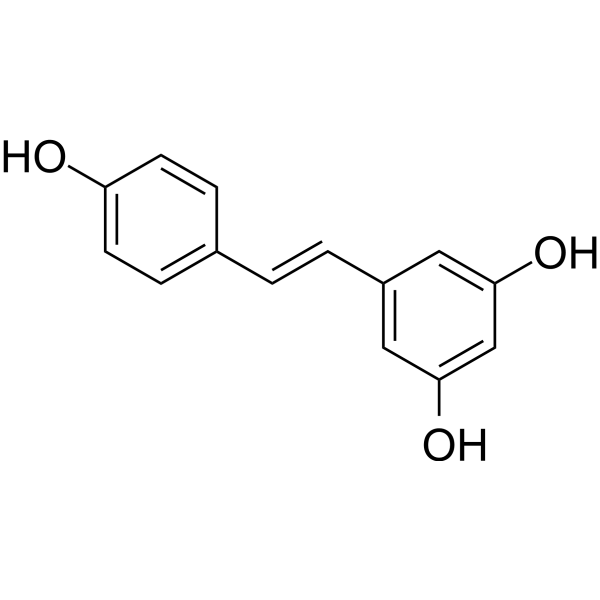
  • HY-16561
    Resveratrol
    Maximum Cited Publications
    160 Publications Verification

    trans-Resveratrol; SRT501

    DNA/RNA Synthesis IKK Autophagy Mitophagy Sirtuin Apoptosis Bacterial Fungal Antibiotic Keap1-Nrf2 Infection Neurological Disease Metabolic Disease Inflammation/Immunology Cancer
    Resveratrol (trans-Resveratrol; SRT501) is a CNS-penetrant natural polyphenolic phytoalexin that possesses anti-oxidant, anti-inflammatory, cardioprotective, and anti-cancer properties. Resveratrol (SRT 501) has a wide spectrum of targets including mTOR, JAK, β-amyloid, Adenylyl cyclase, IKKβ, DNA polymerase. Resveratrol also is a specific SIRT1 activator . Resveratrol is a potent pregnane X receptor (PXR) inhibitor . Resveratrol is an Nrf2 activator, ameliorates aging-related progressive renal injury in mice model . Resveratrol increases production of NO in endothelial cells .
    Resveratrol
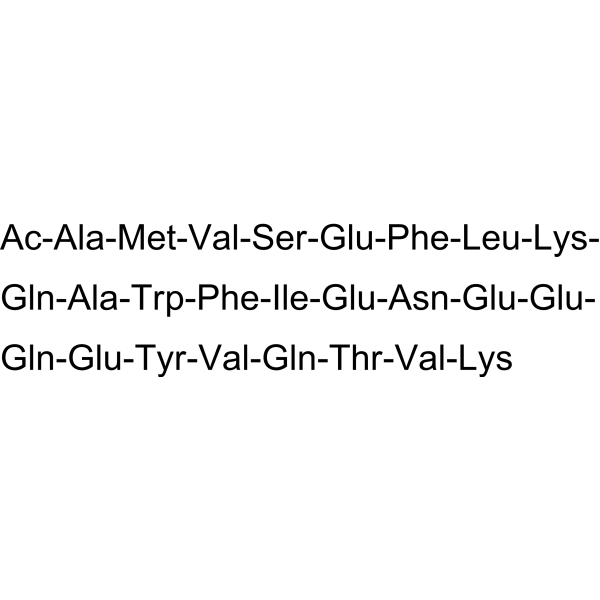
  • HY-P1098
    Ac2-26
    Maximum Cited Publications
    8 Publications Verification

    Annexin A NF-κB Inflammation/Immunology
    Ac2-26 is the N-terminal peptide of annexin 1, and has anti-inflammatory activity. Ac2-26 induces a decrease in IKKβ protein in lysosomes by chaperone-mediated autophagy (CMA). Ac2-26 ameliorates lung ischemia-reperfusion injury. Ac2-26 also inhibits airway inflammation and hyperresponsiveness in an asthma rat model .
    Ac2-26
  • HY-W145521
    β-1,3-Glucan
    1 Publications Verification

    β Glucan

    Biochemical Assay Reagents IKK NO Synthase Bacterial Infection Inflammation/Immunology Cancer
    β-1,3-Glucan (β Glucan) is an orally active polysaccharide composed of glucose polymers. β-1,3-Glucan increase the activity of IKKβ kinase, enhances the production of nitric oxide. β-1,3-Glucan improves resistance to Vibrio harveyi infection. β-1,3-Glucan enhances immune response, promotes blood pressure recovery, reduces lung, kidney and liver damage, inhibits the growth of syngeneic tumors .
    β-1,3-Glucan
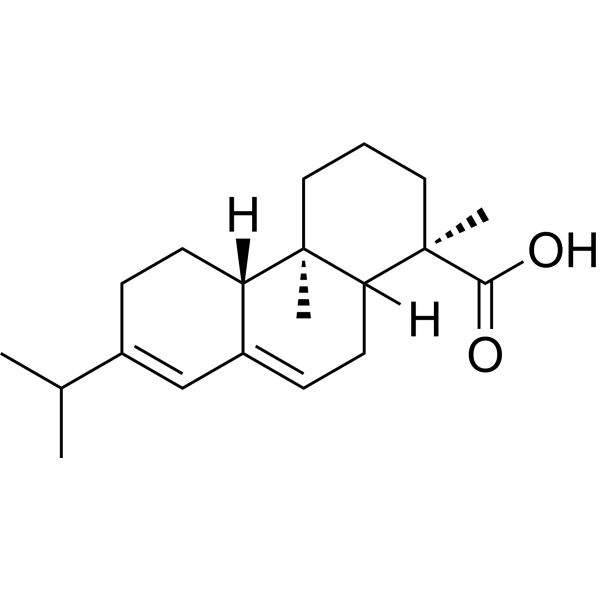
  • HY-N6871
    Abietic acid
    3 Publications Verification

    Bacterial IKK Ferroptosis Infection Metabolic Disease Inflammation/Immunology Cancer
    Abietic acid, an orally active diterpene isolated from Colophony, displays significant anti-proliferative, anti-inflammatory, anti-obesity effect, bacteriostatic, cell cycle arresting and pro-apoptotic activities. Abietic acid inhibits lipoxygenase activity for allergy. Abietic acid enhances cell migration and tube formation in HUVECs. Abietic acid induces significant angiogenic potential, which is associated with upregulation of extracellular signal-regulated kinase (ERK) and p38 expression. Abietic acid attenuates sepsis-induced lung injury by inhibiting nuclear factor kappa-light-chain-enhancer of activated B cells (NF-κB) pathway to inhibit M1 macrophage polarization. Abietic acid exhibits a positive effect against liver injury by attenuating inflammation and ferroptosis. Abietic acid shows accelerated wound closure in a mouse model of cutaneous wounds. Abietic acid significantly reduces the proliferation and growth of NSCLC cells by IKKβ inhibition.Additionally, Abietic acid ameliorates psoriasis-like inflammation and modulates gut microbiota in mice. Abietic acid is promising for research in non-small-cell lung cancer (NSCLC), liver injury-related deseases and psoriasis .
    Abietic acid
  • HY-10172
    IMD-0354
    20+ Cited Publications

    IKK2 Inhibitor V

    IKK Cancer
    IMD-0354 (IKK2 Inhibitor V) is a selective IKKβ inhibitor which inhibits NF-κB activity . IMD0354 inhibits TNF-α induced NF-κB transcription activity with an IC50 of 1.2 uM .
    IMD-0354
  • HY-16561R
    Resveratrol (Standard)
    Maximum Cited Publications
    160 Publications Verification

    trans-Resveratrol (Standard); SRT501 (Standard)

    Reference Standards IKK Autophagy Mitophagy Sirtuin Apoptosis Bacterial Fungal Antibiotic Keap1-Nrf2 Infection Inflammation/Immunology Cancer
    Resveratrol (Standard) is the analytical standard of Resveratrol. This product is intended for research and analytical applications. Resveratrol (trans-Resveratrol; SRT501), a natural polyphenolic phytoalexin that possesses anti-oxidant, anti-inflammatory, cardioprotective, and anti-cancer properties. Resveratrol (SRT 501) has a wide spectrum of targets including mTOR, JAK, β-amyloid, Adenylyl cyclase, IKKβ, DNA polymerase. Resveratrol also is a specific SIRT1 activator . Resveratrol is a potent pregnane X receptor (PXR) inhibitor . Resveratrol is an Nrf2 activator, ameliorates aging-related progressive renal injury in mice model . Resveratrol increases production of NO in endothelial cells .
    Resveratrol (Standard)
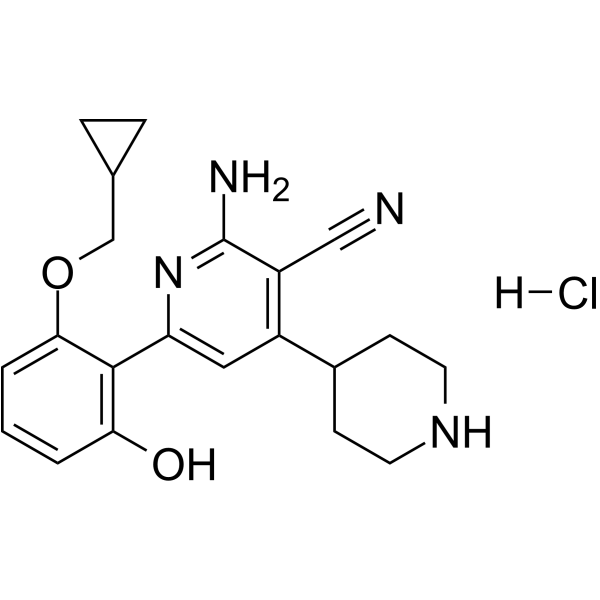
  • HY-13060
    ACHP Hydrochloride
    5+ Cited Publications

    IKK-2 Inhibitor VIII

    IKK Inflammation/Immunology
    ACHP Hydrochloride (IKK-2 Inhibitor VIII) is a highly potent and selective IKK-β inhibitor with an IC50 of 8.5 nM.
    ACHP Hydrochloride
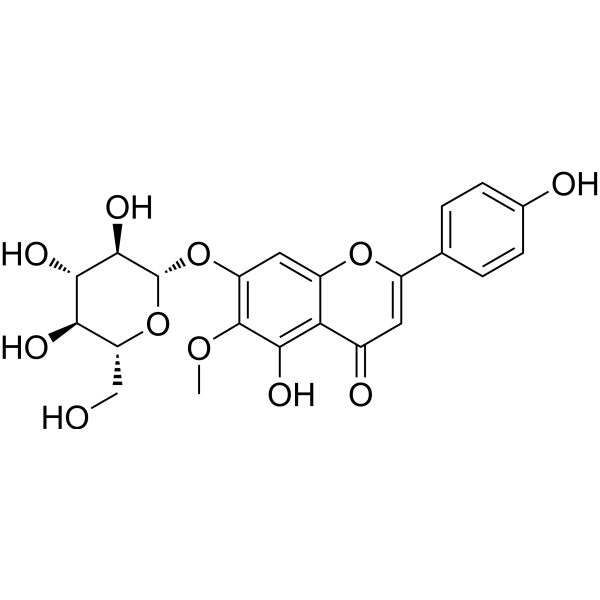
  • HY-N1949
    Homoplantaginin
    5+ Cited Publications

    TNF Receptor NF-κB Inflammation/Immunology
    Homoplantaginin is a flavonoid from a traditional Chinese medicine Salvia plebeia with antiinflammatory and antioxidant properties. Homoplantaginin could inhibit TNF-α and IL-6 mRNA expression, IKKβ and NF-κB phosphorylation.
    Homoplantaginin
  • HY-15473
    MLN120B
    25+ Cited Publications

    ML120B

    IKK Cancer
    MLN120B (ML120B) is a potent, ATP competitive, and orally active inhibitor of IKKβ with an IC50 of 60 nM. MLN120B inhibits multiple myeloma cell growth in vitro and in vivo and also can be used for the research of rheumatoid arthritis .
    MLN120B
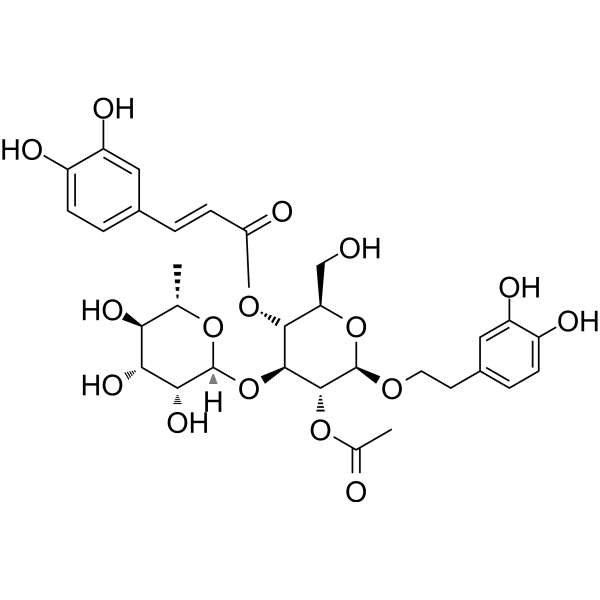
  • HY-N0026
    2'-Acetylacteoside
    1 Publications Verification

    2'-AA

    Monoamine Oxidase RANKL/RANK TNF Receptor NF-κB IKK Cardiovascular Disease Neurological Disease Metabolic Disease
    2'-Acetylacteoside (2'-AA) is a natural compound with oral activity and blood-brain barrier permeability. 2'-Acetylacteosideexhibits MAO‑B inhibitory activity (IC50 = 17.71 μM, Ki = 13.81 μM). 2'-Acetylacteoside downregulates the expression of RANK, TRAF6, NF‑κB, NFATc1 and IKKβ, disrupts the RANKL/RANK interaction, blocks downstream signaling pathways, and increases the level of phosphorylated Akt. 2'-Acetylacteoside possesses potent anti-osteoclastogenic, anti-bone resorptive, pro-neurogenic, neuroprotective and antioxidant activities. 2'-Acetylacteoside can be used in the research of osteoporosis, ischemic stroke and Parkinson's disease .
    2'-Acetylacteoside
  • HY-N5063
    Plantainoside D
    2 Publications Verification

    Angiotensin-converting Enzyme (ACE) IKK Calcium Channel PKC Reactive Oxygen Species (ROS) NF-κB Apoptosis Sirtuin NOD-like Receptor (NLR) Cardiovascular Disease Neurological Disease Inflammation/Immunology
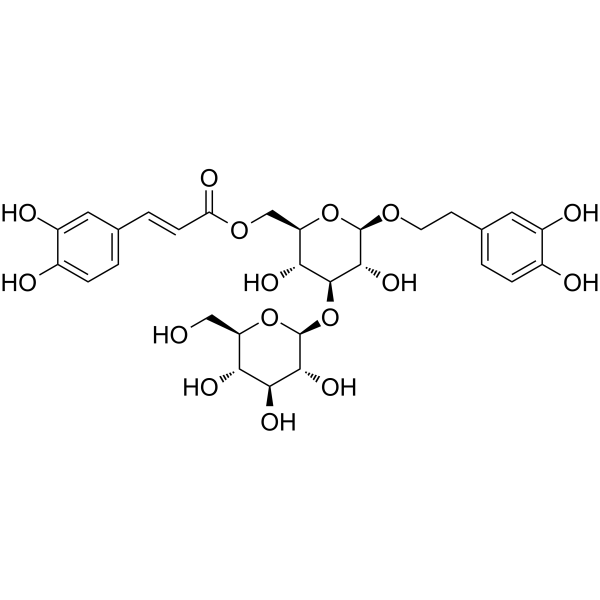
    Plantainoside D, a phenylethanoid glycosides, is a IKK-β inhibitor with diverse biological activities. Plantainoside D shows inhibitory activity of angiotensin-converting enzyme (ACE) with an IC50 of 2.17 mM. Plantainoside D significantly reduces the release of glutamate from nerve terminals in the cerebral cortex of rats by inhibiting the voltage-dependent calcium channel (VDCCs) and protein kinase C (PKC) signaling cascade. Plantainoside D significantly alleviates cell apoptosis by inhibiting the generation of ROS and the activation of NF-κB. Plantainoside D significantly improves acute lung injury (ALI) induced by sepsis by regulating the Sirt3/NLRP3 signaling pathway. Plantainoside D can be used for the study of neuroprotection, antioxidant, anti-inflammation, antihypertension .
    Plantainoside D
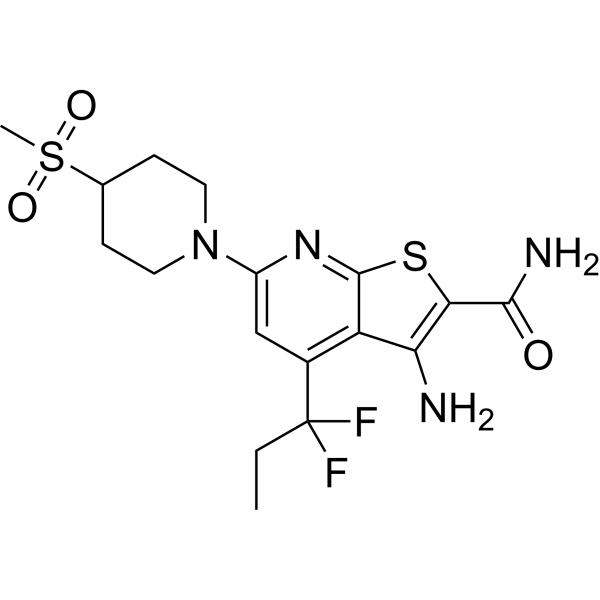
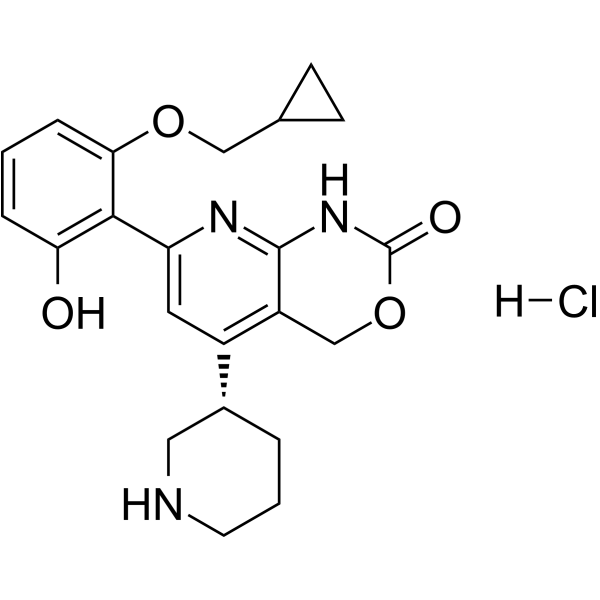
  • HY-13019
    BI605906
    5+ Cited Publications

    IKK Others
    BI605906, a chemical probe, is a novel IKKβ inhibitor with an IC50 value of 380 nM when assayed at 0.1 mM ATP.
    BI605906
  • HY-P1938

    Bacterial Infection Inflammation/Immunology
    Cyclo(L-Pro-L-Val) is an antimicrobial and anti-inflammatory agent. Cyclo(L-Pro-L-Val) has toxic activity against plant pathogens such as R. fascians LMG 3605, and its potency may be comparable to that of Chloramphenicol (HY-B0239). Cyclo(L-Pro-L-Val) can inhibit the phosphorylation of IKKα, IKKβ, NF-κB, etc., and the activation of iNOS and COX-2, thereby exerting anti-inflammatory activity. Cyclo(L-Pro-L-Val) can be used in the research of biopesticides in the agricultural field, as well as in the research of inflammation-related diseases .
    Cyclo(L-Pro-L-Val)
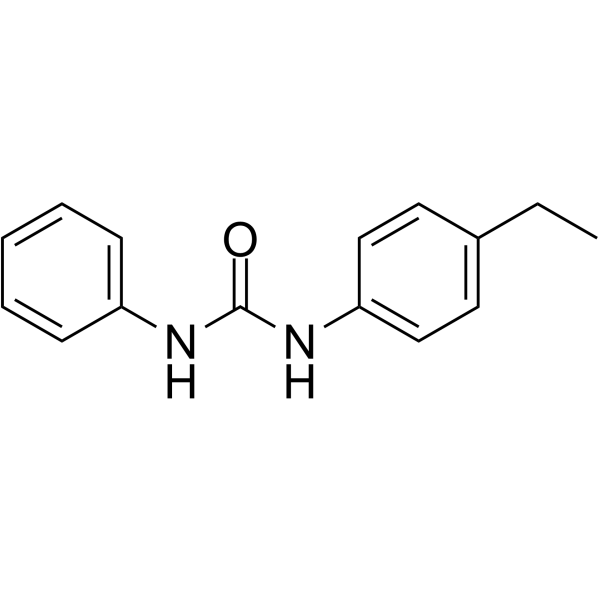
  • HY-69047

    IKK Others
    6-Chloro-7-deazaguanine is an inactive molecule of IKK (lacking the critical 5-cyano group). IKKβ and IKKα are core molecules in the canonical NF-κB pathway and non-canonical NF-κB pathway, respectively .
    6-Chloro-7-deazaguanine
  • HY-114454
    INH14
    5 Publications Verification

    IKK Inflammation/Immunology Cancer
    INH14 is a cell permeable inhibitor of IKKα/IKKβ, with IC50s of 8.97 and 3.59 μM, respectively. INH14 inhibits the IKKα/β-dependent TLR inflammatory response. INH14 also inhibits downstream of TAK1/TAB1 and NF-kB pathways. Anti-inflammatory and anti-cancer activity .
    INH14
  • HY-123936

    NF-κB IKK COX Interleukin Related Neurological Disease Inflammation/Immunology
    SR12343 is a IKK/NF-κB inhibitor and a mimetic of the NF-κB essential modulator (NEMO)-binding domain (NBD). SR12343 inhibits TNF-α- and LPS-induced NF-κB activation by blocking the interaction between IKKβ and NEMO. SR12343 suppresses LPS-induced acute pulmonary inflammation in mice. SR12343 extends the healthspan of naturally aged and accelerated aging mice. SR12343 can be used for research on inflammatory and degenerative diseases .
    SR12343
  • HY-16561S

    trans-Resveratrol-d4; SRT501-d4

    Isotope-Labeled Compounds DNA/RNA Synthesis IKK Autophagy Mitophagy Sirtuin Apoptosis Bacterial Fungal Antibiotic Keap1-Nrf2 Infection Inflammation/Immunology Cancer
    Resveratrol-d4 is the deuterium labeled Resveratrol. Resveratrol (trans-Resveratrol; SRT501), a natural polyphenolic phytoalexin that possesses anti-oxidant, anti-inflammatory, cardioprotective, and anti-cancer properties. Resveratrol (SRT 501) has a wide spectrum of targets including mTOR, JAK, β-amyloid, Adenylyl cyclase, IKKβ, DNA polymerase. Resveratrol also is a specific SIRT1 activator . Resveratrol is a potent pregnane X receptor (PXR) inhibitor . Resveratrol is an Nrf2 activator, ameliorates aging-related progressive renal injury in mice model . Resveratrol increases production of NO in endothelial cells .
    Resveratrol-d4
  • HY-13769A
    TPT-260 Dihydrochloride
    2 Publications Verification

    NSC55712; TPU-260 Dihydrochloride

    Drug Derivative Amyloid-β Beta-secretase Cardiovascular Disease Neurological Disease Inflammation/Immunology
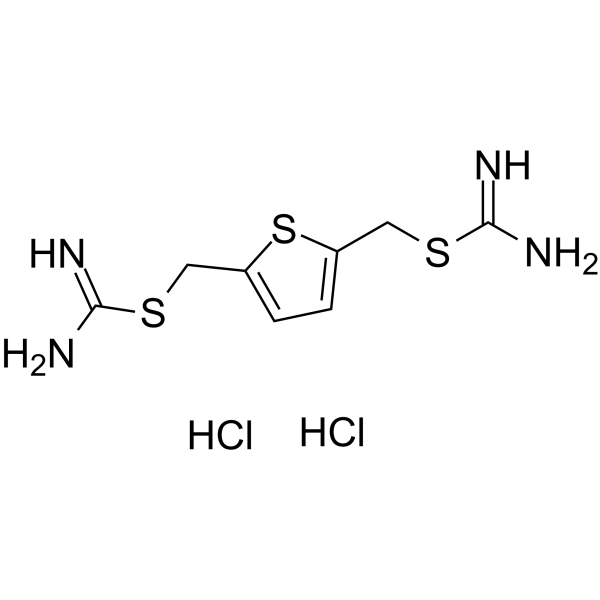
    TPT-260 Dihydrochloride (NSC55712), a thiophene thiourea derivative, is a retromer complex stabilizer against thermal denaturation (Kd = ~5 µM). TPT-260 Dihydrochloride increases the levels of retromer proteins, shifts amyloid-precursor protein (APP) away from the endosome, and decreases the pathogenic processing of APP. TPT-260 Dihydrochloride inhibits TLR4 upregulation, IKKβ phosphorylation, NF-κB p65 nuclear translocation, and NLRP3 inflammasome formation. TPT-260 Dihydrochloride improves retromer-mediated cargo trafficking, reduces brain infarct area, and decreases amyloid plaque deposition. TPT-260 Dihydrochloride exhibits minimal cytotoxicity to primary microglia at tested concentrations. TPT-260 Dihydrochloride can be used for the research of inflammatory bowel disease, ischemic stroke and Alzheimer's disease .
    TPT-260 Dihydrochloride
  • HY-169053

    IKK NF-κB Cancer
    SU1261 is an IKK inhibitor with Ki values of 10 nM and 680 nM for IKKα and IKKβ, respectively. SU1261 can inhibit non-canonical NF-κB signaling in U2OS osteosarcoma cells .
    SU1261
  • HY-136741
    BOT-64
    2 Publications Verification

    IKK Inflammation/Immunology
    BOT-64 is an inhibitory κB (IκB) kinase β (IKKβ) inhibitor with an IC50 of 1 µM. BOT-64 blocks lipopolysaccharide-induced nuclear factor-κB activation and nuclear factor-κB-regulated inflammatory gene transcription .
    BOT-64
  • HY-P1098A
    Ac2-26 TFA
    Maximum Cited Publications
    8 Publications Verification

    Annexin A NF-κB Inflammation/Immunology
    Ac2-26 TFA is the N-terminal peptide of annexin 1, and has anti-inflammatory activity. Ac2-26 induces a decrease in IKKβ protein in lysosomes by chaperone-mediated autophagy (CMA). Ac2-26 ameliorates lung ischemia-reperfusion injury. Ac2-26 also inhibits airway inflammation and hyperresponsiveness in an asthma rat model .
    Ac2-26 TFA
  • HY-19383
    Ertiprotafib
    2 Publications Verification

    PTP 112

    Phosphatase IKK PPAR Metabolic Disease
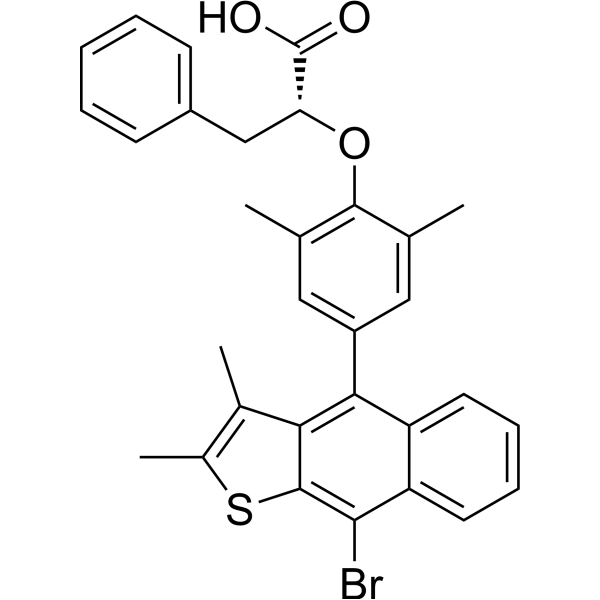
    Ertiprotafib is an inhibitor of PTP1B, IkB kinase β (IKK-β), and a dual PPARα and PPARβ agonist, with an IC50 of 1.6 μM for PTP1B, 400 nM for IKK-β, an EC50 of ~1 μM for PPARα/PPARβ.
    Ertiprotafib
  • HY-135366

    IKK Inflammation/Immunology
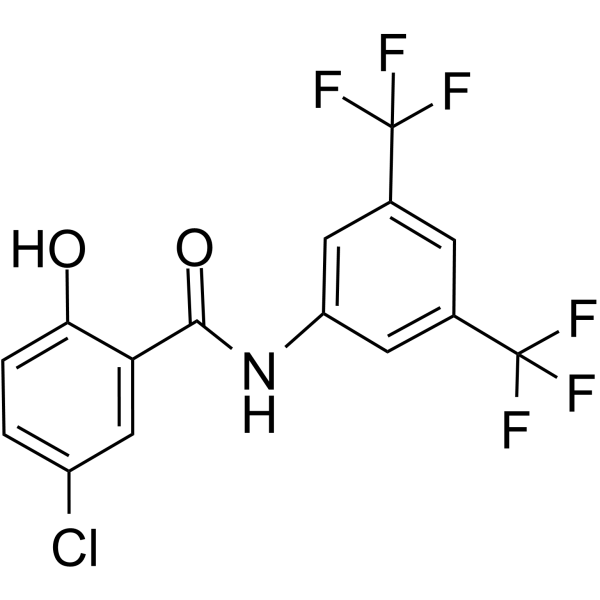
    HPN-01 is a potent and selective IKK inhibitor, with pIC50 values of 6.4, 7.0 and <4.8 for IKK-α, IKK-β and IKK-ε, respectively. HPN-01 displays greater 50-fold selectivity over a panel of more than 50 other kinases, including ALK5, CDK-2, EGFR, ErbB2, GSK3β, PLK1, Src, and VEGFR-2 .
    HPN-01
  • HY-50948
    Bay 65-1942 hydrochloride
    4 Publications Verification

    IKK Inflammation/Immunology
    Bay 65-1942 hydrochloride is an ATP-competitive and selective IKKβ inhibitor.
    Bay 65-1942 hydrochloride
  • HY-119016
    SK1-I
    1 Publications Verification

    BML-258

    SphK CaMK Cancer
    SK1-I (BML-258), an analog of sphingosine, is an isozyme-specific competitive SPHK1 inhibitor with a Ki value of 10 μM . SK1-I shows no activity at SPHK1 PKCα, PKCδ, PKA, AKT1, ERK1, EGFR, CDK2, IKKβ or CamK2β. SK1-I enhances autophagy and has antitumor activity .
    SK1-I
  • HY-P1098B
    Ac2-26 ammonium
    Maximum Cited Publications
    8 Publications Verification

    IKK Inflammation/Immunology
    Ac2-26 ammonium is the N-terminal peptide of annexin 1, and has anti-inflammatory activity. Ac2-26 ammonium induces a decrease in IKKβ protein in lysosomes by chaperone-mediated autophagy (CMA). Ac2-26 ammonium ameliorates lung ischemia-reperfusion injury. Ac2-26 ammonium also inhibits airway inflammation and hyperresponsiveness in an asthma rat model .
    Ac2-26 ammonium
  • HY-W028127

    IKK Inflammation/Immunology
    IKKβ-IN-4 (compound 14) is an IkappaB kinase-β ( IKKβ ) inhibitor with IC50 value of 1.9 μM. IKKβ is a key enzyme in the NF-κB signaling pathway and is involved in the development of many diseases .
    IKKβ-IN-4
  • HY-16561G

    trans-Resveratrol; SRT501

    DNA/RNA Synthesis IKK Autophagy Mitophagy Sirtuin Apoptosis Bacterial Fungal Keap1-Nrf2 Infection Inflammation/Immunology Cancer
    Resveratrol (GMP) is Resveratrol (HY-16561) produced by using GMP guidelines. GMP small molecules work appropriately as an auxiliary reagent for cell therapy manufacture. Resveratrol (trans-Resveratrol; SRT501), a natural polyphenolic phytoalexin that possesses anti-oxidant, anti-inflammatory, cardioprotective, and anti-cancer properties. Resveratrol (SRT 501) has a wide spectrum of targets including mTOR, JAK, β-amyloid, Adenylyl cyclase, IKKβ, DNA polymerase. Resveratrol also is a specific SIRT1 activator . Resveratrol is a potent pregnane X receptor (PXR) inhibitor . Resveratrol is an Nrf2 activator, ameliorates aging-related progressive renal injury in mice model . Resveratrol increases production of NO in endothelial cells .
    Resveratrol
  • HY-179112

    PROTACs IKK Nuclear Hormone Receptor 4A/NR4A Caspase Necroptosis Apoptosis Inflammation/Immunology Cancer
    PROTAC IKKβ/NR4A1 degrader-1 is a highly efficient and effective dual-PROTAC degrader targeting IKKβ and NR4A1. PROTAC IKKβ/NR4A1 degrader-1 can increase the levels of caspase 3 and cleaved caspase 3 proteins, while the necroptosis marker RIP kinase remained unchanged, indicating that it can induce apoptosis. PROTAC IKKβ/NR4A1 degrader-1 can be used for the study of Acute myeloid leukemia (AML). Red: IKKβ/NR4A1 ligand (HY-13067); Blue: E3 ligase CRBN ligand (HY-14658); Black: Linker (HY-79577) .
    PROTAC IKKβ/NR4A1 degrader-1
  • HY-124067

    IKK JAK STAT NF-κB Cancer
    EC-70124 is an orally active multikinase inhibitor targeting IKKβ and JAK2. EC-70124 blocks IkB phosphorylation and STAT3 (Tyr705) activation, suppressing NF-κB nuclear translocation and STAT3 transcriptional activity. EC-70124 reduces tumor growth and cancer stem cell (CSC) populations in prostate cancer cells and xenograft models. EC-70124 is promising for research of prostate cancer .
    EC-70124
  • HY-P1847A

    NF-κB Inflammation/Immunology
    IKKγ NBD Inhibitory Peptide TFA is a highly specific inhibitor NF-κB inhibitor. IKKγ NBD Inhibitory Peptide TFA acts by disrupting the interaction between IKKγ/NEMO-binding domain (NBD) with IKKα and IKKβ, thus blocking TNF-α-induced NF-kB activation. IKKγ NBD Inhibitory Peptide TFA could significantly suppresses inflammation and ameliorate the cerebral ischemia-induced neurological deficits .
    IKKγ NBD Inhibitory Peptide TFA
  • HY-146723

    IKK Inflammation/Immunology
    IKKβ-IN-1 is a potent and orally active IkappaB (IKK-β) inhibitor with IC50 of 0.20 μM. IKKβ-IN-1 can reduce PGE2 and TNF-α production in mouse macrophage cells. IKKβ-IN-1 has the ability to protect mice against septic shock induced mortality .
    IKKβ-IN-1
  • HY-N10768

    IKK NF-κB Inflammation/Immunology
    1-Dehydro-[10]-gingerdione directly inhibits IKKβ activity by targeting the activation loop of IKKβ, thus disrupting IKKβ-catalysed IκBα phosphorylation in macrophages stimulated with agonists. 1-Dehydro-[10]-gingerdione inhibits LPS (HY-D1056)-induced NF-κB transcriptional activity. 1-Dehydro-[10]-gingerdione has the potential for NF-κB-associated inflammation and autoimmune disorders research .
    1-Dehydro-[10]-gingerdione
  • HY-15473A
    MLN120B dihydrochloride
    25+ Cited Publications

    ML120B dihydrochloride

    IKK Inflammation/Immunology Cancer
    MLN120B dihydrochloride (ML120B dihydrochloride) is a potent, ATP competitive, and orally active inhibitor of IKKβ with an IC50 of 60 nM. MLN120B inhibits multiple myeloma cell growth in vitro and in vivo and also can be used for the research of rheumatoid arthritis .
    MLN120B dihydrochloride
  • HY-107592

    IKK STAT Apoptosis Inflammation/Immunology Cancer
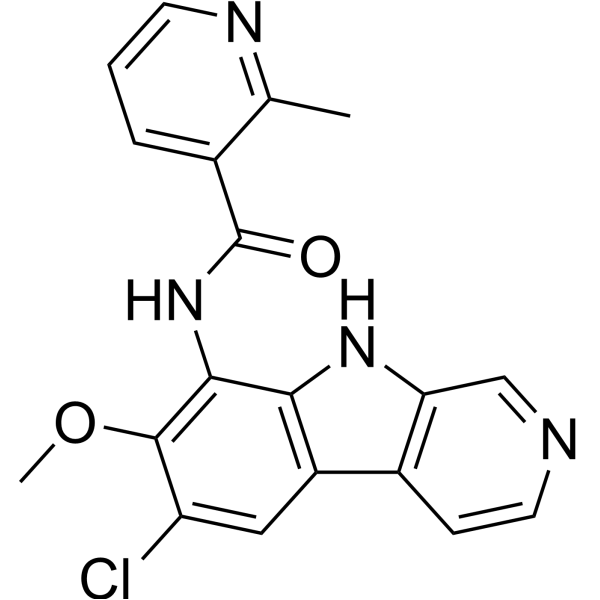
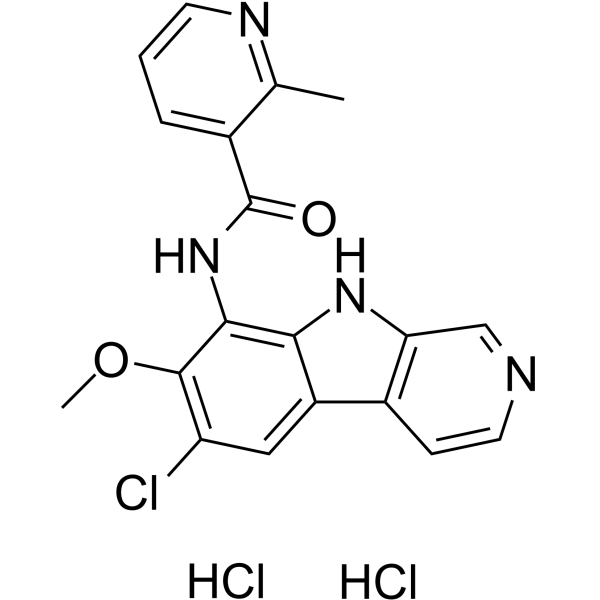
    ACHP (compound 4j) is a selective and orally active IκB kinase inhibitor with IC50 values of 8.5 nM and 250 nM for IKKβ and IKKα, respectively. ACHP can effectively inhibit the STAT3 signaling pathway and induce cancer cell cycle arrest and apoptosis. ACHP shows anti-inflammatory activity in a mouse ear edema model. ACHP can be used in anti-inflammatory and anti-cancer (such as multiple myeloma and leukemia) studies .
    ACHP
  • HY-P1847

    NF-κB Cancer
    IKKγ NBD Inhibitory Peptide is a highly specific inhibitor NF-κB inhibitor. IKKγ NBD Inhibitory Peptide acts by disrupting the interaction between IKKγ/NEMO-binding domain (NBD) with IKKα and IKKβ, thus blocking TNF-α-induced NF-kB activation. IKKγ NBD Inhibitory Peptide could significantly suppresses inflammation and ameliorate the cerebral ischemia-induced neurological deficits .
    IKKγ NBD Inhibitory Peptide
  • HY-N11784

    Apoptosis Caspase NF-κB COX IKK Inflammation/Immunology Cancer
    Triptolidenol, a traditional Chinese medicine, is an epoxy diterpene lactone that can be isolated from Tripterygium wilfordii. Triptolidenol has anti-inflammatory and anticancer activities. Triptolidenol significantly inhibits tumor cell proliferation and migration, arrests cell cycle arrest at S phase and induces apoptosis by activating the cytochrome c/caspase cascade signaling pathway. Triptolidenol disrupts NF-κB/COX-2 pathway by inhibiting IKKβ at ATP-binding sites. Triptolidenol can be used for chronic nephritis and kidney cancer like clear cell renal cell carcinoma (ccRCC) research .
    Triptolidenol
  • HY-16561S1

    trans-Resveratrol-13C6; SRT501-13C6

    Isotope-Labeled Compounds DNA/RNA Synthesis IKK Autophagy Mitophagy Sirtuin Apoptosis Bacterial Fungal Antibiotic Keap1-Nrf2 Infection Inflammation/Immunology Cancer
    Resveratrol- 13C6 is the 13C-labeled Resveratrol. Resveratrol (trans-Resveratrol; SRT501), a natural polyphenolic phytoalexin that possesses anti-oxidant, anti-inflammatory, cardioprotective, and anti-cancer properties. Resveratrol (SRT 501) has a wide spectrum of targets including mTOR, JAK, β-amyloid, Adenylyl cyclase, IKKβ, DNA polymerase. Resveratrol also is a specific SIRT1 activator . Resveratrol is a potent pregnane X receptor (PXR) inhibitor . Resveratrol is an Nrf2 activator, ameliorates aging-related progressive renal injury in mice model . Resveratrol increases production of NO in endothelial cells .
    Resveratrol-13C6
  • HY-163412

    IKK Inflammation/Immunology
    IKKβ-IN-3 (Compound hit4) is a IKKβ inhibitor with an IC50 value of 30.4 nM. IKKβ is a key enzyme in the NF-κB signaling pathway and is involved in the development of many diseases. IKKβ-IN-3 can be used in the study of CAF-induced arthritis .
    IKKβ-IN-3
  • HY-13769

    TPU260

    Drug Derivative Beta-secretase Amyloid-β Cardiovascular Disease Neurological Disease Inflammation/Immunology
    TPT-260 (TPU260), a thiophene thiourea derivative, is a retromer complex stabilizer against thermal denaturation (Kd = ~5 µM). TPT-260 increases the levels of retromer proteins, shifts amyloid-precursor protein (APP) away from the endosome, and decreases the pathogenic processing of APP. TPT-260 inhibits TLR4 upregulation, IKKβ phosphorylation, NF-κB p65 nuclear translocation, and NLRP3 inflammasome formation. TPT-260 improves retromer-mediated cargo trafficking, reduces brain infarct area, and decreases amyloid plaque deposition. TPT-260 exhibits minimal cytotoxicity to primary microglia at tested concentrations. TPT-260 can be used for the research of inflammatory bowel disease, ischemic stroke and Alzheimer's disease .
    TPT-260
  • HY-111970

    IKK Inflammation/Immunology Cancer
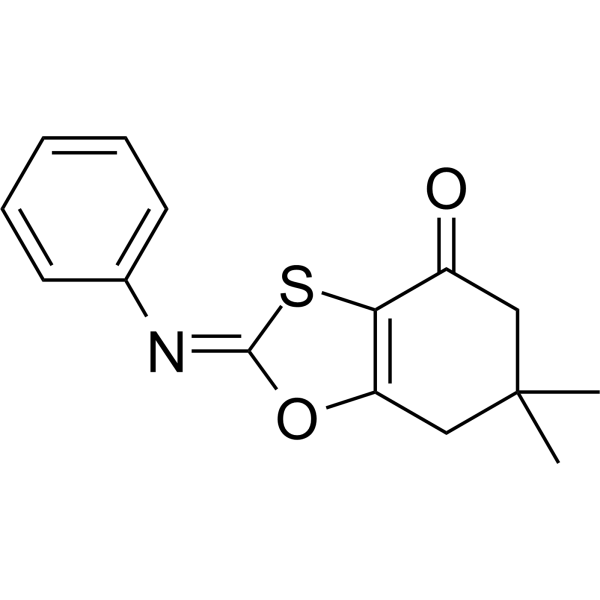
    SAR113945 (compound 1) is a highly potent IKK-β inhibitor with an IC50 of 0.4 nM. SAR113945 is used for research on inflammatory and cancerous diseases .
    SAR113945
  • HY-136393

    IKK Inflammation/Immunology
    IKK-IN-4 is a potent and selective IkappaB kinase 2 (IKKβ orIKK2) inhibitor, with IC50s of 45 and 650 nM for IKKβ and IKKα, respectively .
    IKK-IN-4
  • HY-50949

    IKK Inflammation/Immunology
    Bay 65-1942 free base is an ATP-competitive and selective IKKβ inhibitor.
    Bay 65-1942 free base
  • HY-108090

    IKK Inflammation/Immunology
    MLN-0415 is an IKKβ inhibitor. MLN-0415 is commonly used in the study of inflammatory diseases such as arthritis .
    MLN-0415
  • HY-50949A

    IKK Inflammation/Immunology
    Bay 65-1942 R form is the less active R-form of Bay 65-1942. Bay 65-1942 is an ATP-competitive and selective IKKβ inhibitor.
    Bay 65-1942 (R form)
  • HY-136392

    IKK Inflammation/Immunology
    IKK-IN-3 is a potent and selective IkappaB kinase 2 (IKK2 or IKKβ) inhibitor, with IC50s of 19 and 400 nM for IKK2 and IKK1 (or IKKα), respectively .
    IKK-IN-3
  • HY-162092

    NF-κB IKK Cancer
    Multi-target Pt (IV), an antitumor agent, suppresses the IKKβ phosphorylation, IκBα phosphorylation and NF-κB p65 phosphorylation and nuclear translocation, leading to blocked the NF-kB signal pathway .
    Multi-target Pt
  • HY-N11085

    NO Synthase IKK Inflammation/Immunology
    Isophysalin A is a physalin with alpha and beta unsaturated ketone components. Isophysalin A binds to GSH and targets multiple cysteine residues on IKKβ. Isophysalin A also inhibits inducible NO synthase (iNOS) and nitric oxide (NO) production, showing anti-inflammatory activity .
    Isophysalin A
  • HY-N1949R

    Reference Standards TNF Receptor NF-κB Inflammation/Immunology
    Homoplantaginin (Standard) is the analytical standard of Homoplantaginin. This product is intended for research and analytical applications. Homoplantaginin is a flavonoid from a traditional Chinese medicine Salvia plebeia with antiinflammatory and antioxidant properties. Homoplantaginin could inhibit TNF-α and IL-6 mRNA expression, IKKβ and NF-κB phosphorylation.
    Homoplantaginin (Standard)
  • HY-10172R

    IKK2 Inhibitor V (Standard)

    Reference Standards IKK Cancer
    IMD-0354 (Standard) is the analytical standard of IMD-0354. This product is intended for research and analytical applications. IMD-0354 (IKK2 Inhibitor V) is a selective IKKβ inhibitor which inhibits NF-κB activity . IMD0354 inhibits TNF-α induced NF-κB transcription activity with an IC50 of 1.2 uM .
    IMD-0354 (Standard)

Inquiry Online

Your information is safe with us. * Required Fields.

Salutation


Country or Region *

Applicant Name *


Organization Name *

Department *


Email Address *


Product Name *

Cat. No.


Requested quantity *

Phone Number *


Remarks

Inquiry Online

Inquiry Information

Product Name:
Cat. No.:
Quantity:
MCE Japan Authorized Agent:

