Search Result
Results for "
Indomethacin
" in MedChemExpress (MCE) Product Catalog:
1
Biochemical Assay Reagents
11
Isotope-Labeled Compounds
| Cat. No. |
Product Name |
Target |
Research Areas |
Chemical Structure |
-
- HY-14397
-
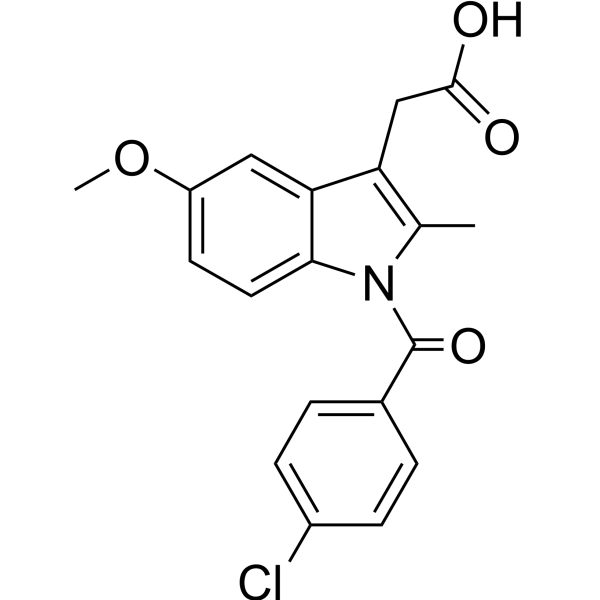
Indomethacin
Maximum Cited Publications
76 Publications Verification
Indometacin
|
COX
Antibiotic
Influenza Virus
Bacterial
|
Inflammation/Immunology
Cancer
|
|
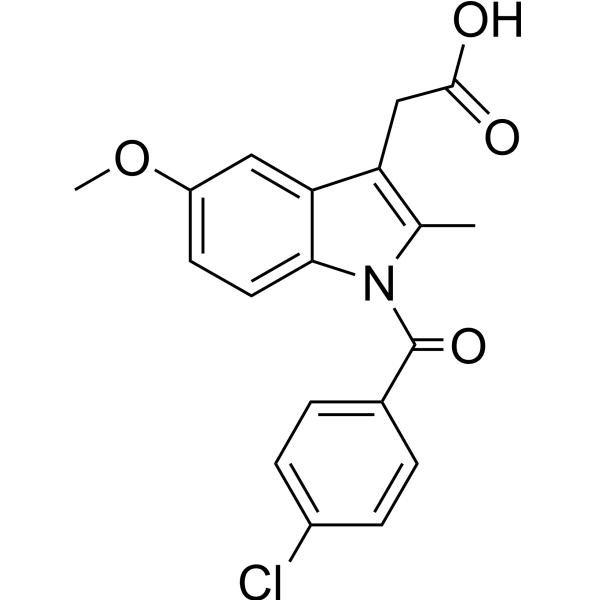
Indomethacin (Indometacin) is a potent, orally active COX1/2 inhibitor with IC50 values of 18 nM and 26 nM for COX-1 and COX-2, respectively. Indomethacin has anticancer activity and anti-infective activity. Indomethacin can be used for cancer, inflammation and viral infection research .
|
-
-
- HY-N7140
-
|
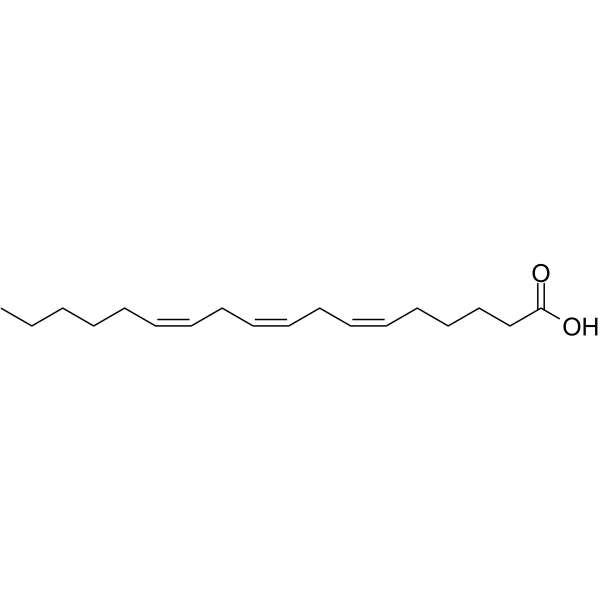
γ-Linolenic acid
|
Endogenous Metabolite
Apoptosis
NF-κB
ERK
JNK
|
Neurological Disease
Inflammation/Immunology
Cancer
|
|
Gamma-linolenic acid (γ-Linolenic acid) is an orally active unsaturated fatty acid. Gamma-linolenic acid exerts anti-inflammatory effects by inhibiting the NF-κB pathway and the phosphorylation of ERK1/2 and JNK. At the same time, it exerts anticancer effects by inducing apoptosis (Apoptosis) in cancer cells. Additionally, Gamma-linolenic acid also has antioxidant and memory-improving effects. It holds promise for research in the fields of inflammation, neurology, and cancer diseases .
|
-
-
- HY-B0679
-
|
RU-0211; SPI-0211
|
Chloride Channel
CFTR
Glutathione Peroxidase
NO Synthase
TNF Receptor
|
Metabolic Disease
|
|
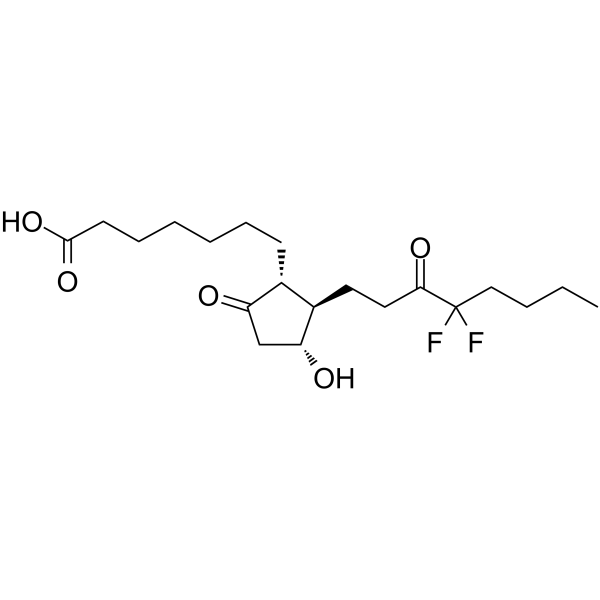
Lubiprostone (SPI-0211) increases intestinal fluid secretion through generation of CIC-2/CFTR and activation of cAMP signaling pathway. Lubiprostone inhibits myeloperoxidase (MPO) activity, downregulates Indomethacin (HY-14397)-induced iNOS and TNFα expression. Lubiprostone can be used for chronic constipation research .
|
-
-
- HY-78131S
-
-
-
- HY-14397A
-
|
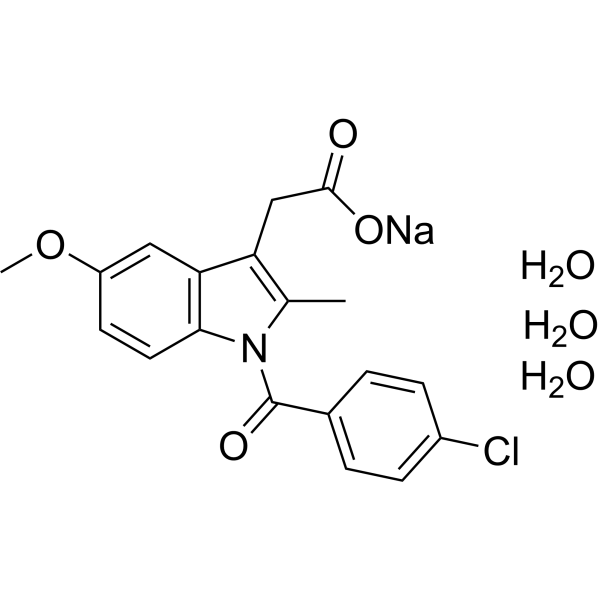
Indometacin sodium hydrate
|
COX
Bacterial
Influenza Virus
Antibiotic
|
Infection
Neurological Disease
Inflammation/Immunology
Cancer
|
|
Indomethacin (Indometacin) sodium hydrateis a orally active and BBB-permeable COX1/2 inhibitor with IC50 values of 18 nM and 26 nM for COX-1 and COX-2, respectively. Indomethacin sodium hydrateis has anticancer activity and anti-infective activity. Indomethacin sodium hydrateis can be used for cancer, inflammation and viral infection research .
|
-
-
- HY-N2374
-
|
|
Apoptosis
NF-κB
MMP
Adrenergic Receptor
|
Inflammation/Immunology
Cancer
|
|
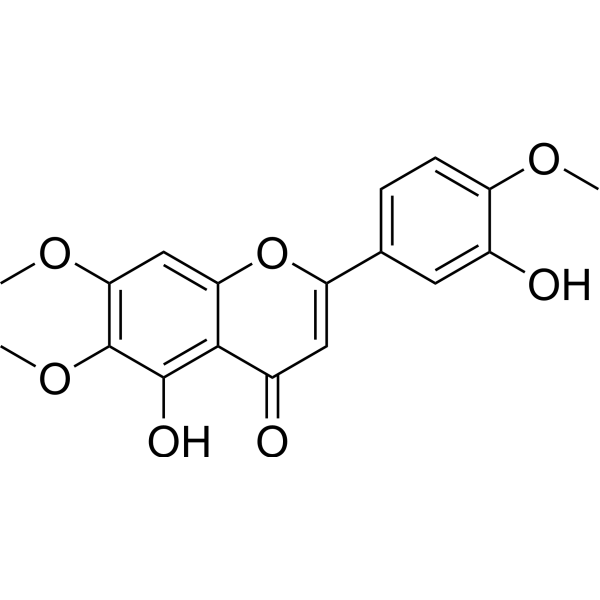
Eupatorin is an orally active flavonoid with antiproliferative and vasodilatory properties. Eupatorin downregulates the expression levels of NF-κB, MMP9, IL-1β and TNF-α. Eupatorin induces apoptosis, G2/M phase cell cycle arrest, and reactive oxygen species (ROS) production. Eupatorin modulates the activities of muscarinic receptors and β-adrenergic receptors; inhibits sarcoplasmic reticulum calcium release and calcium channels; and activates the NO/sGC/cGMP pathway, indomethacin-sensitive pathway, and potassium channel pathway. Eupatorin exerts cytotoxic effects on cancer cell lines, and is metabolized by CYP1A1 and CYP1 family enzymes to form metabolites with antiproliferative activity. Eupatorin can be used in research related to breast cancer, hypertension, and leukemia .
|
-
-
- HY-G0007
-
|
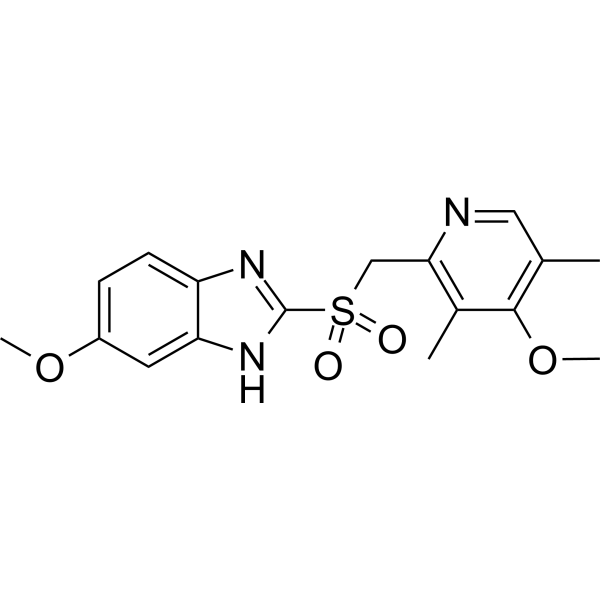
Omeprazole sulphone
|
Drug Metabolite
Cytochrome P450
Aryl Hydrocarbon Receptor
|
Inflammation/Immunology
|
|
Omeprazole sulfone (Omeprazole sulphone) is one of the major circulating metabolites of Omeprazole (HY-B0113) in vivo, and belongs to class 4 non-mutagenic impurities. Omeprazole sulfone does not bind to the aryl hydrocarbon receptor (AhR), nor does it induce the expression of CYP1A1 or CYP1A2. However, Omeprazole sulfone promotes the migration of gastric epithelial cells under basal conditions and reverses the inhibitory effect of Indomethacin (HY-14397) on cell migration. Omeprazole sulfone does not promote cell proliferation, nor does it upregulate COX-2 expression or activate signaling pathways such as ERK, P38 MAPK and PI3K. Omeprazole sulfone maintains basal ulcer healing under non-acid-dependent conditions and can be used in studies related to gastric ulcer repair .
|
-
-
- HY-P1636
-
|
|
Thrombin
YAP
Calcium Channel
|
Metabolic Disease
|
|
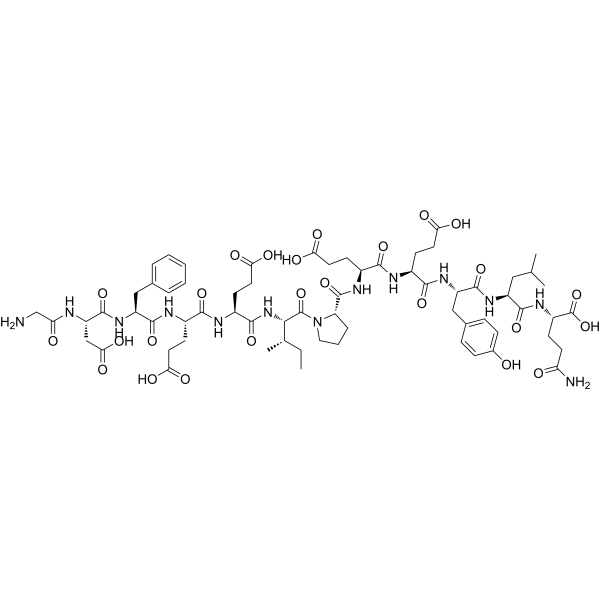
Hirudin (54-65) is a thrombin antagonist and YAP suppressor with anticoagulatory properties.Hirudin (54-65) blocks thrombin's anion binding site, acts on soluble and thrombus-bound thrombin.Hirudin (54-65) suppresses thrombin-induced profibrotic YAP activity, reduces YAP expression, nuclear translocation, and downstream effector signaling in vascular endothelial cells.Hirudin (54-65) ameliorates obstructive cholestasis, attenuates liver fibrosis symptoms, fibrosis-associated angiogenesis, and endothelial-to-mesenchymal transition.Hirudin (54-65) reduces liver inflammation and tissue hypoxia.Hirudin (54-65) promotes extracellular calcium influx through L-type calcium channels in canine coronary artery smooth muscle, mediates contraction.Hirudin (54-65) induces endothelium-independent contraction of canine coronary arterial segments; this response is not affected by indomethacin pretreatment.Hirudin (54-65) can be used for the research of liver obstructive cholestasis, liver fibrosis .
|
-
-
- HY-P1108
-
|
|
CRFR
|
Neurological Disease
Inflammation/Immunology
|
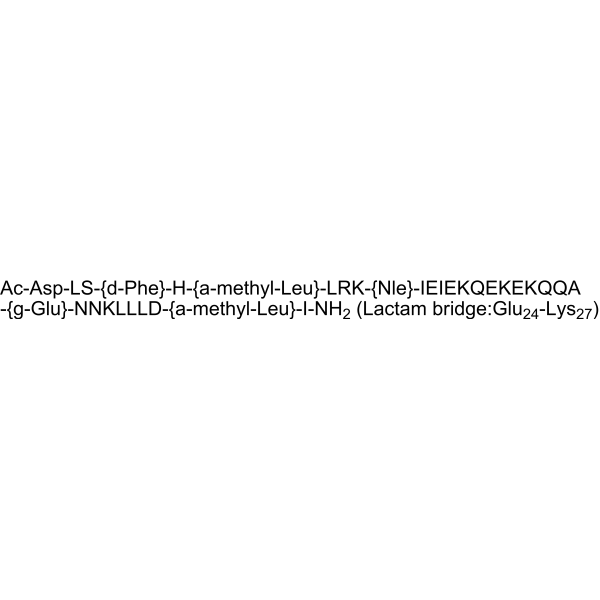
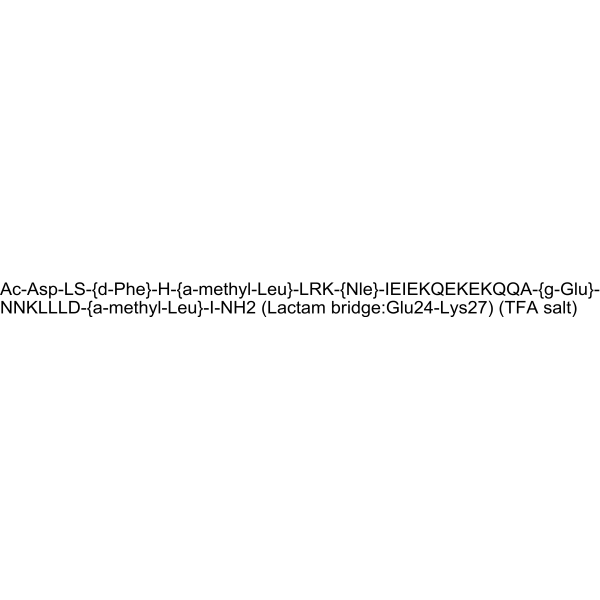
Astressin 2B is a blood-brain barrier-impermeable, highly selective CRFR2 antagonist (rCRFR2, IC50=0.57 nM). Astressin 2B blocks the protective effects mediated by CRFR2, thereby exacerbating indomethacin (HY-14397)-induced hemorrhagic intestinal injury in rats. Astressin 2B reverses the protective effects of Urocortin 1 against intestinal hypermotility, bacterial invasion and upregulation of inflammatory mediators. Astressin 2B also blocks the anxiogenic effect of Urocortin 2 and attenuates stress-induced anxiety-related behaviors. In the Clostridioides difficile toxin A (C. difficile toxin A)-mediated enteritis model, Astressin 2B mimics the phenotype of CRFR2-deficient mice, significantly exacerbating intestinal epithelial damage, edema, neutrophil migration and the expression of multiple proinflammatory cytokines. Astressin 2B is an important tool molecule for investigating the intestinal protective mechanisms of CRFR2 .
|
-
-
- HY-P1108A
-
|
|
CRFR
|
Neurological Disease
Inflammation/Immunology
|
Astressin 2B TFA is a blood-brain barrier-impermeable, highly selective CRFR2 antagonist (rCRFR2, IC50=0.57 nM). Astressin 2B TFA blocks the protective effects mediated by CRFR2, thereby exacerbating indomethacin (HY-14397)-induced hemorrhagic intestinal injury in rats. Astressin 2B TFA reverses the protective effects of Urocortin 1 against intestinal hypermotility, bacterial invasion and upregulation of inflammatory mediators. Astressin 2B TFA also blocks the anxiogenic effect of Urocortin 2 and attenuates stress-induced anxiety-related behaviors. In the Clostridioides difficile toxin A (C. difficile toxin A)-mediated enteritis model, Astressin 2B TFA mimics the phenotype of CRFR2-deficient mice, significantly exacerbating intestinal epithelial damage, edema, neutrophil migration and the expression of multiple proinflammatory cytokines. Astressin 2B TFA is an important tool molecule for investigating the intestinal protective mechanisms of CRFR2 .
|
-
-
- HY-15420
-
|
Indomethacin morpholinylamide; IMMA
|
Cannabinoid Receptor
|
Cancer
|
|
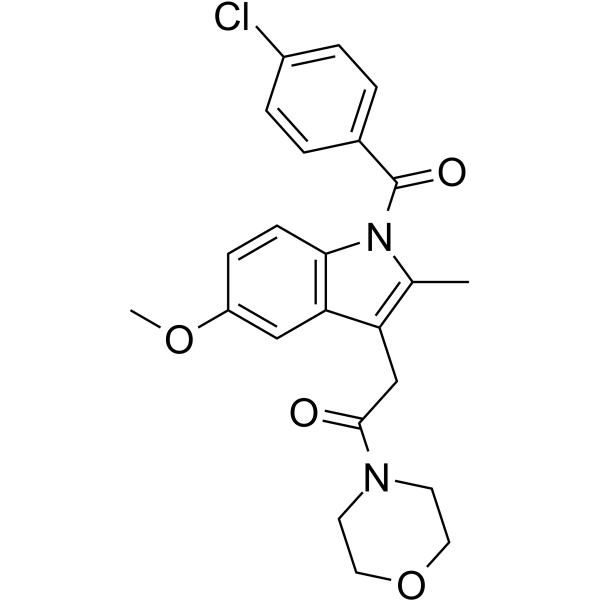
BML-190(IMMA) is a potent and selective CB2 receptor ligand (Ki values are 435 nM and > 2 μM for CB2 and CB1 respectively).
|
-
-
- HY-14397R
-
|
Indometacin (Standard)
|
Reference Standards
COX
Antibiotic
Influenza Virus
Bacterial
|
Inflammation/Immunology
Cancer
|
|
Indomethacin (Standard) is the analytical standard of Indomethacin. This product is intended for research and analytical applications. Indomethacin (Indometacin) is a potent, orally active COX1/2 inhibitor with IC50 values of 18 nM and 26 nM for COX-1 and COX-2, respectively. Indomethacin has anticancer activity and anti-infective activity. Indomethacin can be used for cancer, inflammation and viral infection research .
|
-
-
- HY-14397S
-
|
Indometacin-d4
|
Isotope-Labeled Compounds
COX
Autophagy
|
Inflammation/Immunology
Cancer
|
|
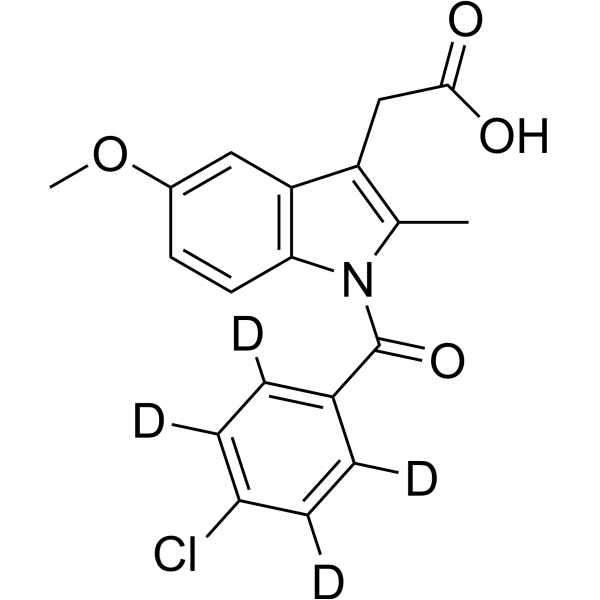
Indomethacin-d4 (Indometacin-d4) is a deuterium labeled Indomethacin. Indomethacin is a potent, blood-brain permeable and nonselective inhibitor of COX1 and COX2, with IC50s of 18 nM and 26 nM for human COX-1 and COX-2, respectively, in CHO cells . Indomethacin disrupts autophagic flux by disturbing the normal functioning of lysosomes .
|
-
-
- HY-N10603
-
|
Baihuaqianhuoside
|
Others
|
Inflammation/Immunology
|
|
Praeroside (Baihuaqianhuoside), a coumarin glycoside. Praeroside can be extracted from the root of Peucedanum praeruptorum and Heracleum dissectum. Praeroside shows anti-inflammatory activity in vitro. Praeroside can be used for the research of inflammation .
|
-
-
- HY-15034
-
|
Indomethacin SODIUM
|
COX
Antibiotic
Influenza Virus
Bacterial
|
Inflammation/Immunology
Cancer
|
|
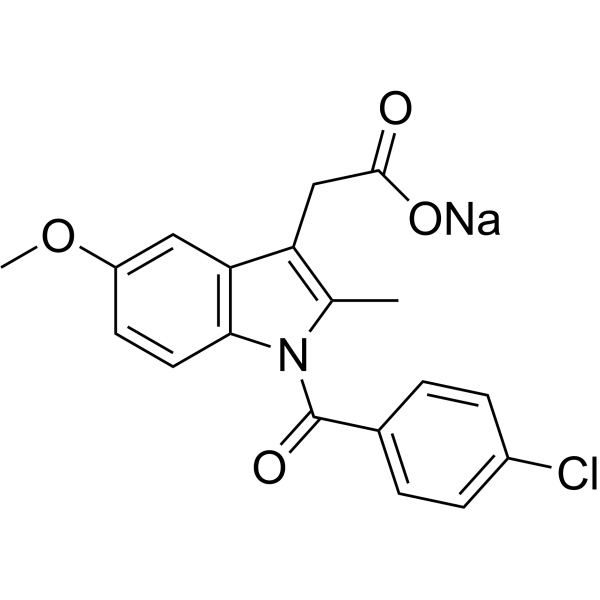
Indomethacin (Indometacin) sodium is a potent, orally active COX1/2 inhibitor with IC50 values of 18 nM and 26 nM for COX-1 and COX-2, respectively. Indomethacin sodium has anticancer activity and anti-infective activity. Indomethacin sodium can be used for cancer, inflammation and viral infection research. .
|
-
-
- HY-14397G
-
|
Indometacin
|
Antibiotic
Influenza Virus
Bacterial
COX
|
Inflammation/Immunology
Cancer
|
|
Indomethacin (GMP) is Indomethacin (HY-14397) produced by using GMP guidelines. GMP small molecules work appropriately as an auxiliary reagent for cell therapy manufacture. Indomethacin (Indometacin) is a potent, orally active COX1/2 inhibitor with IC50 values of 18 nM and 26 nM for COX-1 and COX-2, respectively. Indomethacin has anticancer activity and anti-infective activity. Indomethacin can be used for cancer, inflammation and viral infection research .
|
-
-
- HY-111274
-
|
Indometacin farnesil
|
COX
Autophagy
|
Inflammation/Immunology
|
|
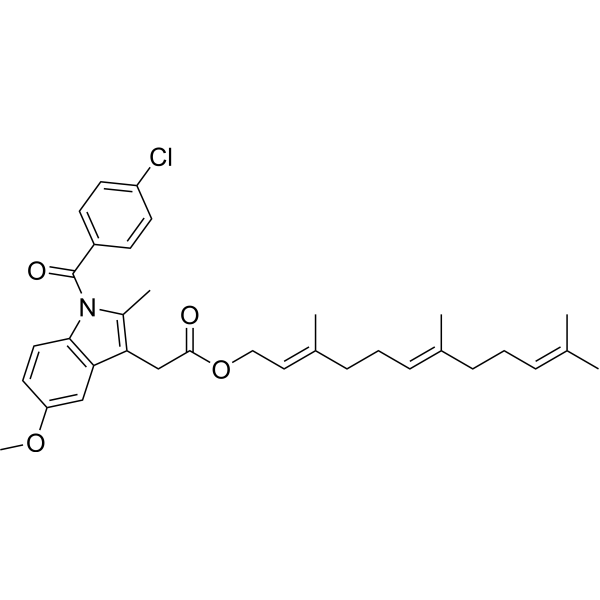
Indomethacin farnesil is an orally active proagent of Indomethacin. Indomethacin (Indometacin) is a potent, blood-brain permeable and nonselective inhibitor of COX1 and COX2, with IC50s of 18 nM and 26 nM for human COX-1 and COX-2, respectively, in CHO cells. Indomethacin disrupts autophagic flux by disturbing the normal functioning of lysosomes .
|
-
-
- HY-14397S1
-
|
|
COX
Autophagy
|
Inflammation/Immunology
Cancer
|
|
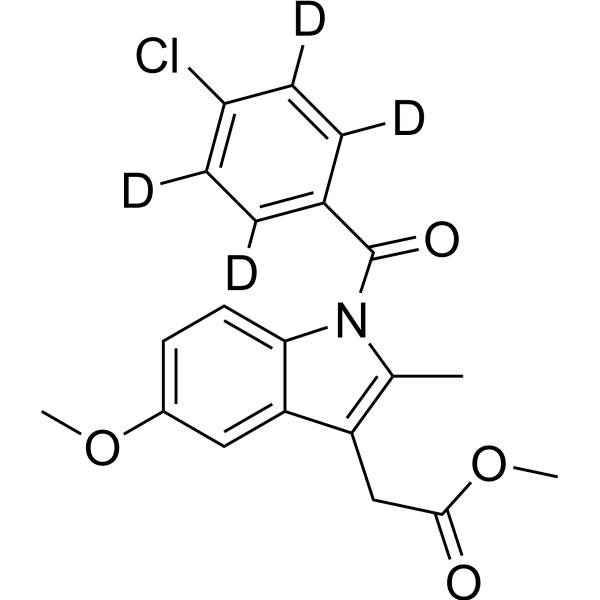
Indomethacin-d4 Methyl Ester is the deuterium labeled Indomethacin. Indomethacin (Indometacin) is a potent, blood-brain permeable and nonselective inhibitor of COX1 and COX2, with IC50s of 18 nM and 26 nM for human COX-1 and COX-2, respectively, in CHO cells . Indomethacin disrupts autophagic flux by disturbing the normal functioning of lysosomes .
|
-
-
- HY-W008567
-
|
|
Drug Metabolite
|
Others
|
|
N-Deschlorobenzoyl indomethacin (Compound 18), the primary metabolite of indomethacin (HY-14397), lacks the N-p-chlorobenzoyl group in its structure. Consequently, N-Deschlorobenzoyl indomethacin loses inhibitory activity against AKR1C2 and AKR1C3 (AKR1C2 IC50 =100 μM, AKR1C3 IC50 >100 μM), exhibiting no selectivity .
|
-
-
- HY-134138
-
|
|
COX
|
Inflammation/Immunology
|
|
Indomethacin N-octyl amide (Compound 2) is a potent and selective COX-2 inhibitor with an IC50 of 40 nM. Indomethacin N-octyl amide shows >1000-fold selectivity against COX-1 (IC50 of 66 µM) .
|
-
-
- HY-105852
-
-
-
- HY-14764
-
|
SPI 8811
|
Chloride Channel
Mitochondrial Metabolism
|
Inflammation/Immunology
|
|
Cobiprostone (SPI 8811) is a type-2 chloride channel activator. Cobiprostone protects against Indomethacin (HY-14397)-induced depolarization of mitochondrial membrane potential and reverses the loss of mitochondrial membrane potential. Cobiprostone protects against NSAID-induced cellular damage .
|
-
-
- HY-N15590
-
|
Solstitialin
|
Others
|
Endocrinology
|
|
Solstitialin A is a guaianolide-type sesquiterpene lactone. Solstitialin A can be isolated from Centaurea solstitialis L. ssp. Solstitialis. A mixture of solstitialin A and 13-acetyl solstitialin A has an inhibitory effect on ethanol- and Indomethacin (HY-14397)-induced ulcers. Solstitialin A can be used in research related to peptic ulcers .
|
-
-
- HY-W700665
-
|
O-Desmethyl Indomethacin
|
Drug Metabolite
|
Others
|
|
5-Hydroxy indomethacin (O-Desmethyl indomethacin) is a metabolite of Indomethacin (HY-14397) .
|
-
-
- HY-126751
-
|
|
Na+/K+ ATPase
|
Metabolic Disease
|
|
DBM-819 is a reversible inhibitor of H⁺/K⁺-ATPase (H +/K +-ATPase), with an IC50 value of 5 μM. DBM-819 can reversibly block gastric acid secretion by inhibiting the proton pump in the gastric mucosa. It shows significant protective effects against duodenal ulcers induced by Cysteamine (HY-77591), gastric ulcers induced by Indomethacin (HY-14397), and gastric ulcers induced by Aspirin (HY-14654), with EC50 values of 6, 3.1, and 4 mg/kg respectively. DBM-819 can be used in ulcer prevention research .
|
-
-
- HY-G0007R
-
|
Omeprazole sulphone (Standard)
|
Reference Standards
Drug Metabolite
Cytochrome P450
Aryl Hydrocarbon Receptor
|
Infection
Cancer
|
|
Omeprazole sulfone (Standard) is the analytical standard of Omeprazole sulfone. This product is intended for research and analytical applications. Omeprazole sulfone (Omeprazole sulphone) is one of the major circulating metabolites of Omeprazole (HY-B0113) in vivo, and belongs to class 4 non-mutagenic impurities. Omeprazole sulfone does not bind to the aryl hydrocarbon receptor (AhR), nor does it induce the expression of CYP1A1 or CYP1A2. However, Omeprazole sulfone promotes the migration of gastric epithelial cells under basal conditions and reverses the inhibitory effect of Indomethacin (HY-14397) on cell migration. Omeprazole sulfone does not promote cell proliferation, nor does it upregulate COX-2 expression or activate signaling pathways such as ERK, P38 MAPK and PI3K. Omeprazole sulfone maintains basal ulcer healing under non-acid-dependent conditions and can be used in studies related to gastric ulcer repair .
|
-
-
- HY-141790S
-
-
-
- HY-W706737
-
|
|
Isotope-Labeled Compounds
Drug Metabolite
|
Others
|
|
N-Deschlorobenzoyl indomethacin-d3 is the deuterium labeled N-Deschlorobenzoyl indomethacin (HY-W008567). N-Deschlorobenzoyl indomethacin (Compound 18), the primary metabolite of indomethacin (HY-14397), lacks the N-p-chlorobenzoyl group in its structure. Consequently, N-Deschlorobenzoyl indomethacin loses inhibitory activity against AKR1C2 and AKR1C3 (AKR1C2 IC50 =100 μM, AKR1C3 IC50 >100 μM), exhibiting no selectivity .
|
-
-
- HY-W024692
-
|
Indometacin methylester
|
17β-HSD
|
Cancer
|
|
Indomethacin methylester (Compound 10; Indometacin methylester) is a potent and selective AKR1C3 inhibitor with an IC50 value of 5.67 μM. Indomethacin methylester is promising for research of postate cancer .
|
-
-
- HY-W740572
-
|
|
Prostaglandin Receptor
COX
|
Inflammation/Immunology
|
|
O-Desmethyl-N-deschlorobenzoyl indomethacin is a metabolite of the non-steroidal anti-inflammatory drug (NSAID) and COX inhibitor indomethacin (HY-14397). It is formed from indomethacin in isolated rabbit hepatocytes. O-Desmethyl-N-deschlorobenzoyl indomethacin (600 μM) decreases the viability of HL-60 leukemia cells when cultured with glucose oxidase. It has also been used in the synthesis of prostaglandin D2 (HY-101988) receptor antagonists.
|
-
-
- HY-114795
-
|
|
COX
|
Inflammation/Immunology
|
|
Indomethacin heptyl ester is a selective COX-2 inhibitor with IC50 of 0.04 μM, exhibits anti-inflammatory activity .
|
-
-
- HY-14397S3
-
|
Indometacin-13C6
|
Isotope-Labeled Compounds
COX
Antibiotic
Influenza Virus
Bacterial
|
Inflammation/Immunology
Cancer
|
|
Indomethacin- 13C6 (Indometacin- 13C6) is 13C labeled Indomethacin. Indomethacin (Indometacin) is a potent, orally active COX1/2 inhibitor with IC50 values of 18 nM and 26 nM for COX-1 and COX-2, respectively. Indomethacin has anticancer activity and anti-infective activity. Indomethacin can be used for cancer, inflammation and viral infection research .
|
-
-
- HY-135081
-
|
N-4AIA
|
COX
|
Others
|
|
N-(4-acetamidophenyl)-indomethacin amide (N-4-AIA) is one of several aromatic amides of indomethacin reported to be potent and selective reversible inhibitors of COX-2.1 N-4-AIA inhibits human recombinant and ovine COX-2 with IC50 values of 0.12 and 0.625 μM, respectively. It is about 400 times less potent as an inhibitor of human recombinant COX-1 and 80 times less potent as an inhibitor of ovine COX-1 than ovine COX-2.
|
-
-
- HY-123639
-
|
N-(2-Phenylethyl)-Indomethacin amide
|
COX
|
Inflammation/Immunology
Cancer
|
|
LM-4108 (N-(2-Phenylethyl)-indomethacin amide) is a selective and orally active COX-2 inhibitor with an IC50 of 0.06 μM for purified human COX-2. LM-4108 shows anti-inflammatory activity and may be effective in prevention of cancer. Half-lives for the disappearance of 10 μM LM-4108 in rat, human, and mouse liver microsomes were 11 min, 21 min, and 51 min, respectively .
|
-
-
- HY-146295
-
|
|
COX
|
Inflammation/Immunology
|
|
COX-2/5-LOX-IN-2 (5b) is a potent and dual inhibitor of COX-2/5-LOX. COX-2/5-LOX-IN-2 is a benzothiophen-2-yl pyrazole carboxylic acid derivative. COX-2/5-LOX-IN-2 shows the most potent analgesic and anti-inflammatory activities surpassing that of Celecoxib and Indomethacin. COX-2/5-LOX-IN-2 shows potent COX-1, COX-2 and 5-LOX inhibitory activity with IC50s of 5.40, 0.01 and 1.78 μM, respectively .
|
-
-
- HY-146294
-
|
|
COX
|
Inflammation/Immunology
|
|
COX-2/5-LOX-IN-1 (compound 3a) is a potent and dual inhibitor of COX-2/5-LOX. COX-2/5-LOX-IN-1 is a benzothiophen-2-yl pyrazole carboxylic acid derivative. COX-2/5-LOX-IN-1 shows the most potent analgesic and anti-inflammatory activities surpassing that of Celecoxib and Indomethacin. COX-2/5-LOX-IN-1 shows potent COX-1, COX-2 and 5-LOX inhibitory activity with IC50s of 12.13, 0.4 and 4.96 μM, respectively .
|
-
-
- HY-14397S2
-
-
-
- HY-U00046
-
|
|
COX
|
Inflammation/Immunology
|
|
Apyramide is an anti-inflammatory agent (NSAID) and behaves as a proagent of indomethacin (HY-14397). Indomethacin is a potent, blood-brain permeable and nonselective inhibitor of COX1 and COX2.
|
-
-
- HY-14397AR
-
|
Indometacin sodium hydrate (Standard)
|
Reference Standards
COX
Bacterial
Influenza Virus
Antibiotic
|
Inflammation/Immunology
Cancer
|
|
Dimethenamide-P (Standard) is the analytical standard of Dimethenamide-P. This product is intended for research and analytical applications. Dimethenamide-P is an amide herbicide effective for the pre-emergence management of annual grasses, small-seeded broadleaf weeds, and sedges in ornamental plants, functioning by inhibiting the synthesis of long-chain fatty acids.
|
-
-
- HY-150551
-
|
|
COX
|
Inflammation/Immunology
|
|
COX-2-IN-27 is a potent and selective COX-2 inhibitor with IC50 values of 13.22, 0.045, 1.67 µM for COX-1, COX-2, 15-LOX, respectively. COX-2-IN-27 shows anti-inflammatory activity .
|
-
-
- HY-163052
-
|
SL-573
|
Prostaglandin Receptor
|
Others
|
|
Ciproquazone (SL-573) is a compound that inhibits prostaglandin biosynthesis. Its relative inhibitory potency is between that of indomethacin and aspirin, and its inhibition of prostaglandin biosynthesis is reversible.
|
-
-
- HY-120966
-
|
|
COX
|
Inflammation/Immunology
|
|
NCX 2121 (NO-indomethacin) is an anti-inflammatory agent. NCX 2121 inhibits PaCa-2 cells growth witn an IC50 of 82 μM .
|
-
-
- HY-121428
-
|
|
PGE synthase
|
Others
|
|
Fagaramide is a compound extracted from Zanthoxylum bungeanum with anti-inflammatory activity. It is effective against carrageenan foot swelling in rats and mediates its anti-inflammatory effect partly by inhibiting prostaglandin synthesis. Its activity is about 1/20 of that of indomethacin.
|
-
-
- HY-114751
-
|
16,16-dimethyl-PGE1
|
Prostaglandin Receptor
|
Cardiovascular Disease
|
|
16,16-Dimethylprostaglandin E1 (16,16-dimethyl-PGE1) is a PGE1 (HY-B0131) analog, induces bronchoconstrict and vascular smooth muscle contractions and suppresses the indomethacin induced cellular elongation .
|
-
-
- HY-131416
-
|
|
Others
|
Inflammation/Immunology
|
|
DD-3305 is an anti-inflammatory agent with comparable anti-inflammatory activity to the known anti-inflammatory agent indomethacin (HY-14397). In a carrageenin-induced rat inflammation model, DD-3305 was effective in inhibiting chronic and acute inflammation as well as induced allergies. .
|
-
-
- HY-15033
-
|
|
Others
|
Infection
Inflammation/Immunology
|
|
ATB-343 is a derivative of Indomethacin that releases H2S. H2S has cytoprotective and anti-inflammatory effects, inhibiting leukocyte adhesion to vascular endothelium and leukocyte migration to inflammatory sites. ATB-343 can be used to suppress respiratory infections .
|
-
-
- HY-105455
-
|
|
Apoptosis
|
Inflammation/Immunology
Cancer
|
|
NCX-530 is an Indomethacin (HY-14397) molecule chemically conjugated with a NO moiety. NCX-530 can release NO. NCX-530 can inhibit cancer cells proliferation and induce apoptosis. NCX-530 can be used for the researches of cancer and inflammation .
|
-
-
- HY-179057
-
|
|
Glutathione S-transferase
|
Cancer
|
|
GSTA4-IN-1 (Compound 3a) is a potent and competitive inhibitor of glutathione S-transferase A4 (GSTA4), with an IC50 of 3.12 μM and a Ki of 2.38 μM. GSTA4-IN-1 is cytotoxic to colorectal cancer cells. GSTA4-IN-1 can be used for research on colorectal cancer .
|
-
-
- HY-105825
-
|
SH-G 318AB
|
Endogenous Metabolite
|
Inflammation/Immunology
|
|
Sermetacin (SH-G 318AB) is an anti-inflammatory agent with biocompatibility and anti-inflammatory activity. Sermetacin is stable in saline and suitable for compound delivery. Sermetacin exhibits good biocompatibility in the RAW 264.7 mouse macrophage cell line. The anti-inflammatory response of sermetacin is comparable to that of its parent compound, indomethacin. Sermetacin may show potential in future applications of self-delivery of compound delivery .
|
-
-
- HY-112533
-
|
11d-11m-PGD2; 11-Deoxy-11-Methylene prostaglandin D2
|
Prostaglandin Receptor
|
Endocrinology
|
|
11-Deoxy-11-methylene PGD2 (11d-11m-PGD2) is a chemically stable, isosteric analogue of Prostaglandin 2 in which the 11-keto group is replaced by an exocyclic methylene. 11-Deoxy-11-methylene PGD2 is significantly stimulating the storage of fats suppressed in the presence of Indomethacin .
|
-
- HY-B0679R
-
|
RU-0211 (Standard); SPI-0211 (Standard)
|
Reference Standards
Chloride Channel
CFTR
Glutathione Peroxidase
NO Synthase
TNF Receptor
|
Metabolic Disease
|
|
Lubiprostone (Standard) is the analytical standard of Lubiprostone. This product is intended for research and analytical applications. Lubiprostone (SPI-0211) increases intestinal fluid secretion through generation of CIC-2/CFTR and activation of cAMP signaling pathway. Lubiprostone inhibits myeloperoxidase (MPO) activity, downregulates Indomethacin (HY-14397)-induced iNOS and TNFα expression. Lubiprostone can be used for chronic constipation research .
|
-
- HY-167715
-
|
|
Histamine Receptor
Phosphodiesterase (PDE)
|
Inflammation/Immunology
|
|
Traxanox is an orally available diuretic that enhances phagocytosis of yeast granules by mouse peritoneal macrophages and rat peritoneal polymorphonuclear leukocytes in vitro.
Traxanox inhibits IgE-mediated histamine release and cyclic AMP phosphodiesterase
activity.Traxanox exhibits anti-inflammatory activity, as it inhibits the anaphylactoid reaction and reduces pleural fluid accumulation in experimental models of inflammation. Traxanox also demonstrates a synergistic effect when combined with hydrocortisone or indomethacin in suppressing adjuvant arthritis in rats.
|
-
- HY-B0679S
-
-
- HY-170585
-
|
|
COX
NF-κB
|
Inflammation/Immunology
|
|
COX-2-IN-51 (E25) is a potent COX-2 inhibitor, with an IC50 of 70.7 nM. COX-2-IN-51 significantly inhibits LPS-induced release of NO and PGE2, expression of COX-2 and iNOS, and activation of NF-κB pathway. COX-2-IN-51 exhibits anti-inflammatory and analgesic effects in diverse murine models through inhibiting NF-κB pathway. COX-2-IN-51 has lower gastrointestinal side effects than Indomethacin (HY-14397) .
|
-
- HY-W344531
-
-
- HY-G0007S
-
|
Omeprazole sulfone-d3; Omeprazole sulphone-d3
|
Isotope-Labeled Compounds
Drug Metabolite
Cytochrome P450
Aryl Hydrocarbon Receptor
|
Infection
Cancer
|
|
Omeprazole sulfone-d3 is the deuterium labeled Omeprazole sulfone. Omeprazole sulfone (Omeprazole sulphone) is one of the major circulating metabolites of Omeprazole (HY-B0113) in vivo, and belongs to class 4 non-mutagenic impurities. Omeprazole sulfone does not bind to the aryl hydrocarbon receptor (AhR), nor does it induce the expression of CYP1A1 or CYP1A2. However, Omeprazole sulfone promotes the migration of gastric epithelial cells under basal conditions and reverses the inhibitory effect of Indomethacin (HY-14397) on cell migration. Omeprazole sulfone does not promote cell proliferation, nor does it upregulate COX-2 expression or activate signaling pathways such as ERK, P38 MAPK and PI3K. Omeprazole sulfone maintains basal ulcer healing under non-acid-dependent conditions and can be used in studies related to gastric ulcer repair .
|
-
- HY-G0007S1
-
|
Omeprazole sulfone-13C,d3; Omeprazole sulphone-13C,d3
|
Isotope-Labeled Compounds
Drug Metabolite
Cytochrome P450
Aryl Hydrocarbon Receptor
|
Others
|
|
Omeprazole sulfone- 13C,d3 is the deuterium and 13C labeled Omeprazole sulfone. Omeprazole sulfone (Omeprazole sulphone) is one of the major circulating metabolites of Omeprazole (HY-B0113) in vivo, and belongs to class 4 non-mutagenic impurities. Omeprazole sulfone does not bind to the aryl hydrocarbon receptor (AhR), nor does it induce the expression of CYP1A1 or CYP1A2. However, Omeprazole sulfone promotes the migration of gastric epithelial cells under basal conditions and reverses the inhibitory effect of Indomethacin (HY-14397) on cell migration. Omeprazole sulfone does not promote cell proliferation, nor does it upregulate COX-2 expression or activate signaling pathways such as ERK, P38 MAPK and PI3K. Omeprazole sulfone maintains basal ulcer healing under non-acid-dependent conditions and can be used in studies related to gastric ulcer repair .
|
-
- HY-Z9003S
-
-
- HY-139129
-
|
|
COX
|
Inflammation/Immunology
|
|
N-(3-Pyridyl)indomethacinamide is a derivative of Indomethacin (HY-14397). N-(3-Pyridyl)indomethacinamide is a COX2 inhibitor .
|
-
- HY-127145
-
|
|
COX
|
Inflammation/Immunology
|
|
Parsalmide is an orally active non-steroidal anti-inflammatory drug and gastroprotective agent, with an IC50 of 9.92 μM against COX-1 and 155 μM against COX-2. Parsalmide prevents gastric injury and reduces edema. Parsalmide can be used in the research of arthritis .
|
-
- HY-159564
-
|
|
COX
NO Synthase
|
Inflammation/Immunology
|
|
iNOS/COX-2-IN-3 (compound 7d) is a dual inhibitor of iNOS and COX-2, with potential anti-inflammatory activity against LPS (HY-D1056)-induced RAW 264.7 cells (IC50=3.48 μM). iNOS/COX-2-IN-3 has good plasma stability, oral activity and gastric safety, and its inhibitory activity on iNOS and COX-2 expression is 5.43-fold and 2.37-fold that of Indomethacin (HY-14397), respectively .
|
-
- HY-183918
-
|
|
COX
|
Inflammation/Immunology
|
|
Amfenac ethyl ester is an orally active cyclooxygenase (COX) inhibitor. Amfenac ethyl ester exhibits antiinflammatory activity in rodent models. Amfenac ethyl ester can be used for the research of inflammation .
|
-
- HY-N19083
-
|
|
Bacterial
|
Inflammation/Immunology
|
|
Tecomella undulata Extract, also known as Rohida extract, is a valuable botanical extract derived from the bark and leaves of the Tecomella undulata plant native to the Indian Thar Desert and is rich in bioactive compounds such as flavonoids, quinones, triterpenoids, and other phytochemicals that contribute to its diverse therapeutic properties. This extract is widely recognized for its hepatoprotective effects demonstrated through its ability to protect against liver damage induced by toxins such as paracetamol and carbon tetrachloride by normalizing elevated liver enzyme levels reducing oxidative stress and improving liver function. Additionally, it exhibits significant anti-inflammatory activity comparable to standard drugs like indomethacin and has been used to treat conditions like ascites and hepatosplenomegaly while also showing immunomodulatory effects by enhancing both humoral and cell-mediated immune responses and possessing antimicrobial properties that make it effective against various pathogens. Recent research suggests that Tecomella undulata may have potential in managing nonalcoholic steatohepatitis (NASH) by reducing body weight insulin resistance and improving liver function markers making it a versatile natural remedy with significant applications in hepatoprotection anti-inflammation and immune support.
|
-
| Cat. No. |
Product Name |
Type |
-
- HY-14397G
-
|
Indometacin
|
Fluorescent Dyes
|
|
Indomethacin (GMP) is Indomethacin (HY-14397) produced by using GMP guidelines. GMP small molecules work appropriately as an auxiliary reagent for cell therapy manufacture. Indomethacin (Indometacin) is a potent, orally active COX1/2 inhibitor with IC50 values of 18 nM and 26 nM for COX-1 and COX-2, respectively. Indomethacin has anticancer activity and anti-infective activity. Indomethacin can be used for cancer, inflammation and viral infection research .
|
| Cat. No. |
Product Name |
Type |
-
- HY-14397G
-
|
Indometacin
|
Biochemical Assay Reagents
|
|
Indomethacin (GMP) is Indomethacin (HY-14397) produced by using GMP guidelines. GMP small molecules work appropriately as an auxiliary reagent for cell therapy manufacture. Indomethacin (Indometacin) is a potent, orally active COX1/2 inhibitor with IC50 values of 18 nM and 26 nM for COX-1 and COX-2, respectively. Indomethacin has anticancer activity and anti-infective activity. Indomethacin can be used for cancer, inflammation and viral infection research .
|
| Cat. No. |
Product Name |
Target |
Research Area |
-
- HY-P1636
-
|
|
Thrombin
YAP
Calcium Channel
|
Metabolic Disease
|
|
Hirudin (54-65) is a thrombin antagonist and YAP suppressor with anticoagulatory properties.Hirudin (54-65) blocks thrombin's anion binding site, acts on soluble and thrombus-bound thrombin.Hirudin (54-65) suppresses thrombin-induced profibrotic YAP activity, reduces YAP expression, nuclear translocation, and downstream effector signaling in vascular endothelial cells.Hirudin (54-65) ameliorates obstructive cholestasis, attenuates liver fibrosis symptoms, fibrosis-associated angiogenesis, and endothelial-to-mesenchymal transition.Hirudin (54-65) reduces liver inflammation and tissue hypoxia.Hirudin (54-65) promotes extracellular calcium influx through L-type calcium channels in canine coronary artery smooth muscle, mediates contraction.Hirudin (54-65) induces endothelium-independent contraction of canine coronary arterial segments; this response is not affected by indomethacin pretreatment.Hirudin (54-65) can be used for the research of liver obstructive cholestasis, liver fibrosis .
|
-
- HY-P1108
-
|
|
CRFR
|
Neurological Disease
Inflammation/Immunology
|
Astressin 2B is a blood-brain barrier-impermeable, highly selective CRFR2 antagonist (rCRFR2, IC50=0.57 nM). Astressin 2B blocks the protective effects mediated by CRFR2, thereby exacerbating indomethacin (HY-14397)-induced hemorrhagic intestinal injury in rats. Astressin 2B reverses the protective effects of Urocortin 1 against intestinal hypermotility, bacterial invasion and upregulation of inflammatory mediators. Astressin 2B also blocks the anxiogenic effect of Urocortin 2 and attenuates stress-induced anxiety-related behaviors. In the Clostridioides difficile toxin A (C. difficile toxin A)-mediated enteritis model, Astressin 2B mimics the phenotype of CRFR2-deficient mice, significantly exacerbating intestinal epithelial damage, edema, neutrophil migration and the expression of multiple proinflammatory cytokines. Astressin 2B is an important tool molecule for investigating the intestinal protective mechanisms of CRFR2 .
|
-
- HY-P1108A
-
|
|
CRFR
|
Neurological Disease
Inflammation/Immunology
|
Astressin 2B TFA is a blood-brain barrier-impermeable, highly selective CRFR2 antagonist (rCRFR2, IC50=0.57 nM). Astressin 2B TFA blocks the protective effects mediated by CRFR2, thereby exacerbating indomethacin (HY-14397)-induced hemorrhagic intestinal injury in rats. Astressin 2B TFA reverses the protective effects of Urocortin 1 against intestinal hypermotility, bacterial invasion and upregulation of inflammatory mediators. Astressin 2B TFA also blocks the anxiogenic effect of Urocortin 2 and attenuates stress-induced anxiety-related behaviors. In the Clostridioides difficile toxin A (C. difficile toxin A)-mediated enteritis model, Astressin 2B TFA mimics the phenotype of CRFR2-deficient mice, significantly exacerbating intestinal epithelial damage, edema, neutrophil migration and the expression of multiple proinflammatory cytokines. Astressin 2B TFA is an important tool molecule for investigating the intestinal protective mechanisms of CRFR2 .
|
| Cat. No. |
Product Name |
Category |
Target |
Chemical Structure |
| Cat. No. |
Product Name |
Chemical Structure |
-
- HY-78131S
-
1 Publications Verification
|
|
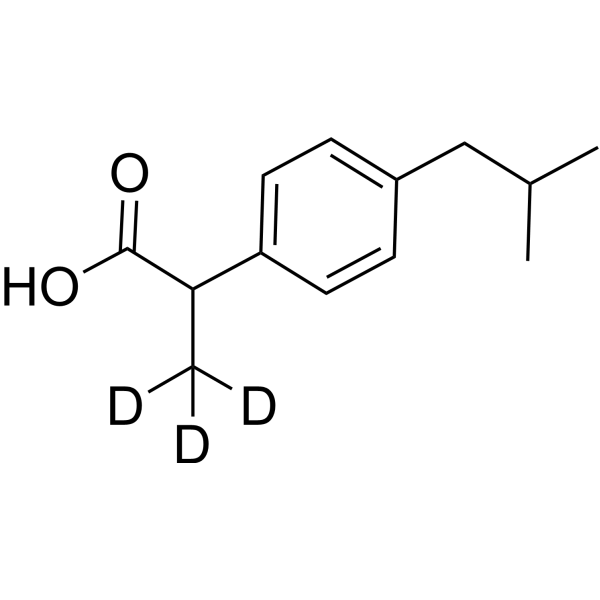
Ibuprofen-d3 is a deuterium labeled Ibuprofen. Ibuprofen is a COX-1 and COX-2 inhibitor with IC50s of 13 μM and 370 μM .
|
-
-
- HY-14397S
-
|
|
|
Indomethacin-d4 (Indometacin-d4) is a deuterium labeled Indomethacin. Indomethacin is a potent, blood-brain permeable and nonselective inhibitor of COX1 and COX2, with IC50s of 18 nM and 26 nM for human COX-1 and COX-2, respectively, in CHO cells . Indomethacin disrupts autophagic flux by disturbing the normal functioning of lysosomes .
|
-
-
- HY-14397S1
-
|
|
|
Indomethacin-d4 Methyl Ester is the deuterium labeled Indomethacin. Indomethacin (Indometacin) is a potent, blood-brain permeable and nonselective inhibitor of COX1 and COX2, with IC50s of 18 nM and 26 nM for human COX-1 and COX-2, respectively, in CHO cells . Indomethacin disrupts autophagic flux by disturbing the normal functioning of lysosomes .
|
-
-
- HY-141790S
-
|
|
|
O-Desmethyl Indomethacin-d4 is the deuterium labeled O-Desmethyl Indomethacin .
|
-
-
- HY-W706737
-
|
|
|
N-Deschlorobenzoyl indomethacin-d3 is the deuterium labeled N-Deschlorobenzoyl indomethacin (HY-W008567). N-Deschlorobenzoyl indomethacin (Compound 18), the primary metabolite of indomethacin (HY-14397), lacks the N-p-chlorobenzoyl group in its structure. Consequently, N-Deschlorobenzoyl indomethacin loses inhibitory activity against AKR1C2 and AKR1C3 (AKR1C2 IC50 =100 μM, AKR1C3 IC50 >100 μM), exhibiting no selectivity .
|
-
-
- HY-14397S3
-
|
|
|
Indomethacin- 13C6 (Indometacin- 13C6) is 13C labeled Indomethacin. Indomethacin (Indometacin) is a potent, orally active COX1/2 inhibitor with IC50 values of 18 nM and 26 nM for COX-1 and COX-2, respectively. Indomethacin has anticancer activity and anti-infective activity. Indomethacin can be used for cancer, inflammation and viral infection research .
|
-
-
- HY-14397S2
-
|
|
|
Indometacin-d7 is deuterated labeled Indomethacin (HY-14397). Indomethacin (Indometacin) is a potent, orally active COX1/2 inhibitor with IC50 values of 18 nM and 26 nM for COX-1 and COX-2, respectively. Indomethacin has anticancer activity and anti-infective activity. Indomethacin can be used for cancer, inflammation and viral infection research .
|
-
-
- HY-B0679S
-
|
|
|
Lubiprostone-d7 (RU-0211-d7) is the deuterium labeled Lubiprostone. Lubiprostone (SPI-0211) increases intestinal fluid secretion through generation of CIC-2/CFTR and activation of cAMP signaling pathway. Lubiprostone inhibits myeloperoxidase (MPO) activity, downregulates Indomethacin (HY-14397)-induced iNOS and TNFα expression. Lubiprostone can be used for chronic constipation research .
|
-
-
- HY-G0007S
-
|
|
|
Omeprazole sulfone-d3 is the deuterium labeled Omeprazole sulfone. Omeprazole sulfone (Omeprazole sulphone) is one of the major circulating metabolites of Omeprazole (HY-B0113) in vivo, and belongs to class 4 non-mutagenic impurities. Omeprazole sulfone does not bind to the aryl hydrocarbon receptor (AhR), nor does it induce the expression of CYP1A1 or CYP1A2. However, Omeprazole sulfone promotes the migration of gastric epithelial cells under basal conditions and reverses the inhibitory effect of Indomethacin (HY-14397) on cell migration. Omeprazole sulfone does not promote cell proliferation, nor does it upregulate COX-2 expression or activate signaling pathways such as ERK, P38 MAPK and PI3K. Omeprazole sulfone maintains basal ulcer healing under non-acid-dependent conditions and can be used in studies related to gastric ulcer repair .
|
-
-
- HY-G0007S1
-
|
|
|
Omeprazole sulfone- 13C,d3 is the deuterium and 13C labeled Omeprazole sulfone. Omeprazole sulfone (Omeprazole sulphone) is one of the major circulating metabolites of Omeprazole (HY-B0113) in vivo, and belongs to class 4 non-mutagenic impurities. Omeprazole sulfone does not bind to the aryl hydrocarbon receptor (AhR), nor does it induce the expression of CYP1A1 or CYP1A2. However, Omeprazole sulfone promotes the migration of gastric epithelial cells under basal conditions and reverses the inhibitory effect of Indomethacin (HY-14397) on cell migration. Omeprazole sulfone does not promote cell proliferation, nor does it upregulate COX-2 expression or activate signaling pathways such as ERK, P38 MAPK and PI3K. Omeprazole sulfone maintains basal ulcer healing under non-acid-dependent conditions and can be used in studies related to gastric ulcer repair .
|
-
-
- HY-Z9003S
-
|
|
|
Indomethacin ethyl ester-d4 is the deuterium labeled Indomethacin ethyl ester.
|
-
| Cat. No. |
Product Name |
|
Classification |
-
- HY-127145
-
|
|
|
Alkynes
|
|
Parsalmide is an orally active non-steroidal anti-inflammatory drug and gastroprotective agent, with an IC50 of 9.92 μM against COX-1 and 155 μM against COX-2. Parsalmide prevents gastric injury and reduces edema. Parsalmide can be used in the research of arthritis .
|
-
- HY-159564
-
|
|
|
Azide
|
|
iNOS/COX-2-IN-3 (compound 7d) is a dual inhibitor of iNOS and COX-2, with potential anti-inflammatory activity against LPS (HY-D1056)-induced RAW 264.7 cells (IC50=3.48 μM). iNOS/COX-2-IN-3 has good plasma stability, oral activity and gastric safety, and its inhibitory activity on iNOS and COX-2 expression is 5.43-fold and 2.37-fold that of Indomethacin (HY-14397), respectively .
|
| Cat. No. |
Product Name |
Target |
Research Areas |
Chemical Structure |
-
- HY-14397G
-
|
Indometacin
|
Antibiotic
Influenza Virus
Bacterial
COX
|
Inflammation/Immunology
Cancer
|
|
Indomethacin (GMP) is Indomethacin (HY-14397) produced by using GMP guidelines. GMP small molecules work appropriately as an auxiliary reagent for cell therapy manufacture. Indomethacin (Indometacin) is a potent, orally active COX1/2 inhibitor with IC50 values of 18 nM and 26 nM for COX-1 and COX-2, respectively. Indomethacin has anticancer activity and anti-infective activity. Indomethacin can be used for cancer, inflammation and viral infection research .
|
-
Your information is safe with us. * Required Fields.
Inquiry Information
- Product Name:
- Cat. No.:
- Quantity:
- MCE Japan Authorized Agent:

