



Eupatorin
Based on 2 publication(s) in Google Scholar
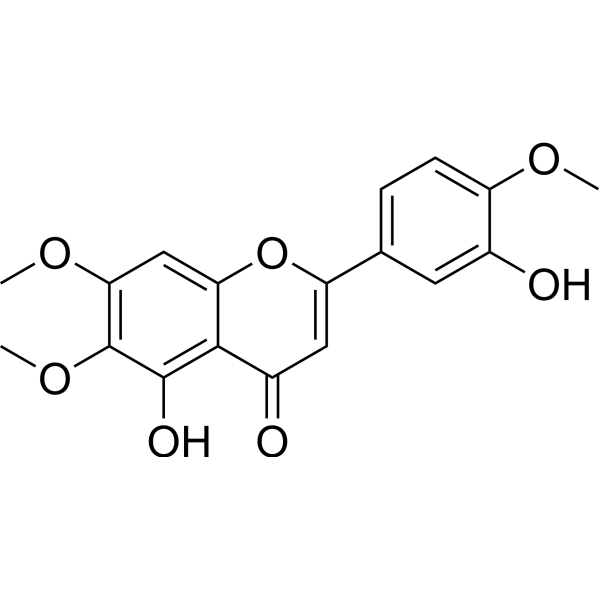
Eupatorin is an orally active flavonoid with antiproliferative and vasodilatory properties. Eupatorin downregulates the expression levels of NF-κB, MMP9, IL-1β and TNF-α. Eupatorin induces apoptosis, G2/M phase cell cycle arrest, and reactive oxygen species (ROS) production. Eupatorin modulates the activities of muscarinic receptors and β-adrenergic receptors; inhibits sarcoplasmic reticulum calcium release and calcium channels; and activates the NO/sGC/cGMP pathway, indomethacin-sensitive pathway, and potassium channel pathway. Eupatorin exerts cytotoxic effects on cancer cell lines, and is metabolized by CYP1A1 and CYP1 family enzymes to form metabolites with antiproliferative activity. Eupatorin can be used in research related to breast cancer, hypertension, and leukemia.
For research use only. We do not sell to patients.
- Purity : 99.53%
- CAS No.: 855-96-9
- Formula: C18H16O7
- Molecular Weight:344.32
-
Storage:Powder -20°C, 3 years , 4°C, 2 years ; In solvent -80°C, 6 months , -20°C, 1 month

To place orders, for customer services and technical support, please contact: MedChemExpress USA
Tel: 609-228-6898 E-mail: [email protected] [email protected]


-
 Biological Activity
-
Chemical Information
-
Solvent & Solubility
- Protocols
- Purity & Documentation
- References
-
 Help & FAQs


-
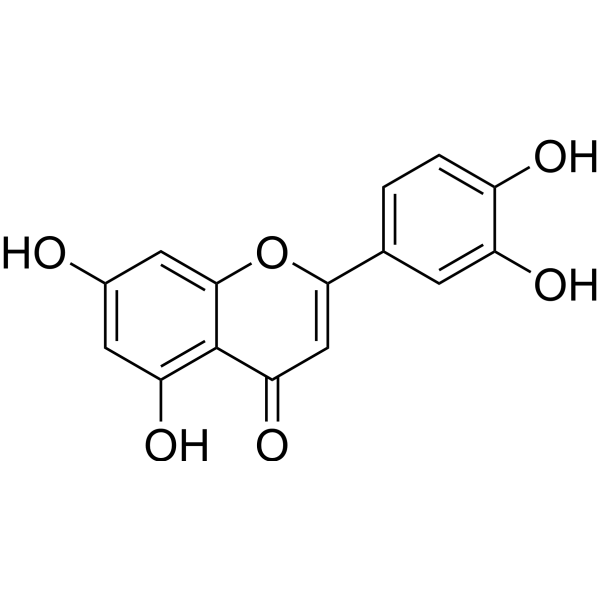
HY-N0162
LuteolinNrf2 Inhibitor -
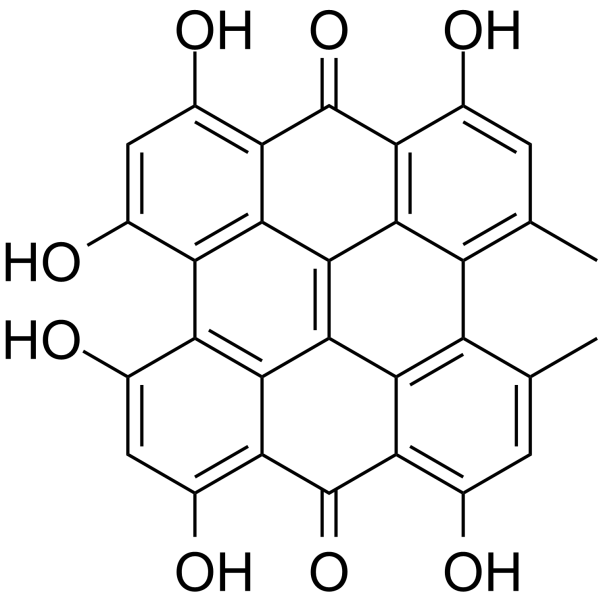
HY-N0453
HypericinPKC Inhibitor -
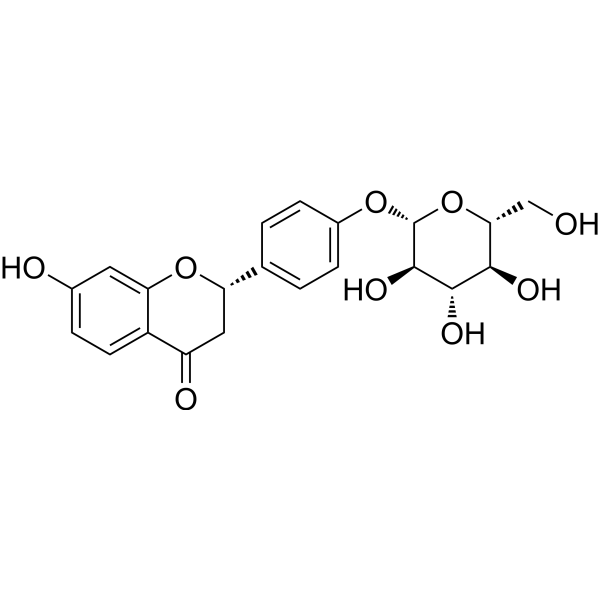
HY-N0376
LiquiritinAKR1C1 Inhibitor -
HY-N0441
NeferineAutophagy Modulator -
HY-N0114
EvodiamineAlkaloid -
HY-N0540
CynarosideRNA Polymerase Inhibitor -
HY-N0123
Aloin-AAnticancer Agent -
HY-N0785
Ginkgolide CFlavone -
HY-N0779
IsosilybinCytochrome P450 Inhibitor -
HY-N0146
Quercetin dihydrateApoptosis Inducer -
HY-N2374R
Eupatorin (Standard) -
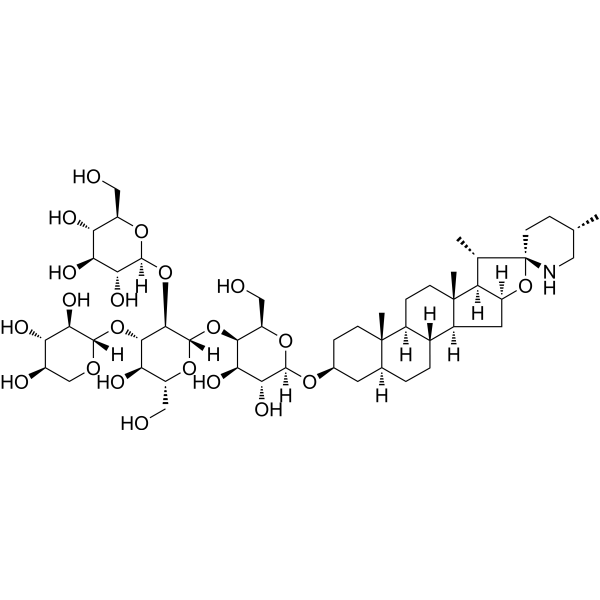
HY-N2166
TomatineGlycoalkaloid
Publications Citing Use of MedChemExpress (MCE) Eupatorin
MoreAll Adrenergic Receptor Isoforms
More

Biological Activity
Description
Cellular Effect
|
Cell Line

|
Type | Value | Description | References |
|---|---|---|---|---|
| HeLa | IC50 |
8.1 μM
Compound: Eupatorin
|
Cytotoxicity against human HeLa cells assessed as reduction in cell viability incubated for 48 hrs by MTT assay
Cytotoxicity against human HeLa cells assessed as reduction in cell viability incubated for 48 hrs by MTT assay
|
[PMID: 31784199] |
| HT-1080 | ED50 |
8.8 μg/mL
Compound: c
|
Antiproliferative activity against human HT1080 cells after 4 days by MTT assay
Antiproliferative activity against human HT1080 cells after 4 days by MTT assay
|
[PMID: 11374950] |
| KB | ED50 |
>50 μg/mL
Compound: 6
|
Cytotoxicity against human KB cells
Cytotoxicity against human KB cells
|
[PMID: 521819] |
| MCF7 | IC50 |
10.3 μM
Compound: Eupatorin
|
Cytotoxicity against human MCF7 cells assessed as reduction in cell viability incubated for 48 hrs by MTT assay
Cytotoxicity against human MCF7 cells assessed as reduction in cell viability incubated for 48 hrs by MTT assay
|
[PMID: 31784199] |
| MCF7 | IC50 |
7 μM
Compound: 1
|
Antiproliferative activity in human MCF7 cells after 96 hrs by MTT assay
Antiproliferative activity in human MCF7 cells after 96 hrs by MTT assay
|
[PMID: 19601638] |
In Vitro
Eupatorin (0.16-20 μg/mL; 24-72 h) inhibits proliferation of mouse breast cancer 4T1 cells in a time-dependent manner, with IC50 values of >20 μg/mL at 24 h, 6.00 μg/mL at 48 h, and 5.00 μg/mL at 72 h[1].
Eupatorin (0.001-100 μM; 96 h) potently inhibits proliferation of MDA-MB-468 cells with an IC50 of 0.5 μM, while being far less active in MCF-10A cells with an IC50 of 50 μM; its antiproliferative effect in MDA-MB-468 cells is reversed by CYP1 inhibition[3].
Eupatorin (10 μM; 48 h) induces G2/M phase arrest in MDA-MB-468 cells, an effect reversed by CYP1 inhibition, while it does not affect the cell cycle of MCF-10A cells[3].
Eupatorin (0.1-100 μM; 72 h) potently inhibits viability in HL-60, U937, and Molt-3 human leukemia cell lines with an IC50 of ~5 μM after 72 h of treatment[4].
Eupatorin (3-30 μM; 6-24 h) induces apoptosis in HL-60, U937, and Molt-3 human leukemia cell lines via G2-M cell cycle arrest, nuclear fragmentation, DNA laddering, and phosphatidylserine externalization, with 3 μM eupatorin for 24 h driving significant increases in sub-diploid apoptotic cells[4].
Eupatorin (1-10 μM; 6-24 h) induces dose- and time-dependent activation of initiator (caspase-8, -9) and executioner (caspase-3/7, -6, -4) caspases, as well as PARP cleavage, in HL-60, U937, and Molt-3 human leukemia cell lines, with eupatorin-induced apoptosis dependent on caspase activation[4].
Eupatorin (1-3 μM; 24 h) activates the intrinsic mitochondrial apoptotic pathway in HL-60, U937, and Molt-3 human leukemia cell lines via release of cytochrome c, AIF, and Smac/DIABLO, modulation of Bcl-2 family proteins, and Bax translocation/cleavage[4].
Eupatorin (3-10 μM; 1-24 h) activates the ERK1/2 and JNK/SAPK MAPK pathways in HL-60 human leukemia cells within 1-2 h, with JNK/SAPK activation essential for eupatorin-induced apoptosis[4].
Eupatorin (1-10 μM; 6-24 h) induces ROS generation (peroxides and superoxide) in HL-60 and Molt-3 human leukemia cells, with ROS generation essential for eupatorin-induced apoptosis in Molt-3 cells[4].
MedChemExpress (MCE) has not independently confirmed the accuracy of these methods. They are for reference only. Further protocols information, click here.
-
Cell Line:mouse breast cancer 4T1 cells
-
Concentration:0.16-20 μg/mL (24 h); 0.16-20 μg/mL (48 h); 0.16-20 μg/mL (72 h)
-
Incubation Time:24 h; 48 h; 72 h
-
Result:Caused time- and concentration-dependent inhibition of 4T1 cell proliferation.
Yielded an IC50 value greater than 20 μg/mL at 24 h.
Yielded an IC50 value of 6.00 μg/mL at 48 h.
Yielded an IC50 value of 5.00 μg/mL at 72 h.
-
Cell Line:MDA-MB-468, MCF-10A
-
Concentration:0.001-100 μM; 10 μM (co-incubated with acacetin)
-
Incubation Time:96 h
-
Result:Showed a dose-dependent inhibitory effect on MDA-MB-468 cell growth with an IC50 of 0.5 μM.
Reached an IC50 of 50 μM in MCF-10A cells.
Increased the IC50 to 15 μM in MDA-MB-468 cells when co-incubated with acacetin, reversing the antiproliferative effect.
-
Cell Line:MDA-MB-468, MCF-10A
-
Concentration:10 μM; 10 μM (co-incubated with 1.5 μM acacetin)
-
Incubation Time:30 h, 48 h; 48 h (co-incubated with acacetin)
-
Result:Caused G2/M phase arrest in MDA-MB-468 cells, with ~70% of cells accumulating in G2/M phase after 48 hours, accompanied by a minor increase in sub-G1 apoptotic cells.
Reduced the percentage of MDA-MB-468 cells in G2/M phase from 70% to 40% when co-treated with acacetin, reversing the G2/M arrest.
Showed no cell cycle arrest in MCF-10A cells, though a small fraction of cells (5% at 30 h, 6% at 48 h) showed sub-G1 apoptosis.
-
Cell Line:HL-60, U937, Molt-3 human leukemia cell lines
-
Concentration:0.1, 1, 10, 100 μM
-
Incubation Time:72 h
-
Result:Caused concentration-dependent inhibition of cell viability, with an IC50 of ~5 μM across the three cell lines.
-
Cell Line:HL-60, U937, Molt-3 human leukemia cell lines
-
Concentration:3 μM; 10 μM; 30 μM
-
Incubation Time:6, 12, 24 h (3 μM); 24 h (10 μM, 30 μM)
-
Result:Induced nuclear condensation and fragmented chromatin characteristic of apoptosis after 24 h at 3 μM.
Induced DNA fragmentation in HL-60 and Molt-3 cells after 24 h at 10 and 30 μM.
Caused G2-M phase accumulation starting at 6 h, with the arrest most pronounced in U937 cells, sustained until 12 h in HL-60 and U937, and not sustained in Molt-3 at 3 μM; the percentage of sub-G1 (apoptotic) cells increased after 12 h in all three cell lines.
Induced phosphatidylserine translocation (early apoptosis) in HL-60 and U937 cells after 24 h at 3 μM, with sub-diploid cell percentages increasing ~20-fold in U937, ~2-fold in HL-60, and ~3-fold in Molt-3 compared to controls.
-
Cell Line:HL-60, U937, Molt-3 human leukemia cell lines
-
Concentration:1 μM (Molt-3 cells); 3 μM (HL-60, U937 cells)
-
Incubation Time:24 h
-
Result:Induced a significant increase in cytosolic cytochrome c levels, and also induced cytosolic release of AIF and Smac/DIABLO.
Decreased Bcl-2 expression in HL-60 and Molt-3 cells, and induced Bcl-2 cleavage in U937 cells.
Induced redistribution of Bax from the cytosolic to mitochondrial compartment, and generated an 18 kDa Bax cleavage fragment in HL-60 cells.
Decreased Bid protein levels in HL-60 and Molt-3 cells, indicating cleavage/activation.
In Vivo
MedChemExpress (MCE) has not independently confirmed the accuracy of these methods. They are for reference only.
-
Animal Model:BALB/c (female, 4-5 weeks old, 20-22 g, orthotopic injection of 1×10⁵ 4T1 mouse mammary carcinoma cells)[1]
-
Dosage:5 mg/kg; 20 mg/kg
-
Administration:p.o.; daily; 28 days
-
Result:Increased apoptotic tumor cells 5-fold relative to untreated controls at 5 mg/kg.
Achieved NK1.1+CD3- cell population of 2.97 %, NK1.1+CD3+ cell population of 2.70%, CD3+CD8+ cell population of 6.70 %, and CD3+CD4+ cell population of 11.76% at 5 mg/kg.


Chemical Information
-
CAS No. 855-96-9
-
Appearance Solid
-
Molecular Weight 344.32
-
Formula C18H16O7
-
Color Light yellow to yellow
-
SMILES
O=C1C=C(C2=CC=C(OC)C(O)=C2)OC3=CC(OC)=C(OC)C(O)=C13
-
Structure Classification
-
Initial Source
-
Shipping
Room temperature in continental US; may vary elsewhere.
-
Storage
Powder -20°C 3 years 4°C 2 years In solvent -80°C 6 months -20°C 1 month


Publications (2)
-
Journal Impact Factor
-
Most Recent
-
Food Chem
Effects of sun drying combined with baking processes on the flavor quality of Chongqing Tuocha raw tea. [Abstract]2025 Dec 30:497:146992. PMID: 41285060 -
Food Chem
Flavonoid-mediated metabolic underpinning quality variation in red bud-sport pear mutants. [Abstract]2025 Oct 15:489:144992. PMID: 40466530


Solvent & Solubility
In Vitro:
DMSO : 250 mg/mL (726.07 mM; Need ultrasonic; Hygroscopic DMSO has a significant impact on the solubility of product, please use newly opened DMSO)
Please refer to the solubility information to select the appropriate solvent. Once prepared, please aliquot and store the solution to prevent product inactivation from repeated freeze-thaw cycles.
Storage method and period of stock solution: -80°C, 6 months; -20°C, 1 month. When stored at -80°C, please use it within 6 months. When stored at -20°C, please use it within 1 month.
Please refer to the solubility information to select the appropriate solvent. Once prepared, please aliquot and store the solution to prevent product inactivation from repeated freeze-thaw cycles.
Storage method and period of stock solution: -80°C, 6 months; -20°C, 1 month. When stored at -80°C, please use it within 6 months. When stored at -20°C, please use it within 1 month.
Concentration (start) × Volume (start) = Concentration (final) × Volume (final)
In Vivo:
Select the appropriate dissolution method based on your experimental animal and administration route.
- For the following dissolution methods, please ensure to first prepare a clear stock solution using an In Vitro approach and then sequentially add co-solvents:
- To ensure reliable experimental results, the clarified stock solution can be appropriately stored based on storage conditions. As for the working solution for In Vivo experiments, it is recommended to prepare freshly and use it on the same day.
- The percentages shown for the solvents indicate their volumetric ratio in the final prepared solution. If precipitation or phase separation occurs during preparation, heat and/or sonication can be used to aid dissolution.
Add each solvent one by one: 10% DMSO 40% PEG300 5% Tween-80 45% Saline
Solubility: ≥ 2.08 mg/mL (6.04 mM); Clear solution
This protocol yields a clear solution of ≥ 2.08 mg/mL (saturation unknown).
Taking 1 mL working solution as an example, add 100 μL DMSO stock solution (20.8 mg/mL) to 400 μL PEG300, and mix evenly; then add 50 μL Tween-80 and mix evenly; then add 450 μL Saline to adjust the volume to 1 mL.
Preparation of Saline: Dissolve 0.9 g sodium chloride in ddH₂O and dilute to 100 mL to obtain a clear Saline solution.
In Vivo Dissolution Calculator
Please enter the basic information of animal experiments:
-
-
-
-
Recommended: Prepare an additional quantity of animals to account for potential losses during experiments.
Please enter your animal formula composition:
-
%DMSO +
Recommended: Keep the proportion of DMSO in working solution below 2% if your animal is weak.
-
%+
-
+%Tween-80 + +
-
%Saline +
The co-solvents required include: DMSO, . All of co-solvents are available by MedChemExpress (MCE). , Tween 80. All of co-solvents are available by MedChemExpress (MCE).
Working solution concentration: 0.22 mg/mL
Method for preparing stock solution: mg drug dissolved in μL DMSO. Stock solution concentration: mg/mL.
1. Take μL DMSO stock solution;
2. Add μL .
μL , mix evenly;
3. Then add μL Tween 80, mix evenly;
4. Then add μL
Please ensure that the stock solution in the first step is dissolved to a clear state, and add co-solvents in sequence. You can use ultrasonic heating (ultrasonic cleaner, recommended frequency 20-40 kHz), vortexing, etc. to assist dissolution.

Protocols
-
RNA extraction experimental
By lysing cells, releasing RNA, and removing impurities such as proteins and DNA, high-purity RNA products are finally obtained. The commonly used traditional method is the guanidine isothiocyanate/phenol/chloroform method (Trizol), which is suitable for a variety of animal materials including animal tissues, microorganisms, cultured cells, etc., and most plant materials.
-
Annexin V plus membrane-impermeant dye apoptosis staining
Annexin V-based apoptosis assays rely on the detection of phosphatidylserine (PS) externalization from the inner leaflet of the plasma membrane to the outer leaflet, an early biochemical hallmark of apoptosis. Fluorescently labeled Annexin V binds PS in a calcium-dependent manner, enabling identification of early apoptotic cells by flow cytometry or fluorescence microscopy. When combined with a membrane-impermeant DNA-binding dye (e. g. , propidium iodide), this approach allows discrimination between viable (Annexin V−/dye−), early apoptotic (Annexin V+/dye−), and late apoptotic or necrotic (Annexin V+/dye+) cell populations by assessing membrane integrity and PS exposure.
-
BrdU Incorporation Assay
Bromodeoxyuridine (BrdU) incorporation assay is based on the principle that BrdU, a thymidine analog, is incorporated into newly synthesized DNA during the S phase of the cell cycle, thereby serving as a marker of DNA replication and cellular proliferation. Incorporated BrdU can be detected using anti-BrdU antibodies following DNA denaturation, enabling visualization or quantification of proliferating cells through immunochemical detection methods such as immunofluorescence or immunohistochemistry.
-
ROS/oxidative-stress fluorescent staining
ROS/oxidative-stress fluorescent staining uses cell-permeant fluorogenic probes that become fluorescent after oxidation inside cells or tissues; commonly used examples include DCFH-DA/DCFDA for broad cellular oxidant detection, DHE for superoxide-related signal detection, MitoSOX for mitochondrial superoxide-related signal detection, and CellROX probes for oxidative-stress-associated fluorescence readouts. The assay detects probe oxidation rather than a single ROS species unless the probe and analysis method have been chemically validated for that species. DCFH-DA enters cells, is deacetylated by intracellular esterases to DCFH, and produces fluorescent DCF after oxidation, so the readout is used as an operational measure of total cellular oxidative stress rather than a species-specific ROS measurement. DHE and MitoSOX can report superoxide-related oxidation, but red fluorescence alone can include non-specific ethidium-like oxidation products; HPLC or optimized spectral approaches are
-
Protocol for Cell Cycle
Cell-cycle analysis by flow cytometry measures DNA content in single cells to estimate the fraction of cells in G0/G1, S, and G2/M phases. Propidium iodide intercalates into DNA, and after RNA removal with RNase, fluorescence intensity reflects cellular DNA content: 2N cells are assigned to G0/G1, cells between 2N and 4N to S phase, and 4N cells to G2/M. DNA-content analysis alone cannot reliably separate G0 from G1 or G2 from M. Ki-67 can distinguish quiescent G0 cells from cycling cells, EdU or BrdU incorporation marks active DNA synthesis in S phase, and phospho-histone H3 staining identifies mitotic cells within the 4N population.
-
Research Protocol for Cardiovascular Diseases
Cardiovascular disease can be modeled as maladaptive cardiac remodeling, where ischemic injury or pressure overload activates inflammatory signaling, fibroblast activation, extracellular-matrix deposition, cardiomyocyte hypertrophy, vascular remodeling, and progressive ventricular dysfunction. The TGF-β/SMAD axis is a central profibrotic pathway after myocardial injury and pressure overload, while innate immune and cytokine pathways regulate leukocyte recruitment, scar formation, and adverse remodeling. Key unresolved questions include which inflammatory signals are reparative versus harmful, when fibrosis is protective versus maladaptive, and whether pathway inhibition improves function without weakening necessary infarct healing or compensatory remodeling.
-
Research Protocol for Inflammation-related Diseases
The NLRP3 inflammasome is a cytosolic innate immune signaling platform that integrates priming signals and danger-signal activation to promote caspase-1 activation, maturation of IL-1β and IL-18, and gasdermin D-mediated pyroptotic cell death. The core experimental logic is to determine whether inflammatory disease phenotypes are driven by increased NLRP3 expression, ASC-containing inflammasome assembly, caspase-1 cleavage, GSDMD cleavage, and extracellular release of IL-1β/IL-18 rather than by nonspecific cell injury alone. The pathway is strongly linked to inflammation-related disease phenotypes because monosodium urate crystals activate NALP3/NLRP3 inflammasome signaling in gout-like crystal inflammation, cholesterol crystals activate NLRP3 inflammasomes in atherogenesis models, and DSS-induced intestinal inflammation has been reported to involve NLRP3 inflammasome activity. However, experimental colitis studies also show context-dependent protective effects of NLRP3 inflammasome co
-
Breast Cancer Modeling
Breast cancer is a heterogeneous cancer, and it has been distinguished into four subtypes: luminal A, luminal B, HER2-positive and basal-like. Molecular mutations, epigenetic alterations, hormone exposure and immune microenvironment are related to the progression of breast cancer.
-
Cell Viability Determination by MTT Colorimetric Assay
The following protocol uses the MTT colorimetric assay as a classic literature-established method for assessing cell viability/metabolic activity in cultured mammalian cells. MTT[3-(4,5-dimethylthiazol-2-yl)-2,5-diphenyltetrazolium bromide] is reduced by metabolically active cells to a colored formazan product; the amount of formazan is quantified spectrophotometrically and provides an indirect measure of metabolically active viable cells. Importantly, MTT reduction reflects cellular oxidoreductase/metabolic activity rather than an absolute direct count of living cells, so changes in cellular metabolism can alter the signal independently of cell number.
-
Apoptosis
Apoptosis, also called programmed cell death, is generally characterized by distinct morphological characteristics.
-
TUNEL staining for apoptotic DNA fragmentation
TUNEL staining detects DNA strand breaks by using terminal deoxynucleotidyl transferase to add labeled nucleotides to exposed 3′-OH DNA termini, generating either microscopic staining in fixed cells or tissue sections, or fluorescence/cytometric signal in cell suspensions. TUNEL positivity reflects DNA fragmentation but should not be interpreted alone as definitive apoptosis, because TUNEL can also label necrotic, autolytic, mechanically damaged, or DNA-repair-associated DNA breaks.
-
Flow cytometric DNA-content cell-cycle staining
Flow cytometric DNA-content cell-cycle staining measures the fluorescence intensity of DNA-bound fluorochromes in single cells or nuclei to estimate DNA content distributions, allowing assignment of populations to G0/G1, S, and G2/M phases by DNA histogram deconvolution. Propidium iodide (PI) intercalates into DNA, and PI fluorescence is proportional to cellular DNA content when staining is performed under conditions that make DNA accessible and minimize non-DNA signal. Cells with G2/M DNA content are expected to show approximately twice the fluorescence intensity of G0/G1 cells, while S-phase cells occupy intermediate fluorescence values. PI-based DNA-content analysis can also detect cells with fractional DNA content, often reported as sub-G1, when DNA fragmentation and extraction during staining reduce retained DNA signal in apoptotic cells. DAPI is an alternative DNA fluorochrome for univariate DNA-content analysis, while bivariate approaches combining DNA content with proliferation
-
Apoptosis Solutions
Apoptosis is a regulated, generally non-lytic cell-death pathway that removes unwanted, damaged, infected, or abnormal cells through coordinated morphological changes, caspase activation, DNA fragmentation, and membrane remodeling. The intrinsic apoptosis pathway is controlled mainly by mitochondrial outer membrane permeabilization, BCL-2 family proteins, cytochrome c release, apoptosome formation, caspase-9 activation, and downstream executioner caspase-3/7 activation. The extrinsic apoptosis pathway is initiated by death receptors such as Fas, TNFR, and TRAIL receptors, which recruit adaptor proteins and activate caspase-8 before engaging executioner caspases or mitochondrial amplification through BID cleavage. Apoptosis is linked to many phenotypes, including cancer cell killing, tissue homeostasis, immune regulation, neurodegeneration, infection response, and treatment-induced cytotoxicity; unresolved questions include how apoptosis interacts with necroptosis, pyroptosis, ferroptos
-
Calcium Spark Assay
Calcium sparks are localized, transient increases in intracellular calcium concentration ([Ca2+]i) that occur in cardiac myocytes and represent elementary events underlying excitation-contraction coupling. These events are generated by the coordinated opening of clusters of ryanodine receptors (RyRs) on the sarcoplasmic reticulum membrane, leading to a brief release of Ca2+ into the cytosol. The detection and analysis of calcium sparks provide insights into the mechanisms of calcium handling and signaling in cardiac cells. Imaging techniques using fluorescent calcium indicators such as Fluo-3 are employed to visualize these subcellular calcium transients with high spatial and temporal resolution. The protocol is based on established methodologies described in primary literature for both experimental measurement and automated analysis of calcium sparks.
-
Pyroptosis Solutions
Pyroptosis is a lytic inflammatory cell-death pathway executed by gasdermin pores, most classically through inflammasome-mediated activation of caspase-1, cleavage of gasdermin D, membrane pore formation, LDH release, and secretion of IL-1β and IL-18. The canonical pathway is commonly modeled by priming cells with an inflammatory signal such as LPS to induce pro-IL-1β and inflammasome components, followed by an activation signal such as ATP or nigericin to activate NLRP3, ASC speck formation, caspase-1 cleavage, GSDMD cleavage, cytokine release, and pyroptotic membrane rupture. The non-canonical pathway is triggered when cytosolic LPS activates mouse caspase-11 or human caspase-4/5, leading to GSDMD cleavage and pyroptosis, and this can secondarily activate NLRP3-dependent IL-1β release. Pyroptosis is linked to inflammatory injury, infection, cancer, liver disease, ocular disease, placental inflammation, and other disease phenotypes, but unresolved questions include which gasdermin fam


Purity & Documentation
-
Data Sheet (288 KB)
-
SDS (480 KB)
- English - EN (480 KB)
- Français - FR (480 KB)
- Deutsch - DE (480 KB)
- Norwegian - NO (480 KB)
- Español - ES (480 KB)
- Swedish - SV (480 KB)
- Italian - IT (480 KB)
- Korean - KR (480 KB)
- Portuguese - PT (480 KB)
-
Handling Instructions (2659 KB)
References
[1]. Abd Razak N, et al. Eupatorin Suppressed Tumor Progression and Enhanced Immunity in a 4T1 Murine Breast Cancer Model. Integr Cancer Ther. 2020 Jan-Dec;19:1534735420935625. [Content Brief]
[4]. Estévez S, et al. Eupatorin-induced cell death in human leukemia cells is dependent on caspases and activates the mitogen-activated protein kinase pathway. PLoS One. 2014;9(11):e112536. Published 2014 Nov 12. [Content Brief]


Complete Stock Solution Preparation Table
Please refer to the solubility information to select the appropriate solvent. Once prepared, please aliquot and store the solution to prevent product inactivation from repeated freeze-thaw cycles.
Storage method and period of stock solution: -80°C, 6 months; -20°C, 1 month. When stored at -80°C, please use it within 6 months. When stored at -20°C, please use it within 1 month.
| Optional Solvent | Concentration Solvent Mass | 1 mg | 5 mg | 10 mg | 25 mg |
|---|---|---|---|---|---|
| DMSO | 1 mM | 2.9043 mL | 14.5214 mL | 29.0428 mL | 72.6069 mL |
| 5 mM | 0.5809 mL | 2.9043 mL | 5.8086 mL | 14.5214 mL | |
| 10 mM | 0.2904 mL | 1.4521 mL | 2.9043 mL | 7.2607 mL | |
| 15 mM | 0.1936 mL | 0.9681 mL | 1.9362 mL | 4.8405 mL | |
| 20 mM | 0.1452 mL | 0.7261 mL | 1.4521 mL | 3.6303 mL | |
| 25 mM | 0.1162 mL | 0.5809 mL | 1.1617 mL | 2.9043 mL | |
| 30 mM | 0.0968 mL | 0.4840 mL | 0.9681 mL | 2.4202 mL | |
| 40 mM | 0.0726 mL | 0.3630 mL | 0.7261 mL | 1.8152 mL | |
| 50 mM | 0.0581 mL | 0.2904 mL | 0.5809 mL | 1.4521 mL | |
| 60 mM | 0.0484 mL | 0.2420 mL | 0.4840 mL | 1.2101 mL | |
| 80 mM | 0.0363 mL | 0.1815 mL | 0.3630 mL | 0.9076 mL | |
| 100 mM | 0.0290 mL | 0.1452 mL | 0.2904 mL | 0.7261 mL |


Eupatorin Related Classifications
HY-N2374 Related Classifications
 Powered by Bioz