1. Search Result
Search Result
Results for "

MDM2 degrader

" in MedChemExpress (MCE) Product Catalog:

66

Inhibitors & Agonists

1

Bibliothèques de criblage

1

Peptides

3

Click Chemistry

Targets Recommended:
Cat. No. Nom du produit Target Áreas de investigación Chemical Structure
  • HY-170451

    KT-253

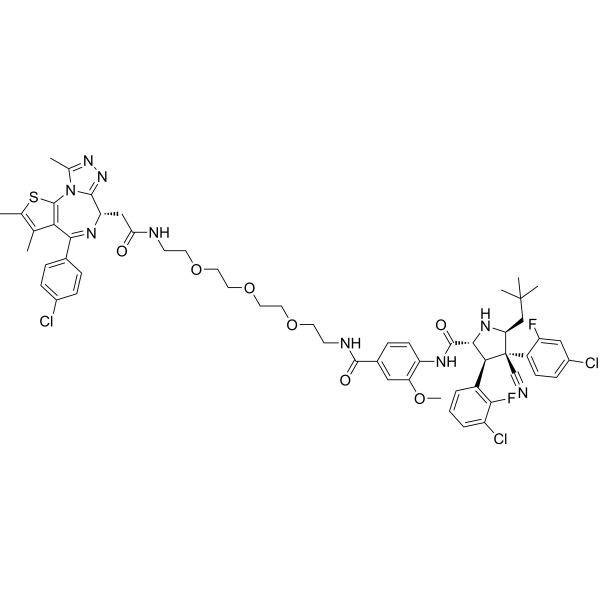
    PROTACs MDM-2/p53 Apoptosis Cancer
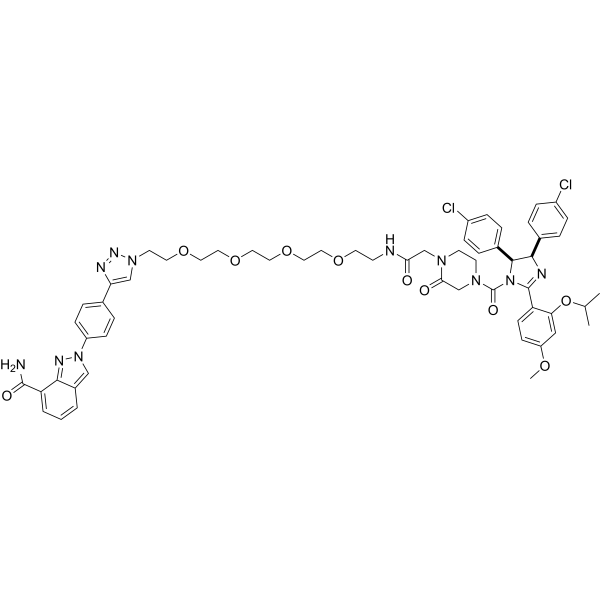
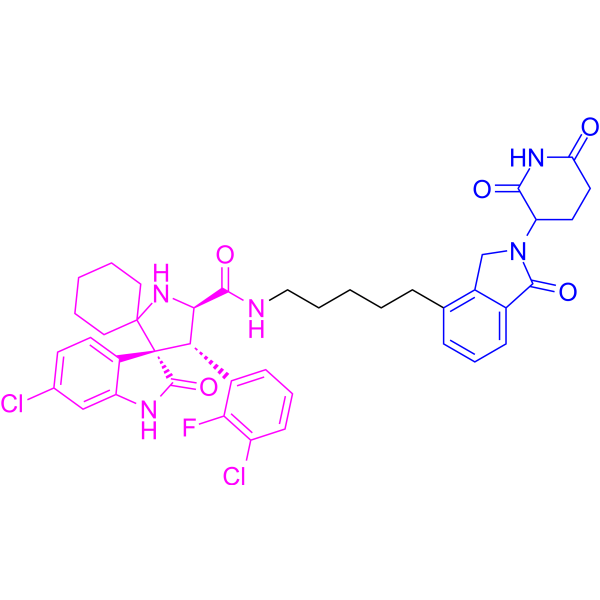
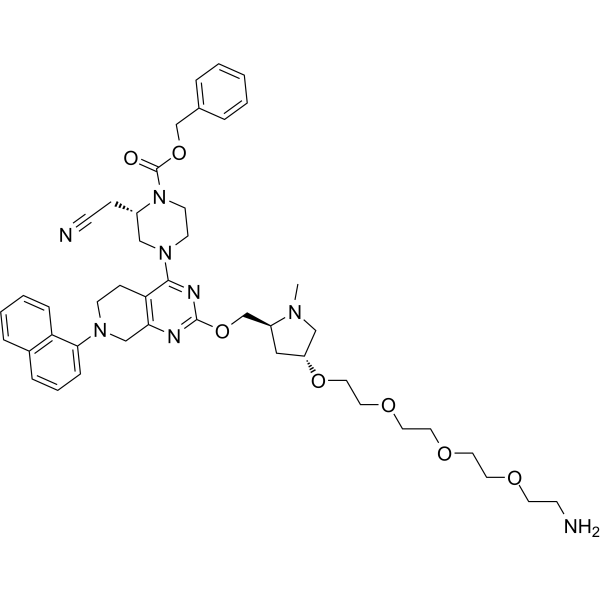
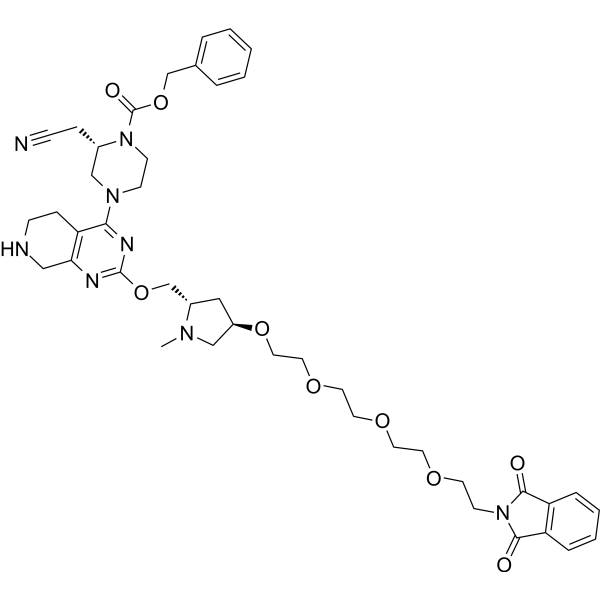
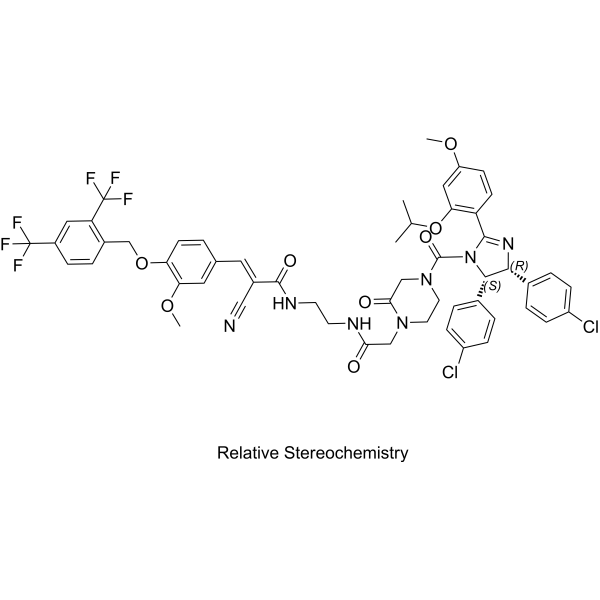
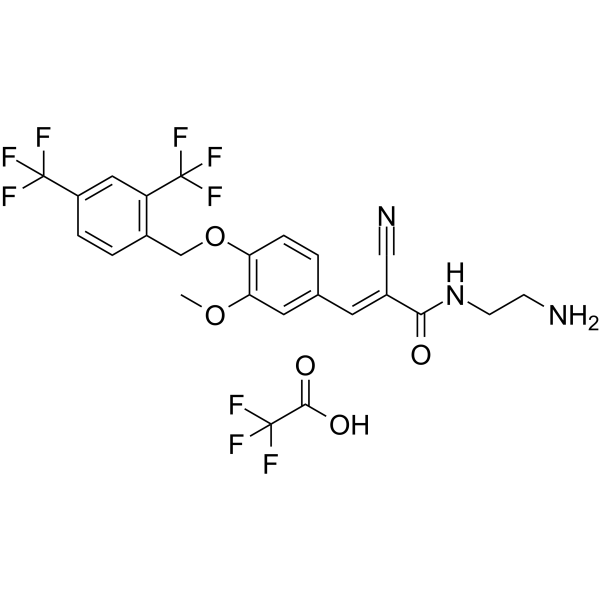
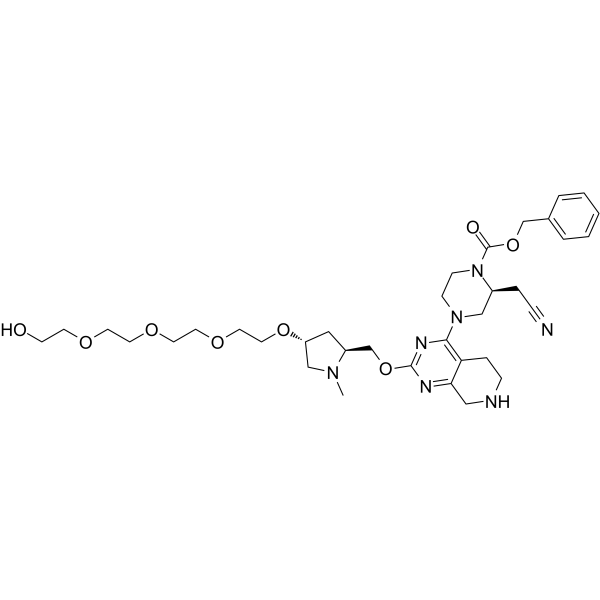
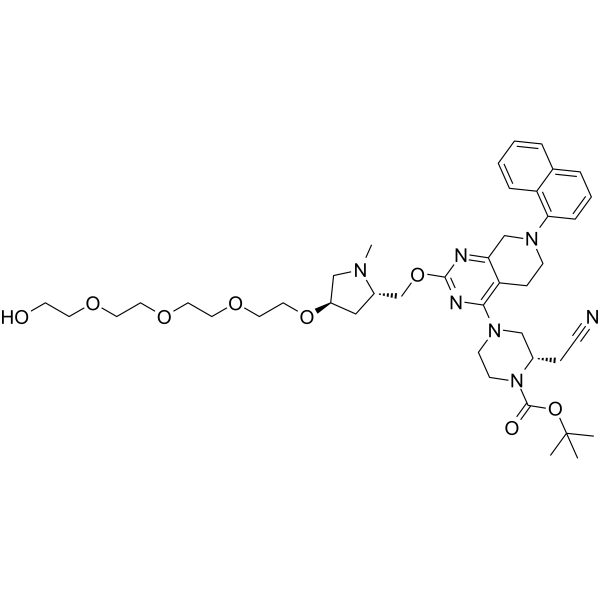
    Seldegamadlin (KT-253) is a selective p53 stabilizer and a MDM2 PROTAC degrader (DC50 = 0.4 nM). Seldegamadlin inhibits the proliferation of cancer cell RS4;11 with an IC50 of 0.3 nM, arrests the cell cycle at G2/M phase, and induces apoptosis. Seldegamadlin upregulates p53 activity and overcomes the p53-MDM2 feedback loop. Seldegamadlin can be used for the study of hematologic and solid tumors, such as acute myeloid leukemia (AML) and acute lymphoblastic leukemia (ALL). (Pink: ligand for target protein MDM2 ligand 4 (HY-170452); Black: linker (HY-W001478); Blue: ligand for E3 ligase cereblon (HY-163927)) .
    Seldegamadlin
  • HY-128841
    PROTAC MDM2 Degrader-2
    1 Publications Verification

    PROTACs MDM-2/p53 E1/E2/E3 Enzyme Cancer
    PROTAC MDM2 Degrader-2 is an MDM2 PROTAC degrader. PROTAC MDM2 Degrader-2 can induce the self-ubiquitination and degradation of MDM2, thereby upregulating the level of p53 protein. PROTAC MDM2 Degrader-2 has anti-tumor activity and can be used in the study of cancer .
    PROTAC MDM2 Degrader-2
  • HY-114312
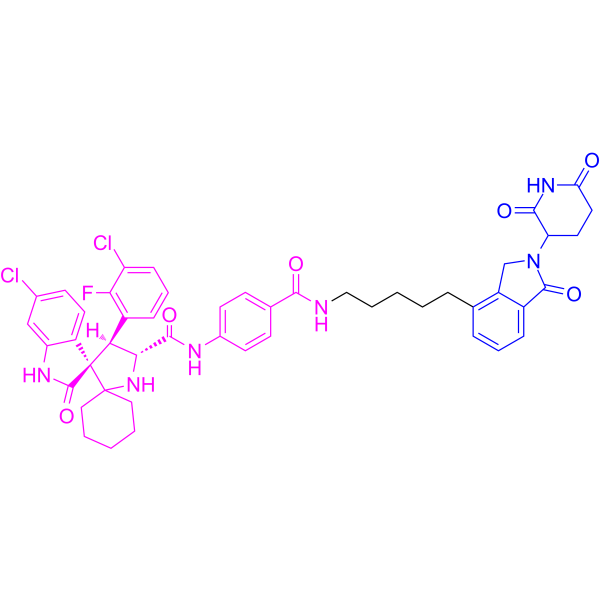
    MD-224
    5+ Cited Publications

    PROTACs MDM-2/p53 E1/E2/E3 Enzyme Cancer
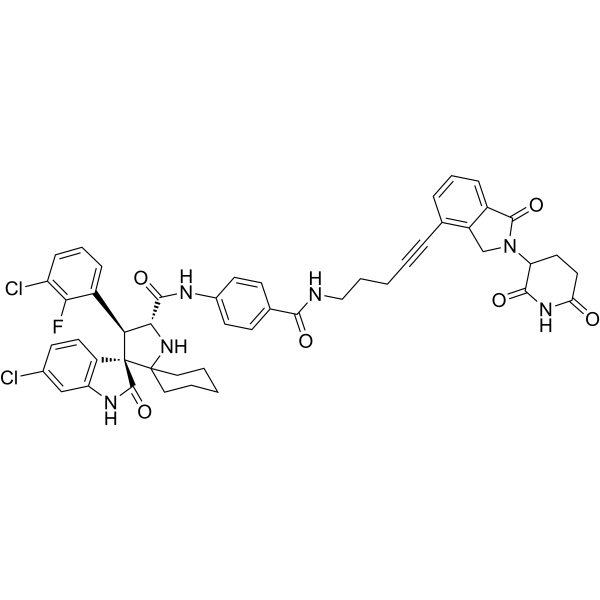
    MD-224 is a first-in-class and highly potent small-molecule human murine double minute 2 (MDM2) degrader based on the proteolysistargeting chimera (PROTAC) concept. MD-224 consists of ligands for Cereblon and MDM2. MD-224 induces rapid degradation of MDM2 at concentrations <1 nM in human leukemia cells, and achieves an IC50 value of 1.5 nM in inhibition of growth of RS4;11 cells. MD-224 has the potential to be a new class of anticancer agent . MD-224 is a click chemistry reagent, it contains an Alkyne group and can undergo copper-catalyzed azide-alkyne cycloaddition (CuAAc) with molecules containing Azide groups.
    MD-224
  • HY-112816
    MA242
    1 Publications Verification

    MDM-2/p53 Apoptosis Cancer
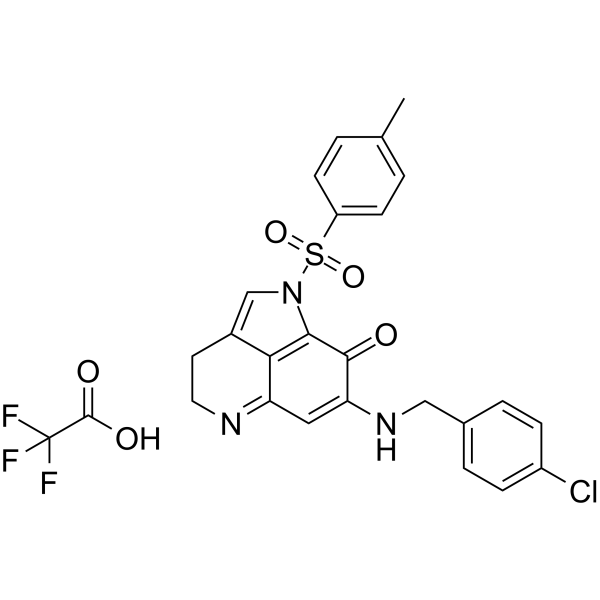
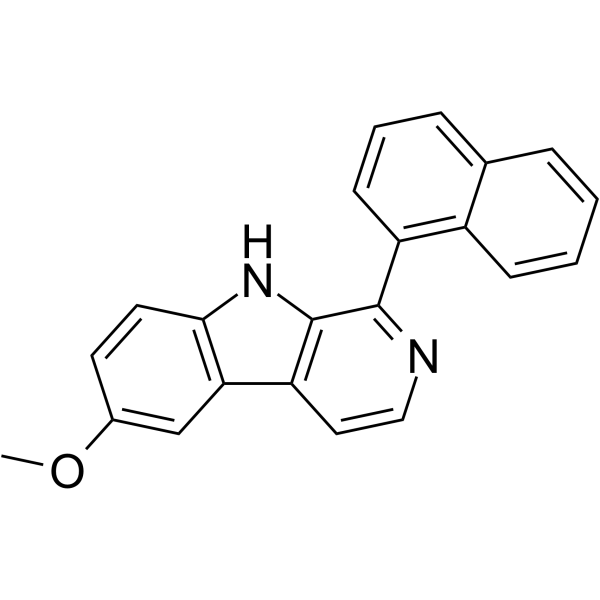
    MA242 is a specific dual inhibitor of MDM2 and NFAT1. MA242 directly binds both MDM2 and NFAT1 with high affinity, induces their protein degradation, and inhibits NFAT1-mediated transcription of MDM2. MA242 induces apoptosis in pancreatic cancer cell lines regardless of p53 status .
    MA242
  • HY-15510
    Tenovin-6
    5 Publications Verification

    MDM-2/p53 Dihydroorotate Dehydrogenase Sirtuin Autophagy Cancer
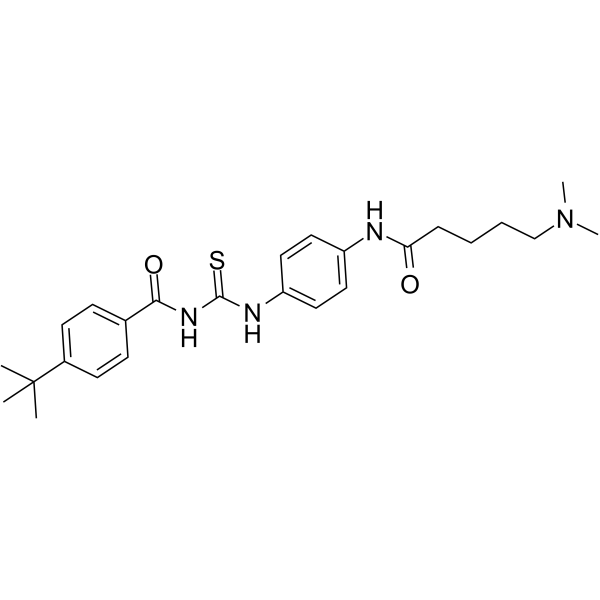
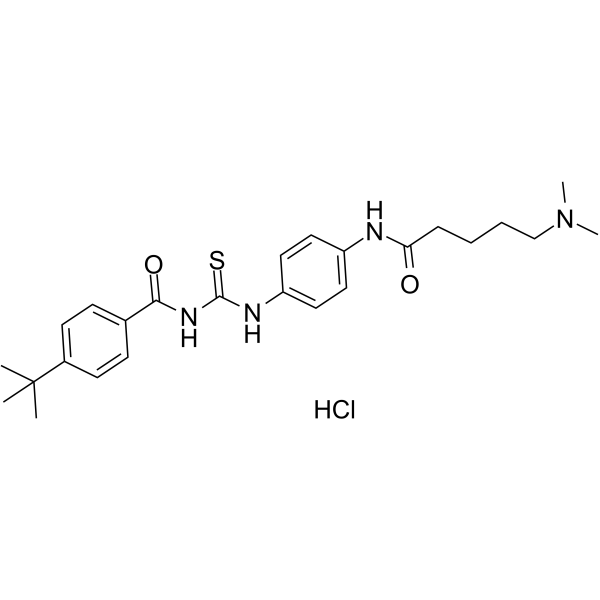
    Tenovin-6, an analog of Tenovin-1 (HY-13423), is an activator of p53 transcriptional activity. Tenovin-6 inhibits the protein deacetylase activities of purified human SIRT1, SIRT2, and SIRT3 with IC50s of 21 μM, 10 μM, and 67 μM, respectively. Tenovin-6 also inhibits dihydroorotate dehydrogenase (DHODH) .
    Tenovin-6
  • HY-114305
    A1874
    2 Publications Verification

    PROTACs Epigenetic Reader Domain Cancer
    A1874 is a nutlin-based (MDM2 ligand) and BRD4-degrading PROTAC with a DC50 of 32 nM (induce BRD4 degradation in cells). Effective in inhibiting many cancer cell lines proliferation .
    A1874
  • HY-134823
    MD-222
    1 Publications Verification

    MDM-2/p53 PROTACs E1/E2/E3 Enzyme Cancer
    MD-222 is the first-in-class highly potent PROTAC degrader of MDM2. MD-222 consists of ligands for Cereblon and MDM2. MD-222 induces rapid degradation of the MDM2 protein and activation of wild-type p53 in cells. MD-222 has anticancer effects .
    MD-222
  • HY-110182
    SP-141
    4 Publications Verification

    MDM-2/p53 Cancer
    SP-141 is a specific inhibitor of MDM2. SP-141 promotes MDM2 auto-ubiquitination and degradation. SP-141 might be used for the research of pancreatic cancer and breast cancer cells .
    SP-141
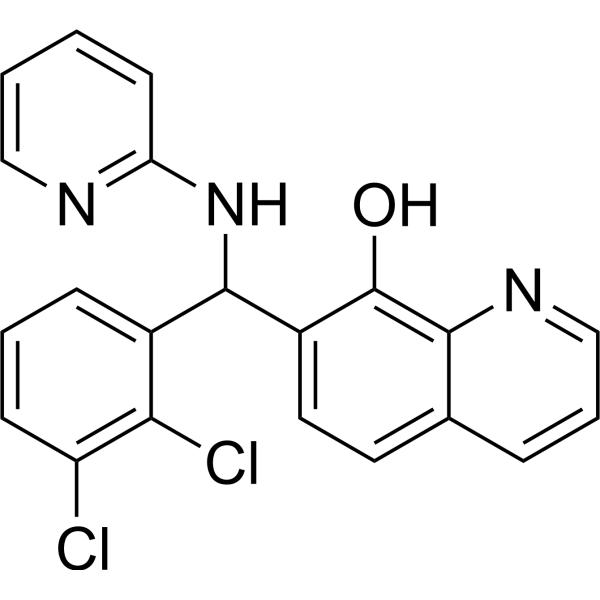
  • HY-19726
    NSC59984
    2 Publications Verification

    MDM-2/p53 Cancer
    NSC59984 induces mutant p53 protein degradation via MDM2 and the ubiquitin-proteasome pathway . NSC59984 acts by targeting GOF-mutant p53 and stimulates p73 to restore the p53 pathway signaling .
    NSC59984
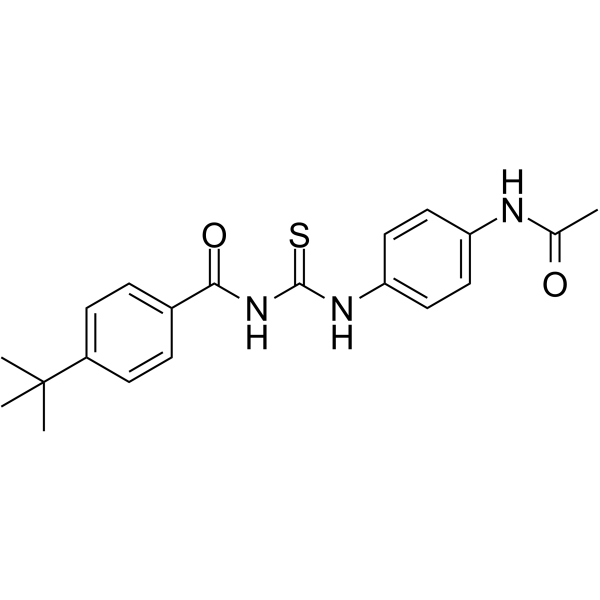
  • HY-13423
    Tenovin-1
    5 Publications Verification

    MDM-2/p53 Dihydroorotate Dehydrogenase Sirtuin Autophagy Cancer
    Tenovin-1, a p53 activator, protects p53 from MDM2-mediated degradation. Tenovin-1 acts through inhibition of the protein-deacetylating activities of SirT1 and SirT2. Tenovin-1 is also a dihydroorotate dehydrogenase (DHODH) inhibitor .
    Tenovin-1
  • HY-158684

    PROTACs MDM-2/p53 Apoptosis Cancer
    YX-02-030 is a VHL-dependent MDM2 PROTAC degrader with a Kd of 35 nM. YX-02-030 recruits the VHL E3 ligase to form a ternary complex, leading to ubiquitination and proteasome-mediated degradation of MDM2. YX-02-030 inhibits MDM2-p53 and VHL-HIF1α binding with IC50 values of 63 and 1350 nM. YX-02-030 activates TAp73, upregulates p53 family target genes and induces apoptosis. YX-02-030 demonstrates on-target efficacy in TNBC xenograft-bearing mice, extending survival without normal cell toxicity .
    YX-02-030
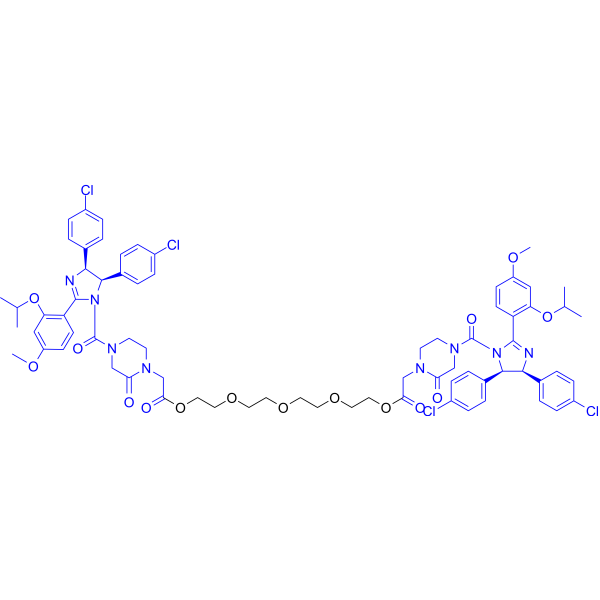
  • HY-128840

    PROTACs MDM-2/p53 Cancer
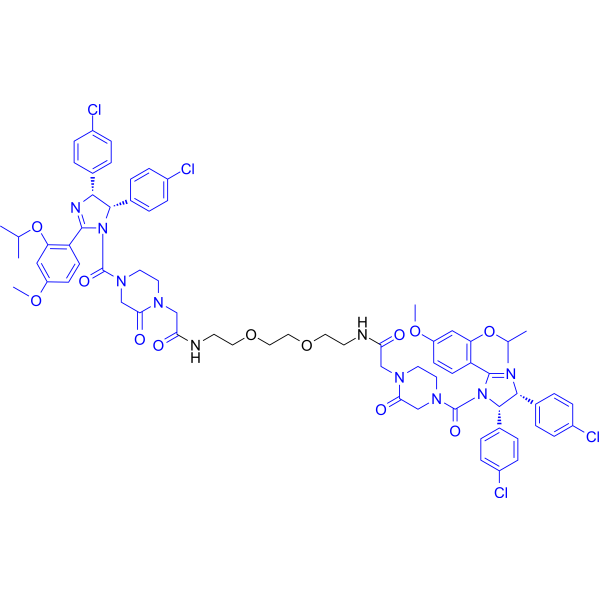
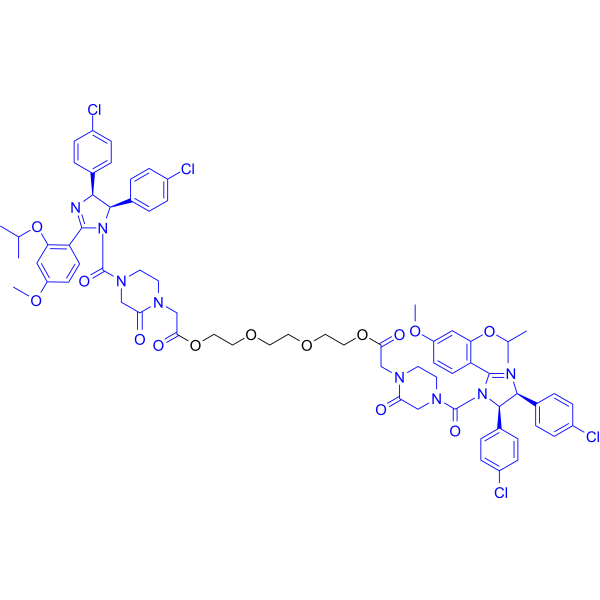
    PROTAC MDM2 Degrader-1 (Compound 15a) is a MDM2 PROTAC degrader. The structures of both Linker ends of PROTAC MDM2 Degrader-1 are MDM2 ligands. PROTAC MDM2 Degrader-1 can not only block the binding of p53-MDM2, but also degrade the target MDM2 protein by utilizing the function of the E3 ligase of MDM2 itself, thus exerting an anti-tumor effect .
    PROTAC MDM2 Degrader-1
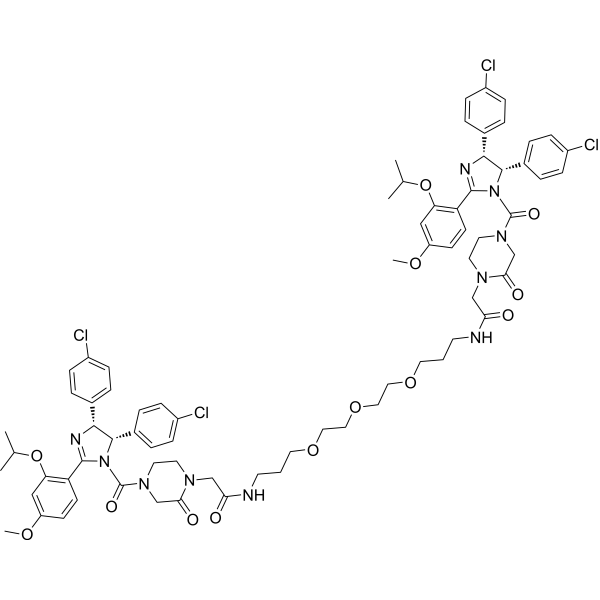
  • HY-128842
    PROTAC MDM2 Degrader-3
    1 Publications Verification

    PROTACs MDM-2/p53 Cancer
    PROTAC MDM2 Degrader-3 is a MDM2 self-degrading (dimeric) PROTAC. PROTAC MDM2 Degrader-3 can be used in cancer research .
    PROTAC MDM2 Degrader-3
  • HY-148409

    Ferroptosis Apoptosis Autophagy MDM-2/p53 Cancer
    MMRi62, a ferroptosis inducer targeting MDM2-MDM4 (negative regulators of tumor suppressor p53). MMRi62 shows a P53-independent pro-apoptotic activity against pancreatic ductal adenocarcinoma (PDAC) cells and induce autophagy. MMRi62 inducesferroptosis, resulting in a increase of reactive oxygen and lysosomal degradation of ferritin heavy chain (FTH1). MMRi62 also leads to proteasomal degradation of mutant p53, also inhibits orthotopic xenograft PDAC mouse model in vivo with high frequency mutation characteristics of KRAS and TP53.12 .
    MMRi62
  • HY-114324

    PROTACs PARP Cancer
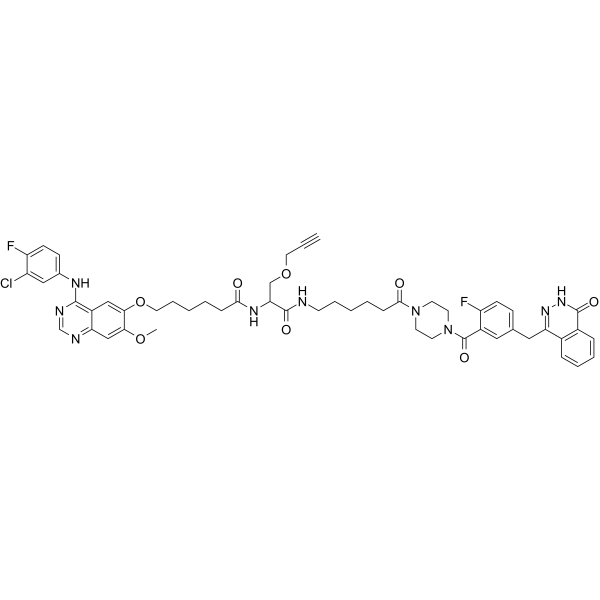
    PROTAC PARP1 degrader is a PARP1 degrader based on MDM2 E3 ligand. PROTAC PARP1 degrader induces significant PARP1 cleavage and programmed cell death .
    PROTAC PARP1 degrader
  • HY-128843

    PROTACs MDM-2/p53 E1/E2/E3 Enzyme Cancer
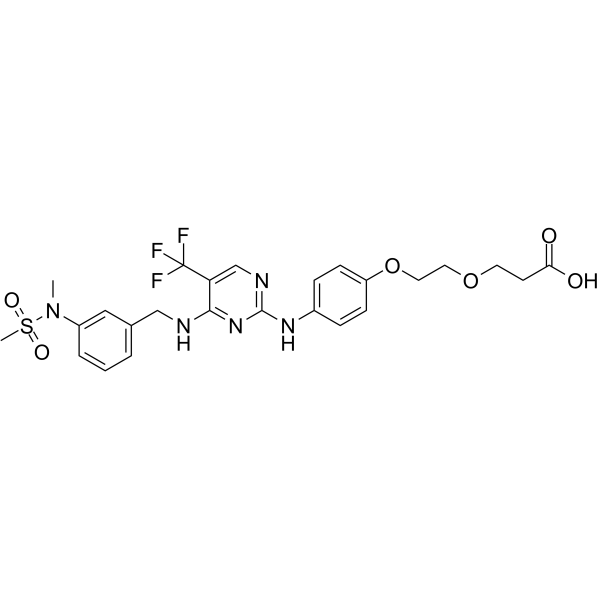
    PROTAC MDM2 Degrader-4 is a MDM2 degrader based on PROTAC technology. PROTAC MDM2 Degrader-4 composes of a potent MDM2 inhibitor, linker, and the MDM2 ligand for E3 ubiquitin ligase .
    PROTAC MDM2 Degrader-4
  • HY-120084
    BTX161
    1 Publications Verification

    Casein Kinase Cancer
    BTX161, a thalidomide analog, is an effective CKIα degrader. BTX161 mediates human AML cell CKIα degradation more effectively than lenalidomide and activates the DNA damage response (DDR) and p53, while stabilizing p53 antagonist MDM2.
    BTX161
  • HY-122725B

    E3 Ligase Ligand-Linker Conjugates Cancer
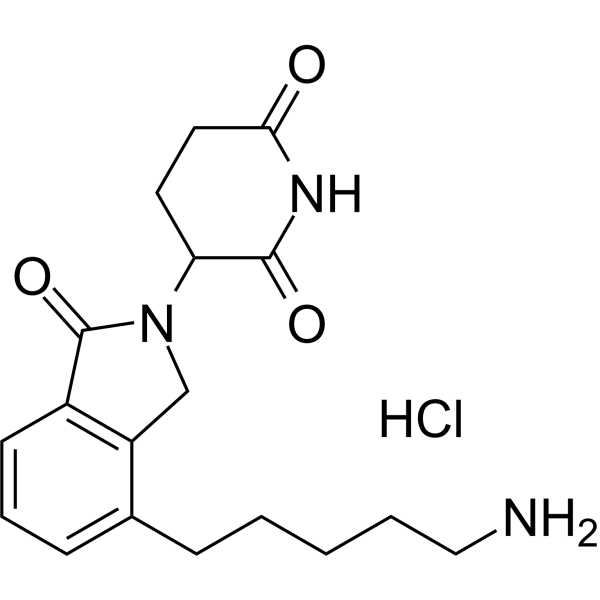
    Lenalidomide-C5-NH2 hydrochloride is an E3 ligase ligand-linker conjugate. Lenalidomide-C5-NH2 hydrochloride can be coupled to a target protein ligand via a linker to form a PROTAC molecule—such as a PROTAC degrader for MDM2 .
    Lenalidomide-C5-NH2 hydrochloride
  • HY-169240

    MDM-2/p53 Cancer
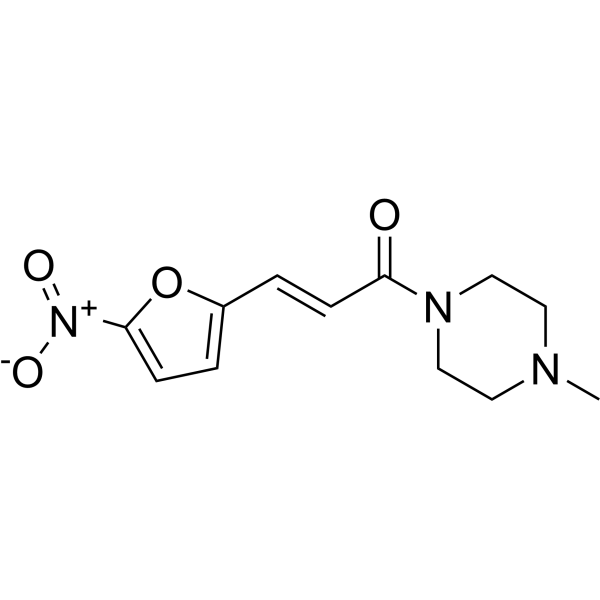
    MX69-102 (compound MX69-102) is an MDM-2/p53 inhibitor, inducing MDM2 degradation, resulting in p53 activation and cancer cell apoptosis. MX69-102 shows effective inhibition on xenografted human MDM2-overexpressing ALL in SCID mice. .
    MX69-102
  • HY-15510B
    Tenovin-6 Hydrochloride
    5 Publications Verification

    MDM-2/p53 Dihydroorotate Dehydrogenase Sirtuin Autophagy Cancer
    Tenovin-6 Hydrochloride, an analog of Tenovin-1 (HY-13423), is an activator of p53 transcriptional activity. Tenovin-6 Hydrochloride inhibits the protein deacetylase activities of purified human SIRT1, SIRT2, and SIRT3 with IC50s of 21 μM, 10 μM, and 67 μM, respectively. Tenovin-6 Hydrochloride also inhibits dihydroorotate dehydrogenase (DHODH) .
    Tenovin-6 Hydrochloride
  • HY-130122
    MG-277
    1 Publications Verification

    Molecular Glues PROTACs Apoptosis Cancer
    MG-277, a molecular glue degrader, effectively induces degradation of a translation termination factor based on Cereblon E3 ligand, GSPT1, with a DC50 of 1.3 nM. MG-277 potently inhibits tumor cell growth in a p53-independent manner, with IC50s of 3.5 nM for RS4;11 cells and 3.4 nM for p53 mutant RS4;11/IRMI-2 cells, respectively. Anticancer activity .
    MG-277
  • HY-130991

    Target Protein Ligand-Linker Conjugates Cancer
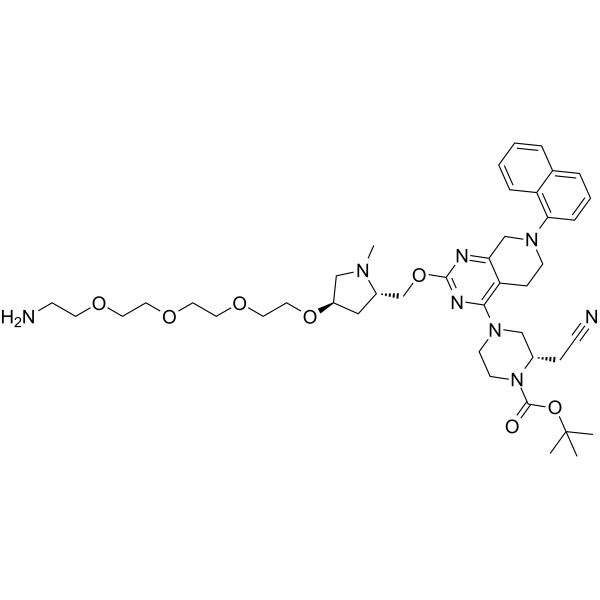
    K-Ras ligand-Linker Conjugate 6 incorporates a ligand for K-Ras recruiting moiety, and a PROTAC linker, which recruit E3 ligases (such as VHL, CRBN, MDM2, and IAP). K-Ras ligand-Linker Conjugate 6 can be used in the synthesis of PROTAC K-Ras Degrader-1 (HY-129523), which is potent PROTAC K-Ras degrader that exhibits ≥70% degradation efficacy in SW1573 cells .
    K-Ras ligand-Linker Conjugate 6
  • HY-122725

    E3 Ligase Ligand-Linker Conjugates Others Cancer
    Lenalidomide-C5-NH2 is an E3 ligase ligand-linker conjugate. Lenalidomide-C5-NH2 can be coupled to a target protein ligand via a linker to form a PROTAC molecule—such as a PROTAC degrader for MDM2 .
    Lenalidomide-C5-NH2
  • HY-106263B

    PTEN PDK-1 MDM-2/p53 Apoptosis Akt Cancer
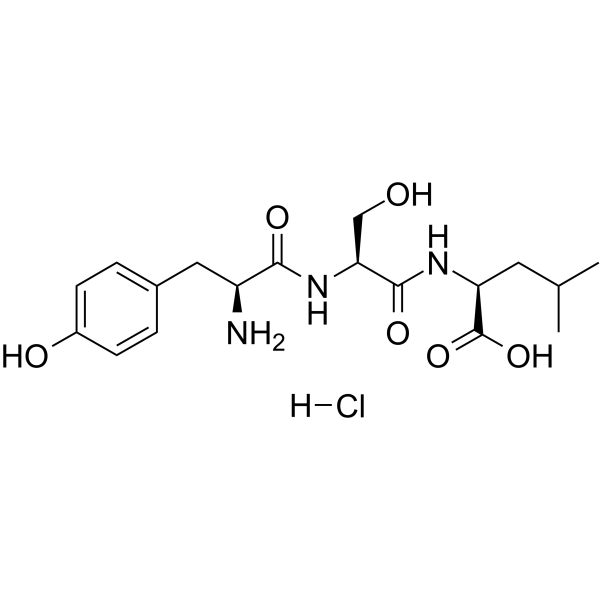
    Tyroserleutide hydrochloride is a tripeptide isolated from the degradation products of porcine spleen with antitumor activity. Tyroserleutide hydrochloride can upregulate the expression of the tumor suppressor gene PTEN and inhibit the activity of AKT and PDK1. Tyroserleutide hydrochloride inhibits tumor cell proliferation and MDM2 phosphorylation by inhibiting the PI3K/AKT pathway, and also upregulates P21, P27, P53, and induces mitochondrial damage and cell apoptosis .
    Tyroserleutide hydrochloride
  • HY-179055

    PROTACs DAPK Neurological Disease
    PROTAC DAPK1 Degrader-1 (Compound CP1) is a DAPK1 PROTAC degrader with a DC50 of 119.6 nM. PROTAC DAPK1 Degrader-1 significantly increased the MDM2 protein level. PROTAC DAPK1 Degrader-1 significantly reduced the levels of cleaved caspase-3 and cleaved PARP in a cell apoptosis model induced by the neurotoxin ceramide, indicating that it effectively inhibits neuronal apoptosis by degrading DAPK1. PROTAC DAPK1 Degrader-1 can be used to study neurological diseases such as cerebral ischemia and traumatic brain injury (pink: DAPK1 ligand (HY-179071); blue: CRBN ligand (HY-10984); black: linker (HY-40171)) .
    PROTAC DAPK1 Degrader-1
  • HY-174458

    PROTACs MDM-2/p53 IKZF Family Casein Kinase Cancer
    MD-4251 is an orally active MDM2 PROTAC degrader. MD-4251 potently degrades MDM2 in RS4;11 cells (DC50: 0.2 nM) and actives p53. MD-4251 shows strong antiproliferative activity against acute leukemia cells (wild-type p53) with minimal efficacy in mutant type. MD-4251 induces complete tumor regression in RS4;11 xenograft mice model . Pink: MDM2 ligand (HY-130684); Blue: CRBN ligase ligand (HY-W883326); Black: linker
    MD-4251
  • HY-159728

    PROTACs Histone Methyltransferase Apoptosis Early 2 Factor (E2F) c-Myc Cancer
    PROTAC PRMT3 degrader 1 is a selective PRMT3 PROTAC degrader with a DC50 of 2.566 μM. PROTAC PRMT3 degrader 1 forms a ternary complex with MDM2 E3 ubiquitin ligase to induce proteasomal and neddylation-dependent degradation of PRMT3. PROTAC PRMT3 degrader 1 activates intrinsic apoptosis, endoplasmic reticulum stress signaling pathways. PROTAC PRMT3 degrader 1 downregulates E2F, MYC, oxidative phosphorylation pathways. PROTAC PRMT3 degrader 1 reduces cellular asymmetric dimethylarginine (ADMA) levels. PROTAC PRMT3 degrader 1 inhibits acute leukemia cell growth. PROTAC PRMT3 degrader 1 acts with glycolysis inhibitor 2-DG to reduce ATP production, induce intrinsic apoptosis, drive synergistic antiproliferative effects. PROTAC PRMT3 degrader 1 can be used for the research of acute leukemia .
    PROTAC PRMT3 degrader 1
  • HY-114324A

    PROTACs PARP Cancer
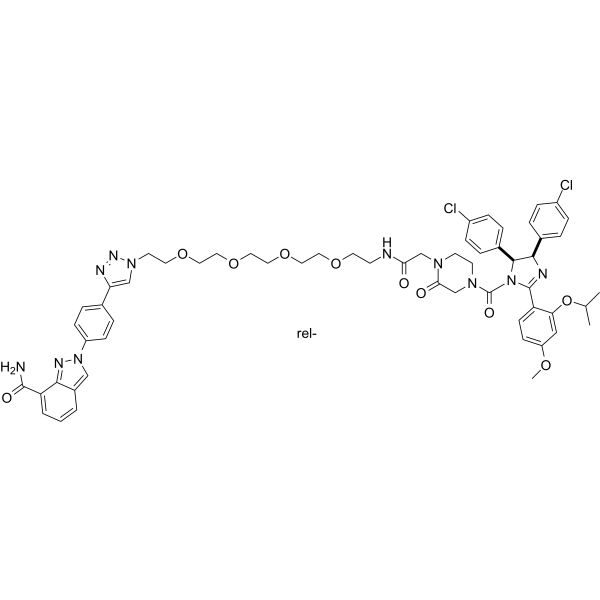
    rel-PROTAC PARP1 degrader is the relative configuration of ROTAC PARP1 degrader (HY-114324). ROTAC PARP1 degrader is a PARP1 degrader based on MDM2 E3 ligand. rel-PROTAC PARP1 degrader induces significant PARP1 cleavage and programmed cell death .
    rel-PROTAC PARP1 degrader
  • HY-128838

    PROTACs Estrogen Receptor/ERR Cancer
    PROTAC ERRα Degrader-1 comprises a MDM2 ligand binding group, a linker and an estrogen-related receptor alpha (ERRa) binding group. PROTAC ERRα Degrader-1 is an PROTAC estrogen-related receptor alpha (ERRa) degrader .
    PROTAC ERRα Degrader-1
  • HY-169327

    PROTACs MDM-2/p53 Cancer
    MD-265 is a PROTAC degrader that can break down MDM2, leading to activation of p53 in cancer cells carrying wild-type p53. MD-265 achieves complete tumor regression and improves long-term survival of mice with leukemia .
    MD-265
  • HY-123656

    Apoptosis Cancer
    Antiproliferative agent-61 is a synthetic β-carlinyl chalcone with significant antiproliferative activity. Antiproliferative agent-61 showed significant effects in a range of solid tumor cell lines, with the most prominent effects in breast cancer. Antiproliferative agent-61 showed IC50 values of 2.25 and 3.29 μM in the human breast cancer MCF-7 cell line. Antiproliferative agent-61 significantly induced DNA fragmentation and apoptosis in breast cancer cells. Antiproliferative agent-61 inhibited the interaction of MDM2 with p53 and promoted the degradation of MDM2 .
    Antiproliferative agent-61
  • HY-128839

    PROTACs Estrogen Receptor/ERR Cancer
    PROTAC ERRα Degrader-2 comprises a MDM2 ligand binding group, a linker and an estrogen-related receptor alpha (ERRa) binding group. PROTAC ERRα Degrader-2 is an estrogen-related receptor alpha (ERRa) degrader .
    PROTAC ERRα Degrader-2
  • HY-170452

    MDM-2/p53 Ligands for Target Protein for PROTAC Cancer
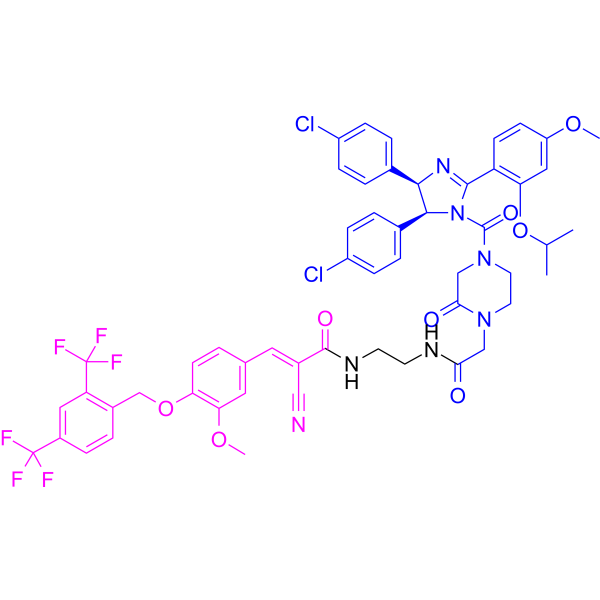
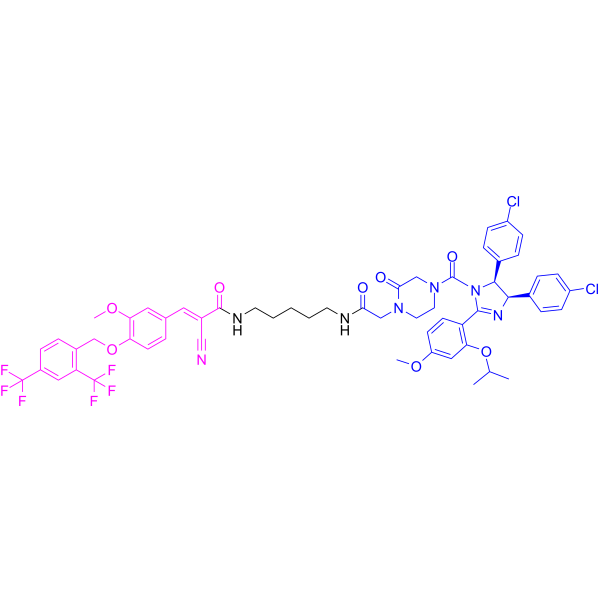
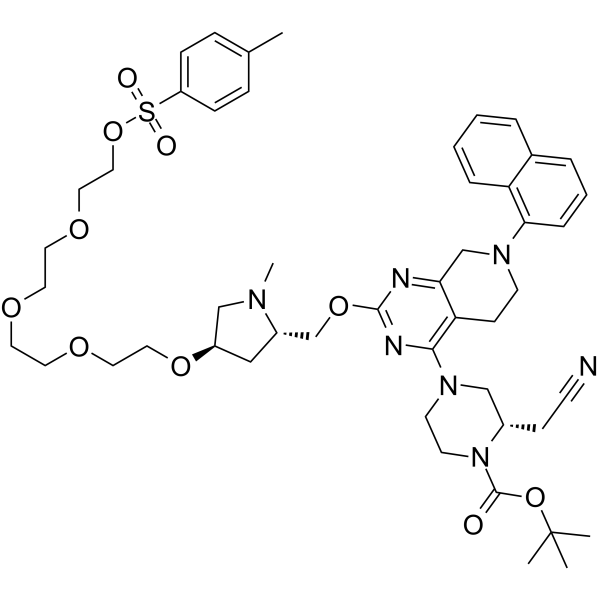
    MDM2 ligand 4 is the ligand for MDM2 that can be used for synthesis of PROTAC degrader KT-253 (HY-170451) .
    MDM2 ligand 4
  • HY-12430

    MDM-2/p53 Cancer
    SP-141 (hydrochloride) is a specific inhibitor of MDM2. SP-141 (hydrochloride) promotes MDM2 auto-ubiquitination and degradation. SP-141 (hydrochloride) might be used for the research of pancreatic cancer and breast cancer cells .
    SP-141 hydrochloride
  • HY-174266

    MDM-2/p53 Cancer
    WB156 is a dual MDM2 and GSPT1 degrader. WB156 can recruit CRBN (Cereblon, a substrate receptor of the E3 ubiquitin-ligase complex) to induce the ubiquitination-proteasome pathway-mediated degradation of MDM2 and GSPT1. WB156 is promising for research of cancers, such as leukemia .
    WB156
  • HY-112816A

    MDM-2/p53 Apoptosis Cancer
    MA242 free base is a specific dual inhibitor of MDM2 and NFAT1. MA242 free base directly binds both MDM2 and NFAT1 with high affinity, induces their protein degradation, and inhibits NFAT1-mediated transcription of MDM2. MA242 free base induces apoptosis in pancreatic cancer cell lines regardless of p53 status .
    MA242 free base
  • HY-124070

    MDM-2/p53 Cancer
    ISA 27 is a small-molecule MDM2-p53 protein-protein interaction inhibitor. ISA 27 inhibits MDM2-mediated p53 ubiquitination and degradation. ISA 27 is promising for research of p53-mutant solid tumors (e.g., thyroid, breast cancer) .
    ISA 27
  • HY-44148

    Target Protein Ligand-Linker Conjugates Cancer
    FAK ligand-Linker Conjugate 1 incorporates a ligand for FAK, and a PROTAC linker, which recruit E3 ligases (such as VHL, CRBN, MDM2, and IAP). FAK ligand-Linker Conjugate 1 can be extensively used for PROTAC-mediated protein degradation .
    FAK ligand-Linker Conjugate 1
  • HY-124739

    Deubiquitinase Cancer
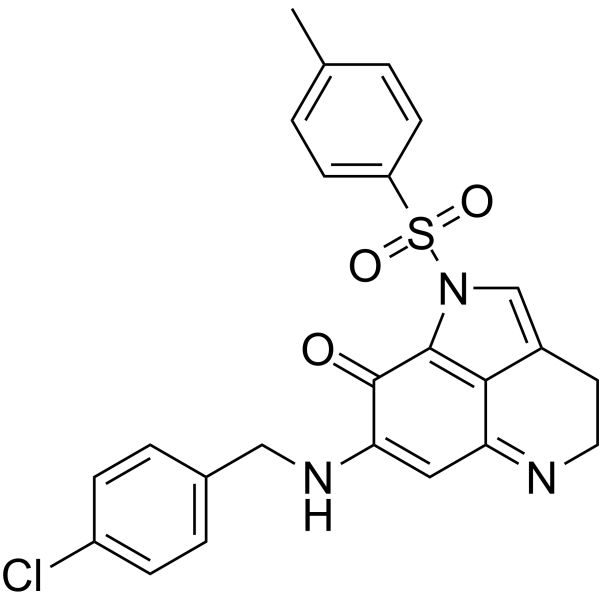
    HBX 28258 is a selective USP7 inhibitor, with an IC50 of 22.6 μM. HBX 28258 can covalently binds to Cys223 located in the catalytic core of USP7, inhibits its deubiquitinating activity, promotes MDM2 protein degradation, and activates p53 .
    HBX 28258
  • HY-122646

    Deubiquitinase MDM-2/p53 Cancer
    USP7-IN-2 (compound 4) is a non-competitive USP7 inhibitor with an IC50 of 6 nM. USP7-IN-2 causes degradation of MDM2, stabilization of p53 and induction of p21 in multiple cell lines, and can be utilized in cancer research .
    USP7-IN-2
  • HY-174301

    Deubiquitinase DNA Methyltransferase MDM-2/p53 Cancer
    USP7-IN-18 is a naphthalene derivative. USP7-IN-18 is a selective USP7 inhibitor (IC50 : 130.9 nM), with no or very weak inhibition of the other 8 DUBs including USP47. USP7-IN-18 specifically binds to the catalytic domain of USP7, blocking its deubiquitinase activity. USP7-IN-18 causes degradation of the oncogenic proteins MDM2 and DNMT1, and also degrades the novel target PCLAF. USP7-IN-18 activates the p53-p21 pathway. USP7-IN-18 exerts anti-tumor effects in colon cancer animal models and reshapes the tumor immune microenvironment. USP7-IN-18 achieves both direct cytotoxic and immune-synergistic anti-tumor actions.
    USP7-IN-18
  • HY-153200

    MDM-2/p53 Cancer
    MDM2/XIAP-IN-2 is a dual inhibitor of murine double minute 2 (MDM2) and X-linked inhibitor of apoptosis protein (XIAP). MDM2/XIAP-IN-2 degrades MDM2, and inhibits XIAP mRNA translation to inhibits cancer cells. Particularly, MDM2/XIAP-IN-2 inhibits acute lymphoblastic leukemia cell line EU-1 with an IC50 value of 0.3 μM .
    MDM2/XIAP-IN-2
  • HY-122725A

    E3 Ligase Ligand-Linker Conjugates Cancer
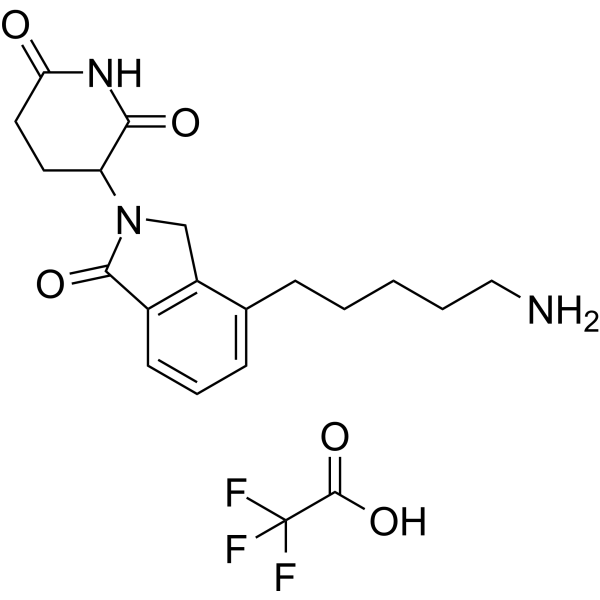
    Lenalidomide-C5-NH2 TFA is an E3 ligase ligand-linker conjugate. Lenalidomide-C5-NH2 TFA can be coupled to a target protein ligand via a linker to form a PROTAC molecule—such as a PROTAC degrader for MDM2 .
    Lenalidomide-C5-NH2 TFA
  • HY-164550

    HDAC Cancer
    YF438 is an HDAC inhibitor with effective anticancer activity both in vitro and in vivo. YF438 inhibits the growth and metastasis of triple-negative breast cancer (TNBC) cells by blocking the interaction between HDAC and MDM2, inducing the dissociation of MDM2-MDMX, and promoting the degradation of MDM2 .
    YF438
  • HY-129776

    Target Protein Ligand-Linker Conjugates Cancer
    K-Ras ligand-Linker Conjugate 2 incorporates a ligand for K-Ras, and a PROTAC linker, which recruit E3 ligases (such as VHL, CRBN, MDM2, and IAP). K-Ras ligand-Linker Conjugate 2 can be used in the synthesis of PROTAC K-Ras Degrader-1 (HY-129523), which is potent PROTAC K-Ras degrader that exhibits ≥70% degradation efficacy in SW1573 cells .
    K-Ras ligand-Linker Conjugate 2
  • HY-129775

    Target Protein Ligand-Linker Conjugates Cancer
    K-Ras ligand-Linker Conjugate 1 incorporates a ligand for K-Ras, and a PROTAC linker, which recruit E3 ligases (such as VHL, CRBN, MDM2, and IAP). K-Ras ligand-Linker Conjugate 1 can be used in the synthesis of PROTAC K-Ras Degrader-1 (HY-129523), which is potent PROTAC K-Ras degrader that exhibits ≥70% degradation efficacy in SW1573 cells .
    K-Ras ligand-Linker Conjugate 1
  • HY-172597

    MDM-2/p53 CDK Apoptosis Cancer
    YL-1-9 is an inhibitor of the degradation of p53 by MDM2 through strong binding to the key hydrophobic pockets of MDM2. YL-1-9 induces cell cycle arrest and apoptosis in breast cancer cells .
    YL-1-9
  • HY-133754

    MDM-2/p53 Ligands for Target Protein for PROTAC Cancer
    MI-1063 is an inhibitor for MDM-2, that blocks the MDM2-p53 interaction, and activates the tumor suppressor function of p53. MI-1063 inhibits the growth of cancer cell RS4-11 and MV4-11 with IC50 of 179 nM and 93 nM. MI-1063 can be used as target protein ligand in synthesis of PROTAC degrader MD-265 (HY-169327) .
    MI-1063
  • HY-173369

    PROTACs MAGL Cancer
    PROTAC MAGL degrader-1 is an orally active PROTAC agent that simultaneously targets monoacylglycerol lipase (MAGL) and E3 ubiquitin ligase MDM2. PROTAC MAGL degrader-1 degrades MAGL and inhibits the binding of MDM2 to p53. PROTAC MAGL degrader-1 can partially penetrate the blood-brain barrier (BBB). PROTAC MAGL degrader-1 induces glioblastoma stem cells (GSCs) apoptosis. (E3 ligase ligand: HY-128837; target protein ligand + linker: HY-173370; target protein inhibitor: HY-15249) .
    PROTAC MAGL degrader-1
  • HY-162450

    PROTACs MDM-2/p53 Apoptosis Cancer
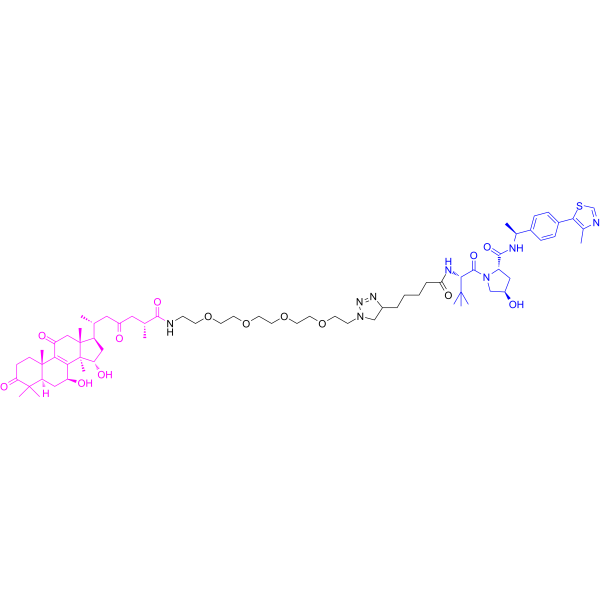
    Antitumor agent-150 (V10), an anti-breast cancer agent, is a PROTAC-based MDM2 protein degrader (Red: Ganoderic acid A; Black: 4O-PEG linker; Blue: VHL ligand) .
    Antitumor agent-150

Demande en ligne

Your information is safe with us. * Required Fields.

Civilité


Country or Region *

Nom du demandeur *


Nom de l'organisation *

Department *


Adresse e-mail *


Nom du produit *

Cat. No.


Requested quantity *

Numéro de téléphone *


Remarques

Demande en ligne

Inquiry Information

Nom du produit:
Cat. No.:
Quantité:
MCE Japan Authorized Agent: