Search Result
Results for "
PARP+Inhibitors
" in MedChemExpress (MCE) Product Catalog:
5
Isotope-Labeled Compounds
| Cat. No. |
Product Name |
Target |
Research Areas |
Chemical Structure |
-
- HY-10162
-
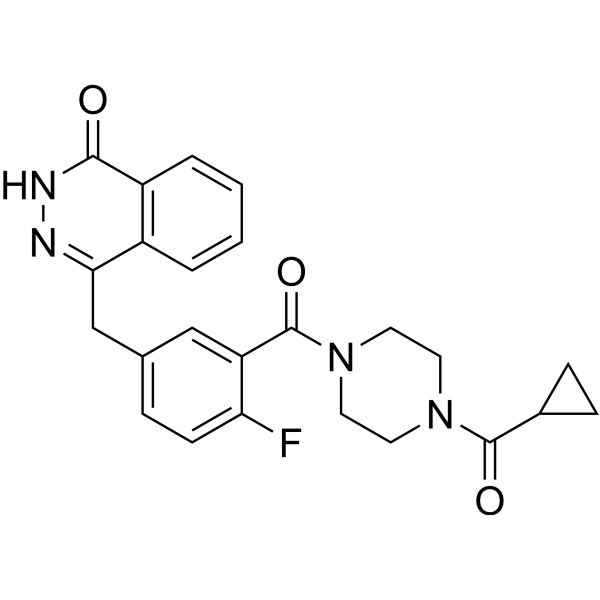
Olaparib
Maximum Cited Publications
347 Publications Verification
AZD2281; KU0059436
|
PARP
Autophagy
Mitophagy
|
Cancer
|
|
Olaparib (AZD2281; KU0059436) is a potent and orally active PARP inhibitor with IC50s of 5 and 1 nM for PARP1 and PARP2, respectively. Olaparib is an autophagy and mitophagy activator. Olaparib cannot cross the intact blood-brain barrier (BBB) .
|
-
-
- HY-10129
-
|
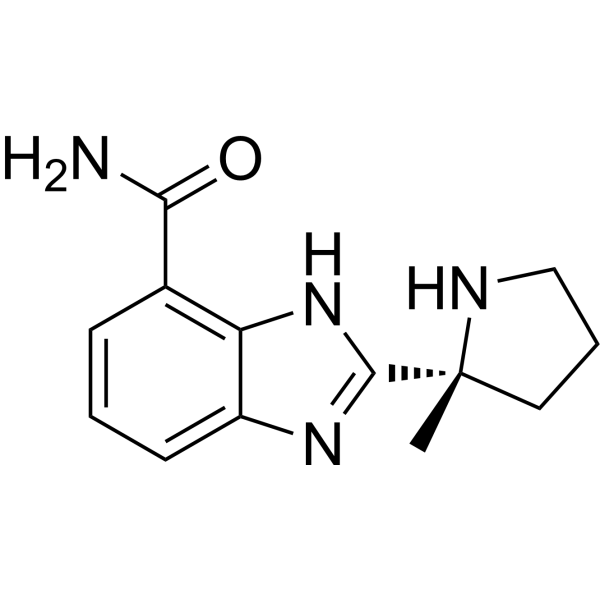
ABT-888
|
PARP
Autophagy
|
Cancer
|
|
Veliparib (ABT-888) is a potent PARP inhibitor, inhibiting PARP1 and PARP2 with Kis of 5.2 and 2.9 nM, respectively .
|
-
-
- HY-132167
-
|
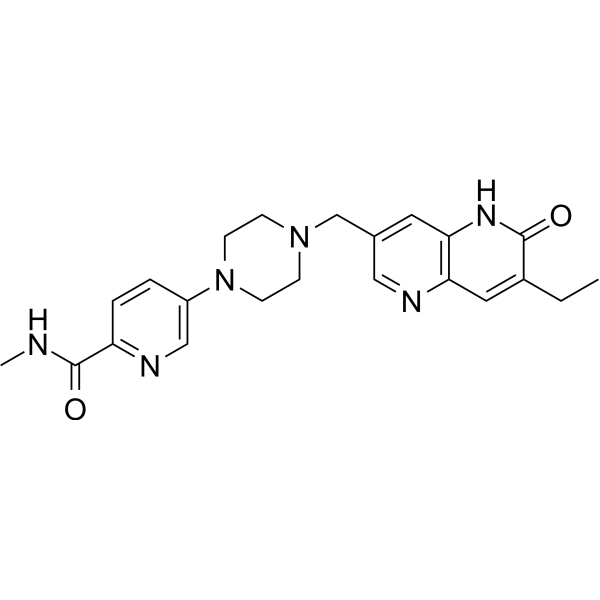
AZD5305
|
PARP
|
Cancer
|
|
Saruparib (AZD5305) is a potent, orally active and selective PARP inhibitor and trapper with IC50 values of 3 nM and 1400 nM for PARP1 and PARP2, respectively. Saruparib has anti-proliferative activity and inhibits growth in cells with deficiencies in DNA repair .
|
-
-
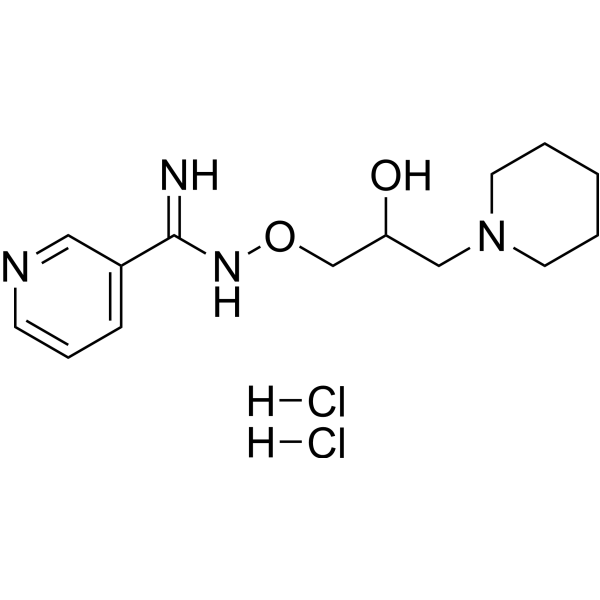
- HY-100828
-
-
-
- HY-130250
-
|
|
CDK
Apoptosis
|
Cancer
|
|
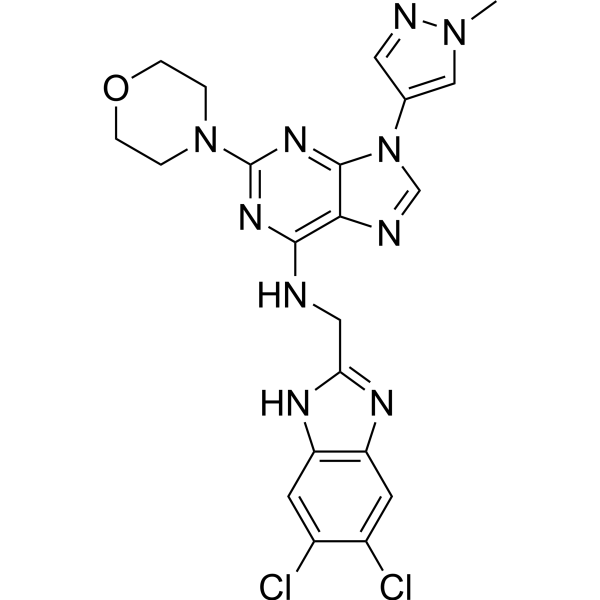
SR-4835 is a potent, highly selective and ATP competitive dual inhibitor of CDK12/CDK13 (CDK12: IC50=99 nM, Kd=98 nM; CDK13: Kd=4.9 nM). SR-4835 acts in synergy with DNA-damaging chemotherapy and PARP inhibitors and provokes triple-negative breast cancer (TNBC) cell death .
|
-
-
- HY-10162R
-
|
AZD2281 (Standard); KU0059436 (Standard)
|
Reference Standards
PARP
Autophagy
Mitophagy
|
Cancer
|
|
Olaparib (Standard) is the analytical standard of Olaparib. This product is intended for research and analytical applications. Olaparib (AZD2281; KU0059436) is a potent and orally active PARP inhibitor with IC50s of 5 and 1 nM for PARP1 and PARP2, respectively. Olaparib is an autophagy and mitophagy activator .
|
-

-
- HY-104044
-
|
BGB-290
|
PARP
|
Cancer
|
|
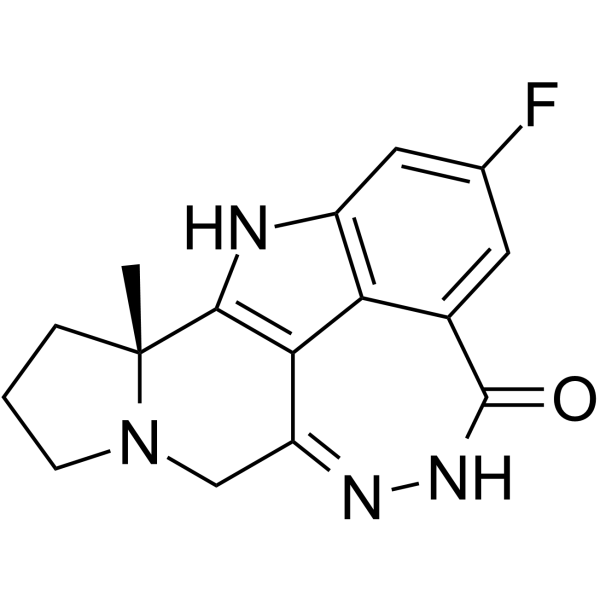
Pamiparib (BGB-290) is an orally active, potent, highly selective PARP inhibitor, with IC50 values of 0.9 nM and 0.5 nM for PARP1 and PARP2, respectively. Pamiparib has potent PARP trapping, and capability to penetrate the brain, and can be used for the research of various cancers including the solid tumor .
|
-
-
- HY-137457
-
|
IDX-1197
|
PARP
|
Cancer
|
|
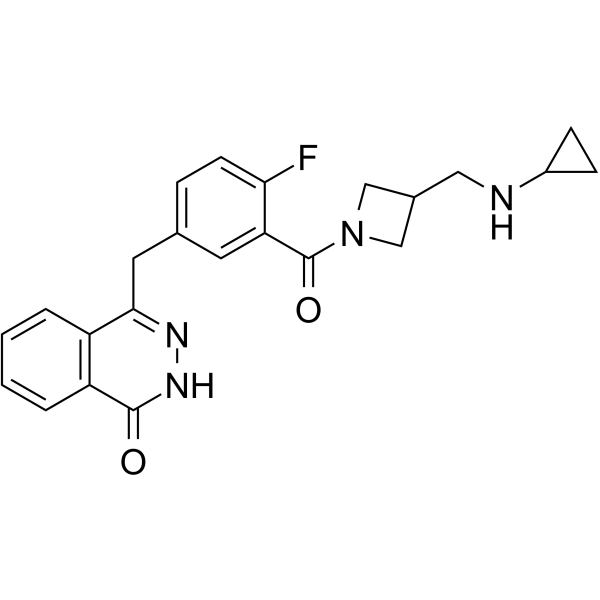
Venadaparib (IDX-1197) is a potent, selective and orally active PARP inhibitor with IC50s of 1.4 nM and 1.0 nM for PARP1 and PARP2, respectively. Venadaparib does not sensitive to PARP-5. Venadaparib prevents the repair of DNA single-strand breaks (SSB) and can be used for solid tumors research .
|
-
-
- HY-14478
-
|
|
PARP
|
Cancer
|
|
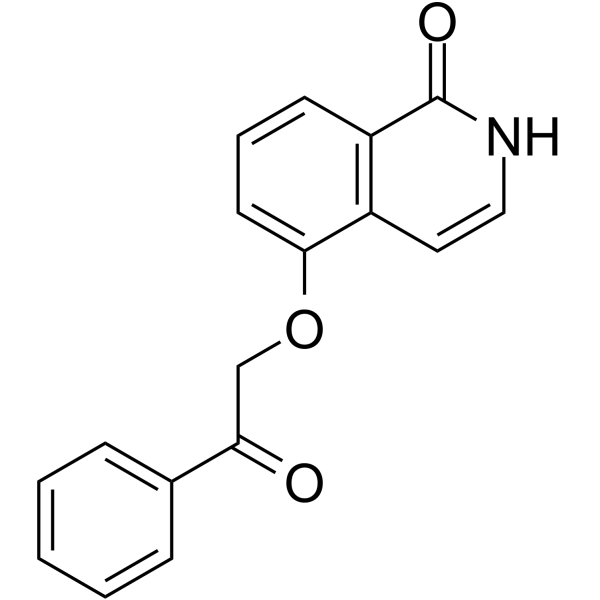
UPF 1069 is a PARP inhibitor, with IC50s of 8 and 0.3 μM for PARP-1 and PARP-2, respectively.
|
-
-
- HY-13536
-
|
|
PARP
|
Cancer
|
|
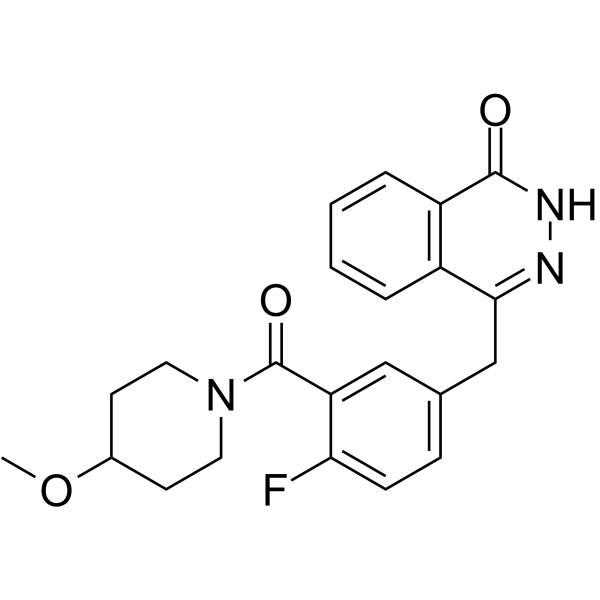
AZD-2461 is a potent PARP inhibitor, with IC50s of 5 nM, 2 nM and 200 nM for PARP1, PARP2 and PARP3, respectively.
|
-
-
- HY-120380
-
|
|
MOFs
PARP
|
Neurological Disease
|
|
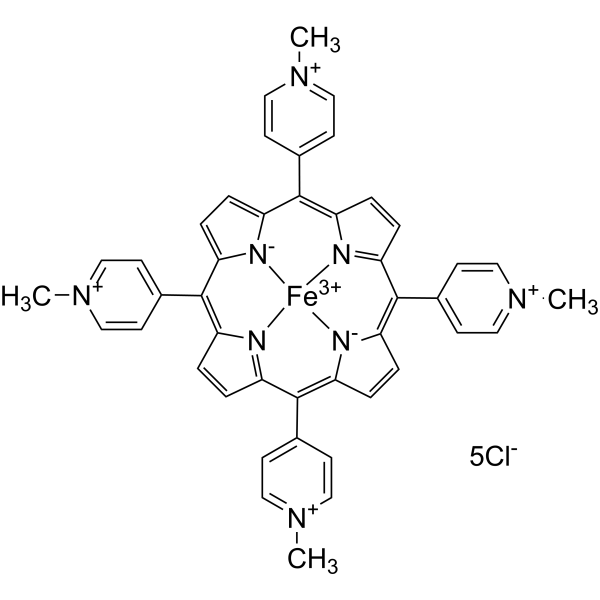
FeTMPyP is an orally active poly (ADP-ribose) polymerase (PARP) inhibitor. FeTMPyP inhibits cell death, nitrotyrosine formation, and depolarization of mitochondrial transmembrane potential. FeTMPyP reduces homocysteine-induced nitrosative stress and partially restores TFEB protein and mRNA levels. FeTMPyP improves functional and behavioral deficits caused by chronic constriction injury in rats. FeTMPyP alleviates acute cerebral infarction in a rat model of middle cerebral artery occlusion with mild hyperglycemia. FeTMPyP can be used in studies related to neuropathic pain, renal aging, ischemic penumbra, and hyperglycemic stroke .
|
-
-
- HY-W015422
-
|
|
PARP
|
Metabolic Disease
|
|
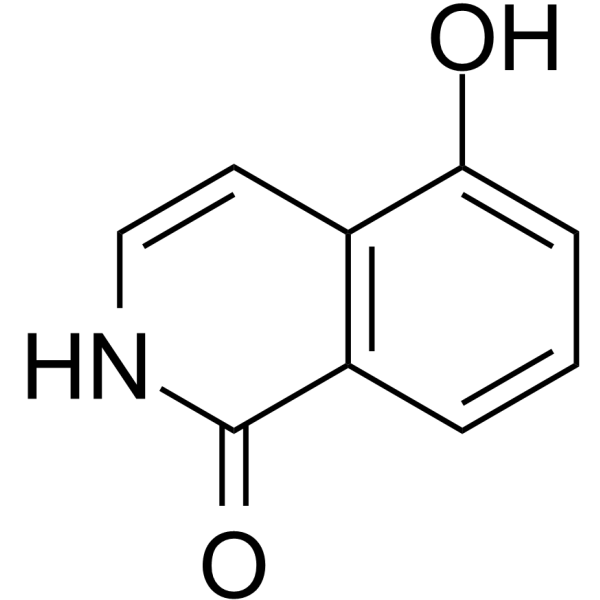
1,5-Isoquinolinediol is a potent PARP inhibitor, with an IC50 of 0.18-0.37 μM. 1,5-Isoquinolinediol attenuates diabetes-induced NADPH oxidase-derived oxidative stress in retina .
|
-
-
- HY-15044
-
|
|
PARP
|
Neurological Disease
Cancer
|
|
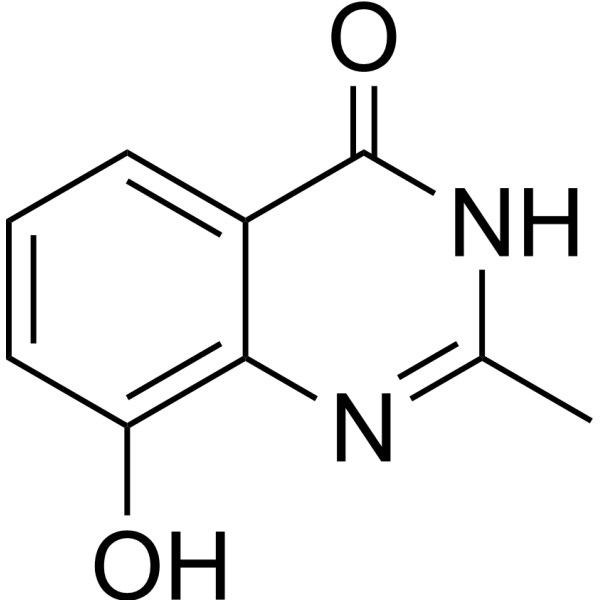
NU1025 is a potent PARP inhibitor with an IC50 of 400 nM and a Ki of 48 nM. NU1025 potentiates the cytotoxicity of ionizing radiation and anticancer agents. NU1025 has anti-cancer and neuroprotective activity .
|
-
-
- HY-121497
-
|
3-MBA
|
PARP
Bacterial
|
Cancer
|
|
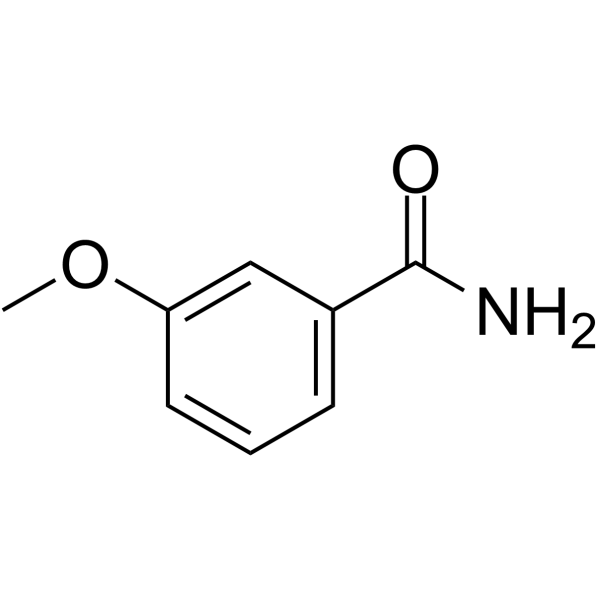
3-Methoxybenzamide (3-MBA), an inhibitor of ADP-ribosyltransferase (ADPRTs) and PARP, inhibits cell division in Bacillus subtilis, leading to filamentation and eventually lysis of cells . 3-Methoxybenzamide (3-MBA) enhances in vitro plant growth, microtuberization, and transformation efficiency of blue potato (Solanum tuberosum L. subsp. andigenum) .
|
-
-
- HY-Z0283
-
|
Benzenecarboxamide; Phenylamide
|
Endogenous Metabolite
PARP
|
Others
|
|
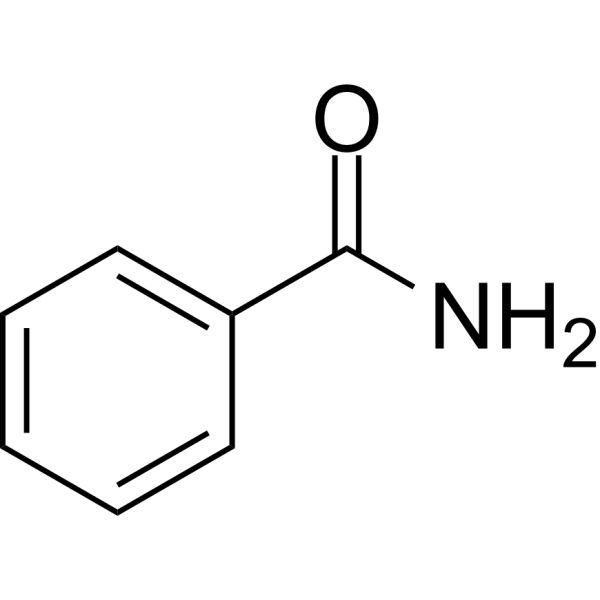
Benzamide (Benzenecarboxamide) is a potent poly(ADP-ribose) polymerase (PARP) inhibitor. Benzamide has protective activity against both glutamate- and methamphetamine (METH)-induced neurotoxicity in vitro. Benzamide can attenuate the METH-induced dopamine depletions and exhibits neuroprotective activity in mice, also has no acute effect on striatal dopamine metabolism and does not reduce body temperature .
|
-
-
- HY-75706
-
|
|
PARP
Ligands for Target Protein for PROTAC
|
Cancer
|
|
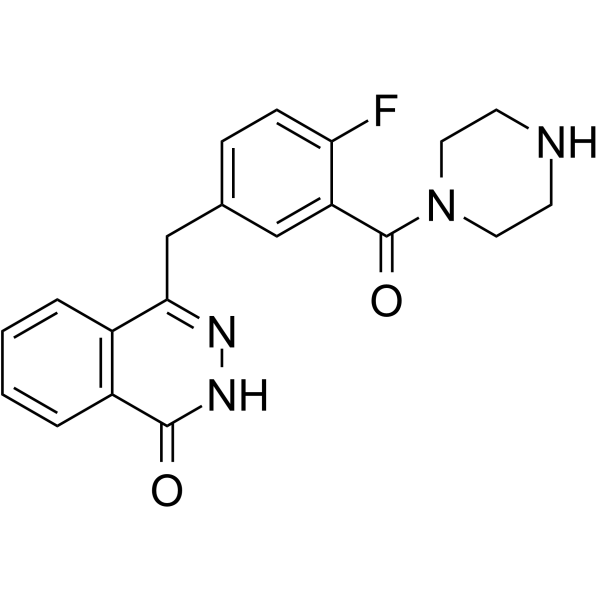
N-Descyclopropanecarbaldehyde Olaparib is an analogue of Olaparib (HY-10162) containing DOTA moiety. N-Descyclopropanecarbaldehyde Olaparib is a PARP inhibitor used for synthesizing novel dual EGFR and PARP PROTAC, DP-C-4 (HY-141481) . N-Descyclopropanecarbaldehyde Olaparib can be radiolabeled with F-18 or fluorophore for positron emission tomography (PET) or optical imaging in several types of tumor .
|
-
-
- HY-161430
-
|
|
DNA/RNA Synthesis
Apoptosis
PARP
|
Cancer
|
|
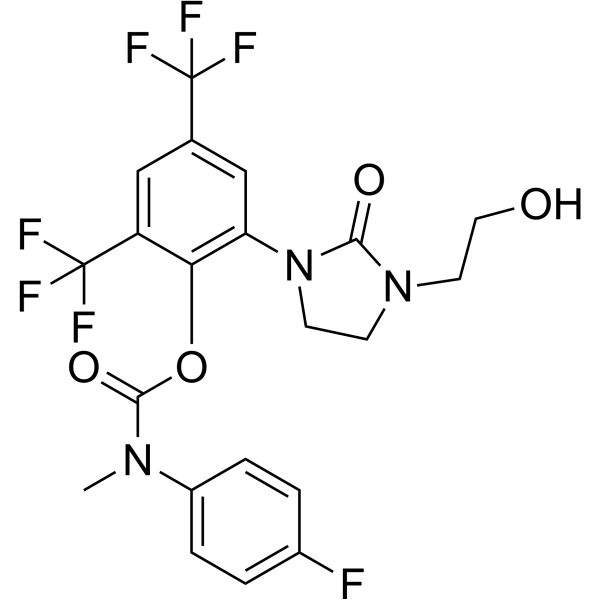
RTx-161 is a DNA polymerase θ inhibitor with an IC50 of 4.1 nM. RTx-161 induces DNA damage, PARP cleavage, apoptosis, and selectively kills homologous recombination-deficient (HRD) cells. RTx-161 acts synergistically with PARP inhibitors to suppress PARP inhibitor resistance in cancer cells. RTx-161 can be used for the research of BRCA G12C mutant cancer and HR-deficient cancers .
|
-
-
- HY-15045
-
|
|
PARP
|
Cancer
|
|
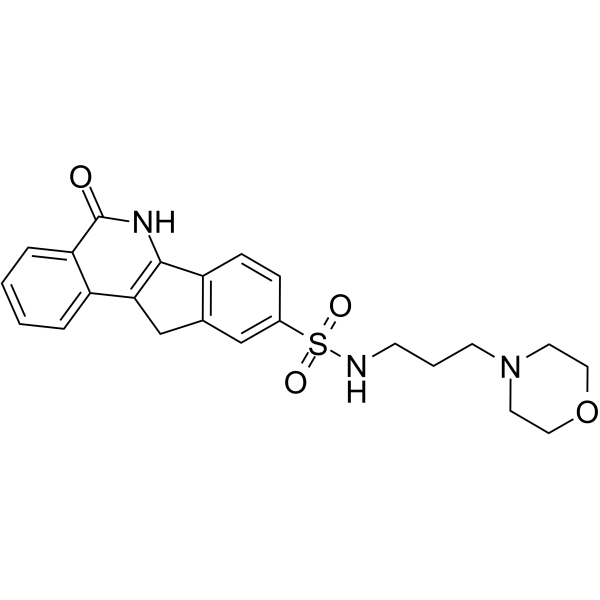
INO-1001 is a potent and selective poly (ADP-ribose) polymerase (PARP) inhibitor. INO-1001 is a potent enhancer of radiation sensitivity and enhances radiation-induced cell killing by interfering with DNA repair mechanisms, resulting in necrotic cell death . INO-1001 has anti-tumor effects .
|
-
-
- HY-10162S
-
|
AZD2281-d5; KU0059436-d5
|
Isotope-Labeled Compounds
PARP
Autophagy
Mitophagy
|
Cancer
|
|
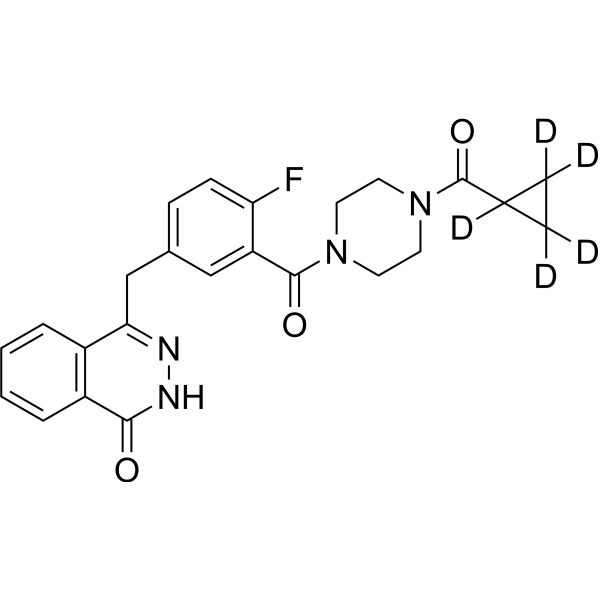
Olaparib-d5 (AZD2281-d5) is the deuterium labeled Olaparib (HY-10162). Olaparib is a potent and orally active PARP inhibitor with IC50s of 5 and 1 nM for PARP1 and PARP2, respectively. Olaparib is an autophagy and mitophagy activator .
|
-
-
- HY-161302
-
|
|
Apoptosis
DNA/RNA Synthesis
PARP
|
Cancer
|
|
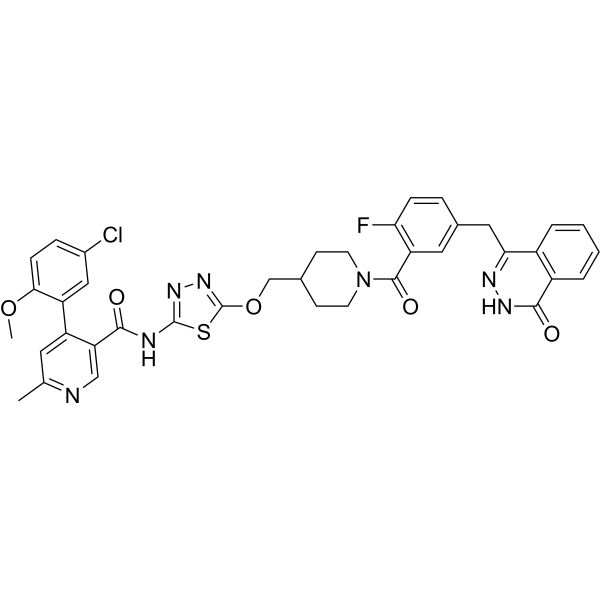
Polθ/PARP-IN-1 (compound 25d) is a potent dual DNA polymerase theta (Polθ) and PARP inhibitor with IC50 values of 45.6, 5.4 nM, respectively. Polθ/PARP-IN-1 shows antiproliferative activity. Polθ/PARP-IN-1 induces apoptosis and cell cycle arrest at G2/M phase, causes DNA damage. Polθ/PARP-IN-1 shows anti-tumor activity .
|
-
-
- HY-133531
-
|
|
Poly(ADP-ribose) Glycohydrolase (PARG)
|
Cancer
|
|
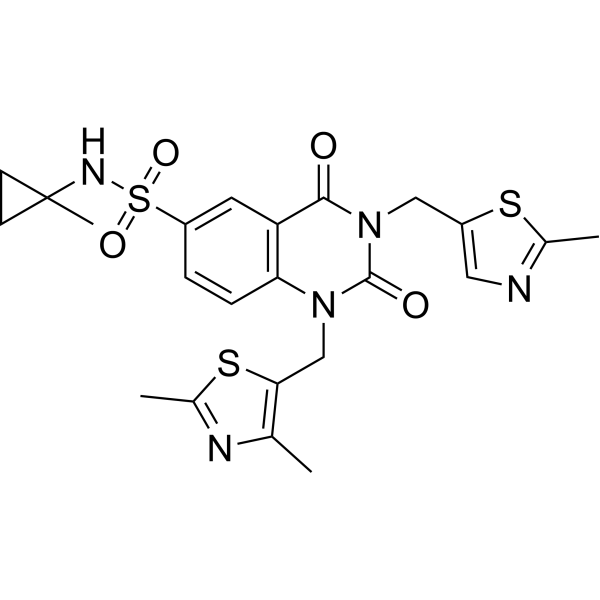
PDD00017272 is an inhibitor of poly(ADP-ribose) glycohydrolase (PARG) (EC50=4.8 nM) and an activator of PARP1/2. PDD00017272 inhibits its activity of hydrolyzing poly(ADP-ribose) (pADPr), resulting in the accumulation of pADPr on chromatin, interfering with DNA damage repair and replication processes, and inducing PARP1/2-dependent cytotoxicity. PDD00017272 can be used in cancer models with DNA repair defects (such as BRCA mutations) or resistance to PARP inhibitors. PDD00017272 has a PARG expression level-correlated inhibitory potency with EC50 of 9.2 nM (PARG cells), the tumor cells with lower PARG expression are more sensitive .
|
-
-
- HY-G0023
-
|
Niraparib carboxylic acid metabolite M1; M1 metabolite of niraparib
|
Drug Metabolite
|
Others
|
|
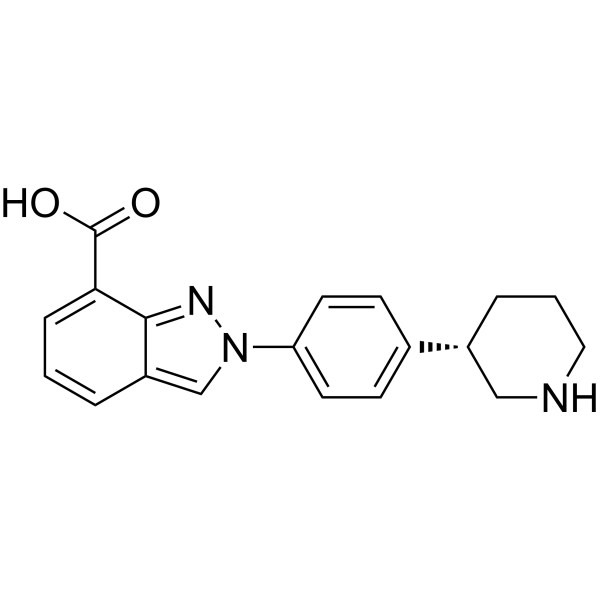
Niraparib metabolite M1 is a metabolite of niraparib, and the latter one acts as a novel poly(ADP-Ribose) polymerase (PARP) inhibitor.
|
-
-
- HY-160409
-
|
|
Topoisomerase
Apoptosis
|
Cancer
|
|
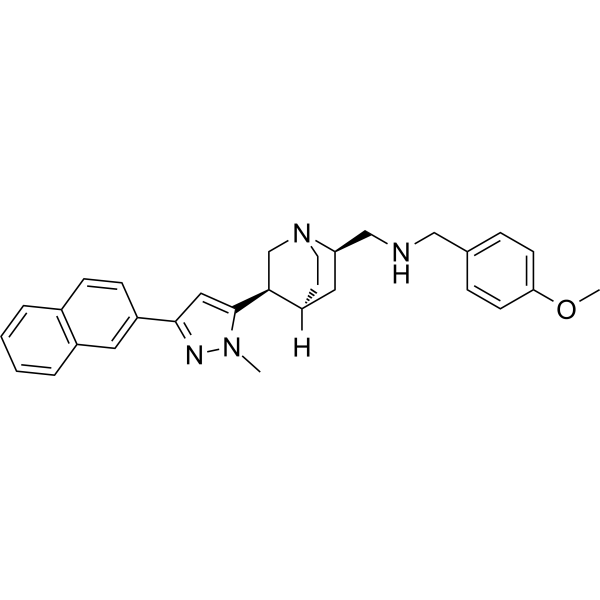
TopBP1-IN-1 is a TopBP1 inhibitor. TopBP1-IN-1 has a synergistic effect with PARP inhibitors. TopBP1-IN-1 has antitumor activity .
|
-
-
- HY-13540
-
|
GPI 21016
|
PARP
|
Cancer
|
|
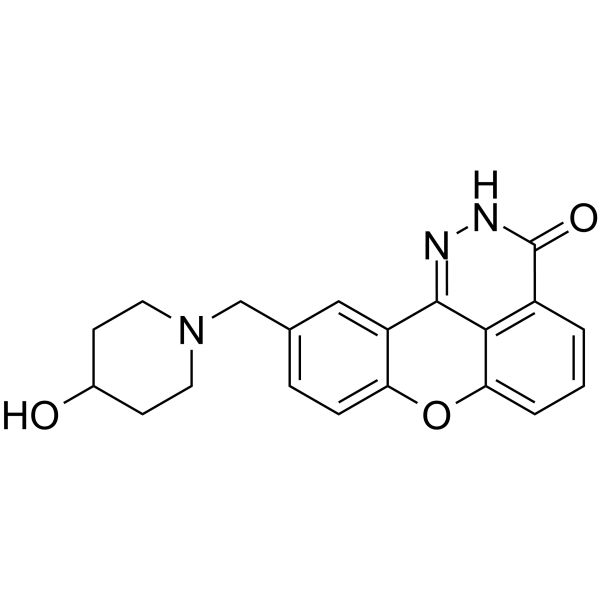
E7016 (GPI 21016) is an orally available PARP inhibitor. E7016 can enhance tumor cell radiosensitivity in vitro and in vivo through the inhibition of DNA repair. E7016 acts as a potential anticancer agent .
|
-
-
- HY-10162S1
-
|
AZD2281-d8; KU0059436-d8
|
Isotope-Labeled Compounds
PARP
Autophagy
Mitophagy
|
Cancer
|
|
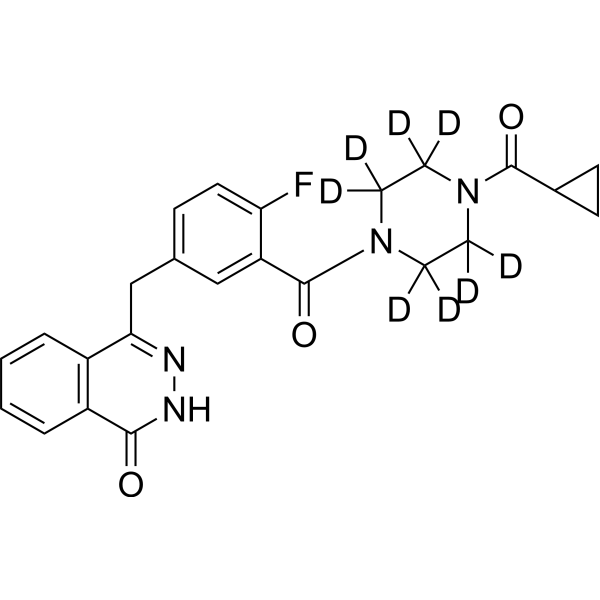
Olaparib-d8 (AZD2281-d8) is the deuterium labeled Olaparib (HY-10162). Olaparib is a potent and orally active PARP inhibitor with IC50s of 5 and 1 nM for PARP1 and PARP2, respectively. Olaparib is an autophagy and mitophagy activator .
|
-
-
- HY-144691
-
|
|
PROTACs
CDK
|
Cancer
|
|
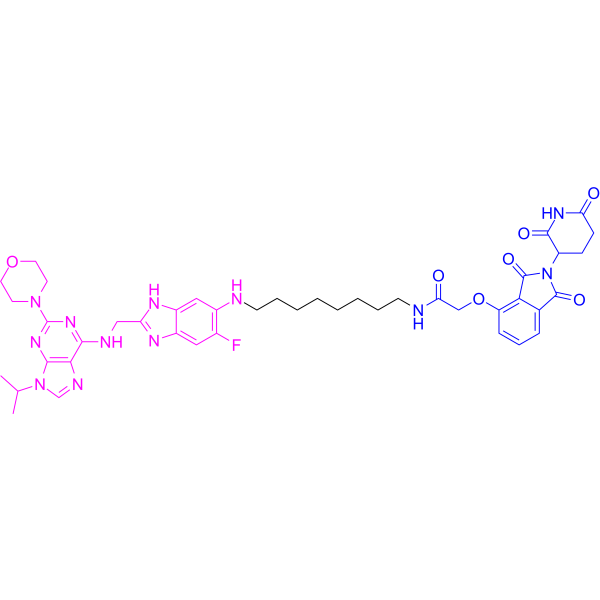
PP-C8 is a potent and selective PROTAC CDK12-Cyclin K degrader. PP-C8 induces CDK12-Cyclin K degradation with DC50s of 416 and 412 nM for CDK12 and Cyclin K, respectively. PP-C8 demonstrates profound synergistic antiproliferative effects with PARP inhibitor in triple-negative breast cancer (TNBC) .
|
-
-
- HY-163743
-
|
|
Salt-inducible Kinase (SIK)
|
Cancer
|
|
SIC-19 is a SIK2 inhibitor and promotes SIK2 protein degradation via the ubiquitination pathway. SIC-19 inhibits cancer cell growth and sensitizes cells to PARP inhibitors (Such as Olaparib (HY-10162)), as well as in ovarian cancer organoids and xenograft models .
|
-

-
- HY-161431
-
|
|
DNA/RNA Synthesis
|
Cancer
|
|
RTx-152 traps Polθ on DNA and is an allosteric Polθ-pol inhibitor (IC50: 6.2 nM). RTx-152 selectively kills HR-deficient cancer cells, and suppresses PARP inhibitor resistance in multiple genetic backgrounds, including homologous recombination (HR)-proficient cells. RTx-152 selectively kills BRCA2-null cells .
|
-

-
- HY-W141392
-
|
|
Nucleoside Antimetabolite/Analog
Xanthine Oxidase
Phosphoramidites
|
Cancer
|
|
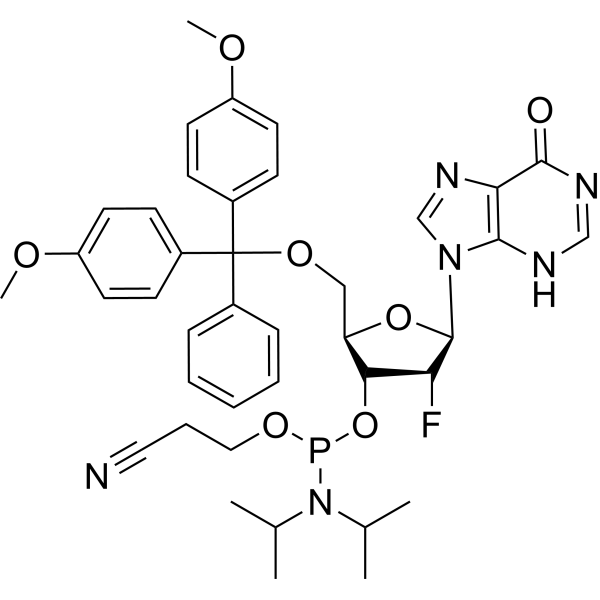
2'-Fluoro-5'-O-DMT-2'-deoxyinosine-3'-CE-phosphoramidite is a hypoxanthine analog. Hypoxanthine is a kind of purine base mainly present in muscle tissue. And it is a metabolite produced by purine oxidase acting on xanthine. Hypoxanthine has typical anti-inflammatory effects and is a potential endogenous poly(ADP-ribose) polymerase (PARP) inhibitor. It is cytoprotective by inhibiting PAPR activity, inhibiting peroxynitrite-induced mitochondrial depolarization and secondary superoxide production. Hypoxanthine can also be used as an indicator of hypoxia .
|
-
-
- HY-D1107
-
|
|
PARP
|
Others
|
|
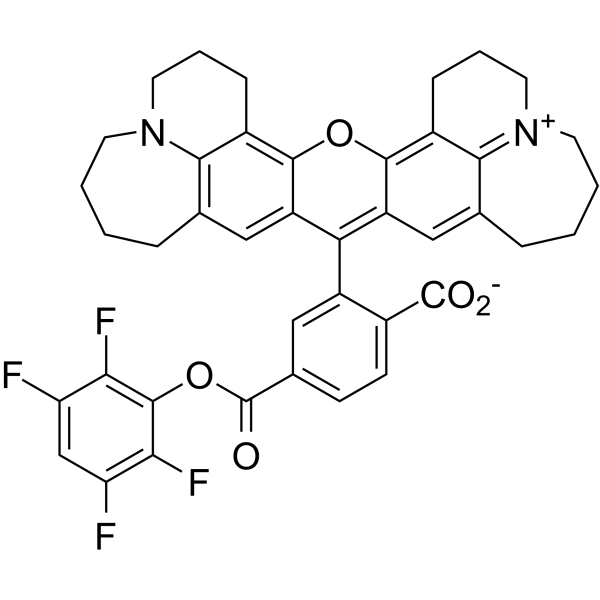
NCT-TFP is PARP probe used to identifying Poly(ADP-ribose) polymerases (PARP) inhibitors (extracted from patent US20190331688A1) .
|
-
-
- HY-155993
-
|
|
PARP
|
Cancer
|
|
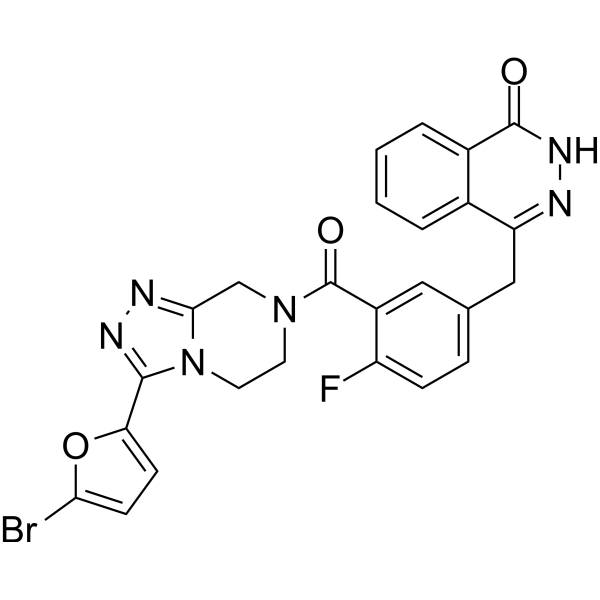
YCH1899 is an orally active PARP inhibitor, with an IC50< 0.001 nM for PARP1/2. YCH1899 exhibits distinct antiproliferation activity against Olaparib (HY-10162)-resistant and Talazoparib (HY-16106)-resistant Capan-1 cells (Capan-1/OP and Capan-1/TP cells) , with IC50 values of 0.89 and 1.13 nM, respectively. YCH1899 has acceptable pharmacokinetic properties in rats .
|
-
-
- HY-15276
-
|
|
PARP
|
Cancer
|
|
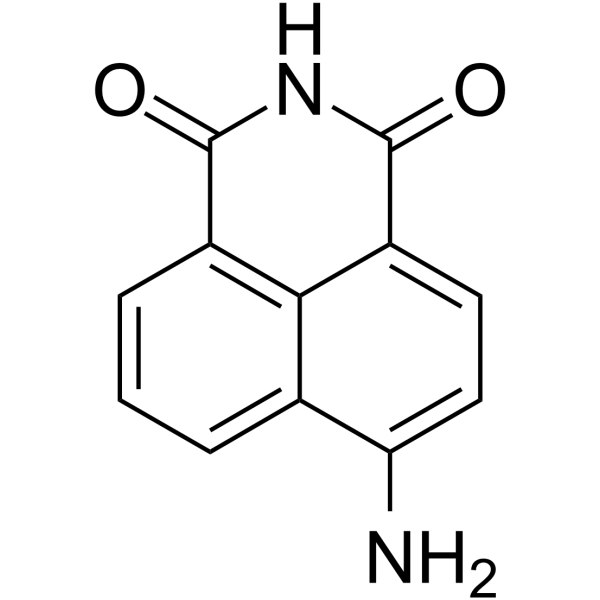
4-Aminonaphthalimide is a potent PARP inhibitor and potentiates the cytotoxicity of γ-radiation in cancer cells .
|
-
-
- HY-143338
-
|
|
PARP
|
Cancer
|
|
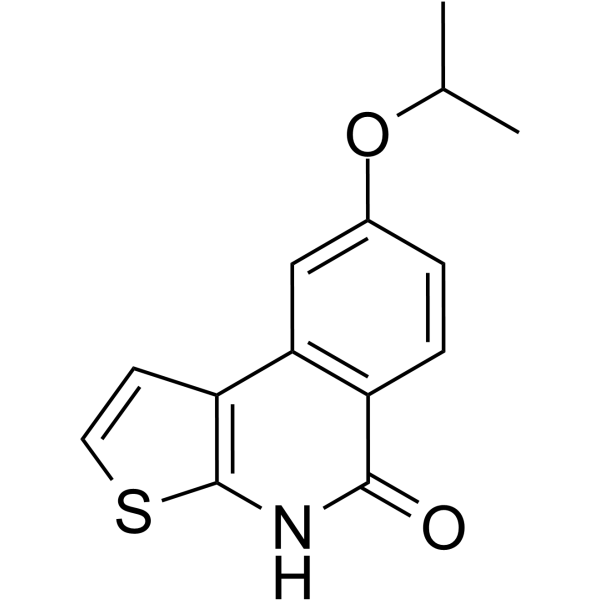
ART-IN-1 (compound 7) is a selective PARP inhibitor with IC50s of 19, 22, 2.4, >100, 1.1 µM for PARP2, TNKS2, PARP10, PARP14, PARP15, respectively .
|
-
-
- HY-105253
-
|
|
PARP
|
Neurological Disease
|
|
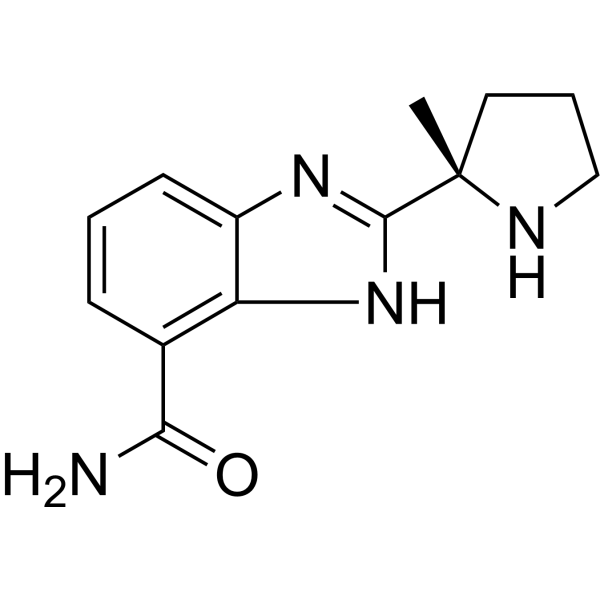
PARP-2/1-IN-2 (Compound 4a), the enantiomer of Veliparib (HY-10129), is a potent PARP inhibitor with Kis of 2 and 5 nM against PARP-2 and PARP-1, respectively. PARP-2/1-IN-2 has an EC50 of 3 nM in a cell based assay of PARP activity .
|
-
-
- HY-10162S3
-
|
AZD2281-d4-1; KU0059436-d4-1
|
Isotope-Labeled Compounds
PARP
Autophagy
Mitophagy
|
Cancer
|
|
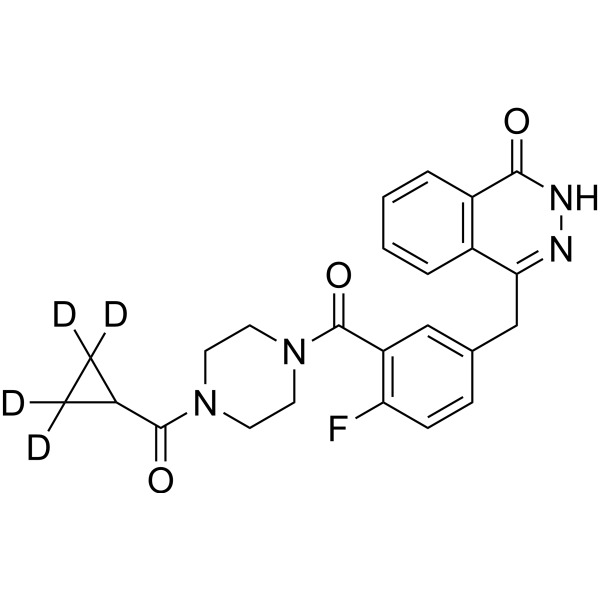
Olaparib-d4-1 (AZD2281-d4-1) is the deuterium labeled Olaparib (HY-10162). Olaparib is a potent and orally active PARP inhibitor with IC50s of 5 and 1 nM for PARP1 and PARP2, respectively. Olaparib is an autophagy and mitophagy activator .
|
-
-
- HY-152696
-
|
|
Xanthine Oxidase
Nucleoside Antimetabolite/Analog
|
Others
|
|
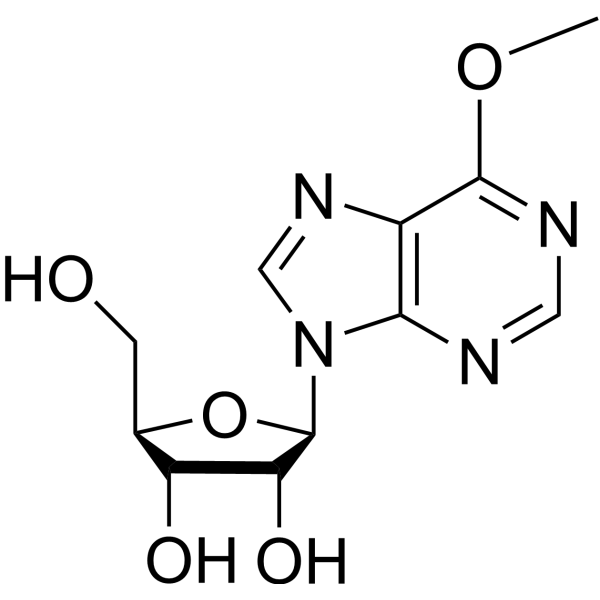
6-O-Methylinosine is a hypoxanthine analogue. Hypoxanthine is a kind of purine base mainly present in muscle tissue. And it is a metabolite produced by purine oxidase acting on xanthine. Hypoxanthine has typical anti-inflammatory effects and is a potential endogenous poly(ADP-ribose) polymerase (PARP) inhibitor. It is cytoprotective by inhibiting PAPR activity, inhibiting peroxynitrite-induced mitochondrial depolarization and secondary superoxide production. Hypoxanthine can also be used as an indicator of hypoxia .
|
-
-
- HY-136778
-
|
|
PARP
Reactive Oxygen Species (ROS)
Bcl-2 Family
Caspase
ERK
p38 MAPK
|
Cardiovascular Disease
|
|
INH2BP is a poly(ADP-ribose) polymerase (PARP) inhibitor with antioxidant and anti-apoptotic activities. INH2BP reduces the production of intracellular reactive oxygen species (ROS), modulates the expression of apoptosis-related proteins such as Bax, Bcl-2 and cleaved caspase-3 and enhances cell survival through the activation of the ERK1/2 and p38 MAPK signaling pathways. INH2BP is promising for research of cardiovascular diseases .
|
-

-
- HY-148709
-
|
|
PARP
|
Inflammation/Immunology
|
|
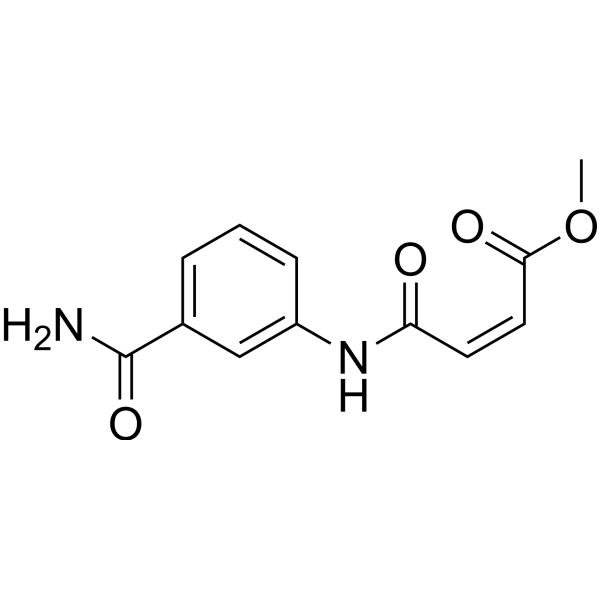
ARTD10/PARP10-IN-1 (compound 23) is a potent and non-selective PARP inhibitor, targeting to mono-ADP-ribosyltransferases ARTD7/PARP15, ARTD8/PARP14, ARTD10/PARP10 and poly(ADP-ribose) polymerase-1 (ARTD1/PARP1) with IC50s of 1.7 μM, 1.6 μM, 0.8 μM, and 4.4 μM, respectively .
|
-
-
- HY-121719
-
|
|
PARP
|
Cardiovascular Disease
Cancer
|
|
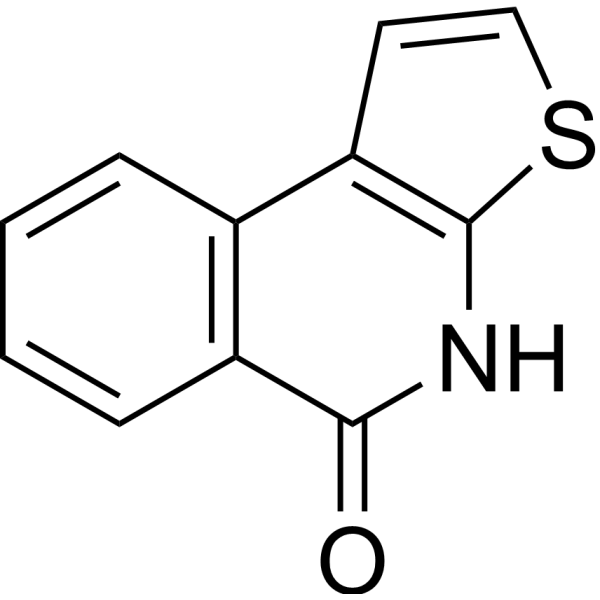
TIQ-A is a potent TNKS (poly-ART, PARP) inhibitor, with an IC50 of 24 nM for TNKS2. TIQ-A is a potential anti-ischemic agent .
|
-
-
- HY-137457A
-
|
IDX-1197 hydrochloride
|
PARP
|
Cancer
|
|
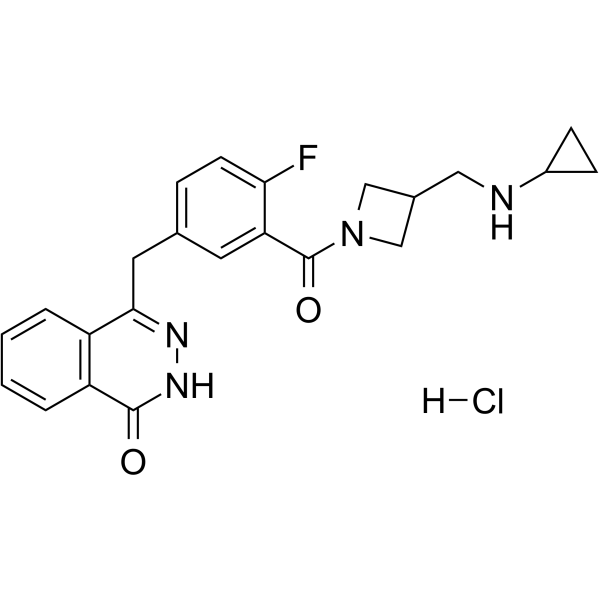
Venadaparib (IDX-1197) hydrochloride is a potent and selective PARP inhibitor with anticancer activities. Venadaparib hydrochloride can be used for solid tumors research .
|
-
-
- HY-167927
-
|
CVL218
|
PARP
|
Cancer
|
|
Mefuparib (CVL218) is a poly ADP-ribose polymerase (PARP) inhibitor used in cancer research that exhibits potent brain penetration due to its high protein binding.
|
-

-
- HY-123232
-
|
|
PARP
|
Cancer
|
|
KU-0058684 is a potent PARP inhibitor, with an IC50 of 3.2 nM for PARP-1. KU-0058684 significantly reduces DNA double strand break (DSB) repair .
|
-

-
- HY-10885
-
|
ABT-472
|
PARP
|
Cancer
|
|
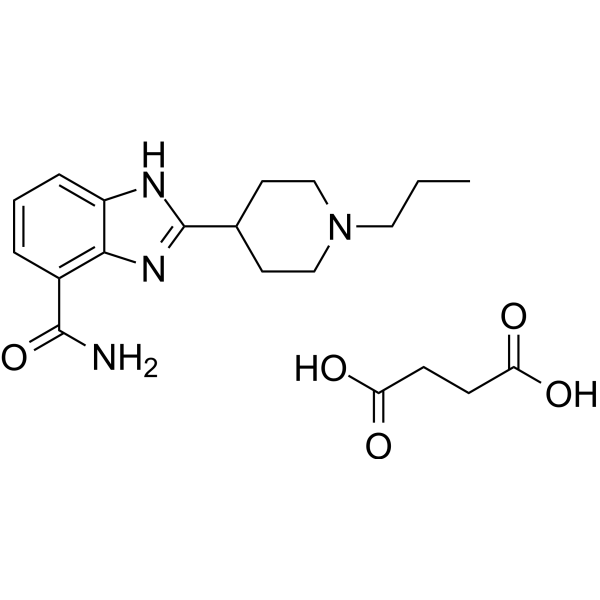
A-620223 succinate (ABT-472) is an orally available poly(ADP-ribose) polymerase (PARP) inhibitor. A-620223 succinate (ABT-472) exhibits very good potency against the PARP-1 enzyme with a Ki value of 8 nM and an EC50 value of 3 nM in whole cell assay, making it useful in cancer research .
|
-
-
- HY-148710
-
|
|
PARP
|
Inflammation/Immunology
|
|
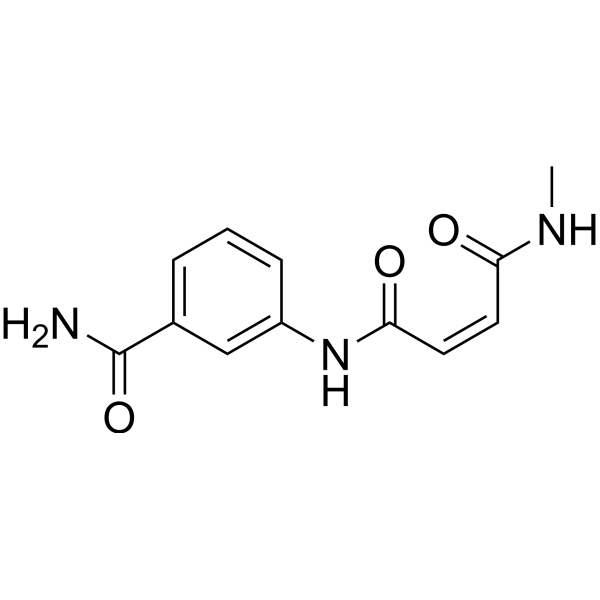
ARTD10/PARP10-IN-2 (compound 19) is a potent and non-selective PARP inhibitor, targeting to mono-ADP-ribosyltransferases ARTD10/PARP10 and poly(ADP-ribose) polymerase-1 ARTD1/PARP1 with IC50s of 2.0 μM, and 9.7 μM, respectively .
|
-
-
- HY-104044R
-
|
BGB-290 (Standard)
|
Reference Standards
PARP
|
Cancer
|
|
Pamiparib (Standard) is the analytical standard of Pamiparib. This product is intended for research and analytical applications. Pamiparib (BGB-290) is an orally active, potent, highly selective PARP inhibitor, with IC50 values of 0.9 nM and 0.5 nM for PARP1 and PARP2, respectively. Pamiparib has potent PARP trapping, and capability to penetrate the brain, and can be used for the research of various cancers including the solid tumor .
|
-

-
- HY-W711852
-
|
Benzenecarboxamide-d5; Phenylamide-d5
|
Isotope-Labeled Compounds
PARP
Endogenous Metabolite
|
Others
|
|
Benzamide-d5 (Benzenecarboxamide-d5) is deuterium labeled Benzamide. Benzamide (Benzenecarboxamide) is a potent poly(ADP-ribose) polymerase (PARP) inhibitor. Benzamide has protective activity against both glutamate- and methamphetamine (METH)-induced neurotoxicity in vitro. Benzamide can attenuate the METH-induced dopamine depletions and exhibits neuroprotective activity in mice, also has no acute effect on striatal dopamine metabolism and does not reduce body temperature .
|
-

-
- HY-169336
-
|
|
PARP
PSMA
|
Cancer
|
|
CQ-16 is an orally active small molecule drug conjugate (SMDC) targeting prostate-specific membrane antigen (PSMA). CQ-16 exhibits highly selective antiproliferative activity between PSMA-positive and PSMA-negative prostate cells. In addition, CQ-16 also has PARP inhibitory activity (IC50=1 nM). (Pink: PSMA Ligand (HY-139840); Black: Linker (HY-W037980); Blue: PARP Inhibitor (HY-10162))
|
-

-
- HY-W392836
-
|
|
Nucleoside Antimetabolite/Analog
Xanthine Oxidase
Phosphoramidites
|
Cancer
|
|
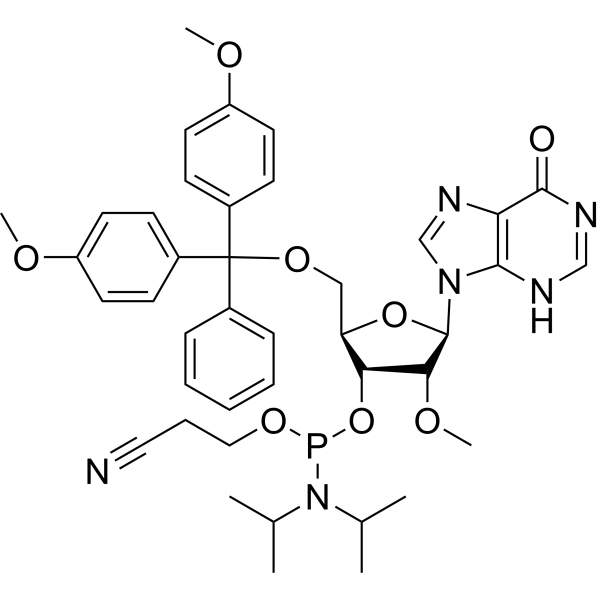
2'-O-Methyl-5'-O-dmt-inosine-3'-CE-phosphoramidite is a hypoxanthine analog. Hypoxanthine is a kind of purine base mainly present in muscle tissue. And it is a metabolite produced by purine oxidase acting on xanthine. Hypoxanthine has typical anti-inflammatory effects and is a potential endogenous poly(ADP-ribose) polymerase (PARP) inhibitor. It is cytoprotective by inhibiting PAPR activity, inhibiting peroxynitrite-induced mitochondrial depolarization and secondary superoxide production. Hypoxanthine can also be used as an indicator of hypoxia .
|
-
-
- HY-175466
-
|
|
PARP
DNA/RNA Synthesis
Apoptosis
|
Cancer
|
|
BER-IN-1 is a base excision repair (BER) inhibtor, targeting DNA abasic sites. BER-IN-1 cleaves abasic sites via β- and β,δ-elimination mechanisms, disrupts the base excision repair (BER) pathway and leads to DNA double-strand breaks (DSBs). BER-IN-1 can enhance the effectiveness of the PARP inhibitor Olaparib (HY-10162) in homologous recombination (HR)-proficient cancer cells (MDA-MB-231, HeLa, and SKOV3). BER-IN-1 induces an S-phase arrest and apoptosis companied with Olaparib (HY-10162). BER-IN-1 can be used for the research of cancer, such as breast, cervical and ovarian cancer .
|
-

-
- HY-162633
-
|
|
Deubiquitinase
|
Cancer
|
|
USP1-IN-9 (Compound 1m) is reversible and noncompetitive ubiquitin-specific proteases (USP1) inhibitors with an IC50 of 8.8 nM, which is designed and synthesized to pyrido[2,3-d]pyrimidin-7(8H)-one derivative based on the disclosed structure of ML323(HY-17543) and KSQ-4279(HY-145471). USP1-IN-9 displays excellent USP1/UAF inhibition and exhibits strong antiproliferation effect in breast cancer cells. USP1-IN-9 can generate enhanced cell killing with PARP inhibitor olaparib(HY-10162) in olaparib-resistant MDA-MB-436/OP cells, which is promising for research in the field of cancer .
|
-

- HY-156623
-
|
|
PARP
|
Cancer
|
|
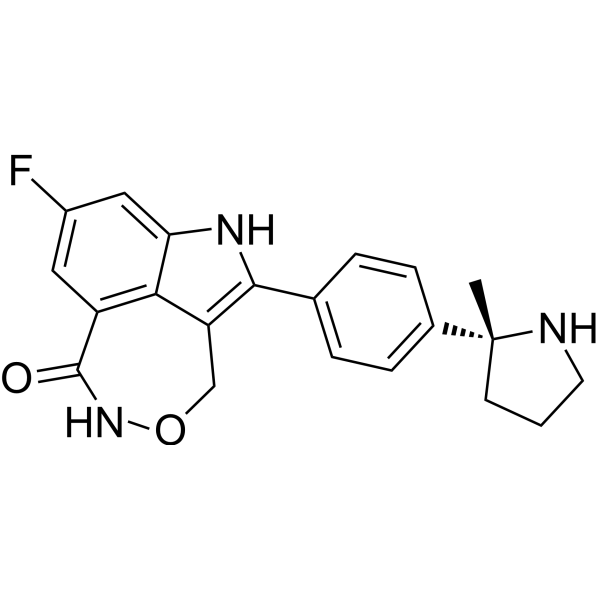
Lerzeparib is an (ADP-ribose) polymerase (PARP) inhibitor, with antineoplastic activity .
|
-
- HY-174447
-
|
|
PARP
|
Cancer
|
|
ADP-ribose/PARP-IN-1 (Compound Ex.16) is a conjugated compound. ADP-ribose/PARP-IN-1 contains disease targeting moieties, PARP inhibitor moieties, cleavable linkers, chelators. ADP-ribose/PARP-IN-1 targets specific targets through the disease targeting moiety and selectively delivers PARP inhibitors to tumor cells. The cleavable linker of ADP-ribose/PARP-IN-1 releases the PARP inhibitor under appropriate conditions, inhibiting PARP to prevent DNA damage repair, while the radionuclide carried by the chelator exerts a killing effect. ADP-ribose/PARP-IN-1 can be used in the research of prostate cancer .
|
-

- HY-15050
-
-
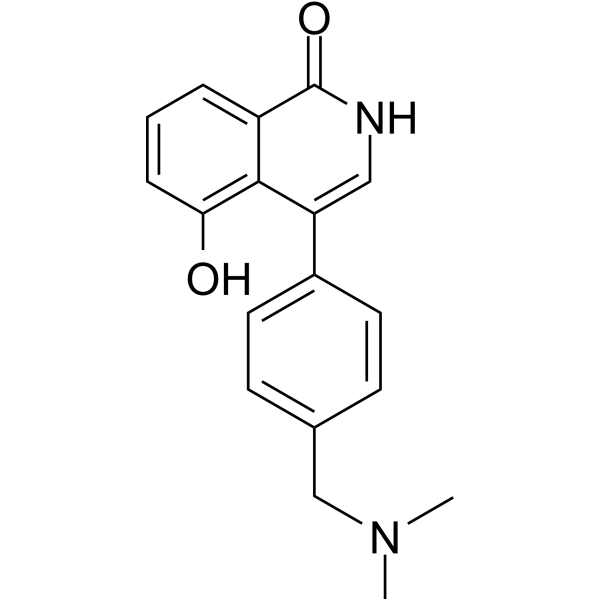
- HY-10129R
-
|
ABT-888 (Standard)
|
Reference Standards
PARP
Autophagy
|
Cancer
|
|
Veliparib (Standard) is the analytical standard of Veliparib. This product is intended for research and analytical applications. Veliparib (ABT-888) is a potent PARP inhibitor, inhibiting PARP1 and PARP2 with Kis of 5.2 and 2.9 nM, respectively .
|
-

- HY-167927S
-
|
|
Isotope-Labeled Compounds
PARP
|
Cancer
|
|
Mycophenolic Acid-d3 Acyl-Beta-D-glucuronide is the deuterium labeled Mefuparib (HY-167927). Mefuparib (CVL218) is a poly ADP-ribose polymerase (PARP) inhibitor used in cancer research that exhibits potent brain penetration due to its high protein binding.
|
-

- HY-14206
-
|
|
PARP
|
Cancer
|
|
NU 1085 is a potent poly(ADP-ribose) polymerase (PARP) inhibitor with a Ki of 6 nM. NU 1085 shows strong cytotoxicity to cancer cells (LC50 = 83-94 μM) and can enhance the anticancer effect of Temozolomide (HY-17364). NU 1085 can be used for the research of cancer, such as lung cancer .
|
-

- HY-15045A
-
|
|
PARP
|
Cancer
|
|
INO-1001 mesylate is a potent and selective poly (ADP-ribose) polymerase (PARP) inhibitor. INO-1001 mesylate is a potent enhancer of radiation sensitivity and enhances radiation-induced cell killing by interfering with DNA repair mechanisms, resulting in necrotic cell death . INO-1001 mesylate has anti-tumor effects .
|
-

- HY-170942
-
|
|
CDK
PARP
|
Cancer
|
|
CDK9/PARP-IN-1 (compound 37) is a CDK9/PARP inhibitor. CDK9/PARP-IN-1 inhibits CDK9 and PARP1 with IC50s of 118 and 107 nM, respectively. CDK9/PARP-IN-1 exhibits broad-spectrum antiproliferative effects across multiple cancer cell lines .
|
-

- HY-Z0283R
-
|
Benzenecarboxamide (Standard); Phenylamide (Standard)
|
Reference Standards
Endogenous Metabolite
PARP
|
Others
|
|
Benzamide (Standard) is the analytical standard of Benzamide. This product is intended for research and analytical applications. Benzamide (Benzenecarboxamide) is a potent poly(ADP-ribose) polymerase (PARP) inhibitor. Benzamide has protective activity against both glutamate- and methamphetamine (METH)-induced neurotoxicity in vitro. Benzamide can attenuate the METH-induced dopamine depletions and exhibits neuroprotective activity in mice, also has no acute effect on striatal dopamine metabolism and does not reduce body temperature .
|
-

- HY-W039271
-
|
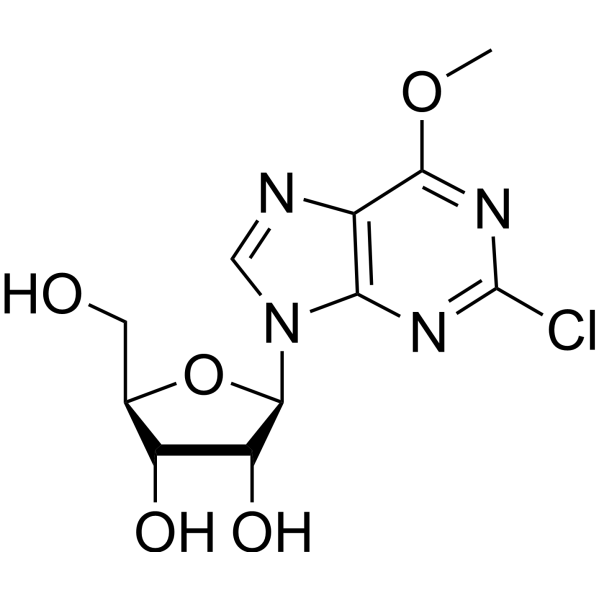
2-Chloro-6-O-methyl-inosine
|
Nucleoside Antimetabolite/Analog
Xanthine Oxidase
|
Cancer
|
|
2-Chloro-6-methoxypurine riboside is a hypoxanthine analog. Hypoxanthine is a kind of purine base mainly present in muscle tissue. And it is a metabolite produced by purine oxidase acting on xanthine. Hypoxanthine has typical anti-inflammatory effects and is a potential endogenous poly(ADP-ribose) polymerase (PARP) inhibitor. It is cytoprotective by inhibiting PAPR activity, inhibiting peroxynitrite-induced mitochondrial depolarization and secondary superoxide production. Hypoxanthine can also be used as an indicator of hypoxia .
|
-
- HY-154017
-
|
|
Nucleoside Antimetabolite/Analog
Xanthine Oxidase
|
Cancer
|
|
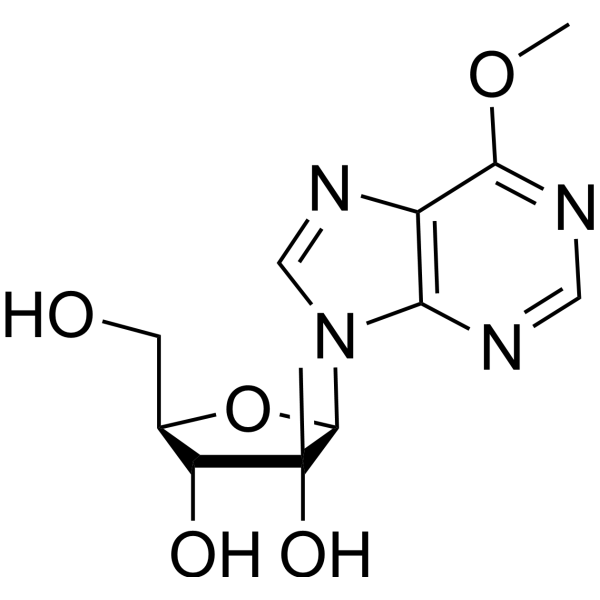
2′-C-Methyl-6-O-methylinosine is a hypoxanthine analog. Hypoxanthine is a kind of purine base mainly present in muscle tissue. And it is a metabolite produced by purine oxidase acting on xanthine. Hypoxanthine has typical anti-inflammatory effects and is a potential endogenous poly(ADP-ribose) polymerase (PARP) inhibitor. It is cytoprotective by inhibiting PAPR activity, inhibiting peroxynitrite-induced mitochondrial depolarization and secondary superoxide production. Hypoxanthine can also be used as an indicator of hypoxia .
|
-
- HY-121497R
-
|
3-MBA (Standard)
|
PARP
Bacterial
Reference Standards
|
Cancer
|
|
3-Methoxybenzamide (Standard) is the analytical standard of 3-Methoxybenzamide. This product is intended for research and analytical applications. 3-Methoxybenzamide (3-MBA), an inhibitor of ADP-ribosyltransferase (ADPRTs) and PARP, inhibits cell division in Bacillus subtilis, leading to filamentation and eventually lysis of cells . 3-Methoxybenzamide (3-MBA) enhances in vitro plant growth, microtuberization, and transformation efficiency of blue potato (Solanum tuberosum L. subsp. andigenum) .
|
-

- HY-154393
-
|
|
Nucleoside Antimetabolite/Analog
Xanthine Oxidase
|
Cancer
|
|
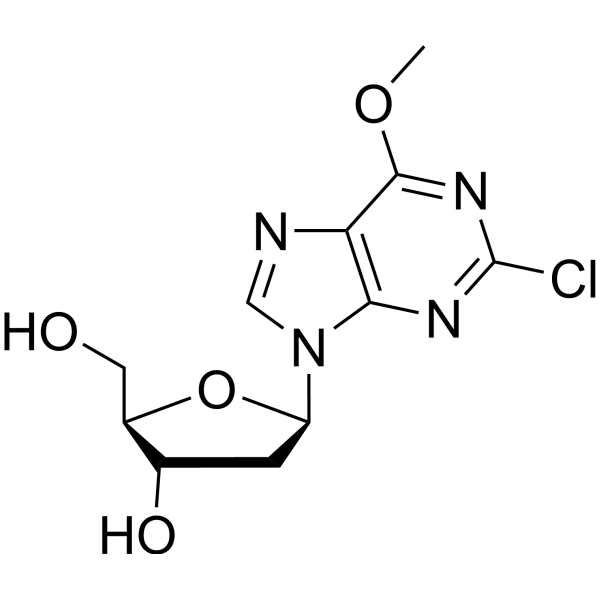
2-Chloro-2'-deoxy-6-O-methylinosine is a hypoxanthine analog. Hypoxanthine is a kind of purine base mainly present in muscle tissue. And it is a metabolite produced by purine oxidase acting on xanthine. Hypoxanthine has typical anti-inflammatory effects and is a potential endogenous poly(ADP-ribose) polymerase (PARP) inhibitor. It is cytoprotective by inhibiting PAPR activity, inhibiting peroxynitrite-induced mitochondrial depolarization and secondary superoxide production. Hypoxanthine can also be used as an indicator of hypoxia .
|
-
- HY-152678
-
|
|
Nucleoside Antimetabolite/Analog
Xanthine Oxidase
|
Cancer
|
|
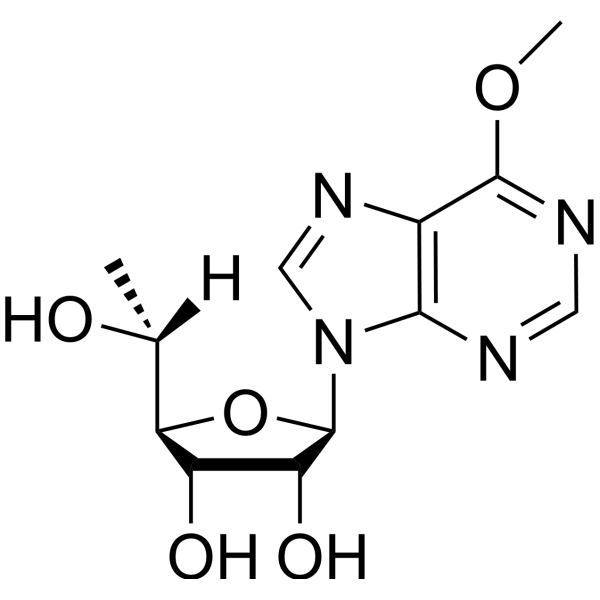
6-Methoxypurine-9-β-D-5’(R)-C-methylriboside is a hypoxanthine analog. Hypoxanthine is a kind of purine base mainly present in muscle tissue. And it is a metabolite produced by purine oxidase acting on xanthine. Hypoxanthine has typical anti-inflammatory effects and is a potential endogenous poly(ADP-ribose) polymerase (PARP) inhibitor. It is cytoprotective by inhibiting PAPR activity, inhibiting peroxynitrite-induced mitochondrial depolarization and secondary superoxide production. Hypoxanthine can also be used as an indicator of hypoxia .
|
-
- HY-104044A
-
|
BGB-290 maleate
|
Apoptosis
|
Neurological Disease
|
|
Pamiparib maleate (BGB-290 maleate) is a highly potent and selective PARP inhibitor with neurotoxicity-inducing activity. Pamiparib maleate can effectively penetrate the blood-brain barrier and cause cerebral hemorrhage, brain atrophy, and movement disorders in zebrafish embryos exposed. Pamiparib maleate exposure downregulates the activities of acetylcholinesterase (AChE) and adenosine triphosphatase (ATPase) and leads to upregulation of oxidative stress, which triggers apoptosis and interferes with the expression of neurodevelopment-related genes. The use of pamiparib maleate is also accompanied by downregulation of the Notch signaling pathway, while activation of the Notch signaling pathway can partially rescue neurodevelopmental toxicity. Therefore, pamiparib maleate provides a reference for evaluating its potential neurotoxicity during embryonic development .
|
-

- HY-W015422R
-
|
|
Reference Standards
PARP
|
Metabolic Disease
|
|
1,5-Isoquinolinediol is a potent PARP inhibitor, with an IC50 of 0.18-0.37 μM. 1,5-Isoquinolinediol attenuates diabetes-induced NADPH oxidase-derived oxidative stress in retina .
|
-

- HY-181027
-
|
|
PARP
IFNAR
|
Cancer
|
|
TIPARP-IN-1 (Compound 15) is a selective PARP7 (TIPARP) (2,3,7,8-Tetrachlorodiben-zo-p-dioxin(TCDD)-inducible PARP) inhibitor with an IC50 of 2.15 nM. TIPARP-IN-1 can restore IFN signaling pathway in tumors by inhibiting TIPARP. TIPARP-IN-1 selectively activates the anti-tumor immune response in the tumor microenvironment and avoids the production of systemic cytokines. TIPARP-IN-1 can be used for research of head and neck squamous cell carcinoma .
|
-

- HY-148302
-
|
|
PARP
|
Cancer
|
|
LT-626 is a potent PARP inhibitor with an IC50 of 1.60 nM. LT-626 inhibits cellular PAR synthesis with an EC50 of 17.9 nM and shows enhanced cytotoxicity in colorectal cancer cells harboring MRE11 mutations. LT-626 exhibits synergistic effects with Cisplatin (HY-17394), Oxaliplatin (HY-17371), and SN-38 (HY-13704) in colorectal cancer cells. LT-626 can be used for colorectal research .
|
-

- HY-181017
-
|
|
Reactive Oxygen Species (ROS)
DNA/RNA Synthesis
PARP
Quinone Reductase
|
Cancer
|
|
Ola-NC-SS-PEG-Lap is a selective immunogenic cell death inducer. Ola-NC-SS-PEG-Lap exploits the synergistic interplay between an NQO1-bioactivated compound and a PARP inhibitor to selectively induce immunogenic cell death in tumor cells without harming normal cells. Ola-NC-SS-PEG-Lap induces ROS accumulation, increases DNA damage. Ola-NC-SS-PEG-Lap can be activated by GSH and release Ola, ultimately producing the synergistic antitumor effect with the Lap portion. Ola-NC-SS-PEG-Lap has anti-cancer activity against colon cancer .
|
-

- HY-130646
-
|
|
PROTACs
PARP
|
Cancer
|
|
iVeliparib-AP6 is a proteolysis-targeting chimera (PROTAC) molecule designed based on Veliparib (HY-10129), which targets PARP1/2. The DC50s of iVeliparib-AP6 for inducing the degradation of PARP1 and PARP2 are 36 nM and 63 nM, respectively, and its IC50s are 69 nM and 21 nM, respectively. iVeliparib-AP6 contains a Veliparib-based PARP inhibitor warhead linked to a CRBN E3 ligase binder; it uses Thalidomide (HY-14658) as a ligand to recruit CRBN E3 ubiquitin ligase and exerts the PARP2 degradation mechanism .
|
-

| Cat. No. |
Product Name |
Category |
Target |
Chemical Structure |
| Cat. No. |
Product Name |
Chemical Structure |
-
- HY-10162S
-
|
|
|
Olaparib-d5 (AZD2281-d5) is the deuterium labeled Olaparib (HY-10162). Olaparib is a potent and orally active PARP inhibitor with IC50s of 5 and 1 nM for PARP1 and PARP2, respectively. Olaparib is an autophagy and mitophagy activator .
|
-
-
- HY-10162S1
-
|
|
|
Olaparib-d8 (AZD2281-d8) is the deuterium labeled Olaparib (HY-10162). Olaparib is a potent and orally active PARP inhibitor with IC50s of 5 and 1 nM for PARP1 and PARP2, respectively. Olaparib is an autophagy and mitophagy activator .
|
-
-
- HY-10162S3
-
|
|
|
Olaparib-d4-1 (AZD2281-d4-1) is the deuterium labeled Olaparib (HY-10162). Olaparib is a potent and orally active PARP inhibitor with IC50s of 5 and 1 nM for PARP1 and PARP2, respectively. Olaparib is an autophagy and mitophagy activator .
|
-
-
- HY-W711852
-
|
|
|
Benzamide-d5 (Benzenecarboxamide-d5) is deuterium labeled Benzamide. Benzamide (Benzenecarboxamide) is a potent poly(ADP-ribose) polymerase (PARP) inhibitor. Benzamide has protective activity against both glutamate- and methamphetamine (METH)-induced neurotoxicity in vitro. Benzamide can attenuate the METH-induced dopamine depletions and exhibits neuroprotective activity in mice, also has no acute effect on striatal dopamine metabolism and does not reduce body temperature .
|
-
-
- HY-167927S
-
|
|
|
Mycophenolic Acid-d3 Acyl-Beta-D-glucuronide is the deuterium labeled Mefuparib (HY-167927). Mefuparib (CVL218) is a poly ADP-ribose polymerase (PARP) inhibitor used in cancer research that exhibits potent brain penetration due to its high protein binding.
|
-
| Cat. No. |
Product Name |
|
Classification |
-
- HY-W141392
-
|
|
|
Phosphoramidites
Hypoxanthine
|
|
2'-Fluoro-5'-O-DMT-2'-deoxyinosine-3'-CE-phosphoramidite is a hypoxanthine analog. Hypoxanthine is a kind of purine base mainly present in muscle tissue. And it is a metabolite produced by purine oxidase acting on xanthine. Hypoxanthine has typical anti-inflammatory effects and is a potential endogenous poly(ADP-ribose) polymerase (PARP) inhibitor. It is cytoprotective by inhibiting PAPR activity, inhibiting peroxynitrite-induced mitochondrial depolarization and secondary superoxide production. Hypoxanthine can also be used as an indicator of hypoxia .
|
-
- HY-152696
-
|
|
|
Nucleoside Analogs
Inosine
|
|
6-O-Methylinosine is a hypoxanthine analogue. Hypoxanthine is a kind of purine base mainly present in muscle tissue. And it is a metabolite produced by purine oxidase acting on xanthine. Hypoxanthine has typical anti-inflammatory effects and is a potential endogenous poly(ADP-ribose) polymerase (PARP) inhibitor. It is cytoprotective by inhibiting PAPR activity, inhibiting peroxynitrite-induced mitochondrial depolarization and secondary superoxide production. Hypoxanthine can also be used as an indicator of hypoxia .
|
-
- HY-W392836
-
|
|
|
Phosphoramidites
Hypoxanthine
|
|
2'-O-Methyl-5'-O-dmt-inosine-3'-CE-phosphoramidite is a hypoxanthine analog. Hypoxanthine is a kind of purine base mainly present in muscle tissue. And it is a metabolite produced by purine oxidase acting on xanthine. Hypoxanthine has typical anti-inflammatory effects and is a potential endogenous poly(ADP-ribose) polymerase (PARP) inhibitor. It is cytoprotective by inhibiting PAPR activity, inhibiting peroxynitrite-induced mitochondrial depolarization and secondary superoxide production. Hypoxanthine can also be used as an indicator of hypoxia .
|
-
- HY-154017
-
|
|
|
Nucleoside Analogs
Inosine
|
|
2′-C-Methyl-6-O-methylinosine is a hypoxanthine analog. Hypoxanthine is a kind of purine base mainly present in muscle tissue. And it is a metabolite produced by purine oxidase acting on xanthine. Hypoxanthine has typical anti-inflammatory effects and is a potential endogenous poly(ADP-ribose) polymerase (PARP) inhibitor. It is cytoprotective by inhibiting PAPR activity, inhibiting peroxynitrite-induced mitochondrial depolarization and secondary superoxide production. Hypoxanthine can also be used as an indicator of hypoxia .
|
-
- HY-154393
-
|
|
|
Nucleoside Analogs
Inosine
|
|
2-Chloro-2'-deoxy-6-O-methylinosine is a hypoxanthine analog. Hypoxanthine is a kind of purine base mainly present in muscle tissue. And it is a metabolite produced by purine oxidase acting on xanthine. Hypoxanthine has typical anti-inflammatory effects and is a potential endogenous poly(ADP-ribose) polymerase (PARP) inhibitor. It is cytoprotective by inhibiting PAPR activity, inhibiting peroxynitrite-induced mitochondrial depolarization and secondary superoxide production. Hypoxanthine can also be used as an indicator of hypoxia .
|
-
- HY-152678
-
|
|
|
Nucleoside Analogs
|
|
6-Methoxypurine-9-β-D-5’(R)-C-methylriboside is a hypoxanthine analog. Hypoxanthine is a kind of purine base mainly present in muscle tissue. And it is a metabolite produced by purine oxidase acting on xanthine. Hypoxanthine has typical anti-inflammatory effects and is a potential endogenous poly(ADP-ribose) polymerase (PARP) inhibitor. It is cytoprotective by inhibiting PAPR activity, inhibiting peroxynitrite-induced mitochondrial depolarization and secondary superoxide production. Hypoxanthine can also be used as an indicator of hypoxia .
|
Your information is safe with us. * Required Fields.
Inquiry Information
- Product Name:
- Cat. No.:
- Quantity:
- MCE Japan Authorized Agent:








