1. Search Result
Search Result
Results for "

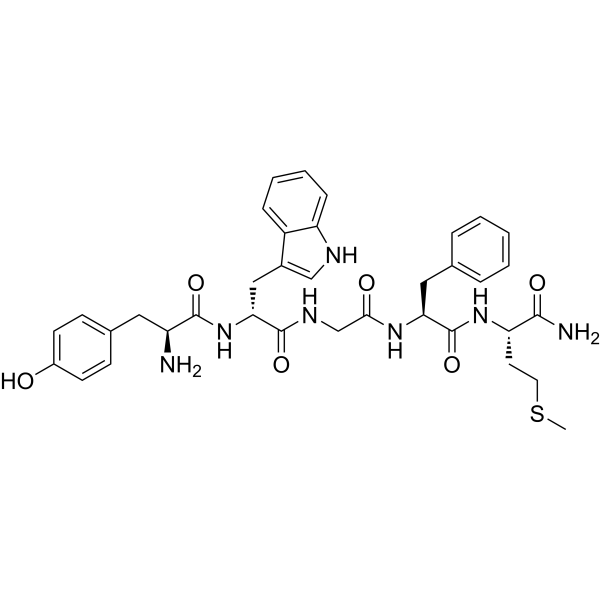
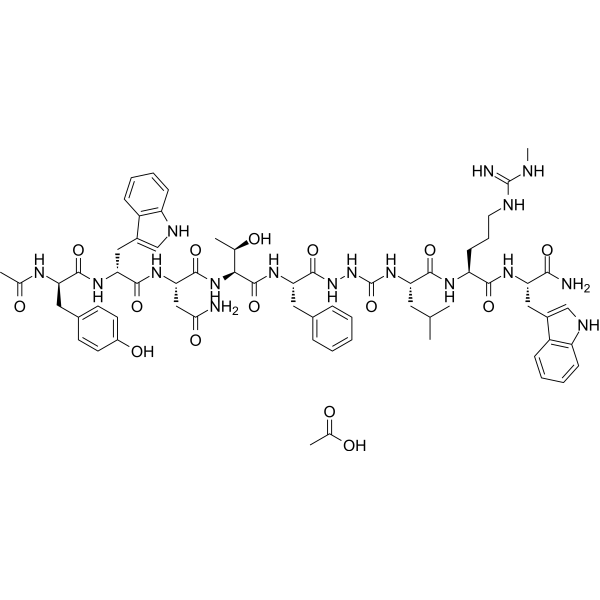
Y-{d-Trp}-GFM-NH2

" in MedChemExpress (MCE) Product Catalog:

102

Inhibitors & Agonists

111

Peptides

Cat. No. Product Name Target Research Areas Chemical Structure
  • HY-P0036
    Octreotide
    Maximum Cited Publications
    16 Publications Verification

    SMS 201-995

    Somatostatin Receptor Apoptosis Cardiovascular Disease Inflammation/Immunology Endocrinology Cancer
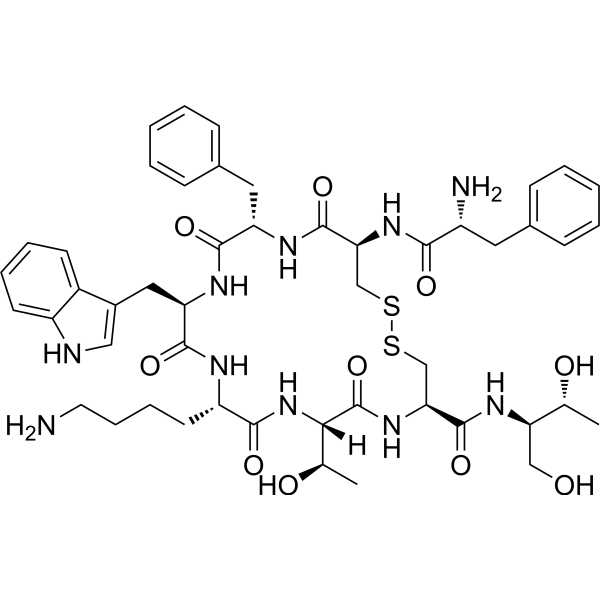
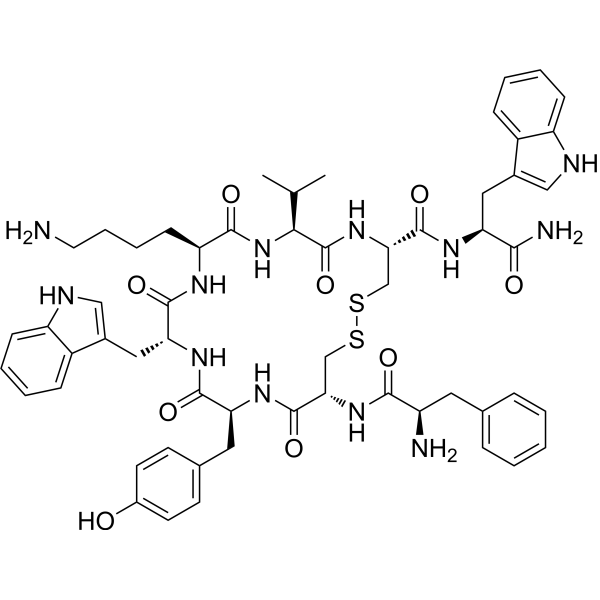
    Octreotide (SMS 201-995) is a somatostatin receptor agonist and synthetic octapeptide endogenous somatostatin analogue. Octreotide (SMS 201-995) can bind to the somatostatin receptor and mainly subtypes 2, 3, and 5, increases Gi activity, and reduces intracellular cAMP production. Octreotide (SMS 201-995) has antitumor activity, mediates apoptosis and may also be used in disease studies in acromegaly [2].
    Octreotide
  • HY-106244
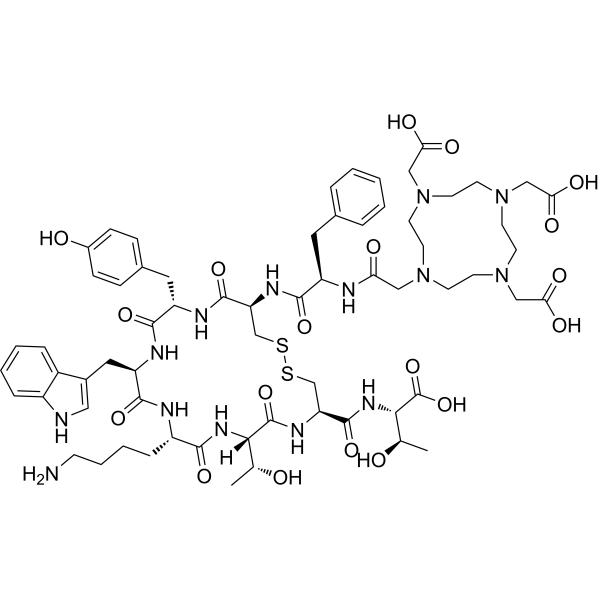
    DOTATATE
    3 Publications Verification

    Oxodotreotide

    Radionuclide-Drug Conjugates (RDCs) Cancer
    DOTATATE is a DOTA-conjugated peptide. DOTATATE can be labelled with radionuclides for positron emission tomography (PET) imaging and peptide receptor radionuclide research (PRRT) [2] . DOTATATE can be used for the synthesis/research of Radionuclide-Drug Conjugates (RDCs).
    DOTATATE
  • HY-125586

    DNA/RNA Synthesis ADC Payload Cancer
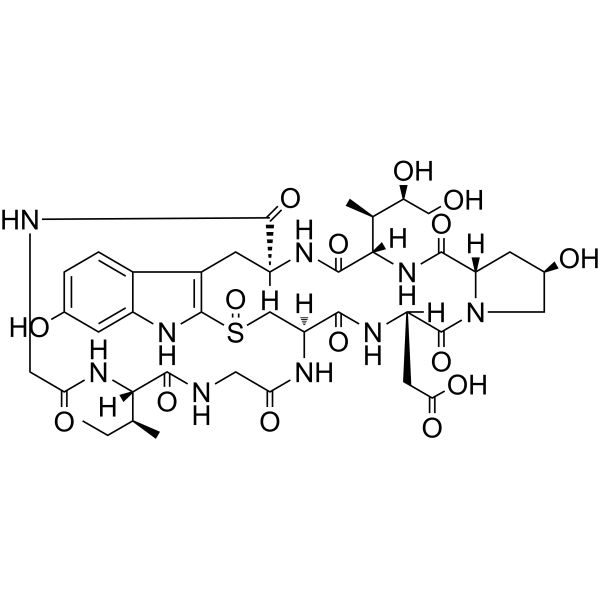
    β-Amanitin is a cyclic peptide toxin in the poisonous Amanita phalloides mushroom. β-Amanitin inhibits inhibits eukaryotic RNA polymerase II and III. β-Amanitin inhibits protein synthesis. β-Amanitin can be used as a cytotoxic component of antibody-drug conjugates (ADCs) [2].
    β-Amanitin
  • HY-P4385

    PTHR Metabolic Disease
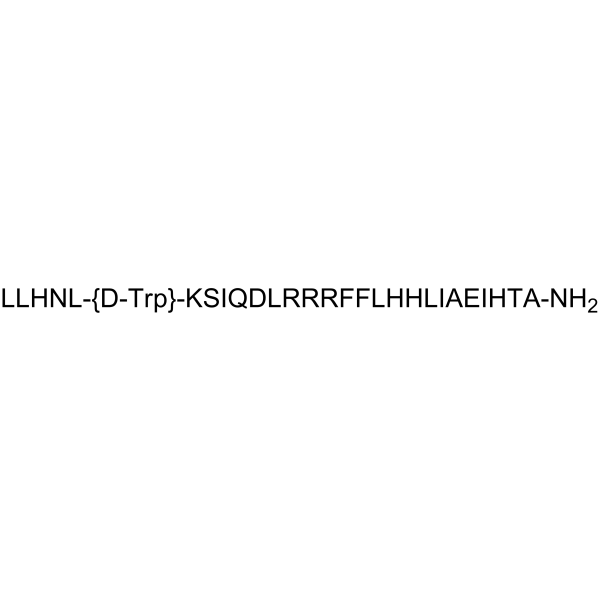
    (Asn10,Leu11,D-Trp12)-pTH-Related Protein (7-34) amide (human, mouse, rat) is a potent PTH-1R antagonist and does not display any partial agonist activity [2].
    (Asn10,Leu11,D-Trp12)-pTH-Related Protein (7-34) amide (human, mouse, rat)
  • HY-P0097
    Nonapeptide-1
    2 Publications Verification

    Melanostatine-5

    Melanocortin Receptor Metabolic Disease Endocrinology Cancer
    Nonapeptide-1 (Melanostatine-5), a peptide hormone, is a selective antagonist of MC1R (Ki: 40 nM). Nonapeptide-1 is a competitive α-MSH antagonist that potently inhibits intracellular cAMP and melanosome dispersion induced by α-MSH in melanocytes (IC50: 2.5 nM and 11 nM, respectively). Nonapeptide-1 inhibits melanin synthesis, and can be used in the research of skin pigmentation and regulation of steroid production in the adrenal gland, skin cancer [2] .
    Nonapeptide-1
  • HY-106244A
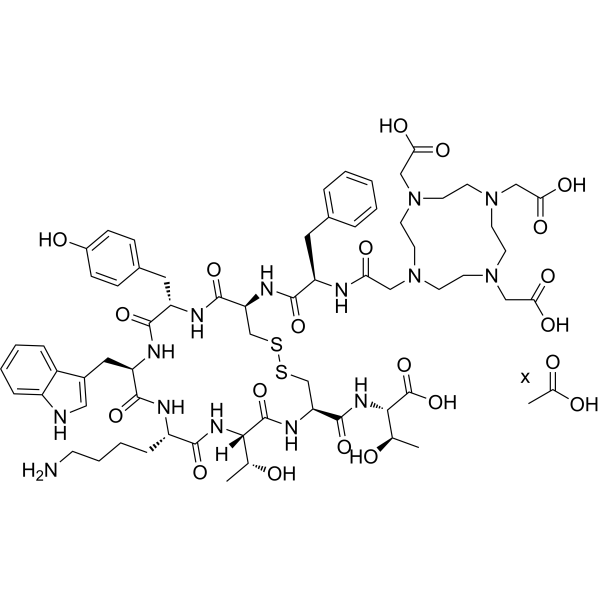
    DOTATATE acetate
    3 Publications Verification

    Oxodotreotide acetate

    Radionuclide-Drug Conjugates (RDCs) Cancer
    DOTATATE acetate is a DOTA-conjugated peptide. DOTATATE acetate can be labelled with radionuclides for positron emission tomography (PET) imaging and peptide receptor radionuclide research (PRRT) [2] . DOTATATE (acetate) can be used for the synthesis/research of Radionuclide-Drug Conjugates (RDCs).
    DOTATATE acetate
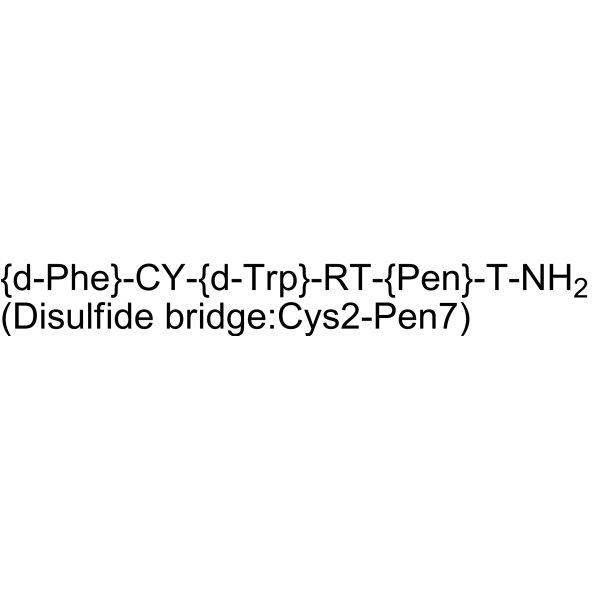
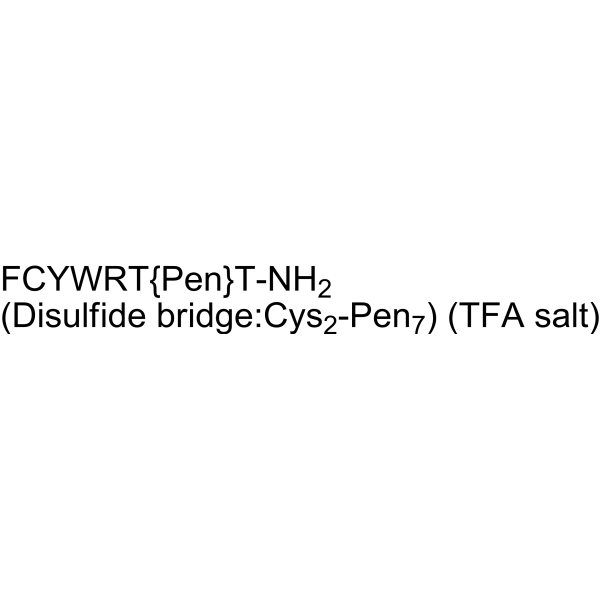
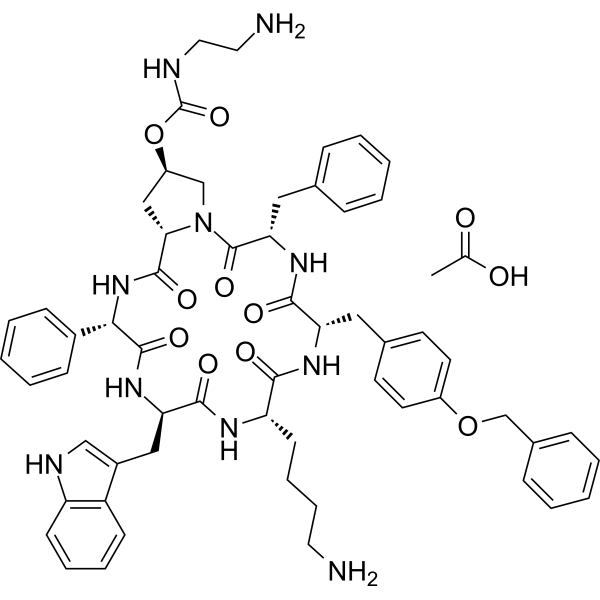
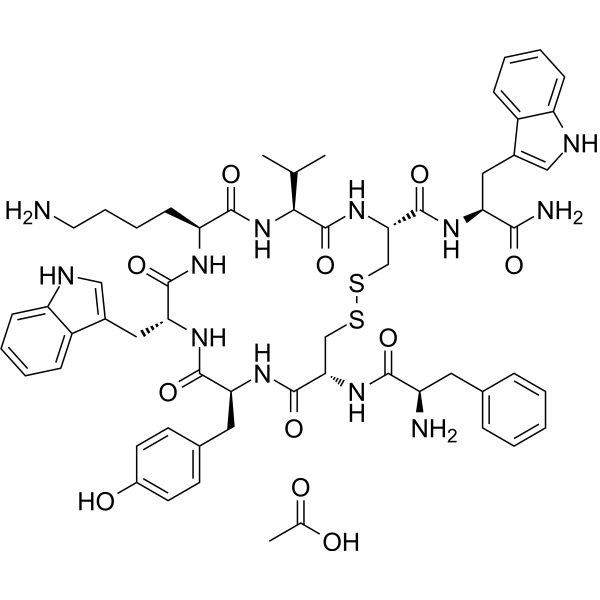
  • HY-16381
    Pasireotide
    5+ Cited Publications

    SOM230

    Somatostatin Receptor Endocrinology Cancer
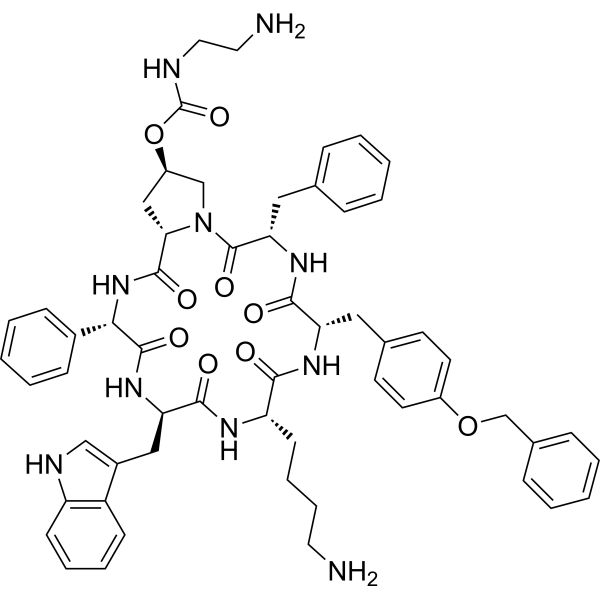
    Pasireotide (SOM230), a long-acting cyclohexapeptide somatostatin analogue, can improve agonist activity at somatostatin receptors (subtypes sst1/2/3/4/5, pKi=8.2/9.0/9.1/<7.0/9.9, respectively). Pasireotide can suppress GH, IGF-I and ACTH secretion, indicating potential efficacy in acromegaly and Cushing's disease. Pasireotide also exhibits antisecretory, antiproliferative, and proapoptotic activity [2] .
    Pasireotide
  • HY-P10920

    Drug Derivative Cancer
    DOTAMTATE is a somatostatin analogue. DOTAMTATE marked 212Pb is promising for research of somatostatin receptor positive neuroendocrine tumors .
    DOTAMTATE
  • HY-P1335
    CTAP
    2 Publications Verification

    Opioid Receptor Neurological Disease
    CTAP is a potent, highly selective, and BBB penetrant μ opioid receptor antagonist, with an IC50 of 3.5 nM. CTAP displays over 1200-fold selectivity over δ opioid (IC50=4500 nM) and somatostatin receptors. CTAP can be used for the study of L-DOPA-induced dyskinesia (LID) and opiate overdose or addiction [2].
    CTAP
  • HY-P2426

    Thyroid Hormone Receptor Metabolic Disease
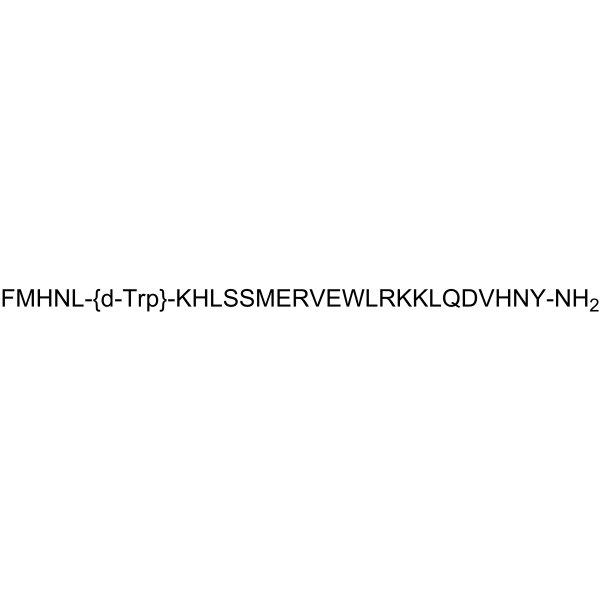
    (D-Trp12,Tyr34)-pTH (7-34) amide (bovine) is a potent and competitive antagonist of parathyroid hormone (PTH), with a Ki of 69 nM in bovine renal cortical membrane. (D-Trp12,Tyr34)-pTH (7-34) amide (bovine) can be used for growth and development regulation [2].
    (D-Trp12,Tyr34)-pTH (7-34) amide (bovine)
  • HY-P1959

    BIM 23014

    Somatostatin Receptor Endocrinology Cancer
    Lanreotide (BIM 23014) is a somatostatin analogue with antineoplastic activity. Lanreotide can be used for the research of carcinoid syndrome [2].
    Lanreotide
  • HY-P1959A

    BIM 23014 acetate

    Somatostatin Receptor Endocrinology Cancer
    Lanreotide (BIM 23014) acetate is a somatostatin analogue with antineoplastic activity. Lanreotide acetate can be used for the research of carcinoid syndrome [2].
    Lanreotide acetate
  • HY-P2161B
    TAK-683 acetate
    4 Publications Verification

    Kisspeptin Receptor Cancer
    TAK-683 acetate is a potent full KISS1 receptor (KISS1R) agonist (IC50=170 pM) with improved metabolic stability. TAK-683 acetate is a nonapeptide metastin analog, exhibits agonistic activities to KISS1R with EC50 values of 0.96 nM and 1.6 nM for human and rat, respectively . TAK-683 acetate depletes GnRH in the hypothalamus and reduces plasma FSH, LH, and testosterone levels in vivo, it has the potential for the study of hormone-dependent prostate cancer [2] .
    TAK-683 acetate
  • HY-16381A
    Pasireotide acetate
    2 Publications Verification

    SOM230 acetate

    Somatostatin Receptor Endocrinology Cancer
    Pasireotide (SOM230) acetate, a long-acting cyclohexapeptide somatostatin analogue, can improve agonist activity at somatostatin receptors (subtypes sst1/2/3/4/5, pKi=8.2/9.0/9.1/<7.0/9.9, respectively). Pasireotide acetate can suppress GH, IGF-I and ACTH secretion, indicating potential efficacy in acromegaly and Cushing's disease. Pasireotide acetate also exhibits antisecretory, antiproliferative, and proapoptotic activity [2] .
    Pasireotide acetate
  • HY-P3540

    Biochemical Assay Reagents Others
    Y-{d-Trp}-GFM-NH2 is an active peptide. Y-{d-Trp}-GFM-NH2 can be used for the research of various biochemical studies .
    Y-{d-Trp}-GFM-NH2
  • HY-P0061A
    Vapreotide acetate
    1 Publications Verification

    RC-160 acetate; BMY-41606 acetate

    Neurokinin Receptor Cancer
    Vapreotide acetate (RC-160 acetate; BMY-41606 acetate) is a neurokinin-1 (NK1) receptor antagonist, with an IC50 of 330 nM.
    Vapreotide acetate
  • HY-P1726

    Melanocortin Receptor Neurological Disease Metabolic Disease Inflammation/Immunology Cancer
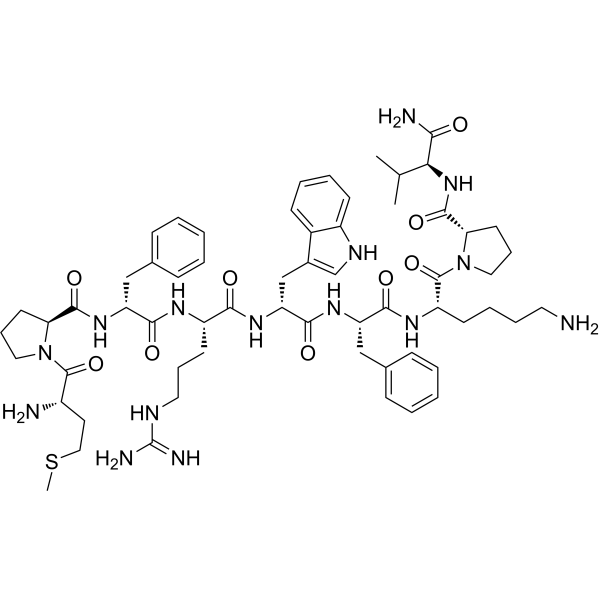
    MSG606 is a selective melanocortin 1 receptor (MC1R) antagonist. MSG606 can abolish the neuroprotective effects of BMS-470539 (HY-15616) (MC1R agonist). MSG606 can inhibit cancer cell proliferation and transition from the G1 to the S phase. MSG606 can delay pain hypersensitivity and reduce cholesterol levels. MSG606 can be used for the researches of cancer, inflammation, neurological and metabolic disease, such as breast cancer and subarachnoid hemorrhage (SAH) [2] .
    MSG606
  • HY-P2112

    DOTA-Nal3-octreotide

    Radionuclide-Drug Conjugates (RDCs) Somatostatin Receptor Others
    DOTA-NOC (DOTA-Nal3-octreotide) is a high-affinity ligand of somatostatin receptor subtypes 2, 3 and 5. DOTA-NOC can be used for labeling with various radiometals, and development of radiopeptide imaging . DOTA-NOC can be used for the synthesis/research of Radionuclide-Drug Conjugates (RDCs).
    DOTA-NOC
  • HY-P1206
    CH 275
    1 Publications Verification

    Somatostatin Receptor Neurological Disease
    CH 275 is a peptide analog of somatostatin and binds preferably to somatostatin receptor 1 (sst1) with a Ki of 52 nM . CH 275 acts as a potent and selective sst1 agonist (IC50=30.9 nM) and also displays IC50 values of 345 nM, >1 μM, >10 μM, >10 μM for human sst3, sst4, sst2 and sst5, respectively [2]. CH 275 can be used for the research of alzheimer’s disease .
    CH 275
  • HY-P1194

    Neurokinin Receptor Inflammation/Immunology
    Spantide I, a substance P analog, is a selective NK1 receptor antagonist, with Ki values of 230 nM and 8150 nM for NK1 and NK2 receptor, respectively. Spantide I provides an approach to reduce type 1 and enhance the type 2 cytokine IL-10 in the infected cornea, leading to a significant reduction in corneal perforation [2] .
    Spantide I
  • HY-106103

    MK-678; L-363586

    Somatostatin Receptor Cardiovascular Disease Neurological Disease Metabolic Disease
    Seglitide (MK-678) is a potent, orally active somatostatin receptor 2 (SSTR2) agonist, and also a competitive antagonist of SSTR14, SSTR25, and SSTR28. Seglitide has antihypertensive effects and can inhibit plasma glucagon and growth hormone. Seglitide can be used for research on diabetes [2] .
    Seglitide
  • HY-P10571

    Melanocortin Receptor Metabolic Disease
    GPS1573 is a noncompetitive antagonist of melanocortin type 2 receptor (MC2R) that dose-dependently antagonizes ACTH-stimulated MC2R activity (IC50=66 nM). GPS1573 can be used in the study of Cushing's disease due to its highly selective antagonism of MC2R .
    GPS1573
  • HY-P10239

    Somatostatin Receptor Radionuclide-Drug Conjugates (RDCs) Cancer
    Tyr3-Octreotate is a ligand for somatostatin receptor subtype 2 (sst2), with an IC50 value of 1.3 nM against sst2 when labeled with [ 111In-DTPA], and an IC50 value of 1.6 nM against sst2 when labeled with [ 90Y-DOTA]. Radiolabeled Tyr3-Octreotate generates cell-associated radioactivity, and acts as both a tumor growth inhibitor and a tumor cytotoxic agent. When radiolabeled with 177Lu or 90Y, Tyr3-Octreotate serves as a peptide receptor radionuclide therapy (PRRT) analog. Tyr3-Octreotate can be used in studies related to pancreatic tumors .
    Tyr3-Octreotate
  • HY-P0061
    Vapreotide
    1 Publications Verification

    RC160; BMY 41606

    Neurokinin Receptor Cancer
    Vapreotide is a neurokinin-1 (NK1) receptor antagonist, with an IC50 of 330 nM.
    Vapreotide
  • HY-P1217

    Melanocortin Receptor Inflammation/Immunology
    [D-Trp8]-γ-MSH is a potent and selective agonist of melanocortin 3 (MC3) receptor, with IC50s of 6.7 nM, 600 nM and 340 nM for hMC3, hMC4 and hMC5, respectively in CHO cells. [D-Trp8]-γ-MSH could provide protection against multiple inflammatory disorders such as rheumatoid arthritis and colitis [2].
    [D-Trp8]-γ-MSH
  • HY-103544

    JNK Interleukin Related Bombesin Receptor Inflammation/Immunology Cancer
    [D-Arg1,D-Phe5,D-Trp7,9,Leu11]-Substance P, a Substance P derivative, is a biased agonist toward neuropeptide and chemokine receptors. [D-Arg1,D-Phe5,D-Trp7,9,Leu11]-Substance P activates G12. [D-Arg1,D-Phe5,D-Trp7,9,Leu11]-Substance P binds to IL-8 and GRP receptors. [D-Arg1,D-Phe5,D-Trp7,9,Leu11]-Substance P inhibits ERK-2 activation, activates JNK activity. [D-Arg1,D-Phe5,D-Trp7,9,Leu11]-Substance P stimulates an increase in neutrophil migration and Ca 2+ mobilization. [D-Arg1,D-Phe5,D-Trp7,9,Leu11]-Substance P is also a bombesin antagonist, and inhibits the growth of small cell lung cancer [2]
    [D-Arg1,D-Phe5,D-Trp7,9,Leu11]-Substance P
  • HY-P4572

    GnRH Receptor Cancer
    (D-Trp6)-LHRH free acid is a luteinizing hormone-releasing hormone (LHRH) agonist .
    (D-Trp6)-LHRH free acid
  • HY-P1322

    Neuropeptide Y Receptor Neurological Disease
    [D-Trp34]-Neuropeptide Y is a potent and selective neuropeptide Y (NPY) Y5 receptor agonist. [D-Trp34]-Neuropeptide Y is a significantly less potent agonist at the NPY Y1, Y2, Y4, and y6 receptors. [D-Trp34]-Neuropeptide Y markedly increases food intake in rats [2].
    [D-Trp34]-Neuropeptide Y
  • HY-P4534

    (D-His2)-Triptorelin

    GnRH Receptor Others
    (D-His2,D-Trp6)-LHRH ((D-His2)-Triptorelin) is a polypeptide that can be found by peptide screening. Peptide screening is a research tool that pools active peptides primarily by immunoassay. Peptide screening can be used for protein interaction, functional analysis, epitope screening, especially in the field of agent research and development .
    (D-His2,D-Trp6)-LHRH
  • HY-P11341

    Kisspeptin Receptor Endocrinology
    Kisspeptin antagonist p271 is a Kisspeptin antagonist with cell-penetrating ability. Kisspeptin antagonist p271 can block the binding of endogenous Kisspeptin to GPR54 on pituitary somatotropes, thereby relieving the inhibition of growth hormone secretion. Kisspeptin antagonist p271 can specifically and significantly stimulate growth hormone secretion, while inhibiting luteinizing hormone without affecting prolactin or cortisol. Kisspeptin antagonist p271 can be used in the research of diseases related to insufficient growth hormone secretion .
    Kisspeptin antagonist p271
  • HY-P1139

    PCFWKTCK

    GHSR Metabolic Disease
    Cortistatin-8 (CST-8; PCFWKTCK), a neuropeptide, is a GHS-R1a antagonist by counteracting the response of ghrelin on gastric acid secretion. Cortistatin-8 can modulate GH release from somatotroph cells. Cortistatin-8 is a synthetic CST-analogue devoid of any binding affinity to SST-R but capable to bind the GHS-R1a. Cortistatin-8 can exert antagonistic effects on ghrelin actions either in vitro or in vivo in animals .
    Cortistatin-8
  • HY-P1329A
    CTOP TFA
    1 Publications Verification

    Opioid Receptor Neurological Disease
    CTOP TFA is a potent and highly selective μ-opioid receptor antagonist. CTOP TFA antagonizes the acute analgesic effect and hypermotility. CTOP TFA enhances extracellular dopamine levels in the nucleus accumbens. CTOP TFA dose-dependently enhances locomotor activity [2].
    CTOP TFA
  • HY-P1335A
    CTAP TFA
    2 Publications Verification

    Opioid Receptor Neurological Disease
    CTAP TFA is a potent, highly selective, and BBB penetrant μ opioid receptor antagonist, with an IC50 of 3.5 nM. CTAP TFA displays over 1200-fold selectivity over δ opioid (IC50=4500 nM) and somatostatin receptors. CTAP TFA can be used for the study of L-DOPA-induced dyskinesia (LID) and opiate overdose or addiction [2].
    CTAP TFA
  • HY-P10273A

    Radionuclide-Drug Conjugates (RDCs) Biochemical Assay Reagents Cancer
    DOTA-Octreotide TFA is composed of chelator DOTA and Octreotide (HY-P0036). DOTA-Octreotide TFA is used for research of cancer through combination with radioactive elements. DOTA-Octreotide TFA can be used for the synthesis/research of Radionuclide-Drug Conjugates (RDCs) .
    DOTA-Octreotide TFA
  • HY-P3124A

    Somatostatin Receptor Cancer
    BIM-23190 hydrochloride, a somatostatin analog, a selective SSRT2 and SSRT5 agonist, exhibits Ki values of 0.34 nM and 11.1 nM for SSTR2 and SSTR5, respectively. BIM-23190 can be used in the study for cancer and acromegaly .
    BIM-23190 hydrochloride
  • HY-P1276A
    Men 10376 TFA
    1 Publications Verification

    Neurokinin-2 receptor antagonist TFA

    Neurokinin Receptor Endocrinology
    Men 10376 TFA is a selective tachykinin NK-2 receptor antagonist, with a Ki of 4.4 μM for rat small intestine NK-2 receptor .
    Men 10376 TFA
  • HY-106103A

    MK 678 acetate; L 36358 acetate

    Somatostatin Receptor Cardiovascular Disease Neurological Disease Metabolic Disease
    Seglitide acetate (MK 678; L 36358 acetate) is a potent, orally active somatostatin receptor 2 (SSTR2) agonist, and also a competitive antagonist of SSTR14, SSTR25, and SSTR28. Seglitide acetate has antihypertensive effects and can inhibit plasma glucagon and growth hormone. Seglitide acetate can be used for research on diabetes [2] .
    Seglitide acetate
  • HY-P3854

    Neurokinin Receptor Neurological Disease
    GR 83074 is a potent and selective NK-2 (Neurokinin Receptor) antagonist with a pKB of 8.23. GR 83074 is inactive as an NK-3 antagonist and exhibits a 340-fold NK-2/NK-1 selectivity .
    GR 83074
  • HY-P2022

    Radionuclide-Drug Conjugates (RDCs) Cancer
    Pentetreotide is a diethylenetriaminopentaacetic (DTPA) conjugate of Octreotide (HY-P0036). Pentetreotide is a somatostatin analog that, when labeled with 111In, can be used for nuclear medicine imaging. Somatostatin receptor scintigraphy with Pentetreotide is effective in visualizing neuroendocrine tumors, and its metastasis [2].
    Pentetreotide
  • HY-P0036A

    SMS 201-995 dihydrochloride

    Somatostatin Receptor Apoptosis Inflammation/Immunology Endocrinology Cancer
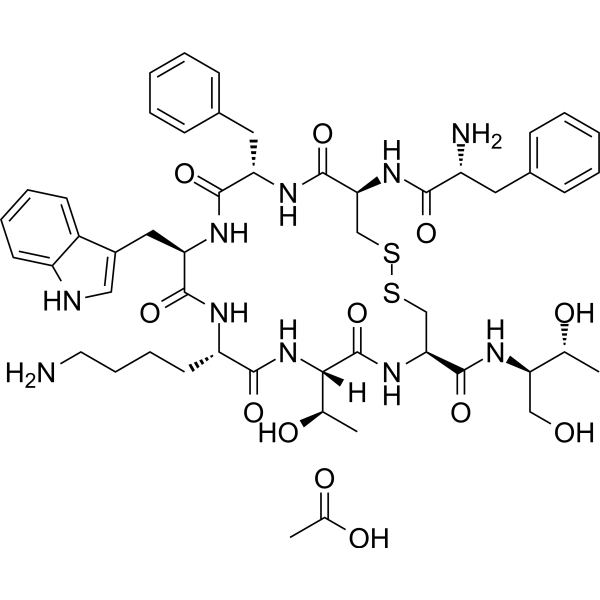
    Octreotide (SMS 201-995) hydrochloride is a somatostatin receptor agonist and synthetic octapeptide endogenous somatostatin analogue. Octreotide hydrochloride can bind to the somatostatin receptors which are mainly subtypes 2, 3 and 5. Octreotide hydrochloride increases Gi activity and reduces intracellular cAMP production. Octreotide hydrochloride has antitumor activity, mediates apoptosis and may also be used in disease studies in acromegaly [2].
    Octreotide dihydrochloride
  • HY-P3850

    Neurokinin Receptor Neurological Disease
    (D-Pro2,D-Trp6,8,Nle10)-Neurokinin B is a competitive antagonist of Neurokinin B (Neurokinin Receptor) with a pA2 of 5.5. (D-Pro2,D-Trp6,8,Nle10)-Neurokinin B shows no influence on Substance P or Neurokinin A .
    (D-Pro2,D-Trp6,8,Nle10)-Neurokinin B
  • HY-P3880

    Neurokinin Receptor Neurological Disease
    (D-Arg1,D-Pro2,D-Trp7,9,L-Leu11)-Substance P is a neuropeptide Substance P (HY-P0201) antagonist .
    (D-Arg1,D-Pro2,D-Trp7,9,L-Leu11)-Substance P
  • HY-P3901

    Somatostatin Receptor Neurological Disease
    [Leu8,D-Trp22,Tyr25] Somatostatin-28 is the analog of Somatostatin-28. Somatostatin-28 is a intestinal peptide containing somatostatin in its C-terminal portion [2].
    [Leu8,D-Trp22,Tyr25] Somatostatin-28
  • HY-P10714

    Proteasome Apoptosis Deubiquitinase Cancer
    Ub4ix is a DUB/26S proteasome inhibitor. Ub4ix can protect K48-linked Ub chains from being chopped up by deubiquitinating enzymes (DUBs) and prevent the proteasomal degradation of Ub-tagged proteins. Ub4ix can reduce the viability of Hela cells and induce apoptosis, with an IC50 value of 1.6 μM [2].
    Ub4ix
  • HY-P1277

    Neurokinin Receptor Neurological Disease
    GR 94800 is a potent and selective NK2 receptor peptide antagonist, with pKB values of 9.6, 6.4 and 6.0 for NK2, NK1 and NK3 receptors, respectively [2].
    GR 94800
  • HY-P1329

    Opioid Receptor Neurological Disease
    CTOP is a potent and highly selective μ-opioid receptor antagonist. CTOP antagonizes the acute morphine-induced analgesic effect and hypermotility. CTOP enhances extracellular dopamine levels in the nucleus accumbens. CTOP dose-dependently enhances locomotor activity [2].
    CTOP
  • HY-P2161

    Kisspeptin Receptor Cancer
    TAK-683 is a potent full KISS1 receptor (KISS1R) agonist (IC50=170 pM) with improved metabolic stability. TAK-683 is a nonapeptide metastin analog, exhibits agonistic activities to KISS1R with EC50 values of 0.96 nM and 1.6 nM for human and rat, respectively . TAK-683 depletes GnRH in the hypothalamus and reduces plasma FSH, LH, and testosterone levels in vivo, it has the potential for the study of hormone-dependent prostate cancer [2] .
    TAK-683
  • HY-P3124

    Somatostatin Receptor Cancer
    BIM-23190, a somatostatin analog, a selective SSTR2 and SSTR5 agonist, exhibits Ki values of 0.34 nM and 11.1 nM for SSTR2 and SSTR5, respectively. BIM-23190 can be used in the study for cancer and acromegaly .
    BIM-23190
  • HY-P10519

    Bacterial Reactive Oxygen Species (ROS) Infection
    Brevicidine is an antimicrobial peptide with selective bactericidal activity against Gram-negative pathogens. Brevicidine disrupts bacterial morphology by binding to lipopolysaccharide (LPS) on the bacterial cell membrane to form pores. Brevicidine causes dissipation of intracellular proton motive force, outer membrane damage, inhibition of ATP biosynthesis and reactive oxygen species accumulation in bacterial cells. As a sensitizer, Brevicidine exerts synergistic activity when combined with a variety of conventional antibiotics [2].
    Brevicidine
  • HY-151413A

    Neurokinin Receptor Neurological Disease
    MEN 10207 (acetate) is a selective antagonist of the NK-2 tachykinin receptor. MEN 10207 (acetate) induces tachykinin-induced contractions in rat bladder and guinea pig airways in vivo. MEN 10207 (acetate) inhibits [β-Ala 8 ]-NKA (4-10)-induced enhancement of bladder motility in anesthetized rats and [β-Ala 8 ]-NKA (4-10)-induced enhancement of bronchoconstriction in anesthetized guinea pigs .
    MEN 10207 acetate

Inquiry Online

Your information is safe with us. * Required Fields.

Salutation


Country or Region *

Applicant Name *


Organization Name *

Department *


Email Address *


Product Name *

Cat. No.


Requested quantity *

Phone Number *


Remarks

Inquiry Online

Inquiry Information

Product Name:
Cat. No.:
Quantity:
MCE Japan Authorized Agent:

