1. Search Result
Search Result
Pathways Recommended: Anti-infection
Results for "

acute oral infection

" in MedChemExpress (MCE) Product Catalog:

69

Inhibitors & Agonists

10

Natural
Products

10

Isotope-Labeled Compounds

Cat. No. Product Name Target Research Areas Chemical Structure
  • HY-17422
    Acyclovir
    20+ Cited Publications

    Aciclovir; Acycloguanosine

    HSV Apoptosis Antibiotic Bacterial Infection Cancer
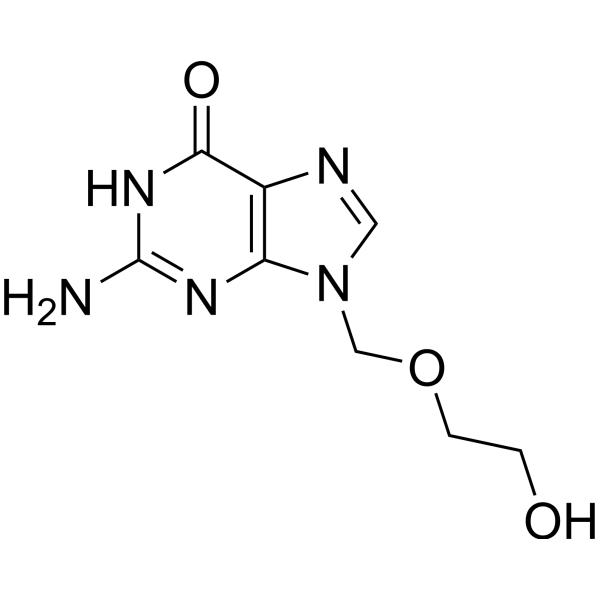
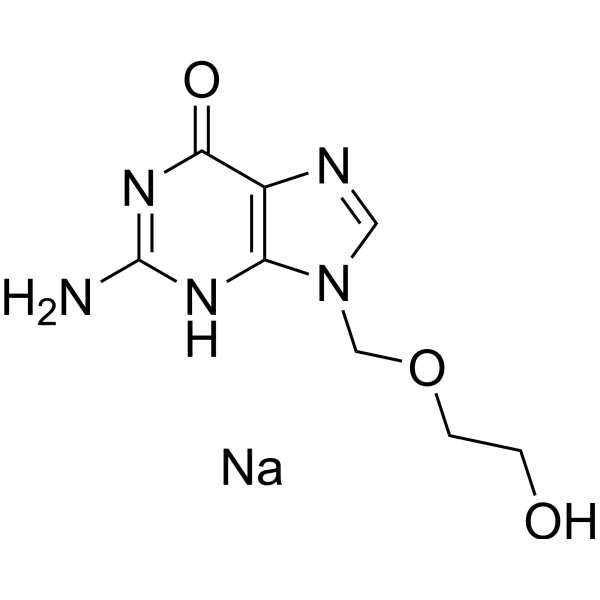
    Acyclovir (Aciclovir) is a potent, orally active antiviral agent. Acyclovir has antiherpetic activity with IC50 values of 0.85 μM and 0.86 μM for HSV-1 and HSV-2, respectively. Acyclovir induces cell cycle perturbation and apoptosis. Acyclovir prevents bacterial infections during induction therapy for acute leukaemia .
    Acyclovir
  • HY-13560
    AVN-944
    5 Publications Verification

    VX-944

    Arenavirus DNA/RNA Synthesis Apoptosis Caspase Bcl-2 Family Infection Cancer
    AVN-944 (VX-944) is an orally active, potent, selective, noncompetitive and specific inhibitor of IMPDH (inosine monophosphate dehydrogenase). AVN-944 is an essential rate-limiting enzyme in de novo guanine nucleotide synthesis. AVN-944 is also an inhibitor of arenavirus RNA synthesis, and blocks arenavirus infection. AVN-944 has broad anti-cancer activities, and can be used for multiple myeloma (MM) and acute myeloid leukemia (AML) research .
    AVN-944
  • HY-113308
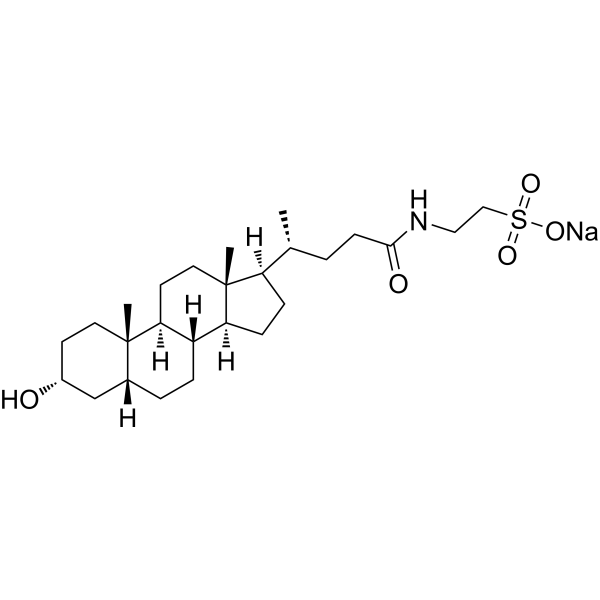
    Taurolithocholic acid
    5+ Cited Publications

    Calcium Channel Ferroptosis PI3K Akt HBV Reactive Oxygen Species (ROS) Cardiovascular Disease Infection Inflammation/Immunology
    Taurolithocholic acid is an orally active bile acid and antiviral agent. Taurolithocholic acid upregulates FADS2 by activating the TGR5-PI3K/AKT-SREBP2 signaling axis, inhibits SFTSV-induced ferroptosis (Ferroptosis), viral replication and viral entry of HBV/HDV, while reducing the release of IL-1β, lipid ROS and LDH. While exerting antiviral protective effects, Taurolithocholic acid also stimulates the recycling of hepatocellular membrane transporters, impairs canalicular bile acid secretion function, and induces hepatocyte cholestasis, apoptosis and acute hepatocellular injury. Taurolithocholic acid serves as an experimental model compound for hepatocellular cholestasis. At concentrations ≤200 μM, Taurolithocholic acid shows no cytotoxicity and does not activate the interferon pathway. Taurolithocholic acid not only protects mice from lethal SFTSV infection but also is suitable for studies related to severe fever with thrombocytopenia syndrome and cholestasis .
    Taurolithocholic acid
  • HY-W094474
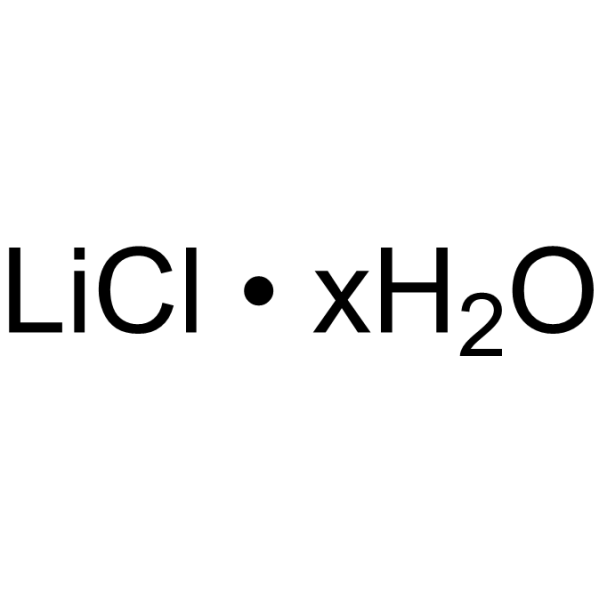
    Lithium chloride hydrate
    5+ Cited Publications

    hydrate/monohydrateortrihydrate

    GSK-3 Apoptosis Infection Neurological Disease
    Lithium chloride hydrate, an orally active mood stabilizer, is a potent virus inhibitor and effective immunomodulatory agent. Lithium chloride hydrate has antidepressant activity by inhibiting GSK3β and promoting neurogenesis. Lithium chloride hydrate alleviates cognition dysfunction and the symptoms of acute mania and depression. Lithium chloride hydrate can also be used for research of virus infection and Alzheimer's disease .
    Lithium chloride hydrate
  • HY-164036

    Antibiotic Bacterial Infection
    Lolamicin is an orally effective inhibitor that specifically targets the Gram-negative bacteria lipoprotein transport system LolCDE complex. It selectively inhibits the transmembrane transport of outer membrane lipoproteins by competitively binding to lipoprotein binding sites. Lolamicin destroys the integrity of the bacterial outer membrane, leading to cell death, and has both bactericidal and antibacterial activity. It has significant effects on multidrug-resistant Enterobacteriaceae pathogens (such as Escherichia coli and Klebsiella pneumoniae). Lolamicin can be used to inhibit the study of acute pneumonia, sepsis and other infections caused by Gram-negative bacteria .
    Lolamicin
  • HY-155033

    Stearoyl-CoA Desaturase (SCD) DNA/RNA Synthesis Apoptosis Autophagy mTOR Influenza Virus Metabolic Disease Inflammation/Immunology Cancer
    SSI-4 is an orally active stearoyl-CoA desaturase (SCD1) inhibitor with an EC50 of 1.9 nM against mouse SCD1. SSI-4 blocks the conversion of saturated fatty acids to monounsaturated fatty acids, reducing the production of oleic acid and palmitoleic acid. SSI-4 induces lipid peroxidation, endoplasmic reticulum stress, DNA damage and activates apoptotic mechanisms. SSI-4 inhibits mTORC1 activity, suppresses B cell proliferation and antibody production, and induces autophagy. SSI-4 is applicable to research on cancers such as acute myeloid leukemia and renal cell carcinoma, as well as influenza infections .
    SSI-4
  • HY-113308A
    Taurolithocholic acid sodium salt
    Maximum Cited Publications
    6 Publications Verification

    Calcium Channel Ferroptosis PI3K Reactive Oxygen Species (ROS) Akt HBV Metabolic Disease
    Taurolithocholic acid sodium salt is an orally active bile acid and antiviral agent. Taurolithocholic acid sodium salt upregulates FADS2 by activating the TGR5-PI3K/AKT-SREBP2 signaling axis, inhibits SFTSV-induced ferroptosis, viral replication and viral entry of HBV/HDV, while reducing the release of IL-1β, lipid ROS and LDH. While exerting antiviral protective effects, Taurolithocholic acid sodium salt also stimulates the recycling of hepatocellular membrane transporters, impairs canalicular bile acid secretion function, and induces hepatocyte cholestasis, apoptosis and acute hepatocellular injury. Taurolithocholic acid sodium salt serves as an experimental model compound for hepatocellular cholestasis. At concentrations ≤200 μM, Taurolithocholic acid sodium salt shows no cytotoxicity and does not activate the interferon pathway. Taurolithocholic acid sodium salt not only protects mice from lethal SFTSV infection but also is suitable for studies related to severe fever with thrombocytopenia syndrome and cholestasis .
    Taurolithocholic acid sodium salt
  • HY-14865
    Omadacycline
    Maximum Cited Publications
    32 Publications Verification

    PTK 0796; Amadacycline

    Bacterial Antibiotic Infection
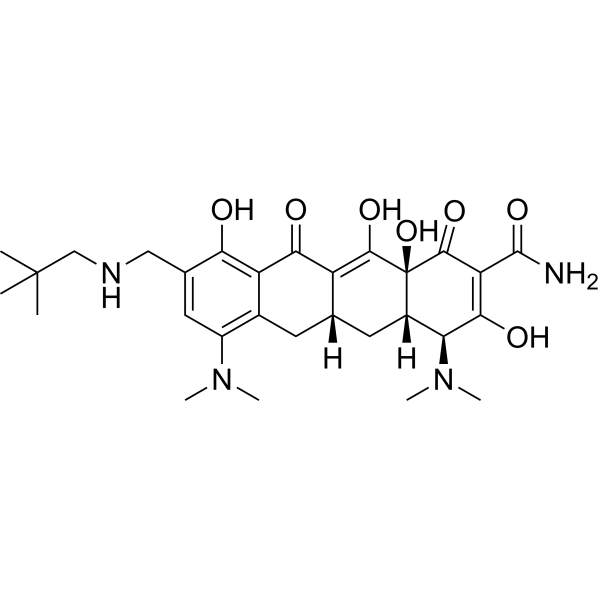
    Omadacycline (PTK 0796), a first-in-class orally active aminomethylcycline antibacterial, is a member of the tetracycline class of antibiotics. Omadacycline acts through the inhibition of bacterial protein synthesis by binding to the 30S ribosomal subunit. Omadacycline possesses broad-spectrum antibacterial activity against aerobic and anaerobic Gram-positive and Gram-negative bacteria, as well as atypical bacteria. Omadacycline can be used for the research of acute bacterial skin and skin-structure infections, community-acquired pneumonia, and urinary tract infections .
    Omadacycline
  • HY-13836

    Parasite Infection
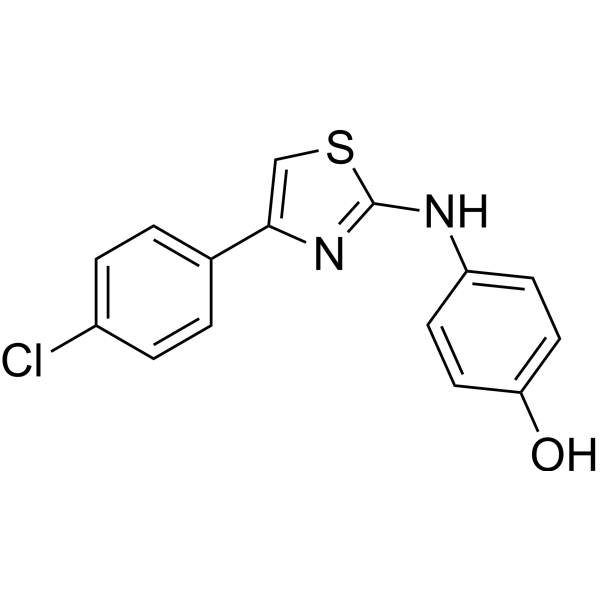
    ELQ-300 is a potent and orally bioavailable antimalarial agent, acts as an inhibitor of the reductive (Qi) site of the cytochrome bc1 complex (cyt bc1). ELQ-300 inhibits growth of P. falciparum Dd2, Tm90-C2B, and D1 with IC50 values of 6.6, 4.6 and 160 nM, respectively. ELQ-300 can be used for the research of antimalarial .
    ELQ-300
  • HY-14865B
    Omadacycline tosylate
    Maximum Cited Publications
    32 Publications Verification

    PTK 0796 tosylate; Amadacycline tosylate

    Bacterial Antibiotic Infection
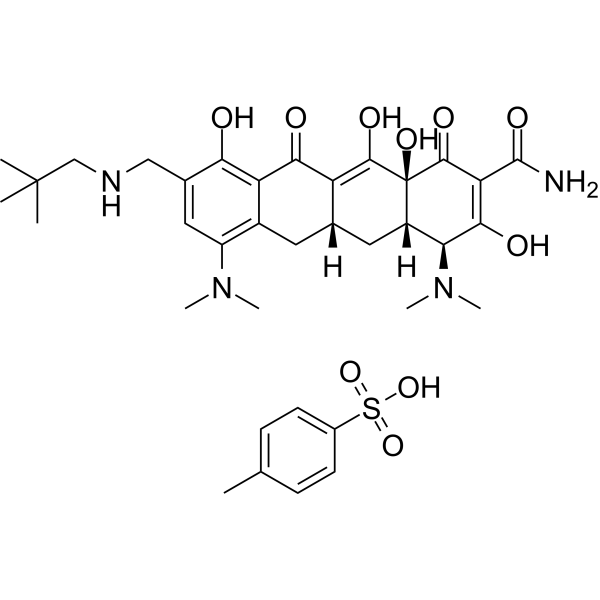
    Omadacycline (PTK 0796) tosylate, a first-in-class orally active aminomethylcycline antibacterial, is a member of the tetracycline class of antibiotics. Omadacycline tosylate acts through the inhibition of bacterial protein synthesis by binding to the 30S ribosomal subunit. Omadacycline tosylate possesses broad-spectrum antibacterial activity against aerobic and anaerobic Gram-positive and Gram-negative bacteria, as well as atypical bacteria. Omadacycline tosylate can be used for the research of acute bacterial skin and skin-structure infections, community-acquired pneumonia, and urinary tract infections .
    Omadacycline tosylate
  • HY-16764

    JNJ-Q2

    Bacterial Antibiotic Infection Inflammation/Immunology
    Avarofloxacin (JNJ-Q2) is a broad-spectrum fluoroquinolone antibacterial agent being developed for the treatment of acute bacterial skin and skin-structure infections and community-acquired pneumonia with oral activity. Avarofloxacin (JNJ-Q2) is an aminoethylidenylpiperidine fluoroquinolone that demonstrates antibacterial effect against numerous Gram-positive bacteria with a mean 0.12 mg/L MIC90 value. Avarofloxacin (JNJ-Q2) has potential for treatment of methicillin-resistant Staphylococcus aureus (MRSA) infections .
    Avarofloxacin
  • HY-128423
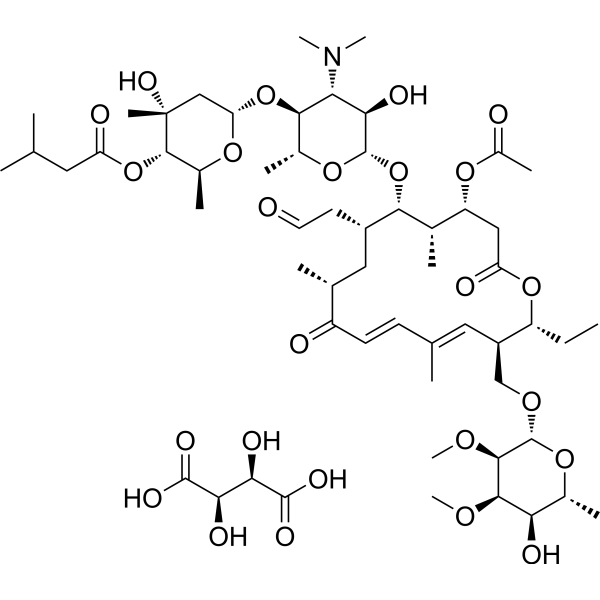
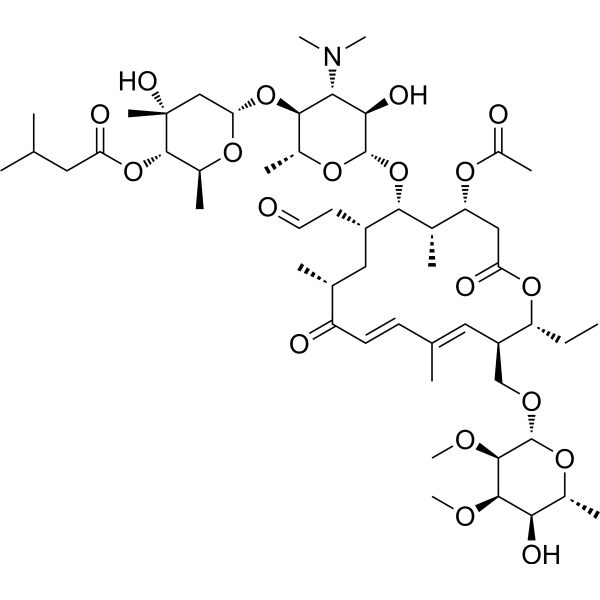
    Tylvalosin tartrate
    2 Publications Verification

    Acetylisovaleryltylo​sin tartrate

    Antibiotic Bacterial NF-κB Apoptosis Infection Inflammation/Immunology
    Tylvalosin (Acetylisovaleryltylosin) tartrate is an orally active, broad-spectrum macrolide antibiotic with antimicrobial activity. Tylvalosin tartrate is an antiviral agent useful in studying PRRSV infection. Tylvalosin tartrate induces apoptosis. Tylvalosin tartrate also has anti-inflammatory activity, relieves oxidative stress, and alleviates acute lung injury by inhibiting NF-κB activation .
    Tylvalosin tartrate
  • HY-N0444

    Reactive Oxygen Species (ROS) NF-κB HBV Apoptosis Bacterial Fungal Parasite Infection Neurological Disease Metabolic Disease Inflammation/Immunology Cancer
    Rubiadin is an orally active free radical scavenger that inhibits the activation of the NF-κB pathway. Rubiadin inhibits osteoclast formation, bone resorption, lipid peroxidation, HBV DNA replication and cancer cell proliferation; reduces pro-inflammatory cytokine levels; induces cancer cell apoptosis; and possesses antifungal, antimalarial, antibacterial and anticonvulsant activities. Rubiadin can be used in the research of osteoporosis, acute inflammation, chronic inflammation, carbon tetrachloride-induced liver injury, Alzheimer's disease, breast cancer, iron overload disorders, hepatitis B virus infection, colon cancer, liver cancer, T-lymphocytic leukemia, cervical cancer, diabetic nephropathy, epileptic seizures, fungal infections, malaria and bacterial infections .
    Rubiadin
  • HY-159688
    Cefditoren
    1 Publications Verification

    Antibiotic Bacterial Penicillin-binding protein (PBP) Interleukin Related Infection
    Cefditoren is a broad-spectrum oral active cephalosporin that acts as a penicillin-binding protein (PBP) inhibitor. Cefditoren binds to specific PBPs in Gram-positive and Gram-negative bacteria, thereby inhibiting cell wall synthesis. Cefditoren also reduces serum levels of the inflammatory biomarkers IL-6 and KL-6. Cefditoren can be used in research related to acute exacerbation of chronic bronchitis, pharyngitis-tonsillitis, uncomplicated skin and skin structure infections, respiratory tract infections, acute pyelonephritis, and enterococcal endocarditis .
    Cefditoren
  • HY-17452A

    Cefditoren pivoxyl; Cefditoren pivaloyloxymethyl ester; ME 1207

    Beta-lactamase Bacterial Antibiotic Infection Inflammation/Immunology
    Cefditoren Pivoxil (ME 1207) is a broad-spectrum, third-generation, oral cephalosporin antibacterial with enhanced stability against many common β lactamases. Cefditoren Pivoxil has activity against Gram-negative organisms and Gram-positive organisms. Cefditoren Pivoxil can be used in the research of infection diseases such as acute exacerbations of chronic bronchitis, community-acquired pneumonia (CAP), streptococcal pharyngitis/tonsillitis, or uncomplicated skin and skin structure infections .
    Cefditoren Pivoxil
  • HY-128423A
    Tylvalosin
    2 Publications Verification

    Acetylisovaleryltylo​sin

    Antibiotic Bacterial NF-κB Apoptosis Infection Inflammation/Immunology Cancer
    Tylvalosin (Acetylisovaleryltylo?sin) is an orally active, broad-spectrum macrolide antibiotic with antimicrobial activity. Tylvalosin is an antiviral agent used to study PRRSV infection. Tylvalosin induces apoptosis. Tylvalosin also has anti-inflammatory activity, alleviates oxidative stress, and alleviates acute lung injury by inhibiting NF-κB activation .
    Tylvalosin
  • HY-A0130

    Sulfametopyrazine; AS-18908

    Parasite Bacterial Infection Inflammation/Immunology
    Sulfalene (Sulfametopyrazine) is an orally active antimalarial agent. Sulfalene competes with para-aminobenzoic acid in plasmodial and bacterial folic acid synthesis pathways. Sulfalene reduces trachoma-associated pathological changes. Sulfalene can be used for the research of acute falciparum malaria, Schistosoma mansoni infection, trachoma, chronic bronchitis, and bacteriuria in pregnancy .
    Sulfalene
  • HY-14865C
    Omadacycline hydrochloride
    Maximum Cited Publications
    32 Publications Verification

    PTK0796 hydrochloride; Amadacycline hydrochloride

    Bacterial Antibiotic Infection
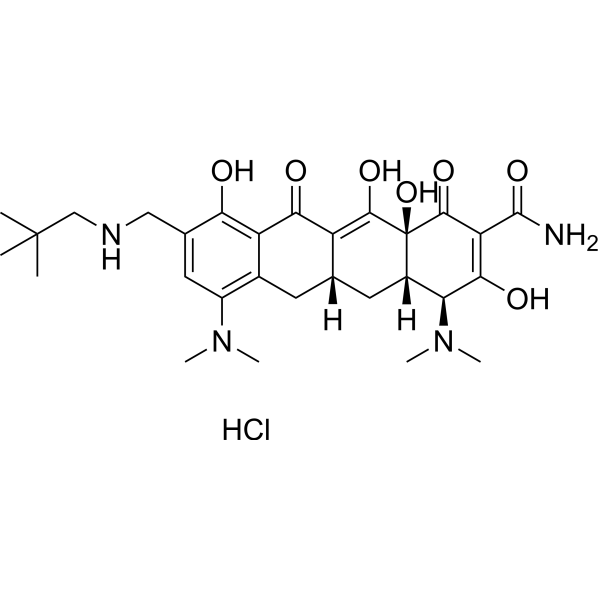
    Omadacycline (PTK 0796) hydrochloride, a first-in-class orally active aminomethylcycline antibacterial, is a member of the tetracycline class of antibiotics. Omadacycline hydrochloride acts through the inhibition of bacterial protein synthesis by binding to the 30S ribosomal subunit. Omadacycline hydrochloride possesses broad-spectrum antibacterial activity against aerobic and anaerobic Gram-positive and Gram-negative bacteria, as well as atypical bacteria. Omadacycline hydrochloride can be used for the research of acute bacterial skin and skin-structure infections, community-acquired pneumonia, and urinary tract infections .
    Omadacycline hydrochloride
  • HY-17422A
    Acyclovir sodium
    20+ Cited Publications

    Aciclovir sodium; Acycloguanosine sodium

    HSV Apoptosis Antibiotic Bacterial Infection Cancer
    Acyclovir (Aciclovir) sodium is a potent, orally active antiviral agent. Acyclovir sodium has antiherpetic activity with IC50 values of 0.85 μM and 0.86 μM for HSV-1 and HSV-2, respectively. Acyclovir sodium induces cell cycle perturbation and apoptosis. Acyclovir sodium prevents bacterial infections during induction therapy for acute leukaemia .
    Acyclovir sodium
  • HY-N7101

    U-76,252; CS-807

    Bacterial Antibiotic Penicillin-binding protein (PBP) Infection
    Cefpodoxime Proxetil is an orally active broad spectrum third-generation cephalosporin with potent antibacterial activity against both Gram-positive and Gram-negative bacteria including staphylococci, streptococci, Haemophilus influenzae, Neisseria gonorrhoeae, Escherichia coli, Klebsiella pnuemoniae, Citrobacter spp, and Proteus spp. Cefpodoxime Proxetil binds to penicillin binding proteins (PBPs), which inhibits peptidoglycan synthesis, finally results in interfering bacterial cell wall biosynthesis. Cefpodoxime Proxetil can be used against skin structure infections, acute otitis media, pharyngitis, tonsillitis, upper respiratory tract infection, urinary tract infections and sexually transmitted diseases .
    Cefpodoxime Proxetil
  • HY-14837

    Enisamium iodide

    Influenza Virus SARS-CoV Infection
    Amizon is an orally effective antiviral and anti-inflammatory agent. Amizon inhibits influenza virus replication and restricts viral RNA synthesis. Amizon reduces the mRNA expression of COX-1, COX-2, NF-κB, TGF1β, IL-1 and IL-6, and stimulates the secretion and mRNA expression of IL-10. Amizon inhibits the oxidative activity of macrophages and possesses antioxidant and free radical-scavenging activities. Amizon is applicable to research related to influenza and acute respiratory viral infections .
    Amizon
  • HY-N10549
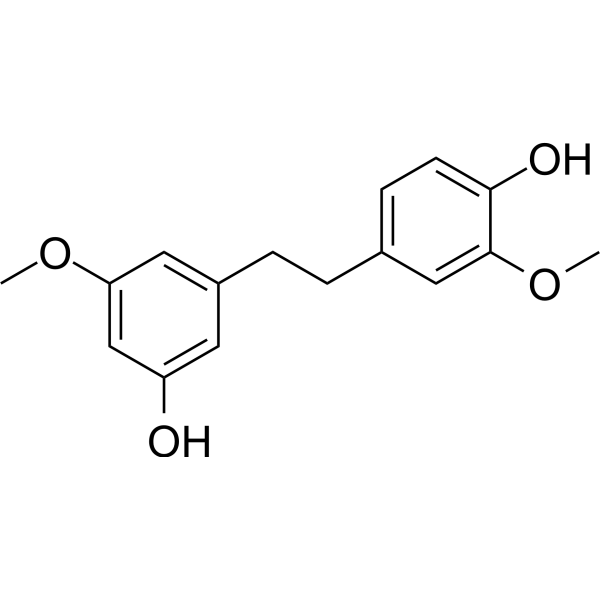
    Gigantol
    1 Publications Verification

    Ferroptosis c-Myc Glutathione Peroxidase JNK Reactive Oxygen Species (ROS) GSK-3 Infection Metabolic Disease Cancer
    Gigantol is an orally active bibenzyl compound. Gigantol targets MYC to promote its ubiquitin-proteasomal degradation and inhibit the growth of lung cancer cells. Gigantol exerts anti-lung cancer activity by inducing ferroptosis (Ferroptosis) via the SLC7A11-GPX4 axis. Gigantol restores the sensitivity of mcr-harboring multidrug-resistant bacteria to colistin. Gigantol ameliorates carbon tetrachloride-induced liver injury by inhibiting the activation of the JNK/cPLA2/12-LOX inflammatory pathway. Gigantol promotes cholesterol metabolism and progesterone biosynthesis in Leydig cells. Gigantol can be used in studies related to diseases such as lung cancer, multidrug-resistant Gram-negative bacterial infections, and acute liver injury .
    Gigantol
  • HY-N5112A
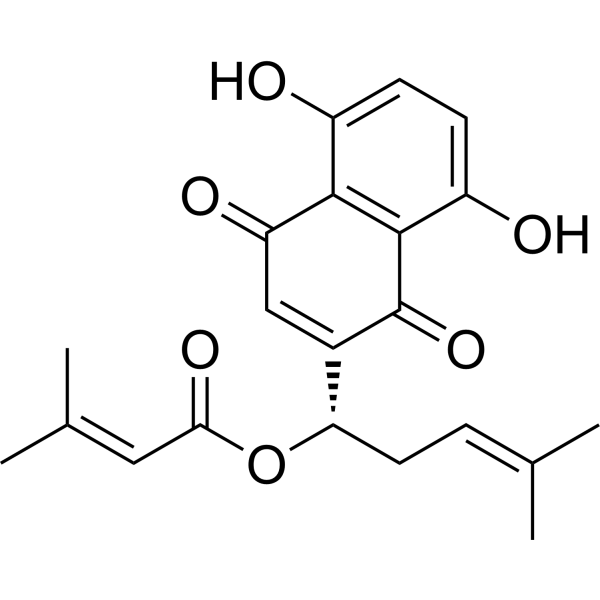
    β,β-Dimethylacrylalkannin
    3 Publications Verification

    Arnebin 1

    FGFR Necroptosis Apoptosis CDK JNK Inflammation/Immunology
    β,β-Dimethylacrylalkannin (Arnebin 1) is an orally active FGFR1 inhibitor (IC50=2.5 μM) and the main active component of Lithospermum erythrorhizon. β,β-Dimethylacrylalkannin blocks downstream signaling by binding to the ATP pocket of FGFR1, and regulates the CDK1/Cdc25C pathway and ROS-JNK axis, thereby inducing G2/M phase arrest, necrosis and apoptosis in cancer cells, and inhibiting tumor proliferation. β,β-Dimethylacrylalkannin also acts as a colistin adjuvant to disrupt the cell membrane of Gram-negative bacteria. β,β-Dimethylacrylalkannin exhibits significant tumor-inhibitory effects with no obvious toxicity in PDX models, but chronic exposure to high doses may alter the relative lung/liver weights of rats, while acute exposure to high doses causes responses such as reduced motor activity. β,β-Dimethylacrylalkannin finds wide application in studies related to hepatocellular carcinoma, colorectal cancer, colistin-resistant bacterial infections, hepatitis and psoriasis .
    β,β-Dimethylacrylalkannin
  • HY-A0161A

    Clofedanol hydrochloride; Calmotusin hydrochloride; NSC 113595 hydrochloride

    Others Infection
    Chlophedianol (Clofedanol) hydrochloride is an orally active and potent antitussive agent. Chlophedianol hydrochloride can be used for the research of acute cough due to upper respiratory tract infections (URIs) .
    Chlophedianol hydrochloride
  • HY-17422R

    Aciclovir (Standard); Acycloguanosine (Standard)

    Reference Standards HSV Apoptosis Antibiotic Bacterial Infection Cancer
    Acyclovir (Standard) is the analytical standard of Acyclovir. This product is intended for research and analytical applications. Acyclovir (Aciclovir) is a potent, orally active antiviral agent. Acyclovir has antiherpetic activity with IC50 values of 0.85 μM and 0.86 μM for HSV-1 and HSV-2, respectively. Acyclovir induces cell cycle perturbation and apoptosis. Acyclovir prevents bacterial infections during induction therapy for acute leukaemia .
    Acyclovir (Standard)
  • HY-17422S1

    Aciclovir-d4; Acycloguanosine-d4

    Isotope-Labeled Compounds HSV Bacterial Apoptosis Antibiotic Infection Cancer
    Acyclovir-d4 is the deuterium labeled Acyclovir. Acyclovir (Aciclovir) is a guanosine analogue and an orally active antiviral agent. Acyclovir inhibits HSV-1 (IC50 of 0.85 μM), HSV-2 (IC50 of 0.86 μM) and varicella-zoster virus. Acyclovir can be phosphorylated by viral thymidine kinase (TK), and Acyclovir triphosphate interferes with viral DNA polymerization through competitive inhibition with guanosine triphosphate and obligatory chain termination . Acyclovir prevents bacterial infections during induction therapy for acute leukaemia .
    Acyclovir-d4
  • HY-172242

    Cathepsin Dipeptidyl Peptidase Inflammation/Immunology
    Verducatib (BI 1291583) is an orally active inhibitor of cathepsin C (also known as DPP1). Verducatib restores the protease-inhibitor balance by inhibiting the activation of neutrophil serine proteases, thereby alleviating pulmonary inflammation and regulating infection responses. Verducatib significantly reduces the risk (including severe exacerbations) and frequency of acute exacerbations in bronchiectasis (BE). Verducatib also improves lung function and quality of life, and shortens the duration of antibiotic use. The overall incidence of adverse events of Verducatib is comparable to that of placebo, with only slightly more mild-to-moderate cutaneous adverse events observed in the high-dose group, demonstrating promising clinical application potential .
    Verducatib
  • HY-N0469R

    Reference Standards Endogenous Metabolite Virus Protease HSV Infection Metabolic Disease Inflammation/Immunology
    L-Lysine (Standard) is the analytical standard of L-Lysine. This product is intended for research and analytical applications. L-lysine is an essential amino acid for humans with orally activity. L-lysine can inhibit the occurrence of HSV infections and is used in herpes research. L-lysine increases calcium absorption, reduces diabetes-related diseases, improves gut health, and alleviates pancreatic inflammation. L-lysine can be used in research on metabolism, infection, and inflammation . IC50 & Target:L-lysine (150 mg/kg) promotes, but not initiates, bladder cancer. The administration of L-lysine to rats submitted to colovesical cystoplasty accelerates the development of transitional metaplasia of the intestinal epithelium .
    L-lysine (10 mg/kg) treatment attenuates pancreatic tissue injury induced by L-arginine by inhibiting the release of the inflammatory cytokine IL-6 and enhance antioxidant activity . In Vivo:L-lysine (10?mg/kg, p.o., pre-treated or post-treated, administration duration 15 days) treatment attenuates pancreatic tissue injury induced by L-arginine by inhibiting the release of the inflammatory cytokine IL-6 and enhance antioxidant activity in acute pancreatitis mice model . L-lysine (5 or 10?mg/kg, p.o., 45 days) ameliorates sepsis-induced acute lung injury in a lipopolysaccharide (HY-D1056)-induced mouse model .
    L-Lysine (Standard)
  • HY-N0885
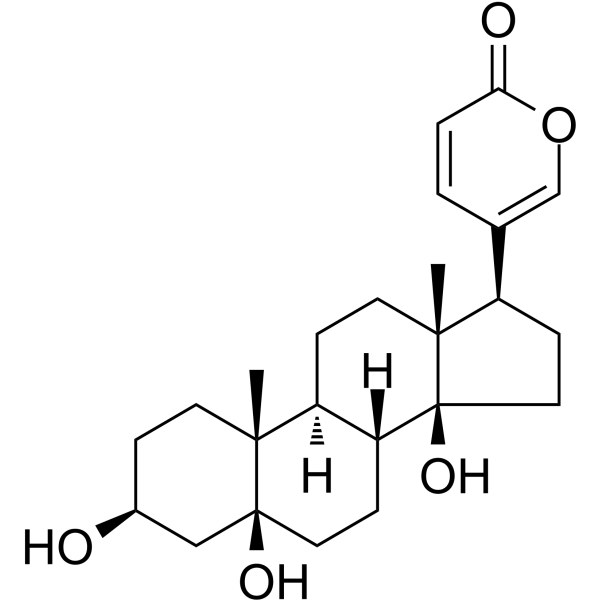
    Telocinobufagin
    1 Publications Verification

    Telobufotoxin; Telocinobufogenin

    JAK STAT mTOR PI3K Akt Polo-like Kinase (PLK) Na+/K+ ATPase Apoptosis Bacterial Infection Cardiovascular Disease Neurological Disease Inflammation/Immunology Cancer
    Telocinobufagin (Telobufotoxin; Telocinobufogenin) is an orally active bufadienolide with potential anti-tumor effects. Telocinobufagin exerts its anti-cancer effects on non-small cell carcinoma, osteosarcoma, thyroid cancer, breast cancer and head and neck squamous cell carcinoma by inhibiting the STAT3, JAK2/STAT3, LARP1-mTOR, PI3K/Akt/Snail and PLK1 pathways, and can also induce tumor cell apoptosis. Telocinobufagin enhances the Th1 immune response and protects against Salmonella typhimurium infection. Telocinobufagin has a strong cardiac-stimulating effect by inhibiting the activity of Na +/K +-ATPase, and it can promote renal fibrosis. Telocinobufagin demonstrates non-opioid analgesic effects in various acute pain models .
    Telocinobufagin
  • HY-N6924
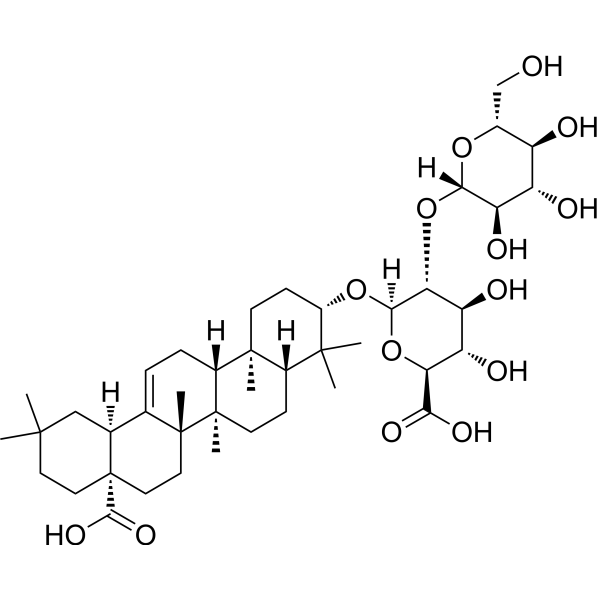
    Zingibroside R1
    1 Publications Verification

    HIV PIN1 Fungal GLUT Reactive Oxygen Species (ROS) Infection Neurological Disease Metabolic Disease Cancer
    Zingibroside R1 is an orally active triterpene saponin with multiple biological activities including antioxidant, anti-inflammatory, antiviral, and metabolic regulatory properties. Zingibroside R1 reduces the expression of PIN family members, inhibits the expression of PLT1/PLT2, WOX5, SHR, and SCR, disrupts auxin transport and distribution, triggers plant ROS responses, and inhibits root growth. Zingibroside R1 extends the lifespan of Caenorhabditis elegans, enhances its heat stress resistance, and improves its motor ability. Hydrogel derivatives of Zingibroside R1 inhibit the proliferation of Candida albicans by binding to its β-1,3-glucan and exhibit antifungal activity. Zingibroside R1 inhibits GLUT1-mediated uptake and alleviates liver injury. Zingibroside R1 can be used in research related to neurodegenerative diseases, vulvovaginal candidiasis, acute liver injury, Ehrlich ascites tumor and HIV-1 infection .
    Zingibroside R1
  • HY-B2115

    Bacterial Inflammation/Immunology
    Sulfogaiacol is a cough suppressant with expectorant properties, and it can be used for research on acute respiratory infections with oral activity .
    Sulfogaiacol
  • HY-17452
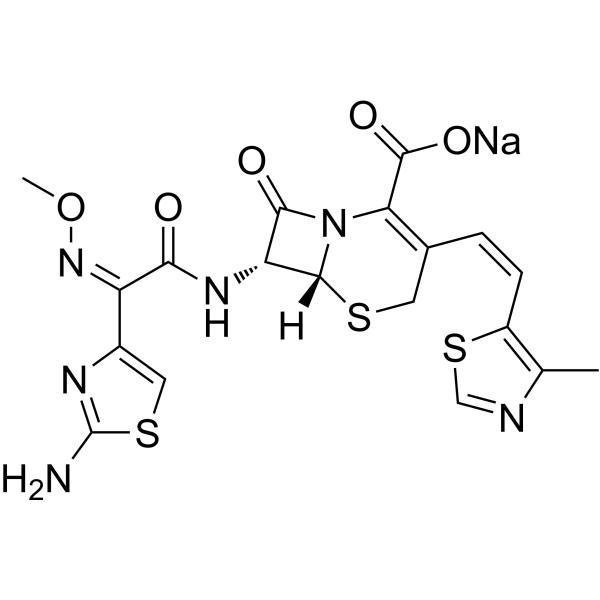
    Cefditoren sodium
    1 Publications Verification

    ME 1206

    Beta-lactamase Bacterial Infection Inflammation/Immunology
    Cefditoren sodium (ME 1206) is a broad-spectrum, third-generation, oral cephalosporin antibacterial with enhanced stability against many common β lactamases. Cefditoren sodium has activity against Gram-negative organisms and Gram-positive organisms. Cefditoren sodium can be used in the research of infection diseases such as acute exacerbations of chronic bronchitis, community-acquired pneumonia (CAP), streptococcal pharyngitis/tonsillitis, or uncomplicated skin and skin structure infections .
    Cefditoren sodium
  • HY-113308S1

    Isotope-Labeled Compounds Calcium Channel Ferroptosis PI3K Reactive Oxygen Species (ROS) Akt HBV Others
    Taurolithocholic acid-d4 is deuterium labeled Taurolithocholic acid. Taurolithocholic acid is an orally active bile acid and antiviral agent. Taurolithocholic acid upregulates FADS2 by activating the TGR5-PI3K/AKT-SREBP2 signaling axis, inhibits SFTSV-induced ferroptosis, viral replication and viral entry of HBV/HDV, while reducing the release of IL-1β, lipid ROS and LDH. While exerting antiviral protective effects, Taurolithocholic acid also stimulates the recycling of hepatocellular membrane transporters, impairs canalicular bile acid secretion function, and induces hepatocyte cholestasis, apoptosis and acute hepatocellular injury. Taurolithocholic acid serves as an experimental model compound for hepatocellular cholestasis. At concentrations ≤200 μM, Taurolithocholic acid shows no cytotoxicity and does not activate the interferon pathway. Taurolithocholic acid not only protects mice from lethal SFTSV infection but also is suitable for studies related to severe fever with thrombocytopenia syndrome and cholestasis .
    Taurolithocholic acid-d4
  • HY-107798

    Bacterial Infection
    Potassium guaiacolsulfonate hemihydrate is an orally active expectorant used for acute respiratory tract infections. Potassium guaiacolsulfonate hemihydrate helps loosen mucus and used for a cough caused by the common cold, infections or allergies in combination with other agents .
    Potassium guaiacolsulfonate hemihydrate
  • HY-116229

    SB-265805; LB20304

    Antibiotic Bacterial Infection
    Gemifloxacin, a fluoroquinolone, is a potent and orally active antipneumococcal agent. Gemifloxacin shows bactericidal activity against highly quinolone-resistant pneumococci.Gemifloxacin can be used for the research of respiratory infections, such as community-acquired pneumonia (CAP) and acute exacerbation of chronic bronchitis (AECB) .
    Gemifloxacin
  • HY-139554

    KBP-7072

    Antibiotic Bacterial Infection
    Zifanocycline (KBP-7072) is a semisynthetic third-generation aminomethylcycline antibiotic that inhibits the normal function of the bacterial ribosome. Zifanocycline exhibits a broad spectrum of in vitro antibacterial activity against Gram-positive and Gram-negative bacteria, including many multidrug-resistant pathogens. Zifanocycline is available in both oral and injectable formulations. Zifanocycline can be used for the research of acute bacterial skin and skin structure infections, community-acquired bacterial pneumonia, and complicated intra-abdominal infections .
    Zifanocycline
  • HY-U00380

    Antibiotic Beta-lactamase Bacterial Infection
    Tigemonam is an orally active monobactam antibiotic with a Ki of 0.86 μM against Enterobacter cloacae P99 β-lactamase and 50.8 μM against Escherichia coli TEM-1 β-lactamase. Tigemonam binds to penicillin-binding proteins 1a, 3, and 4, inhibits bacterial cell wall synthesis, and exhibits bactericidal activity against aerobic gram-negative bacteria including Enterobacteriaceae, Haemophilus influenzae, and Neisseria gonorrhoeae. Tigemonam resists hydrolysis by multiple β-lactamase enzymes, reduces bacterial load in systemic, pyelonephritic, lung, and thigh muscle infections in rodents, and shows minimal difference between minimum inhibitory and bactericidal concentrations. Tigemonam can be used for the research of gram-negative bacterial infections, acute pyelonephritis, lung infection, and thigh muscle infection .
    Tigemonam
  • HY-155732

    Parasite Infection
    NPD-2975 (compound 30) is an orally active antitrypanosomal agent, against Human African Trypanosomiasis (HAT). NPD-2975 has low toxicity potential against human MRC-5 lung fibroblasts, and acute mouse model of T. b. brucei infection. NPD-2975 shows acceptable metabolic stability, inhibits T. b. brucei with IC500 of 70 nM in vitro. NPD-2975 also inhibits CYP enzymes resulted in IC50 values of 0.16 and 0.42 μM against CYP1A2 and CYP2C19, respectively .
    NPD-2975
  • HY-N10834

    Bacterial Infection
    (6E,12E)-Tetradecadiene-8,10-diyne-1,3-diol is an antibacterial compound. (6E,12E)-Tetradecadiene-8,10-diyne-1,3-diol can be isolated from the roots of Atractylodes japonica. (6E,12E)-Tetradecadiene-8,10-diyne-1,3-diol has anti-methicillin-resistant Staphylococcus aureus (MRSA) activity with MIC values of 4-32 μg/mL. (6E,12E)-Tetradecadiene-8,10-diyne-1,3-diol can be used for the research of bacterial infection . (6E,12E)-Tetradecadiene-8,10-diyne-1,3-diol is a click chemistry reagent, it contains an Alkyne group and can undergo copper-catalyzed azide-alkyne cycloaddition (CuAAc) with molecules containing Azide groups.
    (6E,12E)-Tetradecadiene-8,10-diyne-1,3-diol
  • HY-113308AR

    Reference Standards Calcium Channel Ferroptosis PI3K Reactive Oxygen Species (ROS) Akt HBV Metabolic Disease
    Taurolithocholic acid (sodium salt) (Standard) is the analytical standard of Taurolithocholic acid (sodium salt). This product is intended for research and analytical applications. Taurolithocholic acid sodium salt is an orally active bile acid and antiviral agent. Taurolithocholic acid sodium salt upregulates FADS2 by activating the TGR5-PI3K/AKT-SREBP2 signaling axis, inhibits SFTSV-induced ferroptosis, viral replication and viral entry of HBV/HDV, while reducing the release of IL-1β, lipid ROS and LDH. While exerting antiviral protective effects, Taurolithocholic acid sodium salt also stimulates the recycling of hepatocellular membrane transporters, impairs canalicular bile acid secretion function, and induces hepatocyte cholestasis, apoptosis and acute hepatocellular injury. Taurolithocholic acid sodium salt serves as an experimental model compound for hepatocellular cholestasis. At concentrations ≤200 μM, Taurolithocholic acid sodium salt shows no cytotoxicity and does not activate the interferon pathway. Taurolithocholic acid sodium salt not only protects mice from lethal SFTSV infection but also is suitable for studies related to severe fever with thrombocytopenia syndrome and cholestasis .
    Taurolithocholic acid sodium salt (Standard)
  • HY-163181

    Bacterial Infection
    MSU-43085 is an orally active MmpL3 inhibitor of Mycobacterium tuberculosis (Mtb). MSU-43085 effectively inhibits Mtb in an acute murine tuberculosis infection model. MSU-43085 can be used in tuberculosis research .
    MSU-43085
  • HY-17452AR

    Cefditoren pivoxyl (Standard); Cefditoren pivaloyloxymethyl ester (Standard); ME 1207 (Standard)

    Beta-lactamase Reference Standards Bacterial Antibiotic Infection Inflammation/Immunology
    Cefditoren Pivoxil (Standard) is the analytical standard of Cefditoren Pivoxil. This product is intended for research and analytical applications. Cefditoren Pivoxil (ME 1207) is a broad-spectrum, third-generation, oral cephalosporin antibacterial with enhanced stability against many common β lactamases. Cefditoren Pivoxil has activity against Gram-negative organisms and Gram-positive organisms. Cefditoren Pivoxil can be used in the research of infection diseases such as acute exacerbations of chronic bronchitis, community-acquired pneumonia (CAP), streptococcal pharyngitis/tonsillitis, or uncomplicated skin and skin structure infections .
    Cefditoren Pivoxil (Standard)
  • HY-14865BR

    PTK 0796 tosylate (Standard); Amadacycline tosylate (Standard)

    Reference Standards Bacterial Antibiotic Infection
    Omadacycline (tosylate) (Standard) is the analytical standard of Omadacycline (tosylate). This product is intended for research and analytical applications. Omadacycline (PTK 0796) tosylate, a first-in-class orally active aminomethylcycline antibacterial, is a member of the tetracycline class of antibiotics. Omadacycline tosylate acts through the inhibition of bacterial protein synthesis by binding to the 30S ribosomal subunit. Omadacycline tosylate possesses broad-spectrum antibacterial activity against aerobic and anaerobic Gram-positive and Gram-negative bacteria, as well as atypical bacteria. Omadacycline tosylate can be used for the research of acute bacterial skin and skin-structure infections, community-acquired pneumonia, and urinary tract infections .
    Omadacycline tosylate (Standard)
  • HY-N0444R

    Reference Standards Reactive Oxygen Species (ROS) Apoptosis Fungal Parasite NF-κB HBV Bacterial Infection Neurological Disease Metabolic Disease Inflammation/Immunology Cancer
    Rubiadin (Standard) is the analytical standard of Rubiadin (HY-N0444). This product is intended for research and analytical applications. Rubiadin is an orally active free radical scavenger that inhibits the activation of the NF-κB pathway. Rubiadin inhibits osteoclast formation, bone resorption, lipid peroxidation, HBV DNA replication and cancer cell proliferation; reduces pro-inflammatory cytokine levels; induces cancer cell apoptosis; and possesses antifungal, antimalarial, antibacterial and anticonvulsant activities. Rubiadin can be used in the research of osteoporosis, acute inflammation, chronic inflammation, carbon tetrachloride-induced liver injury, Alzheimer's disease, breast cancer, iron overload disorders, hepatitis B virus infection, colon cancer, liver cancer, T-lymphocytic leukemia, cervical cancer, diabetic nephropathy, epileptic seizures, fungal infections, malaria and bacterial infections.
    Rubiadin (Standard)
  • HY-172350

    SARS-CoV Virus Protease Interleukin Related Infection
    WEHI-P8 is an orally active SARS-CoV-2 papain-like protease (PLpro) inhibitor with an IC50 of 12 nM and a Kd of 9.0 nM. WEHI-P8 reduces viral load, body weight loss, pulmonary inflammation, immune cell infiltration and pro-inflammatory mediator levels in SARS-CoV-2-infected mice. WEHI-P8 prevents pulmonary hemorrhage, immune cell infiltration, fibrotic remodeling and neuroinflammation, and improves cognitive function in a mouse model of post-acute sequelae of SARS-CoV-2 infection (PASC). WEHI-P8 is applicable for the research of COVID-19 and PASC .
    WEHI-P8
  • HY-113308AS1

    Isotope-Labeled Compounds Calcium Channel Ferroptosis PI3K Reactive Oxygen Species (ROS) Akt HBV Metabolic Disease
    Taurolithocholic Acid-d5 (sodium) is the deuterium labeled Taurolithocholic acid sodium salt. Taurolithocholic Acid sodium salt is an orally active bile acid and antiviral agent. Taurolithocholic Acid sodium salt upregulates FADS2 by activating the TGR5-PI3K/AKT-SREBP2 signaling axis, inhibits SFTSV-induced ferroptosis, viral replication and viral entry of HBV/HDV, while reducing the release of IL-1β, lipid ROS and LDH. While exerting antiviral protective effects, Taurolithocholic Acid sodium salt also stimulates the recycling of hepatocellular membrane transporters, impairs canalicular bile acid secretion function, and induces hepatocyte cholestasis, apoptosis and acute hepatocellular injury. Taurolithocholic Acid sodium salt serves as an experimental model compound for hepatocellular cholestasis. At concentrations ≤200 μM, Taurolithocholic Acid sodium salt shows no cytotoxicity and does not activate the interferon pathway. Taurolithocholic Acid sodium salt not only protects mice from lethal SFTSV infection but also is suitable for studies related to severe fever with thrombocytopenia syndrome and cholestasis .
    Taurolithocholic Acid-d5 sodium salt
  • HY-A0161

    Clofedanol; Calmotusin; NSC 113595

    Others Infection
    Chlophedianol (Clofedanol) is an orally active and potent antitussive agent. Chlophedianol can be used for the research of acute cough due to upper respiratory tract infections (URIs) .
    Chlophedianol
  • HY-107798R

    Reference Standards Bacterial Infection
    Potassium guaiacolsulfonate (hemihydrate) (Standard) is the analytical standard of Potassium guaiacolsulfonate (hemihydrate). This product is intended for research and analytical applications. Potassium guaiacolsulfonate hemihydrate is an orally active expectorant used for acute respiratory tract infections. Potassium guaiacolsulfonate hemihydrate helps loosen mucus and used for a cough caused by the common cold, infections or allergies in combination with other agents .
    Potassium guaiacolsulfonate hemihydrate (Standard)
  • HY-A0161AR

    Clofedanol hydrochloride (Standard); Calmotusin hydrochloride (Standard); NSC 113595 hydrochloride (Standard)

    Sigma Receptor Reference Standards Infection
    Chlophedianol (hydrochloride) (Standard) is the analytical standard of Chlophedianol (hydrochloride). This product is intended for research and analytical applications. Chlophedianol (Clofedanol) hydrochloride is an orally active and potent antitussive agent. Chlophedianol hydrochloride can be used for the research of acute cough due to upper respiratory tract infections (URIs) .
    Chlophedianol hydrochloride (Standard)
  • HY-A0161S

    Clofedanol-13C6; Calmotusin-13C6; NSC 113595-13C6

    Isotope-Labeled Compounds Infection
    Chlophedianol- 13C6 is the 13C labeled Chlophedianol (HY-A0161). Chlophedianol is an orally active and potent antitussive agent. Chlophedianol can be used for the research of acute cough due to upper respiratory tract infections (URIs) .
    Chlophedianol-13C6

Inquiry Online

Your information is safe with us. * Required Fields.

Salutation


Country or Region *

Applicant Name *


Organization Name *

Department *


Email Address *


Product Name *

Cat. No.


Requested quantity *

Phone Number *


Remarks

Inquiry Online

Inquiry Information

Product Name:
Cat. No.:
Quantity:
MCE Japan Authorized Agent:

