



Telocinobufagin
Based on 1 publication(s) in Google Scholar
Telocinobufagin (Telobufotoxin; Telocinobufogenin) is an orally active bufadienolide with potential anti-tumor effects. Telocinobufagin exerts its anti-cancer effects on non-small cell carcinoma, osteosarcoma, thyroid cancer, breast cancer and head and neck squamous cell carcinoma by inhibiting the STAT3, JAK2/STAT3, LARP1-mTOR, PI3K/Akt/Snail and PLK1 pathways, and can also induce tumor cell apoptosis. Telocinobufagin enhances the Th1 immune response and protects against Salmonella typhimurium infection. Telocinobufagin has a strong cardiac-stimulating effect by inhibiting the activity of Na+/K+-ATPase, and it can promote renal fibrosis. Telocinobufagin demonstrates non-opioid analgesic effects in various acute pain models.
For research use only. We do not sell to patients.
- Purity : 99.50%
- CAS No.: 472-26-4
- Formula: C24H34O5
- Molecular Weight:402.52
-
Storage:Powder -20°C, 3 years , 4°C, 2 years ; In solvent -80°C, 2 years , -20°C, 1 year

To place orders, for customer services and technical support, please contact: MedChemExpress USA
Tel: 609-228-6898 E-mail: [email protected] [email protected]


-
 Biological Activity
-
Chemical Information
-
Solvent & Solubility
- Protocols
- Purity & Documentation
- References
-
 Help & FAQs


-
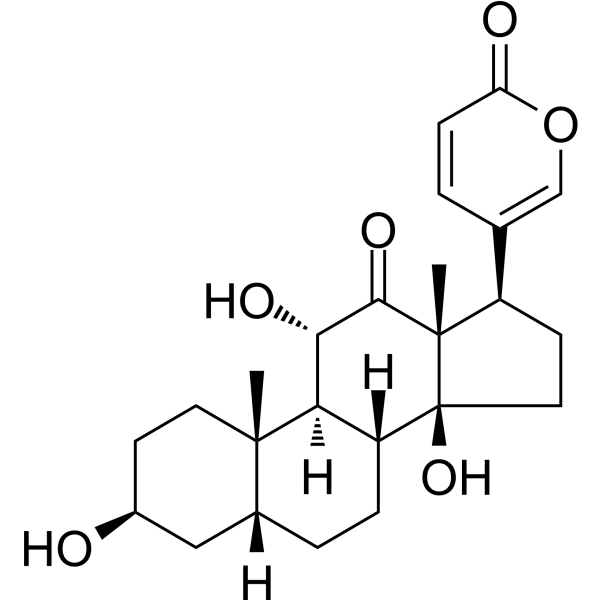
HY-N0876
ArenobufaginAnticancer Agent -
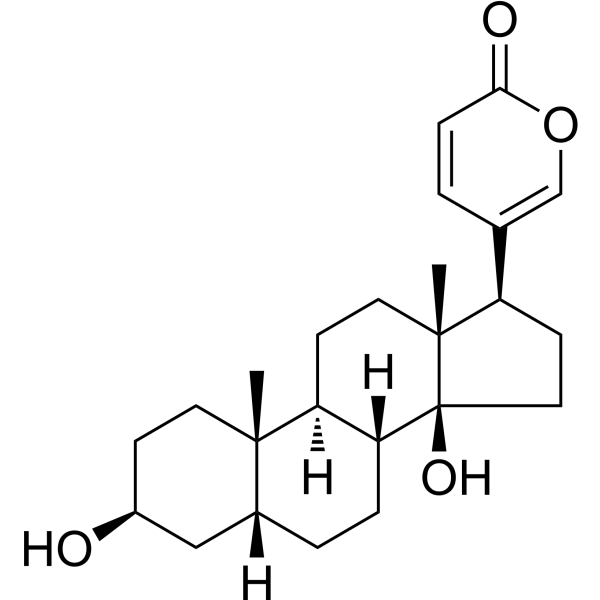
HY-N0877
BufalinNa+/K+ ATPase Inhibitor -
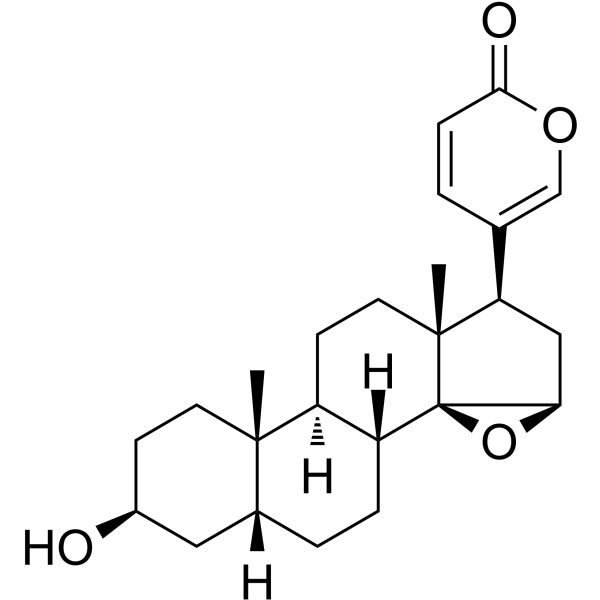
HY-N0815
ResibufogeninAntioxidant/Antitumor Agent -
HY-14188
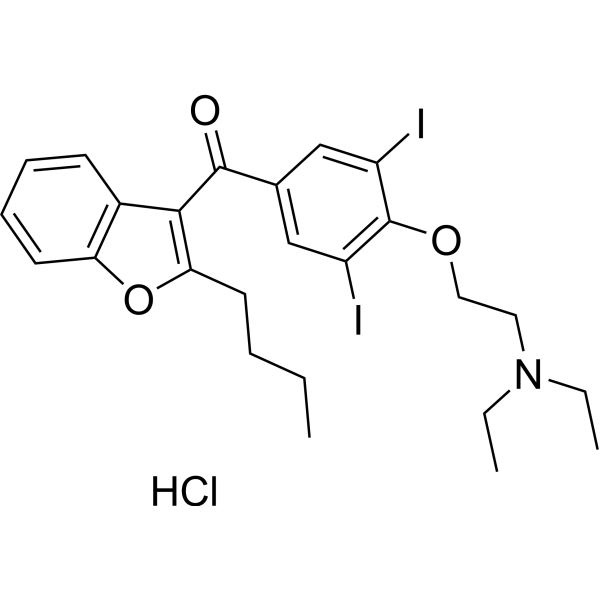
Amiodarone hydrochlorideAntiarrhythmic Agent -
HY-N0883
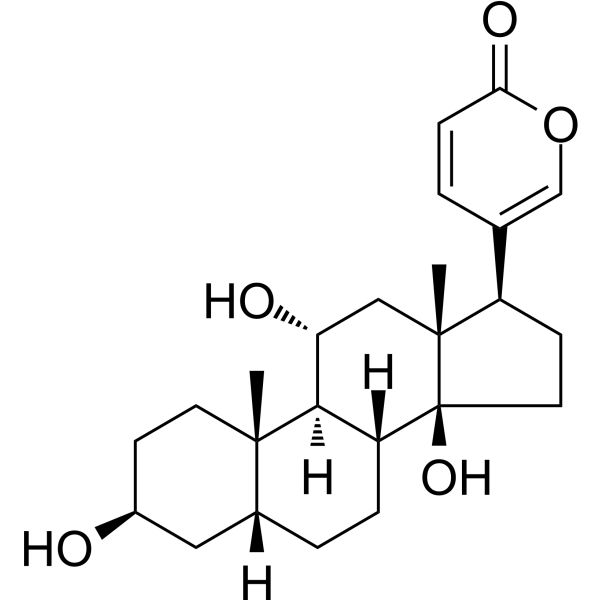
GamabufotalinVEGFR Inhibitor -
HY-13719
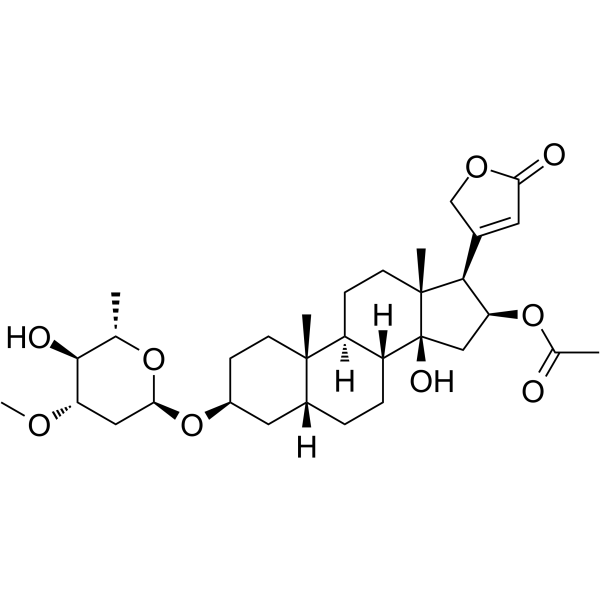
OleandrinNa+/K+ ATPase Inhibitor -
HY-N8441
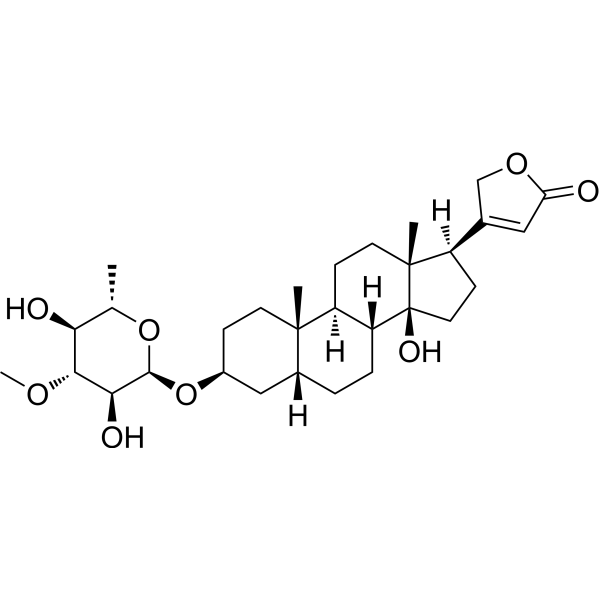
NeriifolinApoptosis Inhibitor -
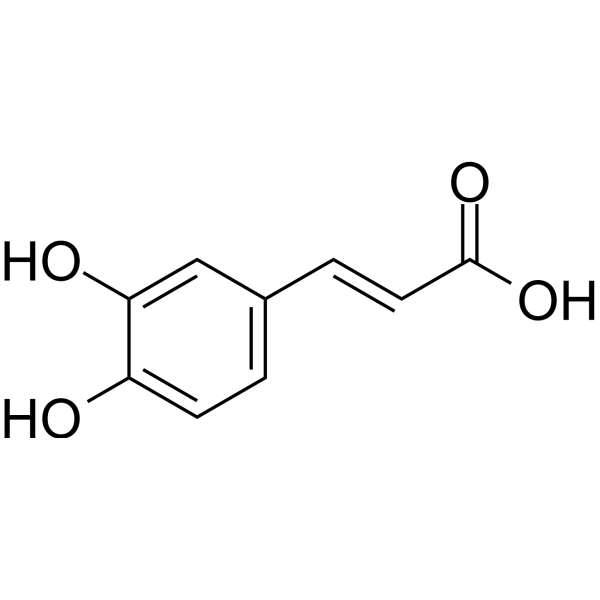
HY-N0172
Caffeic acidEndogenous Metabolite -
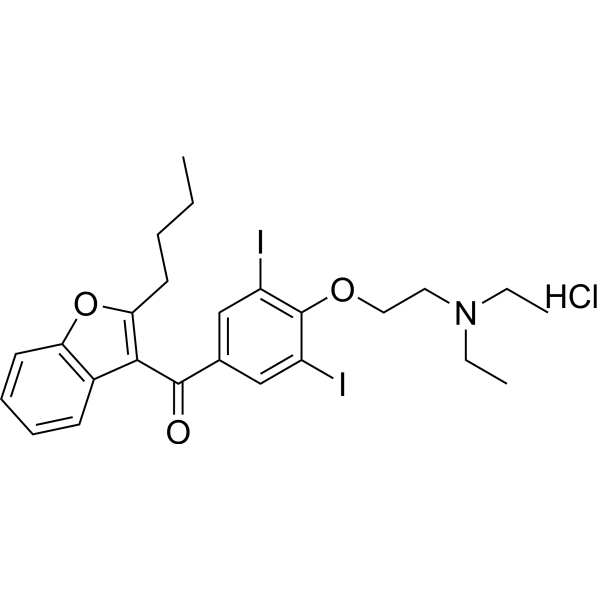
HY-14188R
Amiodarone hydrochloride (Standard)Antiarrhythmic Agent -

HY-N0172R
Caffeic acid (Standard)Endogenous Metabolite -
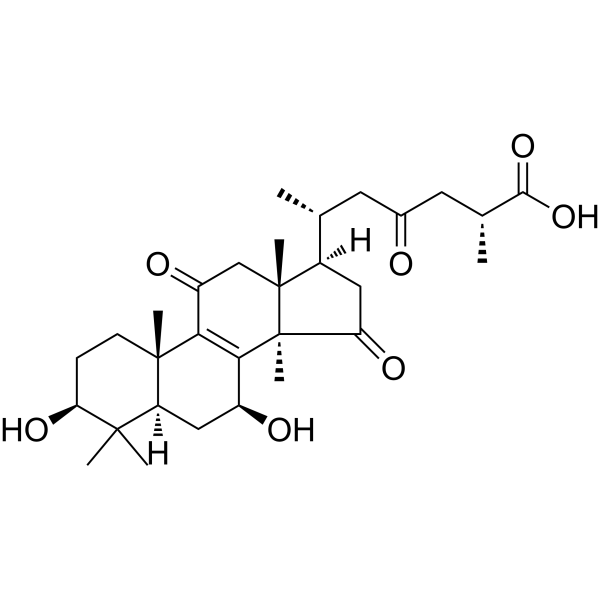
HY-N2006
Ganoderic acid BHIV Protease Inhibitor -
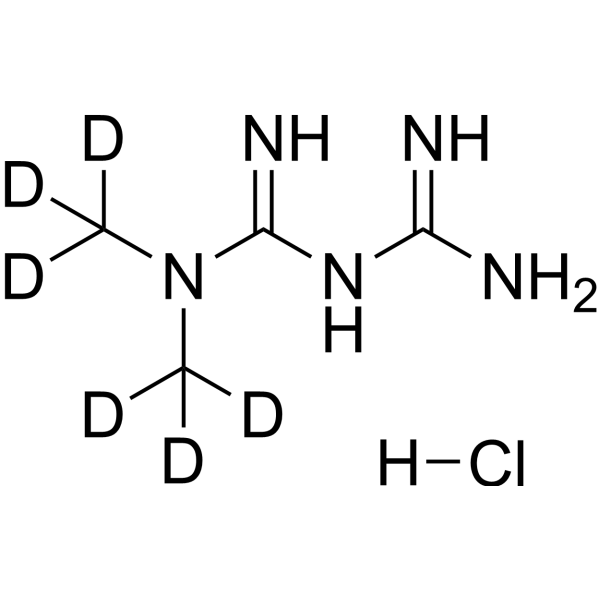
HY-110228
Metformin-d6 hydrochlorideStable Isotope
Publications Citing Use of MedChemExpress (MCE) Telocinobufagin
More

Biological Activity
Description
|
STAT3 |
JAK2 |
PLK1 |
Akt |
PI3K |
mTOR |
Cellular Effect
|
Cell Line

|
Type | Value | Description | References |
|---|---|---|---|---|
| A549 | IC50 |
0.1244 μM
Compound: Tel
|
Cytotoxicity in human A549 cells assessed as reduction in cell viability incubated for 48 hrs by MTT assay
Cytotoxicity in human A549 cells assessed as reduction in cell viability incubated for 48 hrs by MTT assay
|
[PMID: 35200033] |
| A549 | IC50 |
3 μM
Compound: 10
|
Cytotoxicity against human A549 cells after 24 hrs by MTT assay
Cytotoxicity against human A549 cells after 24 hrs by MTT assay
|
[PMID: 24050254] |
| HepG2 | IC50 |
2.4 μM
Compound: 10
|
Cytotoxicity against human HepG2 cells after 24 hrs by MTT assay
Cytotoxicity against human HepG2 cells after 24 hrs by MTT assay
|
[PMID: 24050254] |
| HL-60 | IC50 |
<0.01 μg/mL
Compound: 19
|
Cytotoxicity against human HL60 cells after 72 hrs by MTT assay
Cytotoxicity against human HL60 cells after 72 hrs by MTT assay
|
[PMID: 11575946] |
| KB | IC50 |
1.3 μg/mL
Compound: 19
|
Cytotoxicity against human KB cells after 72 hrs by MTT assay
Cytotoxicity against human KB cells after 72 hrs by MTT assay
|
[PMID: 11575946] |
| MH60 | IC50 |
>25 μg/mL
Compound: 19
|
Cytotoxicity against mouse MH60 cells after 72 hrs by MTT assay
Cytotoxicity against mouse MH60 cells after 72 hrs by MTT assay
|
[PMID: 11575946] |
| NCI-H1299 | IC50 |
0.1066 μM
Compound: Tel
|
Cytotoxicity in human NCI-H1299 cells assessed as reduction in cell viability incubated for 48 hrs by MTT assay
Cytotoxicity in human NCI-H1299 cells assessed as reduction in cell viability incubated for 48 hrs by MTT assay
|
[PMID: 35200033] |
| PC-9 | IC50 |
0.6185 μM
Compound: Tel
|
Cytotoxicity in human PC-9 cells assessed as reduction in cell viability incubated for 48 hrs by MTT assay
Cytotoxicity in human PC-9 cells assessed as reduction in cell viability incubated for 48 hrs by MTT assay
|
[PMID: 35200033] |
| SK-MEL | IC50 |
0.05 μM
Compound: 8
|
Cytotoxicity against human SK-MEL cells assessed as reduction in cell viability measured after 48 hrs by MTT assay
Cytotoxicity against human SK-MEL cells assessed as reduction in cell viability measured after 48 hrs by MTT assay
|
[PMID: 33882233] |
In Vitro
Telocinobufagin (0.01-100 μM, 0-96 h) suppresses proliferation and metastasis in human NSCLC cells, osteosarcoma cells, anaplastic thyroid cancer (ATC) cells, 4T1 breast cancer cells and neck squamous cell carcinoma (HNSCC)[1][2][6][7][8][9].
Telocinobufagin (0.125-5 μM, 24-48 h) induces apoptosis in human NSCLC cells and osteosarcoma cells and HNSCC cells[1][2][9].
Telocinobufagin (1-5 μM) induces G2/M phase arrest in Cal-27 cells and SCC-25 cells[9].
Telocinobufagin (0.5 μg/mL) suppresses malignant metastasis of undifferentiated thyroid carcinoma via modulation of the LARP1-mTOR pathway in CAL-62 cells[6].
Telocinobufagin (0.1-1 μM, 2-48 h) blocks STAT3 and JAK2/STAT3 signaling and inhibits PLK1[1][2][9].
Telocinobufagin (0.05-0.5 μg/mL, 24 h) reverses the epithelial-mesenchymal transition (EMT) process in breast cancer cells, downregulates the Snail transcription factor, and inhibits the PI3K/Akt/ERK signaling pathway.
Telocinobufagin (10-100 nM, 24 h) activates the pro-fibrotic phenotype of renal tubular epithelial cells (HK2 cells) and primary normal human renal mesangial cells (NHMCs), but is ineffective against SYF fibroblasts[5].
MedChemExpress (MCE) has not independently confirmed the accuracy of these methods. They are for reference only. Further protocols information, click here.
-
Cell Line:A549, PC9, and H1299 cells
-
Concentration:0.01, 0.1, 1, 10, 100 μM
-
Incubation Time:48 h
-
Result:Inhibited cell viability in a concentration-dependent manner, and the corresponding half-maximal inhibitory concentrations (IC50) were 124.4, 618.5, and 106.6 nM, respectively.
-
Cell Line:A549, PC9, and H1299 cells
-
Concentration:0.125, 0.25 and 0.5 μM
-
Incubation Time:PC9 and H1299 cells for 8 h, and A549 cells for 24 h
-
Result:Remarkably suppressed cell migration in the Transwell migration assay.
-
Cell Line:PC9, and H1299 cells
-
Concentration:0.125, 0.25 and 0.5 μM
-
Incubation Time:24 h (H1299) or 48 h (PC9)
-
Result:Increased the apoptotic rates in both cell lines in a concentration-dependent manner.
-
Cell Line:A549, PC9, and H1299 cells
-
Concentration:0.25, 0.5 and 1 μM
-
Incubation Time:4, 6, 8, 12 h
-
Result:Strongly upregulated cleaved PARP1 protein, but down-regulated anti-apoptotic BCL2 protein.
Inhibited STAT3 phosphorylation at tyrosine 705 (Y705) and its downstream targets.
Inhibited STAT3 nuclear translocation in a concentration-dependent manner.
-
Cell Line:143B, HOS, MG63, U2OS, SJSA and Saos-2 cells
-
Concentration:0, 0.05, 0.1, 0.2, 0.5 and 1 μM
-
Incubation Time:48 h
-
Result:Inhibited cell proliferation in six osteosarcoma cell lines in a concentration-dependent manner.
-
Cell Line:143B and HOS cells
-
Concentration:0.1, 0.2 and 0.5 μM
-
Incubation Time:12 h
-
Result:Displayed strong inhibitory activity against tumor cell migration.
-
Cell Line:143B and HOS cells
-
Concentration:0.1, 0.2 and 0.5 μM
-
Incubation Time:12 h
-
Result:Displayed strong inhibitory activity against tumor cell invasion.
-
Cell Line:143B and HOS cells
-
Concentration:0.2 and 0.5 μM
-
Incubation Time:48 h
-
Result:Significantly induced tumor cell apoptosis.
-
Cell Line:143B, HOS and MG63 cells
-
Concentration:0.1, 0.2 and 0.5 μM
-
Incubation Time:2, 4, 8, 12, 24, 48 h
-
Result:Exhibited a dose-dependent significant inhibition of STAT3 phosphorylation and STAT3 phosphorylation induced by IL-6.
Down-regulated Cyclin D1, Bcl-2, Mcl-1 and Survivin.
Selectively inhibited the phosphorylation of JAK2, and had no significant effect on JAK1 and JAK3.
Down-regulated Snail and vimentin, and up-regulated E-cadherin.
-
Cell Line:HK2 cells, NHMCs, SYF, SYF + cSrc cells
-
Concentration:10 and 100 nM
-
Incubation Time:24 h
-
Result:Caused a dose-dependent increase in the expression of collagen 1 and collagen 3 mRNA in HK2 cells.
Significantly increased the expression of collagen 1 in NHMCs.
Increased collagen 1, collagen 3, TGFβ, CTGF mRNA.
Did not cause significant changes in the above indicators in the SYF cells.
-
Cell Line:4T1 cells
-
Concentration:0.05 and 0.5 μg/mL
-
Incubation Time:24 h
-
Result:Concentration-dependently inhibited 4T1 cell migration and significantly reduced the number of cells passed through.
-
Cell Line:4T1 cells
-
Concentration:0.05 and 0.5 μg/mL
-
Incubation Time:24 h
-
Result:Effectively inhibited the movement of cells through the matrix gel.
-
Cell Line:4T1 cells
-
Concentration:0.05 and 0.5 μg/mL
-
Incubation Time:24 h
-
Result:Increased the expression of the epithelial marker E-cadherin and reduced the expression of interstitial markers vimentin and fibronectin.
Significantly reduced the level of Snail protein and had no significant effect on other EMT transcription factors (Slug, Twist1, Zeb1, Zeb2).
Reduced the protein levels of p-Akt, p-mTOR and p-ERK and did not affect the expression of total Akt, mTOR and ERK proteins.
-
Cell Line:Cal-27 and SCC-25 cells
-
Concentration:1, 2, 4, 6, 8, 16, 32, 64, 128, 256, 512, 1024 μM
-
Incubation Time:24 h
-
Result:Exhibited IC50s against Cal-27 and SCC-25 cells of 7.97 and 5.39 μM.
In Vivo
Telocinobufagin (5-10 mg/kg, i.p., every 2 days for 20 days) significantly suppresses tumor growth and metastasis by inhibiting the JAK2/STAT3 signaling pathway in an osteosarcoma xenograft model in mice[2].
Telocinobufagin (10-40 μg, s.c., two doses, 14-day interval) enhances a Th1 immune response to control intracellular S. typhimurium infections in mice[3].
Telocinobufagin (0.062-10 mg/kg, i.p. and p.o, single dose) exhibits potent analgesic effects in various acute pain models in mice, and it does not rely on the opioid system or affect motor function. Its analgesic potency is four times that of morphine[4].
Telocinobufagin (0.1 mg/kg, i.p., once daily for 4 weeks) promotes renal fibrosis via Na+/K+-ATPase profibrotic signaling pathways[5].
Telocinobufagin (10-20 µg/mouse, i.p., 3 times a day for 2 weeks) inhibits breast cancer tumor growth and the epithelial mesenchymal transition in 4T1 cells xenograft model in mice[7][8].
Telocinobufagin (4-16 mg/kg, i.p., once daily for 30 days) inhibits tumor growth and lung metastasis in HNSCC cells-bearing mice[9].
MedChemExpress (MCE) has not independently confirmed the accuracy of these methods. They are for reference only.
-
Animal Model:A549 xenograft tumor model established in female nude mice (BALB/c nude, 4-5-week-old)[1]
-
Dosage:1 and 2 mg/kg
-
Administration:Intraperitoneal injection (i.p.), every 2 days for a total of 18 days
-
Result:Significantly reduced tumor size. Showed no weight loss and had no noticeable toxicity on the heart, liver, lungs, or kidneys at this concentration. Reduced the expression of PSTAT3Y705, MCL1, and BCL2 and increased the levels of cleaved PARP1.
-
Animal Model:143B cells xenograft tumor model established in male nude mice (BALB/c nude, 6-8-week-old)[2]
-
Dosage:5 mg/kg and 10 mg/kg
-
Administration:Intraperitoneal injection (i.p.), every 2 days for a total of 20 days
-
Result:Significantly reduced tumor weights. Reduced the numbers of metastatic nodules.
Reduced the levels of phospho-STAT3 and phospho-JAK2.
Increased the proportion of cleaved caspase-3-positive tumor cells.
-
Animal Model:S. typhimurium infection model established in female ICR mice (five weeks old, Grade II)[3]
-
Dosage:10, 20, and 40 μg dissolved in saline
-
Administration:Subcutaneous injection (s.c.), two doses on day 1 and day 15
-
Result:Increased the survival rate of mice and reduced bacterial load.
Increased the levels of specific IgG2a (Th1-related antibodies) in OVA and FIST, while the level of IgG1 (Th2-related antibody) did not change significantly.
Promoted the secretion of IFN-γ (a key cytokine for Th1 cells) by spleen cells, but inhibited IL-4 (a marker for Th2 cells) and IL-17A (a marker for Th17 cells).
Upregulated the mRNA expression of the transcription factor T-bet (a key regulatory factor for Th1 cells), while having no significant effect on GATA-3 (Th2) and RORγt (Th17).
-
Animal Model:Acetic acid-induced writhing test, formalin test, tail-flick test, hot-plate test, open-field test, rotarod test established in male Swiss Webster mice (25-30 g)[4]
-
Dosage:0.062, 0.125, 0.25, 0.5, and 1 mg/kg (i.p.) and 0.625, 1.125, 2.5, 5, and 10mg/kg (p.o.)
-
Administration:Intraperitoneal injection (i.p.) and oral administration (p.o.), single dose
-
Result:Significantly inhibited the number of contortions in mice in a dose-dependent manner.
Significantly inhibited the licking time during the first 5 minutes after intraplantar injection of formalin.
Significantly increased the reaction time (the withdrawal by a brief vigorous movement) in a dose-dependent manner.
Significantly increased the reaction time (the withdrawal by a brief vigorous movement) in a dose-dependent manner.
Presented significant reaction latencies for 3 hours after administration (1 mg/kg, i.p; 10 mg/kg, p.o).
Did not affect locomotion in mice in open-field test and rotarod test.
Exhibited the potency about 4 times higher than that of morphine.
-
Animal Model:Measurement of renal fibrosis model established in wild-type male SvJ/Black Swiss mice (25-30 g) (WT), as well as SvJ/Black Swiss mice heterozygous for the Na+/K+-ATPase-α-1 (referred to as NKA α-1+/−)[5]
-
Dosage:0.1 mg/kg
-
Administration:Intraperitoneal injection (i.p.), once daily for 4 weeks
-
Result:Caused a significant increase in systolic blood pressure in both wild-type mice and NKAα-1+/− mice, but at 4 weeks, the amount of urinary protein excreted by NKAα-1+/− mice was significantly less than that of the wild-type control group.
Resulted in mild to moderate periglomerular and peritubular fibrosis of the renal cortex and the degree of renal fibrosis in NKAα-1+/− mice was lower than that in the wild-type control group at 4 weeks.
-
Animal Model:
-
Dosage:10 or 20 µg/mouse
-
Administration:Intraperitoneal injection (i.p.), three times a week for two consecutive weeks.
-
Result:Significantly reduced the tumor volume and weight.
Reduced the number of lung metastatic lesions
Observed EMT markers and signaling pathway proteins in tumor tissues consistent with those in the in vitro experiments.
-
Animal Model:Cal-27 cells xenograft tumor model and normal or PLK1 over-expressed HNSCC cells induced lung metastasis model established in BALB/c nude mice[9]
-
Dosage:4, 8, and 16 mg/kg (xenograft tumor model) and 8 mg/kg (lung metastasis model)
-
Administration:Intraperitoneal injection (i.p.), once daily for 30 days
-
Result:Significantly inhibited the growth of transplanted tumors and lung metastasis.
Downregulated the expressions of PLK1, CDC25c and Ki67 in tumor tissues and overexpression of PLK1 can completely reverse the anti-tumor effect of TBG.


Chemical Information
-
CAS No. 472-26-4
-
Appearance Solid
-
Molecular Weight 402.52
-
Formula C24H34O5
-
Color White to off-white
-
SMILES
O[C@@]([C@@]1(CC2)C)(CC[C@@H]1C(C=C3)=COC3=O)[C@@](CC[C@@]45O)([H])[C@@]2([H])[C@]4(CC[C@H](O)C5)C
-
Synonyms
Telobufotoxin; Telocinobufogenin
-
Structure Classification
-
Initial Source
toad
-
Shipping
Room temperature in continental US; may vary elsewhere.
-
Storage
Powder -20°C 3 years 4°C 2 years In solvent -80°C 2 years -20°C 1 year


Publications (1)
-
Journal Impact Factor
-
Most Recent
-
Phytomedicine
Telocinobufagin, a PLK1 suppressor that inhibits tumor growth and metastasis by modulating CDC25c and CTCF in HNSCC cells. [Abstract]2024 May:127:155440. PMID: 38452691


Solvent & Solubility
In Vitro:
DMSO : 50 mg/mL (124.22 mM; Need ultrasonic; Hygroscopic DMSO has a significant impact on the solubility of product, please use newly opened DMSO)
Please refer to the solubility information to select the appropriate solvent. Once prepared, please aliquot and store the solution to prevent product inactivation from repeated freeze-thaw cycles.
Storage method and period of stock solution: -80°C, 2 years; -20°C, 1 year. When stored at -80°C, please use it within 2 years. When stored at -20°C, please use it within 1 year.
Please refer to the solubility information to select the appropriate solvent. Once prepared, please aliquot and store the solution to prevent product inactivation from repeated freeze-thaw cycles.
Storage method and period of stock solution: -80°C, 2 years; -20°C, 1 year. When stored at -80°C, please use it within 2 years. When stored at -20°C, please use it within 1 year.
Concentration (start) × Volume (start) = Concentration (final) × Volume (final)
In Vivo:
Select the appropriate dissolution method based on your experimental animal and administration route.
- For the following dissolution methods, please ensure to first prepare a clear stock solution using an In Vitro approach and then sequentially add co-solvents:
- To ensure reliable experimental results, the clarified stock solution can be appropriately stored based on storage conditions. As for the working solution for In Vivo experiments, it is recommended to prepare freshly and use it on the same day.
- The percentages shown for the solvents indicate their volumetric ratio in the final prepared solution. If precipitation or phase separation occurs during preparation, heat and/or sonication can be used to aid dissolution.
Add each solvent one by one: 10% DMSO 40% PEG300 5% Tween-80 45% Saline
Solubility: ≥ 2.5 mg/mL (6.21 mM); Clear solution
This protocol yields a clear solution of ≥ 2.5 mg/mL (saturation unknown).
Taking 1 mL working solution as an example, add 100 μL DMSO stock solution (25.0 mg/mL) to 400 μL PEG300, and mix evenly; then add 50 μL Tween-80 and mix evenly; then add 450 μL Saline to adjust the volume to 1 mL.
Preparation of Saline: Dissolve 0.9 g sodium chloride in ddH₂O and dilute to 100 mL to obtain a clear Saline solution.
Add each solvent one by one: 10% DMSO 90% (20% SBE-β-CD in Saline)
Solubility: 2.5 mg/mL (6.21 mM); Suspended solution; Need ultrasonic
This protocol yields a suspended solution of 2.5 mg/mL. Suspended solution can be used for oral and intraperitoneal injection.
Taking 1 mL working solution as an example, add 100 μL DMSO stock solution (25.0 mg/mL) to 900 μL 20% SBE-β-CD in Saline, and mix evenly.
Preparation of 20% SBE-β-CD in Saline (4°C, storage for one week): 2 g SBE-β-CD powder is dissolved in 10 mL Saline, completely dissolve until clear.
In Vivo Dissolution Calculator
Please enter the basic information of animal experiments:
-
-
-
-
Recommended: Prepare an additional quantity of animals to account for potential losses during experiments.
Please enter your animal formula composition:
-
%DMSO +
Recommended: Keep the proportion of DMSO in working solution below 2% if your animal is weak.
-
%+
-
+%Tween-80 + +
-
%Saline +
The co-solvents required include: DMSO, . All of co-solvents are available by MedChemExpress (MCE). , Tween 80. All of co-solvents are available by MedChemExpress (MCE).
Working solution concentration: 0.22 mg/mL
Method for preparing stock solution: mg drug dissolved in μL DMSO. Stock solution concentration: mg/mL.
1. Take μL DMSO stock solution;
2. Add μL .
μL , mix evenly;
3. Then add μL Tween 80, mix evenly;
4. Then add μL
Please ensure that the stock solution in the first step is dissolved to a clear state, and add co-solvents in sequence. You can use ultrasonic heating (ultrasonic cleaner, recommended frequency 20-40 kHz), vortexing, etc. to assist dissolution.

Protocols
-
Fibrosis/Collagen Morphometry
Fibrosis and collagen morphometry is based on the quantitative visualization of fibrillar collagen deposition in tissue sections using histochemical stains such as Sirius Red (Picrosirius Red) or Masson's trichrome, followed by image-based or polarization-enhanced analysis to estimate collagen proportional area as a surrogate of extracellular matrix accumulation during fibrotic remodeling. Sirius Red combined with polarized light microscopy enhances detection of collagen fibers due to birefringence properties, enabling more specific visualization of collagen type I and III fibrils compared to conventional bright-field histology, while whole-section or region-restricted digital morphometry reduces field-selection bias in fibrosis assessment. Alternative quantitative approaches include second harmonic generation (SHG) and two-photon excited fluorescence microscopy, which enable label-free detection of fibrillar collagen and have been validated against histological staining and biochemica
-
Research Protocol for Infectious Diseases
Infectious-disease experiments test how pathogens interact with host barriers, innate immune receptors, inflammatory signaling, pathogen replication, and tissue injury; pattern-recognition receptors such as TLRs, RIG-I-like receptors, NOD-like receptors, and inflammasomes detect microbial molecules and activate NF-κB, interferon, and cytokine responses. The central hypothesis is that infection severity reflects the balance between pathogen burden and host response: protective inflammation restricts pathogen growth, whereas excessive or mislocalized inflammation contributes to tissue damage and disease phenotype. Unresolved questions include which host pathways are protective versus pathogenic, why some infection models fail to translate to human disease, and which combined readouts best predict clinically relevant infection outcomes.
-
Collagen: Sirius Red Staining
Sirius Red or picrosirius red staining is a histochemical method for visualizing collagen-rich extracellular matrix in tissue sections, and collagen fibers are detected as red-stained structures under bright-field microscopy with enhanced birefringence under polarized light. Picrosirius red is useful for assessing total collagen organization, distribution, and fibrosis burden, but polarized color should not be interpreted as a definitive collagen type I versus type III readout because color is affected by fiber orientation, thickness, and packing.
-
Apoptosis
Apoptosis, also called programmed cell death, is generally characterized by distinct morphological characteristics.
-
TUNEL staining for apoptotic DNA fragmentation
TUNEL staining detects DNA strand breaks by using terminal deoxynucleotidyl transferase to add labeled nucleotides to exposed 3′-OH DNA termini, generating either microscopic staining in fixed cells or tissue sections, or fluorescence/cytometric signal in cell suspensions. TUNEL positivity reflects DNA fragmentation but should not be interpreted alone as definitive apoptosis, because TUNEL can also label necrotic, autolytic, mechanically damaged, or DNA-repair-associated DNA breaks.
-
Annexin V plus membrane-impermeant dye apoptosis staining
Annexin V-based apoptosis assays rely on the detection of phosphatidylserine (PS) externalization from the inner leaflet of the plasma membrane to the outer leaflet, an early biochemical hallmark of apoptosis. Fluorescently labeled Annexin V binds PS in a calcium-dependent manner, enabling identification of early apoptotic cells by flow cytometry or fluorescence microscopy. When combined with a membrane-impermeant DNA-binding dye (e. g. , propidium iodide), this approach allows discrimination between viable (Annexin V−/dye−), early apoptotic (Annexin V+/dye−), and late apoptotic or necrotic (Annexin V+/dye+) cell populations by assessing membrane integrity and PS exposure.
-
Naïve CD4+ T-cell subset differentiation/polarization
Naïve CD4+ T-cell subset differentiation/polarization is an in vitro assay in which purified naïve CD4+ T cells are activated through TCR and CD28 costimulation and cultured with defined cytokines and neutralizing antibodies to generate Th0, Th1, Th2, Th17, or induced Treg-like populations. Differentiation is detected by subset-associated cytokines and transcription factors: IFN-γ/T-bet for Th1, IL-4/GATA3 for Th2, IL-17A/RORγt for Th17, and Foxp3 for induced Treg cells. The assay readout is usually generated by intracellular cytokine staining after restimulation, transcription-factor staining by flow cytometry, ELISA of secreted cytokines, or gene-expression analysis. The result reflects cytokine-directed lineage commitment or polarization rather than antigen-specific immune protection by itself.
-
Research Protocol for Endocrine Diseases
Endocrine diseases often arise from disrupted hormone production, hormone signaling, or target-tissue responsiveness; for diabetes-focused endocrine disease models, insulin signaling regulates glucose uptake, hepatic glucose output, lipid metabolism, and β-cell compensation. Type 2 diabetes develops through interacting defects in insulin resistance, β-cell dysfunction, adipose inflammation, hepatic glucose overproduction, altered incretin signaling, and ectopic lipid metabolism. A major unresolved question is whether endocrine dysfunction is driven primarily by target-tissue insulin resistance, intrinsic β-cell failure, immune/inflammatory stress, or combined multi-organ failure that differs by disease stage.
-
Connective Tissue: Masson's Trichrome/Collagen Trichrome Staining
Masson’s Trichrome (collagen/trichrome staining) is a histological technique that differentially stains tissue compartments using sequential acidic dyes to distinguish collagen from muscle and cytoplasmic components based on dye affinity and tissue permeability differences, enabling visualization of fibrosis and connective tissue architecture in histological sections. The classical formulation typically uses Weigert's iron hematoxylin for nuclear staining, Biebrich scarlet-acid fuchsin for cytoplasm and muscle, and aniline blue (or light green variants) for collagen, producing a characteristic blue/green collagen signal contrasted against red cytoplasm and dark nuclei. The staining principle relies on selective displacement of smaller dye molecules by larger anionic dyes in collagen-rich regions under controlled acidified conditions, which enhances collagen-specific dye retention. This property makes the method widely used for fibrosis assessment in organs such as heart, liver, lung, a
-
Apoptosis Solutions
Apoptosis is a regulated, generally non-lytic cell-death pathway that removes unwanted, damaged, infected, or abnormal cells through coordinated morphological changes, caspase activation, DNA fragmentation, and membrane remodeling. The intrinsic apoptosis pathway is controlled mainly by mitochondrial outer membrane permeabilization, BCL-2 family proteins, cytochrome c release, apoptosome formation, caspase-9 activation, and downstream executioner caspase-3/7 activation. The extrinsic apoptosis pathway is initiated by death receptors such as Fas, TNFR, and TRAIL receptors, which recruit adaptor proteins and activate caspase-8 before engaging executioner caspases or mitochondrial amplification through BID cleavage. Apoptosis is linked to many phenotypes, including cancer cell killing, tissue homeostasis, immune regulation, neurodegeneration, infection response, and treatment-induced cytotoxicity; unresolved questions include how apoptosis interacts with necroptosis, pyroptosis, ferroptos
-
Breast Cancer Modeling
Breast cancer is a heterogeneous cancer, and it has been distinguished into four subtypes: luminal A, luminal B, HER2-positive and basal-like. Molecular mutations, epigenetic alterations, hormone exposure and immune microenvironment are related to the progression of breast cancer.


Purity & Documentation
-
Data Sheet (307 KB)
-
SDS (396 KB)
- English - EN (396 KB)
- Français - FR (396 KB)
- Deutsch - DE (396 KB)
- Norwegian - NO (396 KB)
- Español - ES (396 KB)
- Swedish - SV (396 KB)
- Italian - IT (396 KB)
- Korean - KR (396 KB)
- Portuguese - PT (396 KB)
-
Handling Instructions (2659 KB)
References
[1]. Shen Y, et al. Telocinobufagin Has Antitumor Effects in Non-Small-Cell Lung Cancer by Inhibiting STAT3 Signaling. J Nat Prod. 2022 Apr 22;85(4):765-775. [Content Brief]
[2]. Ma X, et al. Telocinobufagin inhibits osteosarcoma growth and metastasis by inhibiting the JAK2/STAT3 signaling pathway. Eur J Pharmacol. 2023 Mar 5;942:175529. [Content Brief]
[3]. Wu SC, et al. Telocinobufagin enhances the Th1 immune response and protects against Salmonella typhimurium infection. Int Immunopharmacol. 2015 Apr;25(2):353-62. [Content Brief]
[4]. Feitosa GIMC,et al. Potent nonopioid antinociceptive activity of telocinobufagin in models of acute pain in mice. Pain Rep. 2019 Oct 8;4(6):e791. [Content Brief]
[5]. Kennedy DJ, et al. Telocinobufagin, a Novel Cardiotonic Steroid, Promotes Renal Fibrosis via Na⁺/K⁺-ATPase Profibrotic Signaling Pathways. Int J Mol Sci. 2018 Aug 29;19(9):2566. [Content Brief]
[6]. Qiang LZ, Fang SZ. Telocinobufagin suppresses malignant metastasis of undifferentiated thyroid carcinoma via modulation of the LARP1-mTOR pathway. Kaohsiung J Med Sci. 2025 Mar;41(3):e12934. [Content Brief]
[7]. Gao Y, et al. Telocinobufagin inhibits the epithelial-mesenchymal transition of breast cancer cells through the phosphoinositide 3-kinase/protein kinase B/extracellular signal-regulated kinase/Snail signaling pathway. Oncol Lett. 2018 May;15(5):7837-7845. [Content Brief]
[8]. Gao Y, et al. Erratum: Telocinobufagin inhibits the epithelial-to-mesenchymal transition of breast cancer cells through the PI3K/Akt/Snail signaling pathway. Oncol Lett. 2021 Apr;21(4):242. doi: 10.3892/ol.2021.12503. Epub 2021 Jan 31. Erratum for: Oncol Lett. 2018 May;15(5):7837-7845. [Content Brief]
[9]. Li J, et al. Telocinobufagin, a PLK1 suppressor that inhibits tumor growth and metastasis by modulating CDC25c and CTCF in HNSCC cells. Phytomedicine. 2024 May;127:155440. [Content Brief]


Complete Stock Solution Preparation Table
Please refer to the solubility information to select the appropriate solvent. Once prepared, please aliquot and store the solution to prevent product inactivation from repeated freeze-thaw cycles.
Storage method and period of stock solution: -80°C, 2 years; -20°C, 1 year. When stored at -80°C, please use it within 2 years. When stored at -20°C, please use it within 1 year.
| Optional Solvent | Concentration Solvent Mass | 1 mg | 5 mg | 10 mg | 25 mg |
|---|---|---|---|---|---|
| DMSO | 1 mM | 2.4843 mL | 12.4217 mL | 24.8435 mL | 62.1087 mL |
| 5 mM | 0.4969 mL | 2.4843 mL | 4.9687 mL | 12.4217 mL | |
| 10 mM | 0.2484 mL | 1.2422 mL | 2.4843 mL | 6.2109 mL | |
| 15 mM | 0.1656 mL | 0.8281 mL | 1.6562 mL | 4.1406 mL | |
| 20 mM | 0.1242 mL | 0.6211 mL | 1.2422 mL | 3.1054 mL | |
| 25 mM | 0.0994 mL | 0.4969 mL | 0.9937 mL | 2.4843 mL | |
| 30 mM | 0.0828 mL | 0.4141 mL | 0.8281 mL | 2.0703 mL | |
| 40 mM | 0.0621 mL | 0.3105 mL | 0.6211 mL | 1.5527 mL | |
| 50 mM | 0.0497 mL | 0.2484 mL | 0.4969 mL | 1.2422 mL | |
| 60 mM | 0.0414 mL | 0.2070 mL | 0.4141 mL | 1.0351 mL | |
| 80 mM | 0.0311 mL | 0.1553 mL | 0.3105 mL | 0.7764 mL | |
| 100 mM | 0.0248 mL | 0.1242 mL | 0.2484 mL | 0.6211 mL |


Telocinobufagin Related Classifications
HY-N0885 Related Classifications
 Powered by Bioz