



PLK1
PLK1 is a serine/threonine Polo-like kinase that orchestrates cell division through mitotic entry, spindle-pole functions, and cytokinesis[1]. Mechanistically, mammalian PLK1 controls centrosome maturation, spindle assembly, and microtubule attachment to kinetochores in early mitosis[2]. This mitotic role makes PLK1 relevant to cancer biology, because dysfunction may promote cancerous transformation and drive progression, and overexpression occurs in diverse human cancers with poor prognosis[3]. Compared with related isoforms, PLK1-PLK4 participate in cell-cycle processes, but reported functional emphasis differs: PLK2 and PLK4 regulate centriole duplication, PLK3 regulates DNA replication, and PLK1 regulates centrosome separation and maturation[4]. For experimental applications, PLK1 inhibition provides a direct way to perturb mitosis, because BI 2536 inhibits mammalian PLK1 at low nanomolar concentrations, induces mitotic arrest and apoptosis in human cancer cell lines, and inhibits human tumor xenograft growth in nude mice[5].
References:
- [1]. Barr FA, et al. Polo-like kinases and the orchestration of cell division. Nat Rev Mol Cell Biol. 2004 Jun;5(6):429-40. [Content Brief]
- [2]. Santamaria A, et al. The Plk1-dependent phosphoproteome of the early mitotic spindle. Mol Cell Proteomics. 2011 Jan;10(1):M110.004457. [Content Brief]
- [3]. Liu Z, et al. PLK1, A Potential Target for Cancer Therapy. Transl Oncol. 2017 Feb;10(1):22-32. [Content Brief]
- [4]. de Cárcer G, et al. From Plk1 to Plk5: functional evolution of polo-like kinases. Cell Cycle. 2011 Jul 15;10(14):2255-62. [Content Brief]
- [5]. Steegmaier M, et al. BI 2536, a potent and selective inhibitor of polo-like kinase 1, inhibits tumor growth in vivo. Curr Biol. 2007 Feb 20;17(4):316-22. [Content Brief]
-
PLK1 Related Products (62)
Related Products (62)

-
Antibodies (3)
-
Volasertib
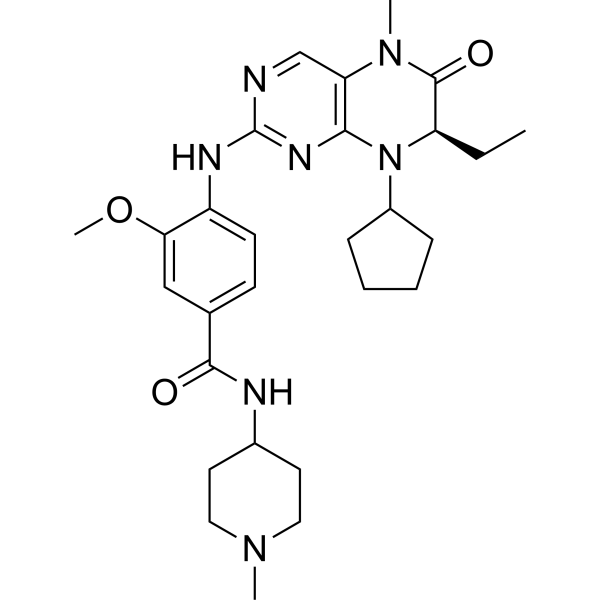
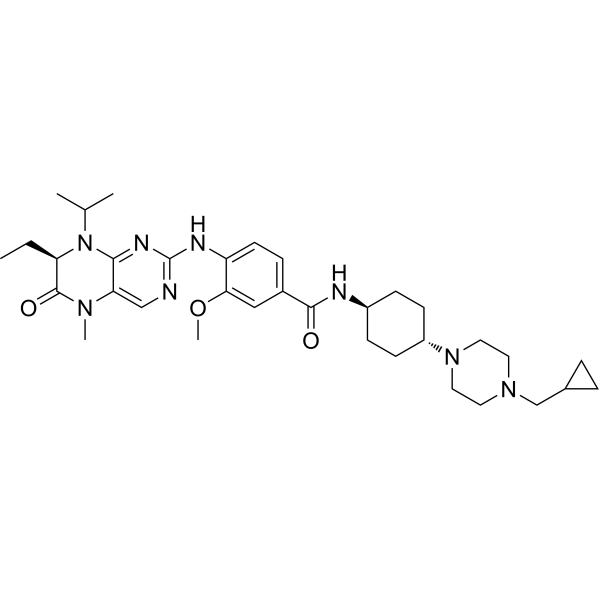 0 ImagesSynonyms: BI 6727Volasertib (BI 6727) is an orally active, highly potent and ATP-competitive Polo-like kinase 1 (PLK1) inhibitor with an IC50 of 0.87 nM. Volasertib inhibits PLK2 and PLK3 with IC50s of 5 and 56 nM, respectively. Volasertib induces mitotic arrest and apoptosis. Volasertib, a dihydropteridinone derivative, shows marked antitumor activity in multiple cancer models.
-
ARV-825
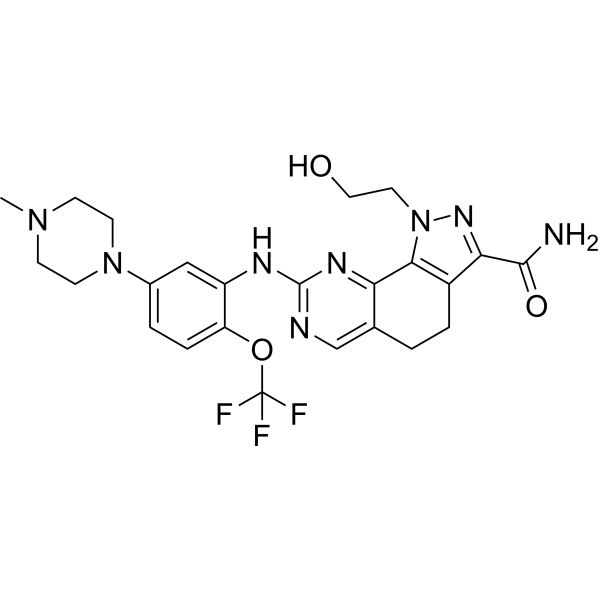
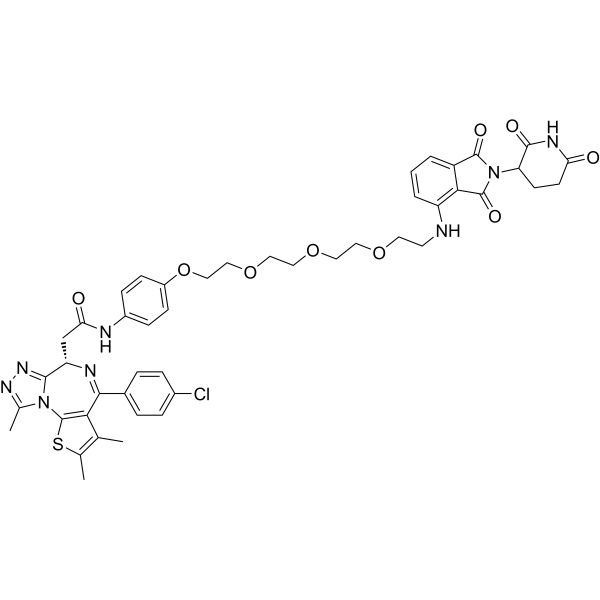 0 ImagesARV-825 is a BET protein PROTAC degrader that recruits cereblon, and it targets BRD2, BRD3, and BRD4 for degradation via the ubiquitin-proteasome pathway. ARV-825 downregulates c-MYC, PLK1, MYCN, CDK4/6, JAK2, pSTAT3/5, PIM1, and Bcl-xL, upregulates p21 and p27, and modulates H3K27Ac-mediated transcription, the G2/M checkpoint, the Wnt/β-catenin pathway, and amino acid transport pathways. ARV-825 induces G1 phase cell cycle arrest, caspase 3/PARP-mediated apoptosis, DNA damage, and reactive oxygen species (ROS) production, reduces mitochondrial respiration, and simultaneously inhibits cell proliferation, clonogenic growth, and cell migration. ARV-825 is used in research on gastric cancer, leukemia, neuroblastoma, and cholangiocarcinoma.
-
GSK461364
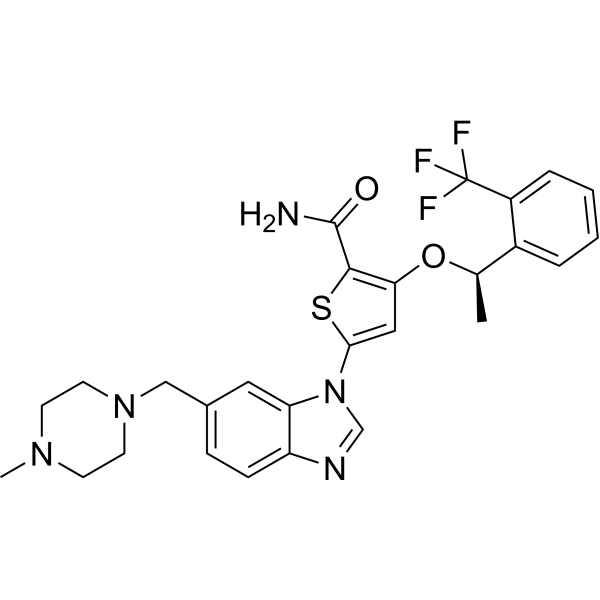 0 ImagesSynonyms: GSK461364AGSK461364 is a selective, reversible and ATP-competitive Polo-like kinase 1 (PLK1) inhibitor with a Ki value of 2.2 nM.
-
MDEG-541
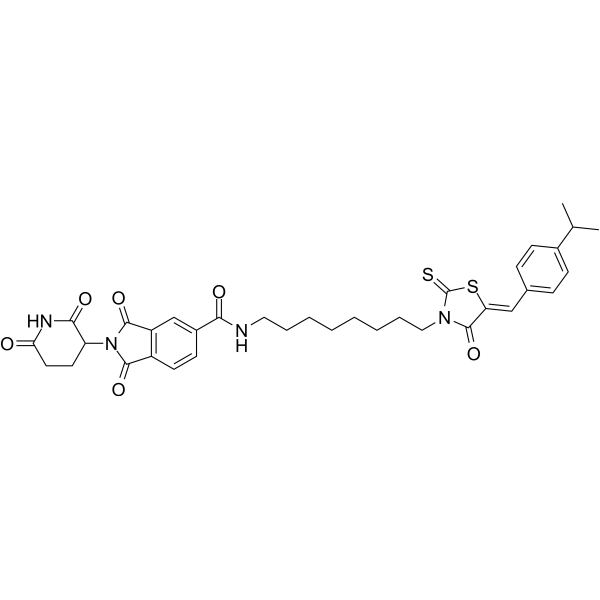 0 ImagesCat. No.: HY-150259Purity: 98.68%MDEG-541 is a PROTAC degrader targeting MYC, GSPT1/2 and PLK1. MDEG-541 induces degradation via proteasome- and ubiquitin-dependent pathways. MDEG-541 exhibits anti-tumor activity in gastrointestinal cancer cells and patient-derived organoids. MDEG-541 can be used for the research of gastrointestinal cancer.
-
PROTAC PLK1 Degrader-2
 0 ImagesCat. No.: HY-180989Purity: 99.48%PROTAC PLK1 Degrader-2 is a peptide-based N-end rule PLK1 mini-PROTAC. PROTAC PLK1 Degrader-2 utilizes Arg12 as dual-function cell-permeable N-degron to recruit UBR1/UBR2 E3 ligases, mediates PLK1 ubiquitination and proteasome-dependent degradation. PROTAC PLK1 Degrader-2 suppresses cervical cancer cell proliferation, induces G2/M cell cycle arrest and tumor cell apoptosis, and exerts potent in vivo anti-tumor efficacy in mice and can be applied to research on PLK1-driven cervical carcinoma (PLK1 ligand: POI ligand-3 (HY-180990); E3 ligase ligand: Arg12 (HY-P11631); PROTAC linker: 6-Aminocaproic acid (HY-B0236)).
-
Rigosertib
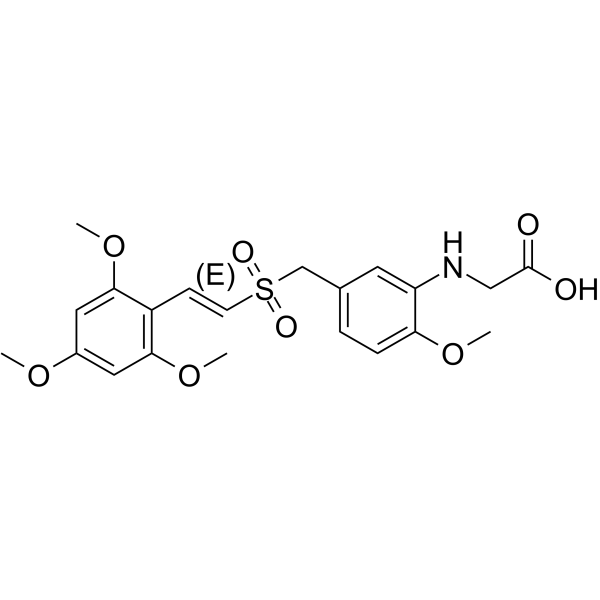 0 ImagesCat. No.: HY-12037ACAS No.: 592542-59-1Synonyms: ON-01910Rigosertib (ON-01910) is a multi-kinase inhibitor and a selective anti-cancer agent, which induces apoptosis by inhibition the PI3 kinase/Akt pathway, promots the phosphorylation of histone H2AX and induces G2/M arrest in cell cycle. Rigosertib is a selective and non-ATP-competitive inhibitor of PLK1 with an IC50 of 9 nM.
-
TAK-960
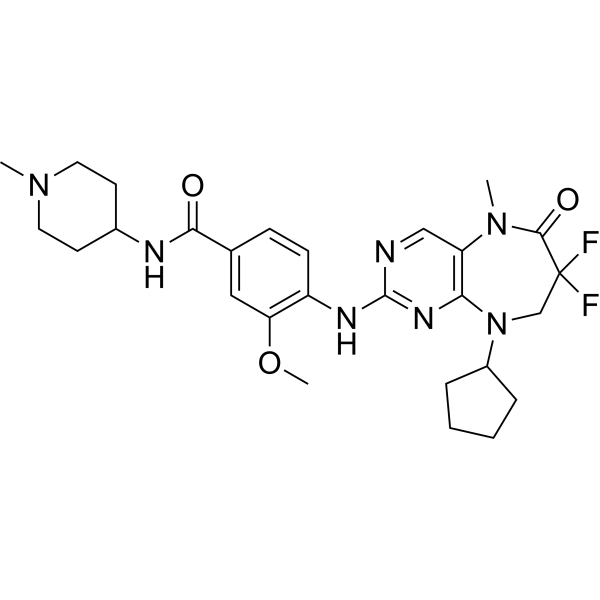
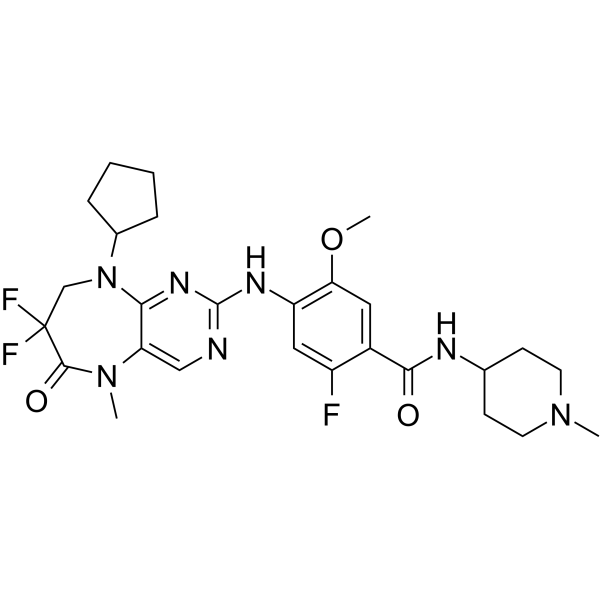 0 ImagesTAK-960 is an orally available, selective inhibitor of polo-like kinase 1 (PLK1), with an IC50 of 0.8 nM. TAK-960 also shows inhibitory activities against PLK2 and PLK3, with IC50s of 16.9 and 50.2 nM, respectively. TAK-960 inhibits proliferation of multiple cancer cell lines and exhibits significant efficacy against multiple tumor xenografts.
-
GW843682X
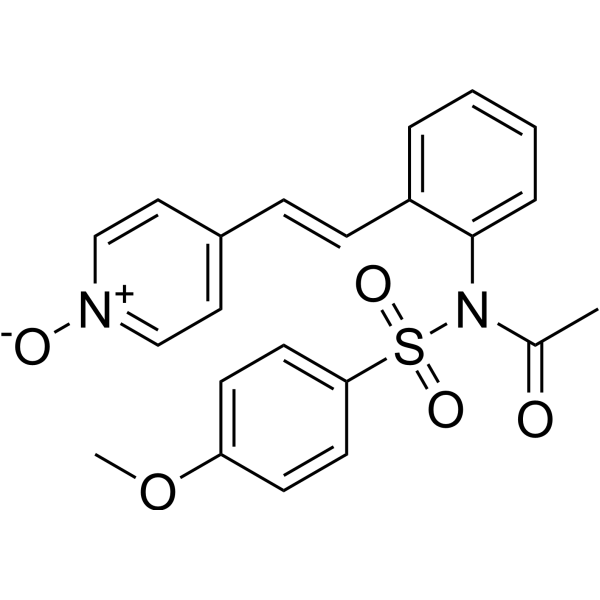
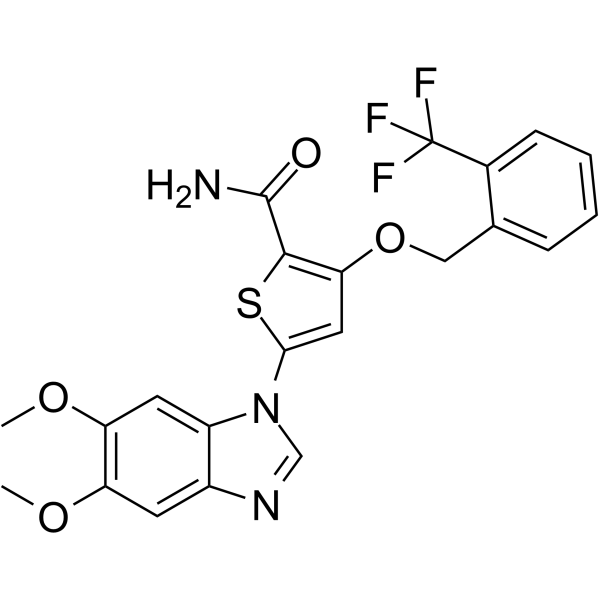 0 ImagesSynonyms: GW843682GW843682X is a selective, ATP-competitive inhibitor of PLK1 and PLK3, with IC50s of 2.2 nM and 9.1 nM, respectively, and is also >100-fold selective against ~30 other kinases.
-
MLN0905
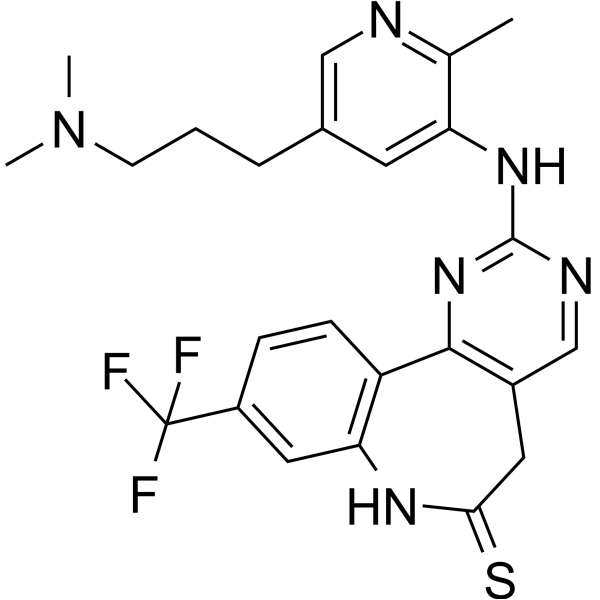 0 ImagesMLN0905 is a potent, orally active Polo-like kinase 1 (PLK1) inhibitor. MLN0905 has inhibitory potency against PLK1 with an IC50 value of 2 nM. MLN0905 can be used for the research of cancer.
-
Rigosertib sodium
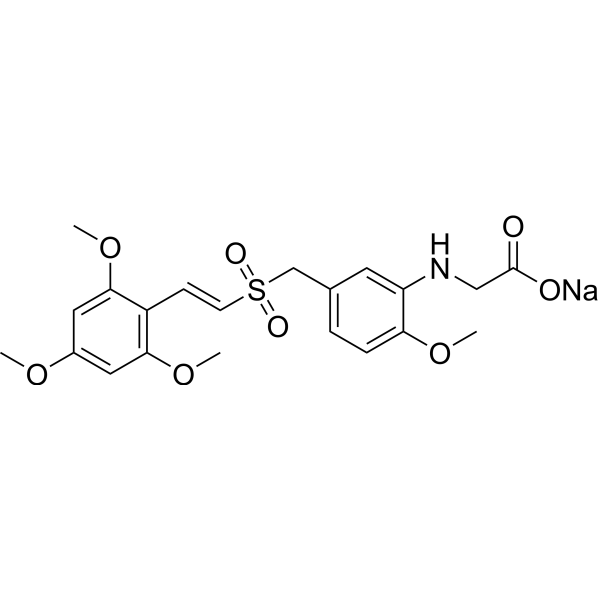 0 ImagesSynonyms: ON-01910 sodiumRigosertib sodium (ON-01910 sodium) is a multi-kinase inhibitor and a selective anti-cancer agent, which induces apoptosis by inhibition the PI3K/Akt pathway, promotes the phosphorylation of histone H2AX and induces G2/M arrest in cell cycle. Rigosertib sodium is a selective and non-ATP-competitive inhibitor of PLK1 with an IC50 of 9 nM.
-
Nε-(Carboxymethyl)-L-lysine
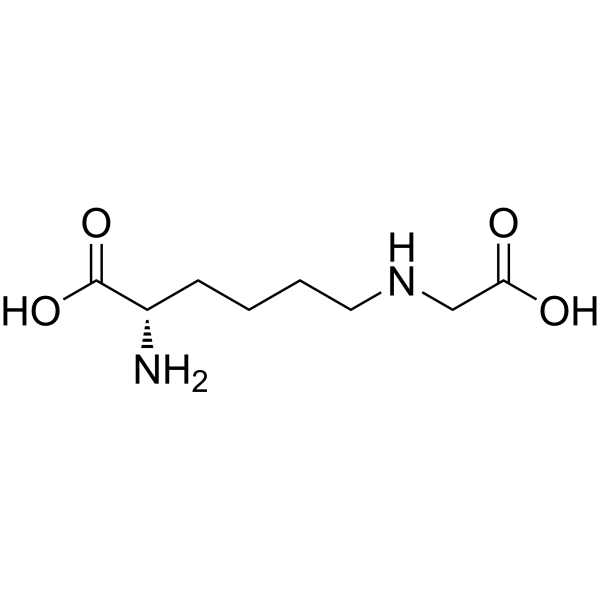 0 ImagesCat. No.: HY-W286743CAS No.: 5746-04-3Synonyms: CML; N6-(Carboxymethyl)-L-lysine; Nε-(1-Carboxymethyl)-L-lysineNε-(Carboxymethyl)-L-lysine (CML) is an orally active advanced glycation end product. Nε-(Carboxymethyl)-L-lysine upregulates the expression of PLK1 and CEP20, and induces the activation of RAGE and ERK/NFκB. Nε-(Carboxymethyl)-L-lysine drives centrosome amplification. Nε-(Carboxymethyl)-L-lysine induces malignant transformation of hepatocytes and promotes the development of hepatocellular carcinoma. Nε-(Carboxymethyl)-L-lysine induces epithelial-mesenchymal transition in osteosarcoma cells and enhances their migration and invasion properties.
-
Poloxin
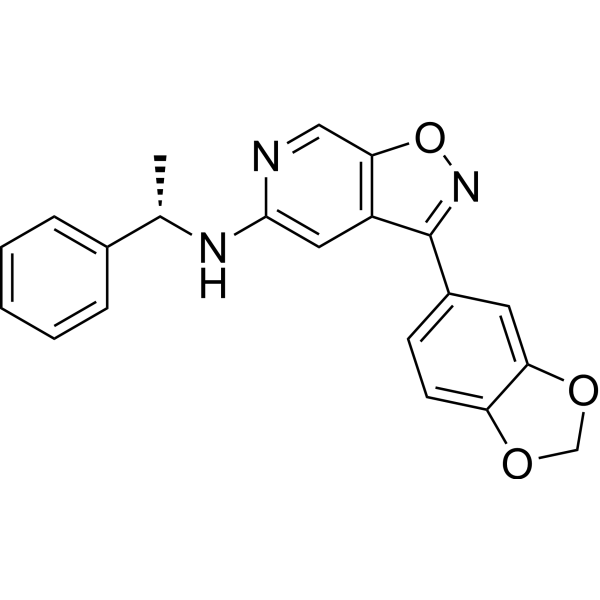
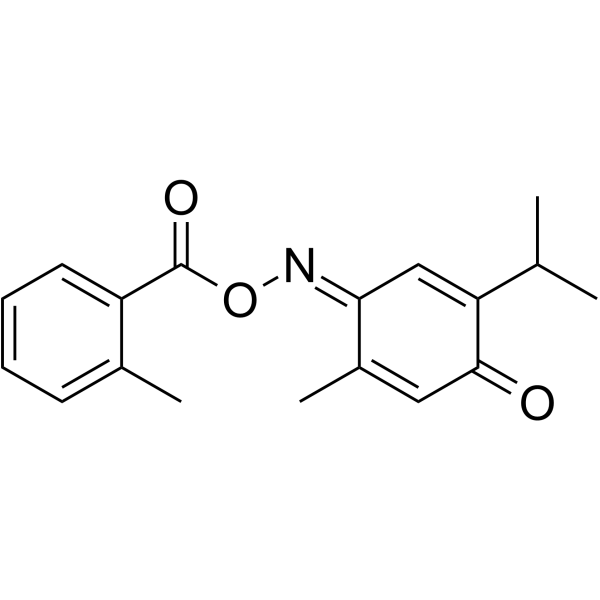 0 ImagesPoloxin is a non-ATP competitive Polo-like Kinase 1 (PLK1) inhibitor that targets the polo-box domain, with an IC50 of appr 4.8 μM.
-
Telocinobufagin
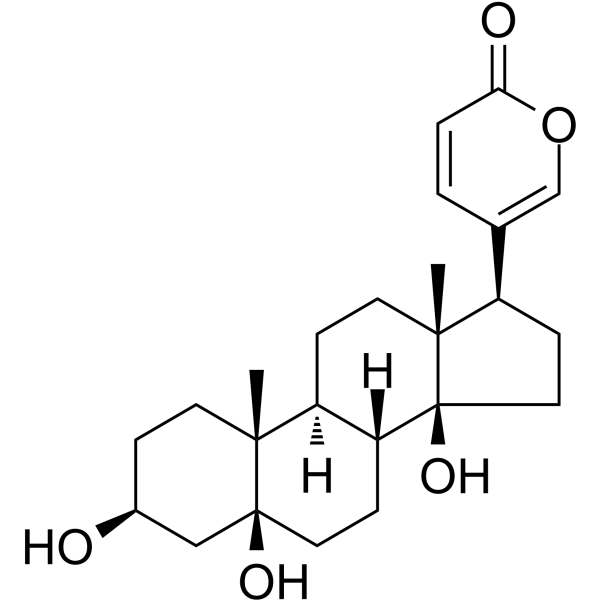 0 ImagesTelocinobufagin (Telobufotoxin; Telocinobufogenin) is an orally active bufadienolide with potential anti-tumor effects. Telocinobufagin exerts its anti-cancer effects on non-small cell carcinoma, osteosarcoma, thyroid cancer, breast cancer and head and neck squamous cell carcinoma by inhibiting the STAT3, JAK2/STAT3, LARP1-mTOR, PI3K/Akt/Snail and PLK1 pathways, and can also induce tumor cell apoptosis. Telocinobufagin enhances the Th1 immune response and protects against Salmonella typhimurium infection. Telocinobufagin has a strong cardiac-stimulating effect by inhibiting the activity of Na+/K+-ATPase, and it can promote renal fibrosis. Telocinobufagin demonstrates non-opioid analgesic effects in various acute pain models.
-
Plogosertib
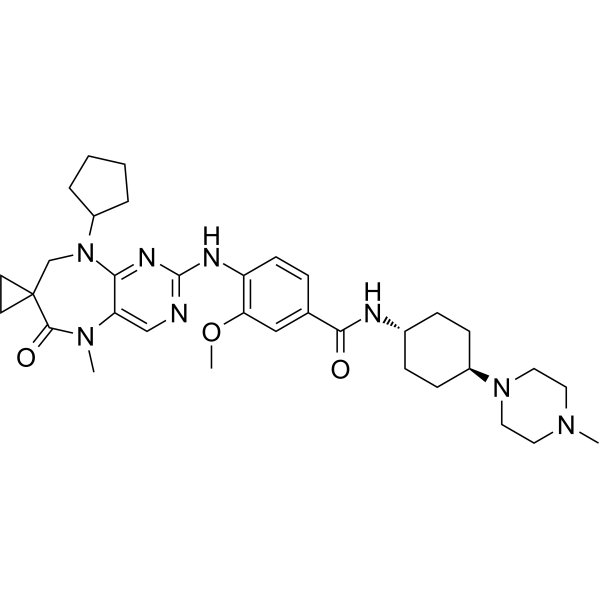 0 ImagesSynonyms: CYC140Plogosertib (CYC140) is a selective, potent, and orally active ATP-competitive PLK1 inhibitor (IC50: 3 nM). Plogosertib is an anti-cancer agent with anti-proliferative activity. Plogosertib can be used in the research of several tumors, including esophageal, gastric, leukemia, non–small cell lung cancer, ovarian, and squamous cell cancers.




