1. Search Result
Search Result
Results for "

antitumor and antiangiogenic activities

" in MedChemExpress (MCE) Product Catalog:

61

Inhibitors & Agonists

3

Peptides

3

Inhibitory Antibodies

17

Natural
Products

2

Isotope-Labeled Compounds

Cat. No. Product Name Target Research Areas Chemical Structure
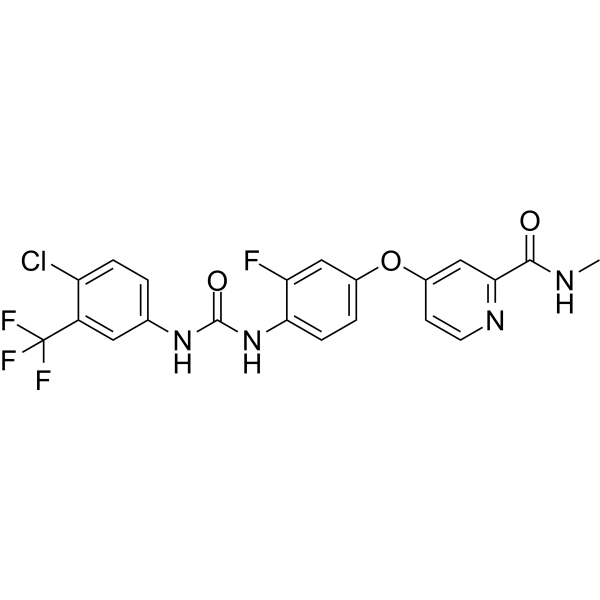
  • HY-10331
    Regorafenib
    Maximum Cited Publications
    87 Publications Verification

    BAY 73-4506

    VEGFR Autophagy PDGFR Raf RET c-Kit FGFR Tie Cancer
    Regorafenib (BAY 73-4506) is an orally active and potent multi-targeted receptor tyrosine kinase inhibitor, with IC50 values of 13/4.2/46, 22, 7, 1.5 and 2.5 nM for VEGFR1/2/3, PDGFRβ, Kit, RET and Raf-1, respectively. Regorafenib shows very robust antitumor and antiangiogenic activity .
    Regorafenib
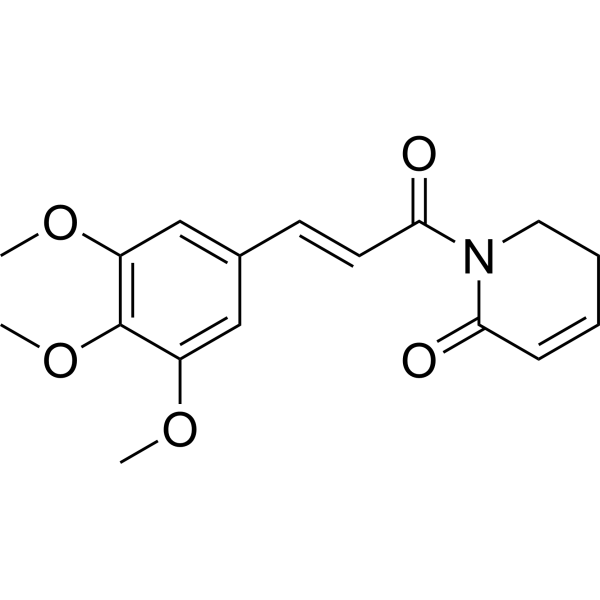
  • HY-N2329
    Piperlongumine
    Maximum Cited Publications
    14 Publications Verification

    Piplartine

    ERK Reactive Oxygen Species (ROS) Autophagy Apoptosis Bacterial Ferroptosis Infection Cardiovascular Disease Cancer
    Piperlongumine is a alkaloid , possesses ant-inflammatory, antibacterial, antiangiogenic, antioxidant, antitumor, and antidiabetic activities . Piperlongumine induces ROS, and induces apoptosis in cancer cell lines . Piperlongumine shows anti-cardiac fibrosis activity, suppresses myofibroblast transformation via suppression of the ERK1/2 signaling pathway. Piperlongumin could be used in the study of migrasome .
    Piperlongumine
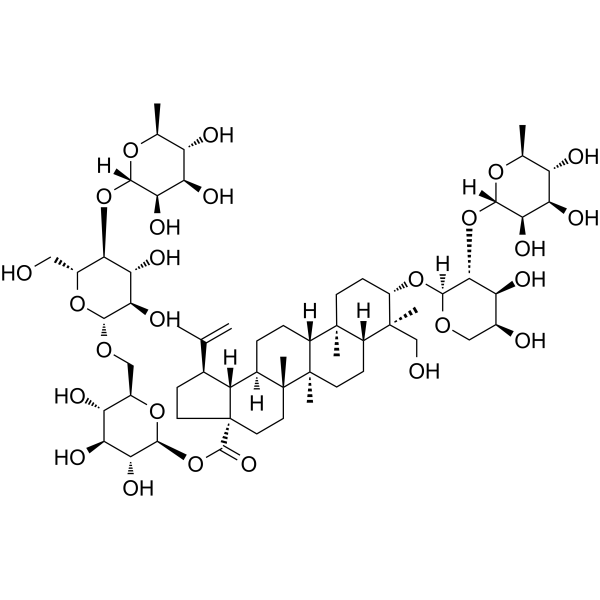
  • HY-N0205
    Pulchinenoside C
    5 Publications Verification

    Anemoside B4

    Others Cancer
    Pulchinenoside C (Anemoside B4) is Pulsatilla koreana Nakai that have many numerous biological effects in vitro, including enhancing hypoglycemic, anti-tumor, neuroprotective and anti-angiogenic activity.
    Pulchinenoside C
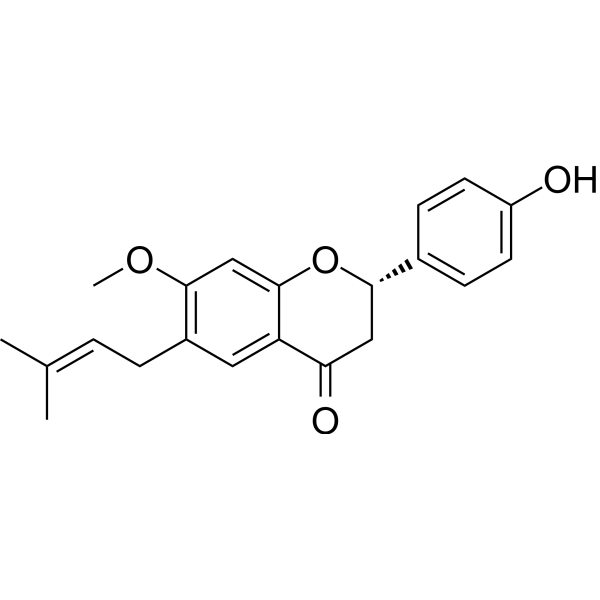
  • HY-N0234
    Bavachinin
    5+ Cited Publications

    7-O-Methylbavachin; Bavachinin A

    Amyloid-β PPAR HIF/HIF Prolyl-Hydroxylase Inflammation/Immunology Cancer
    Bavachinin is agonist of pan-peroxisome proliferator-activated receptor (PPAR), with the IC50 value of 21.043 μM, 12.819 μM, and 0.622 μM to PPAR-α, RRAR-β/δ, and PPAR-γ, respectively. Bavachinin is an inhibitor of HIF-1α. Bavachinin exhibits antitumor activity against non-small cell lung cancer by targeting RRAR-γ. Bavachinin is a natural compound with anti-inflammatory and anti-angiogenic activities. Bavachinin has orally bioactivity. .
    Bavachinin
  • HY-N2481
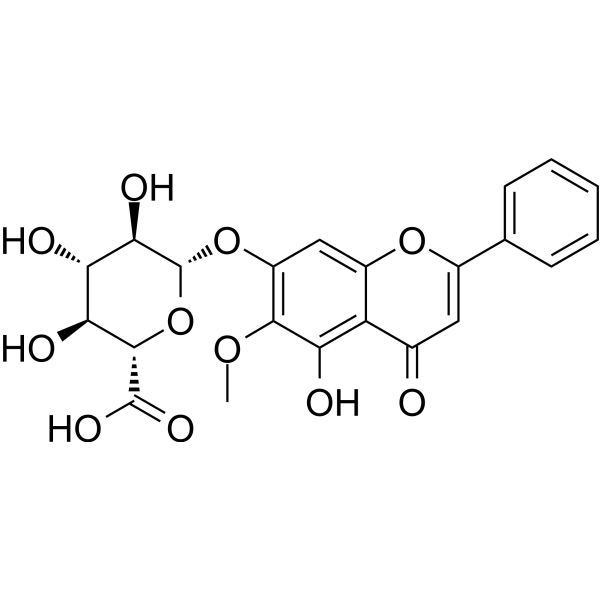
    Oroxylin A-7-O-glucuronide
    1 Publications Verification

    Oroxyloside; Oroxylin A-7-O-β-D-glucuronide

    Prolyl Endopeptidase (PREP) Drug Metabolite JNK PPAR NF-κB Interleukin Related Cardiovascular Disease Metabolic Disease Inflammation/Immunology Cancer
    Oroxylin A-7-O-glucuronide (oroxyloside) is an orally active flavonoid glucuronide and metabolite of Oroxylin A (HY-N0560). Oroxylin A-7-O-glucuronide can be extracted from the dried root of Scutellaria baicalensis. Oroxylin A-7-O-glucuronide exhibits prolyl oligopeptidase inhibitory activity. Oroxylin A-7-O-glucuronide inhibits the JNK pathway, upregulates PPARγ, and inhibits NF-κB p65 nuclear translocation. Oroxylin A-7-O-glucuronide reduces cytokine (IL-1β, IL-6) production. Oroxylin A-7-O-glucuronide exhibits anti-angiogenic, anti-tumor (glioma, liver cancer), anti-inflammatory, and hepatoprotective activities .
    Oroxylin A-7-O-glucuronide
  • HY-W008859
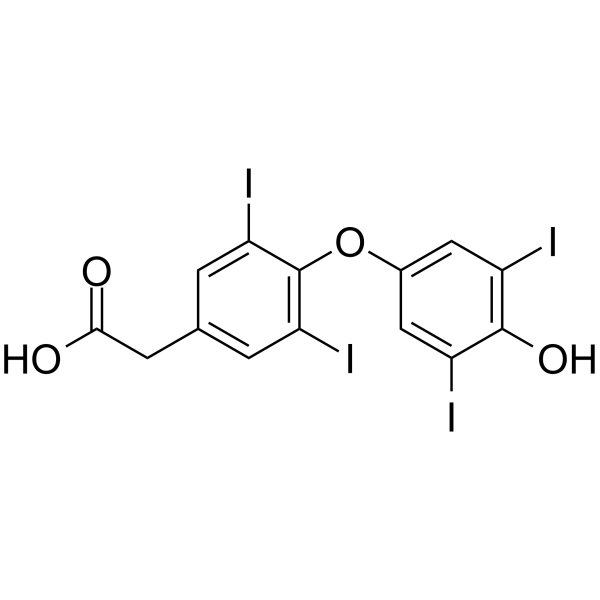
    Tetrac
    1 Publications Verification

    Tetraiodothyroacetic acid; 3,3',5,5'-Tetraiodothyroacetic acid

    Integrin Endogenous Metabolite Cancer
    Tetrac (Tetraiodothyroacetic acid), a derivative of L-thyroxine (T4), is a thyrointegrin receptor antagonist. Tetrac blocks the actions of T4 and 3,5,3'-triiodo-L-thyronine (T3) at the cell surface receptor for thyroid hormone on integrin αvβ3. Tetra has anti-angiogenic and anti-tumor activities .
    Tetrac
  • HY-N7000

    Environmental Pollutants Caspase Reactive Oxygen Species (ROS) Apoptosis Akt Ras Cardiovascular Disease Neurological Disease Inflammation/Immunology Cancer
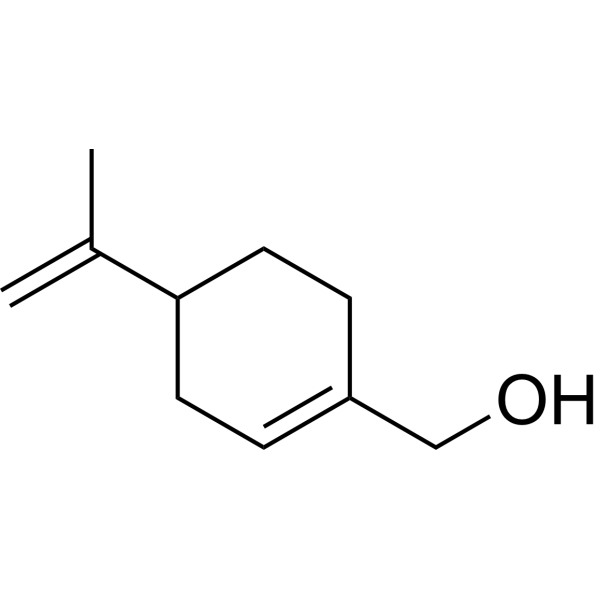
    Perillyl alcohol is an orally active monoterpene. Perillyl alcohol exhibits multiple activities such as analgesic, anti-inflammatory, anti-tumor, anti-angiogenic, and anti-nociceptive effects. Perillyl alcohol can induce apoptosis and cell cycle arrest in tumor cells .
    Perillyl alcohol
  • HY-10330A

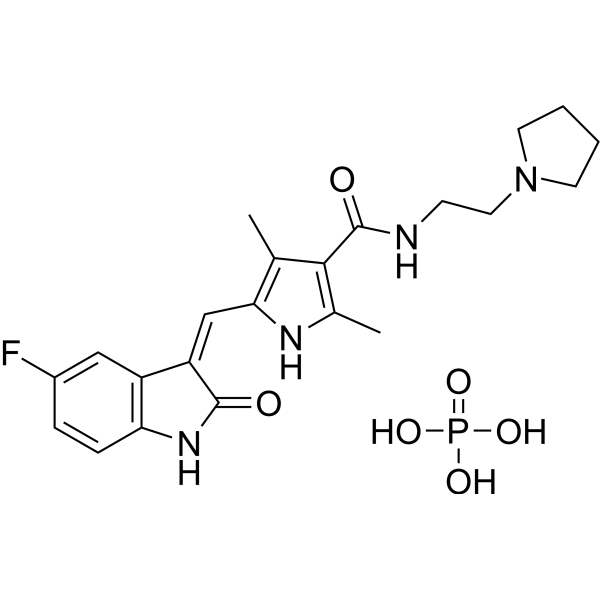
    SU11654 phosphate; PHA 291639E phosphate

    PDGFR VEGFR c-Kit Cancer
    Toceranib phosphate (SU11654 phosphate) is an orally active receptor tyrosine kinase (RTK) inhibitor, and it potently inhibits PDGFR, VEGFR, and Kit with Kis of 5 and 6 nM for PDGFRβ and Flk-1/KDR, respectively. Toceranib phosphate (SU11654 phosphate) has antitumor and antiangiogenic activity, and used in the treatment of canine mast cell tumors .
    Toceranib phosphate
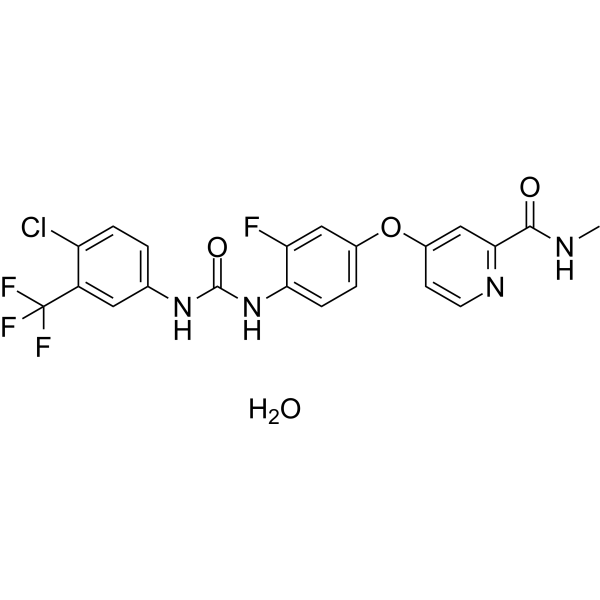
  • HY-10331A
    Regorafenib monohydrate
    Maximum Cited Publications
    87 Publications Verification

    BAY 73-4506 monohydrate

    VEGFR Autophagy PDGFR Raf RET FGFR c-Kit Tie Cancer
    Regorafenib (BAY 73-4506) monohydrate is an orally active and potent multi-targeted receptor tyrosine kinase inhibitor, with IC50 values of 13/4.2/46, 22, 7, 1.5 and 2.5 nM for VEGFR1/2/3, PDGFRβ, Kit, RET and Raf-1, respectively. Regorafenib monohydrate shows very robust antitumor and antiangiogenic activity .
    Regorafenib monohydrate
  • HY-P99333
    Volociximab
    2 Publications Verification

    M200; Eos 200-4

    Integrin Cardiovascular Disease Cancer
    Volociximab (M200) is a chimeric human/murine IgG4 antibody IIA1 targeting integrin α5β1 (EC50=0.2 nM). Integrin α5β1 is a major fibronectin receptor involved in angiogenesis. Volociximab has antiangiogenic and antitumor activities and inhibits the proliferation of human umbilical vein vascular endothelial cells (HUVECs) .
    Volociximab
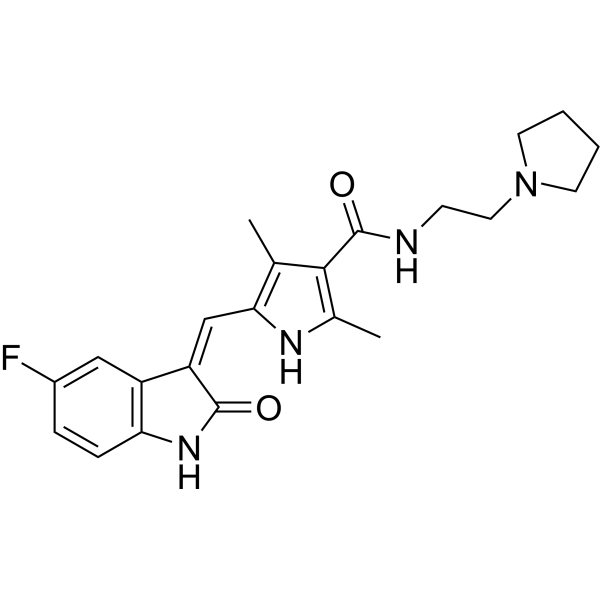
  • HY-10330

    SU11654; PHA 291639E

    PDGFR VEGFR c-Kit Cancer
    Toceranib phosphate (SU11654 phosphate) is an orally active receptor tyrosine kinase (RTK) inhibitor, and it potently inhibits PDGFR, VEGFR, and Kit with Kis of 5 and 6 nM for PDGFRβ and Flk-1/KDR, respectively. Toceranib phosphate (SU11654 phosphate) has antitumor and antiangiogenic activity, and used in the treatment of canine mast cell tumors .
    Toceranib
  • HY-P5133
    Synstatin (92-119)
    1 Publications Verification

    SSTN92-119

    Integrin Cancer
    Synstatin (92-119) is an inhibitor of αvβ3/αvβ5 integrins and IGF1R with anti-angiogenic, anti-proliferative, antioxidant and anti-tumor activities. Synstatin (92-119) competitively blocks the capture of αvβ3/αvβ5 integrins and IGF1R by syndecan-1, disrupts the formation of the syndecan-1 : integrin : IGF1R ternary complex, inhibits integrin activation and talin-mediated signaling pathways, and blocks VEGF-induced angiogenesis. Synstatin (92-119) is applicable to research related to cancer and hepatocellular carcinoma .
    Synstatin (92-119)
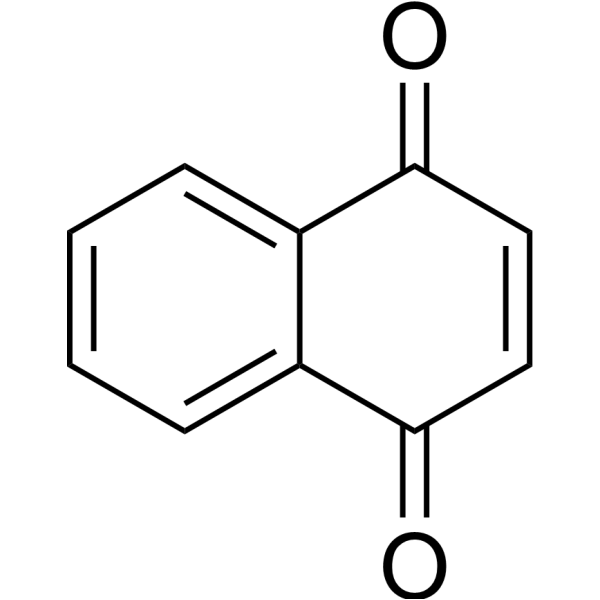
  • HY-W015490
    1,4-Naphthoquinone
    3 Publications Verification

    Environmental Pollutants DNA/RNA Synthesis NF-κB Monoamine Oxidase TNF Receptor Bacterial Infection Inflammation/Immunology Cancer
    1,4-Naphthoquinone is an inhibitor with broad-spectrum inhibitory activity targeting DNA polymerase, NF-κB and monoamine oxidase (MAO-A/B), with antibacterial and anti-biofilm efficacy. 1,4-Naphthoquinone is a competitive inhibitor of MAO-B (Ki=1.4 μM) and a non-competitive inhibitor of MAO-A (Ki=7.7 μM). 1,4-Naphthoquinone inhibits DNA polymerase pol α, β, γ, δ, ε, λ with IC50 ranging from 5.57-128 μM. 1,4-Naphthoquinone inhibits tumor cell proliferation, induces apoptosis and necrosis, and has anti-angiogenic and anti-inflammatory activities by inducing oxidative stress, depleting glutathione (GSH), inhibiting DNA polymerase-mediated DNA synthesis and blocking NF-κB nuclear translocation. 1,4-Naphthoquinone can be used in anti-bacterial , anti-tumor and anti-inflammatory studies, including inhibition of melanoma and colon cancer cell growth and endothelial cell function, as well as LPS-induced inflammation models .
    1,4-Naphthoquinone
  • HY-P99546

    2xCon4C; AMG 386

    Tie Cardiovascular Disease Cancer
    Trebananib (2xCon4C) is an Fc fusion peptibody. Trebananib exerts its effects by blocking the binding of angiopoietin 1 (Ang1) and angiopoietin 2 (Ang2) to the TIE2 receptor. Trebananib has anti-angiogenic and anti-tumor activities .
    Trebananib
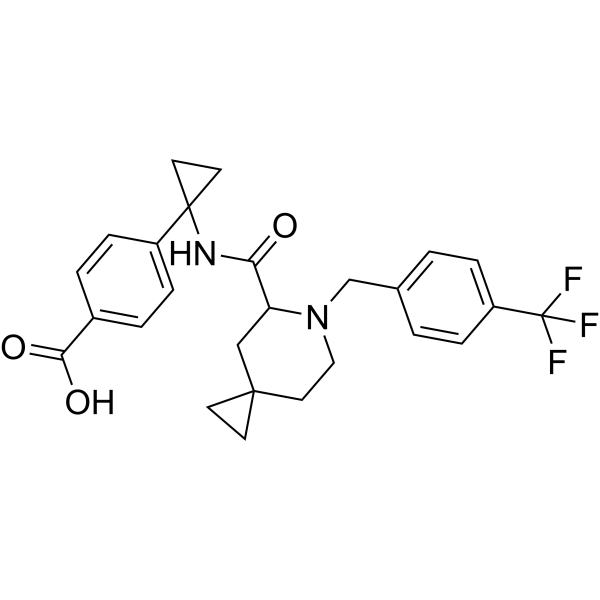
  • HY-156649

    CR6086

    Prostaglandin Receptor Interleukin Related MMP PD-1/PD-L1 Cardiovascular Disease Inflammation/Immunology Cancer
    Vorbipiprant (CR6086) is an orally active EP4 receptor antagonist with high selectivity for the human EP4 receptor (Ki: 16.6 nM). Vorbipiprant has immunomodulatory, anti-inflammatory, antitumor, and anti-angiogenic activities. Vorbipiprant can inhibit the expression of multiple pro-inflammatory cytokines and the activation of immune cells, and convert "cold" tumors unresponsive to immune checkpoint inhibitors into "hot" tumors. Vorbipiprant is used in the research of diseases such as rheumatoid arthritis and colon cancer .
    Vorbipiprant
  • HY-136065
    bpV(phen)
    3 Publications Verification

    PTEN Phosphatase Parasite Apoptosis Infection Metabolic Disease Inflammation/Immunology Cancer
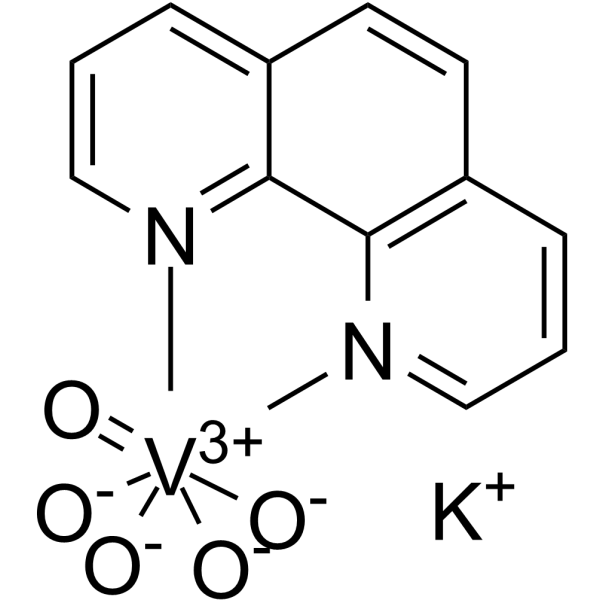
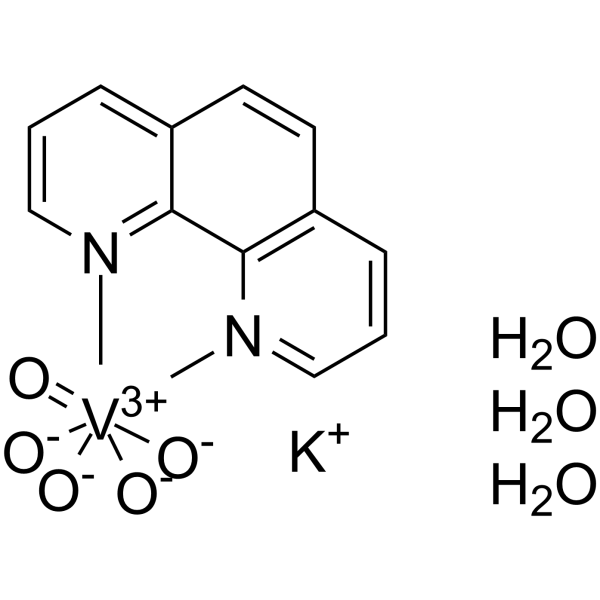
    bpV(phen), a insulin-mimetic agent, is a potent protein tyrosine phosphatase (PTP) and PTEN inhibitor with IC50s of 38 nM, 343 nM and 920 nM for PTEN, PTP-β and PTP-1B, respectively. bpV(phen) inhibits proliferation of the protozoan parasite Leishmania in vitro. bpV(phen) strongly induces the secretion of a large number of chemokines and pro-inflammatory cytokines, and it activates a Th1-type pathway (IL-12, IFNγ). bpV(phen) can also induce cell apoptosis, and has anti-angiogenic and anti-tumor activity .
    bpV(phen)
  • HY-N0442

    4'-O-β-D-Glucosyl-5-O-methylvisamminol

    NF-κB p38 MAPK JNK Src TNF Receptor NOD-like Receptor (NLR) Amyloid-β MEK ERK Ferroptosis VEGFR Anaplastic lymphoma kinase (ALK) Reactive Oxygen Species (ROS) Neurological Disease Metabolic Disease Inflammation/Immunology Cancer
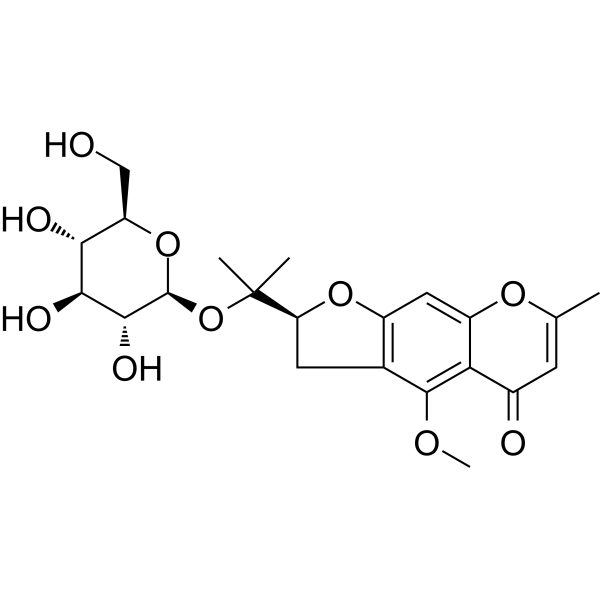
    5-O-Methylvisammioside (4'-O-β-D-Glucosyl-5-O-methylvisamminol) is an orally active natural chromone glycoside and multiple biological activities. 5-O-Methylvisammioside inhibits ferroptosis by activating the Nrf2/HO-1 signaling axis. 5-O-Methylvisammioside alleviates intestinal barrier damage by inhibiting the ROS/NF-κB/NLRP3 pathway. 5-O-Methylvisammioside exerts a protective effect against acute liver injury by reducing ALT/AST, decreasing inflammatory infiltration, and inhibiting IκB-α phosphorylation and NF-κB nuclear translocation. 5-O-Methylvisammioside blocks the HMGB1/RAGE/MEK/ERK signaling axis to exert anti-tumor and anti-angiogenic effects. 5-O-Methylvisammioside improves depression-like behaviors by inhibiting Src kinase and the NF-κB pathway .
    5-O-Methylvisammioside
  • HY-N8342
    Rhamnazin
    1 Publications Verification

    VEGFR Inflammation/Immunology Cancer
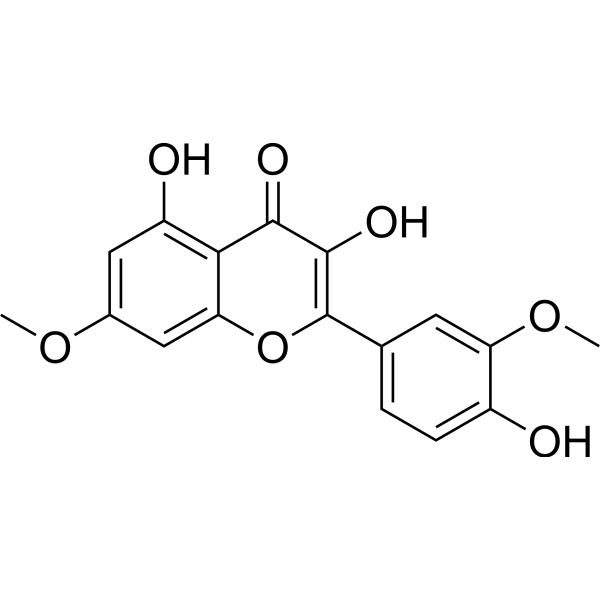
    Rhamnazin is an orally active inhibitor of VEGFR2 signaling with an IC50 of 4.68 μM against VEGFR2 kinase. Rhamnazin shows potent antiangiogenic activity and antitumor efficacy . Rhamnazin shows antioxidant and anti-inflammatory properties .
    Rhamnazin
  • HY-13737
    R1530
    1 Publications Verification

    Apoptosis VEGFR FGFR Mitosis Cancer
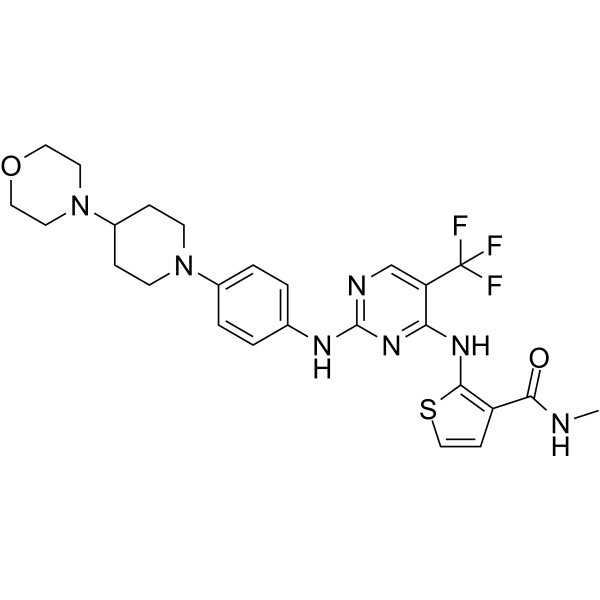
    R1530 is a highly potent, orally active, dual-acting mitosis/angiogenesis inhibitor, with anti-tumor and anti-angiogenic activities. R1530 is a multikinase inhibitor which binds to 31 kinases with Kd values of <500 nM. R1530 inhibits VGFR2 and FGFR1 with IC50 of 10 nM and 28 nM, respectively. R1530 triggers apoptosis (mitotic catastrophe) or senescence .
    R1530
  • HY-10220

    PI3K Apoptosis Cancer
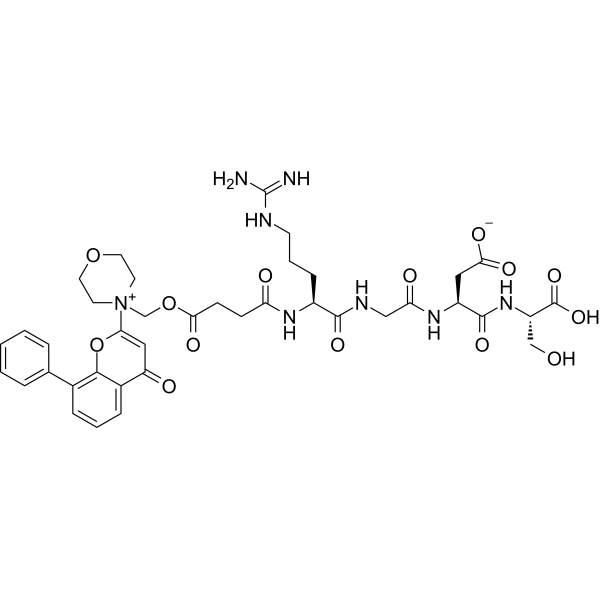
    SF1126 is a relevant pan and dual first-in-class PI3K/BRD4 inhibitor, has antitumor and anti-angiogenic activity. SF1126 is an RGDS-conjugated LY294002 proagent, which is designed to exhibit increased solubility and bind to specific integrins within the tumor compartment. SF1126 induces cell apoptosis .
    SF1126
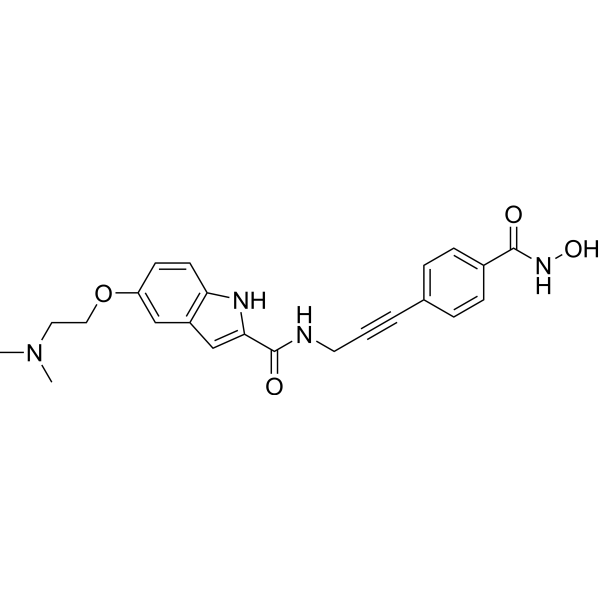
  • HY-19754A

    HDAC Apoptosis Cancer
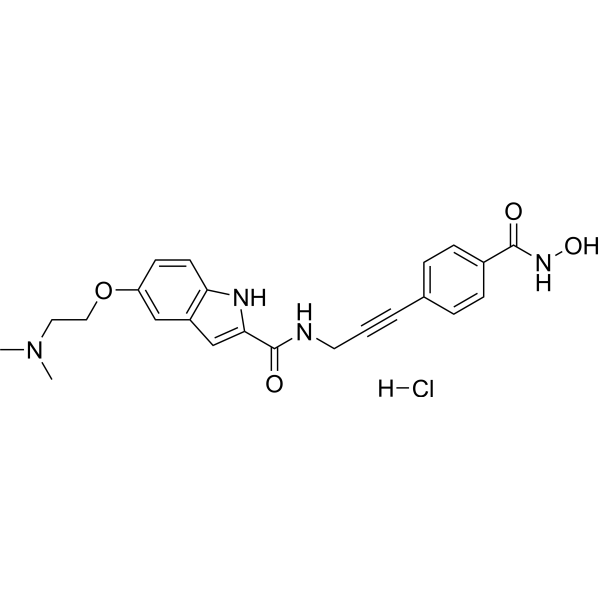
    CRA-026440 hydrochloride is a potent, broad-spectrum HDAC (HDAC) inhibitor. The Ki values against recombinant HDAC isoenzymes HDAC1, HDAC2, HDAC3, HDAC6, HDAC8, and HDAC10 are 4 nM, 14 nM, 11 nM, 15 nM, 7 nM, and 20 nM respectively. CRA-026440 hydrochloride shows antitumor and antiangiogenic activities . CRA-026440 (hydrochloride) is a click chemistry reagent, it contains an Alkyne group and can undergo copper-catalyzed azide-alkyne cycloaddition (CuAAc) with molecules containing Azide groups.
    CRA-026440 hydrochloride
  • HY-100450
    BML-111
    1 Publications Verification

    Angiotensin-converting Enzyme (ACE) Cardiovascular Disease Inflammation/Immunology Cancer
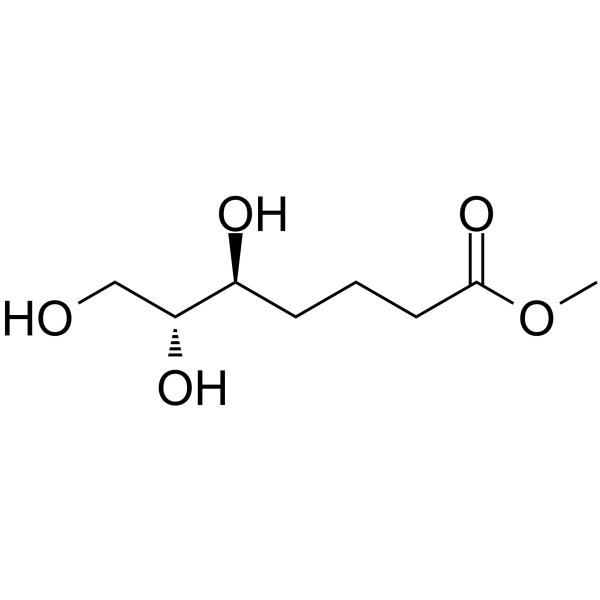
    BML-111, a lipoxin A4 analog, is a lipoxin A4 receptor agonist. BML-111 represses the activity of angiotensin converting enzyme (ACE) and increases the activity of angiotensinconverting enzyme 2 (ACE2). BML-111 has antiangiogenic, antitumor and anti-inflammatory properties .
    BML-111
  • HY-156019

    FGFR Cancer
    FGFR1 inhibitor-10 (Compound 4i) is an FGFR1 inhibitor (IC50: 28 nM). FGFR1 inhibitor-10 inhibits the phosphorylation of FGFR1. FGFR1 inhibitor-10 has anti-angiogenic, anti-invasion activity, and anti-tumor effect .
    FGFR1 inhibitor-10
  • HY-122818
    BpV(phen) trihydrate
    3 Publications Verification

    Bisperoxovanadium(phen) trihydrate

    PTEN Phosphatase Parasite Apoptosis Infection Metabolic Disease Inflammation/Immunology Cancer
    BpV(phen) trihydrate, a insulin-mimetic agent, is a potent protein tyrosine phosphatase (PTP) and PTEN inhibitor with IC50s of 38 nM, 343 nM and 920 nM for PTEN, PTP-β and PTP-1B, respectively. BpV(phen) trihydrate inhibits proliferation of the protozoan parasite Leishmania in vitro. bpV(phen) trihydrate strongly induces the secretion of a large number of chemokines and pro-inflammatory cytokines, and it activates a Th1-type pathway (IL-12, IFNγ). BpV(phen) trihydrate can also induce cell apoptosis, and has anti-angiogenic and anti-tumor activity .
    BpV(phen) trihydrate
  • HY-P990961

    IMM-2510; SYN-2510

    VEGFR PD-1/PD-L1 Cardiovascular Disease Inflammation/Immunology Cancer
    Palverafusp alfa (IMM-2510; SYN-2510) is a PD-L1/VEGF-targeting IgG1κ type humanized antibody. Palverafusp alfa blocks PD-1/PD-L1 binding, relieves immune suppression, mediates PD-L1-directed antibody-dependent cellular cytotoxicity (ADCC). Palverafusp alfa blocks VEGF/VEGFR binding, inhibits angiogenic signaling, relieves VEGF-induced immune suppression. Palverafusp alfa reduces endothelial cell proliferation, enhances ADCC and antibody-dependent cellular phagocytosis (ADCP), inhibits tumor growth, reverses T cell immune suppression. Palverafusp alfa exhibits immune stimulatory, antiangiogenic, and anti-tumor activity in the tumor microenvironment. Palverafusp alfa can be used for the research of cancer, such as solid tumors, non-small cell lung cancer .
    Palverafusp alfa
  • HY-W015490S

    Isotope-Labeled Compounds DNA/RNA Synthesis NF-κB Monoamine Oxidase TNF Receptor Bacterial Infection Inflammation/Immunology Cancer
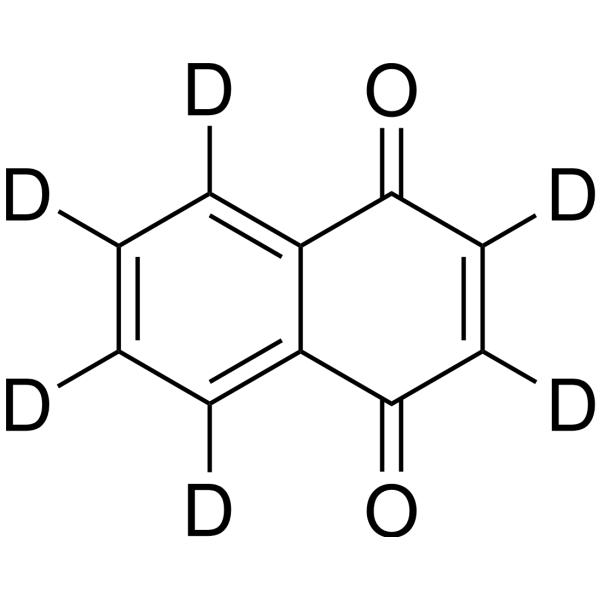
    1,4-Naphthoquinone-d6 is the deuterium labeled 1,4-Naphthoquinone. 1,4-Naphthoquinone is an inhibitor with broad-spectrum inhibitory activity targeting DNA polymerase, NF-κB and monoamine oxidase (MAO-A/B), with antibacterial and anti-biofilm efficacy. 1,4-Naphthoquinone is a competitive inhibitor of MAO-B (Ki=1.4 μM) and a non-competitive inhibitor of MAO-A (Ki=7.7 μM). 1,4-Naphthoquinone inhibits DNA polymerase pol α, β, γ, δ, ε, λ with IC50 ranging from 5.57-128 μM. 1,4-Naphthoquinone inhibits tumor cell proliferation, induces apoptosis and necrosis, and has anti-angiogenic and anti-inflammatory activities by inducing oxidative stress, depleting glutathione (GSH), inhibiting DNA polymerase-mediated DNA synthesis and blocking NF-κB nuclear translocation. 1,4-Naphthoquinone can be used in anti-bacterial , anti-tumor and anti-inflammatory studies, including inhibition of melanoma and colon cancer cell growth and endothelial cell function, as well as LPS-induced inflammation models .
    1,4-Naphthoquinone-d6
  • HY-117737A

    Raf Apoptosis Cancer
    RRD-251 is an inhibitor of retinoblastoma tumor suppressor protein (Rb)-Raf-1 interaction, with potent anti-proliferative, anti-angiogenic and anti-tumor activities .
    RRD-251
  • HY-172888

    Endogenous Metabolite Sialyltransferase FAK Integrin Cancer
    SPP-037 is an orally active and selective inhibitor of ST6GAL1 (IC50 = 3.59 μM). SPP-037 inhibits integrin α2,6-sialylation and integrin-FAK-paxillin pathway. SPP-037 inhibits cancer cell proliferation, migration and exhibits antiangiogenic activity. SPP-037 has anti-tumor activity in MDA-MB-231 xenograft mouse model. SPP-037 can be used for the research of triple-negative breast cancer .
    SPP-037
  • HY-115436

    Apoptosis Cancer
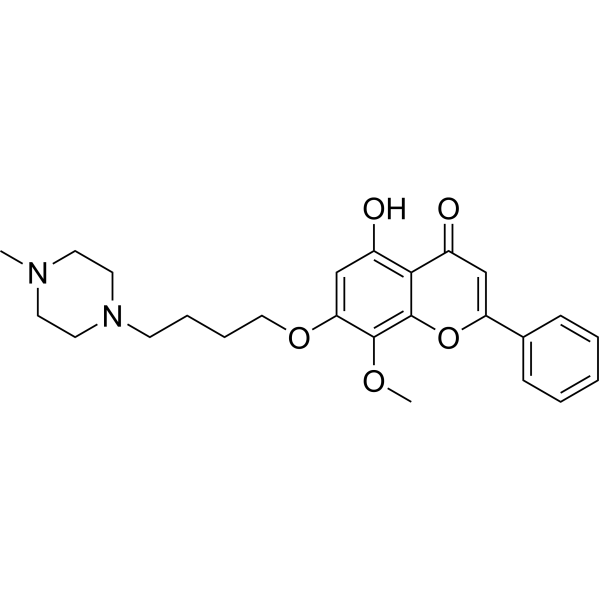
    LYG-202, a flavonoid, has potent anti-angiogenic and antitumor activity. LYG-202 inhibits VEGF-stimulated HUVEC migration and tube formation. LYG-202 induces cancer cell apoptosis .
    LYG-202
  • HY-19827
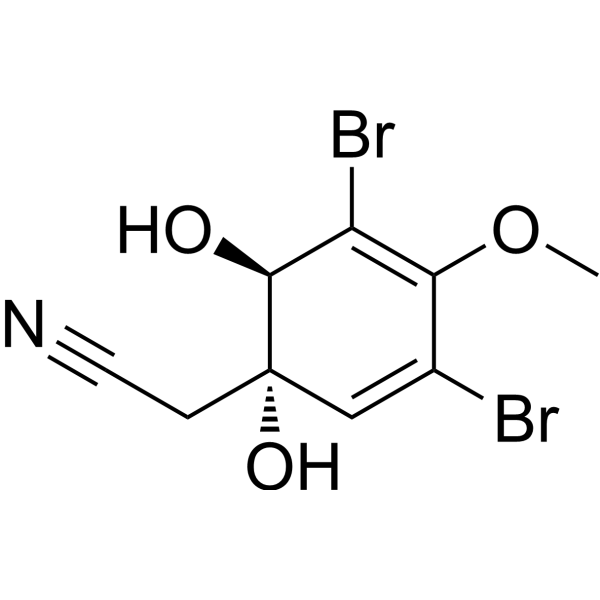
    Aeroplysinin 1
    1 Publications Verification

    (+)-Aeroplysinin-1

    Bacterial HIV Apoptosis Infection Cancer
    Aeroplysinin 1 ((+)-Aeroplysinin-1), a secondary metabolite isolated from marine sponges, shows potent antibiotic effects on Gram-positive bacteria and exerts antiviral activity against HIV-1 (IC50=14.6 μM). Aeroplysinin 1 has anti-inflammatory, anti-angiogenic and anti-tumor activities. Aeroplysinin 1 induces apoptosis in endothelial cells .
    Aeroplysinin 1
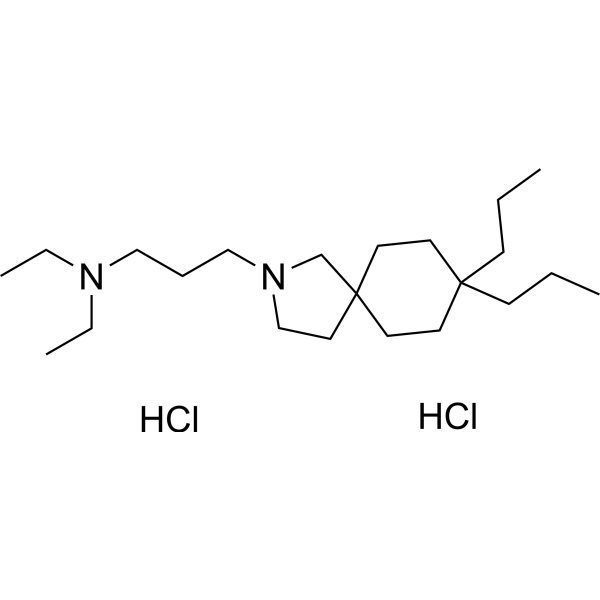
  • HY-13559

    Azaspirane ; SKF 106615-12; SKF 106615A12

    STAT Apoptosis Autophagy Reactive Oxygen Species (ROS) Caspase Bcl-2 Family p62 Atg8/LC3 PARP NF-κB PERK JAK Cardiovascular Disease Inflammation/Immunology Cancer
    Atiprimod (Azaspirane) is a STAT3 inhibitor with antitumor, anti-inflammatory, and anti-angiogenic activities. Atiprimod blocks the signaling pathways of IL-6 and VEGF by inhibiting the phosphorylation of signal transducer and activator of STAT3. Atiprimod blocks the JAK-STAT signaling pathway by inhibiting the phosphorylation of JAK2 and JAK3. Atiprimod also inhibits cell proliferation, induces cell cycle arrest, and induces autophagy and apoptosis. Atiprimod triggers persistent ER stress-mediated apoptosis in breast cancer cells by activating the PERK/eIF2α/ATF4/CHOP axis and inhibiting the nuclear translocation of STAT3/NF-κB. Atiprimod shows great anti-tumor activities in tumor xenograft mouse models. Atiprimod can be used for the study of pituitary adenoma, breast cancer, multiple myeloma and acute myeloid leukemia (AML) .
    Atiprimod
  • HY-133571

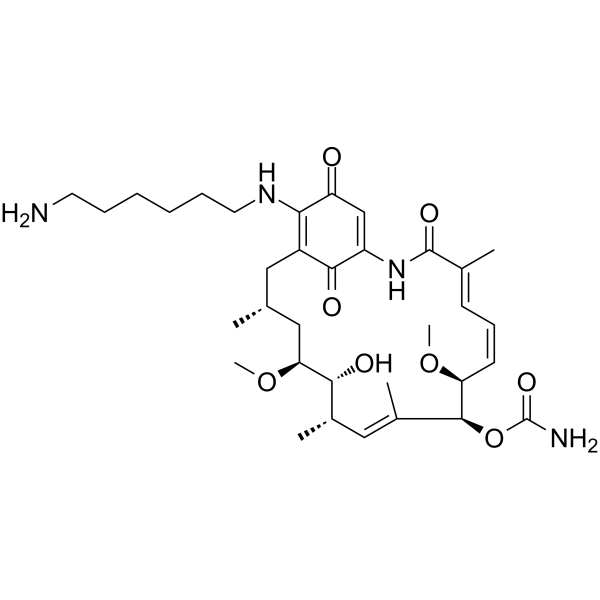
    AHGDM

    HSP ADC Payload Cancer
    Aminohexylgeldanamycin (AHGDM), a Geldanamycin derivative, is a potent HSP90 inhibitor. Aminohexylgeldanamycin shows antiangiogenic and antitumor activities .
    Aminohexylgeldanamycin
  • HY-W016420R

    MK-0955 sodium (Standard)

    Reference Standards Bacterial Antibiotic Infection Cancer
    Pulchinenoside C (Standard) is the analytical standard of Pulchinenoside C. This product is intended for research and analytical applications. Pulchinenoside C (Anemoside B4) is a natural compound of the herbaceous peony saponin B4, which has many biological effects, such as antitumor, neuroprotective, and anti-angiogenic activities.
    Fosfomycin sodium (Standard)
  • HY-W008859R

    Tetraiodothyroacetic acid (Standard); 3,3',5,5'-Tetraiodothyroacetic acid (Standard)

    Reference Standards Integrin Endogenous Metabolite Cancer
    Tetrac (Tetraiodothyroacetic acid), a derivative of L-thyroxine (T4), is a thyrointegrin receptor antagonist. Tetrac blocks the actions of T4 and 3,5,3'-triiodo-L-thyronine (T3) at the cell surface receptor for thyroid hormone on integrin αvβ3. Tetra has anti-angiogenic and anti-tumor activities .
    Tetrac (Standard)
  • HY-10330S

    Isotope-Labeled Compounds PDGFR VEGFR c-Kit Cancer
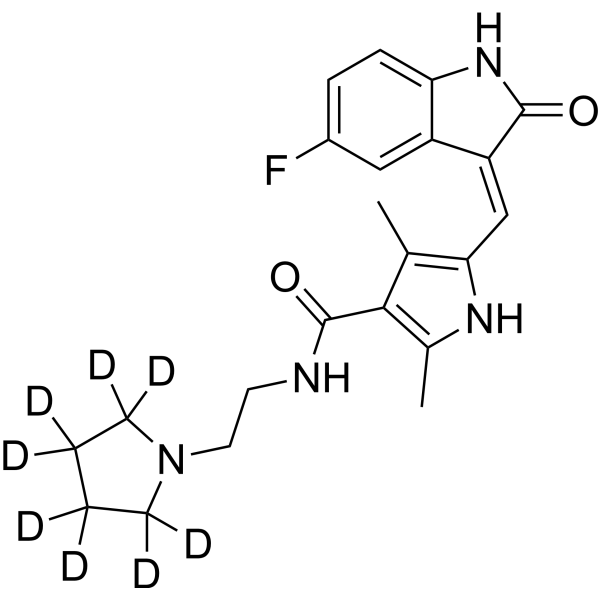
    Toceranib-d8 is the deuterium labeled Toceranib. Toceranib (SU11654) is an orally active receptor tyrosine kinase (RTK) inhibitor, and it potently inhibits PDGFR, VEGFR, and Kit with Kis of 5 and 6 nM for PDGFRβ and Flk-1/KDR, respectively. Toceranib (SU11654) has antitumor and antiangiogenic activity, and used in the treatment of canine mast cell tumors .
    Toceranib-d8
  • HY-175042

    Ins(1,3,4,5,6)P5 ammonium salt; 1,3,4,5,6-IP5 ammonium salt

    Akt Cancer
    D-myo-Inositol-1,3,4,5,6-pentaphosphate (ammonium salt) (Ins(1,3,4,5,6)P5 (ammonium salt)) is an isomer of inositol phosphate that acts as a small and soluble second messenger in the transmission of cellular signals. D-myo-Inositol-1,3,4,5,6-pentaphosphate (ammonium salt) can bind to the PH domain of Grp1 with a Kd of 590 nM. D-myo-Inositol-1,3,4,5,6-pentaphosphate (ammonium salt) can inhibit the phosphorylation and kinase activity of Akt/PKB, inducing apoptosis in ovarian, lung, and breast cancer cells. D-myo-Inositol-1,3,4,5,6-pentaphosphate (ammonium salt) exhibits antiangiogenic activity in vitro and blocks capillary tube formation of HUVEC. D-myo-Inositol-1,3,4,5,6-pentaphosphate (ammonium salt) exerts antitumor effects against cancer xenografts in nude mice .
    D-myo-Inositol-1,3,4,5,6-pentaphosphate ammonium salt
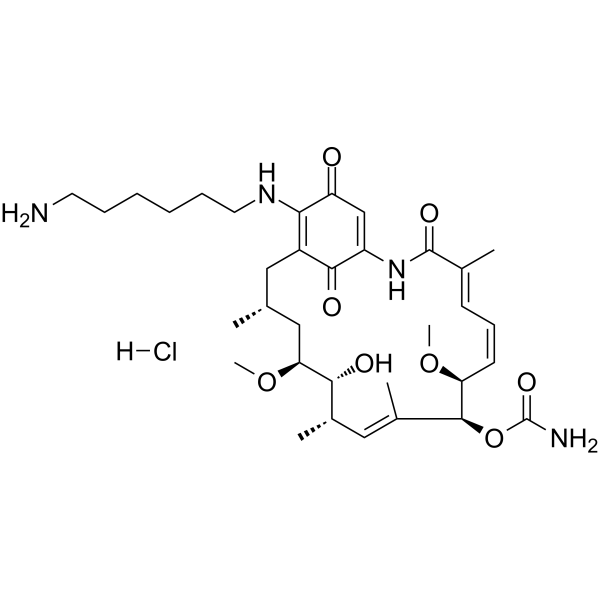
  • HY-133571A

    AHGDM hydrochloride

    HSP ADC Payload Cancer
    Aminohexylgeldanamycin (AHGDM) hydrochloride, a Geldanamycin derivative, is a potent HSP90 inhibitor. Aminohexylgeldanamycin hydrochloride shows antiangiogenic and antitumor activities .
    Aminohexylgeldanamycin hydrochloride
  • HY-P10550

    VEGFR Cancer
    VGB4 is a VEGF-A and VEGF-B antagonist peptide that duplicates two binding domains of VEGF-B (loop 1 and loop3) and are linked together by the receptor-binding domain of VEGF-A (loop3). VGB4 has significant anti-angiogenic and anti-tumor activities and can regulate tumor growth and metastasis through multiple mechanisms. VGB4 could be used in anti-tumor research .
    VGB4
  • HY-N2329R

    Piplartine (Standard)

    Reference Standards ERK Reactive Oxygen Species (ROS) Autophagy Apoptosis Bacterial Ferroptosis Infection Cardiovascular Disease Cancer
    Piperlongumine is a alkaloid , possesses ant-inflammatory, antibacterial, antiangiogenic, antioxidant, antitumor, and antidiabetic activities . Piperlongumine induces ROS, and induces apoptosis in cancer cell lines . Piperlongumine shows anti-cardiac fibrosis activity, suppresses myofibroblast transformation via suppression of the ERK1/2 signaling pathway. Piperlongumin could be used in the study of migrasome .
    Piperlongumine (Standard)
  • HY-10331B

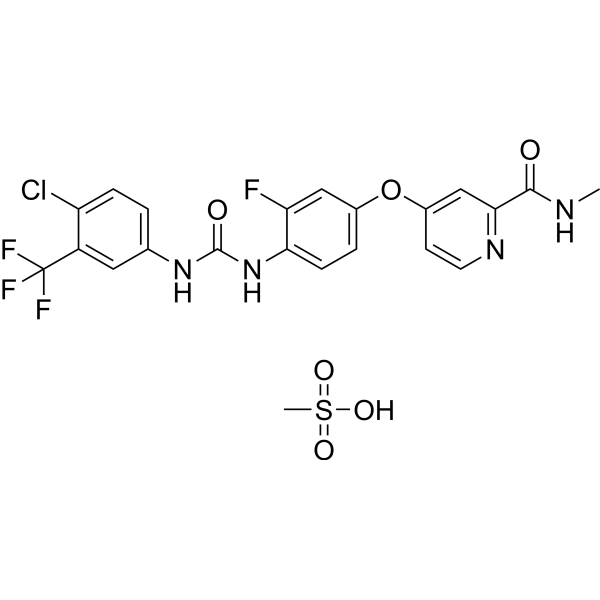
    BAY 73-4506 mesylate

    VEGFR PDGFR RET Raf c-Kit FGFR Autophagy Tie Cancer
    Regorafenib (BAY 73-4506) mesylate is an orally active and potent multi-targeted receptor tyrosine kinase inhibitor, with IC50 values of 13/4.2/46, 22, 7, 1.5 and 2.5 nM for VEGFR1/2/3, PDGFRβ, Kit, RET and Raf-1, respectively. Regorafenib mesylate shows very robust antitumor and antiangiogenic activity .
    Regorafenib mesylate
  • HY-10331R

    BAY 73-4506 (Standard)

    Reference Standards VEGFR Autophagy PDGFR Raf RET c-Kit FGFR Tie Cancer
    Regorafenib (Standard) is the analytical standard of Regorafenib. This product is intended for research and analytical applications. Regorafenib (BAY 73-4506) is an orally active and potent multi-targeted receptor tyrosine kinase inhibitor, with IC50 values of 13/4.2/46, 22, 7, 1.5 and 2.5 nM for VEGFR1/2/3, PDGFRβ, Kit, RET and Raf-1, respectively. Regorafenib shows very robust antitumor and antiangiogenic activity .
    Regorafenib (Standard)
  • HY-10331AR

    BAY 73-4506 monohydrate (Standard)

    Reference Standards VEGFR Autophagy PDGFR Raf RET FGFR c-Kit Tie Cancer
    Regorafenib (monohydrate) (Standard) is the analytical standard of Regorafenib (monohydrate). This product is intended for research and analytical applications. Regorafenib (BAY 73-4506) monohydrate is an orally active and potent multi-targeted receptor tyrosine kinase inhibitor, with IC50 values of 13/4.2/46, 22, 7, 1.5 and 2.5 nM for VEGFR1/2/3, PDGFRβ, Kit, RET and Raf-1, respectively. Regorafenib monohydrate shows very robust antitumor and antiangiogenic activity .
    Regorafenib monohydrate (Standard)
  • HY-13559A

    Azaspirane dimaleate; SKF 106615-12 dimaleate; SKF 106615A12 dimaleate

    STAT Apoptosis Caspase Interleukin Related Autophagy Reactive Oxygen Species (ROS) Atg8/LC3 p62 JAK Cardiovascular Disease Inflammation/Immunology Cancer
    Atiprimod (Azaspirane) (dimaleate) is a STAT3 inhibitor with antitumor, anti-inflammatory, and anti-angiogenic activities. Atiprimod blocks the signaling pathways of IL-6 and VEGF by inhibiting the phosphorylation of signal transducer and activator of STAT3. Atiprimod blocks the JAK-STAT signaling pathway by inhibiting the phosphorylation of JAK2 and JAK3. Atiprimod also inhibits cell proliferation, induces cell cycle arrest, and induces autophagy and apoptosis. Atiprimod triggers persistent ER stress-mediated apoptosis in breast cancer cells by activating the PERK/eIF2α/ATF4/CHOP axis and inhibiting the nuclear translocation of STAT3/NF-κB. Atiprimod shows great anti-tumor activities in tumor xenograft mouse models. Atiprimod can be used for the study of pituitary adenoma, breast cancer, multiple myeloma and acute myeloid leukemia (AML) .
    Atiprimod dimaleate
  • HY-110102

    Azaspirane hydrochloride; SKF 106615-12 hydrochloride; SKF 106615

    JAK STAT Apoptosis Autophagy Reactive Oxygen Species (ROS) Caspase Atg8/LC3 p62 Cardiovascular Disease Inflammation/Immunology Cancer
    Atiprimod (Azaspirane) hydrochloride is a STAT3 inhibitor with antitumor, anti-inflammatory, and anti-angiogenic activities. Atiprimod blocks the signaling pathways of IL-6 and VEGF by inhibiting the phosphorylation of signal transducer and activator of STAT3. Atiprimod blocks the JAK-STAT signaling pathway by inhibiting the phosphorylation of JAK2 and JAK3. Atiprimod also inhibits cell proliferation, induces cell cycle arrest, and induces autophagy and apoptosis. Atiprimod triggers persistent ER stress-mediated apoptosis in breast cancer cells by activating the PERK/eIF2α/ATF4/CHOP axis and inhibiting the nuclear translocation of STAT3/NF-κB. Atiprimod shows great anti-tumor activities in tumor xenograft mouse models. Atiprimod can be used for the study of pituitary adenoma, breast cancer, multiple myeloma and acute myeloid leukemia (AML) .
    Atiprimod hydrochloride
  • HY-117807

    Ras Farnesyl Transferase VEGFR Cancer
    A-176120 is a selective inhibitor of farnesyl transferase (IC50=1.2 nM) based on a farnesyl pyrophosphate (FPP) analog, with superior selectivity against GGTaseI (IC50=423 nM), GGTaseII (IC50=3000 nM), and SSase (IC50>10 μM). A-176120 inhibits ras processing in H-ras transformed NIH3T3 cells and HCT116 K-ras mutant cells (ED50=1.6 and 0.5 μM, respectively). A-176120 has antiangiogenic and antitumor activities in vivo and reduces capillary structure formation and VEGF secretion .
    A-176120
  • HY-W015490R

    Reference Standards DNA/RNA Synthesis NF-κB Monoamine Oxidase TNF Receptor Bacterial Infection Inflammation/Immunology Cancer
    1,4-Naphthoquinone is an inhibitor with broad-spectrum inhibitory activity targeting DNA polymerase, NF-κB and monoamine oxidase (MAO-A/B), with antibacterial and anti-biofilm efficacy. 1,4-Naphthoquinone is a competitive inhibitor of MAO-B (Ki=1.4 μM) and a non-competitive inhibitor of MAO-A (Ki=7.7 μM). 1,4-Naphthoquinone inhibits DNA polymerase pol α, β, γ, δ, ε, λ with IC50 ranging from 5.57-128 μM. 1,4-Naphthoquinone inhibits tumor cell proliferation, induces apoptosis and necrosis, and has anti-angiogenic and anti-inflammatory activities by inducing oxidative stress, depleting glutathione (GSH), inhibiting DNA polymerase-mediated DNA synthesis and blocking NF-κB nuclear translocation. 1,4-Naphthoquinone can be used in anti-bacterial , anti-tumor and anti-inflammatory studies, including inhibition of melanoma and colon cancer cell growth and endothelial cell function, as well as LPS-induced inflammation models .
    1,4-Naphthoquinone (Standard)
  • HY-N2481R

    Oroxyloside (Standard); Oroxylin A-7-O-β-D-glucuronide (Standard)

    Reference Standards Prolyl Endopeptidase (PREP) Drug Metabolite JNK PPAR NF-κB Interleukin Related Cardiovascular Disease Metabolic Disease Inflammation/Immunology Cancer
    Oroxylin A-7-O-glucuronide (Standard) is the analytical standard of Oroxylin A-7-O-glucuronide (HY-N2481). This product is intended for research and analytical applications. Oroxylin A-7-O-glucuronide (oroxyloside) is an orally active flavonoid glucuronide and metabolite of Oroxylin A (HY-N0560). Oroxylin A-7-O-glucuronide can be extracted from the dried root of Scutellaria baicalensis. Oroxylin A-7-O-glucuronide exhibits prolyl oligopeptidase inhibitory activity. Oroxylin A-7-O-glucuronide inhibits the JNK pathway, upregulates PPARγ, and inhibits NF-κB p65 nuclear translocation. Oroxylin A-7-O-glucuronide reduces cytokine (IL-1β, IL-6) production. Oroxylin A-7-O-glucuronide exhibits anti-angiogenic, anti-tumor (glioma, liver cancer), anti-inflammatory, and hepatoprotective activities .
    Oroxylin A-7-O-glucuronide (Standard)
  • HY-161695

    VEGFR Cancer
    Angiogenesis inhibitor 6 (Compound 8) is a non-tyrosine kinase inhibitor with effective antiangiogenic properties. Angiogenesis inhibitor 6 has antitumor activity .
    Angiogenesis inhibitor 6
  • HY-14919A

    MN-029

    Microtubule/Tubulin Cancer
    Denibulin (MN-029) hydrochloride is an anti-angiogenic agent with anticancer activity. It can cause rapid closure of blood vessels in solid tumors and lead to dose-dependent killing of tumor cells, effectively enhancing the antitumor effects of radiation and cisplatin chemotherapy .
    Denibulin hydrochloride
  • HY-N0205R

    Anemoside B4 (Standard)

    Reference Standards Others Cancer
    Pulchinenoside C (Standard) is the analytical standard of Pulchinenoside C. This product is intended for research and analytical applications. Pulchinenoside C (Anemoside B4) is a natural compound of the herbaceous peony saponin B4, which has many biological effects, such as antitumor, neuroprotective, and anti-angiogenic activities.
    Pulchinenoside C (Standard)

Inquiry Online

Your information is safe with us. * Required Fields.

Salutation


Country or Region *

Applicant Name *


Organization Name *

Department *


Email Address *


Product Name *

Cat. No.


Requested quantity *

Phone Number *


Remarks

Inquiry Online

Inquiry Information

Product Name:
Cat. No.:
Quantity:
MCE Japan Authorized Agent: