From 11:00 pm to 12:00 pm EST ( 8:00 pm to 9:00 pm PST ) on January 6th, the website will be under maintenance. We are sorry for the inconvenience. Please arrange your schedule properly.
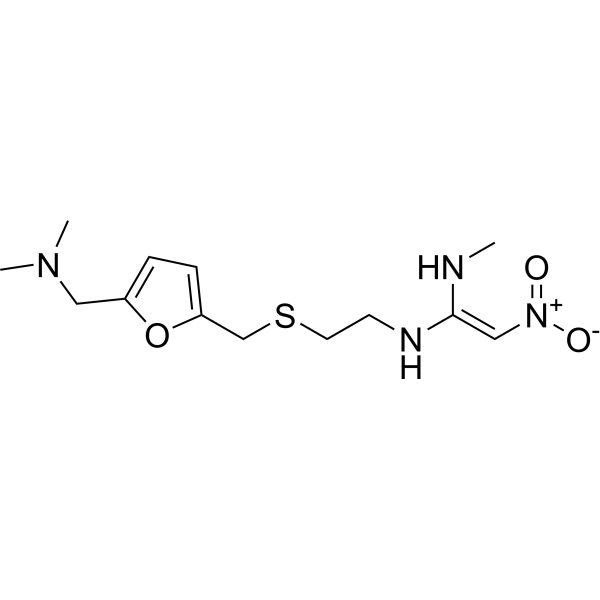
Ranitidine is a potent, selective and orally active histamine H2-receptor antagonist that inhibits gastric secretion. Ranitidine antagonizes Histamine (HY-B1204)-induced increases of the guinea-pig isolated rat atrium and Histamine-induced relaxations of the rat isolated uterine horn, with pA2 values of 7.2 and 6.95, respectively. Ranitidine inhibits breast tumor development and spread in mice .
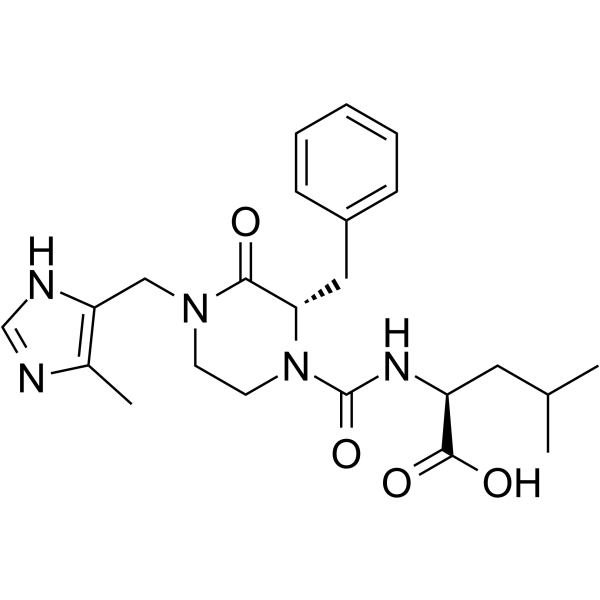
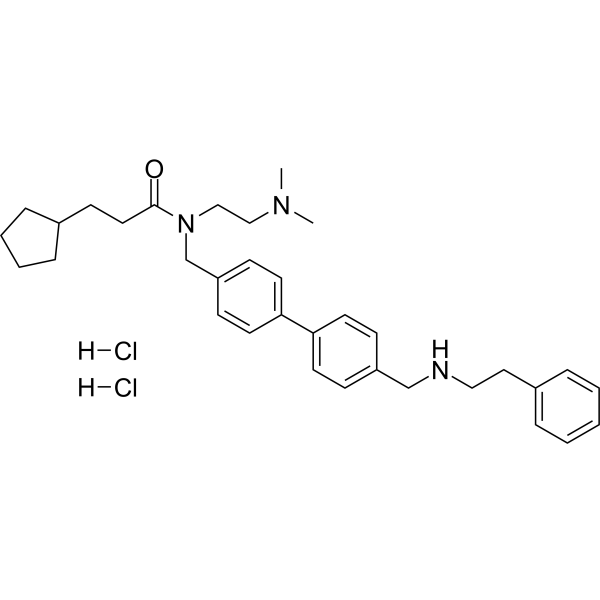
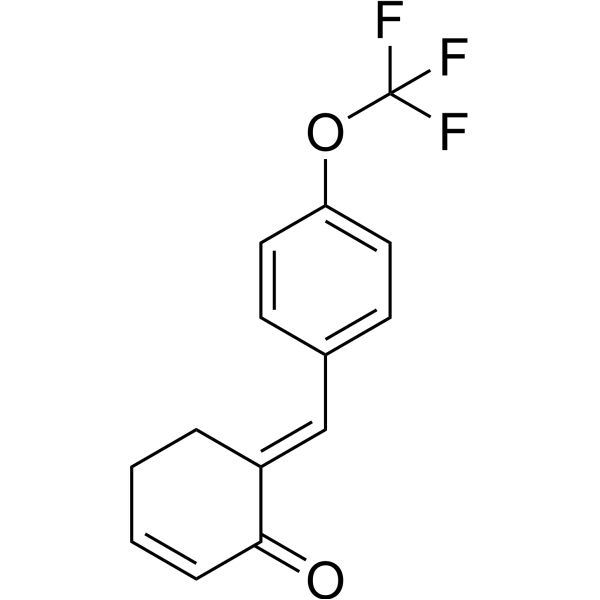
GGTI-2418 is a highly potent, competitive, and selective geranylgeranyltransferase I (GGTase I) inhibitor. GGTI-2418 inhibits GGTase I and FTase activities with IC50s of 9.5 nM and 53 μM, respectively. GGTI-2418 also increases p27(Kip1) and induces significant regression of breast tumors .
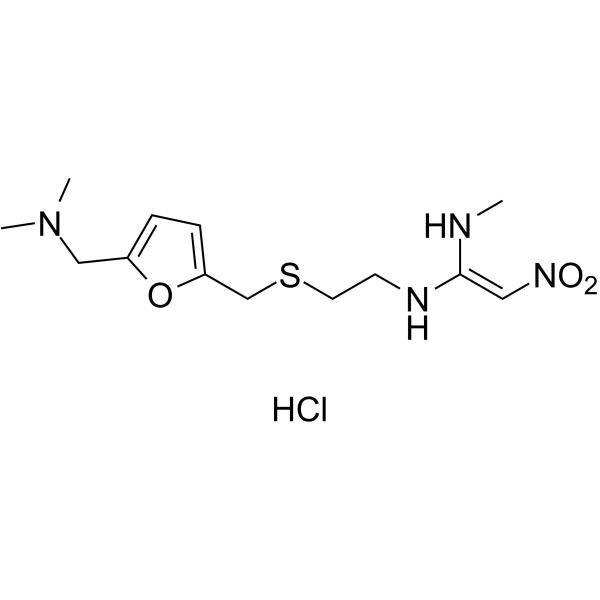
Ranitidine hydrochloride is a potent, selective and orally active histamine H2-receptor antagonist that inhibits gastric secretion. Ranitidine hydrochloride antagonizes Histamine (HY-B1204)-induced increases of the guinea-pig isolated rat atrium and Histamine-induced relaxations of the rat isolated uterine horn, with pA2 values of 7.2 and 6.95, respectively. Ranitidine hydrochloride inhibits breast tumor development and spread in mice .
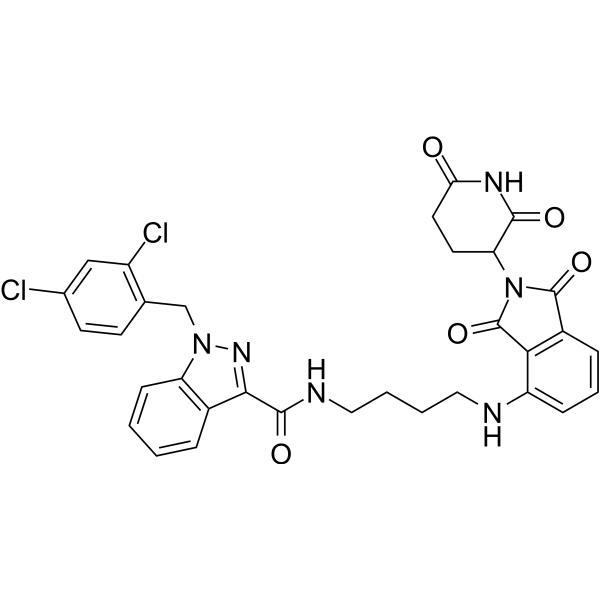
PROTAC HK2 Degrader-1 is a PROTAC consisting of Lonidamine (HY-B0486) as a target protein Hexokinase 2 (HK2) inhibitor and Thalidomide (HY-14658) as a CRBN ligand-linked PROTAC. PROTAC HK2 Degrader-1 selectively inhibits the proliferation of breast cancer cells by forming a ternary complex through the ubiquitin-proteasome system to degrade Hexokinase 2 (HK2) protein leading to mitochondrial damage and cell death. PROTAC HK2 Degrader-1 effectively inhibits breast tumor growth and reduces the colonic side effects of cisplatin for breast cancer research .
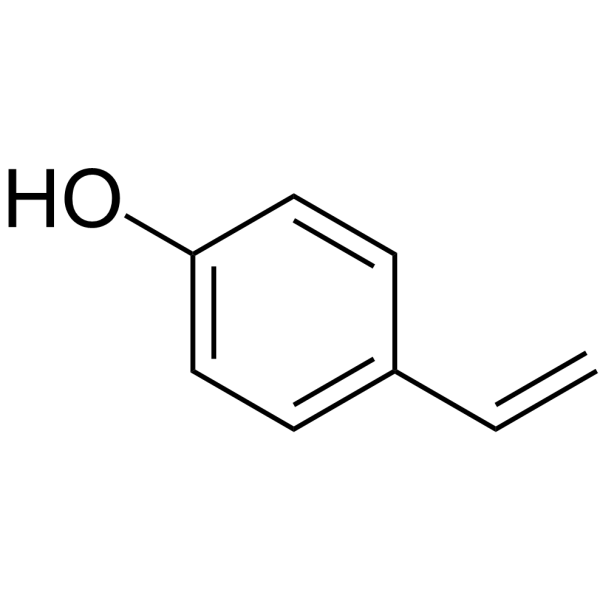
4-Vinylphenol is found in the medicinal herb Hedyotis diffusa Willd, wild rice and is also the metabolite of p-coumaric and ferulic acid by lactic acid bacteria in wine. 4-Vinylphenol induces apoptosis and inhibits blood vessels formation and suppresses invasive breast tumor growth in vivo .
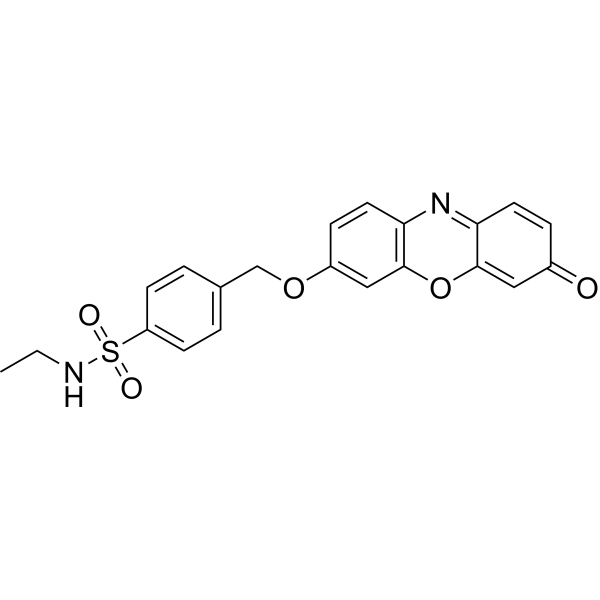
WRG-28 is a selective, extracellularly acting DDR2 allosteric inhibitor, with an IC50 of 230 nM. WRG-28 inhibits tumor invasion, migration and tumor-supporting effects of cancer-associated fibroblasts (CAFs). WRG-28 inhibits metastatic breast tumor cell colonization in the lungs. WRG-28 also shows good activity of relieving rheumatoid arthritis in CAIA model of mice .
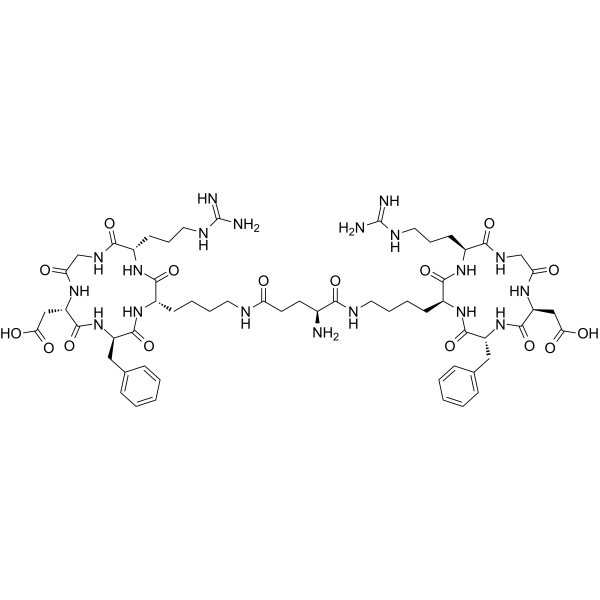
E (c (RGDfK)) 2 is a αvβ3 integrin ligand and tumor-targeting agent. E (c (RGDfK)) 2 binds to αvβ3 integrin, mediates receptor-mediated endocytosis of conjugated payloads, and inhibits integrin-dependent cell adhesion to fibrinogen. E (c (RGDfK)) 2 inhibits the proliferation of cancer cells and endothelial cells. E (c (RGDfK)) 2 preferentially accumulates in orthotopic mouse breast tumors and human ovarian cancer xenograft tumors. E (c (RGDfK)) 2 can be used in research related to glioblastoma, lung cancer, breast adenocarcinoma and ovarian cancer .
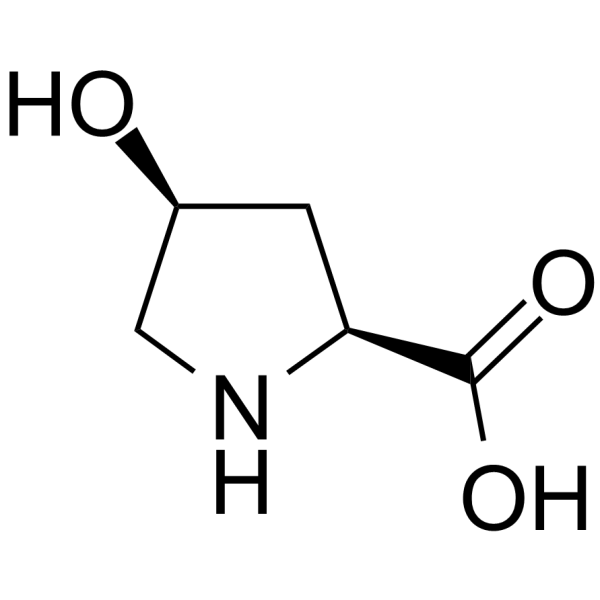
cis-4-Hydroxy-L-proline is an orally active proline analog and collagen production inhibitor. cis-4-Hydroxy-L-proline inhibits cell growth by preventing the deposition of triple helical collagen on the cell layer. cis-4-Hydroxy-L-proline inhibits N-nitrosomethylurea-induced breast tumor growth. cis-4-Hydroxy-L-proline improves lung compliance and reduces prostate weight. cis-4-Hydroxy-L-proline can be used in the study of hypoxic pulmonary hypertension .
SB-699551 is a selective and brain penetrant 5-HT5A receptor antagonist with a pKi of 8.2 nM. SB-699551 shows high selectivity over most other 5-HT receptor subtypes, dopamine receptors, and α1B adrenoceptor. SB-699551 disrupts Gαi/o-coupled and PI3K/AKT/mTOR signaling pathways, alters CREB, ATF1, AKT, PRAS40, S6K, and FOXO1 phosphorylation in breast tumor cells. SB-699551 can be used for the research of anxiety, breast cancer, and Alzheimer's disease .
huATN-658 is an inhibitor that specifically targets the DIII domain of human urokinase plasminogen activator receptor (uPAR). huATN-658 neutralizes uPAR function by blocking the interaction between uPAR and integrins, without interfering with the binding of uPA or vitronectin to uPAR. huATN-658 inhibits the proliferation and invasion of breast cancer cells, slows the growth of primary breast tumors, reduces breast cancer-induced bone lesions and decreases osteoclast activity. huATN-658 also alters the gene expression of the TGF-β receptor complex signaling pathway. huATN-658 exerts synergistic anticancer effects when combined with Zoledronic Acid (HY-13777), and does not cause physiological or behavioral abnormalities in immunodeficient mice. huATN-658 can be used in research related to breast cancer, metastatic breast cancer and breast cancer-induced bone disease .
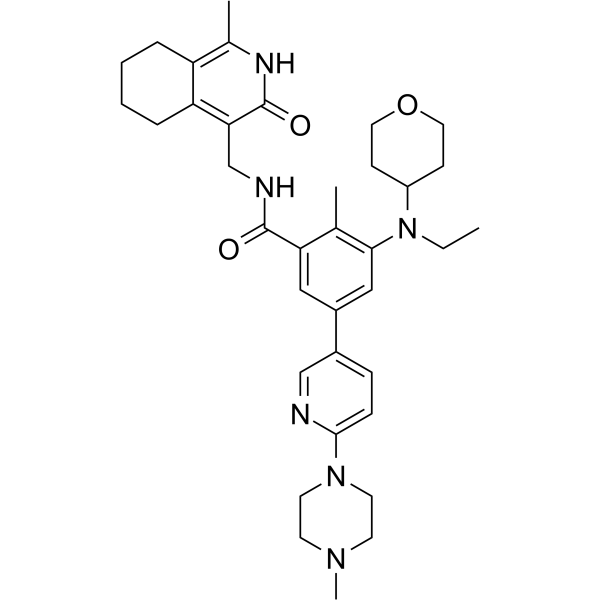
ZLD1039 is a potent, highly selective, and orally bioavailable EZH2 inhibitor. ZLD1039 shows potent and concentration-dependent inhibition of PRC2 enzymatic activity against EZH2 wild-type as well as Y641F, and A677G mutant enzymes with IC50 values of 5.6, 15, and 4.0 nM, respectively. ZLD1039 inhibits breast tumor growth and metastasis .
F-14512 is an anticancer agent that utilizes the polyamine transport system (PTS) to selectively deliver polyamine-containing drugs to cancer cells. F-14512 enhances the affinity of polyamines for DNA, thereby inhibiting topoisomerase II and achieving selective cellular uptake. F-14512 exhibits significant cytotoxicity against cells with high PTS activity and induces DNA damage. F-14512 demonstrates potent antitumor activity in the MX1 breast tumor xenograft model. F-14512 can be used to study breast cancer .
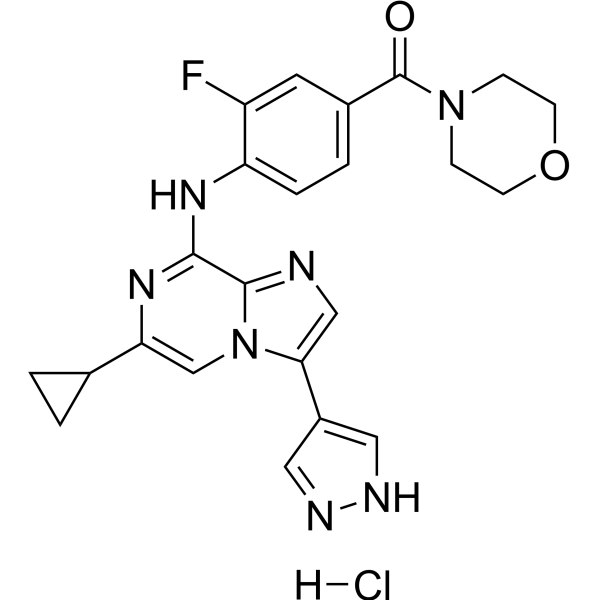
BRK inhibitor P21d hydrochloride is a potent breast tumor kinase (BRK/PTK6) inhibitor with an IC50 of 30 nM. BRK inhibitor P21d hydrochloride inhibits p-SAM68 with an IC50 of 52 nM. BRK inhibitor P21d hydrochloride can be used to evaluate the in vivo activity of BRK inhibitors in xenograft breast tumor models .
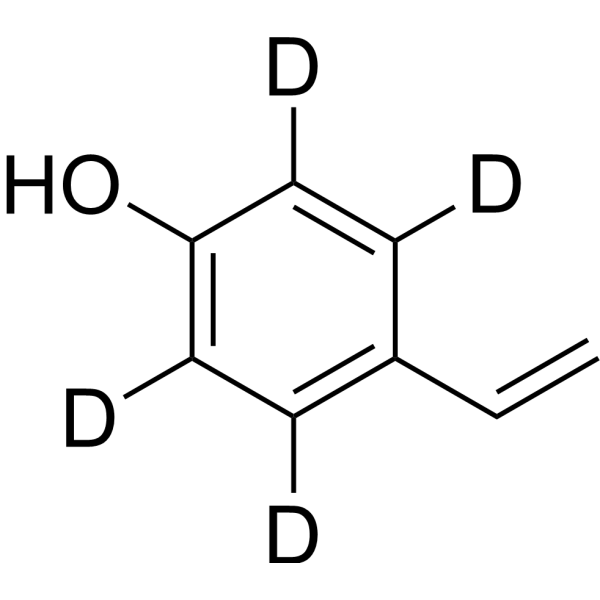
4-Vinylphenol-d4 is deuterated labeled 4-Vinylphenol (HY-W005288). 4-Vinylphenol is found in the medicinal herb Hedyotis diffusa Willd, wild rice and is also the metabolite of p-coumaric and ferulic acid by lactic acid bacteria in wine. 4-Vinylphenol induces apoptosis and inhibits blood vessels formation and suppresses invasive breast tumor growth in vivo .
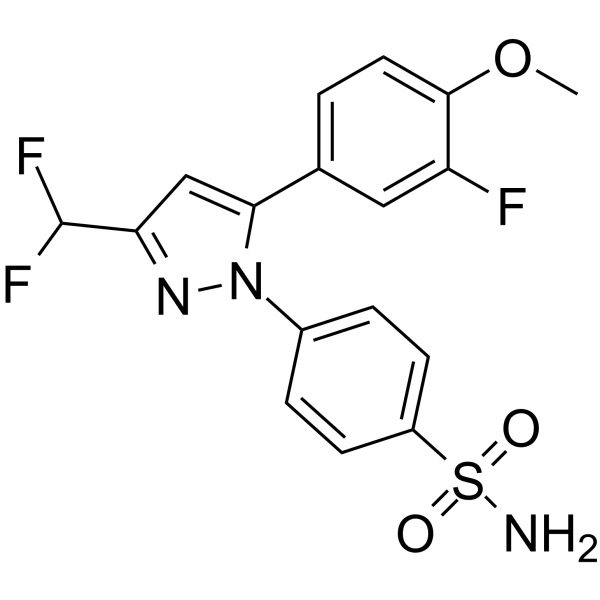
Deracoxib (SC 046; SC 59046), an orally active COX-2 inhibitor, is a veterinary nonsteroidal anti-inflammatory agent used exclusively in dogs. Deracoxib inhibits the COX-2 enzyme to reduce the production of prostaglandins, effectively controlling pain and inflammation after canine soft tissue surgery. Deracoxib reduces the inhibition of COX-1 and lowers the risk of gastrointestinal side effects. Deracoxib induces tumor cell cycle arrest and apoptosis, and shows anti-tumor activity in canine osteosarcoma, breast tumors and bladder transitional cell carcinomas .
TrxR-IN-3 (Compound 2c) is a potent inhibitor of TrxR. TrxR-IN-3 exhibits potent antiproliferative activities against five human cancer cell lines, especially against breast tumor cells. TrxR-IN-3 increases ROS levels and resulted in marked apoptosis by regulating apoptosis-related proteins expressed in the breast cancer cells. TrxR-IN-3 also triggers the formation of autophagosomes and autolysosomes by promoting the expression of LC3-II and Beclin-1 and diminishing the expression of LC3-I and p62 proteins .
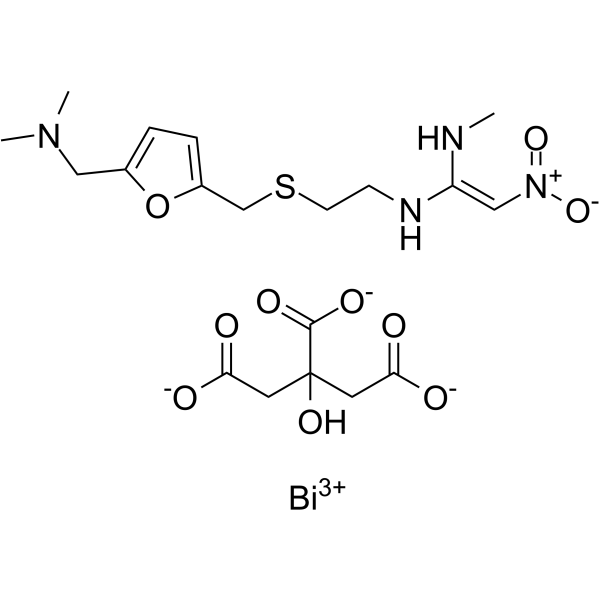
Ranitidine bismuth citrate is a potent, selective and orally active histamine H2-receptor antagonist that inhibits gastric secretion. Ranitidine bismuth citrate antagonizes Histamine (HY-B1204)-induced increases of the guinea-pig isolated rat atrium and Histamine-induced relaxations of the rat isolated uterine horn, with pA2 values of 7.2 and 6.95, respectively. Ranitidine bismuth citrate has selectivity for SARS-CoV-2-infected cells. Ranitidine bismuth citrate also has anti-Helicobacter pylori infection. Ranitidine bismuth citrate inhibits breast tumor development and spread in mice .
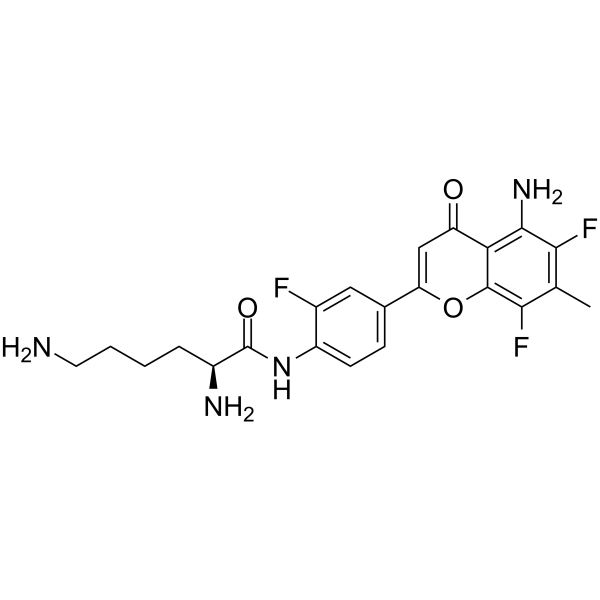
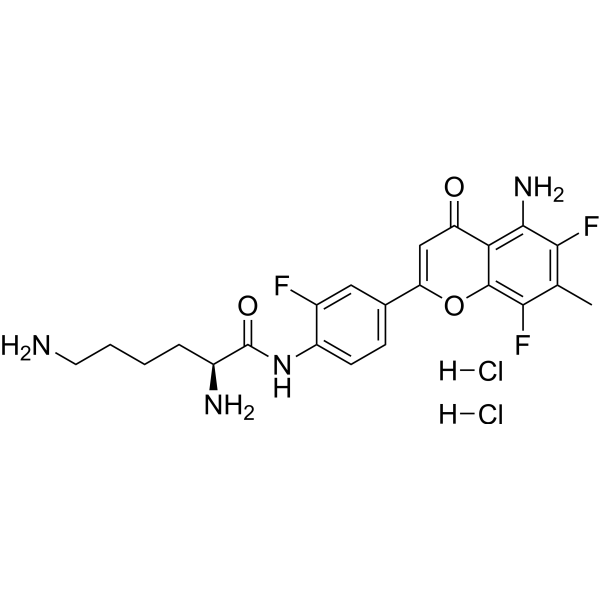
AFP464 (NSC710464) free base is a prodrug of Aminoflavone (HY-132974) and an agonist of the aryl hydrocarbon receptor (AhR). AFP464 free base downregulates the expression of α6-integrin (α6-integrin), inhibits breast tumor growth, reduces the population of tumor-initiating cells, disrupts mammosphere structure, induces the formation of mucin lake clusters, triggers DNA damage, and exerts antiproliferative activity. AFP464 free base is rapidly converted to Aminoflavone by nonspecific esterases in plasma and cell culture media. AFP464 free base is applicable to research related to breast cancer .
Maraciclatide is a synthetic molecule that binds with high affinity to αvβ3 and αvβ5 integrins via the RGD peptide. Maraciclatide can be used to detect bone metastasis, breast tumors, vascular disease and rheumatoid arthritis in animal models. Maraciclatide can be studied in research on angiogenesis and inflammation .
AFP464 (NSC710464) dihydrochloride is a prodrug of Aminoflavone (HY-132974) and an agonist of the aryl hydrocarbon receptor (AhR). AFP464 dihydrochloride downregulates the expression of α6-integrin (α6-integrin), inhibits breast tumor growth, reduces the population of tumor-initiating cells, disrupts mammosphere structure, induces the formation of mucin lake clusters, triggers DNA damage, and exerts antiproliferative activity. AFP464 dihydrochloride is rapidly converted to Aminoflavone by nonspecific esterases in plasma and cell culture media. AFP464 dihydrochloride is applicable to research related to breast cancer .
Endotrophin (Mus musculus) is an adipokine, a cleavage fragment derived from Collagen VI, whose levels are elevated in adipose tissue and breast tumors of obese mice. Endotrophin (Mus musculus) activates the TGF-β signaling pathway and reduces the expression of hormone-sensitive lipase. Endotrophin (Mus musculus) induces adipogenesis, lipid accumulation, fibrosis, inflammation, angiogenesis, adipose tissue expansion, epithelial-mesenchymal transition, and insulin resistance; it also induces Cisplatin (HY-17394) resistance in cancer cells. Endotrophin (Mus musculus) can be used in research related to metabolic diseases such as obesity and type 2 diabetes, as well as cancers such as breast cancer .
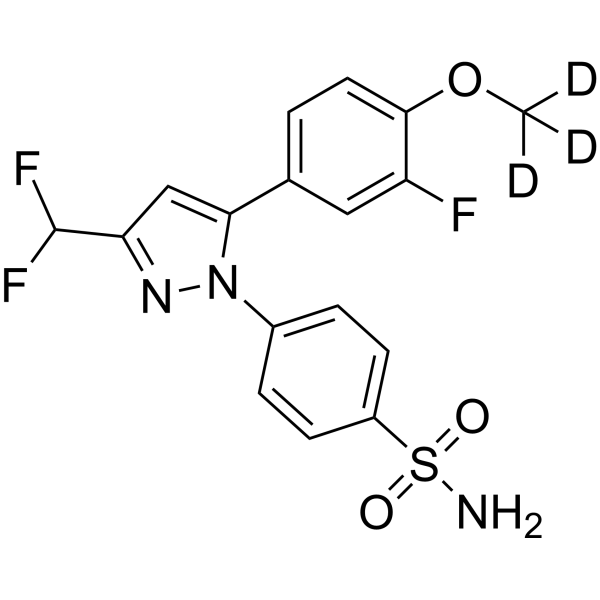
Deracoxib-d3 (SC 046-d3; SC 59046-d3) is the deuterium labeled Deracoxib (HY-17509). Deracoxib, an orally active COX-2 inhibitor, is a veterinary nonsteroidal anti-inflammatory agent used exclusively in dogs. Deracoxib inhibits the COX-2 enzyme to reduce the production of prostaglandins, effectively controlling pain and inflammation after canine soft tissue surgery. Deracoxib reduces the inhibition of COX-1 and lowers the risk of gastrointestinal side effects. Deracoxib induces tumor cell cycle arrest and apoptosis, and shows anti-tumor activity in canine osteosarcoma, breast tumors and bladder transitional cell carcinomas.
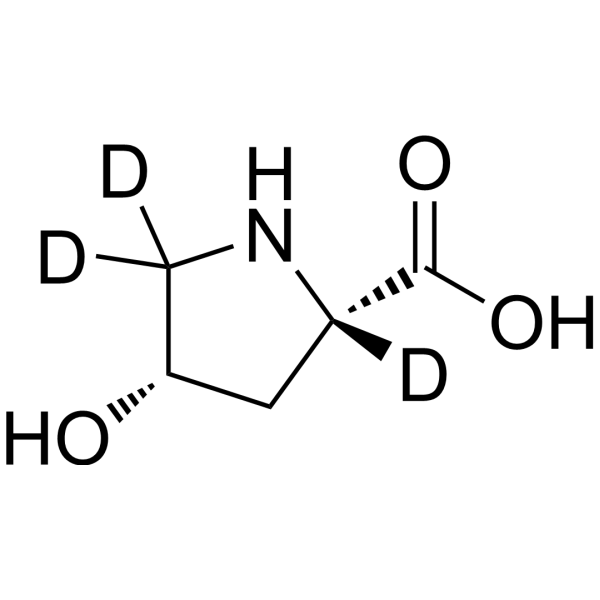
cis-4-Hydroxy-L-proline-d3 is the deuterium labeled cis-4-Hydroxy-L-proline (HY-40136). cis-4-Hydroxy-L-proline is an orally active proline analog and collagen production inhibitor. cis-4-Hydroxy-L-proline inhibits cell growth by preventing the deposition of triple helical collagen on the cell layer. cis-4-Hydroxy-L-proline inhibits N-nitrosomethylurea-induced breast tumor growth. cis-4-Hydroxy-L-proline improves lung compliance and reduces prostate weight. cis-4-Hydroxy-L-proline can be used in the study of hypoxic pulmonary hypertension .
BETi-211 is an orally active BET inhibitor (Ki: <1 nM). BETi-211 inhibits growth of triple-negative breast cancers (TNBC) cell lines with IC50 < 1 μM. BETi-211 degrades BET proteins and suppress tumor growth in xenograft breast tumors .
WHN-88 is a Porcupine (PORCN) inhibitor. WHN-88 can eliminate the palmitoylation of Wnt ligands, preventing their secretion and subsequent Wnt/β-catenin signaling. WHN-88 can inhibit cancer cell stemness and suppress the occurrence and development of breast tumors in MMTV-Wnt1 transgenic mice .
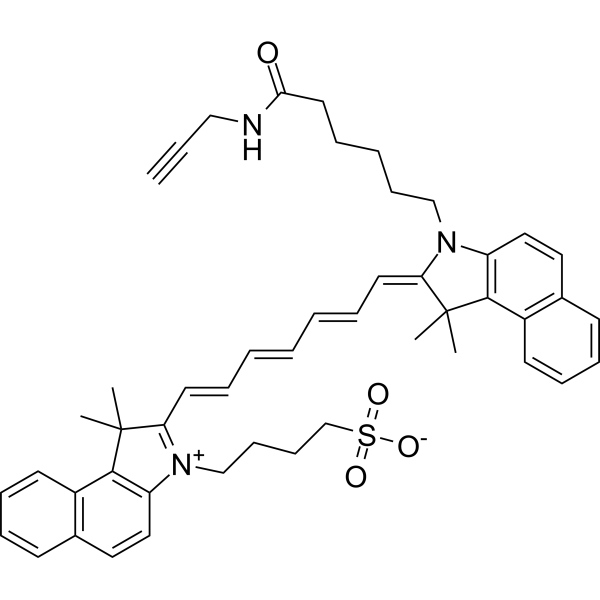
ICG-alkyne is a short-wave infrared (SWIR)-emitting cyanine fluorescent probe based on alkyne-derivatized indocyanine green. ICG-alkyne can undergo click chemistry reaction to conjugate with antibody molecules via binding to the azide groups introduced into antibodies. ICG-alkyne enables SWIR fluorescent molecular imaging of breast tumors in living mice. ICG-alkyne can be used in breast cancer-related research .
P-gp inhibitor 30 is a potent P-gp inhibitor that reverses multidrug resistance in breast cancer by sensitizing resistant cells to Doxorubicin (ADM) (HY-15142). P-gp inhibitor 30 promotes apoptosis, induces autophagy, and suppresses proliferation, migration, and invasion of drug-resistant breast cancer cells when combined with ADM. P-gp inhibitor 30 inhibits breast tumor growth both in vitro and in vivo. P-gp inhibitor 30 can be used for drug-resistant breast cancer research .
MM-111 is a bispecific antibody fusion protein targeting the ErbB2/ErbB3 oncogenic unit. MM-111 blocks activation of the PI3K pro-survival pathway. MM-111 binds to the ErbB2 receptor, which localizes the bispecific molecule to ErbB2 over-expressing tumor cells and promotes binding of the anti-ErbB3 arm to the ErbB3 receptor. MM-111 binding to ErbB3 results in inhibition of ErbB3 signaling by blocking the binding of the ErbB3 physiological ligand heregulin. MM-111 can be used for the study of ErbB2 over-expressing breast tumors .
Rolinsatamab talirine (ABBV 176) is a prolactin receptor (PRLR)-targeting antibody-drug conjugate (ADC), compoused of Rolinsatamab (HY-P99238) and SGD-1882 (HY-101127). Rolinsatamab talirine binds to PRLR to deliver a cytotoxin to tumor cells. Rolinsatamab talirine induces DNA damage, and exhibits cytotoxicity against multiple breast tumor models, including triple negative and low PRLR-expressing models. Rolinsatamab talirine demonstrates enhanced anti-tumor activity in several breast cancer models. Rolinsatamab talirine can be used for the research of breast cancer, hepatocellular carcinoma, ovarian cancer, endometrial cancer, prostate cancer, colorectal cancer, adrenocortical carcinoma, and solid tumors .
SB-T-101141 is a novel taxane. SB-T-101141 effectively induces a noncanonical ferroptosis to overcome Paclitaxel (HY-B0015) resistance of breast cancer. SB-T-101141 facilitates the production of iron and ferrous ions and ROS. SB-T-101141 stably binds to KHSRP to inhibit the iron-dependent expression of CISD1 related to iron homeostasis. SB-T-101141 synergistically enhances the iron-dependent activation of JNK and PERK pathways via KHSRP. SB-T-101141 suppresses breast tumor growth in MCF-7(PR)/MDA-MB-231(PR) or KHSRP knock-down MCF-7 xenograft mice model .
BY13 is a SRC-3PROTAC degrader with a DC50 of 0.031 μM. BY13 selectively blocks the ER signaling pathway over that of androgen receptor (AR)) through down-regulating ERα level. BY13 potently overcomes endocrine resistance in breast cancer by inducing cell cycle arrest in G1 phase and apoptosis, with superior effect over Fulvestrant (HY-13636). BY13 significantly inhibits the growth of drug-resistant breast tumors without obvious toxicity in LCC2 xenograft mice model . Pink: SRC-3 ligand (SI-2) (HY-101447); Blue: CRBN ligase ligand (HY-41547); Black: linker (HY-176226)
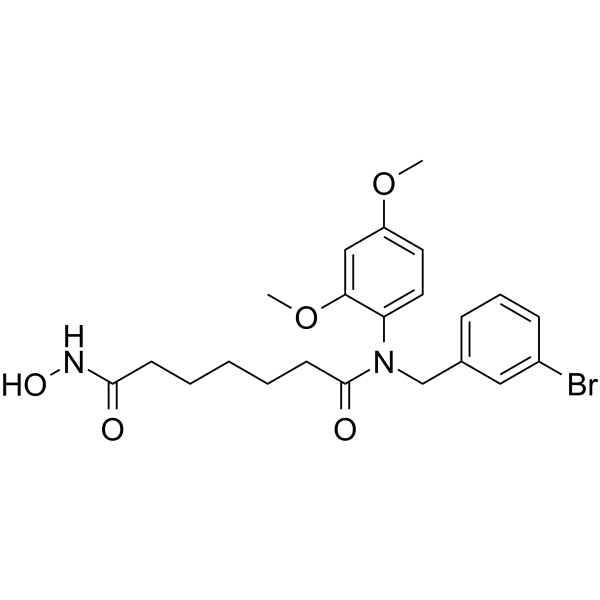
YF479 is a potent inhibitor of histone deacetylase. YF479 abates cell viability, suppresses colony formation and tumor cell motility. YF479 significantly inhibits breast tumor growth and metastasis. YF479 has the potential for the research of clinical trials for breast cancer .
mTOR inhibitor-23 (compound DHM25) is a selective, competitive, irreversible and covalent inhibitor of mTOR. mTOR inhibitor-23 has the mechanism of inhibition occurs mainly through its capacity to covalently interact with a nucleophilic amino acid inside the ATP pocket. mTOR inhibitor-23 exerts potent antitumor activity against triple-negative breast tumor cell lines .
Lactandrate is a D-high nitrogen steroid alkylating agent. It can interact with the ligand-binding domain (LBD) of estrogen receptor-alpha (ERα). Lactandrate has a growth inhibitory effect on breast cancer cells, with a GI50 value ranging from 5 to 65 μM. It shows anti-tumor activity in mouse breast tumors (MXT and CD8F1) as well as in human xenograft MX-1 .
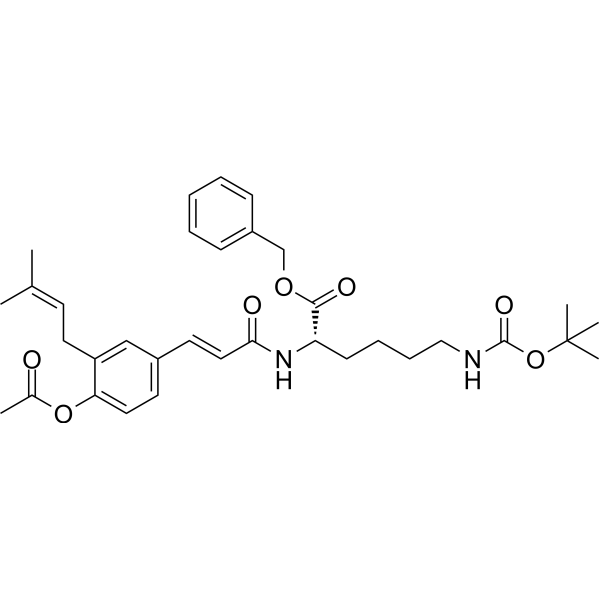
AKR1C3-IN-5 (Compound 6e) is a potent inhibitor of AKR1C3. AKR1C3 enzyme is overexpressed in hormone-dependent prostate and breast tumors. AKR1C3-IN-5 derived from drupanin, which exhibits half-maximal inhibitory concentration (IC50) of 9.6 ± 3 μM and selectivity index (SI) of 5.5 against MCF-7 cells .
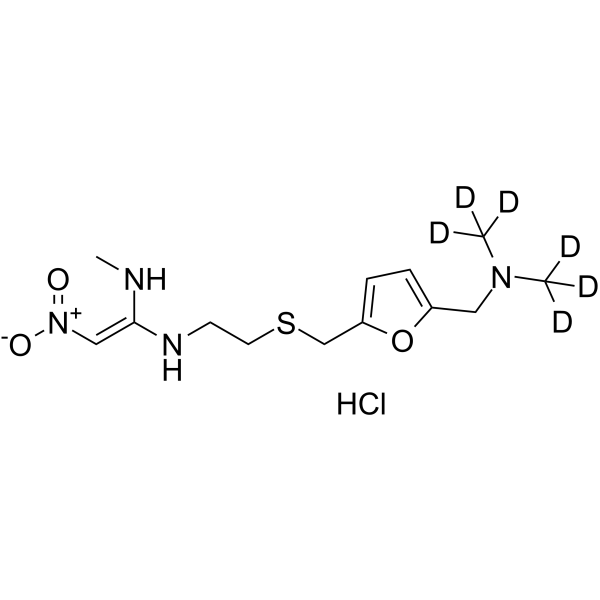
Ranitidine-d6 hydrochloride is the deuterium labeled Ranitidine hydrochloride (HY-B0281A) . Ranitidine hydrochloride is a potent, selective and orally active histamine H2-receptor antagonist that inhibits gastric secretion. Ranitidine hydrochloride antagonizes Histamine (HY-B1204)-induced increases of the guinea-pig isolated rat atrium and Histamine-induced relaxations of the rat isolated uterine horn, with pA2 values of 7.2 and 6.95, respectively. Ranitidine hydrochloride inhibits breast tumor development and spread in mice .
Ranitidine-d6 is the deuterium labeled Ranitidine (HY-B0693). Ranitidine is a potent, selective and orally active histamine H2-receptor antagonist that inhibits gastric secretion. Ranitidine antagonizes Histamine (HY-B1204)-induced increases of the guinea-pig isolated rat atrium and Histamine-induced relaxations of the rat isolated uterine horn, with pA2 values of 7.2 and 6.95, respectively. Ranitidine inhibits breast tumor development and spread in mice .
Ranitidine hydrochloride (Standard) is the analytical standard of Ranitidine hydrochloride (HY-B0281A). This product is intended for research and analytical applications. Ranitidine hydrochloride is a potent, selective and orally active histamine H2-receptor antagonist that inhibits gastric secretion. Ranitidine hydrochloride antagonizes Histamine (HY-B1204)-induced increases of the guinea-pig isolated rat atrium and Histamine-induced relaxations of the rat isolated uterine horn, with pA2 values of 7.2 and 6.95, respectively. Ranitidine hydrochloride inhibits breast tumor development and spread in mice.
F-14512 hydrochloride is an anticancer agent that utilizes the polyamine transport system (PTS) to selectively deliver polyamine-containing drugs to cancer cells. F-14512 hydrochloride enhances the affinity of polyamines for DNA, thereby inhibiting topoisomerase II and achieving selective cellular uptake. F-14512 hydrochloride exhibits significant cytotoxicity against cells with high PTS activity and induces DNA damage. F-14512 hydrochloride demonstrates potent antitumor activity in the MX1 breast tumor xenograft model. F-14512 hydrochloride could be used to study breast cancer .
Deracoxib (SC 046; SC 59046) (Standard) is the analytical standard of Deracoxib (HY-17509). This product is intended for research and analytical applications. Deracoxib, an orally active COX-2 inhibitor, is a veterinary nonsteroidal anti-inflammatory agent used exclusively in dogs. Deracoxib inhibits the COX-2 enzyme to reduce the production of prostaglandins, effectively controlling pain and inflammation after canine soft tissue surgery. Deracoxib reduces the inhibition of COX-1 and lowers the risk of gastrointestinal side effects. Deracoxib induces tumor cell cycle arrest and apoptosis, and shows anti-tumor activity in canine osteosarcoma, breast tumors and bladder transitional cell carcinomas
Deracoxib-d4 (SC 046-d4; SC 59046--d4) is deuterium labeled Deracoxib (HY-17509). Deracoxib, an orally active COX-2 inhibitor, is a veterinary nonsteroidal anti-inflammatory agent used exclusively in dogs. Deracoxib inhibits the COX-2 enzyme to reduce the production of prostaglandins, effectively controlling pain and inflammation after canine soft tissue surgery. Deracoxib reduces the inhibition of COX-1 and lowers the risk of gastrointestinal side effects. Deracoxib induces tumor cell cycle arrest and apoptosis, and shows anti-tumor activity in canine osteosarcoma, breast tumors and bladder transitional cell carcinomas.
cis-4-Hydroxy-L-proline (Standard) is the analytical standard of cis-4-Hydroxy-L-proline (HY-40136). This product is intended for research and analytical applications. cis-4-Hydroxy-L-proline is an orally active proline analog and collagen production inhibitor. cis-4-Hydroxy-L-proline inhibits cell growth by preventing the deposition of triple helical collagen on the cell layer. cis-4-Hydroxy-L-proline inhibits N-nitrosomethylurea-induced breast tumor growth. cis-4-Hydroxy-L-proline improves lung compliance and reduces prostate weight. cis-4-Hydroxy-L-proline can be used in the study of hypoxic pulmonary hypertension .
ES005 is an anti-tumor compound and LAG3 inhibitor. ES005 blocks the interactions of LAG3 with MHC-II, LSECtin and FGL1, thereby effectively reversing the LAG3-mediated inhibition of T cell activation and NFAT reporter gene expression. ES005 exhibits significant tumor growth inhibitory effects in syngeneic mouse breast tumor models using humanized LAG3 knock-in mice. ES005 can be used for breast tumor-related research .
Yinyanghuo C is a prenylated flavonoid isolated from the leaves of Epimedium sagittatum. Yinyanghuo C increases the mRNA expression levels of endothelial cell markers and enhances cancer-associated angiogenesis in the 4T1 breast tumor-bearing model .
H-D-Tpi-OH (D-1,2,3,4-Tetrahydronorharman-3-carboxylic acid) is a tetrahydro-β-carboline derivative. H-D-Tpi-OH only slightly upregulates QR1, mildly inhibits the aromatase and NO synthesis pathways, and shows no significant in vitro anti-breast tumor proliferation activity. H-D-Tpi-OH can be used in cancer-related research .
CGP-45688 is an orally active non-steroidal aromatase inhibitor with an ED50 of 30-100 μg/kg. CGP-45688 can reduce the level of estrogen in the body, thereby inhibiting the growth of estrogen-dependent tumors. CGP-45688 inhibits the growth of estrogen-dependent breast tumors in rat models. CGP-45688 disrupts the ovarian cycle and inhibits the weight of the uterus. CGP-45688 can be used for the study of breast cancer .
AFP464 (NSC710464) is a prodrug of Aminoflavone (HY-132974) and an agonist of the aryl hydrocarbon receptor (AhR). AFP464 downregulates the expression of α6-integrin (α6-integrin), inhibits breast tumor growth, reduces the population of tumor-initiating cells, disrupts mammosphere structure, induces the formation of mucin lake clusters, triggers DNA damage, and exerts antiproliferative activity. AFP464 is rapidly converted to Aminoflavone by nonspecific esterases in plasma and cell culture media. AFP464 is applicable to research related to breast cancer .
Endotrophin (Mus musculus) TFA is an adipokine, a cleavage fragment derived from Collagen VI, whose levels are elevated in adipose tissue and breast tumors of obese mice. Endotrophin (Mus musculus) TFA activates the TGF-β signaling pathway and reduces the expression of hormone-sensitive lipase. Endotrophin (Mus musculus) TFA induces adipogenesis, lipid accumulation, fibrosis, inflammation, angiogenesis, adipose tissue expansion, epithelial-mesenchymal transition, and insulin resistance; it also induces Cisplatin (HY-17394) resistance in cancer cells. Endotrophin (Mus musculus) TFA can be used in research related to metabolic diseases such as obesity and type 2 diabetes, as well as cancers such as breast cancer .
WX2-43 is a PRMT5-KLF4 inhibitor (Kd of 11.0 nM). WX2-43 binds to the region between amino acids L400-M500 on PRMT5. WX2-43 efficiently intercepts the interaction between KLF4 and PRMT5, and blocks KLF4 methylation. WX2-43 decreases p21 levels and increases Bax levels. WX2-43 suppresses triple negative breast tumor progression. WX2-43 can be used in the research of triple-negative breast cancer and colorectal cancer .
3'-Methoxy-4'-nitroflavone (MNF) is a specific aryl hydrocarbon receptor (AhR) antagonist. 3'-Methoxy-4'-nitroflavone activates AhR by inhibiting CYP1, the metabolic enzyme of the endogenous ligand FICZ (HY-12451), leading to the accumulation of FICZ. 3'-Methoxy-4'-nitroflavone reverses the anti-apoptotic effect of TCDD, attenuates the activation of Akt and Erk1/2 kinases and the expression of TGFα induced by TCDD. 3'-Methoxy-4'-nitroflavone can be used in research related to breast tumor promotion, rheumatoid arthritis, multiple sclerosis and inflammatory bowel disease .
SB-699551 free base is a selective and brain penetrant 5-HT5A receptor antagonist with a pKi of 8.2 nM. SB-699551 free base shows high selectivity over most other 5-HT receptor subtypes, dopamine receptors, and α1B adrenoceptor. SB-699551 free base disrupts Gαi/o-coupled and PI3K/AKT/mTOR signaling pathways, alters CREB, ATF1, AKT, PRAS40, S6K, and FOXO1 phosphorylation in breast tumor cells. SB-699551 free base can be used for the research of anxiety, breast cancer, and Alzheimer's disease .
ICG-alkyne is a short-wave infrared (SWIR)-emitting cyanine fluorescent probe based on alkyne-derivatized indocyanine green. ICG-alkyne can undergo click chemistry reaction to conjugate with antibody molecules via binding to the azide groups introduced into antibodies. ICG-alkyne enables SWIR fluorescent molecular imaging of breast tumors in living mice. ICG-alkyne can be used in breast cancer-related research .
E (c (RGDfK)) 2 is a αvβ3 integrin ligand and tumor-targeting agent. E (c (RGDfK)) 2 binds to αvβ3 integrin, mediates receptor-mediated endocytosis of conjugated payloads, and inhibits integrin-dependent cell adhesion to fibrinogen. E (c (RGDfK)) 2 inhibits the proliferation of cancer cells and endothelial cells. E (c (RGDfK)) 2 preferentially accumulates in orthotopic mouse breast tumors and human ovarian cancer xenograft tumors. E (c (RGDfK)) 2 can be used in research related to glioblastoma, lung cancer, breast adenocarcinoma and ovarian cancer .
Maraciclatide is a synthetic molecule that binds with high affinity to αvβ3 and αvβ5 integrins via the RGD peptide. Maraciclatide can be used to detect bone metastasis, breast tumors, vascular disease and rheumatoid arthritis in animal models. Maraciclatide can be studied in research on angiogenesis and inflammation .
Endotrophin (Mus musculus) is an adipokine, a cleavage fragment derived from Collagen VI, whose levels are elevated in adipose tissue and breast tumors of obese mice. Endotrophin (Mus musculus) activates the TGF-β signaling pathway and reduces the expression of hormone-sensitive lipase. Endotrophin (Mus musculus) induces adipogenesis, lipid accumulation, fibrosis, inflammation, angiogenesis, adipose tissue expansion, epithelial-mesenchymal transition, and insulin resistance; it also induces Cisplatin (HY-17394) resistance in cancer cells. Endotrophin (Mus musculus) can be used in research related to metabolic diseases such as obesity and type 2 diabetes, as well as cancers such as breast cancer .
NY-BR-1 p904 (A2) is an HLA-A2-restricted NY-BR-1 epitope. T-cell clone specific for NY-BR-1 p904 can recognize breast tumor cells expressing NY-BR-1 .
LH2 peptide is a pH-responsive cell-penetrating peptide dimer with the amino acid sequence LHHLCHLLHHLCHLAG. It can increase its uptake in tumor cells under weakly acidic conditions (such as the tumor microenvironment) through the protonation of histidine residues (pKa approximately 6). When conjugated with the anticancer drug Paclitaxel (HY-B0015), the PTX-LH2 conjugate showed superior tumor suppression effects compared to paclitaxel alone in a subcutaneous breast tumor model. The LH2 peptide holds potential as a drug delivery vehicle in cancer research .
Endotrophin (Mus musculus) TFA is an adipokine, a cleavage fragment derived from Collagen VI, whose levels are elevated in adipose tissue and breast tumors of obese mice. Endotrophin (Mus musculus) TFA activates the TGF-β signaling pathway and reduces the expression of hormone-sensitive lipase. Endotrophin (Mus musculus) TFA induces adipogenesis, lipid accumulation, fibrosis, inflammation, angiogenesis, adipose tissue expansion, epithelial-mesenchymal transition, and insulin resistance; it also induces Cisplatin (HY-17394) resistance in cancer cells. Endotrophin (Mus musculus) TFA can be used in research related to metabolic diseases such as obesity and type 2 diabetes, as well as cancers such as breast cancer .
huATN-658 is an inhibitor that specifically targets the DIII domain of human urokinase plasminogen activator receptor (uPAR). huATN-658 neutralizes uPAR function by blocking the interaction between uPAR and integrins, without interfering with the binding of uPA or vitronectin to uPAR. huATN-658 inhibits the proliferation and invasion of breast cancer cells, slows the growth of primary breast tumors, reduces breast cancer-induced bone lesions and decreases osteoclast activity. huATN-658 also alters the gene expression of the TGF-β receptor complex signaling pathway. huATN-658 exerts synergistic anticancer effects when combined with Zoledronic Acid (HY-13777), and does not cause physiological or behavioral abnormalities in immunodeficient mice. huATN-658 can be used in research related to breast cancer, metastatic breast cancer and breast cancer-induced bone disease .
MM-111 is a bispecific antibody fusion protein targeting the ErbB2/ErbB3 oncogenic unit. MM-111 blocks activation of the PI3K pro-survival pathway. MM-111 binds to the ErbB2 receptor, which localizes the bispecific molecule to ErbB2 over-expressing tumor cells and promotes binding of the anti-ErbB3 arm to the ErbB3 receptor. MM-111 binding to ErbB3 results in inhibition of ErbB3 signaling by blocking the binding of the ErbB3 physiological ligand heregulin. MM-111 can be used for the study of ErbB2 over-expressing breast tumors .
Rolinsatamab talirine (ABBV 176) is a prolactin receptor (PRLR)-targeting antibody-drug conjugate (ADC), compoused of Rolinsatamab (HY-P99238) and SGD-1882 (HY-101127). Rolinsatamab talirine binds to PRLR to deliver a cytotoxin to tumor cells. Rolinsatamab talirine induces DNA damage, and exhibits cytotoxicity against multiple breast tumor models, including triple negative and low PRLR-expressing models. Rolinsatamab talirine demonstrates enhanced anti-tumor activity in several breast cancer models. Rolinsatamab talirine can be used for the research of breast cancer, hepatocellular carcinoma, ovarian cancer, endometrial cancer, prostate cancer, colorectal cancer, adrenocortical carcinoma, and solid tumors .
ES005 is an anti-tumor compound and LAG3 inhibitor. ES005 blocks the interactions of LAG3 with MHC-II, LSECtin and FGL1, thereby effectively reversing the LAG3-mediated inhibition of T cell activation and NFAT reporter gene expression. ES005 exhibits significant tumor growth inhibitory effects in syngeneic mouse breast tumor models using humanized LAG3 knock-in mice. ES005 can be used for breast tumor-related research .
4-Vinylphenol is found in the medicinal herb Hedyotis diffusa Willd, wild rice and is also the metabolite of p-coumaric and ferulic acid by lactic acid bacteria in wine. 4-Vinylphenol induces apoptosis and inhibits blood vessels formation and suppresses invasive breast tumor growth in vivo .
cis-4-Hydroxy-L-proline is an orally active proline analog and collagen production inhibitor. cis-4-Hydroxy-L-proline inhibits cell growth by preventing the deposition of triple helical collagen on the cell layer. cis-4-Hydroxy-L-proline inhibits N-nitrosomethylurea-induced breast tumor growth. cis-4-Hydroxy-L-proline improves lung compliance and reduces prostate weight. cis-4-Hydroxy-L-proline can be used in the study of hypoxic pulmonary hypertension .
cis-4-Hydroxy-L-proline (Standard) is the analytical standard of cis-4-Hydroxy-L-proline (HY-40136). This product is intended for research and analytical applications. cis-4-Hydroxy-L-proline is an orally active proline analog and collagen production inhibitor. cis-4-Hydroxy-L-proline inhibits cell growth by preventing the deposition of triple helical collagen on the cell layer. cis-4-Hydroxy-L-proline inhibits N-nitrosomethylurea-induced breast tumor growth. cis-4-Hydroxy-L-proline improves lung compliance and reduces prostate weight. cis-4-Hydroxy-L-proline can be used in the study of hypoxic pulmonary hypertension .
Yinyanghuo C is a prenylated flavonoid isolated from the leaves of Epimedium sagittatum. Yinyanghuo C increases the mRNA expression levels of endothelial cell markers and enhances cancer-associated angiogenesis in the 4T1 breast tumor-bearing model .
Brk is a nonreceptor tyrosine protein kinase that regulates signaling pathways critical for epithelial tissue differentiation, normal maintenance, and tumor growth. Context-dependent functions involve a variety of substrates, including RNA-binding proteins, transcription factors, and signaling molecules. Brk/PTK6 Protein, Human (sf9, His, GST) is the recombinant human-derived Brk/PTK6, expressed by Sf9 insect cells, with His, GST labeled tag. The total length of Brk/PTK6 Protein, Human (sf9, His, GST) is 450 a.a..
4-Vinylphenol-d4 is deuterated labeled 4-Vinylphenol (HY-W005288). 4-Vinylphenol is found in the medicinal herb Hedyotis diffusa Willd, wild rice and is also the metabolite of p-coumaric and ferulic acid by lactic acid bacteria in wine. 4-Vinylphenol induces apoptosis and inhibits blood vessels formation and suppresses invasive breast tumor growth in vivo .
Deracoxib-d3 (SC 046-d3; SC 59046-d3) is the deuterium labeled Deracoxib (HY-17509). Deracoxib, an orally active COX-2 inhibitor, is a veterinary nonsteroidal anti-inflammatory agent used exclusively in dogs. Deracoxib inhibits the COX-2 enzyme to reduce the production of prostaglandins, effectively controlling pain and inflammation after canine soft tissue surgery. Deracoxib reduces the inhibition of COX-1 and lowers the risk of gastrointestinal side effects. Deracoxib induces tumor cell cycle arrest and apoptosis, and shows anti-tumor activity in canine osteosarcoma, breast tumors and bladder transitional cell carcinomas.
cis-4-Hydroxy-L-proline-d3 is the deuterium labeled cis-4-Hydroxy-L-proline (HY-40136). cis-4-Hydroxy-L-proline is an orally active proline analog and collagen production inhibitor. cis-4-Hydroxy-L-proline inhibits cell growth by preventing the deposition of triple helical collagen on the cell layer. cis-4-Hydroxy-L-proline inhibits N-nitrosomethylurea-induced breast tumor growth. cis-4-Hydroxy-L-proline improves lung compliance and reduces prostate weight. cis-4-Hydroxy-L-proline can be used in the study of hypoxic pulmonary hypertension .
Ranitidine-d6 hydrochloride is the deuterium labeled Ranitidine hydrochloride (HY-B0281A) . Ranitidine hydrochloride is a potent, selective and orally active histamine H2-receptor antagonist that inhibits gastric secretion. Ranitidine hydrochloride antagonizes Histamine (HY-B1204)-induced increases of the guinea-pig isolated rat atrium and Histamine-induced relaxations of the rat isolated uterine horn, with pA2 values of 7.2 and 6.95, respectively. Ranitidine hydrochloride inhibits breast tumor development and spread in mice .
Ranitidine-d6 is the deuterium labeled Ranitidine (HY-B0693). Ranitidine is a potent, selective and orally active histamine H2-receptor antagonist that inhibits gastric secretion. Ranitidine antagonizes Histamine (HY-B1204)-induced increases of the guinea-pig isolated rat atrium and Histamine-induced relaxations of the rat isolated uterine horn, with pA2 values of 7.2 and 6.95, respectively. Ranitidine inhibits breast tumor development and spread in mice .
Deracoxib-d4 (SC 046-d4; SC 59046--d4) is deuterium labeled Deracoxib (HY-17509). Deracoxib, an orally active COX-2 inhibitor, is a veterinary nonsteroidal anti-inflammatory agent used exclusively in dogs. Deracoxib inhibits the COX-2 enzyme to reduce the production of prostaglandins, effectively controlling pain and inflammation after canine soft tissue surgery. Deracoxib reduces the inhibition of COX-1 and lowers the risk of gastrointestinal side effects. Deracoxib induces tumor cell cycle arrest and apoptosis, and shows anti-tumor activity in canine osteosarcoma, breast tumors and bladder transitional cell carcinomas.
ICG-alkyne is a short-wave infrared (SWIR)-emitting cyanine fluorescent probe based on alkyne-derivatized indocyanine green. ICG-alkyne can undergo click chemistry reaction to conjugate with antibody molecules via binding to the azide groups introduced into antibodies. ICG-alkyne enables SWIR fluorescent molecular imaging of breast tumors in living mice. ICG-alkyne can be used in breast cancer-related research .
Inquiry Online
Your information is safe with us. * Required Fields.
Western blot analysis of extracts from THP-1(lane 2(20μg), Jurkat (lane 3(20μg) and NIH3T3(lane 4(20μg) using FOXO1A (HY-P80132) Rabbit mAb. Proteins were transferred
to a PVDF membrane and blocked with 5% non-fat milk in TBST for 2 hour at room temperature. The primary antibody (1/1000) and Loading control antibody (Beta Actin, HY-P80438, 1/10000) was
used in 5% non-fat milk in TBST at 4°C overnight. Goat Anti-Mouse/Rabbit IgG-HRP Secondary Antibody (1/10000) was used for 1 hour at room temperature.
Western blot analysis of extracts from THP-1(lane 2(20μg), Jurkat (lane 3(20μg) and NIH3T3(lane 4(20μg) using FOXO1A (HY-P80132) Rabbit mAb. Proteins were transferred
to a PVDF membrane and blocked with 5% non-fat milk in TBST for 2 hour at room temperature. The primary antibody (1/1000) and Loading control antibody (Beta Actin, HY-P80438, 1/10000) was
used in 5% non-fat milk in TBST at 4°C overnight. Goat Anti-Mouse/Rabbit IgG-HRP Secondary Antibody (1/10000) was used for 1 hour at room temperature.
Western blot analysis of extracts from THP-1(lane 2(20μg), Jurkat (lane 3(20μg) and NIH3T3(lane 4(20μg) using FOXO1A (HY-P80132) Rabbit mAb. Proteins were transferred
to a PVDF membrane and blocked with 5% non-fat milk in TBST for 2 hour at room temperature. The primary antibody (1/1000) and Loading control antibody (Beta Actin, HY-P80438, 1/10000) was
used in 5% non-fat milk in TBST at 4°C overnight. Goat Anti-Mouse/Rabbit IgG-HRP Secondary Antibody (1/10000) was used for 1 hour at room temperature.
Western blot analysis of extracts from THP-1(lane 2(20μg), Jurkat (lane 3(20μg) and NIH3T3(lane 4(20μg) using FOXO1A (HY-P80132) Rabbit mAb. Proteins were transferred
to a PVDF membrane and blocked with 5% non-fat milk in TBST for 2 hour at room temperature. The primary antibody (1/1000) and Loading control antibody (Beta Actin, HY-P80438, 1/10000) was
MedchemExpress Validation 03
Western blot analysis of extracts from THP-1(lane 2(20μg), Jurkat (lane 3(20μg) and NIH3T3(lane 4(20μg) using FOXO1A (HY-P80132) Rabbit mAb. Proteins were transferred
MedchemExpress Validation 04
Western blot analysis of extracts from THP-1(lane 2(20μg), Jurkat (lane 3(20μg) and NIH3T3(lane 4(20μg) using FOXO1A (HY-P80132) Rabbit mAb. Proteins were transferred
to a PVDF membrane and blocked with 5% non-fat milk in TBST for 2 hour at room temperature. The primary antibody (1/1000) and Loading control antibody (Beta Actin, HY-P80438, 1/10000) was
used in 5% non-fat milk in TBST at 4°C overnight. Goat Anti-Mouse/Rabbit IgG-HRP Secondary Antibody (1/10000) was used for 1 hour at room temperature.
MedchemExpress Validation
Western blot analysis of extracts from THP-1(lane 2(20μg), Jurkat (lane 3(20μg) and NIH3T3(lane 4(20μg) using FOXO1A (HY-P80132) Rabbit mAb. Proteins were transferred
to a PVDF membrane and blocked with 5% non-fat milk in TBST for 2 hour at room temperature. The primary antibody (1/1000) and Loading control antibody (Beta Actin, HY-P80438, 1/10000) was
used in 5% non-fat milk in TBST at 4°C overnight. Goat Anti-Mouse/Rabbit IgG-HRP Secondary Antibody (1/10000) was used for 1 hour at room temperature.
Western blot analysis of extracts from THP-1(lane 2(20μg), Jurkat (lane 3(20μg) and NIH3T3(lane 4(20μg) using FOXO1A (HY-P80132) Rabbit mAb. Proteins were transferred
to a PVDF membrane and blocked with 5% non-fat milk in TBST for 2 hour at room temperature. The primary antibody (1/1000) and Loading control antibody (Beta Actin, HY-P80438, 1/10000) was
used in 5% non-fat milk in TBST at 4°C overnight. Goat Anti-Mouse/Rabbit IgG-HRP Secondary Antibody (1/10000) was used for 1 hour at room temperature.
MedchemExpress Validation
Western blot analysis of extracts from THP-1(lane 2(20μg), Jurkat (lane 3(20μg) and NIH3T3(lane 4(20μg) using FOXO1A (HY-P80132) Rabbit mAb. Proteins were transferred
to a PVDF membrane and blocked with 5% non-fat milk in TBST for 2 hour at room temperature. The primary antibody (1/1000) and Loading control antibody (Beta Actin, HY-P80438, 1/10000) was
used in 5% non-fat milk in TBST at 4°C overnight. Goat Anti-Mouse/Rabbit IgG-HRP Secondary Antibody (1/10000) was used for 1 hour at room temperature.
MedchemExpress Validation
Western blot analysis of extracts from THP-1(lane 2(20μg), Jurkat (lane 3(20μg) and NIH3T3(lane 4(20μg) using FOXO1A (HY-P80132) Rabbit mAb. Proteins were transferred
to a PVDF membrane and blocked with 5% non-fat milk in TBST for 2 hour at room temperature. The primary antibody (1/1000) and Loading control antibody (Beta Actin, HY-P80438, 1/10000) was
used in 5% non-fat milk in TBST at 4°C overnight. Goat Anti-Mouse/Rabbit IgG-HRP Secondary Antibody (1/10000) was used for 1 hour at room temperature.
MedchemExpress Validation
Western blot analysis of extracts from THP-1(lane 2(20μg), Jurkat (lane 3(20μg) and NIH3T3(lane 4(20μg) using FOXO1A (HY-P80132) Rabbit mAb. Proteins were transferred
to a PVDF membrane and blocked with 5% non-fat milk in TBST for 2 hour at room temperature. The primary antibody (1/1000) and Loading control antibody (Beta Actin, HY-P80438, 1/10000) was
used in 5% non-fat milk in TBST at 4°C overnight. Goat Anti-Mouse/Rabbit IgG-HRP Secondary Antibody (1/10000) was used for 1 hour at room temperature.
MedchemExpress Validation
Western blot analysis of extracts from THP-1(lane 2(20μg), Jurkat (lane 3(20μg) and NIH3T3(lane 4(20μg) using FOXO1A (HY-P80132) Rabbit mAb. Proteins were transferred
to a PVDF membrane and blocked with 5% non-fat milk in TBST for 2 hour at room temperature. The primary antibody (1/1000) and Loading control antibody (Beta Actin, HY-P80438, 1/10000) was
used in 5% non-fat milk in TBST at 4°C overnight. Goat Anti-Mouse/Rabbit IgG-HRP Secondary Antibody (1/10000) was used for 1 hour at room temperature.
MedchemExpress Validation
Western blot analysis of extracts from THP-1(lane 2(20μg), Jurkat (lane 3(20μg) and NIH3T3(lane 4(20μg) using FOXO1A (HY-P80132) Rabbit mAb. Proteins were transferred
to a PVDF membrane and blocked with 5% non-fat milk in TBST for 2 hour at room temperature. The primary antibody (1/1000) and Loading control antibody (Beta Actin, HY-P80438, 1/10000) was
used in 5% non-fat milk in TBST at 4°C overnight. Goat Anti-Mouse/Rabbit IgG-HRP Secondary Antibody (1/10000) was used for 1 hour at room temperature.
MedchemExpress Validation
Western blot analysis of extracts from THP-1(lane 2(20μg), Jurkat (lane 3(20μg) and NIH3T3(lane 4(20μg) using FOXO1A (HY-P80132) Rabbit mAb. Proteins were transferred
to a PVDF membrane and blocked with 5% non-fat milk in TBST for 2 hour at room temperature. The primary antibody (1/1000) and Loading control antibody (Beta Actin, HY-P80438, 1/10000) was
used in 5% non-fat milk in TBST at 4°C overnight. Goat Anti-Mouse/Rabbit IgG-HRP Secondary Antibody (1/10000) was used for 1 hour at room temperature.
MedChemExpress values your privacy and your trust is important to us. We use cookies to enhance your website experience. Some cookies are necessary to run the website.
Privacy and Cookie Policy