1. Search Result
Search Result
Pathways Recommended: Antibody-drug Conjugate/ADC Related
Results for "

cancer drug resistance

" in MedChemExpress (MCE) Product Catalog:

79

Inhibitors & Agonists

7

Screening Libraries

1

Fluorescent Dyes

2

Biochemical Assay Reagents

3

Inhibitory Antibodies

4

Natural
Products

1

GMP Molecules

Cat. No. Product Name Target Research Areas Chemical Structure
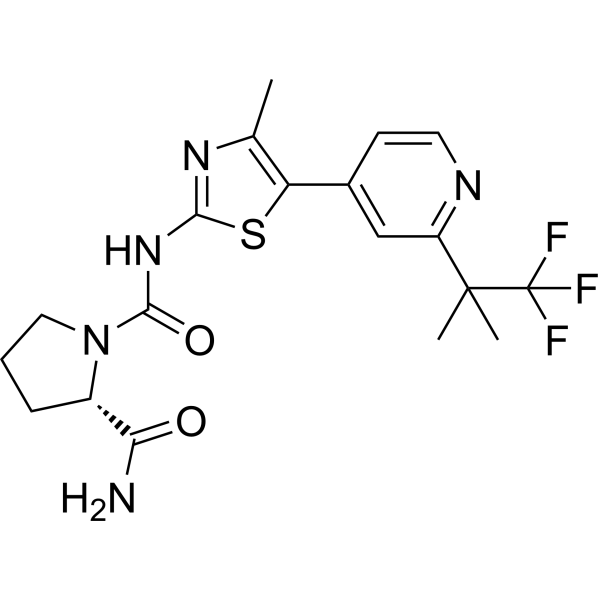
  • HY-15244
    Alpelisib
    Maximum Cited Publications
    125 Publications Verification

    BYL-719

    PI3K Apoptosis Cancer
    Alpelisib (BYL-719) is an orally active PI3Kα-selective inhibitor that blocks the conversion of PIP2 to PIP3, thereby inhibiting pathways including PI3K/AKT/mTOR, MAPK/ERK, Notch and JAK-STAT. Alpelisib also induces apoptosis, G0/G1 phase arrest and senescence; it significantly inhibits the proliferation, self-renewal, stemness and epithelial-mesenchymal transition (EMT) of tumor cells, reduces cancer stem cell populations and decreases the expression of stem cell markers. Alpelisib not only enhances the sensitivity to Eribulin (HY-13442) and exerts a synergistic effect with Paclitaxel (HY-B0015), but may also induce drug resistance by upregulating the SGK3/GSK3β/β-catenin signaling pathway. Alpelisib can be applied to research related to breast cancer, gastric cancer and lipomas associated with PTEN hamartoma tumor syndrome .
    Alpelisib
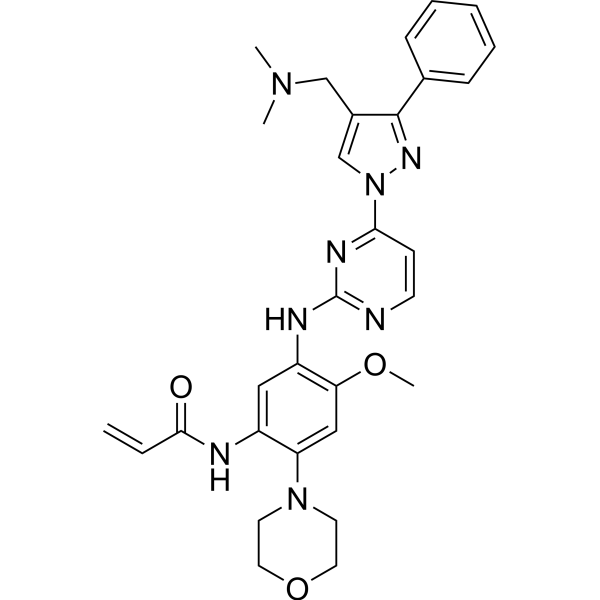
  • HY-109061
    Lazertinib
    3 Publications Verification

    YH25448; GNS-1480

    Apoptosis Akt TRP Channel EGFR ERK Infection Neurological Disease Metabolic Disease Cancer
    Lazertinib (YH25448; GNS-1480) is an orally active, blood-brain barrier permeable third-generation EGFR tyrosine kinase inhibitor, as well as an ABCB1/ABCG2 inhibitor and a TRPA1 activator. Lazertinib exhibits IC50 values of 0.4 mM and 0.2 mM against human ABCB1 and ABCG2, respectively. By inhibiting mutant EGFR signaling, EGFR phosphorylation and the downstream ERK/AKT pathway, as well as upregulating surface expression of EGFR/MET, Lazertinib induces cell cycle arrest, apoptosis, spontaneous calcium responses, hyperexcitability of dorsal root ganglion (DRG) neurons, and TRPA1-dependent pain-like behaviors. Lazertinib competitively binds to the substrate-binding sites of ABCB1/ABCG2, stimulates their ATPase activity without altering their expression or plasma membrane localization, thereby enhancing ADCC activity, acting as a chemosensitizer, and reversing ABCB1-mediated multidrug resistance. It exerts antitumor activity as a single agent or in combination with other drugs. Lazertinib is applicable to research related to non-small cell lung cancer, multidrug-resistant cancers, and paresthesia .
    Lazertinib
  • HY-B0633D

    CD44 Endogenous Metabolite Bacterial Akt PI3K Neurological Disease Metabolic Disease Inflammation/Immunology Cancer
    Hyaluronic acid sodium (MW 200-1560) is a biopolymer composed of repeating disaccharide units, with a molecular weight of 200-1560. Hyaluronic acid sodium is a major component of the extracellular matrix (ECM). It is synthesized on the plasma membrane. Hyaluronic acid sodium exerts its effects by binding to receptors CD44 and RHAMM. Hyaluronic acid sodium activates PI3K-Akt signaling. Hyaluronic acid sodium also enhances cell invasion and angiogenesis by promoting or stimulating the binding of proteolytic MMP-9 to the cell surface. Elevated hyaluronic acid levels are associated with tumor cell growth, adhesion, migration, invasion, and angiogenesis in digestive system cancers. Hyaluronic acid sodium is involved in tissue remodeling and rapid cell proliferation in several physiological processes, including embryonic morphogenesis and wound healing. Hyaluronic acid sodium can be used as a regulator of cancer-associated lymphangiogenesis. Hyaluronic acid sodium can be used as a drug delivery carrier for sodium butyrate, enhancing its anti-proliferative activity against breast cancer cell lines. Hyaluronic acid sodium can lubricate the corneal endothelium. Hyaluronic acid sodium can improve tissue hydration and enhance the resistance of cells to mechanical damage. Hyaluronic acid sodium has been conjugated with antibodies to ensure that the active compound continues to exert its effects at the site of inflammation. Hyaluronic acid sodium can be used in research in the fields of osteoarthritis, ophthalmology, cosmetic dermatology, oncology, and liver diseases .
    Hyaluronic acid sodium (MW 200-1560)
  • HY-B0633E

    Hyaluronan, low endotoxin; Hyaluronate, low endotoxin

    Endogenous Metabolite CD44 Bacterial Akt PI3K Neurological Disease Metabolic Disease Inflammation/Immunology Cancer
    Hyaluronic acid, low endotoxin (Hyaluronan, low endotoxin) is a biopolymer composed of repeating disaccharide units containing low levels of endotoxin. Hyaluronic acid is a major component of the extracellular matrix (ECM). It is synthesized on the plasma membrane. Hyaluronic acid exerts its effects by binding to receptors CD44 and RHAMM. Hyaluronic acid activates PI3K-Akt signaling. Hyaluronic acid also enhances cell invasion and angiogenesis by promoting or stimulating the binding of proteolytic MMP-9 to the cell surface. Elevated hyaluronic acid levels are associated with tumor cell growth, adhesion, migration, invasion, and angiogenesis in digestive system cancers. Hyaluronic acid is involved in tissue remodeling and rapid cell proliferation in several physiological processes, including embryonic morphogenesis and wound healing. Hyaluronic acid can be used as a regulator of cancer-associated lymphangiogenesis. Hyaluronic acid can be used as a drug delivery carrier for sodium butyrate, enhancing its anti-proliferative activity against breast cancer cell lines. Hyaluronic acid can lubricate the corneal endothelium. Hyaluronic acid can improve tissue hydration and enhance the resistance of cells to mechanical damage. Hyaluronic acid has been conjugated with antibodies to ensure that the active compound continues to exert its effects at the site of inflammation. Hyaluronic acid can be used in research in the fields of osteoarthritis, ophthalmology, cosmetic dermatology, oncology, and liver diseases .
    Hyaluronic acid, low endotoxin
  • HY-12758

    BCRP Cancer
    YHO-13351 is an orally active ABCG2 inhibitor . YHO-13351 modulates the function of ABCG2, blocks BCRP-mediated compound efflux, downregulates the expression of breast cancer resistance protein at the post-transcriptional level, and reverses ABCG2-associated tolerance. YHO-13351 restores the toxicity of SN-38 to SN-38-resistant cancer cells and sensitizes cancer cells to Irinotecan. YHO-13351 is a water-soluble prodrug that is rapidly converted to YHO-13177 (HY-12757) in mice. YHO-13351 prolongs the median survival time of mice bearing cancer cell xenografts when combined with IMMU-132. YHO-13351 extends the survival time of tumor-bearing mice and inhibits the growth of xenograft tumors when combined with Irinotecan. YHO-13351 can be used for the research of breast cancer, gastric cancer, BCRP-mediated drug-resistant cancers, and cervical cancer .
    YHO-13351
  • HY-137849

    PARP Cancer
    RK-582 is a tankyrase inhibitor, antitumor agent, and orally bioavailable growth inhibitor, with an IC50 of 36.1 nM against human tankyrase-1 and an IC50 of 39.2 nM against human tankyrase-2. In APC-mutated colorectal cancer cells, the sensitivity to RK-582 correlates with the level of active β-catenin, while drug resistance associates with PIK3CA mutation. RK-582 can be used for the research of colorectal cancer .
    RK-582
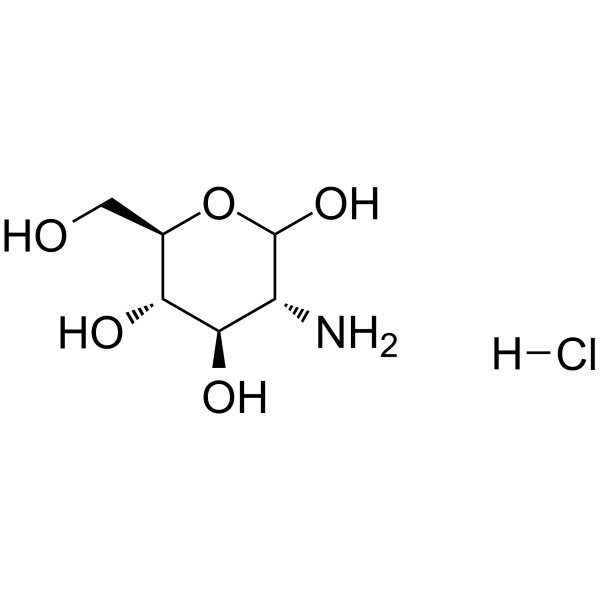
  • HY-N9459

    D-Glucosamine Hydrochloride

    GLUT Infection Neurological Disease Cancer
    2-Amino-2-deoxyglucose hydrochloride (D-Glucosamine Hydrochloride) is a glucose analog that is specifically recognized and transported by the cell membrane GLUT1. 2-Amino-2-deoxyglucose hydrochloride acts as a tumor-targeting ligand and a guiding molecule for the synthesis of prodrug conjugates, thus delivering drugs precisely to tumor cells. 2-Amino-2-deoxyglucose hydrochloride is applicable to diagnostic imaging and therapeutic efficacy monitoring of solid tumors and various cancers (e.g., breast cancer, glioblastoma). 2-Amino-2-deoxyglucose hydrochloride also helps bacteria resist lysozyme digestion by integrating into the non-N-acetylated residues of Streptococcus pneumoniae peptidoglycan. 2-Amino-2-deoxyglucose hydrochloride is used in studies on tumor metabolism and the exploration of bacterial drug resistance mechanisms .
    2-Amino-2-deoxyglucose hydrochloride
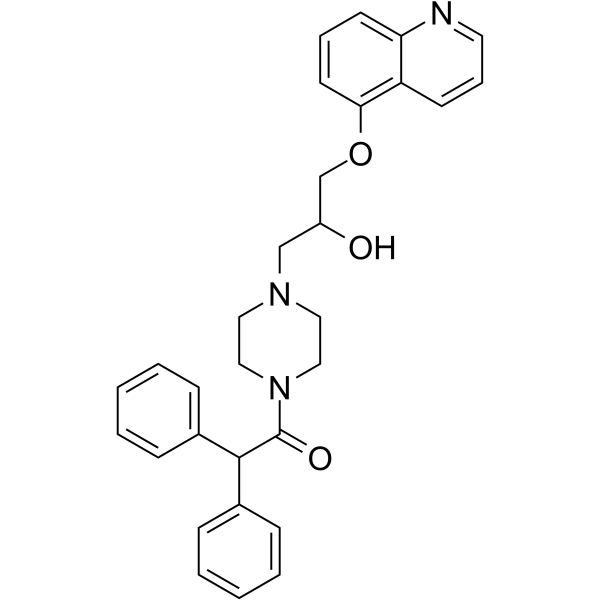
  • HY-17013
    Dofequidar
    2 Publications Verification

    MS-209 free base

    P-glycoprotein Cancer
    Dofequidar (MS-209 free base) is an orally active quinoline compoundthat blocks P-glycoprotein (P-gp) and multidrug resistance-associated protein-1 (MDR-1). Dofequidar has highly potent reversing effect on multidrug-resistant tumor cells. Dofequidar competitively inhibits ABCB1/P-gp, ABCC1/MRP-1, blocks the efflux of chemotherapeutic agents, increases the drug concentration in cancer cells, and enhances the chemotherapeutic effect .
    Dofequidar
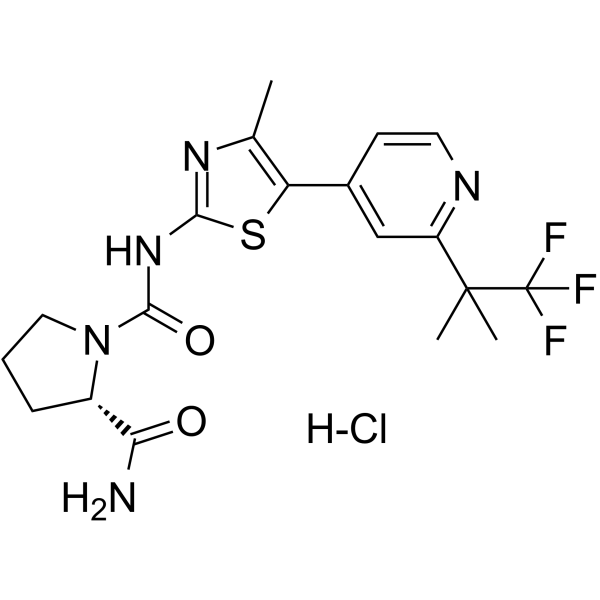
  • HY-15244A
    Alpelisib hydrochloride
    Maximum Cited Publications
    125 Publications Verification

    BYL-719 hydrochloride

    PI3K Apoptosis Cancer
    Alpelisib (BYL-719) hydrochloride is an orally active PI3Kα-selective inhibitor that blocks the conversion of PIP2 to PIP3, thereby inhibiting pathways including PI3K/AKT/mTOR, MAPK/ERK, Notch and JAK-STAT. Alpelisib hydrochloride also induces apoptosis, G0/G1 phase arrest and senescence; it significantly inhibits the proliferation, self-renewal, stemness and epithelial-mesenchymal transition (EMT) of tumor cells, reduces cancer stem cell populations and decreases the expression of stem cell markers. Alpelisib hydrochloride not only enhances the sensitivity to Eribulin (HY-13442) and exerts a synergistic effect with Paclitaxel (HY-B0015), but may also induce drug resistance by upregulating the SGK3/GSK3β/β-catenin signaling pathway. Alpelisib hydrochloride can be applied to research related to breast cancer, gastric cancer and lipomas associated with PTEN hamartoma tumor syndrome .
    Alpelisib hydrochloride
  • HY-109061B
    Lazertinib mesylate
    3 Publications Verification

    YH25448 mesylate; GNS-1480 mesylate

    TRP Channel EGFR Akt ERK Apoptosis Cancer
    Lazertinib (YH25448; GNS-1480) mesylate is an orally active, blood-brain barrier permeable third-generation EGFR tyrosine kinase inhibitor, as well as an ABCB1/ABCG2 inhibitor and a TRPA1 activator. Lazertinib mesylate exhibits IC50 values of 0.4 mM and 0.2 mM against human ABCB1 and ABCG2, respectively. By inhibiting mutant EGFR signaling, EGFR phosphorylation and the downstream ERK/AKT pathway, as well as upregulating surface expression of EGFR/MET, Lazertinib mesylate induces cell cycle arrest, apoptosis, spontaneous calcium responses, hyperexcitability of dorsal root ganglion (DRG) neurons, and TRPA1-dependent pain-like behaviors. Lazertinib mesylate competitively binds to the substrate-binding sites of ABCB1/ABCG2, stimulates their ATPase activity without altering their expression or plasma membrane localization, thereby enhancing ADCC activity, acting as a chemosensitizer, and reversing ABCB1-mediated multidrug resistance. It exerts antitumor activity as a single agent or in combination with other drugs. Lazertinib mesylate is applicable to research related to non-small cell lung cancer, multidrug-resistant cancers, and paresthesia .
    Lazertinib mesylate
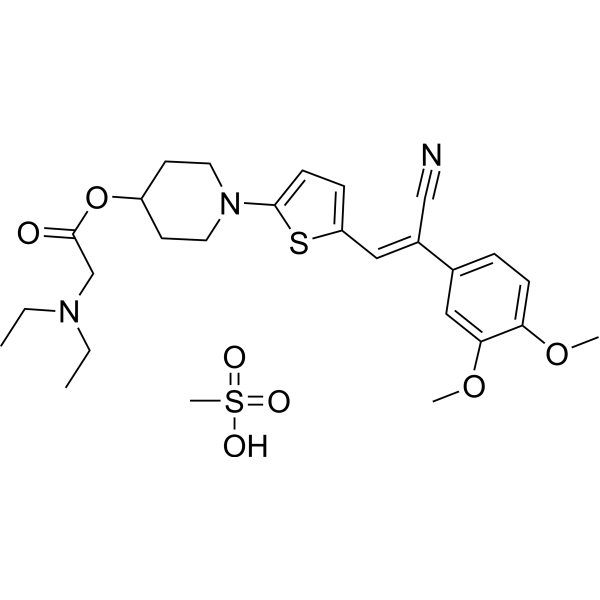
  • HY-15134

    OC 144-093; OC 144093

    P-glycoprotein Infection Cancer
    ONT-093 (OC 144-093) is a potent and orally active inhibitor of P-glycoprotein pump. ONT-093 inhibits P-gp-mediated ATPase activity with an IC50 of 0.16 μM. ONT-093 can inhibit drug efflux and increase bioavailability. ONT-093 reverses cancer cells multidrug resistance to chemotherapeutic drugs. ONT-093 can be used for the researches of cancer and infection, such as colon cancer and malarial .
    ONT-093
  • HY-17013A
    Dofequidar fumarate
    2 Publications Verification

    MS-209

    P-glycoprotein Cancer
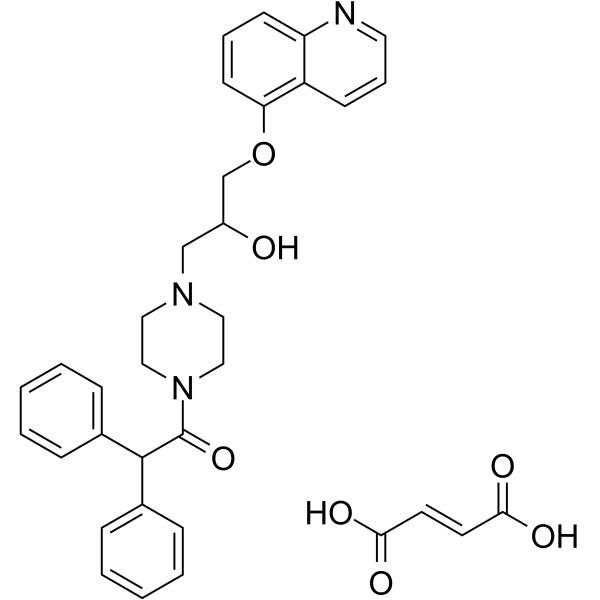
    Dofequidar fumarate (MS-209) is an orally active quinoline compoundthat blocks P-glycoprotein (P-gp) and multidrug resistance-associated protein-1 (MDR-1). Dofequidar fumarate has highly potent reversing effect on multidrug-resistant tumor cells. Dofequidar fumarate competitively inhibits ABCB1/P-gp, ABCC1/MRP-1, blocks the efflux of chemotherapeutic agents, increases the drug concentration in cancer cells, and enhances the chemotherapeutic effect .
    Dofequidar fumarate
  • HY-144878
    VPC-70619
    2 Publications Verification

    c-Myc Cancer
    VPC-70619 is a potent N-Myc inhibitor. VPC-70619 blocks the binding of the N-Myc-Max heterocomplex to the DNA E-box and exhibits potent inhibitory activity against N-Myc-dependent cell lines. VPC-70619 can partially reverse paclitaxel (HY-B0015) resistance in cells by reducing MYCN expression. VPC-70619 can be used for cancer research (e.g., neuroblastoma and thyroid cancer) .
    VPC-70619
  • HY-171955

    Lipoxygenase Apoptosis Reactive Oxygen Species (ROS) FAK Cancer
    LXG6403 is an orally active and irreversible LOX inhibitor (IC50 = 1.3 μM). LXG6403 is ~3.5-fold more specific for LOX than LOXL2 and does not inhibit LOXL1. LXG6403 inhibits FAK signaling and induces ROS generation and DNA damage, leading to G1 arrest and apoptosis in chemoresistant triple-negative breast cancer (TNBC) cell lines. LXG6403 alters the extracellular matrix (ECM) and collagen structure, reducing collagen cross-linking and deposition, thereby increasing drug penetration and reducing tumor stiffness. LXG6403 overcomes Doxorubicin (HY-15142) resistance in chemoresistant TNBC PDX in vivo and can be used to study high-stiffness resistant tumors .
    LXG6403
  • HY-N0566

    Anemosapogenin

    Apoptosis Autophagy Bcl-2 Family Caspase Survivin p38 MAPK MMP Cancer
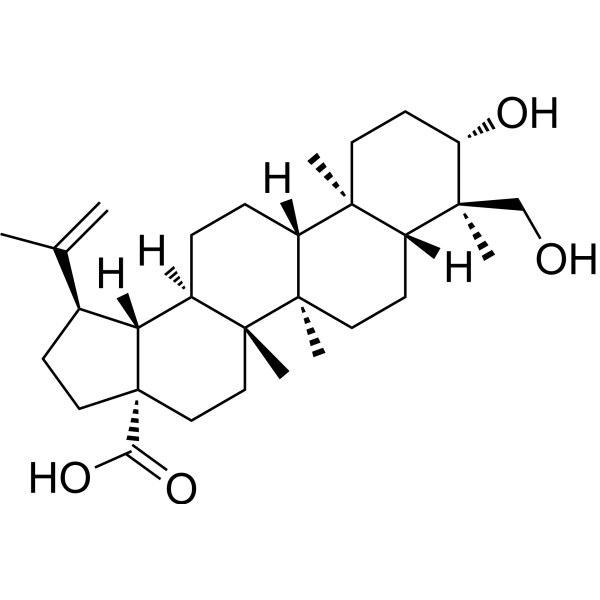
    23-Hydroxybetulinic acid (Anemosapogenin) is an orally active triterpenoid with broad-spectrum anticancer activity. 23-Hydroxybetulinic acid reduces the levels of Bcl-2 and survivin, elevates the level of Bax, promotes the cleavage/activation of caspase-3 and caspase-9, and induces apoptosis via the endogenous mitochondrial pathway involving cytochrome C release and mitochondrial membrane potential disruption. 23-Hydroxybetulinic acid arrests the cell cycle at S and G1 phases, inhibits cancer cell proliferation, blocks the MAPK signaling pathway, regulates MMP2, and induces autophagic apoptosis by upregulating beclin-1. 23-Hydroxybetulinic acid inhibits the activity and efflux function of P-gp, increases the intracellular accumulation of chemotherapeutic drugs, and synergistically enhances cytotoxicity with Doxorubicin (HY-15142). 23-Hydroxybetulinic acid inhibits the phosphorylation and nuclear translocation of STAT6, blocks M2 macrophage polarization, and reduces M2 macrophage-mediated apoptosis resistance of colon cancer cells. 23-Hydroxybetulinic acid can be used in related studies on chronic myeloid leukemia, hepatocellular carcinoma, sarcoma 180, multidrug-resistant breast cancer, leukemia, Doxorubicin-induced cardiotoxicity, and colorectal cancer .
    23-Hydroxybetulinic acid
  • HY-119944
    JND3229
    1 Publications Verification

    EGFR Cancer
    JND3229 is a reversible EGFR C797S inhibitor with IC50 values of 5.8, 6.8 and 30.5 nM for EGFR L858R/T790M/C797S, EGFR WT and EGFR L858R/T790M, respectively. JND3229 has good anti-proliferative activity and can effectively inhibit tumour growth in vivo. JND3229 can be used in cancer research, especially in non-small cell carcinoma .
    JND3229
  • HY-162753

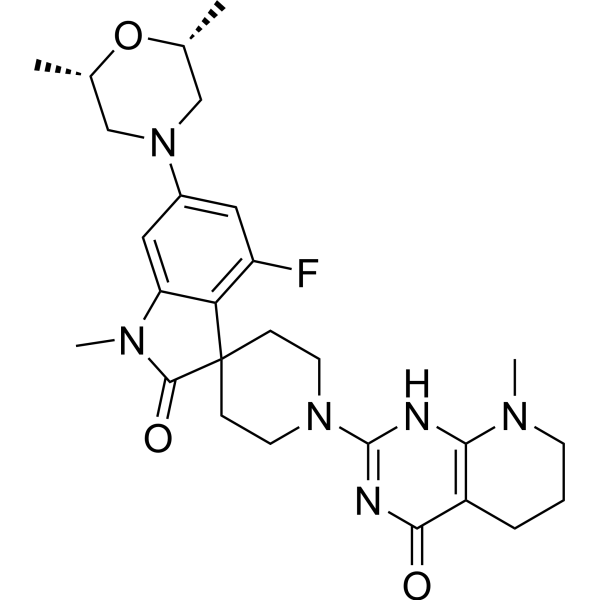
    P-glycoprotein Cancer
    ZW-1226 is a dual Tyrosyl DNA phosphodiesterase 2 (TDP2) and Multidrug resistance-associated protein 1 (MRP1) inhibitor with IC50 values of 0.2 and 0.5 μM, respectively. ZW-1226 exhibits selectivity over other ABC transporters. ZW-1226 elevates intracellular GSH levels, and reverses MRP1-mediated drug resistance. ZW-1226 can be used for the research of leukemia, non-small-cell lung cancer, and multidrug resistant small-cell lung cancer .
    ZW-1226
  • HY-151606

    Akt Cancer
    Akt3 degrader 1 (compound 12l) is a selective Akt3 degrader that overcomesOsimertinib (HY-15772)-induced resistance in H1975OR NSCLC cells. Akt3 degrader 1 also has anti-proliferative activity and significantly inhibits tumour growth in mice. Akt3 degrader 1 can be used in the study of drug-resistant non-small cell lung cancer .
    Akt3 degrader 1
  • HY-157169

    AMU302

    Pim mTOR Akt PI3K Cancer
    IBL-302 (AMU302) is an orally available dual-signaling inhibitor of PIM and PI3K/AKT/mTOR with activity against breast cancer and neuroblastoma. IBL-302 demonstrated in vivo efficacy in a nude mouse xenograft model, inhibiting trastuzumab (HY-P9907) resistance challenges. IBL-302 also enhances the effects of common cytotoxic chemotherapy drugs cisplatin (HY-17394), doxorubicin (HY-15142A), and etoposide (HY-13629) .
    IBL-302
  • HY-164552

    Apoptosis Androgen Receptor Cancer
    ZNU-IMB-Z15 (Compound Z15) is an antagonist of the androgen receptor (AR) and also a selective degrader of AR and ARV7. ZNU-IMB-Z15 can directly bind to the ligand-binding domain (LBD) and activation function-1 region of AR, and promote AR degradation through the proteasome pathway. ZNU-IMB-Z15 effectively inhibits the transcriptional activity of AR, AR mutants, and AR splice variants (ARVs), downregulating the mRNA and protein levels of AR downstream target genes, thereby overcoming the resistance to second-generation antiandrogen drugs induced by AR LBD mutations, AR amplification, and ARVs in castration-resistant prostate cancer (CRPC). ZNU-IMB-Z15 can inhibit the proliferation of AR-positive CRPC cell lines and induce their apoptosis, demonstrating anticancer activity both in vivo and in vitro .
    ZNU-IMB-Z15
  • HY-118899

    Endogenous Metabolite Cancer
    XR5944 is an anti-tumor compound with DNA-targeting activity. As a topoisomerase inhibitor, XR5944 can effectively inhibit the activities of topoisomerase I and II. XR5944 shows excellent anti-tumor activity against human and mouse tumor cells in vitro and in vivo. XR5944 exhibits significant potency in multiple cell lines, with IC50 values of 0.04-0.4 nM. XR5944 is not affected by atypical drug resistance in cells and remains significantly active even in cells overexpressing P-glycoprotein or multidrug resistance-related proteins. XR5944 showed anti-tumor efficacy in human tumor models of H69 small cell lung cancer and HT29 colon cancer, inducing tumor regression in most animals in the HT29 model. XR5944 can be used to study biological processes related to colon and lung cancer .
    XR5944
  • HY-149348

    Topoisomerase PARP Apoptosis Cancer
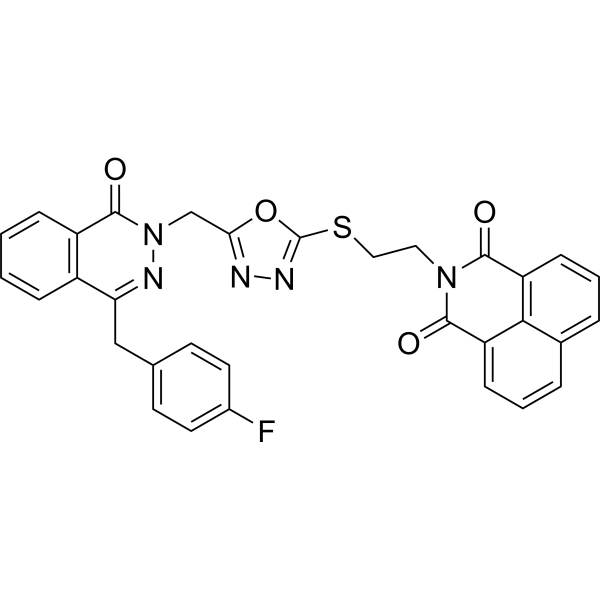
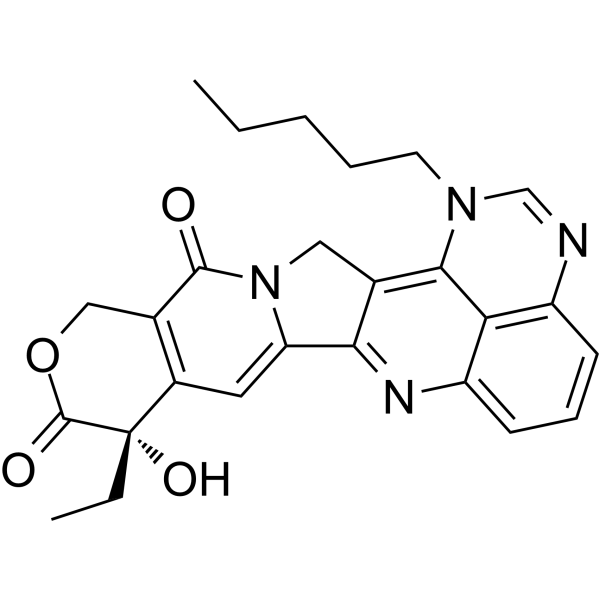
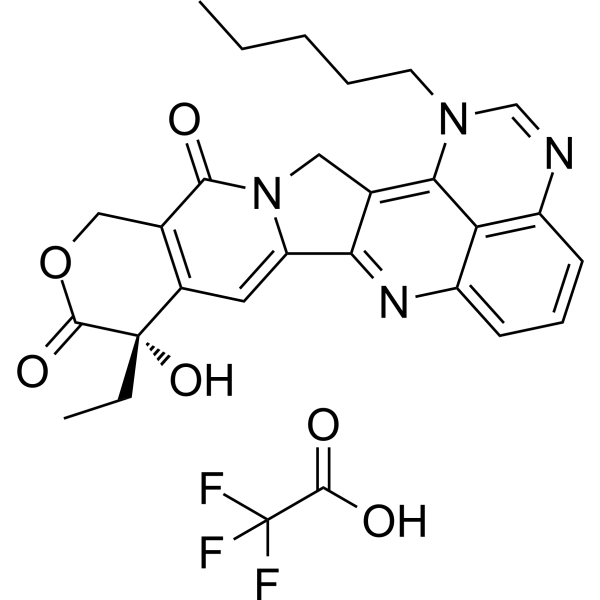
    DiPT-4 is a dual TOP1/PARP1 inhibitor that induces massive DNA double-strand breaks (DSBs), cell cycle arrest, and apoptosis in cancer cells. DiPT-4 has the potential to overcome cancer drug resistance .
    DiPT-4
  • HY-115527

    SHP2 Cancer
    SHP244 is a conformational inhibitor targeting the "latch allosteric site" (site 2) of the SHP2 protein with an IC50 value for SHP2 WT of 60 μM. SHP244 has no significant effect on the level of p-ERK alone. SHP244 combined with RMC-4550 (HY-116009) ("tunnel site" site 1 inhibitor) can reduce p-ERK and inhibit the rebound of p-ERK, thereby reducing drug resistance. SHP244 can be used to study drug resistance in FGFR-driven cancers .
    SHP244
  • HY-N16577

    P-glycoprotein Cancer
    (S)-Tenacissoside F (Compound P20) is a polyoxypregnane compound found in Marsdenia tenacissima. (S)-Tenacissoside F can inhibit the drug efflux activity mediated by P-glycoprotein (P-gp/ABCB1) and reverse multidrug resistance. (S)-Tenacissoside F can be used for the research of cancer, such as colon cancer .
    (S)-Tenacissoside F
  • HY-163940

    Aldose Reductase Androgen Receptor Cancer
    LX1 is an anti-prostate cancer compound that targets androgen receptor (AR), AR variants and steroidogenic enzyme AKR1C3. LX1 inhibits the enzymatic activity of AKR1C3, reduces the conversion of androstenedione to testosterone and reduces the expression of AR and AR-V7 and downregulates their target genes. LX1 overcomes the resistance of tumor cells to Enzalutamide (HY-70002), and the combination with Enzalutamide (HY-70002) further inhibits tumor growth .
    LX1
  • HY-174387

    c-Met/HGFR Cancer
    KIN-8741 is a highly selective Type IIb c-Met inhibitor. KIN-8741 has broad activity against c-Met kinase mutations. KIN-8741 shows antitumor activity in MET gene amplified and exon 14 deleted non-small cell lung cancer models. KIN-8741 can be used in the research of c-Met driven cancers, especially advanced tumors carrying MET exon 14 jump mutations, acquired drug resistance mutations, etc .
    KIN-8741
  • HY-178961

    PROTACs Estrogen Receptor/ERR Apoptosis Cancer
    PROTAC ERα Degrader-13 is an orally active PROTAC molecule that efficiently and selectively degrades ERα (DC50 = 3.78 nM). PROTAC ERα Degrader-13 has the characteristics of strong anti proliferation (IC50 = 0.6 nM), induction of apoptosis, and overcoming drug resistance in MCF-7 cells. PROTAC ERα Degrader-13 has good safety and no significant organ toxicity. PROTAC ERα Degrader-13 can be used for cancer research .
    PROTAC ERα Degrader-13
  • HY-P990196

    P-glycoprotein Cancer
    Anti-Monkey/Human MDR-1/CD243 Antibody (UIC2) is an anti-monkey/human MDR-1/CD243 IgG2a monoclonal antibody. Anti-Monkey/Human MDR-1/CD243 Antibody (UIC2) can efficiently inhibit P-glycoprotein. Anti-Monkey/Human MDR-1/CD243 Antibody (UIC2) enhances the inhibitory effect on multidrug resistance (MDR) by suppressing drug efflux. Anti-Monkey/Human MDR-1/CD243 Antibody (UIC2) can be used for research on cancer .
    Anti-Monkey/Human MDR-1/CD243 Antibody (UIC2)
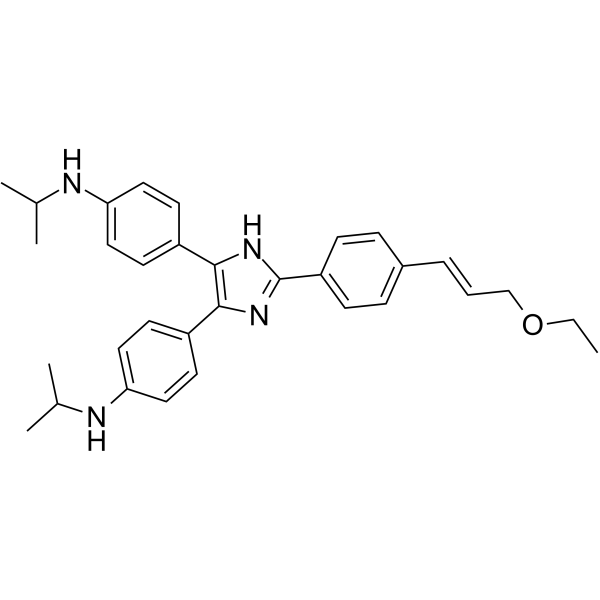
  • HY-178349

    P-glycoprotein Apoptosis Autophagy Cancer
    P-gp inhibitor 30 is a potent P-gp inhibitor that reverses multidrug resistance in breast cancer by sensitizing resistant cells to Doxorubicin (ADM) (HY-15142). P-gp inhibitor 30 promotes apoptosis, induces autophagy, and suppresses proliferation, migration, and invasion of drug-resistant breast cancer cells when combined with ADM. P-gp inhibitor 30 inhibits breast tumor growth both in vitro and in vivo. P-gp inhibitor 30 can be used for drug-resistant breast cancer research .
    P-gp inhibitor 30
  • HY-165606

    Oct3/4 c-Myc Apoptosis Cancer
    SB-T-1214 (SBT) is a taxane. SB-T-1214 efficiently inhibits expression of stem cell-related genes (Oct4, Sox2, and c-Myc) and induces apoptosis of colon cancer spheroids with drug resistant tumorigenic CD133 +/CD44 + cells. SB-T-1214 strongly represses tumor growth in Pgp+ DLD-1 human colon tumor xenografts mice model. SB-T-1214 can be used for antitumor research, especially against tumors with drug resistance, such as colon, pancreatic and renal cancers .
    SB-T-1214
  • HY-P991572

    EGFR Cancer
    MM-151 is a humanized IgG1 monoclonal antibody targeting EGFR. MM-151 binds multiple regions of the EGFR extracellular domain (ECD) and reduces its mutations in circulating cell-free tumor DNA with EGFR resistance. MM-151 significantly inhibits EGFR signaling and cell growth. MM-151 can be used for drug-resistant cancers research, such as colorectal, non-small cell lung and triple negative breast cancer .
    MM-151
  • HY-178938

    Molecular Glues Androgen Receptor Caspase Apoptosis Endocrinology Cancer
    AR Degrader-3 is an orally active molecular glue that targets AR/ARV7 and induces the degradation of AR and ARV7 through the ubiquitin-proteasome pathway (UPP). AR Degrader-3 directly interacts with the ligand-binding domain (LBD) and the N-terminal domain (NTD) of AR. AR Degrader-3 effectively suppresses the transcriptional activity of wild-type AR (AR-WT), AR mutants, and ARV7. AR Degrader-3 downregulates the mRNA and protein levels of downstream AR target genes, thereby overcoming antiandrogen resistance mediated by ARV7 and AR point mutations. AR Degrader-3 induces apoptosis in Enzalutamide (HY-70002) (ENZa)-resistant cells and increases cleaved caspase-3 protein levels. AR Degrader-3 can be used for the study of castration-resistant prostate cancer (CRPC) .
    AR Degrader-3
  • HY-174826

    EGFR c-Kit Cancer
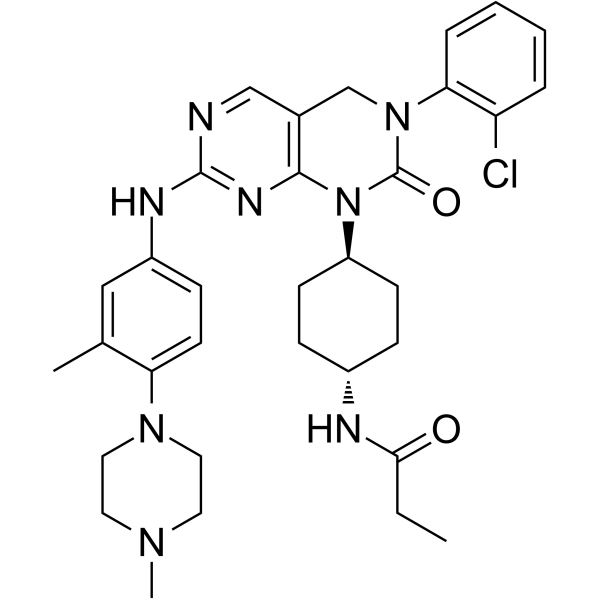
    EGFR-IN-164 (Compound 4) is a selective and covalent allosteric EGFR inhibitor. EGFR-IN-164 significantly inhibits the activity of EGFR L858R/T790M/C797S kinase (IC50: 48.1 nM) and proliferation of of EGFR-mutant cells. EGFR-IN-164 can be used for drug resistance of cancer research .
    EGFR-IN-164
  • HY-179388

    PROTACs Sirtuin Apoptosis Akt mTOR Cancer
    PROTAC Sirt2 Degrader-2 is a highly efficient and selective PROTAC degrader targeting SIRT2. PROTAC Sirt2 Degrader-2 demonstrates the most potent anti-proliferative activity both in vitro and in vivo. PROTAC Sirt2 Degrader-2 leads to a marked increase in H4K16Ac levels. PROTAC Sirt2 Degrader-2 significantly suppresses clonogenic formation and migration, induces cell cycle arrest, and promotes apoptosis. PROTAC Sirt2 Degrader-2 inhibits the AKT/mTOR signaling pathway by indirectly degrading SIRT2 and blocking downstream protein phosphorylation, thereby disrupting the signaling cascade and suppressing tumor development. PROTAC Sirt2 Degrader-2 can be used for the study of ovarian cancer .
    PROTAC Sirt2 Degrader-2
  • HY-144366

    P-glycoprotein Cancer
    P-gp inhibitor 3 is an effective P-glycoprotein (P-gp) inhibitor. P-gp inhibitor 3 inhibits the efflux function of P-gp by activating P-gp ATPase. P-gp inhibitor 3 has relatively stronger multidrug resistance (MDR) reversal ability and enhances the anti-tumor activity of Paclitaxel .
    P-gp inhibitor 3
  • HY-176955

    Estrogen Receptor/ERR Cancer
    ER degrader 12 (Example 1) is an estrogen receptor (ER) degrader with IC50 values for ERα and ERβ of 2.3 and 80.2 nM respectively (TR-FRET experiment). ER degrader 12 inhibits the proliferation of MCF-7 cells, with an IC50 of 1.53 nM. ER degrader 12 can be used for research on breast cancer .
    ER degrader 12
  • HY-174384

    c-Met/HGFR Apoptosis G-quadruplex Cancer
    MET Transcription-IN-1 (Compound C3) is an orally active MET transcription inhibitor. MET Transcription-IN-1 can efficiently bind and stabilize the G-quadruplex in the MET promoter region, thereby inhibiting c-Met expression. MET Transcription-IN-1 can also overcome drug resistance caused by specific c-Met mutations. MET Transcription-IN-1 is capable of inhibiting tumor cell proliferation, migration, and invasion, as well as inducing cell cycle arrest and apoptosis. MET Transcription-IN-1 has antitumor activity, and can be used in the research of tumors such as non-small cell lung cancer .
    MET Transcription-IN-1
  • HY-17648

    BCRP Cancer
    MBL-II-141 is potent ABCG2 inhibitor with an IC50 of 0.11 μM. MBL-II-141 inhibits the transport function of ABCG2 in a non-competitive manner, preventing ABCG2 from pumping substrates (such as Irinotecan (HY-16562)) out of the cells, thereby increasing the accumulation of drugs within the cells. MBL-II-141 has no effect on ABCB1 (P-gp) and ABCC1 (MRP1) and has extremely low cytotoxicity (IG50 > 100 μM). MBL-II-141 can be used for the study of multidrug resistance (MDR) cancers .
    MBL-II-141
  • HY-174314

    Ligands for Target Protein for PROTAC Anaplastic lymphoma kinase (ALK) Cancer
    WZH-15-125 is a potent ALK inhibitor. WZH-15-125 can effectively overcome drug resistance, especially compound ALK mutations. WZH-15-125 has an IC50 of 101.7 nM for the highly refractory G1202R/L1196M mutation that is resistant to Lorlatinib (HY-12215). WZH-15-125 can be used as a PROTAC target protein ligand to synthesize PROTAC WZH-17-002 (HY-174315). WZH-15-125 can be used in the research of non-small cell lung cancer .
    WZH-15-125
  • HY-178059

    FGFR p38 MAPK Akt ERK Apoptosis Cancer
    FGFR-IN-23 (Compound 9p) is a covalent pan FGFR inhibitor with IC50s of 14, 4.2, 5 and 220 nM for FGFR1, FGFR2, FGFR3 and FGFR4, respectively. FGFR-IN-23 also has potent inhibitory activity against gatekeeper mutants, such as FGFR1 V561M and FGFR3 V555M. FGFR-IN-23 suppresses the activation of FGFR-mediated signaling and induces apoptosis. FGFR-IN-23 shows significant antitumor efficacy in RT112 xenograft mouse models. FGFR-IN-23 can be used for cancers and its drug resistance research .
    FGFR-IN-23
  • HY-174315

    PROTACs Anaplastic lymphoma kinase (ALK) Akt ERK Cancer
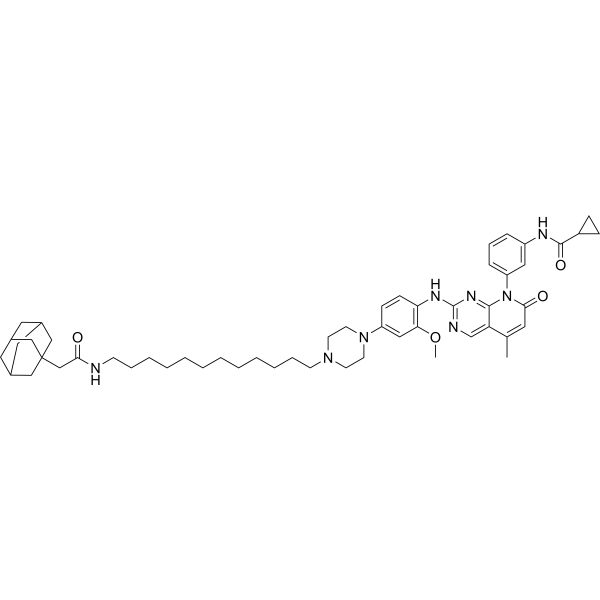
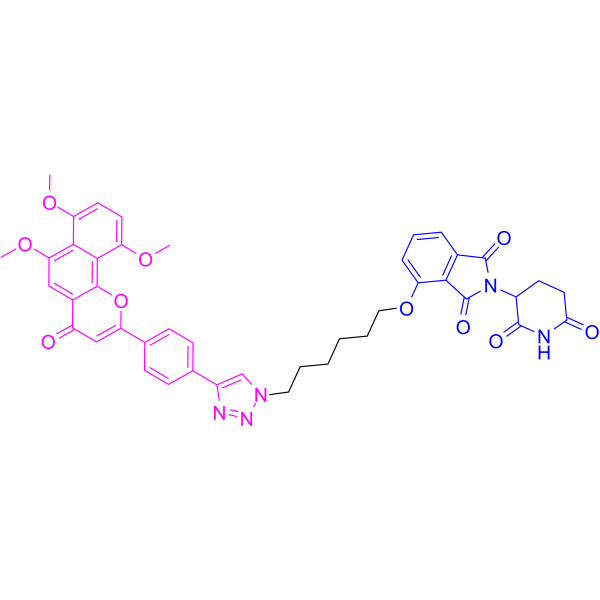
    WZH-17-002 is a WZH-15-125-based ALK PROTAC degrader with a DC50 of 25 nM. WZH-17-002 enhances activities against Lorlatinib (HY-12215)-resistant ALK compound mutations. WZH-17-002 significantly reduces drug resistance in ALK-fusion non-small cell lung cancer (NSCLC) and inhibits tumor growth in EML4-ALK G1202R/L1196 M xenograft mice model . Pink: ALK ligand (HY-174314); Blue: CRBN ligase ligand (HY-14658); Black: linker (HY-174316)
    WZH-17-002
  • HY-115443

    FLT3 Cancer
    MZH29 is a potent and orally active FLT3 inhibitor. MZH29 shows inhibitory effects on wild-type and mutant FLT3, including the FLT3-ITD, FLT3-D835H/Y/V and FLT3-K663Q mutants. MZH29 retains its potent inhibitory effect against the FLT3-ITD/F691L mutation, a drug resistance mutation against the well-known FLT3 inhibitor, AC220 (HY-13001). MZH29 can be used for the research of cancer, such as acute myeloid leukemia (AML) .
    MZH29
  • HY-176225

    PROTACs Src Estrogen Receptor/ERR Apoptosis Cancer
    BY13 is a SRC-3 PROTAC degrader with a DC50 of 0.031 μM. BY13 selectively blocks the ER signaling pathway over that of androgen receptor (AR)) through down-regulating ERα level. BY13 potently overcomes endocrine resistance in breast cancer by inducing cell cycle arrest in G1 phase and apoptosis, with superior effect over Fulvestrant (HY-13636). BY13 significantly inhibits the growth of drug-resistant breast tumors without obvious toxicity in LCC2 xenograft mice model . Pink: SRC-3 ligand (SI-2) (HY-101447); Blue: CRBN ligase ligand (HY-41547); Black: linker (HY-176226)
    BY13
  • HY-161521

    Polo-like Kinase (PLK) Cancer
    PLK1-IN-10 (Compound 4Bb) is an orally active PLK1 PBD (polo-box domain) inhibitor. PLK1-IN-10 blocks the interaction of PLK1 with the cell division regulator protein 1 (PRC1) and decreases the protein expression of the CDK1-Cyclin B1 complex. PLK1-IN-10 reacts with glutathione (GSH) to increase cellular oxidative stress, ultimately leading to cell death .
    PLK1-IN-10
  • HY-178466

    Microtubule/Tubulin P-glycoprotein Apoptosis Cancer
    Tubulin polymerization/P-gp-IN-1 is a Tubulin polymerization/P-gp dual inhibitor. Tubulin polymerization/P-gp-IN-1 inhibits tubulin polymerization and induces G2/M arrest and apoptosis. Tubulin polymerization/P-gp-IN-1 reverses MDR by inhibiting P-gp efflux function. Tubulin polymerization/P-gp-IN-1 has dual functions: direct antitumor activity and reversal of P-gp-mediated Cisplatin (HY-17394) resistance. Tubulin polymerization/P-gp-IN-1 stable binds to the tubulin CBS (ΔG = −12.4 kcal/mol) and the P-gp hydrophobic lumen (ΔG = −10.8 kcal/mol). Tubulin polymerization/P-gp-IN-1 can be used for the study of drug-resistant cervical cancer .
    Tubulin polymerization/P-gp-IN-1
  • HY-172368

    PROTACs Histone Methyltransferase IKZF Family Apoptosis Inflammation/Immunology Cancer
    PROTAC CARM1/IKZF3 degrader-1 (Compound 074) inhibits CARM1, reduces the methylation level of its substrate BAF155. PROTAC CARM1/IKZF3 degrader-1 is the PROTAC degrader for IKZF 1/3 through a CRBN-dependent pathway. PROTAC CARM1/IKZF3 degrader-1 inhibits the expression of MYC protein, thereby inhibiting the proliferation of a variety of multiple myeloma cells. PROTAC CARM1/IKZF3 degrader-1 induces apoptosis in cell H929. PROTAC CARM1/IKZF3 degrader-1 overcomes immunomodulatory drugs (IMiD, such as pomalidomide) resistance. PROTAC CARM1/IKZF3 degrader-1 can be used in cancer and immunology research . (Pink: ligand for target protein CARM1/IKZF3 ligand 1 (HY-172369); Active form of target protein ligand: EZM 2302 (HY-111109); Black: linker (HY-21999); Blue: ligand for E3 ligase Cereblon Thalidomide 4-fluoride (HY-41547))
    PROTAC CARM1/IKZF3 degrader-1
  • HY-163687

    BS-7723 free base

    Biochemical Assay Reagents Cancer
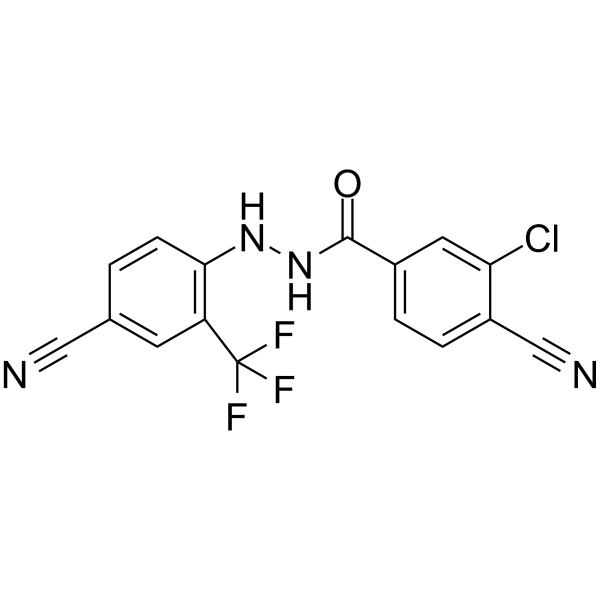
    Tropirine (BS-7723 free base) is a radiosensitizer. Tropirine can be used in cancer research .
    Tropirine
  • HY-150649

    17β-HSD Cancer
    S07-2005 racemic is a potent and selective aldo-keto reductase 1C3 (AKR1C3) inhibitor with an IC50 value of 0.13 μM and 0.75 μM for AKR1C3 and AKR1C4, respectively. S07-2005 racemic has potential as a chemotherapeutic potentiator for cancer agent resistance .
    S07-2005 (racemic)
  • HY-150650

    Aldose Reductase Cancer
    S07-2001 is a potent and selective aldo-keto reductase 1C3 (AKR1C3) inhibitor with an IC50 value of 2.08 μM. S07-2001 enhances the activity of Doxorubicin against cancer cells. S07-2001 has potential as a chemotherapeutic potentiator for cancer agent resistance .

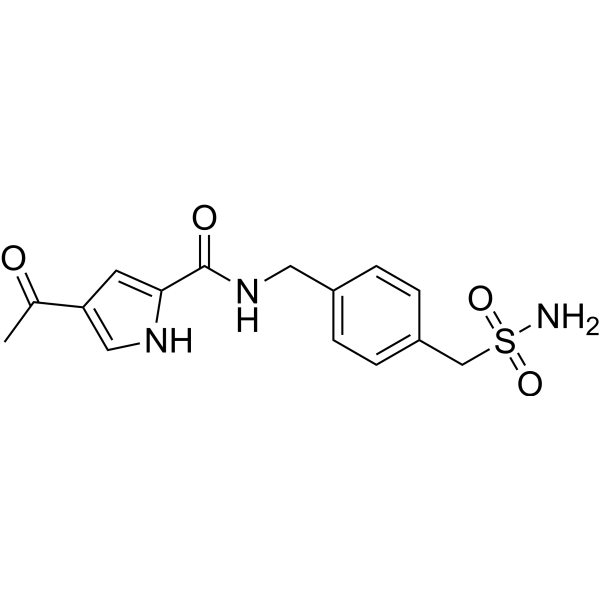
    S07-2001
  • HY-164500

    Apoptosis Histone Methyltransferase Cancer
    MC3629 is an inhibitor of histone methyltransferase (EZH2) with anti-tumor activity. MC3629 inhibits SHH MB cancer cell proliferation and self-renewal and induces apoptosis. MC3629 can be used to study drug resistance in tumor aggressiveness .


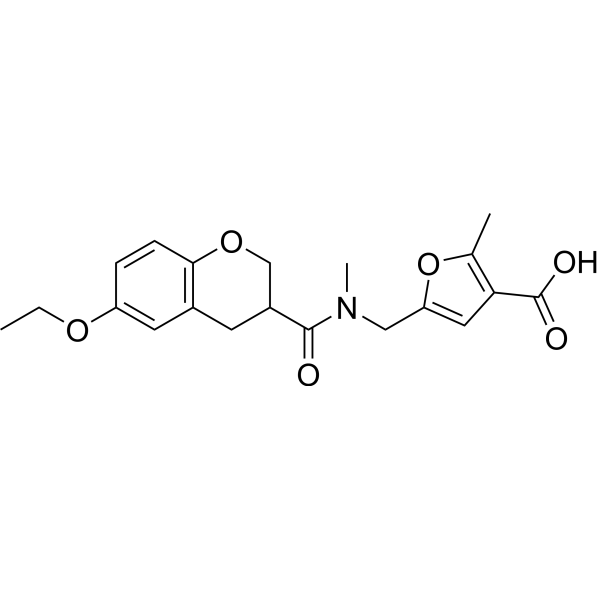
    MC3629

Inquiry Online

Your information is safe with us. * Required Fields.

Salutation


Country or Region *

Applicant Name *


Organization Name *

Department *


Email Address *


Product Name *

Cat. No.


Requested quantity *

Phone Number *


Remarks

Inquiry Online

Inquiry Information

Product Name:
Cat. No.:
Quantity:
MCE Japan Authorized Agent: