1. Search Result
Search Result
Results for "

cardiovascular diseases and neurodegenerative diseases

" in MedChemExpress (MCE) Product Catalog:

35

Inhibitors & Agonists

4

Screening Libraries

5

Natural
Products

1

Isotope-Labeled Compounds

Cat. No. Product Name Target Research Areas Chemical Structure
  • HY-129122
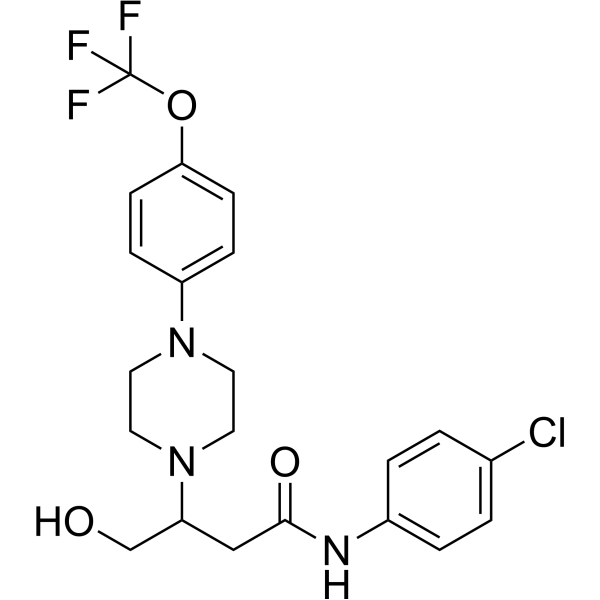
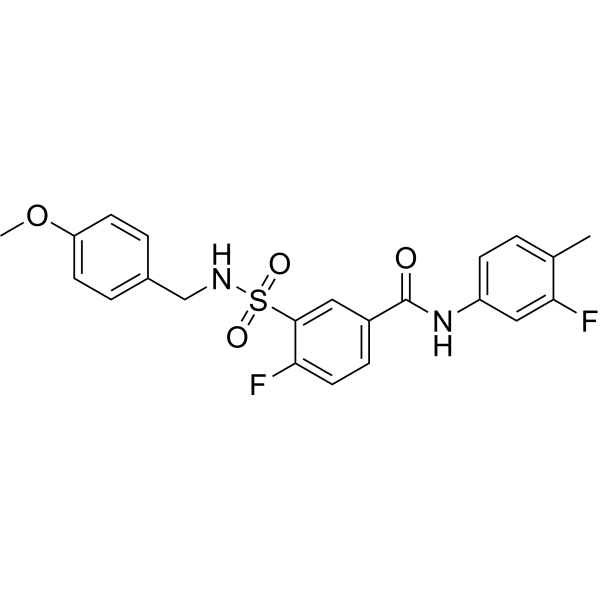
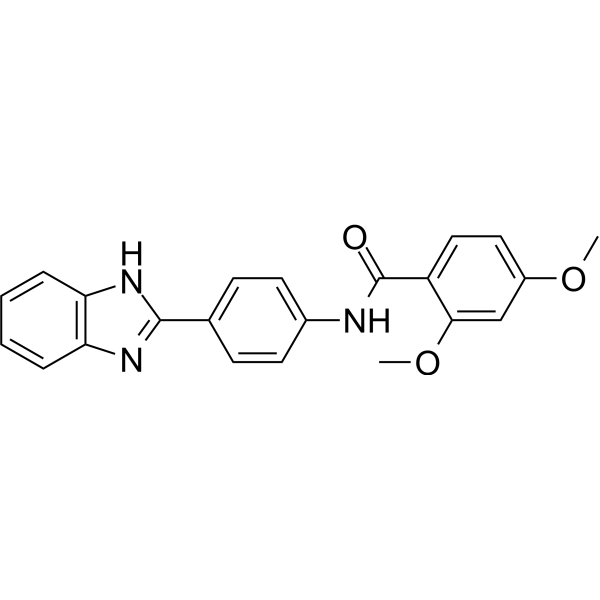
    VBIT-4
    15+ Cited Publications

    VDAC Cardiovascular Disease Neurological Disease
    VBIT-4 is an inhibitor of voltage-dependent anion channel 1 (VDAC1) oligomerization with a binding affinity (Kd) of 17 μM. VBIT-4, as an apoptosis inhibitor, can be used for therapeutic purposes in apoptosis-associated disorders, such as neurodegenerative and cardiovascular diseases .
    VBIT-4
  • HY-113324
    NADPH
    15+ Cited Publications

    Endogenous Metabolite Cancer
    NADPH is a coenzyme of glutathione reductase (GR), thioredoxin reductase (TrxR) and NADPH oxidase (NOX), and participates in redox reactions as a hydrogen donor. NADPH has the characteristic of selectively participating in the regulation of cellular redox homeostasis. NADPH exerts antioxidant activity and resists reactive oxygen species (ROS) damage by providing reducing equivalents for the regeneration of glutathione (GSH) and thioredoxin (Trx); at the same time, it acts as a substrate of NOX to generate superoxide anions, mediating oxidative stress and immune response. NADPH participates in maintaining the intracellular reducing environment, biosynthesis and regulating gene expression (such as the Nrf2 pathway), and is mainly used in the study of oxidative stress-related diseases (such as cardiovascular diseases, neurodegenerative diseases, cancer) and immune regulation mechanisms .
    NADPH
  • HY-W017540
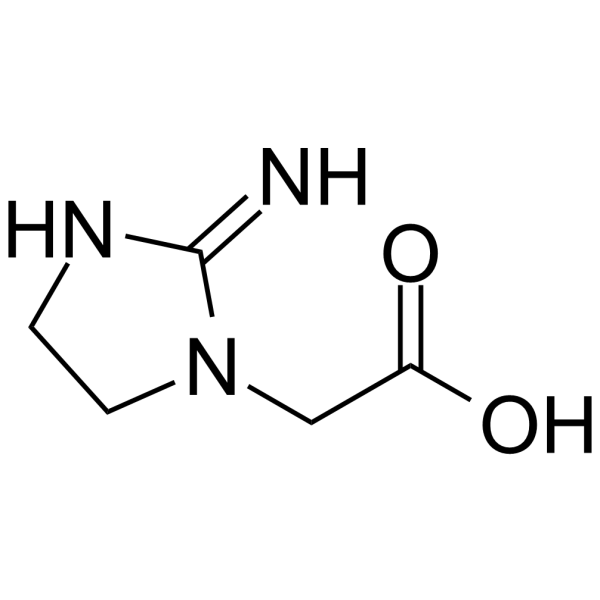
    Cyclocreatine
    1 Publications Verification

    ATP Synthase Cardiovascular Disease Neurological Disease Metabolic Disease Cancer
    Cyclocreatine, a creatine analogue, acts as a brain-penetrant and potent bioenergetic protective agent by providing high levels of ATP. Cyclocreatine can be phosphorylated and dephosphorylated by creatine kinases. Cyclocreatine suppresses creatine metabolism ameliorating the cognitive, autistic and epileptic phenotype in a mouse model of creatine transporter defciency. Cyclocreatine protects against ischemic injury and enhances cardiac recovery during early reperfusion in dogs and rats. Cyclocreatine decreases plaque-adjacent neuronal dystrophy in TREM2-deficient mice with amyloid-β pathology. Cyclocreatine is proming for research of ischemic heart disease, cardiovascular diseases, Alzheimer’s disease and other neurodegenerative diseases associated with microglial dysfunction, prostate cancer .
    Cyclocreatine
  • HY-50737
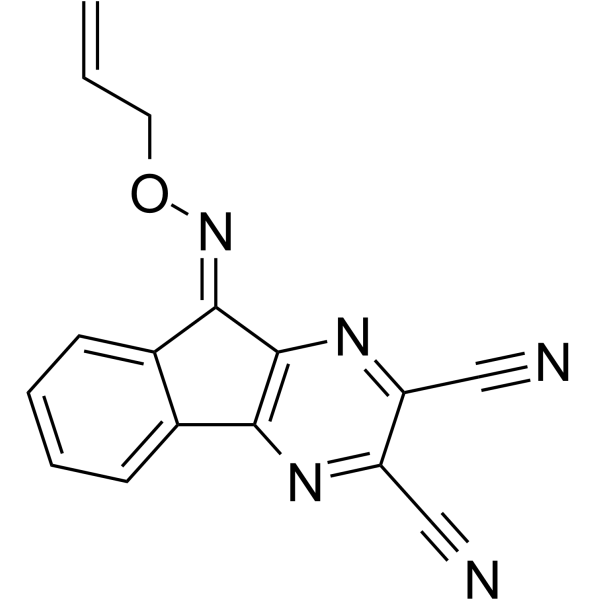
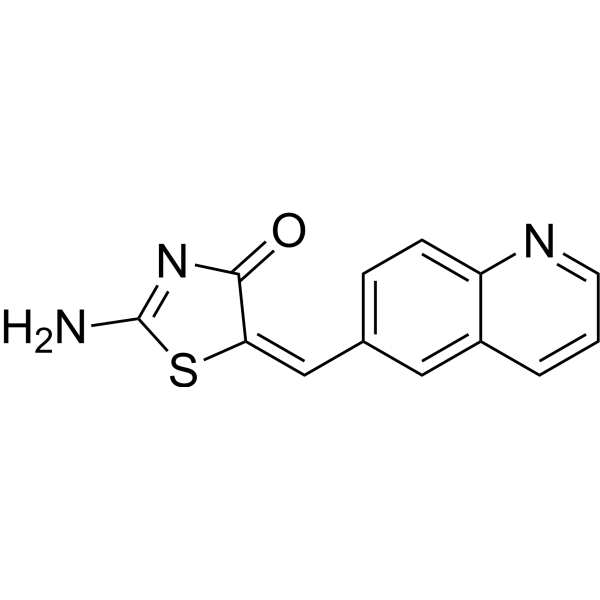
    DUB-IN-3
    5+ Cited Publications

    Deubiquitinase Infection Cardiovascular Disease Neurological Disease Inflammation/Immunology Cancer
    DUB-IN-3 (compound 22c) is a potent and selective inhibitor of the deubiquitinating enzyme USP8 with an IC50 value of 0.56 μM. DUB-IN-3 is promising for research of cancer, neurodegenerative diseases, inflammation, viral infection and cardiovascular disease .
    DUB-IN-3
  • HY-N1775

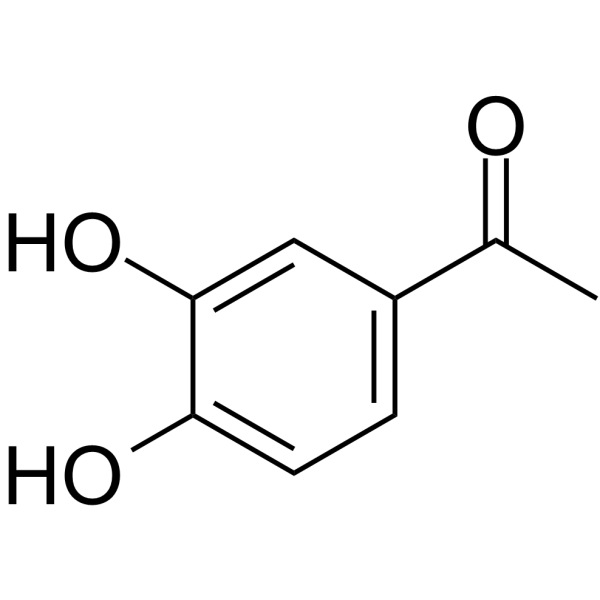
    3,4-DHAP

    Tyrosinase Reactive Oxygen Species (ROS) Keap1-Nrf2 PARP Autophagy Apoptosis Cardiovascular Disease Neurological Disease Metabolic Disease Inflammation/Immunology Cancer
    3',4'-Dihydroxyacetophenone (3,4-DHAP) is a phenolic compound with oral bioavailability, possessing potent antioxidant, anti-inflammatory, anticancer and cardiovascular protective activities. 3',4'-Dihydroxyacetophenone inhibits mushroom Tyrosinase activity with an IC50 of 10 μM, thereby suppressing melanogenesis . 3',4'-Dihydroxyacetophenone inhibits platelet aggregation in platelet-rich plasma. 3',4'-Dihydroxyacetophenone reduces ROS levels in human umbilical vein endothelial cells treated with high glucose, upregulates the expression of Nrf2, HO-1 and PARP-1 in cells, and promotes the nuclear translocation of Nrf2 . 3',4'-Dihydroxyacetophenone induces autophagy and apoptosis. 3',4'-Dihydroxyacetophenone inhibits seed germination/growth in most plants. 3',4'-Dihydroxyacetophenone can be used in the research of cancer, neurodegenerative diseases, non-alcoholic steatohepatitis, diabetes, obesity, skin pigmentation disorders, and cardiovascular and cerebrovascular diseases .
    3',4'-Dihydroxyacetophenone
  • HY-163358
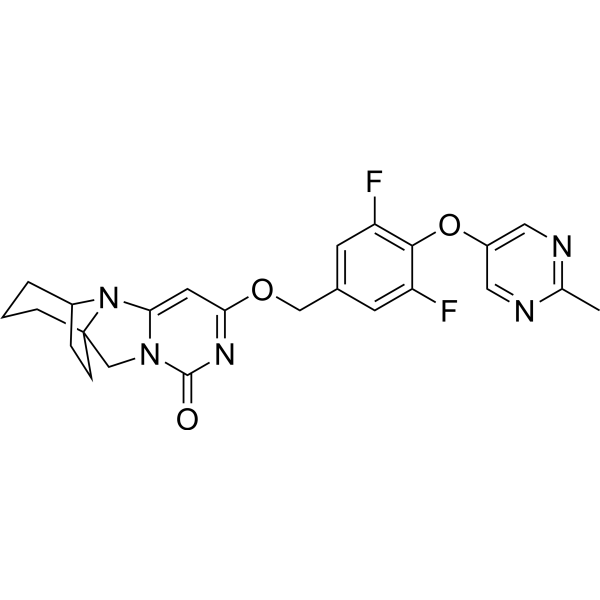
    SLC3037
    1 Publications Verification

    NOD-like Receptor (NLR) NEKs Cardiovascular Disease Neurological Disease Inflammation/Immunology
    SLC3037 is a NLRP3 inhibitor which blocks NLRP3 from binding to NEK7 or oligomerization, inhibiting inflammasome caused by MSU and other inflammasome activators. SLC3037 can be used for research of gout, cardiovascular diseases, metabolic syndrome or neurodegenerative diseases .
    SLC3037
  • HY-W181102

    Calcineurin Cardiovascular Disease Neurological Disease Inflammation/Immunology
    NFAT Inhibitor-2 is a potent inhibitor of calcineurin NFAT signalling. Calcineurin is a serine/threonine protein phosphatase regulated by Ca2+ and calmodulin. NFAT Inhibitor-2 has the potential for the research of inflammatory disease, an autoimmune disorder, a cardiovascular disease, a neurodegenerative disease, a disease occurring with uncontrolled cell proliferation and/or differentiation, an angiogenesis-related disease, an allergy, anaphylaxis and alopecia (extracted from patent WO2016207212A1, compound 17) .
    NFAT Inhibitor-2
  • HY-N7607

    Reactive Oxygen Species (ROS) Cardiovascular Disease
    Quercetin-3-O-D-glucosyl]-(1-2)-L-rhamnoside is a flavonoid glycoside with antioxidant activity and free radical scavenging activity. Quercetin-3-O-D-glucosyl]-(1-2)-L-rhamnoside can scavenge free radicals such as ABTS+ and can be used in the study of antioxidant-related diseases (such as cardiovascular diseases and neurodegenerative diseases) .
    Quercetin-3-O-D-glucosyl]-(1-2)-L-rhamnoside
  • HY-106432A

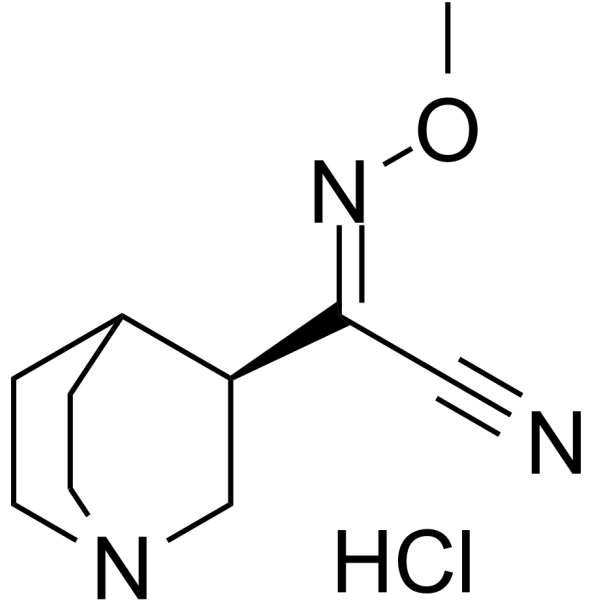
    SB-202026 hydrochloride; Memric hydrochloride

    mAChR Dopamine Receptor Neurological Disease
    Sabcomeline (SB-202026; Memric) hydrochloride is a muscarinic receptor agonist capable of crossing the blood-brain barrier. Sabcomeline hydrochloride exhibits affinity for all hM1 to hM5 subtypes (pKi=6.72-7.23), and shows near-full agonism at the hM3 receptor, inducing extracellular acidification. Sabcomeline hydrochloride alters the binding kinetics of dopamine D2 receptors through neural network regulation. Sabcomeline hydrochloride also causes minimal cardiovascular changes, effectively reverses spatial memory deficits in rodents and induces conditioned taste aversion. Sabcomeline hydrochloride is an important tool compound in studies of Alzheimer's disease and related neurodegenerative diseases .
    Sabcomeline hydrochloride
  • HY-142026

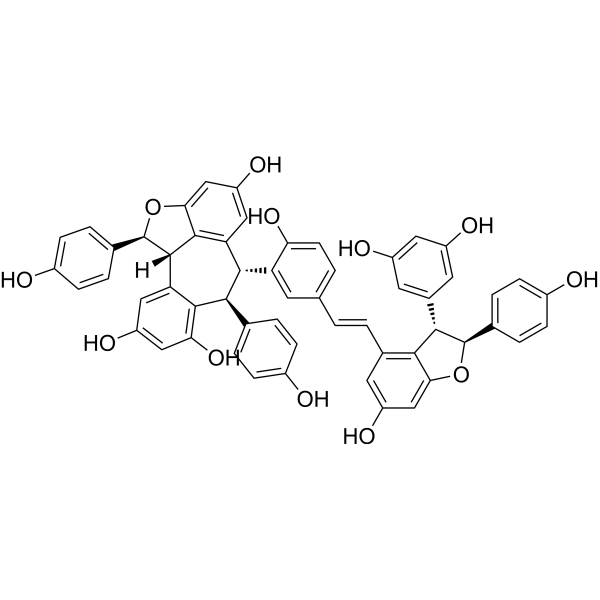
    (+)-Vitisin A

    Caspase ERK NF-κB Influenza Virus PAK LDLR PPAR PCSK9 Androgen Receptor Keap1-Nrf2 Monoamine Oxidase Cholinesterase (ChE) IKK Wnt β-catenin Reactive Oxygen Species (ROS) Apoptosis Cuproptosis Infection Neurological Disease Metabolic Disease Inflammation/Immunology Cancer
    Vitisin A ((+)-Vitisin A) is an orally active natural product with multiple pharmacological activities including anti-inflammatory, anti-tumor, anti-oxidant, anti-pathogenic microorganism, hypoglycemic and lipid-regulating, anti-osteoporotic, neuroprotective and cardiovascular protective effects. Vitisin A exhibits inhibitory effects on human AChE and MAO-B with IC50 values of 1.29 µM and 4.94 µM, respectively. Vitisin A inhibits the ERK, MAPK, NF-κB, STAT1, HMGCR and TRAF6 pathways, downregulates the related phosphorylation and protein expression, while activates the Nrf2/HO-1 pathway and upregulates p21 expression. Vitisin A induces tumor cell apoptosis and cell cycle arrest, inhibits adipogenesis and lipid accumulation, while alleviates oxidative stress, suppresses inflammatory responses, blocks hepatic fibrosis, Cuproptosis and cholesterol synthesis, and increases the expression levels of central BDNF and TrkB. Vitisin A can be used in the research of tumors, infectious diseases, metabolic diseases, bone and joint diseases, liver diseases, skin injuries, as well as neurodegenerative and cognitive dysfunction-related diseases .
    Vitisin A
  • HY-163174

    Amine N-methyltransferase Cardiovascular Disease Neurological Disease Metabolic Disease Cancer
    II399 is a potent, selective NNMT bisubstrate inhibitor containing an unconventional SAM mimic, with a Ki of 5.9 nM. II399 exhibits an explicit pattern of competitive inhibition for NAM. II399 occupies both the substrate and cofactor binding pockets. II399 has the potential for the research of cancers, metabolic, cardiovascular, and neurodegenerative diseases .
    II399
  • HY-153560

    Phospholipase Neurological Disease
    Lp-PLA2-IN-14 (Compound 19) is an Lp-PLA2 inhibitor with a pIC50 of 8.4 against rhLp-PLA2. Lp-PLA2-IN-14 can be used for the research of neurodegenerative related diseases, such as Alzheimer Disease (AD), glaucoma, age-related macular degeneration (AMD) or cardiovascular diseases including atherosclerosis and the like .
    Lp-PLA2-IN-14
  • HY-122732

    Chloride Channel Cardiovascular Disease Neurological Disease
    OADS is a Chloride channel antiporter (ClC-ec1) inhibitor (IC50: 29 μM). OADS specifically inhibits the ClC-ec1 antiporter but not the ClC-1 channel. OADS can be used for research of osteoporosis and neurodegenerative and cardiovascular diseases .
    OADS
  • HY-170509

    Ferroptosis Glutathione Peroxidase Cardiovascular Disease Neurological Disease Cancer
    Ferroptosis-IN-17 (Compound 18) is a ferroptosis (Ferroptosis) inhibitor with an EC50 value of 0.57 μM. Ferroptosis-IN-17 reduces intracellular ferrous ion accumulation, lipid peroxidation, and effectively restores the levels of glutathione (GSH) and glutathione peroxidase 4 (GPX4). Ferroptosis-IN-17 shows good solubility and significant metabolic stability in rat plasma. Ferroptosis-IN-17 is promising for research in tumor suppression, neurodegenerative diseases, and cardiovascular diseases .
    Ferroptosis-IN-17
  • HY-148322

    Sirtuin Infection Neurological Disease Metabolic Disease Inflammation/Immunology Cancer
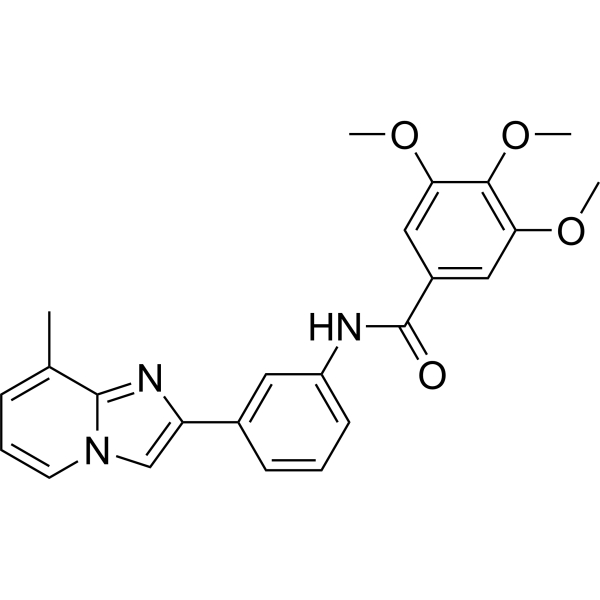
    Sirtuin modulator 5 is a sirtuin modulating agent. Sirtuin modulator 5 can activate SIRT1 with a DC50 value of <50 μM. Sirtuin modulator 5 can be used for increasing the lifespan of a cell and used for the research of variety of diseases including, for example, diseases or disorders related to aging or stress, diabetes, obesity, neurodegenerative diseases, cardiovascular disease, blood clotting disorders, inflammation, cancer, and/or flushing as well as diseases or disorders that would benfit from increased mitochondrial activity .
    Sirtuin modulator 5
  • HY-157461

    Glycosyltransferase Cardiovascular Disease Neurological Disease Metabolic Disease Inflammation/Immunology
    Glycation-IN-1 (Compound 3) is an inhibitor of glycosylation reactions, which has a strong inhibitory effect on the synthesis of initial, intermediate, and final products of glycosylation reactions. Glycion-IN-1 can be used in the research of various chronic diseases, such as diabetes, immune inflammation, cardiovascular diseases and neurodegenerative diseases .
    Glycation-IN-1
  • HY-W319939

    Lipoxygenase Cardiovascular Disease Neurological Disease
    3-(4-Hydroxy-3-methoxyphenyl)-1-(2-hydroxyphenyl)prop-2-en-1-one (Compound 5) is a selective lipid peroxidation inhibitor. 3-(4-Hydroxy-3-methoxyphenyl)-1-(2-hydroxyphenyl)prop-2-en-1-one is promising for research of diseases related to oxidative stress, such as cardiovascular diseases and neurodegenerative diseases .
    3-(4-Hydroxy-3-methoxyphenyl)-1-(2-hydroxyphenyl)prop-2-en-1-one
  • HY-W017540R

    Reference Standards ATP Synthase Cardiovascular Disease Neurological Disease Metabolic Disease Cancer
    Cyclocreatine, a creatine analogue, acts as a brain-penetrant and potent bioenergetic protective agent by providing high levels of ATP. Cyclocreatine can be phosphorylated and dephosphorylated by creatine kinases. Cyclocreatine suppresses creatine metabolism ameliorating the cognitive, autistic and epileptic phenotype in a mouse model of creatine transporter defciency. Cyclocreatine protects against ischemic injury and enhances cardiac recovery during early reperfusion in dogs and rats. Cyclocreatine decreases plaque-adjacent neuronal dystrophy in TREM2-deficient mice with amyloid-β pathology. Cyclocreatine is proming for research of ischemic heart disease, cardiovascular diseases, Alzheimer’s disease and other neurodegenerative diseases associated with microglial dysfunction, prostate cancer .
    Cyclocreatine (Standard)
  • HY-118642

    Cholinesterase (ChE) Reactive Oxygen Species (ROS) Cardiovascular Disease Neurological Disease
    D-Ribose-L-cysteine ​​is an orally active cysteine ​​analog. D-Ribose-L-cysteine ​​improves cellular antioxidant capacity by enhancing intracellular glutathione (GSH) biosynthesis. In addition, D-Ribose-L-cysteine ​​has a memory-enhancing effect and can reverse Scopolamine (HY-N0296)-induced memory impairment by inhibiting oxidative stress and acetylcholinesterase (AChE) activity. D-Ribose-L-cysteine ​​can be used in the study of neurodegenerative and cardiovascular diseases .
    D-Ribose-L-cysteine
  • HY-155988

    Sirtuin Cardiovascular Disease Neurological Disease Metabolic Disease Cancer
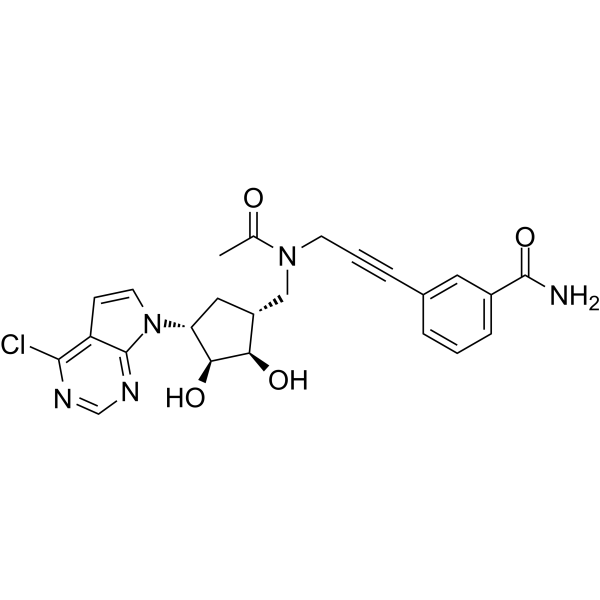
    Sirtuin modulator 6 (compound 262) increases the lifespan of a cell. Sirtuin modulator 6 can be used for study of diabetes, obesity, neurodegenerative diseases, cardiovascular disease, and so an extracted from patent WO2009064913A1 .
    Sirtuin modulator 6
  • HY-69172

    Phosphodiesterase (PDE) Cardiovascular Disease Neurological Disease Inflammation/Immunology
    RS-25344 is a selective inhibitor of phosphodiesterase type IV (PDE4). RS-25344 increases intracellular cAMP (cyclic adenosine phosphate) concentration by inhibiting PDE4 activity. RS-25344 can be used in the study of inflammation, immune diseases, neurodegenerative diseases and cardiovascular diseases .
    RS-25344
  • HY-153183

    Phospholipase Cardiovascular Disease Neurological Disease
    Lp-PLA2-IN-12 (compound 19) is an Lp-PLA2 inhibitor. Lp-PLA2-IN-12 can be used for the study of neurodegenerative related diseases such as Alzheimer's disease (AD), glaucoma, age-related macular degeneration (AMD), or cardiovascular disease including atherosclerosis .
    Lp-PLA2-IN-12
  • HY-48869

    PI3K Cardiovascular Disease Neurological Disease Inflammation/Immunology Cancer
    PI3K-IN-46 (Intermediate 4) is an intermediate in the synthesis of PI3K inhibitor (2-imino-azolinone-vinyl fused-benzene derivative) that can be used for the research of autoimmune disorders, cardiovascular diseases, and neurodegenerative diseases .
    PI3K-IN-46
  • HY-148312

    Sirtuin Cardiovascular Disease Neurological Disease Inflammation/Immunology Cancer
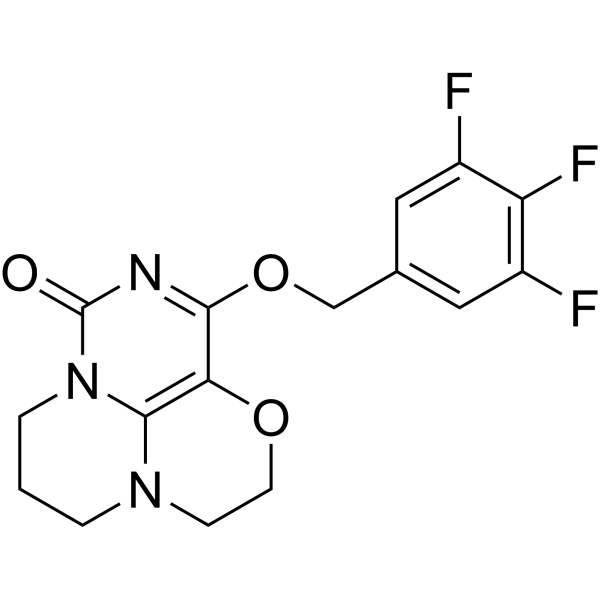
    Sirtuin modulator 4 (compound 12) is a sirtuin modulator. Sirtuin modulator 4 shows inhibitory effect to SIRT1 with an EC50 value of 51-100 μM. Sirtuin modulator 4 may be used for the research of increasing the lifespan of a cell, and preventing a wide variety of diseases and disorders including, for example, diabetes, obesity, neurodegenerative diseases, cardiovascular diseases, inflammation and cancer .
    Sirtuin modulator 4
  • HY-158024A

    NOD-like Receptor (NLR) Cardiovascular Disease Others Neurological Disease Metabolic Disease Inflammation/Immunology
    (S)-NDT-19795 is a potent NLRP3 inflammasome inhibitor. (S)-NDT-19795 blocks NLRP3 activation by inhibiting NLRP3 ATPase activity, thereby reducing the levels of pro-inflammatory cytokines IL-1β and IL-18. (S)-NDT-19795 can be used in the study of neurodegenerative diseases, cardiovascular diseases, metabolic diseases, and autoimmune diseases .
    (S)-NDT-19795
  • HY-177543

    Others Cardiovascular Disease Neurological Disease Cancer
    5-(4-Methoxyphenol)-4-methyl-3H-1,2-dithiole-3-thione (Compound 25) is an antioxidant. 5-(4-Methoxyphenol)-4-methyl-3H-1,2-dithiole-3-thione is promising for research of neurodegenerative diseases, cardiovascular diseases, and cancers .
    5-(4-Methoxvphenol)-4-methyl-3H-1,2-dithiole-3-thione
  • HY-135571

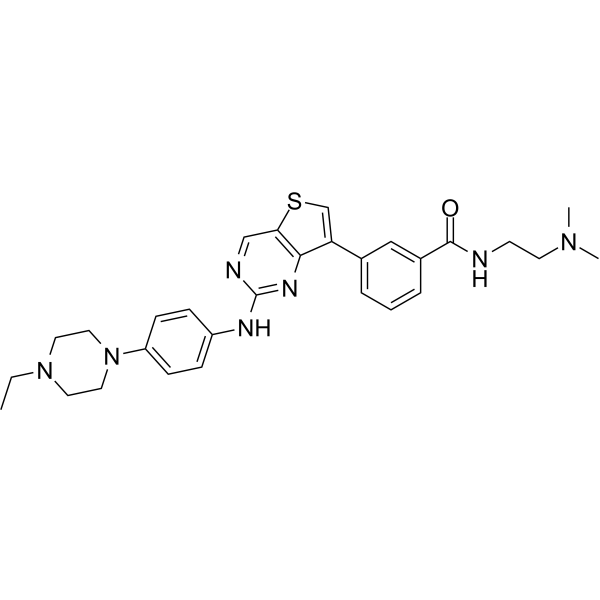
    VDAC Cardiovascular Disease Neurological Disease
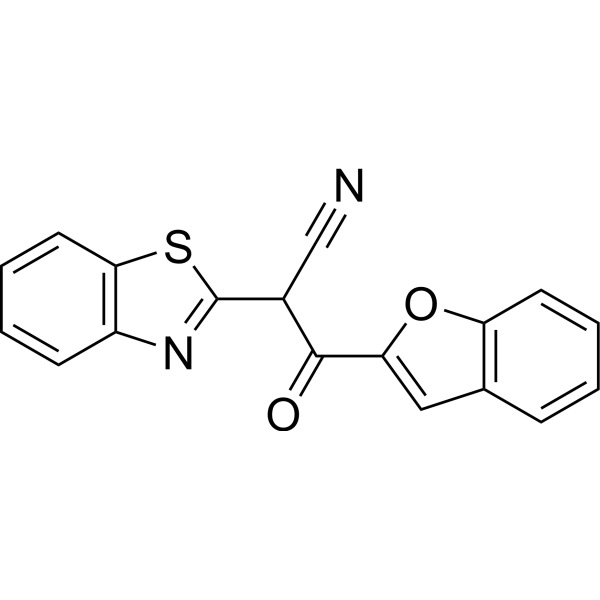
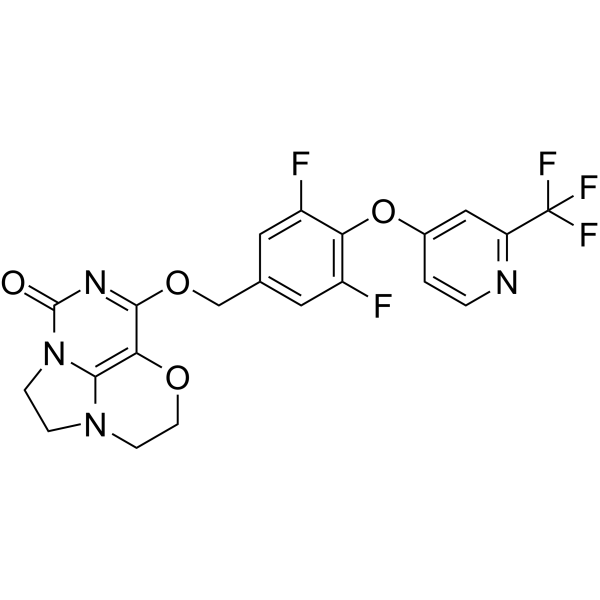
    VBIT-3 is an inhibitor of voltage-dependent anion channel 1 (VDAC1) oligomerization with a binding affinity (Kd) of 31.3 μM. VBIT-3, as an apoptosis inhibitor, can be used for therapeutic purposes in apoptosis-associated disorders, such as neurodegenerative and cardiovascular diseases .
    VBIT-3
  • HY-169555

    ASK1 Cardiovascular Disease Neurological Disease Inflammation/Immunology
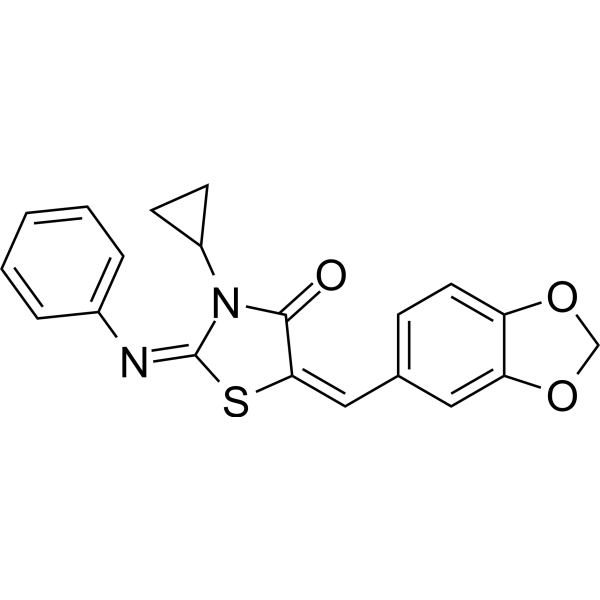
    ASK1-IN-7 (Compound 4c) is an ASK1 inhibitor and a derivative of the ASK1 inhibitor scaffold 5-(5-Phenyl-furan-2-ylmethylene)-2-thioxo-thiazolidin-4-one. ASK1-IN-7 holds promise for research related to the ASK1 signaling pathway, such as cell stress responses, inflammation, neurodegenerative diseases, and cardiovascular diseases .
    ASK1-IN-7
  • HY-142778

    Phospholipase Neurological Disease Metabolic Disease
    Lp-PLA2-IN-10 is a potent inhibitor of lipoprotein-associated phospholipase A2 (Lp-PLA2). Lp-PLA2 previously known as platelet- activating factor acetylhydrolase (PAF-AH), is a phospholipase A2 enzyme involved in hydrolysis of lipoprotein lipids or phospholipids. Lp-PLA2-IN-10 has the potential for the research of neurodegenerative-related diseases such as Alzheimer's disease (AD), glaucoma, age-related macular degeneration (AMD), or cardiovascular diseases including atherosclerosis (extracted from patent WO2022001881A1, compound 4) .
    Lp-PLA2-IN-10
  • HY-175441

    Carbonic Anhydrase Cardiovascular Disease Neurological Disease Cancer
    Carbonic anhydrase activator 1 (Compound 17) is an orally active and a BBB-penetrable Carbonic anhydrase (CA) activator with KAs of 7.8, 3.9  and 2.1 μM for hCA I, hCA VA and hCA VII. Carbonic anhydrase activator 1 can be used for cancers, glaucoma, cardiovascular diseases and neurodegenerative disorders like epilepsy research .
    Carbonic anhydrase activator 1
  • HY-N15536

    Reactive Oxygen Species (ROS) Cardiovascular Disease Neurological Disease
    N-trans-Feruloyltyramine 4′-O-β-D-glucopyranoside is a phenolic amide glycoside compound found in Suaeda japonica. N-trans-Feruloyltyramine 4′-O-β-D-glucopyranoside exhibits antioxidant activity, capable of effectively scavenging DPPH free radicals and reducing the production of ROS induced by H2O2 in cells, thus protecting cells from oxidative stress damage. N-trans-Feruloyltyramine 4′-O-β-D-glucopyranoside is promising for research of cardiovascular diseases and neurodegenerative diseases .
    N-trans-Feruloyltyramine 4′-O-β-D-glucopyranoside
  • HY-W017540S

    Isotope-Labeled Compounds ATP Synthase Cardiovascular Disease Neurological Disease Metabolic Disease Cancer
    Cyclocreatine- 13C3 is the 13C-labeled Cyclocreatine (HY-W017540). Cyclocreatine, a creatine analogue, acts as a brain-penetrant and potent bioenergetic protective agent by providing high levels of ATP. Cyclocreatine can be phosphorylated and dephosphorylated by creatine kinases. Cyclocreatine suppresses creatine metabolism ameliorating the cognitive, autistic and epileptic phenotype in a mouse model of creatine transporter defciency. Cyclocreatine protects against ischemic injury and enhances cardiac recovery during early reperfusion in dogs and rats. Cyclocreatine decreases plaque-adjacent neuronal dystrophy in TREM2-deficient mice with amyloid-β pathology. Cyclocreatine is proming for research of ischemic heart disease, cardiovascular diseases, Alzheimer’s disease and other neurodegenerative diseases associated with microglial dysfunction, prostate cancer .
    Cyclocreatine-13C3
  • HY-185234

    CGRP Receptor Amylin Receptor Cardiovascular Disease Neurological Disease Metabolic Disease
    CTR/AMYR activator-1 (S configuration of compound 122) is a CTR/AMYR activator. CTR/AMYR activator-1 can be used in the research of bone diseases, metabolic diseases, cardiovascular diseases, and neurodegenerative diseases .
    CTR/AMYR activator-1
  • HY-185234A

    Amylin Receptor CGRP Receptor Cardiovascular Disease Neurological Disease Metabolic Disease
    (R)-CTR/AMYR activator-1 (Compound 122) is a CTR/AMYR activator with EC50 values of 0.8 and 0.73 nM. (R)-CTR/AMYR activator-1 can used for the researches of bone diseases, metabolic diseases, cardiovascular diseases, and neurodegenerative diseases .
    (R)-CTR/AMYR activator-1
  • HY-182964

    ClpP Cardiovascular Disease Neurological Disease Metabolic Disease Cancer
    WY165 is a bifunctional molecule comprising TR79, an activator of the mitochondrial protease complex caseinolytic protease P (ClpP), linked to desthiobiotin. WY165 mediates selective degradation of monomeric streptavidin (mSA) and its fusion proteins localized to the mitochondrial matrix with a DC50 of 197 nM. WY165 restores mitochondrial morphology by reducing the level of mSA fused to short transmembrane protein 1 (mSA-STMP1) in cells overexpressing mSA-STMP1. WY165 can be used for research in cancer, neurodegenerative diseases, cardiovascular diseases, and metabolic diseases .
    WY165

Inquiry Online

Your information is safe with us. * Required Fields.

Salutation


Country or Region *

Applicant Name *


Organization Name *

Department *


Email Address *


Product Name *

Cat. No.


Requested quantity *

Phone Number *


Remarks

Inquiry Online

Inquiry Information

Product Name:
Cat. No.:
Quantity:
MCE Japan Authorized Agent: