1. Search Result
Search Result
Results for "

gastrointestinal+disease

" in MedChemExpress (MCE) Product Catalog:

50

Inhibitors & Agonists

1

Screening Libraries

4

Biochemical Assay Reagents

10

Natural
Products

3

Isotope-Labeled Compounds

Cat. No. Product Name Target Research Areas Chemical Structure
  • HY-13771
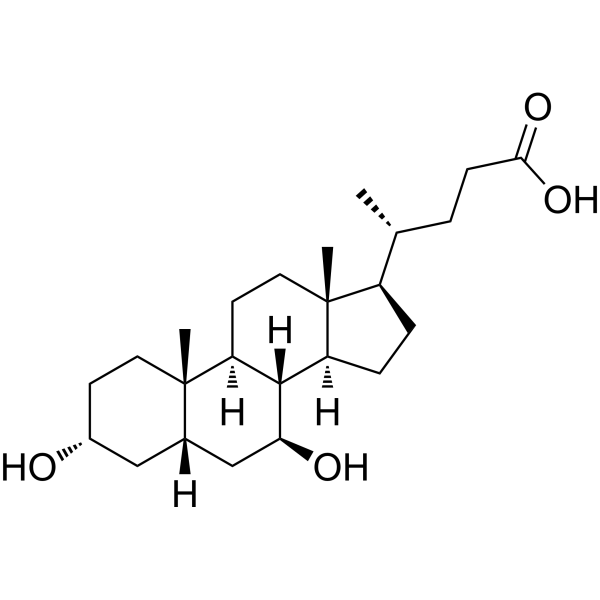
    Ursodeoxycholic acid
    Maximum Cited Publications
    26 Publications Verification

    Ursodeoxycholate; Ursodiol; UDCA

    G protein-coupled Bile Acid Receptor 1 FXR Angiotensin-converting Enzyme (ACE) Endogenous Metabolite Infection Metabolic Disease Cancer
    Ursodeoxycholic acid (Ursodeoxycholate) is a secondary bile acid issued from the transformation of (cheno)deoxycholic acid by intestinal bacteria, acting as a key regulator of the intestinal barrier integrity and essential for lipid metabolism. Ursodeoxycholic acid acts as signaling molecule, exerting its effects by interacting with bile acid activated receptors, including G-protein coupled bile acid receptor 5 (TGR5, GPCR19) and the farnesoid X receptor (FXR). Ursodeoxycholic acid can be used for the research of a variety of hepatic and gastrointestinal diseases. Ursodeoxycholic acid also reduces ACE2 expression and is beneficial for reducing SARS-CoV-2 infection. Orally active .
    Ursodeoxycholic acid
  • HY-W251598C

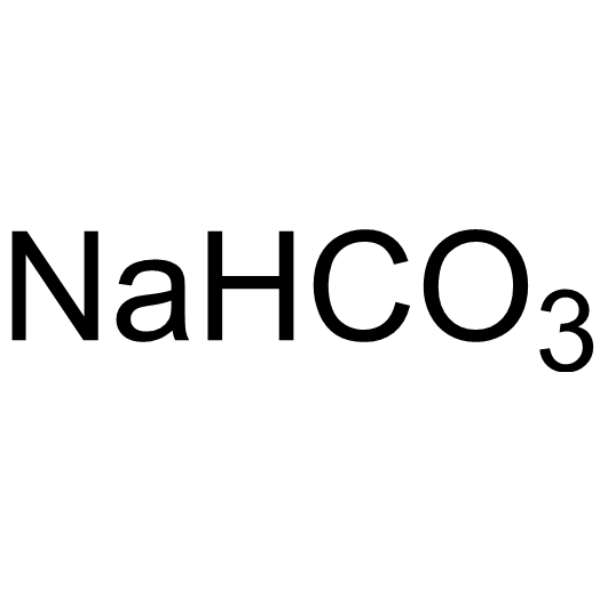
    Sodium hydrogen carbonate for cell culture; Soda bicarbonate for cell culture

    Environmental Pollutants Bacterial Inflammation/Immunology Cancer
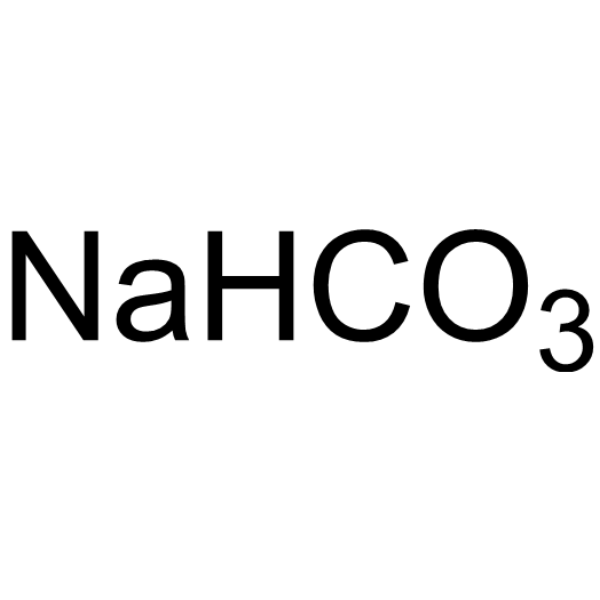
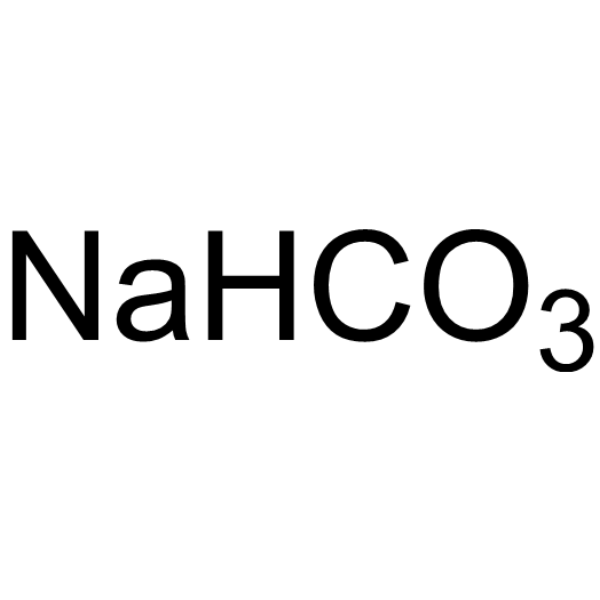
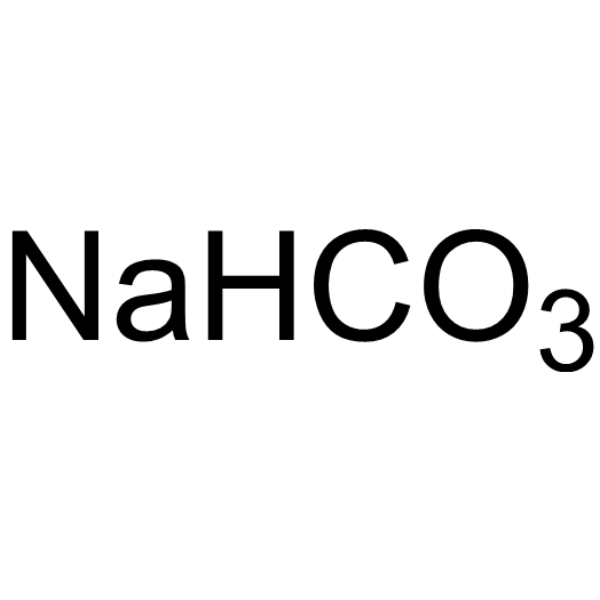
    Sodium bicarbonate, for cell culture (Sodium hydrogen carbonate for cell culture; Soda bicarbonate for cell culture) is an inorganic salt that is neutral to slightly alkaline and easily decomposes when exposed to moisture in the air. Sodium bicarbonate, for cell culture can maintain the pH of the culture medium, thereby affecting the expression of inducible nitric oxide synthase (iNOS) and nitric oxide (NO) production in macrophages and reversing the acidosis of the tumor microenvironment. Sodium bicarbonate is widely used in the fields of food, medicine, cosmetics, etc. Its main uses include buffers, flavoring agents, disinfectants, pharmaceuticals, and proton gradient regulators. Sodium bicarbonate is also commonly used as an antacid to inhibit gastrointestinal diseases, neutralize gastric acid, and reduce gastric discomfort .
    Sodium bicarbonate, for cell culture
  • HY-B0644

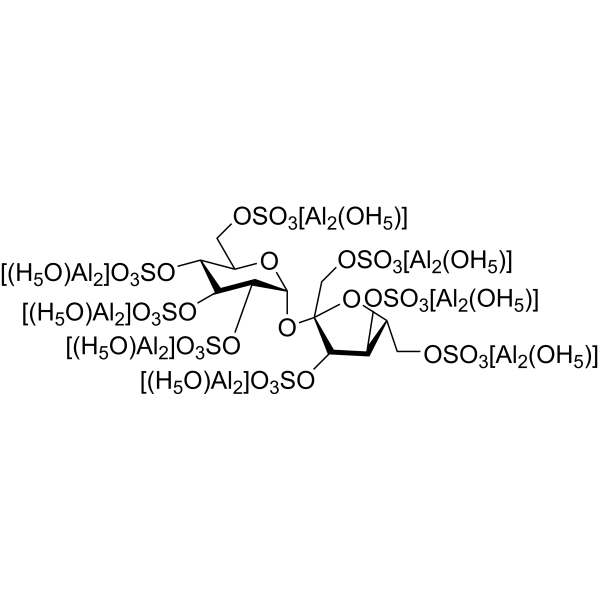
    Sucrose octasulfate-aluminum complex

    Bacterial Infection Inflammation/Immunology Cancer
    Sucralfate (Sucrose octasulfate-aluminum complex) is a potent and orally active gastroprotectant with no systemic effects. Sucralfate inhibits peptic activity and binds to negatively charged subepithelial proteins exposed during mucosal injury, forming a viscous layer that protects the vascular bed and proliferative zone. Sucralfate is used for prevention and research of several gastrointestinal diseases in vivo .
    Sucralfate
  • HY-13771A
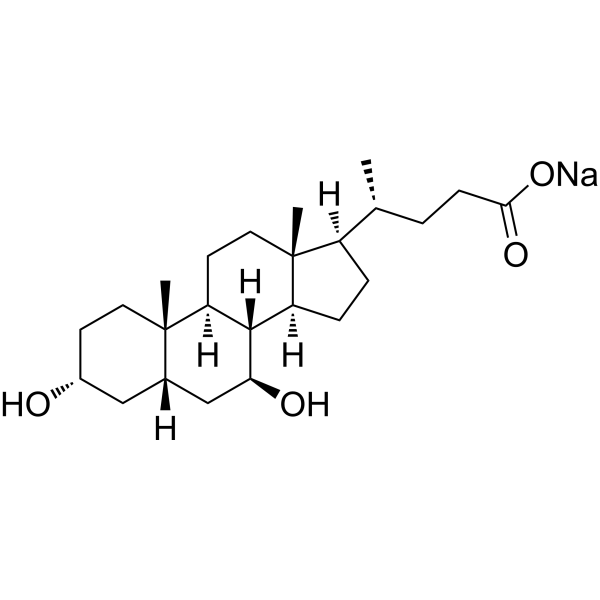
    Ursodeoxycholic acid sodium
    Maximum Cited Publications
    26 Publications Verification

    Ursodeoxycholate sodium; Ursodiol sodium; UCDA sodium

    G protein-coupled Bile Acid Receptor 1 FXR Endogenous Metabolite Metabolic Disease Inflammation/Immunology Cancer
    Ursodeoxycholic acid (Ursodeoxycholate) sodium is a secondary bile acid issued from the transformation of (cheno)deoxycholic acid by intestinal bacteria, acting as a key regulator of the intestinal barrier integrity and essential for lipid metabolism. Ursodeoxycholic acid sodium acts as signaling molecule, exerting its effects by interacting with bile acid activated receptors, including G-protein coupled bile acid receptor 5 (TGR5, GPCR19) and the farnesoid X receptor (FXR). Ursodeoxycholic acid sodium can be used for the research of a variety of hepatic and gastrointestinal diseases. Orally active .
    Ursodeoxycholic acid sodium
  • HY-16102

    Antibiotic Bacterial Infection
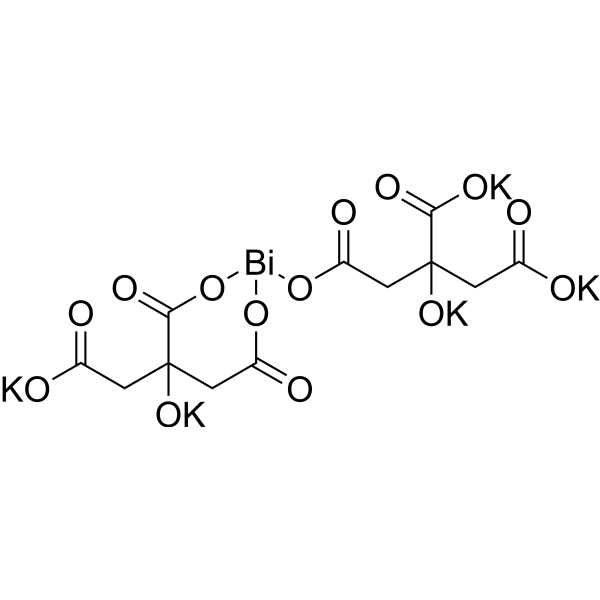
    Bismuth subcitrate potassium is a compound bismuth salt with oral activity. Bismuth subcitrate potassium has antibacterial activity and can inhibit the growth of Campylobacter pyloridis with a MIC50 of 8 μg/mL. Bismuth subcitrate potassium can be used in the study of gastrointestinal diseases infected by Campylobacter pyloridis .
    Bismuth subcitrate potassium
  • HY-W251598B

    Sodium hydrogen carbonate for molecular biology; Soda bicarbonate for molecular biology

    Bacterial NO Synthase Inflammation/Immunology Cancer
    Sodium bicarbonate, for molecular biology (Sodium hydrogen carbonate for molecular biolog; Soda bicarbonate for molecular biolog) is an inorganic salt. Sodium bicarbonate can maintain the pH of the culture medium, thereby affecting the expression of inducible nitric oxide synthase (iNOS) and nitric oxide (NO) production in macrophages and reversing the acidosis of the tumor microenvironment. Sodium bicarbonate is widely used in the fields of food, cosmetics, etc. Its main uses include buffers, flavoring agents, disinfectants, pharmaceuticals, and proton gradient regulators. Sodium bicarbonate is also commonly used as an antacid to inhibit gastrointestinal diseases, neutralize gastric acid, and reduce gastric discomfort .
    Sodium bicarbonate, for molecular biology
  • HY-B1169
    Timonacic
    1 Publications Verification

    1,3-Thiazolidine-4-carboxylic acid

    Amino Acid Derivatives Cardiovascular Disease Cancer
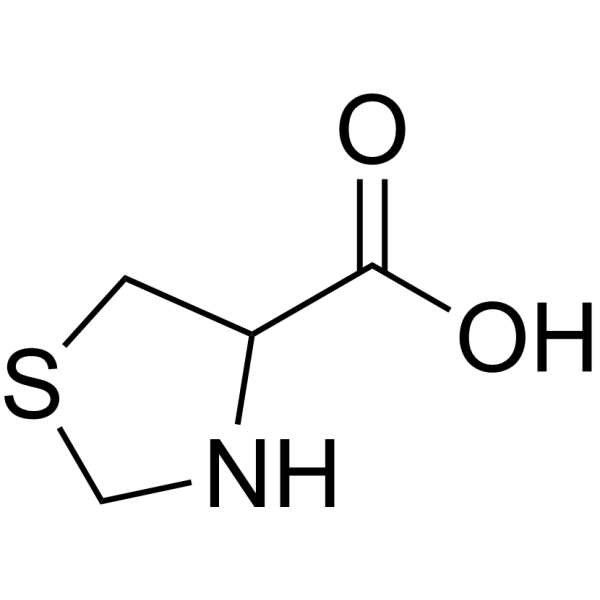
    Timonacic (1,3-Thiazolidine-4-carboxylic acid) is an orally active thiol antioxidant. Timonacic has anti-aging and anti-hepatotoxic effects. Timonacic has a LD50 of 400 mg/kg for mice. Timonacic can be used in the research of liver diseases, gastrointestinal diseases, and cancer .
    Timonacic
  • HY-B0189
    Mosapride
    5+ Cited Publications

    TAK-370; AS-4370

    5-HT Receptor Cytochrome P450 Potassium Channel Neurological Disease Cancer
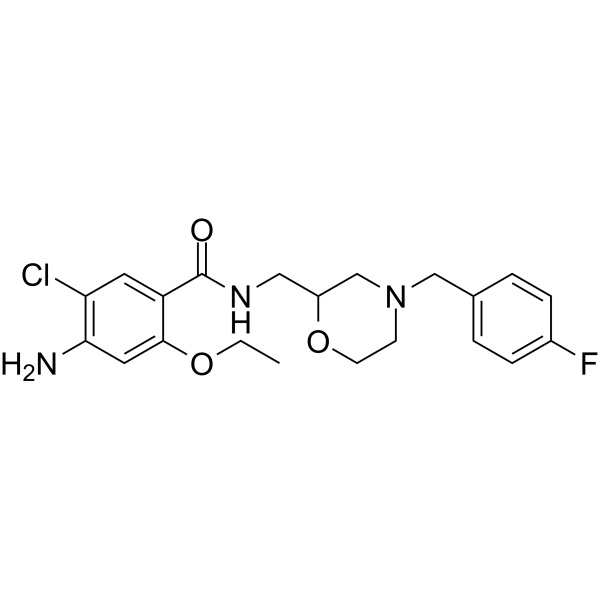
    Mosapride is an orally active gastroenterokinetic compound. Mosapride is a 5HT4 agonist. Mosapride is a CYP inducer. Mosapride has a concentration-dependent inhibitory effect on Kv4.3, and its IC50 value is 15.2 μM. Mosapride can be used in the study of gastrointestinal diseases .
    Mosapride
  • HY-40294

    Monoamine Oxidase GSK-3 LRRK2 Cardiovascular Disease Neurological Disease Cancer
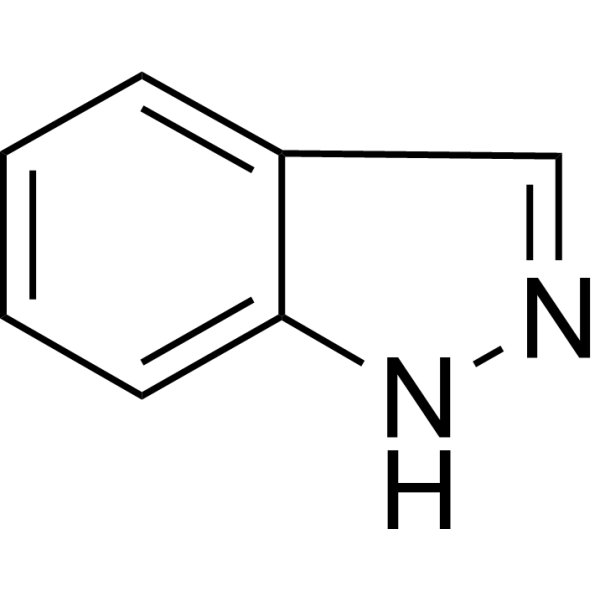
    Indazole, also called isoindazole, a heterocyclic aromatic organic compound. Its derivatives display a broad variety of biological activities including anti-inflammatory, antibacterial, anti-HIV, antiarrhythmic, antifungal and antitumour properties. Indazole and its derivatives can be used for research of cancer, neurological disorders, cardiovascular diseases, gastrointestinal diseases .
    Indazole
  • HY-113478S

    Ursodeoxycholate-d4; Ursodiol-d4; UDCA-d4

    Isotope-Labeled Compounds Infection Metabolic Disease
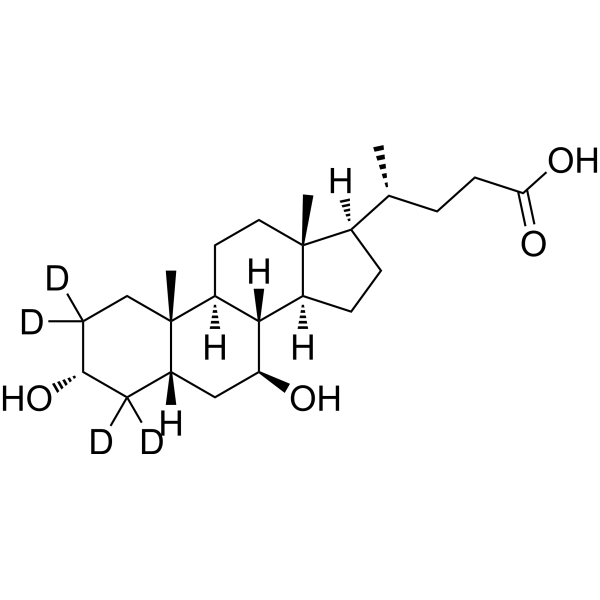
    Ursodeoxycholic acid-2,2,4,4-d4 is the deuterium labeled Ursodeoxycholic acid (HY-13771). Ursodeoxycholic acid is a secondary bile acid issued from the transformation of (cheno)deoxycholic acid by intestinal bacteria, acting as a key regulator of the intestinal barrier integrity and essential for lipid metabolism. Ursodeoxycholic acid acts as signaling molecule, exerting its effects by interacting with bile acid activated receptors, including G-protein coupled bile acid receptor 5 (TGR5, GPCR19) and the farnesoid X receptor (FXR). Ursodeoxycholic acid can be used for the research of a variety of hepatic and gastrointestinal diseases. Ursodeoxycholic acid also reduces ACE2 expression and is beneficial for reducing SARS-CoV-2 infection .
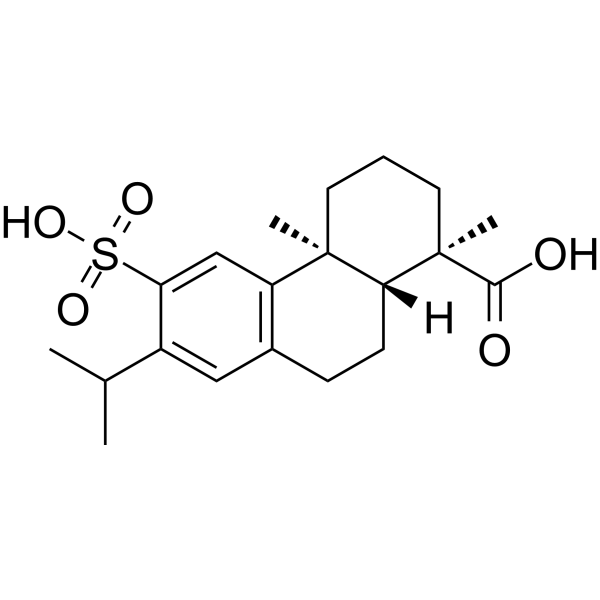
    Ursodeoxycholic acid-d4
  • HY-17623C

    (R)-CJ-12420; (R)-RQ-00000004

    Proton Pump Metabolic Disease
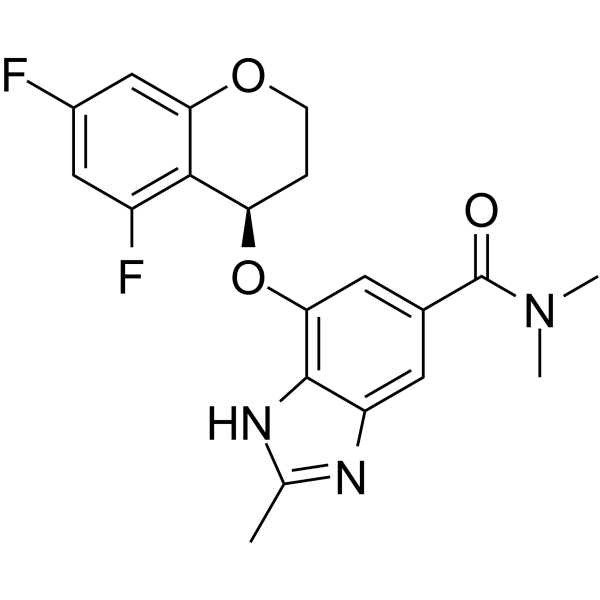
    (R)-Tegoprazan ((R)-CJ-12420; example 3), a benzimidazole derivative, is a potent kidney H +/K +-ATPase inhibitor with an IC50 of 98 nM of canine kidney Na +/K +-ATPase. (R)-Tegoprazan has the potential for gastrointestinal diseases research .
    (R)-Tegoprazan
  • HY-N0299
    Stachyose hydrate
    1 Publications Verification

    Endogenous Metabolite Apoptosis Metabolic Disease Inflammation/Immunology
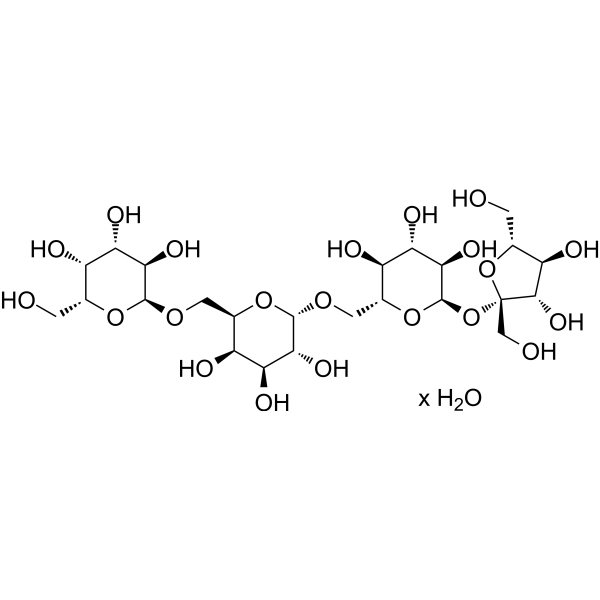
    Stachyose hydrate is an orally active prebiotic that enhances the growth and activity of beneficial bacteria. Stachyose hydrate has hypoglycemic effects and can improve inflammation by regulating gut microbiota. In addition, Stachyose hydrate can induce plant cell apoptosis (Apoptosis). Stachyose hydrate can be used in research on inflammation, gastrointestinal diseases, and agriculture .
    Stachyose hydrate
  • HY-B0189A
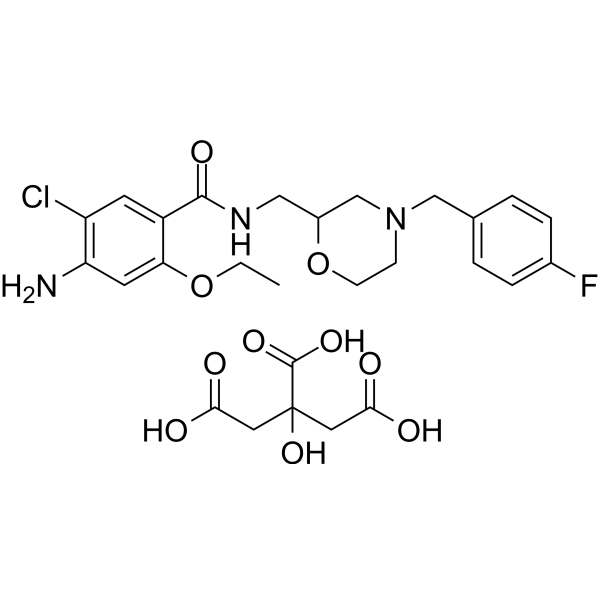
    Mosapride citrate
    5+ Cited Publications

    TAK-370 citrate; AS-4370 citrate

    5-HT Receptor Potassium Channel Cytochrome P450 Neurological Disease Cancer
    Mosapride citrate is an orally active gastroenterokinetic compound. Mosapride citrate is a 5HT4 agonist. Mosapride citrate is a CYP inducer. Mosapride citrate has a concentration-dependent inhibitory effect on Kv4.3, and its IC50 value is 15.2 μM. Mosapride citrate can be used in the study of gastrointestinal diseases .
    Mosapride citrate
  • HY-10457

    TD-5108

    5-HT Receptor Neurological Disease Metabolic Disease
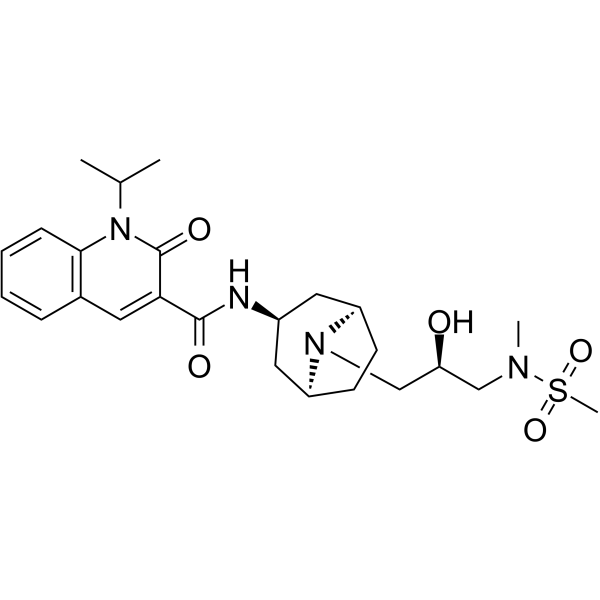
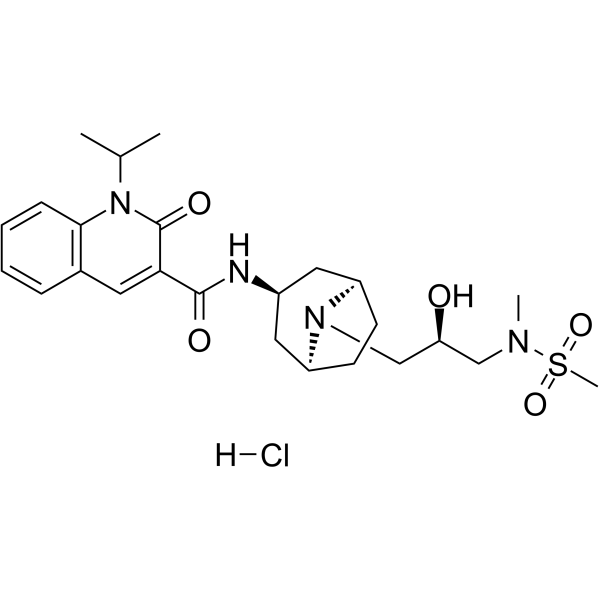
    Velusetrag (TD-5108) is an orally active, potent and selective agonist of serotonin 5-HT4 receptor (5-HT4R), with a pKi of 7.7. Velusetrag exhibits no affinity (Ki>10 μM) for 5-HT2A and 5-HT2B receptors. Velusetrag can be used for the research of gastrointestinal diseases and Parkinson's disease .
    Velusetrag
  • HY-W251598S

    Reference Standards Bacterial NO Synthase Inflammation/Immunology Cancer
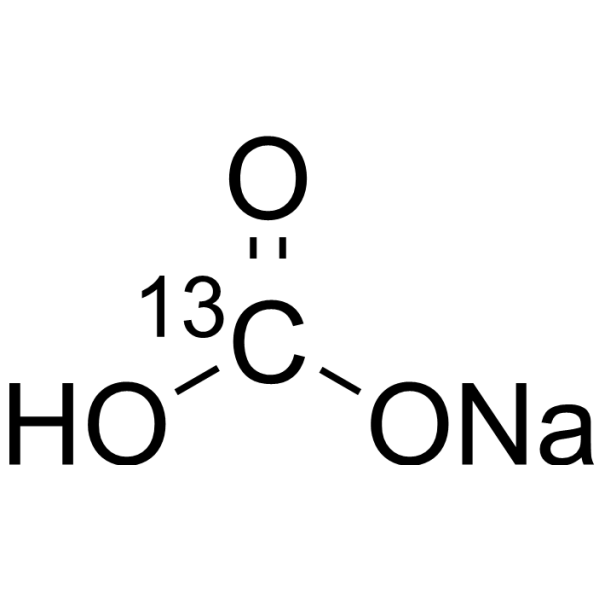
    Bicarbonate- 13C sodium is the 13C-labeled Sodium bicarbonate (HY-Y0756). Sodium bicarbonate is an inorganic salt that is neutral to slightly alkaline and easily decomposes when exposed to moisture in the air. Sodium bicarbonate can maintain the pH of the culture medium, thereby affecting the expression of inducible nitric oxide synthase (iNOS) and nitric oxide (NO) production in macrophages and reversing the acidosis of the tumor microenvironment. Sodium bicarbonate is widely used in the fields of food, medicine, cosmetics, etc. Its main uses include buffers, flavoring agents, disinfectants, pharmaceuticals, and proton gradient regulators. Sodium bicarbonate is also commonly used as an antacid to inhibit gastrointestinal diseases, neutralize gastric acid, and reduce gastric discomfort .
    Bicarbonate-13C sodium
  • HY-128878

    Cholecystokinin Receptor P-glycoprotein Metabolic Disease Endocrinology
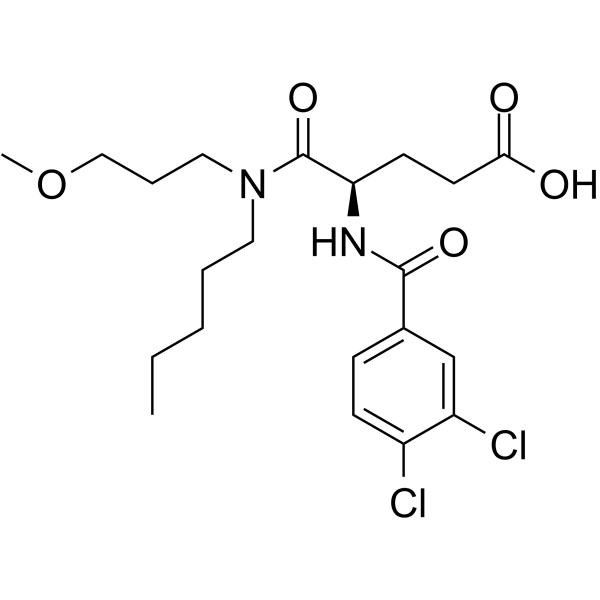
    Dexloxiglumide is an orally active and selective cholecystokinin type A (CCKA) receptor antagonist. Dexloxiglumide is the active enantiomer of Loxiglumide, inhibits smooth muscle cell contractions induced by cholecystokinin-octapeptide (CCK-8). Dexloxiglumide exhibits moderate Caco-2 permeability that is polarized, concentration dependent, and pH dependent. Dexloxiglumide increases MRP1-substrate fluorescein uptake. Dexloxiglumide can be studied in research for gastrointestinal diseases and tumors .
    Dexloxiglumide
  • HY-103137
    Zacopride hydrochloride
    1 Publications Verification

    5-HT Receptor Cardiovascular Disease Neurological Disease
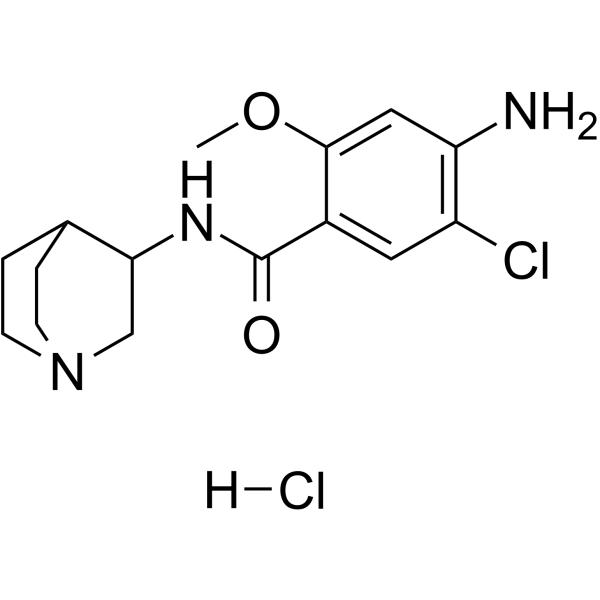
    Zacopride hydrochloride is an orally active 5-HT3 receptor (Ki of 0.38 nM) antagonist and 5-HT4 receptor (Ki of 373 nM) agonist. Zacopride hydrochloride exhibits multiple activities, such as regulating gastrointestinal motility, affecting cardiac function, and exerting anxiolytic and antiemetic effects. Zacopride hydrochloride is currently mainly used in the research of gastrointestinal diseases, cardiovascular diseases, and psychiatric diseases such as anxiety .
    Zacopride hydrochloride
  • HY-13771R

    Ursodeoxycholate (Standard); Ursodiol (Standard); UDCA (Standard)

    Reference Standards G protein-coupled Bile Acid Receptor 1 FXR Angiotensin-converting Enzyme (ACE) Endogenous Metabolite Infection Metabolic Disease Cancer
    Ursodeoxycholic acid (Standard) is the analytical standard of Ursodeoxycholic acid. This product is intended for research and analytical applications. Ursodeoxycholic acid (Ursodeoxycholate) is a secondary bile acid issued from the transformation of (cheno)deoxycholic acid by intestinal bacteria, acting as a key regulator of the intestinal barrier integrity and essential for lipid metabolism. Ursodeoxycholic acid acts as signaling molecule, exerting its effects by interacting with bile acid activated receptors, including G-protein coupled bile acid receptor 5 (TGR5, GPCR19) and the farnesoid X receptor (FXR). Ursodeoxycholic acid can be used for the research of a variety of hepatic and gastrointestinal diseases. Ursodeoxycholic acid also reduces ACE2 expression and is beneficial for reducing SARS-CoV-2 infection. Orally active .
    Ursodeoxycholic acid (Standard)
  • HY-121826

    ATI-7505

    5-HT Receptor Metabolic Disease Inflammation/Immunology
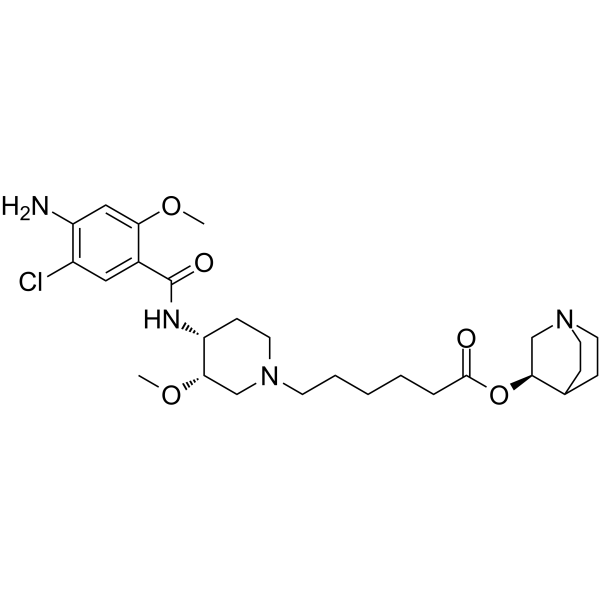
    Naronapride (ATI-7505) is a potent prokinetic 5-HT4 receptor agonist. Naronapride can be used for gastrointestinal diseases research .
    Naronapride
  • HY-10457A

    TD-5108 hydrochloride

    5-HT Receptor Neurological Disease Metabolic Disease
    Velusetrag (TD-5108) hydrochloride is an orally active, potent and selective agonist of serotonin 5-HT4 receptor (5-HT4R), with a pKi of 7.7. Velusetrag hydrochloride exhibits no affinity (Ki>10 μM) for 5-HT2A and 5-HT2B receptors. Velusetrag hydrochloride can be used for the research of gastrointestinal diseases and Parkinson's disease .
    Velusetrag hydrochloride
  • HY-W251598I

    Sodium hydrogen carbonate, meets analytical specification of Ph. Eur., BP, USP, FCC, E500

    Bacterial NO Synthase Inflammation/Immunology Cancer
    Sodium bicarbonate, meets analytical specification of Ph. Eur., BP, USP, FCC, E500 is an inorganic salt that is neutral to slightly alkaline and easily decomposes when exposed to moisture in the air. Sodium bicarbonate can maintain the pH of the culture medium, thereby affecting the expression of inducible nitric oxide synthase (iNOS) and nitric oxide (NO) production in macrophages and reversing the acidosis of the tumor microenvironment. Sodium bicarbonate is widely used in the fields of food, medicine, cosmetics, etc. Its main uses include buffers, flavoring agents, disinfectants, pharmaceuticals, and proton gradient regulators. Sodium bicarbonate is also commonly used as an antacid to inhibit gastrointestinal diseases, neutralize gastric acid, and reduce gastric discomfort .
    Sodium bicarbonate, meets analytical specification of Ph. Eur., BP, USP, FCC, E500
  • HY-W153159

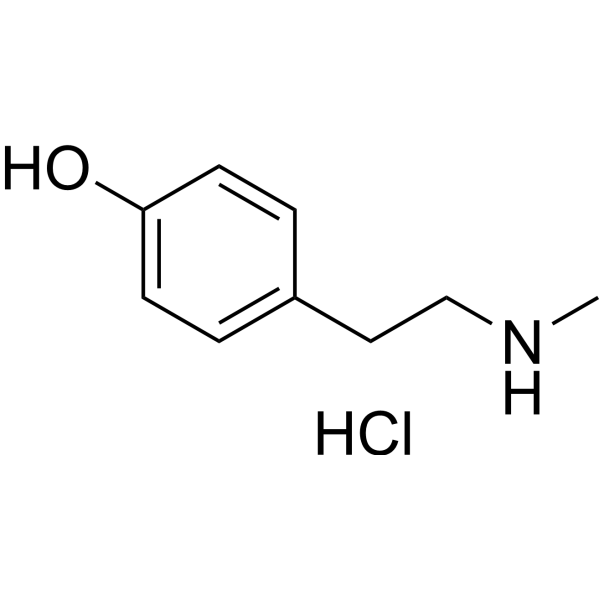
    Adrenergic Receptor Inflammation/Immunology
    N-Methyltyramine hydrochloride is an orally active α2-adrenoreceptor antagonist with an IC50 value of 5.53 μM against rat targets. N-Methyltyramine hydrochloride blocks α2-adrenoreceptors, while inhibiting lipolysis, hyperactivity responses and small intestinal peristalsis in mice. N-Methyltyramine hydrochloride promotes gastrin release and pancreatic juice secretion, upregulates appetite, blood pressure, myocardial contraction frequency and contraction intensity, and increases renal blood flow, renal vascular resistance and mean peripheral arterial resistance. N-Methyltyramine hydrochloride relaxes mouse small intestinal smooth muscle and undergoes biotransformation in vivo to produce adrenaline. N-Methyltyramine hydrochloride can be used in studies related to gastrointestinal diseases .
    N-Methyltyramine hydrochloride
  • HY-N4173

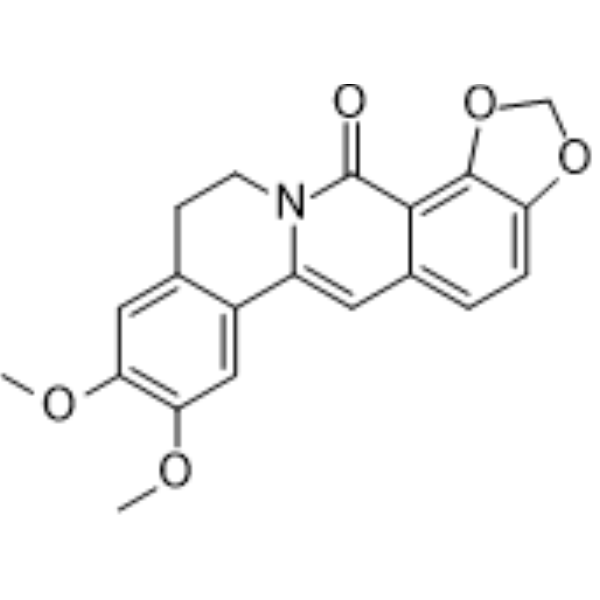
    Drug Metabolite Metabolic Disease
    8-Oxoepiberberine is an alkaloid metabolite in the plasma after oral administration of Zuojin formula, a traditional chinese medicine used to treat gastrointestinal disease .
    8-Oxoepiberberine
  • HY-B0691A

    TA-2711

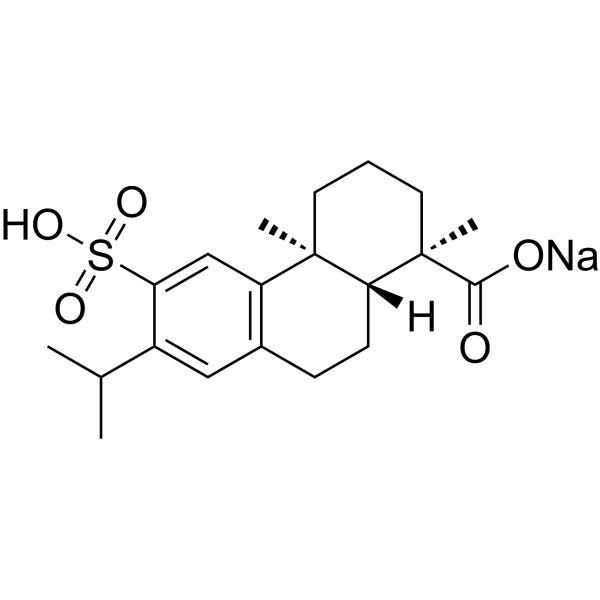
    Reactive Oxygen Species (ROS) Bacterial Apoptosis Infection
    Ecabet sodium (TA-2711) is currently applied to some gastrointestinal disease by inhibiting the ROS production and improving Helicobacter pylori eradication . Ecabet sodium reduces apoptosis .
    Ecabet sodium
  • HY-142059

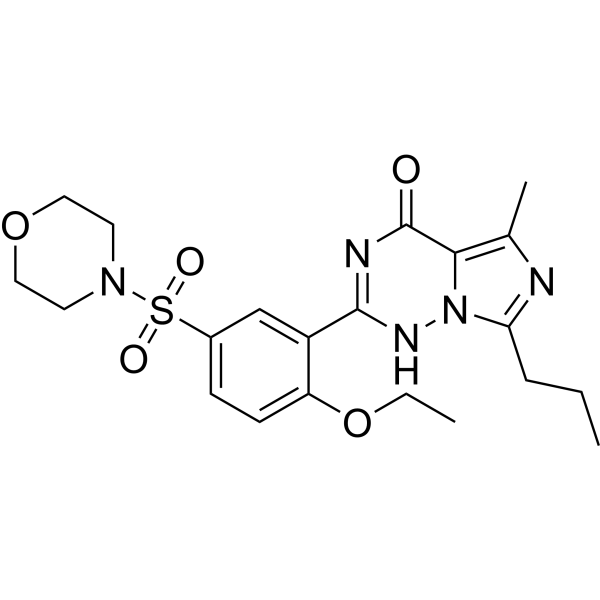
    Phosphodiesterase (PDE) Cardiovascular Disease Metabolic Disease
    PDE5-IN-4 is a phosphodiesterase 5 inhibitor. PDE5-IN-4 can be used for the research of acute myocardial infarction and damage caused by reperfusion, gastrointestinal diseases, damage caused by diabetes, and liver failure .
    PDE5-IN-4
  • HY-106327

    Motilin Receptor Metabolic Disease
    EM-523 is a motilin agonist and an erythromycin derivative. EM-523 has pED50 values of 8.19 and 6.08 for promoting contractions in rabbit small intestinal tissue and human duodenal tissue, respectively. EM-523 can be used in the research of gastrointestinal diseases .
    EM-523
  • HY-101646

    HOE-731

    Proton Pump Inflammation/Immunology
    Saviprazole (HOE-731) is a H +,K +-ATPase inhibitor. Saviprazole inhibits gastric acid secretion. Saviprazole inhibits histamine- and dbcAMP-stimulated [ 14C]aminopyrine uptake, dbcAMP-induced oxygen consumption. Saviprazole can be used in research related to gastrointestinal diseases, such as gastric ulcers and acid reflux .
    Saviprazole
  • HY-B1169R

    1,3-Thiazolidine-4-carboxylic acid (Standard)

    Amino Acid Derivatives Reference Standards Cardiovascular Disease Cancer
    Timonacic (Standard) is the analytical standard of Timonacic. This product is intended for research and analytical applications. Timonacic (1,3-Thiazolidine-4-carboxylic acid) is an orally active thiol antioxidant. Timonacic has anti-aging and anti-hepatotoxic effects. Timonacic has a LD50 of 400 mg/kg for mice. Timonacic can be used in the research of liver diseases, gastrointestinal diseases, and cancer .
    Timonacic (Standard)
  • HY-19105A

    Histamine Receptor Inflammation/Immunology
    IT 066 hydrochloride is a Histamine H2 receptor antagonist. IT 066 hydrochloride possesses antioxidant activity and can protect rats against acute gastric mucosal injury induced by ischemia-reperfusion. IT 066 hydrochloride can also inhibit secretagogue-induced gastric acid secretion in rats and exert a long-acting anti-lesion effect on experimental gastric and duodenal lesions in rats. IT 066 hydrochloride is applicable for the research of gastrointestinal diseases .
    IT 066 hydrochloride
  • HY-147203

    5-HT Receptor Cardiovascular Disease Metabolic Disease Endocrinology Cancer
    5-HT2B antagonist-1 is an orally active 5-HT2B receptor antagonist with an IC50 value of 33.4 nM. 5-HT2B antagonist-1 can be used in studies of diseases characterized by 5-HT2B receptor signaling, such as hepatocellular carcinoma, cardiovascular disease or gastrointestinal disease .
    5-HT2B antagonist-1
  • HY-16102R

    Reference Standards Antibiotic Bacterial Infection
    Bismuth subcitrate potassium (Standard) is the analytical standard of Bismuth subcitrate potassium (HY-16102). This product is intended for research and analytical applications. Bismuth subcitrate potassium is a compound bismuth salt with oral activity. Bismuth subcitrate potassium has antibacterial activity and can inhibit the growth of Campylobacter pyloridis with a MIC50 of 8 μg/mL. Bismuth subcitrate potassium can be used in the study of gastrointestinal diseases infected by Campylobacter pyloridis.
    Bismuth subcitrate potassium (Standard)
  • HY-40294R

    Monoamine Oxidase GSK-3 LRRK2 Cardiovascular Disease Neurological Disease Cancer
    Indazole (Standard) is the analytical standard of Indazole. This product is intended for research and analytical applications. Indazole, also called isoindazole, a heterocyclic aromatic organic compound. Its derivatives display a broad variety of biological activities including anti-inflammatory, antibacterial, anti-HIV, antiarrhythmic, antifungal and antitumour properties. Indazole and its derivatives can be used for research of cancer, neurological disorders, cardiovascular diseases, gastrointestinal diseases .
    Indazole (Standard)
  • HY-B0189AR

    TAK-370 citrate (Standard); AS-4370 citrate (Standard)

    5-HT Receptor Potassium Channel Cytochrome P450 Reference Standards Neurological Disease Cancer
    Mosapride (citrate) (Standard) is the analytical standard of Mosapride (citrate). This product is intended for research and analytical applications. Mosapride citrate is an orally active gastroenterokinetic compound. Mosapride citrate is a 5HT4 agonist. Mosapride citrate is a CYP inducer. Mosapride citrate has a concentration-dependent inhibitory effect on Kv4.3, and its IC50 value is 15.2 μM. Mosapride citrate can be used in the study of gastrointestinal diseases .
    Mosapride citrate (Standard)
  • HY-13771S1

    Ursodeoxycholate-13C; Ursodiol-13C; UDCA-13C

    Isotope-Labeled Compounds G protein-coupled Bile Acid Receptor 1 FXR Endogenous Metabolite Cancer
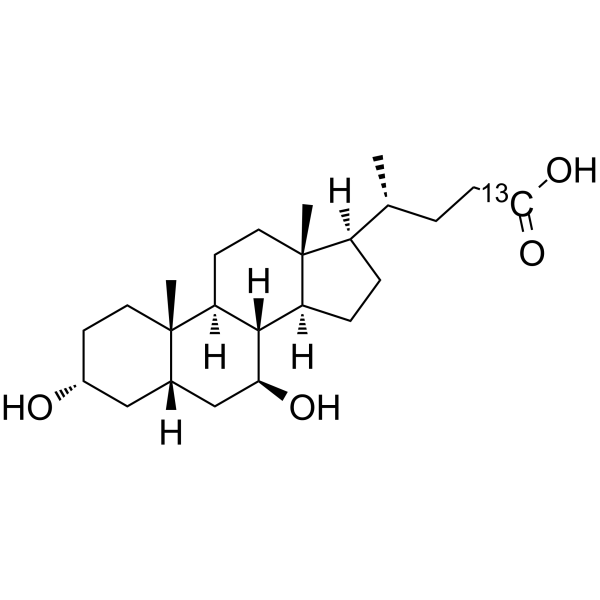
    Ursodeoxycholic acid- 13C is the 13C labeled Ursodeoxycholic acid. Ursodeoxycholic acid (Ursodeoxycholate) is a secondary bile acid issued from the transformation of (cheno)deoxycholic acid by intestinal bacteria, acting as a key regulator of the intestinal barrier integrity and essential for lipid metabolism. Ursodeoxycholic acid acts as signaling molecule, exerting its effects by interacting with bile acid activated receptors, including G-protein coupled bile acid receptor 5 (TGR5, GPCR19) and the farnesoid X receptor (FXR). Ursodeoxycholic acid can be used for the research of a variety of hepatic and gastrointestinal diseases. Orally active .
    Ursodeoxycholic acid-13C
  • HY-W251598J

    Sodium hydrogen carbonate (Pharmaceutical primary standard, USP); Soda bicarbonate (Pharmaceutical primary standard, USP)

    Bacterial NO Synthase Inflammation/Immunology Cancer
    Sodium bicarbonate, United States Pharmacopeia (USP) Reference Standard is an inorganic salt. Sodium bicarbonate, United States Pharmacopeia (USP) Reference Standard can maintain the pH of the culture medium, thereby affecting the expression of inducible nitric oxide synthase (iNOS) and nitric oxide (NO) production in macrophages and reversing the acidosis of the tumor microenvironment. Sodium bicarbonate, United States Pharmacopeia (USP) Reference Standard is widely used in the fields of food, cosmetics, etc. Its main uses include buffers, flavoring agents, disinfectants, pharmaceuticals, and proton gradient regulators. Sodium bicarbonate, United States Pharmacopeia (USP) Reference Standard is also commonly used as an antacid to inhibit gastrointestinal diseases, neutralize gastric acid, and reduce gastric discomfort .
    Sodium bicarbonate, United States Pharmacopeia (USP) Reference Standard
  • HY-101668A

    RS-100302 hydrochloride

    5-HT Receptor Inflammation/Immunology
    Sulamserod hydrochloride is a 5-HT4 receptor antagonist. Sulamserod hydrochloride can be used in gastrointestinal disease related research .
    Sulamserod hydrochloride
  • HY-B0691

    Reactive Oxygen Species (ROS) Bacterial Infection
    Ecabet sodium (TA-2711) is currently applied to some clinical gastrointestinal disease by inhibiting the ROS production and improving Helicobacter pylori eradication . Ecabet sodium reduces apoptosis
    Ecabet
  • HY-N8646

    Others Cancer
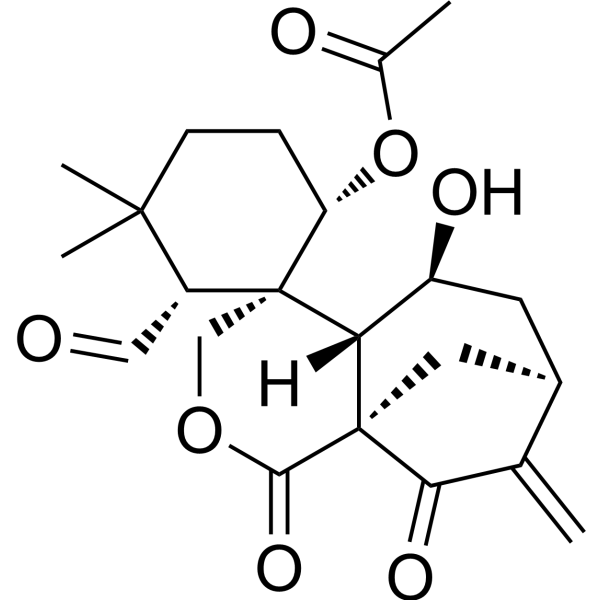
    Isodonal is a N-pentane diterpene compound with potential cytotoxic, antitumor, inhibitory oxidative phosphorylation and antiingestion activities. Isodonal can be isolated from the leaves of Isodon wikstroemioides and is used in the study of gastrointestinal diseases, anti-tumor and anti-inflammatory .
    Isodonal
  • HY-119127

    Cholecystokinin Receptor Metabolic Disease
    TP-680 is a cholecystokinin receptor antagonist. TP-680 binds 1510 times more strongly to rat pancreatic CCKA receptors (IC50=1.2 nM) than to rat brain CCKB receptors (IC50=1812.5 nM). TP-680 can be used in the study of gastrointestinal diseases .
    TP-680
  • HY-B0644R

    Sucrose octasulfate-aluminum complex (Standard)

    Reference Standards Bacterial Infection Inflammation/Immunology Cancer
    Sucralfate (Standard) is the analytical standard of Sucralfate. This product is intended for research and analytical applications. Sucralfate (Sucrose octasulfate-aluminum complex) is a potent and orally active gastroprotectant with no systemic effects. Sucralfate inhibits peptic activity and binds to negatively charged subepithelial proteins exposed during mucosal injury, forming a viscous layer that protects the vascular bed and proliferative zone. Sucralfate is used for prevention and research of several gastrointestinal diseases in vivo .
    Sucralfate (Standard)
  • HY-125996

    FXR Inflammation/Immunology
    NR1H4 activator 1 is a potent and selective Famesoid X Receptor (FXR) agonist, extracted from patent WO2018152171A1, example 4. NR1H4 activator 1 shows strong FXR agonistic potency with a EC50 value of 1 nM in a Human FXR (NR1H4) Assay. NR1H4 activator 1 has the potential for treatment of gastrointestinal disease .
    NR1H4 activator 1
  • HY-118317

    5-HT Receptor Cardiovascular Disease Neurological Disease
    Zacopride is an orally active 5-HT3 receptor (Ki of 0.38 nM) antagonist and 5-HT4 receptor (Ki of 373 nM) agonist. Zacopride exhibits multiple activities, such as regulating gastrointestinal motility, affecting cardiac function, and exerting anxiolytic and antiemetic effects. Zacopride is currently mainly used in the research of gastrointestinal diseases, cardiovascular diseases, and psychiatric diseases such as anxiety .
    Zacopride
  • HY-128878R

    Cholecystokinin Receptor P-glycoprotein Reference Standards Metabolic Disease Endocrinology
    Dexloxiglumide (Standard) is the analytical standard of Dexloxiglumide. This product is intended for research and analytical applications. Dexloxiglumide is an orally active and selective cholecystokinin type A (CCKA) receptor antagonist. Dexloxiglumide is the active enantiomer of Loxiglumide, inhibits smooth muscle cell contractions induced by cholecystokinin-octapeptide (CCK-8). Dexloxiglumide exhibits moderate Caco-2 permeability that is polarized, concentration dependent, and pH dependent. Dexloxiglumide increases MRP1-substrate fluorescein uptake. Dexloxiglumide can be studied in research for gastrointestinal diseases and tumors .
    Dexloxiglumide (Standard)
  • HY-N9646

    Others Others
    Zataroside A is a triacetylated derivative that can be isolated from Zataria multiflora. Zataroside A can be used in research on gastrointestinal diseases .
    Zataroside A
  • HY-N18813

    Others Inflammation/Immunology
    Pennyroyal oil (mentha pulegium) is a natural essential oil extracted from the peppermint plant and can be used in research on gastrointestinal diseases, dysmenorrhea, and respiratory diseases.
    Pennyroyal oil (mentha pulegium)
  • HY-125431

    Cholecystokinin Receptor Neurological Disease Metabolic Disease
    LY 202769 (Example 26) is a cholecystokinin (CCK) and gastrin receptor (gastrin receptor) antagonist. LY 202769 is applicable for the research of gastrointestinal diseases and central nervous system diseases .
    LY 202769
  • HY-N19038

    Bacterial Infection Inflammation/Immunology
    Adiantum capillus extract has multiple uses and can be used for respiratory diseases, gastrointestinal diseases, and skin diseases. It also exhibits antibacterial activity against various pathogens, including Staphylococcus aureus and Escherichia coli.
    Adiantum capillus extract
  • HY-116260

    Cholecystokinin Receptor Neurological Disease Inflammation/Immunology
    RP-69758 is a potent and selective non-peptide cholecystokinin-B (CCKB)/gastrin receptor antagonist. RP-69758 exhibits >200-fold selectivity for CCKB over CCKA receptors. RP-69758 antagonizes CCK-8-induced neuronal firing in rat hippocampal slices. RP-69758 inhibits Pentagastrin (HY-A0261)-induced gastric acid secretion in the rat. RP-69758 can be used for neurological disorders and gastrointestinal disease research .
    RP-69758
  • HY-10457AR

    TD-5108 hydrochloride (Standard)

    Reference Standards 5-HT Receptor Neurological Disease Metabolic Disease
    Velusetrag hydrochloride (Standard) is the analytical standard of Velusetrag hydrochloride (HY-10457A). This product is intended for research and analytical applications. Velusetrag (TD-5108) hydrochloride is an orally active, potent and selective agonist of serotonin 5-HT4 receptor (5-HT4R), with a pKi of 7.7. Velusetrag hydrochloride exhibits no affinity (Ki>10 μM) for 5-HT2A and 5-HT2B receptors. Velusetrag hydrochloride can be used for the research of gastrointestinal diseases and Parkinson's disease .
    Velusetrag hydrochloride (Standard)
  • HY-10457R

    TD-5108 (Standard)

    Reference Standards 5-HT Receptor Neurological Disease Metabolic Disease
    Velusetrag (Standard) is the analytical standard of Velusetrag (HY-10457). This product is intended for research and analytical applications. Velusetrag (TD-5108) is an orally active, potent and selective agonist of serotonin 5-HT4 receptor (5-HT4R), with a pKi of 7.7. Velusetrag exhibits no affinity (Ki>10 μM) for 5-HT2A and 5-HT2B receptors. Velusetrag can be used for the research of gastrointestinal diseases and Parkinson's disease .
    Velusetrag (Standard)

Inquiry Online

Your information is safe with us. * Required Fields.

Salutation


Country or Region *

Applicant Name *


Organization Name *

Department *


Email Address *


Product Name *

Cat. No.


Requested quantity *

Phone Number *


Remarks

Inquiry Online

Inquiry Information

Product Name:
Cat. No.:
Quantity:
MCE Japan Authorized Agent: