

1. Search Result
Search Result
Results for "

gene silence

" in MedChemExpress (MCE) Product Catalog:

51

Inhibitors & Agonists

4

Biochemical Assay Reagents

2

Peptides

4

Natural
Products

4

Isotope-Labeled Compounds

22

Oligonucleotides

Cat. No. Product Name Target Research Areas Chemical Structure
  • HY-B0464
    Hydralazine hydrochloride
    3 Publications Verification

    PGE synthase NO Synthase Reactive Oxygen Species (ROS) DNA Methyltransferase COX Cardiovascular Disease Inflammation/Immunology Cancer
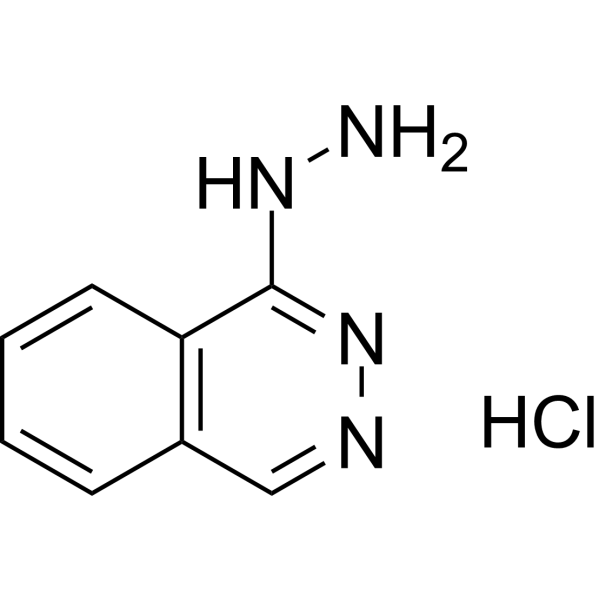
    Hydralazine hydrochloride is an orally active, blood-brain barrier-permeable DNA methyltransferase inhibitor with vasodilatory, arterial smooth muscle relaxant and hypotensive activities. Hydralazine hydrochloride reactivates silenced tumor suppressor genes via mediating DNA demethylation, while exerting neuroprotective and anti-inflammatory properties. Hydralazine hydrochloride inhibits NOS-2 (iNOS) and COX-2, and reduces the production of NO and PGEE2; meanwhile, Hydralazine hydrochloride scavenges reactive oxygen species and inhibits macrophage activation. Hydralazine hydrochloride alleviates motor dysfunction, neuropathic inflammatory pain, and formalin-induced somatic and emotional pain responses. In addition, Hydralazine hydrochloride directly induces DNA strand breaks and sister chromatid exchange, exhibiting certain mutagenic characteristics. Hydralazine hydrochloride has been widely used in studies on hypertension, various cancers (such as cervical cancer, leukemia), spinal cord injury and the mechanisms of inflammatory pain .
    Hydralazine hydrochloride
  • HY-113217
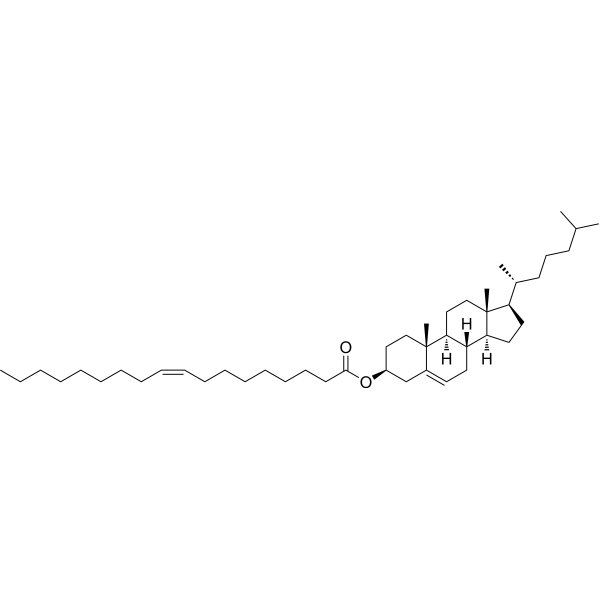
    Cholesteryl oleate
    1 Publications Verification

    Liposome Endogenous Metabolite Metabolic Disease Cancer
    Cholesteryl oleate is an ester compound formed from Cholesterol (HY-N0322) and Oleic acid (HY-N1446), which is involved in lipid transport, storage and cell membrane formation in living organisms. Cholesteryl oleate may serve as a potential biomarker for prostate cancer. Cholesteryl oleate can also prepare cationic solid lipid nanoparticles (SLNs) for efficient gene silencing .
    Cholesteryl oleate
  • HY-112758
    DLin-KC2-DMA
    Maximum Cited Publications
    9 Publications Verification

    Liposome Others
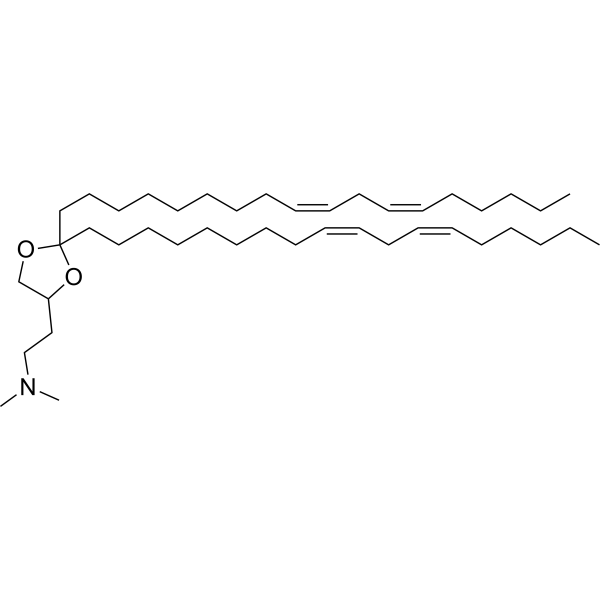
    DLin-KC2-DMA is an ionisable cationic lipid (pKa≈6) that is virtually non-toxic to antigen presenting cells (APCs). DLin-KC2-DMA produces significant siRNA-mediated gene silencing of GAPDH, when binds to lipid nanoparticles (LNP). DLin-KC2-DMA can be used in siRNA delivery studies .
    DLin-KC2-DMA
  • HY-132588

    ALN-G01

    Small Interfering RNA (siRNA) Glycolate Oxidase Metabolic Disease
    Lumasiran (ALN-G01), a siRNA product, reduces hepatic oxalate production by targeting glycolate oxidase. By silencing the gene encoding glycolate oxidase, Lumasiran depletes glycolate oxidase and thereby inhibits the synthesis of oxalate, which is the toxic metabolite that is directly associated with the clinical manifestations of Primary hyperoxaluria type 1 (PH1) .
    Lumasiran
  • HY-103397
    Nanaomycin A
    4 Publications Verification

    Antibiotic DNA Methyltransferase Parasite Infection Cancer
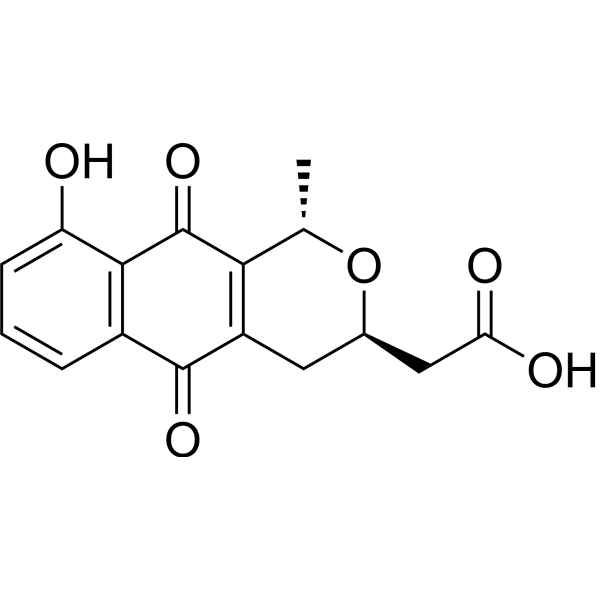
    Nanaomycin A is the first selective DNMT3B inhibitor with an IC50 of 500 nM. Nanaomycin A, a quinone antibiotics, reactivates silenced tumor suppressor genes in human cancer cells . Nanaomycin A inhibits in vitro growth of the human malaria parasite Plasmodium falciparum with an IC80 value of 33.1 nM .
    Nanaomycin A
  • HY-139305
    CL4H6
    1 Publications Verification

    Liposome Cancer
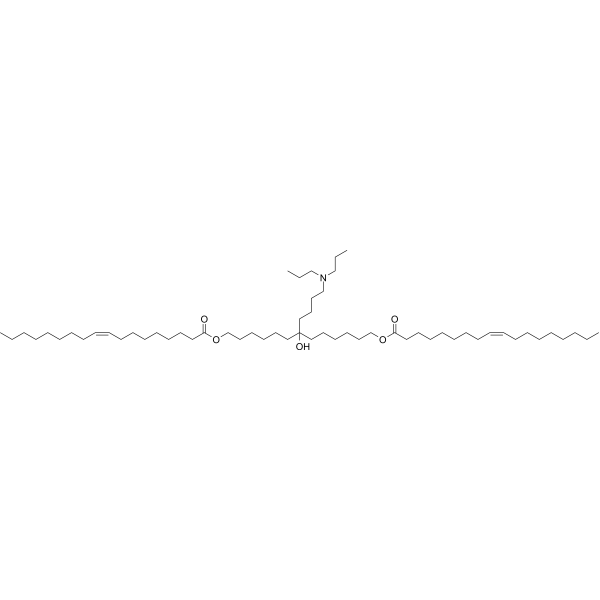
    CL4H6 is a pH-sensitive cationic lipid. CL4H6 is the main component of lipid nanoparticles (LNPs), which can be used to target and deliver siRNA, and induces a potent gene-silencing response .
    CL4H6
  • HY-B0464A
    Hydralazine
    3 Publications Verification

    DNA Methyltransferase Reactive Oxygen Species (ROS) COX NO Synthase PGE synthase Cardiovascular Disease Neurological Disease Inflammation/Immunology Cancer
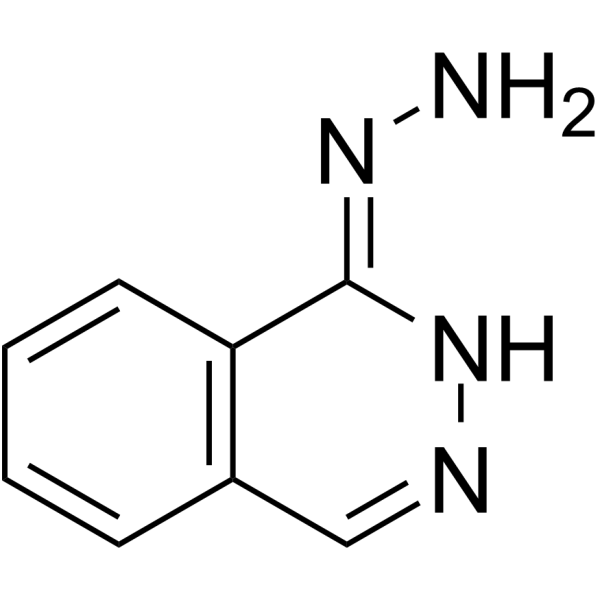
    Hydralazine is an orally active, blood-brain barrier-permeable DNA methyltransferase inhibitor with vasodilatory, arterial smooth muscle relaxant and hypotensive activities. Hydralazine reactivates silenced tumor suppressor genes via mediating DNA demethylation, while exerting neuroprotective and anti-inflammatory properties. Hydralazine inhibits NOS-2 (iNOS) and COX-2, and reduces the production of NO and PGEE2; meanwhile, Hydralazine scavenges reactive oxygen species and inhibits macrophage activation. Hydralazine alleviates motor dysfunction, neuropathic inflammatory pain, and formalin-induced somatic and emotional pain responses. In addition, Hydralazine directly induces DNA strand breaks and sister chromatid exchange, exhibiting certain mutagenic characteristics. Hydralazine has been widely used in studies on hypertension, various cancers (such as cervical cancer, leukemia), spinal cord injury and the mechanisms of inflammatory pain .
    Hydralazine
  • HY-154974

    Liposome Cancer
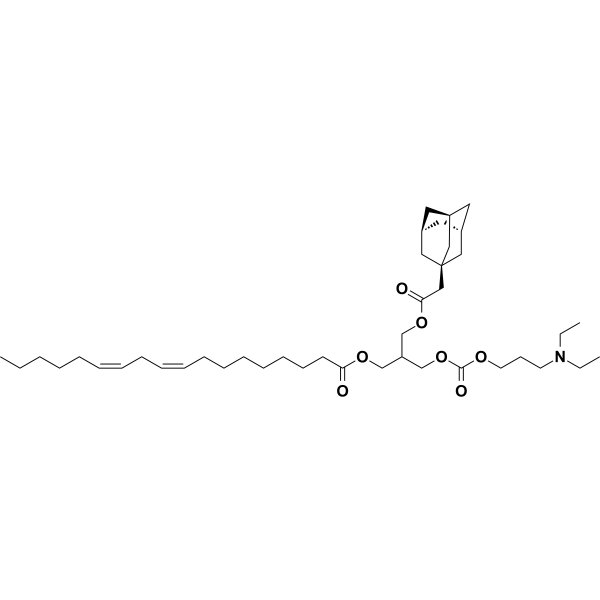
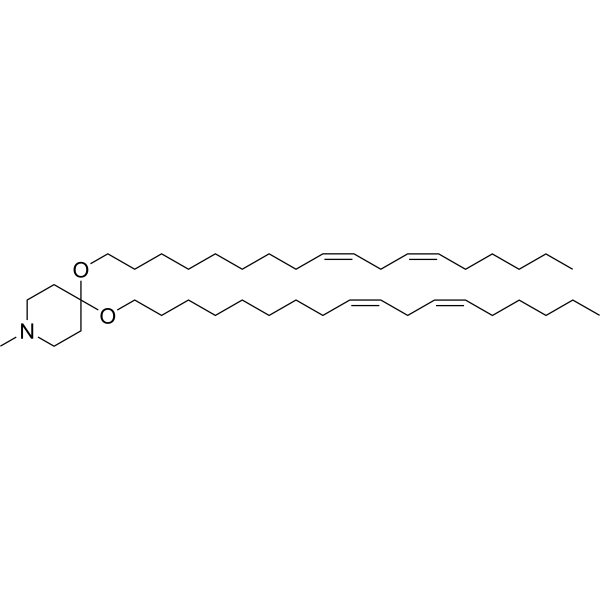
    LNP Lipid-8 (11-A-M) is an ionizable single-tail multi-head lipid that can be used as a lipid nanoparticle (LNP) to deliver siRNA to T cells without targeting ligands. LNP Lipid-8 is more selective for T cells than other cell types such as hepatocytes. LNP Lipid-8 selectively delivers siRNA/sgRNA to T cells (especially CD8+ T cells) through endogenous lipid transport pathways, and can enter cells and release RNA through endocytosis to achieve gene silencing. LNP Lipid-8 loaded with GFP siRNA (siGFP) significantly led to GFP gene silencing in mouse models. LNP Lipid-8 showed good efficacy and safety in both cells and animals, without obvious liver targeting and toxicity. LNP Lipid-8 can be used for RNA delivery research in the fields of tumor immunotherapy and T cell-mediated autoimmune diseases .
    LNP Lipid-8
  • HY-101508

    Histone Methyltransferase Cancer
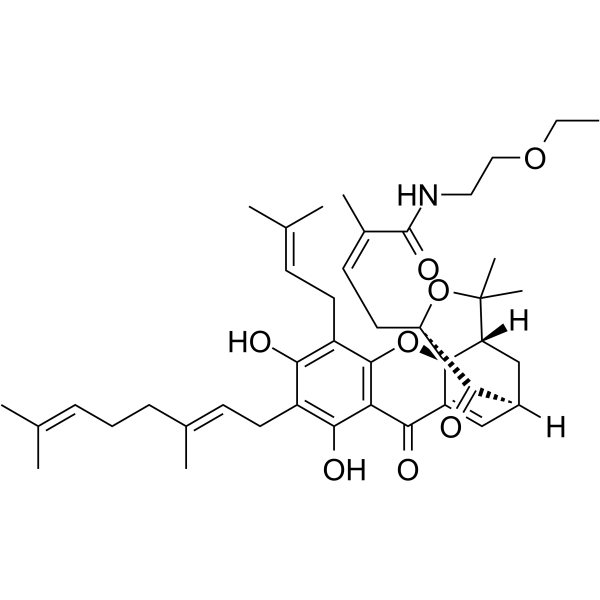
    GNA002 is a highly potent, specific and covalent EZH2 (Enhancer of zeste homolog 2) inhibitor with an IC50 of 1.1 μM. GNA002 can specifically and covalently bind to Cys668 within the EZH2-SET domain, triggering EZH2 degradation through COOH terminus of Hsp70-interacting protein (CHIP)-mediated ubiquitination. GNA002 efficiently reduces EZH2-mediated H3K27 trimethylation, reactivates polycomb repressor complex 2 (PRC2)-silenced tumor suppressor genes .
    GNA002
  • HY-152038

    Histone Methyltransferase Others
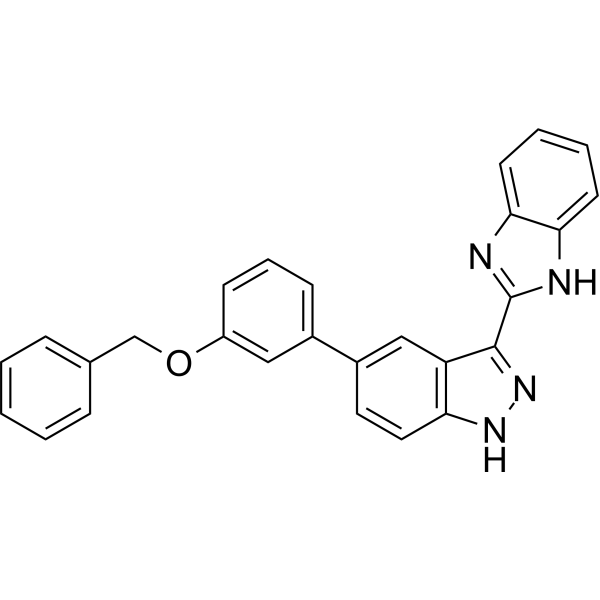
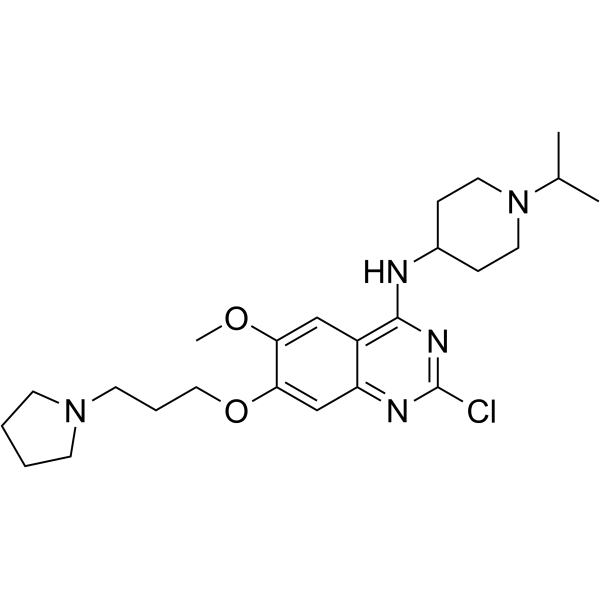
    SPEN-IN-1 (compound X1) is an inhibitor of SPEN which is a protein factor with a Kd value of 47 nM. SPEN-IN-1 has high selectivity for RepA, a 431-nucleotide domain in Xist (a non-coding RNA prototype) that comprises 8.5 units of a GC-rich motif responsible for gene silencing .
    SPEN-IN-1
  • HY-147087

    Liposome Cancer
    YSK 05 is a pH-sensitive cationic lipid. YSK 05 improves the intracellular trafficking of non-viral vectors. YSK 05-MEND shows significantly good gene silencing activity and hemolytic activity. YSK 05 overcomes the suppression of endosomal escape by PEGylation. YSK 05 effectively enhances siRNA delivery both in vitro and in vivo .
    YSK 05
  • HY-N1446A
    Glycerol Monoleate
    55+ Cited Publications

    Endogenous Metabolite Others
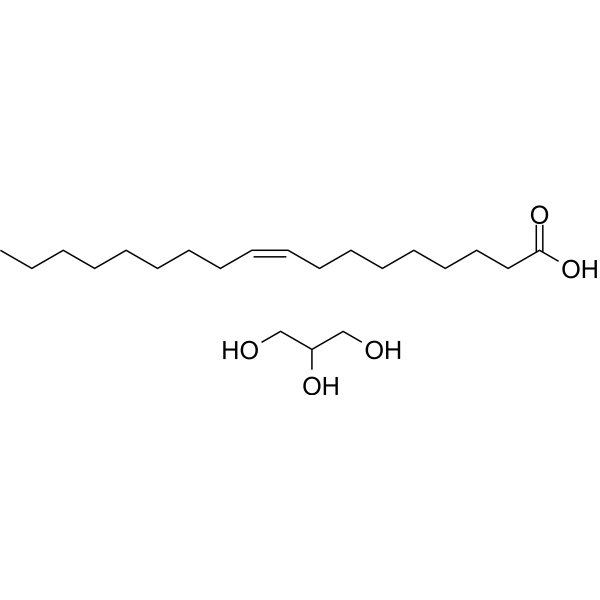
    Glycerol Monoleate is a non-toxic, biodegradable, biocompatible, lipophilic glycerol fatty acid ester. Glycerol Monoleate exhibits hemolytic properties. Glycerol Monoleate is combined with bile salts for use as an emulsifier and absorption enhancer. Glycerol Monoleate can be applied in drug delivery systems and in vitro siRNA delivery .
    Glycerol Monoleate
  • HY-145638A

    RO7445482 sodium

    HBV Infection
    Xalnesiran (RO7445482) sodium is a small interfering RNA molecule that targets a conserved region of the
    hepatitis B virus (HBV) genome . Xalnesiran sodium can be used for the research of chronic hepatitis B infection .
    Xalnesiran sodium
  • HY-P4086

    RABV nAChR Neurological Disease Cancer
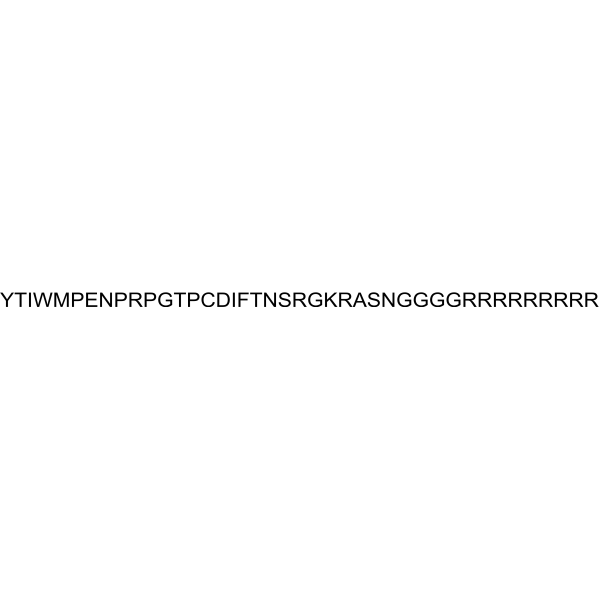
    Chimeric Rabies Virus Glycoprotein Fragment (RVG-9R) is a cell-penetrating peptide that is synthesized by adding nona-arginine motif to the carboxy terminus of RVG (rabies virus glycoprotein). Chimeric Rabies Virus Glycoprotein Fragment (RVG-9R) binds to
    nAChR
    on neuronal cells to mediate receptor-mediated endocytosis and targeted siRNA delivery. Chimeric Rabies Virus Glycoprotein Fragment (RVG-9R) protects complexed siRNA from degradation, enhances transcellular siRNA delivery in neuronal cells, and promotes efficient, pecific gene silencing. Chimeric Rabies Virus Glycoprotein Fragment (RVG-9R) can be used for the researches of neurological disease and cancer .
    Chimeric Rabies Virus Glycoprotein Fragment (RVG-9R)
  • HY-164583

    Phosphoramidites DNA/RNA Synthesis Others
    DMTr-2'-O-C22-rA-3'-CE-Phosphoramidite is an RNA phosphoramidite monomer. DMTr-2'-O-C22-rA-3'-CE-Phosphoramidite allows site-specific introduction of a 2'-O-C22 lipophilic modification at adenosine positions to construct double-stranded RNA (dsRNA) molecules with extrahepatic delivery capability. DMTr-2'-O-C22-rA-3'-CE-Phosphoramidite supports target gene silencing in skeletal muscle, cardiac muscle and adipose tissue by enhancing the lipophilicity and tissue uptake efficiency of dsRNA. DMTr-2'-O-C22-rA-3'-CE-Phosphoramidite can be used for the construction and mechanism research of nucleic acid silencing molecules .
    DMTr-2'-O-C22-rA-3'-CE-Phosphoramidite
  • HY-44062

    Histone Methyltransferase Inflammation/Immunology Cancer
    G9a-IN-1 (Compound 113) is a G9a protein inhibitor. G9A/EHMT2 is a nuclear histone lysine methyltransferase that catalyzes histone H3 lysine 9 dimethylation (H3K9me2), which is a reversible modification generally associated with transcriptional gene silencing. G9a-IN-1 can be used for the research of autoimmune disorders or cancer .
    G9a-IN-1
  • HY-W570886

    DNA/RNA Synthesis Cancer
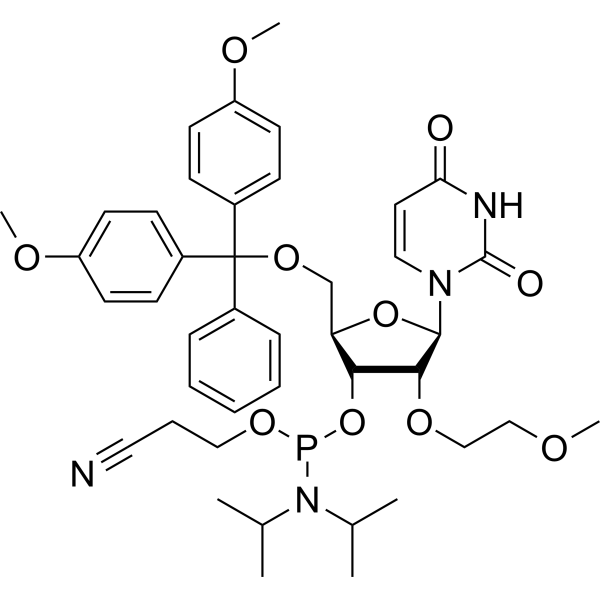
    2'-O-MOE-U is a nucleic acid modification group (Phosphoramidite) with 3'-exonuclease inhibitory activity. 2'-O-MOE-U also exhibits gene silencing activity and double-stranded oligonucleotide stability. By forming steric interactions with 3'-exonuclease residues, 2'-O-MOE-U anchors the 3'-end of the siRNA guide strand in the hAgo2 PAZ domain, thereby regulating double-stranded thermal stability and enhancing base-pairing specificity. 2'-O-MOE-U does not induce IFNα production, can be incorporated at multiple sites of siRNA to enhance RNAi activity, and produces a synergistic effect with 2'-F modification. 2'-O-MOE-U has been widely used in studies related to breast cancer and other diseases .
    2'-O-MOE-U
  • HY-161759

    Histone Methyltransferase Metabolic Disease
    MS152 is an oral bioactive inhibitor of EHMT2/G9a. MS152 reactivats maternally silenced Prader-Willi syndrome (PWS) genes in brain and liver tissues of PWS mouse models .
    MS152
  • HY-153484A

    VEGFR Small Interfering RNA (siRNA) Others
    Bevasiranib sodium is a siRNA designed to silence the genes that produce vascular endothelial growth factor (VEGF). It is widely accepted that vascular endothelial growth factor (VEGF) is a key component in the pathogenesis of choroidal neo-vascularization (CNV), which is a precursor to wet age-related macular degeneration (wet AMD).
    Bevasiranib sodium
  • HY-160852

    Liposome Inflammation/Immunology
    YSK 12C4 is an ionizable cationic lipid primarily used to enhance siRNA cellular delivery via multifunctional envelope-type nanodevices (MEND). YSK 12C4 promotes siRNA uptake and endosomal escape, effectively silencing genes in human immune cell lines .
    YSK 12C4
  • HY-78574

    Nucleoside Antimetabolite/Analog Others
    N-Benzoylcytidine is a modified cytidine analogue that can be phosphorylated by uracil-cytidine kinase (UCK1 and UCK2). N-Benzoylcytidine can be used to synthesize 2-OH protective groups for solid-phase RNA synthesis, as well as synthetic oligonucleotides for UV induction and targeted gene silencing in zebrafish embryos .
    N-Benzoylcytidine
  • HY-137499

    Liposome Endogenous Metabolite Neurological Disease
    NT1-O12B, an endogenous chemical and a neurotransmitter-derived lipidoid (NT-lipidoid), is an effective carrier for enhanced brain delivery of several blood-brain barrier (BBB)-impermeable cargos. Doping NT1-O12B into BBB-impermeable lipid nanoparticles (LNPs) gives the LNPs the ability to cross the BBB. NT-lipidoids formulation not only facilitate cargo crossing of the BBB, but also delivery of the cargo into neuronal cells for functional gene silencing or gene recombination .
    NT1-O12B
  • HY-113217S

    Isotope-Labeled Compounds Endogenous Metabolite Others
    Cholesteryl oleate-d7 is deuterium labeled Cholesteryl oleate. Cholesteryl oleate is an ester compound formed from Cholesterol (HY-N0322) and Oleic acid (HY-N1446), which is involved in lipid transport, storage and cell membrane formation in living organisms. Cholesteryl oleate may serve as a potential biomarker for prostate cancer. Cholesteryl oleate can also prepare cationic solid lipid nanoparticles (SLNs) for efficient gene silencing .
    Cholesteryl oleate-d7
  • HY-P4118

    Penetrating analog

    Amino Acid Derivatives Peptide-Drug Conjugates (PDCs) Others
    EB1 peptide (Penetrating analog) is an endosomolytic agent and siRNA delivery agent. EB1 peptide forms an amphipathic alpha helix upon protonation in early-late endosomes, drives endosomal membrane permeabilization, and enables endocytosed siRNA escape into the cytosol. EB1 peptide facilitates biologically active siRNA cellular uptake and targeted gene silencing. EB1 peptide forms complexes with siRNA. EB1 peptide can be used for drug delivery research .
    EB1 peptide
  • HY-164582

    Phosphoramidites DNA/RNA Synthesis Others
    DMTr-2'-O-C22-rC (Ac)-3'-CE-Phosphoramidite is an RNA phosphoramidite monomer. DMTr-2'-O-C22-rC (Ac)-3'-CE-Phosphoramidite enables site-specific introduction of 2'-O-C22 lipophilic modification at cytidine positions during oligonucleotide synthesis, which is used to construct double-stranded RNA (dsRNA) molecules with extrahepatic delivery capability. DMTr-2'-O-C22-rC (Ac)-3'-CE-Phosphoramidite supports target gene silencing in skeletal muscle, cardiac muscle and adipose tissue by enhancing the lipophilicity and tissue uptake efficiency of dsRNA. Construction and mechanism study of DMTr-2'-O-C22-rC (Ac)-3'-CE-Phosphoramidite nucleic acid silencing molecules .
    DMTr-2'-O-C22-rC(Ac)-3'-CE-Phosphoramidite
  • HY-125980
    LX-3
    1 Publications Verification

    p38 MAPK Cancer
    LX-3 is a selective activator of the p38 MAPK signaling pathway and activates EGFP reporter genes that are silenced by DNA methylation, such as TNF, EGR1, LY6K, and ISG20 .
    LX-3
  • HY-164581

    Phosphoramidites DNA/RNA Synthesis Others
    DMTr-2'-O-C22-rG (ibu)-3'-CE-Phosphoramidite is an RNA phosphoramidite monomer for oligonucleotide synthesis. DMTr-2'-O-C22-rG (ibu)-3'-CE-Phosphoramidite enables site-specific introduction of 2'-O-C22 lipophilic modification at guanosine positions to construct double-stranded RNA (dsRNA) molecules with extrahepatic delivery capability. DMTr-2'-O-C22-rG (ibu)-3'-CE-Phosphoramidite supports target gene silencing in skeletal muscle, cardiac muscle and adipose tissue by enhancing the lipid solubility and tissue uptake efficiency of dsRNA. DMTr-2'-O-C22-rG (ibu)-3'-CE-Phosphoramidite can be used for the construction and mechanism research of nucleic acid silencing molecules .
    DMTr-2'-O-C22-rG(ibu)-3'-CE-Phosphoramidite
  • HY-B0464S1

    Isotope-Labeled Compounds PGE synthase NO Synthase Reactive Oxygen Species (ROS) DNA Methyltransferase COX Cancer
    Hydralazine-d5 (hydrochloride) is deuterium-labeled Hydralazine (hydrochloride) (HY-B0464). Hydralazine hydrochloride is an orally active, blood-brain barrier-permeable DNA methyltransferase inhibitor with vasodilatory, arterial smooth muscle relaxant and hypotensive activities. Hydralazine hydrochloride reactivates silenced tumor suppressor genes via mediating DNA demethylation, while exerting neuroprotective and anti-inflammatory properties. Hydralazine hydrochloride inhibits NOS-2 (iNOS) and COX-2, and reduces the production of NO and PGEE2; meanwhile, Hydralazine hydrochloride scavenges reactive oxygen species and inhibits macrophage activation. Hydralazine hydrochloride alleviates motor dysfunction, neuropathic inflammatory pain, and formalin-induced somatic and emotional pain responses. In addition, Hydralazine hydrochloride directly induces DNA strand breaks and sister chromatid exchange, exhibiting certain mutagenic characteristics. Hydralazine hydrochloride has been widely used in studies on hypertension, various cancers (such as cervical cancer, leukemia), spinal cord injury and the mechanisms of inflammatory pain .
    Hydralazine-d5 hydrochloride
  • HY-177615A

    GTX-102 sodium

    E1/E2/E3 Enzyme Others
    Apazunersen sodium is an antisense oligonucleotide (ASO) that targets and inhibits expression of the UBE3A antisense transcript (UBE3A-AS) to prevent silencing of the paternally inherited allele of the UBE3A gene and reactivate expression of the deficient
    Apazunersen sodium
  • HY-177615

    GTX-102

    E1/E2/E3 Enzyme Others
    Apazunersen is an antisense oligonucleotide (ASO) that targets and inhibits expression of the UBE3A antisense transcript (UBE3A-AS) to prevent silencing of the paternally inherited allele of the UBE3A gene and reactivate expression of the deficient protei
    Apazunersen
  • HY-B0464S

    Isotope-Labeled Compounds PGE synthase NO Synthase Reactive Oxygen Species (ROS) DNA Methyltransferase COX Cardiovascular Disease
    Hydralazine-d4 hydrochloride is the deuterium labeled Hydralazine hydrochloride. Hydralazine hydrochloride is an orally active, blood-brain barrier-permeable DNA methyltransferase inhibitor with vasodilatory, arterial smooth muscle relaxant and hypotensive activities. Hydralazine hydrochloride reactivates silenced tumor suppressor genes via mediating DNA demethylation, while exerting neuroprotective and anti-inflammatory properties. Hydralazine hydrochloride inhibits NOS-2 (iNOS) and COX-2, and reduces the production of NO and PGEE2; meanwhile, Hydralazine hydrochloride scavenges reactive oxygen species and inhibits macrophage activation. Hydralazine hydrochloride alleviates motor dysfunction, neuropathic inflammatory pain, and formalin-induced somatic and emotional pain responses. In addition, Hydralazine hydrochloride directly induces DNA strand breaks and sister chromatid exchange, exhibiting certain mutagenic characteristics. Hydralazine hydrochloride has been widely used in studies on hypertension, various cancers (such as cervical cancer, leukemia), spinal cord injury and the mechanisms of inflammatory pain .
    Hydralazine-d4 hydrochloride
  • HY-103397R

    Antibiotic Reference Standards DNA Methyltransferase Parasite Infection Cancer
    Nanaomycin A (Standard) is the analytical standard of Nanaomycin A. This product is intended for research and analytical applications. Nanaomycin A is the first selective DNMT3B inhibitor with an IC50 of 500 nM. Nanaomycin A, a quinone antibiotics, reactivates silenced tumor suppressor genes in human cancer cells[1]. Nanaomycin A inhibits in vitro growth of the human malaria parasite Plasmodium falciparum with an IC80 value of 33.1 nM[2].
    Nanaomycin A (Standard)
  • HY-122640

    Histone Methyltransferase Cancer
    NPD13668 is an EZH2-mediated gene silencing modulator. NPD13668 inhibits EZH2/PRC2 (polycomb repressive complex 2) activity. NPD13668 reactivates the expression of silenced H3K27me3 target genes together with depletion of the H3K27me3 modification. NPD13668 can be used for the study of prostate cancer and ovarian cancer .
    NPD13668
  • HY-153484

    VEGFR Small Interfering RNA (siRNA) Others
    Bevasiranib is a siRNA designed to silence the genes that produce vascular endothelial growth factor (VEGF). It is widely accepted that vascular endothelial growth factor (VEGF) is a key component in the pathogenesis of choroidal neo-vascularization (CNV), which is a precursor to wet age-related macular degeneration (wet AMD).
    Bevasiranib
  • HY-172535

    Lipase Inflammation/Immunology Cancer
    Lipid OA2 dihydrochloride is an ionizable cationic lipid that can be used to prepare single-component lipid nanoparticles for siRNA delivery. Lipid OA2 dihydrochloride can effectively deliver SOCS1-siRNA to dendritic cells, silence the SOCS1 gene, and enhance their antigen-presenting ability and pro-inflammatory factor secretion capacity .
    Lipid OA2 dihydrochloride
  • HY-145649A

    AD-85481 sodium; ALN-AGT sodium

    Small Interfering RNA (siRNA) Asialoglycoprotein Receptor (ASGPR) Cardiovascular Disease
    Zilebesiran (AD-85481; ALN-AGT) sodium is a long-acting liver-targeted small interfering RNA (siRNA) antihypertensive agent. Zilebesiran sodium binds to the hepatic asialoglycoprotein receptor (ASGPR), activates the RNA-induced silencing complex to degrade hepatic angiotensinogen mRNA, thereby inhibiting the gene expression and synthesis of angiotensinogen. Zilebesiran sodium dose-dependently reduces serum angiotensinogen levels and 24-hour ambulatory blood pressure, with its effect persisting throughout the circadian cycle. Zilebesiran sodium is applicable to research related to hypertension .
    Zilebesiran sodium
  • HY-136869

    Liposome Others
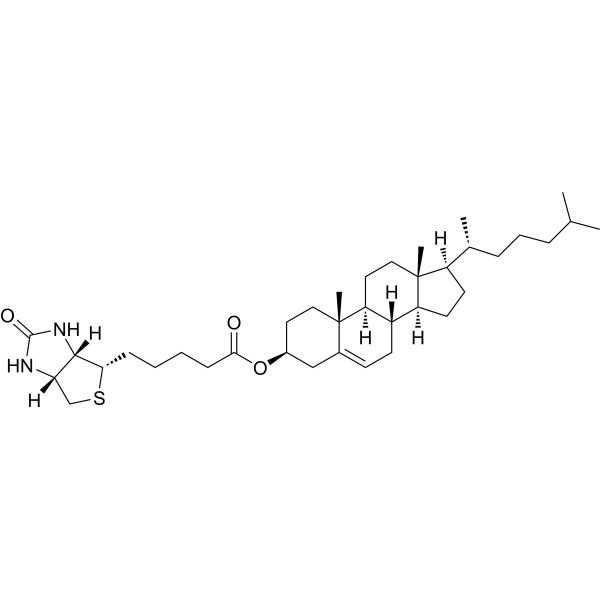
    MHAPC-Chol, a cationic cholesterol, results in a high gene silencing effect via high cellular association. MHAPC-Chol delivers siRNA to the liver .
    MHAPC-Chol
  • HY-176866

    HDAC Neurological Disease
    Rodin-A is an orally active, brain-penetrant and selective histone deacetylase (HDAC)-co-repressor of repressor element-1 silencing transcription factor (CoREST) complex inhibitor with an IC50 value of 1.80 μM for the CoREST complex, 0.15 μM for HDAC1, and 0.43 μM for HDAC2. Rodin-A increases the acetylation level of histone H3K9, upregulates the expression of neuron-related genes, thereby promoting the increase in dendritic spine density, the colocalization of synaptic proteins (SV2A and PSD95), and the improvement of hippocampal long-term potentiation (LTP), exerting synaptic protection and repair activity. Rodin-A is promising for research of neurodegenerative diseases related to synaptic dysfunction, especially Alzheimer’s disease .
    Rodin-A
  • HY-145523

    Liposome Others
    OH-Chol is a cationic cholesterol derivative. OH-Chol can be used for siRNA delivery and gene silencing .
    OH-Chol
  • HY-159675

    Liposome Inflammation/Immunology
    1-A-N is a lipid nanoparticle (LNP) used for in vivo delivery of siRNA. 1-A-N can regulate immune response by delivering siCD45 (siRNA targeting CD45) to T cells and silencing the CD45 gene .
    1-A-N
  • HY-161436

    Small Interfering RNA (siRNA) Others
    TPA-dT is a thymidine analog with a tris[(2-pyridyl)methyl]amine (TPA) group. TPA-dT can be used to modify siRNAs. The TPA-modified siRNAs remain functionally inactive and is incapable of silencing gene expression until the TPA moiety is removed upon exposure to Cu(I) .
    TPA-dT
  • HY-160581

    Liposome Others
    OH-C-Chol is a cationic liposome that serves as a siRNA delivery vehicle. OH-C-Chol (LP-C) and OH-NC-Chol (LP-NC)/siRNA complexes (lipoplexes) showed better performance than NP-C and NP-NC/siRNA complexes (nanocomplexes), respectively. ) greater gene silencing effect .
    OH-C-Chol
  • HY-10424A

    PHA-848125 maleate

    Ser/Thr Kinase Cancer
    Milciclib (PHA-848125) maleate is a cyclin-dependent kinase inhibitor that impairs melanoma cell growth and modulates gene expression involved in cell cycle regulation. Milciclib maleate has been shown to significantly affect the expression of various genes, including down-regulating PTTG1, contributing to its antiproliferative activity. Milciclib maleate enhances sensitivity to treatment in p53 mutated melanoma cells when combined with PTTG1 silencing.
    Milciclib maleate
  • HY-170490

    Photosensitizer Apoptosis Cancer
    TTQ-SA is a near-infrared (NIR) spiro-AIEgen (aggregation-induced emission luminogen), that converts near-infrared light (NIR) into thermal energy, causing thermal damage and death of tumor cells. TTQ-SA exhibits cellular uptake and targeting ability in cancer cell MF-7. TTQ-SA silences the expression of survivin gene with combination of DNAzyme, enhances the sensitivity of tumor cells to photothermal therapy .
    TTQ-SA
  • HY-113217S1

    Isotope-Labeled Compounds Endogenous Metabolite Others
    Cholesteryl oleate-d7-1 is deuterium labeled Cholesteryl oleate. Cholesteryl oleate is an ester compound formed from Cholesterol (HY-N0322) and Oleic acid (HY-N1446), which is involved in lipid transport, storage and cell membrane formation in living organisms. Cholesteryl oleate may serve as a potential biomarker for prostate cancer. Cholesteryl oleate can also prepare cationic solid lipid nanoparticles (SLNs) for efficient gene silencing .
    Cholesteryl oleate-d7-1
  • HY-176867

    HDAC Neurological Disease
    Rodin-B is a selective histone deacetylase (HDAC)-co-repressor of repressor element-1 silencing transcription factor (CoREST) complex inhibitor with an IC50 value of 0.50 μM for the CoREST complex, 0.27 μM for HDAC1, and 0.28 μM for HDAC2. Rodin-B increases the acetylation level of histone H3K9, upregulates the expression of neuron-related genes, thereby promoting the increase in dendritic spine density, the colocalization of synaptic proteins (SV2A and PSD95), and the improvement of hippocampal long-term potentiation (LTP), exerting synaptic protection and repair activity. Rodin-B is promising for research of neurodegenerative diseases related to synaptic dysfunction, especially Alzheimer’s disease .
    Rodin-B
  • HY-B0464R

    Reference Standards PGE synthase NO Synthase Reactive Oxygen Species (ROS) DNA Methyltransferase COX Cardiovascular Disease Inflammation/Immunology Cancer
    Hydralazine (hydrochloride) (Standard) is the analytical standard of Hydralazine (hydrochloride). This product is intended for research and analytical applications. Hydralazine hydrochloride is an orally active, blood-brain barrier-permeable DNA methyltransferase inhibitor with vasodilatory, arterial smooth muscle relaxant and hypotensive activities. Hydralazine hydrochloride reactivates silenced tumor suppressor genes via mediating DNA demethylation, while exerting neuroprotective and anti-inflammatory properties. Hydralazine hydrochloride inhibits NOS-2 (iNOS) and COX-2, and reduces the production of NO and PGEE2; meanwhile, Hydralazine hydrochloride scavenges reactive oxygen species and inhibits macrophage activation. Hydralazine hydrochloride alleviates motor dysfunction, neuropathic inflammatory pain, and formalin-induced somatic and emotional pain responses. In addition, Hydralazine hydrochloride directly induces DNA strand breaks and sister chromatid exchange, exhibiting certain mutagenic characteristics. Hydralazine hydrochloride has been widely used in studies on hypertension, various cancers (such as cervical cancer, leukemia), spinal cord injury and the mechanisms of inflammatory pain .
    Hydralazine hydrochloride (Standard)
  • HY-N17786

    Drug Derivative Others
    2-O-Methyl-D-xylose is a derivative of Xylose (HY-N0537). 2-O-Methyl-D-xylose can be used as a biomarker for the cell wall polysaccharide RG-II, and changes in its content reveal the destructive effect of gene silencing on the cell wall structure .
    2-O-Methyl-D-xylose
  • HY-180474

    Liposome Neurological Disease
    LP293-p is a lipid with activated ester groups, which can be used for the synthesis of ATXN2 RNAi. LP293-p can be utilized to enhance the targeting of the central nervous system (CNS) .
    LP293-p
  • HY-181877

    HDAC Adenosine Receptor Cancer
    IHCH-3185 is an orally active class I HDAC inhibitor (HDAC1 IC50 =102.9 nM) and A2AR antagonist (A2AR Ki =7.6 nM). IHCH-3185 reverses immune gene silencing by inducing histone acetylation and blocks the adenosine signaling pathway to relieve T-cell suppression. IHCH-3185 exhibits antiproliferative activity, induces cell cycle arrest, and significantly improves the tumor microenvironment. IHCH-3185 reduces the proportion of regulatory T cells, increases the CD8 +/Treg ratio, and upregulates the expression of key factors such as H2-K1, Cxcl9 and Cxcl10. IHCH-3185 shows significant antitumor potential in CT26 and MC38 mouse tumor models and is suitable for related cancer research .
    IHCH-3185

Inquiry Online

Your information is safe with us. * Required Fields.

Salutation


Country or Region *

Applicant Name *


Organization Name *

Department *


Email Address *


Product Name *

Cat. No.


Requested quantity *

Phone Number *


Remarks

Inquiry Online

Inquiry Information

Product Name:
Cat. No.:
Quantity:
MCE Japan Authorized Agent:

