Search Result
Results for "
indole+alkaloid
" in MedChemExpress (MCE) Product Catalog:
1
Biochemical Assay Reagents
1
Isotope-Labeled Compounds
| Cat. No. |
Product Name |
Target |
Research Areas |
Chemical Structure |
-
- HY-N0117
-
Indirubin
Maximum Cited Publications
12 Publications Verification
Couroupitine B; Indigo red; Indigopurpurin
|
Apoptosis
|
Cancer
|
|
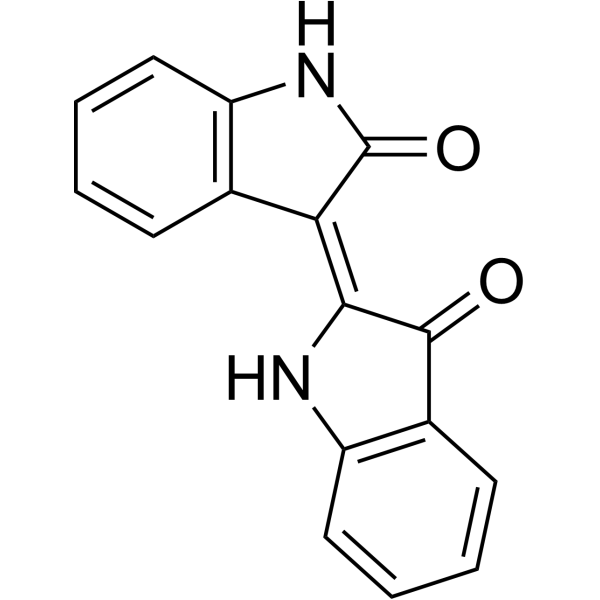
Indirubin (Couroupitine B) is a bis-indole alkaloid and has emarkable anticancer activity against chronic myelocytic leukemia .
|
-
-
- HY-N6778
-
|
|
Potassium Channel
Calcium Channel
Reactive Oxygen Species (ROS)
|
Neurological Disease
|
|
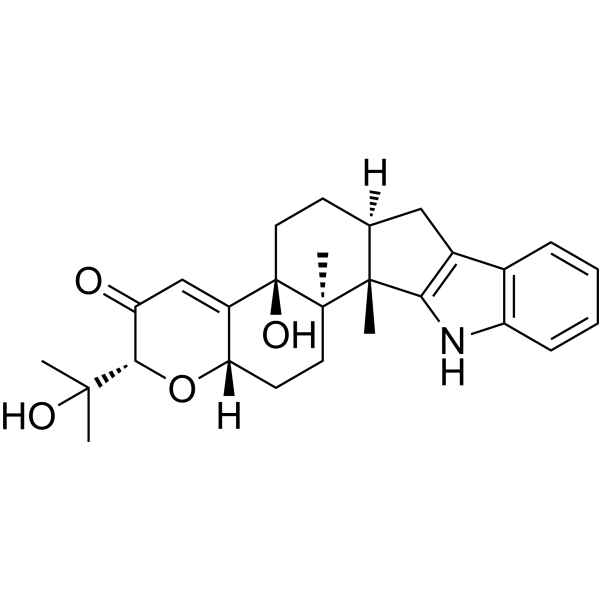
Paxilline is an indole alkaloid mycotoxin derived from Penicillium paxilli, which effectively inhibits the BK channel through a channel-blocking mechanism. Paxilline also inhibits sarco/endoplasmic reticulum Ca 2+-stimulated ATPase (SERCA), with IC50 values ranging from 5 μM to 50 μM for different SERCA isoforms. Paxilline exhibits significant anticonvulsant and neuroprotective effects, as well as certain antioxidant activity .
|
-
-
- HY-N1163
-
|
(-)-Tetrahydroalstonine
|
Adrenergic Receptor
Atg8/LC3
Akt
mTOR
|
Neurological Disease
Endocrinology
|
|
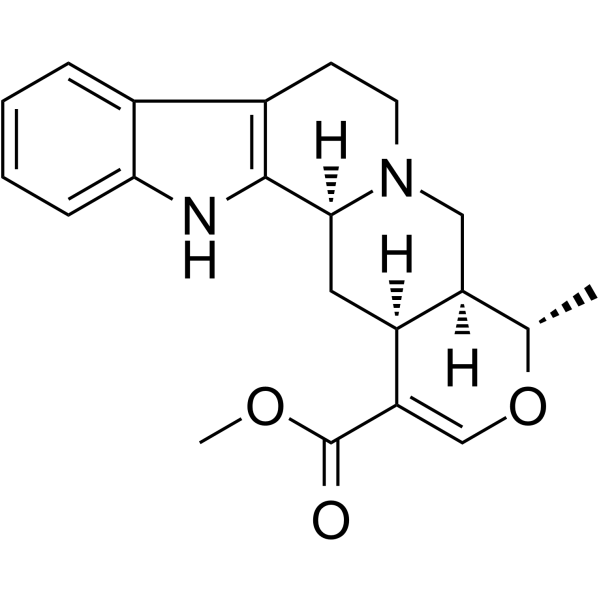
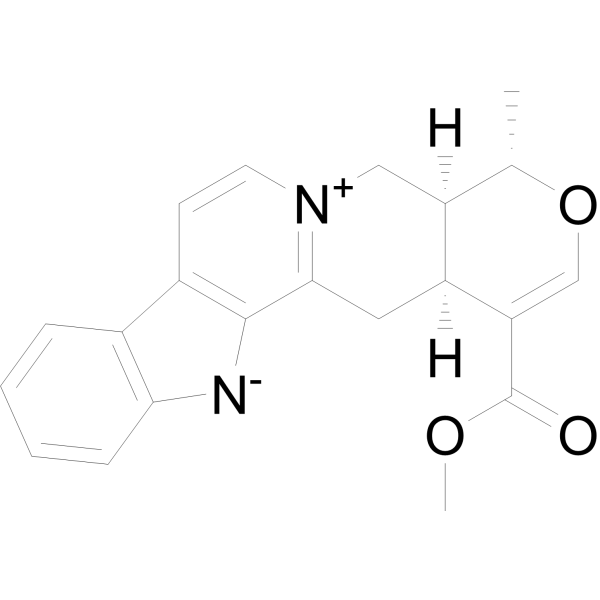
Tetrahydroalstonine ((-)-Tetrahydroalstonine) is an indole alkaloid and a selective α₂-adrenergic receptor antagonist. Tetrahydroalstonine exhibits certain neuroprotective effects. Tetrahydroalstonine can regulate autophagy-lysosomal function by activating the Akt/mTOR pathway, significantly reducing OGD/R-induced primary cortical neuronal injury .
|
-
-
- HY-N2193
-
|
|
Flavivirus
Dengue Virus
Apoptosis
|
Infection
Cancer
|
|
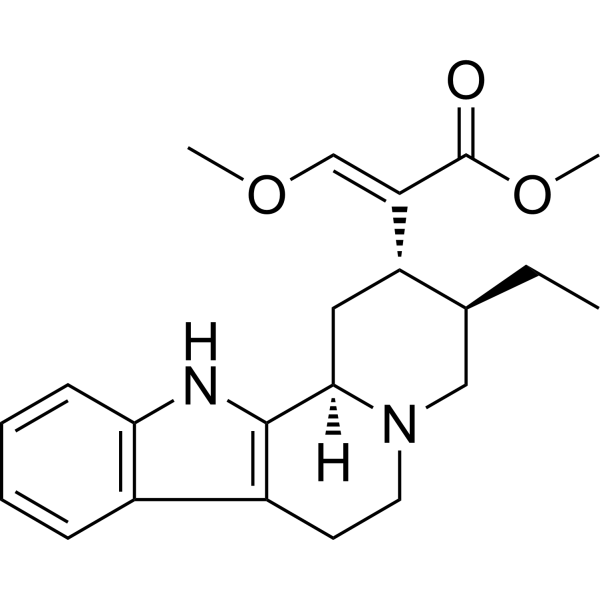
Hirsutine, an indole alkaloid of Uncaria rhynchophylla, exhibits anti-cancer activity. Hirsutine induces apoptosis and is a potent Dengue virus inhibitor exhibiting low cytotoxicity .
|
-
-
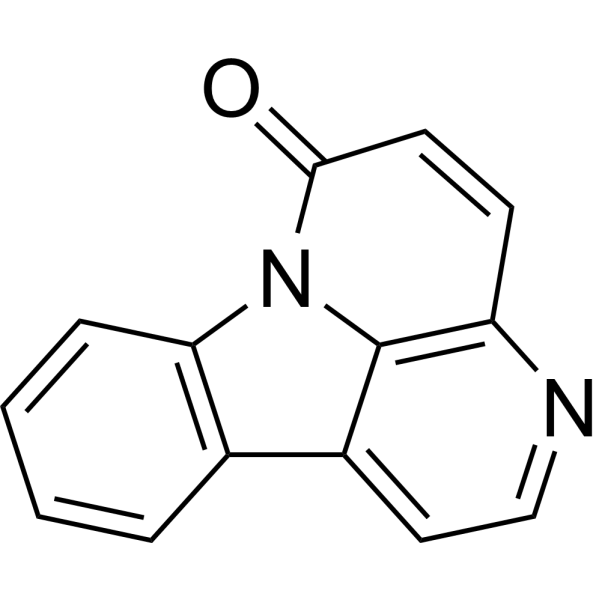
- HY-N3536
-
-
-
- HY-W014971
-
|
|
Biochemical Assay Reagents
|
Others
|
|
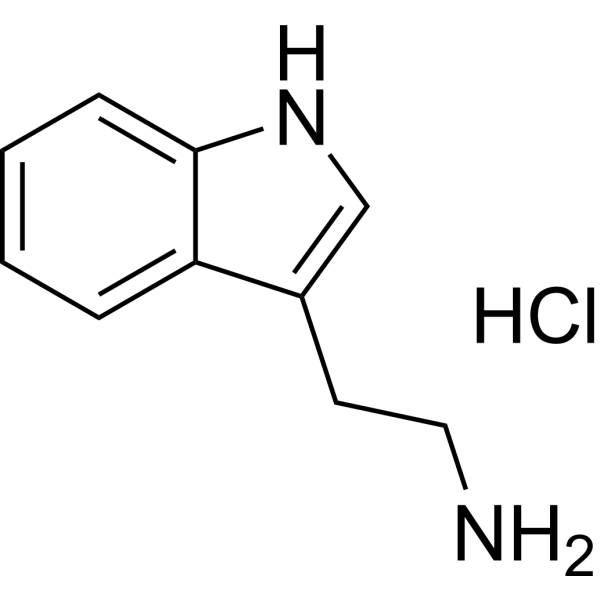
Tryptamine hydrochloride belongs to the class of indole alkaloids and is a derivative of the amino acid tryptophan. Tryptamine hydrochloride is psychoactive and acts as a neurotransmitter in the body, affecting mood, perception and cognition. In its hydrochloride form, Tryptamine hydrochloride hydrochloride, it is commonly used as a research chemical and as a starting material for the synthesis of other organic compounds. It can also occur naturally in certain plants and animals, including fungi and mammals. Due to the psychoactive properties of Tryptamine hydrochloride and its derivatives, its use and possession are controlled substances in many countries.
|
-
-
- HY-B1021
-
|
|
Free Fatty Acid Receptor
|
Cardiovascular Disease
Metabolic Disease
|
|
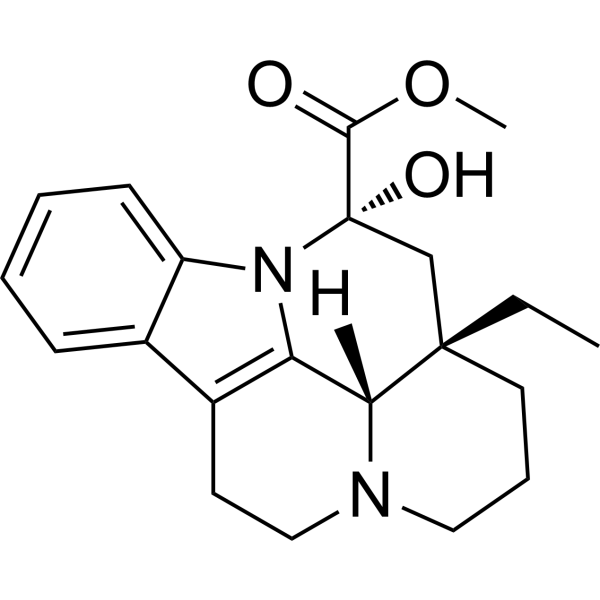
Vincamine is a monoterpenoid indole alkaloid extracted from the Madagascar periwinkle. Vincamine is a peripheral vasodilator and exerts a selective vasoregulator action on the brain microcapilar circulation . Vincamine is a GPR40 agonist and acts as a β-cell protector by ameliorating β-cell dysfunction and promoting glucose-stimulated insulin secretion (GSIS). Vincamine improves glucose homeostasis in vivo, and has the potential for the type 2 diabetes mellitus (T2DM) research .
|
-
-
- HY-N0275
-
|
(±)-10-HCPT
|
Topoisomerase
|
Cancer
|
|
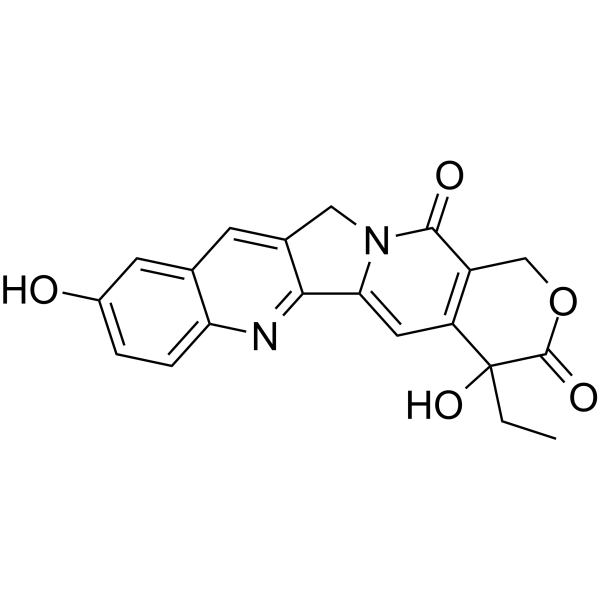
(±)-10-Hydroxycamptothecin is an indole alkaloid that inhibits the activity of topoisomerase I and has a broad spectrum of anticancer activity.
|
-
-
- HY-N11478
-
-
-
- HY-N0117A
-
|
(Z)-Couroupitine B; (Z)-Indigo red; (Z)-Indigopurpurin
|
Apoptosis
|
Cancer
|
|
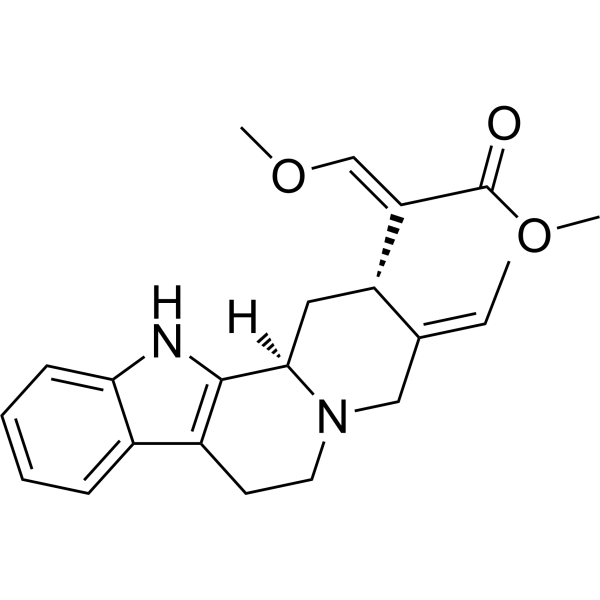
(Z)-Indirubin is an isomer of Indirubin (HY-N0117). Indirubin is a bis-indole alkaloid and has emarkable anticancer activity against chronic myelocytic leukemia .
|
-

-
- HY-N2197
-
|
|
nAChR
|
Neurological Disease
|
|
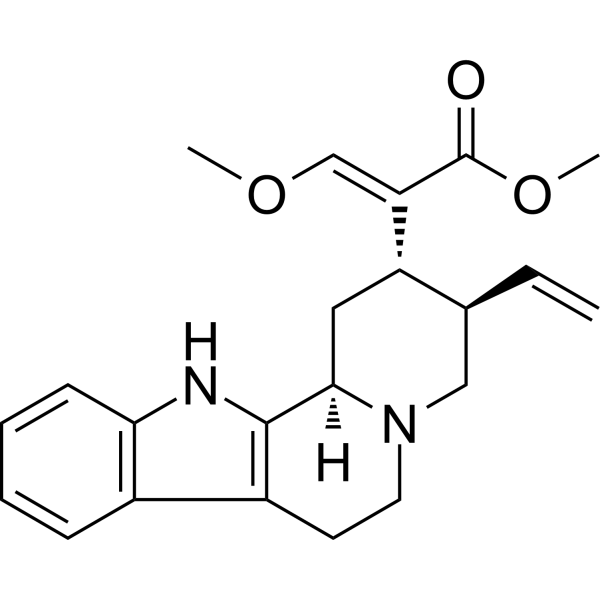
Hirsuteine is an indole alkaloid extracted from Uncaria rhynchophylla. Hirsuteine non-competitively antagonizes nicotine-mediated dopamine release by blocking ion permeation through nicotinic receptor channel complexes .
|
-
-
- HY-N4031
-
|
|
Anaplastic lymphoma kinase (ALK)
METTL3
|
Inflammation/Immunology
|
|
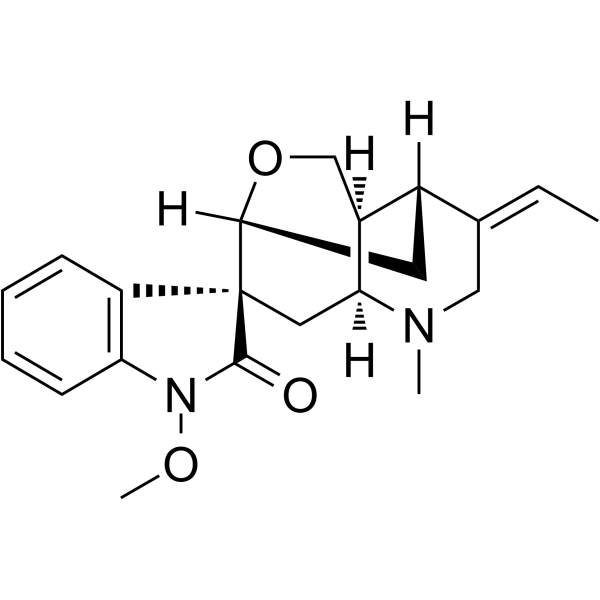
Humantenine is a highly toxic indole alkaloid from Gelsemium elegans (Gardn. & Champ.) Benth. that binds to RNA m6A modification regulatory proteins (ALKBH5, METTL). Humantenine stably binds via hydrogen bonding and hydrophobic interactions and disrupts the m6A methylation level of target genes, thereby impairing the expression of intestinal epithelial cell tight junction and cytoskeleton-related genes, causing intestinal barrier dysfunction and significant intestinal cytotoxicity. The intraperitoneal injection LD50 values of Humantenine are <1 mg/kg in mice, 1.2 mg/kg in male rats and 1.5 mg/kg in female rats, respectively. Species differences exist in the metabolism of Humantenine in human, porcine, goat and rat liver microsomes, and demethylation, dehydrogenation and oxidation occur in liver microsomes .
|
-
-
- HY-N10379
-
|
|
Akt
mTOR
Apoptosis
Reactive Oxygen Species (ROS)
CDK
Ras
HSP
VEGFR
TNF Receptor
Interleukin Related
|
Inflammation/Immunology
|
|
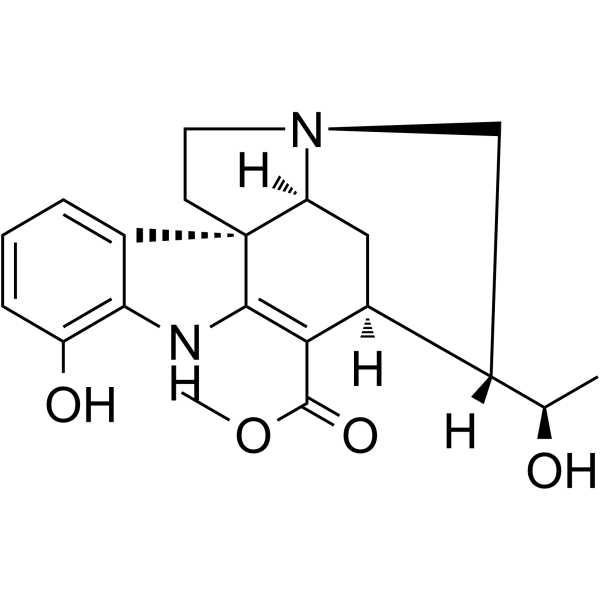
19-epi-Scholaricine is an orally active indole alkaloid. 19-epi-Scholaricine downregulates the expression of profibrotic/apoptotic proteins (HRAS, HSP90AA1, KDR) and upregulates the expression of cell cycle-related protein (CDK2). 19-epi-Scholaricine suppresses ROS production and reduces the release of inflammatory mediators, thereby attenuating podocyte apoptosis, renal inflammation and oxidative stress by inhibiting AKT/mTOR. 19-epi-Scholaricine can be used in the research of chronic glomerulonephritis and membranous nephropathy .
|
-
-
- HY-N6932
-
|
|
Cannabinoid Receptor
P-glycoprotein
PI3K
Akt
mTOR
Apoptosis
Autophagy
EGFR
|
Metabolic Disease
Cancer
|
|
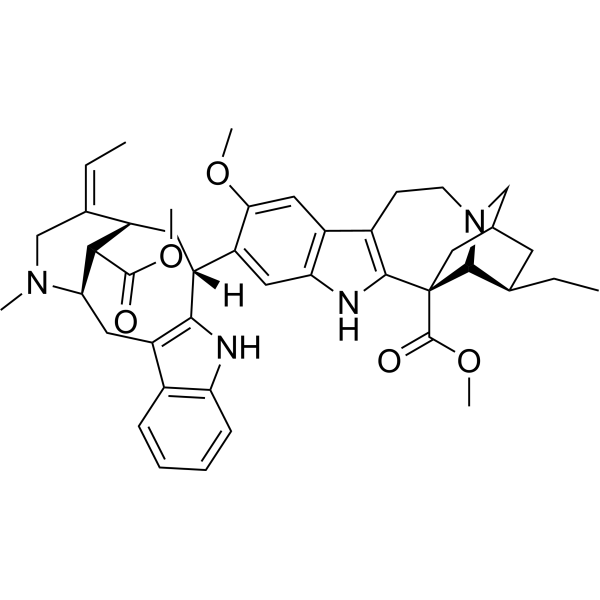
Voacamine is an indole alkaloid with cannabinoid 1 (CB1) antagonistic activity. Voacamine can inhibit nuclear translocation. Voacamine is effective in enhancing the effect of Doxorubicin (HY-15142A) as it interferes with the P-glycoprotein (P-gp) function. Voacamine promotes apoptosis-independent autophagic cell death in human osteosarcoma cells. Voacamine activates mitochondrial-associated apoptosis signaling pathway and inhibition of PI3K/Akt/mTOR signaling pathway to suppress breast cancer progression. Voacamine inhibits EGFR to exert oncogenic activity against colorectal cancer .
|
-
-
- HY-A0220
-
-
-
- HY-121002
-
-
-
- HY-N4012
-
|
3-Indoleglyoxamide
|
Others
|
Others
|
|
Indole-3-glyoxylamide (Compound 4) is a type of indole alkaloid. Indole-3-glyoxylamide shows no significant cytotoxic activity against Hela, Ishikawa, and MGC-803 cells .
|
-

-
- HY-N3797A
-
|
Ditaine chloride
|
Apoptosis
|
Cancer
|
|
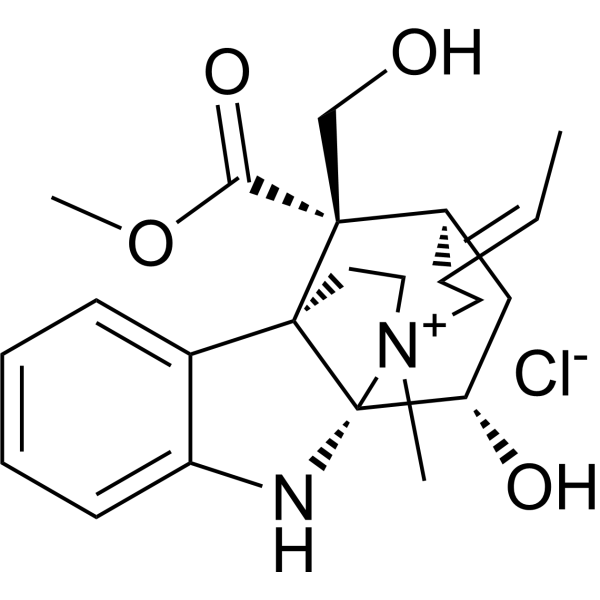
Echitamine (Ditaine) chloride is the major monoterpene indole alkaloid present in Alstonia scholaris with potent anti-tumour activity. Echitamine chloride induces DNA fragmentation and cells apoptosis. Echitamine chloride inhibits pancreatic lipase with an IC50 of 10.92 μM .
|
-
-
- HY-N10149
-
|
|
Phosphodiesterase (PDE)
Apoptosis
|
Cancer
|
|
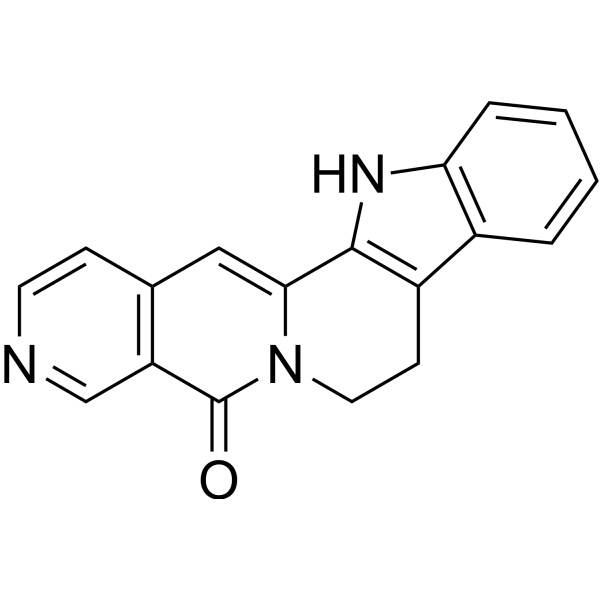
Nauclefine is an indole alkaloid isolated from Nauclea officinalis. Nauclefine acts as a PDE3A modulator to induce cancer cell apoptosis through a PDE3A-SLFN12-dependent death pathway .
|
-
-
- HY-N16411
-
|
|
Others
|
Others
|
|
Carneamide A is a prenylated indole alkaloid produced by a marine-derived Aspergillus sp .
|
-

-
- HY-N11665
-
|
|
Others
|
Infection
|
|
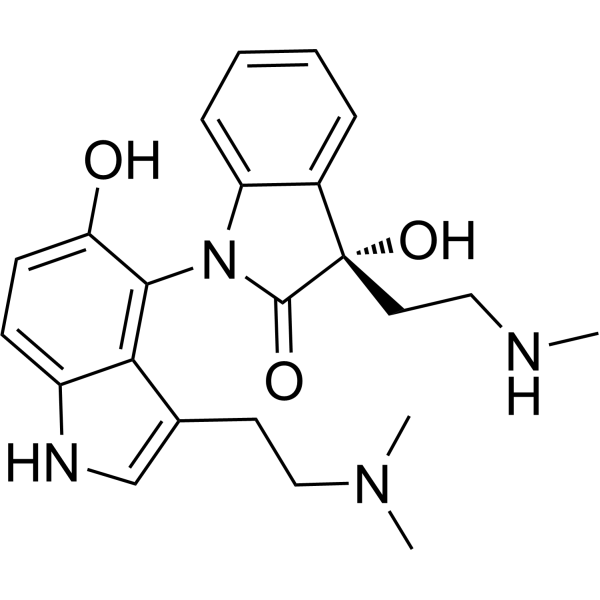
Donasine, indole alkaloid, is a nature product with effect of reducing fever. Donasine can be isolated from the rhizomes of Arundo donax L .
|
-
-
- HY-N16573
-
|
|
Others
|
Cancer
|
|
19-epi-Voacristine is an indole alkaloid. 19-epi-Voacristine exhibits cytotoxic activity against the A2780 ovarian cancer cell line .
|
-

-
- HY-N9164
-
-

-
- HY-N11479
-
-
-
- HY-N9572
-
|
|
Others
|
Others
|
|
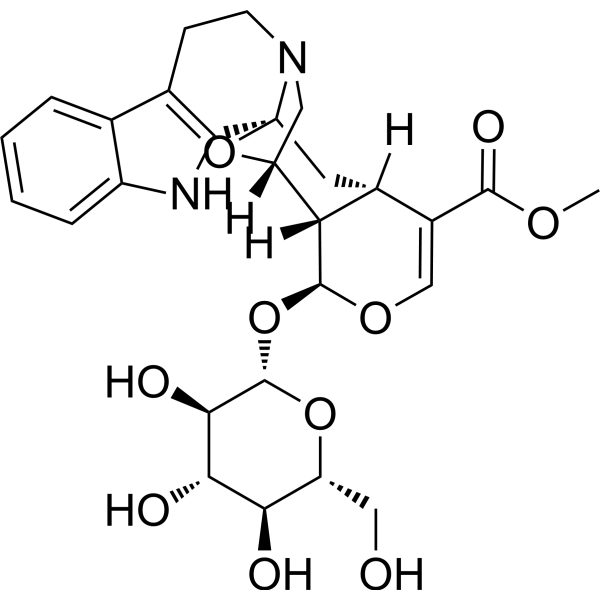
Cadambine is a monoterpenoid gluco-indole alkaloid that can be isolated from Nauclea cadamba .
|
-
-
- HY-N3204
-
|
|
Apoptosis
|
Neurological Disease
|
|
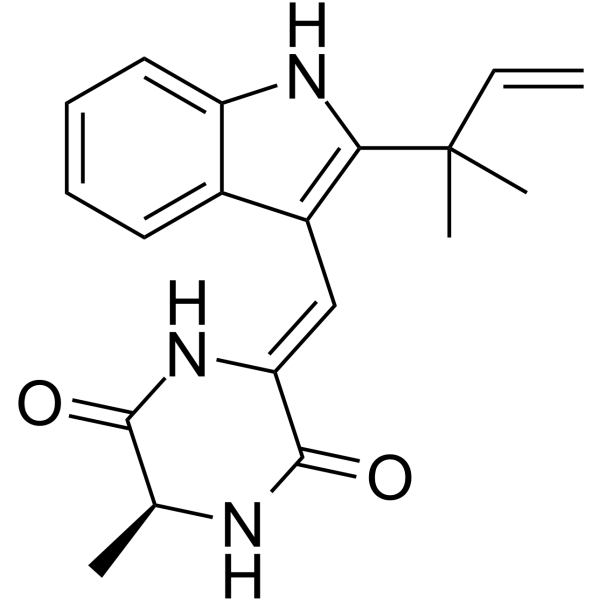
Neoechinulin A is an isoprenyl indole alkaloid that exhibits scavenging, neurotrophic factor-like, and anti-apoptotic activities. Neoechinulin A induces memory improvements and antidepressant-like effects in mice .
|
-
-
- HY-N0117R
-
|
Couroupitine B (Standard); Indigo red (Standard); Indigopurpurin (Standard)
|
Reference Standards
Apoptosis
|
Cancer
|
|
Indirubin (Standard) is the analytical standard of Indirubin. This product is intended for research and analytical applications. Indirubin (Couroupitine B) is a bis-indole alkaloid and has emarkable anticancer activity against chronic myelocytic leukemia .
|
-

-
- HY-N2932
-
|
Amsonin; Amsonine; NSC 93133
|
Parasite
|
Infection
|
|
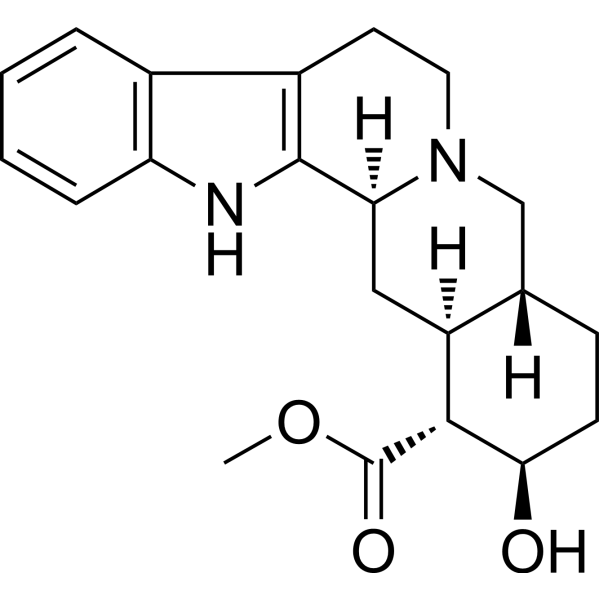
β-Yohimbine (Amsonin) is an indole alkaloid that can be isolated from Aspidosperma ulei Markgr. β-Yohimbine shows antiplasmodial activity against the Chloroquine (HY-17589A)-resistant Fc M29-Cameroon strain (IC50: > 1 μg/mL) .
|
-
-
- HY-169466
-
|
|
Drug Derivative
|
Neurological Disease
|
|
5-Methoxy-N,N-dimethyltryptamine Nb-oxide is an indole alkaloid. 5-Methoxy-N,N-dimethyltryptamine Nb-oxide is the N-oxide form of 5-Methoxy-N,N-dimethyltryptamine (5-MeO-DMT), which is a known psychoactive substance .
|
-

-
- HY-122189
-
|
(-)-Akuammine; Vincamajoridine
|
Others
|
Neurological Disease
|
|
Akuammine is an indole alkaloid that has been found in Picralima nitida and has analgesic activity. It selectively binds to the μ- and κ-opioid receptors over the δ-opioid receptor (Kis=0.3, 1.68, and 10.4 μM for the human receptors, respectively). Akuammine inhibits forskolin-induced cAMP production in HEK293 cells expressing human μ- or κ-opioid receptors (IC50s=2.6 and 0.073 μM, respectively). It increases the latency to withdrawal in the tail-flick or hot plate test in mice when administered at a dose of 60 mg/kg.
|
-

-
- HY-120098
-
|
|
Others
|
Cancer
|
|
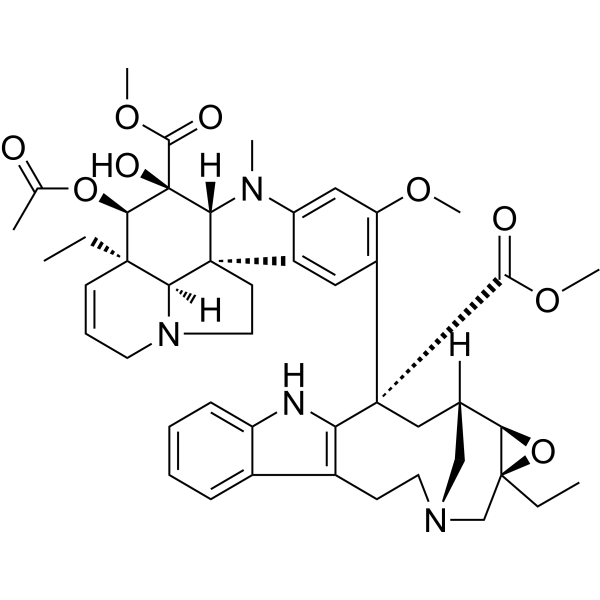
Vinleurosine is an indole alkaloid with antineoplastic activity .
|
-
-
- HY-N4032
-
|
|
Others
|
Others
|
|
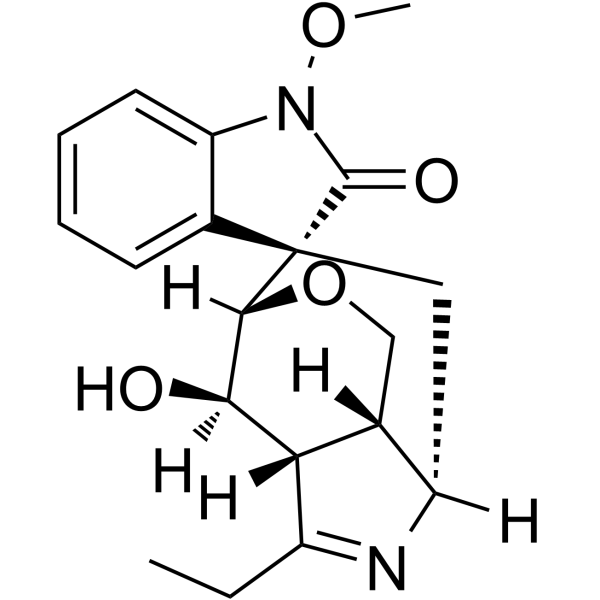
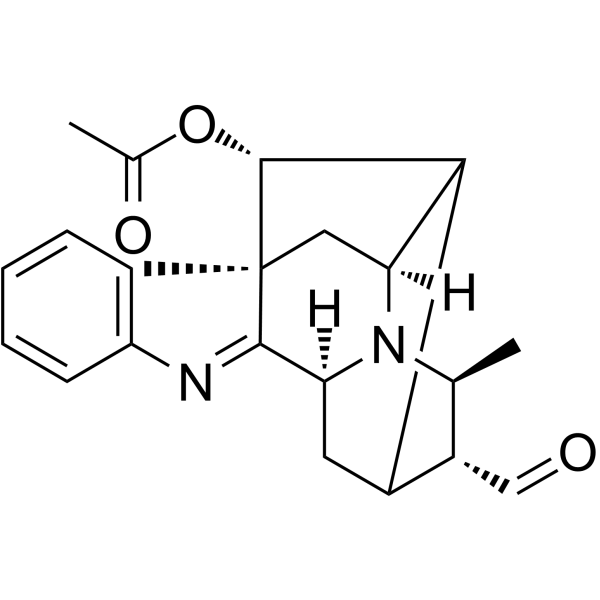
Humantenidine, an indole alkaloid, is isolated from Gelsemium sempervirens.
|
-
-
- HY-N2030
-
-
-
- HY-120098A
-
|
|
Others
|
Cancer
|
|
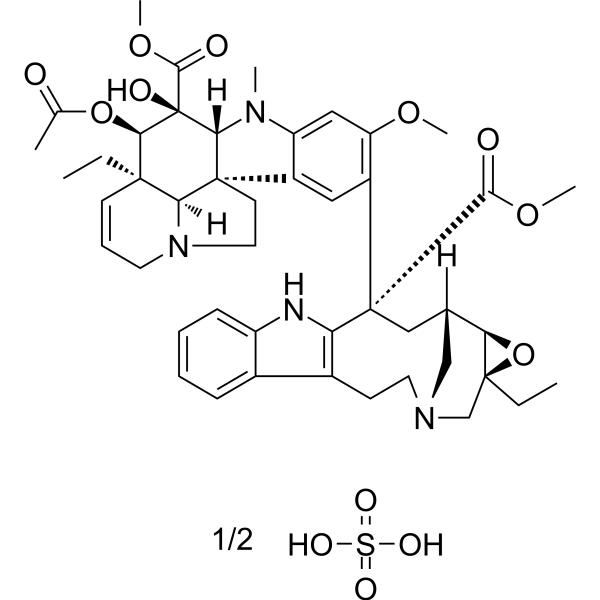
Vinleurosine sulfate is an indole alkaloid with antineoplastic activity .
|
-
-
- HY-N7508
-
-
-
- HY-119642
-
|
|
Others
|
Others
|
|
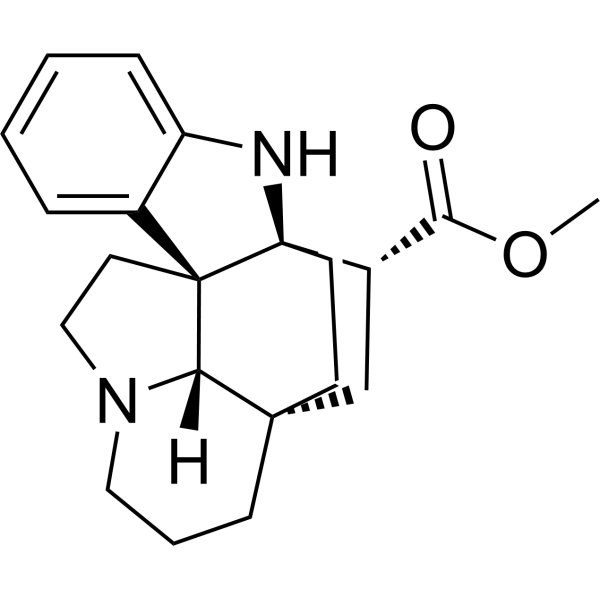
Kopsinine is an indole alkaloid extracted from periwinkle flowers .
|
-
-
- HY-N1099
-
|
(+)-Vellosimine; Alkaloid RB 19
|
Others
|
Others
|
|
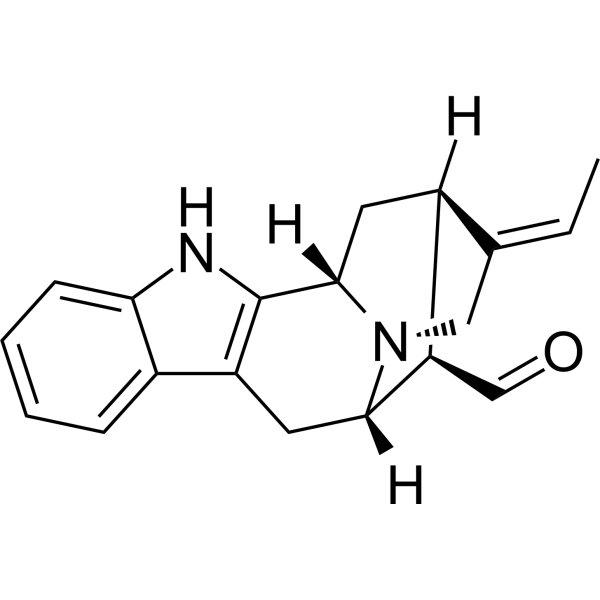
Vellosimine ((+)-Vellosimine) is an indole alkaloid. Vellosimine acts as a plant metabolite .
|
-
-
- HY-N3281
-
|
|
Others
|
Others
|
|
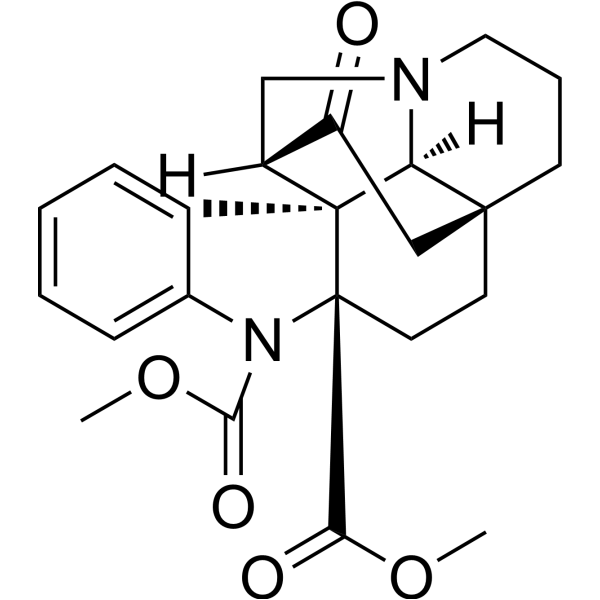
Methyl chanofruticosinate is an indole alkaloid that can be isolated from Kopsia .
|
-
-
- HY-N9374
-
-

-
- HY-N1598
-
|
|
Others
|
Others
|
|
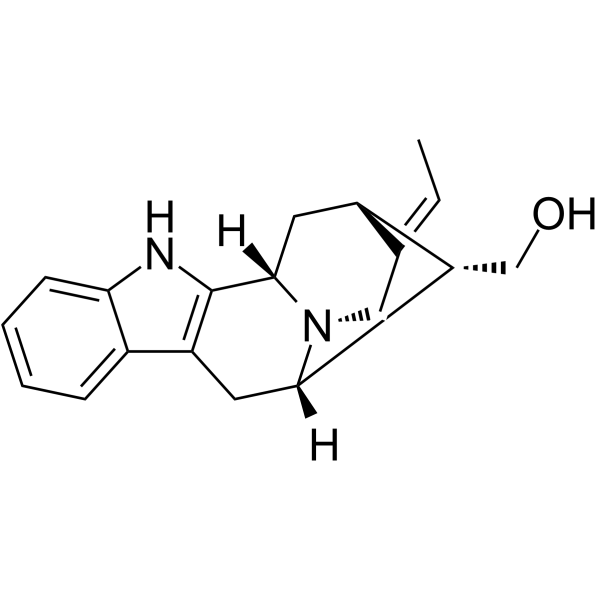
(E)-16-Epi-normacusine B is an indole alkaloid compound .
|
-
-
- HY-N0675
-
|
|
Others
|
Cancer
|
|
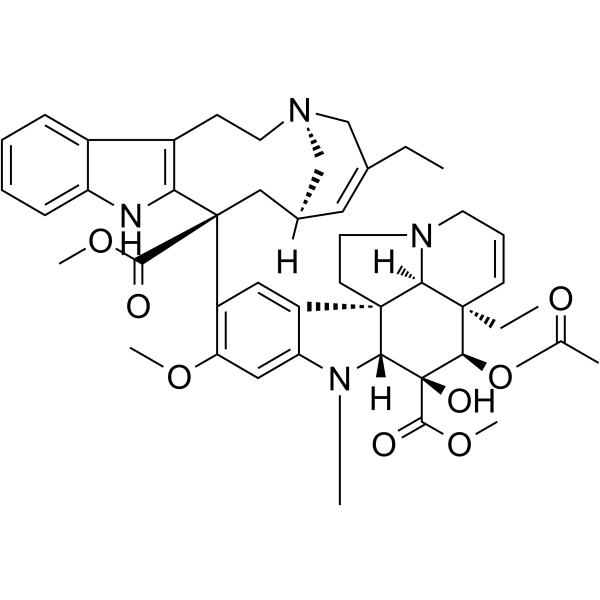
Anhydrovinblastine is a monoterpenoid indole alkaloid that can be isolated from Catharanthus roseus leaves .
|
-
-
- HY-N1948
-
|
|
Others
|
Others
|
|
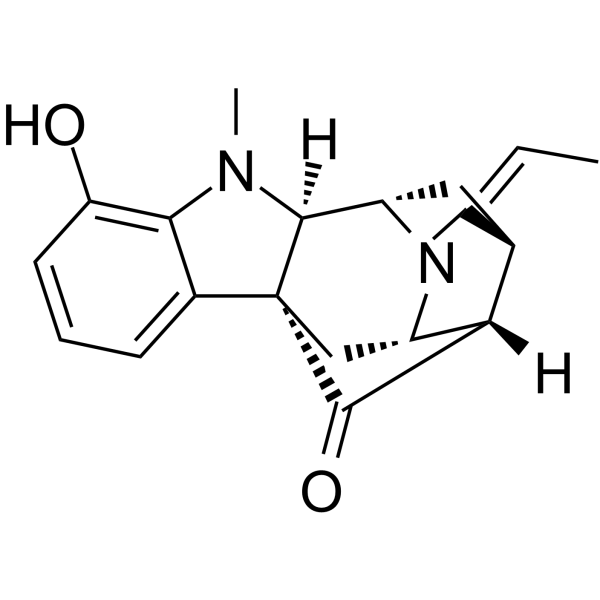
Mitoridine is an indole alkaloid compound isolated from the stem bark of Rauwolfia cumminsii Stapf .
|
-
-
- HY-N3374
-
|
10-O-Methylsarpagine
|
Others
|
Others
|
|
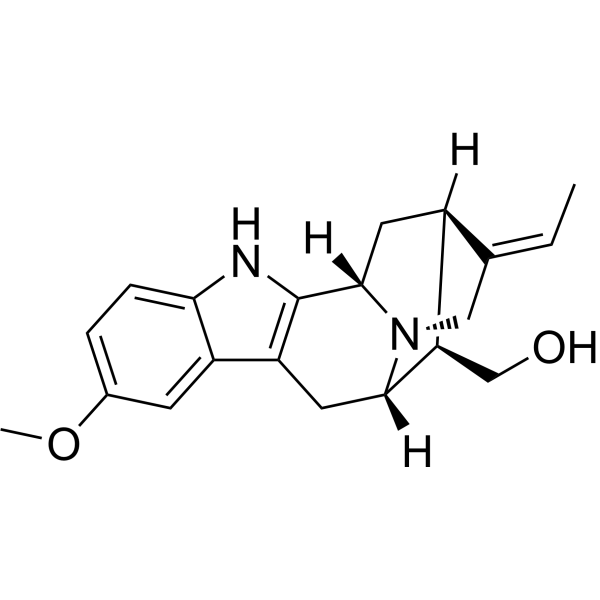
Lochnerine is an indole alkaloid can be isolated from the stem bark extract of Alstonia macrophylla .
|
-
-
- HY-N12187
-
|
|
Others
|
Others
|
|
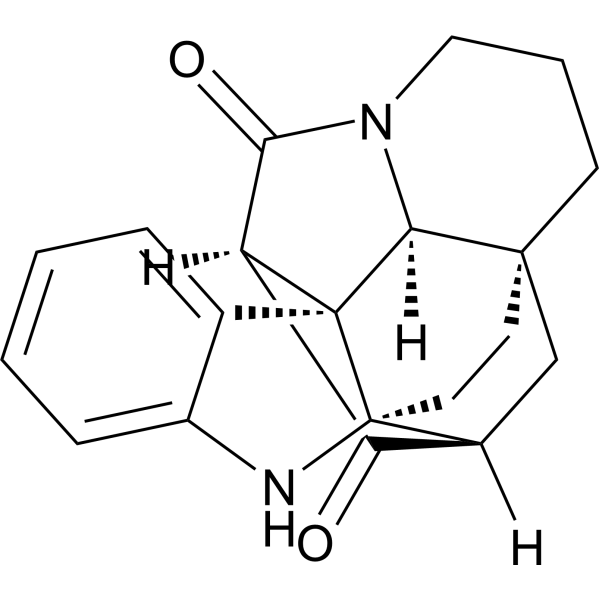
5,22-Dioxokopsane is a monoterpenoid indole alkaloid derived from Kopsia officinalis .
|
-
-
- HY-N0675A
-
|
|
Microtubule/Tubulin
|
Cancer
|
|
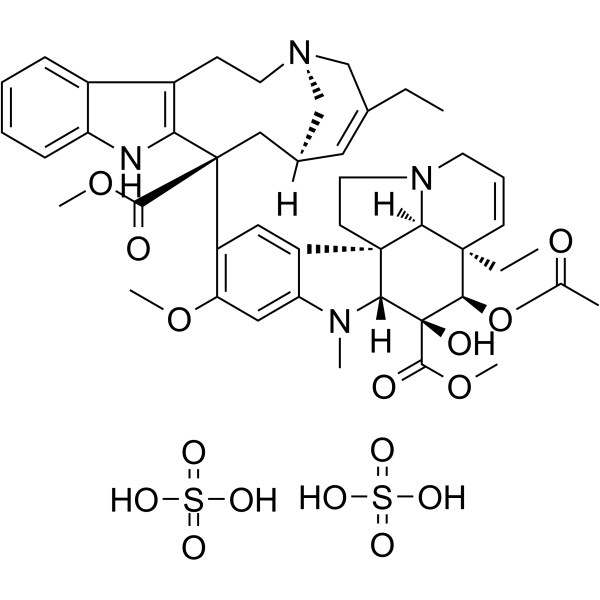
Anhydrovinblastine sulfate is a monoterpenoid indole alkaloid that can be isolated from Catharanthus roseus leaves .
|
-
-
- HY-118779
-
-

-
- HY-N1611
-
|
(E)-Vallesamine
|
Others
|
Others
|
|
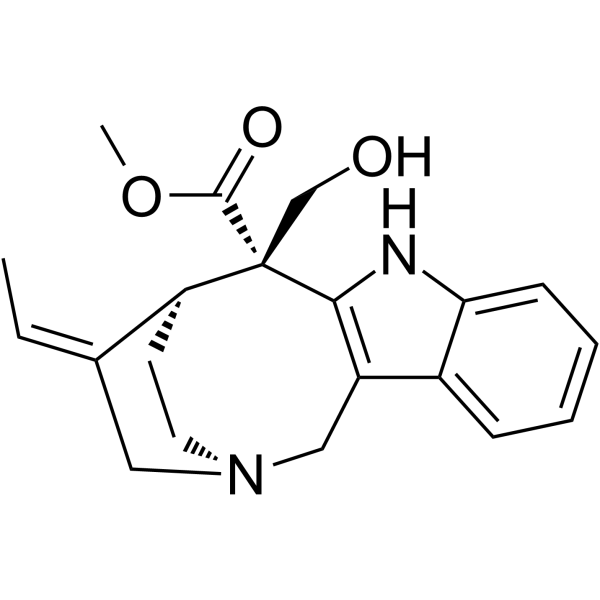
19,20-(E)-Vallesamine is an indole alkaloid compound isolated from the stems of Ervatamia yunnanensis .
|
-
-
- HY-125538
-
-
-
- HY-N1013
-
|
|
Others
|
Others
|
|
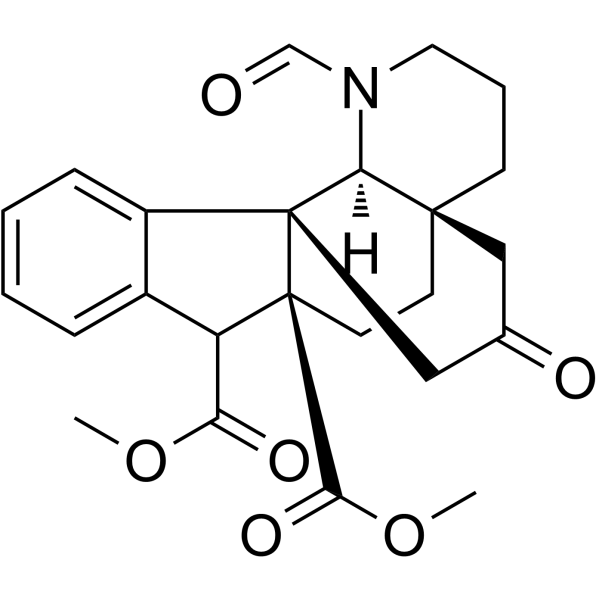
11,12-De(methylenedioxy)danuphylline is an indole alkaloid compound isolated from the leaves and stems of Kopsia officinalis .
|
-
-
- HY-N0959
-
|
16(R)-19,20-E-Isositsirikine
|
Drug Derivative
|
Others
|
|
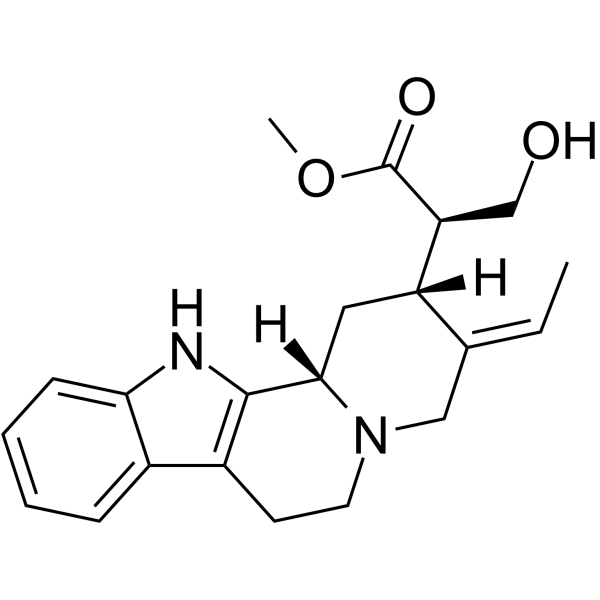
(16R)-E-Isositsirikine is an indole alkaloid compound from Catharanthus roseus Tissue Cultures IV1 .
|
-
- HY-122405
-
|
|
Others
|
Cardiovascular Disease
|
|
Quebrachidine is an indole alkaloid that exhibits antiarrhythmic profile. Quebrachidine also demonstrates a net positive inotropic action on cardiac tissues .
|
-

- HY-N12242
-
|
|
Others
|
Others
|
|
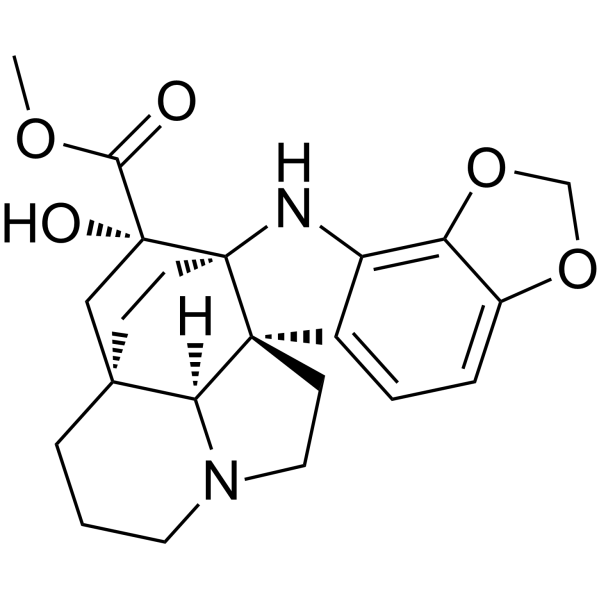
(-)-11,12-Methylenedioxykopsinaline (Compound 4) is the single terpenoids indole alkaloids which is isolated from Kopsia officinalis .
|
-
- HY-N3217
-
|
|
Others
|
Others
|
|
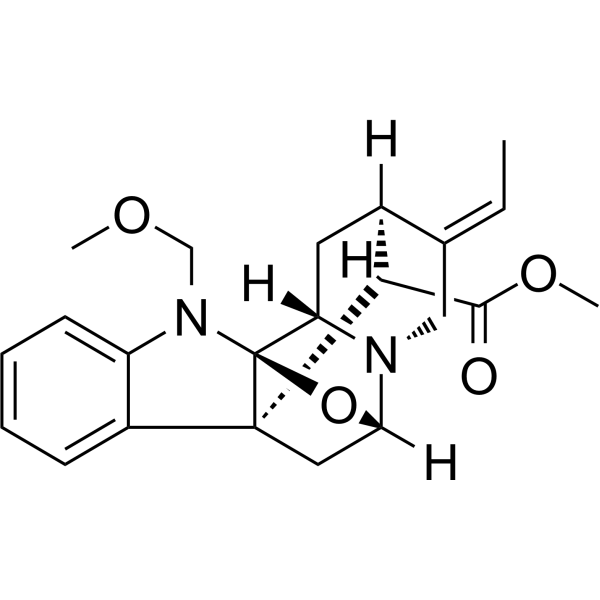
N1-Methoxymethyl picrinine (compound 3) is an indole alkaloid that can be isolated from the leaves of Alstonia scholaris .
|
-
- HY-135743
-
|
cis-Apovincamine; (+)-Apovincamine
|
Tyrosinase
|
Cancer
|
|
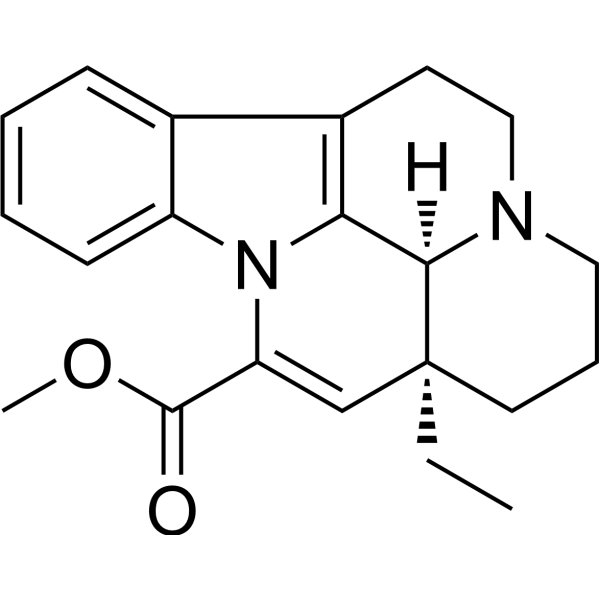
Apovincamine (cis-Apovincamine) is an indole alkaloid isolated from the Malaysian Alstonia pneumatophora (Apocynaceae). Apovincamine shows anti-melanogenesis activity .
|
-
- HY-N9161
-
|
|
Others
|
Cancer
|
|
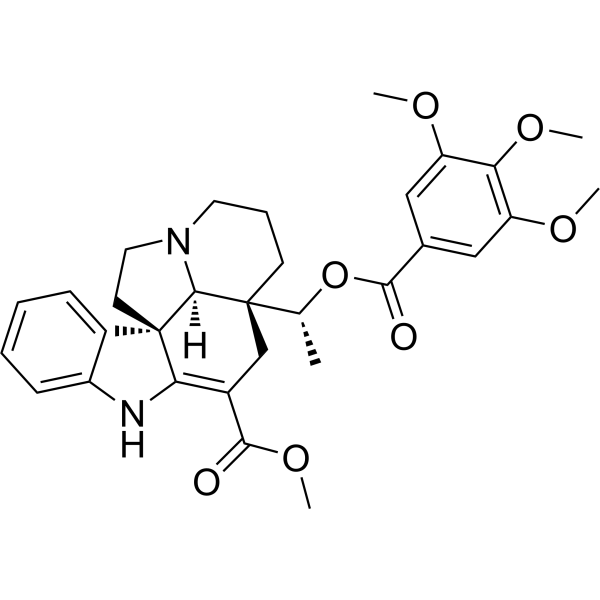
Echitoveniline, a monoterpenoid indole alkaloid, can be isolated from Alstonia mairei. Echitoveniline has no significant cytotoxicity against cancer cells (IC50: > 40 μM) .
|
-
- HY-N1018
-
|
|
Others
|
Others
|
|
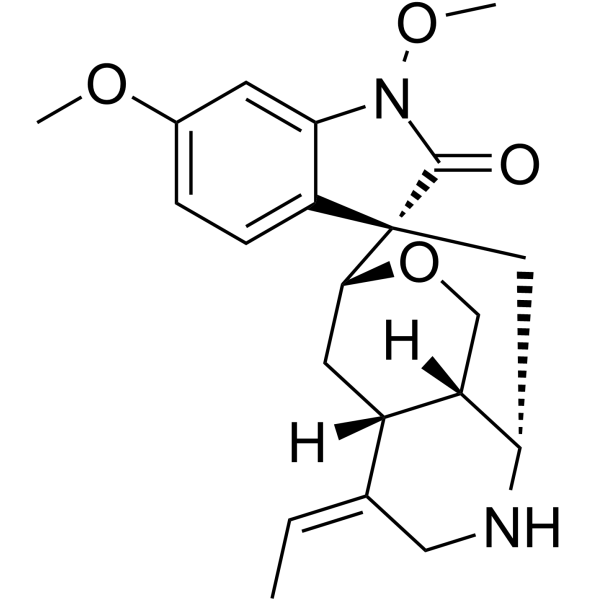
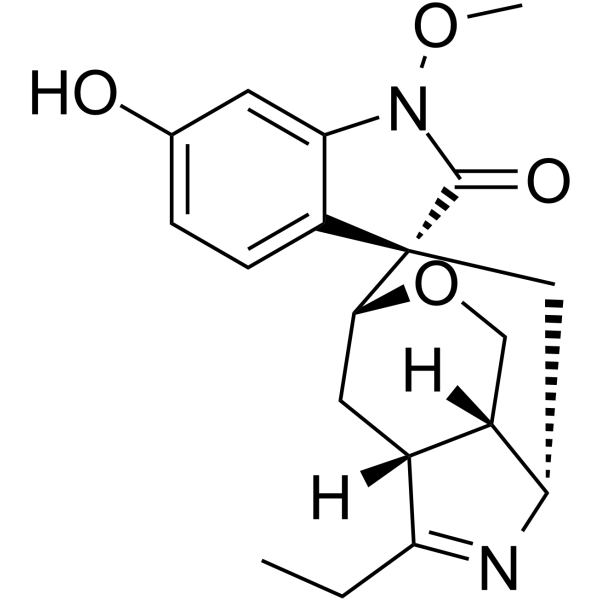
11-Hydroxygelsenicine is a 11-hydroxy-substituted gelsedine-type indole alkaloid compound isolated from the EtOH extract of the stems of Gelsemium elegans .
|
-
- HY-122786
-
|
|
Antibiotic
HIV
|
Infection
|
|
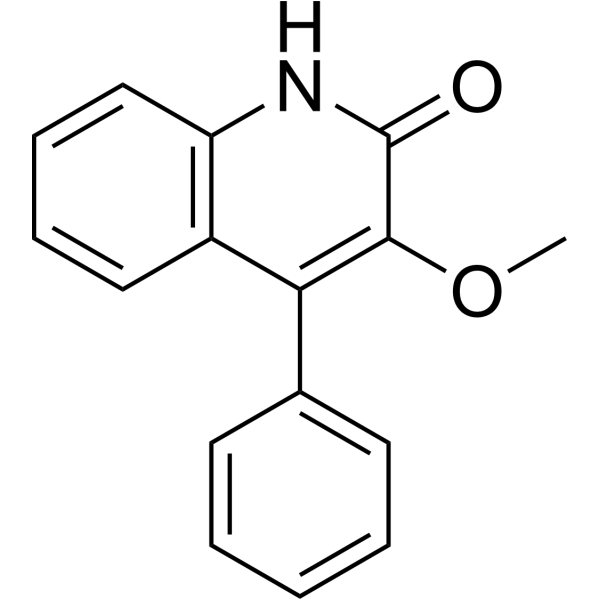
3-O-Methylviridicatin is an indole alkaloid. 3-O-Methylviridicatin inhibits TNF-alpha induced HIV replication with an IC50 of 2.5 μM .
|
-
- HY-N12364
-
|
|
Others
|
Cancer
|
|
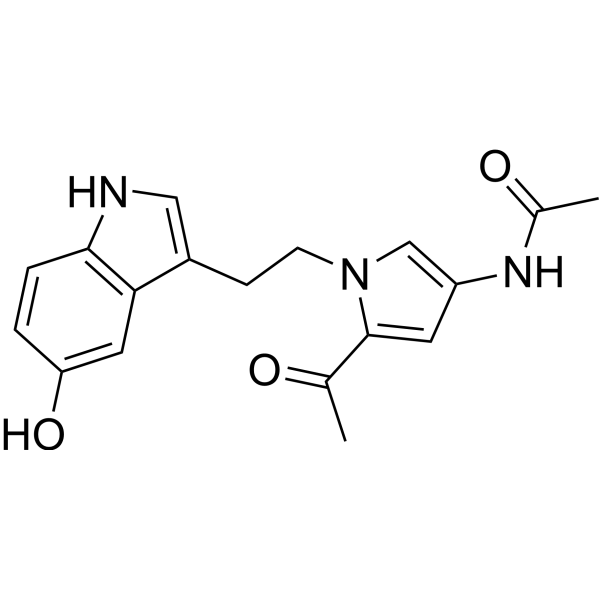
Bufoserotonin C is a new indole alkaloid from the traditional Chinese medicine Chansu that has antitumor activity, with IC 50 of 34.3 μM in A549 cells .
|
-
- HY-158702
-
|
|
5-HT Receptor
|
Neurological Disease
|
|
5-HTQ chloride is an indole alkaloid that can be isolated from the skin secretions of the Australian golden bell frog Litoria aurea. 5-HTQ chloride is also a full agonist of the 5-HT receptor .
|
-

- HY-N0275R
-
|
(±)-10-HCPT (Standard)
|
Topoisomerase
Reference Standards
|
Cancer
|
|
(±)-10-Hydroxycamptothecin (Standard) is the analytical standard of (±)-10-Hydroxycamptothecin. This product is intended for research and analytical applications. (±)-10-Hydroxycamptothecin is an indole alkaloid that inhibits the activity of topoisomerase I and has a broad spectrum of anticancer activity.
|
-

- HY-N12171
-
|
|
Bacterial
|
Infection
Neurological Disease
|
|
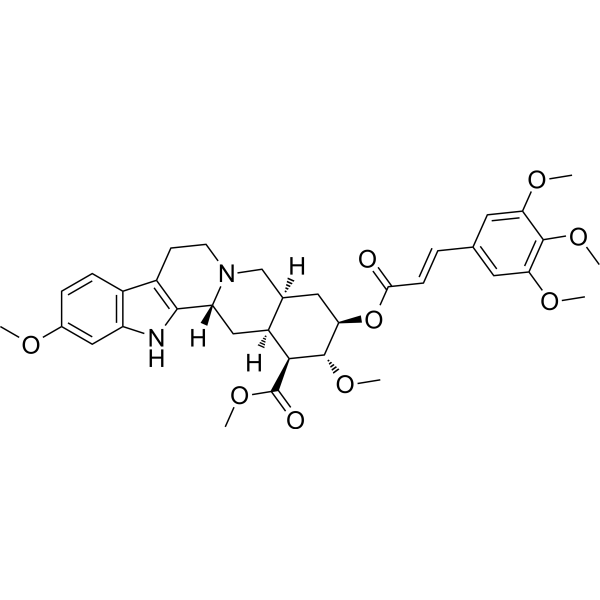
Isoreserpiline is an orally active and BBB-penetrable indole alkaloids with antibacterial and antipsychotic activity. Isoreserpiline is even more effective when used in combination with antibiotics and inhibits the activity of bacterial efflux pumps. Isoreserpiline improves Amphetamine-induced hyperactivity in mice .
|
-

- HY-W665464
-
|
|
Drug Derivative
Topoisomerase
|
Cancer
|
|
(Rac)-7-Ethyl-10-hydroxycamptothecin is the derivative of (±)-10-Hydroxycamptothecin (HY-N0275). (±)-10-Hydroxycamptothecin is an indole alkaloid that inhibits the activity of topoisomerase I and has a broad spectrum of anticancer activity .
|
-

- HY-N7507
-
|
|
Others
|
Cancer
|
|
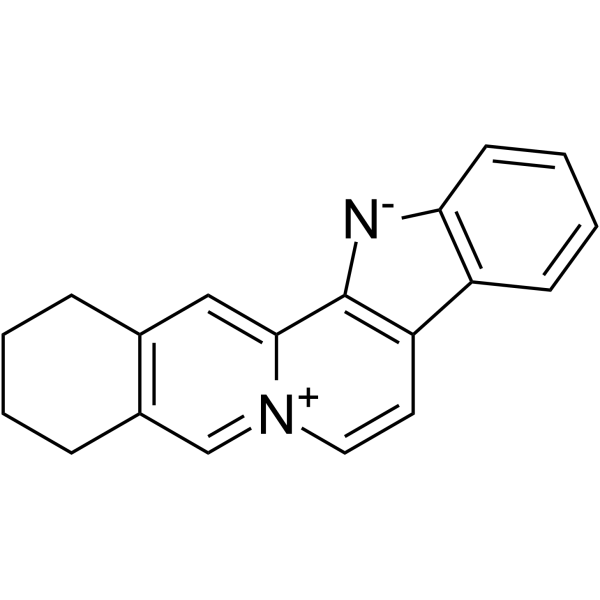
Sempervirine is an indole alkaloid isolated from Gelsemium sempervirens with anti-tumor activities. Sempervirine is against sempervirine-sensitive tumor cells with EC50 values of 2.7 μM, 1.77 μM, and 1.96 μM for Raji, MDA-MB-231 and HeLa cells, respectively .
|
-
- HY-N16645
-
|
|
Cholinesterase (ChE)
|
Cancer
|
|
Plasiaticine B (Compound 2) is an indole alkaloid found in Plantago asiatica. Plasiaticine B shows no significant cytotoxicity to HL-60, A-549 and MCF-7 cells with IC50 >40 μM. Plasiaticine B shows no significant inhibitory effect on AChE, with an inhibition rate <60% .
|
-

- HY-N7484
-
|
|
Fungal
|
Cancer
|
|
(−)-Voacangarine is an indole alkaloid, which exhibits cytotoxic effects against cancer cells HepG2, A375, MDA-MB-231, SH-SY5Y, and CT26 with IC50 of 5~20 mg/mL. (−)-Voacangarine inhibits the cultivation of Saccharomyces cerevisiae wildtype and repair-deficient mutants .
|
-

- HY-B1021R
-
|
|
Reference Standards
Free Fatty Acid Receptor
|
Cardiovascular Disease
Metabolic Disease
|
|
Vincamine (Standard) is the analytical standard of Vincamine. This product is intended for research and analytical applications. Vincamine is a monoterpenoid indole alkaloid extracted from the Madagascar periwinkle. Vincamine is a peripheral vasodilator and exerts a selective vasoregulator action on the brain microcapilar circulation . Vincamine is a GPR40 agonist and acts as a β-cell protector by ameliorating β-cell dysfunction and promoting glucose-stimulated insulin secretion (GSIS). Vincamine improves glucose homeostasis in vivo, and has the potential for the type 2 diabetes mellitus (T2DM) research .
|
-

- HY-126638
-
|
NSC 324645
|
Parasite
|
Infection
|
|
Marcfortine A is an indole alkaloid originally isolated from P. roqueforti. It has nematocidal activity against the parasitic nematode H. contortus (LD99=0.06 μg/mL) and inhibits motility of adult worms (EC50=2 μM). Marcfortine A eliminates H. contortus, T. colubriformis, and O. ostertagi from experimentally infected jirds (ED95s=0.33, 0.11, and 2.5 mg/animal, respectively). It dose-dependently inhibits nicotine-induced calcium mobilization in SH-SY5Y and TE-671 cells expressing α3 subunit-containing human nicotinic acetylcholine receptors (nAChRs) and muscle-type nAChRs, respectively.
|
-

- HY-N3618
-
|
12,13-Dimethoxycoronaridine
|
Others
|
Cardiovascular Disease
Neurological Disease
|
|
Conopharyngine (12,13-Dimethoxycoronaridine) is the indole-alkaloid that can be isolated from Tabernaemontana pachysiphon. Conopharyngine affects the functions of cardiovascular and smooth muscle, and exhibits analgesic and nervous system stimulating activity .
|
-

- HY-N19310
-
|
|
Drug Intermediate
|
Others
|
|
Stemmadenine is a strychnos-type monoterpenoid indole alkaloid that serves as a biosynthetic precursor of the monoterpenoid indole alkaloid skeleton .
|
-

- HY-N8871
-
|
|
Others
|
Others
|
|
Rauvovertine B is a hexacyclic monoterpenoid indole alkaloid that can be found in Rauvolfia verticillata .
|
-
- HY-168360
-
-

- HY-N2700
-
|
|
Others
|
Cancer
|
|
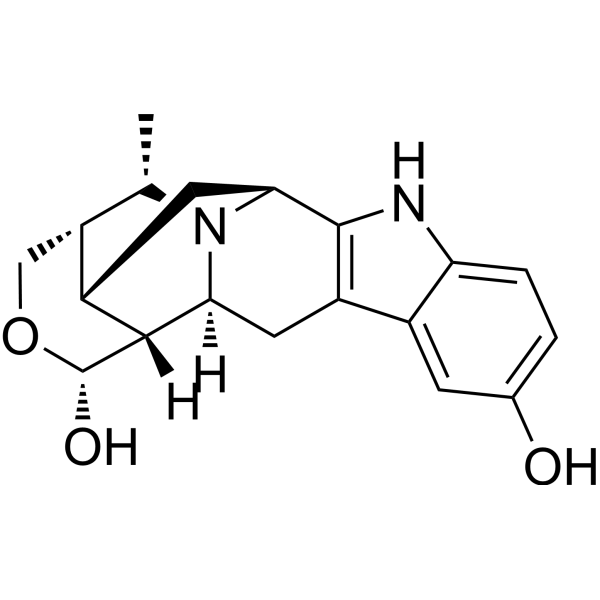
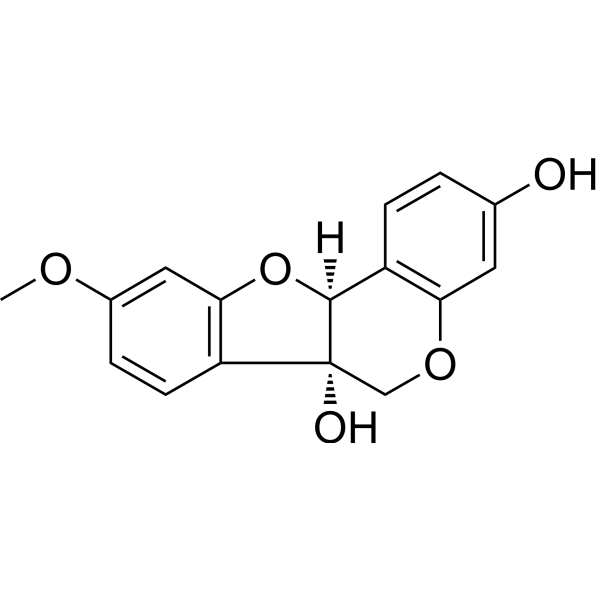
6a-Hydroxymedicarpin is a monoterpenoid indole alkaloid that can be isolated from Ochrosia elliptica. 6a-Hydroxymedicarpin has anticancer activity .
|
-
- HY-N15747
-
|
(-)-Mycoleptodiscin A
|
Apoptosis
|
Cancer
|
|
Mycoleptodiscin A ((-)-Mycoleptodiscin A) is a cytotoxic indole alkaloid found in fungus. Mycoleptodiscin A exerts cytotoxic effects by inducing apoptosis or inhibiting cell cycle progression .
|
-

- HY-N19716
-
|
|
Drug Derivative
|
Others
|
|
Austamide is an indole alkaloid found in cultures of Aspergillus ustus. Austamide undergoes biosynthesis via the classical mevalonate pathway with nonface-selective reverse prenylation of its indole ring .
|
-

- HY-E71185
-
|
|
Biochemical Assay Reagents
|
Others
|
|
12α,13α-Dihydroxyfumitremorgin C prenyltransferase (EC 2.5.1.110) is involved in the biosynthetic pathways of several indole alkaloids such as fumitremorgins and verruculogen.
|
-

- HY-N18090
-
|
|
Drug Derivative
|
Others
|
|
Voacamidine is an iboga-vobasinyl dimeric monoterpenoid indole alkaloid found in the root bark of Voacanga africana. Voacamidine undergoes cleavage in acid media to produce Voacangine (HY-N7536) .
|
-

- HY-N16759
-
|
|
Others
|
Cancer
|
|
Apparicine is a monoterpene indole alkaloid that can be naturally extracted from the stems of Tabernaemontana divaricata. Apparicine shows no cytotoxicity against MCF-7 human breast cancer cells and A-549 human lung cancer cells .
|
-

- HY-N19506
-
|
|
Fungal
|
Infection
|
|
Vincadifformine N (4)-oxide is a monoterpenoid indole alkaloid. Vincadifformine N (4)-oxide can be isolated from Rhazya stricta. Vincadifformine N (4)-oxide shows a MIC > 50 μg/mL against tested Candida strains and exhibits no antifungal activity .
|
-

- HY-N19226
-
|
|
Endogenous Metabolite
|
Infection
|
|
1,1,3-Tris (3-indolyl) butane is an indole alkaloid. It is isolated from North Sea bacteria closely related to Vibrio parahaemolyticus. 1,1,3-Tris (3-indolyl) butane shows no activity against a variety of bacteria and fungi .
|
-

- HY-N16779
-
|
|
Others
|
Cardiovascular Disease
Neurological Disease
|
|
Angustine is a monoterpene indole alkaloid vasodilator. Angustine exhibits potent vasodilatory activity on isolated rat aorta at a concentration of 10 μM (vasodilation rate exceeding 90%). Angustine can be used in the study of diseases such as hypertension, cerebral vasospasm, and peripheral circulatory disorders. Angustine can be naturally extracted from the bark of Nauclea officinalis and is also present in plants of the genera Mitragyna, Uncaria, and Strychnos .
|
-

- HY-W014971S
-
|
|
Isotope-Labeled Compounds
Biochemical Assay Reagents
|
Others
|
|
Tryptamine-d2-1 hydrochloride is the deuterium labeled Tryptamine hydrochloride (HY-W014971). Tryptamine hydrochloride belongs to the class of indole alkaloids and is a derivative of the amino acid tryptophan. Tryptamine hydrochloride is psychoactive and acts as a neurotransmitter in the body, affecting mood, perception and cognition. In its hydrochloride form, Tryptamine hydrochloride hydrochloride, it is commonly used as a research chemical and as a starting material for the synthesis of other organic compounds. It can also occur naturally in certain plants and animals, including fungi and mammals. Due to the psychoactive properties of Tryptamine hydrochloride and its derivatives, its use and possession are controlled substances in many countries.
|
-

- HY-P4948
-
|
|
Biochemical Assay Reagents
|
Others
|
|
Coumarin-phalloidin is a kind of phalloidin labeled with Coumarin (HY-N0709). Coumarin-phalloidin is a new type of actin probe that can be used for triple immunofluorescence microscopic observation of the cell skeleton .
|
-

| Cat. No. |
Product Name |
Type |
-
- HY-W014971
-
|
|
Biochemical Assay Reagents
|
|
Tryptamine hydrochloride belongs to the class of indole alkaloids and is a derivative of the amino acid tryptophan. Tryptamine hydrochloride is psychoactive and acts as a neurotransmitter in the body, affecting mood, perception and cognition. In its hydrochloride form, Tryptamine hydrochloride hydrochloride, it is commonly used as a research chemical and as a starting material for the synthesis of other organic compounds. It can also occur naturally in certain plants and animals, including fungi and mammals. Due to the psychoactive properties of Tryptamine hydrochloride and its derivatives, its use and possession are controlled substances in many countries.
|
| Cat. No. |
Product Name |
Target |
Research Area |
-
- HY-P4948
-
|
|
Biochemical Assay Reagents
|
Others
|
|
Coumarin-phalloidin is a kind of phalloidin labeled with Coumarin (HY-N0709). Coumarin-phalloidin is a new type of actin probe that can be used for triple immunofluorescence microscopic observation of the cell skeleton .
|
| Cat. No. |
Product Name |
Chemical Structure |
-
- HY-W014971S
-
|
|
|
Tryptamine-d2-1 hydrochloride is the deuterium labeled Tryptamine hydrochloride (HY-W014971). Tryptamine hydrochloride belongs to the class of indole alkaloids and is a derivative of the amino acid tryptophan. Tryptamine hydrochloride is psychoactive and acts as a neurotransmitter in the body, affecting mood, perception and cognition. In its hydrochloride form, Tryptamine hydrochloride hydrochloride, it is commonly used as a research chemical and as a starting material for the synthesis of other organic compounds. It can also occur naturally in certain plants and animals, including fungi and mammals. Due to the psychoactive properties of Tryptamine hydrochloride and its derivatives, its use and possession are controlled substances in many countries.
|
-
Your information is safe with us. * Required Fields.
Inquiry Information
- Product Name:
- Cat. No.:
- Quantity:
- MCE Japan Authorized Agent:








