1. Search Result
Search Result
Pathways Recommended: Membrane Transporter/Ion Channel
Results for "

ion channel proteins

" in MedChemExpress (MCE) Product Catalog:

44

Inhibitors & Agonists

12

Screening Libraries

2

Biochemical Assay Reagents

6

Peptides

4

Natural
Products

6

Isotope-Labeled Compounds

1

Oligonucleotides

Cat. No. Product Name Target Research Areas Chemical Structure
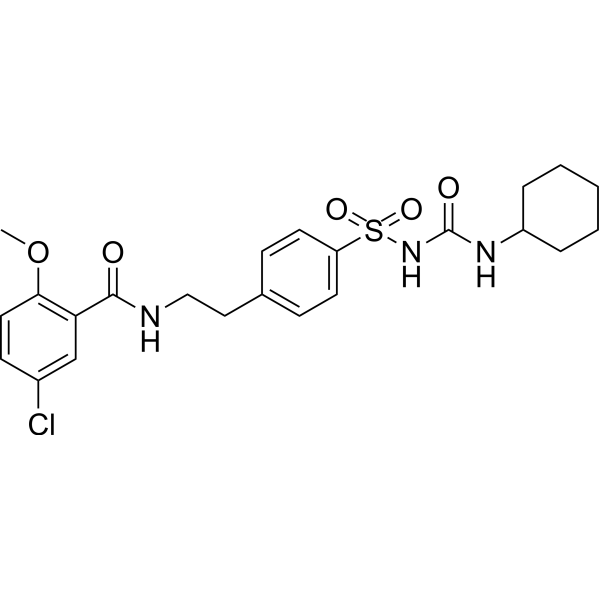
  • HY-15206
    Glibenclamide
    25+ Cited Publications

    Glyburide

    Potassium Channel Mitochondrial Metabolism Autophagy CFTR P-glycoprotein Metabolic Disease
    Glibenclamide (Glyburide) is an orally active ATP-sensitive K + channel (KATP) inhibitor and can be used for the research of diabetes and obesity . Glibenclamide inhibits P-glycoprotein. Glibenclamide directly binds and blocks the SUR1 subunits of KATP and inhibits the cystic fibrosis transmembrane conductance regulator protein (CFTR) . Glibenclamide interferes with mitochondrial bioenergetics by inducing changes on membrane ion permeability . Glibenclamide can induce autophagy .
    Glibenclamide
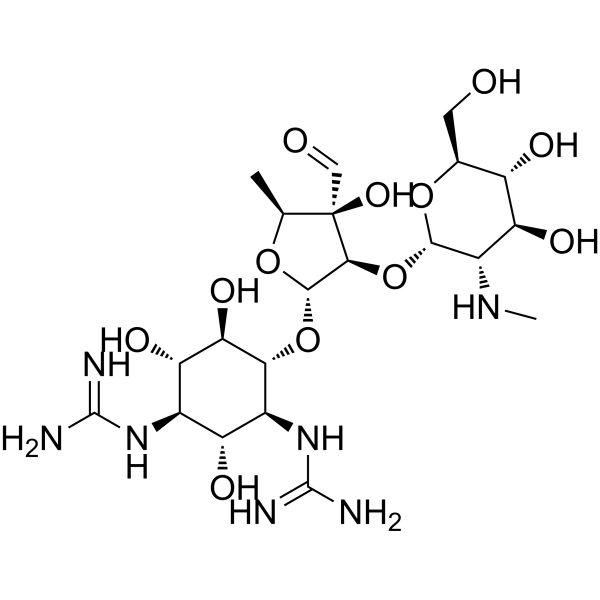
  • HY-B1906
    Streptomycin
    45+ Cited Publications

    Agrept; Agrimycin; Streptomycin A

    Environmental Pollutants Antibiotic Bacterial Infection Neurological Disease
    Streptomycin (Agrept) is an effective antibiotic against M. tuberculosis, is used for the research of tuberculosis (TB). Streptomycin also is a bacteriocidal agent that can be used for the research of a number of bacterial infections. Streptomycin can bind strongly to nucleic acids, interferes and blocks protein synthesis while permitting continued RNA and DNA synthesis. Streptomycin, as a common antibiotic used in culture media, also is a blocker of stretch-activated and mechanosensitive ion channels in neurons and cardiac myocytes .
    Streptomycin
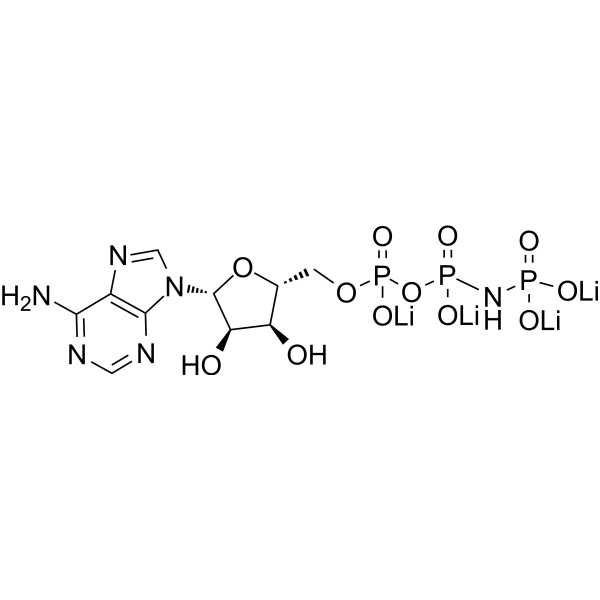
  • HY-128933
    AMP-PNP tetralithium
    3 Publications Verification

    Adenylyl-imidodiphosphate tetralithium

    Potassium Channel Metabolic Disease
    AMP-PNP (Adenylyl-imidodiphosphate) tetralithium is a non-hydrolyzable ATP analog. AMP-PNP tetralithium binds to ATP binding sites competely but is not hydrolyzed by enzymes, providing stable experimental conditions for studying ATP-dependent processes. AMP-PNP tetralithium can also be used to study enzyme activity, kinase regulation, DNA/RNA metabolism, ion channel function, and protein complex assembly .
    AMP-PNP tetralithium
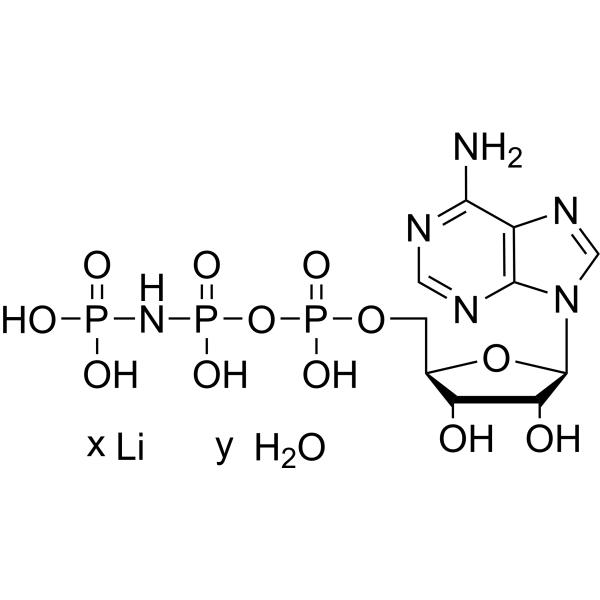
  • HY-130777A
    AMP-PNP lithium hydrate
    3 Publications Verification

    Adenylyl imidodiphosphate lithium hydrate

    Drug Derivative Metabolic Disease
    AMP-PNP (Adenylyl imidodiphosphate) lithium hydrate is a non-hydrolyzable ATP analog. AMP-PNP lithium hydrate binds to ATP binding sites competely but is not hydrolyzed by enzymes, providing stable experimental conditions for studying ATP-dependent processes. AMP-PNP lithium hydrate can also be used to study enzyme activity, kinase regulation, DNA/RNA metabolism, ion channel function, and protein complex assembly .
    AMP-PNP lithium hydrate
  • HY-143202

    Liposome Biochemical Assay Reagents Others
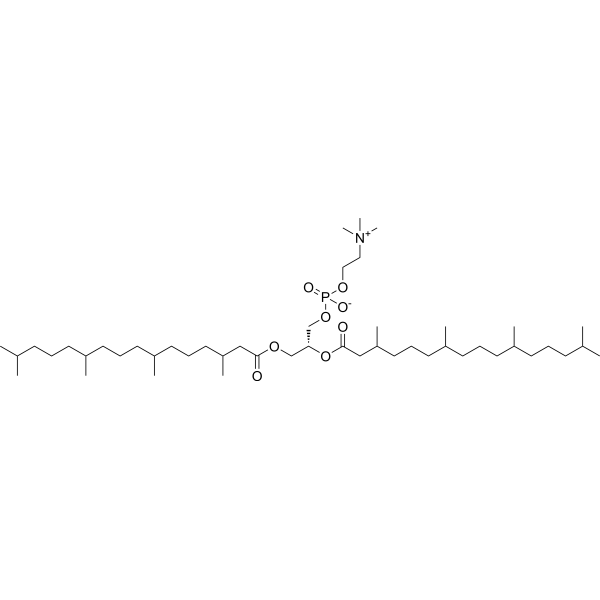
    DPhPC is a phospholipid compound characterized by high mechanical and chemical stability, broad temperature phase stability, and high electrical resistance. DPhPC readily forms unilamellar vesicles and solid-supported bilayers. DPhPC is commonly used as a component of nanoliposomal drug carriers or as a model membrane material for studies on membrane proteins/ion channels .
    DPhPC
  • HY-33878

    Potassium Channel Proton Pump Neurological Disease
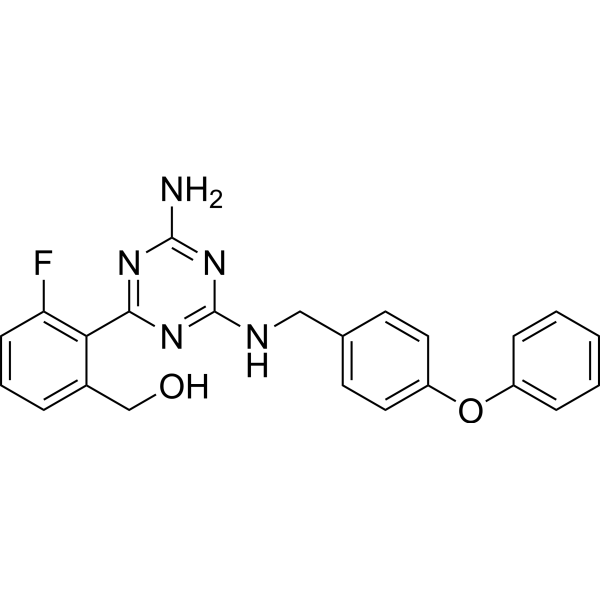
    2-PPA is a lysosomal potassium and proton channel TMEM175 pore blocker. 2-PPA binds at a TMEM175 pore site to occlude potassium and proton ion permeation pathways. 2-PPA increases lysosomal macromolecule catabolism, accelerates macropinocytosis. 2-PPA binds to hepatic protein in covalent. 2-PPA can be used for the research of Parkinson's disease .
    2-PPA
  • HY-B0338

    1-Rimantadine

    Influenza Virus Autophagy Infection
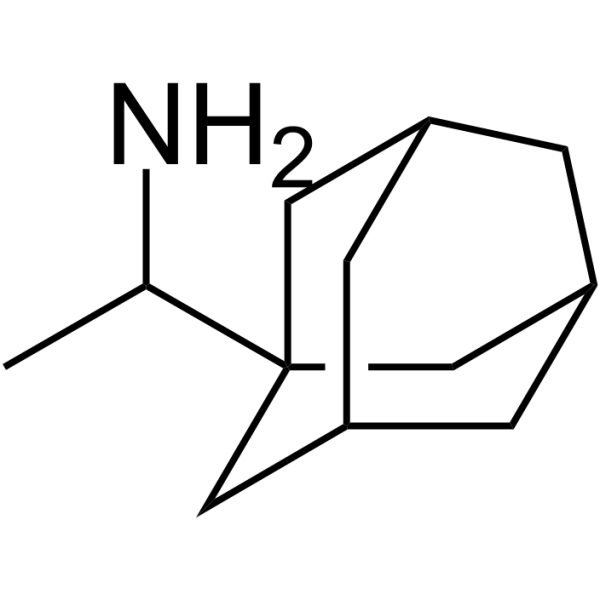
    Rimantadine (1-Rimantadine) is an orally active inhibitor for M2 protein, which blocks the hydrogen ion channel activity, prevents the entry and replication of the virus, and exhibits board-spectrum antiviral activity. Rimantadine significantly inhibits hepatitis A virus (HAV) replication at the post-entry stage in Huh7 cells. Rimantadine enhances autophagy. Rimantadine has a significant protective effect against H3N2 virus in mouse model .
    Rimantadine
  • HY-B0338A

    Influenza Virus Autophagy Infection
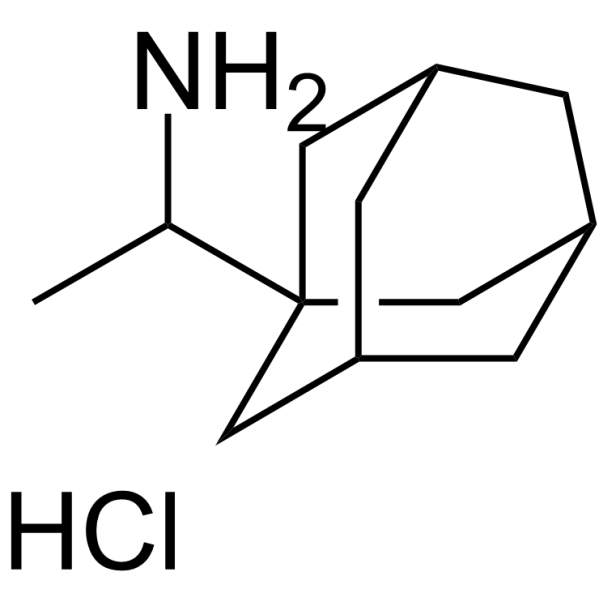
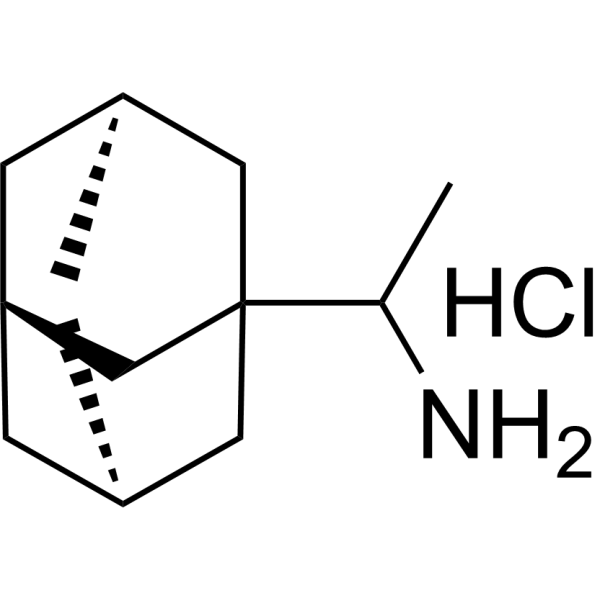
    Rimantadine hydrochloride (Flumadine hydrochloride) is an orally active inhibitor for M2 protein, that blocks the hydrogen ion channel activity, prevents the entry and replication of the virus, and exhibits board-spectrum antiviral activity .
    Rimantadine hydrochloride
  • HY-141796

    PROTACs WDR5 Cancer
    MS67 is a potent and selective WD40 repeat domain protein 5 (WDR5) degrader with a Kd of 63 nM. MS67 is inactive against other protein methyltransferases, kinases, GPCRs, ion channels, and transporters. MS67 shows potent acticancer effects .
    MS67
  • HY-134494
    MS48107
    2 Publications Verification

    GPR68 Neurological Disease
    MS48107 is a potent and selective positive allosteric modulator of G protein-coupled receptor 68 (GPR68). MS48107 is selective for GPR68 over the closely related proton GPCRs, neurotransmitter transporters, and hERG ion channels. MS48107 can readily cross the blood-brain barrier (BBB) in mice .
    MS48107
  • HY-111866
    PROTAC RIPK degrader-2
    1 Publications Verification

    PROTACs RIP kinase Metabolic Disease Cancer
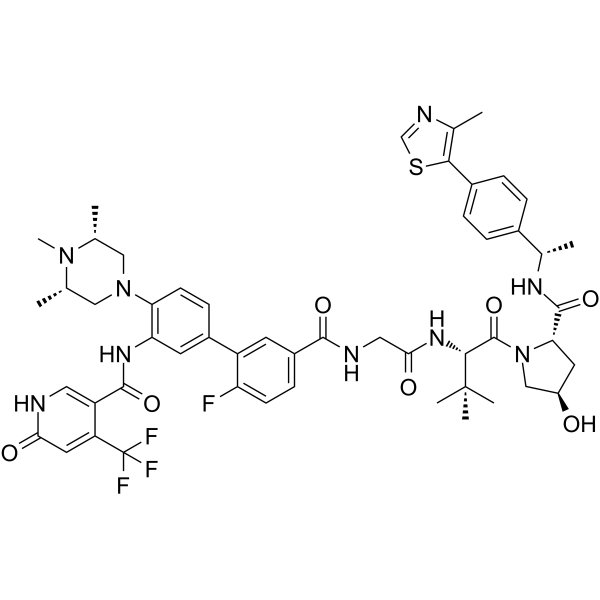
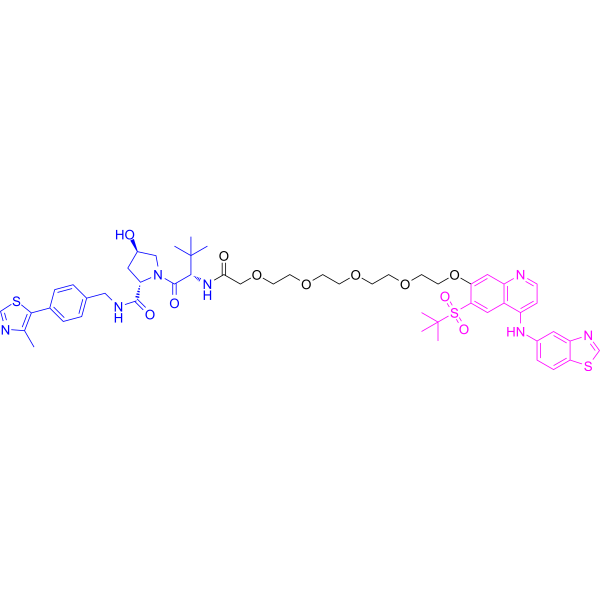
    PROTAC RIPK degraders -2 is a non-peptide PROTAC based on von Hippel-Lindau and targets serine-threonine kinase RIPK2, which is highly selective to the degradation of RIPK2. PROTAC RIPK degrader-2 acts as an activator to increase cell death and activate ion channels in cancer cells. PROTAC RIPK degrader-2 also can inhibit protein interactions, such as receptors and ligands, involved in a variety of diseases, such as cancer and diabetes .
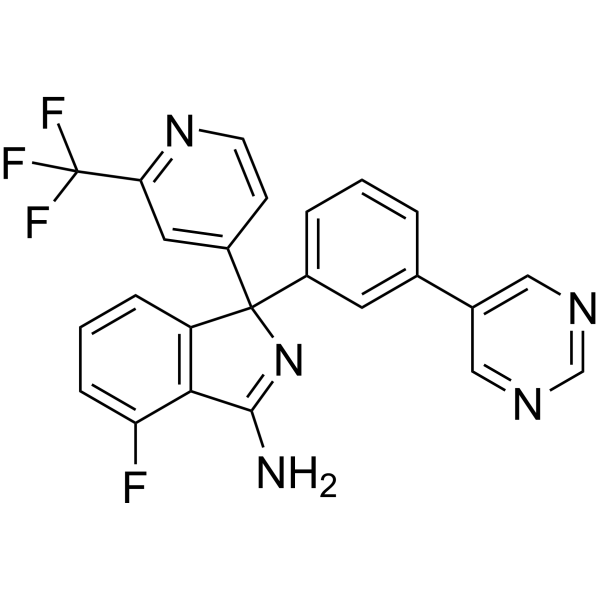
    PROTAC RIPK degrader-2
  • HY-153468

    TEQ103; Sera2

    Sodium Channel TRP Channel Cancer
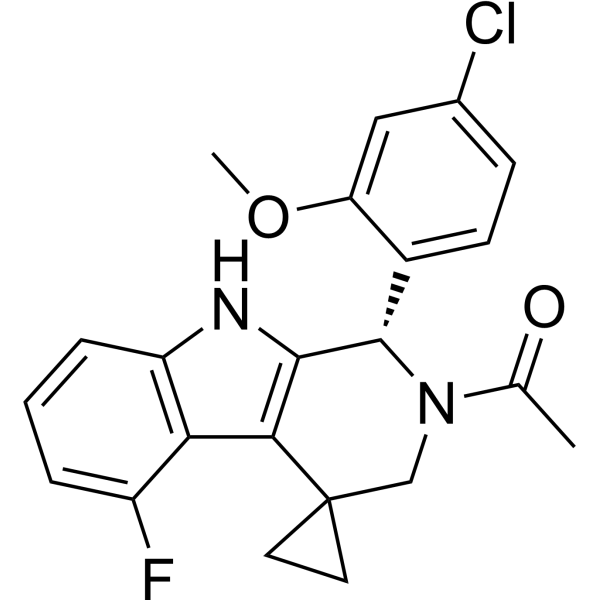
    ErSO-TFPy (TEQ103) is an ERα+ tumor cell inhibitor with low nanomolar cytotoxic activity against ERα+ breast cancer cells. ErSO-TFPy activates the sodium channel TRPM4, causes an imbalance of intracellular calcium and sodium ions. ErSO-TFPy dysregulates calcium homeostasis in ERα+ tumor cells, triggers the anticipatory unfolded protein response, and induces rapid immune cell-independent necrotic cell death. ErSO-TFPy can be used for the research of estrogen receptor alpha positive breast cancer .
    ErSO-TFPy
  • HY-P5712
    Gramicidin S
    1 Publications Verification

    Gramicidin soviet

    Antibiotic Bacterial Na+/K+ ATPase Infection
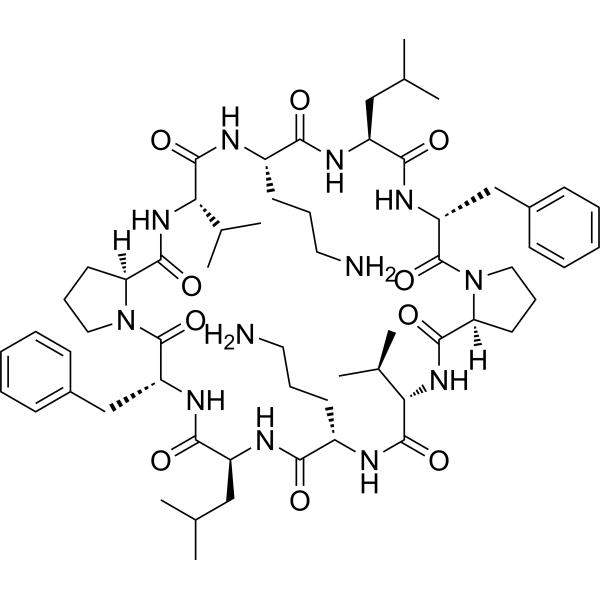
    Gramicidin S (Gramicidin soviet) is a cationic cyclic peptide antibiotic that selectively targets bacterial cell membranes and has anticancer activity. Gramicidin S also exerts antibacterial activity by destroying membrane integrity and interfering with membrane protein function. Gramicidin S inserts into the phospholipid bilayer through hydrophobic amino acid residues, specifically binds to negatively charged membrane lipids and disrupts membrane structure, thereby inhibiting cell division and cell wall synthesis, and ultimately causing bacterial death. Gramicidin S also inhibits ion channels, with IC50s of 41 μM, 24 μM, and 3 μM for Na +/K +-ATPase, tobacco leaf plasma membrane Mg 2+/K +-ATPase, and rat heart plasma membrane Ca 2+-ATPase, respectively .
    Gramicidin S
  • HY-P1248

    NPFF

    Neuropeptide FF Receptor Cardiovascular Disease Neurological Disease
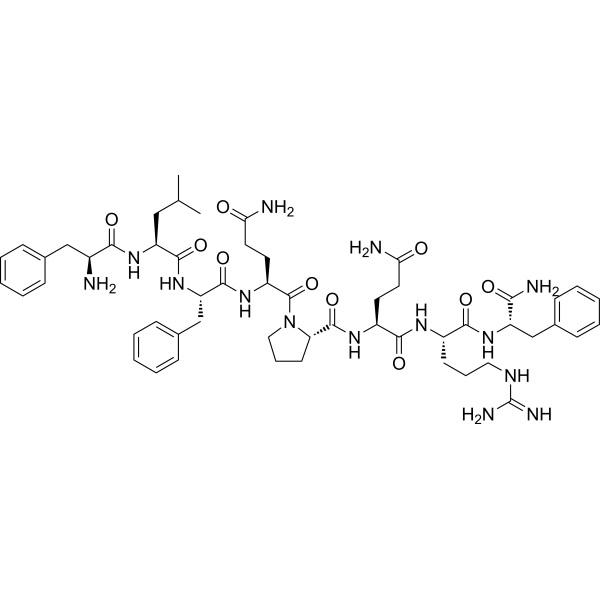
    Neuropeptide FF (NPFF), an octapeptide belonging to the RF-amide family of peptides, is a NPFF1 and NPFF2 receptors agonist with Ki values of 2.82 nM and 0.21 nM, respectively. Neuropeptide FF induces abstinence syndrome, exerts antiopioid and analgesic effects, releases via calcium-dependent mechanisms from rat spinal cord, regulates memory, autonomic function, and neuroendocrine function, modulates pain and opioid antinociception, reduces food intake, stimulates water intake, alters cardiovascular parameters, and shows differential activity in hypothalamic paraventricular nucleus neurons. Neuropeptide FF is present in mammalian central nervous system and periphery, with NPFF-immunoreactivity increases in rat cerebrospinal fluid during opiate tolerance, and its NPFF gene and NPFF-R2 gene are up-regulated in rat spinal cord and dorsal root ganglia during peripheral inflammation. Neuropeptide FF can be used for the research of opioid tolerance, morphine-induced analgesia, abstinence syndrome, pain, hypertension, nociception, inflammatory pain, and neuropathic pain .
    Neuropeptide FF
  • HY-113037

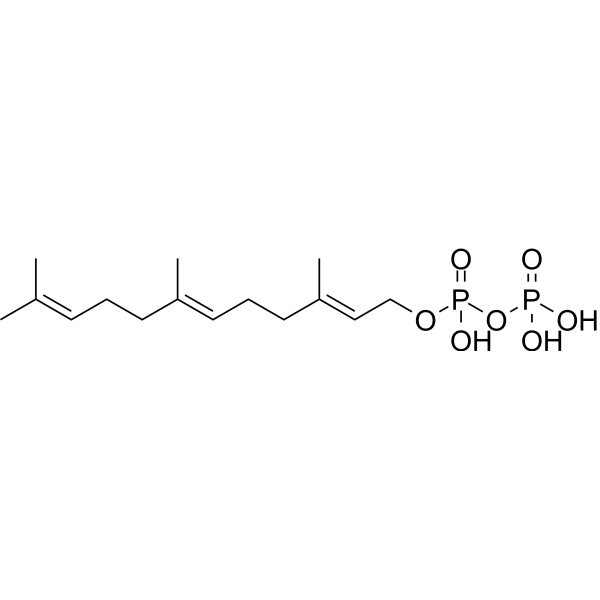
    (E/Z)-Farnesyl diphosphate

    TRP Channel Endogenous Metabolite Neurological Disease
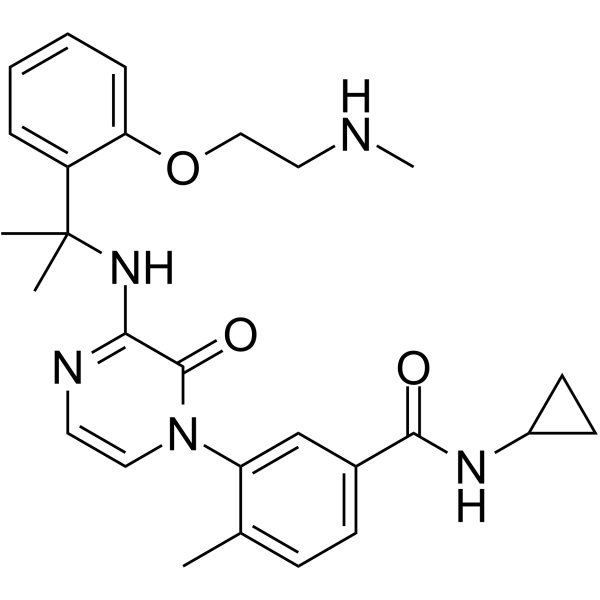
    (E/Z)-Farnesyl pyrophosphate ((E/Z)-Farnesyl diphosphate), a 15-carbon isoprenoid, is a metabolic intermediate of the mevalonate (MVA) pathway. (E/Z)-Farnesyl pyrophosphate is a TRPM2 (TRP Channel) agonist, activates TRPM2 opening for ion influx. (E/Z)-Farnesyl pyrophosphate is a key branch substrate for cholesterol synthesis, ubiquinones synthesis, protein farnesylation decoration, and geranyl-geranyl pyrophosphate (GGPP) synthesis .
    (E/Z)-Farnesyl pyrophosphate
  • HY-136832

    Serotonin Transporter Potassium Channel Arrestin Opioid Receptor Cardiovascular Disease Neurological Disease
    Noribogaine hydrochloride is an orally active, blood-brain barrier permeable SERT inhibitor (IC50=50-300 nM) and hERG channel blocker. Noribogaine hydrochloride enhances serotonergic transmission, activates the κ-opioid receptor (OPRK) G protein signaling pathway and inhibits β-arrestin recruitment. Meanwhile, Noribogaine hydrochloride blocks the μ-opioid receptor (OPRM) signaling pathway as well as ion channels associated with cardiac repolarization. Noribogaine hydrochloride induces neuritogenesis, upregulates GDNF mRNA expression, and modulates opioid tolerance. Noribogaine hydrochloride reduces alcohol-seeking behavior in experimental animals, and is widely used in studies related to depression, addiction, alcoholism, and cardiotoxicity .
    Noribogaine hydrochloride
  • HY-111191
    ONO-2952
    1 Publications Verification

    Adrenergic Receptor Neurological Disease
    ONO-2952 is a potent, selective and orally active translocator protein 18 kDa (TSPO) antagonist with Ki of 0.33-9.30 nM for rat and human TSPO. ONO-2952 is more selective for TSPO than other receptors, transporters, ion channels and enzymes. ONO-2952 exerts its anti-stress effects through inhibition of excessive activation of noradrenergic system in the brain without the amnesic effect. ONO-2952 has the potential for irritable bowel syndrome treatment .
    ONO-2952
  • HY-P1411
    Psalmotoxin 1
    Maximum Cited Publications
    6 Publications Verification

    PcTx1; Psalmopoeus cambridgei toxin-1

    Sodium Channel Apoptosis Neurological Disease Cancer
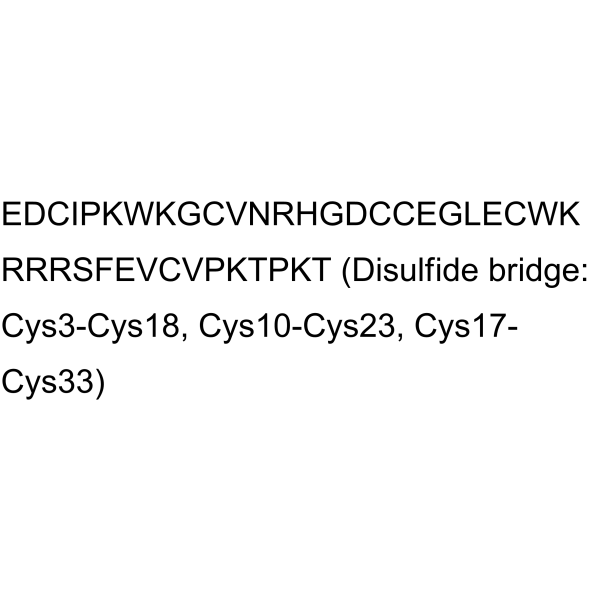
    Psalmotoxin 1 (PcTx1) is a protein toxin that can bind at subunit-subunit interfaces of acid-sensing ion channel 1a (ASIC1a). Psalmotoxin 1 is a potent and slective ASIC1a inhibitor (IC50: 0.9 nM) by increasing the apparent affinity for H + of ASIC1a. Psalmotoxin 1 can induce cell apoptosis, also inhibits cell migration, proferliration and invasion of cancer cells. Psalmotoxin 1 can be used in the research of cancers, or neurological disease .
    Psalmotoxin 1
  • HY-15206S1

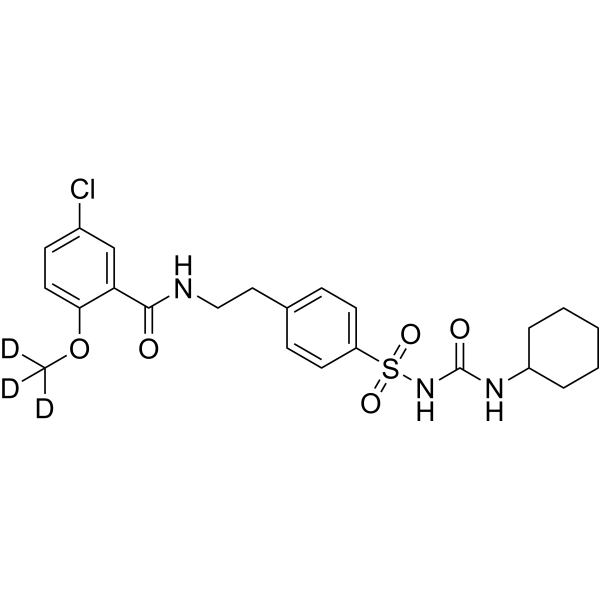
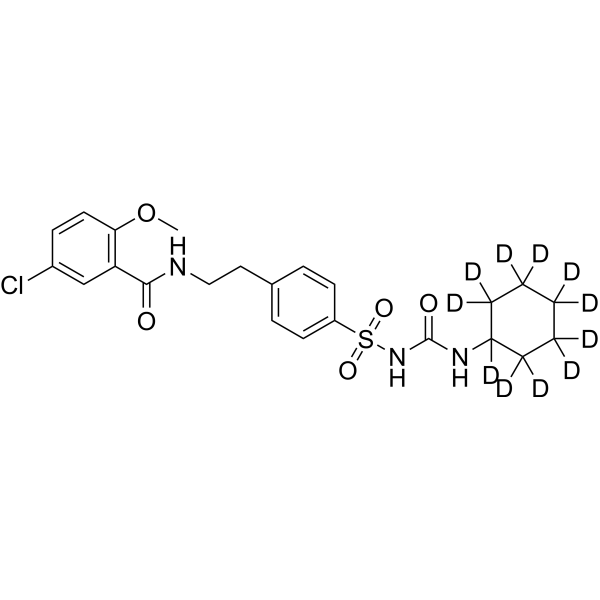
    Glyburide-d3

    Potassium Channel Mitochondrial Metabolism Autophagy CFTR P-glycoprotein Metabolic Disease
    Glyburide-d3 is the deuterium labeled Glibenclamide. Glibenclamide (Glyburide) is an orally active ATP-sensitive K+ channel (KATP) inhibitor and can be used for the research of diabetes and obesity[1]. Glibenclamide inhibits P-glycoprotein. Glibenclamide directly binds and blocks the SUR1 subunits of KATP and inhibits the cystic fibrosis transmembrane conductance regulator protein (CFTR)[3]. Glibenclamide interferes with mitochondrial bioenergetics by inducing changes on membrane ion permeability[4]. Glibenclamide can induce autophagy[5].
    Glyburide-d3
  • HY-148129

    TRPC6-IN-3

    TRP Channel Cardiovascular Disease
    Apecotrep (TRPC6-IN-3) (compound 17) is a potent, orally active transient receptor potential C6 ion channel (TRPC6) inhibitor. Apecotrep modulates not only intracellular calcium concentration, but also membrane potential by modulating the flux of cations including calcium and sodium ions. Apecotrep can be used in research of respiratory system .
    Apecotrep
  • HY-15206S

    Isotope-Labeled Compounds Potassium Channel Mitochondrial Metabolism Autophagy CFTR P-glycoprotein Metabolic Disease
    Glyburide-d11 is the deuterium labeled Glibenclamide. Glibenclamide (Glyburide) is an orally active ATP-sensitive K+ channel (KATP) inhibitor and can be used for the research of diabetes and obesity . Glibenclamide inhibits P-glycoprotein. Glibenclamide directly binds and blocks the SUR1 subunits of KATP and inhibits the cystic fibrosis transmembrane conductance regulator protein (CFTR) . Glibenclamide interferes with mitochondrial bioenergetics by inducing changes on membrane ion permeability . Glibenclamide can induce autophagy .
    Glyburide-d11
  • HY-112544
    IK1 inhibitor PA-6
    1 Publications Verification

    PA-6

    Potassium Channel Cardiovascular Disease
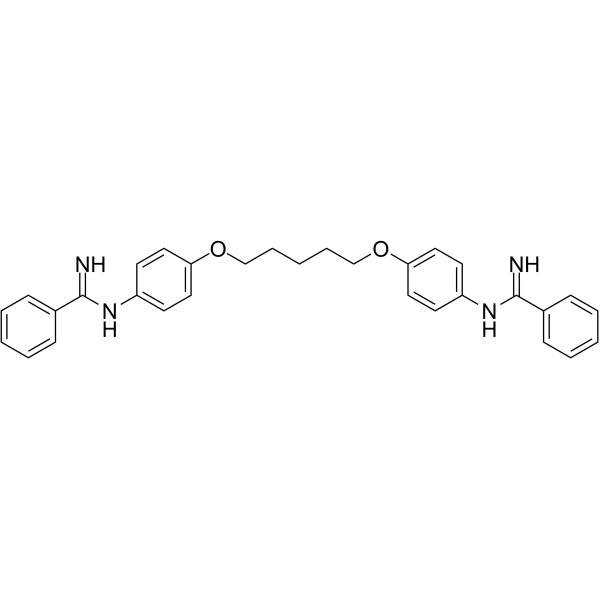
    IK1 inhibitor PA-6 (PA-6), a pentamidine analogue, is a selective and potent IK1 (KIR2.x ion-channel-carried inward rectifier current) inhibitor, with IC50 values of 12-15 nM for human and mouse KIR2.x currents. IK1 inhibitor PA-6 (PA-6) elevates KIR2.1 protein expression and induces intracellular KIR2.1 accumulation. IK1 inhibitor PA-6 (PA-6) has the potential to treat atrial fibrillation and arrhythmia .
    IK1 inhibitor PA-6
  • HY-107544

    PKA Metabolic Disease
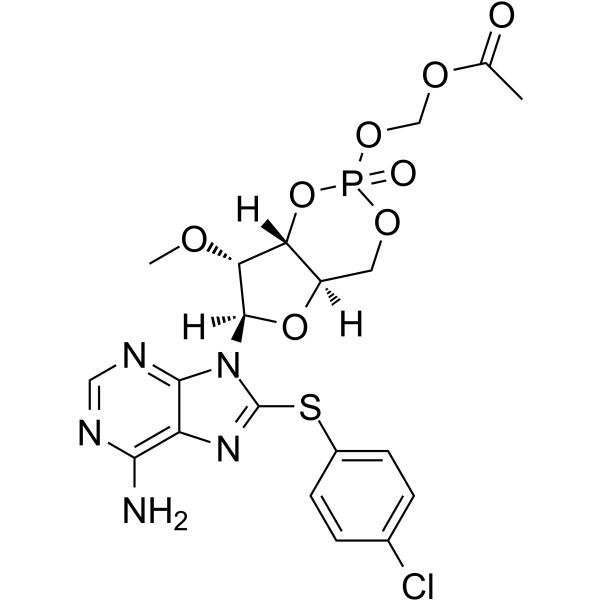
    8-pCPT-2'-O-Me-cAMP-AM is a cyclic AMP analogue, selectively activates Epac-Rap signaling pathway. 8-pCPT-2'-O-Me-cAMP-AM protects renal function by activating Epac from ischemia injury. 8-pCPT-2'-O-Me-cAMP-AM also stimulates insulin secretion by interaction with PKA pathway .
    8-pCPT-2'-O-Me-cAMP-AM
  • HY-106282

    HIV Infection
    BIT-225 is an inhibitor for Vpu protein through block of Vpu ion channel, and thus inhibits the release of HIV-1, especially in monocyte-derived macrophages (EC50 is 2.25 μM), without significant cytotoxicity (TC50 is 284 μM) .
    BIT-225
  • HY-131335

    p38 MAPK Inflammation/Immunology
    p38α inhibitor 2 is a highly potent and selective p38α MAPK inhibitor, with a pIC50 of 9.6. p38α inhibitor 2 inhibits the hERG ion channel (IC50=27 μM) and shows a promising selectivity profile when tested in a panel of 51 other protein kinases (<30% inhibition at 10 μM concentration) and a panel of 141 other biological targets .
    p38α inhibitor 2
  • HY-B1906R

    Agrept (Standard); Agrimycin (Standard); Streptomycin A (Standard)

    Reference Standards Antibiotic Bacterial Infection Neurological Disease
    Streptomycin (Standard) is the analytical standard of Streptomycin. This product is intended for research and analytical applications. Streptomycin (Agrept) is an effective antibiotic against M. tuberculosis, is used for the research of tuberculosis (TB). Streptomycin also is a bacteriocidal agent that can be used for the research of a number of bacterial infections. Streptomycin can bind strongly to nucleic acids, interferes and blocks protein synthesis while permitting continued RNA and DNA synthesis. Streptomycin, as a common antibiotic used in culture media, also is a blocker of stretch-activated and mechanosensitive ion channels in neurons and cardiac myocytes .
    Streptomycin (Standard)
  • HY-N0927

    Tetrahydrocolumbamine; (S)-Tetrahydrocolumbamine

    Dopamine Receptor Others Neurological Disease
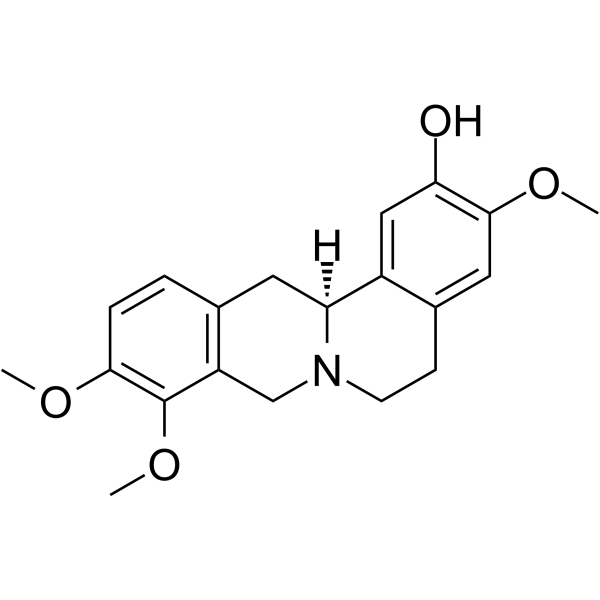
    (-)-Isocorypalmine (Tetrahydrocolumbamine; (S)-Tetrahydrocolumbamine) is a dopamine receptor ligand and modulator capable of crossing the blood-brain barrier. (-)-Isocorypalmine exhibits receptor selectivity, acting as a partial agonist of dopamine D1 and D5 receptors (coupled via Gs proteins), as well as an antagonist of D2, D3 and D4 receptors (by blocking Gi protein-mediated signaling). (-)-Isocorypalmine shows no significant binding to various non-dopamine receptors, ion channels and transporters. (-)-Isocorypalmine is metabolically stable in vivo, effectively inhibits spontaneous and cocaine-induced hyperlocomotion, sensitization and conditioned place preference in mice, and does not induce addictive place preference when administered alone. (-)-Isocorypalmine can be used in addiction research .
    (-)-Isocorypalmine
  • HY-111527

    Calcium Channel Neurological Disease
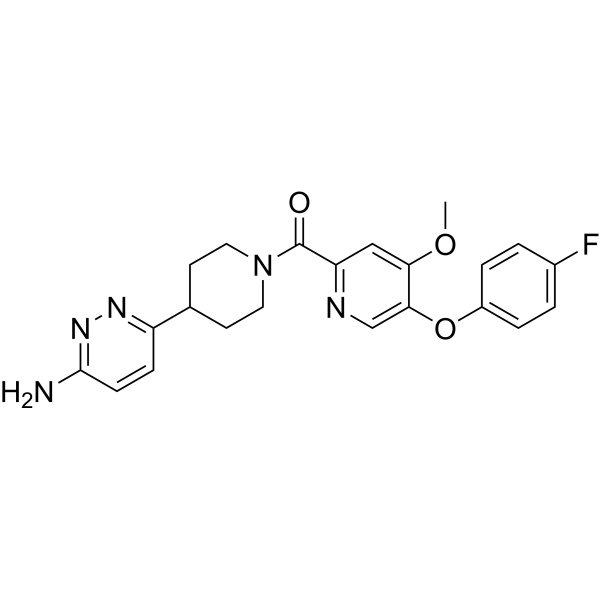
    PPZ2 is a diacylglycerol (DAG)-activated TRPC3/TRPC6/TRPC7 channel activator with activity in promoting neuronal development and survival. PPZ2 activates recombinant TRPC3/TRPC6/TRPC7 channels in a dose-dependent manner without affecting other TRPC channels. PPZ2 elicits cation currents and calcium ion (Ca(2+)) influx in cultured central neurons. PPZ2 is able to induce BDNF-like neurite outgrowth and neuroprotection, an effect that disappears after TRPC3/TRPC6/TRPC7 knockdown or inhibition. PPZ2 also increases the activation of the calcium-dependent transcription factor cAMP response element binding protein. The effects of PPZ2 suggest that calcium signaling mediated by activation of DAG-activated TRPC channels plays an important role in its neurotrophic effects .
    PPZ2
  • HY-P1411A
    Psalmotoxin 1 TFA
    Maximum Cited Publications
    6 Publications Verification

    PcTx1 TFA; Psalmopoeus cambridgei toxin-1 TFA

    Sodium Channel Apoptosis Neurological Disease Cancer
    Psalmotoxin 1 (PcTx1) TFA is a protein toxin that can bind at subunit-subunit interfaces of acid-sensing ion channel 1a (ASIC1a). Psalmotoxin 1 TFA is a potent and slective ASIC1a inhibitor (IC50: 0.9 nM) by increasing the apparent affinity for H + of ASIC1a. Psalmotoxin 1 TFA can induce cell apoptosis, also inhibits cell migration, proferliration and invasion of cancer cells. Psalmotoxin 1 TFA can be used in the research of cancers, or neurological disease .
    Psalmotoxin 1 TFA
  • HY-B0338R

    1-Rimantadine (Standard)

    Influenza Virus Autophagy Reference Standards Infection
    Rimantadine (Standard) is the analytical standard of Rimantadine. This product is intended for research and analytical applications. Rimantadine is an orally active inhibitor for M2 protein, that blocks the hydrogen ion channel activity, prevents the entry and replication of the virus, and exhibits board-spectrum antiviral activity .
    Rimantadine (Standard)
  • HY-179065

    Potassium Channel Cardiovascular Disease
    VU0494372 is an activator of potassium ion channel KCNQ1. VU0494372 can significantly enhance the cell surface expression and transport efficiency of KCNQ1. VU0494372 does not alter KCNQ1 mRNA levels and protein degradation rate, and has no significant cytotoxicity. VU0494372 can be used for research on cardiovascular conditions .
    VU0494372
  • HY-15206R

    Glyburide (Standard)

    Mitochondrial Metabolism Autophagy CFTR P-glycoprotein Potassium Channel Reference Standards Metabolic Disease
    Glibenclamide (Standard) is the analytical standard of Glibenclamide. This product is intended for research and analytical applications. Glibenclamide (Glyburide) is an orally active ATP-sensitive K + channel (KATP) inhibitor and can be used for the research of diabetes and obesity . Glibenclamide inhibits P-glycoprotein. Glibenclamide directly binds and blocks the SUR1 subunits of KATP and inhibits the cystic fibrosis transmembrane conductance regulator protein (CFTR) . Glibenclamide interferes with mitochondrial bioenergetics by inducing changes on membrane ion permeability . Glibenclamide can induce autophagy .
    Glibenclamide (Standard)
  • HY-B0338S

    Isotope-Labeled Compounds Influenza Virus Autophagy Infection
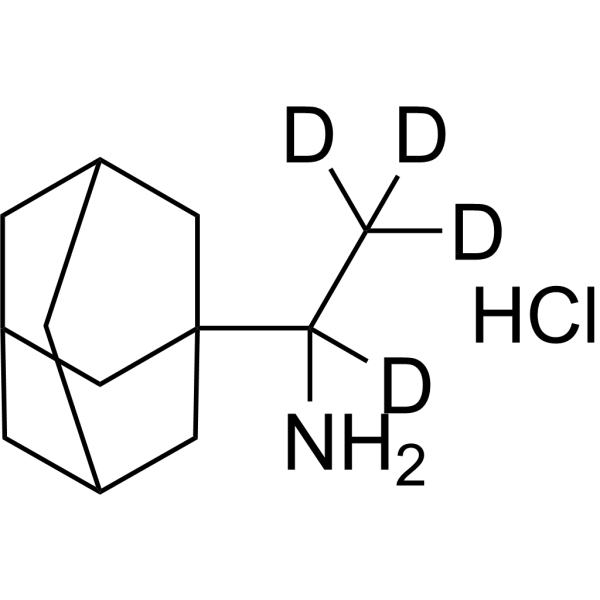
    Rimantadine-d4 (hydrochloride) is the deuterium labeled Rimantadine hydrochloride. Rimantadine is an orally active inhibitor for M2 protein, that blocks the hydrogen ion channel activity, prevents the entry and replication of the virus, and exhibits board-spectrum antiviral activity .
    Rimantadine-d4 hydrochloride
  • HY-B0338AR

    Reference Standards Influenza Virus Autophagy Infection
    Rimantadine (hydrochloride) (Standard) is the analytical standard of Rimantadine (hydrochloride). This product is intended for research and analytical applications. Rimantadine is an orally active inhibitor for M2 protein, that blocks the hydrogen ion channel activity, prevents the entry and replication of the virus, and exhibits board-spectrum antiviral activity .
    Rimantadine hydrochloride (Standard)
  • HY-P10464

    TRP Channel Neurological Disease Inflammation/Immunology
    TAT-AKAP79 326-336 is a cytoosmotic peptide. TAT-AKAP79 326-336 mimics a specific region on the AKAP79 protein that binds to TRPV1 ion channels (amino acid sequence 326-336). TAT-AKAP79 326-336 inhibits the sensitization of TRPV1 and reduce the overresponse of TRPV1 channels to stimuli caused by the activation of cellular kinases such as protein kinase A (PKA) and protein kinase C (PKC) by inflammatory mediators. TAT-AKAP79 326-336 can be used to study the mechanism of pain transduction and inflammatory hyperalgesia .
    Tat-AKAP79 (326-336)
  • HY-103268

    Potassium Channel Neurological Disease
    (Rac)-AZD3839 is an orally active beta-amyloid precursor protein cleaving enzyme (BACE1) inhibitor that is blood-brain barrier-permeable. (Rac)-AZD3839 has an affinity for the human ether-a-go-go related gene (hERG) ion channel. (Rac)-AZD3839 can be used in the research of Alzheimer's disease .
    (Rac)-AZD3839
  • HY-107813R

    BAY 41-6551 sulfate (Standard)

    Reference Standards Bacterial Antibiotic Infection Cancer
    Streptomycin (Standard) is the analytical standard of Streptomycin. This product is intended for research and analytical applications. Streptomycin (Agrept) is an effective antibiotic against M. tuberculosis, is used for the research of tuberculosis (TB). Streptomycin also is a bacteriocidal agent that can be used for the research of a number of bacterial infections. Streptomycin can bind strongly to nucleic acids, interferes and blocks protein synthesis while permitting continued RNA and DNA synthesis. Streptomycin, as a common antibiotic used in culture media, also is a blocker of stretch-activated and mechanosensitive ion channels in neurons and cardiac myocytes .
    Amikacin sulfate (Standard)
  • HY-15206S2

    Glyburide-13C6

    Isotope-Labeled Compounds Autophagy Mitochondrial Metabolism Potassium Channel CFTR P-glycoprotein Metabolic Disease
    Glibenclamide- 13C6 (Glyburide- 13C6) is 13C labeled Glibenclamide. Glibenclamide (Glyburide) is an orally active ATP-sensitive K + channel (KATP) inhibitor and can be used for the research of diabetes and obesity . Glibenclamide inhibits P-glycoprotein. Glibenclamide directly binds and blocks the SUR1 subunits of KATP and inhibits the cystic fibrosis transmembrane conductance regulator protein (CFTR) . Glibenclamide interferes with mitochondrial bioenergetics by inducing changes on membrane ion permeability . Glibenclamide can induce autophagy .
    Glibenclamide-13C6
  • HY-116163

    CYM50202

    Endogenous Metabolite Others
    ML350 (CYM50202) is a highly potent OPRK1 antagonist with selectivity and broad biological applications. With IC50 values of 9-16 nM, ML350 shows high selectivity for OPRK1, with selectivity of 219-382-fold and 20-35-fold relative to OPRD1 and OPRM1, respectively. ML350 exhibited favorable characteristics in in vivo pharmacokinetic analysis, including high passive membrane permeability and moderate human plasma protein binding. Extensive screening of ML350 against multiple ion channels, receptors, and transporters showed that it does not have adverse off-target effects .
    ML350
  • HY-137633

    PKG Neurological Disease
    Sp-8-Br-PET-cGMPS is a membrane-permeable PKG agonist and a membrane-permeable inhibitor of retinal-type cGMP-gated ion channels, as well as an activator of cGMP-dependent protein kinases I α and I β. Sp-8-Br-PET-cGMPS is resistant to mammalian cyclic nucleotide-dependent phosphodiesterases, has no metabolic side effects, and is more lipophilic and permeable than Sp-8-pCPT-cGMPS. Sp-8-Br-PET-cGMPS can be used to study the role of cGMP signaling pathways in the nervous system .
    Sp-8-Br-PET-cGMPS
  • HY-W569115

    Tau Protein Neurological Disease
    JNJ-64326067 is an aggregated tau-binding agent with blood-brain barrier permeability, with a Ki of 2.4 nM. JNJ-64326067 selectively binds to aggregated tau protein but does not bind to aggregated β-amyloid protein, and shows no significant off-target binding to the tested receptors, ion channels, transporters, kinases or monoamine oxidases. JNJ-64326067 is applicable to the research of Alzheimer's disease .
    JNJ-64326067
  • HY-143202S1

    Isotope-Labeled Compounds Others
    DPhPC-d78 is the deuterium labeled DPhPC (HY-143202). DPhPC is a phospholipid compound characterized by high mechanical and chemical stability, broad temperature phase stability, and high electrical resistance. DPhPC readily forms unilamellar vesicles and solid-supported bilayers. DPhPC is commonly used as a component of nanoliposomal drug carriers or as a model membrane material for studies on membrane proteins/ion channels .
    DPhPC-d78
  • HY-106282R

    Reference Standards HIV Infection
    BIT-225 (Standard) is the analytical standard of BIT-225 (HY-106282). This product is intended for research and analytical applications. BIT-225 is an inhibitor for Vpu protein through block of Vpu ion channel, and thus inhibits the release of HIV-1, especially in monocyte-derived macrophages (EC50 is 2.25 μM), without significant cytotoxicity (TC50 is 284 μM) .
    BIT-225 (Standard)
  • HY-143202S

    Isotope-Labeled Compounds Biochemical Assay Reagents Liposome Others
    DPhPC-d87 is the deuterium labeled DPhPC (HY-143202). DPhPC is a phospholipid compound characterized by high mechanical and chemical stability, broad temperature phase stability, and high electrical resistance. DPhPC readily forms unilamellar vesicles and solid-supported bilayers. DPhPC is commonly used as a component of nanoliposomal drug carriers or as a model membrane material for studies on membrane proteins/ion channels .
    DPhPC-d87

Inquiry Online

Your information is safe with us. * Required Fields.

Salutation


Country or Region *

Applicant Name *


Organization Name *

Department *


Email Address *


Product Name *

Cat. No.


Requested quantity *

Phone Number *


Remarks

Inquiry Online

Inquiry Information

Product Name:
Cat. No.:
Quantity:
MCE Japan Authorized Agent: