Search Result
Results for "
nAChR+agonist
" in MedChemExpress (MCE) Product Catalog:
1
Biochemical Assay Reagents
7
Isotope-Labeled Compounds
| Cat. No. |
Product Name |
Target |
Research Areas |
Chemical Structure |
-
- HY-12560A
-
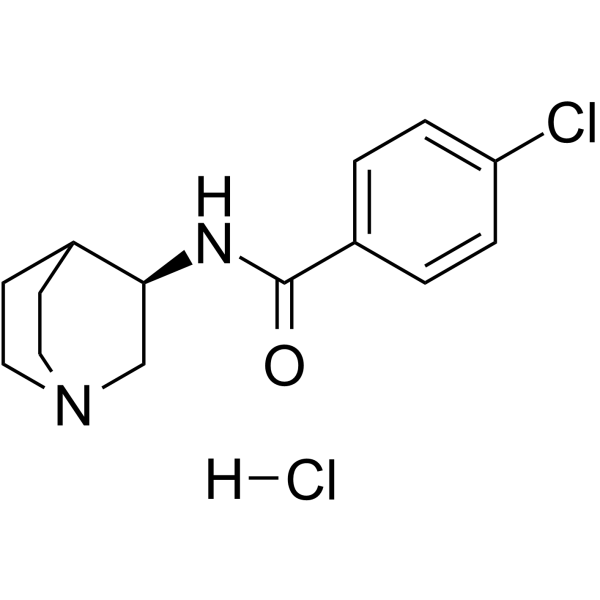
PNU-282987
Maximum Cited Publications
14 Publications Verification
|
nAChR
5-HT Receptor
|
Neurological Disease
|
|
PNU-282987 is a potent α7 nicotinic acetylcholine receptor (nAChR) agonist with an EC50 of 154 nM. PNU-282987 is also a functional antagonist of the 5-HT3 receptor with an IC50 of 4541 nM. PNU-282987 can be used for the research of central and peripheral nervous systems .
|
-
-
- HY-14564A
-
|
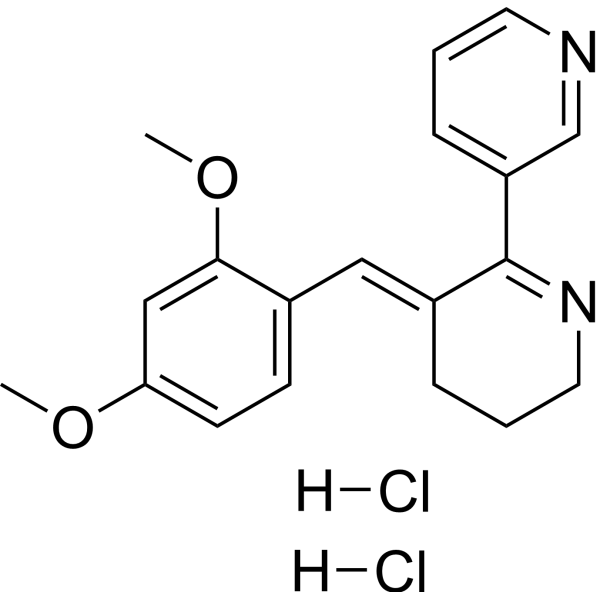
DMXB-A; DMBX-anabaseine
|
nAChR
5-HT Receptor
|
Inflammation/Immunology
|
|
GTS-21 dihydrochloride is a selective alpha7 nicotinic acetylcholine receptor (α7-nAChR) agonist with anti inflammatory and cognition enhancing activities. GTS-21 dihydrochloride is also a α4β2 (Ki=20 nM for humanα4β2) and 5-HT3A receptor (IC50=3.1 μM) antagonist .
|
-
-
- HY-B0823
-
|
|
Environmental Pollutants
nAChR
|
Neurological Disease
|
|
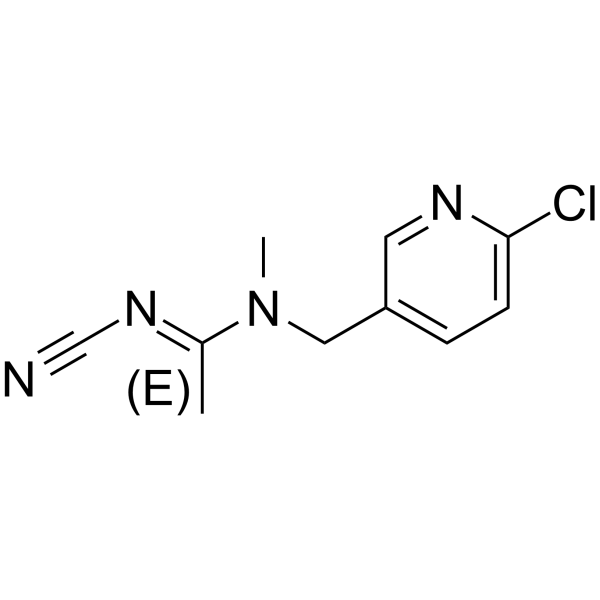
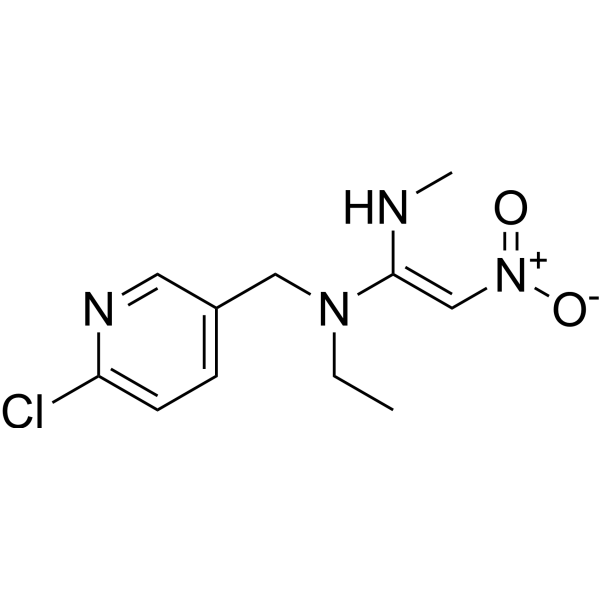
Acetamiprid is a neonicotinoid insecticide used worldwide. Acetamiprid is a nicotinic acetylcholine receptor (nAChR) agonist, and is shown to be associated with neuromuscular and reproductive disorders .
|
-
-
- HY-W002112
-
|
Nornicotine
|
Endogenous Metabolite
Drug Metabolite
nAChR
β-catenin
|
Cardiovascular Disease
Neurological Disease
|
|
(±)-Nornicotine is a major metabolite of Nicotine. (±)-Nornicotine is a partial nAChRs agonist, specifically activating receptor subtypes containing α7 and α6 subunits. (±)-Nornicotine disrupts β-catenin and ZO-1, and induces F-actin depolymerization. (±)-Nornicotine supports self-administration behavior. (±)-Nornicotine can be used in the research of atherosclerosis, Alzheimer's disease, and schizophrenia .
|
-

-
- HY-B0820
-
|
|
nAChR
Parasite
|
Neurological Disease
|
|
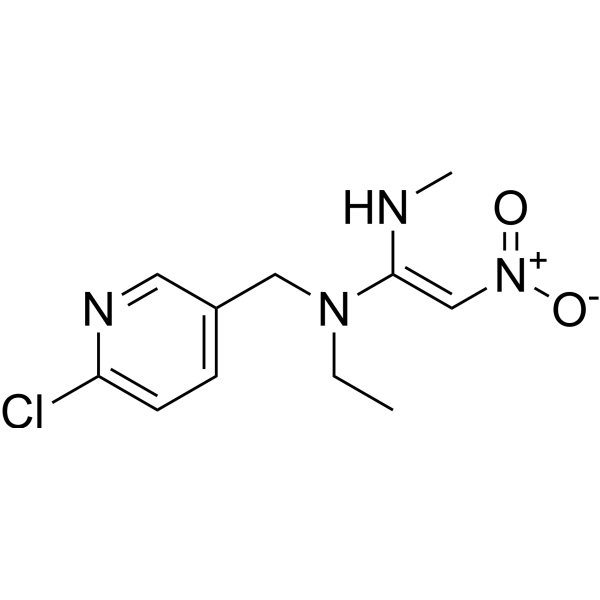
Nitenpyram is a calss of neonicotinoid and an insect nicotinic acetylcholine receptor (nAChR) agonist with an IC50 of 14 nM. Nitenpyram is an oral fast-acting insecticide used to suppress sucking insects on companion animals .
|
-
-
- HY-145295
-
|
|
Environmental Pollutants
nAChR
|
Infection
|
|
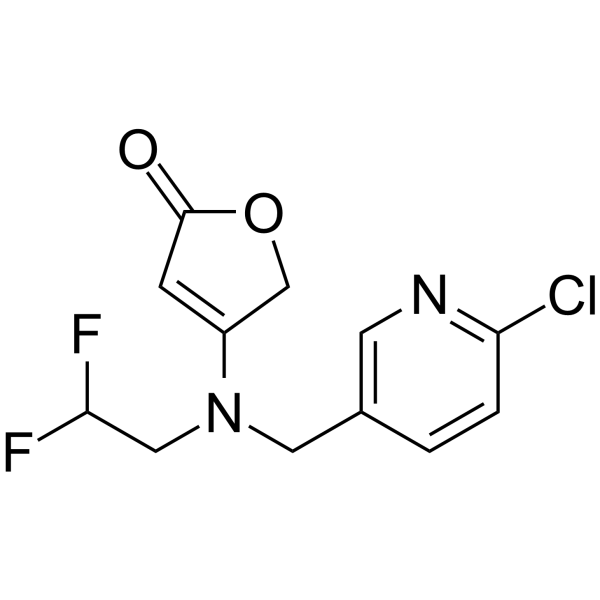
Flupyradifurone is a systemic nAChR agonist that interferes with signal transduction in the central nervous system of sucking pests. Flupyradifurone can be used as a butenolide insecticide .
|
-
-
- HY-19490
-
|
AQW-051
|
nAChR
|
Neurological Disease
|
|
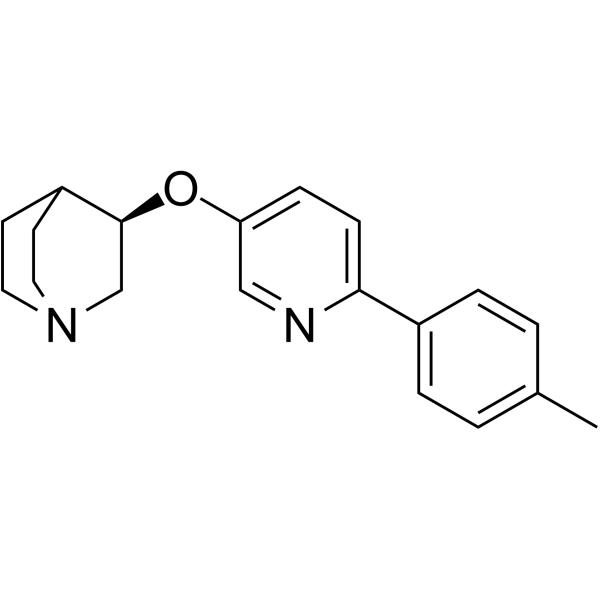
VQW-765 (AQW-051) is a selective and orally active alpha-7 nicotinic acetylcholine receptor (α7-nAChR) agonist with a pKD value of 7.56 to recombinantly expressed human α7-nAChR. VQW-765 shows anxiolytic-like effect in vivo. VQW-765 can be used for the research of anxiety disorder and acute performance anxiety .
|
-
-
- HY-105670
-
|
|
nAChR
|
Neurological Disease
|
|
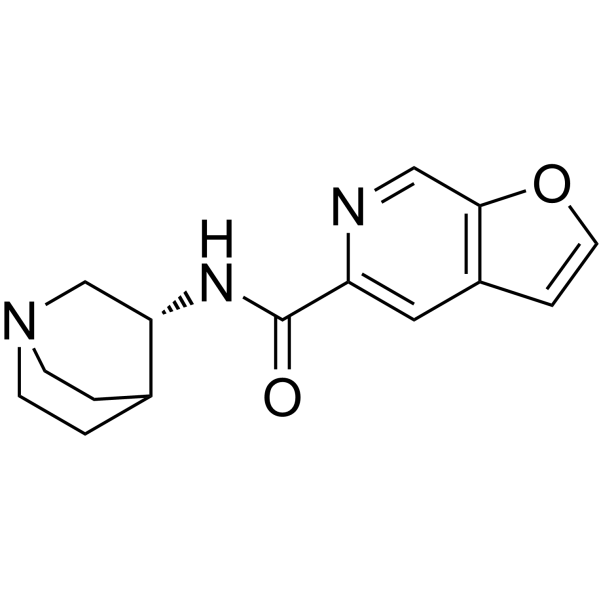
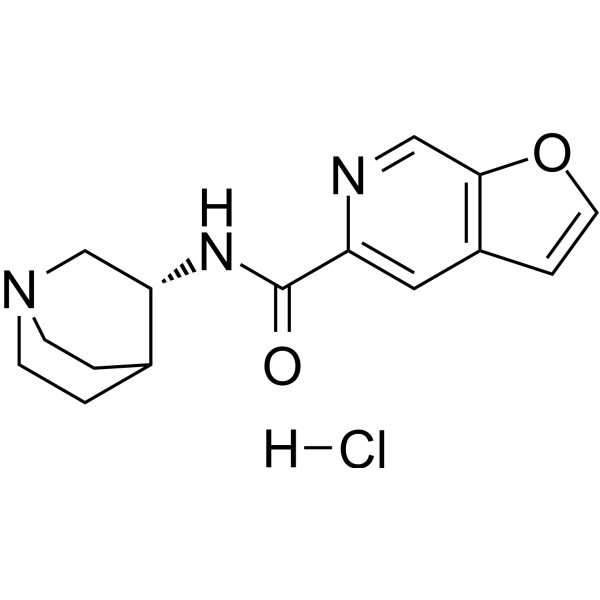
PHA-543613 is a potent, orally active, brain-penetrant and selective α7 nAChR agonist with a Ki of 8.8 nM. PHA-543613 displays selectivity for α7-nAChR over α3β4, α1β1γδ, α4β2 and 5-HT3 receptors . PHA-543613 can be used for the cognitive deficits of Alzheimer's disease and schizophrenia research .
|
-
-
- HY-B1953
-
|
|
Environmental Pollutants
Insecticide
nAChR
|
Infection
|
|
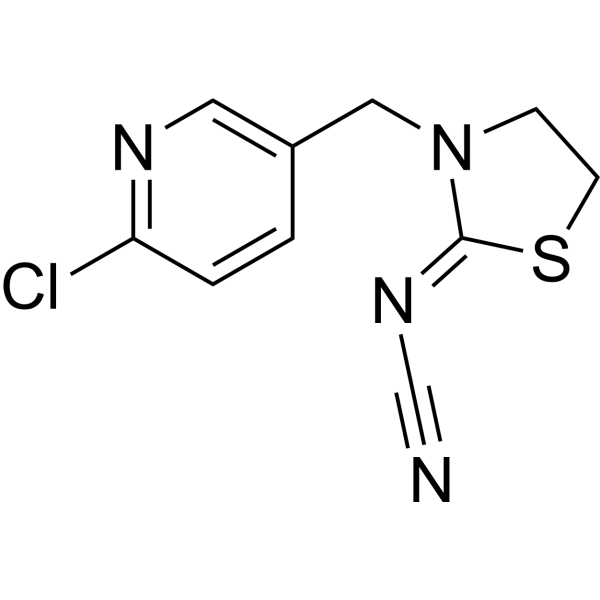
Thiacloprid is an orally active neurotoxic insecticide and also a nAChR agonist. Thiacloprid reduces the viability of healthy cells, depletes reduced glutathione, and increases MDA levels, thereby inducing cytotoxicity and oxidative stress damage. In practical applications, Thiacloprid has lower acute toxicity to honeybees than other compounds of the same class such as Imidacloprid (HY-B0838), but it still significantly impairs the learning and memory function, immune capacity and survival status of honeybees. Thiacloprid induces intestinal microbial dysbiosis and reduces survival rate in middle-aged honeybees, increases the risk of premature collapse in bumblebee colonies, and significantly decreases the final colony weight and reproductive output. Thiacloprid is used in broad-spectrum agricultural pest control, often alone or in combination with Deltamethrin (HY-B1971), and meets the pest management needs of various crops including potatoes, cabbages, various fruits and vegetables, and nuts .
|
-
-
- HY-B0823S
-
|
|
nAChR
|
Neurological Disease
|
|
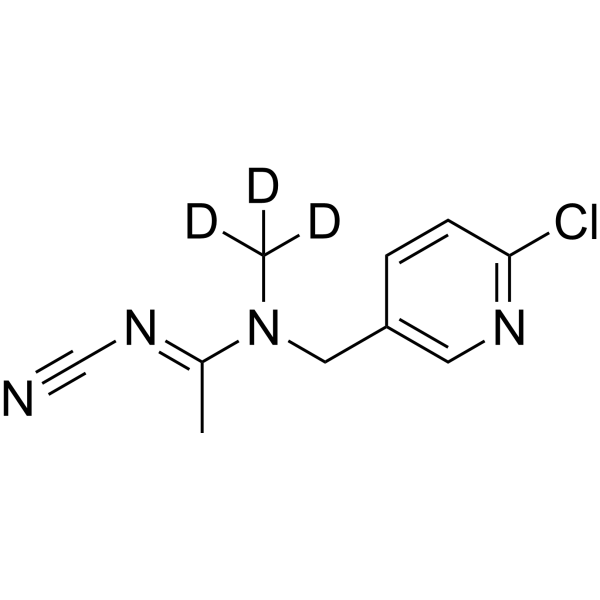
Acetamiprid-d3 is the deuterium labeled Acetamiprid. Acetamiprid is a neonicotinoid insecticide. Acetamiprid is a nAChR agonist .
|
-
-
- HY-110160
-
|
ABT-089 dihydrochloride
|
nAChR
|
Neurological Disease
|
|
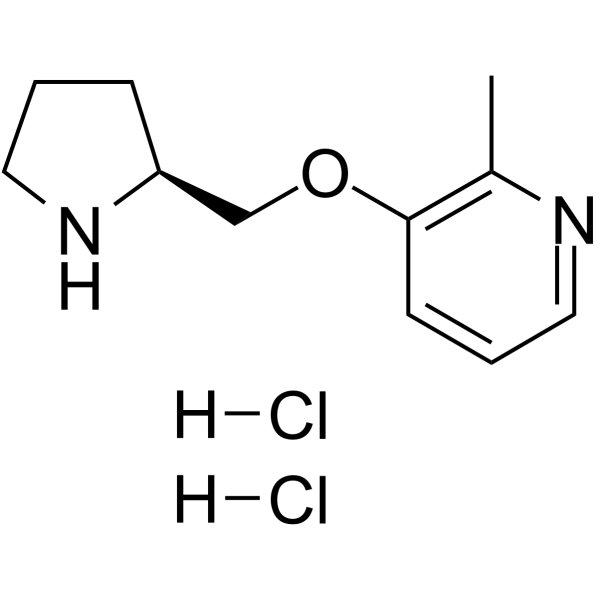
Pozanicline dihydrochloride (ABT-089 dihydrochloride) is an orally bioavailable nicotinic acetylcholine receptor (nAChR) agonist with a Ki of 16.7 nM for binding to [ 3H]cytisine sites . Pozanicline is an α4β2-selective nAChR agonist, which binds to rat brain α4β2 nAChR with a Ki of 17 nM while binding to α7 nAChR is insignificant .
|
-
-
- HY-W099757
-
|
2-Propylpiperidine hydrochloride
|
nAChR
|
Neurological Disease
|
|
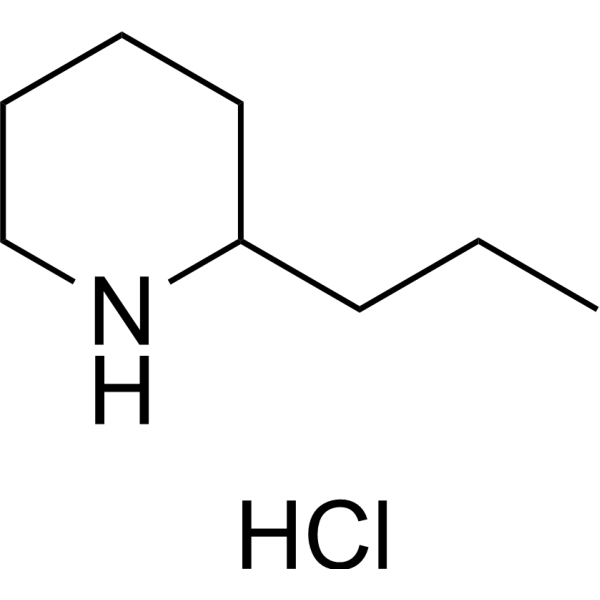
(±)-Coniine hydrochloride (2-Propylpiperidine hydrochloride) is a potent nAChR agonist with an EC50 value of 0.3 mM. (±)-Coniine hydrochloride shows acute toxicity with an LD50 value of 7.7 mg/kg .
|
-
-
- HY-147360
-
|
|
nAChR
|
Infection
|
|
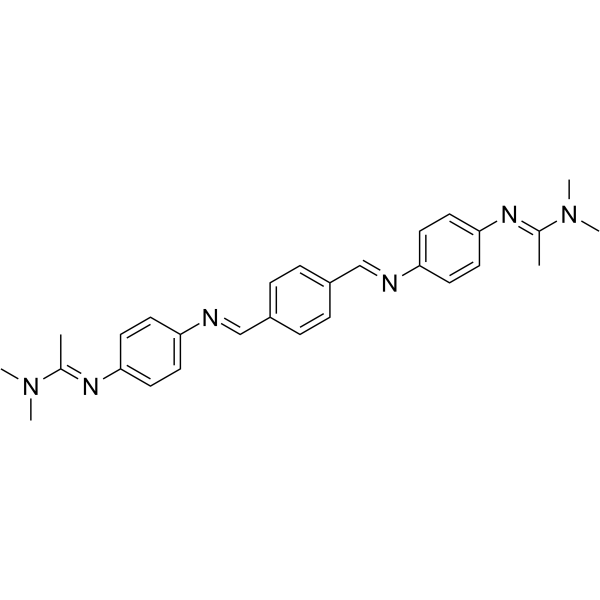
Tribendimidine is an orally active, broad-spectrum anthelmintic agent, with particularly high activity against A. lumbricoides and N. americanus. Tribendimidine is also an L-type nicotinic acetylcholine receptor (nAChR) agonist .
|
-
-
- HY-110131
-
|
|
nAChR
|
Neurological Disease
|
|
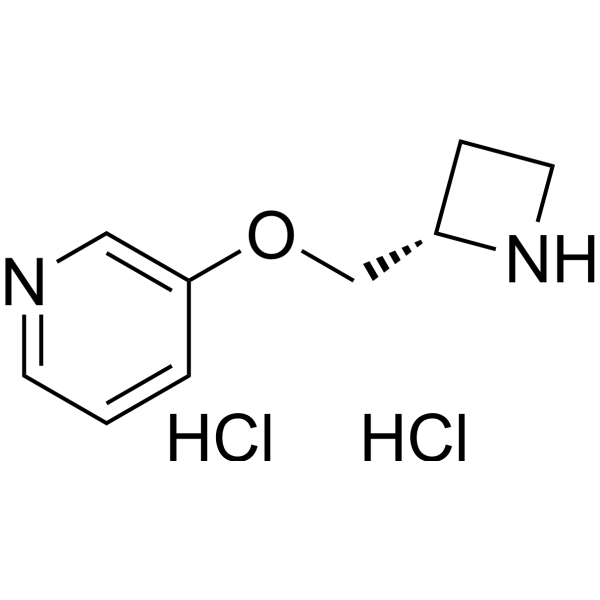
A 85380 hydrochloride is a novel, high affinity neuronal nicotinic acetylcholine receptor (nAChR) agonist. A 85380 hydrochloride exhibits selectivity for the α4β2 nAChR subtypes. A 85380 hydrochloride has a broad-spectrum analgesic profile .
|
-
-
- HY-139582
-
|
OC-02
|
nAChR
SARS-CoV
|
Infection
|
|
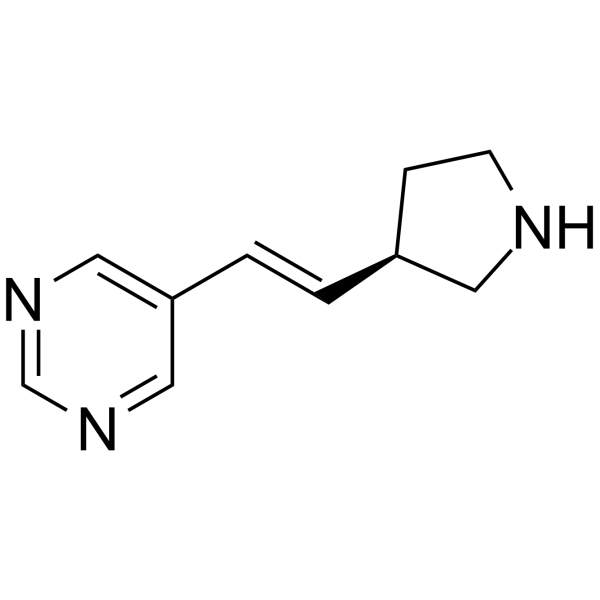
Simpinicline (OC-02), a highly selective nicotinic acetylcholine receptor (nAChR) agonist, shows potent antiviral activity against the SARS-CoV-2 variants in cell culture with an IC50 of 0.04 µM .
|
-
-
- HY-136609
-
|
|
nAChR
|
Neurological Disease
|
|
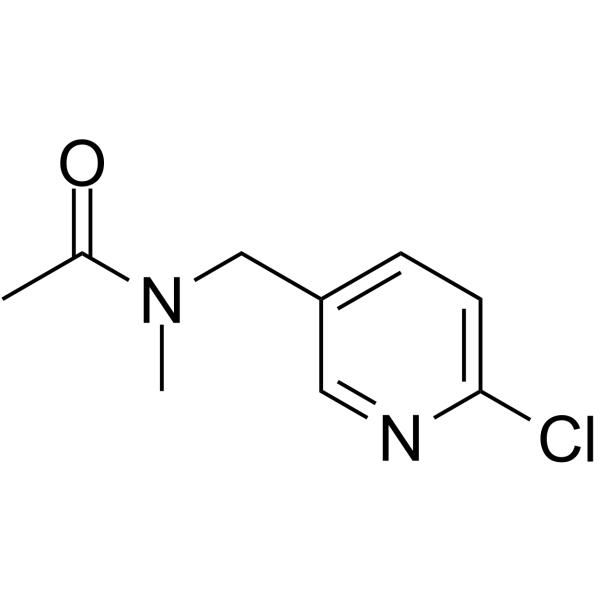
5-AMAM-2-CP is a major metabolite of Acetamiprid. Acetamiprid is a neonicotinoid insecticide used worldwide and is a nAChR agonist .
|
-
-
- HY-133011
-
|
|
nAChR
|
Neurological Disease
|
|
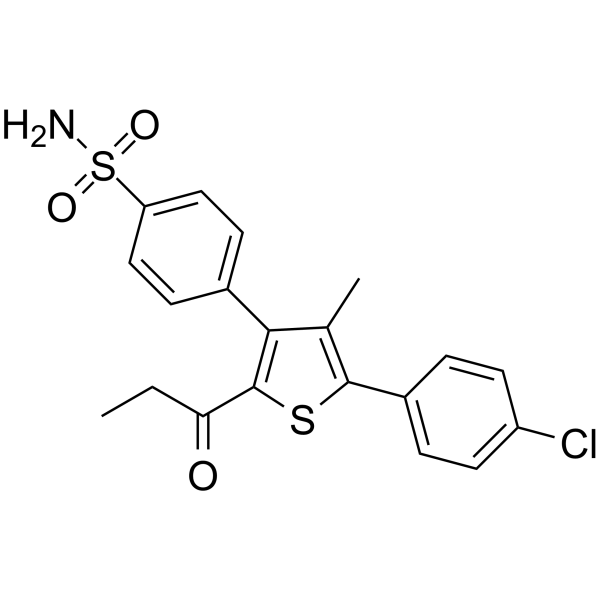
nAChR agonist 1 is a potent, blood-brain-barrier-permeable, and orally active allosteric modulator of α7 nicotinic acetylcholine receptor (α7 nAChR). nAChR agonist 1 has the EC50 of 0.32 μM in a Ca 2+ mobilization assay (PNU-282987-induced, FLIPR based) in human IMR-32 neuroblastoma cells that endogenously express α7 nAChR. nAChR agonist 1 can be develpoped for the treatment of Alzheimer’s disease .
|
-
-
- HY-121229A
-
|
2-Propylpiperidine
|
nAChR
|
Others
|
|
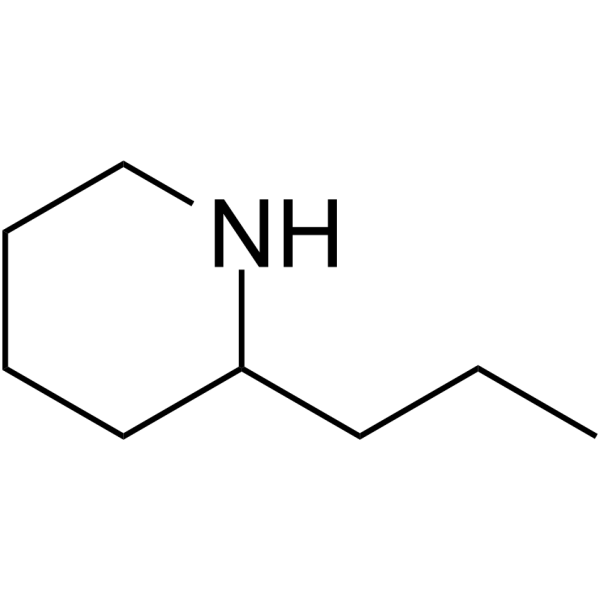
(±)-Coniine (2-Propylpiperidine) is a piperidine alkaloid and nAChR agonist (EC50=0.3 mM). (±)-Coniine is acutely toxic to mice with an LD50 value of 7.7 mg/kg .
|
-
-
- HY-129674
-
|
|
nAChR
|
Neurological Disease
|
|
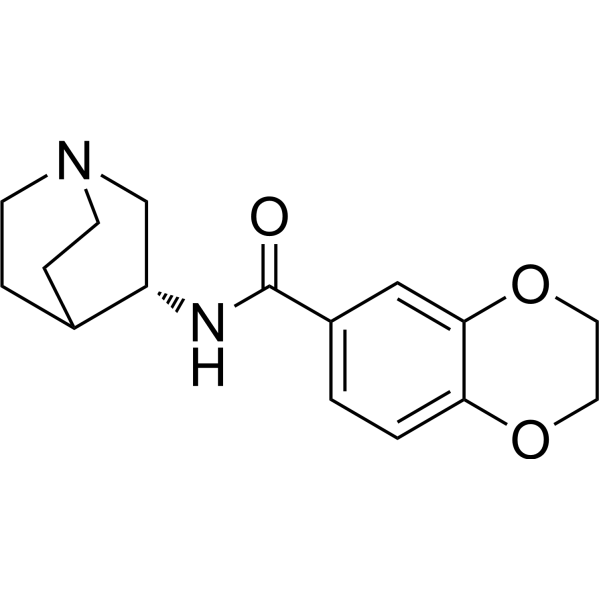
PHA 568487 free base is a selective alpha 7 nicotinic acetylcholine receptor (α-7 nAchR) agonist. PHA 568487 free base reduces neuroinflammation .
|
-
-
- HY-148325
-
|
|
nAChR
|
Neurological Disease
|
|
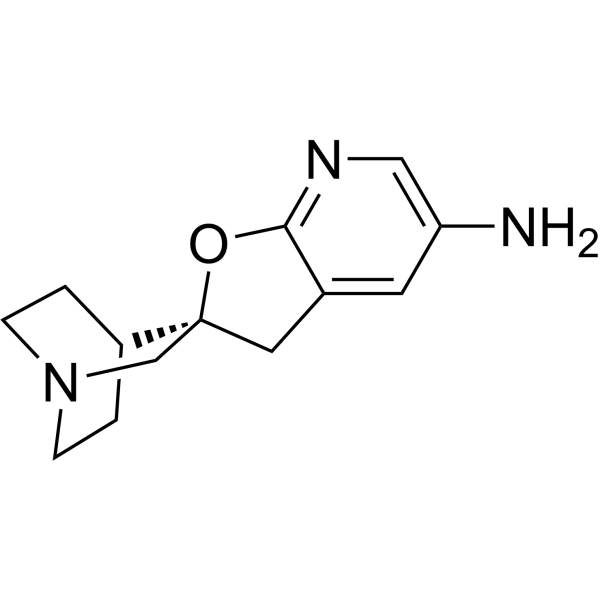
α7 Nicotinic receptor agonist-1 (Preparation 5) is an α7 nAChR agonist. α7 Nicotinic receptor agonist-1 can be used in studies of psychiatric disorders (such as schizophrenia, manic or hypomanic depression and anxiety disorders) and intellectual disorders (such as alzheimer's disease, learning deficits, cognitive deficits, attention deficits, memory loss, lewy body dementia and attention deficit hyperactivity disorder) .
|
-
-
- HY-W002112S
-
|
Nornicotine-d4
|
nAChR
Isotope-Labeled Compounds
Endogenous Metabolite
Drug Metabolite
β-catenin
|
Cardiovascular Disease
Neurological Disease
|
|
(±)-Nornicotine-d4 is the deuterium labeled (±)-Nornicotine (HY-W002112). (±)-Nornicotine is a major metabolite of Nicotine. (±)-Nornicotine is a partial nAChRs agonist, specifically activating receptor subtypes containing α7 and α6 subunits. (±)-Nornicotine disrupts β-catenin and ZO-1, and induces F-actin depolymerization. (±)-Nornicotine supports self-administration behavior. (±)-Nornicotine can be used in the research of atherosclerosis, Alzheimer's disease, and schizophrenia .
|
-

-
- HY-138953
-
|
|
nAChR
|
Neurological Disease
|
|
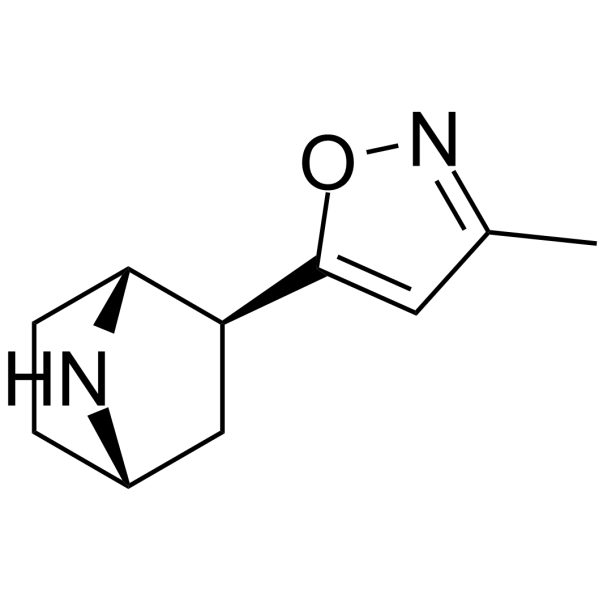
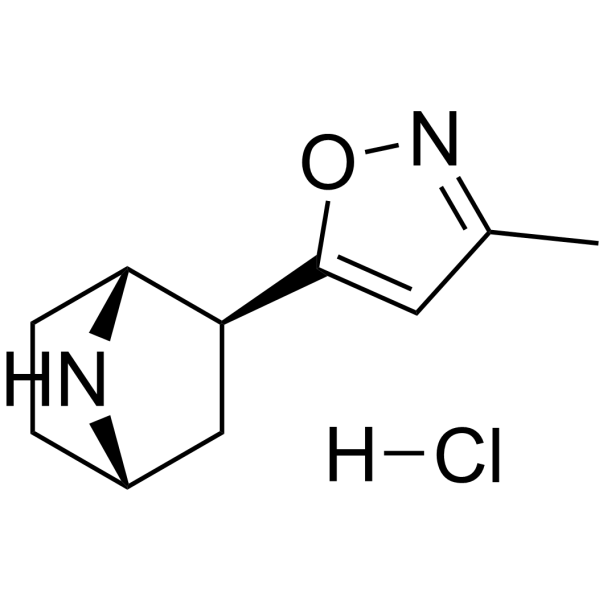
Epiboxidine is a potent and selective neural nAChR agonist with Kis of 0.46 nM and 1.2 nM for rat and human α4β2 nAChRs, respectively. Epiboxidine is a methylisoxazole analog of the alkaloid Epibatidine, and is also an analog of another nAChR agonist, ABT 418 .
|
-
-
- HY-136608
-
|
|
nAChR
|
Neurological Disease
|
|
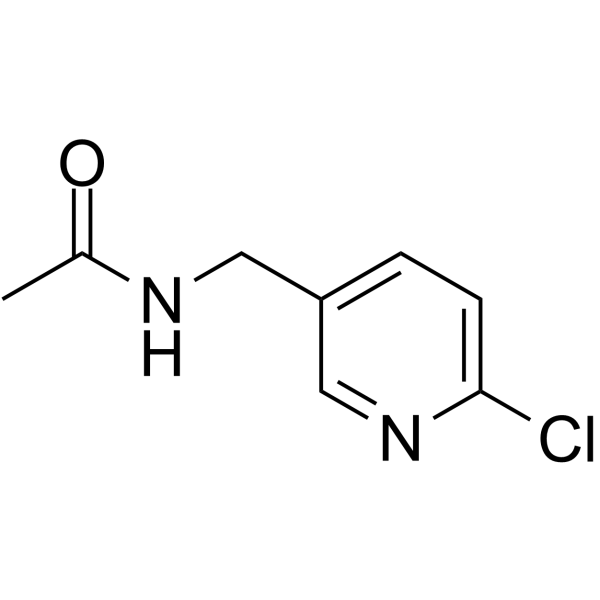
5-AAM-2-CP is a major metabolite of Acetamiprid. Acetamiprid is a neonicotinoid insecticide used worldwide and is a nAChR agonist .
|
-
-
- HY-12560D
-
|
|
nAChR
|
Others
|
|
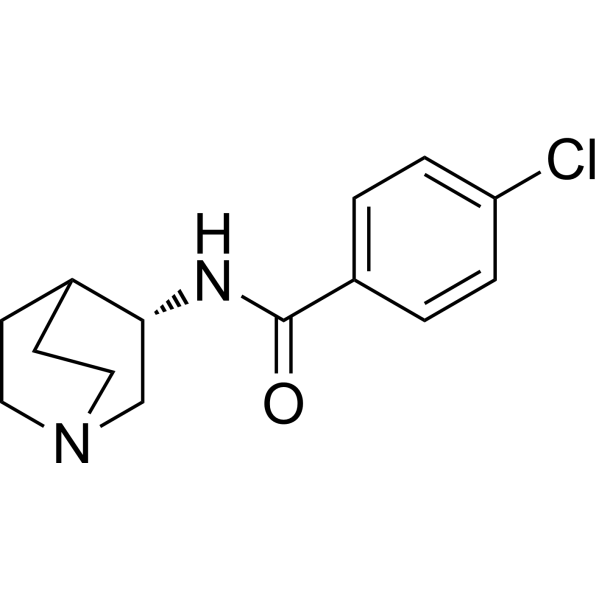
PNU-282987 S enantiomer free base is the S-enantiomer of PNU-282987 free base. PNU-282987 is an α7 nicotinic acetylcholine receptor (α7 nAChR) agonist.
|
-
-
- HY-W750777
-
|
|
Isotope-Labeled Compounds
nAChR
|
Infection
|
|
Flupyradifurone-d5 is the deuterium labeled Flupyradifurone (HY-145295). Flupyradifurone is a systemic?nAChR?agonist that interferes with signal transduction in the central nervous system of sucking pests. Flupyradifurone can be used as a butenolide?insecticide .
|
-

-
- HY-138879A
-
|
|
nAChR
|
Neurological Disease
|
|
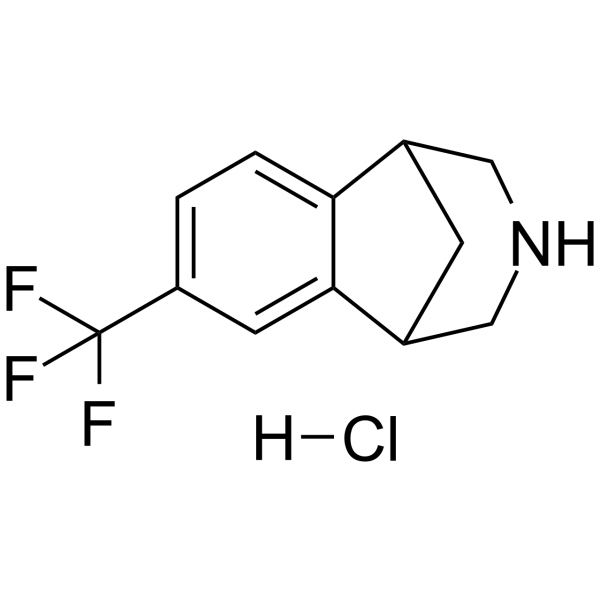
(Rac)-CP-601927 hydrochloride is the racemate of CP-601927. CP-601927 is a nAChR agonist with Ki values 1.2 nM and 102 nM for α4β2 and α3β4 nAChR, respectively .
|
-
-
- HY-W753602
-
|
|
Isotope-Labeled Compounds
|
Neurological Disease
|
|
Acetamiprid-N-desmethyl- 13C,d3 is the 13C and deuterium labeled isotope of Acetamiprid-N-desmethyl( 13C,d3)(HY-B0823).Acetamiprid is a nAChR agonist that has been implicated in neuromuscular and reproductive disorders.
|
-

-
- HY-12560
-
|
|
nAChR
5-HT Receptor
|
Neurological Disease
|
|
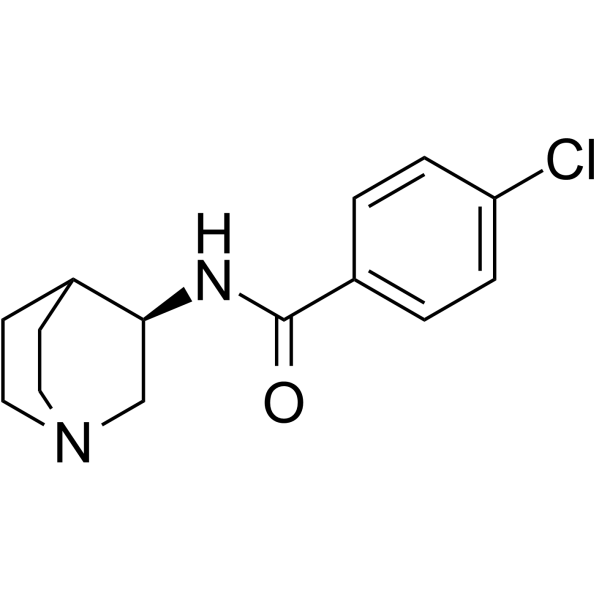
PNU-282987 (free base) is a potent α7 nicotinic acetylcholine receptor (nAChR) agonist with an EC50 of 154 nM. PNU-282987 (free base) is also a functional antagonist of the 5-HT3 receptor with an IC50 of 4541 nM. PNU-282987 (free base) can be used for the research of central and peripheral nervous systems .
|
-
-
- HY-107676
-
|
|
nAChR
|
Neurological Disease
|
|
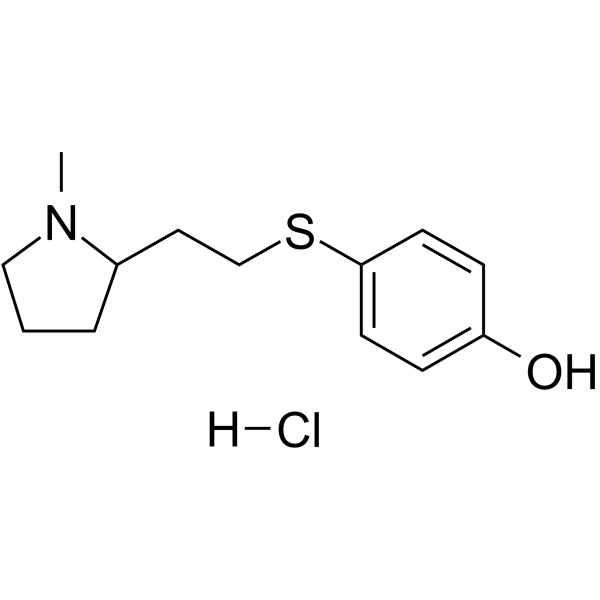
SIB-1553A is an orally bioavailable nicotinic acetylcholine receptors (nAChRs) agonist, with selectivity for β4 subunit-containing nAChRs. SIB-1553A is also a selective neuronal nAChR ligand. SIB-1553A is a cognitive enhancer, and has therapeutic potential for the symptomatic treatment of Alzheimer’s disease and other cognitive disorders .
|
-
-
- HY-107678
-
|
WAY-317538
|
nAChR
|
Neurological Disease
|
|
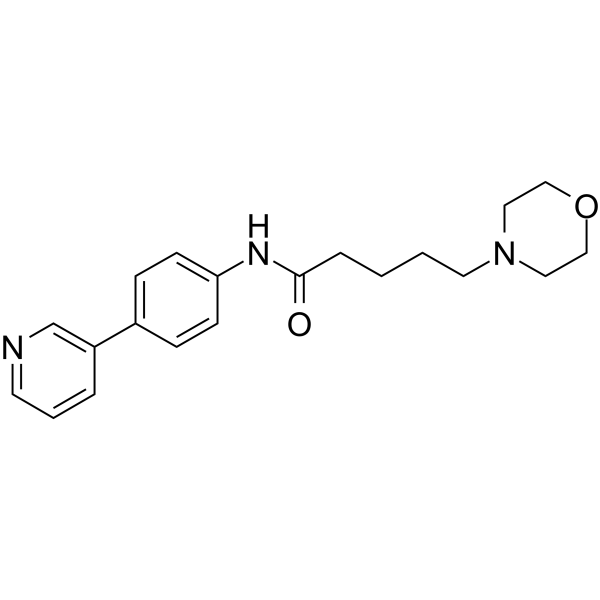
SEN 12333 (WAY-317538) is a potent, selective and orally active α7 nAChR agonist. SEN12333 displays high affinity for the rat α7 nAChRs expressed in GH4C1 cells (K>i=260 nM) and acts as full agonist in functional Ca 2+ flux studies (EC50=1.6 μM). SEN 12333 is used for AD and schizophrenia research .
|
-
-
- HY-105670B
-
|
|
nAChR
|
Neurological Disease
|
|
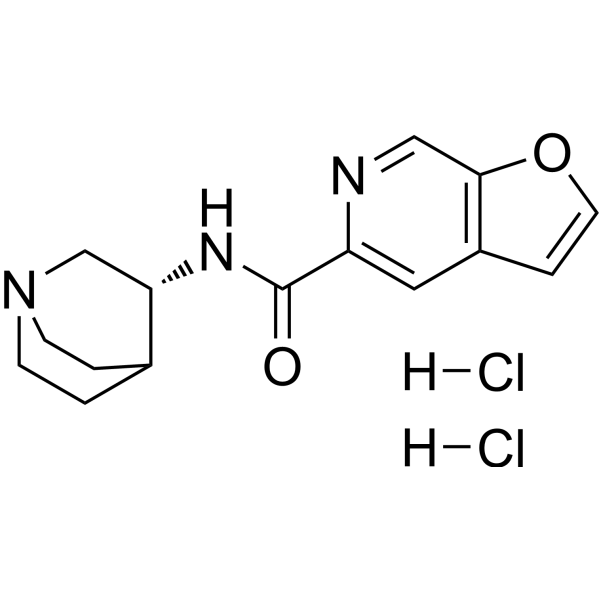
PHA-543613 dihydrochloride is a potent, orally active, brain-penetrant and selective α7 nAChR agonist with a Ki value of 8.8 nM. PHA-543613 dihydrochloride displays selectivity for α7-nAChR over α3β4, α1β1γδ, α4β2 and 5-HT3 receptors . PHA-543613 dihydrochloride can be used for the cognitive deficits of Alzheimer's disease and schizophrenia research .
|
-
-
- HY-101078
-
-
-
- HY-136258
-
|
|
nAChR
|
Neurological Disease
|
|
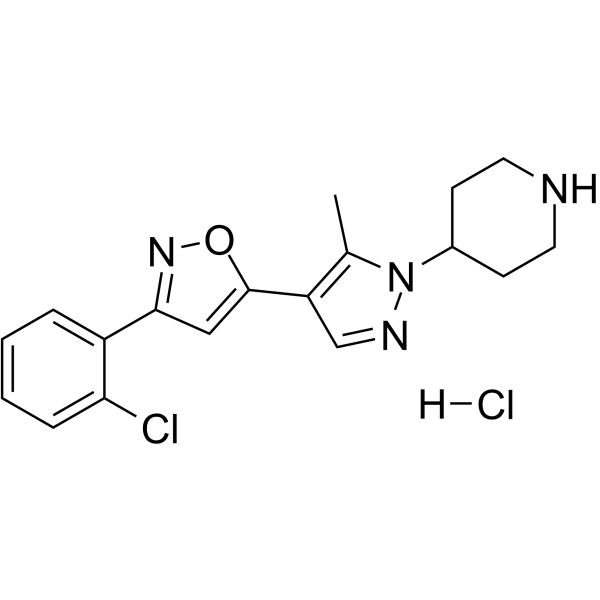
nAChR agonist CMPI hydrochloride is a potent and selective positive allosteric modulator (PAM) of nAChR containing a α4:α4 subunit interface. nAChR agonist CMPI hydrochloride enhances the response of (α4)3(β2)2 nAChR to ACh (10 µM) with an EC50 of 0.26 µM. nAChR agonist CMPI hydrochloride has potential for the research of nicotine dependence and many neuropsychiatric conditions associated with decreased brain cholinergic activity .
|
-
-
- HY-115764
-
-
-
- HY-N16475
-
|
|
nAChR
|
Infection
|
|
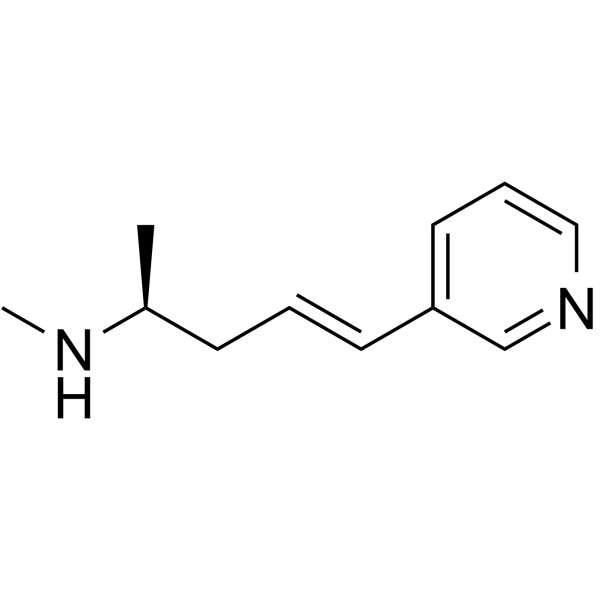
Spinosyn L is a selective nicotinic acetylcholine receptors (nAChR) agonist. Spinosyn L causes sustained neural excitation and paralysis in insects. Spinosyn L is promising for research of pesticides for controlling Lepidoptera, Diptera, and other agricultural pests .
|
-

-
- HY-145295R
-
|
|
Reference Standards
nAChR
|
Infection
|
|
Flupyradifurone (Standard) is the analytical standard of Flupyradifurone. This product is intended for research and analytical applications. Flupyradifurone is a systemic nAChR agonist that interferes with signal transduction in the central nervous system of sucking pests. Flupyradifurone can be used as a butenolide insecticide .
|
-

-
- HY-B0823R
-
|
|
Reference Standards
nAChR
|
Neurological Disease
|
|
Acetamiprid (Standard) is the analytical standard of Acetamiprid. This product is intended for research and analytical applications. Acetamiprid is a neonicotinoid insecticide used worldwide. Acetamiprid is a nicotinic acetylcholine receptor (nAChR) agonist, and is shown to be associated with neuromuscular and reproductive disorders .
|
-

-
- HY-32954
-
|
|
Biochemical Assay Reagents
Drug Intermediate
|
Cancer
|
|
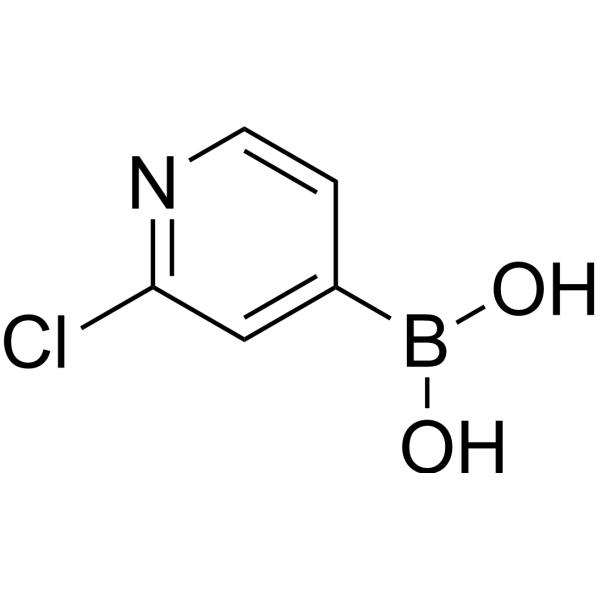
2-Chloropyridine-4-boronic acid is an intermediate. 2-Chloropyridine-4-boronic acid can be used in the synthesis of nAChR agonists. 2-Chloropyridine-4-boronic acid can be used in cancer research .
|
-
-
- HY-19918A
-
|
|
NF-κB
Amyloid-β
nAChR
|
Neurological Disease
Inflammation/Immunology
|
|
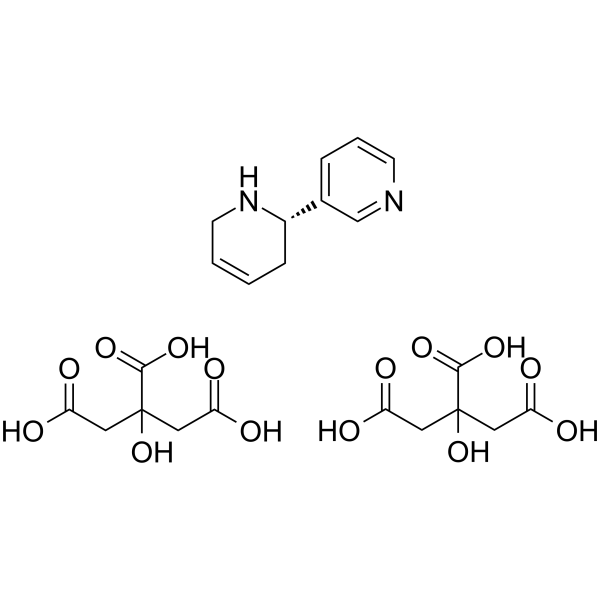
Anatabine dicitrate is a tobacco alkaloid that can cross the blood-brain barrier. Anatabine dicitrate is a potent α4β2 nAChR agonist. Anatabine dicitrate inhibits NF-κB activation lower amyloid-β (Aβ) production by preventing the β-cleavage of amyloid precursor protein (APP). Anatabine dicitrate has anti-inflammatory effects and has the potential for neurodegenerative disorders treatment .
|
-
-
- HY-10554
-
|
|
nAChR
|
Neurological Disease
|
|
WYE-103914 is an orally active α7 nAChR (EC50 = 0.49 µM for rat α7 nAChR, EC50 = 0.57 µM for human α7 nAChR) agonist. WYE-103914 exhibits the ability to enhance memory in multiple cognitive models. WYE-103914 is used in combination with antipsychotic drugs. WYE-103914 can be used for research on schizophrenia .
|
-

-
- HY-14564
-
|
|
nAChR
5-HT Receptor
|
Inflammation/Immunology
|
|
GTS-21 dihydrochloride is a selective alpha7 nicotinic acetylcholine receptor (α7-nAChR) agonist with anti inflammatory and cognition enhancing activities. GTS-21 dihydrochloride is also a α4β2 (Ki=20 nM for humanα4β2) and 5-HT3A receptor (IC50=3.1 μM) antagonist. GTS-21 can be used in age-associated memory impairment (AAMI) and Alzheimer's disease research .
|
-

-
- HY-59201A
-
|
|
ERK
5-HT Receptor
Epigenetic Reader Domain
nAChR
|
Neurological Disease
Metabolic Disease
|
|
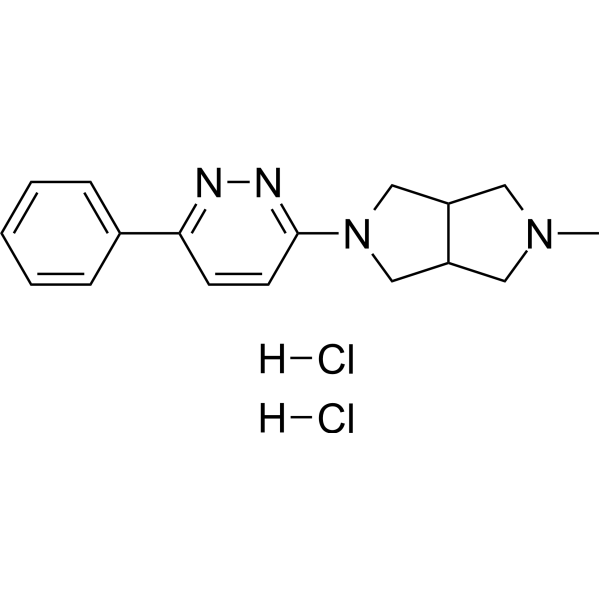
A-582941 dihydrochloride is a selective, orally active, blood-brain barrier-permeable α7 nAChR agonist, with Ki values of 10.8 nM and 17 nM in rat brain and human frontal cortex, respectively. A-582941 dihydrochloride exhibits agonistic activity at 5-HT3 receptors, with a Ki of 150 nM. A-582941 dihydrochloride triggers phosphorylation of ERK1/2 and CREB, inhibits GSK-3β via Ser-9 phosphorylation, increases acetylcholine release, induces the expression of Arc and c-Fos, activates brain regions associated with working memory and attention, and reduces cell death caused by nerve growth factor (NGF) deprivation. A-582941 dihydrochloride is applicable for the research of Alzheimer's disease and schizophrenia .
|
-
-
- HY-171807
-
|
|
nAChR
STAT
|
Neurological Disease
Inflammation/Immunology
|
|
TC-2559 free base is a α4β2 nicotinic acetylcholine receptor (nAChR) agonists with an EC50 of 0.18 μM. TC-2559 free base shows much weaker potencies on the group of b4-containing nAChR subtypes, α2β4, α4β4 and α3β4 receptors, with EC50s in the range of 10-30 µM. TC-2559 free base can increase the discharge of dopamine cells in the ventral tegmental area (VTA) of rats in vitro, enhancing the excitability and aggressive behavior of VTA dopamine neurons. TC-2559 free base inhibits STAT3 to exert anti-inflammatory properties and relieves mice mechanical allodynia and improve rats cognitive deficits. TC-2559 free base can be used for the study of nerve pain .
|
-

-
- HY-B1953R
-
|
|
Reference Standards
nAChR
Insecticide
|
Infection
|
|
Thiacloprid (Standard) is the analytical standard of Thiacloprid. This product is intended for research and analytical applications. Thiacloprid is an orally active neurotoxic insecticide and also a nAChR agonist. Thiacloprid reduces the viability of healthy cells, depletes reduced glutathione, and increases MDA levels, thereby inducing cytotoxicity and oxidative stress damage. In practical applications, Thiacloprid has lower acute toxicity to honeybees than other compounds of the same class such as Imidacloprid (HY-B0838), but it still significantly impairs the learning and memory function, immune capacity and survival status of honeybees. Thiacloprid induces intestinal microbial dysbiosis and reduces survival rate in middle-aged honeybees, increases the risk of premature collapse in bumblebee colonies, and significantly decreases the final colony weight and reproductive output. Thiacloprid is used in broad-spectrum agricultural pest control, often alone or in combination with Deltamethrin (HY-B1971), and meets the pest management needs of various crops including potatoes, cabbages, various fruits and vegetables, and nuts .
|
-

-
- HY-138953A
-
|
|
nAChR
|
Neurological Disease
|
|
Epiboxidine hydrochloride is a potent and selective neural nAChR agonist with Kis of 0.46 nM and 1.2 nM for rat and human α4β2 nAChRs, respectively. Epiboxidine hydrochloride is a methylisoxazole analog of the alkaloid Epibatidine, and is also an analog of another nAChR agonist, ABT 418 .
|
-
-
- HY-107673
-
-
-
- HY-114736
-
|
2-Hydroxyvarenicline
|
nAChR
|
Neurological Disease
|
|
Hydroxy varenicline (2-Hydroxyvarenicline) is a metabolite of varenicline (HY-10019), a nicotinic acetylcholine receptor (nAChR) agonist.
|
-

-
- HY-107677
-
|
|
nAChR
|
Neurological Disease
|
|
A 844606 is a highly potent and selective α4β2 nAChR agonist. A 844606 can be used in the study of schizophrenia, Huntington's disease, Alzheimer's disease, and Parkinson's disease .
|
-

-
- HY-14312
-
|
|
nAChR
|
Neurological Disease
|
|
A 85380 is a novel, high affinity neuronal nicotinic acetylcholine receptor (nAChR) agonist. A 85380 exhibits selectivity for the α4β2 nAChR subtypes. A 85380 has a broad-spectrum analgesic profile .
|
-

-
- HY-136947
-
|
|
nAChR
|
Neurological Disease
|
|
RJR-2429 is a nAChR agonist (EC50: 59 nM). RJR-2429 binds with high affinity to α4β2 receptor subtype (Ki = 1 nM). RJR-2429 induces ileum contraction .
|
-

- HY-B0823A
-
|
|
nAChR
Drug Isomer
|
Neurological Disease
|
|
(E/Z)-Acetamiprid is the E/Z mixture of Acetamiprid (HY-B0823). Acetamiprid is a neonicotinoid insecticide used worldwide. Acetamiprid is a nicotinic acetylcholine receptor (nAChR) agonist, and is shown to be associated with neuromuscular and reproductive disorders .
|
-

- HY-107681
-
|
SIB-1508Y
|
nAChR
|
Neurological Disease
|
|
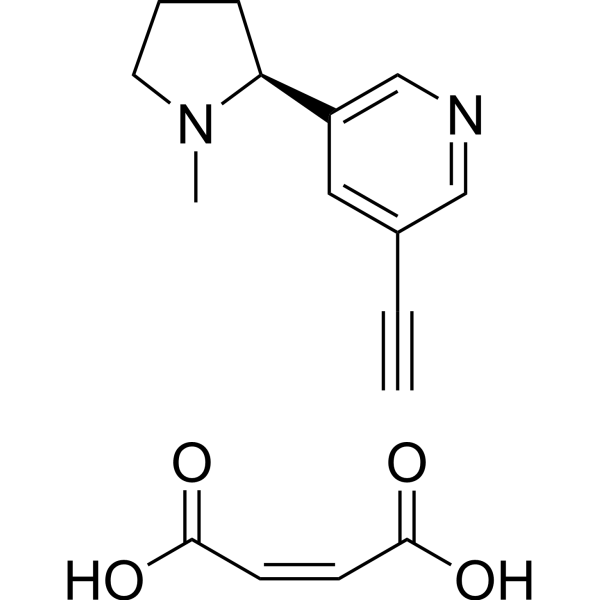
Altinicline (maleate) is an orally active and selective nAChR agonist. Altinicline (maleate) has the potential to study parkinsonism . Altinicline (maleate) is a click chemistry reagent, it contains an Alkyne group and can undergo copper-catalyzed azide-alkyne cycloaddition (CuAAc) with molecules containing Azide groups.
|
-
- HY-130432
-
|
|
nAChR
|
Neurological Disease
|
|
DBO-83 dihydrochloride is a brain-penetrant nicotinic acetylcholine receptor (nAChR) agonist. DBO-83 dihydrochloride activates peripheral nicotinic acetylcholine receptors to evoke non-stimulated ileum contractions. DBO-83 dihydrochloride shows antinociceptive and anti-amnesic activities .
|
-

- HY-B0820R
-
|
|
Reference Standards
nAChR
Parasite
|
Neurological Disease
|
|
Nitenpyram (Standard) is the analytical standard of Nitenpyram. This product is intended for research and analytical applications. Nitenpyram is a calss of neonicotinoid and an insect nicotinic acetylcholine receptor (nAChR) agonist with an IC50 of 14 nM. Nitenpyram is an oral fast-acting insecticide used to suppress sucking insects on companion animals .
|
-
- HY-18159
-
|
AZD1446
|
nAChR
|
Neurological Disease
|
|
TC-6683 (AZD1446) is a selective α4β2 nicotinic acetylcholine receptor (nAChR) agonist. TC-6683 does not show significant therapeutic effects in the animal model of DYT1 dystonia.TC-6683 can be used for the research of neurological disease, such as cognitive disorder .
|
-

- HY-105670A
-
|
|
nAChR
|
Neurological Disease
|
|
PHA-543613 hydrochloride is an oral or active α7 nAChR agonist with brain permeability, For α3β4, α1β1γδ, α4β2 and 5-HT3 receptors selective. PHA-543613 hydrochloride affects sensory gating and memory in an in vivo model of schizophrenia .
|
-
- HY-126047B
-
|
|
NF-κB
Amyloid-β
nAChR
|
Neurological Disease
Inflammation/Immunology
|
|
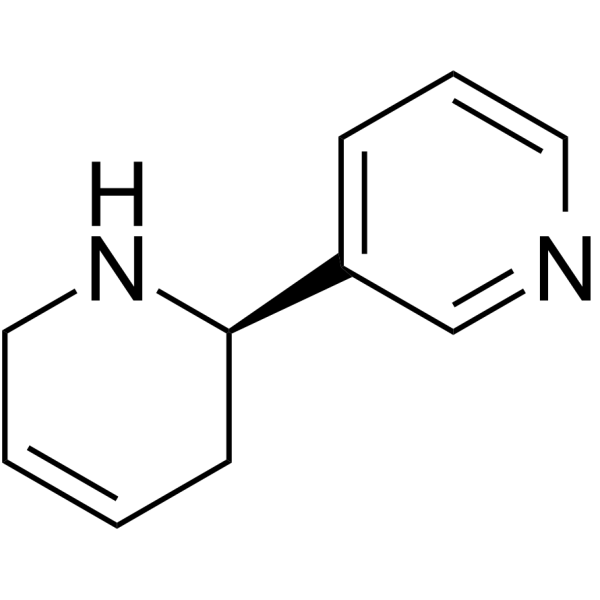
(R)-(+)-Anatabine is an less active R-enantiomer of Anatabine. Anatabine is a potent α4β2 nAChR agonist . Anatabine inhibits NF-κB activation lower amyloid-β (Aβ) production by preventing the β-cleavage of amyloid precursor protein (APP). Anatabine has anti-inflammatory effects and has the potential for neurodegenerative disorders treatment .
|
-
- HY-107676A
-
|
|
nAChR
|
Neurological Disease
|
|
SIB-1553A free base is an orally bioavailable nicotinic acetylcholine receptors (nAChRs) agonist, with selectivity for β4 subunit-containing nAChRs. SIB-1553A free base is also a selective neuronal nAChR ligand. SIB-1553A free base is a cognitive enhancer, and has therapeutic potential for the symptomatic treatment of Alzheimer’s disease and other cognitive disorders .
|
-

- HY-12560C
-
|
|
nAChR
5-HT Receptor
|
Neurological Disease
|
|
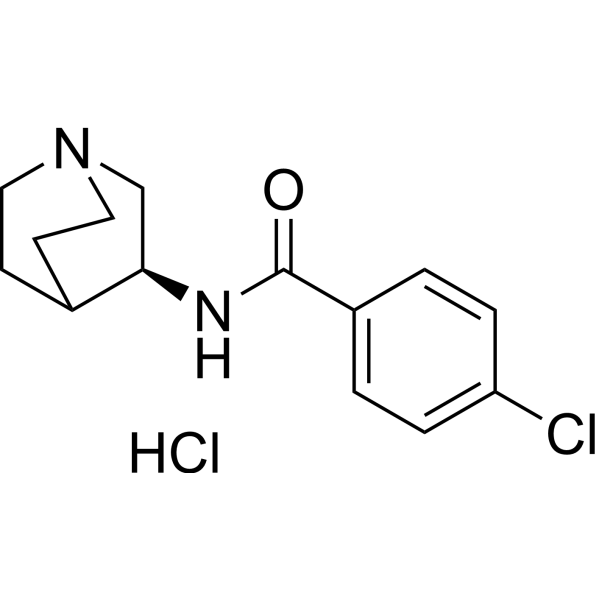
(S)-PNU-282987 hydrochloride is an isoform of PNU-282987 (HY-12560). PNU-282987 (free base) is a potent α7 nicotinic acetylcholine receptor (nAChR) agonist with an EC50 of 154 nM. PNU-282987 (free base) is also a functional antagonist of the 5-HT3 receptor with an IC50 of 4541 nM. PNU-282987 (free base) can be used for the research of central and peripheral nervous systems .
|
-
- HY-W002112R
-
|
Nornicotine (Standard)
|
Reference Standards
Endogenous Metabolite
Drug Metabolite
nAChR
β-catenin
|
Cardiovascular Disease
Neurological Disease
|
|
(±)-Nornicotine (Standard) is the analytical standard of (±)-Nornicotine (HY-W002112). This product is intended for research and analytical applications. (±)-Nornicotine is a major metabolite of Nicotine. (±)-Nornicotine is a partial nAChRs agonist, specifically activating receptor subtypes containing α7 and α6 subunits. (±)-Nornicotine disrupts β-catenin and ZO-1, and induces F-actin depolymerization. (±)-Nornicotine supports self-administration behavior. (±)-Nornicotine can be used in the research of atherosclerosis, Alzheimer's disease, and schizophrenia .
|
-

- HY-W002112S1
-
|
Nornicotine-d7
|
Isotope-Labeled Compounds
Endogenous Metabolite
Drug Metabolite
nAChR
β-catenin
|
Cardiovascular Disease
Neurological Disease
|
|
(±)-Nornicotine-d7 is the deuterium labeled (±)-Nornicotine (HY-W002112). (±)-Nornicotine is a major metabolite of Nicotine. (±)-Nornicotine is a partial nAChRs agonist, specifically activating receptor subtypes containing α7 and α6 subunits. (±)-Nornicotine disrupts β-catenin and ZO-1, and induces F-actin depolymerization. (±)-Nornicotine supports self-administration behavior. (±)-Nornicotine can be used in the research of atherosclerosis, Alzheimer's disease, and schizophrenia .
|
-

- HY-B1953S
-
|
|
nAChR
Insecticide
|
Infection
|
|
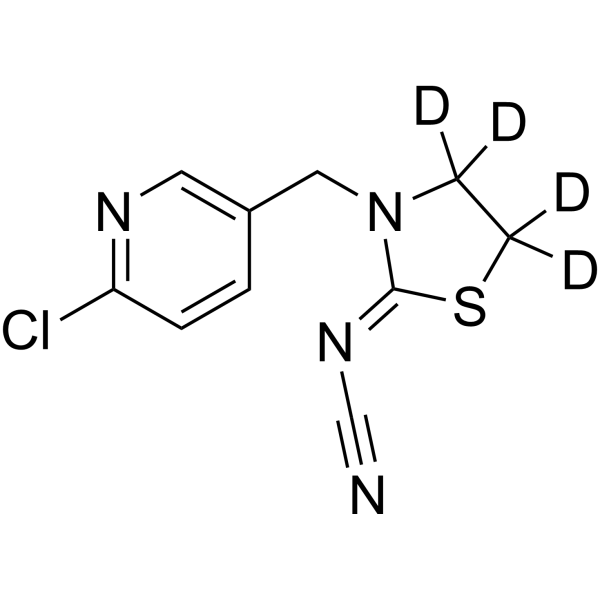
Thiacloprid-d4 is the deuterium labeled Thiacloprid. Thiacloprid is an orally active neurotoxic insecticide and also a nAChR agonist. Thiacloprid reduces the viability of healthy cells, depletes reduced glutathione, and increases MDA levels, thereby inducing cytotoxicity and oxidative stress damage. In practical applications, Thiacloprid has lower acute toxicity to honeybees than other compounds of the same class such as Imidacloprid (HY-B0838), but it still significantly impairs the learning and memory function, immune capacity and survival status of honeybees. Thiacloprid induces intestinal microbial dysbiosis and reduces survival rate in middle-aged honeybees, increases the risk of premature collapse in bumblebee colonies, and significantly decreases the final colony weight and reproductive output. Thiacloprid is used in broad-spectrum agricultural pest control, often alone or in combination with Deltamethrin (HY-B1971), and meets the pest management needs of various crops including potatoes, cabbages, various fruits and vegetables, and nuts .
|
-
- HY-W698445
-
|
|
Drug Isomer
nAChR
|
Neurological Disease
|
|
α-Nicotine is the α-isomer of Nicotine. Nicotine is a nicotinic acetylcholine receptor (nAChR) agonist. Nicotine is promising for research of neuropsychiatric disorders (e.g., schizophrenia, ADHD) .
|
-

- HY-18176
-
|
|
nAChR
Potassium Channel
|
Neurological Disease
|
|
SEN 78702 is an orally active, selective, full α7 nAChR agonist, with a pEC50 of 6.13. SEN 78702 has an acceptable hERG inhibition (IC50: 15.8 μM). SEN 78702 induces memory enhancement .
|
-

- HY-B0820S1
-
|
|
Isotope-Labeled Compounds
nAChR
Parasite
|
Neurological Disease
|
|
Nitenpyram-d3-1 is the deuterium labeled Nitenpyram (HY-B0820). Nitenpyram is a calss of neonicotinoid and an insect nicotinic acetylcholine receptor (nAChR) agonist with an IC50 of 14 nM. Nitenpyram is an oral fast-acting insecticide used to suppress sucking insects on companion animals .
|
-

- HY-167129
-
|
|
nAChR
|
Neurological Disease
|
|
DBO-83 free base is a brain-penetrant nicotinic acetylcholine receptor (nAChR) agonist. DBO-83 free base activates peripheral nicotinic acetylcholine receptors to evoke non-stimulated ileum contractions. DBO-83 free base shows antinociceptive and anti-amnesic activities .
|
-

- HY-180582
-
|
|
nAChR
|
Neurological Disease
Inflammation/Immunology
|
|
QND8 is a selective and potent α7 nicotinic acetylcholine receptor (nAChR) agonist. QND8 can alleviate thermal hyperalgesia and mechanical hyperalgesia in carrageenan-induced inflammatory pain mouse model. QND8 can reduce the swelling of the mice feet, inhibit the release of pro-inflammatory factors at the inflammatory site, and prevent the infiltration of white blood cells. QND8 can be used for the research of inflammation and neurological disease, such as arthritis .
|
-

- HY-14318
-
|
SIB-1508Y free base
|
nAChR
|
Neurological Disease
|
|
Altinicline (SIB-1508Y free base) is a selective α4β2 nicotinic acetylcholine receptor (nAChR) agonist, with no activity against α7 or α1β1γδ nAChRs and only extremely low activity against α3β4 nAChRs. Altinicline reverses escape deficits and increases avoidance responses. Altinicline is applicable to research related to depression .
|
-

- HY-183666
-
|
|
nAChR
Serotonin Transporter
|
Neurological Disease
|
|
NS3956 is a blood-brain barrier-permeable human α4β2-nicotinic acetylcholine receptor (nAChR) agonist (Ki = 0.36 nM). NS3956 induces dopamine release, produces analgesic effects, modulates rotational behavior in 6-OHDA-lesioned rats, and potentiates the effects of SSRI/SNRI in the forced swim test in mice. NS3956 can be used in research related to depression, Parkinson's disease, and acute pain .
|
-

- HY-107678R
-
|
WAY-317538 (Standard)
|
Reference Standards
nAChR
|
Neurological Disease
|
|
SEN12333 (Standard) is the analytical standard of SEN12333 (HY-107678). This product is intended for research and analytical applications. SEN 12333 (WAY-317538) is a potent, selective and orally active α7 nAChR agonist. SEN12333 displays high affinity for the rat α7 nAChRs expressed in GH4C1 cells (K>i=260 nM) and acts as full agonist in functional Ca2+ flux studies (EC50=1.6 μM). SEN 12333 is used for AD and schizophrenia research .
|
-

- HY-105670R
-
|
|
Reference Standards
nAChR
|
Neurological Disease
|
|
PHA-543613 (Standard) is the analytical standard of PHA-543613 (HY-105670). This product is intended for research and analytical applications. PHA-543613 is a potent, orally active, brain-penetrant and selective α7 nAChR agonist with a Ki of 8.8 nM. PHA-543613 displays selectivity for α7-nAChR over α3β4, α1β1γδ, α4β2 and 5-HT3 receptors . PHA-543613 can be used for the cognitive deficits of Alzheimer's disease and schizophrenia research .
|
-

- HY-59201
-
|
|
nAChR
5-HT Receptor
ERK
Epigenetic Reader Domain
|
Neurological Disease
|
|
A-582941 is a selective, orally active, blood-brain barrier-permeable α7 nAChR agonist, with Ki values of 10.8 nM and 17 nM in rat brain and human frontal cortex, respectively. A-582941 exhibits agonistic activity at 5-HT3 receptors, with a Ki of 150 nM. A-582941 triggers phosphorylation of ERK1/2 and CREB, inhibits GSK-3β via Ser-9 phosphorylation, increases acetylcholine release, induces the expression of Arc and c-Fos, activates brain regions associated with working memory and attention, and reduces cell death caused by nerve growth factor (NGF) deprivation. A-582941 is applicable for the research of Alzheimer's disease and schizophrenia .
|
-

| Cat. No. |
Product Name |
Type |
-
- HY-32954
-
|
|
Biochemical Assay Reagents
|
|
2-Chloropyridine-4-boronic acid is an intermediate. 2-Chloropyridine-4-boronic acid can be used in the synthesis of nAChR agonists. 2-Chloropyridine-4-boronic acid can be used in cancer research .
|
| Cat. No. |
Product Name |
Category |
Target |
Chemical Structure |
| Cat. No. |
Product Name |
Chemical Structure |
-
- HY-B0823S
-
|
|
|
Acetamiprid-d3 is the deuterium labeled Acetamiprid. Acetamiprid is a neonicotinoid insecticide. Acetamiprid is a nAChR agonist .
|
-
-
- HY-W002112S
-
|
|
|
(±)-Nornicotine-d4 is the deuterium labeled (±)-Nornicotine (HY-W002112). (±)-Nornicotine is a major metabolite of Nicotine. (±)-Nornicotine is a partial nAChRs agonist, specifically activating receptor subtypes containing α7 and α6 subunits. (±)-Nornicotine disrupts β-catenin and ZO-1, and induces F-actin depolymerization. (±)-Nornicotine supports self-administration behavior. (±)-Nornicotine can be used in the research of atherosclerosis, Alzheimer's disease, and schizophrenia .
|
-
-
- HY-W750777
-
|
|
|
Flupyradifurone-d5 is the deuterium labeled Flupyradifurone (HY-145295). Flupyradifurone is a systemic?nAChR?agonist that interferes with signal transduction in the central nervous system of sucking pests. Flupyradifurone can be used as a butenolide?insecticide .
|
-
-
- HY-W753602
-
|
|
|
Acetamiprid-N-desmethyl- 13C,d3 is the 13C and deuterium labeled isotope of Acetamiprid-N-desmethyl( 13C,d3)(HY-B0823).Acetamiprid is a nAChR agonist that has been implicated in neuromuscular and reproductive disorders.
|
-
-
- HY-W002112S1
-
|
|
|
(±)-Nornicotine-d7 is the deuterium labeled (±)-Nornicotine (HY-W002112). (±)-Nornicotine is a major metabolite of Nicotine. (±)-Nornicotine is a partial nAChRs agonist, specifically activating receptor subtypes containing α7 and α6 subunits. (±)-Nornicotine disrupts β-catenin and ZO-1, and induces F-actin depolymerization. (±)-Nornicotine supports self-administration behavior. (±)-Nornicotine can be used in the research of atherosclerosis, Alzheimer's disease, and schizophrenia .
|
-
-
- HY-B1953S
-
|
|
|
Thiacloprid-d4 is the deuterium labeled Thiacloprid. Thiacloprid is an orally active neurotoxic insecticide and also a nAChR agonist. Thiacloprid reduces the viability of healthy cells, depletes reduced glutathione, and increases MDA levels, thereby inducing cytotoxicity and oxidative stress damage. In practical applications, Thiacloprid has lower acute toxicity to honeybees than other compounds of the same class such as Imidacloprid (HY-B0838), but it still significantly impairs the learning and memory function, immune capacity and survival status of honeybees. Thiacloprid induces intestinal microbial dysbiosis and reduces survival rate in middle-aged honeybees, increases the risk of premature collapse in bumblebee colonies, and significantly decreases the final colony weight and reproductive output. Thiacloprid is used in broad-spectrum agricultural pest control, often alone or in combination with Deltamethrin (HY-B1971), and meets the pest management needs of various crops including potatoes, cabbages, various fruits and vegetables, and nuts .
|
-
-
- HY-B0820S1
-
|
|
|
Nitenpyram-d3-1 is the deuterium labeled Nitenpyram (HY-B0820). Nitenpyram is a calss of neonicotinoid and an insect nicotinic acetylcholine receptor (nAChR) agonist with an IC50 of 14 nM. Nitenpyram is an oral fast-acting insecticide used to suppress sucking insects on companion animals .
|
-
| Cat. No. |
Product Name |
|
Classification |
-
- HY-107681
-
|
SIB-1508Y
|
|
Alkynes
|
|
Altinicline (maleate) is an orally active and selective nAChR agonist. Altinicline (maleate) has the potential to study parkinsonism . Altinicline (maleate) is a click chemistry reagent, it contains an Alkyne group and can undergo copper-catalyzed azide-alkyne cycloaddition (CuAAc) with molecules containing Azide groups.
|
-
- HY-14318
-
|
SIB-1508Y free base
|
|
Alkynes
|
|
Altinicline (SIB-1508Y free base) is a selective α4β2 nicotinic acetylcholine receptor (nAChR) agonist, with no activity against α7 or α1β1γδ nAChRs and only extremely low activity against α3β4 nAChRs. Altinicline reverses escape deficits and increases avoidance responses. Altinicline is applicable to research related to depression .
|
Your information is safe with us. * Required Fields.
Inquiry Information
- Product Name:
- Cat. No.:
- Quantity:
- MCE Japan Authorized Agent:








