Search Result
Results for "
nicotine receptor antagonist
" in MedChemExpress (MCE) Product Catalog:
4
Isotope-Labeled Compounds
| Cat. No. |
Product Name |
Target |
Research Areas |
Chemical Structure |
-
- HY-100806
-
-
-
- HY-P1264
-
|
|
nAChR
|
Neurological Disease
|
|
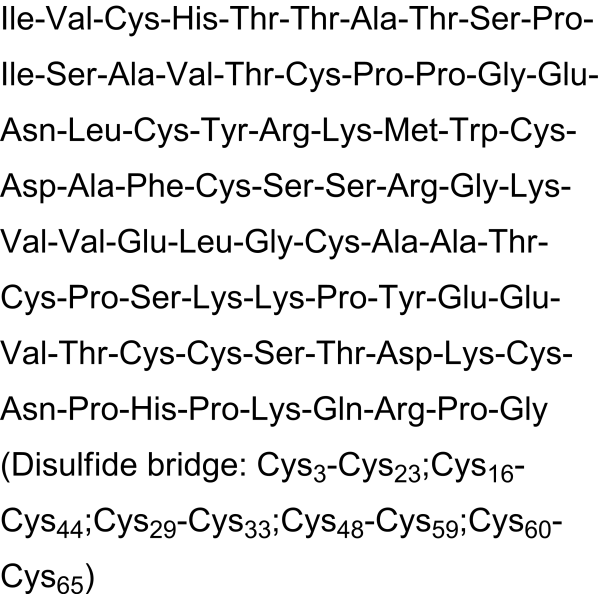
α-Bungarotoxin is a competitive antagonist at nicotinic acetylcholine receptors (nAChRs). α-Bungarotoxin, a selective α7 receptor blocker, blocks α7 currents with an IC50 of 1.6 nM and has no effects on α3β4 currents at concentrations up to 3 μM .
|
-
-
- HY-B1240
-
|
Dehydrobenzperidol
|
Dopamine Receptor
GABA Receptor
nAChR
|
Neurological Disease
|
|
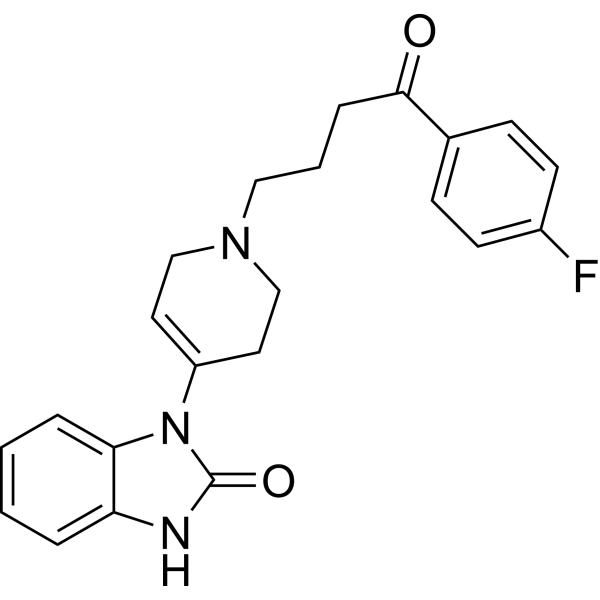
Droperidol (Dehydrobenzperidol) is a butyrophenone pamine-2 receptor antagonist that inhibits the activation of GABA(A) and neuronal nicotinic receptors (nAChR), with IC50 values of 12.6 nM and 5.8 μM. Droperidol has anesthetic and sedative properties .
|
-
-
- HY-12560A
-
PNU-282987
Maximum Cited Publications
14 Publications Verification
|
nAChR
5-HT Receptor
|
Neurological Disease
|
|
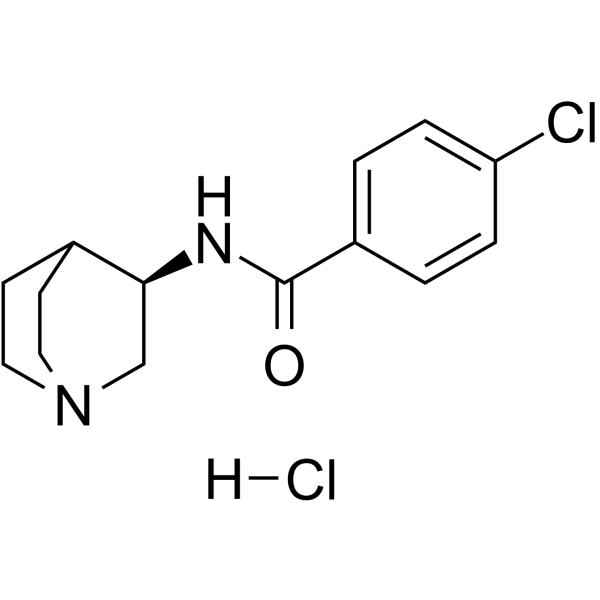
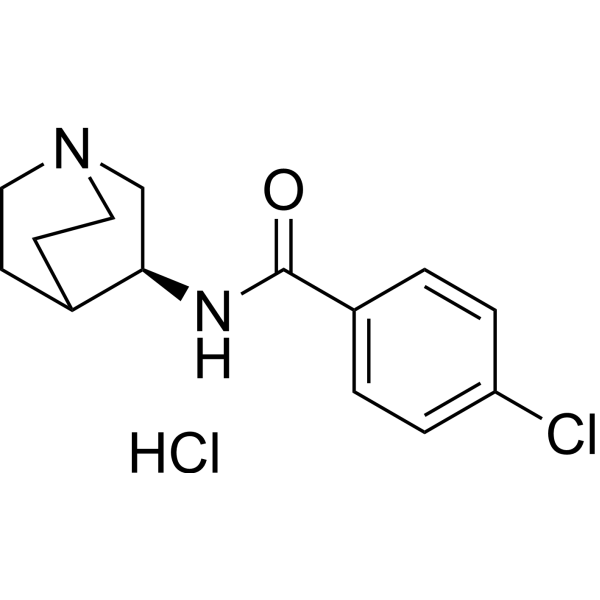
PNU-282987 is a potent α7 nicotinic acetylcholine receptor (nAChR) agonist with an EC50 of 154 nM. PNU-282987 is also a functional antagonist of the 5-HT3 receptor with an IC50 of 4541 nM. PNU-282987 can be used for the research of central and peripheral nervous systems .
|
-
-
- HY-100806S
-
-
-
- HY-14564A
-
|
DMXB-A; DMBX-anabaseine
|
nAChR
5-HT Receptor
|
Inflammation/Immunology
|
|
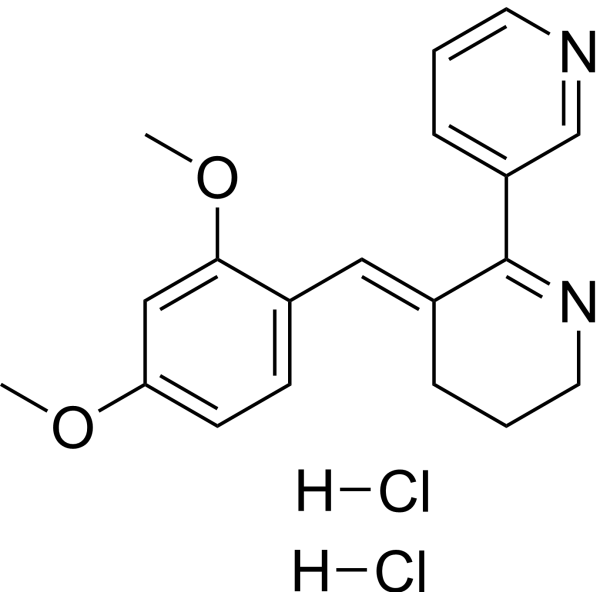
GTS-21 dihydrochloride is a selective alpha7 nicotinic acetylcholine receptor (α7-nAChR) agonist with anti inflammatory and cognition enhancing activities. GTS-21 dihydrochloride is also a α4β2 (Ki=20 nM for humanα4β2) and 5-HT3A receptor (IC50=3.1 μM) antagonist .
|
-
-
- HY-B0461
-
|
|
mAChR
|
Neurological Disease
|
|
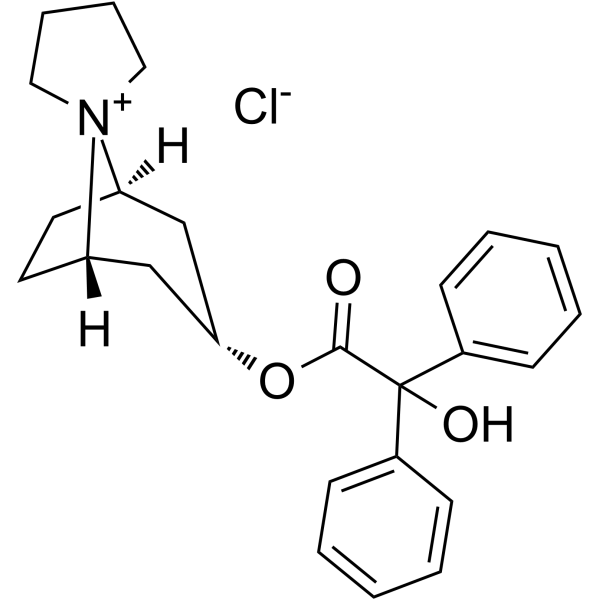
Trospium chloride is an orally active, specific and competitive antagonist of muscarinic cholinergic receptors (mAChRs), with antimuscarinic activity. Trospium chloride binds to muscarinic receptors M1, M2 and M3 with high affinity, but not nicotinic, cholinergic receptors .
|
-
-
- HY-107512
-
-
-
- HY-N0340
-
|
Hyoscine butylbromide; (-)-Scopolamine butylbromide; Butylscopolamine bromide
|
mAChR
|
Neurological Disease
Inflammation/Immunology
|
|
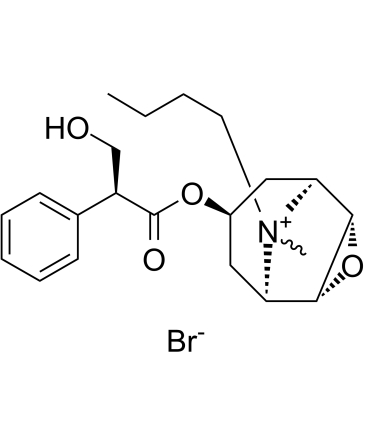
Scopolamine butylbromide (Hyoscine butylbromide) is an orally active anticholinergic agent and spasmolytic. Scopolamine butylbromide binds with high affinity to rat cardiac M2 (Ki 83 nmol/L), hM2 (Ki 233 nmol/L), rat intestinal M3 (Ki 290 nmol/L) and hM3 (Ki 643 nmol/L) muscarinic receptors. Scopolamine butylbromide exerts a dose-dependent antagonistic effect on Carbachol-induced gastrointestinal smooth muscle spasm. Scopolamine butylbromide can be used for the research of abdominal colic and pain associated with gastrointestinal spasm, functional abdominal pain, chronic gastropathy and gastric ulcer .
|
-
-
- HY-P0102
-
|
|
nAChR
|
Neurological Disease
Metabolic Disease
|
|
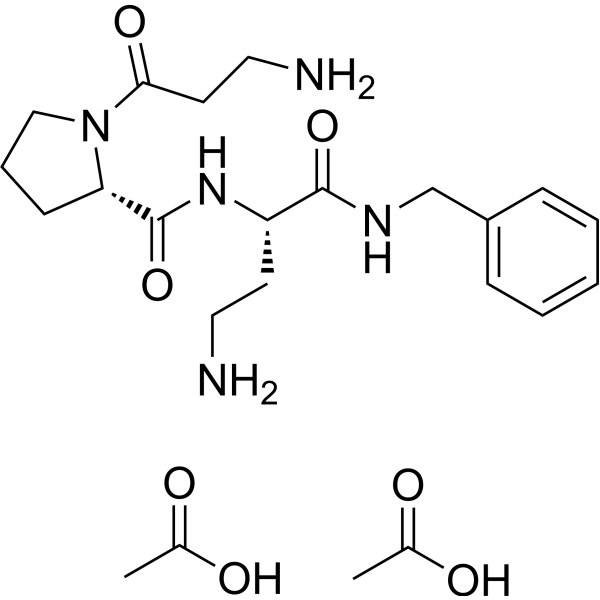
Dipeptide diaminobutyroyl benzylamide diacetate, a Wagerlin-1-mimicking peptide, is a nAChR antagonist. Dipeptide diaminobutyroyl benzylamide diacetate mimics Waglerin-1 to block neuromuscular junction nicotinic acetylcholine receptors, partially inhibits neuronal signal transduction, and relaxes muscles. Dipeptide diaminobutyroyl benzylamide diacetate reduces appearance of facial wrinkles linked to repeated muscle movement.Dipeptide diaminobutyroyl benzylamide diacetate can be used for the research of mild-to-moderate fine and coarse periocular and perioral wrinkles and periorbital ageing .
|
-
-
- HY-N3610
-
|
|
nAChR
|
Cancer
|
|
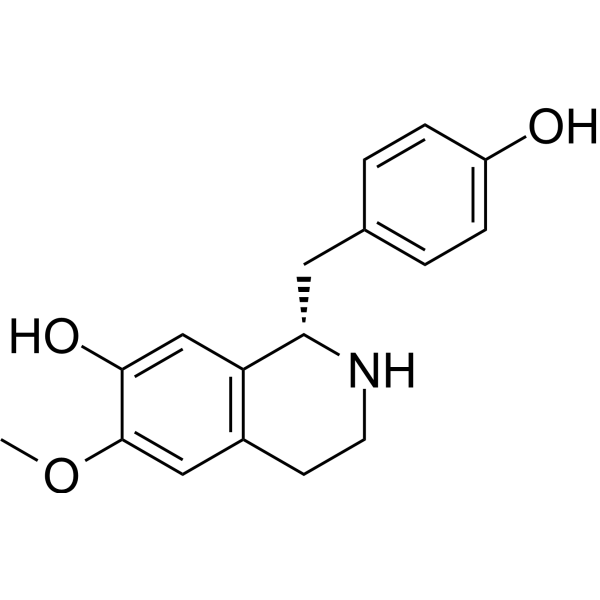
Coclaurine is a class of tetrahydroisoquinoline alkaloids that can be isolated from Sarcopetalum harveyanum with anticancer activity. Coclaurine is a nicotinic acetylcholine receptor (nAChRs) antagonist. Coclaurine is a key molecule in S. tetrandra responsible for EFHD2 inhibition. Coclaurine can downregulate EFHD2-related NOX4-ABCC1 signaling and enhanced Cisplatin (HY-17394) sensitivity. Coclaurine suppresses the stemness and metastatic properties of NSCLC cells. Coclaurine disrupts the interaction between the transcription factor FOXG1 and the EFHD2 promoter, leading to a reduction in EFHD2 transcription .
|
-
-
- HY-B0569
-
|
|
nAChR
Apoptosis
|
Cardiovascular Disease
Neurological Disease
|
|
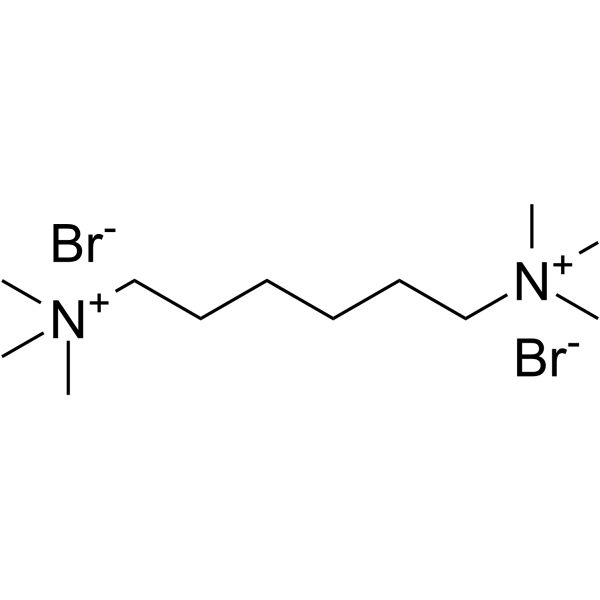
Hexamethonium Bromide is a non-selective ganglionic nicotinic-receptor antagonist (nAChR) antagonist, with mixed competitive and noncompetitive activity. Hexamethonium Bromide has anti-hypertensive activity. Hexamethonium Bromide attenuates sympathetic activity and blood pressure in spontaneously hypertensive animal models .
|
-
-
- HY-P1264F
-
|
|
nAChR
|
Neurological Disease
|
|
FITC-labeled α-Bungarotoxin is FITC-conjugated α-Bungarotoxin (HY-P1264). α-Bungarotoxin acts as a competitive antagonist of nicotinic acetylcholine receptors (nAChRs) .
|
-

-
- HY-125159
-
|
PF-00520904
|
Parasite
nAChR
|
Infection
|
|
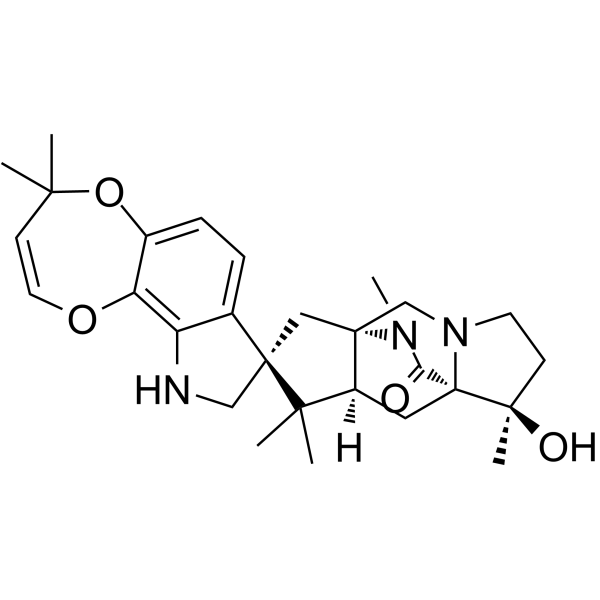
Derquantel, a spirocyclic anthelmintic, is a competitive, orally active nicotinic acetylcholine receptor (nAChR) antagonist. Derquantel inhibits ACh-induced depolarization with an IC50 of 0.22 μM. By selectively antagonizing nAChRs on the somatic muscles of nematodes, Derquantel causes flaccid paralysis of muscles, thereby dislodging parasites from the host's gastrointestinal tract. Derquantel is applicable to research related to Haemonchus contortus infection and Ascaris suum infection .
|
-
-
- HY-101347
-
|
|
nAChR
|
Neurological Disease
|
|
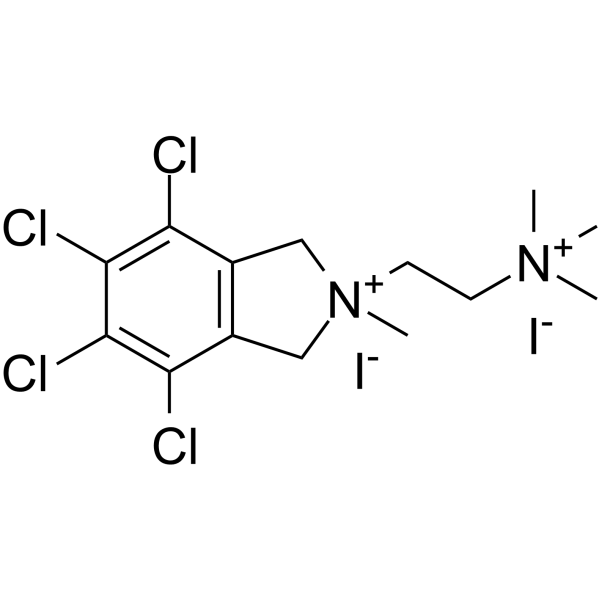
Chlorisondamine (diiodide) is a potent nicotinic acetylcholine receptor (nAChR) antagonist and a ganglion blocker. Chlorisondamine antagonizes some of nicotine's central actions in a potent, long-lasting and pharmacologically selective way .
|
-
-
- HY-100806R
-
-
-
- HY-135783
-
AT 1001
1 Publications Verification
|
nAChR
|
Neurological Disease
Metabolic Disease
Inflammation/Immunology
|
|
AT 1001 is an orally effective α3β4 nicotinic acetylcholine receptor (α3β4 nAChR) antagonist with a Ki value of 2.64 nM. AT 1001 reversibly blocks Epibatidine (HY-101078)-induced inward currents in HEK cells transfected with α3β4 nAChR. AT 1001 dose-dependently blocks nicotine self-administration behavior in rats, alleviates gluten-induced gastrointestinal symptoms, blocks tight junction toxin-induced immune responses, and reduces the incidence of type 1 diabetes in rats. AT 1001 can be used in the research of nicotine addiction and celiac disease .
|
-

-
- HY-100812
-
|
|
GABA Receptor
|
Neurological Disease
Endocrinology
|
|
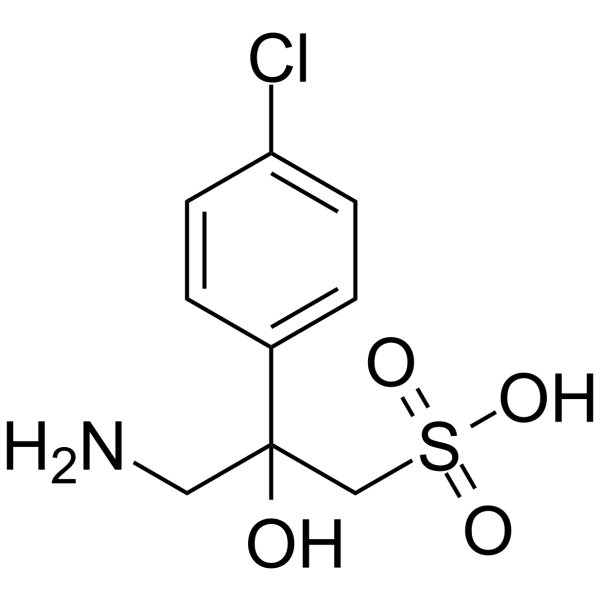
2-Hydroxysaclofen is a potent γ-amino-butyric-acid-B (GABAB) receptor antagonist. 2-Hydroxysaclofen can abolish nicotine-induced hypolocomotor effects and increases the antinociceptive effects. 2-Hydroxysaclofen can stimulate luteinizing hormone (LH) secretion in female rats .
|
-
-
- HY-106901A
-
|
HI-6
|
Cholinesterase (ChE)
nAChR
|
Neurological Disease
|
|
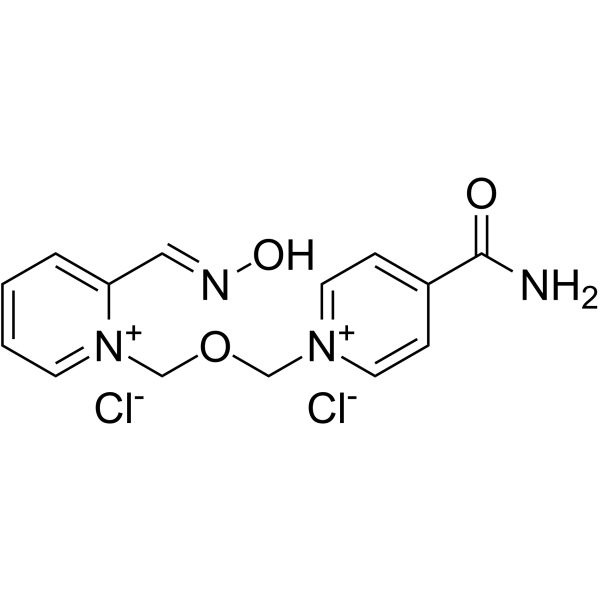
Asoxime dichloride (HI-6) is an orally active thiosemicarbazone-based antidote. Asoxime dichloride is a reversible inhibitor of AChE, and its core mechanism of action is to re-activate AChE inhibited by nerve toxins, thereby restoring the cholinergic nerve function. Asoxime dichloride significantly restores the function of poisoned muscles without reactivating AChE. Asoxime dichloride is an antagonist of acetylcholine receptors (AChRs), including nicotinic receptor and α7 nAChR. Asoxime dichloride can serve as an effective immunomodulator, improving the immune effect of the nervous system .
|
-
-
- HY-P1271
-
|
Catestatin (cattle)
|
nAChR
|
Cardiovascular Disease
|
|
Catestatin is a 21-amino acid residue, cationic and hydrophobic peptide. Catestatin is an endogenous peptide that regulates cardiac function and blood pressure . Catestatin is a non-competitive nicotinic antagonist acting through nicotinic acetylcholine receptors (nAChRs) to inhibit catecholamine release .
|
-

-
- HY-136146
-
|
|
nAChR
|
Neurological Disease
|
|
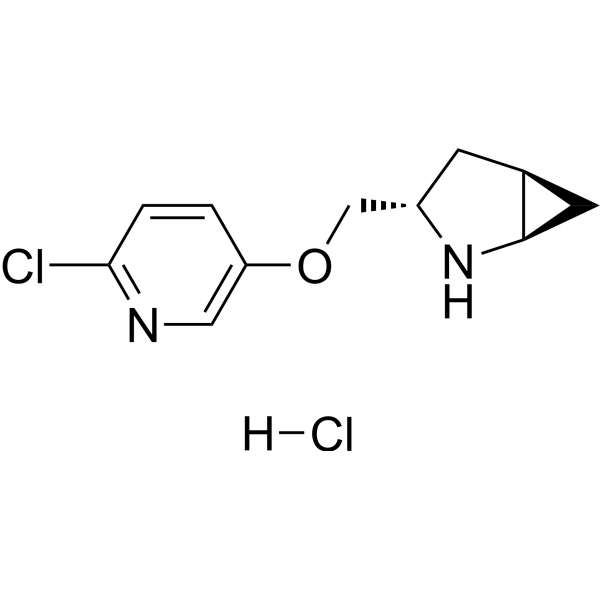
SUVN-911 is a potent, selective, brain penetrated and orally bioavailable neuronal nicotinic acetylcholine α4β2 receptor antagonist, with a Ki of 1.5 nM. SUVN-911 has antidepressant activity .
|
-
-
- HY-P0099
-
|
|
nAChR
|
Others
|
|
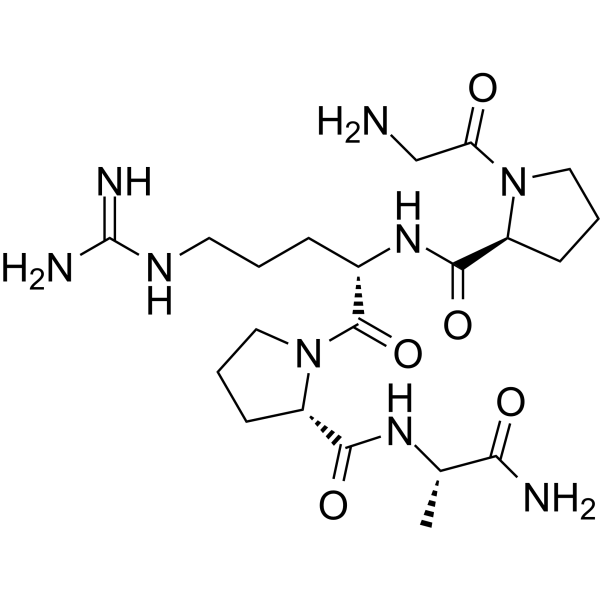
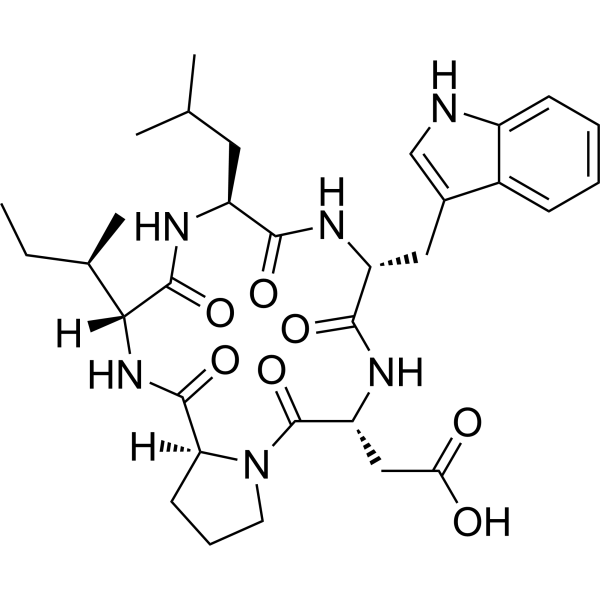
Pentapeptide-3 is a pentapeptide fragment of neurotoxin waglerin-1, it can be extracted from the venom of Temple Viper. Pentapeptide-3 is a competitive antagonist of nicotinic acetylcholine receptors (nAChRs), it can blocks nerves at the post-synaptic membrane. Pentapeptide-3 has anti-aging effects and it can be used together with other cosmetic peptides .
|
-
-
- HY-103430A
-
|
|
Dopamine Receptor
5-HT Receptor
Adenylate Cyclase
|
Neurological Disease
|
|
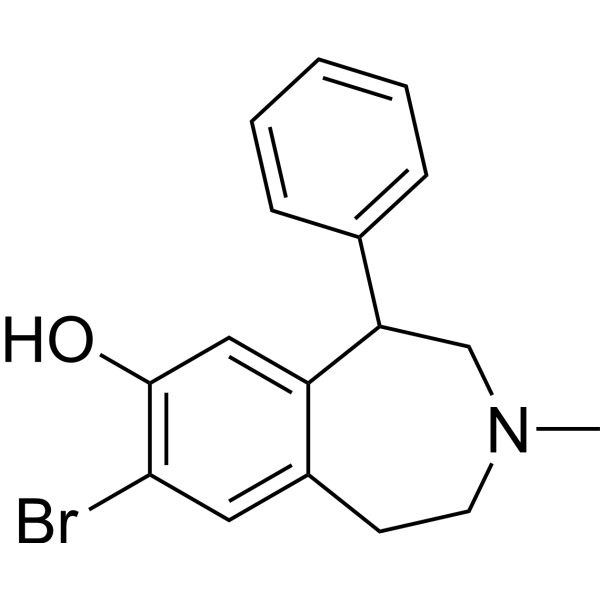
SKF-83566 is a potent, blood-brain permeable and orally active D1-like dopamine receptor (D1DR) antagonist and a weaker competitive antagonist at the vascular 5-HT2 receptor (Ki=11 nM) . SKF-83566 is a competitive DAT (dopamine transporter) inhibitor with an IC50 of 5.7 μM . SKF-83566 also shows selective inhibition for adenylyl cyclase 2 (AC2) over AC1 and AC5 in the isolated rabbit thoracic aorta . SKF-83566 can be used for research of parkinson’s disease and nicotine craving alleviation .
|
-
-
- HY-W013113
-
-

-
- HY-W705106
-
|
(-)-(S)-Coclaurine hydrochloride; L-Coclaurine hydrochloride
|
nAChR
|
Neurological Disease
|
|
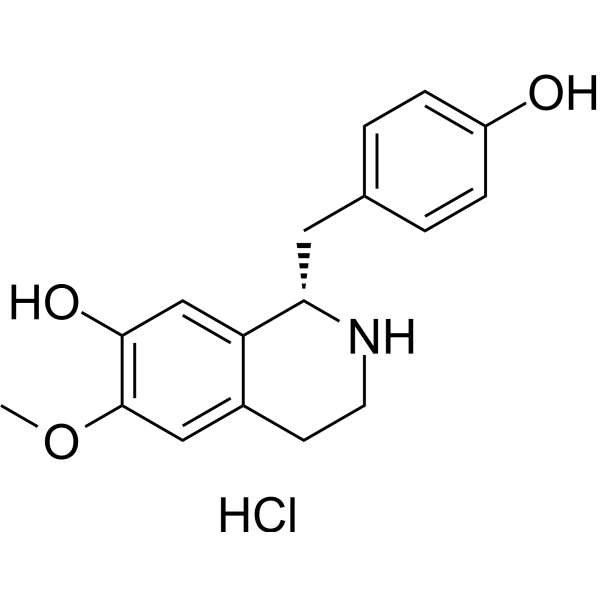
(-)-Coclaurine hydrochloride (compound I) is a class of tetrahydroisoquinoline alkaloids that can be isolated from Sarcopetalum harveyanum. (-)-Coclaurine hydrochloride is a nicotinic acetylcholine receptor (nAChRs) antagonist .
|
-
-
- HY-B0461R
-
|
|
mAChR
Reference Standards
|
Neurological Disease
|
|
Trospium (chloride) (Standard) is the analytical standard of Trospium (chloride). This product is intended for research and analytical applications. Trospium chloride is an orally active, specific and competitive antagonist of muscarinic cholinergic receptors (mAChRs), with antimuscarinic activity. Trospium chloride binds to muscarinic receptors M1, M2 and M3 with high affinity, but not nicotinic, cholinergic receptors .
|
-

-
- HY-108057A
-
|
RG3487 hydrochloride
|
nAChR
5-HT Receptor
|
Neurological Disease
|
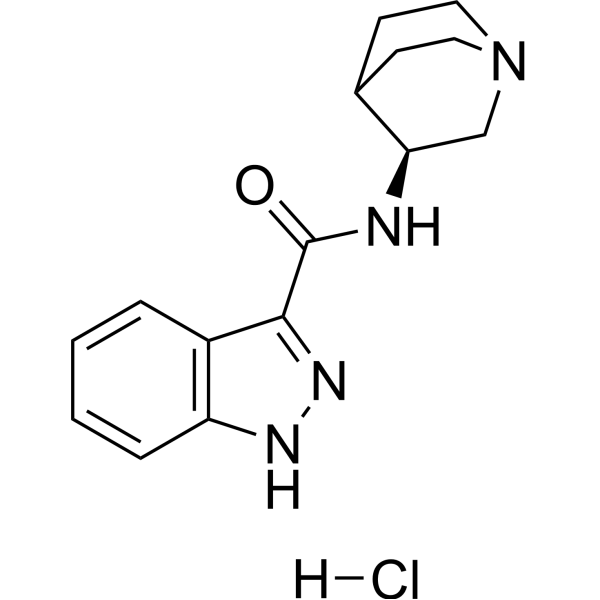
Facinicline hydrochloride (RG3487 hydrochloride) is an orally active nicotinic α7 receptor partial agonist, with a Ki of 6 nM for α7 human nAChR. Facinicline hydrochloride (RG3487 hydrochloride) improves cognition and sensorimotor gating in rodents. Facinicline hydrochloride (RG3487 hydrochloride) shows high affinity (antagonist) to 5-HT3Rs with a Ki value of 1.2 nM .
|
-
-
- HY-152170
-
bPiDI
1 Publications Verification
|
nAChR
|
Neurological Disease
|
|
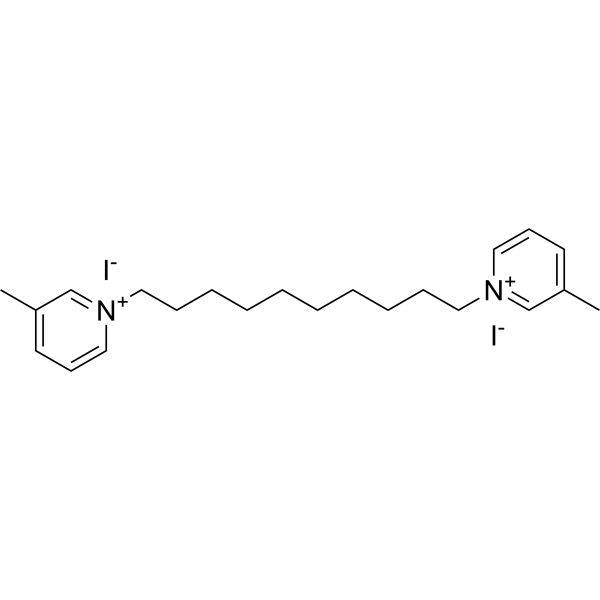
bPiDI is a novel selective α6β2 nicotinic receptor antagonist. bPiDI inhibits nicotine-evoked striatal dopamine (DA) release through an interaction with α6β2-containing nAChRs .
|
-
-
- HY-B0461S
-
|
|
Isotope-Labeled Compounds
mAChR
|
Neurological Disease
|
|
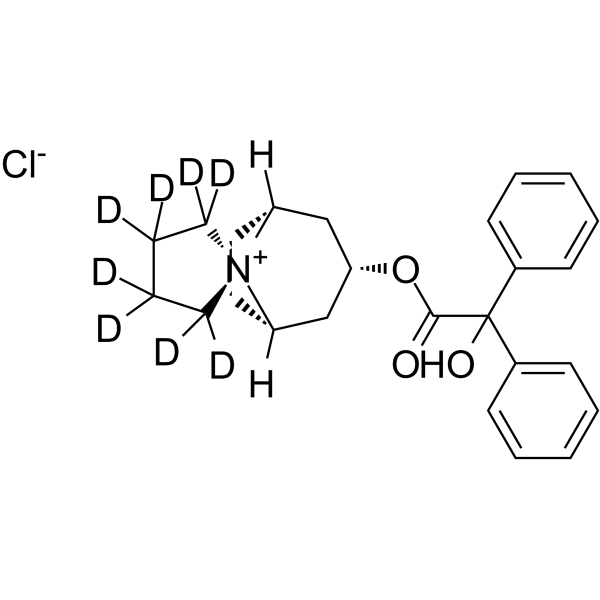
Trospium-d8 (chloride) is the deuterium labeled Trospium chloride. Trospium chloride is an orally active, specific and competitive antagonist of muscarinic cholinergic receptors (mAChRs), with antimuscarinic activity. Trospium chloride binds to muscarinic receptors M1, M2 and M3 with high affinity, but not nicotinic, cholinergic receptors .
|
-
-
- HY-108069
-
|
|
Potassium Channel
nAChR
|
Neurological Disease
|
|
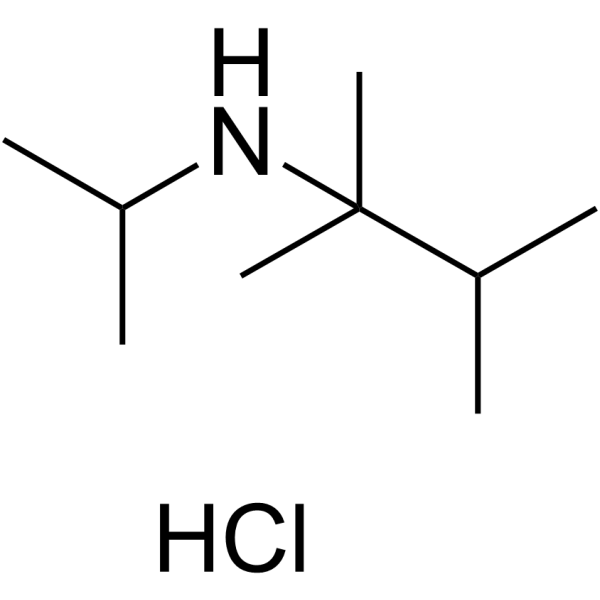
Iptakalim hydrochloride, a lipophilic para-amino compound, is a novel ATP-sensitive potassium channel (KATP) opener, as well as an α4β2-containing nicotinic acetylcholine receptor (nAChR) antagonist .
|
-
-
- HY-145297
-
|
|
nAChR
Insecticide
|
Neurological Disease
|
|
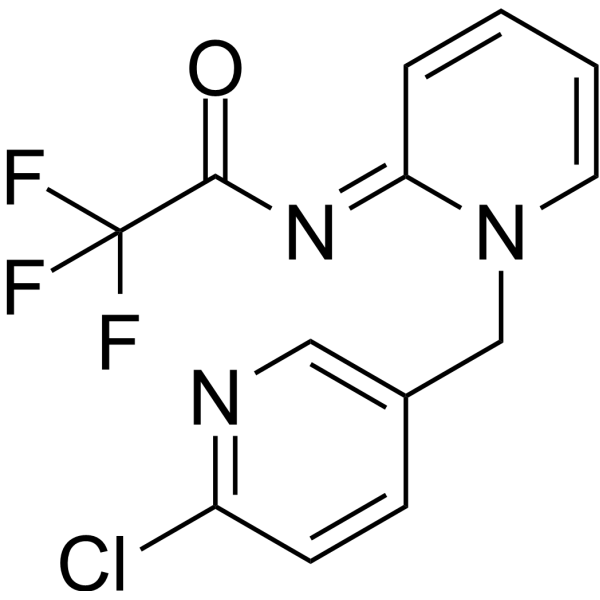
Flupyrimin is the antagonist for insect nicotinic acetylcholine receptor (nAChR) that exhibits insecticidal effect by targeting insect nervous system .
|
-
-
- HY-P1271A
-
|
|
nAChR
|
Cardiovascular Disease
|
|
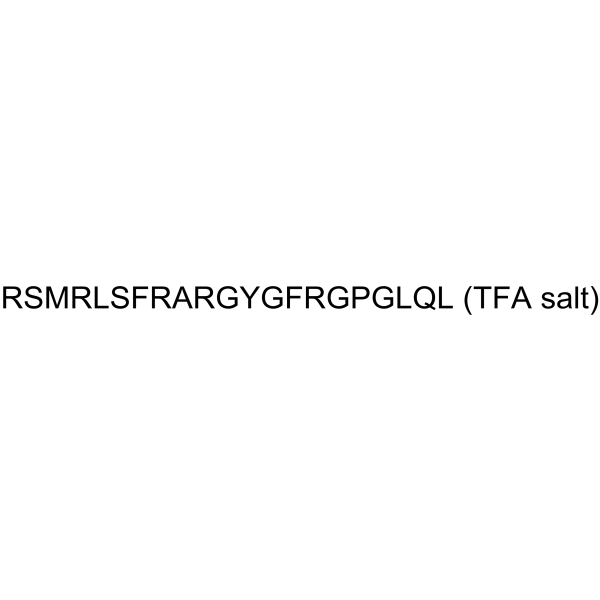
Catestatin TFA is a 21-amino acid residue, cationic and hydrophobic peptide. Catestatin TFA is an endogenous peptide that regulates cardiac function and blood pressure . Catestatin TFA is a non-competitive nicotinic antagonist acting through nicotinic acetylcholine receptors (nAChRs) to inhibit catecholamine release .
|
-
-
- HY-139581
-
|
SUVN-911 free base
|
nAChR
|
Neurological Disease
|
|
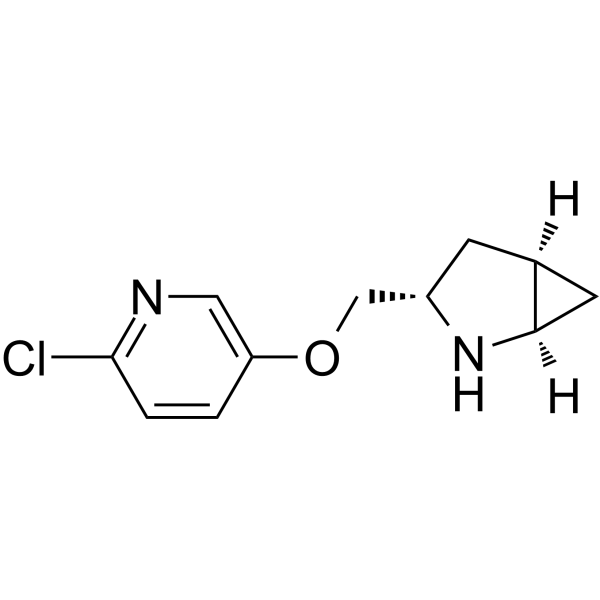
Ropanicant (SUVN-911 free base) is a novel, potent, selective, and orally active neuronal nicotinic acetylcholine α4β2 receptor antagonist for the research of depression .
|
-
-
- HY-103305
-
|
|
Fluorescent Dye
Calcium Channel
|
Others
|
|
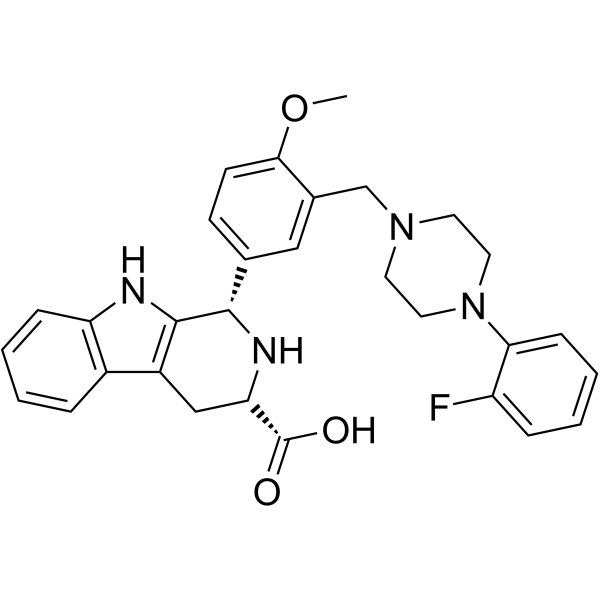
cis-Ned19 is an irreversible nicotinic acid adenine dinucleotide phosphate (NAADP) antagonist. cis-Ned19 localizes to lysosomes and endolysosomal vesicles, stains two-pore calcium channels and fluorescently labels NAADP receptors (Ex/Em = 365/410 nm) .
|
-
-
- HY-12560
-
|
|
nAChR
5-HT Receptor
|
Neurological Disease
|
|
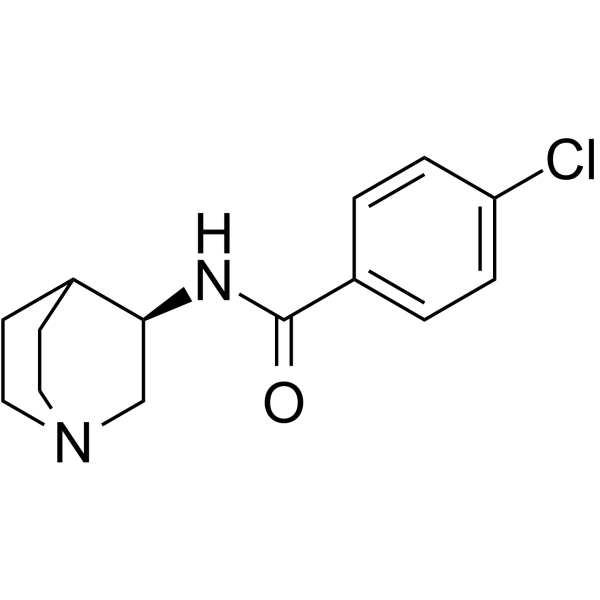
PNU-282987 (free base) is a potent α7 nicotinic acetylcholine receptor (nAChR) agonist with an EC50 of 154 nM. PNU-282987 (free base) is also a functional antagonist of the 5-HT3 receptor with an IC50 of 4541 nM. PNU-282987 (free base) can be used for the research of central and peripheral nervous systems .
|
-
-
- HY-10486
-
|
|
Opioid Receptor
|
Neurological Disease
|
|
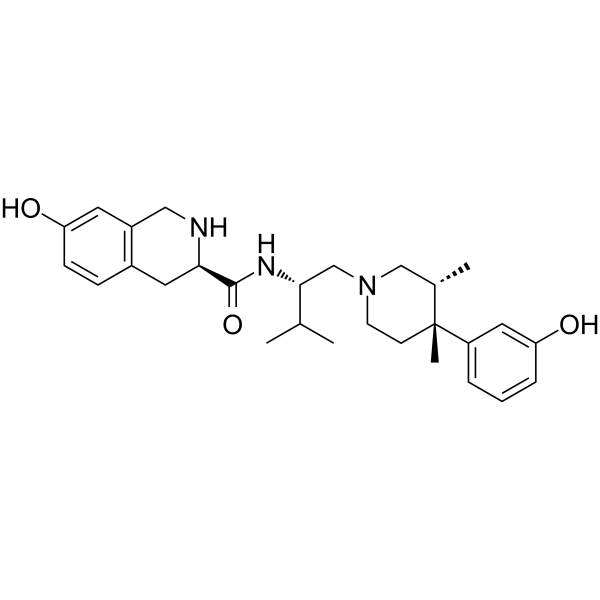
JDTic is a blood-brain barrier-permeable κ-opioid receptor antagonist (Ki=0.02 nM) with favorable in vitro ADME properties. JDTic blocks agonist-mediated Gi and β-arrestin signaling pathways as well as analgesic effects by stabilizing the inactive conformation of hKOR and activating JNK. JDTic may also induce transient asymptomatic ventricular tachycardia. JDTic is widely applicable to studies related to depression, anxiety, stress-induced addictive behaviors, and nicotine withdrawal .
|
-
-
- HY-106901AS
-
|
HI-6-d4
|
Isotope-Labeled Compounds
Cholinesterase (ChE)
nAChR
|
Neurological Disease
|
|
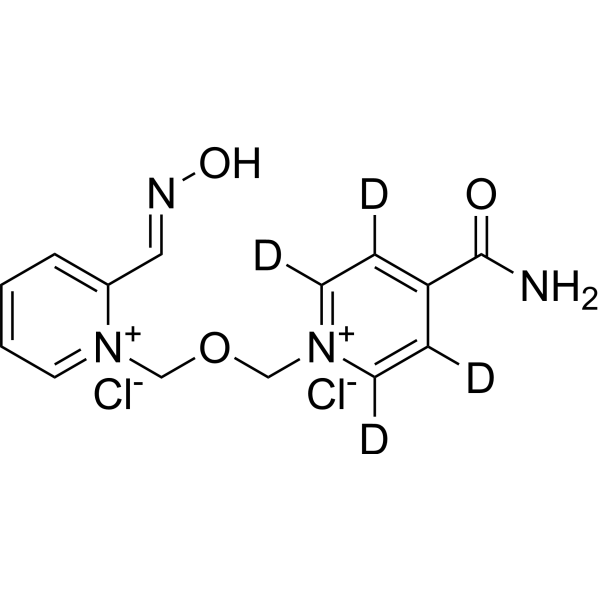
Asoxime-d4 dichloride (HI-6-d4) is the deuterium labeled Asoxime dichloride. Asoxime dichloride is an orally active thiosemicarbazone-based antidote. Asoxime dichloride is a reversible inhibitor of AChE, and its core mechanism of action is to re-activate AChE inhibited by nerve toxins, thereby restoring the cholinergic nerve function. Asoxime dichloride significantly restores the function of poisoned muscles without reactivating AChE. Asoxime dichloride is an antagonist of acetylcholine receptors (AChRs), including nicotinic receptor and α7 nAChR. Asoxime dichloride can serve as an effective immunomodulator, improving the immune effect of the nervous system.
|
-
-
- HY-U00139
-
-
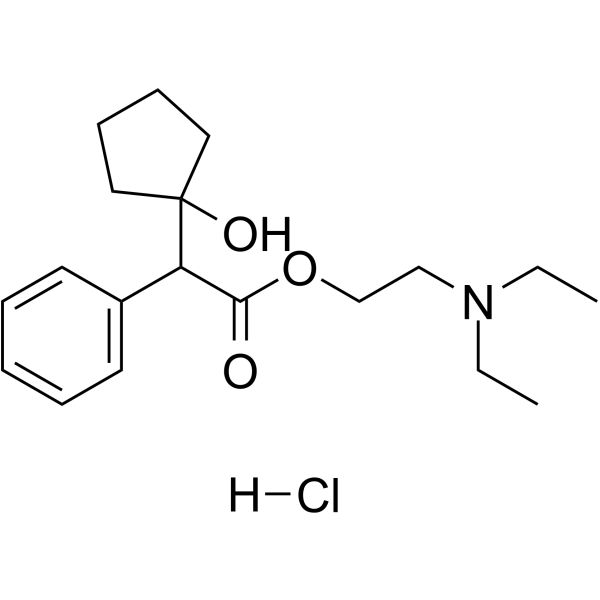
-
- HY-N10497
-
|
|
nAChR
|
Neurological Disease
|
|
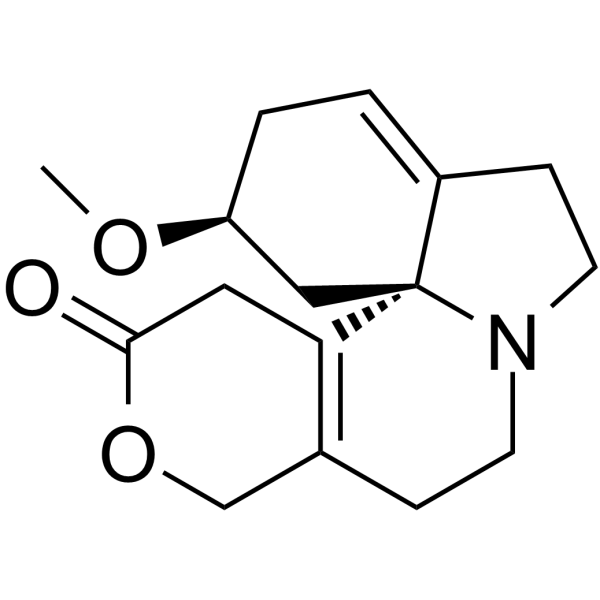
Dihydro-β-erythroidine is a a competitive nicotinic receptor antagonist. Dihydro-β-erythroidine blocks the discriminative stimulus properties of nicotine. Dihydro-β-erythroidine inhibits the anxiolytic effect of nicotine induced .
|
-
-
- HY-146404
-
-
-
- HY-P5188A
-
-
-
- HY-P5833
-
|
κ-Bgt
|
nAChR
|
Neurological Disease
|
|
κ-Bungarotoxin (κ-Bgt) is a potent, selective, and slowly reversible antagonist of α3β2 neuronal nicotinic acetylcholine receptors with an IC50 of 2.30 nM .
|
-

-
- HY-114791
-
|
|
nAChR
|
Neurological Disease
|
|
Lobelanidine is an antagonist for nicotinic acetylcholine receptor (nAChR), which inhibits α7 nAChR response and α3β2/α3β4 nAChR responses, with IC50 of 2.8 and 8.2 μM .
|
-

-
- HY-169870
-
|
(+)-Mecamylamine; TC-5214
|
nAChR
|
Neurological Disease
|
|
Dexmecamylamine ((+)-Mecamylamine) is the antagonist for nicotinic acetylcholine receptor (nAChR), that antagonises the α3β4/α4β2/α7/α1β1γδ receptor with IC50 of micromolare levels. Dexmecamylamine exhibits anxiolytic and antidepressant-like activities .
|
-

-
- HY-14564
-
|
|
nAChR
5-HT Receptor
|
Inflammation/Immunology
|
|
GTS-21 dihydrochloride is a selective alpha7 nicotinic acetylcholine receptor (α7-nAChR) agonist with anti inflammatory and cognition enhancing activities. GTS-21 dihydrochloride is also a α4β2 (Ki=20 nM for humanα4β2) and 5-HT3A receptor (IC50=3.1 μM) antagonist. GTS-21 can be used in age-associated memory impairment (AAMI) and Alzheimer's disease research .
|
-

-
- HY-12701A
-
|
U-99194A; PNU-99194A maleate; JPC-211 maleate
|
Dopamine Receptor
|
Neurological Disease
|
|
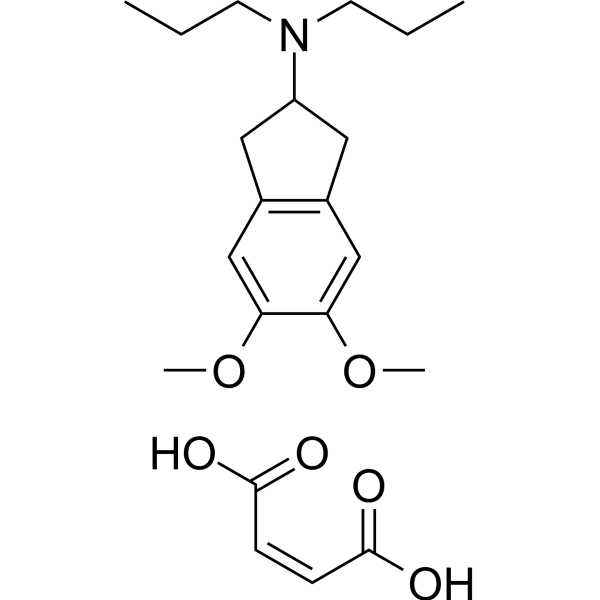
U-99194 (PNU-99194) maleate is a selective, potent dopamine D3 receptor antagonist (Ki =160 nM). U-99194 maleate inhibits the activation of D3 receptor mediated by endogenously released dopamine or exogenous D3 agonists. U-99194 maleate abrogates the IPSC-suppressive effect of the D3 agonist PD 128907 in rat hippocampal slices. U-99194 maleate significantly suppresses Nicotine (HY-127019)-induced tremor in mice. U-99194 maleate can be used for the study of dopamine D3 receptor-mediated motor disorders, particularly kinetic tremors .
|
-
-
- HY-P11313
-
|
Rat chromogranin A367–387
|
nAChR
Akt
|
Cardiovascular Disease
|
|
Catestatin (rat) (Rat chromogranin A367–387) is a potent, reversible, noncompetitive, and noncooperative nicotinic cholinergic antagonist derived from chromogranin A (A367-387). Catestatin (rat) inhibits norepinephrine release in rat PC12 pheochromocytoma cells (IC50 = 1.2 μM), and blocks desensitization of norepinephrine release (IC50 = 0.62 μM). Catestatin (rat) exerts antiadrenergic effects through the endothelial PI3K-AKT-eNOS pathway in rat papillary muscles and isolated cardiomyocytes. Catestatin (rat) maintains mitochondrial membrane potential in I/R cardiomyocytes and increases phosphorylation of AKT at S473, GSK3β at S9, PLB at T17, and eNOS at S1179. Catestatin (rat) reverses desensitization of 22Na + uptake. Catestatin (rat) can be used for the study of nicotinic cholinergic receptor regulation and catecholamine release control mechanisms .
|
-

-
- HY-131479A
-
|
|
Drug Metabolite
|
Neurological Disease
|
|
Threo-dihydrobupropion is a major metabolite of Bupropion, formed via oxidation and reduction exhibit pharmacological activity. Bupropion, a dual dopamine-norepinephrine uptake inhibitor and a nicotine receptor antagonist, is widely used in the management of depression and as a smoking cessation aid .
|
-

-
- HY-167699
-
|
|
mAChR
|
Others
|
|
Cyclodrine is a cholinergic receptor antagonist that exhibits biological activity by influencing both muscarinic and nicotinic receptors.
|
-

-
- HY-B1552B
-
|
|
nAChR
|
Neurological Disease
|
|
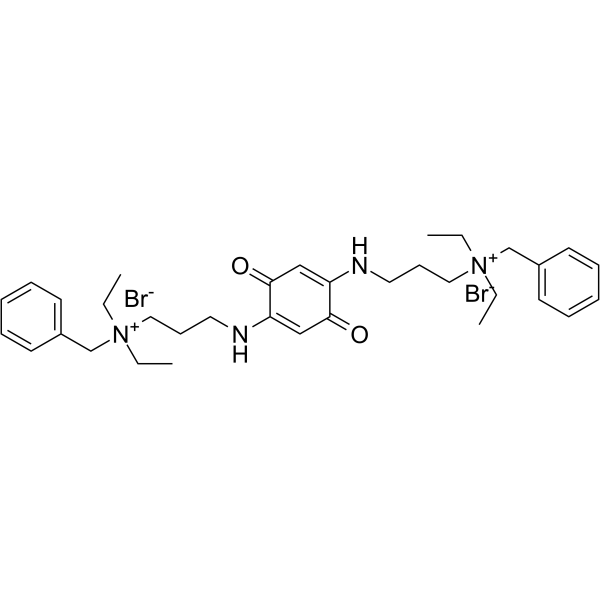
Benzoquinonium dibromide is a nicotinic acetylcholine receptors (nAChRs) antagonist, with an IC50 of 0.46 μM. Benzoquinonium dibromide can block neuromuscular and ganglionic transmission .
|
-
- HY-138973A
-
|
|
iGluR
nAChR
|
Neurological Disease
|
|
Neramexane mesylate is an α9α10 cholinergic nicotinic receptors and N-methyl-D-aspartate receptors(NMDA) antagonist. Neramexane mesylate can improve moderate to severe tinnitus, and also shows neuroprotective effects .
|
-

- HY-P4201
-
|
|
Vasopressin Receptor
|
Cardiovascular Disease
|
|
JKC 301 is a selective Endothelin A receptor antagonist. JKC 301 attenuates the pressor effects of nicotine in rats. JKC 301 can be used to study cardiovascular disease caused by smoking .
|
-
- HY-107671
-
|
|
nAChR
|
Neurological Disease
|
|
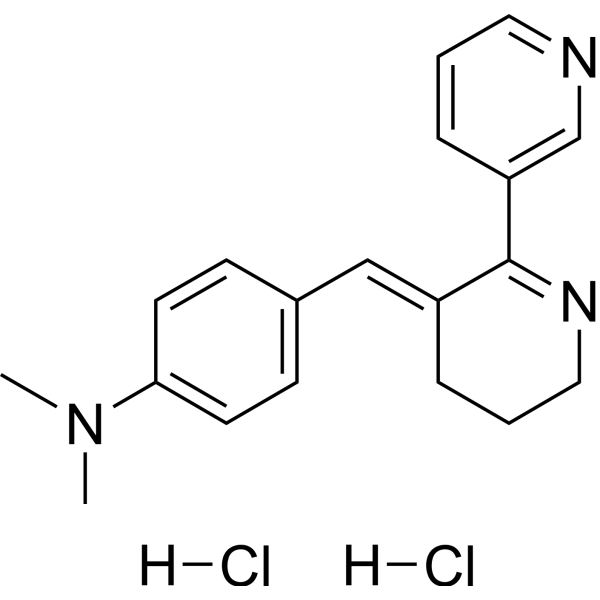
DMAB-anabaseine dihydrochloride is a selective nicotinic α7 receptor partial agonist and an α4β2 nAChR antagonist. DMAB-anabaseine dihydrochloride shows cognition-enhancing effects .
|
-
- HY-145297R
-
|
|
Reference Standards
nAChR
Insecticide
|
Neurological Disease
|
|
Flupyrimin (Standard) is the analytical standard of Flupyrimin. This product is intended for research and analytical applications. Flupyrimin is the antagonist for insect nicotinic acetylcholine receptor (nAChR) that exhibits insecticidal effect by targeting insect nervous system .
|
-

- HY-107512R
-
-

- HY-108057
-
|
RG3487 free base
|
nAChR
5-HT Receptor
|
Neurological Disease
|
|
Facinicline (RG3487) is an orally active nicotinic α7 receptor partial agonist, with a Ki of 6 nM for α7 human nAChR. Facinicline improves cognition and sensorimotor gating in rodents. Facinicline hydrochloride shows high affinity (antagonist) to 5-HT3Rs with a Ki value of 1.2 nM .
|
-

- HY-12560C
-
|
|
nAChR
5-HT Receptor
|
Neurological Disease
|
|
(S)-PNU-282987 hydrochloride is an isoform of PNU-282987 (HY-12560). PNU-282987 (free base) is a potent α7 nicotinic acetylcholine receptor (nAChR) agonist with an EC50 of 154 nM. PNU-282987 (free base) is also a functional antagonist of the 5-HT3 receptor with an IC50 of 4541 nM. PNU-282987 (free base) can be used for the research of central and peripheral nervous systems .
|
-
- HY-12701
-
|
U-99194A free base; PNU-99194A; JPC-211
|
Dopamine Receptor
|
Neurological Disease
|
|
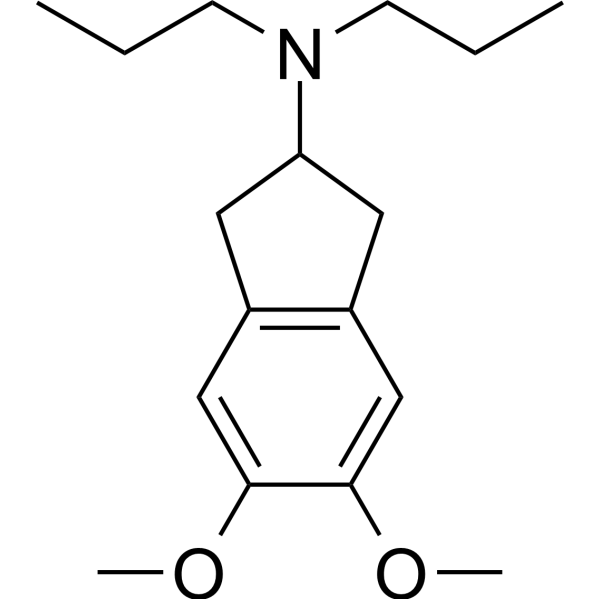
U-99194 (PNU-99194) is a selective, potent dopamine D3 receptor antagonist. U-99194 inhibits the activation of D3 receptor mediated by endogenously released dopamine or exogenous D3 agonists. U-99194 abrogates the IPSC-suppressive effect of the D3 agonist PD 128907 in rat hippocampal slices. U-99194 significantly suppresses Nicotine (HY-127019)-induced tremor in mice. U-99194 can be used for the study of dopamine D3 receptor-mediated motor disorders, particularly kinetic tremors .
|
-
- HY-103430
-
|
|
Dopamine Receptor
5-HT Receptor
Adenylate Cyclase
|
Neurological Disease
|
|
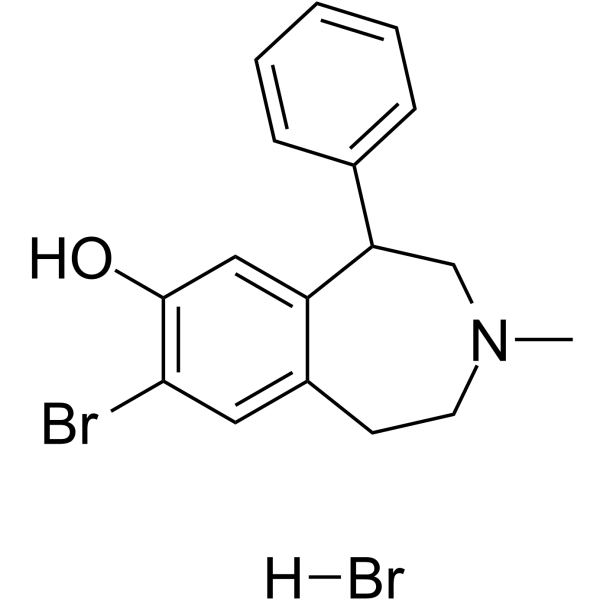
SKF-83566 hydrobromide is a potent, blood-brain permeable and orally active D1-like dopamine receptor (D1DR) antagonist and a weaker competitive antagonist at the vascular 5-HT2 receptor (Ki=11 nM) . SKF-83566 is a competitive DAT (dopamine transporter) inhibitor with an IC50 of 5.7 μM . SKF-83566 also shows selective inhibition for adenylyl cyclase 2 (AC2) over AC1 and AC5 in the isolated rabbit thoracic aorta . SKF-83566 can be used for the research of parkinson’s disease and nicotine craving alleviation .
|
-
- HY-B0072S
-
-

- HY-W680961
-
|
|
nAChR
|
Neurological Disease
|
|
Hydrohydrastinine is a selective α4β2 nicotinic acetylcholine receptor antagonist with an IC50 of 2.6 μM and a Ki of 17 μM. Hydrohydrastinine exhibits weak activity at α4β4 and α3β4 nicotinic acetylcholine receptors. Hydrohydrastinine can be used for the research of depression .
|
-

- HY-180406
-
|
|
Neuropeptide Y Receptor
|
Neurological Disease
|
|
NPY Y2 antagonist 2 is a modulator targeting the neuropeptide Y (NPY) receptor Y2, with pKi values of 6.8 nM and 7.2 nM in human and rat brains, respectively, and demonstrating blood-brain barrier penetration. NPY Y2 antagonist 2 shows selectivity for the Y1 and Y5 receptors. NPY Y2 antagonist 2 blocks the negative feedback regulation mediated by the NPY Y2 receptor, thereby increasing endogenous NPY release and enhancing Y1 receptor activation, resulting in the modulation of central neurotransmitter release. NPY Y2 antagonist 2 exhibits moderate in vivo clearance, high free fraction in rat brain, and a favorable brain/plasma ratio and brain exposure. NPY Y2 antagonist 2 is applicable for research in conditions such as mood disorders, anxiety induced by alcohol withdrawal, and social anxiety associated with nicotine withdrawal .
|
-

- HY-106901B
-
|
HI-6 dimesylate
|
Cholinesterase (ChE)
nAChR
|
Neurological Disease
|
|
Asoxime dimesylate (HI-6 dimesylate) is an orally active thiosemicarbazone-based antidote. Asoxime dimesylate is a reversible inhibitor of AChE, and its core mechanism of action is to re-activate AChE inhibited by nerve toxins, thereby restoring the cholinergic nerve function. Asoxime dimesylate significantly restores the function of poisoned muscles without reactivating AChE. Asoxime dimesylate is an antagonist of acetylcholine receptors (AChRs), including nicotinic receptor and α7 nAChR. Asoxime dimesylate can serve as an effective immunomodulator, improving the immune effect of the nervous system .
|
-

- HY-108057AR
-
|
RG3487 hydrochloride (Standard)
|
Reference Standards
nAChR
5-HT Receptor
|
Neurological Disease
|
Facinicline hydrochloride (Standard) is the analytical standard of Facinicline (hydrochloride) (HY-108057A). This product is intended for research and analytical applications. Facinicline hydrochloride (RG3487 hydrochloride) is an orally active nicotinic α7 receptor partial agonist, with a Ki of 6 nM for α7 human nAChR. Facinicline hydrochloride (RG3487 hydrochloride) improves cognition and sensorimotor gating in rodents. Facinicline hydrochloride (RG3487 hydrochloride) shows high affinity (antagonist) to 5-HT3Rs with a Ki value of 1.2 nM .
|
-

- HY-103430AR
-
|
|
Reference Standards
Dopamine Receptor
5-HT Receptor
Adenylate Cyclase
|
Neurological Disease
|
|
SKF-83566 (Standard) is the analytical standard of SKF-83566 (HY-103430A). This product is intended for research and analytical applications. SKF-83566 is a potent, blood-brain permeable and orally active D1-like dopamine receptor (D1DR) antagonist and a weaker competitive antagonist at the vascular 5-HT2 receptor (Ki=11 nM) . SKF-83566 is a competitive DAT (dopamine transporter) inhibitor with an IC50 of 5.7 μM . SKF-83566 also shows selective inhibition for adenylyl cyclase 2 (AC2) over AC1 and AC5 in the isolated rabbit thoracic aorta . SKF-83566 can be used for research of parkinson’s disease and nicotine craving alleviation .
|
-

| Cat. No. |
Product Name |
Target |
Research Area |
-
- HY-P1264
-
|
|
nAChR
|
Neurological Disease
|
|
α-Bungarotoxin is a competitive antagonist at nicotinic acetylcholine receptors (nAChRs). α-Bungarotoxin, a selective α7 receptor blocker, blocks α7 currents with an IC50 of 1.6 nM and has no effects on α3β4 currents at concentrations up to 3 μM .
|
-
- HY-P0102
-
|
|
nAChR
|
Neurological Disease
Metabolic Disease
|
|
Dipeptide diaminobutyroyl benzylamide diacetate, a Wagerlin-1-mimicking peptide, is a nAChR antagonist. Dipeptide diaminobutyroyl benzylamide diacetate mimics Waglerin-1 to block neuromuscular junction nicotinic acetylcholine receptors, partially inhibits neuronal signal transduction, and relaxes muscles. Dipeptide diaminobutyroyl benzylamide diacetate reduces appearance of facial wrinkles linked to repeated muscle movement.Dipeptide diaminobutyroyl benzylamide diacetate can be used for the research of mild-to-moderate fine and coarse periocular and perioral wrinkles and periorbital ageing .
|
-
- HY-P1264F
-
|
|
nAChR
|
Neurological Disease
|
|
FITC-labeled α-Bungarotoxin is FITC-conjugated α-Bungarotoxin (HY-P1264). α-Bungarotoxin acts as a competitive antagonist of nicotinic acetylcholine receptors (nAChRs) .
|
-
- HY-P1271
-
|
Catestatin (cattle)
|
nAChR
|
Cardiovascular Disease
|
|
Catestatin is a 21-amino acid residue, cationic and hydrophobic peptide. Catestatin is an endogenous peptide that regulates cardiac function and blood pressure . Catestatin is a non-competitive nicotinic antagonist acting through nicotinic acetylcholine receptors (nAChRs) to inhibit catecholamine release .
|
-
- HY-P0099
-
|
|
nAChR
|
Others
|
|
Pentapeptide-3 is a pentapeptide fragment of neurotoxin waglerin-1, it can be extracted from the venom of Temple Viper. Pentapeptide-3 is a competitive antagonist of nicotinic acetylcholine receptors (nAChRs), it can blocks nerves at the post-synaptic membrane. Pentapeptide-3 has anti-aging effects and it can be used together with other cosmetic peptides .
|
-
- HY-P1271A
-
|
|
nAChR
|
Cardiovascular Disease
|
|
Catestatin TFA is a 21-amino acid residue, cationic and hydrophobic peptide. Catestatin TFA is an endogenous peptide that regulates cardiac function and blood pressure . Catestatin TFA is a non-competitive nicotinic antagonist acting through nicotinic acetylcholine receptors (nAChRs) to inhibit catecholamine release .
|
-
- HY-P5188A
-
-
- HY-P5833
-
|
κ-Bgt
|
nAChR
|
Neurological Disease
|
|
κ-Bungarotoxin (κ-Bgt) is a potent, selective, and slowly reversible antagonist of α3β2 neuronal nicotinic acetylcholine receptors with an IC50 of 2.30 nM .
|
-
- HY-P11313
-
|
Rat chromogranin A367–387
|
nAChR
Akt
|
Cardiovascular Disease
|
|
Catestatin (rat) (Rat chromogranin A367–387) is a potent, reversible, noncompetitive, and noncooperative nicotinic cholinergic antagonist derived from chromogranin A (A367-387). Catestatin (rat) inhibits norepinephrine release in rat PC12 pheochromocytoma cells (IC50 = 1.2 μM), and blocks desensitization of norepinephrine release (IC50 = 0.62 μM). Catestatin (rat) exerts antiadrenergic effects through the endothelial PI3K-AKT-eNOS pathway in rat papillary muscles and isolated cardiomyocytes. Catestatin (rat) maintains mitochondrial membrane potential in I/R cardiomyocytes and increases phosphorylation of AKT at S473, GSK3β at S9, PLB at T17, and eNOS at S1179. Catestatin (rat) reverses desensitization of 22Na + uptake. Catestatin (rat) can be used for the study of nicotinic cholinergic receptor regulation and catecholamine release control mechanisms .
|
-
- HY-P4201
-
|
|
Vasopressin Receptor
|
Cardiovascular Disease
|
|
JKC 301 is a selective Endothelin A receptor antagonist. JKC 301 attenuates the pressor effects of nicotine in rats. JKC 301 can be used to study cardiovascular disease caused by smoking .
|
| Cat. No. |
Product Name |
Category |
Target |
Chemical Structure |
| Cat. No. |
Product Name |
Chemical Structure |
-
- HY-100806S
-
1 Publications Verification
|
|
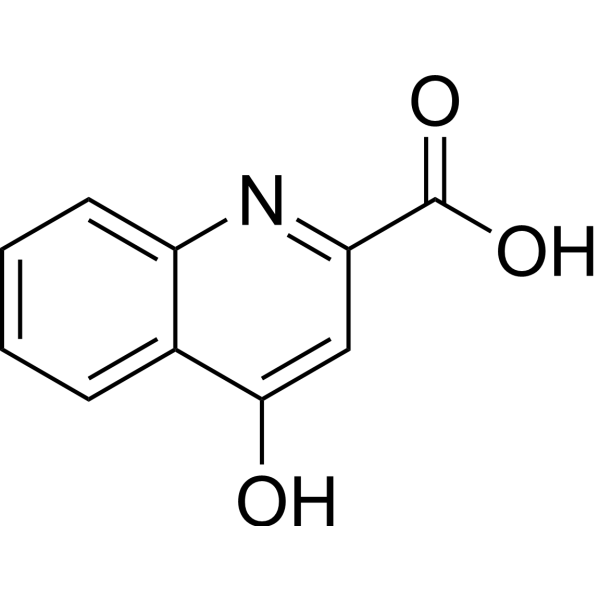
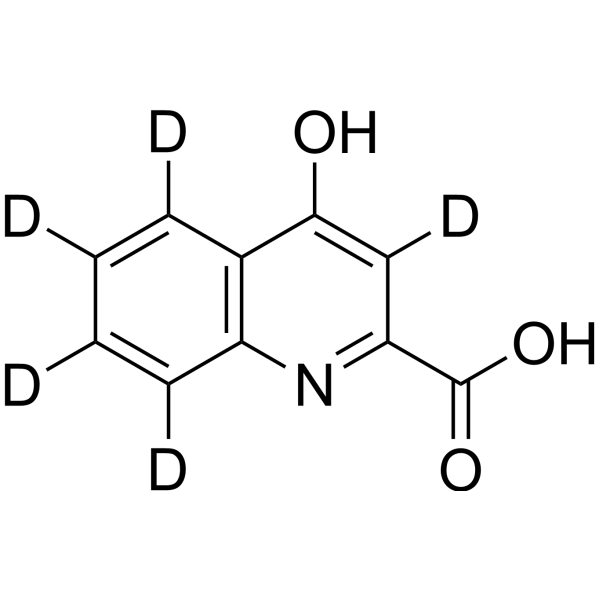
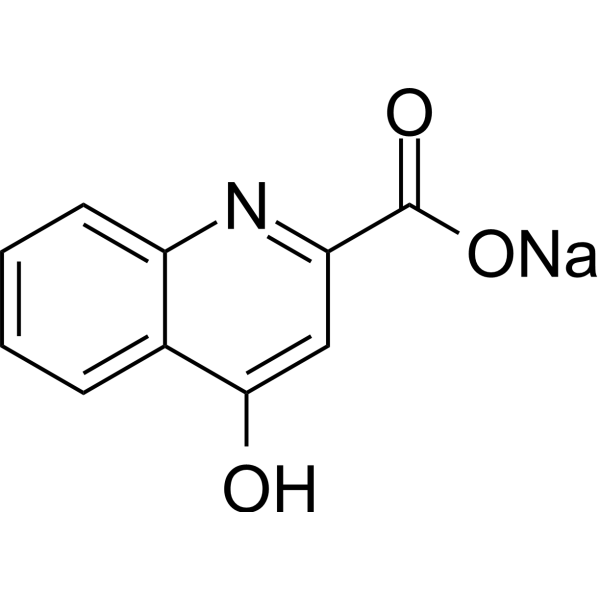
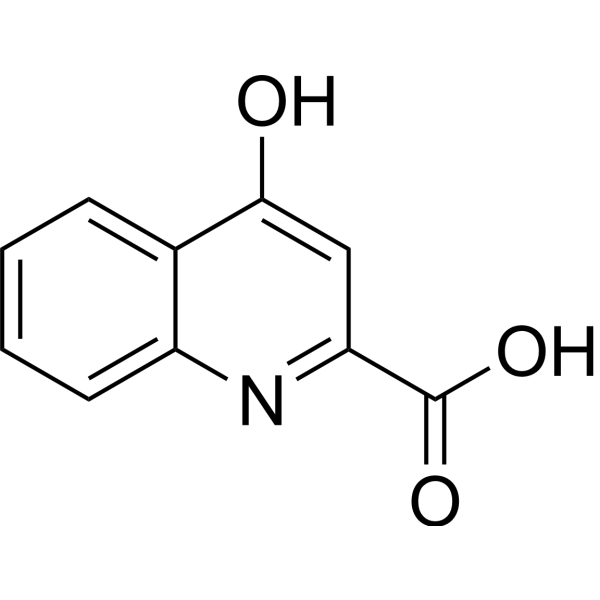
Kynurenic acid-d5 is the deuterium labeled Kynurenic acid. Kynurenic acid, an endogenous tryptophan metabolite, is a broad-spectrum antagonist targeting NMDA, glutamate, α7 nicotinic acetylcholine receptor. Kynurenic acid is also an agonist of GPR35/CXCR8 .
|
-
-
- HY-B0461S
-
|
|
|
Trospium-d8 (chloride) is the deuterium labeled Trospium chloride. Trospium chloride is an orally active, specific and competitive antagonist of muscarinic cholinergic receptors (mAChRs), with antimuscarinic activity. Trospium chloride binds to muscarinic receptors M1, M2 and M3 with high affinity, but not nicotinic, cholinergic receptors .
|
-
-
- HY-106901AS
-
1 Publications Verification
|
|
Asoxime-d4 dichloride (HI-6-d4) is the deuterium labeled Asoxime dichloride. Asoxime dichloride is an orally active thiosemicarbazone-based antidote. Asoxime dichloride is a reversible inhibitor of AChE, and its core mechanism of action is to re-activate AChE inhibited by nerve toxins, thereby restoring the cholinergic nerve function. Asoxime dichloride significantly restores the function of poisoned muscles without reactivating AChE. Asoxime dichloride is an antagonist of acetylcholine receptors (AChRs), including nicotinic receptor and α7 nAChR. Asoxime dichloride can serve as an effective immunomodulator, improving the immune effect of the nervous system.
|
-
-
- HY-B0072S
-
|
|
|
Tropisetron-d5 (SDZ-ICS-930-d5 (free base)) is deuterium labeled Tropisetron. Tropisetron (SDZ-ICS-930 free base) is an orally active anti-inflammatory and antiemetic agent. Tropisetron is 5-HT3R antagonists with a Ki of 5.3 nM. Tropisetron is also a partial agonist of α7 nicotinic receptor (α7 nAChR) with an EC50 of 1.3 μM. In addition, Tropisetron has antitumor and neuroprotective effects .
|
-
Your information is safe with us. * Required Fields.
Inquiry Information
- Product Name:
- Cat. No.:
- Quantity:
- MCE Japan Authorized Agent:








