



Kynurenic acid sodium
Based on 11 publication(s) in Google Scholar
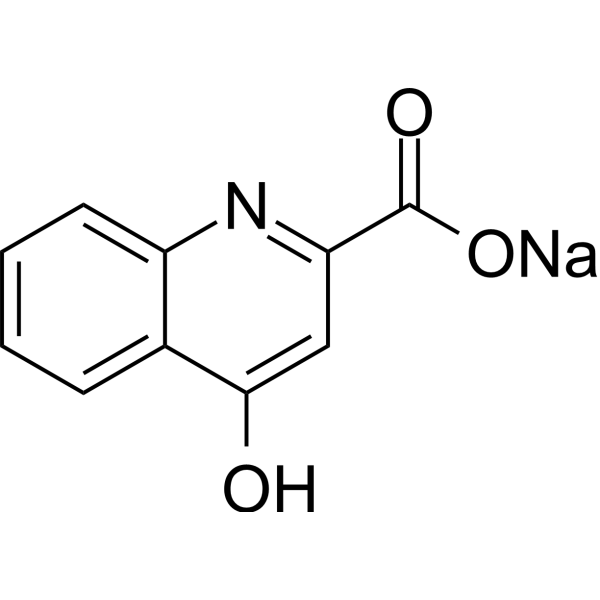
Kynurenic acid sodium, an endogenous tryptophan metabolite, is a broad-spectrum antagonist targeting NMDA, glutamate, α7 nicotinic acetylcholine receptor. Kynurenic acid sodium is also an agonist of GPR35/CXCR8.
Nos produits utilisent uniquement pour la recherche. Nous ne vendons pas aux patients.
- Pureté : 99.82%
- CAS No.: 2439-02-3
- Formule: C10H6NNaO3
- Masse moléculaire:211.15
-
Stockage:
4°C, sealed storage, away from moisture
* In solvent : -80°C, 6 months; -20°C, 1 month (sealed storage, away from moisture)

To place orders, for customer services and technical support, please contact: MedChemExpress USA
Tel: 609-228-6898 E-mail: [email protected] [email protected]


-
 Activité biologique
-
Chemical Information
-
Solvant et solubilité
- Pureté et documentation
- Références
-
 Help & FAQs


-
HY-104026
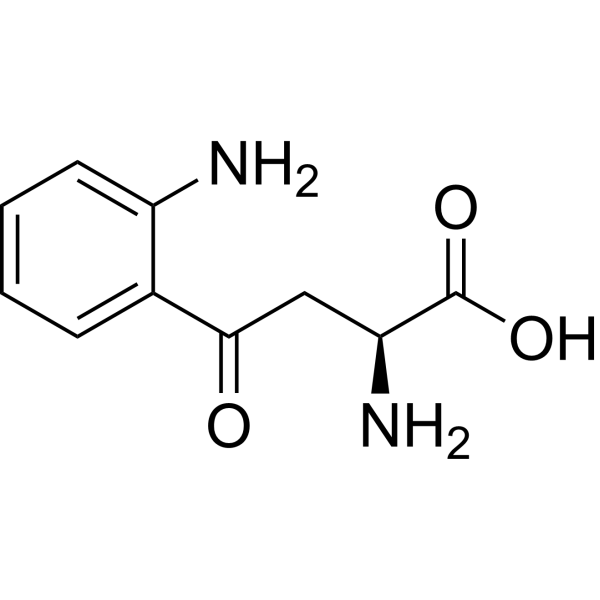
L-KynurenineAryl Hydrocarbon Receptor Agonist -
HY-W008253
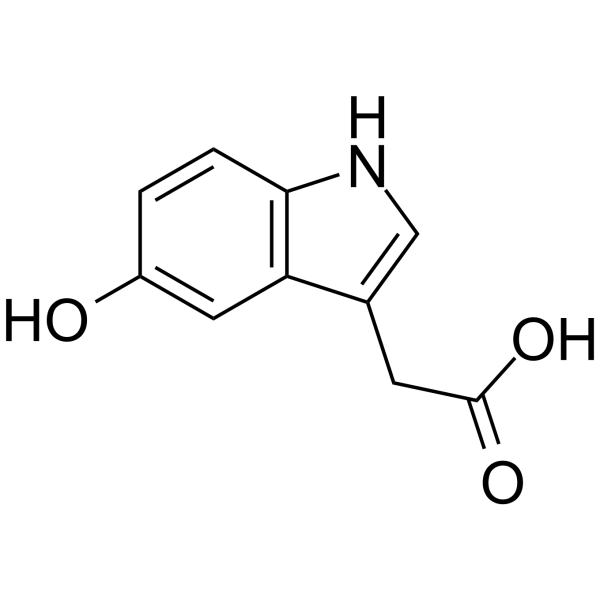
5-Hydroxyindole-3-acetic acid -
HY-W008613
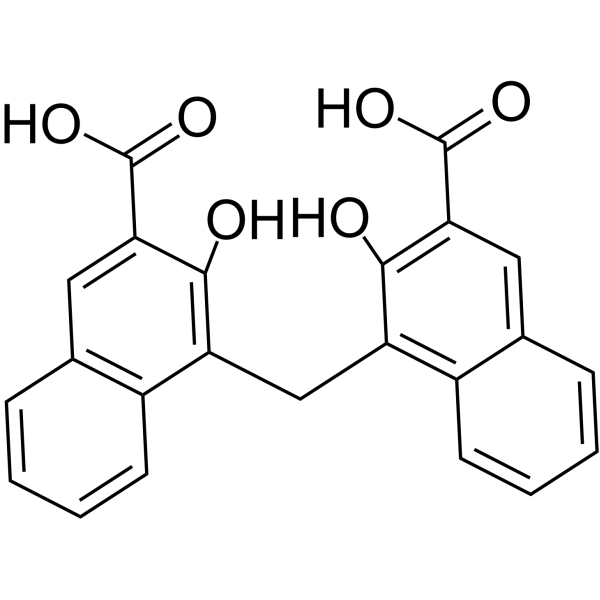
Pamoic acidGPR35 Agonist -

HY-107512R
Kynurenic acid sodium (Standard)GPR35 Agonist -
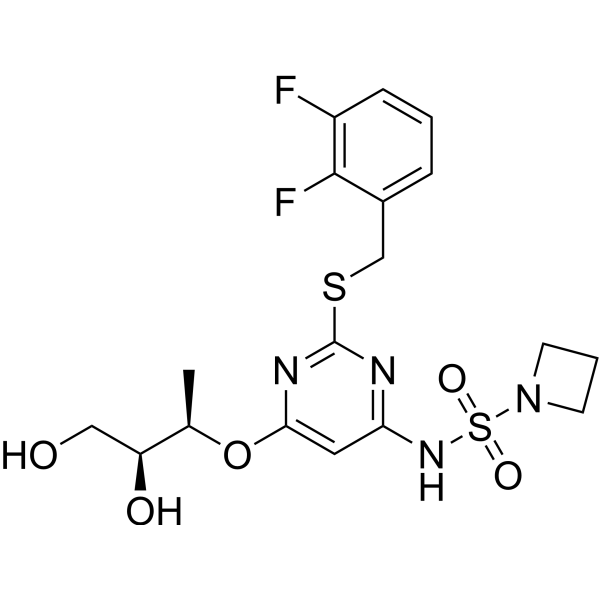
HY-19855
AZD-5069CXCR2 Antagonist -
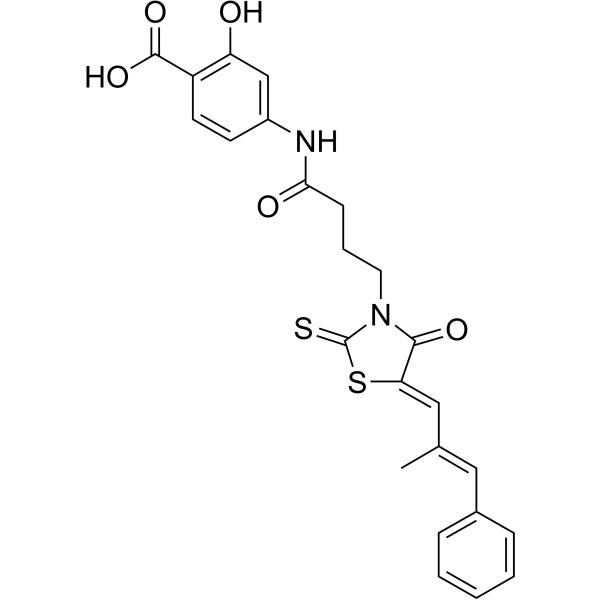
HY-107536
ML 145GPR35 Antagonist -
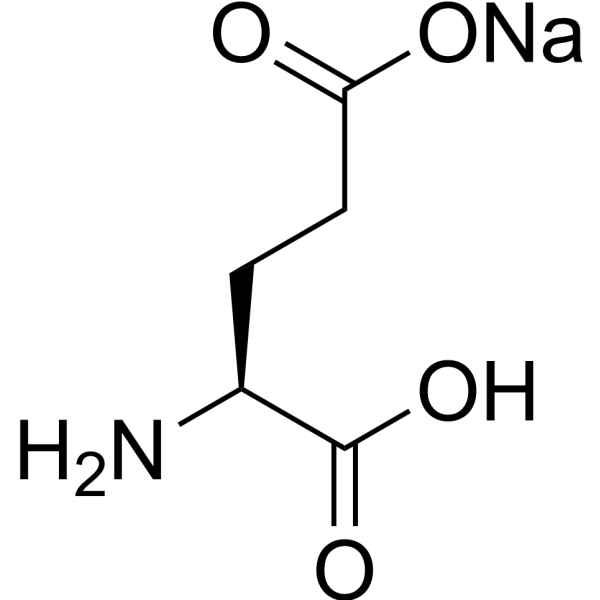
HY-14608A
L-Glutamic acid monosodium saltGlutamate Receptors Agonist -
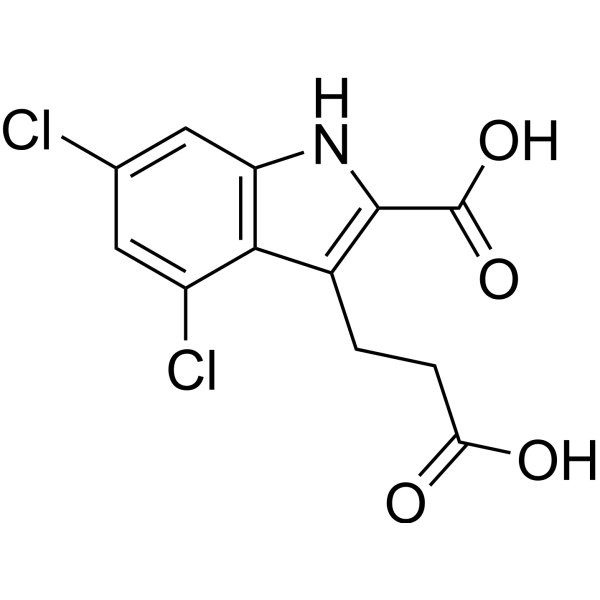
HY-16312
MDL-29951nMDA Receptor Antagonist -
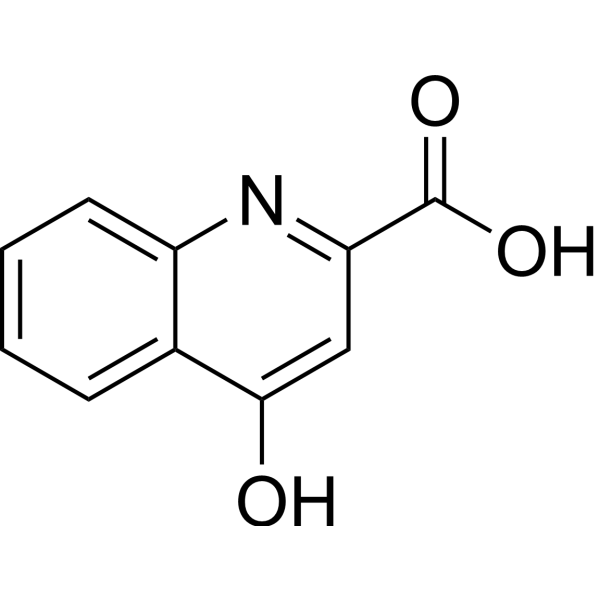
HY-100806
Kynurenic acidiGluR/α7 nAChR Antagonist -
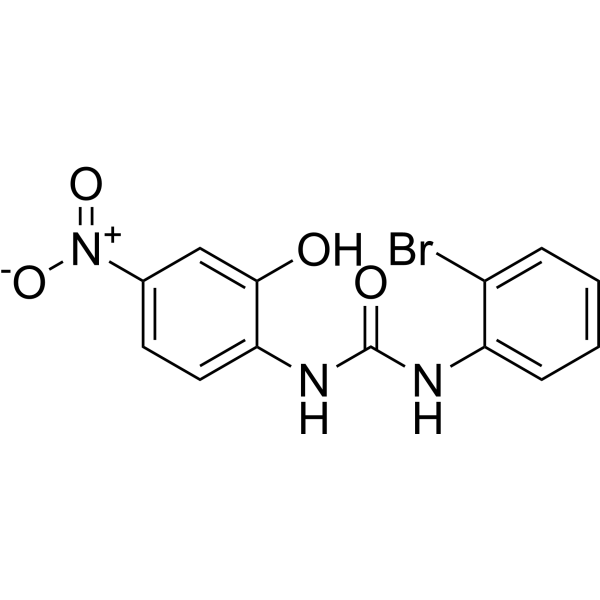
HY-16711
SB225002CXCR2 Antagonist -
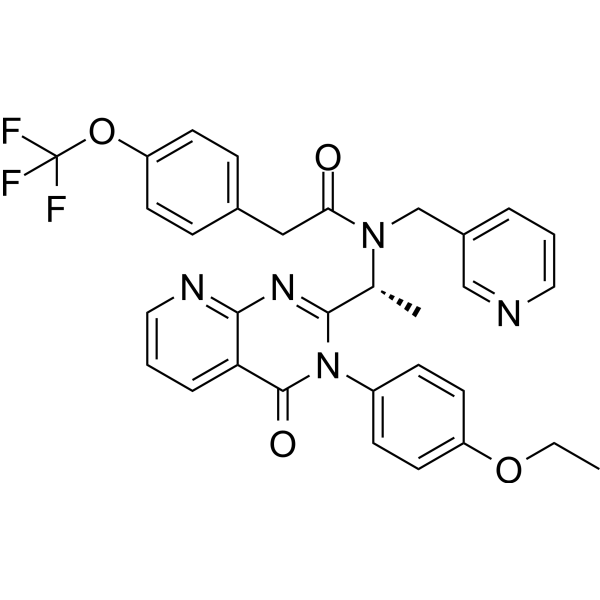
HY-15319
AMG 487CXCR3 Antagonist -
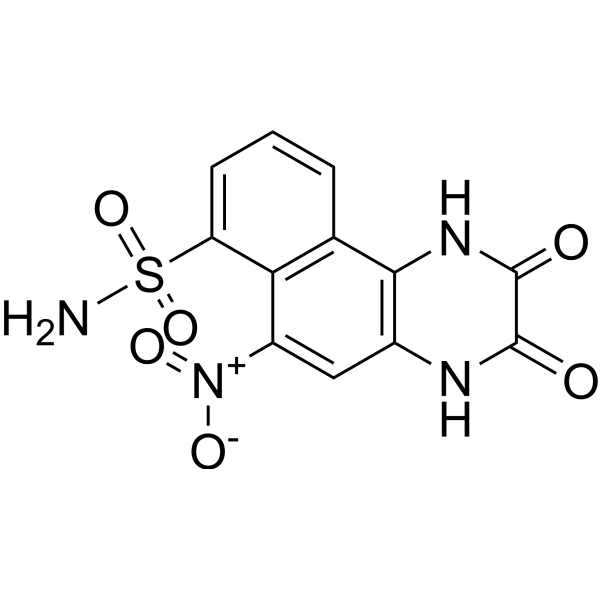
HY-15068
NBQXAMPA Receptor Antagonist
Publications Citing Use of MedChemExpress (MCE) Kynurenic acid sodium
More- Immunity. 2025 Sep 9;58(9):2320-2335.e9. [Abstract]
- Nat Metab. 2023 Feb;5(2):331-348. [Abstract]
- Neuron. 2026 Mar 26:S0896-6273(26)00120-0. [Abstract]
- Antioxidants (Basel). 2026 Feb 27;15(3):300. [Abstract]
- J Anim Sci Biotechnol. 2023 Aug 5;14(1):111. [Abstract]
- Cell Prolif. 2025 Jun;58(6):e13816. [Abstract]
- Mol Metab. 2026 Jun 18:110:102403. [Abstract]
- Int Immunopharmacol. 2025 Feb 6:147:113651. [Abstract]
- Sci Hortic. 2025 Dec 11;355:114551.
- In Vitro Cell Dev Biol Anim. 2023 May;59(5):356-365. [Abstract]
- Res Sq. 2025 Apr 08.
 Customer Validation & Images

-
Flow Cytometry
-
In Vivo Efficacy Study
-
Histological Imaging/Staining
-
Bio/Physico-chemical Assay
-
Bio/Physico-chemical Assay
Voir tous les produits spécifiques à Isoform iGluR
MoreVoir tous les produits spécifiques à Isoform Endogenous Metabolite
More

Activité biologique
Description
IC50 & Target
|
NMDA Receptor |
Human Endogenous Metabolite |
In Vitro
GPR35 functions as a receptor for the kynurenine pathway intermediate kynurenic acid. Kynurenic acid elicits calcium mobilization and inositol phosphate production in a GPR35-dependent manner in the presence of G qi/o chimeric G proteins. Kynurenic acid stimulates [35S]guanosine 5′-O-(3-thiotriphosphate) binding in GPR35-expressing cells, an effect abolished by pertussis toxin treatment. Kynurenic acid also induces the internalization of GPR35[1]. KYNA’s neuroinhibitory qualities and its neuroprotective and anticonvulsant effects are discovered using concentrations of the compound in the millimolar range. This, as well as the low affinity of KYNA at each of the three ionotropic glutamate receptors responsible for these effects [NMDA, alpha-amino-3-hydroxy-5-methyl-4-isoxazole propionic acid (AMPA) and kainate], together with the realization that KYNA concentrations in the mammalian brain are in the sub-micromolar range, suggested that other receptors might serve as targets of endogenous Kynurenic acid. Kynurenic acid, with a shallower inhibition curve and non-competitively, antagonizes α7nAChRs on cultured hippocampal neurons with an IC50 in the low micromolar range[2].
MedChemExpress (MCE) has not independently confirmed the accuracy of these methods. They are for reference only. .
In Vivo
MedChemExpress (MCE) has not independently confirmed the accuracy of these methods. They are for reference only.


Chemical Information
-
CAS No. 2439-02-3
-
Appearance Solid
-
Masse moléculaire 211.15
-
Formule C10H6NNaO3
-
Color Light yellow to gray
-
SMILES
O=C(C1=NC2=CC=CC=C2C(O)=C1)O[Na]
-
Structure Classification
-
Initial Source
-
Livraison
Room temperature in continental US; may vary elsewhere.
-
Stockage
4°C, sealed storage, away from moisture
* In solvent : -80°C, 6 months; -20°C, 1 month (sealed storage, away from moisture)


Publications (11)
-
Journal Impact Factor
-
Most Recent
-
Immunity
Spatiotemporal dynamics of CXCL10 encode contextual immune information revealed by the genetically encoded fluorescent sensor. [Abstract]2025 Sep 9;58(9):2320-2335.e9. PMID: 40818452 -
Nat Metab
2023 Feb;5(2):331-348. PMID: 36782071
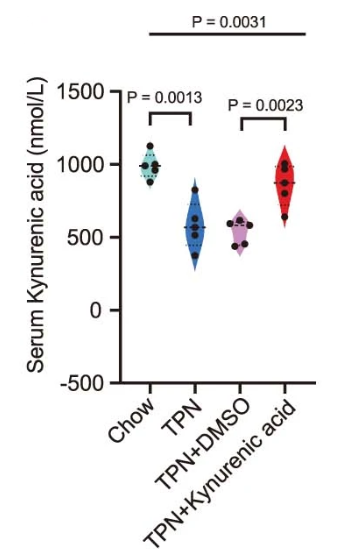
Kynurenic acid sodium purchased from MedChemExpress. Usage Cited in: Nat Metab. 2023 Feb;5(2):331-348. [Abstract]
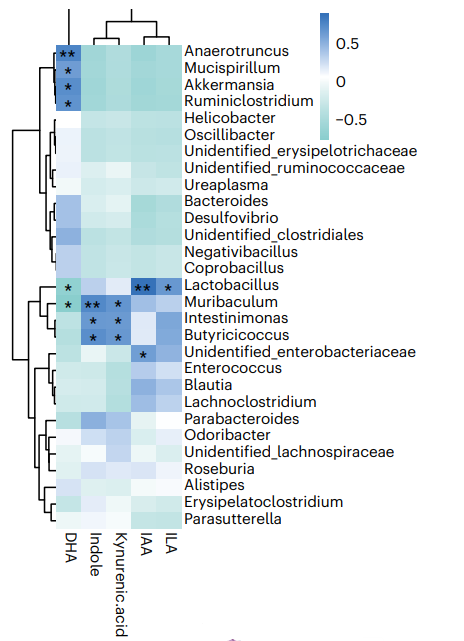
The correlation heat map revealed that TPN-induced depletion of Lactobacillaceae and Muribaculum was positively correlated with the levels of IAA, ILA, indole and Kynurenic acid, while TPN-induced enrichment of Akkermansia, Helicobacter and Oscilibacter was negatively associated with indole metabolites.
Kynurenic acid sodium purchased from MedChemExpress. Usage Cited in: Nat Metab. 2023 Feb;5(2):331-348. [Abstract]
After administration of Kynurenic acid to a TPN mouse model, the blood concentration of kynurenic acid at the samples harvest time point.
-
Neuron
Dual anterior insula-prefrontal cortex circuits mediate chronic stress-induced social interaction deficits. [Abstract]2026 Mar 26:S0896-6273(26)00120-0. PMID: 41895265 -
Antioxidants (Basel)
Kynurenic Acid/GPR35 Signaling Protects the Infarcted Heart by Suppressing Macrophage mtDNA-Triggered cGAS-STING Activation. [Abstract]2026 Feb 27;15(3):300. PMID: 41897447 -
J Anim Sci Biotechnol
2023 Aug 5;14(1):111. PMID: 37542282 -
Cell Prolif
Tryptophan Metabolic Enzyme IL4I1 Inhibits Ferroptosis by Decreasing Ubiquitination of Nrf2 via I3P in Glioblastoma. [Abstract]2025 Jun;58(6):e13816. PMID: 40071723 -
Mol Metab
2026 Jun 18:110:102403. PMID: 42314903 -
Int Immunopharmacol
The tryptophan metabolite kynurenic acid ameliorates septic colonic injury through activation of the PPARγ signaling pathway. [Abstract]2025 Feb 6:147:113651. PMID: 39742725
Kynurenic acid sodium purchased from MedChemExpress. Usage Cited in: Int Immunopharmacol. 2025 Feb 6:147:113651. [Abstract]
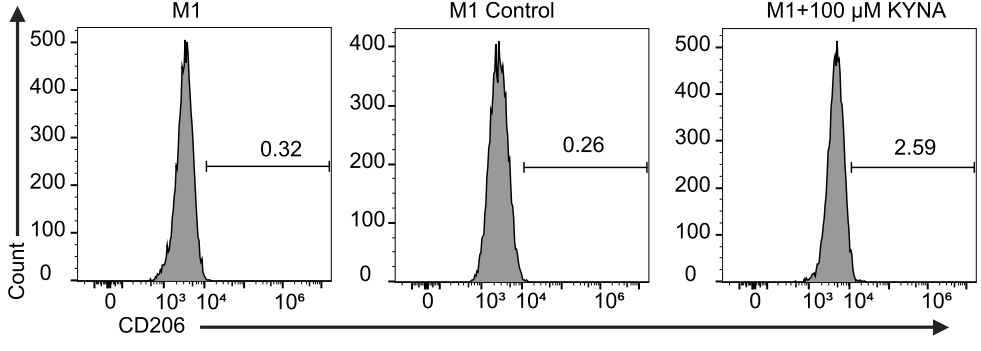
Following KYNA (100 μM, 4 h) treatment, the expression level of CD206 in M1 macrophages was significantly upregulated, indicating that KYNA can indeed promote the transformation of M1 macrophages into M2 macrophages.
Kynurenic acid sodium purchased from MedChemExpress. Usage Cited in: Int Immunopharmacol. 2025 Feb 6:147:113651. [Abstract]
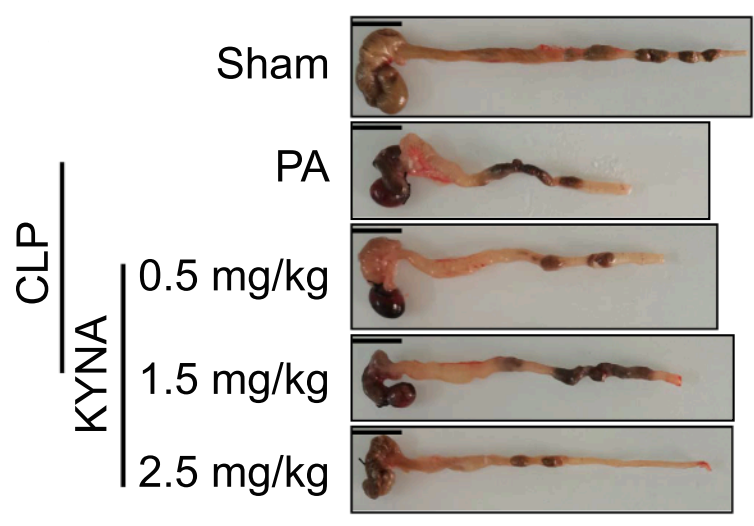
A comparison of the colon lengths among the five groups revealed that KYNA (1.5-2.5 mg/kg) intervention slightly improved the colon lengths of the mice.
Kynurenic acid sodium purchased from MedChemExpress. Usage Cited in: Int Immunopharmacol. 2025 Feb 6:147:113651. [Abstract]
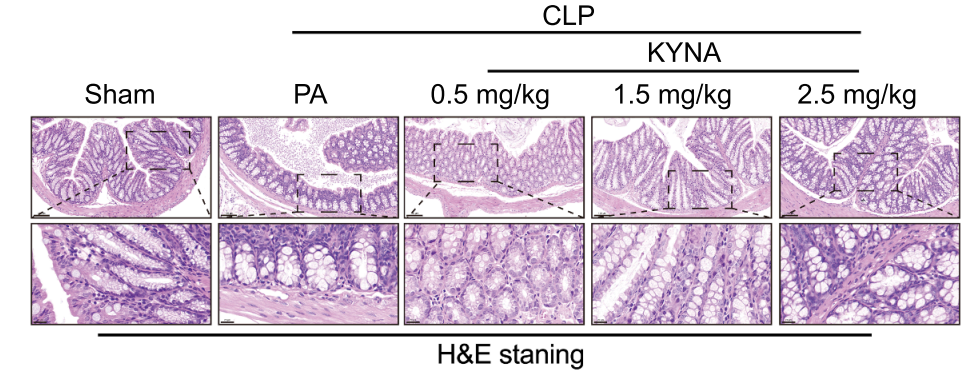
The presence of KYNA (0.5-2.5 mg/kg) led to a reduction in colon damage, restoration of mucosal integrity, and its protective effect increased with higher dosages.
-
-
In Vitro Cell Dev Biol Anim
2023 May;59(5):356-365. PMID: 37291335 -


Solvant et solubilité
In Vitro:
DMSO : 50 mg/mL (236.80 mM; Need ultrasonic; Hygroscopic DMSO has a significant impact on the solubility of product, please use newly opened DMSO)
H2O : < 0.1 mg/mL (insoluble)
Please refer to the solubility information to select the appropriate solvent. Once prepared, please aliquot and store the solution to prevent product inactivation from repeated freeze-thaw cycles.
Storage method and period of stock solution: -80°C, 6 months; -20°C, 1 month (sealed storage, away from moisture). When stored at -80°C, please use it within 6 months. When stored at -20°C, please use it within 1 month.
Please refer to the solubility information to select the appropriate solvent. Once prepared, please aliquot and store the solution to prevent product inactivation from repeated freeze-thaw cycles.
Storage method and period of stock solution: -80°C, 6 months; -20°C, 1 month (sealed storage, away from moisture). When stored at -80°C, please use it within 6 months. When stored at -20°C, please use it within 1 month.
Concentration (start) × Volume (start) = Concentration (final) × Volume (final)
In Vivo:
Select the appropriate dissolution method based on your experimental animal and administration route.
- For the following dissolution methods, please ensure to first prepare a clear stock solution using an In Vitro approach and then sequentially add co-solvents:
- To ensure reliable experimental results, the clarified stock solution can be appropriately stored based on storage conditions. As for the working solution for In Vivo experiments, it is recommended to prepare freshly and use it on the same day.
- The percentages shown for the solvents indicate their volumetric ratio in the final prepared solution. If precipitation or phase separation occurs during preparation, heat and/or sonication can be used to aid dissolution.
Add each solvent one by one: 10% DMSO 40% PEG300 5% Tween-80 45% Saline
Solubility: ≥ 2.5 mg/mL (11.84 mM); Clear solution
This protocol yields a clear solution of ≥ 2.5 mg/mL (saturation unknown).
Taking 1 mL working solution as an example, add 100 μL DMSO stock solution (25.0 mg/mL) to 400 μL PEG300, and mix evenly; then add 50 μL Tween-80 and mix evenly; then add 450 μL Saline to adjust the volume to 1 mL.
Preparation of Saline: Dissolve 0.9 g sodium chloride in ddH₂O and dilute to 100 mL to obtain a clear Saline solution.
Add each solvent one by one: 10% DMSO 90% (20% SBE-β-CD in Saline)
Solubility: ≥ 2.5 mg/mL (11.84 mM); Clear solution
This protocol yields a clear solution of ≥ 2.5 mg/mL (saturation unknown).
Taking 1 mL working solution as an example, add 100 μL DMSO stock solution (25.0 mg/mL) to 900 μL 20% SBE-β-CD in Saline, and mix evenly.
Preparation of 20% SBE-β-CD in Saline (4°C, storage for one week): 2 g SBE-β-CD powder is dissolved in 10 mL Saline, completely dissolve until clear.
In Vivo Dissolution Calculator
Please enter the basic information of animal experiments:
-
-
-
-
Recommended: Prepare an additional quantity of animals to account for potential losses during experiments.
Please enter your animal formula composition:
-
%DMSO +
Recommended: Keep the proportion of DMSO in working solution below 2% if your animal is weak.
-
%+
-
+%Tween-80 + +
-
%Saline +
The co-solvents required include: DMSO, . All of co-solvents are available by MedChemExpress (MCE). , Tween 80. All of co-solvents are available by MedChemExpress (MCE).
Working solution concentration: 0.22 mg/mL
Method for preparing stock solution: mg drug dissolved in μL DMSO. Stock solution concentration: mg/mL. * In solvent : -80°C, 6 months; -20°C, 1 month (sealed storage, away from moisture)
1. Take μL DMSO stock solution;
2. Add μL .
μL , mix evenly;
3. Then add μL Tween 80, mix evenly;
4. Then add μL
Please ensure that the stock solution in the first step is dissolved to a clear state, and add co-solvents in sequence. You can use ultrasonic heating (ultrasonic cleaner, recommended frequency 20-40 kHz), vortexing, etc. to assist dissolution.


Pureté et documentation
-
Fiche technique (282 KB)
-
SDS (393 KB)
- English - EN (393 KB)
- Français - FR (393 KB)
- Deutsch - DE (393 KB)
- Norwegian - NO (393 KB)
- Español - ES (393 KB)
- Swedish - SV (393 KB)
- Italian - IT (393 KB)
- Korean - KR (393 KB)
- Portuguese - PT (393 KB)
-
Instruction de manipulation (2659 KB)
Références
[1]. Wang J, et al. Kynurenic acid as a ligand for orphan G protein-coupled receptor GPR35. J Biol Chem. 2006 Aug 4;281(31):22021-8. [Content Brief]
[2]. Albuquerque EX, et al. Kynurenic acid as an antagonist of α7 nicotinic acetylcholine receptors in the brain: facts and challenges. Biochem Pharmacol. 2013 Apr 15;85(8):1027-32. [Content Brief]
[3]. Małaczewska J, et al. Effect of oral administration of kynurenic acid on the activity of the peripheral blood leukocytes in mice. Cent Eur J Immunol. 2014;39(1):6-13. [Content Brief]


Complete Stock Solution Preparation Table
Please refer to the solubility information to select the appropriate solvent. Once prepared, please aliquot and store the solution to prevent product inactivation from repeated freeze-thaw cycles.
Storage method and period of stock solution: -80°C, 6 months; -20°C, 1 month (sealed storage, away from moisture). When stored at -80°C, please use it within 6 months. When stored at -20°C, please use it within 1 month.
| Optional Solvent | Concentration Solvent Mass | 1 mg | 5 mg | 10 mg | 25 mg |
|---|---|---|---|---|---|
| DMSO | 1 mM | 4.7360 mL | 23.6798 mL | 47.3597 mL | 118.3992 mL |
| 5 mM | 0.9472 mL | 4.7360 mL | 9.4719 mL | 23.6798 mL | |
| 10 mM | 0.4736 mL | 2.3680 mL | 4.7360 mL | 11.8399 mL | |
| 15 mM | 0.3157 mL | 1.5787 mL | 3.1573 mL | 7.8933 mL | |
| 20 mM | 0.2368 mL | 1.1840 mL | 2.3680 mL | 5.9200 mL | |
| 25 mM | 0.1894 mL | 0.9472 mL | 1.8944 mL | 4.7360 mL | |
| 30 mM | 0.1579 mL | 0.7893 mL | 1.5787 mL | 3.9466 mL | |
| 40 mM | 0.1184 mL | 0.5920 mL | 1.1840 mL | 2.9600 mL | |
| 50 mM | 0.0947 mL | 0.4736 mL | 0.9472 mL | 2.3680 mL | |
| 60 mM | 0.0789 mL | 0.3947 mL | 0.7893 mL | 1.9733 mL | |
| 80 mM | 0.0592 mL | 0.2960 mL | 0.5920 mL | 1.4800 mL | |
| 100 mM | 0.0474 mL | 0.2368 mL | 0.4736 mL | 1.1840 mL |


Kynurenic acid sodium Related Classifications
HY-107512 Related Classifications
 Powered by Bioz