



AMG 487
Based on 42 publication(s) in Google Scholar
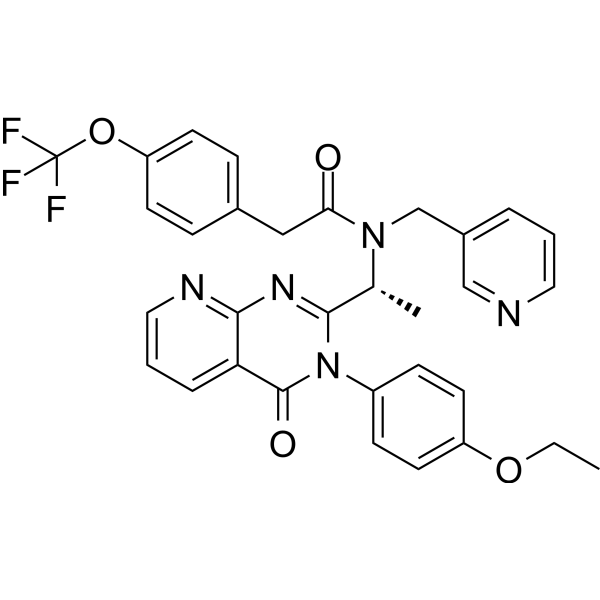
AMG 487 is an orally active and selective antagonist of CXC chemokine receptor 3 (CXCR3) which inhibits the binding of CXCL10 and CXCL11 to CXCR3 with IC50s of 8.0 and 8.2 nM, respectively.
For research use only. We do not sell to patients.
- Purity : 99.89%
- CAS No.: 473719-41-4
- Formula: C32H28F3N5O4
- Molecular Weight:603.59
-
Storage:Powder -20°C, 3 years , 4°C, 2 years ; In solvent -80°C, 2 years , -20°C, 1 year

To place orders, for customer services and technical support, please contact: MedChemExpress USA
Tel: 609-228-6898 E-mail: [email protected] [email protected]


-
 Biological Activity
-
Chemical Information
-
Solvent & Solubility
- Purity & Documentation
- References
-
 Help & FAQs


-
HY-10046
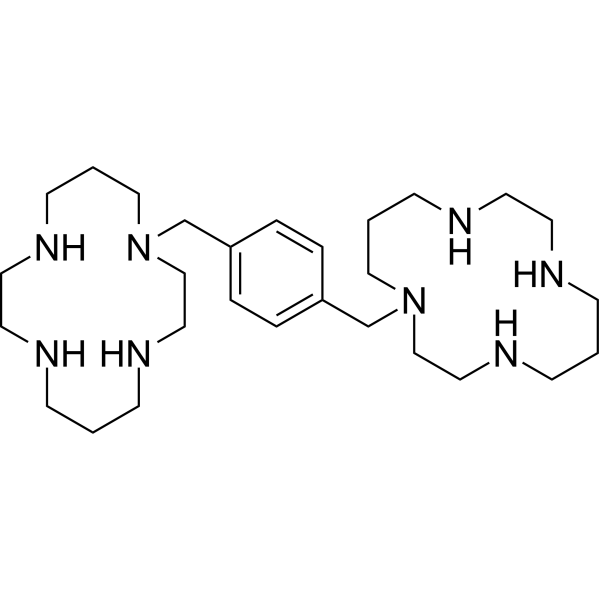
PlerixaforCXCR4 Antagonist -
HY-Y0873
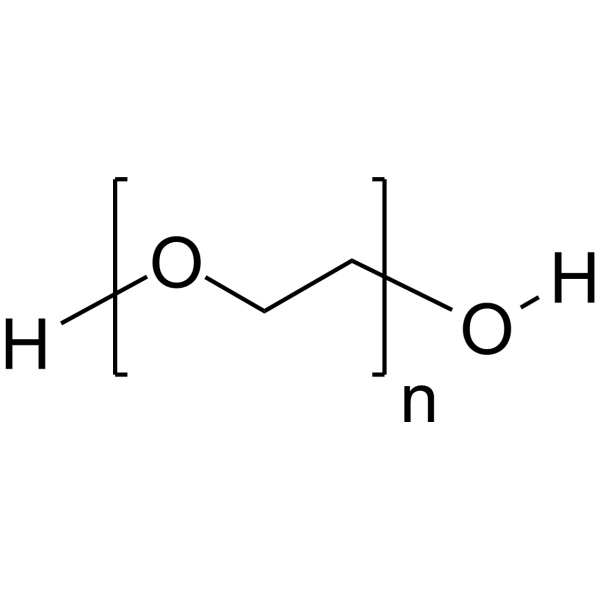
PEG300Neutral Polymer -
HY-50912
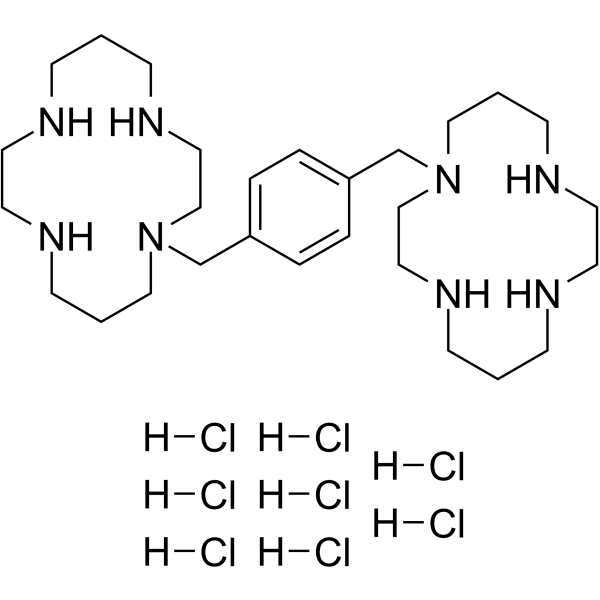
Plerixafor octahydrochlorideCXCR4 Antagonist -
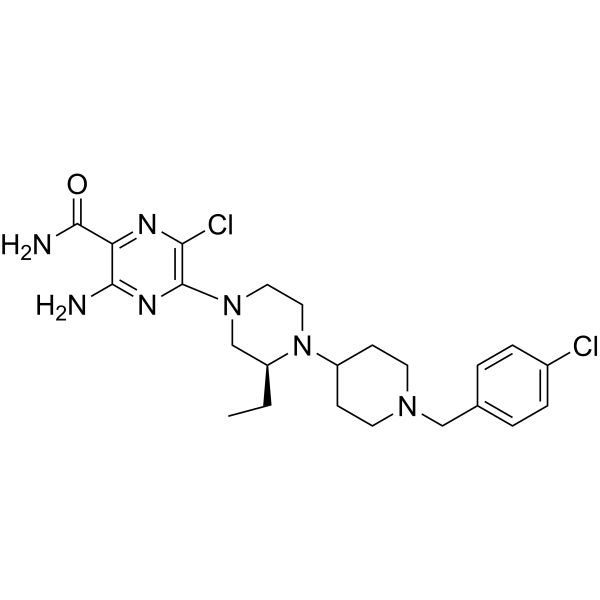
HY-10017
SCH 546738CXCR3 Antagonist -
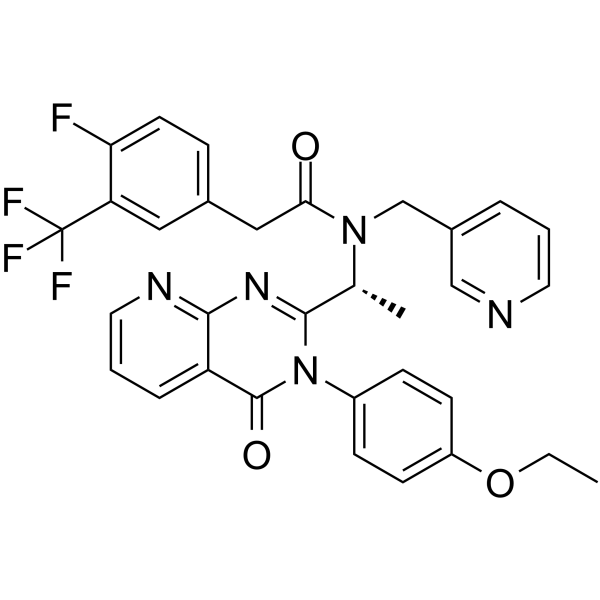
HY-15320
NBI-74330CXCR Antagonist -
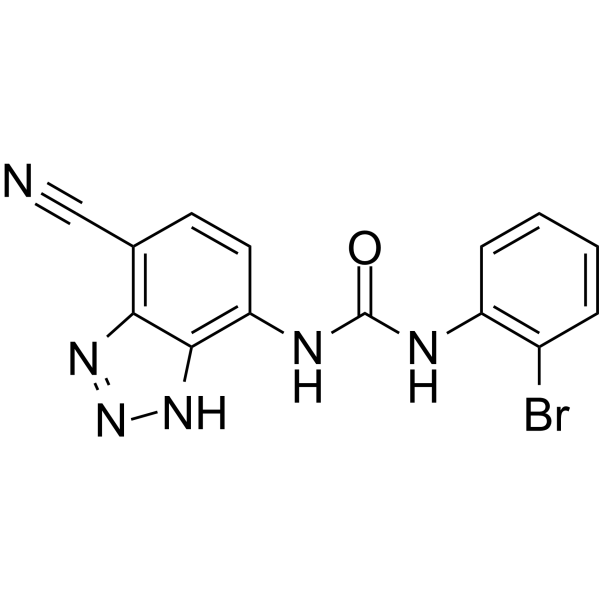
HY-50688
SB-265610CXCR2 Antagonist -

HY-Y1891
Tween 80 -
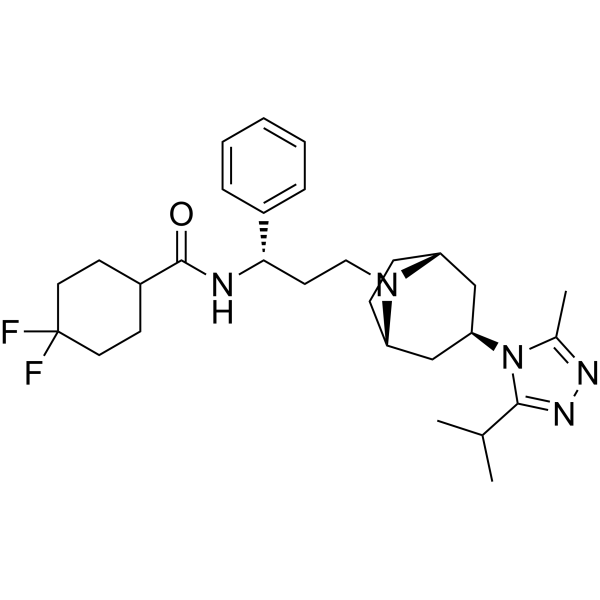
HY-13004
MaravirocCCR5 Antagonist -
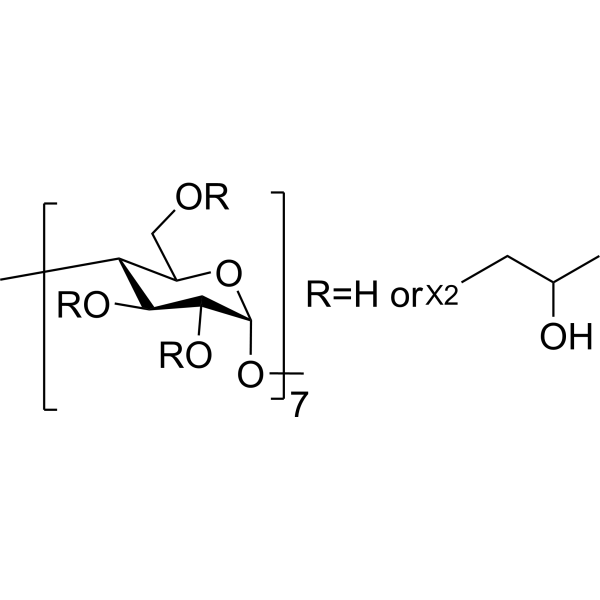
HY-101103
HP-β-CDCo-solvent -
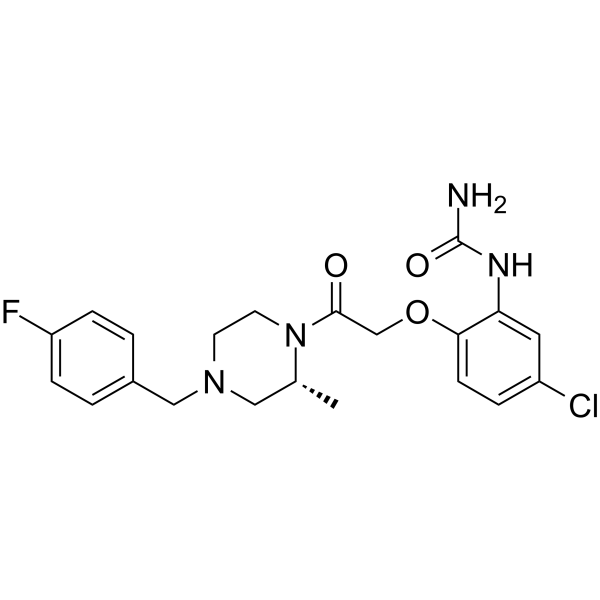
HY-12080
BX471CCR1 Antagonist -
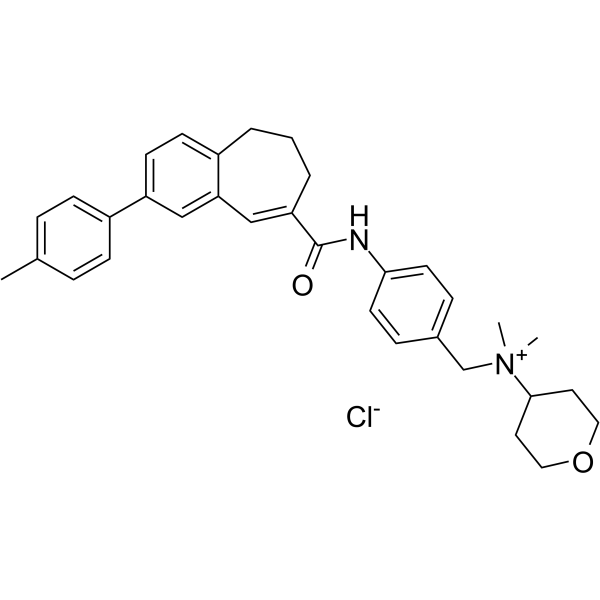
HY-13406
TAK-779CCR5 Antagonist -
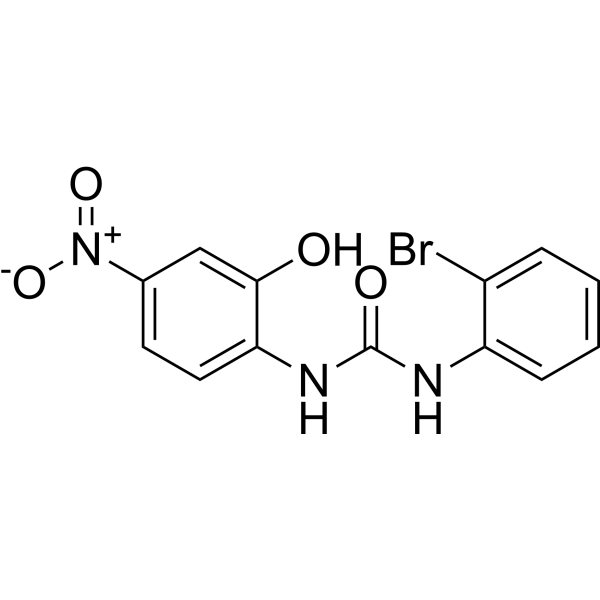
HY-16711
SB225002CXCR2 Antagonist
Publications Citing Use of MedChemExpress (MCE) AMG 487
More- Am J Respir Crit Care Med. 2022 Oct 15;206(8):981-998. [Abstract]
- Adv Compos Hybrid Mater. 2025 May 9;8,242.
- Adv Sci (Weinh). 2026 Jun 15:e76131. [Abstract]
- Adv Sci (Weinh). 2024 Nov;11(43):e2402244. [Abstract]
- Brain. 2025 Sep 3;148(9):3121-3136. [Abstract]
- Cell Death Dis. 2026 May 29. [Abstract]
- Cell Death Dis. 2025 May 30;16(1):424. [Abstract]
- Cancer Lett. 2021 May 28:506:95-106. [Abstract]
- J Immunother Cancer. 2026 May 28;14(5):e014668. [Abstract]
- Cell Death Discov. 2025 Apr 4;11(1):143. [Abstract]
- Sci China Life Sci. 2025 Jul 8. [Abstract]
- Oncogene. 2022 Mar;41(13):1866-1881. [Abstract]
- Int J Mol Med. 2025 May;55(5):78. [Abstract]
- Free Radic Biol Med. 2025 Mar 1:229:384-398. [Abstract]
- EMBO Mol Med. 2024 Oct;16(10):2376-2401. [Abstract]
- Stem Cell Res Ther. 2024 May 7;15(1):134. [Abstract]
- Cell Rep. 2021 Aug 24;36(8):109613. [Abstract]
- Cell Prolif. 2025 Jan;58(1):e13740. [Abstract]
- JCI Insight. 2025 Nov 25:e196605. [Abstract]
- Neurosci Bull. 2025 Jul 2. [Abstract]
- Biochem Pharmacol. 2025 Feb:232:116671. [Abstract]
- Cell Mol Life Sci. 2024 Jul 13;81(1):300. [Abstract]
- Life Sci. 2025 Oct 15:379:123849. [Abstract]
- Food Front. 2024 Mar 25.
- Cells. 2023 Jan 1;12(1):182. [Abstract]
- Int Immunopharmacol. 2026 Mar 1:172:116235. [Abstract]
- Cell Signal. 2020 Feb;66:109488. [Abstract]
- Front Biosci (Landmark Ed). 2025 Oct 31;30(10):45931. [Abstract]
- J Immunol. 2026 Aug 4;215(8):vkag222.
- Br J Haematol. 2025 Apr 16. [Abstract]
- Exp Cell Res. 2020 Dec 15;397(2):112365. [Abstract]
- Exp Cell Res. 2018 Oct 1;371(1):162-174. [Abstract]
- Front Oncol. 2021 Aug 6:11:629350. [Abstract]
- PLoS One. 2015 Mar 23;10(3):e0121140. [Abstract]
- Prostate. 2022 Sep;82(13):1223-1236. [Abstract]
- Biochem Biophys Res Commun. 2026 Oct 15:835:154429.
- Biochem Biophys Res Commun. 2020 Oct 15;531(2):166-171. [Abstract]
- Neurosci Lett. 2019 Feb 16:694:20-28. [Abstract]
- Physiol Rep. 2022 May;10(9):e15304. [Abstract]
- SSRN. 2026 Jun 21.
- bioRxiv. 2025 Sep 3:2025.09.02.673783. [Abstract]
- China Oncology. 2023 Jul 26.
 Customer Validation & Images

-
Cell Migration/Invasion Assay
-
In Vivo Efficacy Study
-
In Vivo Efficacy Study
-
In Vivo Efficacy Study
-
Cell Proliferation/Viability Assay


Biological Activity
Description
IC50 & Target
[1]|
125I-IP10-CXCR3 8 nM (IC50) |
125I-ITAC-CXCR3 8.2 nM (IC50) |
Cellular Effect
|
Cell Line

|
Type | Value | Description | References |
|---|---|---|---|---|
| CHO | IC50 |
0.33 μM
Compound: (-)-2
|
Antagonist activity at human CXCR3 expressed in CHO cells assessed as inhibition of ITAC-stimulated [35S]GTPgammaS binding pretreated 30 mins before ITAC challenge
Antagonist activity at human CXCR3 expressed in CHO cells assessed as inhibition of ITAC-stimulated [35S]GTPgammaS binding pretreated 30 mins before ITAC challenge
|
[PMID: 18922694] |
In Vitro
AMG 487 inhibits CXCR3-mediated cell migration by the three CXCR3 chemokines (IP-10 IC50=8 nM, ITAC IC50=15 nM, and MIG IC50=36 nM). Furthermore, AMG 487 inhibits calcium mobilization in response to ITAC (IC50=5 nM)[1].
AMG487 (1 μM) develops into fewer lung metastases, and the lungs are significantly smaller than vehicle-treated lungs[2].
AMG487 abrogates proliferation/survival of C26 tumour cells[3].
MedChemExpress (MCE) has not independently confirmed the accuracy of these methods. They are for reference only.
In Vivo
AMG487 (5 mg/kg, s.c., twice daily) develops fewer metastases than that in vehicle-treated mice[2].
AMG487 (5 mg/kg, s.c.)-treated mice exhibits fewer pulmonary nodules than the control mice in both the models. AMG487 reduces the tumour volume[3].
MedChemExpress (MCE) has not independently confirmed the accuracy of these methods. They are for reference only.


Chemical Information
-
CAS No. 473719-41-4
-
Appearance Solid
-
Molecular Weight 603.59
-
Formula C32H28F3N5O4
-
Color White to yellow
-
SMILES
O=C(N([C@@H](C1=NC2=NC=CC=C2C(N1C3=CC=C(OCC)C=C3)=O)C)CC4=CC=CN=C4)CC5=CC=C(OC(F)(F)F)C=C5
-
Shipping
Room temperature in continental US; may vary elsewhere.
-
Storage
Powder -20°C 3 years 4°C 2 years In solvent -80°C 2 years -20°C 1 year


Publications (42)
-
Journal Impact Factor
-
Most Recent
-
Am J Respir Crit Care Med
Impairment of the NKT-STAT1-CXCL9-axis Contributes to Vessel Fibrosis in Pulmonary Hypertension Due to Lung Fibrosis. [Abstract]2022 Oct 15;206(8):981-998. PMID: 35763380 -
AMG 487 purchased from MedChemExpress. Usage Cited in: Adv Compos Hybrid Mater. 2025 May 9;8,242.
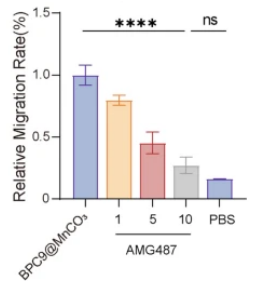
Isolated T cells were seeded in Transwell inserts and pretreated with AMG487 (1, 5, 10 µM) for 30 min.
-
Adv Sci (Weinh)
HLA-DR+ Schwann Cells Generate the Protumor Cancer-Neuron-Immune Niche in Head and Neck Squamous Cell Carcinoma. [Abstract]2026 Jun 15:e76131. PMID: 42295734 -
Adv Sci (Weinh)
SIN3B Loss Heats up Cold Tumor Microenvironment to Boost Immunotherapy in Pancreatic Cancer. [Abstract]2024 Nov;11(43):e2402244. PMID: 39316363 -
Brain
CXCR3-mediated natural killer cell infiltration exacerbates white matter injury after intracerebral haemorrhage. [Abstract]2025 Sep 3;148(9):3121-3136. PMID: 40119700
AMG 487 purchased from MedChemExpress. Usage Cited in: Brain. 2025 Sep 3;148(9):3121-3136. [Abstract]
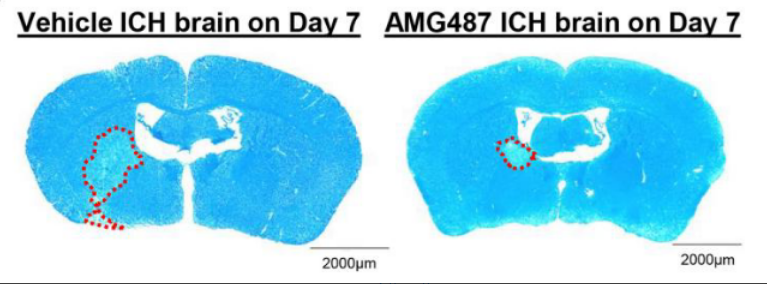
The treatment group had a significantly smaller percentage of demyelination area compared with the vehicle group, vehicle versus AMG487 (30 mg/kg, i.p., bid, for 7 days).
AMG 487 purchased from MedChemExpress. Usage Cited in: Brain. 2025 Sep 3;148(9):3121-3136. [Abstract]
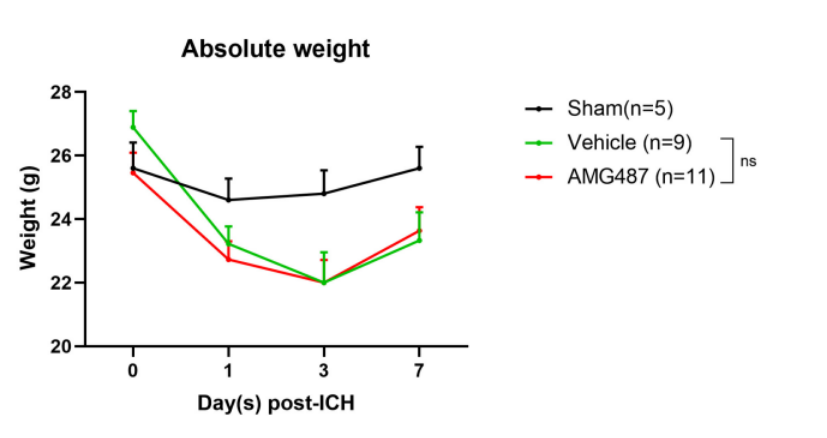
AMG487 (30 mg/kg, i.p., bid, for 7 days) did not affect the absolute body weight.
AMG 487 purchased from MedChemExpress. Usage Cited in: Brain. 2025 Sep 3;148(9):3121-3136. [Abstract]
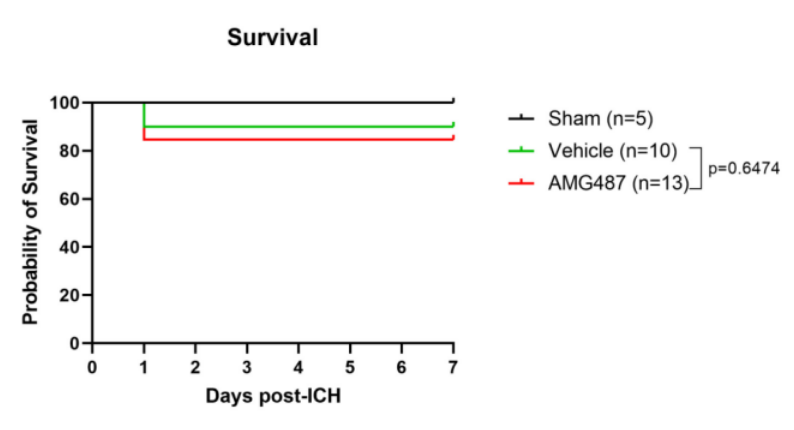
AMG487 (30 mg/kg, i.p., bid, for 7 days) did not affect the mortality rate.
-
Cell Death Dis
Ripk2 promotes CD8+ T cell inactivation and hepatocellular carcinoma progression through Myb/Cxcl9 and Pax5/Adpgk signaling pathways. [Abstract]2026 May 29. PMID: 42215445 -
Cell Death Dis
2025 May 30;16(1):424. PMID: 40447617 -
Cancer Lett
Interferon regulatory factor 1(IRF-1) activates anti-tumor immunity via CXCL10/CXCR3 axis in hepatocellular carcinoma (HCC). [Abstract]2021 May 28:506:95-106. PMID: 33689775
AMG 487 purchased from MedChemExpress. Usage Cited in: Cancer Lett. 2021 May 28:506:95-106. [Abstract]
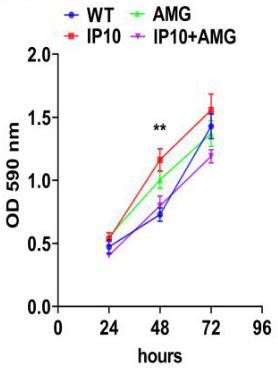
MTT assay for Hepa1-6 cells wild type (WT) induced by murine IP10 (250 ng/ml), AMG 487 (1 μM), or combo at different time points.
-
J Immunother Cancer
CXCR3 signaling promotes Delta One T cell recruitment and antitumor efficacy in colorectal cancer. [Abstract]2026 May 28;14(5):e014668. PMID: 42208977 -
Cell Death Discov
Non-immune targeting of CXCR3 compromises mitochondrial function and suppresses tumor growth in glioblastoma. [Abstract]2025 Apr 4;11(1):143. PMID: 40185710 -
Sci China Life Sci
Liver sinusoidal endothelial cells secret C-X-C motif chemokine ligand 10 to promote the recruitment of invariant NKT cells in acetaminophen-induced liver injury. [Abstract]2025 Jul 8. PMID: 40637994 -
Oncogene
Mesenchymal stromal cells equipped by IFNα empower T cells with potent anti-tumor immunity. [Abstract]2022 Mar;41(13):1866-1881. PMID: 35145233 -
Int J Mol Med
Platelet activation stimulates macrophages to enhance ulcerative colitis through PF4/CXCR3 signaling. [Abstract]2025 May;55(5):78. PMID: 40084691 -
Free Radic Biol Med
CXCR3 inhibition ameliorates mitochondrial function to mitigate oxidative damage through NCOA4-mediated ferritinophagy and improves the gut microbiota in mice. [Abstract]2025 Mar 1:229:384-398. PMID: 39827924 -
EMBO Mol Med
7D, a small molecule inhibits dengue infection by increasing interferons and neutralizing-antibodies via CXCL4:CXCR3:p38:IRF3 and Sirt1:STAT3 axes respectively. [Abstract]2024 Oct;16(10):2376-2401. PMID: 39284947 -
Stem Cell Res Ther
CXCL10 is a crucial chemoattractant for efficient intranasal delivery of mesenchymal stem cells to the neonatal hypoxic-ischemic brain. [Abstract]2024 May 7;15(1):134. PMID: 38715091 -
Cell Rep
Pro-inflammatory β cell small extracellular vesicles induce β cell failure through activation of the CXCL10/CXCR3 axis in diabetes. [Abstract]2021 Aug 24;36(8):109613. PMID: 34433033 -
Cell Prolif
Oncolytic herpes simplex virus propagates tertiary lymphoid structure formation via CXCL10/CXCR3 to boost antitumor immunity. [Abstract]2025 Jan;58(1):e13740. PMID: 39219056 -
JCI Insight
ANGPTL8 links refeeding to monocyte dynamics and metabolic inflammation via the CCL5-CCR5 axis. [Abstract]2025 Nov 25:e196605. PMID: 41289013 -
Neurosci Bull
Astrocyte-Derived CXCL10 Induces Neuronal Tau Hyperphosphorylation and Cognitive Impairments in Sepsis. [Abstract]2025 Jul 2. PMID: 40601125 -
Biochem Pharmacol
An analysis of single-cell data reveals therapeutic effects of AMG487 in experimental autoimmune uveitis. [Abstract]2025 Feb:232:116671. PMID: 39615601 -
Cell Mol Life Sci
Age-related dysregulation of CXCL9/10 in monocytes is linked to impaired innate immune responses in a mouse model of Staphylococcus aureus osteomyelitis. [Abstract]2024 Jul 13;81(1):300. PMID: 39001897 -
Life Sci
CXCL10 modulates airway inflammation in asthma via Sirt3-dependent macrophage homeostasis. [Abstract]2025 Oct 15:379:123849. PMID: 40651693 -
-
Cells
CXCR3 Inhibition Blocks the NF-κB Signaling Pathway by Elevating Autophagy to Ameliorate Lipopolysaccharide-Induced Intestinal Dysfunction in Mice. [Abstract]2023 Jan 1;12(1):182. PMID: 36611975 -
Int Immunopharmacol
PF4/CXCR3 signaling contributes to the regulation of endothelial cells on smooth muscle cells in CKD vascular calcification. [Abstract]2026 Mar 1:172:116235. PMID: 41558292 -
Cell Signal
2020 Feb;66:109488. PMID: 31785332 -
Front Biosci (Landmark Ed)
A Comparative Study of the Effects of Nine CXCR3 Antagonists on Macrophage Function and the Treatment of Acute Lung Injury. [Abstract]2025 Oct 31;30(10):45931. PMID: 41198562 -
-
Br J Haematol
PF4 promotes CXCR3+ Tfh1 cell differentiation through STAT1 in mouse immune thrombocytopenia. [Abstract]2025 Apr 16. PMID: 40235276 -
Exp Cell Res
2020 Dec 15;397(2):112365. PMID: 33197439 -
Exp Cell Res
CXCR3 expression in colorectal cancer cells enhanced invasion through preventing CXCR4 internalization. [Abstract]2018 Oct 1;371(1):162-174. PMID: 30092218 -
Front Oncol
CXCL10 Produced by HPV-Positive Cervical Cancer Cells Stimulates Exosomal PDL1 Expression by Fibroblasts via CXCR3 and JAK-STAT Pathways. [Abstract]2021 Aug 6:11:629350. PMID: 34422627 -
PLoS One
2015 Mar 23;10(3):e0121140. PMID: 25798946 -
Prostate
CXCR3 antagonist AMG487 ameliorates experimental autoimmune prostatitis by diminishing Th1 cell differentiation and inhibiting macrophage M1 phenotypic activation. [Abstract]2022 Sep;82(13):1223-1236. PMID: 35700340 -
-
Biochem Biophys Res Commun
CXCR3 contributes to neuropathic pain via ERK activation in the anterior cingulate cortex. [Abstract]2020 Oct 15;531(2):166-171. PMID: 32782146 -
Neurosci Lett
Chemokine CXCL10/CXCR3 signaling contributes to neuropathic pain in spinal cord and dorsal root ganglia after chronic constriction injury in rats. [Abstract]2019 Feb 16:694:20-28. PMID: 30448292 -
Physiol Rep
2022 May;10(9):e15304. PMID: 35542987 -
-
bioRxiv
Platelet factor 4 modulates endothelial cell antimicrobial activity to enhance bacterial clearance and improve sepsis outcomes. [Abstract]2025 Sep 3:2025.09.02.673783. PMID: 40950105 -


Solvent & Solubility
In Vitro:
DMSO : 100 mg/mL (165.68 mM; Need ultrasonic; Hygroscopic DMSO has a significant impact on the solubility of product, please use newly opened DMSO)
Please refer to the solubility information to select the appropriate solvent. Once prepared, please aliquot and store the solution to prevent product inactivation from repeated freeze-thaw cycles.
Storage method and period of stock solution: -80°C, 2 years; -20°C, 1 year. When stored at -80°C, please use it within 2 years. When stored at -20°C, please use it within 1 year.
Please refer to the solubility information to select the appropriate solvent. Once prepared, please aliquot and store the solution to prevent product inactivation from repeated freeze-thaw cycles.
Storage method and period of stock solution: -80°C, 2 years; -20°C, 1 year. When stored at -80°C, please use it within 2 years. When stored at -20°C, please use it within 1 year.
Concentration (start) × Volume (start) = Concentration (final) × Volume (final)
In Vivo:
Select the appropriate dissolution method based on your experimental animal and administration route.
- For the following dissolution methods, please ensure to first prepare a clear stock solution using an In Vitro approach and then sequentially add co-solvents:
- To ensure reliable experimental results, the clarified stock solution can be appropriately stored based on storage conditions. As for the working solution for In Vivo experiments, it is recommended to prepare freshly and use it on the same day.
- The percentages shown for the solvents indicate their volumetric ratio in the final prepared solution. If precipitation or phase separation occurs during preparation, heat and/or sonication can be used to aid dissolution.
Add each solvent one by one: 10% DMSO 40% PEG300 5% Tween-80 45% Saline
Solubility: ≥ 2.5 mg/mL (4.14 mM); Clear solution
This protocol yields a clear solution of ≥ 2.5 mg/mL (saturation unknown).
Taking 1 mL working solution as an example, add 100 μL DMSO stock solution (25.0 mg/mL) to 400 μL PEG300, and mix evenly; then add 50 μL Tween-80 and mix evenly; then add 450 μL Saline to adjust the volume to 1 mL.
Preparation of Saline: Dissolve 0.9 g sodium chloride in ddH₂O and dilute to 100 mL to obtain a clear Saline solution.
Add each solvent one by one: 10% DMSO 90% (20% SBE-β-CD in Saline)
Solubility: 2.5 mg/mL (4.14 mM); Suspended solution; Need ultrasonic
This protocol yields a suspended solution of 2.5 mg/mL. Suspended solution can be used for oral and intraperitoneal injection.
Taking 1 mL working solution as an example, add 100 μL DMSO stock solution (25.0 mg/mL) to 900 μL 20% SBE-β-CD in Saline, and mix evenly.
Preparation of 20% SBE-β-CD in Saline (4°C, storage for one week): 2 g SBE-β-CD powder is dissolved in 10 mL Saline, completely dissolve until clear.
For the following dissolution methods, please prepare the working solution directly:
It is recommended to prepare fresh solutions and use them promptly within a short period of time.
The percentages shown for the solvents indicate their volumetric ratio in the final prepared solution. If precipitation or phase separation occurs during preparation, heat and/or sonication can be used to aid dissolution.
Add each solvent one by one: 20% HP-β-CD in Saline
Solubility: 5 mg/mL (8.28 mM); Suspened solution; Need ultrasonic
In Vivo Dissolution Calculator
Please enter the basic information of animal experiments:
-
-
-
-
Recommended: Prepare an additional quantity of animals to account for potential losses during experiments.
Please enter your animal formula composition:
-
%DMSO +
Recommended: Keep the proportion of DMSO in working solution below 2% if your animal is weak.
-
%+
-
+%Tween-80 + +
-
%Saline +
The co-solvents required include: DMSO, . All of co-solvents are available by MedChemExpress (MCE). , Tween 80. All of co-solvents are available by MedChemExpress (MCE).
Working solution concentration: 0.22 mg/mL
Method for preparing stock solution: mg drug dissolved in μL DMSO. Stock solution concentration: mg/mL.
1. Take μL DMSO stock solution;
2. Add μL .
μL , mix evenly;
3. Then add μL Tween 80, mix evenly;
4. Then add μL
Please ensure that the stock solution in the first step is dissolved to a clear state, and add co-solvents in sequence. You can use ultrasonic heating (ultrasonic cleaner, recommended frequency 20-40 kHz), vortexing, etc. to assist dissolution.


Purity & Documentation
-
Data Sheet (282 KB)
-
SDS (393 KB)
- English - EN (393 KB)
- Français - FR (393 KB)
- Deutsch - DE (393 KB)
- Norwegian - NO (393 KB)
- Español - ES (393 KB)
- Swedish - SV (393 KB)
- Italian - IT (393 KB)
- Korean - KR (393 KB)
- Portuguese - PT (393 KB)
-
Handling Instructions (2659 KB)
References
[1]. Johnson M, et al. Discovery and optimization of a series of quinazolinone-derived antagonists of CXCR3. Bioorg Med Chem Lett. 2007 Jun 15;17(12):3339-43. [Content Brief]
[2]. Walser TC, et al. Antagonism of CXCR3 inhibits lung metastasis in a murine model of metastatic breast cancer. Cancer Res. 2006 Aug 1;66(15):7701-7. [Content Brief]
[3]. Cambien B, et al. Organ-specific inhibition of metastatic colon carcinoma by CXCR3 antagonism. Br J Cancer. 2009 Jun 2;100(11):1755-64. [Content Brief]


Complete Stock Solution Preparation Table
Please refer to the solubility information to select the appropriate solvent. Once prepared, please aliquot and store the solution to prevent product inactivation from repeated freeze-thaw cycles.
Storage method and period of stock solution: -80°C, 2 years; -20°C, 1 year. When stored at -80°C, please use it within 2 years. When stored at -20°C, please use it within 1 year.
| Optional Solvent | Concentration Solvent Mass | 1 mg | 5 mg | 10 mg | 25 mg |
|---|---|---|---|---|---|
| DMSO | 1 mM | 1.6568 mL | 8.2838 mL | 16.5675 mL | 41.4188 mL |
| 5 mM | 0.3314 mL | 1.6568 mL | 3.3135 mL | 8.2838 mL | |
| 10 mM | 0.1657 mL | 0.8284 mL | 1.6568 mL | 4.1419 mL | |
| 15 mM | 0.1105 mL | 0.5523 mL | 1.1045 mL | 2.7613 mL | |
| 20 mM | 0.0828 mL | 0.4142 mL | 0.8284 mL | 2.0709 mL | |
| 25 mM | 0.0663 mL | 0.3314 mL | 0.6627 mL | 1.6568 mL | |
| 30 mM | 0.0552 mL | 0.2761 mL | 0.5523 mL | 1.3806 mL | |
| 40 mM | 0.0414 mL | 0.2071 mL | 0.4142 mL | 1.0355 mL | |
| 50 mM | 0.0331 mL | 0.1657 mL | 0.3314 mL | 0.8284 mL | |
| 60 mM | 0.0276 mL | 0.1381 mL | 0.2761 mL | 0.6903 mL | |
| 80 mM | 0.0207 mL | 0.1035 mL | 0.2071 mL | 0.5177 mL | |
| 100 mM | 0.0166 mL | 0.0828 mL | 0.1657 mL | 0.4142 mL |


AMG 487 Related Classifications
HY-15319 Related Classifications
 Powered by Bioz