Search Result
Results for "
positron+emission+tomography
" in MedChemExpress (MCE) Product Catalog:
2
Biochemical Assay Reagents
4
Isotope-Labeled Compounds
| Art. -Nr. |
Produktname |
Target |
Forschungsgebiete |
Chemical Structure |
-
- HY-106244
-
|
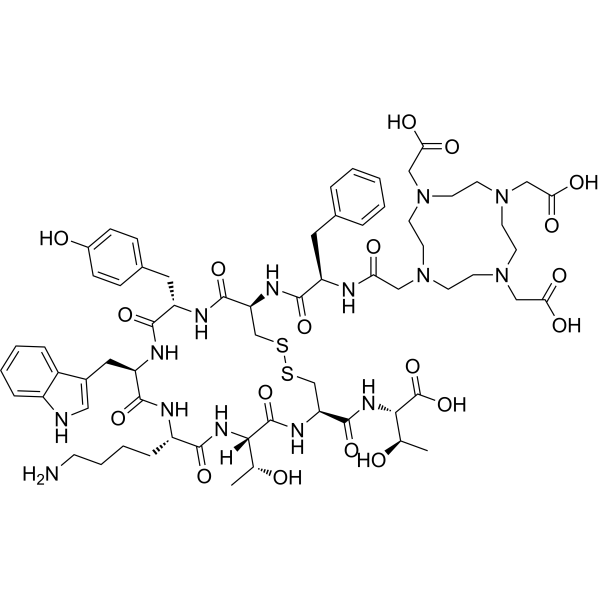
Oxodotreotide
|
Radionuclide-Drug Conjugates (RDCs)
|
Cancer
|
|
DOTATATE is a DOTA-conjugated peptide. DOTATATE can be labelled with radionuclides for positron emission tomography (PET) imaging and peptide receptor radionuclide research (PRRT) . DOTATATE can be used for the synthesis/research of Radionuclide-Drug Conjugates (RDCs).
|
-
-
- HY-125399
-
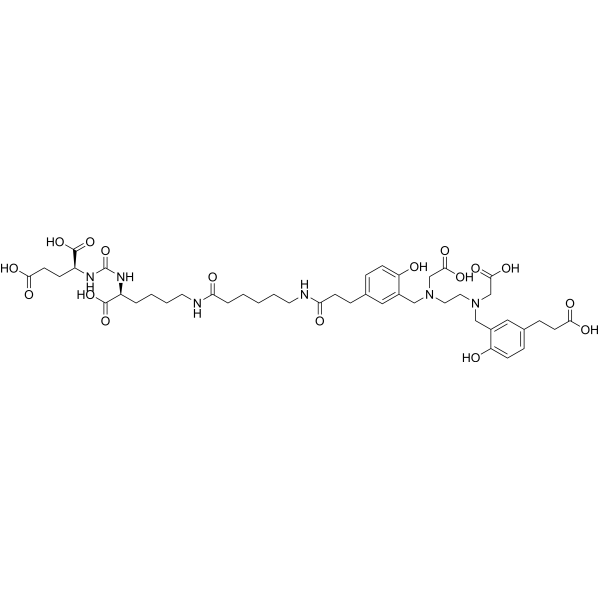
PSMA-11
1 Publications Verification
HBED-CC-PSMA
|
PSMA
Radionuclide-Drug Conjugates (RDCs)
|
Cancer
|
|
PSMA-11 is a small molecule ligand that targets prostate-specific membrane antigen (PSMA) and has the ability to inhibit PSMA activity. PSMA-11 can be used to synthesize 68Ga-PSMA-11, a positron emission tomography (PET) tracer that can be used to image advanced prostate cancer .
|
-
-
- HY-147173
-
|
|
FAP
|
Cancer
|
|
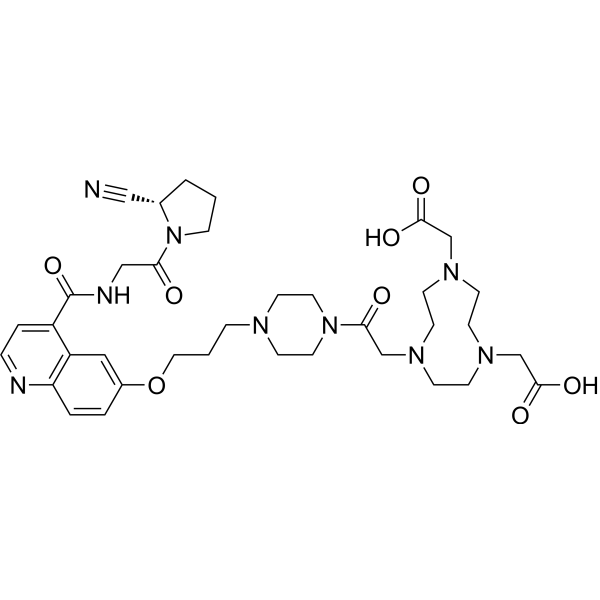
FAPI-74 is a PET (positron emission tomography) tracer targeting the fibroblast activation protein (FAP). FAPI-74 can be used for FAP-positive tumor research .
|
-
-
- HY-120947
-
|
|
Drug Intermediate
|
Neurological Disease
|
|
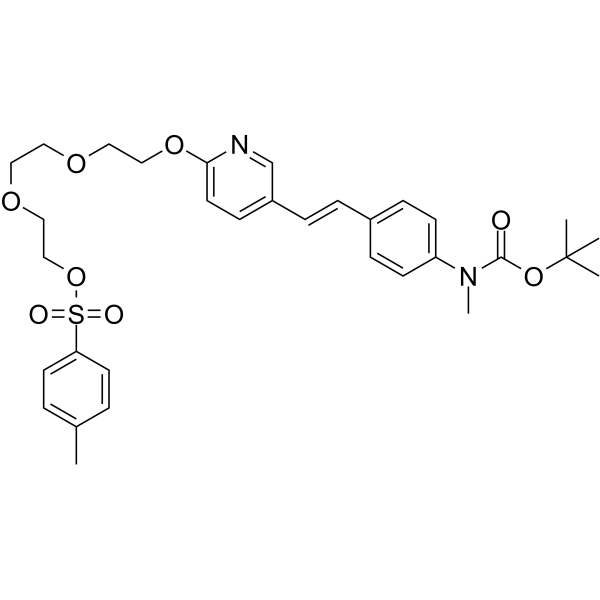
AV-105 is a Florbetapir ( 18F)-radiolabeled slyrylpyridine tosylate precursor extracted from patent WO2010078370A1, example 1.5. AV-105 can synthesize 18F-radiolabeled compounds, which are used for positron emission tomography (PET) imaging of neurodegenerative diseases of the brain .
|
-
-
- HY-101184
-
-
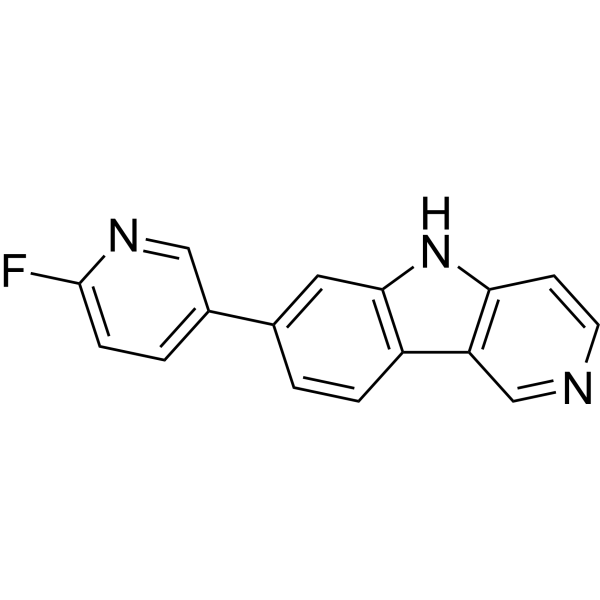
-
- HY-106244A
-
|
Oxodotreotide acetate
|
Radionuclide-Drug Conjugates (RDCs)
|
Cancer
|
|
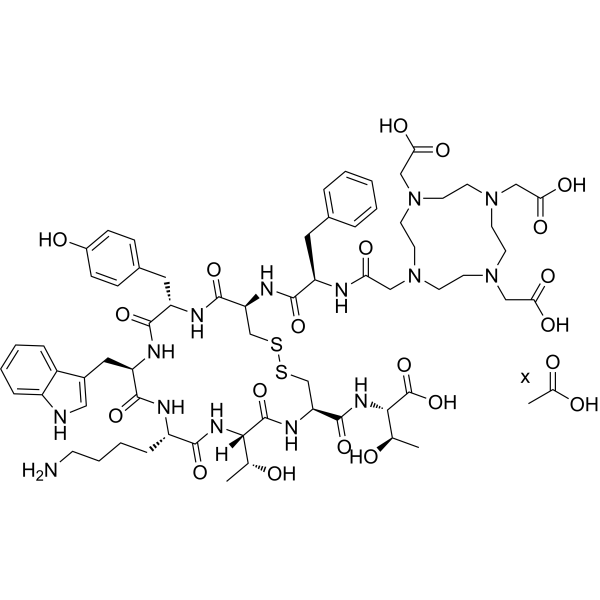
DOTATATE acetate is a DOTA-conjugated peptide. DOTATATE acetate can be labelled with radionuclides for positron emission tomography (PET) imaging and peptide receptor radionuclide research (PRRT) . DOTATATE (acetate) can be used for the synthesis/research of Radionuclide-Drug Conjugates (RDCs).
|
-
-
- HY-141637
-
|
2-Fluoro-2-deoxy-D-glucose; 2-Deoxy-2-fluoro-D-glucopyranose; Fluorodeoxyglucose
|
Biochemical Assay Reagents
|
Cancer
|
|
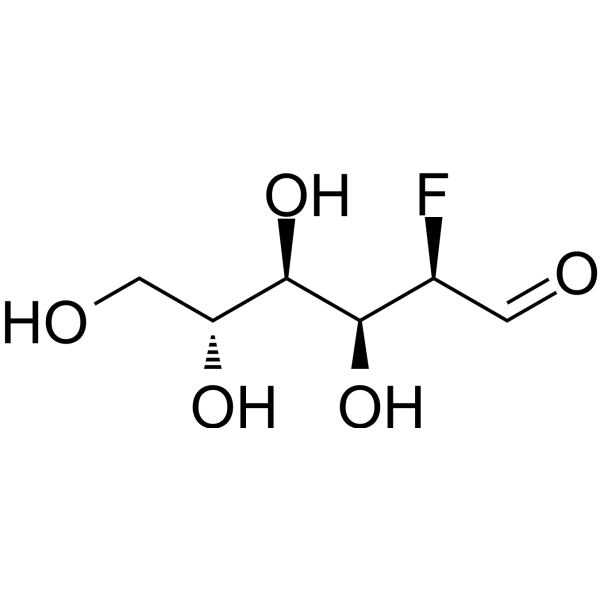
2-Deoxy-2-fluoro-D-glucose (2-Fluoro-2-deoxy-D-glucose) is a glucose analog that can be absorbed by cells. 2-Deoxy-2-fluoro-D-glucose is capable of being labelled with 18F for positron emission tomography (PET) imaging. 18F-2-Deoxy-2-fluoro-D-glucose can be used to detect breast cancer and gastric cancer .
|
-
-
- HY-160116
-
|
|
Radionuclide-Drug Conjugates (RDCs)
Fluorescent Dye
α-synuclein
|
Neurological Disease
|
|
α-Synuclein aggregate binder 1 (Compound C05-05) is a specific binder for α-synuclein aggregates and can inhibit α-synuclein aggregation. α-Synuclein aggregate binder 1 can be used as a fluorescent probe (excitation wavelength 900 nm, detection wavelength 500-550 nm) for optical imaging, and can also inhibit α-synuclein fibril formation by blocking the aggregation process. α-Synuclein aggregate binder 1 can be used for positron emission tomography (PET) imaging after being labeled with 18F. α-Synuclein aggregate binder 1 can be used for visual diagnosis of brain lesions and mechanism research of neurodegenerative diseases such as Parkinson's disease and Lewy body dementia .
|
-

-
- HY-153549
-
|
|
Radionuclide-Drug Conjugates (RDCs)
CXCR
|
Others
|
|
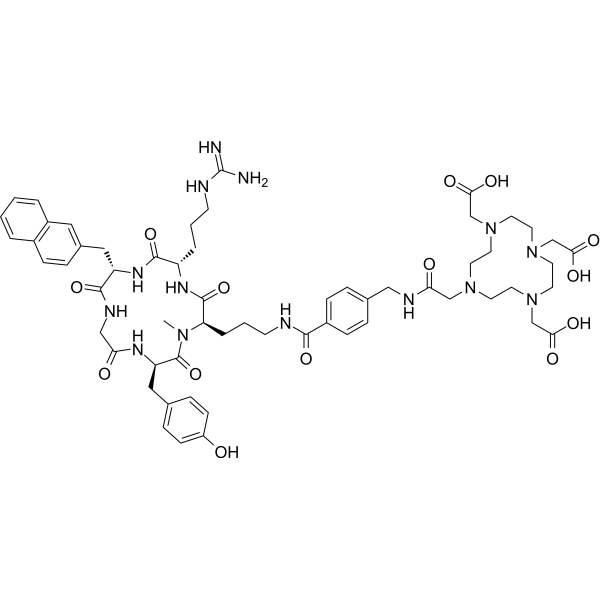
Pentixafor is a peptide that targets CXCR4. Pentixafor is capable of being labelled with 68Gallium ( 68Ga) for positron emission tomography (PET) imaging . Pentixafor can be used for the synthesis/research of Radionuclide-Drug Conjugates (RDCs).
|
-
-
- HY-153248
-
|
|
Biochemical Assay Reagents
|
Neurological Disease
Inflammation/Immunology
|
|
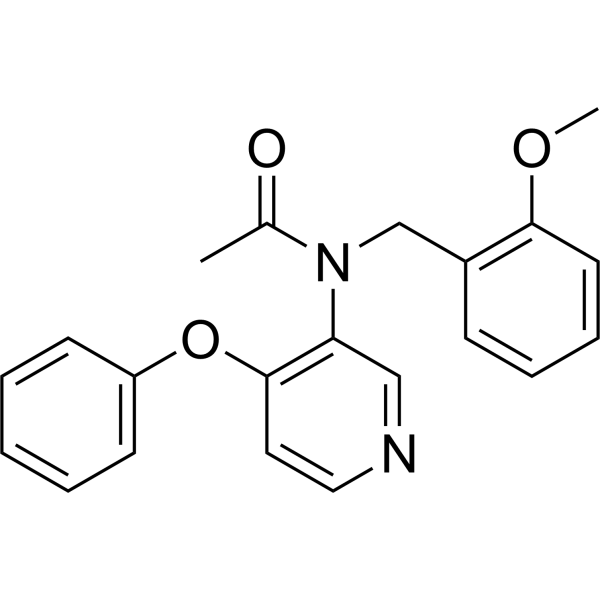
PBR28 is a translocator protein (TSPO) binding positron emission tomography (PET) radiotracer with blood-brain barrier permeability . PBR28 binds to TSPO, a marker of microglial activation and neuroinflammation, and is used for neuroinflammation imaging in brain diseases and HIV-infected individuals .
|
-
-
- HY-75706
-
|
|
PARP
Ligands for Target Protein for PROTAC
|
Cancer
|
|
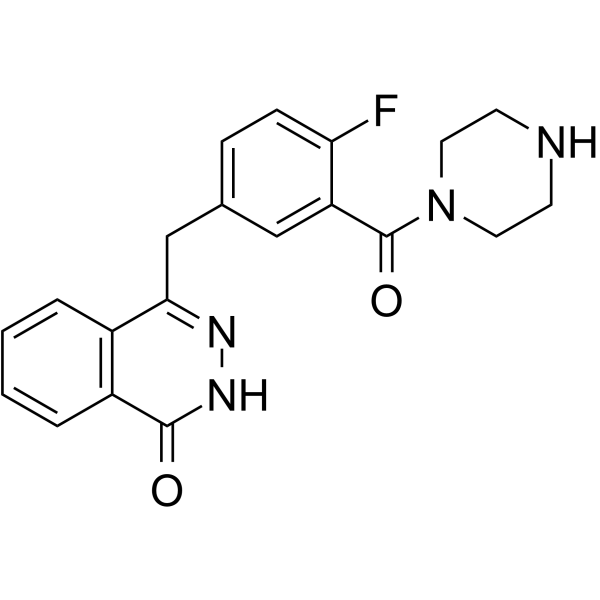
N-Descyclopropanecarbaldehyde Olaparib is an analogue of Olaparib (HY-10162) containing DOTA moiety. N-Descyclopropanecarbaldehyde Olaparib is a PARP inhibitor used for synthesizing novel dual EGFR and PARP PROTAC, DP-C-4 (HY-141481) . N-Descyclopropanecarbaldehyde Olaparib can be radiolabeled with F-18 or fluorophore for positron emission tomography (PET) or optical imaging in several types of tumor .
|
-
-
- HY-117756
-
|
DCFPYL
|
PSMA
|
Cancer
|
|
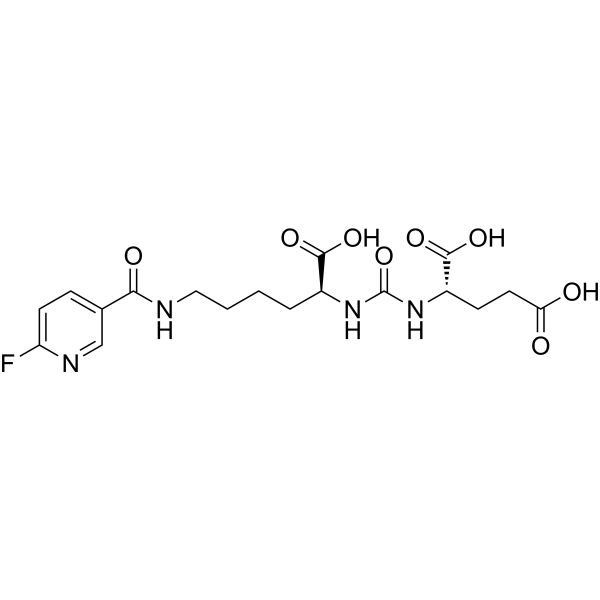
Piflufolastat (DCFPYL) can be used for the preparation of piflufolastat F 18 (DCFPyL F-18). Piflufolastat F-18 (DCFPyL F-18) is an 18F-labeled imaging agent. Piflufolastat F-18 can be used for positron emission tomography (PET) targeting prostate-specific membrane antigen (PSMA). Piflufolastat can be used for imaging of prostate cancer .
|
-
-
- HY-101185
-
|
|
Tau Protein
|
Neurological Disease
|
|
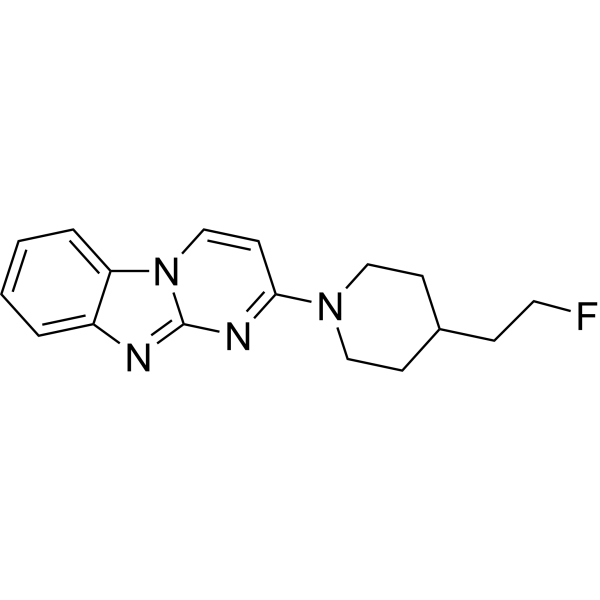
T808 is a selective tau protein-targeting ligand. T808 can be used to synthesize [ 18F]-T808, a highly selective tau protein positron emission tomography (PET) tracer. T808 can also be used to synthesize [ 3H]-T808, a marker for in vitro experiments. T808 can be used for the research of alzheimer’s disease .
|
-
-
- HY-152148
-
|
|
MAGL
|
Neurological Disease
|
|
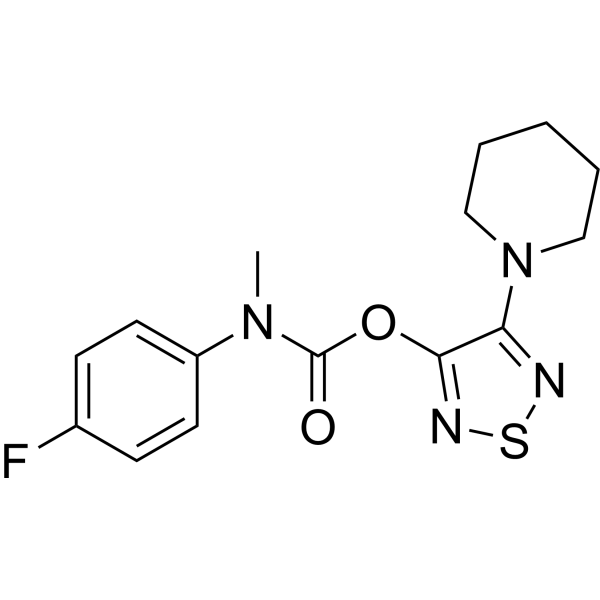
JZP-MA-11 is a brain-penetrant positron emission tomography (PET) ligand targeting the brain endocannabinoid α/β-hydrolase domain 6 (ABHD6) enzyme. JZP-MA-11 selectively inhibits ABHD6 with an IC50 value of 126 nM. [18F]JZP-MA-11 has the potential for preclinical evaluation targeting the brain ABHD6 in mice and nonhuman primate (NHP) .
|
-
-
- HY-149766
-
|
|
HDAC
|
Neurological Disease
|
|
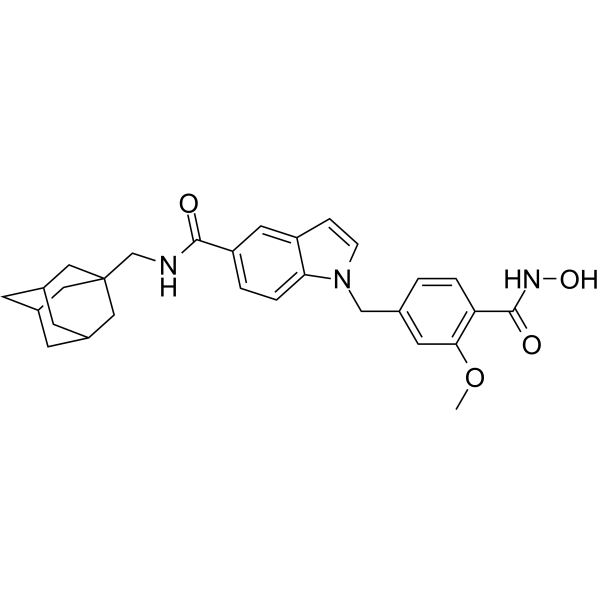
PB94 is a selective HDAC11 inhibitor (IC50=108 nM). PB94 can be radiolabeled as [11C]-PB94 for use in positron emission tomography (PET), as well as brain uptake and metabolic properties in administered live animals. PB94 improves neuropathic pain in mice and could be used to study neurological indications .
|
-
-
- HY-122607
-
|
|
Mitochondrial Metabolism
TSPO
|
Inflammation/Immunology
Cancer
|
|
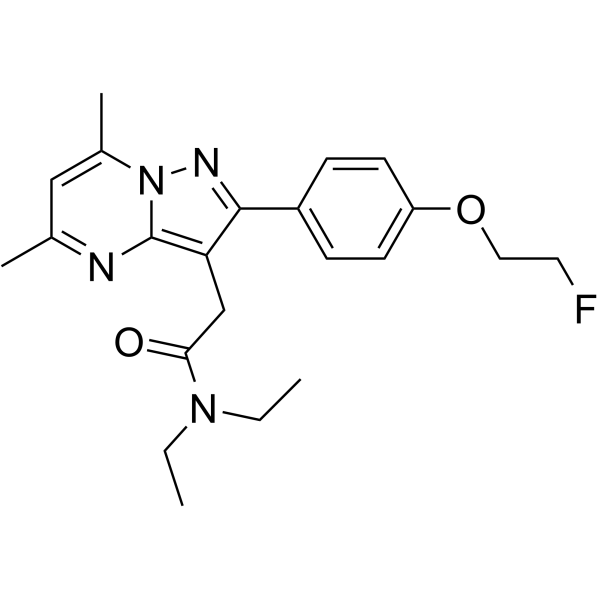
DPA-714 is a high affinity translocator protein (TSPO) ligand (Ki=7 nM), which is designed with a fluorine atom in its structure, allowing labelling with fluorine -18 and in vivo imaging using positron emission tomography. 18FDPA-714 successfully evaluates for the specific imaging of inflammation in various models of neuroinflammation and in a brain tumor model .
|
-
-
- HY-100133A
-
|
|
Integrin
|
Cancer
|
|
DOTA-ADIBO TFA is a DOTA-derived bifunctional chelator (BFC) that allows drug conjugation via an uncatalyzed, copper-free cycloaddition reaction. DOTA-ADIBO TFA enables the construction of fusion chelator systems that can be further used to synthesize radiotracers after Cu[64] modification. Positron emission tomography imaging of tumors expressing integrin αvβ6 .
|
-

-
- HY-119190
-
|
|
Phosphodiesterase (PDE)
|
Neurological Disease
|
|
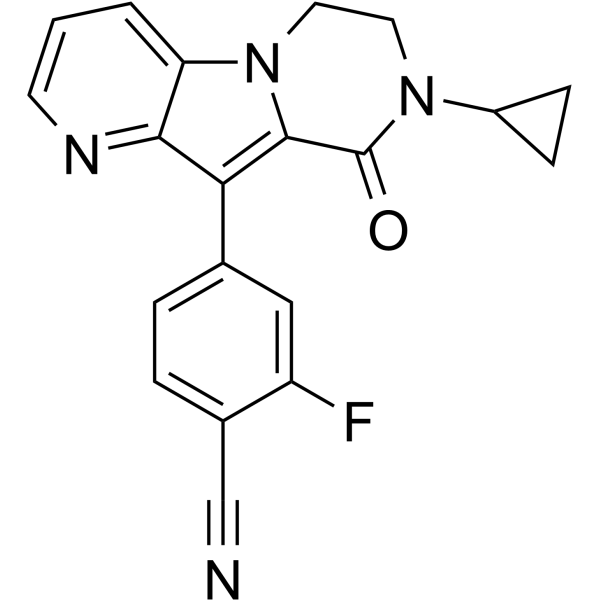
PF-06445974, a promising positron emission tomography (PET) lead, has exquisite potency at PDE4B with an IC50 <1 nM. The IC50 values are 36, 4.7 and 17 nM for PDE4D, PDE4A and PDE4C, respectively. PF-06445974 has good selectivity over PDE4D, excellent brain permeability, and a high level of specific binding in the "cold tracer" study .
|
-
-
- HY-137557
-
|
APN1607; PM-PBB3
|
Tau Protein
|
Neurological Disease
|
|
Florzolotau (APN1607) is a positron emission tomography (PET) ligand that can be used for the detection of Alzheimer's disease (AD) and other tau proteinopathies. Its binding sites are located in the β-sheet of paired helical filaments (PHFs) and straight filaments (SFs) of tau protein, as well as in the C-shaped cavity of SFs. In addition, APN-1607 binds to intraneuronal inclusions in Alzheimer's disease (AD), primary age-related tauopathy (PART) and posterior cortical atrophy (PCA). Florzolotau shows promise for PET imaging studies of neurological disorders, particularly tau proteinopathies .
|
-

-
- HY-100275
-
|
|
Amyloid-β
|
Neurological Disease
|
|
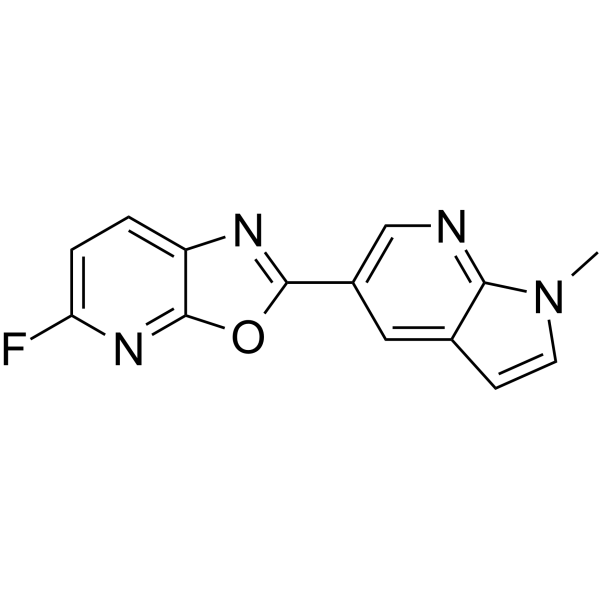
MK-3328 is a β-Amyloid ligand, which exhibits high binding potency with an IC50 of 10.5 nM. MK-3328 is capable of being labelled with 18F for positron emission tomography (PET) imaging .
|
-
-
- HY-139048
-
|
|
iGluR
|
Neurological Disease
|
|
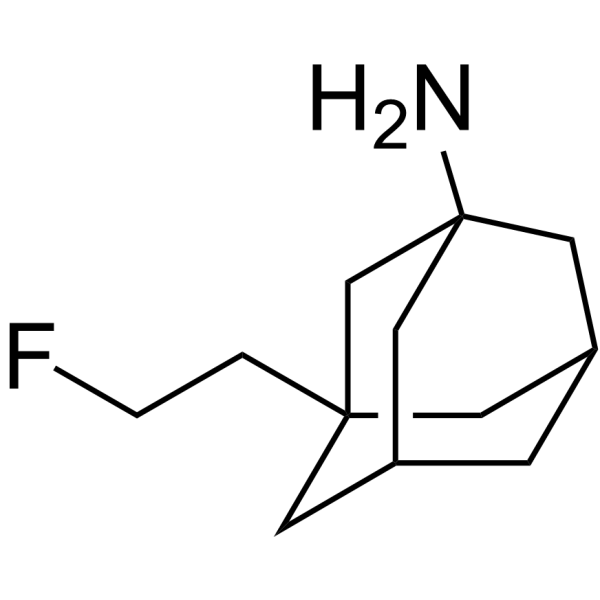
Fluoroethylnormemantine, a derivative of Memantine, is an antagonist of the N-methyl-D-aspartate (NMDA) receptor. [ 18F]-Fluoroethylnormemantine can be used as a positron emission tomography (PET) tracer. Fluoroethylnormemantine exhibits anti-amnesic, neuroprotective, antidepressant-like and fear-attenuating effects .
|
-
-
- HY-135497
-
|
|
Dopamine Receptor
|
Neurological Disease
|
|
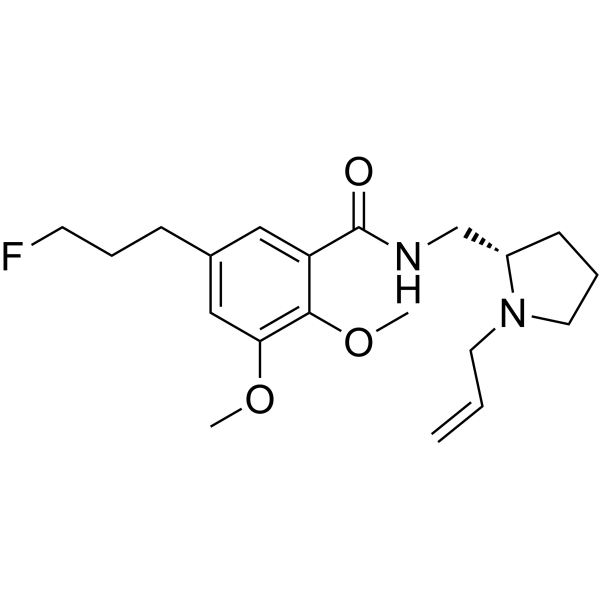
Fallypride is a potent antagonist of dopamine D2/D3 receptor. Fallypride, in the form of fallypride ( 18F), can be used as a positron emission tomography (PET) radiotracer .
|
-
-
- HY-128890B
-
|
|
ADC Linker
Biochemical Assay Reagents
|
Cancer
|
|
DOTA-NHS-ester (TFA) is used as a linker for affibody molecules, and it can be employed in small animal positron emission tomography (PET), single photon emission computed tomography (SPECT), and CT scanning. DOTA-NHS-ester can be used to label radiotracers or imaging probes for tumor detection .
|
-

-
- HY-159108
-
|
|
c-Fms
|
Cardiovascular Disease
|
|
AZ683 is a potent and selective 3-amido-4-anilinoquinoline CSF1R inhibitor. AZ683 has high affinity for CSF1R (Ki=8 nM; IC50=6 nM). AZ683 has good oral bioavailability. [ 11C]AZ683 can be used as a positron emission tomography (PET) radiotracer for colony stimulating factor 1 receptor (CSF1R) .
|
-

-
- HY-160607
-
|
|
Radionuclide-Drug Conjugates (RDCs)
Exosomes
|
Others
|
|
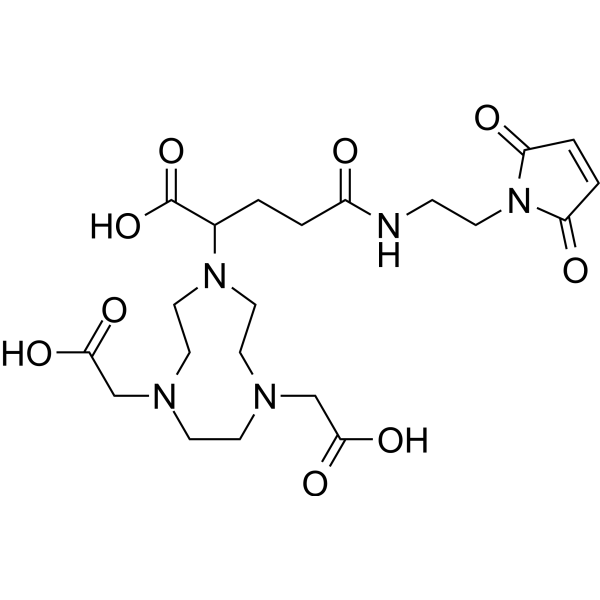
MMA-NODAGA is a chelator for site-specific labeling of targeting proteins containing unpaired cysteine. MMA-NODAGA can be used to conjugate with exosome and 64Cu in image with positron emission tomography (PET) <[2].
|
-
-
- HY-173291
-
|
|
Tau Protein
|
Neurological Disease
|
|
Tau ligand-1 (Compound 75) is a ligand for aggregated tau protein that can penetrate the blood-brain barrier . In tissues from patients with Alzheimer's disease, progressive supranuclear palsy, corticobasal degeneration, and Pick's disease, Tau ligand-1 exhibits high affinity for aggregated tau protein, with equilibrium dissociation constant (KD) values ranging from 1 to 3.8 nM . Tau ligand-1 can serve as a potential positron emission tomography (PET) tracer and holds promise for application in positron emission tomography imaging studies of tau-related diseases in the central nervous system .
|
-

-
- HY-P5413
-
|
|
Cholecystokinin Receptor
|
Others
|
|
[Lys3]-Bombesin is a biological active peptide. (PET (Positron Emission Tomography) imaging of [Lys3]-bombesin is able to detect gastrin-releasing peptide receptor (GRPR) positive prostate cancer. An immunoconjugate of [Lys3]-bombesin and corresponding monoclonal antibody can specifically induce (CD64)-dependent monocyte and neutrophil-mediated lysis of small cell carcinoma.)
|
-
![[Lys3]-Bombesin](//file.medchemexpress.com/product_pic/hy-p5413.gif)
-
- HY-76573
-
|
|
Apoptosis
|
Cardiovascular Disease
Cancer
|
|
ML-10 is a small molecule apoptosis probe. Due to the presence of fluorine atoms, ML-10 can be radiolabeled with 18F isotopes and can be used for apoptosis positron emission tomography imaging studies. ML-10 is selectively taken up and accumulated in apoptotic cells, while being excluded from live or necrotic cells. In addition, the uptake of ML-10 is associated with apoptotic features such as caspase activation, Annexin-V binding, and disruption of mitochondrial membrane potential .
|
-

-
- HY-129059
-
|
NNC 756
|
Dopamine Receptor
|
Neurological Disease
|
|
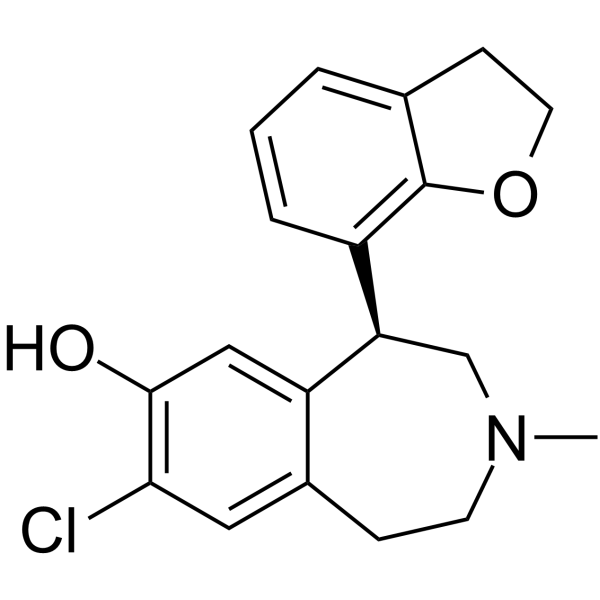
Odapipam (NNC 756) is a selective, high affinity and benzazepine dopamine D1 receptor antagonist with a Kd of 0.18 nM. Odapipam is also a superior positron emission tomography (PET) radiotracer .
|
-
-
- HY-171806
-
|
|
LPL Receptor
|
Cancer
|
|
BMT-136088 is a LPAR1 antagonist . 11C-BMT-136088 can be used as a positron emission tomography (PET) radioligand to quantify specific binding to LPA1 in lung.
|
-

-
- HY-W100209
-
|
|
Potassium Channel
|
Neurological Disease
|
|
5Me3F4AP is a potent blocker of potassium channel, with the IC50 of 220 μM to 693 μM when the pH is increased from 6.4 to 9.1. 5Me3F4AP has the potential to cross the blood-brain barrier and potential application in positron emission tomography (PET) .
|
-

-
- HY-141464
-
|
Fmoc-Asn(Ac3AcNH-beta-Glc)-OH
|
Amino Acid Derivatives
|
Cancer
|
|
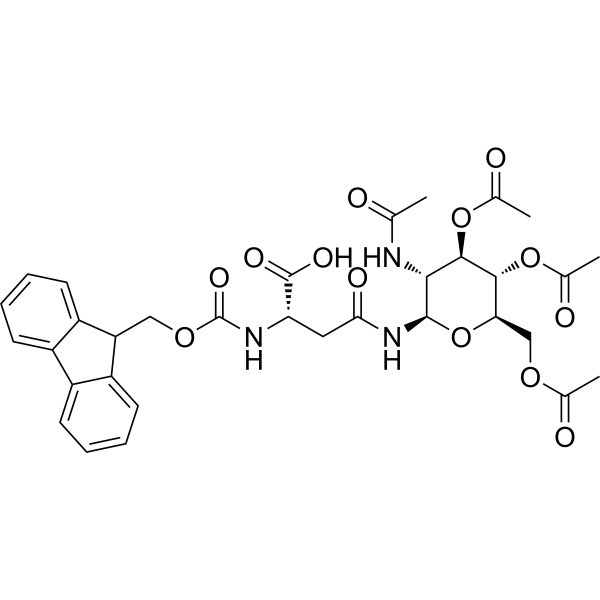
Fmoc-L-Asn(beta-D-GlcNAc(Ac)3)-OH (Fmoc-Asn(Ac3AcNH-beta-Glc)-OH) can be used in the synthesis of silicon-fluoride acceptor (SiFA) derivatized octreotate derivatives. SiFA-octreotate analogues, as tumor imaging agents, are useful tool for the research of positron emission tomography (PET) .
|
-
-
- HY-175730
-
|
|
Cannabinoid Receptor
|
Neurological Disease
Inflammation/Immunology
Cancer
|
|
CB2R ligand-1 (Compound L14) is a selective Cannabinoid type 2 receptor (CB2R) ligand with a with Ki of 0.16 nM for CB2R over CB1R. CB2R ligand-1 as be used as a tracer for positron emission tomography (PET) imaging of neurodegenerative diseases, inflammation and cancer .
|
-

-
- HY-178871
-
|
|
Orexin Receptor (OX Receptor)
|
Neurological Disease
|
|
OX2-2303 is a potent, selective orexin-2 receptor (OX2R) antagonist. OX2-2303 exhibits excellent binding affinity towards OX2R (Ki = 0.1 nM), and shows >890-fold selectivity over OX1R. OX2-2303 can be used as a positron emission tomography (PET) radioligand for central nervous system (CNS) research .
|
-

-
- HY-101184R
-
|
AV-1451 (Standard)
|
Reference Standards
Tau Protein
|
Neurological Disease
|
|
T807 (Standard) is the analytical standard of T807. This product is intended for research and analytical applications. T807 a novel tau positron emission tomography (PET) tracer.
|
-

-
- HY-206852
-
|
|
Drug Intermediate
Phosphodiesterase (PDE)
|
Neurological Disease
|
|
PF-06445974 precursor (Compound 28) is a nitro precursor and synthetic intermediate. PF-06445974 precursor can be used for the synthesis of PF-06445974 (HY-119190). PF-06445974 is a positron emission tomography (PET) compound that acts potently on PDE4B .
|
-

-
- HY-175330
-
|
|
FAP
|
Cancer
|
|
FAP-IN-6 (Compound 21) is a selectivity FAP inhibitor with an IC50 of 13 pM. FAP-IN-6 has a high metabolic stability. FAP-IN-6 labeled with 18F can be used as a positron emission tomography (PET) tracer. FAP-IN-6 can be used for microenvironment of cancers research .
|
-

-
- HY-P10220
-
|
|
Radionuclide-Drug Conjugates (RDCs)
TREM receptor
|
Cancer
|
|
NOTA-COG1410 forms triggering receptor expressed on myeloid cells 2 (TREM2) targeting ligand. NOTA-COG1410 is capable of being labelled with 68Gallium ( 68Ga) for discovery and diagnosis of digestive system tumors through positron emission tomography/computed tomography (PET/CT). NOTA-COG1410 can be used for the synthesis/research of Radionuclide-Drug Conjugates (RDCs) .
|
-

-
- HY-164475
-
|
|
PARP
|
Cancer
|
|
PARP1-IN-29 is an orally active PARP-1 inhibitor with an IC50 value of 6.3 nM. PARP1-IN-29, after being labeled with [18F], can be used for positron emission tomography (PET) imaging, specifically targeting PARP-1 in tumors. PARP1-IN-29 is applicable in the fields of oncology and imaging research, particularly for detecting PARP-1 activity in cancer .
|
-

-
- HY-176834
-
|
|
GLUT
|
Cancer
|
|
3-Deoxy-3-fluoro-D-fructose (Compound 12) is a derivative of 2,5-Anhydro-D-mannitol. 3-Deoxy-3-fluoro-D-fructose is a selective probe of Hexose transporter 5 (GLUT5). 3-Deoxy-3-fluoro-D-fructose inhibits the transport of D-fructose labeled with 14C by GLUT5 with IC50s of 1.16 and 2.37 µM in EMT-6 and MCF-7 cells. 3-Deoxy-3-fluoro-D-fructose can be used for positron emission tomography (PET) imaging of cancers .
|
-

-
- HY-179227
-
|
|
HDAC
|
Neurological Disease
|
|
HDAC6 ligand-7 (Compound 16a) is a positron emission tomography (PET) tracer for the deacetylase 6 (HDAC6) enzyme with a Kd value of 1.66 nM. HDAC6 ligand-7 exhibits excellent HDAC6 inhibitory activity, with IC50 values of 2.7 and 3.7 nM for hHDAC6 and mHDAC6, respectively, and has high selectivity for HDAC1/4/7/8. HDAC6 ligand-7 after being radioactively labeled with fluorine-18, [¹⁸F]HDAC6 ligand-7 shows varying degrees of radioactive uptake in PET, which can reflect the specific binding to HDAC6. HDAC6 ligand-7 can be used for the study of HDAC6 imaging .
|
-

-
- HY-159001
-
|
|
Biochemical Assay Reagents
|
Others
|
|
ZCDD083 can be used as a positron emission tomography (PET) tracer for atherosclerotic plaques imagination, when labeled with 18F isotope .
|
-

-
- HY-173319
-
|
|
FAP
|
Cancer
|
|
FAP-IN-5 (Compound 4a) is an FAP inhibitor with an IC50 of 1.7 nM. FAP-IN-5 can be used in the research of tumor positron emission tomography (PET) imaging .
|
-

-
- HY-111514
-
-
-
- HY-158317
-
|
|
CXCR
Biochemical Assay Reagents
|
Others
|
|
SFB-AMD3465 is an AMD3465 (HY-15971A) derivative. SFB-AMD3465 is utilized as positron emission tomography (PET) tracer for CXCR4, when labeled with radioactive Fluorine .
|
-

-
- HY-103326
-
|
|
Cannabinoid Receptor
|
Neurological Disease
|
|
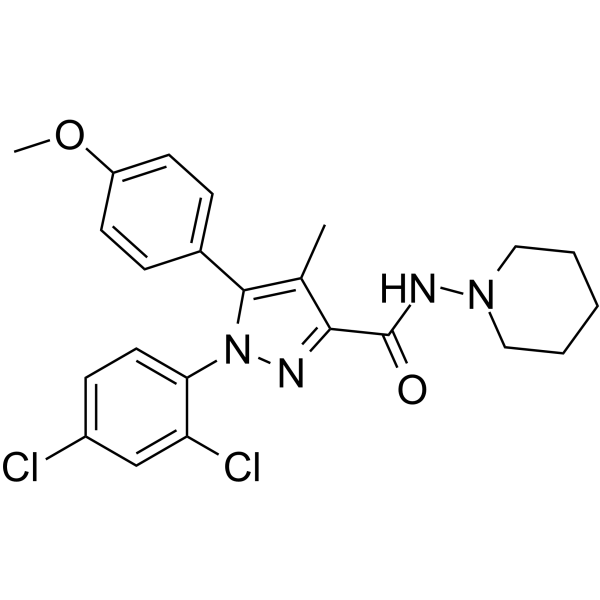
NIDA-41020 is a potent and selective cannabinoid receptor 1(CB1) antagonist with a Ki of 4.1 nM. NIDA-41020 was designed as a potential radioligand for use in positron emission tomography (PET) .
|
-
-
- HY-D2334
-
|
|
Radionuclide-Drug Conjugates (RDCs)
HSP
|
Cancer
|
|
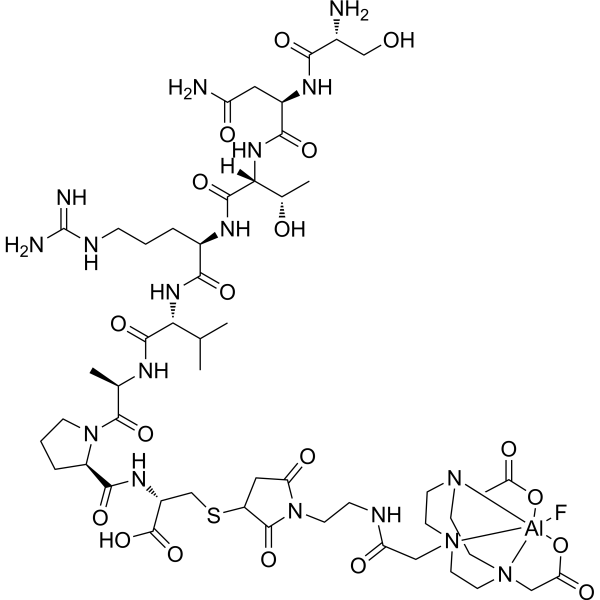
AlF-NOTA-c-d-VAP is a peptide positron emission tomography (PET) probe that used for targeted tumor imaging of GRP78. AlF-NOTA-c-d-VAP demonstrates high stability in vitro and in vivo .
|
-
-
- HY-117502
-
|
|
Monoamine Oxidase
|
Others
|
|
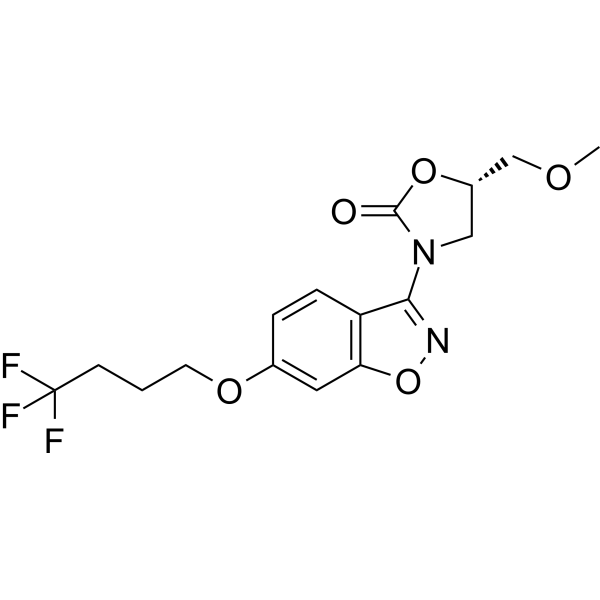
SL-25.1188 is a potent monoamine oxidase B (MAO-B) inhibitor with Ki values of 2.9 and 8.5 nM for human MAO-B and rat MAO-B, respectively. SL-25.1188 can be used for positron emission tomography .
|
-
-
- HY-139048A
-
|
|
iGluR
|
Neurological Disease
|
|
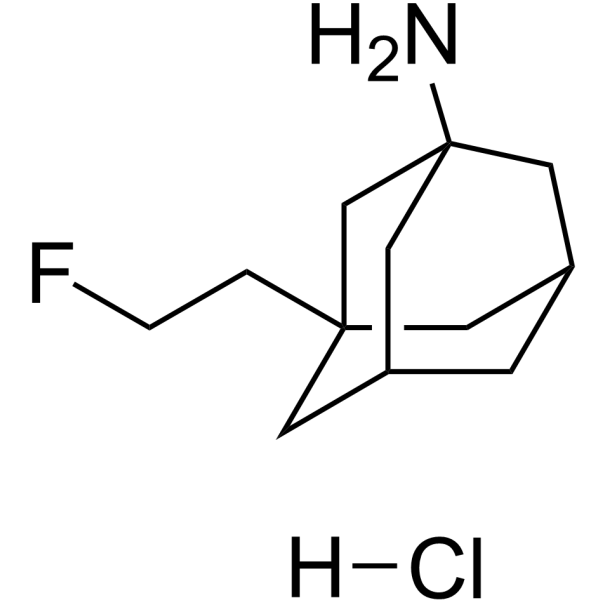
Fluoroethylnormemantine hydrochloride, a derivative of Memantine, is an antagonist of the N-methyl-D-aspartate (NMDA) receptor. [ 18F]-Fluoroethylnormemantine hydrochloride can be used as a positron emission tomography (PET) tracer. Fluoroethylnormemantine hydrochloride exhibits anti-amnesic, neuroprotective, antidepressant-like and fear-attenuating effects .
|
-
-
- HY-146102
-
|
|
mAChR
|
Others
|
|
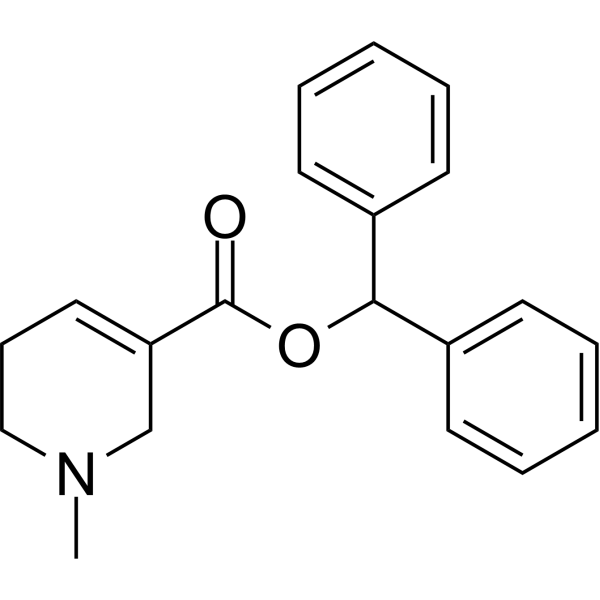
M1 ligand 1 (compound 3b-b) is a muscarinic acetylcholine receptor M1 ligand. M1 ligand 1 is a N-desmethyl congener of arecoline derivative. M1 ligand 1 can be used as PET (positron emission tomography) radiotracer .
|
-
- HY-137332
-
|
|
Dopamine Receptor
|
Neurological Disease
|
|
N-Methylspiroperidol is a D2 receptor antagonist. N-Methylspiroperidol can be labeled as [18F]N-Methylspiroperidol and used in PET (Positron Emission Tomography) to study how it binds to the 5-HT2C receptor and the competition and effects of neurotransmitters like dopamine on these receptors .
|
-

- HY-152152
-
|
|
MAGL
|
Neurological Disease
|
|
JZP-MA-13 is a selective α/β-hydrolase domain 6 (ABHD6) inhibitor with an IC50 of 392 nM. JZP-MA-13 shows no inhibition of MAGL, ABHD12, FAAH, or other serine hydrolases. JZP-MA-13 is a positron emission tomography (PET) ligand for in vivo imaging of the ABHD6 .
|
-
- HY-111189
-
|
|
GlyT
|
Neurological Disease
|
|
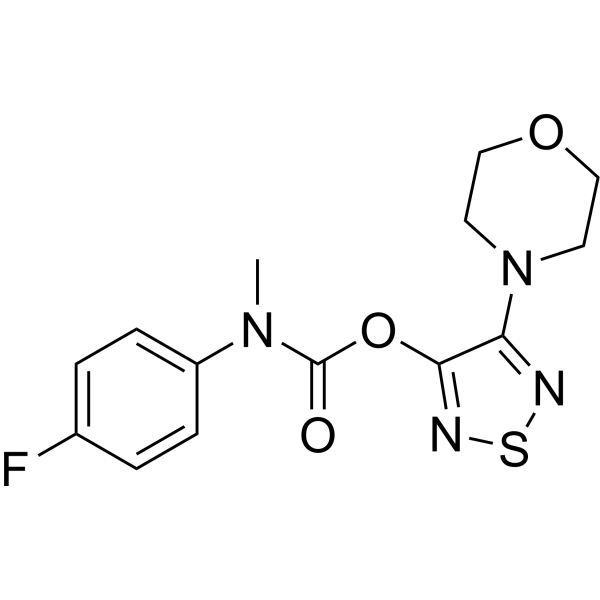
GSK931145 is a glycine transporter 1 (GlyT1) inhibitor with anti-epileptic activity. GSK931145 exhibits a low minimum effective dose in the maximum electrical stimulation threshold test, indicating that it has a significant anti-epileptic effect. GSK931145 is also suitable as a positron emission tomography (PET) radioligand for quantifying the availability of glycine transporters in the living brain .
|
-

- HY-W422400
-
|
|
Biochemical Assay Reagents
|
Others
Cancer
|
|
Fluoroglutamine (2S,4R) is a fluorinated derivative of glutamine. As a substrate for various aminotransferases, Fluoroglutamine (2S,4R) can be used as a tracer for positron emission tomography (PET) imaging. Fluoroglutamine (2S,4R) is applied in the research fields of tumor metabolism and imaging .
|
-

- HY-W728451
-
|
|
FAAH
|
Cardiovascular Disease
Neurological Disease
|
|
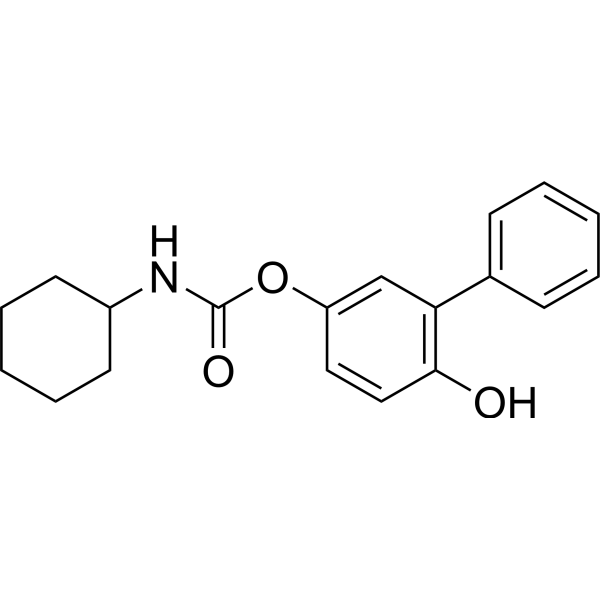
URB694 is a carbamate FAAH inhibitor that irreversibly carbamoylate the nucleophile catalytic serine in FAAH active site. URB694 exhibits antidepressant-like activity and cardioprotective effects. URB694 can be used to prepare 11C-Carbonyl-URB694 for in vivo positron emission tomography (PET) imaging studies of the brain FAAH .
|
-
- HY-165425
-
|
|
Angiotensin Receptor
|
Cardiovascular Disease
|
|
KR31173 is an AT1 antagonist with an IC50 of 3.27 nM. KR31173 can be used as a positron emission tomography (PET) tracer after being labeled with 11C isotope. KR31173 shows promising biodistribution and pharmacological properties in mice. KR31173 selectively binds to organs known to contain a high density of AT1 angiotensin receptors in CD-1 mice .
|
-

- HY-169071S
-
|
|
Phosphodiesterase (PDE)
|
Others
|
|
ATX-1905 is a positron emission tomography (PET) tracer that demonstrates good autotaxin (ATX) binding specificity and achieves semiquantification of lung ATX expression levels, which are elevated in fibrotic lungs. ATX-1905 exhibits elevated uptake in Bleomycin (HY-108345)-induced pulmonary fibrosis (BPF) lungs. ATX-1905 is promising for research of idiopathic pulmonary fibrosis (IPF) .
|
-

- HY-159602
-
|
|
Epigenetic Reader Domain
|
Cancer
|
|
BET BD2-IN-3 (compound I-58) is an inhibitor of BET, targeting the BD2 domain of BET. BET BD2-IN-3 can be radiolabeled with [11C] for positron emission tomography (PET) imaging. BET [11C]BD2-IN-3 showed suitable biodistribution in peripheral organs and tissues in PET applications in mice .
|
-

- HY-162574
-
|
|
Cytochrome P450
|
Cancer
|
|
CYP11B2-IN-2 (Compound 10k) is an inhibitor for enzyme aldosterone synthase CYP11B2 with an IC50 of 0.3 nM. CYP11B2-IN-2 CYP11B-IN-2 is labeled with 18F and can be used as a positron emission tomography (PET) tracer for the diagnosis of primary aldosteronism .
|
-

- HY-122607R
-
|
|
Mitochondrial Metabolism
|
Inflammation/Immunology
Cancer
|
|
DPA-714 (Standard) is the analytical standard of DPA-714. This product is intended for research and analytical applications. DPA-714 is a high affinity translocator protein (TSPO) ligand (Ki=7 nM), which is designed with a fluorine atom in its structure, allowing labelling with fluorine -18 and in vivo imaging using positron emission tomography. 18FDPA-714 successfully evaluates for the specific imaging of inflammation in various models of neuroinflammation and in a brain tumor model .
|
-

- HY-156102
-
|
|
Bcr-Abl
|
Neurological Disease
|
|
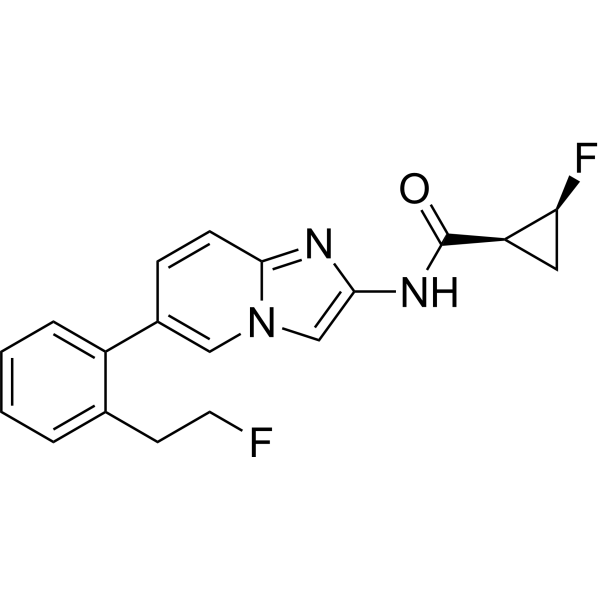
c-ABL-IN-5 is a selective c-Abl inhibitor with neuroprotective effects. c-ABL-IN-5 has blood-brain barrier penetrability, metabolic stability and good pharmacokinetic properties. When c-ABL-IN-5 is labeled with [18F] (compound [18F]3), it can be used as a tracer to evaluate disease-modifying efficacy by complementary positron emission tomography (PET). c-ABL-IN-5 can be used in the study of neurodegenerative diseases such as Parkinson's disease (PD) .
|
-
- HY-114253
-
|
|
EGFR
|
Cancer
|
|
ODS-2004436 is a small molecule radiotracer that uses positron emission tomography (PET) imaging to measure the activity of the epidermal growth factor receptor (EGFR) in tumors. ODS-2004436 labeled with the radioactive isotope fluorine-18 shows significantly higher uptake in the xenograft models of lung cancer with EGFR mutations compared to the wild-type models, and could be used to distinguish the mutation status. ODS-2004436 can be used to identify EGFR-positive tumors and predict their response to certain reagent treatments, especially for non-small cell lung cancer (NSCLC) .
|
-

- HY-175367
-
|
|
Histamine Receptor
Sigma Receptor
|
Neurological Disease
|
|
H3R antagonist 6 (Compounds 3) (H3-2406) is a Histamine receptor 3 (H3R) antagonist with an IC50 of 5.6 nM. H3R antagonist 6 labeled with 18F has high radiochemical yield, molar activity and moderate brain uptake, but with an off-target binding to the Sigma-1 receptor. H3R antagonist 6 can be used as a PET radioligand for positron emission tomography imaging for central nervous system (CNS) disorders research .
|
-

- HY-163545
-
|
|
Drug Derivative
|
Cancer
|
|
Tc-Me2P is a 99MTC-labeled acrylamide (PnAO) derivative that contains two 4-methyl-2-nitroimidazole groups. The primary activity of Tc-Me2P is as an imaging agent for tumor hypoxia. By specifically binding to hypoxic regions in tumor tissue, it can be used for single photon emission computed tomography (SPECT) and positron emission tomography (PET) imaging to detect hypoxia in tumors. Tc-Me2P can be used to study the targeting of different chemical structures in tumors and normal tissues .
|
-

- HY-121659
-
|
|
PSMA
|
Cancer
|
|
DCFBC is a prostate-specific membrane antigen (PSMA) inhibitor that can be used for small animal positron emission tomography (PET) imaging. DCFBC labeled with F 18 ([18F]DCFBC) can images in severe combined immunodeficient mice. [18F]DCFBC uptake is higher in PIP tumors, but almost absent in FLU tumors. [18F]DCFBC uptake is also high in the kidney and bladder, but the radioactivity washout time is shorter than that in PIP tumors. Indicating that [18F]DCFBC can specifically localize to PSMA+ expressing tumors and is applicable to the study of prostate cancer .
|
-

- HY-P10744
-
|
|
Radionuclide-Drug Conjugates (RDCs)
PSMA
|
Cancer
|
|
BQ7859 is a probe targeting PSMA that contains a NOTA chelator and demonstrates excellent imaging performance. BQ7859 can be labeled with various radionuclides, such as 68Ga, 18F, 55Co, and 111In. In a mouse prostate cancer xenograft model, BQ7859 (labeled with 111In) efficiently accumulates in tumor regions in a PSMA-dependent manner and provides high-contrast tumor imaging. BQ7859 shows potential for research in prostate cancer imaging, particularly in positron emission tomography (PET) and single-photon emission computed tomography (SPECT) . BQ7859 can be used for the synthesis/research of Radionuclide-Drug Conjugates (RDCs).
|
-

- HY-141637S
-
|
|
Isotope-Labeled Compounds
Biochemical Assay Reagents
|
Cancer
|
|
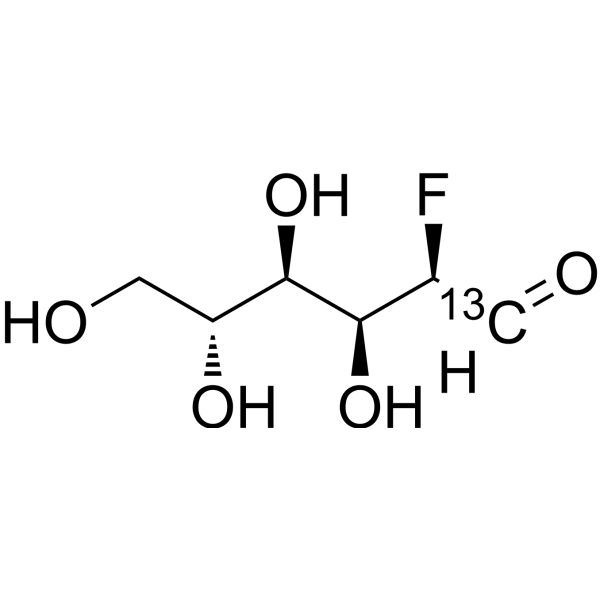
2-Deoxy-2-fluoro-D-glucose- 13C is the 13C labeled 2-Deoxy-2-fluoro-D-glucose (HY-141637). 2-Deoxy-2-fluoro-D-glucose (2-Fluoro-2-deoxy-D-glucose) is a glucose analog that can be absorbed by cells. 2-Deoxy-2-fluoro-D-glucose is capable of being labelled with 18F for positron emission tomography (PET) imaging. 18F-2-Deoxy-2-fluoro-D-glucose can be used to detect breast cancer and gastric cancer .
|
-
- HY-141637S1
-
|
|
Isotope-Labeled Compounds
Biochemical Assay Reagents
|
Cancer
|
|
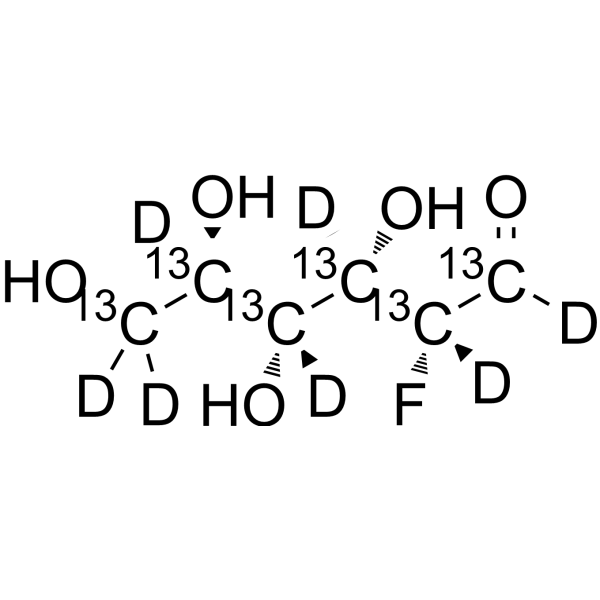
2-Deoxy-2-fluoro-D-glucose- 13C6,d7 is the 13C-labeled and deuterium labeled 2-Deoxy-2-fluoro-D-glucose (HY-141637). 2-Deoxy-2-fluoro-D-glucose (2-Fluoro-2-deoxy-D-glucose) is a glucose analog that can be absorbed by cells. 2-Deoxy-2-fluoro-D-glucose is capable of being labelled with 18F for positron emission tomography (PET) imaging. 18F-2-Deoxy-2-fluoro-D-glucose can be used to detect breast cancer and gastric cancer .
|
-
- HY-171416
-
|
|
Drug Derivative
|
Others
|
|
LCD36, a derivative of nicotinamide adenine dinucleotide (NAD), can be used for synthesis of PARP-1 tracers for positron emission tomography (PET) imaging of the enzyme activity of PARP-1 .
|
-

- HY-167899
-
|
|
mGluR
|
Neurological Disease
|
|
PXT-012253 is a positron emission tomography (PET) ligand for mGluR4, as it binds to an allosteric site on mGluR4. PXT-012253 can be utilized in researches related to Parkinson's disease and levodopa-induced dyskinesia .
|
-

- HY-402737
-
|
|
Drug Intermediate
|
Others
|
|
FTC-146 precursor (Compound s6) is a drug intermediate that can be used to prepare σ-1 receptor positron emission tomography tracers ([¹⁸F]FTC-146) .
|
-

- HY-181580
-
|
|
FAP
|
Cancer
|
|
FAP Ligand 3 is a FAP ligand with a Ki value of 0.092 nM. FAP Ligand 3 acts as a tumor-retaining agent and serves as a FAP-targeted positron emission tomography (PET) tracer for tumor imaging. FAP Ligand 3 is applicable to studies related to glioma .
|
-

- HY-178221
-
|
|
Drug Intermediate
|
Cancer
|
|
(S)-P-SCN-BN-NOTA is a bifunctional chelating agent that can covalently link the radioactive nuclide ⁶⁴Cu with the ZPDGFRβ affibody, thereby constructing a molecular probe [⁶⁴Cu]Cu-NOTA-ZPDGFRβ for positron emission tomography .
|
-

- HY-14889
-
|
|
ASCT
Amino acid Transporter
Amino Acid Derivatives
|
Cancer
|
|
Fluciclovine is an amino acid analogue that can enter cells by targeting the amino acid transporters on the cell surface (mainly ASCT2 and LAT1). After being labeled with ¹⁸F, ¹⁸F-fluciclovine can be used as an imaging agent for positron emission tomography (PET) for prostate diagnosis imaging .
|
-

- HY-185550
-
|
|
Drug Intermediate
|
Neurological Disease
|
|
ACI-19626 precursor (Compound 20) is the precursor of the TDP-43 protein probe ACI-19626 (HY-163575). ACI-19626 is a TDP-43 aggregation inhibitor that can be used in imaging diagnostics such as positron emission tomography (PET) to detect and distinguish related neurodegenerative diseases .
|
-

- HY-180344
-
|
|
Biochemical Assay Reagents
|
Cardiovascular Disease
|
|
Flurpiridaz is a positron emission tomography (PET) myocardial perfusion imaging tracer. Flurpiridaz can bind to mitochondrial complex I with high affinity. Flurpiridaz demonstrates high heart uptake in multiple species with clear delineation of perfusion deficits. Flurpiridaz shows rapid uptake in the myocardium. Flurpiridaz can be studied in research on coronary artery disease .
|
-

- HY-180347
-
|
|
Microtubule/Tubulin
|
Neurological Disease
|
|
HD-800 is a tubulin inhibitor with an IC50 of 4.3 nM and an EC50 for depolymerization of 24 nM. HD-800 can be used to generate a radioactive tracer [11C]HD-800, and [11C]HD-800 can penetrate the blood-brain barrier and be used for positron emission tomography (PET) in various neurological diseases .
|
-

- HY-183374
-
|
|
Carbonic Anhydrase
Radionuclide-Drug Conjugates (RDCs)
|
Cancer
|
|
NYM074 is a carbonic anhydrase IX (CAIX) ligand. NYM074 binds specifically to human CAIX to enable targeted radionuclide delivery. NYM074 supports dual radiolabeling with 68Ga for positron emission tomography (PET) imaging and 177Lu for radionuclide applications. NYM074 can be used for the research of clear cell renal cell carcinoma .
|
-

- HY-167898
-
|
|
Amyloid-β
|
Neurological Disease
|
|
MeS-IMPY is a ligand of β-amyloid plaques. MeS-IMPY shows a high binding affinity to β-amyloid plaques extracted from Alzheimer's disease (AD) human brains or AD brain homogenates compared to IMPY (Ki=7.93 and 8.95 nM, respectively). [ 11C]MeS-IMPY is a potential radioligand for imaging β-amyloid plaques with positron emission tomography (PET) .
|
-

- HY-P11845
-
|
|
Radionuclide-Drug Conjugates (RDCs)
Neurotensin Receptor
|
Cancer
|
|
DOTA-NT-20.3-IPBA is a Neurotensin receptor 1 (NTR1)-targeting albumin binder with specific high-affinity binding to NTR1. DOTA-NT-20.3-IPBA is formed by the conjugation of DOTA-NT-20.3 and IPBA. DOTA-NT-20.3-IPBA can be used for positron emission tomography (PET) imaging following labeling with [ 68Ga]Ga .
|
-

- HY-122607S
-
|
|
Isotope-Labeled Compounds
Mitochondrial Metabolism
TSPO
|
Inflammation/Immunology
Cancer
|
|
DPA-714-d10 is the deuterium labeled DPA-714 (HY-122607). DPA-714 is a high affinity translocator protein (TSPO) ligand (Ki=7 nM), which is designed with a fluorine atom in its structure, allowing labelling with fluorine -18 and in vivo imaging using positron emission tomography. 18FDPA-714 successfully evaluates for the specific imaging of inflammation in various models of neuroinflammation and in a brain tumor model.
|
-

- HY-181853
-
|
|
Radionuclide-Drug Conjugates (RDCs)
PSMA
|
Cancer
|
|
NOTA-SP₂A-PSMAL is a ligand targeting prostate-specific membrane antigen (PSMA), which competitively binds to PSMA with high binding affinity and an IC50 value of 0.26 nM. 18F-labeled NOTA-SP2A-PSMAL can be used as a PET tracer for positron emission tomography imaging of prostate cancer. NOTA-SP2A-PSMAL can be used for the synthesis and research of radionuclide conjugates (RDCs) .
|
-

- HY-123446
-
|
|
Phosphodiesterase (PDE)
|
Neurological Disease
|
|
JNJ-42259152 is a phosphodiesterase 10A (PDE10A) positron emission tomography (PET) tracer that is specific for PDE10A activity. JNJ-42259152 can be dynamically scanned in healthy volunteers to assess its kinetic properties in the brain. The half-life of JNJ-42259152 in the blood is an average of 90 minutes. JNJ-42259152 has demonstrated reliable binding potential (BPND) in different target areas (such as the lentiform nucleus, caudate nucleus, ventral striatum, etc.), providing an important tool for studying neuropsychiatric diseases .
|
-

- HY-123497
-
|
|
Neurokinin Receptor
|
Neurological Disease
|
|
R116031 is a selective Neurokinin-1 (NK-1) receptor antagonist with a Ki of 0.45 nM for human NK-1 receptor. R116031 inhibits Substance P (HY-P0201)-induced peripheral effects (skin reactions and plasma extravasation in guinea pigs) and a central effect (thumping in gerbils).R116031 labeled with 3H significantly accumulate in the striatum, olfactory tubercule, olfactory bulb and locus coeruleus in gerbils models. R116031 can be used as a positron emission tomography (PET) ligand for PET imaging .
|
-

- HY-182367
-
|
|
GPR39
|
Neurological Disease
|
|
TMN-OMe is a blood-brain barrier-permeable GPR39 agonist and a radiotracer for positron emission tomography (PET). TMN-OMe activates GPR39 by recruiting β-arrestin, exhibits highly selective binding ability in the mouse brain, and enables quantitative analysis of GPR39 at the in vivo level. TMN-OMe shows specific uptake in GPR39 knockout mice, Alzheimer's disease model (APP/PS1) mice, and blocking experiments. TMN-OMe facilitates in-depth exploration of changes in GPR39-related mechanisms in neurological diseases and is widely used in Alzheimer's disease research .
|
-

- HY-180526
-
|
|
Phosphodiesterase (PDE)
|
Neurological Disease
|
|
PDE2A-IN-2 is a selective and brain-penetrant PDE2A inhibitor (Ki = 5.49 nM and 100 > fold selectivity over other PDE isoforms). The 11C-labeled PDE2A-IN-2 serves as a positron emission tomography (PET) tracer for brain imaging in patients with neurodegenerative diseases. PDE2A-IN-2 educes the radiotracer signal in PDE2A-rich regions in vitro. PDE2A-IN-2 exhibits low binding affinity in vivo. PDE2A-IN-2 can be used for neurodegenerative diseases .
|
-

- HY-137557A
-
|
(E/Z)-APN1607; (E/Z)-PM-PBB3
|
Tau Protein
|
Neurological Disease
|
|
(E/Z)-Florzolotau ((E/Z)-APN1607) is a mixed configuration or unspecified configuration of Florzolotau (HY-137557). Florzolotau (APN1607) is a positron emission tomography (PET) ligand that can be used for the detection of Alzheimer's disease (AD) and other tau proteinopathies. Its binding sites are located in the β-sheet of paired helical filaments (PHFs) and straight filaments (SFs) of tau protein, as well as in the C-shaped cavity of SFs. In addition, APN-1607 binds to intraneuronal inclusions in Alzheimer's disease (AD), primary age-related tauopathy (PART) and posterior cortical atrophy (PCA). Florzolotau shows promise for PET imaging studies of neurological disorders, particularly tau proteinopathies .
|
-

- HY-120247
-
|
|
Vasopressin Receptor
P-glycoprotein
|
Others
|
|
TASP0434299 (Compound 10) is a labeled ligand for the vasopressin V1b receptor. TASP0434299 exhibits high binding affinity for human and murine V1B receptors, with IC50 values of 0.526 nM and 0.641 nM, respectively, and shows potent antagonistic activity against the human V1B receptor with an IC50 of 0.639 nM. TASP0434299 is a substrate for human and rhesus monkey P-glycoprotein, resulting in low brain uptake in rhesus monkeys. TASP0434299 binds to V1B receptors in rat and monkey pituitary tissues in a saturable and specific manner both in vitro and in vivo. When radiolabeled with tritium or 11C, TASP0434299 serves as a prototype V1B receptor radiotracer to visualize V1B receptor in the pituitary gland of anesthetized monkeys via positron emission tomography .
|
-

| Art. -Nr. |
Produktname |
Type |
-
- HY-D2334
-
|
|
Fluorescent Dyes
|
|
AlF-NOTA-c-d-VAP is a peptide positron emission tomography (PET) probe that used for targeted tumor imaging of GRP78. AlF-NOTA-c-d-VAP demonstrates high stability in vitro and in vivo .
|
| Art. -Nr. |
Produktname |
Type |
-
- HY-141637
-
|
2-Fluoro-2-deoxy-D-glucose; 2-Deoxy-2-fluoro-D-glucopyranose; Fluorodeoxyglucose
|
Biochemical Assay Reagents
|
|
2-Deoxy-2-fluoro-D-glucose (2-Fluoro-2-deoxy-D-glucose) is a glucose analog that can be absorbed by cells. 2-Deoxy-2-fluoro-D-glucose is capable of being labelled with 18F for positron emission tomography (PET) imaging. 18F-2-Deoxy-2-fluoro-D-glucose can be used to detect breast cancer and gastric cancer .
|
-
- HY-100133A
-
|
|
Biochemical Assay Reagents
|
|
DOTA-ADIBO TFA is a DOTA-derived bifunctional chelator (BFC) that allows drug conjugation via an uncatalyzed, copper-free cycloaddition reaction. DOTA-ADIBO TFA enables the construction of fusion chelator systems that can be further used to synthesize radiotracers after Cu[64] modification. Positron emission tomography imaging of tumors expressing integrin αvβ6 .
|
| Art. -Nr. |
Produktname |
Target |
Research Area |
-
- HY-106244
-
|
Oxodotreotide
|
Radionuclide-Drug Conjugates (RDCs)
|
Cancer
|
|
DOTATATE is a DOTA-conjugated peptide. DOTATATE can be labelled with radionuclides for positron emission tomography (PET) imaging and peptide receptor radionuclide research (PRRT) . DOTATATE can be used for the synthesis/research of Radionuclide-Drug Conjugates (RDCs).
|
-
- HY-106244A
-
|
Oxodotreotide acetate
|
Radionuclide-Drug Conjugates (RDCs)
|
Cancer
|
|
DOTATATE acetate is a DOTA-conjugated peptide. DOTATATE acetate can be labelled with radionuclides for positron emission tomography (PET) imaging and peptide receptor radionuclide research (PRRT) . DOTATATE (acetate) can be used for the synthesis/research of Radionuclide-Drug Conjugates (RDCs).
|
-
- HY-153549
-
|
|
Radionuclide-Drug Conjugates (RDCs)
CXCR
|
Others
|
|
Pentixafor is a peptide that targets CXCR4. Pentixafor is capable of being labelled with 68Gallium ( 68Ga) for positron emission tomography (PET) imaging . Pentixafor can be used for the synthesis/research of Radionuclide-Drug Conjugates (RDCs).
|
-
- HY-P10734
-
|
|
Peptides
|
|
|
NODAGA-RGD is a peptide that can be radiolabeled and used as a radiotracer for positron emission tomography (PET) diagnosis .
|
-
- HY-P5413
-
|
|
Cholecystokinin Receptor
|
Others
|
|
[Lys3]-Bombesin is a biological active peptide. (PET (Positron Emission Tomography) imaging of [Lys3]-bombesin is able to detect gastrin-releasing peptide receptor (GRPR) positive prostate cancer. An immunoconjugate of [Lys3]-bombesin and corresponding monoclonal antibody can specifically induce (CD64)-dependent monocyte and neutrophil-mediated lysis of small cell carcinoma.)
|
-
- HY-P10220
-
|
|
Radionuclide-Drug Conjugates (RDCs)
TREM receptor
|
Cancer
|
|
NOTA-COG1410 forms triggering receptor expressed on myeloid cells 2 (TREM2) targeting ligand. NOTA-COG1410 is capable of being labelled with 68Gallium ( 68Ga) for discovery and diagnosis of digestive system tumors through positron emission tomography/computed tomography (PET/CT). NOTA-COG1410 can be used for the synthesis/research of Radionuclide-Drug Conjugates (RDCs) .
|
-
- HY-P10744
-
|
|
Radionuclide-Drug Conjugates (RDCs)
PSMA
|
Cancer
|
|
BQ7859 is a probe targeting PSMA that contains a NOTA chelator and demonstrates excellent imaging performance. BQ7859 can be labeled with various radionuclides, such as 68Ga, 18F, 55Co, and 111In. In a mouse prostate cancer xenograft model, BQ7859 (labeled with 111In) efficiently accumulates in tumor regions in a PSMA-dependent manner and provides high-contrast tumor imaging. BQ7859 shows potential for research in prostate cancer imaging, particularly in positron emission tomography (PET) and single-photon emission computed tomography (SPECT) . BQ7859 can be used for the synthesis/research of Radionuclide-Drug Conjugates (RDCs).
|
-
- HY-P11845
-
|
|
Radionuclide-Drug Conjugates (RDCs)
Neurotensin Receptor
|
Cancer
|
|
DOTA-NT-20.3-IPBA is a Neurotensin receptor 1 (NTR1)-targeting albumin binder with specific high-affinity binding to NTR1. DOTA-NT-20.3-IPBA is formed by the conjugation of DOTA-NT-20.3 and IPBA. DOTA-NT-20.3-IPBA can be used for positron emission tomography (PET) imaging following labeling with [ 68Ga]Ga .
|
| Art. -Nr. |
Produktname |
Chemical Structure |
-
- HY-169071S
-
|
|
|
ATX-1905 is a positron emission tomography (PET) tracer that demonstrates good autotaxin (ATX) binding specificity and achieves semiquantification of lung ATX expression levels, which are elevated in fibrotic lungs. ATX-1905 exhibits elevated uptake in Bleomycin (HY-108345)-induced pulmonary fibrosis (BPF) lungs. ATX-1905 is promising for research of idiopathic pulmonary fibrosis (IPF) .
|
-
-
- HY-141637S
-
|
|
|
2-Deoxy-2-fluoro-D-glucose- 13C is the 13C labeled 2-Deoxy-2-fluoro-D-glucose (HY-141637). 2-Deoxy-2-fluoro-D-glucose (2-Fluoro-2-deoxy-D-glucose) is a glucose analog that can be absorbed by cells. 2-Deoxy-2-fluoro-D-glucose is capable of being labelled with 18F for positron emission tomography (PET) imaging. 18F-2-Deoxy-2-fluoro-D-glucose can be used to detect breast cancer and gastric cancer .
|
-
-
- HY-141637S1
-
|
|
|
2-Deoxy-2-fluoro-D-glucose- 13C6,d7 is the 13C-labeled and deuterium labeled 2-Deoxy-2-fluoro-D-glucose (HY-141637). 2-Deoxy-2-fluoro-D-glucose (2-Fluoro-2-deoxy-D-glucose) is a glucose analog that can be absorbed by cells. 2-Deoxy-2-fluoro-D-glucose is capable of being labelled with 18F for positron emission tomography (PET) imaging. 18F-2-Deoxy-2-fluoro-D-glucose can be used to detect breast cancer and gastric cancer .
|
-
-
- HY-122607S
-
|
|
|
DPA-714-d10 is the deuterium labeled DPA-714 (HY-122607). DPA-714 is a high affinity translocator protein (TSPO) ligand (Ki=7 nM), which is designed with a fluorine atom in its structure, allowing labelling with fluorine -18 and in vivo imaging using positron emission tomography. 18FDPA-714 successfully evaluates for the specific imaging of inflammation in various models of neuroinflammation and in a brain tumor model.
|
-
Your information is safe with us. * Required Fields.
Inquiry Information
- Produktname:
- Art. -Nr.:
- Menge:
- MCE Japan Authorized Agent:





![[Lys3]-Bombesin](http://file.medchemexpress.com/product_pic/hy-p5413.gif)





