1. Search Result
Search Result
Results for "

premature canities

" in MedChemExpress (MCE) Product Catalog:

50

Inhibitors & Agonists

1

Screening Libraries

7

Peptides

1

MCE Kits

4

Natural
Products

5

Isotope-Labeled Compounds

1

Oligonucleotides

Cat. No. Product Name Target Research Areas Chemical Structure
  • HY-112879
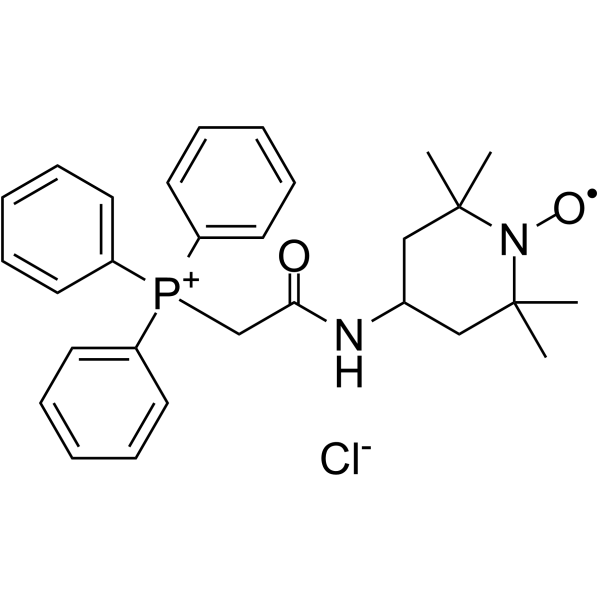
    Mito-TEMPO
    Maximum Cited Publications
    164 Publications Verification

    Calcium Channel PINK1/Parkin Mitochondrial Metabolism Apoptosis Autophagy NOD-like Receptor (NLR) Cardiovascular Disease Neurological Disease Metabolic Disease Inflammation/Immunology
    Mito-TEMPO is a mitochondria-targeted antioxidant. Mito-TEMPO induces mitophagy by activating the PINK1/Parkin pathway, inhibits NLRP3 inflammasome activation, restores mitochondrial membrane potential, and improves renal function and podocyte injury. Mito-TEMPO regulates Ca 2+ homeostasis, inhibits Bnip3 overexpression, shortens action potential duration, and exerts antiarrhythmic effects. Mito-TEMPO reverses premature senescence, reduces trabecular bone loss, and decreases cell apoptosis. Mito-TEMPO can be used in studies of chronic kidney disease, age-related cardiac dysfunction, postmenopausal osteoporosis, and ischemic stroke .
    Mito-TEMPO
  • HY-B0956
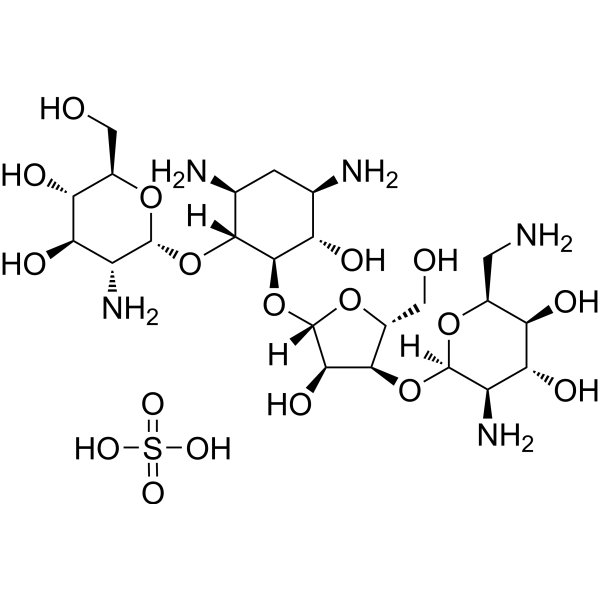
    Paromomycin sulfate
    4 Publications Verification

    Aminosidine sulfate

    Antibiotic Parasite Bacterial Infection
    Paromomycin (Aminosidine) sulfate, a neomycin (HY-B0470) derivative, is a broad spectrum aminoglycoside antibiotic with amebicidal and bactericidal effects. Paromomycin sulfate prematures termination of translation of mRNA and inhibits protein synthesis by specifically binds to the RNA oligonucleotide at the A site of bacterial 30S ribosomes. Paromomycin sulfate can be used for the research of bacterial and parasitic infections .
    Paromomycin sulfate
  • HY-106591A

    Vinylcyclohexene diepoxide

    Environmental Pollutants Akt Apoptosis mTOR Reactive Oxygen Species (ROS) PI3K Endocrinology
    4-Vinylcyclohexene dioxide (4-Vinylcyclohexene diepoxide) is an orally active metabolite of 4-vinylcyclohexene. 4-Vinylcyclohexene dioxide induces Apoptosis, increases intracellular ROS, and activates the PI3K/Akt/mTOR pathway. 4-Vinylcyclohexene dioxide selectively damages small ovarian follicles, inhibits granulosa cell function, and disrupts the male reproductive system. 4-Vinylcyclohexene dioxide can be used in the study of premature ovarian insufficiency, reproductive toxicity, and related fertility disorders .
    4-Vinylcyclohexene dioxide
  • HY-B0304A
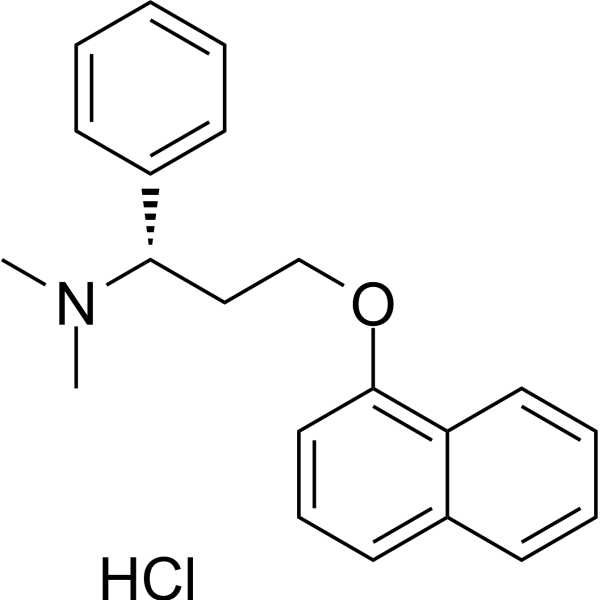
    Dapoxetine hydrochloride
    1 Publications Verification

    LY-210448 hydrochloride

    Serotonin Transporter Neurological Disease
    Dapoxetine (LY-210448) hydrochloride is an orally active and selective serotonin reuptake inhibitor (SSRI). Dapoxetine hydrochloride can be used for the research of premature ejaculation (PE) .
    Dapoxetine hydrochloride
  • HY-B0551

    Potassium Channel Neurological Disease
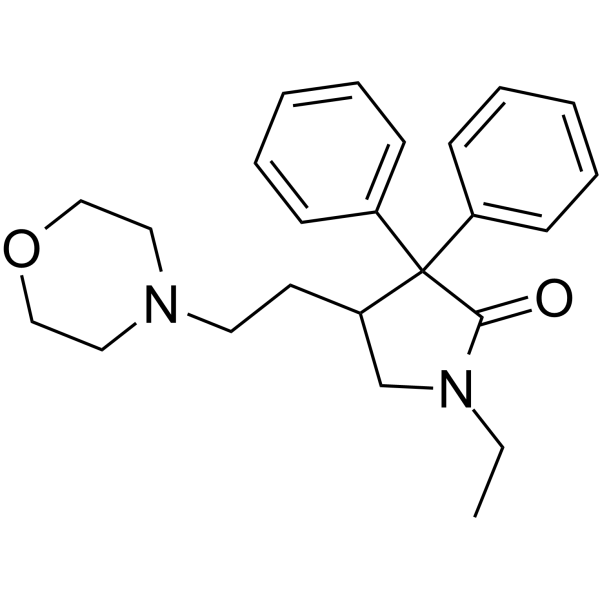
    Doxapram is a respiratory stimulant. Doxapram increases breathing rate and depth by acting on the brain's respiratory centers and peripheral chemoreceptors. Doxapram inhibits TASK-1, TASK-3, TASK-1/TASK-3 heterodimeric channel function with EC50s of 410 nM, 37 μM, 9 μM, respectively. Doxapram inhibits the Ca²⁺-activated potassium current (IC50 ≈ 13 μM) and Ca²⁺-independent potassium current (IC50 ≈ 20 μM) in type I cells of the carotid body. Doxapram significantly prolongs the effective refractory period of the atrium and has an anti-arrhythmic effect. Doxapram can be used for the study of respiratory depression such as post-anesthesia respiratory depression, chronic obstructive pulmonary disease and apnea of prematurity .
    Doxapram
  • HY-B0551A

    Potassium Channel Neurological Disease
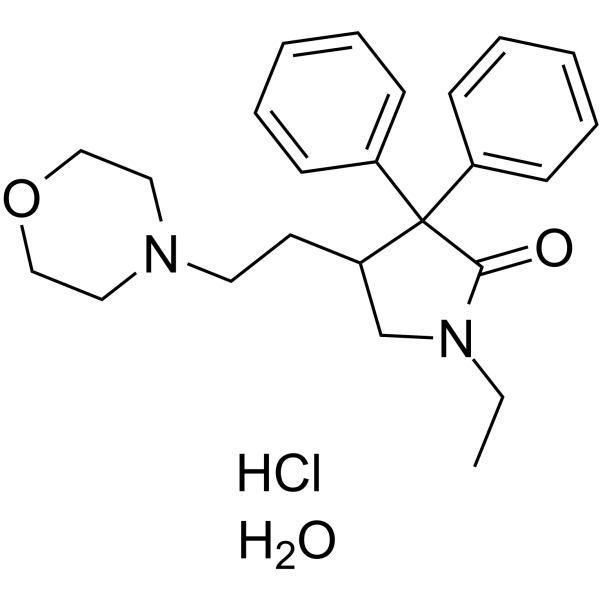
    Doxapram hydrochloride hydrate is a respiratory stimulant. Doxapram hydrochloride hydrate increases breathing rate and depth by acting on the brain's respiratory centers and peripheral chemoreceptors. Doxapram hydrochloride hydrate inhibits TASK-1, TASK-3, TASK-1/TASK-3 heterodimeric channel function with EC50s of 410 nM, 37 μM, 9 μM, respectively. Doxapram hydrochloride hydrate inhibits the Ca²⁺-activated potassium current (IC50 ≈ 13 μM) and Ca²⁺-independent potassium current (IC50 ≈ 20 μM) in type I cells of the carotid body. Doxapram hydrochloride hydrate significantly prolongs the effective refractory period of the atrium and has an anti-arrhythmic effect. Doxapram hydrochloride hydrate can be used for the study of respiratory depression such as post-anesthesia respiratory depression, chronic obstructive pulmonary disease and apnea of prematurity .
    Doxapram hydrochloride hydrate
  • HY-149555

    Eukaryotic Initiation Factor (eIF) Neurological Disease
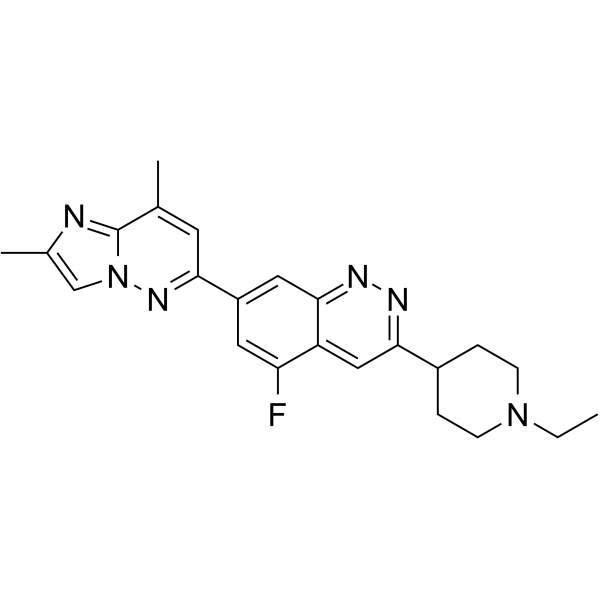
    DNL343 is a potent, selective, orally active and brain-penetrant activator of eukaryotic initiation factor eIF2B. DNL343 inhibits the activity of the integrated stress response (ISR) in the central nervous system (CNS) and reverses neurodegeneration and neuroinflammation. DNL343 also prevents motor dysfunction and premature death in eIF2B loss-of-function (LOF) mutant mice. DNL343 can be used in the study of neurodegenerative diseases .
    DNL343
  • HY-125944
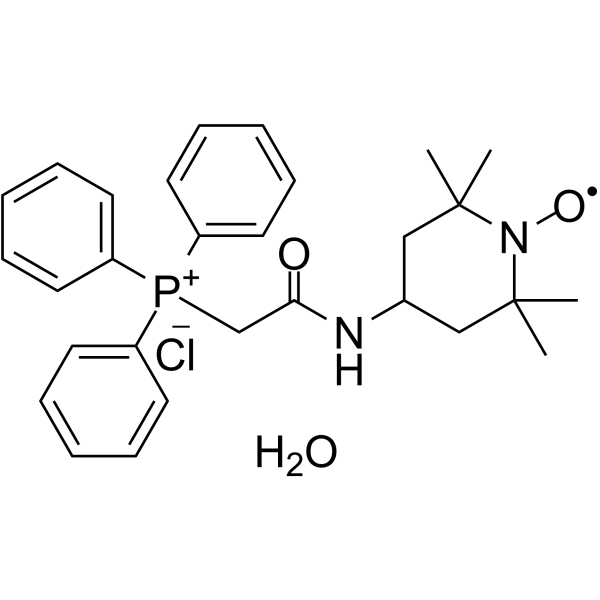
    MitoTEMPO hydrate
    Maximum Cited Publications
    164 Publications Verification

    Mitochondrial Metabolism PINK1/Parkin NOD-like Receptor (NLR) Autophagy Calcium Channel Apoptosis Cardiovascular Disease Neurological Disease Metabolic Disease Endocrinology
    MitoTEMPO hydrate is a mitochondria-targeted antioxidant . MitoTEMPO hydrate induces mitophagy by activating the PINK1/Parkin pathway, inhibits NLRP3 inflammasome activation, restores mitochondrial membrane potential, and improves renal function and podocyte injury. MitoTEMPO hydrate regulates Ca 2+ homeostasis, inhibits Bnip3 overexpression, shortens action potential duration, and exerts antiarrhythmic effects. MitoTEMPO hydrate reverses premature senescence, reduces trabecular bone loss, and decreases cell apoptosis. MitoTEMPO hydrate can be used in studies of chronic kidney disease, age-related cardiac dysfunction, postmenopausal osteoporosis, and ischemic stroke .
    MitoTEMPO hydrate
  • HY-16738A
    Eleclazine hydrochloride
    2 Publications Verification

    GS 6615 hydrochloride

    Sodium Channel Potassium Channel Cardiovascular Disease
    Eleclazine (GS 6615) hydrochloride is a selective cardiac late sodium current inhibitor and a weak inhibitor of potassium current with IC50 value of <1 μM and approximately 14.2 μM, respectively. Eleclazine hydrochloride shows concurrent protection against autonomically induced atrial premature beats, repolarization alternans and heterogeneity, and atrial fibrillation in porcine model. Eleclazine hydrochloride can be used to research cardiac arrhythmias .
    Eleclazine hydrochloride
  • HY-P2168

    Oxytocin Receptor Drug Derivative Metabolic Disease
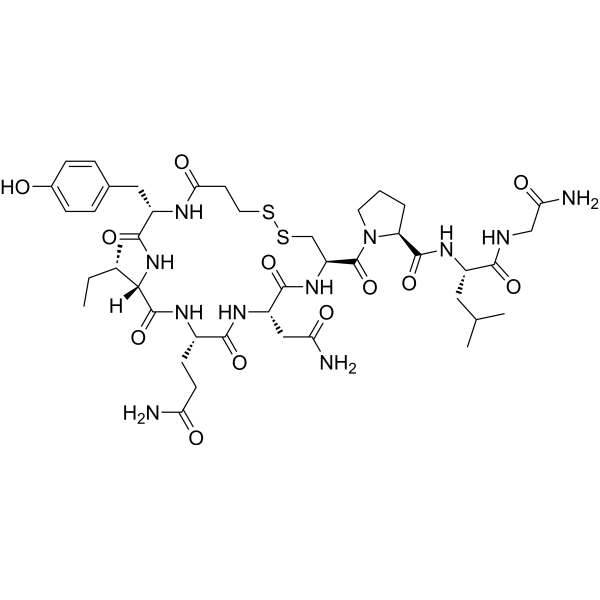
    Demoxytocin is a heterologous cyclic peptide and an analog of Oxytocin (HY-17571). Demoxytocin affects the permeability of cell membranes and increases calcium ion levels in smooth muscle cells, thereby enhancing the contraction of smooth muscle cells. Demoxytocin also stimulates the contraction of uterine smooth muscle. Demoxytocin possesses the functions of oxytocin. Demoxytocin can be used to study labor stimulation in preterm premature rupture of membranes .
    Demoxytocin
  • HY-150124

    Integrin Apoptosis Cancer
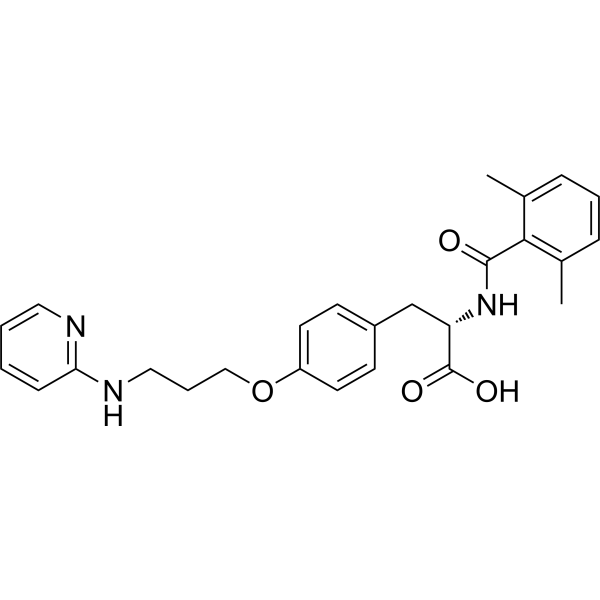
    K34c is a potent and selective α5β1 integrin antagonist. By inhibiting α5β1 integrin, K34c reduces chemotherapy-induced premature senescence and promotes apoptosis. K34c can be used in glioblastoma research .
    K34c
  • HY-P2096

    Reactive Oxygen Species (ROS) ATM/ATR MDM-2/p53 MMP Keap1-Nrf2 HSP Inflammation/Immunology
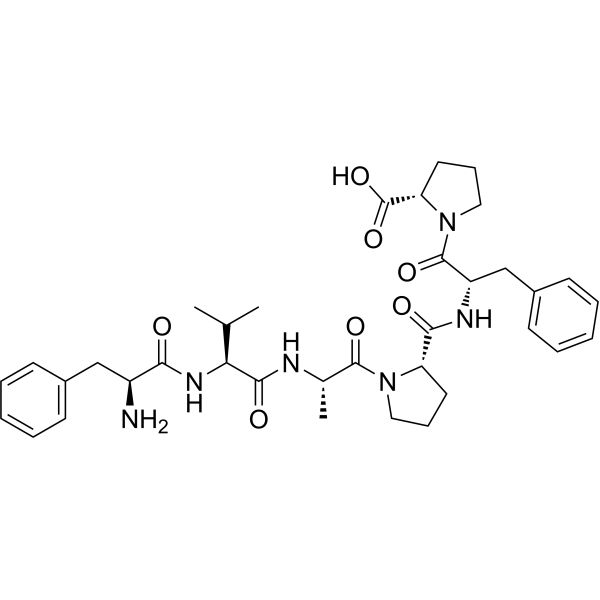
    Hexapeptide-11 is an anti-aging peptide that can protect fibroblasts from premature cell senescence mediated by oxidative stress. Hexapeptide-11 is also a potential stimulator of hyaluronic acid in keratinocytes, and can enhance skin barrier function by upregulating the expression of HAS2 and EGR3, and downregulating the expression of HYAL2. Hexapeptide-11 can also improve skin elasticity .
    Hexapeptide-11
  • HY-150089

    CFTR Inflammation/Immunology
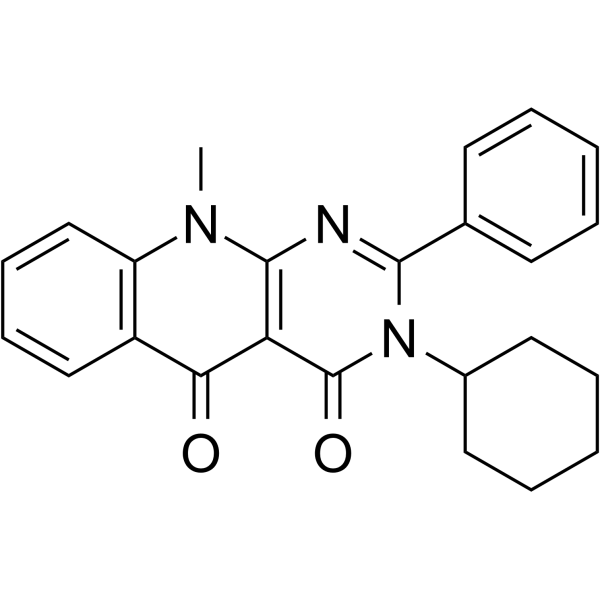
    SRI-37240 is a potent premature termination codons (PTCs) inhibitor. SRI-37240 suppresses CFTR nonsense mutations. SRI-37240 alters cellular translation termination at PTCs in HEK293T cells. SRI-37240 can also restore CFTR function in primary bronchial epithelial cells when combination with G418 .
    SRI-37240
  • HY-P5220

    Melitane

    Melanocortin Receptor Others
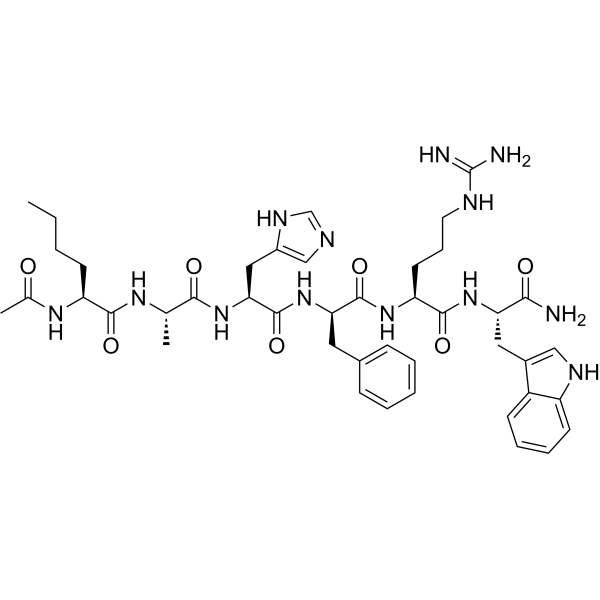
    Acetyl hexapeptide-1 (Melitane) is a biomimetic peptide that mimics the activity of α-melanocyte-stimulating hormone (α-MSH). Acetyl hexapeptide-1 regulates muscle contraction, thereby reducing facial expression lines. Acetyl hexapeptide-1 is one of the components of anti-aging skincare serums targeting dynamic wrinkles. Acetyl hexapeptide-1 can be used in research related to mild photoaged facial skin and premature gray hair .
    Acetyl hexapeptide-1
  • HY-P5220A

    Melitane acetate

    Melanocortin Receptor Others
    Acetyl hexapeptide-1 (Melitane) acetate is a biomimetic peptide that mimics the activity of α-melanocyte-stimulating hormone (α-MSH). Acetyl hexapeptide-1 acetate can regulate muscle contraction, thereby reducing facial expression lines. Acetyl hexapeptide-1 acetate is one of the components of anti-aging skin care essences targeting dynamic wrinkles. Acetyl hexapeptide-1 acetate can be used in studies related to mild photo-aged facial skin and premature graying of hair .
    Acetyl hexapeptide-1 acetate
  • HY-143792

    Huntingtin P-glycoprotein Neurological Disease
    HTT-D3 is an orally active, blood-brain barrier penetrant splicing modulator of huntingtin (HTT). HTT-D3 promotes the inclusion of a pseudo-exon containing a premature termination codon into HTT pre-mRNA, triggers nonsense-mediated mRNA degradation and reduces HTT protein levels. HTT-D3 induces dose-dependent, comparable reductions in mutant HTT protein in both the brain and peripheral tissues of transgenic mouse models. HTT-D3 can be used for the research of Huntington's disease .
    HTT-D3
  • HY-B0304

    (S)-(+)-Dapoxetine; LY-210448

    Serotonin Transporter Neurological Disease
    Dapoxetine (LY-210448) is an orally active and selective serotonin reuptake inhibitor (SSRI). Dapoxetine can be used for the research of premature ejaculation (PE) .
    Dapoxetine
  • HY-101203A
    GJ103 sodium
    1 Publications Verification

    DNA/RNA Synthesis Metabolic Disease Cancer
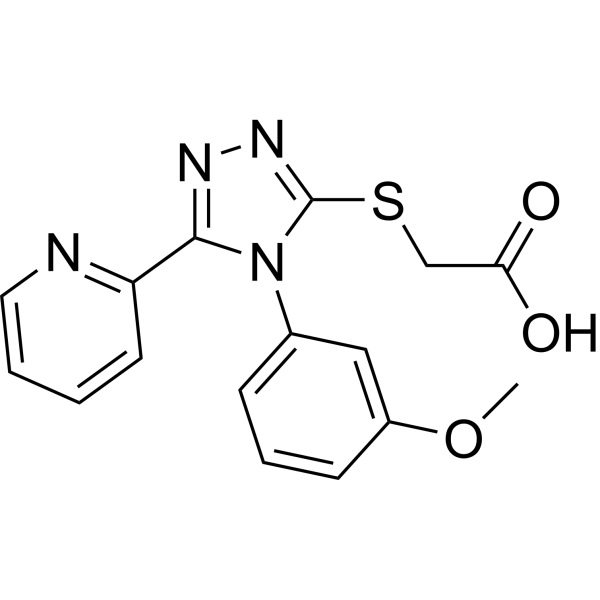
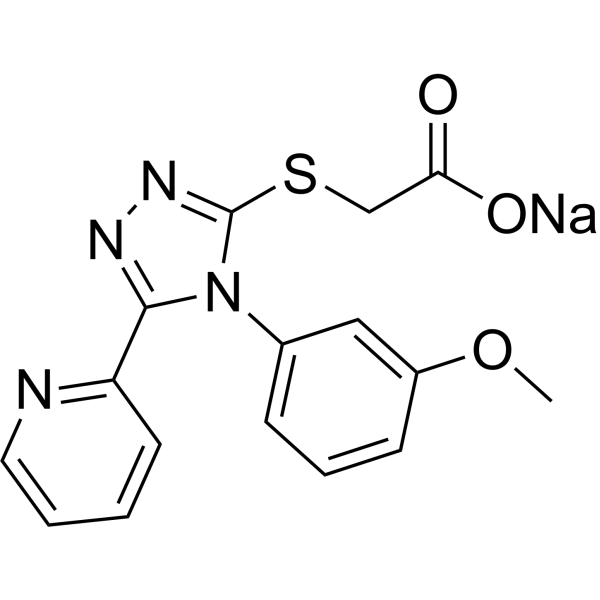
    GJ103 sodium is a read-through compound that can induce read through of premature stop codons. GJ103 sodium has potential for the research of genetic disorders caused by nonsense mutations .
    GJ103 sodium
  • HY-101203

    Drug Derivative Metabolic Disease Cancer
    GJ103 is a read-through compound that can induce read through of premature stop codons. GJ103 has potential for the research of genetic disorders caused by nonsense mutations .
    GJ103
  • HY-P11071

    PCSK9 Cardiovascular Disease
    PCSK9 Inhibitor, EGF-A is a PCSK9 inhibitor. PCSK9 Inhibitor, EGF-A is residues 293-334 of the EGF-A domain of the low-density lipoprotein (LDL) receptor. PCSK9 Inhibitor, EGF-A can prevent PCSK9-induced intracellular LDLR degradation. PCSK9 Inhibitor, EGF-A can be used in the study of hypercholesterolemia and premature atherosclerosis .
    PCSK9 Inhibitor, EGF-A
  • HY-P5183

    Sodium Channel Neurological Disease
    Hm1a is a venom peptide and a selective hNaV1.1 activator with an EC50 of 7.5 nM. Hm1a enhances hNaV1.1 and hNaV1.3 channel currents via delayed inactivation. Hm1a restores action potential firing in Dravet syndrome GABAergic inhibitory interneurons, reduces interictal epileptiform discharges and whole-brain hyperexcitability, lowers seizure frequency, and rescues premature death in Dravet syndrome mice. Hm1a can be used for the research of neurological disease, such as Dravet syndrome .
    Hm1a
  • HY-159709

    Liposome Metabolic Disease
    VL-422 is an ionizable cationic lipid. VL-422 delivers CRISPR complementary single-guide RNA (sgRNA) and Cas9 mRNA to enable in vitro and in vivo gene editing. LNPs containing VL-422 loaded with Cas9 mRNA and sgRNA targeting the ANGPTL3 gene induce the deletion of premature stop codons within the ANGPTL3 gene in the liver of cynomolgus monkeys. Loss-of-function of ANGPTL3 leads to decreased levels of LDL, HDL and cholesterol in plasma. The VL-422 delivery system can be used for the research of gene editing strategies targeting lipid metabolism diseases .
    VL-422
  • HY-13570B

    Glucocorticoid Receptor Others
    Betamethasone acetate is a glucocorticoid with prenatal application for preventing respiratory distress syndrome (RDS) in premature infants. Betamethasone acetate exhibits dose-dependent effects on somatic and brain development in offspring when administered prenatally to pregnant rats. Betamethasone acetate can be used for the study of antenatal intervention .
    Betamethasone acetate
  • HY-150124A

    Integrin Apoptosis Cancer
    K34c hydrochloride is a potent and selective α5β1 integrin antagonist. By inhibiting α5β1 integrin, K34c hydrochloride reduces chemotherapy-induced premature senescence and promotes apoptosis. K34c hydrochloride can be used in glioblastoma research .
    K34c hydrochloride
  • HY-16738
    Eleclazine
    2 Publications Verification

    GS-6615

    Sodium Channel Potassium Channel Cardiovascular Disease
    Eleclazine (GS 6615) is a selective cardiac late sodium current inhibitor and a weak inhibitor of potassium current with IC50 of <1 μM and approximately 14.2 μM, respectively. Eleclazine shows concurrent protection against autonomically induced atrial premature beats, repolarization alternans and heterogeneity, and atrial fibrillation in porcine model. Eleclazine can be used to research cardiac arrhythmias .
    Eleclazine
  • HY-177569

    Eukaryotic Initiation Factor (eIF) Others
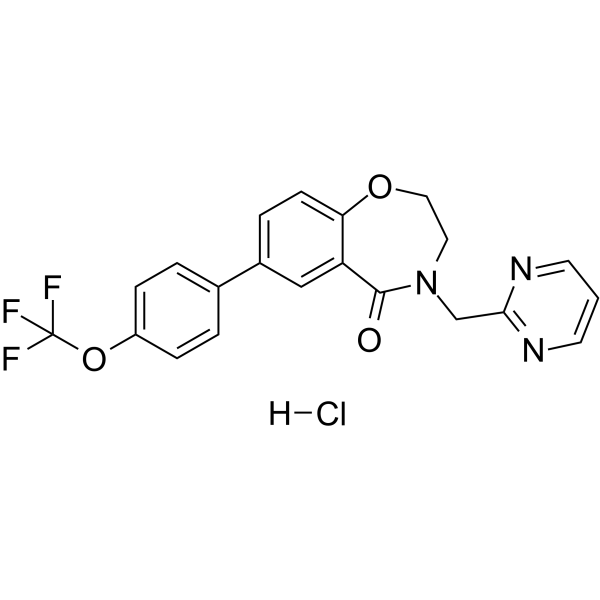
    NVS1.1 is a potent, orally active and brain-penetrant readthrough promoter. NVS1.1 triggers the degradation of eRF1 by activating the ribosome-related quality control pathways (involving GCN1, RNF14, and RNF25), thereby facilitating the reading through of premature termination codons. NVS1.1 can be used for the research of genetic diseases caused by nonsense mutations .
    NVS1.1
  • HY-167894

    Serotonin Transporter Neurological Disease
    DA-8031 is a selective and orally active serotonin reuptake inhibitor. DA-8031 can be used for the research of premature ejaculation (PE) .
    DA-8031
  • HY-179875

    Endogenous Metabolite Metabolic Disease
    N-Cholyl-L-leucine is a bile acid-amino acid conjugate, mainly produced by intestinal microorganisms. N-Cholyl-L-leucine can be used as a biomarker for premature infants and is also employed in the study of bile acid metabolism .
    N-Cholyl-L-leucine
  • HY-16741

    OBE001

    Oxytocin Receptor Endocrinology
    Erlosiban (OBE001) is an orally active non-peptide type oxytocin receptor antagonist. Erlosiban inhibits the increase of intracellular calcium concentration, thereby reducing uterine smooth muscle contraction. Erlosiban can be used for research on premature birth and to improve embryo implantation and pregnancy rate in assisted reproductive technology (AR).
    Erlosiban
  • HY-151247

    GnRH Receptor Cancer
    GnRH-R antagonist 1 (compound 21a) is an orally safe and membrane-permeable GnRH-R antagonist with high binding affinity (IC50=0.57 nM) and potent in vitro antagonistic activity (IC50=2.18 nM). GnRH-R antagonist 1 can be used in studies of advanced prostate cancer and premature LH peaks preventing .
    GnRH-R antagonist 1
  • HY-177757

    Eukaryotic Initiation Factor (eIF) Others
    NVS2.1 is a potent, orally active and brain-penetrant readthrough promoter. NVS2.1 triggers the degradation of eRF1 by activating the ribosome-related quality control pathways (involving GCN1, RNF14, and RNF25), thereby facilitating the reading through of premature termination codons. NVS2.1 can be used for the research of genetic diseases caused by nonsense mutations .
    NVS2.1
  • HY-165309

    Carbonic Anhydrase Endocrinology
    UK-390957 is a sulfonamide. UK-390957 binds to phosphatidylserine and carbonic anhydrase. UK-390957 can be used in the research of premature ejaculation .
    UK-390957
  • HY-W290532

    (Rac)-LY-210448 hydrochloride

    Serotonin Transporter Neurological Disease
    (Rac)-Dapoxetine hydrochloride is a racemate of Dapoxetine hydrochloride (HY-B0304A). Dapoxetine (LY-210448) hydrochloride is an orally active and selective serotonin reuptake inhibitor (SSRI). Dapoxetine hydrochloride can be used for the research of premature ejaculation (PE) .
    (Rac)-Dapoxetine hydrochloride
  • HY-B0452A

    DU21220

    Adrenergic Receptor Endocrinology
    Ritodrine (DU21220) is a β-adrenergic agonist, also an effective smooth muscle and uterine relaxant. Ritodrine prolongs contraction interval, can be used for researching arrest premature labor .
    Ritodrine
  • HY-B0304S

    Serotonin Transporter Neurological Disease
    Dapoxetine-d6 is the deuterium labeled Dapoxetine . Dapoxetine (LY-210448) is an orally active and selective serotonin reuptake inhibitor (SSRI). Dapoxetine can be used for the research of premature ejaculation (PE) .
    Dapoxetine-d6
  • HY-B0304R

    (S)-(+)-Dapoxetine (Standard); LY-210448 (Standard)

    Reference Standards Serotonin Transporter Neurological Disease
    Dapoxetine (Standard) is the analytical standard of Dapoxetine. This product is intended for research and analytical applications. Dapoxetine (LY-210448) is an orally active and selective serotonin reuptake inhibitor (SSRI). Dapoxetine can be used for the research of premature ejaculation (PE) .
    Dapoxetine (Standard)
  • HY-B0304AR

    LY-210448 hydrochloride (Standard)

    Reference Standards Serotonin Transporter Neurological Disease
    Dapoxetine (hydrochloride) (Standard) is the analytical standard of Dapoxetine (hydrochloride). This product is intended for research and analytical applications. Dapoxetine (LY-210448) hydrochloride is an orally active and selective serotonin reuptake inhibitor (SSRI). Dapoxetine hydrochloride can be used for the research of premature ejaculation (PE) .
    Dapoxetine hydrochloride (Standard)
  • HY-134460

    Endogenous Metabolite Others
    4-Methylumbelliferyl α-L-fucopyranoside is an α-L-fucosidase. α-L-fucosidase can enhance capacitation of porcine sperm and protect sperm from premature acrosome reaction. Compared with human liver α-L-fucosidase, 4-Methylumbelliferyl α-L-fucopyranoside has considerable hydrophobicity and isoelectric focusing properties .
    4-Methylumbelliferyl α-L-fucopyranoside
  • HY-13570BS1

    Isotope-Labeled Compounds Others
    Betamethasone acetate-d5 is deuterium labeled Betamethasone acetate (HY-13570B). Betamethasone acetate is a glucocorticoid with prenatal application for preventing respiratory distress syndrome (RDS) in premature infants. Betamethasone acetate exhibits dose-dependent effects on somatic and brain development in offspring when administered prenatally to pregnant rats. Betamethasone acetate can be used for the study of antenatal intervention .
    Betamethasone acetate-d5
  • HY-13570BR

    Glucocorticoid Receptor Reference Standards Others
    Betamethasone acetate (Standard) is the analytical standard of Betamethasone acetate (HY-13570B). This product is intended for research and analytical applications. Betamethasone acetate is a glucocorticoid with prenatal application for preventing respiratory distress syndrome (RDS) in premature infants. Betamethasone acetate exhibits dose-dependent effects on somatic and brain development in offspring when administered prenatally to pregnant rats. Betamethasone acetate can be used for the study of antenatal intervention .
    Betamethasone acetate (Standard)
  • HY-N0677AR

    Potassium dehydroandrographolide succinate (Standard)

    Antibiotic Reference Standards Infection Inflammation/Immunology Cancer
    Paromomycin (sulfate) (Standard) is the analytical standard of Paromomycin (sulfate). This product is intended for research and analytical applications. Paromomycin (Aminosidine) sulfate, a neomycin (HY-B0470) derivative, is a broad spectrum aminoglycoside antibiotic with amebicidal and bactericidal effects. Paromomycin sulfate prematures termination of translation of mRNA and inhibits protein synthesis?by specifically binds to the RNA oligonucleotide at the A site of bacterial 30S ribosomes. Paromomycin sulfate can be used for the research of bacterial and parasitic infections .
    Kalii Dehydrographolidi Succinas (Standard)
  • HY-B0956R

    Aminosidine sulfate (Standard)

    Reference Standards Antibiotic Parasite Bacterial Infection
    Paromomycin (sulfate) (Standard) is the analytical standard of Paromomycin (sulfate). This product is intended for research and analytical applications. Paromomycin (Aminosidine) sulfate, a neomycin (HY-B0470) derivative, is a broad spectrum aminoglycoside antibiotic with amebicidal and bactericidal effects. Paromomycin sulfate prematures termination of translation of mRNA and inhibits protein synthesis?by specifically binds to the RNA oligonucleotide at the A site of bacterial 30S ribosomes. Paromomycin sulfate can be used for the research of bacterial and parasitic infections .
    Paromomycin sulfate (Standard)
  • HY-129146S

    Isotope-Labeled Compounds Potassium Channel Others
    Doxapram-d5 hydrochloride is deuterium labeled Doxapram hydrochloride. Doxapram hydrochloride is a respiratory stimulant. Doxapram hydrochloride increases breathing rate and depth by acting on the brain's respiratory centers and peripheral chemoreceptors. Doxapram hydrochloride inhibits TASK-1, TASK-3, TASK-1/TASK-3 heterodimeric channel function with EC50s of 410 nM, 37 μM, 9 μM, respectively. Doxapram hydrochloride inhibits the Ca²⁺-activated potassium current (IC50 ≈ 13 μM) and Ca²⁺-independent potassium current (IC50 ≈ 20 μM) in type I cells of the carotid body. Doxapram hydrochloride significantly prolongs the effective refractory period of the atrium and has an anti-arrhythmic effect. Doxapram hydrochloride can be used for the study of respiratory depression such as post-anesthesia respiratory depression, chronic obstructive pulmonary disease and apnea of prematurity.
    Doxapram-d5 hydrochloride
  • HY-B0551S

    Isotope-Labeled Compounds Potassium Channel Neurological Disease
    Doxapram-d8 is deuterated labeled Doxapram (HY-B0551). Doxapram is a respiratory stimulant. Doxapram increases breathing rate and depth by acting on the brain's respiratory centers and peripheral chemoreceptors. Doxapram inhibits TASK-1, TASK-3, TASK-1/TASK-3 heterodimeric channel function with EC50s of 410 nM, 37 μM, 9 μM, respectively. Doxapram inhibits the Ca²⁺-activated potassium current (IC50 ≈ 13 μM) and Ca²⁺-independent potassium current (IC50 ≈ 20 μM) in type I cells of the carotid body. Doxapram significantly prolongs the effective refractory period of the atrium and has an anti-arrhythmic effect. Doxapram can be used for the study of respiratory depression such as post-anesthesia respiratory depression, chronic obstructive pulmonary disease and apnea of prematurity.
    Doxapram-d8
  • HY-B0551AR

    Reference Standards Potassium Channel Neurological Disease
    Doxapram hydrochloride hydrate (Standard) is the analytical standard of Doxapram hydrochloride hydrate (HY-B0551A). This product is intended for research and analytical applications. Doxapram hydrochloride hydrate is a respiratory stimulant. Doxapram hydrochloride hydrate increases breathing rate and depth by acting on the brain's respiratory centers and peripheral chemoreceptors. Doxapram hydrochloride hydrate inhibits TASK-1, TASK-3, TASK-1/TASK-3 heterodimeric channel function with EC50s of 410 nM, 37 μM, 9 μM, respectively. Doxapram hydrochloride hydrate inhibits the Ca²⁺-activated potassium current (IC50 ≈ 13 μM) and Ca²⁺-independent potassium current (IC50 ≈ 20 μM) in type I cells of the carotid body. Doxapram hydrochloride hydrate significantly prolongs the effective refractory period of the atrium and has an anti-arrhythmic effect. Doxapram hydrochloride hydrate can be used for the study of respiratory depression such as post-anesthesia respiratory depression, chronic obstructive pulmonary disease and apnea of prematurity.
    Doxapram hydrochloride hydrate (Standard)
  • HY-170021

    LY-210448-d7

    Isotope-Labeled Compounds Serotonin Transporter Neurological Disease
    Dapoxetine-d7 (LY-210448-d7) is the deuterium labeled Dapoxetine (HY-B0304). Dapoxetine (LY-210448) is an orally active and selective serotonin reuptake inhibitor (SSRI). Dapoxetine can be used for the research of premature ejaculation (PE) .
    Dapoxetine-d7
  • HY-101203AR

    DNA/RNA Synthesis Reference Standards Metabolic Disease Cancer
    GJ103 (sodium) (Standard) is the analytical standard of GJ103 (sodium) (HY-101203A). This product is intended for research and analytical applications. GJ103 sodium is a read-through compound that can induce read through of premature stop codons. GJ103 sodium has potential for the research of genetic disorders caused by nonsense mutations .
    GJ103 sodium (Standard)
  • HY-16738AR

    GS 6615 hydrochloride (Standard)

    Sodium Channel Potassium Channel Reference Standards Cardiovascular Disease
    Eleclazine (hydrochloride) (Standard) is the analytical standard of Eleclazine (hydrochloride). This product is intended for research and analytical applications. Eleclazine (GS 6615) hydrochloride is a selective cardiac late sodium current inhibitor and a weak inhibitor of potassium current with IC50 value of <1 μM and approximately 14.2 μM, respectively. Eleclazine hydrochloride shows concurrent protection against autonomically induced atrial premature beats, repolarization alternans and heterogeneity, and atrial fibrillation in porcine model. Eleclazine hydrochloride can be used to research cardiac arrhythmias .
    Eleclazine hydrochloride (Standard)
  • HY-106591AR

    Vinylcyclohexene diepoxide (Standard)

    Reference Standards Apoptosis Reactive Oxygen Species (ROS) PI3K Akt mTOR Endocrinology
    4-Vinylcyclohexene dioxide (Standard) is the analytical standard of 4-Vinylcyclohexene dioxide (HY-106591A). This product is intended for research and analytical applications. 4-Vinylcyclohexene dioxide (4-Vinylcyclohexene diepoxide) is an orally active metabolite of 4-vinylcyclohexene. 4-Vinylcyclohexene dioxide induces Apoptosis, increases intracellular ROS, and activates the PI3K/Akt/mTOR pathway. 4-Vinylcyclohexene dioxide selectively damages small ovarian follicles, inhibits granulosa cell function, and disrupts the male reproductive system. 4-Vinylcyclohexene dioxide can be used in the study of premature ovarian insufficiency, reproductive toxicity, and related fertility disorders .
    4-Vinylcyclohexene dioxide (Standard)
  • HY-182244

    Serotonin Transporter 5-HT Receptor Endocrinology
    SERT/NET-IN-1 is a blood-brain barrier-permeable SERT and NET inhibitor, with an IC50 of 11.2 nM against human SERT and an IC50 of 32.0 nM against human NET. SERT/NET-IN-1 blocks 5-HT reuptake to enhance serotonergic signaling. SERT/NET-IN-1 also blocks norepinephrine reuptake to enhance central noradrenergic transmission and inhibits the ejaculatory reflex. SERT/NET-IN-1 prolongs ejaculatory latency, reduces ejaculation frequency and preserves sexual function. SERT/NET-IN-1 exhibits cross-species microsomal metabolic stability, shows acceptable oral brain exposure in rats, and has favorable safety profiles. SERT/NET-IN-1 can be used in studies related to premature ejaculation .
    SERT/NET-IN-1

Inquiry Online

Your information is safe with us. * Required Fields.

Salutation


Country or Region *

Applicant Name *


Organization Name *

Department *


Email Address *


Product Name *

Cat. No.


Requested quantity *

Phone Number *


Remarks

Inquiry Online

Inquiry Information

Product Name:
Cat. No.:
Quantity:
MCE Japan Authorized Agent:

