1. Search Result
Search Result
Results for "

protein amino groups

" in MedChemExpress (MCE) Product Catalog:

139

Inhibitors & Agonists

6

Screening Libraries

37

Fluorescent Dyes

49

Biochemical Assay Reagents

4

Peptides

6

Natural
Products

4

Isotope-Labeled Compounds

10

Click Chemistry

1

Oligonucleotides

Cat. No. Product Name Target Research Areas Chemical Structure
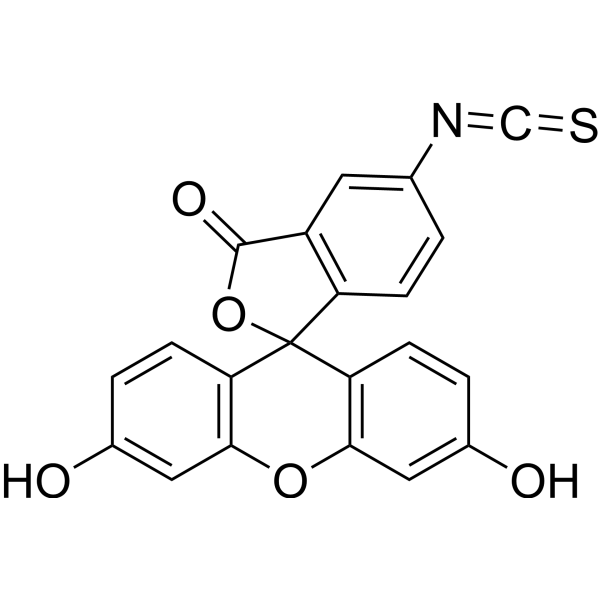
  • HY-66019
    FITC
    Maximum Cited Publications
    92 Publications Verification

    Fluorescein 5-isothiocyanate

    Fluorescent Dye Inflammation/Immunology
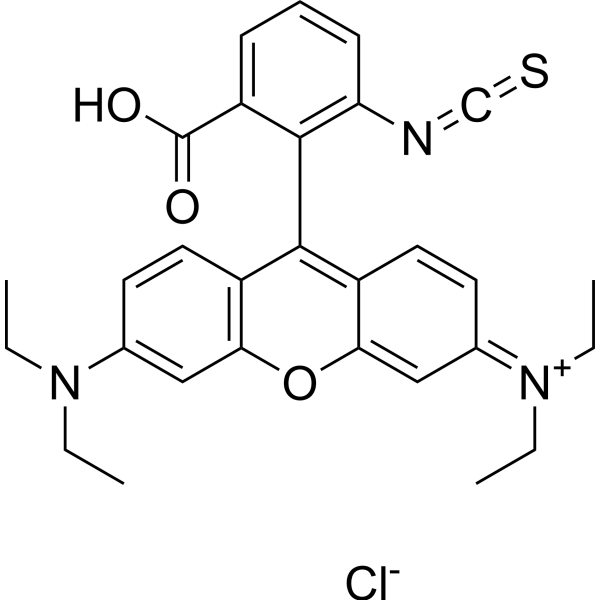
    FITC (Fluorescein Isothiocyanate), is one of the green fluorescein derivatives widely used in biology. FITC has the characteristics of high absorptivity and excellent fluorescence quantum yield. The isothiocyanate group of FITC can be combined with amino, sulfhydryl, imidazole, tyrosyl, carbonyl and other groups on the protein, so as to achieve protein labeling including antibodies and lectins. In addition to its use as a protein marker, FITC can also be used as a fluorescent protein tracer to rapidly identify pathogens by labeling antibodies, or for microsequencing of proteins and peptides (HPLC). The maximum excitation wavelength of FITC is 494 nm. Once excited, it fluoresces yellow-green at a maximum emission wavelength of 520 nm. In addition, FITC is also a hapten that can induce contact hypersensitivity (CHS) and induce an atopic dermatitis model .
    FITC
  • HY-D0819
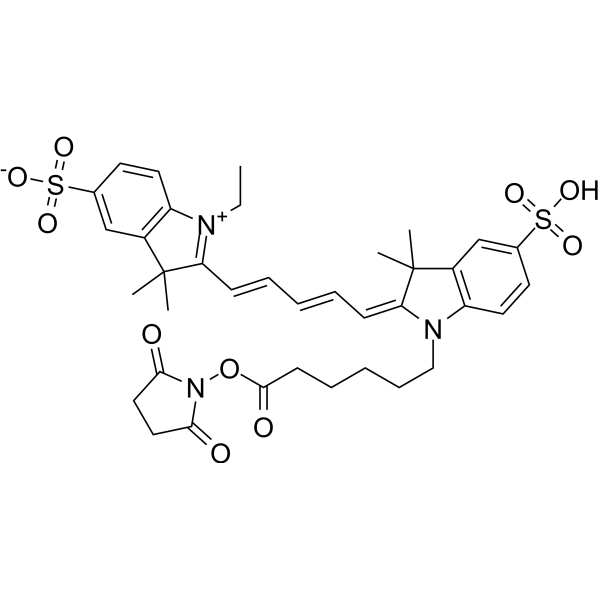
    CY5-SE
    35+ Cited Publications

    Cy5 NHS Ester; Sulfo-Cyanine5 Succinimidyl Ester

    Fluorescent Dye Others
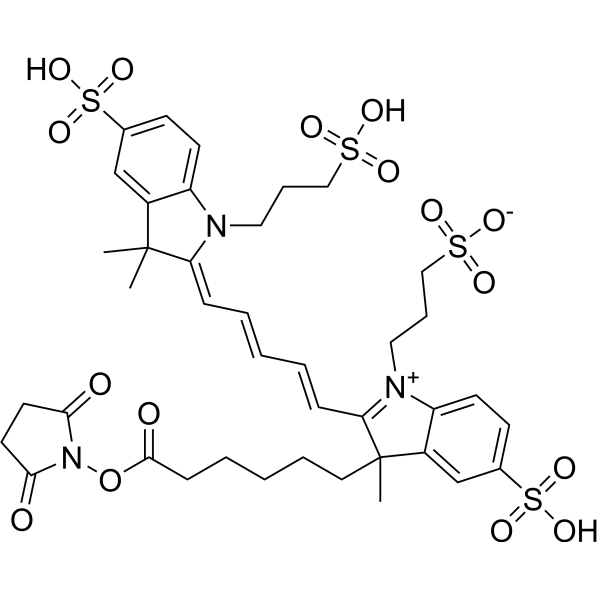
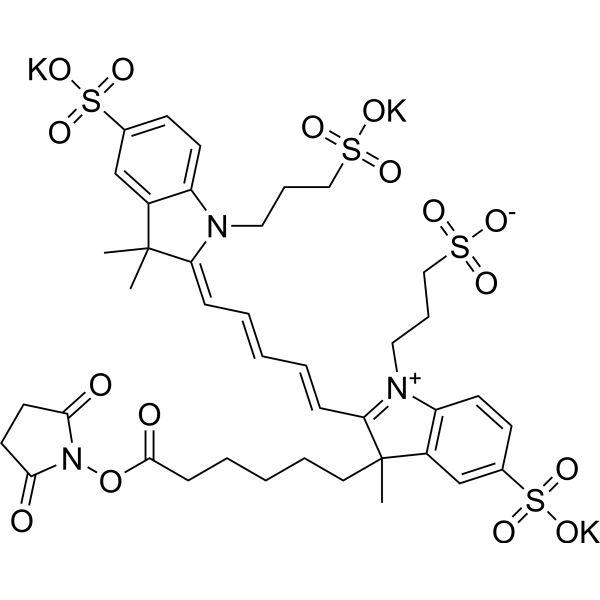
    Cy5-SE (Cy5 NHS Ester) is a reactive dye for the labeling of amino-groups in peptides, proteins, and oligonucleotides. This dye requires small amount of organic co-solvent (such as DMF or DMSO) to be used in labeling reaction. This reagent is ideal for very cost-efficient labeling of soluble proteins, as well as all kinds of peptides and oligonucleotides. This reagent also works well in organic solvents for small molecule labeling. Excitation (nm):649, Emission (nm): 670.
    CY5-SE
  • HY-Y0623
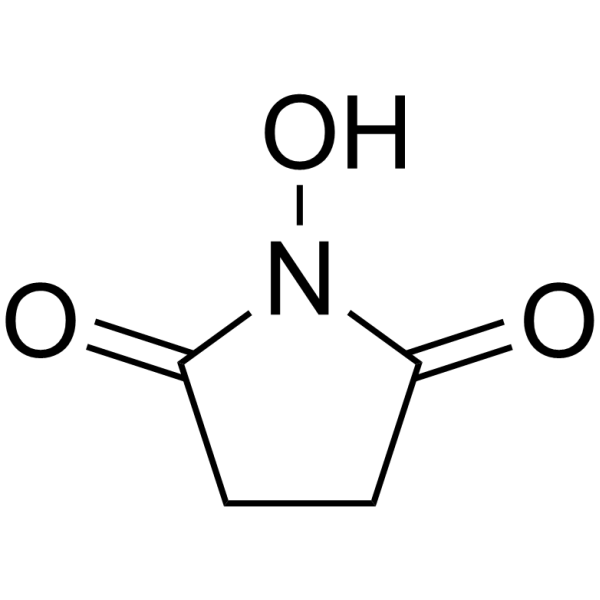
    N-Hydroxysuccinimide
    5+ Cited Publications

    HOSu; 1-Hydroxy-2,5-pyrrolidinedione

    Biochemical Assay Reagents Others
    N-Hydroxysuccinimide (HOSu; 1-Hydroxy-2,5-pyrrolidinedione) is a covalent crosslinker commonly used in bioconjugation technology with a primary amine group. N-Hydroxysuccinimide reacts with amino groups (-NH2) to form a stable amide bond, which can modify amino-containing biomolecules. N-Hydroxysuccinimide can be used, for example, for protein labeling with fluorescent dyes and enzymes, surface activation of chromatography supports, microbeads, nanoparticles and microarray slides, and chemical synthesis of peptides. N-Hydroxysuccinimide has a wide range of applications in biomaterial synthesis (such as collagen, chitosan crosslinking), drug delivery systems (such as hydrogel preparation) and tissue engineering .
    N-Hydroxysuccinimide
  • HY-D0017

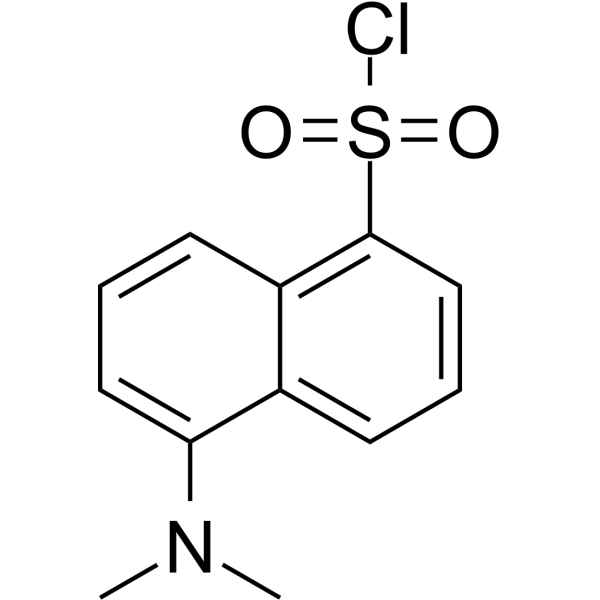
    DNSCl

    Fluorescent Dye Others
    Dansyl chloride is a reagent that produces stable blue or blue-green fluorescent sulfonamide adducts in the reaction of aliphatic and aromatic amines with primary amino groups, and is widely used for modified amino acids, protein sequencing and amino acid analysis .
    Dansyl chloride
  • HY-16714
    4-Azido-L-phenylalanine
    5+ Cited Publications

    p-Azidophenylalanine; p-Azido-L-phenylalanine

    Biochemical Assay Reagents Others
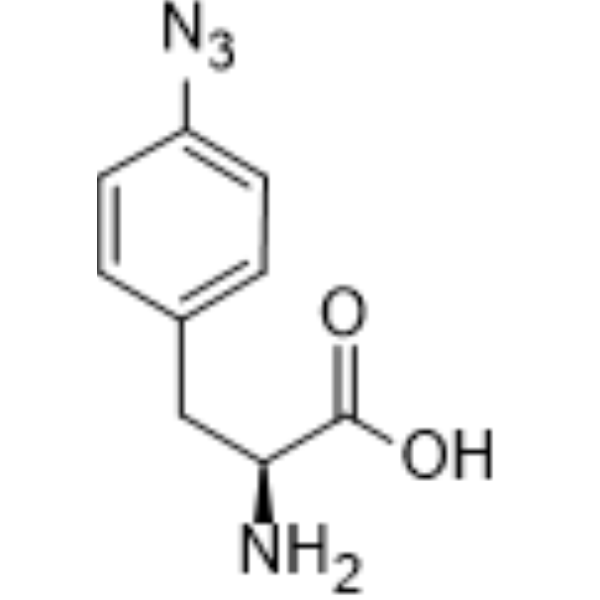
    4-Azido-L-phenylalanine is an unnatural amino acid, which is used as an effective vibrational reporter of local protein environments. 4-Azido-L-phenylalanine is a click chemistry reagent, it contains an Azide group and can undergo copper-catalyzed azide-alkyne cycloaddition reaction (CuAAc) with molecules containing Alkyne groups. It can also undergo strain-promoted alkyne-azide cycloaddition (SPAAC) reactions with molecules containing DBCO or BCN groups.
    4-Azido-L-phenylalanine
  • HY-D1119
    AF647-NHS ester
    1 Publications Verification

    Fluorescent Dye Others
    AF647-NHS ester is an analog of Alexa Fluor 647 (AF647). NHS ester can covalently bind to molecules with amino groups (such as proteins, antibodies, etc.). AF647 is a far-red fluorescent dye with an excitation wavelength (λex) of 635 nm (conventional fluorescence detection)/620 nm (instantaneous detection). Storage: Protect from light .
    AF647-NHS ester
  • HY-D0715
    Fluorescamine
    1 Publications Verification

    Ro 20-7234

    Fluorescent Dye Others
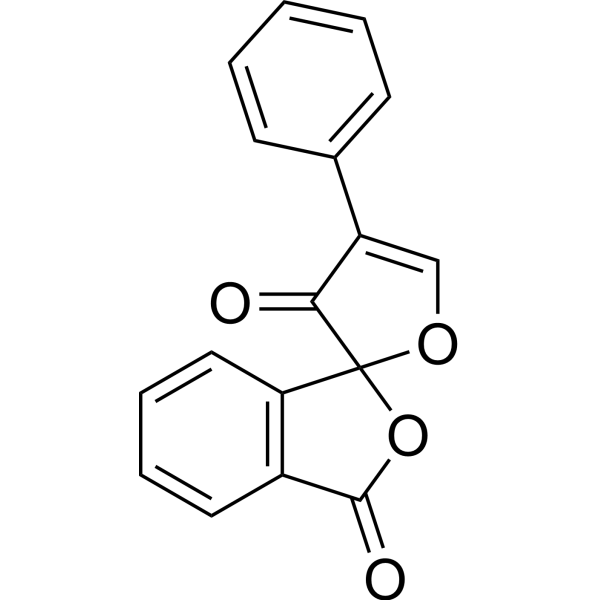
    Fluorescamine is a spirocyclic compound that is non-fluorescent. Fluorescamine reacts rapidly with primary amine groups in proteins under alkaline conditions to generate products with strong fluorescence (Ex/Em: 390/475 nm). Fluorescamine can be used to detect amine-containing compounds, including amino acids, peptides, and proteins .
    Fluorescamine
  • HY-135414
    Cyanine5 NHS ester chloride
    1 Publications Verification

    Fluorescent Dye Others
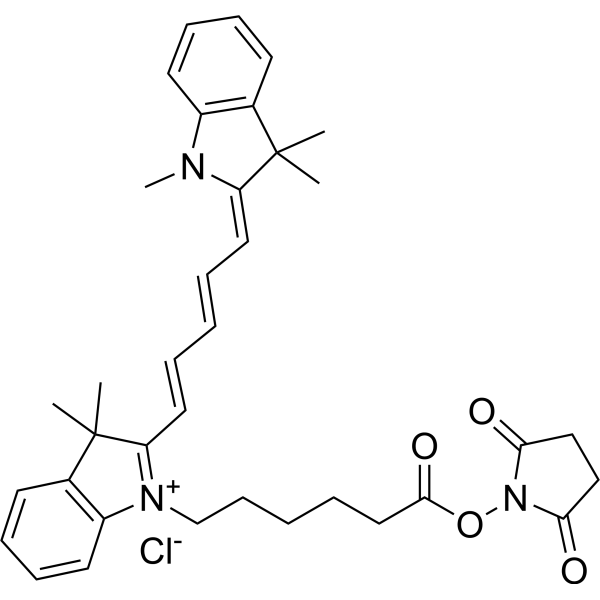
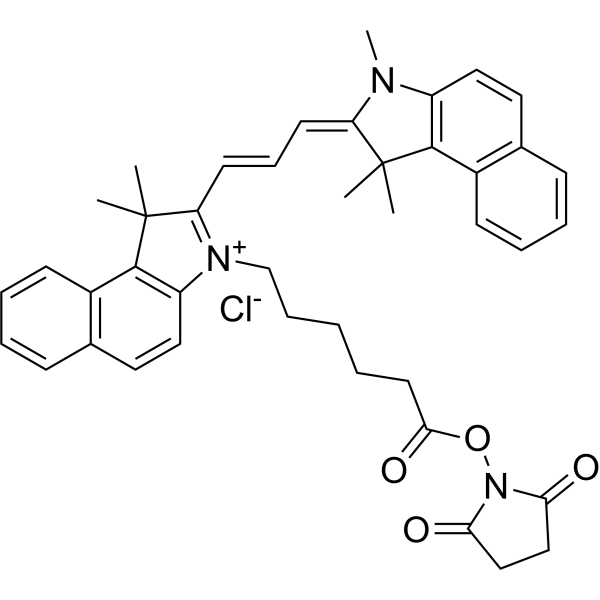
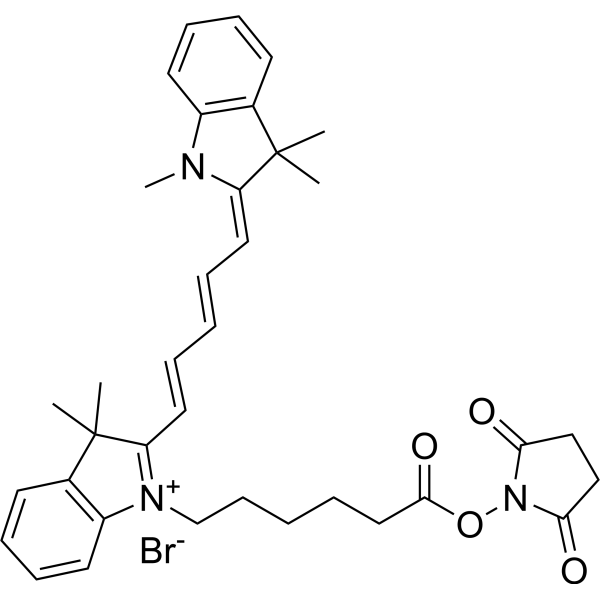
    Cyanine5 NHS ester chloride is a red emitting fluorescent dye for labeling of amino-groups in peptides, proteins, and oligonucleotides .
    Cyanine5 NHS ester chloride
  • HY-D0819A
    CY5-SE triethylamine salt
    35+ Cited Publications

    Cy5 NHS Ester triethylamine salt; Sulfo-Cyanine5 Succinimidyl Ester triethylamine salt

    Fluorescent Dye Others
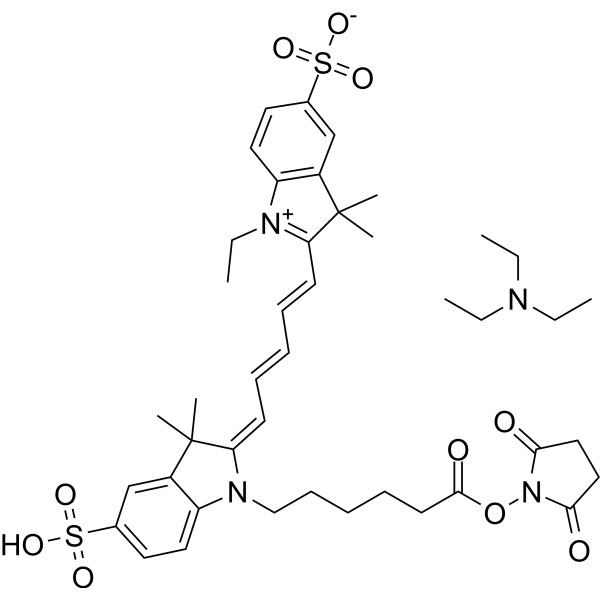
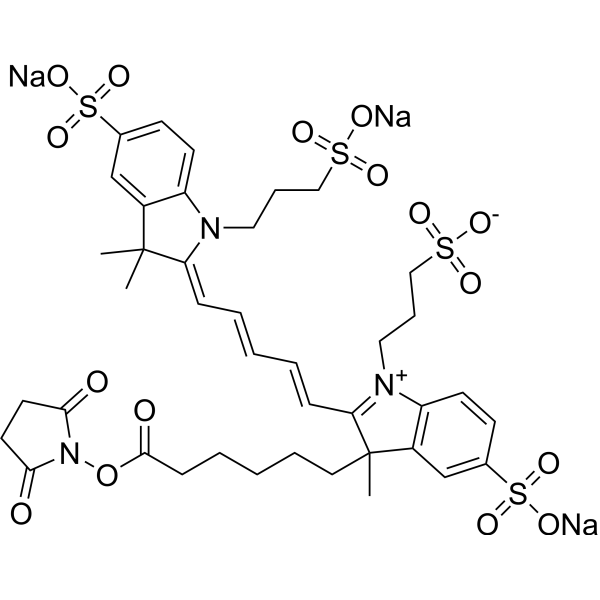
    Cy5-SE (Cy5 NHS Ester) triethylamine salt is a reactive dye for the labeling of amino-groups in peptides, proteins, and oligonucleotides. Cy5-SE triethylamine salt is ideal for very cost-efficient labeling of soluble proteins, as well as all kinds of peptides and oligonucleotides Ex=649 nm; Em=670 nm) .
    CY5-SE triethylamine salt
  • HY-131033

    Biochemical Assay Reagents Others
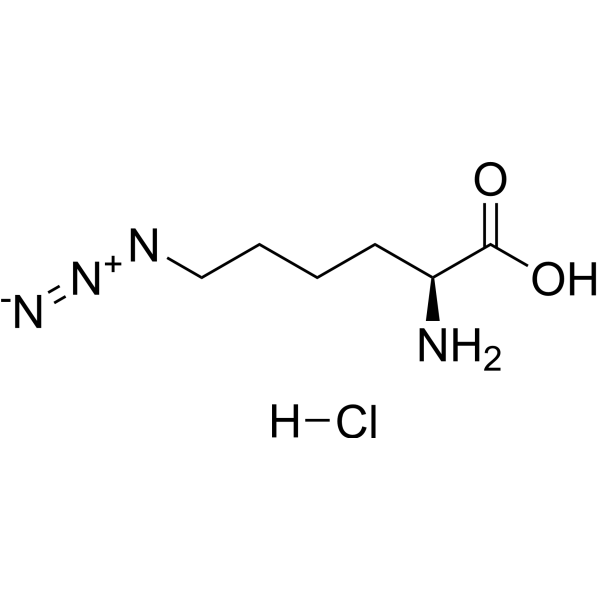
    L-Azidonorleucine hydrochloride, an unnatural amino acid, is A Methionine surrogate. L-Azidonorleucine hydrochloride can be used to label mammalian cell proteins and identify a diverse set of methionyl-tRNA synthetase (MetRS) mutants . L-Azidonorleucine (hydrochloride) is a click chemistry reagent, it contains an Azide group and can undergo copper-catalyzed azide-alkyne cycloaddition reaction (CuAAc) with molecules containing Alkyne groups. It can also undergo strain-promoted alkyne-azide cycloaddition (SPAAC) reactions with molecules containing DBCO or BCN groups.
    L-Azidonorleucine hydrochloride
  • HY-155500

    Fluorescent Dye Others
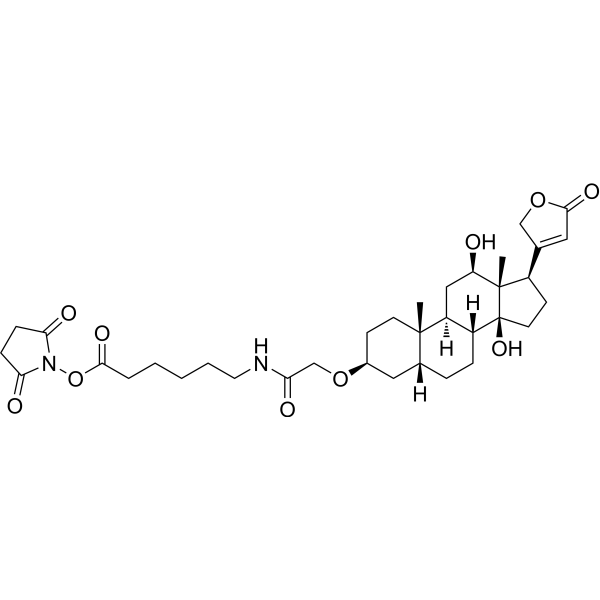
    Digoxigenin NHS ester is an activated ester which readily reacts with amino groups under mild conditions, attaching the Digoxigenin (HY-B1025) moiety to proteins or amino-. Digoxigenin NHS ester can be used to label proteins and oligonucleotides .
    Digoxigenin NHS ester
  • HY-D1119C
    AF647-NHS ester triTEA
    1 Publications Verification

    Fluorescent Dye Others
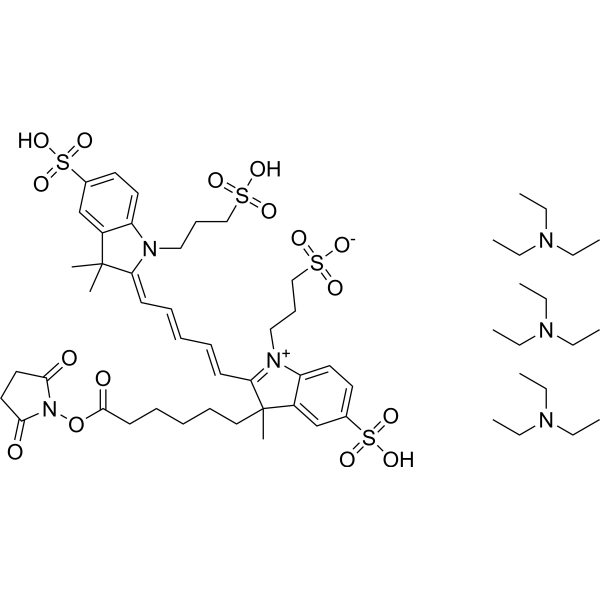
    AF647-NHS ester is an analogue of Alexa Fluor 647 (AF647), which has excitation wavelength (λex) of 635 nm (conventional fluorescence detection)/620 nm (instantaneous detection). NHS ester can covalently bind to molecules with amino groups (such as proteins, antibodies, etc.) .
    AF647-NHS ester triTEA
  • HY-123740

    DSSO

    Biochemical Assay Reagents Others
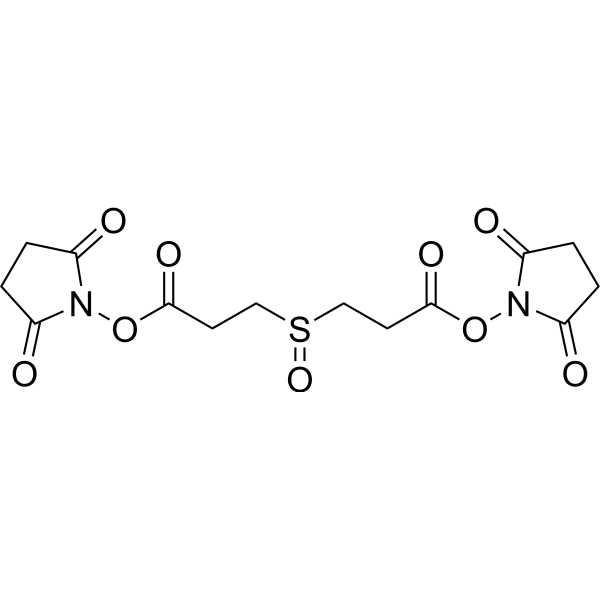
    Disuccinimidyl sulfoxide (DSSO) is a sulfoxide-containing crosslinker targeting amino groups that can be cleaved by MS, and it is suitable for model peptides, proteins, and multisubunit protein complexes. Disuccinimidyl sulfoxide contains two symmetric collision-induced dissociation (CID)-cleavable sites, enabling the identification of DSSO-crosslinked peptides based on different fragmentation patterns .
    Disuccinimidyl sulfoxide
  • HY-16714A

    p-Azidophenylalanine hydrochloride; p-Azido-L-phenylalanine hydrochloride

    Biochemical Assay Reagents Others
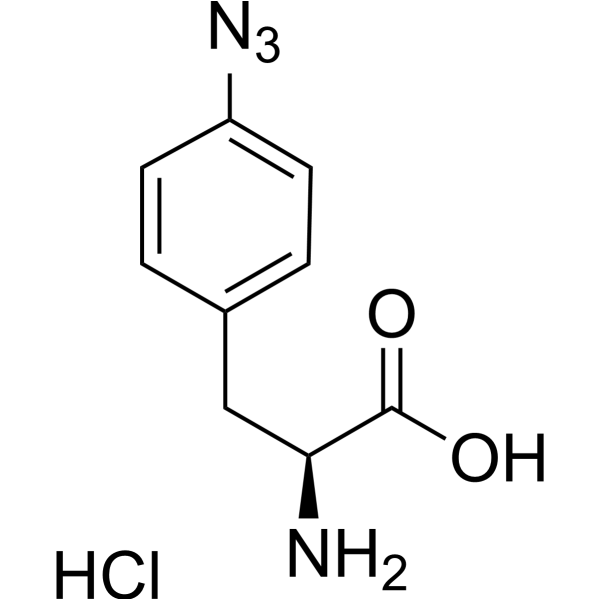
    4-Azido-L-phenylalanine hydrochloride is an unnatural amino acid, which is used as an effective vibrational reporter of local protein environments. 4-Azido-L-phenylalanine (hydrochloride) is a click chemistry reagent, it contains an Azide group and can undergo copper-catalyzed azide-alkyne cycloaddition reaction (CuAAc) with molecules containing Alkyne groups. It can also undergo strain-promoted alkyne-azide cycloaddition (SPAAC) reactions with molecules containing DBCO or BCN groups.
    4-Azido-L-phenylalanine hydrochloride
  • HY-D1849

    Fluorescent Dye Others
    Cy3B NHS ester is a fluorescent dye compound that is commonly used in biomarking and fluorescent labeling experiments, especially for labeling biomolecules containing amino functional groups (amine groups), such as proteins, antibodies or peptides.
    Cy3B NHS ester
  • HY-W048688

    Amino Acid Derivatives Others
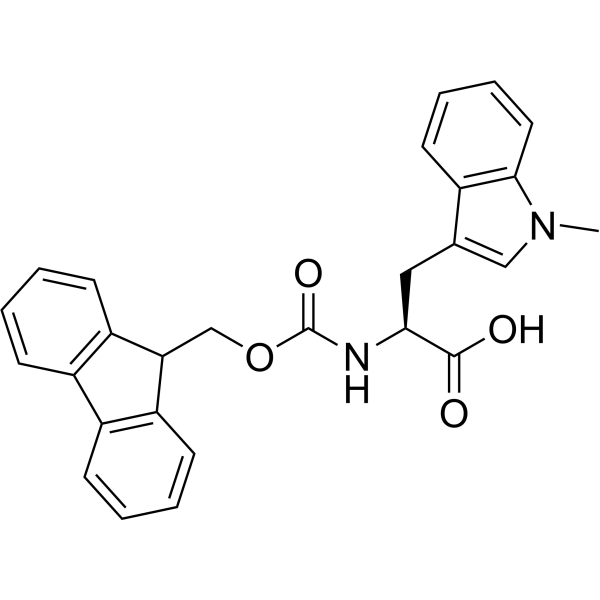
    Fmoc-Trp(Me)-OH is an amino acid derivative. Fmoc-Trp(Me)-OH is formed by introducing a methyl group onto the nitrogen atom (N-1 position) of the indole ring of tryptophan (Trp) and protecting the amino group with Fmoc (9-fluorenylmethyloxycarbonyl). Fmoc-Trp(Me)-OH can be used in the synthesis of proteins or peptides .
    Fmoc-Trp(Me)-OH
  • HY-134222A

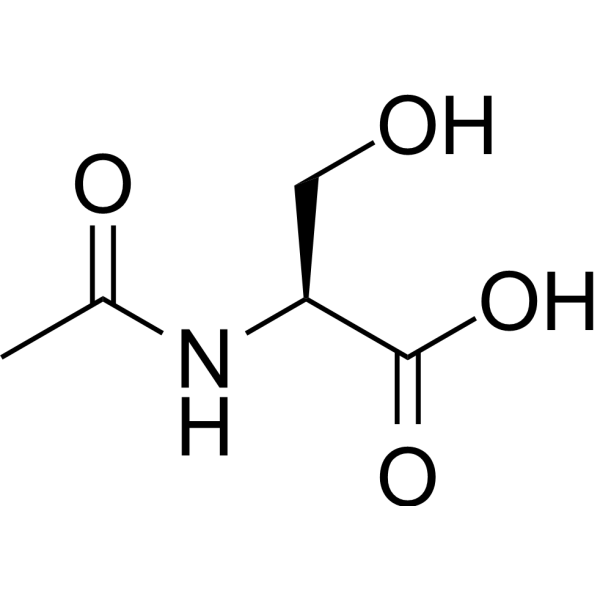
    N-Acetyl-L-serine

    Endogenous Metabolite Complement System Others
    N-Acetylserine (N-Acetyl-L-serine) is a complement pathway modulator targeting activated third complement protein (C3b) and an amino-terminal residue (an N-terminal acetylation modification group). N-Acetylserine reacts with the exposed thioester group of C3b via its hydroxyl group, thereby blocking the covalent binding of glycerol to this thioester group. N-Acetylserine widely exists in soluble proteins of mammalian cells (accounting for approximately 80% of such proteins). N-Acetylserine has a blocking property that prevents direct Edman sequencing of proteins; deblocking is achievable through trifluoroacetic acid-catalyzed N→O acetyl migration followed by β-elimination. N-Acetylserine is suitable for sequencing of proteins with N-terminal acetylserine modification .
    N-Acetylserine
  • HY-114293

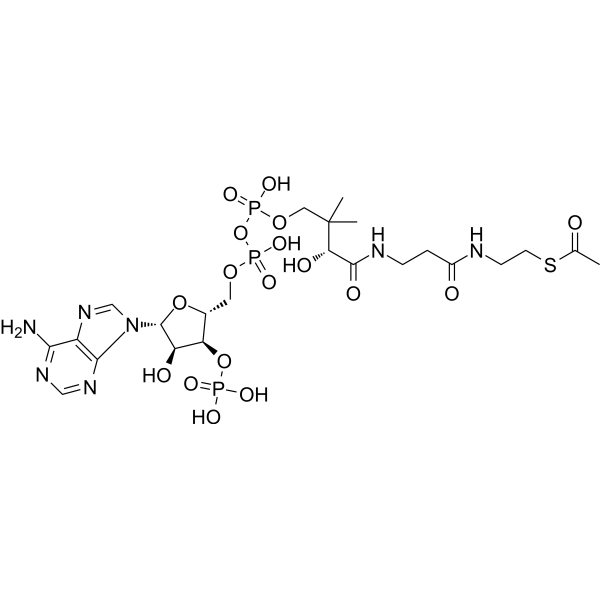
    Acetyl-CoA

    Oxidative Phosphorylation Endogenous Metabolite Autophagy Cardiovascular Disease Metabolic Disease
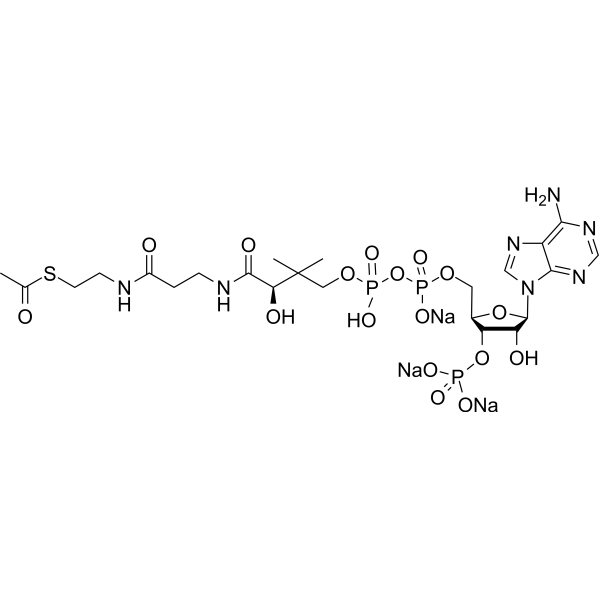
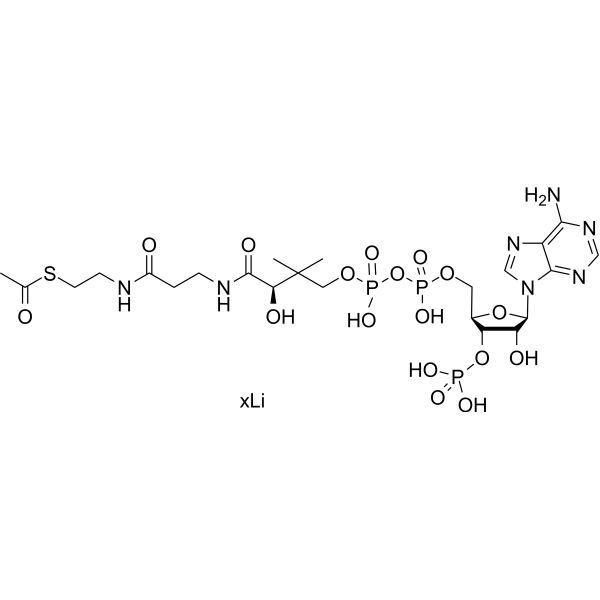
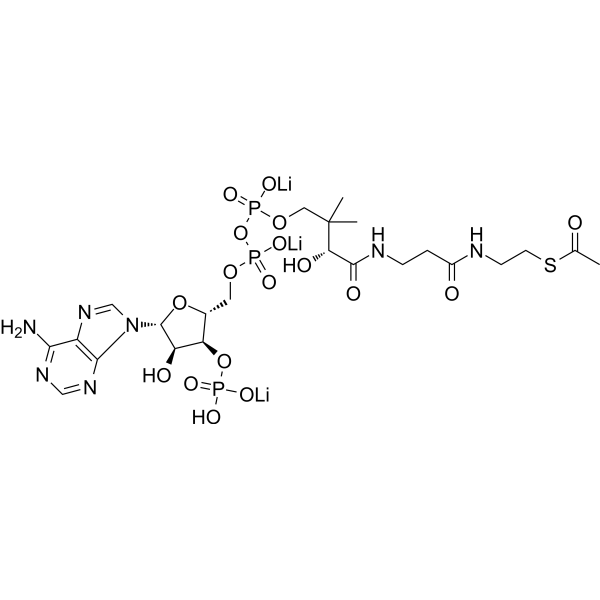
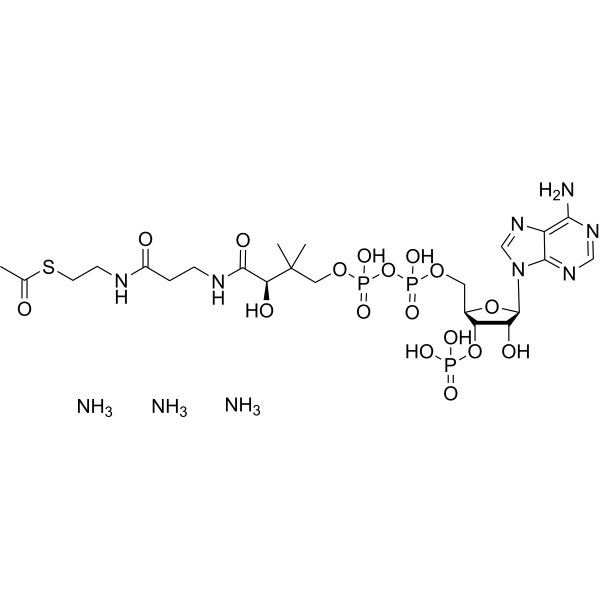
    Acetyl-coenzyme A (Acetyl-CoA) is a membrane-impermeant central metabolic intermediate, participates in the TCA cycle and oxidative phosphorylation metabolism. Acetyl-coenzyme A, regulates various cellular mechanisms by providing (sole donor) acetyl groups to target amino acid residues for post-translational acetylation reactions of proteins. Acetyl Coenzyme A is also a key precursor of lipid synthesis .
    Acetyl coenzyme A
  • HY-DY1007

    Fluorescent Dye Inflammation/Immunology
    FITC (Fluorescein Isothiocyanate) (solution) , is one of the green fluorescein derivatives widely used in biology. FITC has the characteristics of high absorptivity and excellent fluorescence quantum yield. The isothiocyanate group of FITC can be combined with amino, sulfhydryl, imidazole, tyrosyl, carbonyl and other groups on the protein, so as to achieve protein labeling including antibodies and lectins. In addition to its use as a protein marker, FITC can also be used as a fluorescent protein tracer to rapidly identify pathogens by labeling antibodies, or for microsequencing of proteins and peptides (HPLC). The maximum excitation wavelength of FITC is 494 nm. Once excited, it fluoresces yellow-green at a maximum emission wavelength of 520 nm. In addition, FITC is also a hapten that can induce contact hypersensitivity (CHS) and induce an atopic dermatitis model .
    Solvent and concentration: DMSO: 20 mM
    The 1 mL volume is defined as the base specification. All larger sizes correspond to incremental volumes of this base.
    FITC (solution)
  • HY-W998680

    5-FITC-Maleimide

    Fluorescent Dye Others
    Fluorescein-maleimide (5-FITC-Maleimide) is a thiol-reactive fluorescent derivatization reagent and non-specific protein labeling reagent. Fluorescein-maleimide covalently binds to protein thiol groups for protein labeling. Fluorescein-maleimide covalently binds to protein amino and imidazole groups under neutral pH conditions. Fluorescein-maleimide is used for fluorescent labeling of proteins, nucleic acids or other molecules containing one or more thiol groups (Ex/Em = 494/519 nm) .
    Fluorescein-maleimide
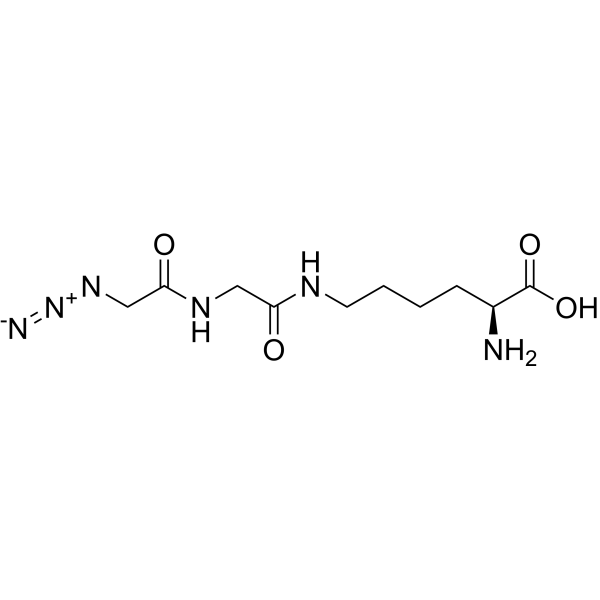
  • HY-148835

    Fluorescent Dye Others
    AzGGK is an unnatural amino acid. AzGGK is site-specifically incorporated into proteins via genetic-code expansion. AzGGK can be used as site-specific probe for ubiquitylation and SUMOylation . AzGGK is a click chemistry reagent, it contains an Azide group and can undergo copper-catalyzed azide-alkyne cycloaddition reaction (CuAAc) with molecules containing Alkyne groups. It can also undergo strain-promoted alkyne-azide cycloaddition (SPAAC) reactions with molecules containing DBCO or BCN groups.
    AzGGK
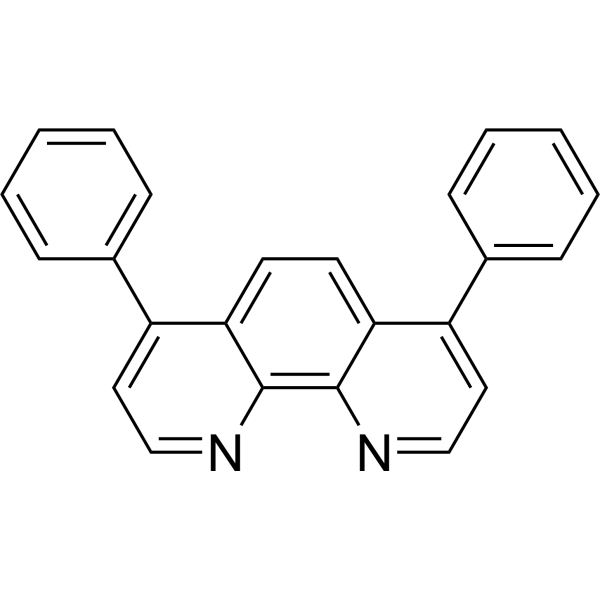
  • HY-D0006

    Fluorescent Dye Others
    Bathophenanthroline is a nitrogen-containing organic ligand that can form stable complexes with transition metal ions such as Ru 2+. In proteomics, Bathophenanthroline is often used for in-gel protein staining. The negatively charged sulfonic acid groups of Bathophenanthroline interact electrostatically with the positively charged amino acid residues of proteins, thereby achieving specific binding to proteins and enhancing the fluorescent signal of detection. Bathophenanthroline can be used for protein separation and detection in SDS-PAGE gels in the field of proteomics, as well as other fluorescence studies[1]. Ex/Em=532 nm/610 nm[1].
    Bathophenanthroline
  • HY-W041994

    Fructose-1,6-bisphosphate aldolase Biochemical Assay Reagents Cancer
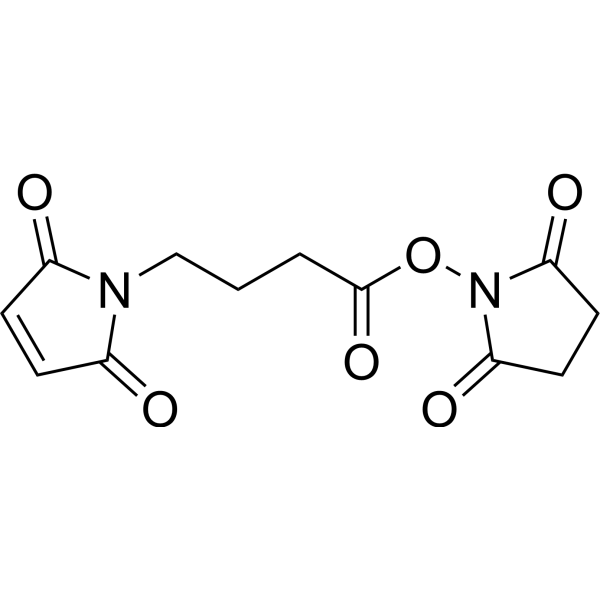
    GMBS is a heterobifunctional crosslinker targeting primary amines and sulfhydryl groups. GMBS can be used for chemical crosslinking of proteins and crosslinking mass spectrometry (CXMS) to study protein folding and map interfaces between interacting proteins .
    GMBS
  • HY-D1085

    Fluorescent Dye Others
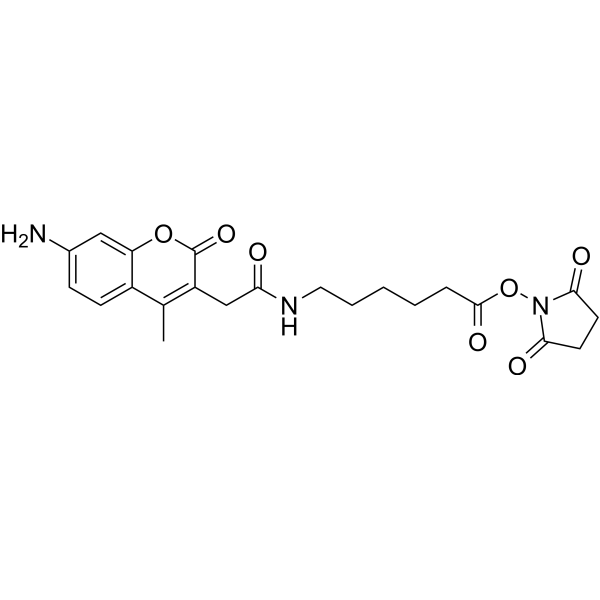
    AMCA-X-SE is a coumarin derivative that generates fixed blue fluorescence and an NHS-activated ester that forms stable amide bonds with primary amine groups. It is used as a reactive dye for labeling amino groups of peptides, proteins, and oligonucleotides. Maximum excitation/emission wavelength: 354/442 nm .
    AMCA-X SE
  • HY-125372

    ABAO

    Biochemical Assay Reagents Others
    2-Amino benzamidoxime (ABAO) acts as a bioconjugation reagent precursor and a fluorescent probe precursor. 2-Amino benzamidoxime contains an aniline group for imine activation of aldehydes, as well as a nucleophilic group (Nu:) located at the ortho position of the amine, which is responsible for intramolecular cyclization. 2-Amino benzamidoxime reacts with glyoxal at the N-terminus of phage-displayed peptide libraries. Derivatives of 2-Amino benzamidoxime can be used for protein bioconjugation. Derivatives of 2-Amino benzamidoxime serve as fluorescent probes .\n


    2-Amino benzamidoxime
  • HY-D0017S

    DNSCl-d6

    Biochemical Assay Reagents Others
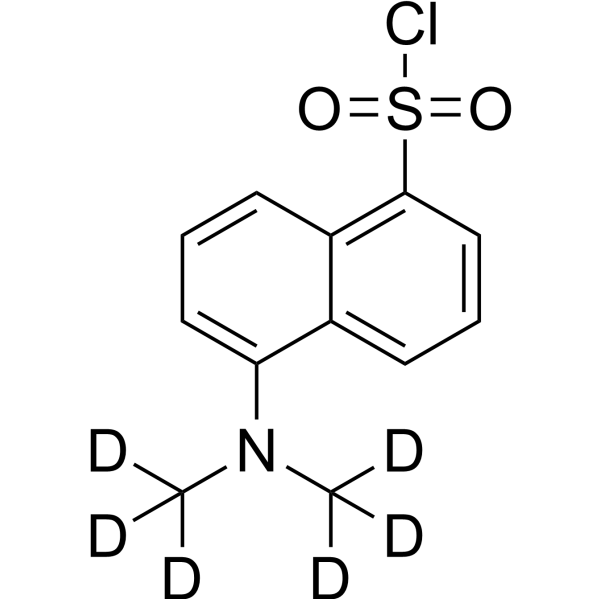
    Dansyl chloride-d6 is the deuterium labeled Dansyl chloride (HY-D0017). Dansyl chloride is a reagent that produces stable blue or blue-green fluorescent sulfonamide adducts in the reaction of aliphatic and aromatic amines with primary amino groups, and is widely used for modified amino acids, protein sequencing and amino acid analysis .
    Dansyl chloride-d6
  • HY-78035

    Methylmaleic anhydride

    Biochemical Assay Reagents Others
    Citraconic anhydride (Methylmaleic anhydride) is a derivative of maleic anhydride (HY-Z0060) and novel antigen retrieval solution. Citraconic anhydride reversibly blocks protein amino groups, stabilizing specific enzymes and improving their catalytic performance. Citraconic anhydride reacts with free amino groups on proteins (especially lysine residues), converting positively charged NH3 + into carboxyl groups, thereby disrupting methylene bridge crosslinks caused by Formaldehyde during antigen retrieval. Citraconic anhydride functionalizes Isotactic polypropylene. Citraconic anhydride precisely responds to pH changes to achieve reversible modification. Citraconic anhydride is irritating to skin and eyes .
    Citraconic anhydride
  • HY-D0820

    Sulfo-Cyanine5-alkyne

    Fluorescent Dye Others
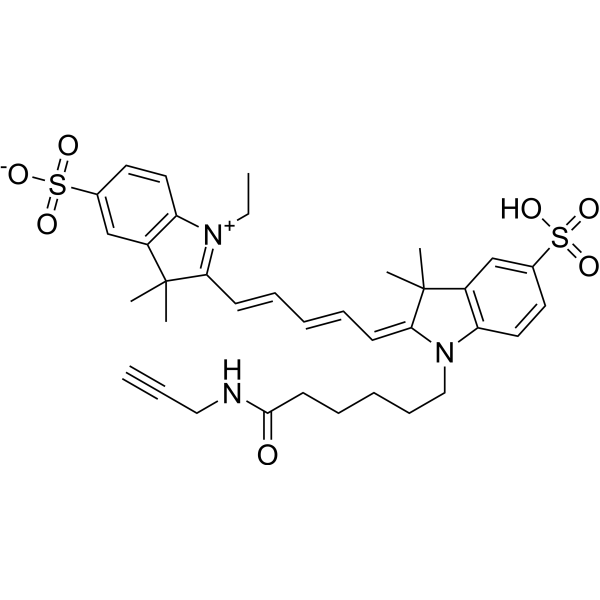
    CY5-YNE (Sulfo-Cyanine5-alkyne) is a reactive dye for the labeling of amino-groups in peptides, proteins, and oligonucleotides (Ex: 650 nM; Em: 680 nm). CY5-YNE is a click chemistry reagent, it contains an Alkyne group and can undergo copper-catalyzed azide-alkyne cycloaddition (CuAAc) with molecules containing Azide groups.
    CY5-YNE
  • HY-164165

    Microtubule/Tubulin Drug Derivative Cancer
    Paclitaxel-2′-succinate NHS ester is a paclitaxel derivative with a succinic acid linker, in which the carboxyl group is activated by the NHS ester. The NHS ester group is highly reactive toward amino or hydroxyl groups and can be used to conjugate with other molecules such as peptides, proteins, antibodies, enzymes or polymers. Paclitaxel-2′-succinate NHS ester can be used in the development of nanomedicines and in the study of cancer therapy .
    Paclitaxel-2′-succinate NHS ester
  • HY-W102456

    L-4-Acetylphenylalanine

    Biochemical Assay Reagents Amino Acid Derivatives Others
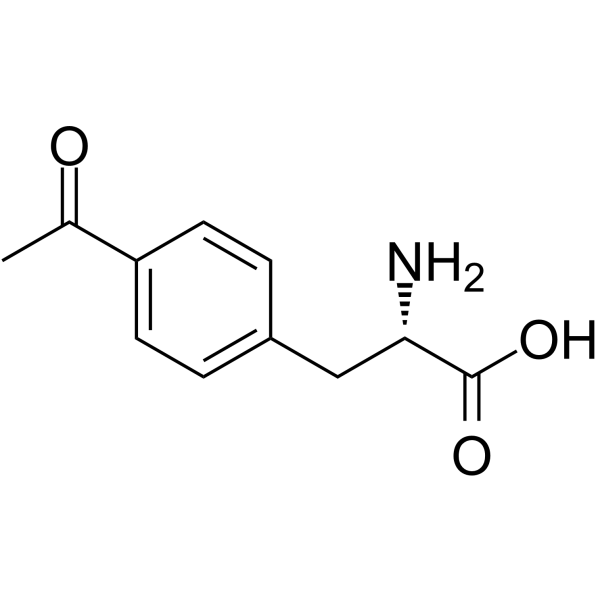
    H-Phe(4-Ac)-OH (L-4-Acetylphenylalanine) is a keto-amino acid that can be converted from α-keto acids containing an acetyl group. H-Phe(4-Ac)-OH can be added to the amber position to form mutant Z-domain proteins. H-Phe(4-Ac)-OH is used as a functional amino acid in peptide modification to achieve chemical bonding between peptides and solid surfaces .
    H-Phe(4-Ac)-OH
  • HY-157745

    mPEG40000-SC; mPEG40000-Succinimidyl ester

    Biochemical Assay Reagents Others
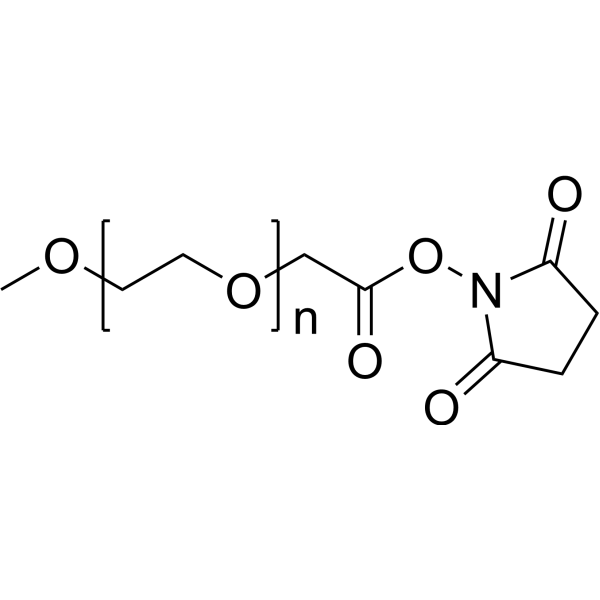
    m-PEG-NHS ester (mPEG-SC; mPEG-Succinimidyl ester) (MW 40000) is a polyethylene glycol derivative. m-PEG-NHS ester serves as a modifying agent that reacts with free amino groups on the surface of protein or polypeptide molecules to form stable amide bonds, thereby covalently linking PEG chains to biomacromolecules, improving their antigenicity and immunogenicity, and facilitating the preparation of injectable formulations .
    m-PEG40000-NHS ester
  • HY-W012166

    NHS-Bromoacetate

    Biochemical Assay Reagents Infection
    N-Succinimidyl bromoacetate (NHS-Bromoacetate) is a heterobifunctional crosslinking reagent, mainly used to modify the ɛ-amino group of lysine side chains. By covalently linking its bromoacetyl moiety to the ɛ-amino group of lysine in peptidomimetics, N-Succinimidyl bromoacetate enables their conjugation with thiol-modified nanoparticles via thioether bonds. N-Succinimidyl bromoacetate also performs bromoacetylation modification on carrier proteins, which then forms stable thioether bonds with the thiol groups of cysteine in peptides, thus efficiently preparing soluble peptide-protein conjugates with high substitution ratios. N-Succinimidyl bromoacetate can be used to prepare activated Sepharose derivatives for affinity chromatography, protein affinity labeling reagents, and peptide-protein immunogen conjugates with non-immunogenic linkages. N-Succinimidyl bromoacetate is applicable to studies related to HIV-1 infection and glioblastoma multiforme .
    N-Succinimidyl bromoacetate
  • HY-W1123939C

    Biochemical Assay Reagents Others
    Silane-PEG5000-COOH can be used to modify proteins, peptides and other materials with active groups. The carboxyl group (-COOH) can easily form a stable amide bond with the amino group, and can also form an ester bond with the hydroxyl group. Silane-functionalized PEG (Silane-PEG-X) can be used to modify glass, silicon, etc .
    Silane-PEG5000-COOH
  • HY-151675

    Biochemical Assay Reagents Others
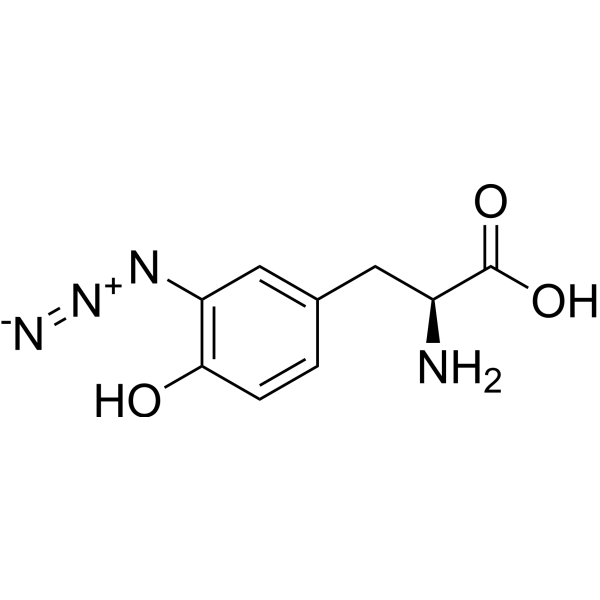
    H-L-Tyr(3-N3)-OH is a non-canonical amino acid and click chemistry reagent. H-L-Tyr(3-N3)-OH contains a reactive azide group (N₃) used for bioconjugation and protein modification .
    H-L-Tyr(3-N3)-OH
  • HY-DY1063

    Fluorescent Dye Others
    Cy5-SE (Cy5 NHS Ester) (solution) is a reactive dye for the labeling of amino-groups in peptides, proteins, and oligonucleotides. This dye requires small amount of organic co-solvent (such as DMF or DMSO) to be used in labeling reaction. This reagent is ideal for very cost-efficient labeling of soluble proteins, as well as all kinds of peptides and oligonucleotides. This reagent also works well in organic solvents for small molecule labeling. Excitation (nm) :649, Emission (nm) : 670.
    Solvent and concentration: DMSO: 10 mM
    CY5-SE (solution)
  • HY-135414B
    Cyanine5 NHS ester iodide
    1 Publications Verification

    Fluorescent Dye Others
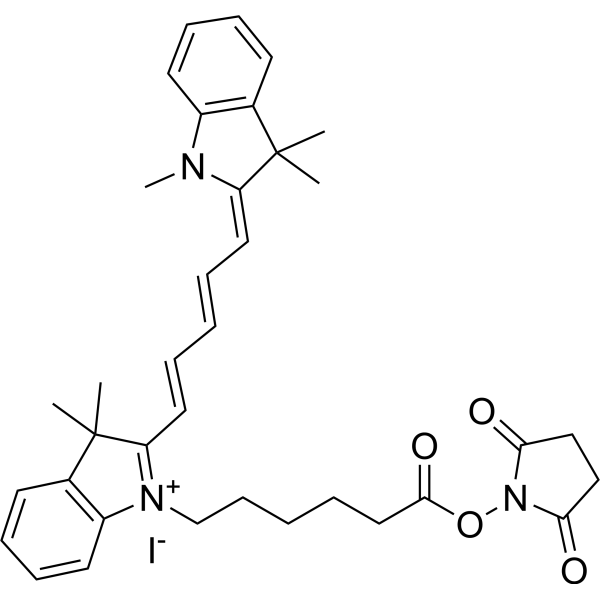
    Cyanine5 NHS ester iodide is a red emitting fluorescent dye for labeling of amino-groups in peptides, proteins, and oligonucleotides .
    Cyanine5 NHS ester iodide
  • HY-132975

    Bacterial Others
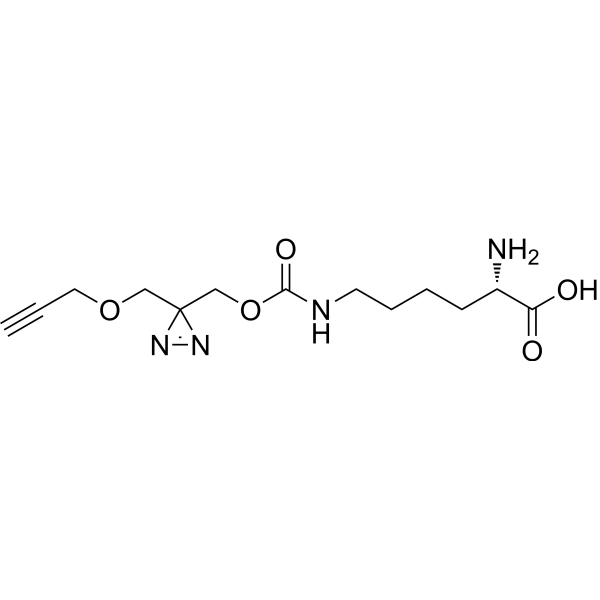
    PrDiAzK is a bifunctional amino acid. PrDiAzK can be site-selectively incorporated into proteins in both bacterial and mammalian cell culture. PrDiAzK can be used for proteome-wide incorporation via stochastic orthogonal recoding of translation (SORT) . PrDiAzK is a click chemistry reagent, it contains an Alkyne group and can undergo copper-catalyzed azide-alkyne cycloaddition (CuAAc) with molecules containing Azide groups.
    PrDiAzK
  • HY-164431

    Amino Acid Derivatives Others
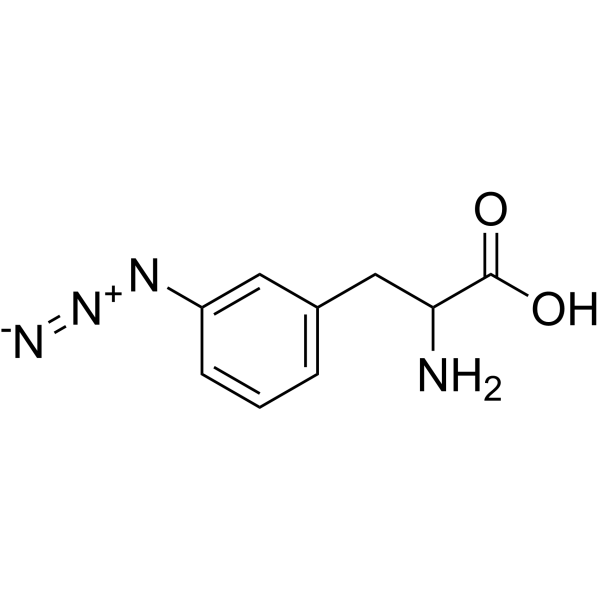
    4-(Azidomethyl)-L-phenylalanine is an unnatural amino acid with an azidomethyl group at position 4 of L-phenylalanine. 4-(Azidomethyl)-L-phenylalanine can be used as a reporter for probing protein hydration through addition of an azide group .
    4-(Azidomethyl)-L-phenylalanine
  • HY-E70453

    Prostate Transglutaminase; TG4; TGase 4

    Biochemical Assay Reagents Metabolic Disease
    Human prostate transglutaminase (TG4; TGase 4) is an enzyme that mediates the transfer of acyl groups from glutamine residues in proteins or peptides to primary amines and belongs to the prostate transglutaminase protein family. Human prostate transglutaminase forms an ε-(γ-glutamyl)lysine bond between proteins by transferring the acyl group of a peptide-bound glutamine residue to the primary amino group of a peptide-bound lysine residue .
    Human prostate transglutaminase
  • HY-23212A

    Amino Acid Derivatives Cancer
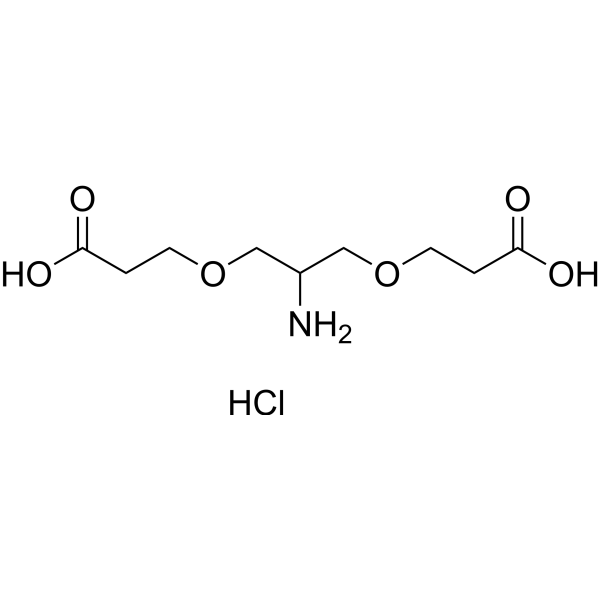
    2-Amino-1,3-bis(carboxylethoxy)propane hydrochloride is a non-protein amino acid, sulfamic acid.2-Amino-1,3-bis(carboxylethoxy)propane hydrochloride contains one amino group and two terminal carboxylic acids.2-Amino-1,3-bis(carboxylethoxy)propane hydrochloride has a variety of physiological functions, including maintaining the stability of cell membranes, regulating cholesterol metabolism, supporting the normal function of the nervous system, participating in collagen synthesis, and anti-oxidation .
    2-Amino-1,3-bis(carboxylethoxy)propane hydrochloride
  • HY-D2760

    Fluorescent Dye Others
    BP Fluor 488 acid is a powerful labeling dye. It will react with the amine group in antibody, proteins, peptides, amino-modified oligos, and other target molecules. The dye has an excitation peak at 499 nm and an emission peak at 520 nm. The conjugates are widely used in microscopy, flow cytometry, and other applications.
    BP Fluor 488 acid
  • HY-W011118

    Radionuclide-Drug Conjugates (RDCs) Cancer
    DTPA anhydride is a bifunctional chelator whose anhydride can react with amino groups in proteins (such as lysine residues) to form stable amide bonds. DTPA anhydride can also bind to radionuclides to synthesize radionuclide-labeled drug conjugates (RDCs). RDCs have the ability to specifically target biomolecules and can be used in medical imaging or therapy.
    DTPA anhydride
  • HY-D1596A

    Cy3.5 NHS ester bromide; Cy 3.5 bromide

    Fluorescent Dye Others
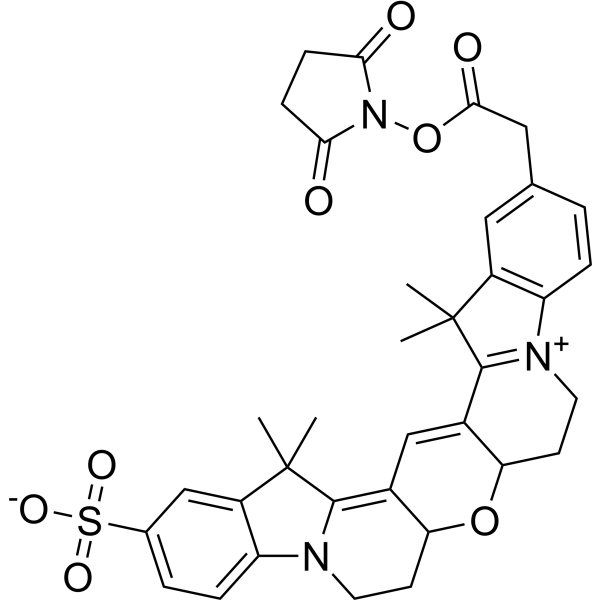
    Cyanine 3.5 bromide (Cy3.5 NHS ester bromide) is an analog of the Cy3.5 fluorophore. Cyanine 3.5 bromide is a red reactive fluorescent dye. Cyanine 3.5 bromide is used to label amino groups in peptides, proteins, and oligonucleotides. (λex=591 nm, λem=604 nm) .
    Cyanine 3.5 bromide
  • HY-174358D

    Biochemical Assay Reagents Others
    HOOC-PEG10000-COOH has two active carboxyl groups at both ends, which can selectively react with the amino groups in peptide coupling agents. HOOC-PEG10000-COOH is a good cross-linking agent for PEGylation of proteins and peptides, nanoparticles and surface modification .
    HOOC-PEG10000-COOH
  • HY-400345

    Biochemical Assay Reagents Others
    t-butyl-C18-D-Glu-OtBu is comprised of an octadecanedioic acid with a terminal t-butyl ester and a glutamic acid, which is also protected by a terminal t-butyl ester. The t-butyl groups can be deprotected under acidic conditions. Glutamic acid is an α-amino acid that is used in the biosynthesis of proteins.
    tBu-C18 diacid-D-Glu-OtBu
  • HY-D1596

    Cy3.5 NHS ester chloride; Cy 3.5 chloride

    Fluorescent Dye Others
    Cyanine 3.5 (Cy3.5 NHS ester) chloride is an analog of Cy3.5 fluorophore. Cyanine 3.5 chloride is a reactive, red fluorescent dye. Cyanine 3.5 chloride is used for labeling of amino-groups in peptides, proteins, and oligonucleotides. (λex=591 nm, λem=604 nm) .
    Cyanine 3.5 chloride
  • HY-151640

    ADC Linkers Others
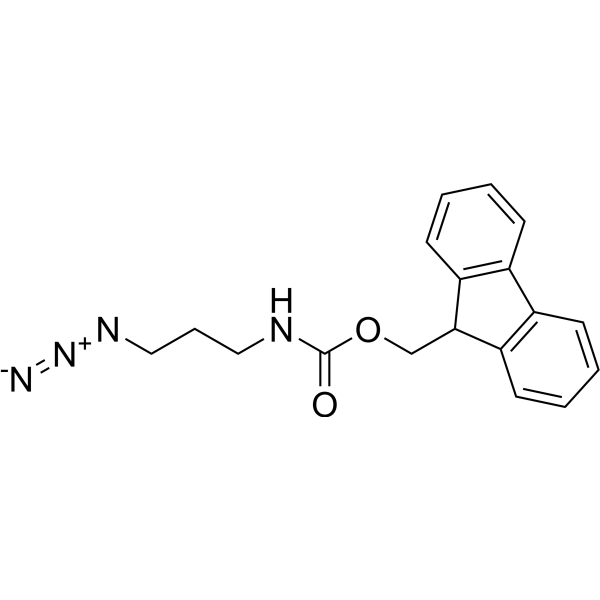
    Fmoc-DAP-N3 is a click chemistry reagent containing an azide group. Fmoc-DAP-N3 is a short, linear spacer molecule with Fmoc protected amino function. Fmoc-DAP-N3 can be used in click conjugation and amid bond formation either with small molecules or for bioconjugation with proteins and antibodies . It contains an azide group and can undergo copper-catalyzed azide-alkyne cycloaddition (CuAAc) with molecules containing alkyne groups. It can also undergo ring strain-promoted alkyne-azide cycloaddition (SPAAC) with molecules containing DBCO or BCN groups.
    Fmoc-DAP-N3
  • HY-D2495

    Fluorescent Dye Others
    Cy7 SE (nosulfo) is a fluorescent dye for the labeling of amino-groups in peptides, proteins, and oligonucleotides.
    Cy7 SE (nosulfo)
  • HY-E70413

    Endogenous Metabolite Cardiovascular Disease Metabolic Disease
    Amino acid arylamidase, hog kidney is a metalloprotease that can hydrolyze proteins or peptides containing free α-amino or α-imino groups, playing a crucial role in amino acid metabolism and protein digestion. Its hydrolytic activity can be blocked by acetylation of the N-terminus. Amino acid arylamidase, hog kidney can be used in research on hepatic diseases, biliary diseases, and heart failure .
    Amino acid arylamidase, hog kidney
  • HY-164076

    Biochemical Assay Reagents Others
    mPEG-Epoxide is an activated polyethylene glycol (mPEG) derivative, which is achieved by converting the hydroxyl groups of mPEG into reactive epoxy groups. mPEG-Epoxide is a mild PEGylation reagent that reacts with amino groups in peptides and proteins to form stable secondary amine bonds. mPEG-Epoxide can be used in protein engineering and biomaterials research .
    mPEG-Epoxide

Inquiry Online

Your information is safe with us. * Required Fields.

Salutation


Country or Region *

Applicant Name *


Organization Name *

Department *


Email Address *


Product Name *

Cat. No.


Requested quantity *

Phone Number *


Remarks

Inquiry Online

Inquiry Information

Product Name:
Cat. No.:
Quantity:
MCE Japan Authorized Agent: