1. Search Result
Search Result
Pathways Recommended: Stem Cell/Wnt Cell Cycle/DNA Damage
Results for "

suppress cell proliferation invasion and migration

" in MedChemExpress (MCE) Product Catalog:

33

Inhibitors & Agonists

1

Inhibitory Antibodies

13

Natural
Products

Cat. No. Product Name Target Research Areas Chemical Structure
  • HY-142870

    Pyruvate Carboxylase (PC) Apoptosis β-catenin ERK Wnt Cancer
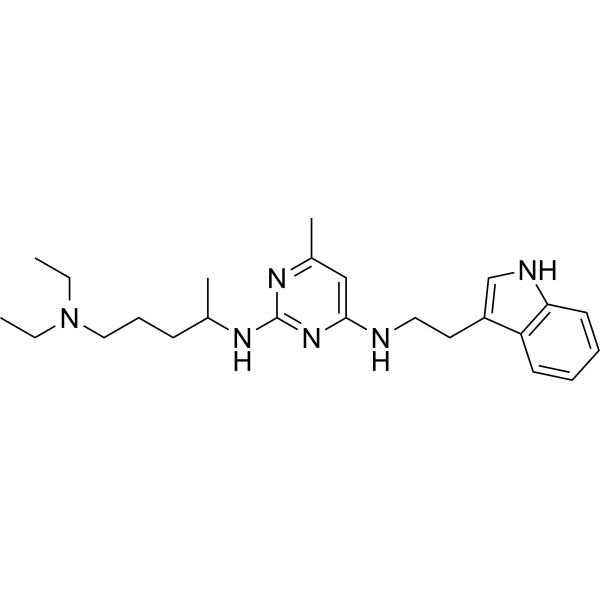
    ZY-444 is an anti-cancer agent, targeting pyruvate carboxylase (PC). ZY-444 suppresses the Wnt/β-catenin/Snail signaling pathway by blocking nuclear translocation of β-catenin. ZY-444 selectively inhibits proliferation, migration, and invasion and induces apoptosis in cancer cells. ZY-444 exhibits potent anti-tumor in cancer mouse models. ZY-444 can be used for the study of breast cancer, lung cancer (NSCLC), prostate cancer and iodine-refractory thyroid cancer .
    ZY-444
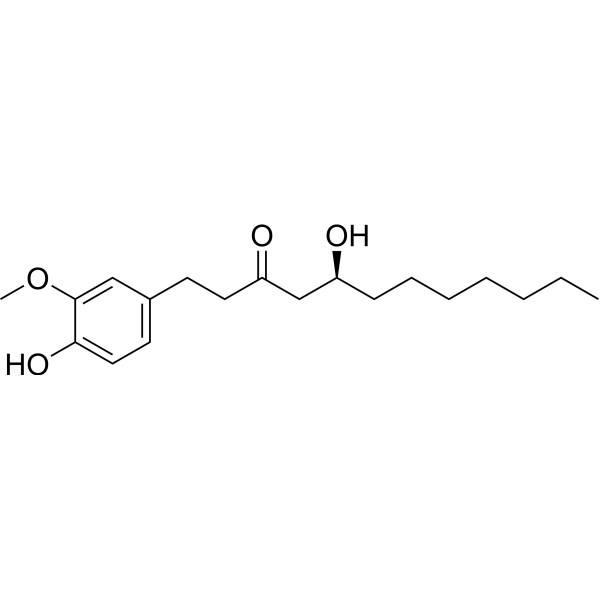
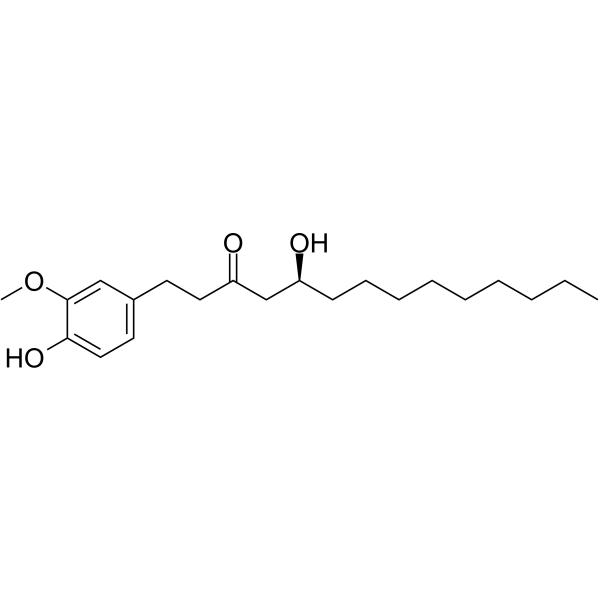
  • HY-N0448
    10-Gingerol
    4 Publications Verification

    AMPK Reactive Oxygen Species (ROS) Akt PI3K Interleukin Related TNF Receptor Apoptosis Neurological Disease Inflammation/Immunology Cancer
    10-Gingerol is an AMPK agonist, which is found in the ginger oleoresin from fresh rhizome with anti-inflammatory, antioxidant and anti-proliferative activities. 10-Gingerol suppresses neointimal hyperplasia and inhibits vascular smooth muscle cell proliferation. 10-Gingerol exhibits substantial scavenging activities with an IC50 value of 10.47 μM against DPPH radical, an IC50 value of 1.68 μM against superoxide radical and an IC50 value of 1.35 μM against hydroxyl radical. 10-Gingerol inhibits the proliferation of MDA-MB-231 tumor cell line with an IC50 of 12.1 μM. 10-Gingerol suppresses the proliferation, migration, invasion, and induced apoptosis through targeting the PI3K/Akt signaling pathway in MDA-MB-231/IR cells. 10-Gingerol can be used in research on various common cancers such as ovarian cancer and colon cancer, as well as colitis and neurodegenerative diseases .
    10-Gingerol
  • HY-N0447
    8-Gingerol
    5 Publications Verification

    TRP Channel Bacterial Apoptosis Autophagy STAT PERK EGFR PI3K Akt mTOR Caspase MMP Infection Cardiovascular Disease Inflammation/Immunology Cancer
    8-Gingerol can be found in the rhizome of ginger (Z. officinale) and has oral bioactivity. It activates TRPV1, with an EC50 value of 5.0 µM. 8-Gingerol inhibits COX-2 and also suppresses the growth of H. pylori in vitro. Additionally, 8-Gingerol exhibits anticancer, antioxidant, and anti-inflammatory properties by inhibiting the epidermal growth factor receptor (EGFR) and modulating its downstream STAT3/ERK pathway to suppress the proliferation, migration, and invasion of colorectal cancer cells. 8-Gingerol also exerts immunosuppressive effects by inhibiting oxidative stress, inducing cell cycle arrest, promoting apoptosis, and regulating autophagy. Furthermore, 8-Gingerol has cardioprotective effects. 8-Gingerol is promising for research in the fields of cancer, infection, immunosuppression, and cardiovascular diseases.
    8-Gingerol
  • HY-13661
    7-Hydroxystaurosporine
    1 Publications Verification

    UCN-01; KRX-0601

    PKC CDK Apoptosis Cadherin Neurological Disease Cancer
    7-Hydroxystaurosporine (UCN-01), a derivative of Staurosporine (HY-15141), is a selective protein kinase C (PKC) inhibitor with antitumor activity. 7-hydroxystaurosporine induces apoptosis and inhibits cell proliferation in colon carcinoma and leukemia cells, suppresses invasion and migration in glioblastoma cells. 7-Hydroxystaurosporine exhibits efficacy in breast cancer xenograft mouse models. 7-Hydroxystaurosporine can be used for colon carcinoma, breast cancer, glioblastoma and leukemia research .
    7-Hydroxystaurosporine
  • HY-N1255

    (-)-Scoulerine; Discretamine

    Bcl-2 Family Apoptosis mTOR GABA Receptor PI3K Adrenergic Receptor Beta-secretase Akt Cancer
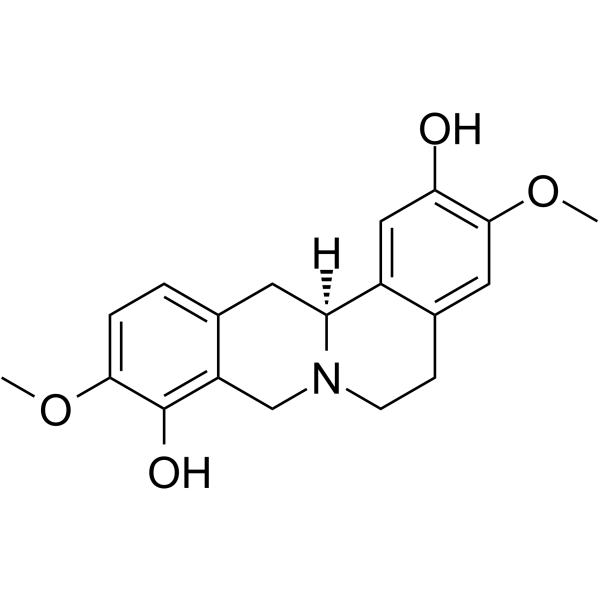
    Scoulerine ((-)-Scoulerine; Discretamine) hydrochloride is a multi-target inhibitor with anti-tumor and antioxidant activities. Scoulerine mainly targets the PI3K/Akt/mTOR signaling axis and α1D-adrenergic receptor, disrupts microtubule structure, and induces cell cycle arrest and apoptosis. Scoulerine effectively inhibits mitochondrial dehydrogenase activity, targets GABA receptors and BACE1, and suppresses the proliferation, migration, invasion, epithelial-mesenchymal transition and stem cell properties of cancer cells. Scoulerine also exhibits multiple pharmacological activities including anti-Plasmodium falciparum, antibacterial, antiemetic and antitussive effects, and regulates endoplasmic reticulum stress and mitochondrial function (modulates Bax, Bcl-2 and cytochrome c). Scoulerine is applicable to research related to leukemia, ovarian cancer, and colorectal cancer .
    Scoulerine
  • HY-N0616

    Tyrosinase TNF Receptor Bacterial Apoptosis Autophagy AMPK mTOR ERK NF-κB Infection Metabolic Disease Inflammation/Immunology Cancer
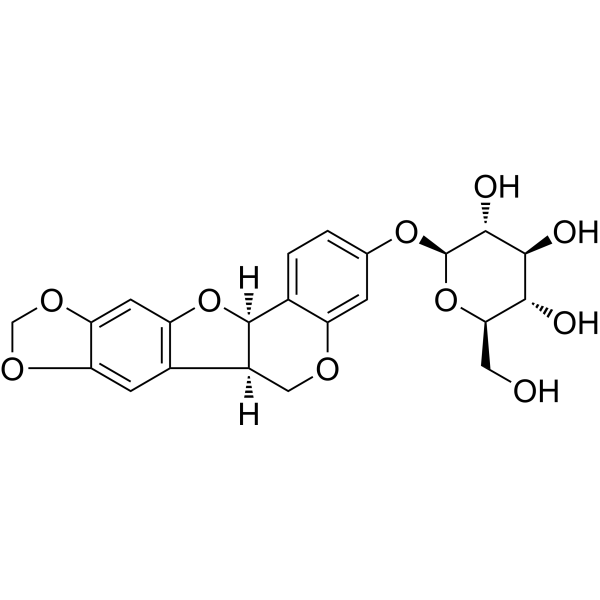
    Trifolirhizin is a pterocarpan flavonoid found in the roots of Sophora flavescens. Trifolirhizin is a tyrosinase inhibitor with an IC50 value of 506.77 μM. Trifolirhizin reduces intracellular melanin production and modulates multiple signaling pathways including NFκB-MAPK, AMPK/mTOR, PI3K/Akt, MAPK-NFATc1 and EGFR-MAPK. Trifolirhizin targets biological molecules including PTK6 and COX-2, inhibits the activities of hyaluronidase, collagenase and elastase, induces apoptosis, autophagy and cell cycle arrest, and suppresses the proliferation, migration and invasion of cancer cells. Trifolirhizin exerts diverse pharmacological effects including anti-inflammatory, anti-asthmatic, bone-protective, renoprotective, antibacterial, antifungal, hepatoprotective, antiplatelet, estrogenic and wound-healing activities. Trifolirhizin can be used to investigate a broad range of malignant, inflammatory, metabolic and infectious disorders .
    Trifolirhizin
  • HY-N1983
    Caudatin
    1 Publications Verification

    Apoptosis Autophagy Reactive Oxygen Species (ROS) Mitochondrial Metabolism PARP Caspase Bcl-2 Family VEGFR FAK WDR5 p38 MAPK JNK PPAR Neurological Disease Inflammation/Immunology Cancer
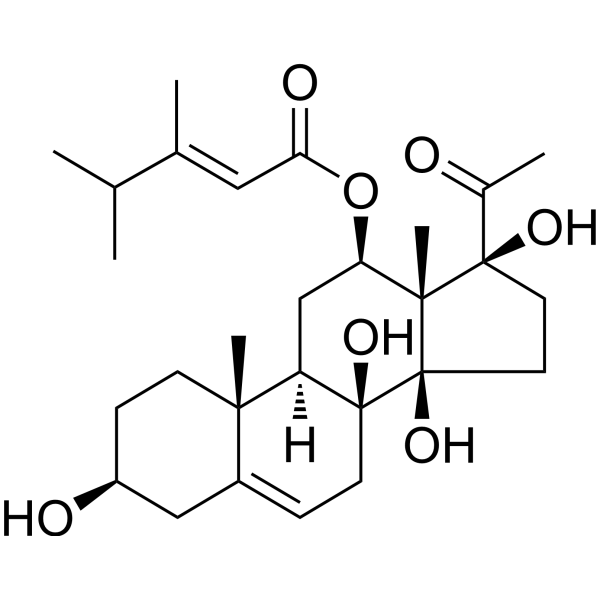
    Caudatin is an orally active and brain-penetrant C-21 steroidal found in Cynanchum bungei decne with a variety of biological activities. Caudatin can inhibit cell proliferation, migration, invasion, cause cell phase arrest, induce apoptosis, autophagy, ROS prodution and loss of mitochondrial membrane potential. Caudatin activates PARP, caspase-3, -7, -9, upregulates pro-apoptotic Bad and Bax and downregulates anti-apoptotic Bcl-2 and Bcl-XL. Caudatin suppresses VEGF, FAK phosphorylation, upregulates p21, p27, DR5 protein expression, activates the p38 MAPK, JNK and PPARα/TFEB-mediated autophagy-lysosomal signaling pathways. Caudatin can be used for the research of cancer, inflammation and neurological disease, such as glioma and Alzheimer's disease .
    Caudatin
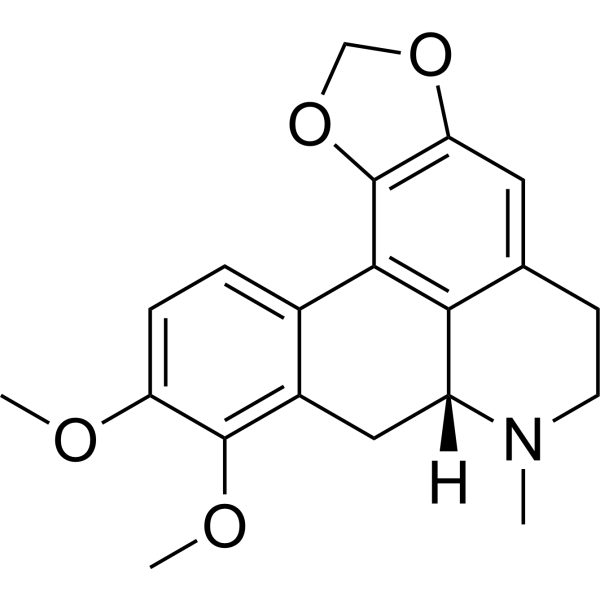
  • HY-N2255
    Crebanine
    4 Publications Verification

    Akt Apoptosis NF-κB Reactive Oxygen Species (ROS) p38 MAPK ERK Interleukin Related TNF Receptor NO Synthase nAChR Bacterial Cancer
    Crebanine is an isoquinoline-like alkaloid that can be derived from Stephania. Crebanine is an antagonist of the α7-nAChR with an IC50 of 19.1 μM. Crebanine suppresses the proliferation, migration, and invasion of cancer cells, triggers reactive oxygen species (ROS) burst, and promotes apoptosis. Crebanine inhibits the AKT/FoxO3a, NF-κB and MAPK signaling pathways. Crebanine attenuates NOX2 hyperactivation, exhibits antioxidant properties by reducing reactive oxygen species and peroxidation in microglia cells. Crebanine inhibits voltage-dependent Na + current in guinea-pig ventricular myocytes. Crebanine has high inhibitory activity against gram-positive animal pathogenic bacteria. Crebanine ameliorates ischemia-reperfusion brain damage in middle cerebral artery occlusion and reperfusion (MCAO/R) rats. Crebanine significantly improves Scopolamine (HY-N0296)-induced cognitive deficits in ICR mice. Crebanine can be used for the study of hepatocellular carcinoma (HCC), cerebral ischemia and Alzheimer's disease .
    Crebanine
  • HY-N1510

    Glycosidase Notch Toll-like Receptor (TLR) NF-κB Mucin Reactive Oxygen Species (ROS) Bacterial TGF-beta/Smad Anaplastic lymphoma kinase (ALK) Infection Inflammation/Immunology Cancer
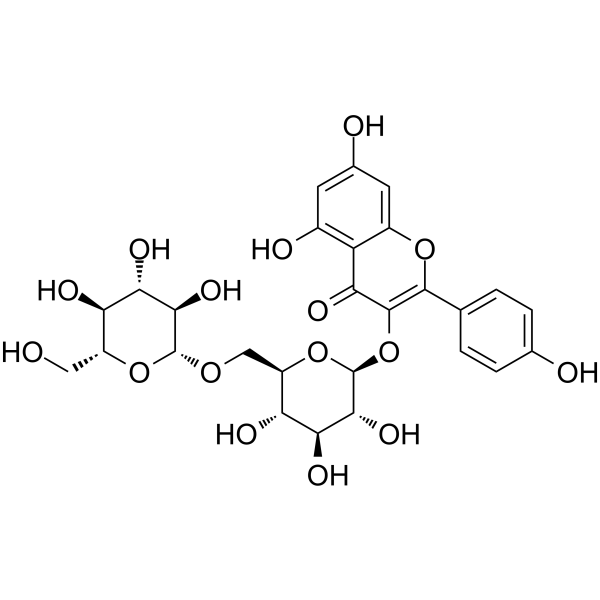
    Kaempferol 3-O-gentiobioside is an orally active flavonoid, with a Ka value of 57 µM against human NOTCH1 and an IC50 value of 50 μM against α-glucosidase. Kaempferol 3-O-gentiobioside inhibits the NOTCH signaling pathway. It downregulates the expression of TLR4 and NLRP3, and suppresses the activation and nuclear translocation of NF-κB. Kaempferol 3-O-gentiobioside inhibits the expression of MUC5AC, reduces nitrite and ROS levels, and attenuates excessive mucus secretion. It exhibits antibacterial activity, reducing the formation and growth of MRSA biofilms. Kaempferol 3-O-gentiobioside blocks the TGF-β/ALK5/Smad signaling pathway and inhibits epithelial-mesenchymal transition. It suppresses the proliferation, migration, invasion and metastatic growth of tumor cells. Kaempferol 3-O-gentiobioside alleviates airway inflammation and mucus hypersecretion in mice with allergic asthma . It reduces the volume of ovarian cancer xenografts in mice. Kaempferol 3-O-gentiobioside can be used in research related to allergic asthma, diabetes, MRSA infection, breast cancer, gastric cancer and ovarian cancer .
    Kaempferol 3-O-gentiobioside
  • HY-120213

    FAK Src PI3K MMP Apoptosis Cancer
    YH-306 is an antitumor agent. YH-306 suppresses colorectal tumour growth and metastasis via FAK pathway. YH-306 significantly inhibits the migration and invasion of colorectal cancer cells. YH-306 potently suppresses uninhibited proliferation and induces cell apoptosis. YH-306 suppresses the activation of FAK, c-Src, paxillin, and PI3K, Rac1 and the expression of MMP2 and MMP9. YH-306 also inhibita actin-related protein (Arp2/3) complex-mediated actin polymerization .
    YH-306
  • HY-116269

    Ras Apoptosis PAK ERK Cancer
    AZA197 is a selective small molecule inhibitor of Cdc42.AZA197 suppresses colon cancer cell proliferation, cell migration, invasion and increases apoptosis by down-regulating the PAK1 and ERK signaling pathways in vitro. AZA197 reduces tumor growth and significantly increases mouse survival in SW620 tumor xenografts. AZA197 can be used for the study of colon cancer .
    AZA197
  • HY-175243

    Adenosine Deaminase Apoptosis Cancer
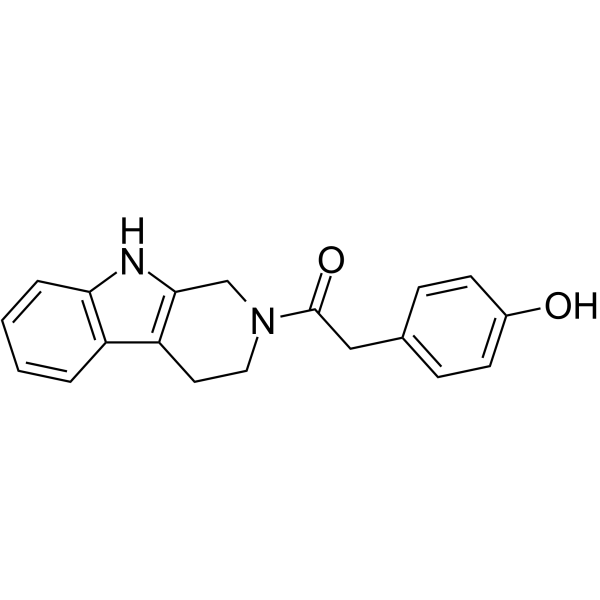
    ADAR1-IN-1 is a potent ADAR1 inhibitor. ADAR1-IN-1 significantly suppressed DU-145 cell proliferation (IC50 = 1.11 μM), clonogenicity, migration, and invasion, arrests cell cycle, and induces apoptosis. ADAR1-IN-1 safely and effectively inhibits tumor growth. ADAR1-IN-1 can be used for the study of prostate cancer (PCa) .
    ADAR1-IN-1
  • HY-178452

    PROTACs CDK Apoptosis Cancer
    PROTAC CDK4/6/9 degrader 1 is a CDK4/6/9 PROTAC degrader. PROTAC CDK4/6/9 degrader 1 degrades CDK4, CDK6, and CDK9 in TNBC cells and inhibits TNBC cell proliferation. PROTAC CDK4/6/9 degrader 1 induces G1 phase arrest, promotes apoptosis, and suppresses cell migration and invasion in TNBC cells. PROTAC CDK4/6/9 degrader 1 can be used for the study of triple-negative breast cancer (TNBC). (Pink: CDK4/6/9 ligand (HY-168440), Blue: CRBN Ligand (HY-14658), Black: Linker (HY-178512), E3 ligase ligand-linker conjugate (HY-178515)) .
    PROTAC CDK4/6/9 degrader 1
  • HY-N1983R

    Reference Standards Apoptosis Autophagy Reactive Oxygen Species (ROS) Mitochondrial Metabolism PARP Caspase Bcl-2 Family VEGFR FAK WDR5 p38 MAPK JNK PPAR Neurological Disease Inflammation/Immunology Cancer
    Caudatin (Standard) is the analytical standard of Caudatin (HY-N1983). This product is intended for research and analytical applications. Caudatin is an orally active and brain-penetrant C-21 steroidal found in Cynanchum bungei decne with a variety of biological activities. Caudatin can inhibit cell proliferation, migration, invasion, cause cell phase arrest, induce apoptosis, autophagy, ROS prodution and loss of mitochondrial membrane potential. Caudatin activates PARP, caspase-3, -7, -9, upregulates pro-apoptotic Bad and Bax and downregulates anti-apoptotic Bcl-2 and Bcl-XL. Caudatin suppresses VEGF, FAK phosphorylation, upregulates p21, p27, DR5 protein expression, activates the p38 MAPK, JNK and PPARα/TFEB-mediated autophagy-lysosomal signaling pathways. Caudatin can be used for the research of cancer, inflammation and neurological disease, such as glioma and Alzheimer's disease .
    Caudatin (Standard)
  • HY-178349

    P-glycoprotein Apoptosis Autophagy Cancer
    P-gp inhibitor 30 is a potent P-gp inhibitor that reverses multidrug resistance in breast cancer by sensitizing resistant cells to Doxorubicin (ADM) (HY-15142). P-gp inhibitor 30 promotes apoptosis, induces autophagy, and suppresses proliferation, migration, and invasion of drug-resistant breast cancer cells when combined with ADM. P-gp inhibitor 30 inhibits breast tumor growth both in vitro and in vivo. P-gp inhibitor 30 can be used for drug-resistant breast cancer research .
    P-gp inhibitor 30
  • HY-174908

    Histone Methyltransferase 11β-HSD Androgen Receptor Cancer
    SJL2-1 is a PRMT5 inhibitor, with an IC50 of 1.56 μM. SJL2-1 suppresses proliferation, migration, and invasion in prostate cancer cells. SJL2-1 promotes apoptosis and blocks the cell cycle at the G0/G1 phase. SJL2-1 can target the binding of PRMT5 in cells and inhibit the methylation and expression of the androgen receptor. SJL2-1 can be used for the study of early androgen-sensitive prostate cancer and advanced castration-resistant prostate cancer (CRPC) .
    SJL2-1
  • HY-N0448R

    Reference Standards Others Neurological Disease Inflammation/Immunology Cancer
    10-Gingerol (Standard) is the analytical standard of 10-Gingerol (HY-N0448). This product is intended for research and analytical applications. 10-Gingerol is an AMPK agonist, which is found in the ginger oleoresin from fresh rhizome with anti-inflammatory, antioxidant and anti-proliferative activities. 10-Gingerol suppresses neointimal hyperplasia and inhibits vascular smooth muscle cell proliferation. 10-Gingerol exhibits substantial scavenging activities with an IC50 value of 10.47 μM against DPPH radical, an IC50 value of 1.68 μM against superoxide radical and an IC50 value of 1.35 μM against hydroxyl radical. 10-Gingerol inhibits the proliferation of MDA-MB-231 tumor cell line with an IC50 of 12.1 μM. 10-Gingerol suppresses the proliferation, migration, invasion, and induced apoptosis through targeting the PI3K/Akt signaling pathway in MDA-MB-231/IR cells. 10-Gingerol is promising for research of ulcerative colitis .
    10-Gingerol (Standard)
  • HY-N14618

    Src Cancer
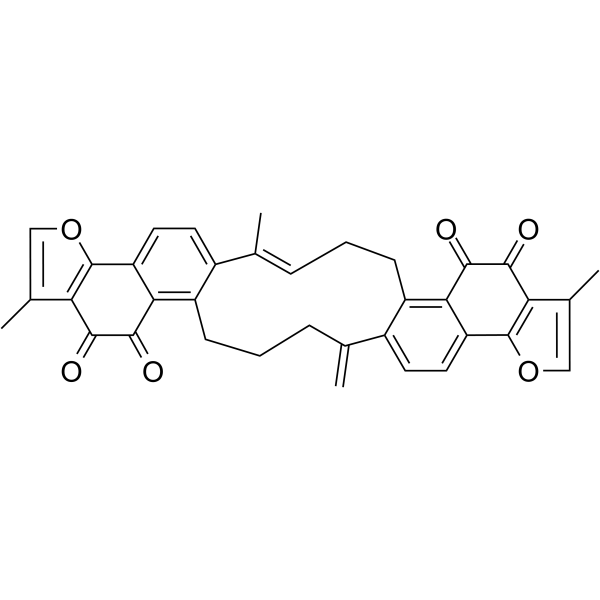
    Rhodomycin A can suppress lung cancer cell progression via modulating Src-related pathways.?Rhodomycin A significantly suppressed cancer cell proliferation, migration, invasion, and clonogenicity in vitro and tumour growth in vivo .
    Rhodomycin A
  • HY-164374

    PAK Cancer
    AK963/40708899 is a potent PAK1 inhibitor. AK963/40708899 suppresses the proliferation of human gastric cancer cells by downregulation of PAK1-NF-κB-cyclinB1 pathway. AK963/40708899 induces cell cycle arrest at G2 phase and reduces the migration and invasion. AK963/40708899 inhibits the formation of filopodia and promots cell adhesion which in turn inhibits invasive potential of gastric cells by negatively regulating PAK1-LIMKl-cofilin and PAK1-ERK-FAK pathways .
    AK963/40708899
  • HY-164551

    VEGFR STAT ERK Apoptosis Cancer
    YLL545 is a type of vascular endothelial growth factor receptor 2 (VEGFR2) inhibitor. YLL545 can inhibit VEGF-induced phosphorylation of VEGFR2 and the activation of downstream signaling factors (like phosphorylated STAT3 and phosphorylated ERK1/2) in human umbilical vein endothelial cells (HUVEC). YLL545 can suppress the proliferation, migration, invasion, and angiogenesis of HUVEC. YLL545 can induce apoptosis in breast cancer mice and inhibit tumor growth .
    YLL545
  • HY-178921

    Drug Derivative Apoptosis Cancer
    HJ-4 is a Piperine (HY-N0144) derivative. HJ-4 potently inhibits the proliferation of CRC cells by dose-dependently reducing colony formation and DNA synthesis. HJ-4 markedly suppresses the adhesion, migration, invasion and induces apoptosis of CRC cells. HJ-4 demonstrates anti-tumor efficacy in chicken embryo chorioallantoic membrane (CAM) model implanted with HCT116/SW480 tumor spheroids. HJ-4 can be used for the study of colorectal cancer (CRC) .
    HJ-4
  • HY-N8380

    Apoptosis Autophagy PI3K Necroptosis Cardiovascular Disease Inflammation/Immunology Cancer
    (-)-Latifolin, a flavonoid, induces apoptotic cell death by targeting PI3K/AKT/mTOR/p70S6K signaling. (-)-Latifolin significantly inhibits the cell proliferation of oral squamous cell carcinoma (OSCC), and causes the anti-metastatic activities by effectively blocking cell migration, invasion, and adhesion via the inactivation of FAK/Src. (-)-Latifolin suppresses autophagic-related proteins and autophagosome formation. (-)-Latifolin inhibits necroptosis by dephosphorylating necroptosis-regulatory proteins (RIP1, RIP3, and MLKL). (-)-Latifolin has beneficial effects on anti-aging, anti-carcinogenic, anti-inflammatory, and cardio-protective activities .
    (-)-Latifolin
  • HY-162103

    TAM Receptor Apoptosis Cancer
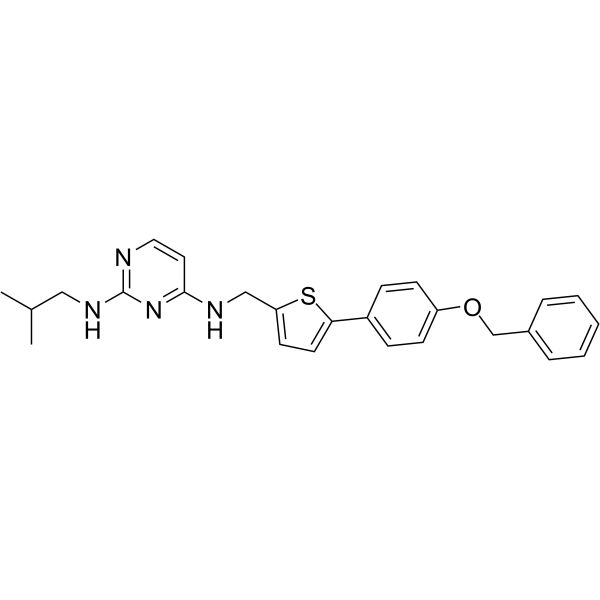
    Axl-IN-18 (compound 25c) is a potent and selective type II AXL inhibitor. Axl-IN-18 shows excellent AXL inhibitory activity (IC50=1.1 nM) and 343-fold selectivity over the highly homologous kinase MET in biochemical assays (IC50=377 nM). Axl-IN-18 significantly inhibits AXL-driven cell proliferation, dose-dependently suppresses 4T1 cell migration and invasion, and induces apoptosis. Axl-IN-18 shows noticeable antitumor efficacy in a BaF3/TEL-AXL xenograft model .
    Axl-IN-18
  • HY-181578

    NAMPT Apoptosis Cancer
    Nampt-IN-17 is an selective orally active NAMPT inhibitor with a human NAMPT IC50 of 17 nM and Ki of 25.9 nM. Nampt-IN-17 depletes intracellular NAD + and ATP, disrupts mitochondrial membrane potential, suppresses cell proliferation, self-renewal, invasion, and migration, induces cell-cycle arrest and apoptosis. Nampt-IN-17 exhibits selective activity against NAPRT-deficient gastric cancer cells. Nampt-IN-17 can be used for the research of NAPRT-deficient gastric cancer .
    Nampt-IN-17
  • HY-181150

    PI3K Cancer
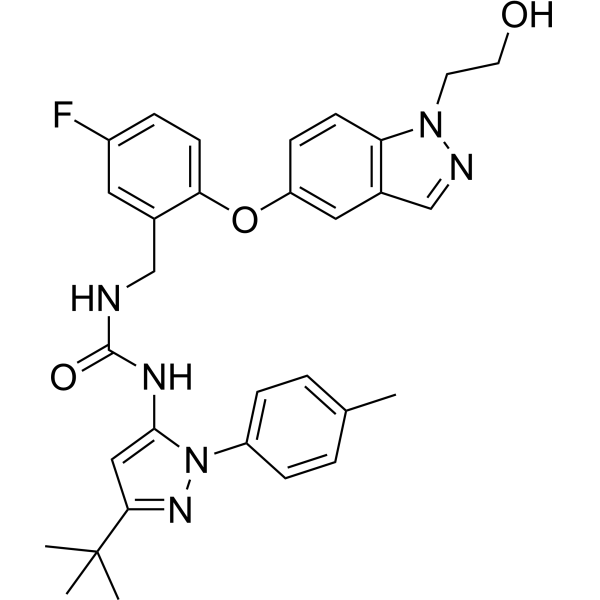
    Hit20 is a PI3Kα selective inhibitor, inhibits PI3Kα kinase activity, suppresses PI3Kα phosphorylation. Hit20 suppresses proliferation, colony formation, migration, and invasion of colon cancer cells. Hit20 can be used for the research of colon cancer .
    Hit20
  • HY-182358

    Apoptosis Cancer
    TMLZ-G46 is an orally active ZNF207 inhibitor with blood-brain barrier penetration ability, with a Kd value of 68 nM. TMLZ-G46 inhibits cancer cell proliferation, stemness, migration and invasion, induces G0/G1 cell cycle arrest and apoptosis, and suppresses colony formation. TMLZ-G46 can be used in glioma research .
    TMLZ-G46
  • HY-181723

    PARP Bcl-2 Family Apoptosis Cancer
    Anticancer agent 304 is an anticancer agent. Anticancer agent 304 binds to CDC45 with a Kd value of 83.0 μM. Anticancer agent 304 arrests the cell cycle of liver cancer cells at the G2/M phase, induces Apoptosis by upregulating C-PARP-1 and downregulating PARP-1 and BCL-2, and inhibits the migration, invasion and proliferation of liver cancer cells. Anticancer agent 304 suppresses tumor growth in animal models of hepatocellular carcinoma. Anticancer agent 304 is applicable to research related to liver cancer .
    Anticancer agent 304
  • HY-171824

    PROTACs c-Met/HGFR Apoptosis Cancer
    PROTAC c-Met Degrader-4 (compound D15) is a potent orally active PROTAC c-MET degrader. PROTAC c-Met Degrader-4 demonstrates excellent intracellular degradation potency with a DC50 < 0.5 nM. PROTAC c-Met Degrader-4 induces cell cycle arrest and apoptosis, inhibits cell invasion and migration, thereby suppressing cell proliferation. PROTAC c-Met Degrader-4 inhibits the growth of Hs746T xenograft tumors in nude mice. PROTAC c-Met Degrader-4 can be used for cancer research, such as non-small cell lung cancer and gastric cancer .
    PROTAC c-Met Degrader-4
  • HY-N15249

    Isovalerylspiramycin I; Shengjimycin E

    Topoisomerase DNA/RNA Synthesis Checkpoint Kinase (Chk) Apoptosis Bacterial Infection Cancer
    4"-Isovalerylspiramycin I (Isovalerylspiramycin I) is a topoisomerase 1 (TOP1) inhibitor and an antitumor agent. 4"-Isovalerylspiramycin I directly binds to TOP1, suppresses DNA replication, and induces DNA damage. 4"-Isovalerylspiramycin I downregulates phosphorylated CHEK1 and the ATR/CHEK1 DNA damage repair pathway, blocks DNA repair, and augments DNA damage. 4"-Isovalerylspiramycin I suppresses proliferation, migration, and invasion of osteosarcoma cells. 4"-Isovalerylspiramycin I induces apoptosis and cell cycle arrest in osteosarcoma cells. 4"-Isovalerylspiramycin I exerts antibacterial activity against methicillin-resistant Staphylococcus aureus. 4"-Isovalerylspiramycin I can be used for the research of osteosarcoma, upper respiratory bacterial infections, and methicillin-resistant Staphylococcus aureus infection .
    4
  • HY-182064

    EGFR NO Synthase COX NF-κB Interleukin Related Apoptosis Cancer
    EGFR-IN-206 is an orally active EGFR inhibitor. EGFR-IN-206 inhibits the phosphorylation of the key tumor growth protein EGFR, and suppresses the proliferation, migration and invasion of EGFR triple-mutant tumor cell lines. EGFR-IN-206 downregulates the expression of inflammation-related proteins iNOS, COX-2 and NF-κB (p65). EGFR-IN-206 promotes the secretion of NO. EGFR-IN-206 reduces the secretion of IL-6. EGFR-IN-206 induces apoptosis (apoptosis) of EGFR triple-mutant tumor cells. EGFR-IN-206 exerts antitumor activity in EGFR triple-mutant mice. EGFR-IN-206 is applicable to the research of non-small cell lung cancer .
    EGFR-IN-206
  • HY-N1255A

    (-)-Scoulerine hydrochloride; Discretamine hydrochloride

    Apoptosis PI3K Akt mTOR Adrenergic Receptor GABA Receptor Beta-secretase Bcl-2 Family Cancer
    Scoulerine ((-)-Scoulerine; Discretamine) hydrochloride is a multi-target inhibitor with anti-tumor and antioxidant activities. Scoulerine hydrochloride mainly targets the PI3K/Akt/mTOR signaling axis and α1D-adrenergic receptor, disrupts microtubule structure, and induces cell cycle arrest and apoptosis. Scoulerine hydrochloride effectively inhibits mitochondrial dehydrogenase activity, targets GABA receptors and BACE1, and suppresses the proliferation, migration, invasion, epithelial-mesenchymal transition and stem cell properties of cancer cells. Scoulerine hydrochloride also exhibits multiple pharmacological activities including anti-Plasmodium falciparum, antibacterial, antiemetic and antitussive effects, and regulates endoplasmic reticulum stress and mitochondrial function (modulates Bax, Bcl-2 and cytochrome c). Scoulerine hydrochloride is applicable to research related to leukemia, ovarian cancer, and colorectal cancer .
    Scoulerine hydrochloride
  • HY-P992200

    Transmembrane Glycoprotein PI3K Akt p38 MAPK NF-κB MMP Apoptosis Caspase Bcl-2 Family Cardiovascular Disease Cancer
    Anti-CD146 Antibody (AA98) is an antibody targeting CD146 and an angiogenesis inhibitor. Anti-CD146 Antibody (AA98) blocks the dimerization of CD146 as well as its downstream PI3K/AKT, p38 MAPK and NF-κB signaling pathways; it inhibits the expression of MMP9 and ICAM1, epithelial-mesenchymal transition (EMT), and the proliferation, migration and tube formation of endothelial cells. Anti-CD146 Antibody (AA98) enhances radiation-induced cancer cell apoptosis and survival inhibition, reduces tumor microvessel density, and suppresses tumor growth, invasion and vasculogenic mimicry. Anti-CD146 Antibody (AA98) can be used in research related to cervical cancer, liver cancer, malignant phyllodes tumor of the breast, uveal melanoma, leiomyosarcoma, pancreatic cancer, other tumors and angiogenesis .
    Anti-CD146 Antibody (AA98)
  • HY-182361

    AMPK JAK Cadherin Cancer
    NUAK1-IN-3 is a potent and selective NUAK1 inhibitor with an IC50 of 0.49 nM. NUAK1-IN-3 also inhibits NUAK2 and JAK3 with IC50 values of 265 and 225 nM. NUAK1-IN-3 engages Glu139 of NUAK1, forms a salt bridge between its bicyclic ring nitrogen and Asp142, and uses a fluorine atom to enhance hydrophobic binding interactions. NUAK1-IN-3 attenuates MYPT1 phosphorylation, suppresses the NUAK1-MYPT1 signaling axis, and inhibits proliferation, migration, and invasion of triple-negative breast cancer cells. NUAK1-IN-3 reverses TGF-β1-induced epithelial-mesenchymal transition (EMT) marker alterations, downregulates Snail and N-cadherin, and upregulates E-cadherin in tumor tissues. NUAK1-IN-3 suppresses tumor growth in triple-negative breast cancer xenograft models. NUAK1-IN-3 can be used for the research of triple-negative breast cancer .
    NUAK1-IN-3

Inquiry Online

Your information is safe with us. * Required Fields.

Salutation


Country or Region *

Applicant Name *


Organization Name *

Department *


Email Address *


Product Name *

Cat. No.


Requested quantity *

Phone Number *


Remarks

Inquiry Online

Inquiry Information

Product Name:
Cat. No.:
Quantity:
MCE Japan Authorized Agent:

