Search Result
Results for "
α7 nicotinic acetylcholine receptor
" in MedChemExpress (MCE) Product Catalog:
7
Isotope-Labeled Compounds
| Cat. No. |
Product Name |
Target |
Research Areas |
Chemical Structure |
-
- HY-15310
-
Ivermectin
Maximum Cited Publications
48 Publications Verification
MK-933; CD-5024; K-237
|
Environmental Pollutants
Antibiotic
Mitophagy
Bacterial
Parasite
Autophagy
Flavivirus
HSV
HIV
SARS-CoV
Dengue Virus
|
Infection
Cancer
|
|
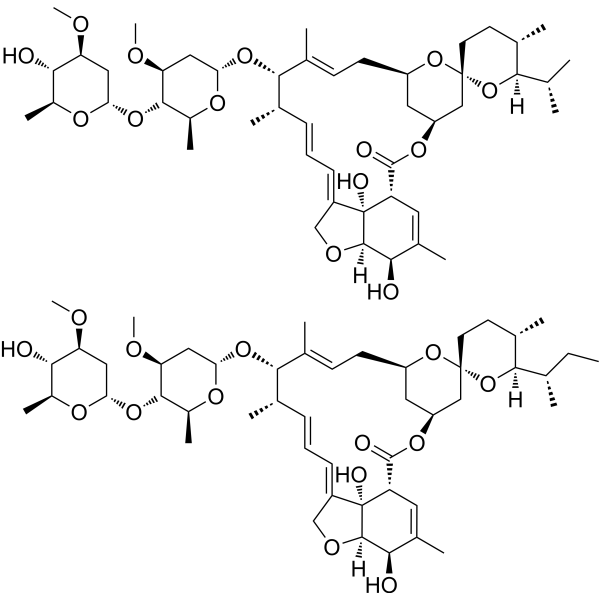
Ivermectin (MK-933) is a broad-spectrum anti-parasite agent. Ivermectin (MK-933) is a specific inhibitor of Impα/β1-mediated nuclear import and has potent antiviral activity towards both HIV-1 and dengue virus. It is a positive allosteric effector of P2X4 and the α7 neuronal nicotinic acetylcholine receptor (nAChRs). Ivermectin also inhibits bovine herpesvirus1 (BoHV-1) replication and inhibits BoHV-1 DNA polymerase nuclear import . Ivermectin is a candidate therapeutic against SARS-CoV-2/COVID-19 .
|
-
-
- HY-100806
-
-
-
- HY-P1264
-
|
|
nAChR
|
Neurological Disease
|
|
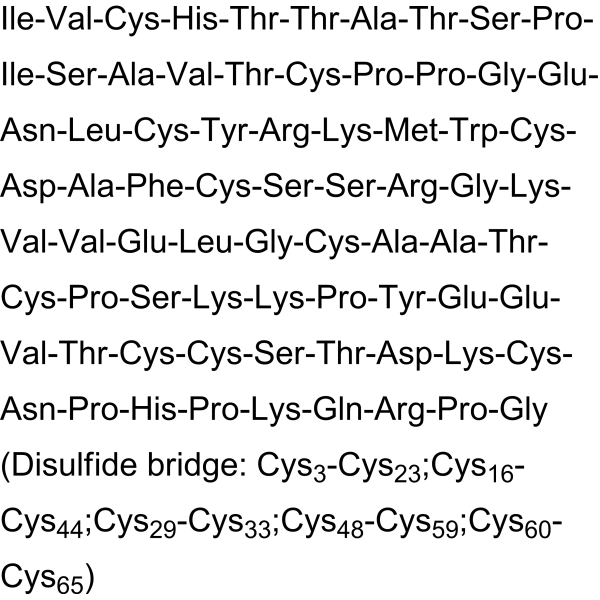
α-Bungarotoxin is a competitive antagonist at nicotinic acetylcholine receptors (nAChRs). α-Bungarotoxin, a selective α7 receptor blocker, blocks α7 currents with an IC50 of 1.6 nM and has no effects on α3β4 currents at concentrations up to 3 μM .
|
-
-
- HY-12560A
-
|
|
nAChR
5-HT Receptor
|
Neurological Disease
|
|
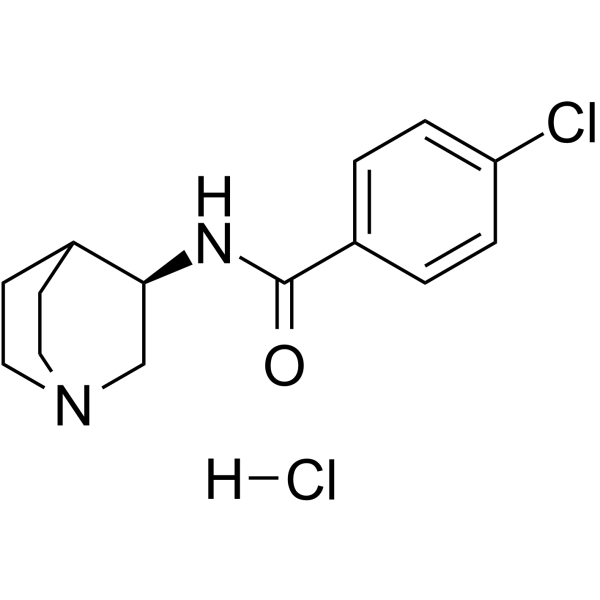
PNU-282987 is a potent α7 nicotinic acetylcholine receptor (nAChR) agonist with an EC50 of 154 nM. PNU-282987 is also a functional antagonist of the 5-HT3 receptor with an IC50 of 4541 nM. PNU-282987 can be used for the research of central and peripheral nervous systems .
|
-
-
- HY-10019
-
|
CP 526555
|
nAChR
|
Neurological Disease
Inflammation/Immunology
Cancer
|
|
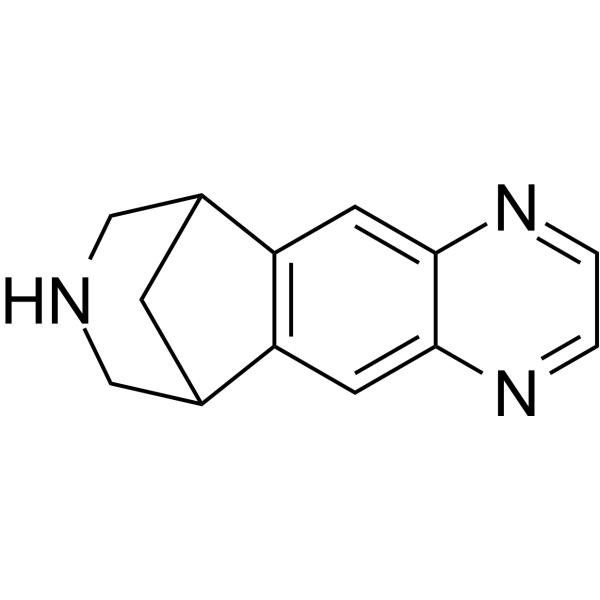
Varenicline (CP 526555) is an orally active partial agonist of α4β2 nicotinic acetylcholine receptor (α4β2 nAChR, IC50 = 250 nM), which is the principal mediator of nicotine dependence. Varenicline is also a partial agonist of α6β2 nAChR and a full agonist of α7β2 nAChR. Varenicline blocks the direct agonist effects of nicotine on nAChR while stimulates nAChR in a more moderate way, being widely used as an aid of smoking cessation .
|
-
-
- HY-B0942
-
|
|
Environmental Pollutants
nAChR
Bacterial
Apoptosis
Caspase
|
Infection
Neurological Disease
Cancer
|
|
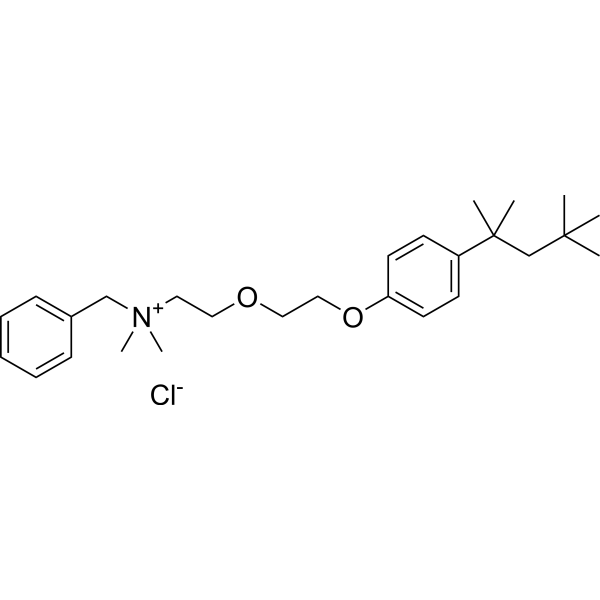
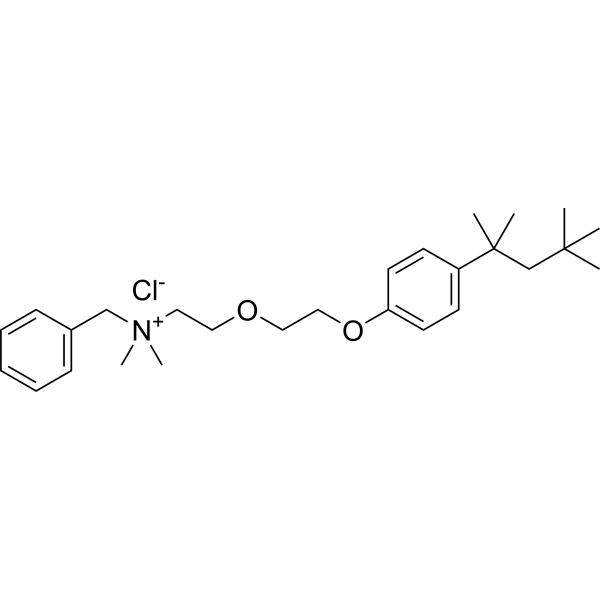
Benzethonium chloride inhibits nicotinic acetylcholine receptors in human recombinant α7 and α4β2 neurons in Xenopus laevis oocytes, which has antibacterial, anticancer, antisepsis and disinfection activity. Benzethonium chloride induced Apoptosis and activated caspases in cancer cell lines. Benzethonium chloride ablates the tumor-forming ability of FaDu cells, delays the growth of xenograft tumors in vivo .
|
-
-
- HY-100806S
-
-
-
- HY-14564A
-
|
DMXB-A; DMBX-anabaseine
|
nAChR
5-HT Receptor
|
Inflammation/Immunology
|
|
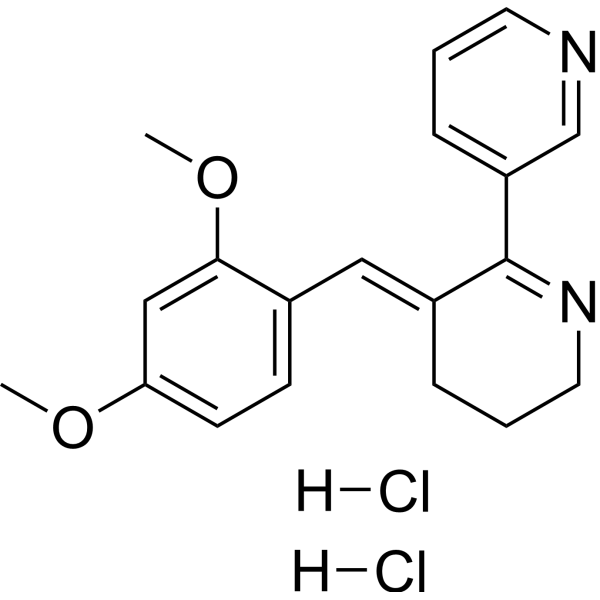
GTS-21 dihydrochloride is a selective alpha7 nicotinic acetylcholine receptor (α7-nAChR) agonist with anti inflammatory and cognition enhancing activities. GTS-21 dihydrochloride is also a α4β2 (Ki=20 nM for humanα4β2) and 5-HT3A receptor (IC50=3.1 μM) antagonist .
|
-
-
- HY-107512
-
-
-
- HY-W001160
-
|
|
Endogenous Metabolite
Calcium Channel
nAChR
|
Neurological Disease
Endocrinology
Cancer
|
|
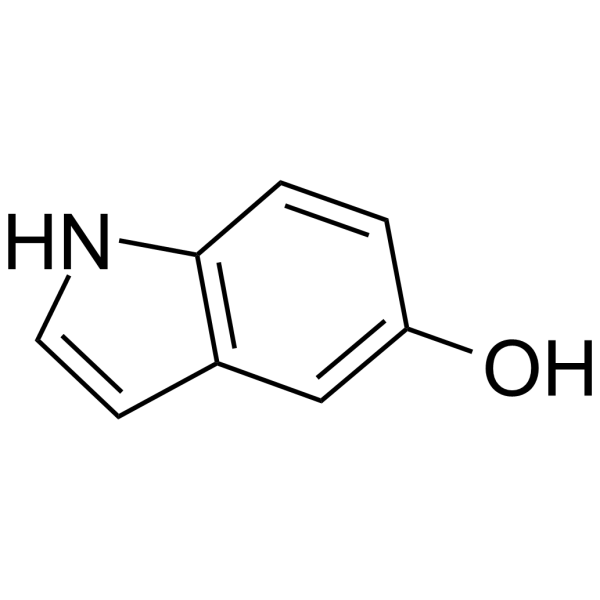
5-Hydroxyindole is an orally active hydroxylated indole and tryptophan metabolite. 5-Hydroxyindole activates α7 nicotinic acetylcholine receptors and acts on intestinal L-type calcium channels. 5-Hydroxyindole slows down the desensitization of 5-HT3 receptor-mediated ion currents in cells. 5-Hydroxyindole causes convulsions and loss of consciousness. 5-Hydroxyindole is used in the study of neuroblastoma, schizophrenia, and diseases related to intestinal motility disorders .
|
-
-
- HY-15430A
-
|
EVP-6124 hydrochloride
|
nAChR
|
Neurological Disease
|
|
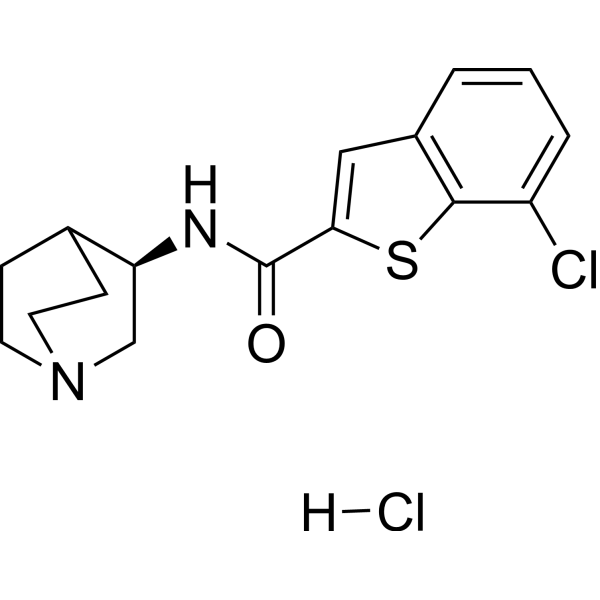
Encenicline hydrochloride (EVP-6124 hydrochloride) is a novel partial agonist of α7 neuronal nicotinic acetylcholine receptors (nAChRs).
|
-
-
- HY-100806R
-
-
-
- HY-P5623
-
RVG
1 Publications Verification
RVG29; RDP; Rabies Virus Glycoprotein-29
|
nAChR
Interleukin Related
|
Neurological Disease
Inflammation/Immunology
|
|
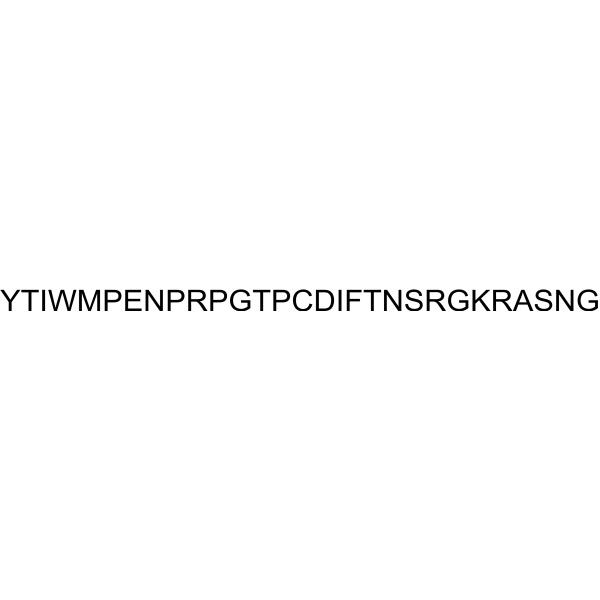
RVG (RVG29) is a blood-brain barrier-permeable peptide derived from rabies virus glycoprotein, which binds to the α-7 subunit of neuronal nicotinic acetylcholine receptor (AchR). RVG efficiently delivers drugs to nerve cells and antigen-presenting cells in a targeted manner, and enhances the efficiency of antigen presentation and drug delivery .
|
-
-
- HY-19490
-
|
AQW-051
|
nAChR
|
Neurological Disease
|
|
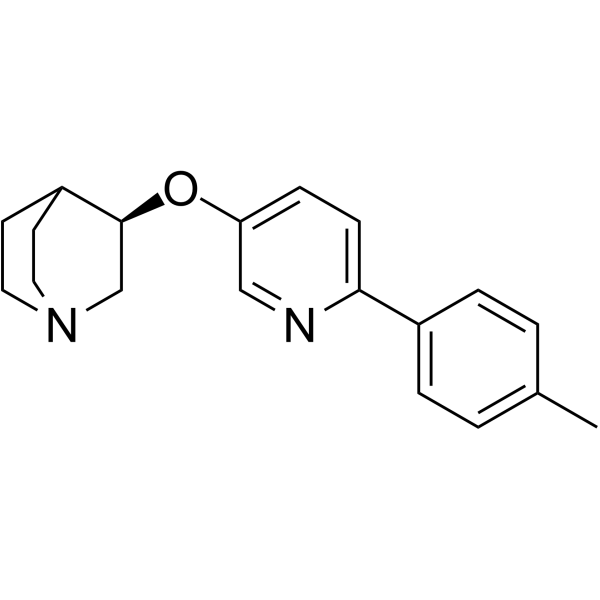
VQW-765 (AQW-051) is a selective and orally active alpha-7 nicotinic acetylcholine receptor (α7-nAChR) agonist with a pKD value of 7.56 to recombinantly expressed human α7-nAChR. VQW-765 shows anxiolytic-like effect in vivo. VQW-765 can be used for the research of anxiety disorder and acute performance anxiety .
|
-
-
- HY-101955
-
|
(2S,6S)-HNK hydrochloride
|
mTOR
nAChR
|
Neurological Disease
|
|
(2S,6S)-Hydroxynorketamine hydrochloride is a neurorelaxant with potential antidepressant and analgesic effects. (2S,6S)-Hydroxynorketamine hydrochloride can activate the mTOR pathway, increase the phosphorylation level of downstream targets, and antagonize α7-nicotinic acetylcholine receptor (nAChR) to exert neuroactive properties .
|
-

-
- HY-114269
-
|
|
nAChR
|
Neurological Disease
Inflammation/Immunology
|
|
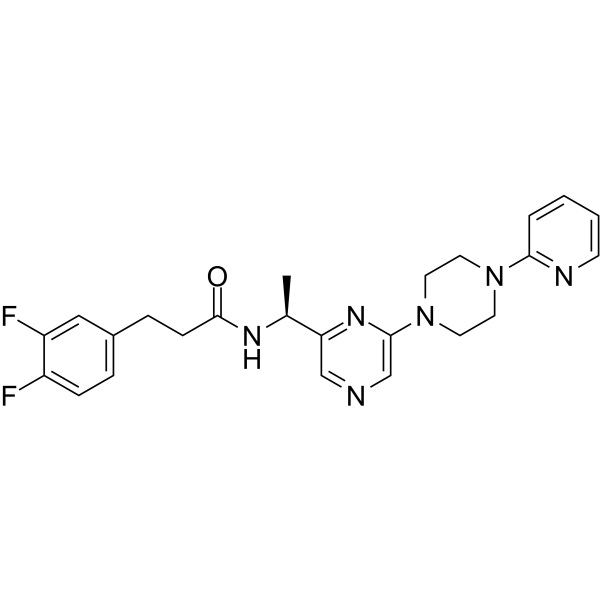
(-)-(S)-B-973B is an allosteric activator of α7 nicotinic acetylcholine receptor (α7 nAChR). (-)-(S)-B-973B alleviates pain behaviors. (-)-(S)-B-973B can be used for the research of inflammatory pain .
|
-
-
- HY-106901A
-
|
HI-6
|
Cholinesterase (ChE)
nAChR
|
Neurological Disease
|
|
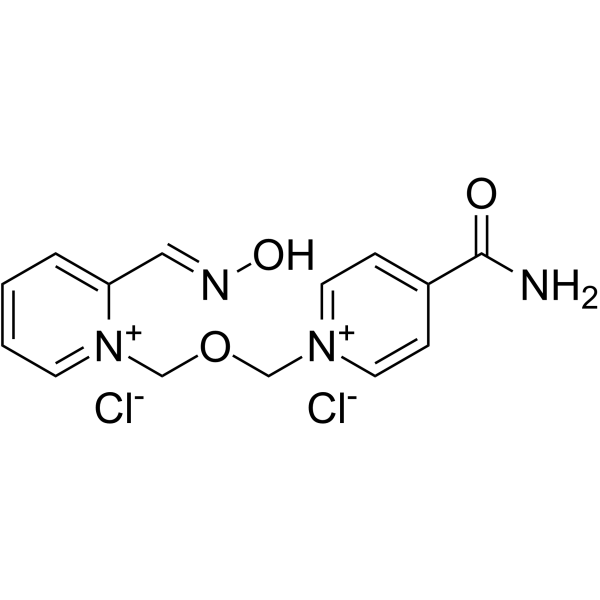
Asoxime dichloride (HI-6) is an orally active thiosemicarbazone-based antidote. Asoxime dichloride is a reversible inhibitor of AChE, and its core mechanism of action is to re-activate AChE inhibited by nerve toxins, thereby restoring the cholinergic nerve function. Asoxime dichloride significantly restores the function of poisoned muscles without reactivating AChE. Asoxime dichloride is an antagonist of acetylcholine receptors (AChRs), including nicotinic receptor and α7 nAChR. Asoxime dichloride can serve as an effective immunomodulator, improving the immune effect of the nervous system .
|
-
-
- HY-107682
-
-
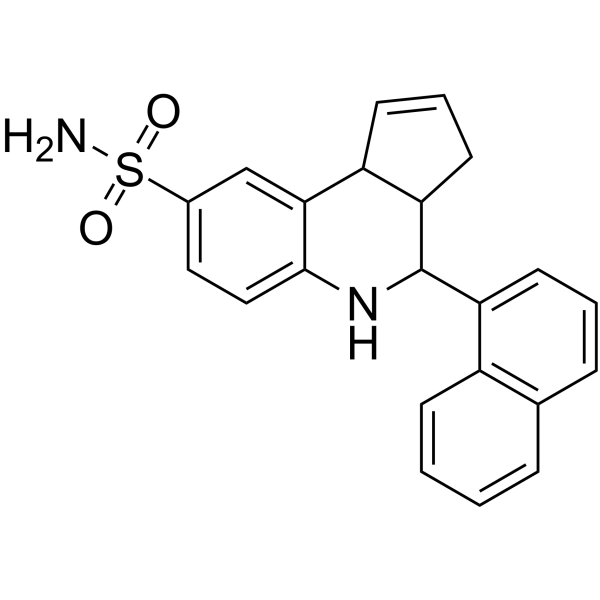
-
- HY-110160
-
|
ABT-089 dihydrochloride
|
nAChR
|
Neurological Disease
|
|
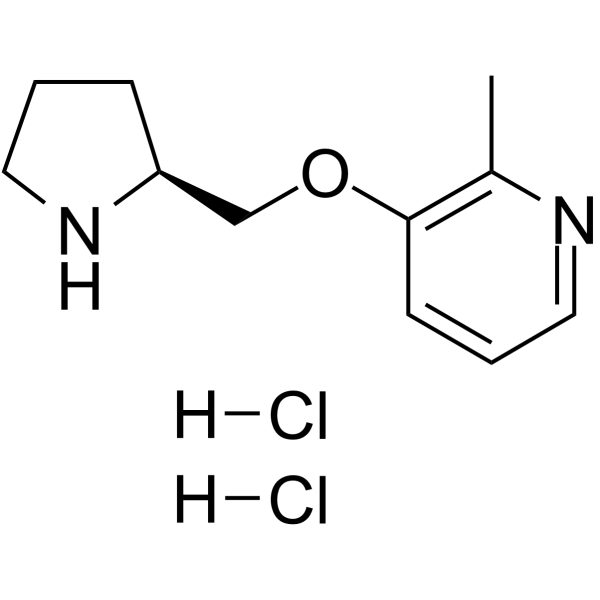
Pozanicline dihydrochloride (ABT-089 dihydrochloride) is an orally bioavailable nicotinic acetylcholine receptor (nAChR) agonist with a Ki of 16.7 nM for binding to [ 3H]cytisine sites . Pozanicline is an α4β2-selective nAChR agonist, which binds to rat brain α4β2 nAChR with a Ki of 17 nM while binding to α7 nAChR is insignificant .
|
-
-
- HY-19411
-
|
|
nAChR
|
Neurological Disease
|
|
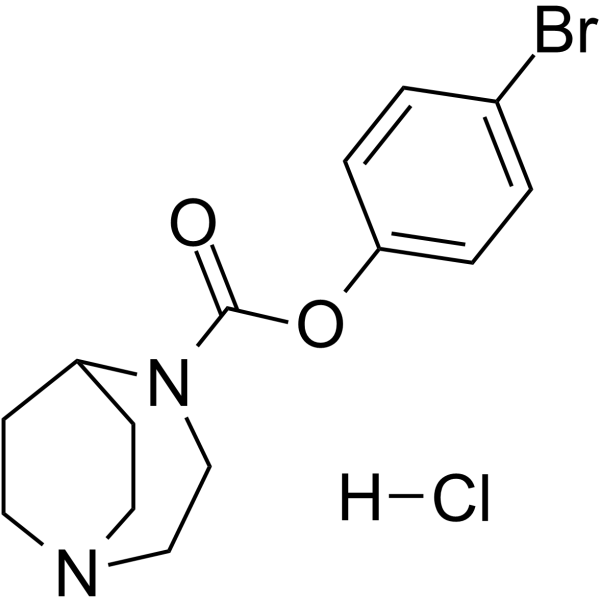
SSR180711 hydrochloride is an orally active, selective and reversible α7 acetylcholine nicotinic receptor (n-AChRs) partial agonist. SSR180711 hydrochloride can act on rat α7 n-AChR (Ki=22 nM; IC50=30 nM) and human α7 n-AChR (Ki=14 nM; IC50=18 nM). SSR180711 hydrochloride increases glutamatergic neurotransmission, ACh release and long-term potentiation (LTP) in the hippocampus .
|
-
-
- HY-B0942R
-
|
|
Reference Standards
nAChR
Bacterial
|
Neurological Disease
|
|
Benzethonium (chloride) (Standard) is the analytical standard of Benzethonium (chloride). This product is intended for research and analytical applications. Benzethonium chloride inhibits nicotinic acetylcholine receptors in human recombinant α7 and α4β2 neurons in Xenopus laevis oocytes.
|
-
-
- HY-10019A
-
|
CP 526555 dihydrochloride
|
nAChR
|
Neurological Disease
Inflammation/Immunology
Cancer
|
|
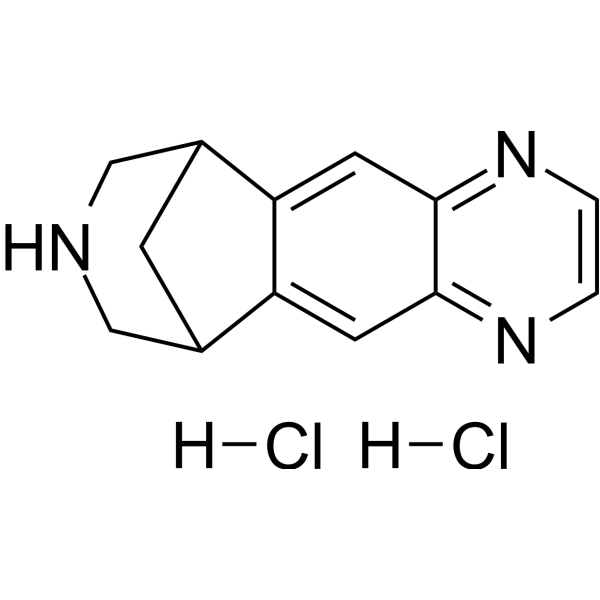
Varenicline (CP 526555-18) is an orally active partial agonist of α4β2 nicotinic acetylcholine receptor (α4β2 nAChR, IC50 = 250 nM), which is the principal mediator of nicotine dependence. Varenicline is also a partial agonist of α6β2 nAChR and a full agonist of α7β2 nAChR. Varenicline blocks the direct agonist effects of nicotine on nAChR while stimulates nAChR in a more moderate way, being widely used as an aid of smoking cessation .
|
-
-
- HY-10063
-
|
TC-1734; ACD3480
|
nAChR
|
Neurological Disease
|
|
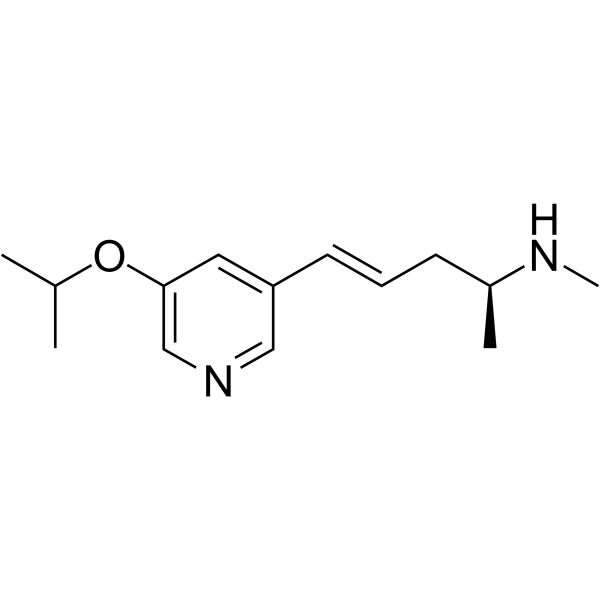
Ispronicline (TC-1734), an orally active, brain-selective α4β2 nicotine acetylcholine receptor (nAChR) partial agonist, has shown memory-enhancing properties in rodents and a good tolerability profile. Ispronicline binds to the α4β2 nAChR with high affinity (Ki=11 nM) and is highly selective to other nAChRs such as α7 nAChR and α3β4 nAChR .
|
-
-
- HY-15430
-
|
EVP-6124
|
nAChR
|
Neurological Disease
|
|
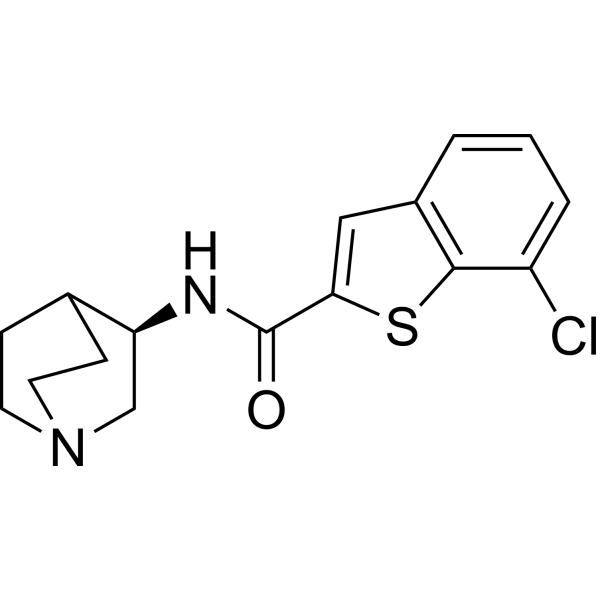
Encenicline (EVP-6124) is a novel partial agonist of α7 neuronal nicotinic acetylcholine receptors (nAChRs).
|
-
-
- HY-129674
-
|
|
nAChR
|
Neurological Disease
|
|
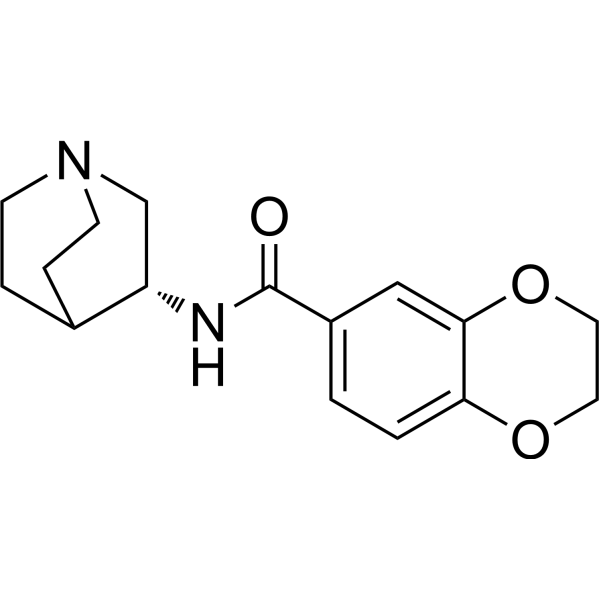
PHA 568487 free base is a selective alpha 7 nicotinic acetylcholine receptor (α-7 nAchR) agonist. PHA 568487 free base reduces neuroinflammation .
|
-
-
- HY-12149
-
|
|
nAChR
|
Neurological Disease
|
|
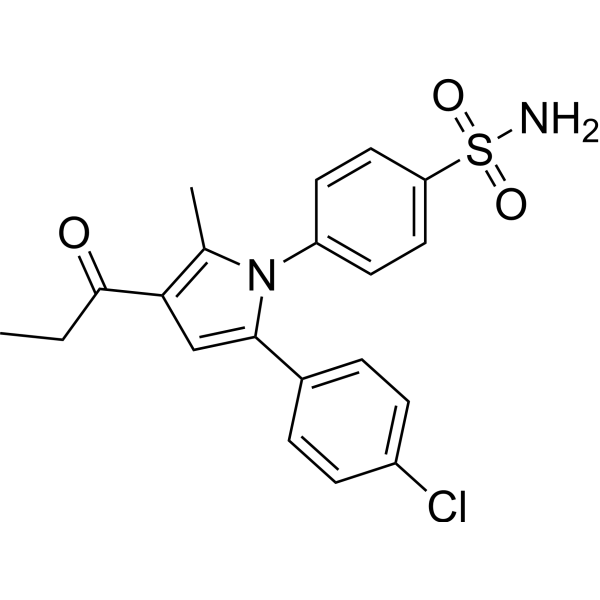
A-867744 is a highly potent and selective type II positive allosteric modulator (PAM) of the alpha7 nicotinic acetylcholine receptors (nAChR) with an EC50 of 1.0 μM .
|
-
-
- HY-P5623B
-
RVG TFA
1 Publications Verification
RVG29 TFA; RDP TFA; Rabies Virus Glycoprotein-29 TFA
|
Bacterial
|
Infection
|
|
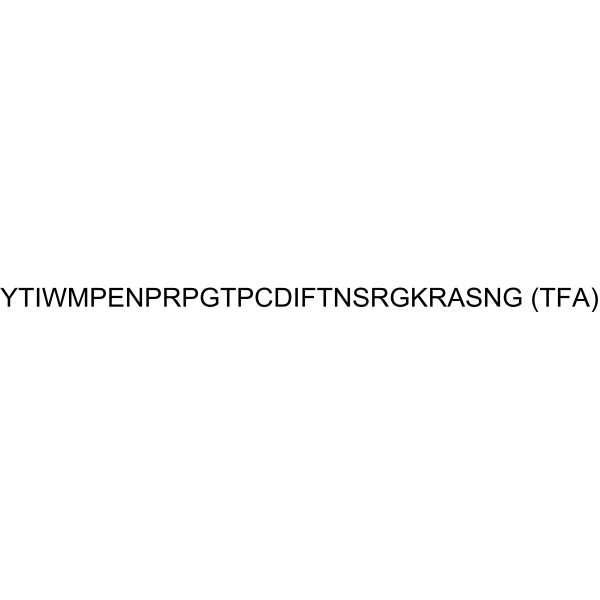
RVG TFA is a peptide derived from Rabies Virus Glycoprotein that binds to the α-7 subunit of nicotinic acetylcholine receptors (AchR) of neuronal cells. RVG enhances delivery of Mycobacterium tuberculosis antigens to antigen-presenting cells .
|
-
-
- HY-12560
-
|
|
nAChR
5-HT Receptor
|
Neurological Disease
|
|
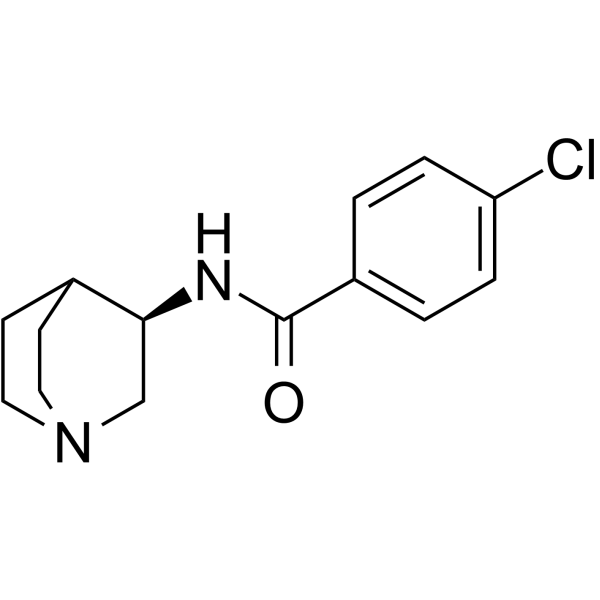
PNU-282987 (free base) is a potent α7 nicotinic acetylcholine receptor (nAChR) agonist with an EC50 of 154 nM. PNU-282987 (free base) is also a functional antagonist of the 5-HT3 receptor with an IC50 of 4541 nM. PNU-282987 (free base) can be used for the research of central and peripheral nervous systems .
|
-
-
- HY-115766
-
|
|
nAChR
|
Neurological Disease
|
|
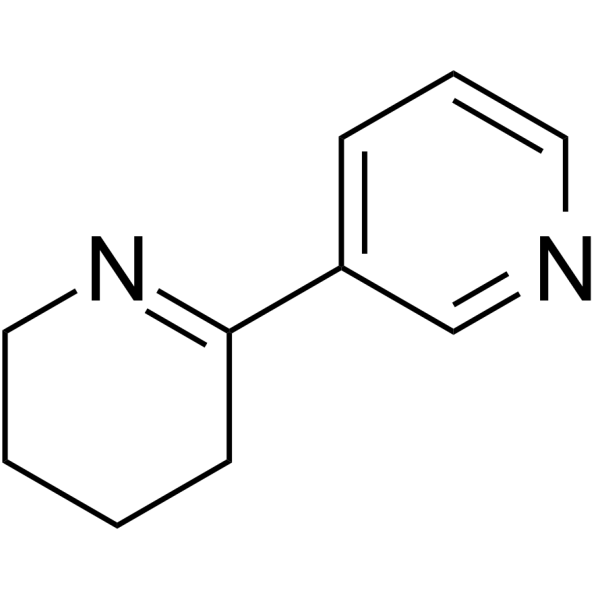
Anabaseine, a brain-penetrant occurring alkaloid toxin, is potent agonist of multiple nicotinic acetylcholine receptors (AChRs). Anabaseine stimulates the neuromuscular α12β1γδ or α12β1γɛ and α7 AChRs. Anabaseine is also a weak partial agonist at α4β2 nAChRs .
|
-
-
- HY-128575
-
|
|
nAChR
|
Neurological Disease
|
|
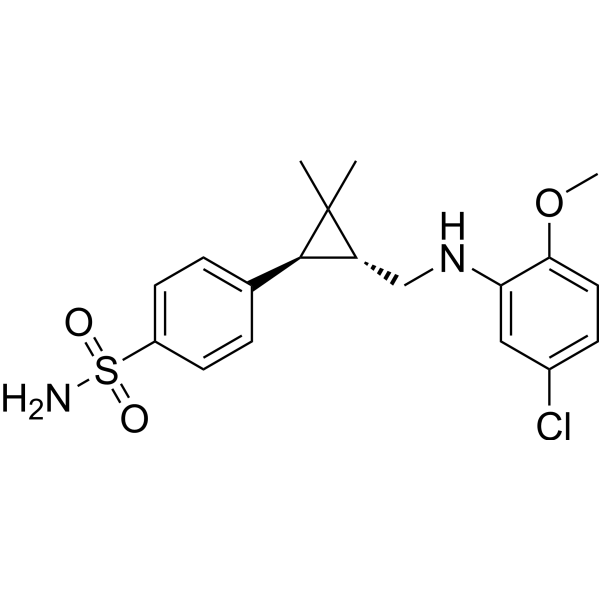
BNC375 is a potent, selective, and orally available type I positive allosteric modulator of α7 nAChRs with an EC50 of 1.9 μM. BNC375 exhibits good CNS-agent like properties and clinical candidate potential. .
|
-
-
- HY-12560D
-
|
|
nAChR
|
Others
|
|
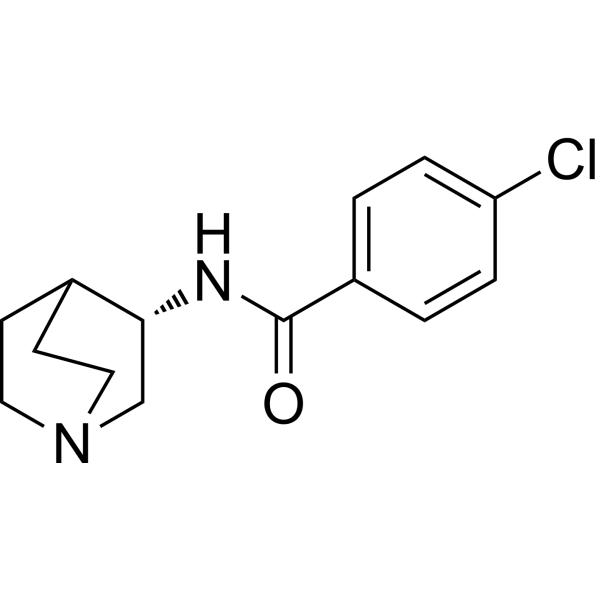
PNU-282987 S enantiomer free base is the S-enantiomer of PNU-282987 free base. PNU-282987 is an α7 nicotinic acetylcholine receptor (α7 nAChR) agonist.
|
-
-
- HY-133011
-
|
|
nAChR
|
Neurological Disease
|
|
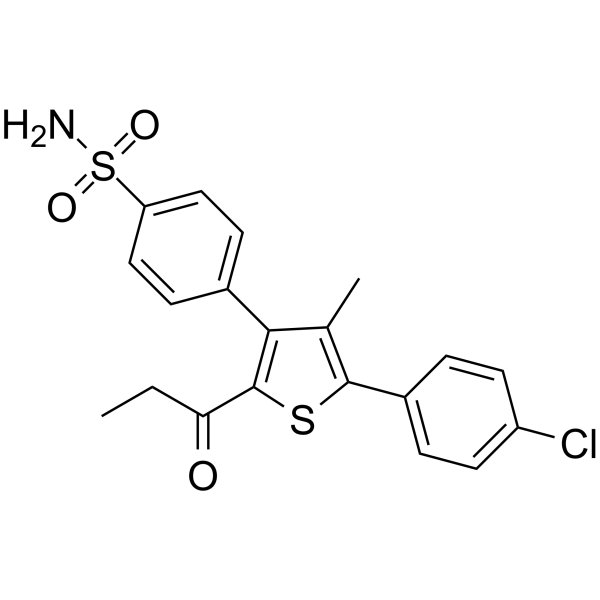
nAChR agonist 1 is a potent, blood-brain-barrier-permeable, and orally active allosteric modulator of α7 nicotinic acetylcholine receptor (α7 nAChR). nAChR agonist 1 has the EC50 of 0.32 μM in a Ca 2+ mobilization assay (PNU-282987-induced, FLIPR based) in human IMR-32 neuroblastoma cells that endogenously express α7 nAChR. nAChR agonist 1 can be develpoped for the treatment of Alzheimer’s disease .
|
-
-
- HY-P5823
-
|
|
nAChR
|
Neurological Disease
|
|
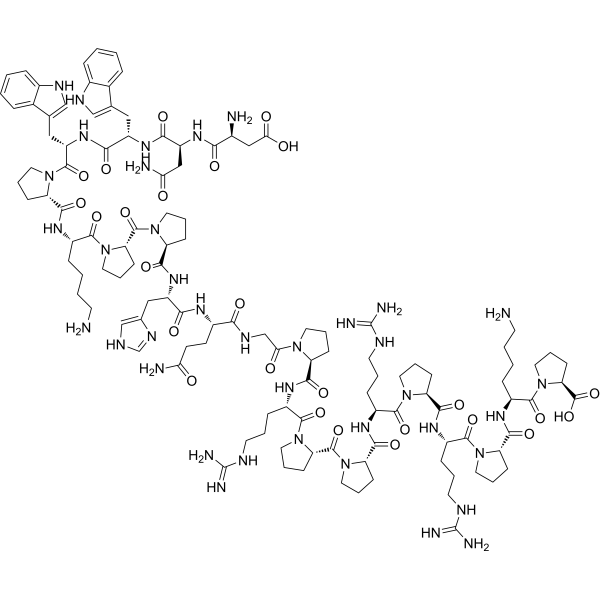
Azemiopsin is a potent nicotinic acetylcholine receptor (nAChR) inhibitor with IC50s of 0.18 μM and 22 μM against T. californica nAChR and human α7 nAChR, respectively. Azemiopsin blocks acetylcholine-induced currents in Xenopus oocytes heterologously expressing human muscle-type nAChR .
|
-
-
- HY-106901AS
-
|
HI-6-d4
|
Isotope-Labeled Compounds
Cholinesterase (ChE)
nAChR
|
Neurological Disease
|
|
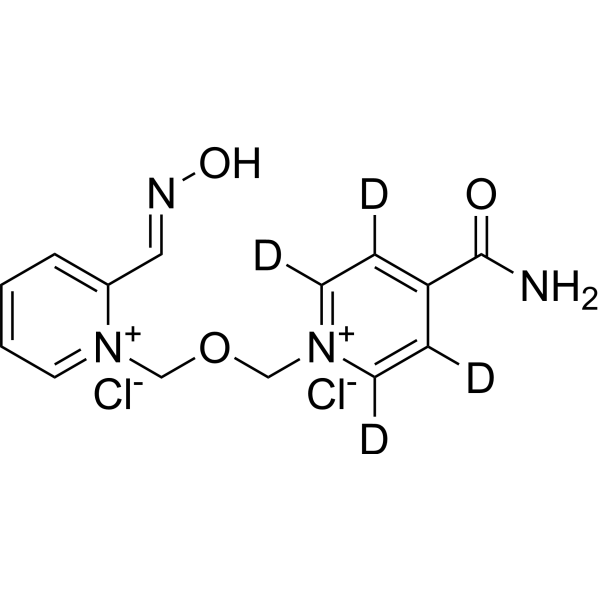
Asoxime-d4 dichloride (HI-6-d4) is the deuterium labeled Asoxime dichloride. Asoxime dichloride is an orally active thiosemicarbazone-based antidote. Asoxime dichloride is a reversible inhibitor of AChE, and its core mechanism of action is to re-activate AChE inhibited by nerve toxins, thereby restoring the cholinergic nerve function. Asoxime dichloride significantly restores the function of poisoned muscles without reactivating AChE. Asoxime dichloride is an antagonist of acetylcholine receptors (AChRs), including nicotinic receptor and α7 nAChR. Asoxime dichloride can serve as an effective immunomodulator, improving the immune effect of the nervous system.
|
-
-
- HY-107668
-
|
|
nAChR
|
Neurological Disease
|
|
TC-1698 dihydrochloride is a selective α7 nicotinic acetylcholine receptors agonist with EC50 value of 0.16 μM and 0.46 μM for monkey α7 nicotinic receptor and human α7 nicotinic receptor, respectively. TC-1698 dihydrochloride improves memory and has neuroprotective effects. TC-1698 dihydrochloride can be used for Alzheimer's disease research .
|
-

-
- HY-107668A
-
|
|
nAChR
|
Neurological Disease
|
|
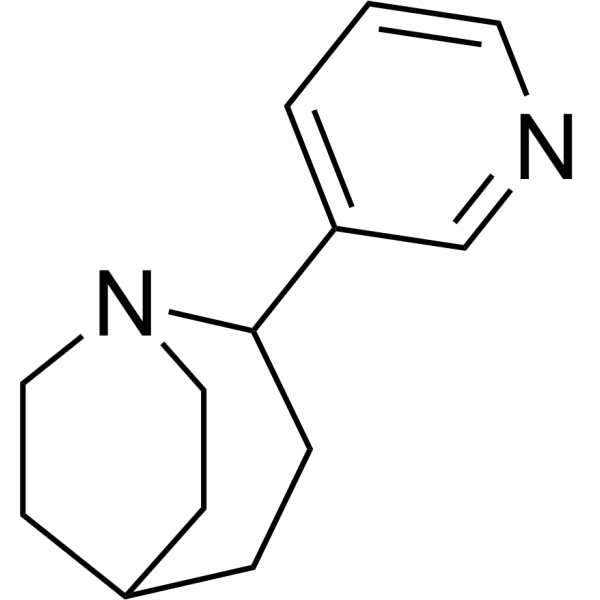
TC-1698 is a selective α7 nicotinic acetylcholine receptors agonist with EC50 value of 0.16 μM and 0.46 μM for monkey α7 nicotinic receptor and human α7 nicotinic receptor, respectively. TC-1698 improves memory and has neuroprotective effects. TC-1698 can be used for Alzheimer's disease research .
|
-
-
- HY-111051
-
|
|
nAChR
|
Neurological Disease
|
|
JN403 is an orally active and selective α7 nicotinic acetylcholine receptor agonist. JN403 can be used in the study of central nervous system disorders .
|
-

-
- HY-118646
-
|
|
nAChR
TNF Receptor
|
Neurological Disease
Inflammation/Immunology
|
|
NS-6740 is a partial agonist of α7 nicotinic acetylcholine receptor (α7 nAChR) with an IC50 of 3 nM. NS-6740 also acts as a potent modulator of the cholinergic anti-inflammatory pathway. NS-6740 alters the signaling pattern of α7 in an ion channel-independent manner, thereby reducing synaptic function. NS-6740 induces the desensitized state of α7 nAChR. NS-6740 generates robust nAChR-mediated currents. NS-6740 reduces LPS (HY-D1056)-induced TNF-α release from microglia. NS-6740 can be used in the research of neuroinflammation and neuropathic pain .
|
-

-
- HY-114791
-
|
|
nAChR
|
Neurological Disease
|
|
Lobelanidine is an antagonist for nicotinic acetylcholine receptor (nAChR), which inhibits α7 nAChR response and α3β2/α3β4 nAChR responses, with IC50 of 2.8 and 8.2 μM .
|
-

-
- HY-169870
-
|
(+)-Mecamylamine; TC-5214
|
nAChR
|
Neurological Disease
|
|
Dexmecamylamine ((+)-Mecamylamine) is the antagonist for nicotinic acetylcholine receptor (nAChR), that antagonises the α3β4/α4β2/α7/α1β1γδ receptor with IC50 of micromolare levels. Dexmecamylamine exhibits anxiolytic and antidepressant-like activities .
|
-

-
- HY-14564
-
|
|
nAChR
5-HT Receptor
|
Inflammation/Immunology
|
|
GTS-21 dihydrochloride is a selective alpha7 nicotinic acetylcholine receptor (α7-nAChR) agonist with anti inflammatory and cognition enhancing activities. GTS-21 dihydrochloride is also a α4β2 (Ki=20 nM for humanα4β2) and 5-HT3A receptor (IC50=3.1 μM) antagonist. GTS-21 can be used in age-associated memory impairment (AAMI) and Alzheimer's disease research .
|
-

-
- HY-120783
-
|
|
Endogenous Metabolite
|
Neurological Disease
|
|
Lu AF58801 is a potent, orally available, brain-penetrant positive allosteric modulator of α7 nicotinic acetylcholine receptors with efficacy in a novel object recognition task in mice. Lu AF58801 was shown to selectively enhance the activity of α7 nicotinic acetylcholine receptors. Lu AF58801 was able to improve cognitive function in mice treated with subchronic fluchlorothiazol (PCP) .
|
-

-
- HY-18039
-
|
SEN15924
|
Cholinesterase (ChE)
|
Neurological Disease
|
|
WAY-361789 (SEN15924) is an orally active agonist for α7 nicotinic acetylcholine receptor (α7 nAChR) with an EC50 of 0.18 μM. WAY-361789 improves the cognitive function, exhibits potential in ameliorating Alzheimer’s Disease and schizophrenia .
|
-

-
- HY-B0942S
-
-
-
- HY-120609
-
|
|
nAChR
|
Neurological Disease
|
|
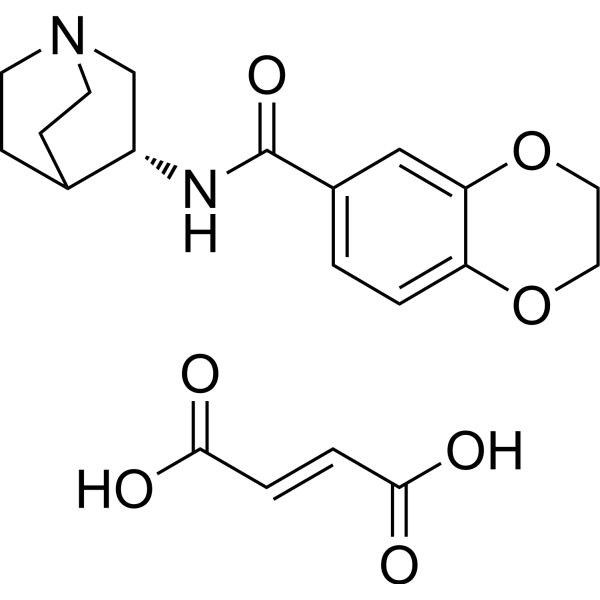
BMS-902483 is a quinuclidine-containing spirooxazolidine that is a partial agonist of the α7 nicotinic acetylcholine receptor (nAChR). BMS-902483 improves cognitive ability in preclinical rodent models. .
|
-

-
- HY-107666
-
-
-
- HY-107512R
-
-

-
- HY-118646A
-
|
|
nAChR
TNF Receptor
|
Neurological Disease
Inflammation/Immunology
|
|
NS-6740 hydrochloride is a partial agonist of α7 nicotinic acetylcholine receptor (α7 nAChR) with an IC50 of 3 nM. NS-6740 hydrochloride also acts as a potent modulator of the cholinergic anti-inflammatory pathway. NS-6740 hydrochloride alters the signaling pattern of α7 in an ion channel-independent manner, thereby reducing synaptic function. NS-6740 hydrochloride induces the desensitized state of α7 nAChR. NS-6740 hydrochloride generates robust nAChR-mediated currents. NS-6740 hydrochloride reduces LPS (HY-D1056)-induced TNF-α release from microglia. NS-6740 hydrochloride can be used in the research of neuroinflammation and neuropathic pain .
|
-

-
- HY-10019S
-
|
CP 526555-d4
|
Isotope-Labeled Compounds
nAChR
|
Neurological Disease
|
|
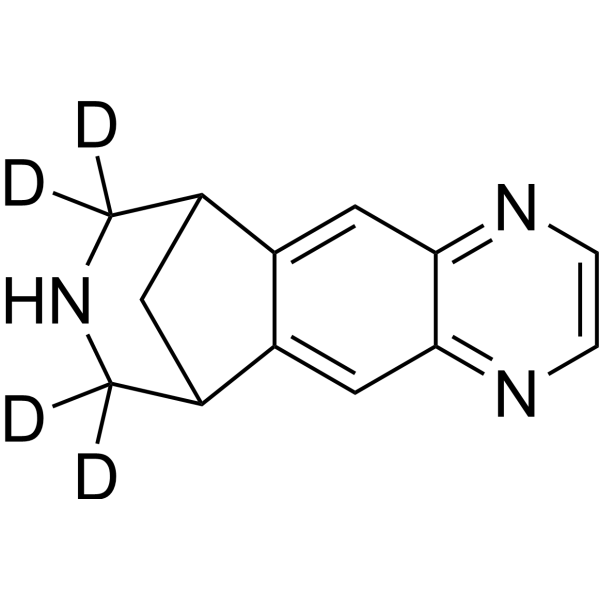
Varenicline-d4 is deuterium labeled Varenicline. Varenicline (CP 526555) is a potent partial agonist for α4β2 nicotinic acetylcholine receptor (nAChR) with an EC50 value of 2.3 μM. Varenicline is a full agonist for α3β4 and α7 nAChRs with EC50 values of 55 μM and 18 μM, respectively . Varenicline is a nicotinic ligand based on the structure of cytisine, has the potential for smoking cessation treatment .
|
-
-
- HY-14318
-
|
SIB-1508Y free base
|
nAChR
|
Neurological Disease
|
|
Altinicline (SIB-1508Y free base) is a selective α4β2 nicotinic acetylcholine receptor (nAChR) agonist, with no activity against α7 or α1β1γδ nAChRs and only extremely low activity against α3β4 nAChRs. Altinicline reverses escape deficits and increases avoidance responses. Altinicline is applicable to research related to depression .
|
-

- HY-10019AS1
-
|
|
Isotope-Labeled Compounds
nAChR
|
Inflammation/Immunology
|
|
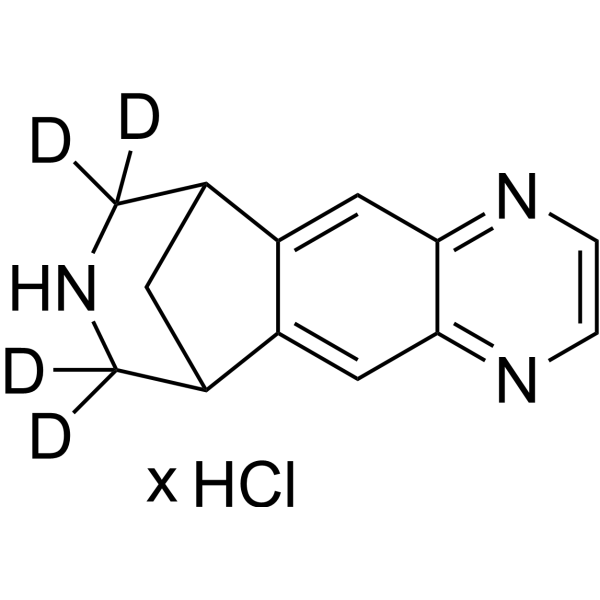
Varenicline-d4 hydrochloride is a deuterium labeled Varenicline (dihydrochloride) (HY-10019A) . Varenicline (CP 526555) dihydrochloride is a potent partial agonist for α4β2 nicotinic acetylcholine receptor (nAChR) with an EC50 value of 2.3 μM. Varenicline dihydrochloride is a full agonist for α3β4 and α7 nAChRs with EC50 values of 55 μM and 18 μM, respectively . Varenicline dihydrochloride is a nicotinic ligand based on the structure of cytosine, and has the potential for smoking cessation treatment .
|
-
- HY-12560C
-
|
|
nAChR
5-HT Receptor
|
Neurological Disease
|
|
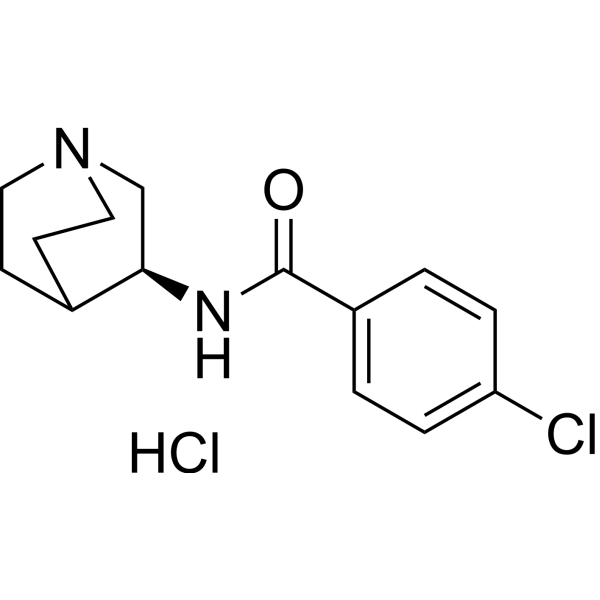
(S)-PNU-282987 hydrochloride is an isoform of PNU-282987 (HY-12560). PNU-282987 (free base) is a potent α7 nicotinic acetylcholine receptor (nAChR) agonist with an EC50 of 154 nM. PNU-282987 (free base) is also a functional antagonist of the 5-HT3 receptor with an IC50 of 4541 nM. PNU-282987 (free base) can be used for the research of central and peripheral nervous systems .
|
-
- HY-W001160R
-
|
|
Reference Standards
Endogenous Metabolite
nAChR
Calcium Channel
|
Neurological Disease
Endocrinology
Cancer
|
|
5-Hydroxyindole (Standard) is the analytical standard of 5-Hydroxyindole (HY-W001160). This product is intended for research and analytical applications. 5-Hydroxyindole is an orally active hydroxylated indole and tryptophan metabolite. 5-Hydroxyindole activates α7 nicotinic acetylcholine receptors and acts on intestinal L-type calcium channels. 5-Hydroxyindole slows down the desensitization of 5-HT3 receptor-mediated ion currents in cells. 5-Hydroxyindole causes convulsions and loss of consciousness. 5-Hydroxyindole is used in the study of neuroblastoma, schizophrenia, and diseases related to intestinal motility disorders .
|
-

- HY-10019R
-
|
CP 526555 (Standard)
|
Reference Standards
nAChR
|
Neurological Disease
Inflammation/Immunology
Cancer
|
|
Varenicline (Standard) is the analytical standard of Varenicline. This product is intended for research and analytical applications. Varenicline (CP 526555) is an orally active partial agonist of α4β2 nicotinic acetylcholine receptor (α4β2 nAChR, IC50 = 250 nM), which is the principal mediator of nicotine dependence. Varenicline is also a partial agonist of α6β2 nAChR and a full agonist of α7β2 nAChR. Varenicline blocks the direct agonist effects of nicotine on nAChR while stimulates nAChR in a more moderate way, being widely used as an aid of smoking cessation .
|
-

- HY-10019AR
-
|
CP 526555 dihydrochloride (Standard)
|
Reference Standards
nAChR
|
Neurological Disease
Inflammation/Immunology
Cancer
|
|
Varenicline (dihydrochloride) (Standard) is the analytical standard of Varenicline (dihydrochloride). This product is intended for research and analytical applications. Varenicline (CP 526555-18) is an orally active partial agonist of α4β2 nicotinic acetylcholine receptor (α4β2 nAChR, IC50 = 250 nM), which is the principal mediator of nicotine dependence. Varenicline is also a partial agonist of α6β2 nAChR and a full agonist of α7β2 nAChR. Varenicline blocks the direct agonist effects of nicotine on nAChR while stimulates nAChR in a more moderate way, being widely used as an aid of smoking cessation .
|
-

- HY-10019S2
-
|
CP 526555-13C,15N
|
Isotope-Labeled Compounds
nAChR
|
Neurological Disease
Inflammation/Immunology
Cancer
|
|
Varenicline- 13C 15N (CP 526555- 13C 15N) is 13C and 15N labeled Varenicline. Varenicline (CP 526555) is an orally active partial agonist of α4β2 nicotinic acetylcholine receptor (α4β2 nAChR, IC50 = 250 nM), which is the principal mediator of nicotine dependence. Varenicline is also a partial agonist of α6β2 nAChR and a full agonist of α7β2 nAChR. Varenicline blocks the direct agonist effects of nicotine on nAChR while stimulates nAChR in a more moderate way, being widely used as an aid of smoking cessation .
|
-

- HY-10019S1
-
|
CP 526555-15N,13C,d2
|
nAChR
Isotope-Labeled Compounds
|
Neurological Disease
Inflammation/Immunology
Cancer
|
|
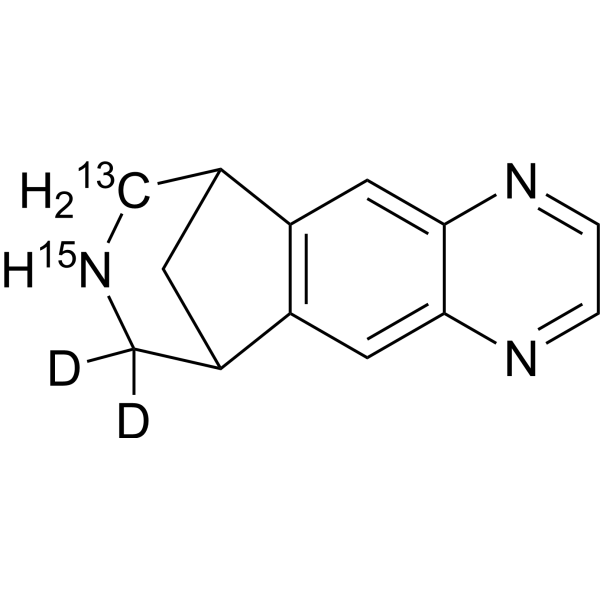
Varenicline- 15N, 13C,d2 is 15N and deuterated labeled Varenicline (HY-10019). Varenicline (CP 526555) is an orally active partial agonist of α4β2 nicotinic acetylcholine receptor (α4β2 nAChR, IC50=250 nM), which is the principal mediator of nicotine dependence. Varenicline is also a partial agonist of α6β2 nAChR and a full agonist of α7β2 nAChR. Varenicline blocks the direct agonist effects of nicotine on nAChR while stimulates nAChR in a more moderate way, being widely used as an aid of smoking cessation .
|
-
- HY-180582
-
|
|
nAChR
|
Neurological Disease
Inflammation/Immunology
|
|
QND8 is a selective and potent α7 nicotinic acetylcholine receptor (nAChR) agonist. QND8 can alleviate thermal hyperalgesia and mechanical hyperalgesia in carrageenan-induced inflammatory pain mouse model. QND8 can reduce the swelling of the mice feet, inhibit the release of pro-inflammatory factors at the inflammatory site, and prevent the infiltration of white blood cells. QND8 can be used for the research of inflammation and neurological disease, such as arthritis .
|
-

- HY-106901B
-
|
HI-6 dimesylate
|
Cholinesterase (ChE)
nAChR
|
Neurological Disease
|
|
Asoxime dimesylate (HI-6 dimesylate) is an orally active thiosemicarbazone-based antidote. Asoxime dimesylate is a reversible inhibitor of AChE, and its core mechanism of action is to re-activate AChE inhibited by nerve toxins, thereby restoring the cholinergic nerve function. Asoxime dimesylate significantly restores the function of poisoned muscles without reactivating AChE. Asoxime dimesylate is an antagonist of acetylcholine receptors (AChRs), including nicotinic receptor and α7 nAChR. Asoxime dimesylate can serve as an effective immunomodulator, improving the immune effect of the nervous system .
|
-

- HY-59201
-
|
|
nAChR
5-HT Receptor
ERK
Epigenetic Reader Domain
|
Neurological Disease
|
|
A-582941 is a selective, orally active, blood-brain barrier-permeable α7 nAChR agonist, with Ki values of 10.8 nM and 17 nM in rat brain and human frontal cortex, respectively. A-582941 exhibits agonistic activity at 5-HT3 receptors, with a Ki of 150 nM. A-582941 triggers phosphorylation of ERK1/2 and CREB, inhibits GSK-3β via Ser-9 phosphorylation, increases acetylcholine release, induces the expression of Arc and c-Fos, activates brain regions associated with working memory and attention, and reduces cell death caused by nerve growth factor (NGF) deprivation. A-582941 is applicable for the research of Alzheimer's disease and schizophrenia .
|
-

- HY-18060B
-
|
TC-5619 tosylate
|
nAChR
|
Inflammation/Immunology
|
|
Bradanicline (TC-5619) tosylate is an orally active agonist of α7 nAChR with moderate blood-brain barrier penetration. Bradanicline tosylate exhibits high affinity and subtype selectivity for human α7 nAChR. Bradanicline tosylate possesses antitussive activity that depends on sustained receptor binding and activation. Bradanicline tosylate requires systemic administration to dose-dependently inhibit cough induced by citric acid, bradykinin and inhaled nicotine. Bradanicline tosylate is well tolerated in preclinical studies and is widely used in research related to chronic refractory cough .
|
-

- HY-180400
-
|
|
nAChR
Calcium Channel
|
Neurological Disease
|
|
PAM-2 is a potent, orally active, CNS-penetrant selective α7 nAChR positive allosteric modulator (human α7 nAChR EC50: 39 μM, rat α7 nAChR EC50: 12 μM) with anti-nociceptive and anti-inflammatory activity. PAM-2 exhibits selectivity over α9α10 nAChR (IC50 = 174 μM) and CaV2.2 channel (IC50 = 89 μM). PAM-2 decreases Streptozotocin (STZ) (HY-13753)- and Oxaliplatin (HY-17371)-inducned nuroparhic pain in mice by α7 nAChR potentiation. PAM-2 can be used for the research of neuropathic pain .
|
-

- HY-182707
-
|
|
nAChR
Interleukin Related
TNF Receptor
NF-κB
|
Neurological Disease
|
|
JWX-A0108 is a selective human α7 nAChR positive allosteric modulator with an EC50 of 4.35 μM. JWX-A0108 potentiates α7 nAChR currents only in the presence of acetylcholine, with no direct activating effect or alteration of desensitization. JWX-A0108 enhances hippocampal GABAergic synaptic transmission by increasing spontaneous inhibitory postsynaptic currents. JWX-A0108 reduces the brain expression levels of IL-1β, TNF-α, and IL-6 by blocking the NF-κB signaling pathway, and reduces microglial activation by downregulating Iba1. JWX-A0108 effectively improves cognitive deficits, neuroinflammation, and hippocampal neuronal damage in mouse models of schizophrenia and Alzheimer's disease. JWX-A0108 can be used for research related to schizophrenia and Alzheimer's disease .
|
-

- HY-N18367
-
|
Wgx-50
|
nAChR
Interleukin Related
Akt
|
Neurological Disease
Inflammation/Immunology
|
|
Lemairamin (Wgx-50) is a hydroxylamine compound. Lemairamin can be isolated from the pericarps of the Zanthoxylum plants. Lemairamin activates α7nAChR, stimulates the expression of IL-10 and POMC. Lemairamin shows a decrease in Akt. Lemairamin attenuates DSS-induced intestinal inflammation. Lemairamin alleviates pain hypersensitivity .
|
-

- HY-116488
-
|
|
nAChR
|
Neurological Disease
|
|
IND8 is a α7 nAChR activator and cognitive enhancer. IND8 mediates cognitive enhancement by activating α7 nAChR . IND8 improves spatial working memory, episodic short-term memory and spatial long-term memory in amnesic mice induced by Scopolamine (HY-N0296). IND8 improves memory function in mice with delayed natural memory decline. IND8 can be used in research related to Alzheimer's disease .
|
-

| Cat. No. |
Product Name |
Target |
Research Area |
-
- HY-P1264
-
|
|
nAChR
|
Neurological Disease
|
|
α-Bungarotoxin is a competitive antagonist at nicotinic acetylcholine receptors (nAChRs). α-Bungarotoxin, a selective α7 receptor blocker, blocks α7 currents with an IC50 of 1.6 nM and has no effects on α3β4 currents at concentrations up to 3 μM .
|
-
- HY-P5623
-
RVG
1 Publications Verification
RVG29; RDP; Rabies Virus Glycoprotein-29
|
nAChR
Interleukin Related
|
Neurological Disease
Inflammation/Immunology
|
|
RVG (RVG29) is a blood-brain barrier-permeable peptide derived from rabies virus glycoprotein, which binds to the α-7 subunit of neuronal nicotinic acetylcholine receptor (AchR). RVG efficiently delivers drugs to nerve cells and antigen-presenting cells in a targeted manner, and enhances the efficiency of antigen presentation and drug delivery .
|
-
- HY-P5623B
-
RVG TFA
1 Publications Verification
RVG29 TFA; RDP TFA; Rabies Virus Glycoprotein-29 TFA
|
Bacterial
|
Infection
|
|
RVG TFA is a peptide derived from Rabies Virus Glycoprotein that binds to the α-7 subunit of nicotinic acetylcholine receptors (AchR) of neuronal cells. RVG enhances delivery of Mycobacterium tuberculosis antigens to antigen-presenting cells .
|
-
- HY-P5823
-
|
|
nAChR
|
Neurological Disease
|
|
Azemiopsin is a potent nicotinic acetylcholine receptor (nAChR) inhibitor with IC50s of 0.18 μM and 22 μM against T. californica nAChR and human α7 nAChR, respectively. Azemiopsin blocks acetylcholine-induced currents in Xenopus oocytes heterologously expressing human muscle-type nAChR .
|
| Cat. No. |
Product Name |
Category |
Target |
Chemical Structure |
| Cat. No. |
Product Name |
Chemical Structure |
-
- HY-100806S
-
1 Publications Verification
|
|
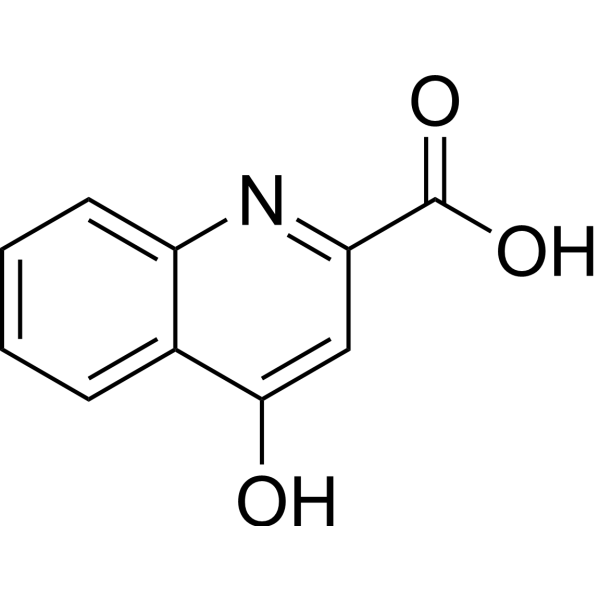
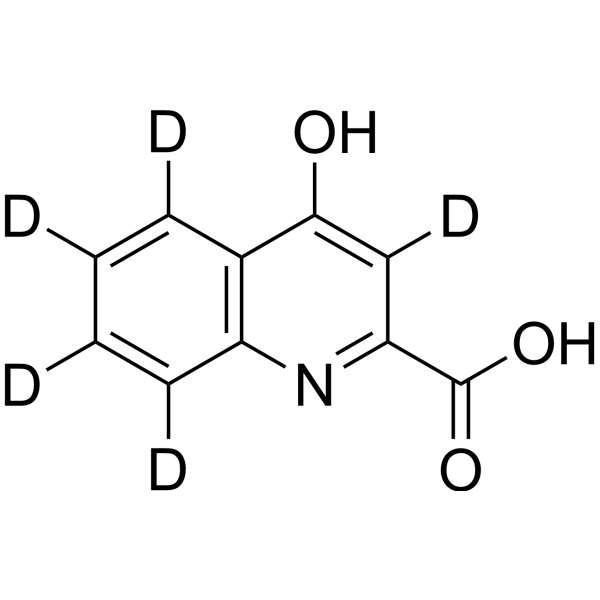
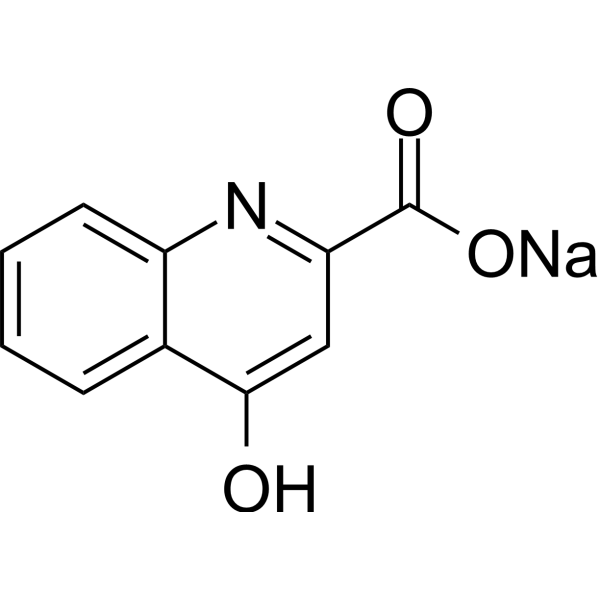
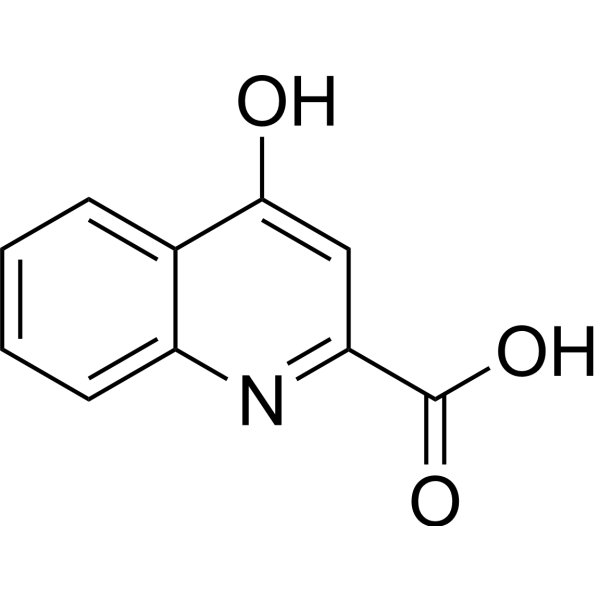
Kynurenic acid-d5 is the deuterium labeled Kynurenic acid. Kynurenic acid, an endogenous tryptophan metabolite, is a broad-spectrum antagonist targeting NMDA, glutamate, α7 nicotinic acetylcholine receptor. Kynurenic acid is also an agonist of GPR35/CXCR8 .
|
-
-
- HY-106901AS
-
1 Publications Verification
|
|
Asoxime-d4 dichloride (HI-6-d4) is the deuterium labeled Asoxime dichloride. Asoxime dichloride is an orally active thiosemicarbazone-based antidote. Asoxime dichloride is a reversible inhibitor of AChE, and its core mechanism of action is to re-activate AChE inhibited by nerve toxins, thereby restoring the cholinergic nerve function. Asoxime dichloride significantly restores the function of poisoned muscles without reactivating AChE. Asoxime dichloride is an antagonist of acetylcholine receptors (AChRs), including nicotinic receptor and α7 nAChR. Asoxime dichloride can serve as an effective immunomodulator, improving the immune effect of the nervous system.
|
-
-
- HY-B0942S
-
|
|
|
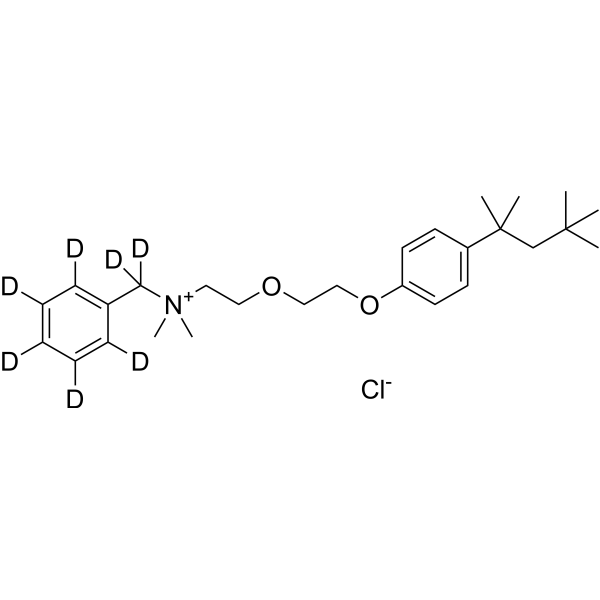
Benzethonium-d7 chloride is the deuterium labeled Benzethonium chloride. Benzethonium chloride inhibit human recombinant α7 and α4β2 neuronal nicotinic acetylcholine receptors in Xenopus oocytes.
|
-
-
- HY-10019S
-
|
|
|
Varenicline-d4 is deuterium labeled Varenicline. Varenicline (CP 526555) is a potent partial agonist for α4β2 nicotinic acetylcholine receptor (nAChR) with an EC50 value of 2.3 μM. Varenicline is a full agonist for α3β4 and α7 nAChRs with EC50 values of 55 μM and 18 μM, respectively . Varenicline is a nicotinic ligand based on the structure of cytisine, has the potential for smoking cessation treatment .
|
-
-
- HY-10019AS1
-
|
|
|
Varenicline-d4 hydrochloride is a deuterium labeled Varenicline (dihydrochloride) (HY-10019A) . Varenicline (CP 526555) dihydrochloride is a potent partial agonist for α4β2 nicotinic acetylcholine receptor (nAChR) with an EC50 value of 2.3 μM. Varenicline dihydrochloride is a full agonist for α3β4 and α7 nAChRs with EC50 values of 55 μM and 18 μM, respectively . Varenicline dihydrochloride is a nicotinic ligand based on the structure of cytosine, and has the potential for smoking cessation treatment .
|
-
-
- HY-10019S2
-
|
|
|
Varenicline- 13C 15N (CP 526555- 13C 15N) is 13C and 15N labeled Varenicline. Varenicline (CP 526555) is an orally active partial agonist of α4β2 nicotinic acetylcholine receptor (α4β2 nAChR, IC50 = 250 nM), which is the principal mediator of nicotine dependence. Varenicline is also a partial agonist of α6β2 nAChR and a full agonist of α7β2 nAChR. Varenicline blocks the direct agonist effects of nicotine on nAChR while stimulates nAChR in a more moderate way, being widely used as an aid of smoking cessation .
|
-
-
- HY-10019S1
-
|
|
|
Varenicline- 15N, 13C,d2 is 15N and deuterated labeled Varenicline (HY-10019). Varenicline (CP 526555) is an orally active partial agonist of α4β2 nicotinic acetylcholine receptor (α4β2 nAChR, IC50=250 nM), which is the principal mediator of nicotine dependence. Varenicline is also a partial agonist of α6β2 nAChR and a full agonist of α7β2 nAChR. Varenicline blocks the direct agonist effects of nicotine on nAChR while stimulates nAChR in a more moderate way, being widely used as an aid of smoking cessation .
|
-
| Cat. No. |
Product Name |
|
Classification |
-
- HY-14318
-
|
SIB-1508Y free base
|
|
Alkynes
|
|
Altinicline (SIB-1508Y free base) is a selective α4β2 nicotinic acetylcholine receptor (nAChR) agonist, with no activity against α7 or α1β1γδ nAChRs and only extremely low activity against α3β4 nAChRs. Altinicline reverses escape deficits and increases avoidance responses. Altinicline is applicable to research related to depression .
|
Your information is safe with us. * Required Fields.
Inquiry Information
- Product Name:
- Cat. No.:
- Quantity:
- MCE Japan Authorized Agent:








