Search Result
Results for "
A549 xenograft
" in MedChemExpress (MCE) Product Catalog:
1
Biochemical Assay Reagents
| Cat. No. |
Product Name |
Target |
Research Areas |
Chemical Structure |
-
- HY-145928
-
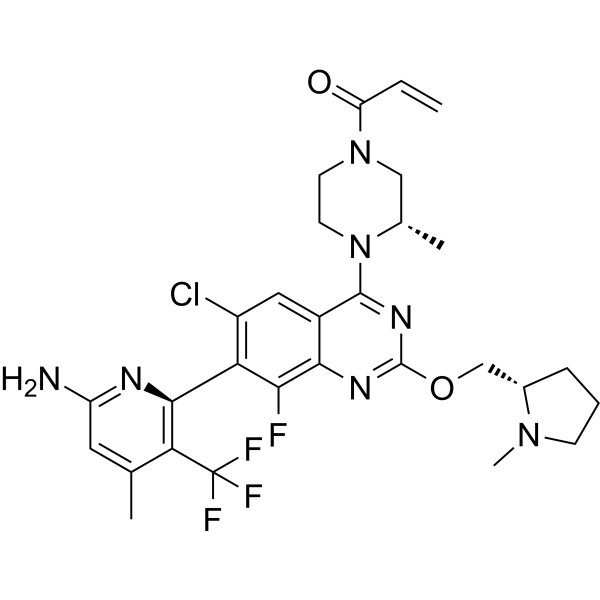
Divarasib
Maximum Cited Publications
6 Publications Verification
GDC-6036
|
Ras
|
Cancer
|
|
Divarasib (GDC-6036) is an orally active, selective KRAS G12C inhibitor with an IC50 of <0.01 μM. Divarasib covalently binds Cys12 in GDP-bound KRAS G12C, occupies the switch II pocket, blocks GTP binding and SOS-mediated reactivation, and inhibits oncogenic KRAS signaling. Divarasib induces tumor shrinkage and robust tumor growth inhibition in KRAS G12C-positive models and cancer cells. Divarasib can be used for the research of non-small cell lung cancer, colorectal adenocarcinoma, pancreatic ductal adenocarcinoma, and other KRAS G12C-mutated solid tumors .
|
-
-
- HY-50683
-
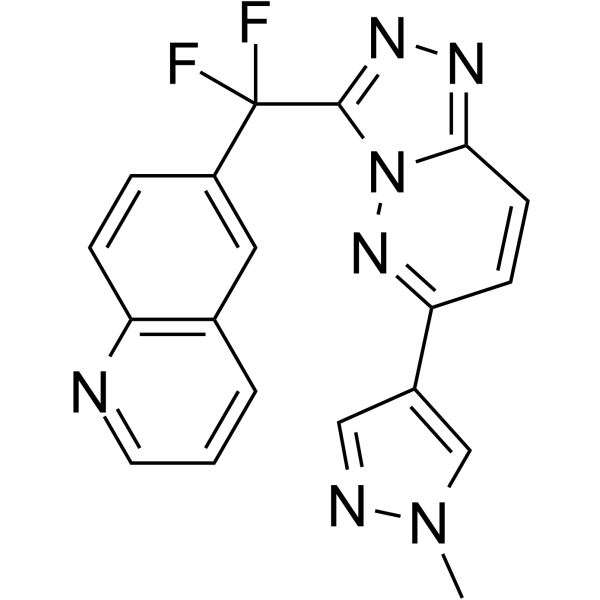
JNJ-38877605
Maximum Cited Publications
6 Publications Verification
|
c-Met/HGFR
|
Metabolic Disease
Cancer
|
|
JNJ-38877605 is an orally active ATP-competitive inhibitor of c-Met with an IC50 of 4 nM, 600-fold selective for c-Met than 200 other tyrosine and serine-threonine kinases . JNJ-38877605 inhibits c-Met phosphorylation and regulates lipid accumulation. JNJ-38877605 can be used for tumor and metabolic disease reseach .
|
-
-
- HY-151504
-
|
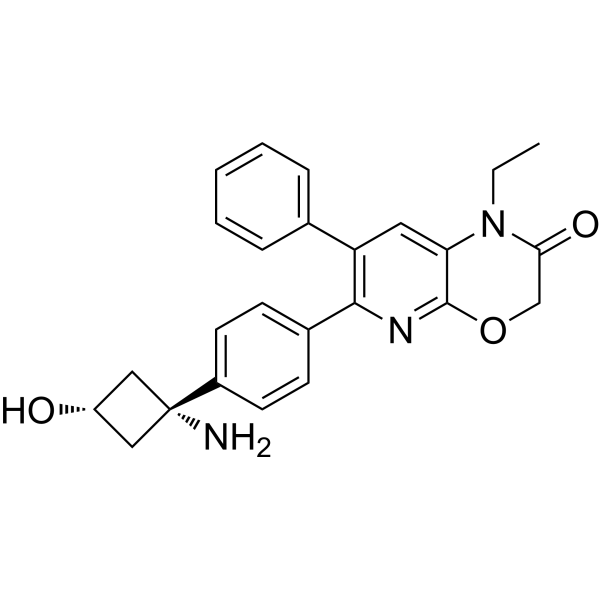
ALM301
|
Akt
|
Cancer
|
|
Engasertib is an orally active highly specific AKT inhibitor with IC50 values of 0.13 µM, 0.09 µM and 2.75 µM for AKT1, AKT2 and AKT3, respectively. Engasertib inhibits AKT phosphorylation and modulates downstream signalling in vitro. Engasertib can inhibit cancer cell proliferation and tumor growth .
|
-
-
- HY-N3980
-
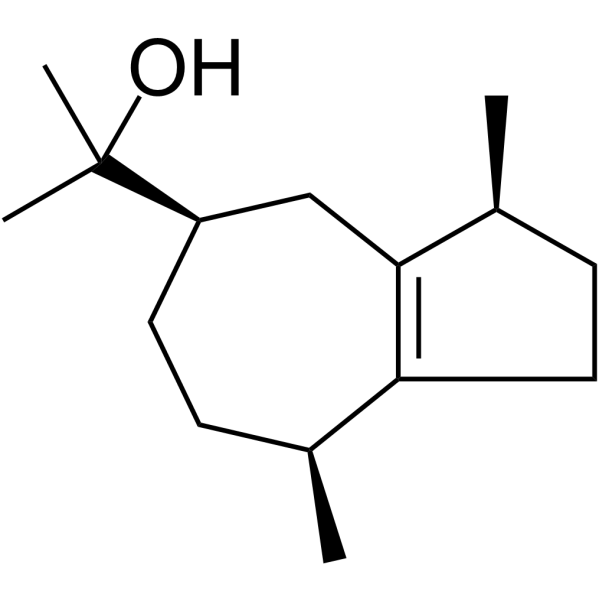
Guaiol
1 Publications Verification
Champacol; Guaiac alcohol
|
Autophagy
RAD51
|
Infection
Cardiovascular Disease
Inflammation/Immunology
Cancer
|
|
Guaiol is a sesquiterpenoid alcohol with oral activity found in various traditional Chinese medicines, exhibiting biological activities such as anti-proliferative, autophagy-promoting, insecticidal, anti-anxiety, anti-inflammatory, diuretic, and blood pressure-lowering effects. Guaiol induces apoptosis in non-small cell lung cancer cells by regulating the stability of RAD51 through autophagy modulation. Guaiol can also act directly on parasites, inhibiting their growth by affecting the kinetoplast, mitochondrial matrix and plasma membrane of the promastigotes. Guaiol kills amastigotes at an IC50 of 0.01 µg/mL. Guaiol can be used in research related to cancer, infections, cardiovascular diseases, and inflammatory conditions [4]
|
-
-
- HY-156110
-
|
|
Insulin Receptor
|
Cancer
|
|
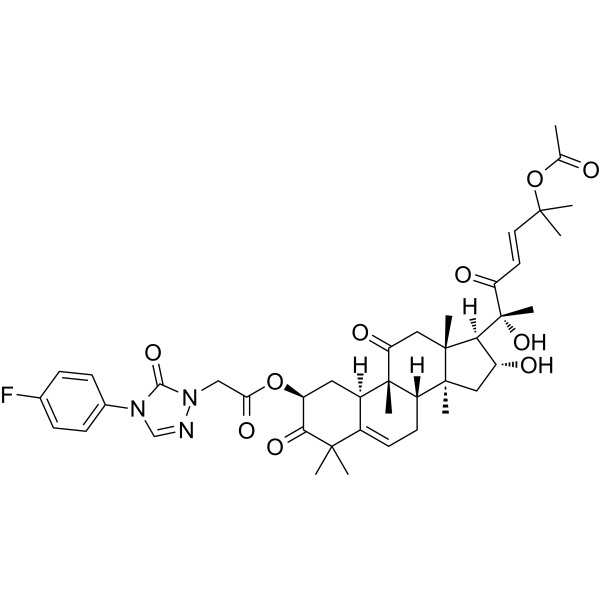
IGF2BP1-IN-1 (Compound A11) is a IGF2BP1 inhibitor and inhibits downstream signaling. IGF2BP1-IN-1 binds to IGF2BP1 protein with a KD value of 2.88 nM. IGF2BP1-IN-1 inhibits cancer cells proliferation (IC50: 9 nM for A549 cell, 34 nM for HCT116). IGF2BP1-IN-1 induces cancer cell apoptosis. GF2BP1-IN-1 inhibits tumor growth in A549 xenograft mouse model .
|
-
-
- HY-12757
-
|
|
BCRP
|
Cancer
|
|
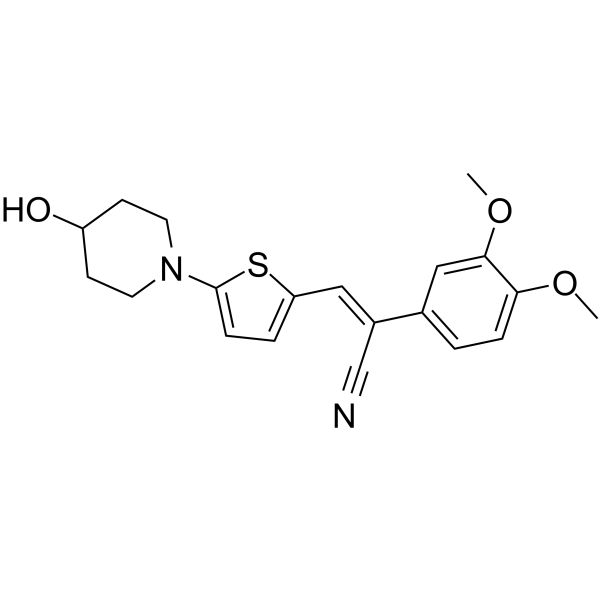
YHO-13177, a acrylonitrile derivative, is an orally active, potent and specific inhibitor of breast cancer resistance protein (BCRP) and ABCG2 with an IC50 value of 10 nM. YHO-13177 potentiates the cytotoxicity of SN-38 in HCT116 and A549 cells that express BCRP. YHO-13177 combined with Irinotecan (HY-16562) significantly suppresses the tumor growth in an HCT116/BCRP xenograft model .
|
-
-
- HY-156568
-
|
|
PROTACs
Epigenetic Reader Domain
|
Cancer
|
|
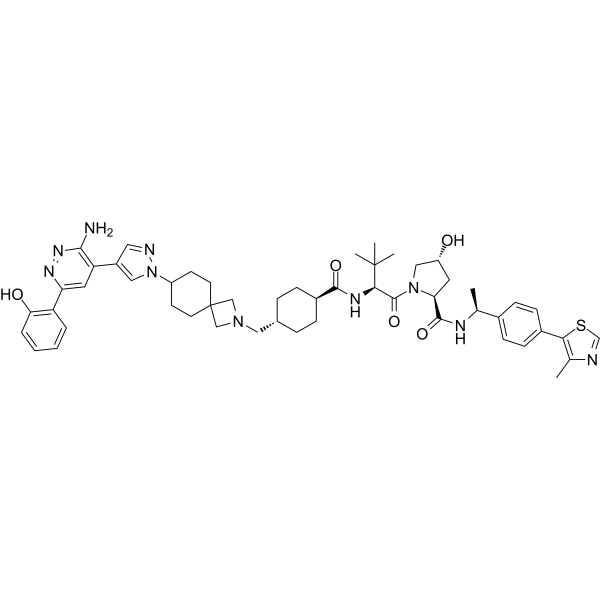
SMD-3040 is a potent and selective SMARCA2 PROTAC degrader (DC50: 12 nM; Dmax: 91%). SMD-3040 can inhibit tumor cell proliferation and exhibits antitumor activity. SMD-3040 can be used in the study of tumors such as melanoma . (SMARCA2/4-ligand (HY-171765); HY-112078 VHL ligand (HY-112078))
|
-
-
- HY-114256
-
|
|
PSMA
|
Cancer
|
|
EC1169 is a cytotoxic maytansinoid conjugate that specifically binds to prostate-specific membrane antigen (PSMA). EC1169 precisely delivers the maytansinoid B hydrazide payload to PSMA-positive cells to exert antitumor activity. EC1169 only inhibits the growth of PSMA-positive cells but has no effect on PSMA-negative cells, and enables complete recovery in mice bearing PSMA-positive tumors. EC1169 exhibits safety with no body weight loss or major organ damage induced. EC1169 is used in studies of prostate cancer and other PSMA-expressing malignancies .
|
-

-
- HY-N7694
-
|
|
TGF-β Receptor
JAK
STAT
Apoptosis
|
Inflammation/Immunology
Cancer
|
|
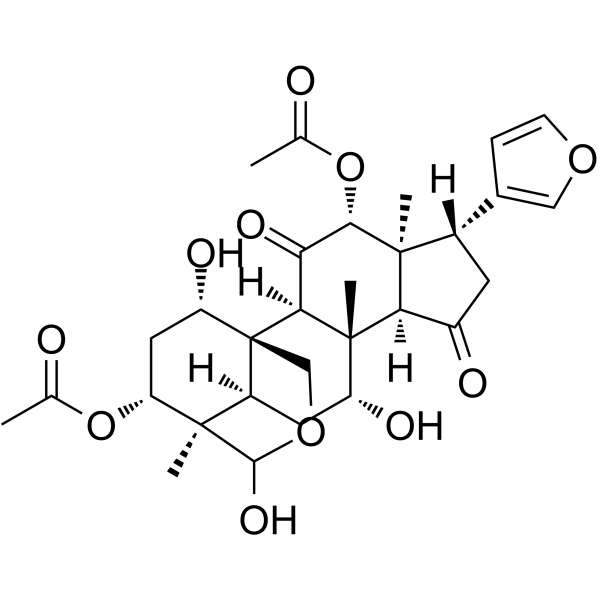
Isotoosendanin is an orally active TGFβR1 inhibitor and abrogating its kinase activity (IC50 = 6732 nM). Isotoosendanin inhibits the JAK/STAT3 signaling pathway by directly targeting SHP-2, enhancing its stability, and reducing its ubiquitination. Isotoosendanin inhibits TGF-β-induced reduces the migration, invasion, and metastasis in triple-negative breast cancer (TNBC) cells. Isotoosendanin exhibits anti-tumor efficacy in TNBC xenograft models and A549 xenograft tumors. Isotoosendanin exhibits significant anti-inflammatory effects in acetic acid-induced vascular permeability and λ-carrageenan-induced hind paw edema tests. Isotoosendanin can be used for the study of non-small cell lung cancer (NSCLC), TNBC and inflammation .
|
-
-
- HY-155887
-
|
DSPE-PEG-NH2, MW 3400 ammonium
|
Liposome
|
Cancer
|
|
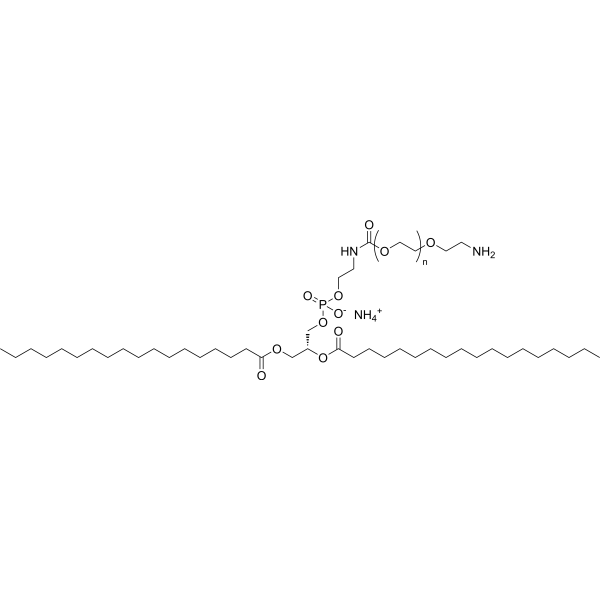
DSPE-PEG-Amine (DSPE-PEG-NH2), MW 3400 ammonium is an amino-functionalized PEGylated phospholipid. It serves not only as a key component for preparing σ receptor-targeted liposomes (such as anisamide-modified lipids) but also as a starting material for synthesizing click chemistry- and tumor-targeted lipids including DSPE-PEG-DBCO (HY-155788) and DSPE-PEG2000-TCO (HY-170704). DSPE-PEG-Amine, MW 3400 ammonium effectively modulates the ζ potential of nanoparticles, enables complexation with nucleic acids or proteins to protect DNA from nuclease degradation, and supports ligand conjugation on the nanoparticle surface. It is used in studies related to DU-145 tumors, breast cancer, and other relevant research .
|
-
-
- HY-N2150
-
|
|
HDAC
DNA Methyltransferase
DNA/RNA Synthesis
Bacterial
Aminopeptidase
Farnesyl Transferase
PPAR
Apoptosis
|
Infection
Inflammation/Immunology
Cancer
|
|
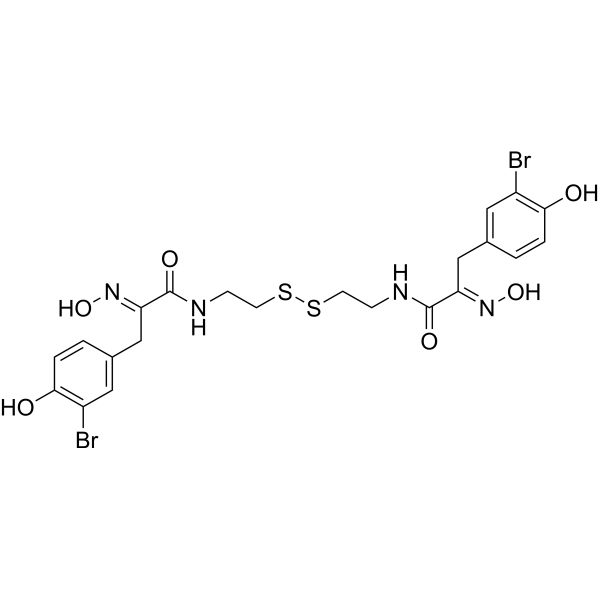
Psammaplin A is a marine metabolite. Psammaplin A is a selective HDAC1 (IC50: 45 nM), DNA methyltransferases (IC50: 18.6 nM) and aminopeptidase N (APN) (IC50: 18 μM) inhibitor. Psammaplin A also inhibits DNA topoisomerase and farnesyl protein transferase. Psammaplin A is a PPARγ activator and induces apoptosis. Psammaplin A has antitumor and anti-inflammatory activities. Psammaplin A has antibacterial activity against Gram-positive bacteria and inhibits DNA synthesis and DNA gyrase activity. Psammaplin A inhibits angiogenesis .
|
-
-
- HY-178472
-
|
|
PROTACs
Aurora Kinase
|
Cancer
|
|
AurAP14 is an Aurora A PROTAC degrader (DC50 = 120 nM). AurAP14 shows significant inhibitory activity against various tumor cell lines, with IC50s of 0.294 μM in A549 cells and 0.534 μM in MCF-7 cells. AurAP14 induces apoptosis and arrests A549 cells in the S and G2/M phases. AurAP14 demonstrates anti-tumor efficacy in nude mouse xenograft models of A549 and A549/PTR. AurAP14can be used in the research on the treatment of Aurora A-overexpressing NSCLC. (Pink: Aurora A ligand (HY-10971), Blue: E3 ligase Ligand (HY-W437598), Black: Linker) .
|
-

-
- HY-130133
-
|
|
PI3K
mTOR
Akt
Apoptosis
Paraptosis
p38 MAPK
Mitochondrial Metabolism
P-glycoprotein
CDK
MMP
HIF/HIF Prolyl-Hydroxylase
VEGFR
|
Cancer
|
|
DHW-221 is a potent orally active dual PI3K/mTOR inhibitor, exhibiting low nanomolar potency against all four Class I PI3K isoforms and mTOR (PI3Kα, IC50 = 0.50 nM; PI3Kβ, IC50 = 1.9 nM; PI3Kγ, IC50 = 1.8 nM; PI3Kδ, IC50 = 0.74 nM; mTOR, IC50 = 3.9 nM). DHW-221 exerts antitumor effects by blocking the PI3K/Akt/mTOR pathway and inducing mitochondrial apoptosis and paraptosis (via Endoplasmic Reticulum (ER) stress and MAPK signaling) and arrests cell cycle, thereby inhibiting cell migration, invasion and angiogenesis. DHW-221 inhibits tumor growth in both the A549/Taxol (HY-B0015) and the HCC827 xenograft mouse models. DHW-221 can be used for non-small cell lung cancer (NSCLC), colon and breast cancer research .
|
-

-
- HY-P10994
-
|
Eps8(327-335)
|
EGFR
IFNAR
Interleukin Related
TNF Receptor
Complement System
Apoptosis
|
Inflammation/Immunology
Cancer
|
|
Eps8 peptide 327 is an HLA-A*2402-restricted peptide antigen derived from Eps8 protein. Eps8 peptide 327 has potent antitumor activity with significant cytotoxicity. Eps8 peptide 327 effectively inhibits cancer cells proliferation, induces apoptosis and disrupts EGFR signal pathway by inhibiting downstream signals (such as IL-2, TNF-α and IFN-γ) expression and the Eps8/EGFR interaction. Eps8 peptide 327 significantly inhibits tumor growth in HT-29 xenograft mcie models .
|
-

-
- HY-P10988
-
|
|
Apoptosis
MDM-2/p53
Integrin
|
Cancer
|
|
LVTX-8 is a peptide toxin, exacted from Lycosa vittata. LVTX-8 has potent anticancer and and anti-metastasis activities towards lung cancer with strong cytotoxicity. LVTX-8 significantly induces apoptosis and inhibits the proliferation, invasion and migration of lung cancer cells through P53 hypoxia pathways and integrin signaling. LVTX-8 significantly inhibits the tumor growth and metastasis in A549/H460 xenograft mice model .
|
-

-
- HY-162098
-
|
|
PROTACs
Microtubule/Tubulin
Apoptosis
|
Cancer
|
|
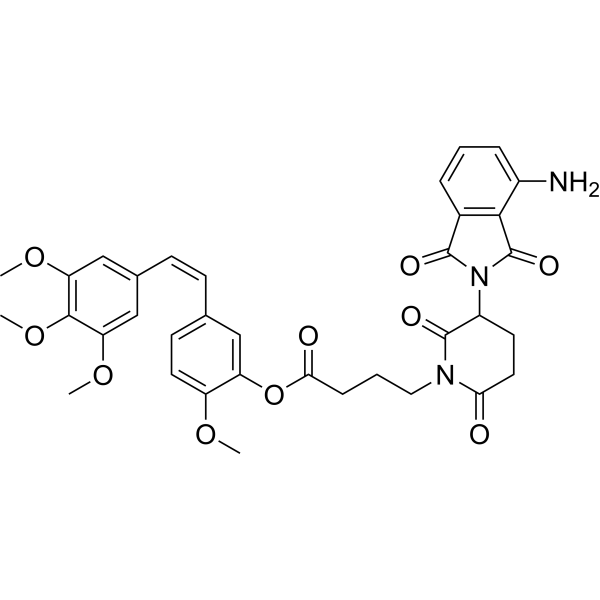
PROTAC tubulin-Degrader-1 is a α/β/β3-tubulin PROTAC degrader. PROTAC tubulin-Degrader-1 exhibits potent anti-proliferative activity against multiple human tumor cell lines. PROTAC tubulin-Degrader-1 induces G2/M phase arrest and apoptosis and inhibits colony formation in A549 and A549/Taxol cells. PROTAC tubulin-Degrader-1demonstrates potent anti-tumor efficacy in A549 and A549/Taxol (Taxol-resistant) xenograft model. PROTAC tubulin-Degrader-1 can be used for the study of non-small cell lung cancer (NSCLC). (Pink: Tubulin ligand (HY-N2146), Blue: CRBN Ligand (HY-10984), Black: Linker (HY-N6056)) .
|
-
-
- HY-158331
-
|
|
PROTACs
Epigenetic Reader Domain
Apoptosis
|
Cancer
|
|
Gal-ARV-771, PROTAC prodrug, is a gal modified ARV-771 (HY-100972). Gal-ARV-771 can be activated in SA-β-Gal-expressed cancer senescent cells to release ARV-771. Gal-ARV-771 induces selective degradation of BRD4 protein by the ubiquitin-proteasome pathway in senescent cells. Gal-ARV-771 promotes apoptosis of senescent cancer cells .
|
-

-
- HY-146462
-
|
|
Apoptosis
ROS Kinase
|
Cancer
|
|
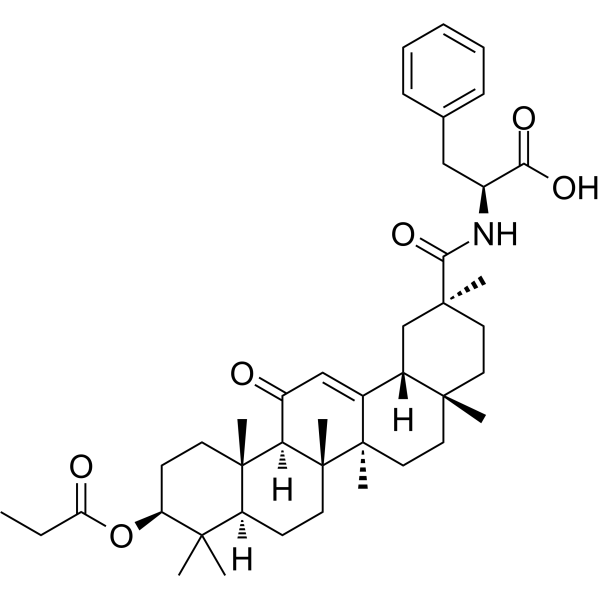
Anticancer agent 59 (compound 11) has inhibitory activity against kinds of cancer cell lines, especially in A549 with IC50 of 0.2 μM. Anticancer agent 59 induces apoptosis and an increase of Ca 2+ and ROS in cancer cells. Anticancer agent 59 significantly decreases mitochondrial membrane potential. Anticancer agent 59 can suppress tumor growth in A549 mouse xenograft model .
|
-
-
- HY-168300
-
|
|
Reactive Oxygen Species (ROS)
Apoptosis
|
Inflammation/Immunology
Cancer
|
|
Antiangiogenic agent 7 (Compound 1) can induce cell apoptosis, increase Reactive Oxygen Species, and inhibit the intracellular enzyme thioredoxin reductase. Antiangiogenic agent 7 has anti-cancer activity, with an IC50 of 0.08-3.5 μM against cervical cancer cells HeLa, prostate cancer cells PC-3, and non-small cell lung cancer A549. Antiangiogenic agent 7 inhibits tumor growth in mouse xenograft models .
|
-

-
- HY-115941
-
|
|
HDAC
Microtubule/Tubulin
Apoptosis
|
Cancer
|
|
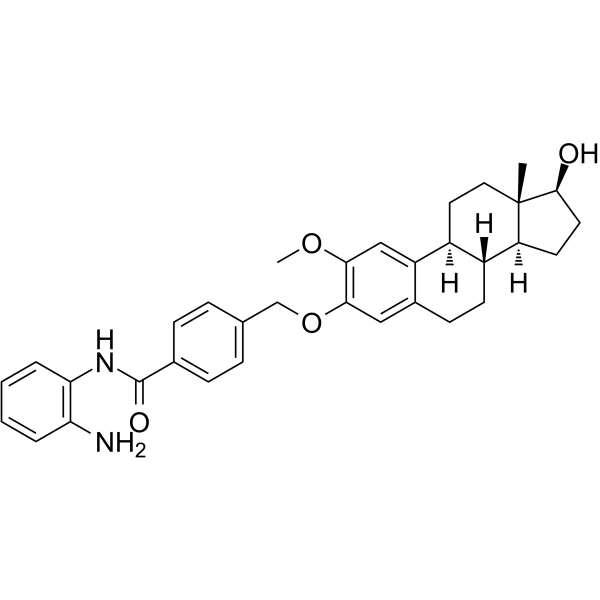
HDAC-IN-9 is a potent and selective tubulin and HDAC dual inhibitor. HDAC-IN-9 inhibits the invasion and migration of A549 cells. HDAC-IN-9 shows potent antitumor and antiangiogenic effect in vitro and in vivo .
|
-
-
- HY-146461
-
|
|
Apoptosis
Caspase
ROS Kinase
|
Cancer
|
|
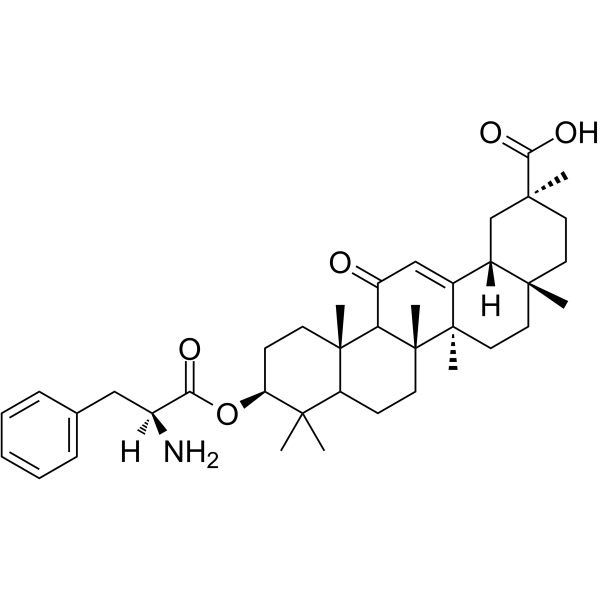
Anticancer agent 58 (compound 16) has inhibitory activity against kinds of cancer cell lines, especially in A549 and T24 with IC50s of 0.6 μM and 0.7 μM, respectively. Anticancer agent 58 induces apoptosis by activating caspase 3/8/9 activity, and induces an increase of Ca 2+ and ROS in cancer cells. Anticancer agent 58 significantly decreases mitochondrial membrane potential. Anticancer agent 58 can suppress tumor growth in T24 mouse xenograft model .
|
-
-
- HY-178036
-
|
|
MDM-2/p53
Topoisomerase
Bcl-2 Family
Caspase
Cyclin G-associated Kinase (GAK)
|
Cancer
|
|
ZM484 is a potent dual p53-MDM2/TOP1 inhibitor that exhibits antiproliferative and antitumor activity both in vitro and in vivo. ZM484 effectively upregulates p53 and MDM2 proteins and maintains TOP1 inhibitory activity by the release of camptothecin (CPT) and a potent p53-MDM2 inhibitor. ZM484 induces cell cycle arrest and apoptosis by regulating the expression of key apoptosis- and cycle-related proteins, including caspase-3, Bcl-2, and Cyclin B1. ZM484 can be used for colorectal cancer research .
|
-

-
- HY-163363
-
|
|
Adrenergic Receptor
|
Cancer
|
|
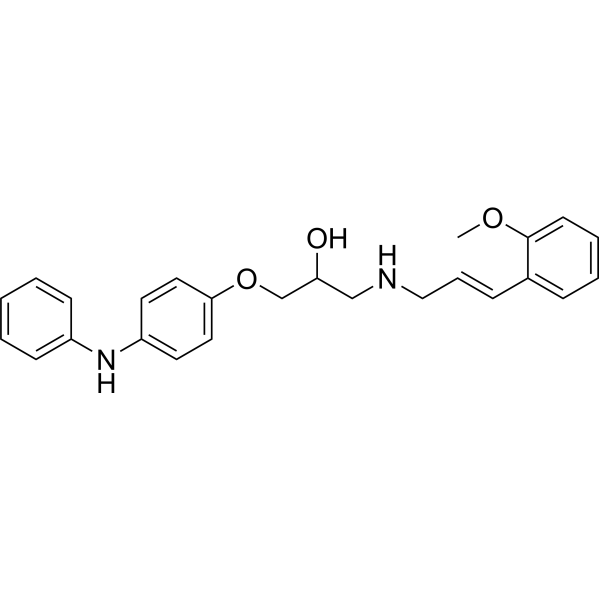
β-AR antagonist 2 (compound 43) is an antagonist of β-AR (IC50: 0.17 μM). β-AR-IN-1 inhibits the growth of mouse A549 xenograft tumors and shows cardioprotective efficacy against DOX-induced HF in C57 mice .
|
-
-
- HY-126180
-
|
|
MEK
|
Cancer
|
|
BAY-866, a sulfamide campound, is an allosteric MEK1 inhibitor with an IC50 of 14 nM. BAY-866 inhibits cell growth of A375 (BRAF) and HCT116 (K-Ras) with IC50s of 13 nM and 277 nM, respectively. BAY-866 inhibits tumor growth in K-Ras-mutated A549 xenograft model .
|
-

-
- HY-149352
-
|
|
Thymidylate Synthase
|
Cancer
|
|
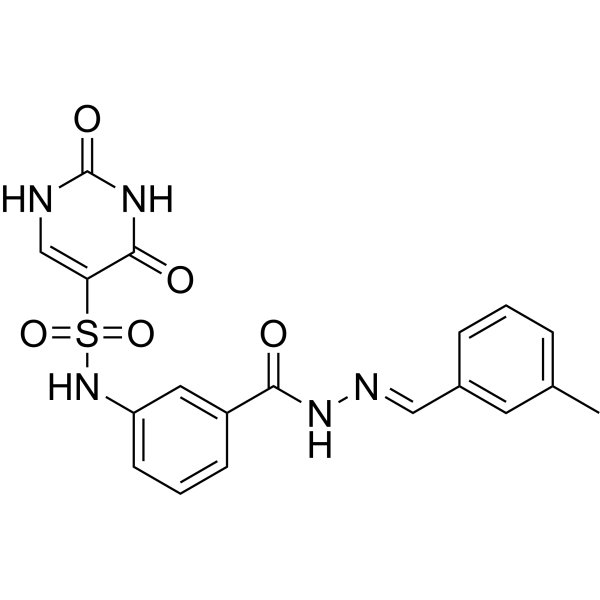
DG1 (Compound 8Nc) is a Thymidylate Synthase (TS) inhibitor that affects cancer angiogenesis and metabolic reprogramming in NSCLC cells. DG1 can effectively inhibit the expression of CD26, ET-1, FGF-1 and EGF. DG1 also effectively inhibits the proliferation of cancer tissue in the A549 xenograft mouse model .
|
-
-
- HY-125158
-
|
|
Aurora Kinase
Apoptosis
|
Cancer
|
|
HOI-07 is a selective Aurora B kinase inhibitor. HOI-07 blocks phosphorylation of histone H3 on Ser10 in
lung cancer cells. HOI-07 induces cell-cycle arrest, and apoptosis. HOI-07 has antitumor activity, and suppresses the tumor growth of A549, 143B and KHOS xenografts .
|
-

-
- HY-158156
-
|
|
NF-κB
Apoptosis
|
Cancer
|
|
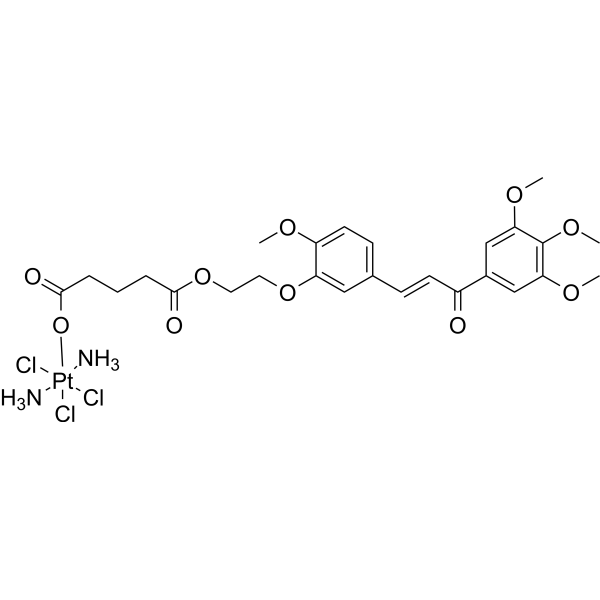
NF-κB-IN-16 (compound 9) is a complex (Pt(IV) complex) of NF-κB inhibitor and Cisplatin (HY-17394), which has high efficacy and low toxicity in anti-tumor activity. active. NF-κB-IN-16 can cause DNA damage, induce mitochondrial dysfunction, produce reactive oxygen species, and induce apoptosis through the mitochondrial pathway and endoplasmic reticulum stress. NF-κB-IN-16 potently inhibits the NF-κB/MAPK signaling pathway and disrupts PI3K/AKT signaling. NF-κB-IN-16 also exhibits excellent in vivo antitumor efficiency and low toxicity in A549 or A549/CDDP xenograft models .
|
-
-
- HY-161628
-
|
|
Topoisomerase
|
Cancer
|
|
Tapcin is a dual inhibitor for topoisomerase I and topoisomerase II, with IC50 of 203 and 71 nM. Tapcin inhibits proliferations of cancer cells A-375, HeLa, Huh7.5, U2-OS, A549, Caco-2 and HT29, with IC50s of 441, 1.04, 40.5, 0.002, 0.006, 0.287 and 0.842 nM, respectively. Tapcin exhibits antitumor activity in HT29 xenograft model .
|
-

-
- HY-146432
-
|
|
Apoptosis
Raf
Ras
ROS Kinase
MDM-2/p53
|
Cancer
|
|
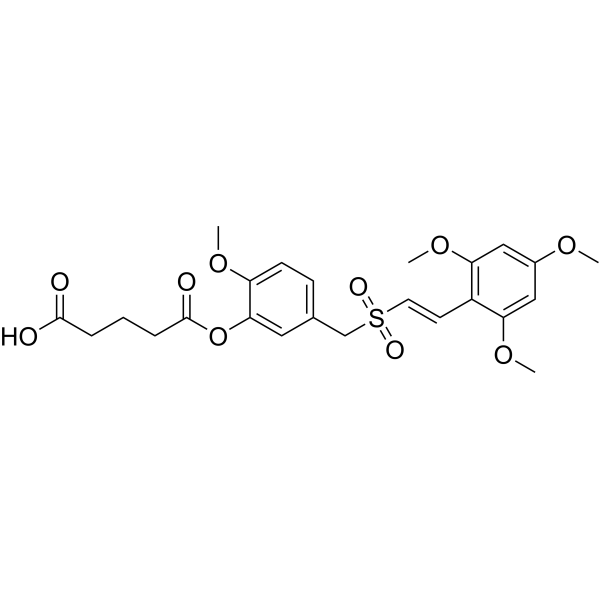
Antitumor agent-60 (compound 20) is a potent antitumor agent, targeting RAS-RAF signaling pathway and binding to CRAF with a Kd value of 3.93 μM. Antitumor agent-60 induces apoptosis by blocking cell cycle at G2/M phase. Antitumor agent-60 enhances the level of p53 and ROS. Antitumor agent-60 causes oval and irregular nucleus in cancer cells. Antitumor agent-60 can suppress the growth of tumor to some extent in A549 xenograft model .
|
-
-
- HY-178451
-
|
|
Apoptosis
|
Cancer
|
|
NQO1-responsive prodrug is a prodrug of Gemcitabine (dFdC) (HY-17026) with anti-cancer effect. NQO1-responsive prodrug remains stable in plasma and liver/intestinal S9 fractions, releasing dFdC in an NQO1-dependent manner. NQO1-responsive prodrug induces S-phase arrest and apoptosis. NQO1-responsive prodrug inhibits tumor growth in an A549 xenograft mouse model. NQO1-responsive prodrug can be used for breast and non-small cell lung cancer (NSCLC) research .
|
-

-
- HY-175206
-
|
|
P-glycoprotein
|
Cancer
|
|
P-gp-IN-30 (Compound 13) is a P-glycoprotein (P-gp) inhibitor by targeting YB-1. P-gp-IN-30 significantly enhances sensitivity to Paclitaxel by reducing total YB-1 and nucleus YB-1 protein expression, inhibiting the expression and function of downstream P-gp, further suppressing the efflux rate of Paclitaxel. P-gp-IN-30 potently inhibits tumor growth in A549/Taxol xenografts mice model with combination of Paclitaxel (HY-B0015). P-gp-IN-30 can be used for non-small cell lung cancer (NSCLC) research .
|
-

-
- HY-163434
-
|
|
EGFR
Histone Methyltransferase
|
Cancer
|
|
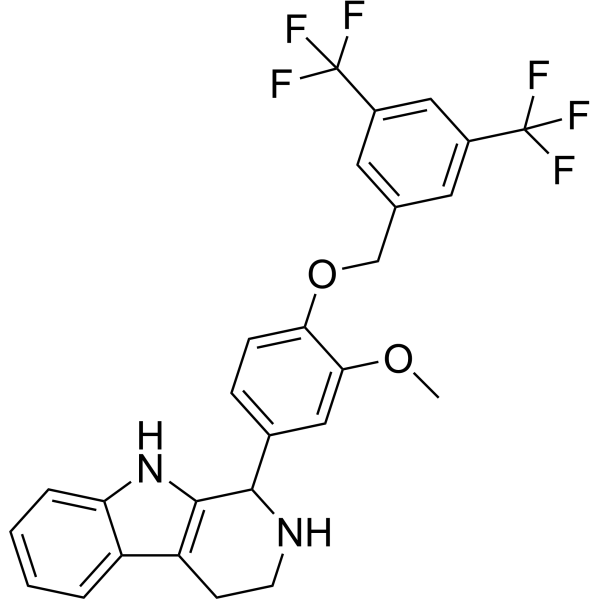
PRMT5/EGFR-IN-1 (Compound 10p) is an orally active dual PRMT5/EGFR inhibitor, with IC50s of 15.47 and 19.31 μM, respectively. PRMT5/EGFR-IN-1 exhibits antiproliferative activity against A549, MCF7, HeLa, and MDA-MB-231 cell lines. PRMT5/EGFR-IN-1 has favorable in vivo PK and PD properties. PRMT5/EGFR-IN-1 can significantly inhibit the growth of MCF7 orthotopic xenograft tumors .
|
-
-
- HY-P10819
-
|
|
Histone Demethylase
Apoptosis
|
Cancer
|
|
S9-CMC1 TFA is a covalent peptide lysine-specific demethylase 1 (LSD1) inhibitor with an IC50 value of 2.53 μM. S9-CMC1 TFA specifically recognizes Cys360 in the enzyme-active region. S9-CMC1 TFA inhibits LSD1 activity, increasing H3K4me1 and H3K4me2 levels, leading to G1 cell cycle arrest and apoptosis and inhibiting cell proliferation. S9-CMC1 TFA significantly inhibits tumor growth in A549 xenograft animal models .
|
-

-
- HY-170968
-
|
|
EGFR
Apoptosis
|
Cancer
|
|
EGFR-IN-150 is an EGFR inhibitor that effectively suppresses the phosphorylation of mutant epidermal growth factor receptor (EGFR) and its downstream AKT signaling pathway, thereby exerting antitumor effects and inducing HMOX1 expression to trigger ferroptosis. EGFR-IN-150 exhibits an IC50 of 0.386 μM against the non-small cell lung cancer (NSCLC) cell line H1975, and significantly inhibits colony formation and migration of both H1975 and A549 cells while inducing apoptosis. In addition, EGFR-IN-150 markedly suppresses tumor growth in the H1975 cell-derived xenograft (CDX) mouse model. EGFR-IN-150 holds promise for research related to non-small cell lung cancer .
|
-

-
- HY-149092
-
|
|
TAM Receptor
|
Cancer
|
|
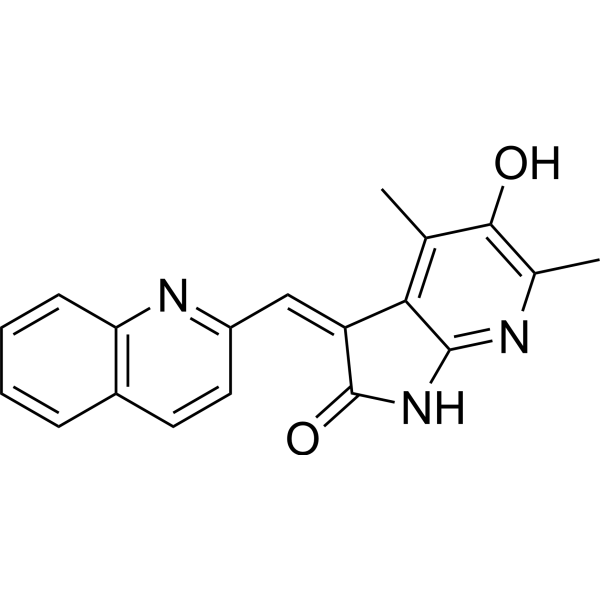
Anticancer agent 109 (compound 6-15) is an inhibitor of the Gas6-Axl axis with anti-cancer activity. Anticancer agent 109 inhibits the expression of Gas6 and Axl, and the expression p-PI3K and p-AKT in cancer cells, leads to G1 phase arrest and promotes cancer cells apoptosis, and inhibits tumor growth significantly in nude mouse tumor bearing models .
|
-
-
- HY-145828
-
|
|
Microtubule/Tubulin
Ferroptosis
|
Cancer
|
|
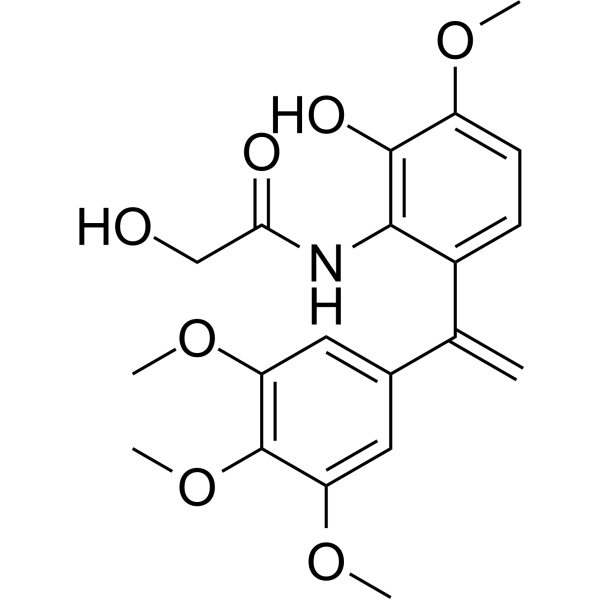
Microtubule inhibitor 2 is a potent and selective, orally active microtubule inhibitor. Microtubule inhibitor 2 triggers cell death through ferroptosis . Microtubule inhibitor 2 shows antitumor activity .
|
-
-
- HY-156568B
-
|
|
PROTACs
Epigenetic Reader Domain
|
Cancer
|
|
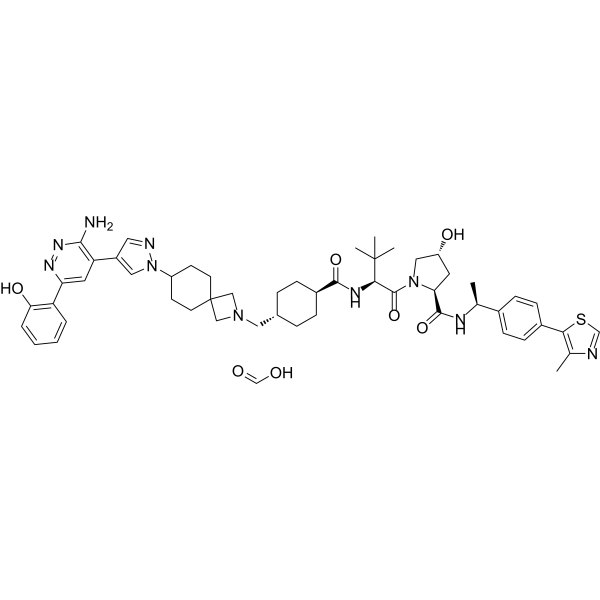
SMD-3040 formate is a potent and selective SMARCA2 PROTAC degrader (DC50: 12 nM; Dmax: 91%). SMD-3040 formate can inhibit tumor cell proliferation and exhibits antitumor activity. SMD-3040 formate can be used in the study of tumors such as melanoma . (SMARCA2/4-ligand (HY-171765); HY-112078 VHL ligand (HY-112078))
|
-
-
- HY-156568A
-
|
|
PROTACs
Epigenetic Reader Domain
|
Cancer
|
|
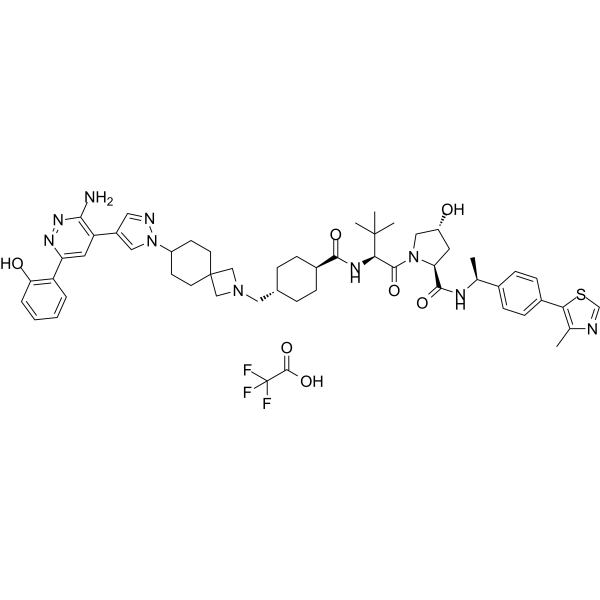
SMD-3040 TFA is a potent and selective SMARCA2 PROTAC degrader (DC50: 12 nM; Dmax: 91%). SMD-3040 TFA can inhibit tumor cell proliferation and exhibits antitumor activity. SMD-3040 TFA can be used in the study of tumors such as melanoma . (SMARCA2/4-ligand (HY-171765); HY-112078 VHL ligand (HY-112078))
|
-
-
- HY-149410
-
|
|
Topoisomerase
|
Cancer
|
|
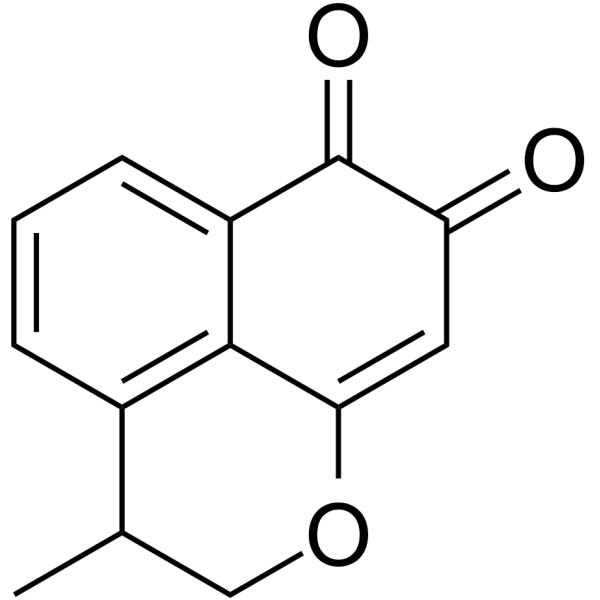
MSN8C, an analog of mansonone E, is a novel catalytic inhibitor of human DNA topoisomerase II. MSN8C induces cancer cell apoptosis. MSN8C shows significant anti-tumor cell proliferation activity in vitro .
|
-
-
- HY-162227
-
|
|
Microtubule/Tubulin
Apoptosis
|
Cancer
|
|
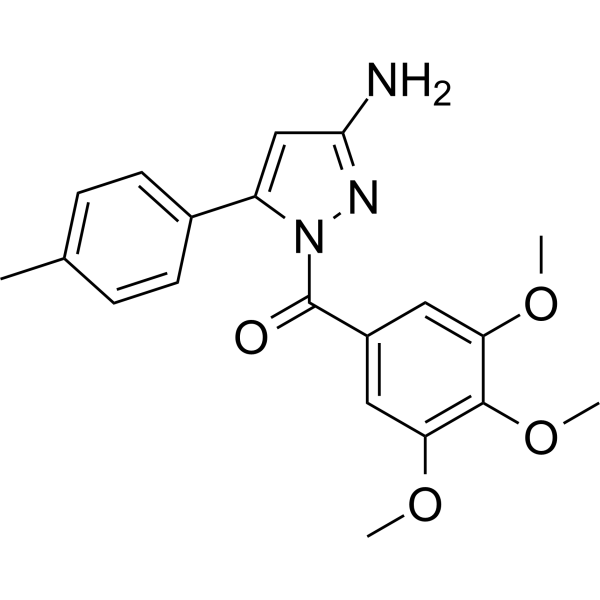
Antitumor agent-138 (compound 5b) is an inhibitor against tubulin polymerization at tubulin colchicine-binding sites, with IC50 of 1.87 μM. Antitumor agent-138 arrests the cell cycle at G2/M phase and induces an apoptosis in MCF-7 cells. Antitumor agent-138 inhibits cells migration and angiogenesis .
|
-
-
- HY-151155
-
|
|
Anaplastic lymphoma kinase (ALK)
|
Cancer
|
|
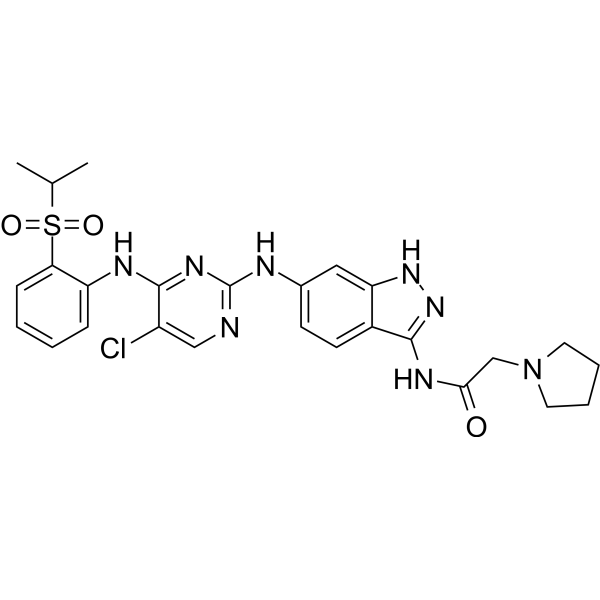
ALK-IN-23 is a potent ALK inhibitor with IC50 values of 1.6 nM, 0.71 nM and 1.3 nM for ALK WT, ALK L1196M and ALK G1202R. ALK-IN-23 can block cell cycle in G2 phase and induce apoptosis. ALK-IN-23 inhibits cancer cell migration and colony formation in vitro. ALK-IN-23 exhibits antitumor activity in H2228 xenograft nude mice model with hypotoxicity .
|
-
-
- HY-N3980R
-
|
Champacol (Standard); Guaiac alcohol (Standard)
|
Reference Standards
Autophagy
RAD51
|
Infection
Cardiovascular Disease
Inflammation/Immunology
Cancer
|
|
Guaiol (Standard) is the analytical standard of Guaiol. This product is intended for research and analytical applications. Guaiol is a sesquiterpenoid alcohol with oral activity found in various traditional Chinese medicines, exhibiting biological activities such as anti-proliferative, autophagy-promoting, insecticidal, anti-anxiety, anti-inflammatory, diuretic, and blood pressure-lowering effects. Guaiol induces apoptosis in non-small cell lung cancer cells by regulating the stability of RAD51 through autophagy modulation. Guaiol can also act directly on parasites, inhibiting their growth by affecting the kinetoplast, mitochondrial matrix and plasma membrane of the promastigotes. Guaiol kills amastigotes at an IC50 of 0.01 µg/mL. Guaiol can be used in research related to cancer, infections, cardiovascular diseases, and inflammatory conditions [4]
|
-

-
- HY-N10447
-
|
|
Apoptosis
|
Cancer
|
|
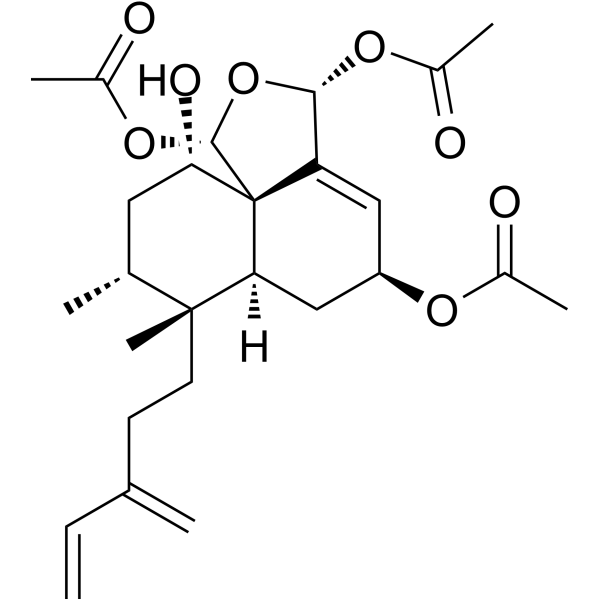
Kurzipene D (compound 4) is a potent anticancer agent. Kurzipene D induces the apoptosis and arrested the HepG2 cell cycle at S stage. Kurzipene D shows anti-tumor effects using in vivo zebrafish model. Kurzipene D has the property of inhibiting tumor proliferation and migration .
|
-
-
- HY-177268
-
|
|
Apoptosis
Reactive Oxygen Species (ROS)
PARP
Caspase
Akt
|
Cancer
|
|
CHNQD-01426 (Compound 4a) is an anticancer agent. CHNQD-01426 has cytotoxic activities against cancer cells. CHNQD-01426 significantly inhibits hepatocellular carcinoma cells proliferation via arresting S and G2/M phase cell cycle and induces apoptosis by inducing ROS production and elevating apoptosis-related proteins expression. CHNQD-01426 potently inhibits tumor growth in HepG2 xenograft mice model .
|
-

-
- HY-P10995
-
|
|
EGFR
IFNAR
Interleukin Related
TNF Receptor
Complement System
Apoptosis
|
Inflammation/Immunology
Cancer
|
|
TAT-327 is cell-penetrating peptide. TAT-327 selectively inserts into cancer cell membranes and shows potent antitumor activity. TAT-327 effectively inhibits cancer cells proliferation, induces apoptosis and disrupts EGFR signal pathway by inhibiting downstream signals (such as IL-2, TNF-α and IFN-γ) expression and the Eps8/EGFR interaction. TAT-327 significantly inhibits tumor growth in HT-29 xenograft mcie models .
|
-

-
- HY-180241
-
|
|
Glutaminase
Reactive Oxygen Species (ROS)
|
Cancer
|
|
Glutaminase C-IN-3 is a potent allosteric inhibitor of Glutaminase C (GAC) with an EC50 of 116 nM. Glutaminase C-IN-3 regulates cellular metabolites and increases reactive oxygen species (ROS) production by blocking glutamine metabolism. Glutaminase C-IN-3 exhibits strong antitumor activity in an A549 xenograft mouse model. Glutaminase C-IN-3 can be used for the research of non-small cell lung cancer (NSCLC) .
|
-

-
- HY-180853
-
|
|
PI3K
Akt
mTOR
Apoptosis
Mitochondrial Metabolism
|
Cancer
|
|
PI3K/Akt/mTOR-IN-6 (Compound JW4) is an orally active PI3K/Akt/mTOR pathway inhibitor. PI3K/Akt/mTOR-IN-6 induces Apoptosis in cells via the mitochondrial pathway. PI3K/Akt/mTOR-IN-6 shows potent anti-NSCLC activity .
|
-

-
- HY-185075
-
|
LY4050784
|
SWI/SNF Complex
|
Cancer
|
|
FHD-909 (LY4050784) is an orally active and selective SMARCA2 (BRM) ATPase inhibitor. FHD-909 potently inhibits purified BRM ATPase with an IC50 of 0.0025 μM and exhibits 35.69-fold selectivity for BRM over purified SMARCA4 (BRG1) ATPase. FHD-909 induces synthetic lethality, suppresses cell proliferation, modulates target gene expression, and achieves remarkable tumor growth inhibition and regression in SMARCA4-mutant cancer cells and xenograft models. FHD-909 can be used for the research of SMARCA4/BRG1-mutant cancers, advanced solid tumors, and BAF complex-related disorders .
|
-

-
- HY-183147A
-
|
|
Amino acid Transporter
|
Cancer
|
|
LAT1-IN-2 hydrochloride is an orally active anticancer agent, as well as a LAT1 substrate and tubulin-binding agent. LAT1-IN-2 hydrochloride relies on LAT1 for cellular uptake, disrupts microtubule formation by binding to the colchicine site of tubulin, and induces actin depolymerization to transform cells into a spherical shape. LAT1-IN-2 hydrochloride effectively inhibits tumor growth in xenograft mice. Compared with Etoposide (HY-13629), LAT1-IN-2 hydrochloride shows higher distribution in tumor tissues, lower distribution in major organs, and better tolerability. LAT1-IN-2 hydrochloride has been applied in studies related to esophageal cancer .
|
-

-
- HY-P11624
-
|
|
Apoptosis
|
Cancer
|
|
PP-60 is an apoptosis inducer. PP-60 inhibits the proliferation of cancer cells and induces cancer cell apoptosis. PP-60 exerts anti-tumor effects in nude mouse liver tumor models. PP-60 is applicable to research related to cancers such as liver cancer, lung cancer, and prostate cancer .
|
-

- HY-183790
-
|
|
Microtubule/Tubulin
Apoptosis
Caspase
|
Cancer
|
|
SMU-G4 is a Tubulin polymerization inhibitor. SMU-G4 induces G2/M phase cell cycle arrest, triggers Apoptosis, and upregulates the expression of Cleaved-Caspase 3. SMU-G4 exhibits in vivo anti-tumor activity in melanoma xenograft models. SMU-G4 can be used for research related to melanoma .
|
-

- HY-181517
-
|
|
Bacterial
|
Infection
Cancer
|
|
Antitumor agent-212 is a α-exo-methylene-selenolactone derivative with prominent selective antitumor activity. Antitumor agent-212 exhibits an MIC value of 128 μg/mL against Gram-positive bacteria. Antitumor agent-212 exhibits significant antitumor effects in the U87 human glioma xenograft model. Antitumor agent-212 can be used for the study of glioma, breast cancer and non-small cell lung cancer, and antibacterial study .
|
-

- HY-P992338
-
|
|
Mesothelin
Constitutive Androstane Receptor
|
Inflammation/Immunology
Cancer
|
|
CT-1119 is an autologous human anti-Mesothelin chimeric antigen receptor macrophage (CAR-M). CT-1119 mediates CAR-dependent, antigen-dependent functional activities. CT-1119 acts as a phagocytosis inducer, tumor cell killer, pro-inflammatory cytokine inducer, and M1 macrophage polarizer. CT-1119 exhibits stronger resistance to M2 repolarization and reduces tumor burden in a mouse lung cancer xenograft model. CT-1119 can be used for the research of mesothelin-expressing solid tumors .
|
-

- HY-181673
-
|
|
Microtubule/Tubulin
Apoptosis
Bcl-2 Family
Caspase
PARP
|
Cancer
|
|
ICD inducer-2 is a immunogenic cell death inducer. ICD inducer-2 binds to the colchicine binding site on tubulin to inhibit tubulin polymerization. ICD inducer-2 exhibits broad-spectrum antiproliferative activity across multiple cancer cell lines. ICD inducer-2 inhibits cells migration, causes G2/M phase and induces apoptosis. ICD inducer-2 promotes infiltration of CD4+ and CD8+ T cells into the tumor microenvironment. ICD inducer-2 downregulates antiapoptotic protein Bcl-2, upregulates proapoptotic proteins Bax and Bim-1, and increases cleaved caspase 3, cleaved caspase 9, and cleaved PARP levels. ICD inducer-2 overcomes paclitaxel resistance in xenograft models and achieves tumor growth inhibition. ICD inducer-2 can be used for the research of cancer, such as lung carcinoma .
|
-

- HY-183358
-
|
|
Anaplastic lymphoma kinase (ALK)
Apoptosis
|
Cancer
|
|
ALK-IN-37 is an orally active type I1/2 allosteric inhibitor of anaplastic lymphoma kinase (ALK) with an IC50 of 9.58 nM. ALK-IN-37 induces cell apoptosis, inhibits colony formation, suppresses cell migration, and exerts antiproliferative effects in cancer cells overexpressing ALK. ALK-IN-37 can be used in research related to non-small cell lung cancer .
|
-

- HY-181080
-
|
|
Topoisomerase
DNA/RNA Synthesis
Apoptosis
|
Cancer
|
|
TOP1/TDP1-IN-1 is a DNA topoisomerase 1B (TOP1) and tyrosyl-DNA phosphodiesterase 1 (TDP1) inhibitor with a TDP1 IC50 of 17.8 μM. TOP1/TDP1-IN-1directly suppresses TOP1 catalytic activity without forming a DNA-TOP1 ternary complex, inhibits TDP1-mediated repair of TOP1-induced DNA damage, and exhibits low acute toxicity. TOP1/TDP1-IN-1 disrupts DNA repair pathways, induces apoptosis, suppresses clonogenic growth, and elicits antiproliferative effects in cancer cells. TOP1/TDP1-IN-1 can be used for the research of non-small cell lung cancer, cervical cancer, colon cancer .
|
-

- HY-182748
-
|
|
Topoisomerase
DNA/RNA Synthesis
Apoptosis
|
Cancer
|
|
NL-26 is a Topoisomerase I inhibitor. NL-26 stabilizes the covalent Topoisomerase I (Topo I)-DNA complex, prevents DNA religation and triggers the DNA damage response. NL-26 induces G2/M cell cycle arrest and apoptosis in cancer cells. NL-26 can be used for the research of colorectal cancer .
|
-

- HY-P991883
-
|
Licartin; Metuximab; Mehuzumab
|
Apoptosis
CDK
Caspase
Bcl-2 Family
|
Cancer
|
|
Metuzumab (Licartin) is a human-mouse chimeric IgG1 monoclonal antibody targeting CD147. Metuzumab induces Apoptosis, reduces levels of Cyclin D1, full-length Caspase-3, and Bcl-2, and increases Bax expression. Metuzumab enhances the sensitivity of non-small cell lung cancer (NSCLC) cells to Gemcitabine (HY-17026). Metuzumab is applicable for research on hepatocellular carcinoma and non-small cell lung cancer [1] [2].
|
-

| Cat. No. |
Product Name |
Type |
-
- HY-155887
-
|
DSPE-PEG-NH2, MW 3400 ammonium
|
Biochemical Assay Reagents
|
|
DSPE-PEG-Amine (DSPE-PEG-NH2), MW 3400 ammonium is an amino-functionalized PEGylated phospholipid. It serves not only as a key component for preparing σ receptor-targeted liposomes (such as anisamide-modified lipids) but also as a starting material for synthesizing click chemistry- and tumor-targeted lipids including DSPE-PEG-DBCO (HY-155788) and DSPE-PEG2000-TCO (HY-170704). DSPE-PEG-Amine, MW 3400 ammonium effectively modulates the ζ potential of nanoparticles, enables complexation with nucleic acids or proteins to protect DNA from nuclease degradation, and supports ligand conjugation on the nanoparticle surface. It is used in studies related to DU-145 tumors, breast cancer, and other relevant research .
|
| Cat. No. |
Product Name |
Target |
Research Area |
-
- HY-P10087
-
|
Mouse TREM-1(213–221), GF9
|
Peptides
|
Inflammation/Immunology
Cancer
|
|
Mouse TREM-1 SCHOOL peptide (Mouse TREM-1(213-221), GF9) targets the interaction between TREM-1 and its signaling partner DAP-12, specifically silencing the TREM-1 signaling pathway, regulate the production of TREM-1-mediated pro-inflammatory cytokines in vivo and in vitro. Mouse TREM-1 SCHOOL peptide has anti-tumor effects. Mouse TREM-1 SCHOOL peptide can reduce the formation of vitreoretinal neovascularization .
|
-
- HY-P10994
-
|
Eps8(327-335)
|
EGFR
IFNAR
Interleukin Related
TNF Receptor
Complement System
Apoptosis
|
Inflammation/Immunology
Cancer
|
|
Eps8 peptide 327 is an HLA-A*2402-restricted peptide antigen derived from Eps8 protein. Eps8 peptide 327 has potent antitumor activity with significant cytotoxicity. Eps8 peptide 327 effectively inhibits cancer cells proliferation, induces apoptosis and disrupts EGFR signal pathway by inhibiting downstream signals (such as IL-2, TNF-α and IFN-γ) expression and the Eps8/EGFR interaction. Eps8 peptide 327 significantly inhibits tumor growth in HT-29 xenograft mcie models .
|
-
- HY-P10988
-
|
|
Apoptosis
MDM-2/p53
Integrin
|
Cancer
|
|
LVTX-8 is a peptide toxin, exacted from Lycosa vittata. LVTX-8 has potent anticancer and and anti-metastasis activities towards lung cancer with strong cytotoxicity. LVTX-8 significantly induces apoptosis and inhibits the proliferation, invasion and migration of lung cancer cells through P53 hypoxia pathways and integrin signaling. LVTX-8 significantly inhibits the tumor growth and metastasis in A549/H460 xenograft mice model .
|
-
- HY-P10819
-
|
|
Histone Demethylase
Apoptosis
|
Cancer
|
|
S9-CMC1 TFA is a covalent peptide lysine-specific demethylase 1 (LSD1) inhibitor with an IC50 value of 2.53 μM. S9-CMC1 TFA specifically recognizes Cys360 in the enzyme-active region. S9-CMC1 TFA inhibits LSD1 activity, increasing H3K4me1 and H3K4me2 levels, leading to G1 cell cycle arrest and apoptosis and inhibiting cell proliferation. S9-CMC1 TFA significantly inhibits tumor growth in A549 xenograft animal models .
|
-
- HY-P10995
-
|
|
EGFR
IFNAR
Interleukin Related
TNF Receptor
Complement System
Apoptosis
|
Inflammation/Immunology
Cancer
|
|
TAT-327 is cell-penetrating peptide. TAT-327 selectively inserts into cancer cell membranes and shows potent antitumor activity. TAT-327 effectively inhibits cancer cells proliferation, induces apoptosis and disrupts EGFR signal pathway by inhibiting downstream signals (such as IL-2, TNF-α and IFN-γ) expression and the Eps8/EGFR interaction. TAT-327 significantly inhibits tumor growth in HT-29 xenograft mcie models .
|
-
- HY-P11624
-
|
|
Apoptosis
|
Cancer
|
|
PP-60 is an apoptosis inducer. PP-60 inhibits the proliferation of cancer cells and induces cancer cell apoptosis. PP-60 exerts anti-tumor effects in nude mouse liver tumor models. PP-60 is applicable to research related to cancers such as liver cancer, lung cancer, and prostate cancer .
|
| Cat. No. |
Product Name |
Target |
Research Area |
Image |
-
- HY-P992338
-
|
|
Mesothelin
Constitutive Androstane Receptor
|
Inflammation/Immunology
Cancer
|
|
CT-1119 is an autologous human anti-Mesothelin chimeric antigen receptor macrophage (CAR-M). CT-1119 mediates CAR-dependent, antigen-dependent functional activities. CT-1119 acts as a phagocytosis inducer, tumor cell killer, pro-inflammatory cytokine inducer, and M1 macrophage polarizer. CT-1119 exhibits stronger resistance to M2 repolarization and reduces tumor burden in a mouse lung cancer xenograft model. CT-1119 can be used for the research of mesothelin-expressing solid tumors .
|
-

(5)
-
- HY-P991883
-
|
Licartin; Metuximab; Mehuzumab
|
Apoptosis
CDK
Caspase
Bcl-2 Family
|
Cancer
|
|
Metuzumab (Licartin) is a human-mouse chimeric IgG1 monoclonal antibody targeting CD147. Metuzumab induces Apoptosis, reduces levels of Cyclin D1, full-length Caspase-3, and Bcl-2, and increases Bax expression. Metuzumab enhances the sensitivity of non-small cell lung cancer (NSCLC) cells to Gemcitabine (HY-17026). Metuzumab is applicable for research on hepatocellular carcinoma and non-small cell lung cancer [1] [2].
|
-
(5)
| Cat. No. |
Product Name |
Category |
Target |
Chemical Structure |
-
- HY-N3980
-
Guaiol
1 Publications Verification
Champacol; Guaiac alcohol
|
Infection
Structural Classification
Classification of Application Fields
Terpenoids
Sesquiterpenes
Distemonanthus benthamianus Baill.
Plants
Compositae
Disease Research Fields
Source Classification
|
Autophagy
RAD51
|
|
Guaiol is a sesquiterpenoid alcohol with oral activity found in various traditional Chinese medicines, exhibiting biological activities such as anti-proliferative, autophagy-promoting, insecticidal, anti-anxiety, anti-inflammatory, diuretic, and blood pressure-lowering effects. Guaiol induces apoptosis in non-small cell lung cancer cells by regulating the stability of RAD51 through autophagy modulation. Guaiol can also act directly on parasites, inhibiting their growth by affecting the kinetoplast, mitochondrial matrix and plasma membrane of the promastigotes. Guaiol kills amastigotes at an IC50 of 0.01 µg/mL. Guaiol can be used in research related to cancer, infections, cardiovascular diseases, and inflammatory conditions [4]
|
-
-
- HY-N7694
-
-
-
- HY-N2150
-
-
-
- HY-N3980R
-
|
Champacol (Standard); Guaiac alcohol (Standard)
|
Structural Classification
Natural Products
Distemonanthus benthamianus Baill.
Plants
Compositae
Source Classification
|
Reference Standards
Autophagy
RAD51
|
|
Guaiol (Standard) is the analytical standard of Guaiol. This product is intended for research and analytical applications. Guaiol is a sesquiterpenoid alcohol with oral activity found in various traditional Chinese medicines, exhibiting biological activities such as anti-proliferative, autophagy-promoting, insecticidal, anti-anxiety, anti-inflammatory, diuretic, and blood pressure-lowering effects. Guaiol induces apoptosis in non-small cell lung cancer cells by regulating the stability of RAD51 through autophagy modulation. Guaiol can also act directly on parasites, inhibiting their growth by affecting the kinetoplast, mitochondrial matrix and plasma membrane of the promastigotes. Guaiol kills amastigotes at an IC50 of 0.01 µg/mL. Guaiol can be used in research related to cancer, infections, cardiovascular diseases, and inflammatory conditions [4]
|
-
-
- HY-N10447
-
-
| Cat. No. |
Product Name |
|
Classification |
-
- HY-155887
-
|
DSPE-PEG-NH2, MW 3400 ammonium
|
|
Pegylated Lipids
|
|
DSPE-PEG-Amine (DSPE-PEG-NH2), MW 3400 ammonium is an amino-functionalized PEGylated phospholipid. It serves not only as a key component for preparing σ receptor-targeted liposomes (such as anisamide-modified lipids) but also as a starting material for synthesizing click chemistry- and tumor-targeted lipids including DSPE-PEG-DBCO (HY-155788) and DSPE-PEG2000-TCO (HY-170704). DSPE-PEG-Amine, MW 3400 ammonium effectively modulates the ζ potential of nanoparticles, enables complexation with nucleic acids or proteins to protect DNA from nuclease degradation, and supports ligand conjugation on the nanoparticle surface. It is used in studies related to DU-145 tumors, breast cancer, and other relevant research .
|
Your information is safe with us. * Required Fields.
Inquiry Information
- Product Name:
- Cat. No.:
- Quantity:
- MCE Japan Authorized Agent:








