

Search Result
Results for "
Antitumor Immune Effects
" in MedChemExpress (MCE) Product Catalog:
1
Biochemical Assay Reagents
5
Isotope-Labeled Compounds
| Cat. No. |
Product Name |
Target |
Research Areas |
Chemical Structure |
-
- HY-B0180
-
-
-
- HY-B0180A
-
-
-
- HY-N2389
-
|
|
Apoptosis
Autophagy
Ferroptosis
NF-κB
Fungal
|
Infection
Inflammation/Immunology
Cancer
|
|
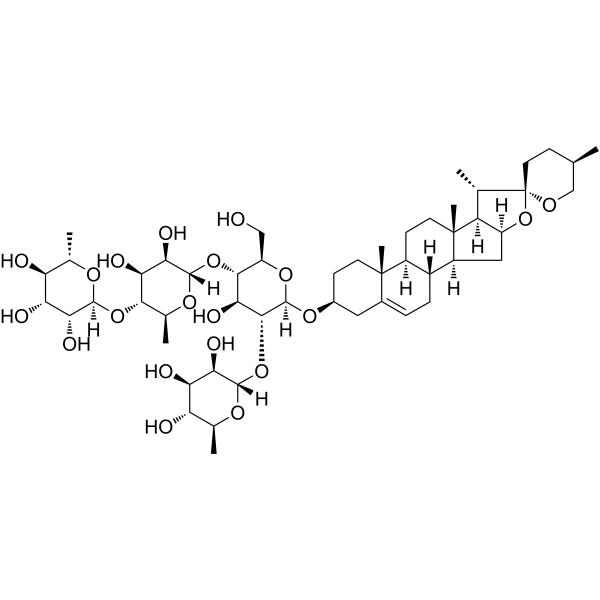
Formosanin C is a diosgenin saponin with multiple biological activities. Formosanin C possesses multiple anti-tumor mechanisms, including inducing apoptosis and autophagy, blocking the cell cycle, inhibiting metastasis and inducing ferroptosis. Formosanin C can inhibit the NF-κB signaling pathway to exert anti-inflammatory effects, and enhance the activity of immune cells. Formosanin C exhibits the inhibiting effect against C. albicans. Formosanin C can be used for the study of anti-inflammation, antifungal anti and anti-cancer (including lung cancer, liver cancer, breast cancer and colorectal cancer, etc.) .
|
-
-
- HY-132832
-
|
DRP-104
|
Drug Intermediate
|
Cancer
|
|
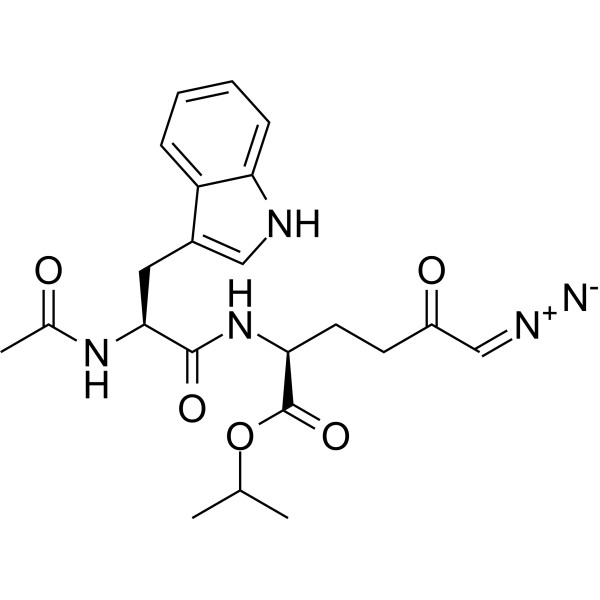
Sirpiglenastat (DRP-104) is a broad acting glutamine antagonist. Sirpiglenastat has anticancer effects by directly targeting tumor metabolism and simultaneously inducing a potent antitumor immune response .
|
-
-
- HY-B1637
-
|
Sodium diethyldithiocarbamate
|
HIV
Biochemical Assay Reagents
|
Infection
Inflammation/Immunology
Cancer
|
|
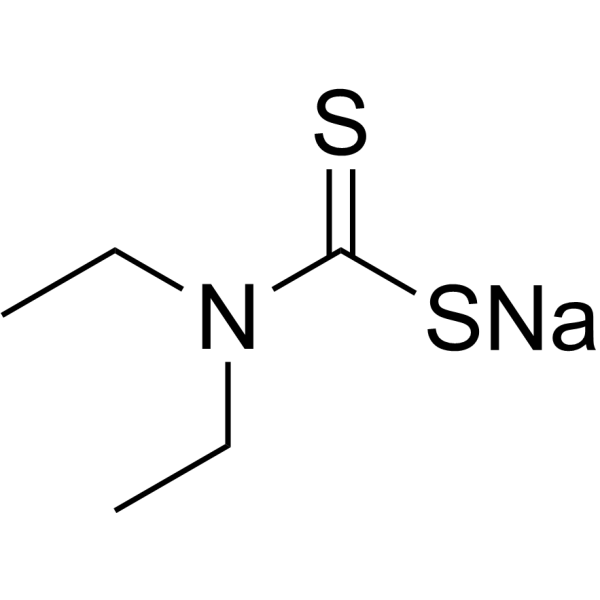
Ditiocarb sodium (Sodium diethyldithiocarbamate) is an orally active copper reagent. Ditiocarb sodium exhibits activities such as antioxidation, chelation, anti-tumor effects, immunomodulation, and anti-HIV properties. Ditiocarb sodium can be used in the research of tumors, inflammatory, and immune-related diseases .
|
-
-
- HY-152293
-
|
|
VEGFR
ERK
|
Cancer
|
|
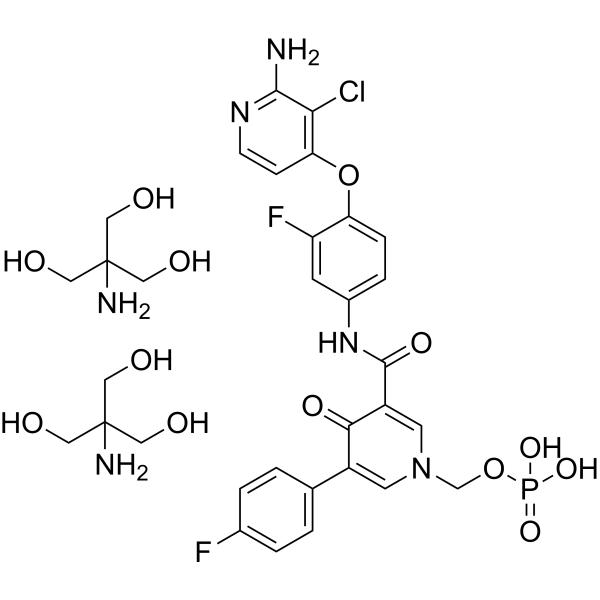
EVT801 is an orally active and selective inhibitor of VEGFR-3 (IC50=11 nM), which has antitumor effects. EVT801 inhibits not only VEGF-C-induced human endothelial cell proliferation, but also tumor (lymphatic) angiogenesis in tumor mouse models. EVT801 can reduce tumor hypoxia, immunosuppressive cytokines (CCL4, CCL5) and myeloid derived suppressor cells (MDSC) production. EVT801 has synergistic effect with immune checkpoint therapy (ICT), which improves ICT response rate and has better inhibitory effect on cancer mouse models . EVT801 is a click chemistry reagent, it contains an Alkyne group and can undergo copper-catalyzed azide-alkyne cycloaddition (CuAAc) with molecules containing Azide groups.
|
-
-
- HY-138799
-
|
|
HDAC
|
Cancer
|
|
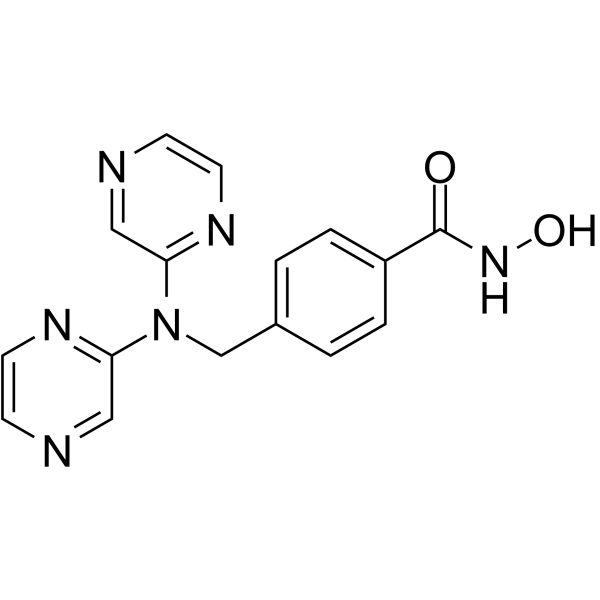
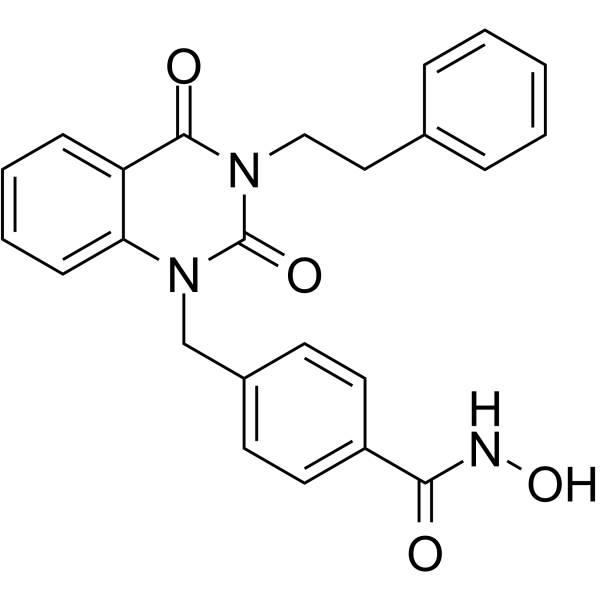
KA2507 is a potent, orally active and selective HDAC6 inhibitor, with an IC50 of 2.5 nM. KA2507 shows antitumor activities and immune modulatory effects in preclinical models .
|
-
-
- HY-B1637A
-
|
Sodium diethyldithiocarbamate,98%
|
HIV
Biochemical Assay Reagents
|
Infection
Inflammation/Immunology
Cancer
|
|
Ditiocarb sodium,98% (Sodium diethyldithiocarbamate,98%) is an orally active copper reagent. Ditiocarb sodium,98% exhibits activities such as antioxidation, chelation, anti-tumor effects, immunomodulation, and anti-HIV properties. Ditiocarb sodium,98% can be used in the research of tumors, inflammatory, and immune-related diseases .
|
-
-
- HY-N6579
-
|
|
p38 MAPK
Mitochondrial Metabolism
|
Cancer
|
|
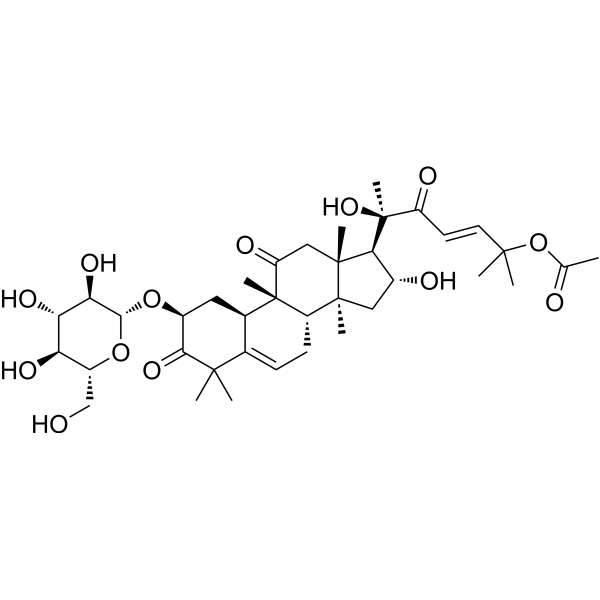
Arvenin I is a natural cucurbitacin glucoside that activates T cells within the cancer-competitive environment. Arvenin I covalently reacts with and hyperactivates MKK3, thereby reviving the mitochondrial fitness of exhausted T cells through the activation of the p38MAPK pathway . Arvenin I exhibits broad-spectrum antiproliferative against cancer cells . Arvenin I enhances antitumor effects both as a monotherapy and in combination with immune checkpoint inhibitors in mice . Arvenin I can be used for cancer research, such as colon cancer, breast cancer, lung cancer, and ovarian cancer [1][2].
|
-
-
- HY-142118
-
|
AP 12009
|
TGF-beta/Smad
|
Cancer
|
|
Trabedersen (AP 12009) is an orally active synthetic antisense phosphorothioate oligodeoxynucleotide that selectively targets human TGFβ2 mRNA. Trabedersen blocks TGFβ2 protein production, enters the nucleus without a transfection vector, and exerts dose-dependent antitumor effects. By reversing TGFβ2-induced immunosuppression and enhancing immune cytotoxicity, Trabedersen exhibits significant antiproliferative, antimigratory, and antimetastatic activities, with favorable safety profiles. Trabedersen is widely used in research related to various solid tumors, including anaplastic astrocytoma, glioblastoma, colorectal tumor, and melanoma .
|
-
-
- HY-126147
-
|
|
HDAC
|
Cancer
|
|
J22352 is a PROTAC (proteolysis-targeting chimeras)-like and highly selective HDAC6 inhibitor with an IC50 value of 4.7 nM. J22352 promotes HDAC6 degradation and induces anticancer effects by inhibiting autophagy and eliciting the antitumor immune response in glioblastoma cancers, and leading to the restoration of host antitumor activity by reducing the immunosuppressive activity of PD-L1 .
|
-
-
- HY-N6714
-
|
|
Topoisomerase
Androgen Receptor
Estrogen Receptor/ERR
Apoptosis
|
Infection
Cancer
|
|
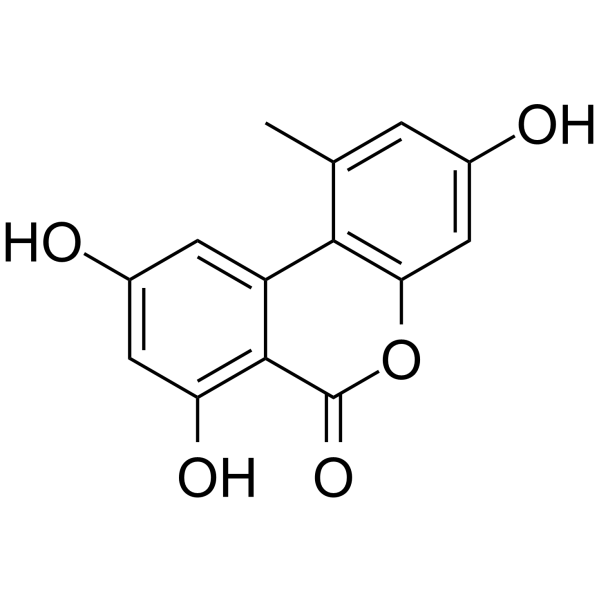
Alternariol is an orally ingested mycotoxin produced by Alternaria, capable of inhibiting the activity of topoisomerase I and II (topoisomerase I, topoisomerase II). Alternariol has weak estrogenic (Estrogen Receptor/ERR) and androgen/antiandrogen (Androgen Receptor) effects. Alternariol can induce apoptosis, trigger cell cycle arrest, suppress innate immune responses, and exhibit anti-tumor activity. Alternariol has genotoxic, mutagenic, and endocrine-disrupting effects .
|
-
-
- HY-N7719
-
-
-
- HY-175035
-
|
|
Hexokinase
|
Inflammation/Immunology
Cancer
|
|
HK-2-IN-1 is a Hexokinase 2 (HK-2) inhibitor. HK-2-IN-1 exhibits a non-activating effect on human recombinant HK-2 enzyme. HK-2-IN-1 has anti-tumor activity, affecting immune cells in the tumor microenvironment. HK-2-IN-1 has immunomodulatory effects and is potentially useful in the study of cancers such as colon cancer, liver cancer, and breast cancer .
|
-
-
- HY-B0180B
-
-
-
- HY-N6958
-
|
AA-2βG
|
Apoptosis
HSP
Reactive Oxygen Species (ROS)
Keap1-Nrf2
Heme Oxygenase (HO)
|
Inflammation/Immunology
Cancer
|
|
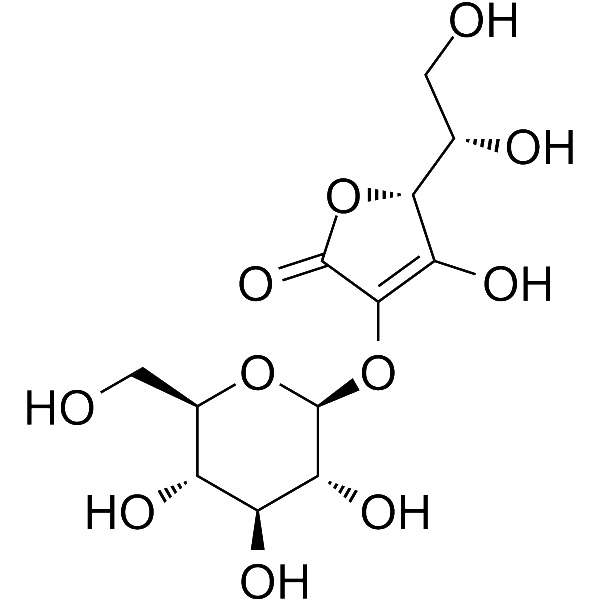
2-O-β-D-Glucopyranosyl-L-ascorbic acid (AA-2βG) is an orally active vitamin C derivative. 2-O-β-D-Glucopyranosyl-L-ascorbic acid exhibits multiple activities including antioxidant, anti-tumor and immunomodulatory effects. 2-O-β-D-Glucopyranosyl-L-ascorbic acid mediates tumor cell apoptosis, induces cell cycle arrest, scavenges free radicals and eliminates oxidative stress. 2-O-β-D-Glucopyranosyl-L-ascorbic acid can be used in studies related to cancer, inflammation and immunity .
|
-
-
- HY-N0885
-
|
Telobufotoxin; Telocinobufogenin
|
JAK
STAT
mTOR
PI3K
Akt
Polo-like Kinase (PLK)
Na+/K+ ATPase
Apoptosis
Bacterial
|
Infection
Cardiovascular Disease
Neurological Disease
Inflammation/Immunology
Cancer
|
|
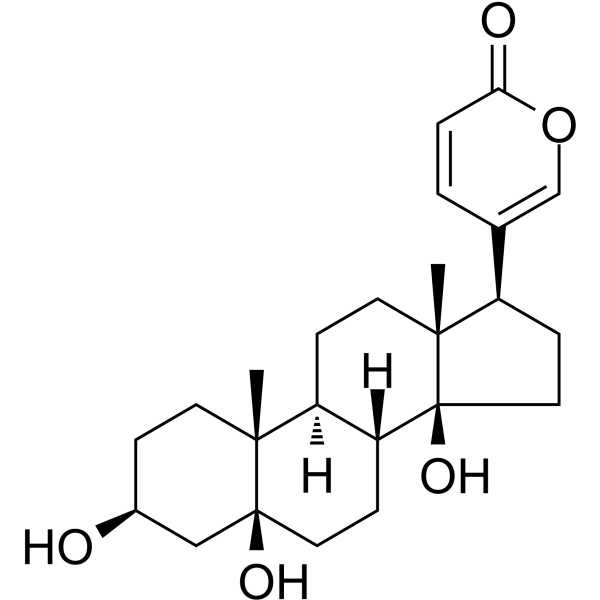
Telocinobufagin (Telobufotoxin; Telocinobufogenin) is an orally active bufadienolide with potential anti-tumor effects. Telocinobufagin exerts its anti-cancer effects on non-small cell carcinoma, osteosarcoma, thyroid cancer, breast cancer and head and neck squamous cell carcinoma by inhibiting the STAT3, JAK2/STAT3, LARP1-mTOR, PI3K/Akt/Snail and PLK1 pathways, and can also induce tumor cell apoptosis. Telocinobufagin enhances the Th1 immune response and protects against Salmonella typhimurium infection. Telocinobufagin has a strong cardiac-stimulating effect by inhibiting the activity of Na +/K +-ATPase, and it can promote renal fibrosis. Telocinobufagin demonstrates non-opioid analgesic effects in various acute pain models .
|
-
-
- HY-148511A
-
|
CMP-001 sodium
|
Toll-like Receptor (TLR)
|
Cancer
|
|
Vidutolimod sodium is a CpG-A oligodeoxynucleotide. Vidutolimod sodium is a Toll-like receptor 9 (TLR9) agonist, which activates plasmacytoid dendritic cells (pDCs) and triggers interferon alpha (IFNα) release, leading to a cascade of anti-tumor immune effects.
|
-
-
- HY-149830
-
|
|
PD-1/PD-L1
|
Cancer
|
|
PD-L1-IN-2 is a potential tumor immunological agent by inhibiting PD-L1. PD-L1-IN-2 is a Naamidine J derivative and exerts antitumor effects in vivo by reducing PD-L1 expression and enhancing tumor-infiltrating T-cell immunity. PD-L1-IN-2 is used for colorectal cancer research .
|
-
-
- HY-131347
-
|
|
PD-1/PD-L1
|
Inflammation/Immunology
Cancer
|
|
PD-1/PD-L1-IN-NP19 is a PD-1/PD-L1 inhibitor, with an IC50 of 12.5 nM for human PD-1/PD-L1 interaction. PD-1/PD-L1-IN-NP19 could activate the immune microenvironment in tumor, which may contribute to its antitumor effects .
|
-
-
- HY-142118A
-
|
AP 12009 sodium
|
TGF-beta/Smad
|
Cancer
|
|
Trabedersen (AP 12009) sodium is an orally active synthetic antisense phosphorothioate oligodeoxynucleotide that selectively targets human TGFβ2 mRNA. Trabedersen sodium blocks TGFβ2 protein production, enters the nucleus without a transfection vector, and exerts dose-dependent antitumor effects. By reversing TGFβ2-induced immunosuppression and enhancing immune cytotoxicity, Trabedersen sodium exhibits significant antiproliferative, antimigratory, and antimetastatic activities, with favorable safety profiles. Trabedersen sodium is widely used in research related to various solid tumors, including anaplastic astrocytoma, glioblastoma, colorectal tumor, and melanoma .
|
-
-
- HY-P10862
-
|
|
Exosomes
Virus Protease
|
Infection
Cancer
|
AH-D peptide is a brain-penetrant antiviral agent disrupting highly curved lipid membranes. AH-D peptide exhibits broad-spectrum antiviral activity against ZIKV, Dengue virus, Chikungunya virus, yellow fever virus and Japanese encephalitis virus, with IC50 values of 11.9, 12.5, 35.7, 206 and 136 nM, respectively. AH-D peptide reduces the viral load in the brain, suppresses inflammation, protects neurons, and does not damage the blood brain barrier. AH-D peptide restores antitumor immunity by decreasing circulating PD-L1 + exosomes, reducing intratumoral immunosuppressive cells (regulatory T cells, myeloid-derived suppressor cells), and enhancing T cell function. AH-D peptide inhibits membrane-enveloped viruses and cancer cell metastasis in vivo. AH-D peptide exhibits no immunogenicity and has negligible effects on normal tissues. AH-D peptide can be used for research in Zika virus and other mosquito-borne viruses, cancer immunotherapy and metastasis .
|
-
-
- HY-B0180R
-
|
R 837 (Standard)
|
Reference Standards
Toll-like Receptor (TLR)
Autophagy
SARS-CoV
HSV
|
Infection
Inflammation/Immunology
Cancer
|
|
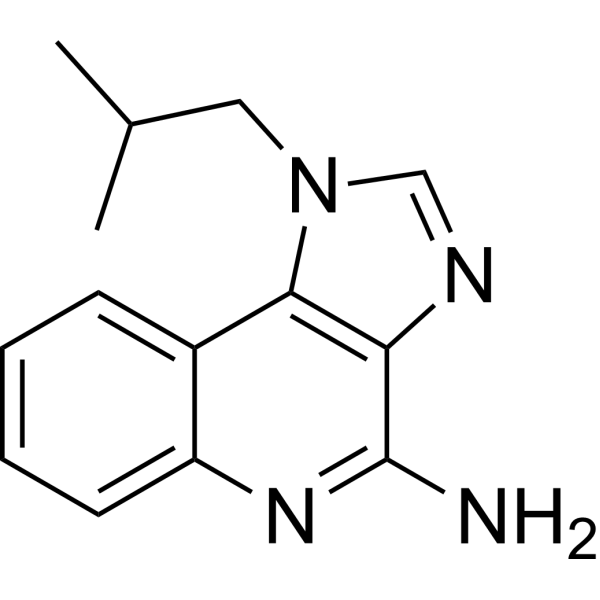
Imiquimod (Standard) is the analytical standard of Imiquimod. This product is intended for research and analytical applications. Imiquimod (R 837), an immune response modifier, is a selective toll like receptor 7 (TLR7) agonist. Imiquimod exhibits antiviral and antitumor effects in vivo. Imiquimod can be used for the research of external genital, perianal warts, cancer and COVID-19 .
|
-
-
- HY-N7719R
-
|
|
Endogenous Metabolite
Reference Standards
Bacterial
Fungal
Parasite
Apoptosis
Reactive Oxygen Species (ROS)
Caspase
HSV
|
Infection
Inflammation/Immunology
Cancer
|
|
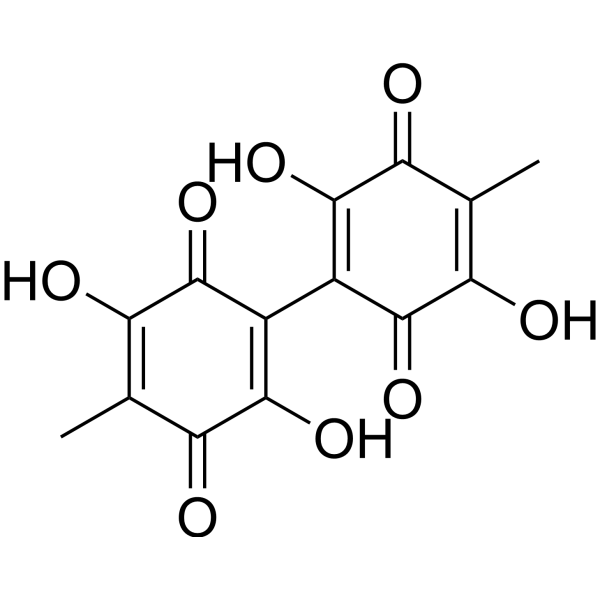
Oosporein (Standard) is the analytical standard of Oosporein (HY-N7719). This product is intended for research and analytical applications. Oosporein is a microbial metabolite and a red crystalline toxin produced by various fungi. Oosporein can promote the reproduction of fungi in host bodies by inhibiting insect immunity, and possesses multiple activities such as antibacterial, antiviral (HSV), and insecticidal effects. Oosporein can inhibit plant growth. In addition, Oosporein can also induce apoptosis, cell membrane damage, oxidative stress, and mitochondrial damage. Oosporein has certain antitumor activity .
|
-
-
- HY-D1056B2
-
|
LPS, from bacterial (Proteus mirabilis)
|
Toll-like Receptor (TLR)
|
Inflammation/Immunology
|
Lipopolysaccharides, from Proteus mirabilis are lipopolysaccharide endotoxins and TLR-4 activators derived from Proteus mirabilis, classified as S-type LPS, which can activate pathogen-associated molecular patterns (PAMP) of the immune system and induce cellular secretion of migrasomes. Lipopolysaccharides, from Proteus mirabilis exhibit a typical three-part structure: O-antigen, core oligosaccharide, and lipid A. Proteus mirabilis is a major pathogen causing urinary tract infections and may also contribute to rheumatoid arthritis. Lipopolysaccharides, from Proteus mirabilis also exhibit potential anti-tumor effects, demonstrating in vivo inhibitory activity against solid tumors such as meningosarcoma and Walker carcinosarcoma .
It is recommended to prepare a solution with concentration ≥2 mg/mL. Vortex thoroughly for more than 10 minutes. Due to the adsorption characteristics of LPS, silanized container or low adsorption centrifuge tubes should be used for aliquoting and storage, and mix thoroughly before use.
|
-
-
- HY-P11205A
-
|
Cys-txCD47 TFA
|
CD47
Reactive Oxygen Species (ROS)
Thrombopoietin Receptor
|
Inflammation/Immunology
Cancer
|
|
Cys-PKHB1 (Cys-txCD47) TFA is a peptide conjugated to PKHB1, a CD47 agonist peptide and a thrombospondin-1 peptide mimic with antitumor effects. PKHB1 induces mitochondrial alterations, ROS generation, intracellular Ca + accumulation, and calcium-dependent cell death in breast cancer cells. PKHB1 induces immune system activation in breast cancer cells through immunogenic cell death .
|
-
-
- HY-159172
-
|
|
HDAC
|
Cancer
|
|
HDAC3-IN-4 is a selective and orally active HDAC3 inhibitor with an IC50 of 89 nM. HDAC3-IN-4 induces the degradation of PD-L1 by regulating cathepsin B (CTSB) in the lysosomes, with a DC50 of 5.7 μM. HDAC3-IN-4 shows better selectivity for HDAC3 over HDAC1, HDAC6, HDAC7, and HDAC8 .
|
-
-
- HY-B0180S1
-
-
-
- HY-B0180S
-
-
-
- HY-B0180BR
-
|
|
Toll-like Receptor (TLR)
Autophagy
SARS-CoV
HSV
Reference Standards
|
Infection
Inflammation/Immunology
Cancer
|
|
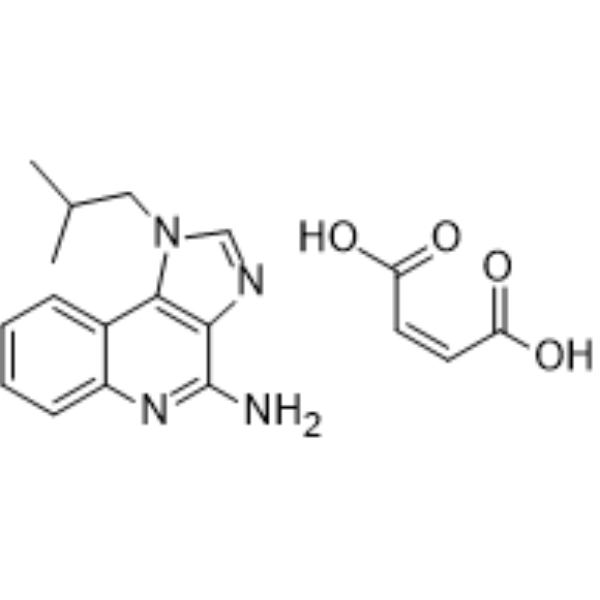
Imiquimod (maleate) (Standard) is the analytical standard of Imiquimod (maleate). This product is intended for research and analytical applications. Imiquimod maleate (R 837 maleate), an immune response modifier, is a selective toll like receptor 7 (TLR7) agonist. Imiquimod maleate exhibits antiviral and antitumor effects in vivo. Imiquimod maleate can be used for the research of external genital, perianal warts, cancer and COVID-19 .
|
-
-
- HY-B0180AR
-
|
R 837 hydrochloride (Standard)
|
Toll-like Receptor (TLR)
Autophagy
SARS-CoV
HSV
Reference Standards
|
Infection
Inflammation/Immunology
Cancer
|
|
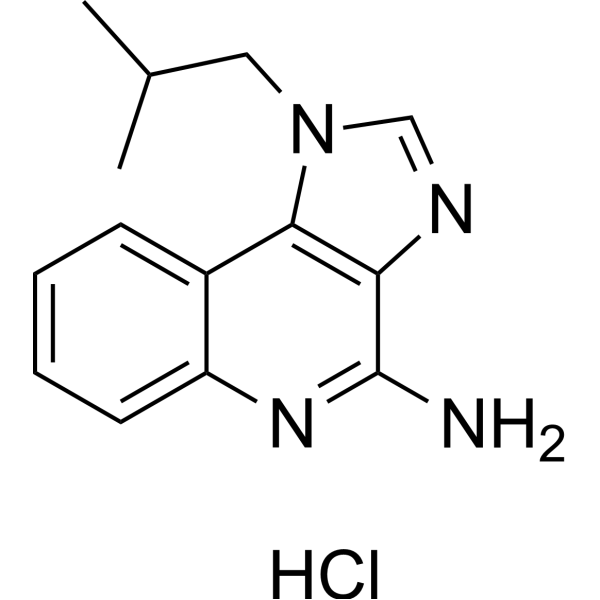
Imiquimod (hydrochloride) (Standard) is the analytical standard of Imiquimod (hydrochloride). This product is intended for research and analytical applications. Imiquimod hydrochloride (R 837 hydrochloride), an immune response modifier, is a selective toll like receptor 7 (TLR7) agonist. Imiquimod hydrochloride exhibits antiviral and antitumor effects in vivo. Imiquimod hydrochloride can be used for the research of external genital, perianal warts, cancer and COVID-19 .
|
-
-
- HY-W653896
-
|
|
Isotope-Labeled Compounds
Androgen Receptor
Apoptosis
Topoisomerase
Estrogen Receptor/ERR
|
Infection
|
|
Alternariol-d2 is deuterium labeled Alternariol. Alternariol is an orally ingested mycotoxin produced by Alternaria, capable of inhibiting the activity of topoisomerase I and II (topoisomerase I, topoisomerase II). Alternariol has weak estrogenic (Estrogen Receptor/ERR) and androgen/antiandrogen (Androgen Receptor) effects. Alternariol can induce apoptosis, trigger cell cycle arrest, suppress innate immune responses, and exhibit anti-tumor activity. Alternariol has genotoxic, mutagenic, and endocrine-disrupting effects .
|
-
-
- HY-174301
-
|
|
Deubiquitinase
DNA Methyltransferase
MDM-2/p53
|
Cancer
|
|
USP7-IN-18 is a naphthalene derivative. USP7-IN-18 is a selective USP7 inhibitor (IC50 : 130.9 nM), with no or very weak inhibition of the other 8 DUBs including USP47. USP7-IN-18 specifically binds to the catalytic domain of USP7, blocking its deubiquitinase activity. USP7-IN-18 causes degradation of the oncogenic proteins MDM2 and DNMT1, and also degrades the novel target PCLAF. USP7-IN-18 activates the p53-p21 pathway. USP7-IN-18 exerts anti-tumor effects in colon cancer animal models and reshapes the tumor immune microenvironment. USP7-IN-18 achieves both direct cytotoxic and immune-synergistic anti-tumor actions.
|
-
-
- HY-138799A
-
|
|
HDAC
|
Inflammation/Immunology
Cancer
|
|
KA2507 hydrochloride is a potent and highly selective inhibitor of HDAC6 (IC50=2.5 nM) with no significant toxicities. KA2507 hydrochloride shows antitumor efficacy and immune modulatory effects .
|
-
-
- HY-162348
-
|
|
Necroptosis
|
Cancer
|
|
Antitumor agent-145 (Compound Ir5) is a tumor inhibitor with remarkable fluorescence and mitochondrial targeting, which exerts anti-cancer effects by inducing necroptosis and activating the necroptosis-related immune response .
|
-
-
- HY-133935
-
|
|
Drug Derivative
|
Others
Neurological Disease
Inflammation/Immunology
Cancer
|
|
Benaxibine is an alkaloid belonging to the quinolone family of compounds. Benaxibine has a variety of biological activities, including anti-inflammatory, antioxidant, anti-tumor and immune-enhancing effects. Benaxibine can be used for screening and research of diseases such as inflammation and tumor .
|
-
-
- HY-B0180C
-
-
-
- HY-B1637S
-
|
Sodium diethyldithiocarbamate-d10 sodium
|
Isotope-Labeled Compounds
HIV
Biochemical Assay Reagents
|
Infection
Inflammation/Immunology
Cancer
|
|
Ditiocarb-d10 sodium (Sodium diethyldithiocarbamate-d10) is the deuterium labeled Ditiocarb sodium (HY-B1637). Ditiocarb sodium (Sodium diethyldithiocarbamate) is an orally active copper reagent. Ditiocarb sodium exhibits activities such as antioxidation, chelation, anti-tumor effects, immunomodulation, and anti-HIV properties. Ditiocarb sodium can be used in the research of tumors, inflammatory, and immune-related diseases .
|
-
-
- HY-B0180S2
-
-
-
- HY-N6714R
-
|
|
Reference Standards
Topoisomerase
Androgen Receptor
Estrogen Receptor/ERR
Apoptosis
|
Infection
Cancer
|
|
Alternariol (Standard) is the analytical standard of Alternariol. This product is intended for research and analytical applications. Alternariol is an orally ingested mycotoxin produced by Alternaria, capable of inhibiting the activity of topoisomerase I and II (topoisomerase I, topoisomerase II). Alternariol has weak estrogenic (Estrogen Receptor/ERR) and androgen/antiandrogen (Androgen Receptor) effects. Alternariol can induce apoptosis, trigger cell cycle arrest, suppress innate immune responses, and exhibit anti-tumor activity. Alternariol has genotoxic, mutagenic, and endocrine-disrupting effects .
|
-
-
- HY-P11205
-
|
Cys-txCD47
|
CD47
Reactive Oxygen Species (ROS)
Thrombopoietin Receptor
|
Inflammation/Immunology
Cancer
|
|
Cys-PKHB1 (Cys-txCD47) is a peptide conjugated to PKHB1, a CD47 agonist peptide and a thrombospondin-1 peptide mimic with antitumor effects. PKHB1 induces mitochondrial alterations, ROS generation, intracellular Ca + accumulation, and calcium-dependent cell death in breast cancer cells. PKHB1 induces immune system activation in breast cancer cells through immunogenic cell death .
|
-
-
- HY-172874
-
|
|
Indoleamine 2,3-Dioxygenase (IDO)
|
Cancer
|
|
TDO-IN-2 (Compound 5c) is an orally active TDO inhibitor (IC50: 1.25 μM). TDO-IN-2 has antitumor activity in the Hepa1-6 hepatocellular carcinoma allograft mouse model. TDO-IN-2 has synergistic effects with the PD-1/PD-L1 inhibitor BMS-202 (HY-19745) and can be used to study tumor immune tolerance .
|
-
-
- HY-161954
-
|
|
HDAC
|
Cancer
|
|
HDAC8-IN-12 (compound 5k) is a non-hydroxamic acid, selective inhibitor of HDAC8 (IC50: 0.12 nM) and a potent inhibitor of breast cancer. HDAC8-IN-12 triggers anti-tumor immunity by activating T cells, increasing the proportion of M1 macrophages and decreasing the proportion of M2 macrophages. HDAC8-IN-12 (50 mg/kg) exerts tumor suppressive effects in an orthotopic mouse model of breast cancer .
|
-
-
- HY-P992131
-
|
|
Mucin
|
Cancer
|
|
Sacomitatug is a humanized IgG1-κ monoclonal antibody targeting mucin 1 (MUC1). Sacomitatug exerts anti-tumor effects by blocking MUC1-mediated tumor proliferation signals and activating immune effectors .
|
-
-
- HY-180825
-
|
|
Apoptosis
Reactive Oxygen Species (ROS)
|
Inflammation/Immunology
Cancer
|
|
Anticancer agent 292 (Compound P4) is a photosensitizer for anti-melanoma. Anticancer agent 292 shows good biocompatibility under dark conditions and, upon illumination, induces apoptosis and partial necrosis in B16-F10 cells by disrupting the lysosomal membrane. Anticancer agent 292 not only directly kills tumor cells through the generation of reactive oxygen species (ROS), but also induces immune-prone cell death (ICD), thereby generating anti-tumor immune effects. Anticancer agent 292 can be used in the research of photodynamic therapy for melanoma .
|
-
-
- HY-182239
-
|
|
PD-1/PD-L1
|
Cancer
|
|
PDL1 degrader-3 (comppund e24) is a PD-L1 degrader. PDL1 degrader-3 inhibits CSN5 enzymatic activity, increases PD-L1 ubiquitination, and induces PD-L1 degradation via the ubiquitin-proteasome pathway, reducing PD-L1 expression on tumor cell membranes. PDL1 degrader-3 blocks PD-1/PD-L1 interaction, activates the tumor immune microenvironment, enhances tumor-infiltrating T-cell immunity, and inhibits activation of immunosuppressive MDSCs and Tregs. PDL1 degrader-3 exerts antitumor effects in mouse tumor models. PDL1 degrader-3 can be used for the research of colorectal cancer, lung cancer .
|
-
-
- HY-P992012
-
|
|
Opioid Receptor
|
Neurological Disease
Cancer
|
|
CA1001 is a small-molecule ZNF74 inhibitor and a peripherally restricted κ/δ dual opioid receptor agonist. CA1001 exhibits potent antitumor activity both in vitro and in vivo. CA1001, in combination with immune checkpoint inhibitors, significantly enhances tumor regression. CA1001 activates peripherally restricted κ/δ dual opioid receptors and exerts analgesic effects under conditions of inflammatory pain, neuropathic pain, and mechanical hyperalgesia. CA1001 can be used in research related to melanoma, mechanical hyperalgesia, neuropathic pain, and inflammatory arthritis pain.
|
-
-
- HY-179476
-
|
|
Androgen Receptor
Endogenous Metabolite
|
Inflammation/Immunology
Cancer
|
|
3-Oxochol-5-en-24-oic acid is a rare bile acid produced by the intestinal microbiota. 3-Oxochol-5-en-24-oic acid is a potent antagonist of the human androgen receptor (hAR), with an IC50 of 119.4 nM. 3-Oxochol-5-en-24-oic acid has no significant agonistic or antagonistic effects on estrogen receptors (ER) or glucocorticoid receptors (GR). 3-Oxochol-5-en-24-oic acid effectively inhibits the growth of prostate cancer cells. In animal models, it enhances the efficacy of anti-PD-1 therapy by regulating the differentiation of CD8 + T cells. 3-Oxochol-5-en-24-oic acid can be used for research on regulating host immunity and anti-tumor studies .
|
-
| Cat. No. |
Product Name |
Type |
-
- HY-D1056B2
-
|
LPS, from bacterial (Proteus mirabilis)
|
Biochemical Assay Reagents
|
Lipopolysaccharides, from Proteus mirabilis are lipopolysaccharide endotoxins and TLR-4 activators derived from Proteus mirabilis, classified as S-type LPS, which can activate pathogen-associated molecular patterns (PAMP) of the immune system and induce cellular secretion of migrasomes. Lipopolysaccharides, from Proteus mirabilis exhibit a typical three-part structure: O-antigen, core oligosaccharide, and lipid A. Proteus mirabilis is a major pathogen causing urinary tract infections and may also contribute to rheumatoid arthritis. Lipopolysaccharides, from Proteus mirabilis also exhibit potential anti-tumor effects, demonstrating in vivo inhibitory activity against solid tumors such as meningosarcoma and Walker carcinosarcoma .
It is recommended to prepare a solution with concentration ≥2 mg/mL. Vortex thoroughly for more than 10 minutes. Due to the adsorption characteristics of LPS, silanized container or low adsorption centrifuge tubes should be used for aliquoting and storage, and mix thoroughly before use.
|
| Cat. No. |
Product Name |
Target |
Research Area |
-
- HY-P10862
-
|
|
Exosomes
Virus Protease
|
Infection
Cancer
|
AH-D peptide is a brain-penetrant antiviral agent disrupting highly curved lipid membranes. AH-D peptide exhibits broad-spectrum antiviral activity against ZIKV, Dengue virus, Chikungunya virus, yellow fever virus and Japanese encephalitis virus, with IC50 values of 11.9, 12.5, 35.7, 206 and 136 nM, respectively. AH-D peptide reduces the viral load in the brain, suppresses inflammation, protects neurons, and does not damage the blood brain barrier. AH-D peptide restores antitumor immunity by decreasing circulating PD-L1 + exosomes, reducing intratumoral immunosuppressive cells (regulatory T cells, myeloid-derived suppressor cells), and enhancing T cell function. AH-D peptide inhibits membrane-enveloped viruses and cancer cell metastasis in vivo. AH-D peptide exhibits no immunogenicity and has negligible effects on normal tissues. AH-D peptide can be used for research in Zika virus and other mosquito-borne viruses, cancer immunotherapy and metastasis .
|
-
- HY-P11205A
-
|
Cys-txCD47 TFA
|
CD47
Reactive Oxygen Species (ROS)
Thrombopoietin Receptor
|
Inflammation/Immunology
Cancer
|
|
Cys-PKHB1 (Cys-txCD47) TFA is a peptide conjugated to PKHB1, a CD47 agonist peptide and a thrombospondin-1 peptide mimic with antitumor effects. PKHB1 induces mitochondrial alterations, ROS generation, intracellular Ca + accumulation, and calcium-dependent cell death in breast cancer cells. PKHB1 induces immune system activation in breast cancer cells through immunogenic cell death .
|
-
- HY-P11205
-
|
Cys-txCD47
|
CD47
Reactive Oxygen Species (ROS)
Thrombopoietin Receptor
|
Inflammation/Immunology
Cancer
|
|
Cys-PKHB1 (Cys-txCD47) is a peptide conjugated to PKHB1, a CD47 agonist peptide and a thrombospondin-1 peptide mimic with antitumor effects. PKHB1 induces mitochondrial alterations, ROS generation, intracellular Ca + accumulation, and calcium-dependent cell death in breast cancer cells. PKHB1 induces immune system activation in breast cancer cells through immunogenic cell death .
|
| Cat. No. |
Product Name |
Target |
Research Area |
Image |
-
- HY-P992131
-
|
|
Mucin
|
Cancer
|
|
Sacomitatug is a humanized IgG1-κ monoclonal antibody targeting mucin 1 (MUC1). Sacomitatug exerts anti-tumor effects by blocking MUC1-mediated tumor proliferation signals and activating immune effectors .
|
-
(5)
-
- HY-P992012
-
|
|
Opioid Receptor
|
Neurological Disease
Cancer
|
|
CA1001 is a small-molecule ZNF74 inhibitor and a peripherally restricted κ/δ dual opioid receptor agonist. CA1001 exhibits potent antitumor activity both in vitro and in vivo. CA1001, in combination with immune checkpoint inhibitors, significantly enhances tumor regression. CA1001 activates peripherally restricted κ/δ dual opioid receptors and exerts analgesic effects under conditions of inflammatory pain, neuropathic pain, and mechanical hyperalgesia. CA1001 can be used in research related to melanoma, mechanical hyperalgesia, neuropathic pain, and inflammatory arthritis pain.
|
-
(5)
| Cat. No. |
Product Name |
Category |
Target |
Chemical Structure |
| Cat. No. |
Product Name |
Chemical Structure |
-
- HY-B0180S1
-
|
|
|
Imiquimod-d9 is deuterium labeled Imiquimod. Imiquimod (R 837), an immune response modifier, is a selective toll like receptor 7 (TLR7) agonist. Imiquimod exhibits antiviral and antitumor effects in vivo. Imiquimod can be used for the research of external genital, perianal warts, cancer and COVID-19 .
|
-
-
- HY-B0180S
-
|
|
|
Imiquimod-d6 is the deuterium labeled Imiquimod. Imiquimod (R 837), an immune response modifier, is a selective toll like receptor 7 (TLR7) agonist. Imiquimod exhibits antiviral and antitumor effects in vivo. Imiquimod can be used for the research of external genital, perianal warts, cancer and COVID-19 .
|
-
-
- HY-W653896
-
|
|
|
Alternariol-d2 is deuterium labeled Alternariol. Alternariol is an orally ingested mycotoxin produced by Alternaria, capable of inhibiting the activity of topoisomerase I and II (topoisomerase I, topoisomerase II). Alternariol has weak estrogenic (Estrogen Receptor/ERR) and androgen/antiandrogen (Androgen Receptor) effects. Alternariol can induce apoptosis, trigger cell cycle arrest, suppress innate immune responses, and exhibit anti-tumor activity. Alternariol has genotoxic, mutagenic, and endocrine-disrupting effects .
|
-
-
- HY-B1637S
-
|
|
|
Ditiocarb-d10 sodium (Sodium diethyldithiocarbamate-d10) is the deuterium labeled Ditiocarb sodium (HY-B1637). Ditiocarb sodium (Sodium diethyldithiocarbamate) is an orally active copper reagent. Ditiocarb sodium exhibits activities such as antioxidation, chelation, anti-tumor effects, immunomodulation, and anti-HIV properties. Ditiocarb sodium can be used in the research of tumors, inflammatory, and immune-related diseases .
|
-
-
- HY-B0180S2
-
|
|
|
Imiquimod-d7 (R 837-d7) is deuterium labeled Imiquimod. Imiquimod (R 837), an immune response modifier, is a selective toll like receptor 7 (TLR7) agonist. Imiquimod exhibits antiviral and antitumor effects in vivo. Imiquimod can be used for the research of external genital, perianal warts, cancer and COVID-19 .
|
-
| Cat. No. |
Product Name |
|
Classification |
-
- HY-142118
-
|
AP 12009
|
|
Antisense Oligonucleotides
|
|
Trabedersen (AP 12009) is an orally active synthetic antisense phosphorothioate oligodeoxynucleotide that selectively targets human TGFβ2 mRNA. Trabedersen blocks TGFβ2 protein production, enters the nucleus without a transfection vector, and exerts dose-dependent antitumor effects. By reversing TGFβ2-induced immunosuppression and enhancing immune cytotoxicity, Trabedersen exhibits significant antiproliferative, antimigratory, and antimetastatic activities, with favorable safety profiles. Trabedersen is widely used in research related to various solid tumors, including anaplastic astrocytoma, glioblastoma, colorectal tumor, and melanoma .
|
-
- HY-148511A
-
|
CMP-001 sodium
|
|
CpG ODNs
|
|
Vidutolimod sodium is a CpG-A oligodeoxynucleotide. Vidutolimod sodium is a Toll-like receptor 9 (TLR9) agonist, which activates plasmacytoid dendritic cells (pDCs) and triggers interferon alpha (IFNα) release, leading to a cascade of anti-tumor immune effects.
|
-
- HY-142118A
-
|
AP 12009 sodium
|
|
Antisense Oligonucleotides
|
|
Trabedersen (AP 12009) sodium is an orally active synthetic antisense phosphorothioate oligodeoxynucleotide that selectively targets human TGFβ2 mRNA. Trabedersen sodium blocks TGFβ2 protein production, enters the nucleus without a transfection vector, and exerts dose-dependent antitumor effects. By reversing TGFβ2-induced immunosuppression and enhancing immune cytotoxicity, Trabedersen sodium exhibits significant antiproliferative, antimigratory, and antimetastatic activities, with favorable safety profiles. Trabedersen sodium is widely used in research related to various solid tumors, including anaplastic astrocytoma, glioblastoma, colorectal tumor, and melanoma .
|
Your information is safe with us. * Required Fields.
Inquiry Information
- Product Name:
- Cat. No.:
- Quantity:
- MCE Japan Authorized Agent:

