Search Result
Results for "
HeLa (cervical cancer)
" in MedChemExpress (MCE) Product Catalog:
-
- HY-125474
-
|
|
Environmental Pollutants
HIV
HSV
|
Infection
Cancer
|
|
Carrageenan is an antiviral and anticancer agent. Carrageenan inhibits herpes simplex virus (HSV), HIV, and hepatitis A virus (HAV) by directly binding to the viral capsid to block the attachment of viruses such as HPV to HSPG factors on the cell surface. Carrageenan delays and arrests cell cycle progression, exhibits cytotoxicity against HeLa cancer cells, and can be applied to studies related to cervical cancer, genital warts, hepatitis A, and other conditions. Carrageenan also induces acute non-immune inflammation, triggers a three-phase inflammatory response involving the release of multiple proinflammatory mediators, and causes persistent edema, hyperalgesia, and neutrophil recruitment in mice .
|
-

-
- HY-N12257
-
|
|
Cytochrome P450
Reactive Oxygen Species (ROS)
Apoptosis
|
Infection
Cancer
|
|
Antimycin A2 is a selective inhibitor of the cytochrome b-c1 complex in the mitochondrial electron transport chain. Antimycin A2 disrupts mitochondrial membrane potential and produces reactive oxygen species (ROS) by inhibiting electron transfer between cytochrome b and c. Antimycin A2 has bactericidal and piscicidal activity, as well as tumor cell growth inhibitory effects, and can induce S-phase cell cycle arrest and apoptosis in HeLa cells. Antimycin A2 is suitable for research of cervical cancer and fisheries management. Antimycin A2 can be naturally isolated from the fermentation products of Streptomyces sp. strains .
|
-

-
- HY-N1511
-
|
|
Sirtuin
Apoptosis
|
Cancer
|
|
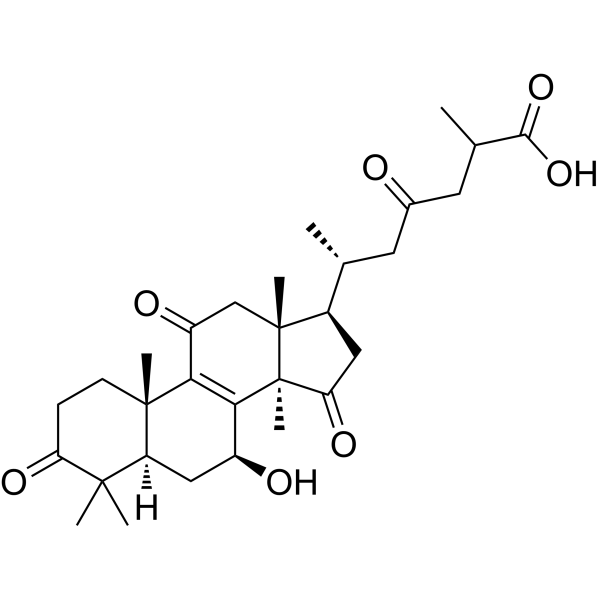
Ganoderic acid D, a highly oxygenated tetracyclic triterpenoid, is the major active component of Ganoderma lucidum. Ganoderic acid D upregulates the protein expression of SIRT3 and induces the deacetylated cyclophilin D (CypD) by SIRT3. Ganoderic acid D inhibits the energy reprogramming of colon cancer cells including glucose uptake, lactate production, pyruvate and acetyl-coenzyme production in colon cancer cells . Ganoderic acid D induces HeLa human cervical carcinoma apoptosis .
|
-
-
- HY-B0714
-
|
Dexketoprofen tromethamine salt
|
COX
|
Neurological Disease
Inflammation/Immunology
Cancer
|
|
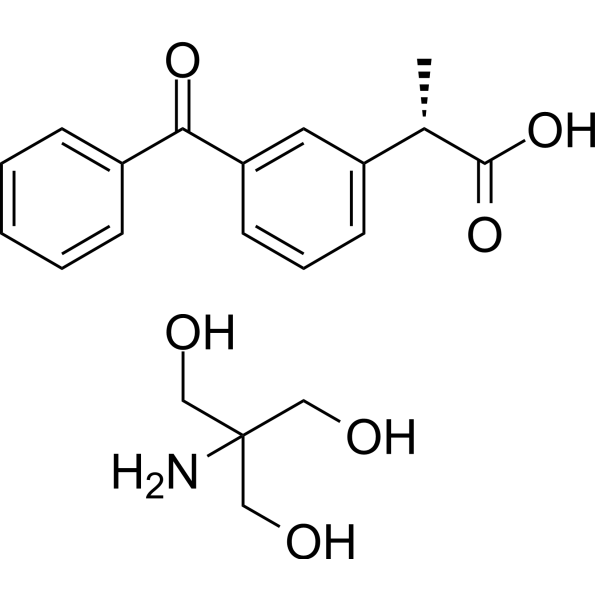
Dexketoprofen trometamol (Dexketoprofen tromethamine salt) is an orally active non-selective COX inhibitor. Dexketoprofen trometamol has a pain-relieving effect, anti-inflammatory effect and anti-cancer effect .
|
-
-
- HY-139621
-
|
|
DNA Alkylator/Crosslinker
|
Cancer
|
|
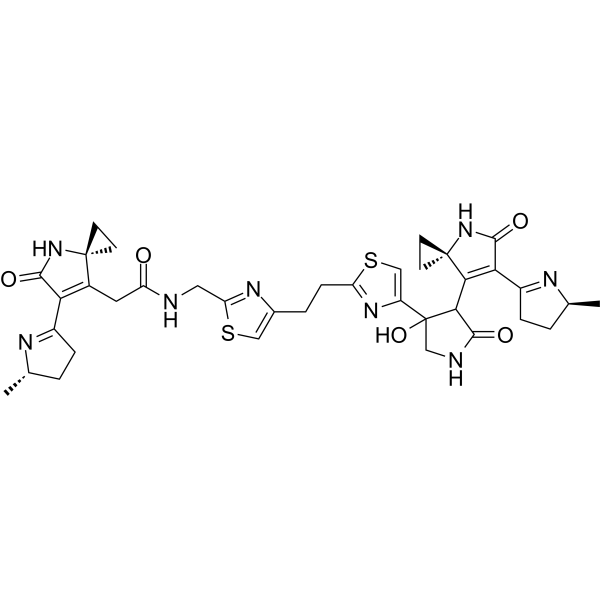
Colibactin 742 is a covalently binding DNA-damaging agent targeting DNA, with an IC50 of 5.2 μM against human cervical cancer cells (HeLa). Colibactin 742 covalently binds to DNA, forming interstrand crosslinks (ICLs), activating the Fanconi anemia DNA repair pathway, inducing γH2AX and FANCD2 foci formation and cell cycle arrest, while exacerbating mismatch repair deficiency (MMRd)-related mutations. Colibactin 742 can mimic the genotoxicity of natural Colibactin while avoiding its instability, and is mainly used in colorectal cancer (CRC) related research, including microbial tumorigenesis mechanisms, DNA damage repair pathways, and mutation signature analysis .
|
-
-
- HY-N1464A
-
|
|
Complement System
Apoptosis
|
Cancer
|
|
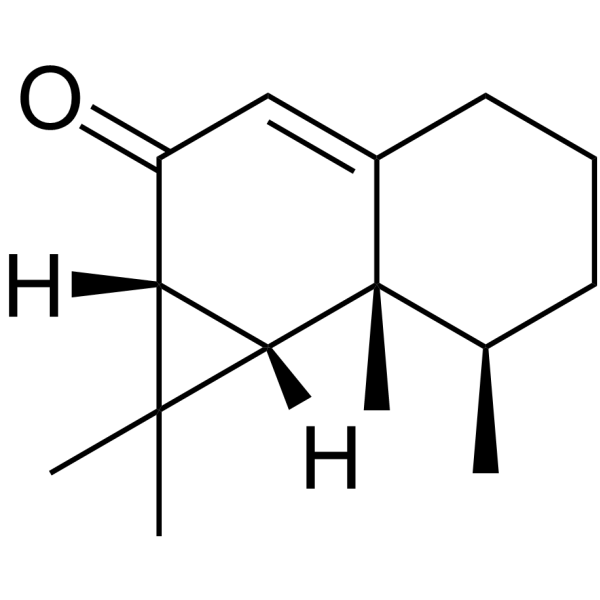
Aristolone is a sesquiterpene that can be isolated from Aristolochia debilis, Rosmarinus officinalis and Ficus Auriculata. Aristolone in Ara Fruit can be used as a prediction of apoptosis in HeLa cells. Aristolone inhibits the C1 complement component. Aristolone produces cytotoxicity effects on cells. Aristolone has anticancer properties and can be studied in research for cervical cancer .
|
-
-
- HY-169056
-
|
|
Reactive Oxygen Species (ROS)
|
Cancer
|
|
SLC7A11-IN-2 (Compound 1) is an SLC7A11/xCT inhibitor. SLC7A11-IN-2 induces cell death in HeLa cells by lowering intracellular glutathione levels and increasing oxidative stress, thereby disrupting the oxidative balance within the cells, with an IC50 value of 10.23 μM. Molecular dynamics simulation analysis indicates that SLC7A11-IN-2 has a stronger binding affinity to SLC7A11 compared to Erastin (HY-15763). SLC7A11-IN-2 can be utilized in research within the field of cervical cancer .
|
-

-
- HY-161597
-
|
|
PROTACs
DYRK
|
Cancer
|
|
PROTAC DYRK2 degrader 1 is a DYRK2 PROTAC degrader with DC50 values of 1.607 μM (MDA-MB-231 cells) and 3.265 μM (HeLa cells), respectively. PROTAC DYRK2 degrader 1 induces DYRK2 degradation via the ubiquitin-proteasome system. It is applicable to the research of triple-negative breast cancer and cervical cancer .
|
-

-
- HY-W014785
-
|
|
Drug Intermediate
|
Cancer
|
|
1,4-Diphenylbuta-1,3-diyne (Compound 2a) is a synthetic symmetrical 1,3-diene derivative. 1,4-Diphenylbuta-1,3-diyne exhibits significant selective anti-proliferative activity against HeLa cells. 1,4-Diphenylbuta-1,3-diyne can be utilized in cervical cancer research .
|
-

-
- HY-174468
-
|
|
LYTACs
PD-1/PD-L1
HSP
|
Cancer
|
|
dPDL1-4 is a potent and selective eHSPTAC eHSP90 PD-L1 degrader with DC50s of 7.77 μM and 6.52 μM in HeLa and B16F10 cells. dPDL1-4 bridges eHSP90 with the target protein, inducing lysosomal degradation. dPDL1-4 can degrade PD-L1 significantly and inhibits tumor growth. dPDL1-4 can be used for the study of cervical cancer and melanoma. ((Pink: eHSP90 ligand (HY-174476); Blue: PD-L1 ligand (HY-116274); Black: Linker (HY-W021787); HSP ligand + linker: HY-174799)) .
|
-

-
- HY-178960
-
|
|
Microtubule/Tubulin
Apoptosis
|
Cancer
|
|
Tubulin-IN-59 (Compound 8g) is an orally active Tubulin inhibitor. Tubulin-IN-59 exhibits potent anti-proliferative activity against HCT116 colorectal cancer, HeLa cervical cancer, and HepG2 liver cancer cell lines, with its IC₅₀ value ranging from 16 to 35 nM. Tubulin-IN-59 arrests HeLa cells in the G2/M phase and induces cell apoptosis. Tubulin-IN-59 demonstrates significant anti-tumor activity in the HT29 human colon cancer mouse xenograft model. Tubulin-IN-59 can be used for the study of colorectal cancer and cervical cancer .
|
-

-
- HY-175175
-
|
|
p38 MAPK
Bcl-2 Family
Caspase
Reactive Oxygen Species (ROS)
PARP
Apoptosis
|
Cancer
|
|
MAPK-IN-5 is a potent MAPK inhibitor with an IC50 of 1.35 μM against HeLa cells. MAPK-IN-5 inhibits HeLa cell proliferation by inducing ROS-mediated DNA damage and mitochondrial apoptosis via the MAPK pathway. MAPK-IN-5 significantly inhibits colony formation, reduces the number of live cells, suppresses cell migration, and causes cell cycle arrest in the G2/M phase in HeLa cells. MAPK-IN-5 can be used for the study of cervical cancer .
|
-

-
- HY-175466
-
|
|
PARP
DNA/RNA Synthesis
Apoptosis
|
Cancer
|
|
BER-IN-1 is a base excision repair (BER) inhibtor, targeting DNA abasic sites. BER-IN-1 cleaves abasic sites via β- and β,δ-elimination mechanisms, disrupts the base excision repair (BER) pathway and leads to DNA double-strand breaks (DSBs). BER-IN-1 can enhance the effectiveness of the PARP inhibitor Olaparib (HY-10162) in homologous recombination (HR)-proficient cancer cells (MDA-MB-231, HeLa, and SKOV3). BER-IN-1 induces an S-phase arrest and apoptosis companied with Olaparib (HY-10162). BER-IN-1 can be used for the research of cancer, such as breast, cervical and ovarian cancer .
|
-

-
- HY-178296
-
|
|
Phosphatase
|
Cancer
|
|
VHR-IN-6 is a selective vaccinia H1-related (VHR) phosphatase inhibitor with an IC50 of 74 nM. VHR-IN-6 shows very weaker inhibitory activity against MKP-1 (IC50 = 0.52 μM), CD45 (IC50 = 0.50 μM), Cdc25A (IC50 = 2.8 μM), PTP1B (IC50 = 0.42 μM), and HePTP (IC50 = 0.87 μM). VHR-IN-6 inhibits the proliferation of HeLa cells. VHR-IN-6 can be used for the research of cervical cancer .
|
-

-
- HY-178301
-
|
|
Phosphatase
|
Cancer
|
|
VHR-IN-9 is a selective vaccinia H1-related (VHR) phosphatase inhibitor with an IC50 of 270 nM. VHR-IN-9 shows very weaker inhibitory activity against MKP-1 (IC50 = 2.8 μM), CD45 (IC50 = 1.8 μM), Cdc25A (IC50 = > 10 μM), PTP1B (IC50 = 2.2 μM), and HePTP (IC50 = 2.4 μM). VHR-IN-9 inhibits the proliferation of HeLa cells. VHR-IN-9 can be used for the research of cervical cancer .
|
-

-
- HY-178297
-
|
|
Phosphatase
|
Cancer
|
|
VHR-IN-7 is a selective vaccinia H1-related (VHR) phosphatase inhibitor with an IC50 of 71 nM. VHR-IN-7 shows very weaker inhibitory activity against MKP-1 (IC50 = 0.47 μM), CD45 (IC50 = 0.3 μM), Cdc25A (IC50 = 3.4 μM), PTP1B (IC50 = 0.59 μM), and HePTP (IC50 = 1.2 μM). VHR-IN-7 inhibits the proliferation of HeLa cells. VHR-IN-7 can be used for the research of cervical cancer .
|
-

-
- HY-P10785
-
|
|
Bacterial
Antibiotic
|
Infection
|
|
Iturin A-2 is a cyclic lipopeptide discovered in B. subtilis and exhibits inhibitory activity against the plant pathogenic fungus P. expansum (MIC = 8 µg/disk). Iturin A-2 is cytotoxic to MCF-7 and BT474 breast cancer cells, as well as HeLa cervical cancer cells, with IC50 values of 66.81, 95.04, and 77.5 µg/mL, respectively. In greenhouse studies, Iturin A-2 at concentrations of 100 and 300 mg/kg Iturin A-2 reduces the lesion area of southern corn leaf blight caused by B. maydis, and in field studies, concentrations of 300 and 500 mg/kg Iturin A-2 reduce the incidence of the disease. Iturin A-2 (12.5 µg/mL) inhibits cell division, but not nuclear division, in isolated fertilized starfish eggs .
|
-

-
- HY-179424
-
|
|
PROTACs
HIF/HIF Prolyl-Hydroxylase
p38 MAPK
Akt
PI3K
MEK
Apoptosis
|
Cancer
|
|
PROTAC HIF-1α degrader-2 is a highly efficient and selective PROTAC degrader targeting HIF-1α. PROTAC HIF-1α degrader-2 promotes HIF-1α degradation via the ubiquitin-proteasome pathway by facilitating the formation of a HIF-1α/VHL ternary complex. PROTAC HIF-1α degrader-2 inhibits HeLa cell proliferation, migration, and colony formation, and induces apoptosis. PROTAC HIF-1α degrader-2 reduces p-MEK and p-AKT expression in the MAPK and PI3K/AKT pathways. PROTAC HIF-1α degrader-2 can be used for the study of cervical cancer .
|
-

-
- HY-161076
-
-
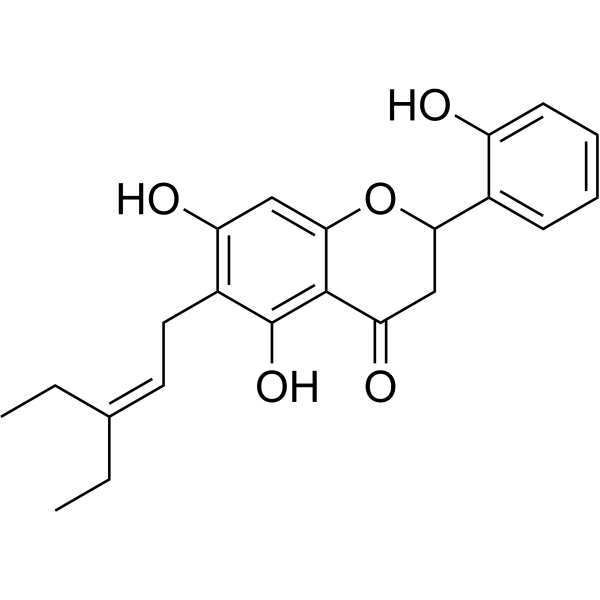
-
- HY-N16671
-
|
Bufogenin B; Deacetylbufotalin
|
Others
|
Cancer
|
|
Desacetylbufotalin (Bufogenin B; Deacetylbufotalin) is a bufadienolide found in Chinese drug "Chan'Su". Desacetylbufotalin shows strong anti-proliferative activity on the of Hela cells (IC50 = 0.01 μM). Desacetylbufotalin can be used for the research of cancer, such as cervical cancer .
|
-

-
- HY-126989
-
|
|
Arp2/3 Complex
|
Cancer
|
|
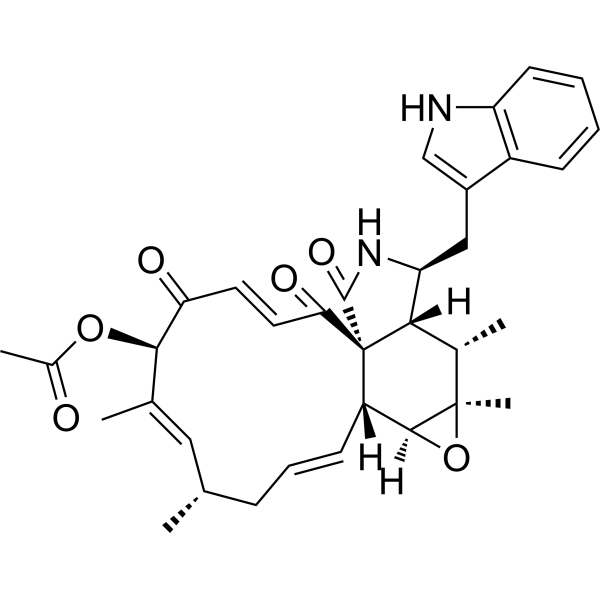
19-O-Acetylchaetoglobosin A, a cytochalasan alkaloid, is a fungal metabolite originally isolated from C. globosum that has actin polymerization inhibitory and cytotoxic activities. 19-O-Acetylchaetoglobosin A is cytotoxic to HeLa cervical cancer cells .
|
-
-
- HY-D1877
-
|
|
Pyruvate Kinase
|
Others
|
|
ZY-1 is a control molecule of ZY-2 (HY-D1876, a PKM2 fluorescent probe). ZY-1 shows a low fluorescence emission in HeLa, a cervical cancer cell abundant in PKM2 expression .
|
-
-
- HY-178143
-
|
|
KLF
|
Cancer
|
|
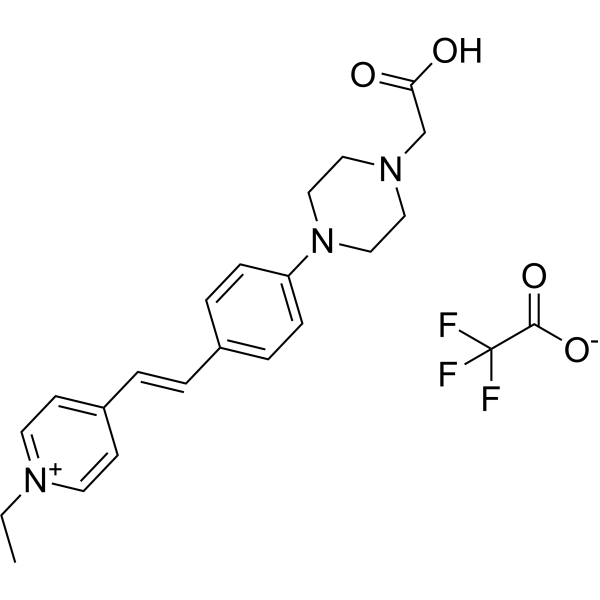
Sp1-IN-1 is a selective specificity protein 1 (Sp1) inhibitor. Sp1-IN-1 inhibits the proliferation of Hela cells and MCF-7 cells. Sp1-IN-1 can be used to the studies of cervical cancer and breast cancer .
|
-

-
- HY-N11643
-
|
GA-Mk
|
Apoptosis
Reactive Oxygen Species (ROS)
MMP
Caspase
|
Cancer
|
|
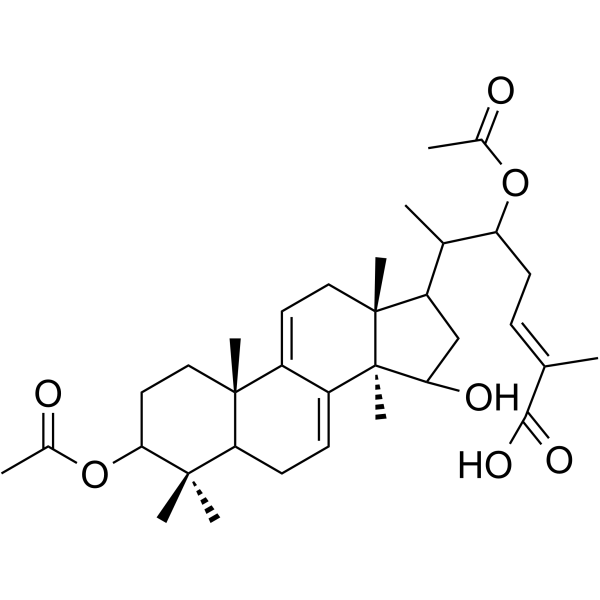
Ganoderic acid Mk (GA-Mk) is a triterpenoid acid, that can be isolated from the mycelia of Ganoderma lucidum. Ganoderic acid Mk is efficiently anti-proliferative and can induce apoptosis of HeLa cells by mitochondria-mediated pathway. Ganoderic acid Mk can be used for cervical cancer research .
|
-
-
- HY-N15349
-
|
|
Others
|
Cancer
|
|
Nocapyrone Q is a polyketide compound discovered in the karst cave mold Streptomyces sp. FD-2-6. At a dose of 100 μM, Nocapyrone Q exhibits inhibitory activity against human hepatocellular carcinoma HepG2 cells and human cervical cancer HeLa cells. Nocapyrone Q holds potential for research in the field of cancer therapy .
|
-

-
- HY-175598
-
|
|
Others
|
Cancer
|
|
Anticancer agent 278 (Compound 5e) is an anticancer agent. Anticancer agent 278 has potent toxicity and inhibitory activities against cancer cells with IC50s of 4.02 μM, 6.02 μM and 6.11 μM for A549, HeLa and HCT116, respectively. Anticancer agent 278 can be used for cancers like human lung, cervical and colorectal cancer research .
|
-

-
- HY-168300
-
|
|
Reactive Oxygen Species (ROS)
Apoptosis
|
Inflammation/Immunology
Cancer
|
|
Antiangiogenic agent 7 (Compound 1) can induce cell apoptosis, increase Reactive Oxygen Species, and inhibit the intracellular enzyme thioredoxin reductase. Antiangiogenic agent 7 has anti-cancer activity, with an IC50 of 0.08-3.5 μM against cervical cancer cells HeLa, prostate cancer cells PC-3, and non-small cell lung cancer A549. Antiangiogenic agent 7 inhibits tumor growth in mouse xenograft models .
|
-

-
- HY-N8230
-
|
|
HIV
HIV Protease
|
Infection
Inflammation/Immunology
Cancer
|
|
Ganosinensic acid C is a triterpenoid compound that can be extracted from Ganoderma lucidum. Ganosinensic acid C has important biological activities such as anti-tumor, anti-prostate cancer, anti-inflammatory, and inhibition of HIV-I protease. Ganosinensic acid C has an IC50 value of 10.5 μM against human highly metastatic lung cancer cell line 95D. Ganosinensic acid C has an IC50 value of Ganosinensic acid C against cervical cancer cell line Hela is 13.2 μM .
|
-

-
- HY-144786
-
|
|
Microtubule/Tubulin
Apoptosis
|
Cancer
|
|
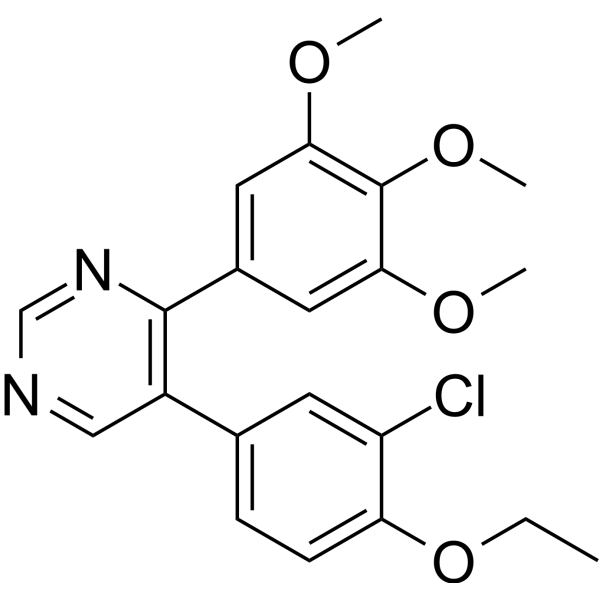
Tubulin polymerization-IN-4 is a potent tubulin polymerization inhibitor with IC50 value of 4.6 μM. Tubulin polymerization-IN-4 can disrupt tubulin polymerization and vasculature, arrest the cell cycle at the G2/M phase, induce apoptosis, and suppress clonogenesis and migration in HeLa cells. Tubulin polymerization-IN-4 can be used for researching cervical cancer .
|
-
-
- HY-163770
-
|
|
Proteasome
|
Cancer
|
|
Anticancer agent 233 (compound 5g) is a 3,5-bis(arylmethylene)-4-piperidinone derivative with anticancer activity, with GI50 of 0.25 and 0.23 μM for cervical cancer (HeLa) and colon cancer (HCT116) cell lines, respectively. The chlorine atom on the aromatic ring of Anticancer agent 233 interacts well with the catalytic site of 20S proteasome, inhibiting the activity of 20S proteasome to exert its anticancer effect .
|
-

-
- HY-172784
-
|
|
PI3K
Akt
Apoptosis
|
Cancer
|
|
Anticancer agent 273 (Compound 9q) is a potent anticancer agent found in matrine. Anticancer agent 273 inhibits the proliferation of cancer cells (e.g., HeLa cells with an IC50 value of 4.48 μM). Anticancer agent 273 exerts anticancer effects by modulating the expression of PI3K/AKT and activating transcription factor 4 (ATF4), which promotes endoplasmic reticulum stress and induces apoptosis. Anticancer agent 273 is promising for research of cancers, such as cervical cancer .
|
-

-
- HY-N1511R
-
|
|
Reference Standards
Sirtuin
Apoptosis
|
Cancer
|
|
Ganoderic acid D (Standard) is the analytical standard of Ganoderic acid D. This product is intended for research and analytical applications. Ganoderic acid D, a highly oxygenated tetracyclic triterpenoid, is the major active component of Ganoderma lucidum. Ganoderic acid D upregulates the protein expression of SIRT3 and induces the deacetylated cyclophilin D (CypD) by SIRT3. Ganoderic acid D inhibits the energy reprogramming of colon cancer cells including glucose uptake, lactate production, pyruvate and acetyl-coenzyme production in colon cancer cells . Ganoderic acid D induces HeLa human cervical carcinoma apoptosis .
|
-

-
- HY-147852
-
|
|
Raf
|
Cancer
|
|
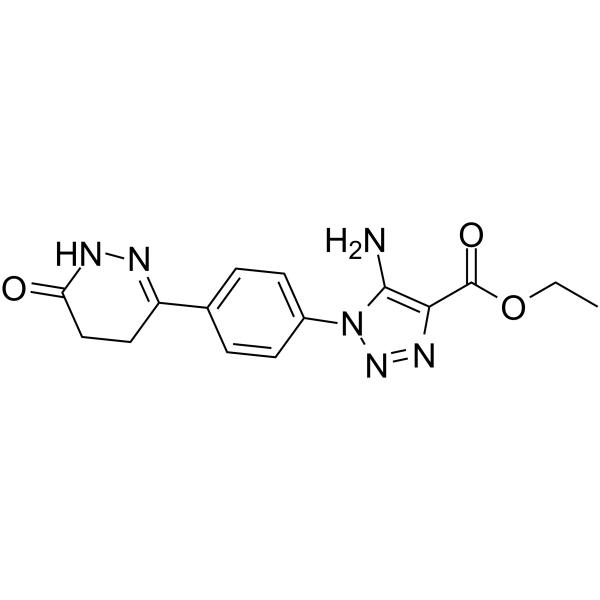
B-Raf IN 7 (compound 6a) is a potent B-Raf inhibitor, with an IC50 of 110.23 nM. B-Raf IN 7 exhibits antitumor activity against colon carcinoma (HCT-116), mammary gland (MCF-7), hepatocellular carcinoma (HEPG-2), human cervical carcinoma (Hela) and human prostate cancer (PC-3) cells, with IC50 values of 7.50, 9.87, 10.57, 11.63 and 12.83 µM .
|
-
-
- HY-178295
-
|
|
Phosphatase
|
Cancer
|
|
VHR-IN-5 is a selective vaccinia H1-related (VHR) phosphatase inhibitor with an IC50 of 78 nM. VHR-IN-5 shows very weaker inhibitory activity against MKP-1 (IC50 = 0.78 μM), CD45 (IC50 = 0.61 μM), Cdc25A (IC50 = 3.4 μM), PTP1B (IC50 = 1.8 μM), and HePTP (IC50 = 1.5 μM). VHR-IN-5 inhibits the proliferation of HeLa cells. VHR-IN-5 can be used for the research of cervical cancer .
|
-

-
- HY-176219
-
|
|
Bcl-2 Family
Apoptosis
Necroptosis
|
Cancer
|
|
Bcl-2-IN-23 (compound 5) is a selective inhibitor targeting Bcl-2. The IC50 of Bcl-2-IN-23 in HTB-140, HeLa and SW620 cells is 25.7-33.7 μM. Bcl-2-IN-23 can non-covalently competitively bind to Bcl-2 protein, significantly reduce its expression, and induce late apoptosis and necroptosis of cancer cells. Bcl-2-IN-23 enhances the sensitivity of cancer cells to apoptosis and reduces the release of IL-6 inflammatory factors by disrupting the Bcl-2-mediated mitochondrial apoptosis inhibition pathway. Bcl-2-IN-23 can be used for anti-apoptosis research of malignant tumors such as melanoma, cervical cancer, and colorectal cancer .
|
-

-
- HY-138185
-
|
SF 2738A
|
Bacterial
Apoptosis
|
Cancer
|
|
Collismycin A is a bacterial metabolite originally isolated from Streptomyces that has diverse biological activities, including antibacterial, antiproliferative, and neuroprotective properties. It is active against a variety of bacteria (MICs=6.25 and 100 μg/mL) and fungi (MICs=12.5-100 μg/mL). It inhibits proliferation of A549 lung, HCT116 colon, and HeLa cervical cancer cells (IC50s=0.3, 0.6, and 0.3 μM, respectively) and NIH373 fibroblasts (IC50=56.6 μM) but not MDA-MD-231 breast cancer cells (IC50=>100 μM). Collismycin A forms a complex with Fe(II) and Fe(III) at a 2:1 ratio, and the addition of iron ions inhibits the antiproliferative effect of collismycin A on HeLa cells, an effect that does not occur with the addition of zinc, manganese, copper, or magnesium ions.3 Collismycin A (1 μM) prevents apoptosis in the brain region of zebrafish larvae in a model of neuronal cell death induced by all-trans retinoic acid.
|
-

-
- HY-174324
-
|
|
VEGFR
P-glycoprotein
Apoptosis
|
Cancer
|
|
VEGFR-2/P-gp-IN-1, a Licochalcone A (HY-N0372) derivative, is an orally active VEGFR-2 (IC50 = 0.885 μM) and P-gp inhibitor. VEGFR-2/P-gp-IN-1 achieves anti-tumor proliferation and overcomes chemotherapy resistance by synchronously inhibiting VEGFR-2 kinase activity and P-gp drug efflux pump function. VEGFR-2/P-gp-IN-1 inhibits phosphorylation of VEGFR-2 and downstream PI3K/AKT signaling pathway proteins, induces apoptosis, blocks cells in the S phase, and inhibits invasive migration. VEGFR-2/P-gp-IN-1 exerts potent in vivo anti-tumor effects in the HeLa/DDP cell xenograft tumor model. VEGFR-2/P-gp-IN-1 is used in cervical cancer research.
|
-

-
- HY-N9885
-
|
|
Others
|
Cancer
|
|
Xuedanencins D is a cucurbitane-type triterpenoid natural product without significant cytotoxicity against human cervical cancer HeLa cells (IC50 >100 μM). Xuedanencins D can be naturally extracted from the 95% ethanol extract of the tubers of Hemsleya penxianensis (a plant of the Hemsleya genus in the Cucurbitaceae family) .
|
-

-
- HY-180989
-
|
|
PROTACs
Polo-like Kinase (PLK)
Apoptosis
|
Cancer
|
|
PROTAC PLK1 Degrader-2 (Compound NC1) is a PLK1 PROTAC degrader with an Kd of 6.06 μM. PROTAC PLK1 Degrader-2 significantly inhibits the proliferation of HeLa cells, induces cell cycle arrest and apoptosis. PROTAC PLK1 Degrader-2 exhibits significant anti-tumor activity in a HeLa cell xenograft tumor mouse model. PROTAC PLK1 Degrader-2 can be used for the study of cervical cancer.
|
-

-
- HY-169882
-
|
|
Microtubule/Tubulin
|
Cancer
|
|
Tubulin inhibitor 49 (Compound 18) is an inhibitor for tubulin polymerization with an IC50 of 48 μM. Tubulin inhibitor 49 disrupts the cell microtubule network, arrests the cell cycle at G2 phase, and exhibits cytotoxicity (IC50=8.8 μM in HeLa cell). Tubulin inhibitor 49 can be used in the research of cervical cancer .
|
-

-
- HY-169882A
-
|
|
Microtubule/Tubulin
|
Cancer
|
|
Tubulin inhibitor 49 (Compound 18) hydrobromide is an inhibitor for tubulin polymerization with an IC50 of 48 μM. Tubulin inhibitor 49 hydrobromide disrupts the cell microtubule network, arrests the cell cycle at G2 phase, and exhibits cytotoxicity (IC50=8.8 μM in HeLa cell). Tubulin inhibitor 49 hydrobromide can be used in the research of cervical cancer .
|
-

-
- HY-N13749
-
|
|
Others
|
Cancer
|
|
Juncatrin A is a dihydrophenanthrene compound that can be naturally extracted from the whole plant methanol extract of Juncus atratus Krock. (a plant of the Juncaceae family, Juncus genus). Juncatrin A exhibits only weak antiproliferative activity against HeLa human cervical cancer cells (55.60% inhibition at 30 μM). Juncatrin A can be used in the research of anticancer natural drug precursors and active components of Juncus plants .
|
-

-
- HY-180766
-
|
|
JAK
|
Cancer
|
|
JAK2-IN-19 (Compound 3p) is a JAK2 inhibitor with a KD value of 1.11 μM. JAK2-IN-19 inhibits the proliferation of K562 cells and HeLa cells. JAK2-IN-19 significantly reduces the level of p-JAK2. JAK2-IN-19 can be used for research on cervical cancer and leukemia .
|
-

-
- HY-180823
-
|
|
Topoisomerase
EGFR
Apoptosis
Caspase
Bcl-2 Family
|
Cancer
|
|
Topoisomerase II/EGFR-IN-2 (Compound 3) is an inhibitor of Topoisomerase IIα (IC50 = 0.122 μM) and EGFR-TK WT (IC50 = 16.8 μM). Topoisomerase II/EGFR-IN-2 inhibits the proliferation of HeLa and HepG2 cells, inducing cell cycle arrest and apoptosis. Topoisomerase II/EGFR-IN-2 upregulates caspase-3 and Bax, and downregulates Bcl-2. Topoisomerase II/EGFR-IN-2 can be used to study liver cancer and cervical cancer .
|
-

-
- HY-182510
-
|
|
STAT
Interleukin Related
Apoptosis
|
Cancer
|
|
NTZ-24 is a selective STAT3 pathway inhibitor. NTZ-24 suppresses STAT3 phosphorylation at Tyr705, blocks STAT3-DNA interaction, and downregulates the levels of STAT3 downstream target proteins. NTZ-24 induces cell-cycle arrest and promotes apoptosis in cancer cells. NTZ-24 exerts significant antiproliferative activity against HeLa cells (IC50 = 3.3 μM). NTZ-24 can be used for the research of cervical cancer .
|
-

-
- HY-183061
-
|
|
LYTACs
Epigenetic Reader Domain
|
Neurological Disease
Cancer
|
|
MrTAC-8, methylarginine-targeting chimera (MrTAC), is a BRD4 degrader with DC50 values of 46 nM in HeLa cells. MrTAC-8 recruits PRMT1, PRMT3, PRMT4, PRMT5, and PRMT7 to target proteins, inducing arginine methylation that triggers lysosomal degradation. MrTAC-8 degrades proteins across diverse subcellular localizations and independent of native proteolytic routes. MrTAC-8 can be used for the research of cervical cancer, glioblastoma .
|
-

-
- HY-181947
-
|
|
Indoleamine 2,3-Dioxygenase (IDO)
|
Cancer
|
|
IDO1-IN-33 (Compound YC-16) is a IDO1 inhibitor (with an IC50 of 0.18 μM for IDO1 in HeLa cells). IDO1-IN-33 acts as an apo-IDO1 inhibitor by slowly and competitively displacing heme from mature holo-IDO1 and rapidly binding to the heme-binding site of immature apo-IDO1, without altering the expression level of IDO1. IDO1-IN-33 can be used for the research of hepatocellular carcinoma, non-small cell lung cancer, triple-negative breast cancer, and cervical cancer .
|
-

-
- HY-180557
-
|
|
Folate Receptor (FR)
|
Cancer
|
|
4A-BFA-11 is a folate-targeted PEG-MMAE conjugate that exhibits specific binding affinity for the folate receptor α (FR-α) (KD = 106.7 nM). 4A-BFA-11 achieves tumor enrichment by combining PEG-mediated long circulation (EPR effect) and folate receptor targeting. 4A-BFA-11 undergoes enzymatic cleavage at the tumor site to release the active payload, enabling precise action. 4A-BFA-11 sefficiently carries, targets, and controls the release of MMAE in tumor tissues in a HeLa mouse model. 4A-BFA-11 can be used for cervical cancer, ovarian cancer, and lung cancer research .
|
-

-
- HY-D1877
-
|
|
蛍光色素
|
|
ZY-1 is a control molecule of ZY-2 (HY-D1876, a PKM2 fluorescent probe). ZY-1 shows a low fluorescence emission in HeLa, a cervical cancer cell abundant in PKM2 expression .
|
-
- HY-160065F
-
|
|
蛍光色素
|
|
FAM-sgc8c aptamer sodium is a 5-FAM labeled sgc8c aptamer sodium (HY-160065). sgc8c aptamer sodium is an aptamer that specifically targets the human protein tyrosine kinase PTK-7, which is mainly expressed on cervical cancer HeLa cells. Binding of FAM-sgc8c aptamer sodium to PTK-7 induces the assembly of nanotags on the cell surface, resulting in strong fluorescence and SERS signals .
|
-
- HY-125474
-
|
|
生化学アッセイ試薬
|
|
Carrageenan is an antiviral and anticancer agent. Carrageenan inhibits herpes simplex virus (HSV), HIV, and hepatitis A virus (HAV) by directly binding to the viral capsid to block the attachment of viruses such as HPV to HSPG factors on the cell surface. Carrageenan delays and arrests cell cycle progression, exhibits cytotoxicity against HeLa cancer cells, and can be applied to studies related to cervical cancer, genital warts, hepatitis A, and other conditions. Carrageenan also induces acute non-immune inflammation, triggers a three-phase inflammatory response involving the release of multiple proinflammatory mediators, and causes persistent edema, hyperalgesia, and neutrophil recruitment in mice .
|
-
- HY-P10785
-
|
|
Bacterial
Antibiotic
|
Infection
|
|
Iturin A-2 is a cyclic lipopeptide discovered in B. subtilis and exhibits inhibitory activity against the plant pathogenic fungus P. expansum (MIC = 8 µg/disk). Iturin A-2 is cytotoxic to MCF-7 and BT474 breast cancer cells, as well as HeLa cervical cancer cells, with IC50 values of 66.81, 95.04, and 77.5 µg/mL, respectively. In greenhouse studies, Iturin A-2 at concentrations of 100 and 300 mg/kg Iturin A-2 reduces the lesion area of southern corn leaf blight caused by B. maydis, and in field studies, concentrations of 300 and 500 mg/kg Iturin A-2 reduce the incidence of the disease. Iturin A-2 (12.5 µg/mL) inhibits cell division, but not nuclear division, in isolated fertilized starfish eggs .
|
-
- HY-180989
-
|
|
PROTACs
Polo-like Kinase (PLK)
Apoptosis
|
Cancer
|
|
PROTAC PLK1 Degrader-2 (Compound NC1) is a PLK1 PROTAC degrader with an Kd of 6.06 μM. PROTAC PLK1 Degrader-2 significantly inhibits the proliferation of HeLa cells, induces cell cycle arrest and apoptosis. PROTAC PLK1 Degrader-2 exhibits significant anti-tumor activity in a HeLa cell xenograft tumor mouse model. PROTAC PLK1 Degrader-2 can be used for the study of cervical cancer.
|
| 製品番号 |
製品名 |
Category |
Target |
構造式 |
-
- HY-N12257
-
|
|
Structural Classification
Monophenols
Microorganisms
Phenols
Source Classification
|
Cytochrome P450
Reactive Oxygen Species (ROS)
Apoptosis
|
|
Antimycin A2 is a selective inhibitor of the cytochrome b-c1 complex in the mitochondrial electron transport chain. Antimycin A2 disrupts mitochondrial membrane potential and produces reactive oxygen species (ROS) by inhibiting electron transfer between cytochrome b and c. Antimycin A2 has bactericidal and piscicidal activity, as well as tumor cell growth inhibitory effects, and can induce S-phase cell cycle arrest and apoptosis in HeLa cells. Antimycin A2 is suitable for research of cervical cancer and fisheries management. Antimycin A2 can be naturally isolated from the fermentation products of Streptomyces sp. strains .
|
-
-
- HY-N1511
-
-
-
- HY-N1464A
-
-
-
- HY-N16671
-
|
Bufogenin B; Deacetylbufotalin
|
Structural Classification
Animals
Animal Venoms
Steroids
Source Classification
|
Others
|
|
Desacetylbufotalin (Bufogenin B; Deacetylbufotalin) is a bufadienolide found in Chinese drug "Chan'Su". Desacetylbufotalin shows strong anti-proliferative activity on the of Hela cells (IC50 = 0.01 μM). Desacetylbufotalin can be used for the research of cancer, such as cervical cancer .
|
-
-
- HY-126989
-
-
-
- HY-N11643
-
-
-
- HY-N15349
-
|
|
天然物
Microorganisms
Source Classification
|
Others
|
|
Nocapyrone Q is a polyketide compound discovered in the karst cave mold Streptomyces sp. FD-2-6. At a dose of 100 μM, Nocapyrone Q exhibits inhibitory activity against human hepatocellular carcinoma HepG2 cells and human cervical cancer HeLa cells. Nocapyrone Q holds potential for research in the field of cancer therapy .
|
-
-
- HY-N8230
-
|
|
Microorganisms
Ketones, Aldehydes, Acids
Source Classification
|
HIV
HIV Protease
|
|
Ganosinensic acid C is a triterpenoid compound that can be extracted from Ganoderma lucidum. Ganosinensic acid C has important biological activities such as anti-tumor, anti-prostate cancer, anti-inflammatory, and inhibition of HIV-I protease. Ganosinensic acid C has an IC50 value of 10.5 μM against human highly metastatic lung cancer cell line 95D. Ganosinensic acid C has an IC50 value of Ganosinensic acid C against cervical cancer cell line Hela is 13.2 μM .
|
-
-
- HY-N1511R
-
|
|
Triterpenes
Structural Classification
Terpenoids
Polyporaceae
Ganoderma lucidum (Leyss. Ex Fr.) Karst.
Plants
|
Reference Standards
Sirtuin
Apoptosis
|
|
Ganoderic acid D (Standard) is the analytical standard of Ganoderic acid D. This product is intended for research and analytical applications. Ganoderic acid D, a highly oxygenated tetracyclic triterpenoid, is the major active component of Ganoderma lucidum. Ganoderic acid D upregulates the protein expression of SIRT3 and induces the deacetylated cyclophilin D (CypD) by SIRT3. Ganoderic acid D inhibits the energy reprogramming of colon cancer cells including glucose uptake, lactate production, pyruvate and acetyl-coenzyme production in colon cancer cells . Ganoderic acid D induces HeLa human cervical carcinoma apoptosis .
|
-
-
- HY-N9885
-
-
-
- HY-N13749
-
|
|
Structural Classification
Juncaceae
Phenols
Polyphenols
Juncus atratus Krocker
Plants
Source Classification
|
Others
|
|
Juncatrin A is a dihydrophenanthrene compound that can be naturally extracted from the whole plant methanol extract of Juncus atratus Krock. (a plant of the Juncaceae family, Juncus genus). Juncatrin A exhibits only weak antiproliferative activity against HeLa human cervical cancer cells (55.60% inhibition at 30 μM). Juncatrin A can be used in the research of anticancer natural drug precursors and active components of Juncus plants .
|
-
-
- HY-160065
-
|
|
|
Aptamers
|
|
sgc8c aptamer sodium is an aptamer that specifically targets the human protein tyrosine kinase PTK-7, which is mainly expressed on cervical cancer HeLa cells. sgc8c aptamer sodium can precisely bring the nanotags connected to it to the surface of cells expressing PTK-7, thus achieving specific recognition and labeling of target cells .
|
入力情報は安全に管理されます. ※ 必須入力項目.
Inquiry Information
- 製品名:
- 製品番号:
- 数量:
- MCE 日本正規代理店:





