Search Result
Results for "
LSD1+inhibitor
" in MedChemExpress (MCE) Product Catalog:
2
Isotope-Labeled Compounds
| Cat. No. |
Product Name |
Target |
Research Areas |
Chemical Structure |
-
- HY-B1496
-
|
SKF 385 hemisulfate
|
Monoamine Oxidase
Histone Demethylase
|
Neurological Disease
Cancer
|
|
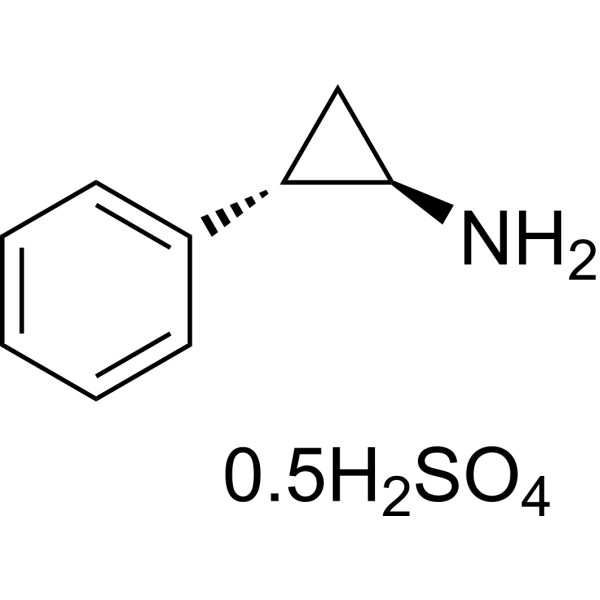
Tranylcypromine (SKF 385) hemisulfate is an irreversible, nonselective monoamine oxidase (MAO) inhibitor used in the treatment of depression. Tranylcypromine hemisulfate is also a lysine-specific demethylase 1 (LSD1) inhibitor, suppresses lesion growth and improves generalized hyperalgesia in mouse with induced endometriosis. Tranylcypromine has antidepressant effects [1] .
|
-
-
- HY-N2037
-
|
Norcoclaurine; Demethyl-Coclaurine
|
MAP3K
MDM-2/p53
Adrenergic Receptor
ROS Kinase
Apoptosis
|
Cardiovascular Disease
Endocrinology
|
|
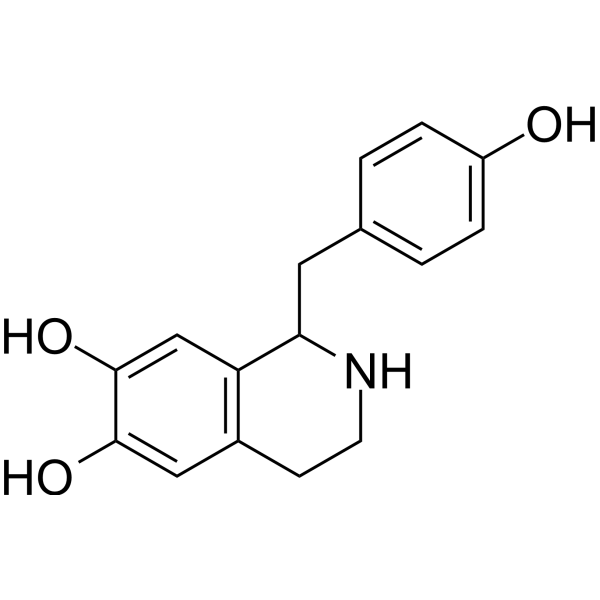
Higenamine (Norcoclaurine), a β2-AR agonist with antioxidant capability, is a key component of the Chinese herb aconite root that prescribes for treating symptoms of heart failure in the oriental Asian countries. Higenamine is also a α1-adrenergic receptor antagonist with hypotensive effect. is a selective LSD1 inhibitor (IC50=1.47 μM) that can be isolated from aconite. Higenamine hydrochloride has anti-inflammatory and antibacterial activity. Higenamine protects myocyte Apoptosis and ischemia/reperfusion (I/R) injury through selective activation of beta2-adrenergic receptor (β2-AR). Higenamine also reduces I/R-induced myocardial infarction in mice. Higenamine can attenuate IL-1β-induced Apoptosis through ROS-mediated PI3K/Akt signaling pathway. Higenamine protects brain cells from oxygen deprivation. Higenamine can promote bone formation in osteoporosis through the SMAD2/3 pathway. Higenamine can be used to study cancer, inflammation, cardiorenal syndrome and other diseases [1] .
|
-
-
- HY-12782T
-
|
ORY-1001 dihydrochloride; RG6016 dihydrochloride; RO 7051790 dihydrochloride
|
Histone Demethylase
|
Cancer
|
|
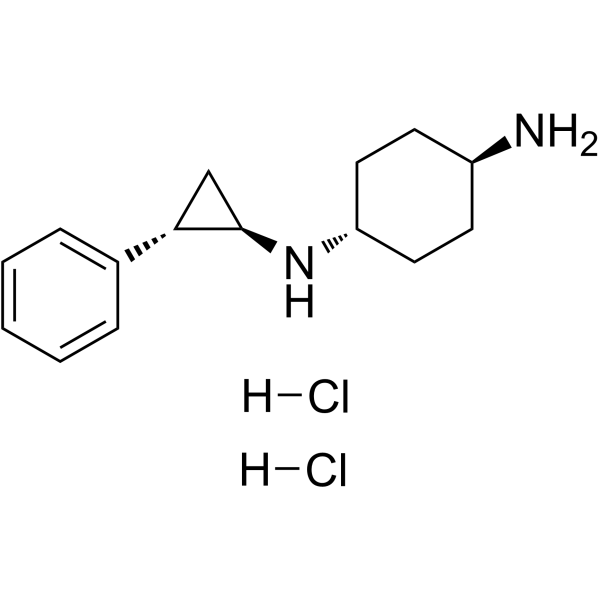
Iadademstat (ORY-1001) dihydrochloride is a selective irreversible lysine (K)-specific demethylase 1A (KDM1A/LSD1) inhibitor.
|
-
-
- HY-100546A
-
-
-
- HY-B0735A
-
|
Fenoldopam methanesulfonate; SKF-82526 mesylate
|
Dopamine Receptor
Apoptosis
|
Cardiovascular Disease
Cancer
|
|
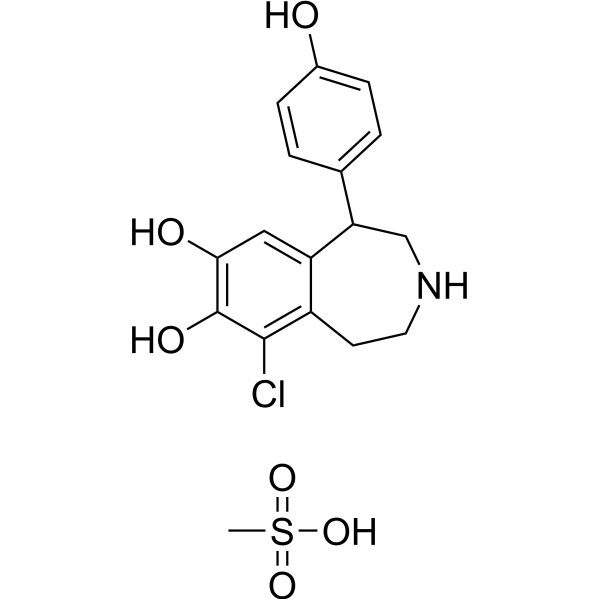
Fenoldopam mesylate (SKF-82526) is a D1 receptor agonist and a novel lysine-specific demethylase 1 (LSD1) inhibitor (IC50=0.8974 μM). Fenoldopam mesylate shows anti-hypertensive effects, anti-cancer cell proliferation activity and can induce cells apoptosis [1] .
|
-
-
- HY-109169
-
|
IMG-7289
|
Histone Demethylase
Apoptosis
|
Cancer
|
|
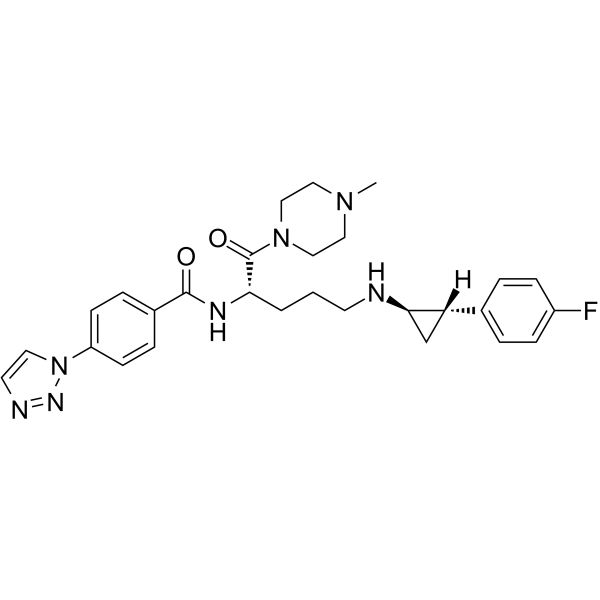
Bomedemstat (IMG-7289) is an orally active and irreversible lysine-specific demethylase 1 (LSD1) inhibitor. Bomedemstat can increase H3K4 and H3K9 methylation, and then alter gene expression. Bomedemstat shows anti-cancer activities, inhibits cancer cell proliferation and induces apoptosis [1] .
|
-
-
- HY-103713
-
|
SP-2577
|
Histone Demethylase
|
Cancer
|
|
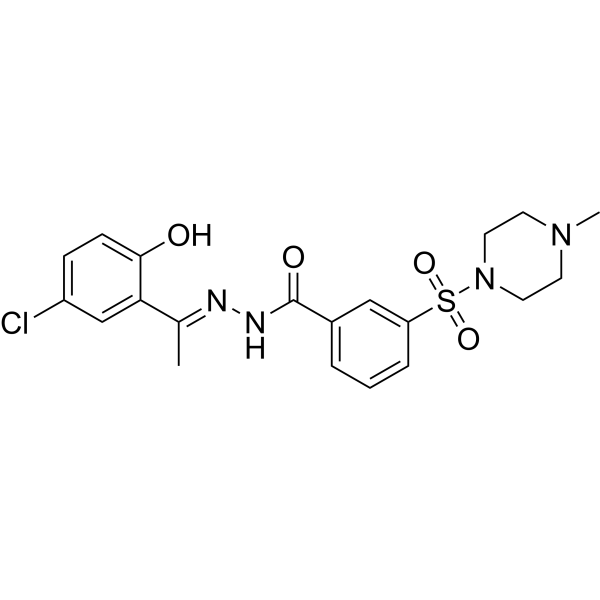
Seclidemstat is a potent noncompetitive and reversible KDM1A (LSD1) inhibitor (Ki=31 nM, IC50=13 nM). Seclidemstat promotes antitumor immunity in switch/sucrose nonfermentable (SWI/SNF) complex mutated ovarian cancer, as well as inhibit virus production, viral DNA replication, and late gene expression. Seclidemstat can be used for the research of Ewing Sarcoma [1] .
|
-
-
- HY-N2037A
-
|
Norcoclaurine hydrochloride
|
MAP3K
MDM-2/p53
ROS Kinase
Apoptosis
|
Infection
Cardiovascular Disease
Endocrinology
Cancer
|
|
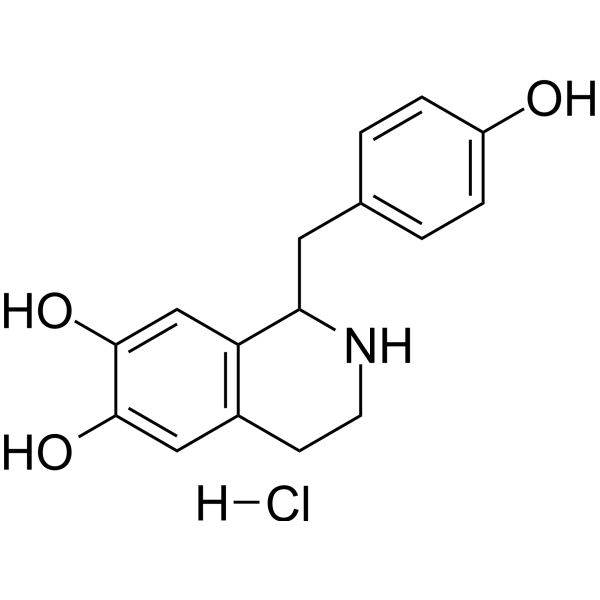
Higenamine hydrochloride is a selective LSD1 inhibitor (IC50=1.47 μM) that can be isolated from aconite. Higenamine hydrochloride has anti-inflammatory and antibacterial activity. Higenamine (Norcoclaurine) can attenuate IL-1β-induced Apoptosis through ROS-mediated PI3K/Akt signaling pathway. Higenamine hydrochloride protects brain cells from oxygen deprivation. Higenamine can promote bone formation in osteoporosis through the SMAD2/3 pathway. Higenamine hydrochloride can be used to study cancer, inflammation, cardiorenal syndrome and other diseases [1] .
|
-
-
- HY-19333
-
OG-L002
2 Publications Verification
|
Histone Demethylase
Monoamine Oxidase
HSV
|
Infection
|
|
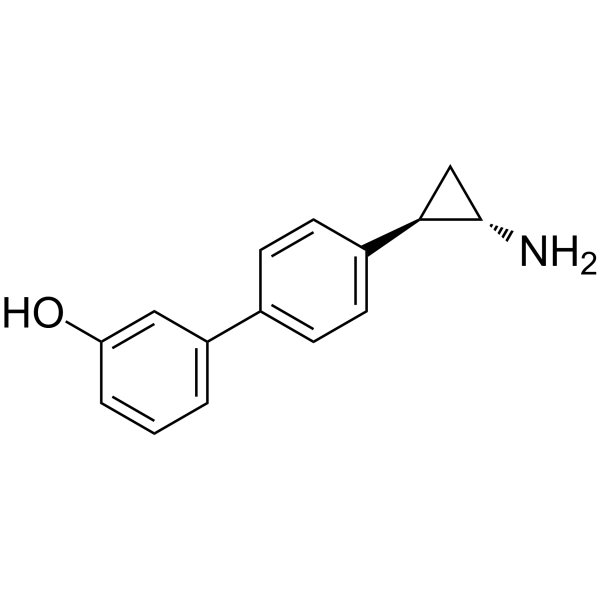
OG-L002 is a potent and highly selective LSD1 inhibitor with an IC50 of 0.02 μM. OG-L002 is a potent monoamine oxidases (MAO) inhibitor with IC50s of 1.38 μM and 0.72 μM for MAO-A and MAO-B, respectively. OG-L002 potently inhibits the expression of HSV IE genes [1].
|
-
-
- HY-110130
-
|
|
Histone Demethylase
|
Cardiovascular Disease
Cancer
|
|
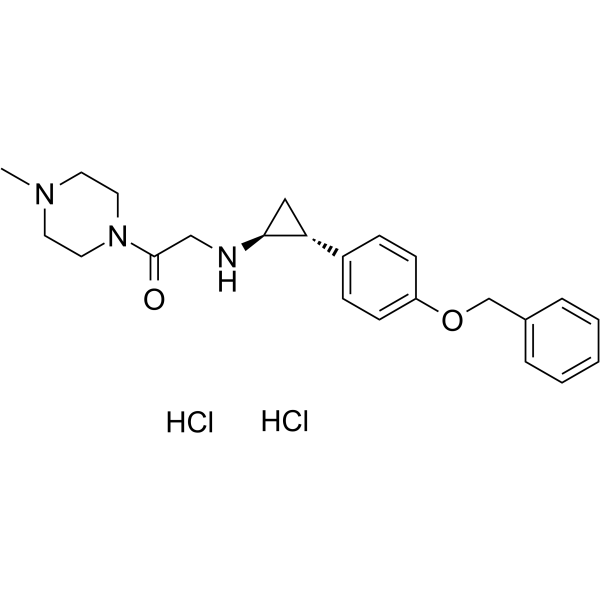
RN-1 dihydrochloride is a potent, brain-penetrant, irreversible and selective lysine-specific demethylase 1 (LSD1) inhibitor with an IC50 of 70 nM. RN-1 dihydrochloride exhibits selectivity for LSD1 over MAO-A and MAO-B with IC50 values of 0.51 μM and 2.785 μM respectively [1] .
|
-
-
- HY-109169A
-
|
IMG-7289 ditosylate
|
Histone Demethylase
Apoptosis
|
Cancer
|
|
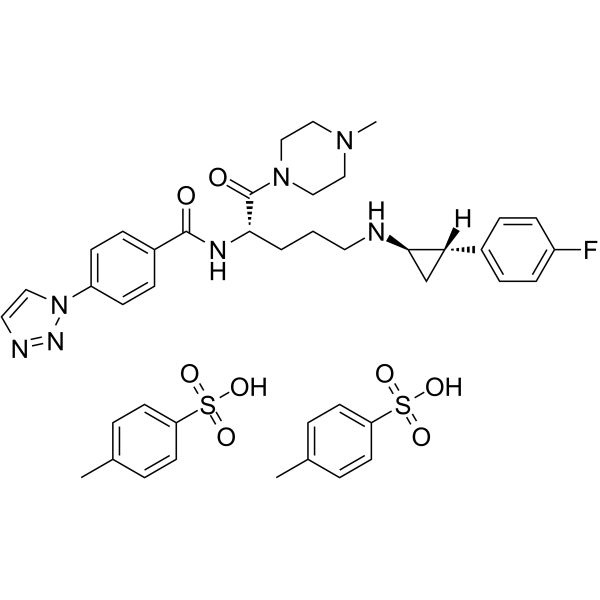
Bomedemstat (IMG-7289) ditosylate is an orally active and irreversible lysine-specific demethylase 1 (LSD1) inhibitor. Bomedemstat ditosylate can increase H3K4 and H3K9 methylation, and then alter gene expression. Bomedemstat ditosylate shows anti-cancer activities, inhibits cancer cell proliferation and induces apoptosis [1] .
|
-
-
- HY-141677
-
|
|
Histone Demethylase
|
Cancer
|
|
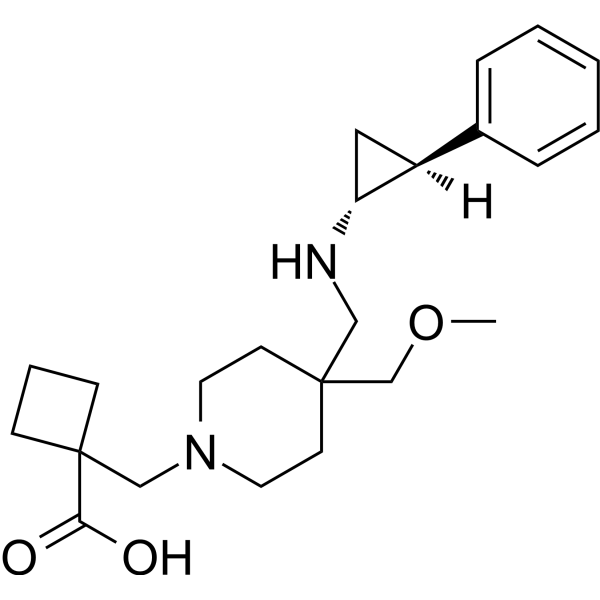
INCB059872 is a potent, orally active, selective and irreversible Lysine-Specific Demethylase 1 (LSD1) inhibitor that achieves inhibitory activity through the formation of covalent FAD-adducts. INCB059872 can inhibit cell proliferation and induce cell differentiation by upregulating the expression of myeloid differentiation markers CD86 and CD11b. INCB059872 can be used for the research of myeloid leukemia [1].
|
-
-
- HY-103713A
-
|
SP-2577 mesylate
|
Histone Demethylase
|
Cancer
|
|
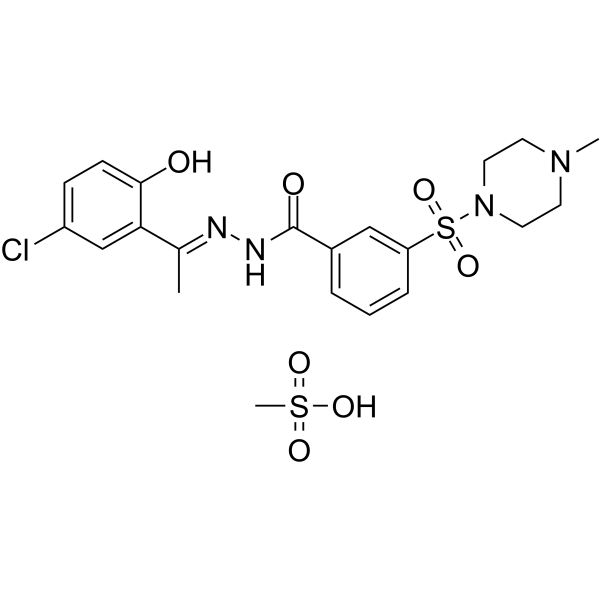
Seclidemstat (SP-2577) mesylate is a potent noncompetitive and reversible KDM1A (LSD1) inhibitor (Ki=31 nM, IC50=13 nM). Seclidemstat mesylate promotes antitumor immunity in switch/sucrose nonfermentable (SWI/SNF) complex mutated ovarian cancer, as well as inhibit virus production, viral DNA replication, and late gene expression. Seclidemstat mesylate can be used for the research of Ewing Sarcoma [1] .
|
-
-
- HY-103085
-
|
|
Histone Demethylase
|
Cancer
|
|
T-3775440 (hydrochloride) is an irreversible lysine-specific histone demethylase (LSD1) inhibitor with an IC50 value of 2.1 nM.
|
-
-
- HY-110277
-
|
|
Histone Demethylase
|
Cancer
|
|
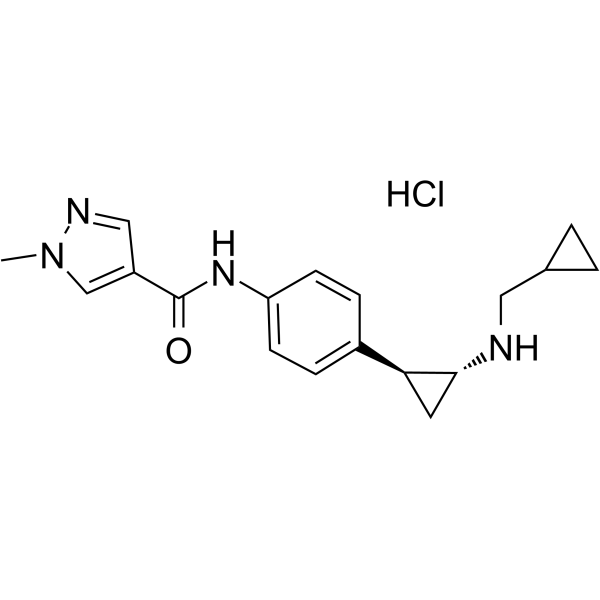
S2101 is a lysine-specific demethylase 1 (LSD1) inhibitor with an IC50 of 0.99 μM, Ki of 0.61 μM and Kinact/Ki of 4560 M/s [1].
|
-
-
- HY-109169B
-
|
IMG-7289 hydrochloride
|
Histone Demethylase
Apoptosis
|
Cancer
|
|
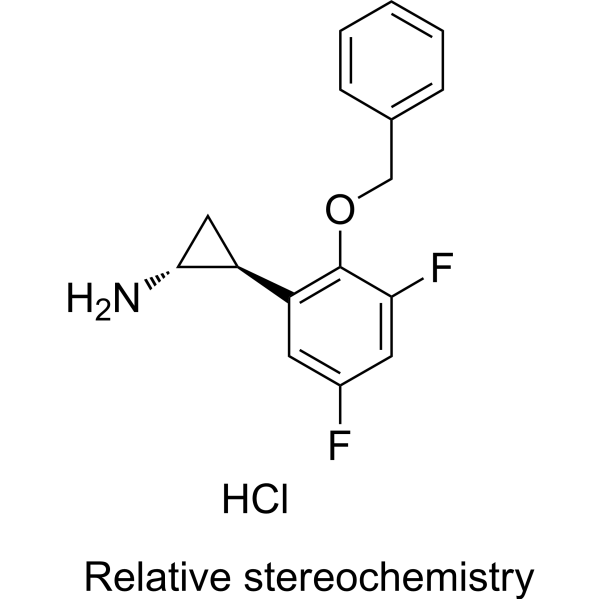
Bomedemstat (IMG-7289) hydrochloride is an orally active and irreversible lysine-specific demethylase 1 (LSD1) inhibitor. Bomedemstat hydrochloride can increase H3K4 and H3K9 methylation, and then alter gene expression. Bomedemstat hydrochloride shows anti-cancer activities, inhibits cancer cell proliferation and induces apoptosis [1] .
|
-
-
- HY-121095
-
|
|
Histone Demethylase
|
Neurological Disease
Cancer
|
|
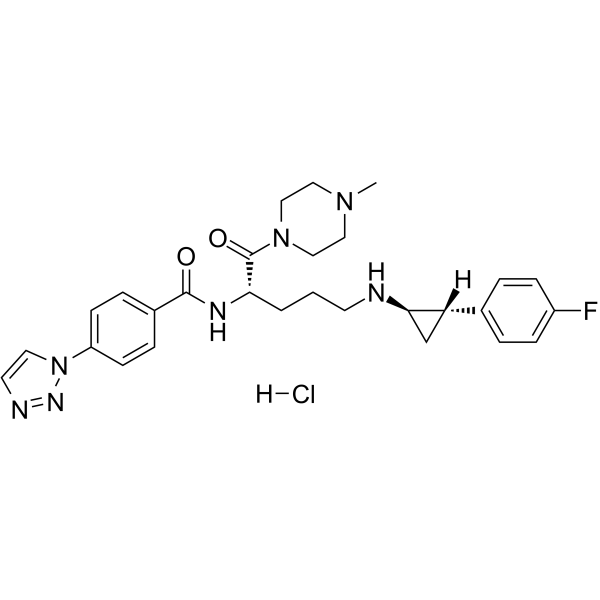
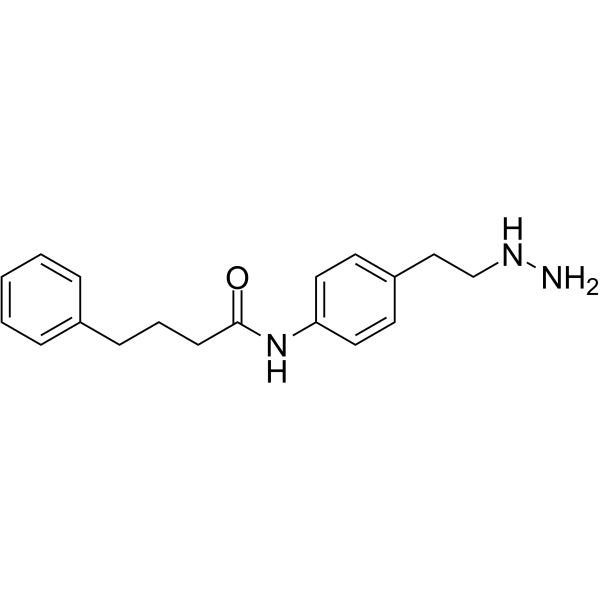
Bizine, a Phenelzine analogue, is a potent and selective LSD1 inhibitor, with a b>Ki of 59 nM. Bizine can modulate bulk histone methylation in cancer cells. Bizine shows neuroprotective effects [1].
|
-
-
- HY-141677A
-
|
|
Histone Demethylase
|
Cancer
|
|
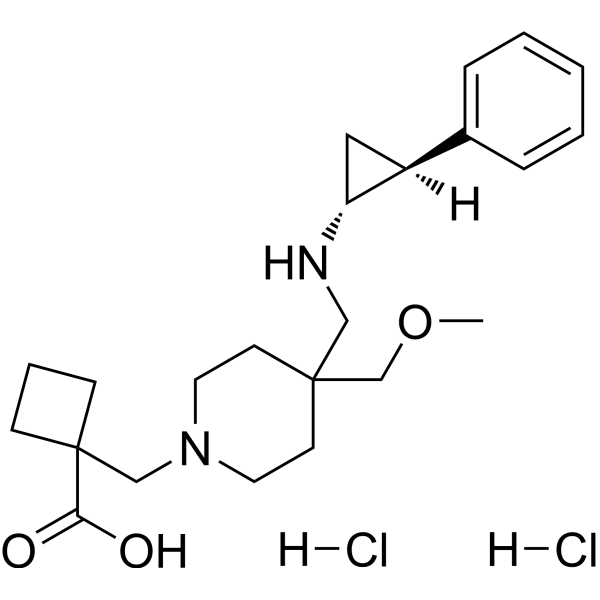
INCB059872 dihydrochloride is a potent, orally active, selective and irreversible Lysine-Specific Demethylase 1 (LSD1) inhibitor that achieves inhibitory activity through the formation of covalent FAD-adducts. INCB059872 dihydrochloride can inhibit cell proliferation and induce cell differentiation by upregulating the expression of myeloid differentiation markers CD86 and CD11b. INCB059872 dihydrochloride can be used for the research of myeloid leukemia [1].
|
-
-
- HY-145259
-
|
|
HDAC
Histone Demethylase
|
Cancer
|
|
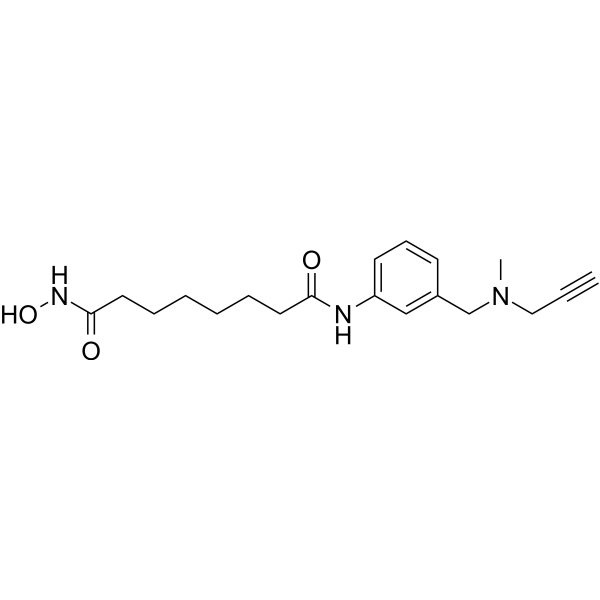
HDAC6-IN-3 (Compound 14), an antiprostate cancer agent, is a potent, orally active HDAC6 inhibitor with IC50s ranging from 0.02-1.54 μM for HDAC1/2/3/6/8/10. HDAC6-IN-3 is also an effective MAO-A (IC50=0.79 μM) and LSD1 inhibitor [1]. HDAC6-IN-3 is a click chemistry reagent, it contains an Alkyne group and can undergo copper-catalyzed azide-alkyne cycloaddition (CuAAc) with molecules containing Azide groups.
|
-
-
- HY-109169C
-
|
IMG-7289 dihydrochloride
|
Histone Demethylase
Apoptosis
|
Cancer
|
|
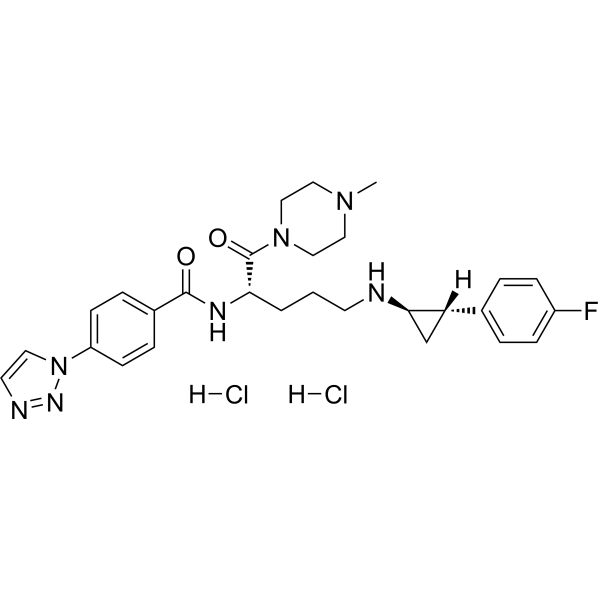
Bomedemstat (IMG-7289) dihydrochloride is an orally active and irreversible lysine-specific demethylase 1 (LSD1) inhibitor. Bomedemstat dihydrochloride can increase H3K4 and H3K9 methylation, and then alter gene expression. Bomedemstat dihydrochloride shows anti-cancer activities, inhibits cancer cell proliferation and induces apoptosis [1] .
|
-
-
- HY-15313C
-
|
|
Histone Demethylase
|
Metabolic Disease
Cancer
|
|
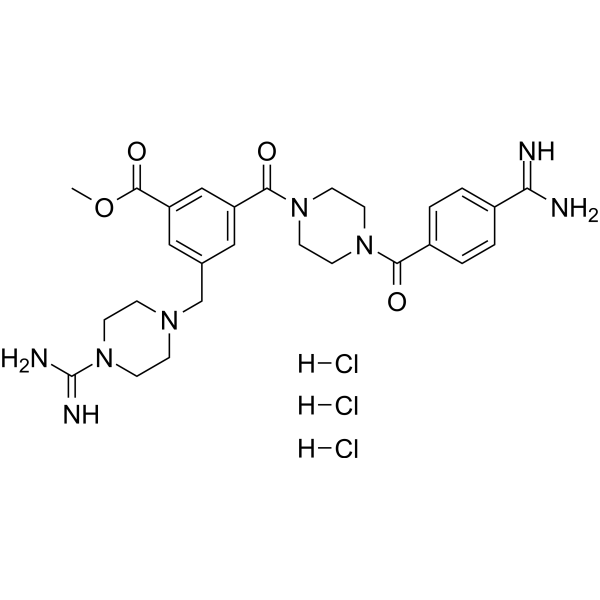
CBB1007 trihydrochloride is a reversible and selective LSD1 inhibitor with an IC50 of 5.27 µM for human LSD1. CBB1007 trihydrochloride significantly blocks the demethylase activity of LSD1 on H3K4Me2 and H3K4Me. CBB1007 trihydrochloride shows selectivity for LSD1 over LSD2 or JARID1A, and induces differentiation-related genes in pluripotent cells. CBB1007 trihydrochloride is studied in non-pluripotent cancer research, targeting teratocarcinoma, embryonic carcinoma, and seminoma [1] .
|
-
-
- HY-100546
-
|
|
Histone Demethylase
|
Infection
Metabolic Disease
Cancer
|
|
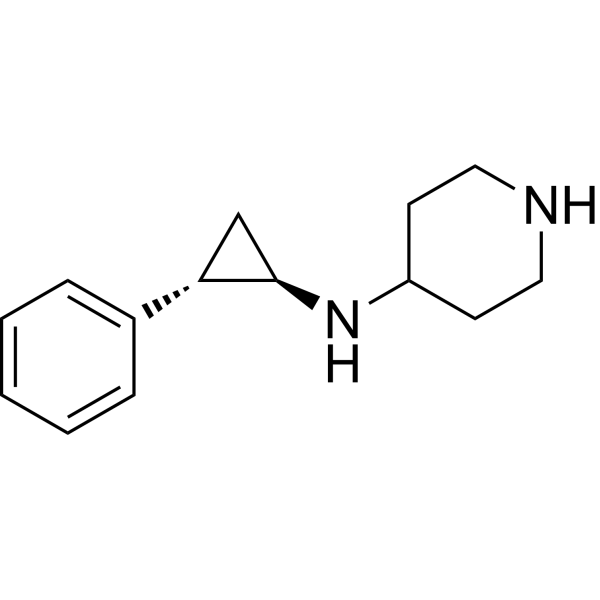
GSK-LSD1, a chemical probe, is a LSD1 inhibitor. GSK-LSD1 reduces food intake and body weight, and improves insulin sensitivity and glycemic control in mouse models of obesity. GSK-LSD1 also ameliorates NAFLD. GSK-LSD1 inhibits SARS-CoV-2-triggered cytokine release in COVID-19 PBMCs. GSK-LSD1 also inhibits cancer growth and metastasis [1] .
|
-
-
- HY-178826
-
-

-
- HY-149249
-
|
|
Microtubule/Tubulin
Apoptosis
Histone Demethylase
|
Cancer
|
|
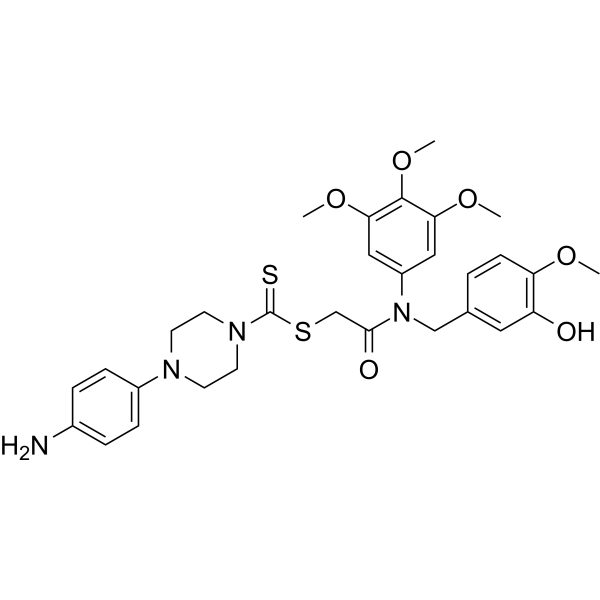
MY-943 is a potent tubulin polymerization and LSD1 inhibitor with anticancer activity. MY-943 induces G2/M phase arrest and apoptosis, and inhibits cell migration. MY-943 can be used for gastric cancer research [1].
|
-
-
- HY-136522
-
|
|
Histone Demethylase
Apoptosis
|
Cancer
|
|
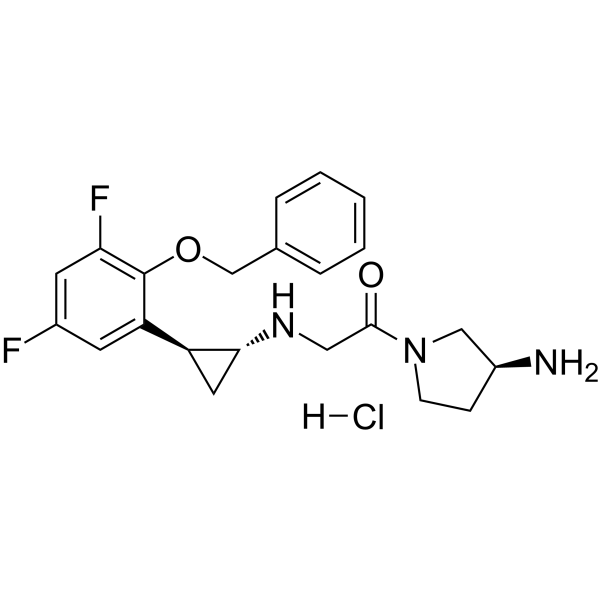
S2116, a N-alkylated tranylcypromine (TCP) derivative, is a potent lysine-specific demethylase 1 (LSD1) inhibitor. S2116 increases H3K9 methylation and reciprocal H3K27 deacetylation at super-enhancer regions. S2116 induces apoptosis in TCP-resistant T-cell acute lymphoblastic leukemia (T-ALL) cells by repressing transcription of the NOTCH3 and TAL1 genes. S2116 significantly retardes the growth of T-ALL cells in xenotransplanted mice [1].
|
-
-
- HY-15774
-
-
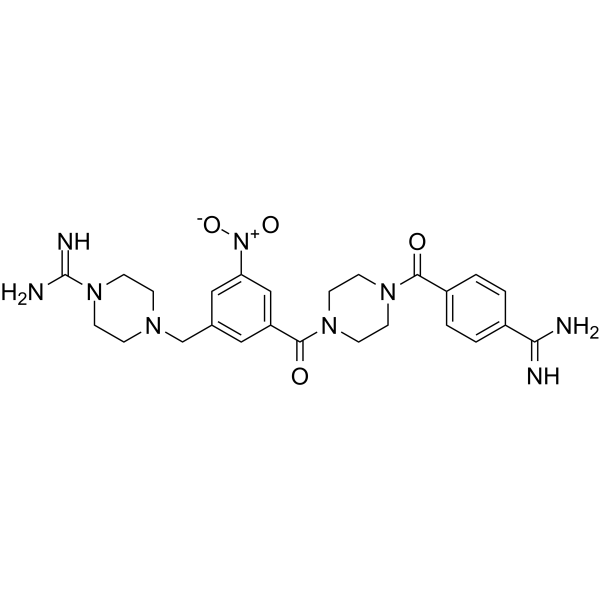
-
- HY-77732
-
|
Isopropylidene ticagrelor
|
Drug Derivative
|
Cancer
|
|
Ticagrelor acetonide (Isopropylidene ticagrelor) (Compound 7) is a drug intermediate that can be used for the synthesis of lysine-specific demethylase (LSD1) inhibitors [1].
|
-

-
- HY-19612
-
|
|
Histone Demethylase
|
Cancer
|
|
DDP-38003 (Compound 15) is an orally active KDM1A/LSD1 inhibitor with an IC50 value of 84 nM. DDP-38003 exhibits anticancer activity against promyelocytic leukemia [1].
|
-

-
- HY-146380
-
|
|
Histone Demethylase
|
Cancer
|
|
S1427 is a tranylcypromine-derived LSD1 inhibitor with the IC50 of 390 nM and Ki of 80 nM. S1427 exhibits desirable hERG channel inhibition and microsomal stability profiles. Inhibition of LSD1 partially reduces the proliferation of cancer cells [1].
|
-
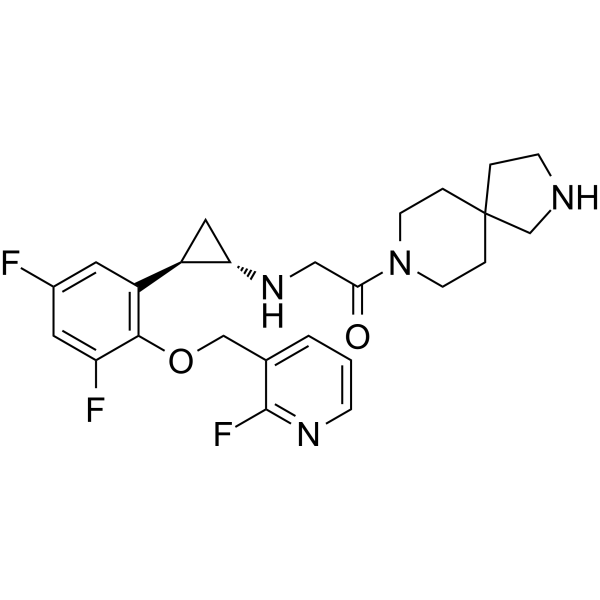
-
- HY-149968
-
|
|
Histone Demethylase
Apoptosis
|
Cancer
|
|
LSD1-IN-25 (Compound 9j) is a potent, selective and orally active LSD1 inhibitor with an IC50 of 46 nM (Ki = 30.3 nM). LSD1-IN-25 induces cancer cell apoptosis [1].
|
-
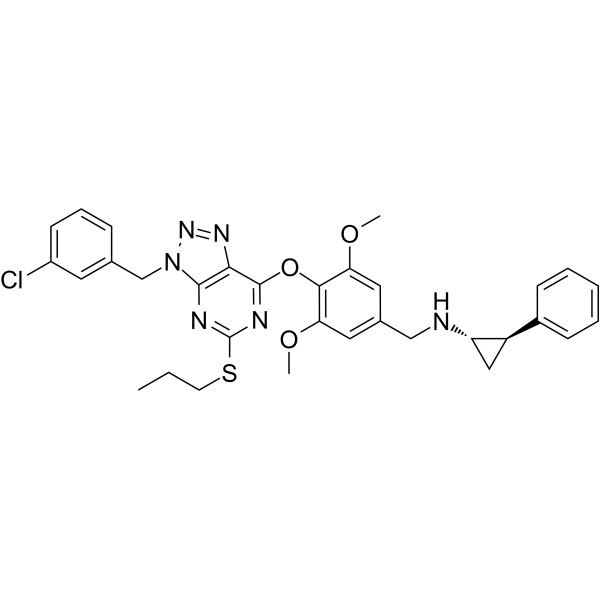
-
- HY-12645
-
|
|
Histone Demethylase
|
Cancer
|
|
NCL1 is a phenylcyclopropylamine (PCPA)-based Lysine-specific demethylase 1 (LSD1) inhibitor. NCL1 selectively inhibits LSD1 in preference to LSD2, with IC50 values of 2.5 and 26 μM for LSD1 and LSD2, respectively [1].
|
-
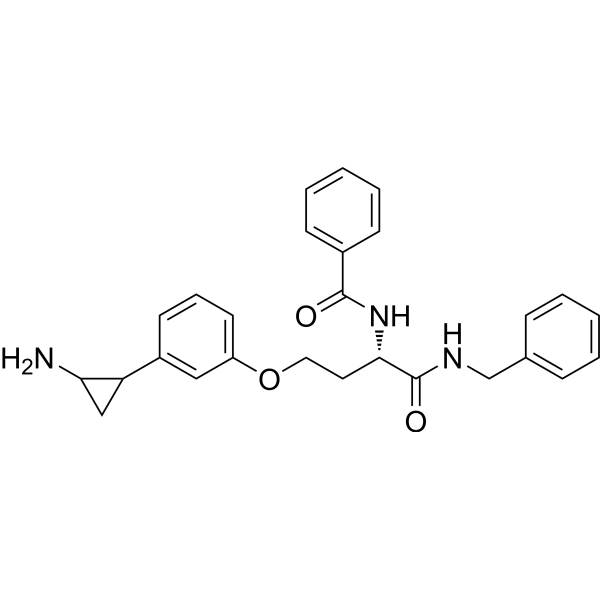
-
- HY-149595
-
|
|
Histone Demethylase
|
Cancer
|
|
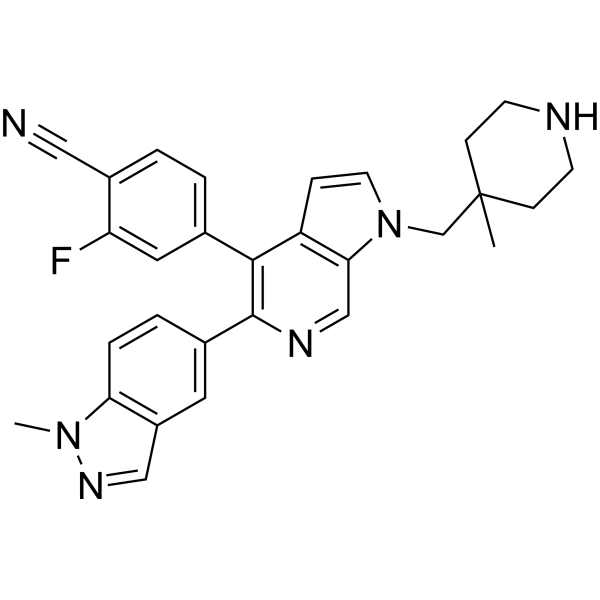
LSD1-UM-109 is a ighly potent and reversible LSD1 inhibitor with an IC50 of 3.1 nM. LSD1-UM-109 inhibits cell growth with IC50 values of 0.6 nM in the MV4;11 acute leukemia cell line and 1.1 nM in the H1417 small-cell lung cancer cell line [1].
|
-
-
- HY-155115
-
|
|
Histone Demethylase
PD-1/PD-L1
|
Cancer
|
|
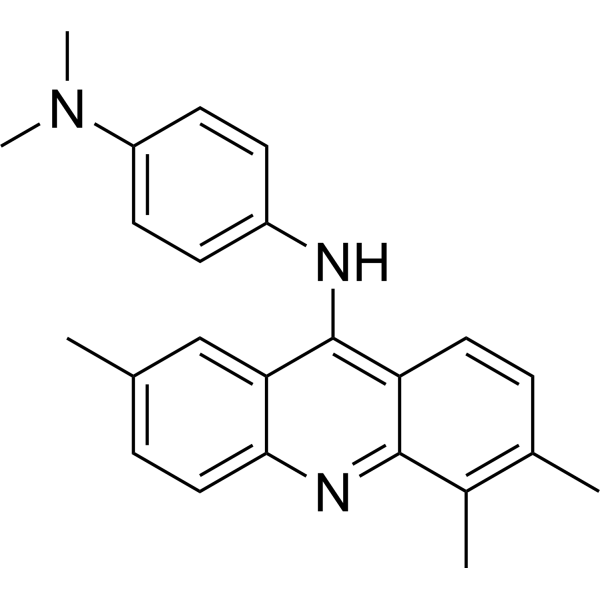
LSD1-IN-27 is an orally active LSD1 inhibitor (IC50: 13 nM). LSD1-IN-27 inhibits the stemness and migration of gastric cancer cells. LSD1-IN-27 also reduces the expression of PD-L1 in BGC-823 and MFC cells. LSD1-IN-27 can enhance T cell immune response in gastric cancer [1].
|
-
-
- HY-149978
-
-
-
- HY-179339
-
|
|
Histone Demethylase
|
Cancer
|
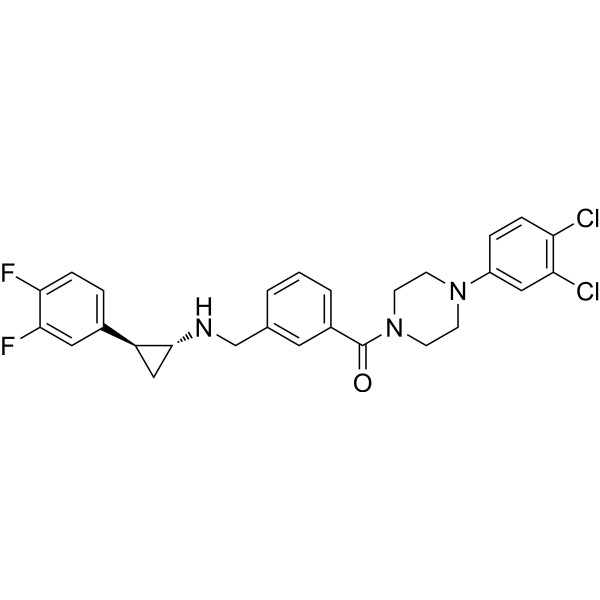
LSD1-IN-46 is a potent and orally active Lysine-specific demethylase 1 (LSD1) inhibitor with an IC50 of 0.082 μM. LSD1-IN-46 interrupts the β-catenin-mediated transcriptional program, thereby suppressing the stemness of gastric cancer cells. LSD1-IN-46 exhibits strong anti-tumor activity. LSD1-IN-46 can be used for the research of gastric cancer [1].
|
-

-
- HY-175184
-
|
|
Histone Demethylase
|
Infection
|
|
LSD1-IN-44 (Compound 19) is a LSD1 inhibitor with an IC50 of 0.02 μM for LSD1-CoREST enzymatic complex. LSD1-IN-44 has significant antischistosomal activity against transformed schistosomula (NTS) and Schistosoma mansoni adult worms while showing a delayed onset of action towards juvenile forms. LSD1-IN-44 has no significant toxicity to human cells. LSD1-IN-44 can be used for schistosomiasis research [1].
|
-

-
- HY-176254
-
|
|
Histone Demethylase
Amyloid-β
|
Neurological Disease
|
|
LSD1-IN-43 is a highly selective, reversible, orally active and brain-penetrant LSD1 inhibitor with an IC50 value of 0.8 μM. LSD1-IN-43 has low inhibitory activity against MAO-A and MAO-B, two homologs of LSD1. LSD1-IN-43 significantly inhibits Aβ aggregation and enhances Aβ-induced neuronal cell viability. LSD1-IN-43 can be used for the study of Alzheimer’s disease (AD).
|
-

-
- HY-136523
-
|
|
Histone Demethylase
Apoptosis
|
Cancer
|
|
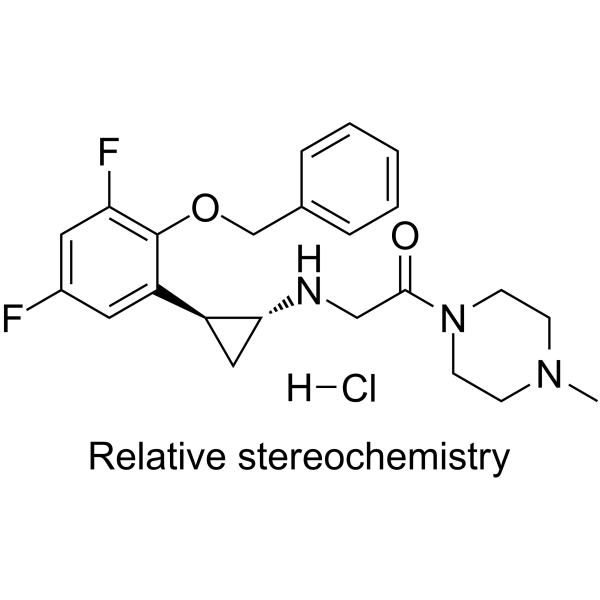
S2157, a N-alkylated tranylcypromine (TCP) derivative, is a potent lysine-specific demethylase 1 (LSD1) inhibitor. S2157 increases H3K9 methylation and reciprocal H3K27 deacetylation at super-enhancer regions. S2157 induces apoptosis in TCP-resistant T-cell acute lymphoblastic leukemia (T-ALL) cells by repressing transcription of the NOTCH3 and TAL1 genes. S2157 efficiently pass through the blood-brain barrier and can almost completely eradicate CNS leukemia in mice transplanted with T-ALL cells [1].
|
-
-
- HY-N2037R
-
|
Norcoclaurine (Standard); Demethyl-Coclaurine (Standard)
|
Reference Standards
MAP3K
MDM-2/p53
Adrenergic Receptor
ROS Kinase
Apoptosis
|
Cardiovascular Disease
Endocrinology
|
|
Higenamine (Norcoclaurine), a β2-AR agonist with antioxidant capability, is a key component of the Chinese herb aconite root that prescribes for treating symptoms of heart failure in the oriental Asian countries. Higenamine is also a α1-adrenergic receptor antagonist with hypotensive effect. is a selective LSD1 inhibitor (IC50=1.47 μM) that can be isolated from aconite. Higenamine hydrochloride has anti-inflammatory and antibacterial activity. Higenamine protects myocyte Apoptosis and ischemia/reperfusion (I/R) injury through selective activation of beta2-adrenergic receptor (β2-AR). Higenamine also reduces I/R-induced myocardial infarction in mice. Higenamine can attenuate IL-1β-induced Apoptosis through ROS-mediated PI3K/Akt signaling pathway. Higenamine protects brain cells from oxygen deprivation. Higenamine can promote bone formation in osteoporosis through the SMAD2/3 pathway. Higenamine can be used to study cancer, inflammation, cardiorenal syndrome and other diseases [1] .
|
-

-
- HY-15774A
-
-
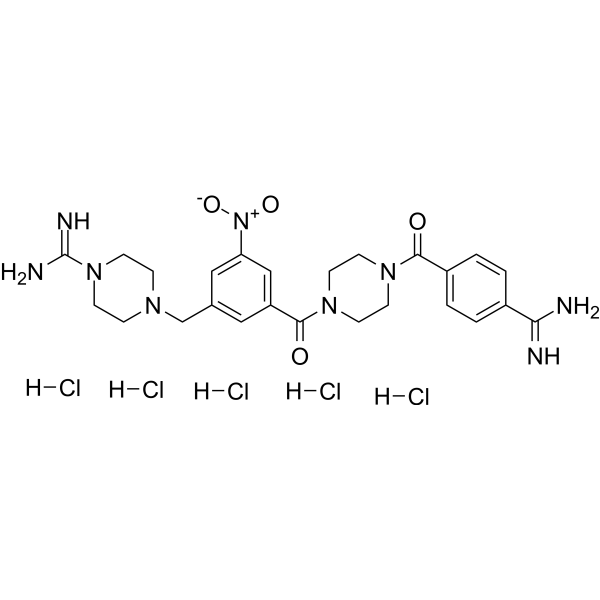
-
- HY-160183
-
|
|
Histone Demethylase
|
Cancer
|
|
LSD1-IN-29 (compound 6) is a Lysine specific demethylase 1 (LSD1) inhibitor with the IC50 of 19 nM [1].
|
-
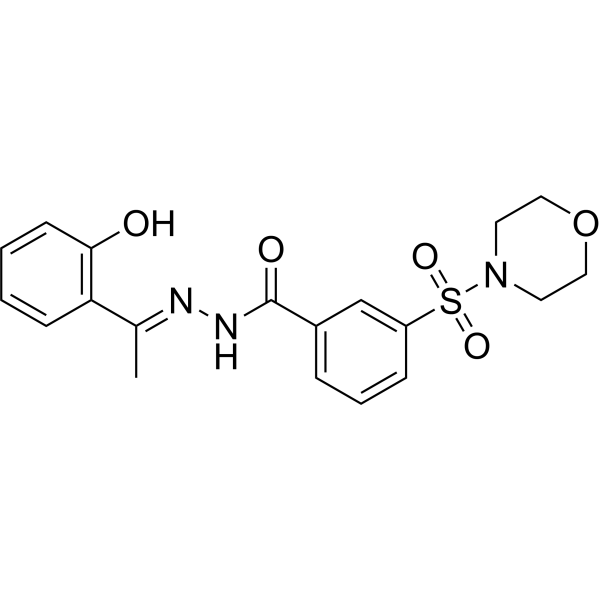
-
- HY-121095A
-
|
|
Histone Demethylase
|
Neurological Disease
Cancer
|
|
Bizine dihydrochloride, a Phenelzine analogue, is a potent and selective LSD1 inhibitor, with a b>Ki of 59 nM. Bizine dihydrochloride can modulate bulk histone methylation in cancer cells. Bizine dihydrochloride shows neuroprotective effects [1].
|
-

-
- HY-168527
-
|
|
Histone Demethylase
|
Cancer
|
|
Acaricide agent 1 (Compound 7l) is a potent LSD1 inhibitor. LSD1 exhibits excellent acaricidal activity against egg of T. cinnabarinus with a LC50 of 0.0035 mg/L [1].
|
-

-
- HY-173590
-
|
|
Histone Demethylase
|
Cancer
|
|
AW4 is a LSD1 inhibitor. AW4 inhibits LSD1 ΔTTAS activity in H3K4me2 demethylation assays. AW4 can be used for research of drug resistance [1].
|
-

-
- HY-151191
-
|
|
Histone Demethylase
|
Cancer
|
|
LSD1-IN-22 is a potent Lysine-specific demethylase 1 (LSD1) inhibitor with a Ki value of 98 nM. LSD1-IN-22 has anti-proliferative activity against certain cancer cells [1].
|
-
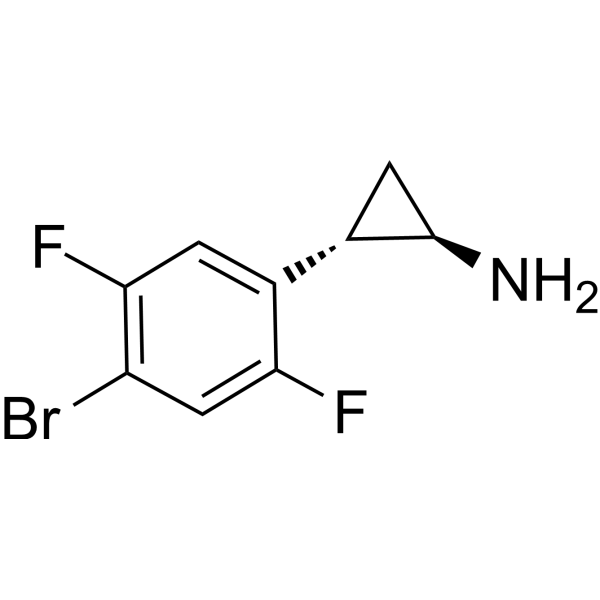
-
- HY-144673
-
-
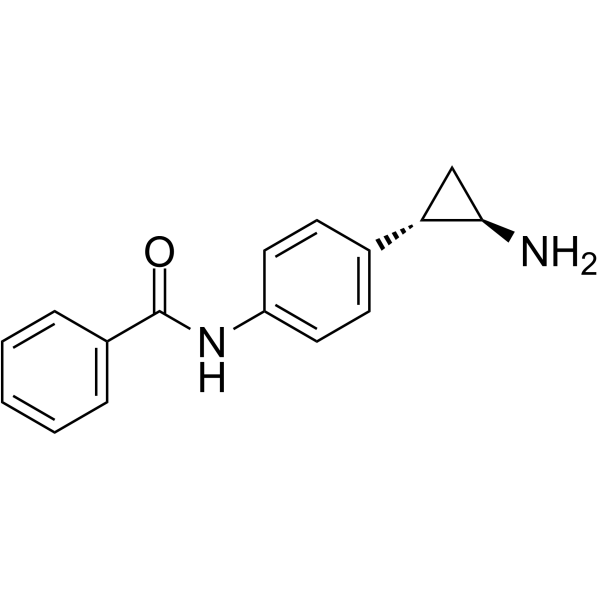
-
- HY-168504
-
|
|
Histone Demethylase
Apoptosis
|
Cancer
|
|
LSD1-IN-36 is a potent LSD1 inhibitor with an IC50 value of 0.8 nM. LSD1-IN-36 induces apoptosis and arrests the cell cycle. LSD1-IN-36 shows antitumor activity [1].
|
-

-
- HY-144755
-
|
|
Histone Demethylase
|
Cancer
|
|
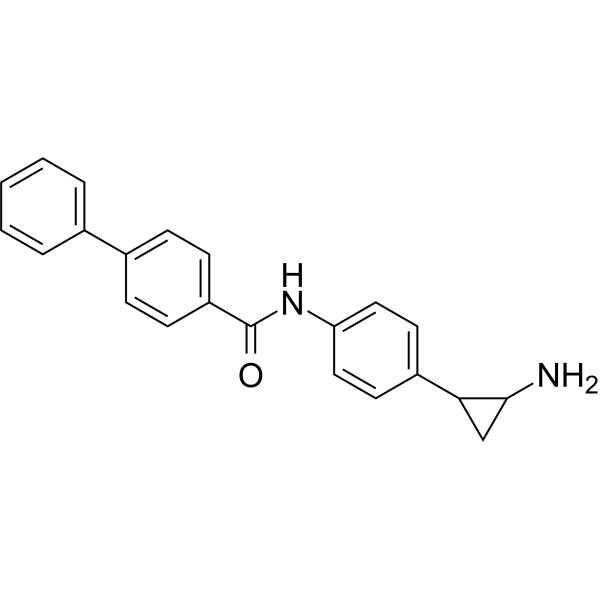
MC2652 (compound 1a) is a potent LSD1 inhibitor. MC2652 displays high inhibiting effects in MV4-11 and NB4 leukaemia cells. MC2652 shows antiproliferative activity against prostate cancer LNCaP cells [1].
|
-
-
- HY-163859
-
|
|
Histone Demethylase
|
Cardiovascular Disease
|
|
LSD1-IN-33 (7d), an orally active LSD1 inhibitor with an IC50 of 4.51 nM, alleviates Ang II-induced NRCFs activation in vitro and reducing pathological myocardial remodeling in TAC-induced cardiac remodeling and heart failure in vivo [1].
|
-

-
- HY-145861
-
|
|
Histone Demethylase
Apoptosis
|
Cancer
|
|
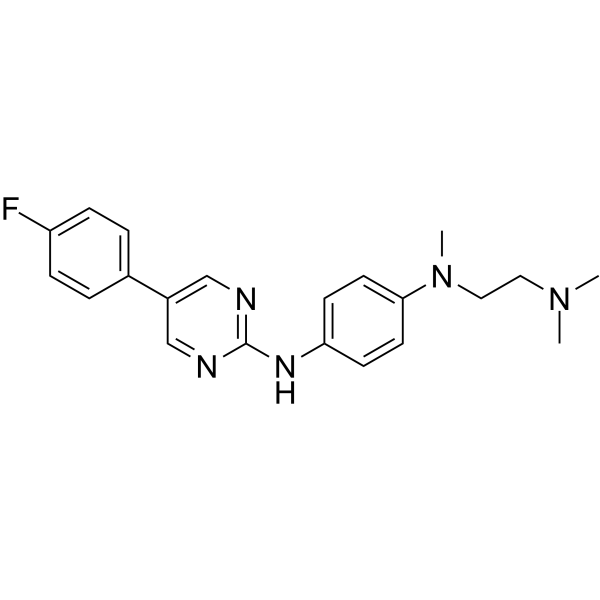
LSD1-IN-14 is a potent and selective LSD1 inhibitor (IC50=0.89 μM). LSD1-IN-14 can significantly inhibit the proliferation of A549 and THP-1 cells and induce the apoptosis of tumor cells [1].
|
-
- HY-110021
-
|
SKF 82526 hydrochloride
|
Dopamine Receptor
Histone Demethylase
Apoptosis
|
Cardiovascular Disease
Cancer
|
|
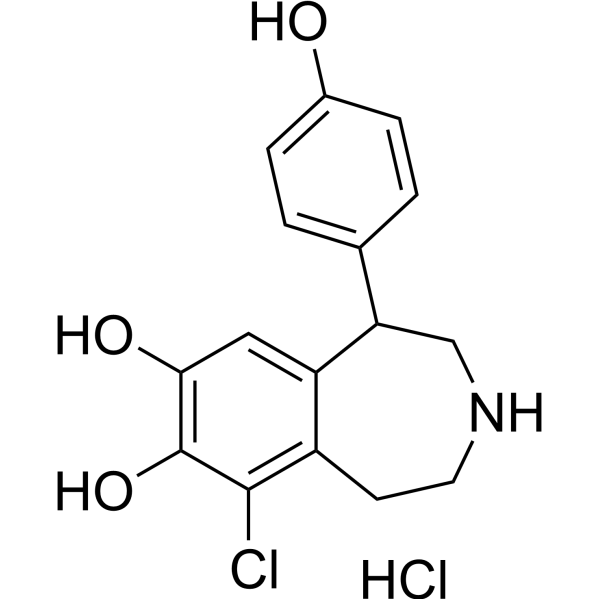
Fenoldopam (SKF 82526) hydrochloride is a D1 receptor agonist and a novel lysine-specific demethylase 1 (LSD1) inhibitor (IC50=0.8974 μM). Fenoldopam hydrochloride shows anti-hypertensive effects, anti-cancer cell proliferation activity and can induce cells apoptosis [1] .
|
-
- HY-115747
-
|
|
Histone Demethylase
|
Cancer
|
|
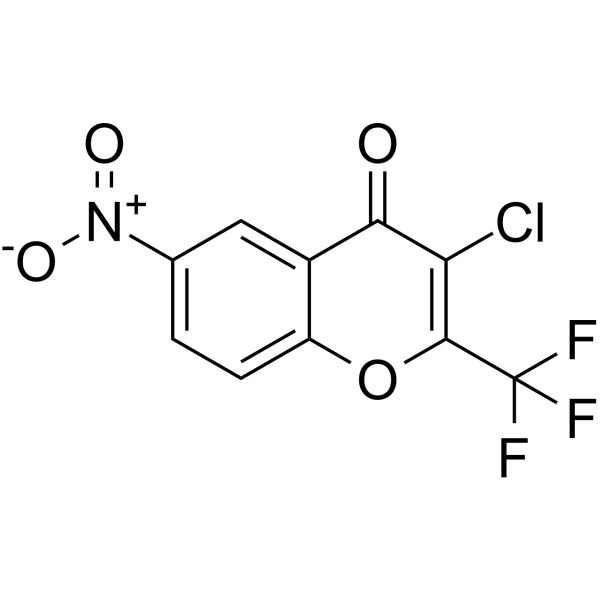
Namoline, a γ-pyrone, is a selective and reversible Lysine-specific demethylase 1 (LSD1) inhibitor with an IC50 of 51 μM in a HRP-coupled enzymatic assay. Namoline impairs LSD1 demethylase activity and blocks cell proliferation. Namoline has the potential for androgen-dependent prostate cancer research [1].
|
-
- HY-17447SA
-
|
SKF 385-d5 hydrochloride
|
Monoamine Oxidase
Histone Demethylase
|
Neurological Disease
|
|
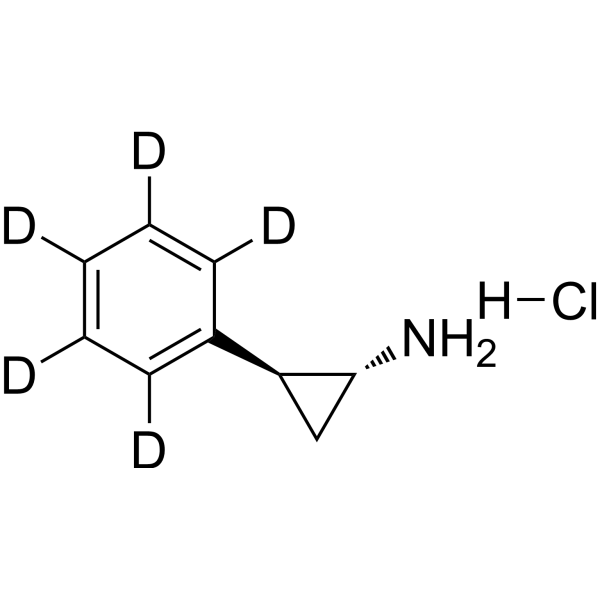
Tranylcypromine-d5 (hydrochloride) is a deuterium labeled (rel)-Tranylcypromine hydrochloride. Tranylcypromine hydrochloride is an irreversible, nonselective monoamine oxidase (MAO) inhibitor used in the treatment of depression. Tranylcypromine hydrochloride is also a lysine-specific demethylase 1 (LSD1) inhibitor, suppresses lesion growth and improves generalized hyperalgesia in mouse with induced endometriosis [1] .
|
-
- HY-144675A
-
|
|
Histone Demethylase
|
Cancer
|
|
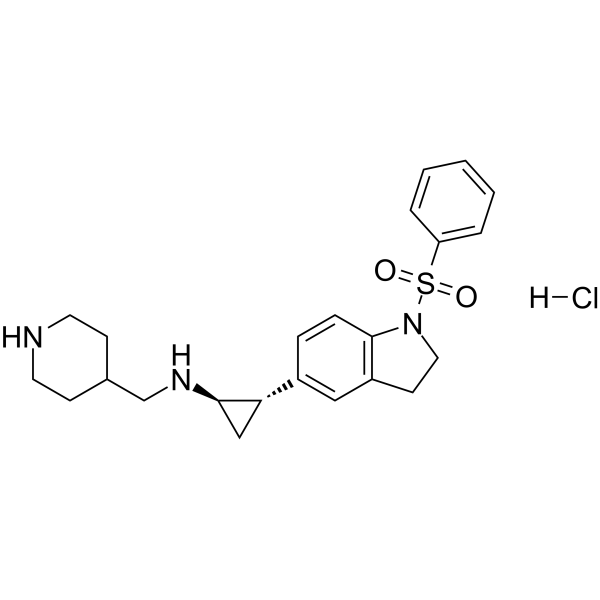
LSD1-IN-13 hydrochloride (compound 7e) is an orally active and potent LSD1 inhibitor, with an IC50 of 24.43 nM. LSD1-IN-13 hydrochloride can activate CD86 expression, with an EC50 of 470 nM. LSD1-IN-13 hydrochloride induces differentiation of AML (acute myeloid leukemia) cell lines [1].
|
-
- HY-144675
-
|
|
Histone Demethylase
|
Cancer
|
|
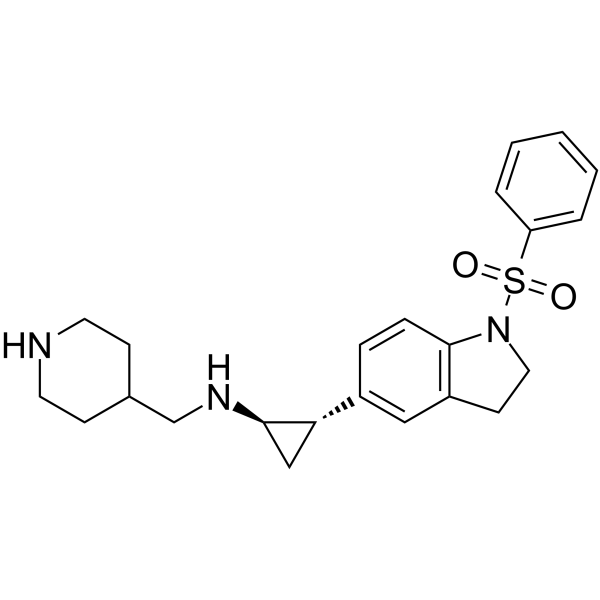
LSD1-IN-13 (compound 7e) is an orally active and potent LSD1 inhibitor, with an IC50 of 24.43 nM. LSD1-IN-13 can activate CD86 expression, with an EC50 of 470 nM. LSD1-IN-13 induces differentiation of AML (acute myeloid leukemia) cell lines [1].
|
-
- HY-161869
-
|
|
Histone Methyltransferase
|
Metabolic Disease
|
|
LSD1-IN-32 (compound 11e) is a potent LSD1 inhibitor with an IC50 value of 0.99 µM. LSD1-IN-32 inhibits RANKL-induced osteoclastogenesis, bone resorption and F-actin belt formation. LSD1-IN-32 has the potential for the research of osteoporosis [1].
|
-

- HY-19333A
-
|
|
Histone Demethylase
Monoamine Oxidase
HSV
|
Infection
|
|
OG-L002 hydrochloride is a potent and highly selective LSD1 inhibitor with an IC50 of 0.02 μM. OG-L002 hydrochloride is a potent monoamine oxidases (MAO) inhibitor with IC50s of 1.38 μM and 0.72 μM for MAO-A and MAO-B, respectively. OG-L002 hydrochloride potently inhibits the expression of HSV IE genes [1].
|
-

- HY-159901
-
|
|
Histone Demethylase
|
Cancer
|
|
LSD1-IN-37 (Compound 5g) is a lysine-specific demethylase 1 (LSD1) inhibitor constructed using an efficient synthesis strategy incorporating hexafluoroisopropyl groups. This metal-free method exhibits excellent reaction stability and adaptability. LSD1-IN-37 demonstrated outstanding LSD1 inhibitory activity and holds potential for further research [1].
|
-

- HY-141677B
-
|
|
Histone Demethylase
|
Cancer
|
|
INCB059872 tosylate is a potent, orally active, selective and irreversible Lysine-Specific Demethylase 1 (LSD1) inhibitor that achieves inhibitory activity through the formation of covalent FAD-adducts. INCB059872 tosylate can inhibit cell proliferation and induce cell differentiation by upregulating the expression of myeloid differentiation markers CD86 and CD11b. INCB059872 tosylate can be used for the research of myeloid leukemia [1].
|
-

- HY-B0735AR
-
|
Fenoldopam methanesulfonate (Standard); SKF-82526 mesylate (Standard)
|
Reference Standards
Dopamine Receptor
Apoptosis
|
Cardiovascular Disease
Cancer
|
|
Fenoldopam (mesylate) (Standard) is the analytical standard of Fenoldopam (mesylate). This product is intended for research and analytical applications. Fenoldopam mesylate (SKF-82526) is a D1 receptor agonist and a novel lysine-specific demethylase 1 (LSD1) inhibitor (IC50=0.8974 μM). Fenoldopam mesylate shows anti-hypertensive effects, anti-cancer cell proliferation activity and can induce cells apoptosis [1] .
|
-

- HY-146283
-
|
|
Histone Demethylase
|
Cancer
|
|
LSD1-IN-18 (compound 7) is a potent, non-covalent and selective LSD1 inhibitor, with Ki of 0.156 μM and KD of 0.075 μM, respectively. LSD1-IN-18 shows antiproliferative activity in THP-1 leukemia cells and MDA-MB-231 breast cancer cells, with IC50 (72 h) of 0.16 and 0.21 μM, respectively [1].
|
-
- HY-146284
-
|
|
Histone Demethylase
|
Cancer
|
|
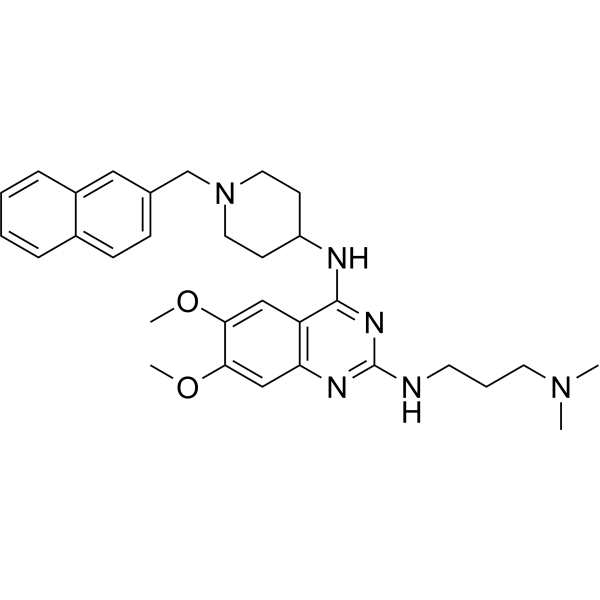
LSD1-IN-19 (compound 29) is a potent, non-covalent and selective LSD1 inhibitor, with Ki of 0.108 μM and KD of 0.068 μM, respectively. LSD1-IN-19 shows antiproliferative activity in THP-1 leukemia cells and MDA-MB-231 breast cancer cells, with IC50 (72 h) of 0.17 and 0.40 μM, respectively [1].
|
-
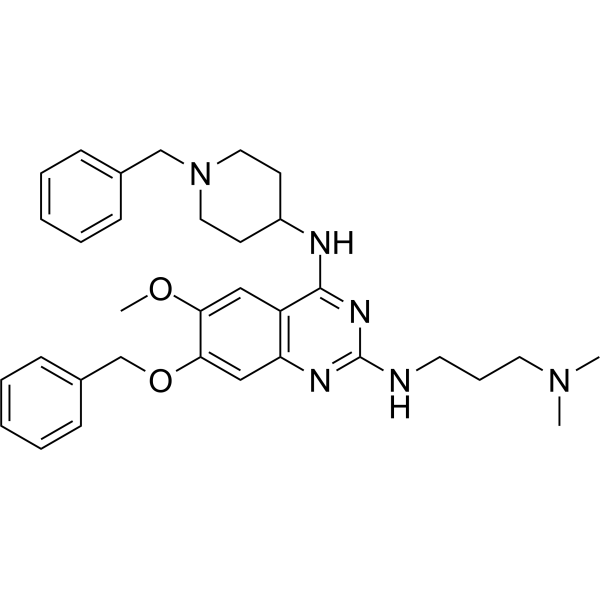
- HY-B1496R
-
|
SKF 385 hemisulfate (Standard)
|
Reference Standards
Monoamine Oxidase
Histone Demethylase
|
Neurological Disease
|
|
Tranylcypromine (hemisulfate) (Standard) is the analytical standard of Tranylcypromine (hemisulfate). This product is intended for research and analytical applications. Tranylcypromine (SKF 385) hemisulfate is an irreversible, nonselective monoamine oxidase (MAO) inhibitor used in the treatment of depression. Tranylcypromine hemisulfate is also a lysine-specific demethylase 1 (LSD1) inhibitor, suppresses lesion growth and improves generalized hyperalgesia in mouse with induced endometriosis. Tranylcypromine has antidepressant effects [1] .
|
-

- HY-175185
-
|
|
Histone Demethylase
|
Infection
|
|
MC3935 is a LSD1 inhibitor with an IC50 of 0.52 μM for LSD1-CoREST enzymatic complex. MC3935 has significant antischistosomal activity against transformed schistosomula (NTS) and Schistosoma mansoni adult worms while showing a delayed onset of action towards juvenile forms. MC3935 has no significant toxicity to human cells. MC3935 can be used for schistosomiasis research [1].
|
-

- HY-144758
-
|
|
Histone Demethylase
Monoamine Oxidase
|
Cancer
|
|
LSD1-IN-17 (compound 5b) is a potent LSD1 inhibitor. LSD1-IN-17 can inhibit LSD1-CoREST, MAO-A and MAO-B, with IC50 values of 0.005, 0.028, and 0.820 μM, respectively. LSD1-IN-17 displays cell growth arrest in prostate cancer LNCaP cells, with an IC50 of 17.2 μM [1].
|
-
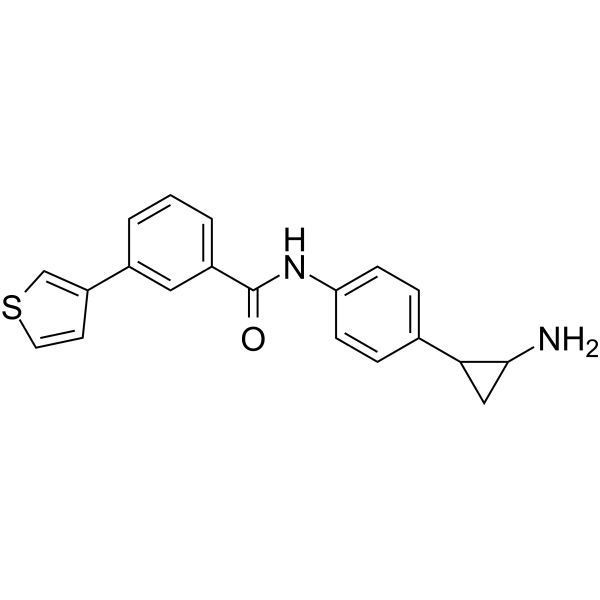
- HY-144756
-
|
|
Histone Demethylase
Monoamine Oxidase
|
Cancer
|
|
LSD1-IN-15 (compound 1b) is a potent LSD1 inhibitor. LSD1-IN-15 can inhibit LSD1-CoREST, MAO-A and MAO-B, with IC50 values of 0.149, 0.028, and 0.327 μM, respectively. LSD1-IN-15 displays cell growth arrest in prostate cancer LNCaP cells, with an IC50 of 9.9 μM [1].
|
-
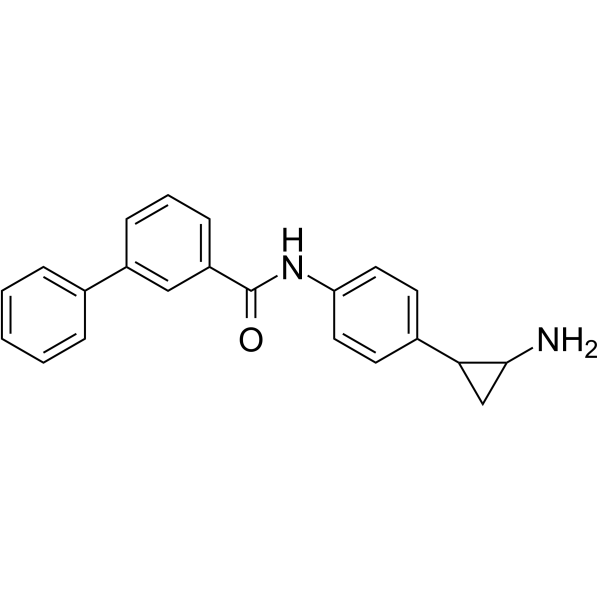
- HY-144757
-
|
|
Histone Demethylase
Monoamine Oxidase
|
Cancer
|
|
LSD1-IN-16 (compound 4b) is a potent LSD1 inhibitor. LSD1-IN-16 can inhibit LSD1-CoREST, MAO-A and MAO-B, with IC50 values of 0.015, 0.024, and 0.366 μM, respectively. LSD1-IN-16 displays cell growth arrest in prostate cancer LNCaP cells, with an IC50 of 15.2 μM [1].
|
-
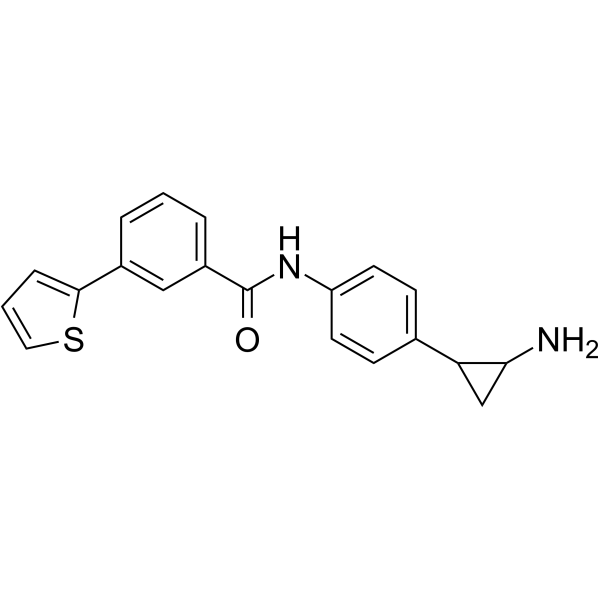
- HY-172809
-
|
|
Histone Demethylase
PD-1/PD-L1
|
Inflammation/Immunology
Cancer
|
|
LSD1-IN-42 (Compound 7ae) is an orally active LSD1 inhibitor that potently inhibits LSD1 activity (IC50 = 0.08 μM). LSD1-IN-42 downregulates PD-L1 expression and enhances T cell-mediated tumor killing effects. LSD1-IN-42 demonstrates significant anti-gastric cancer activity by inhibiting tumor cell invasion and migration [1].
|
-

- HY-15313B
-
|
|
Histone Demethylase
|
Metabolic Disease
Cancer
|
|
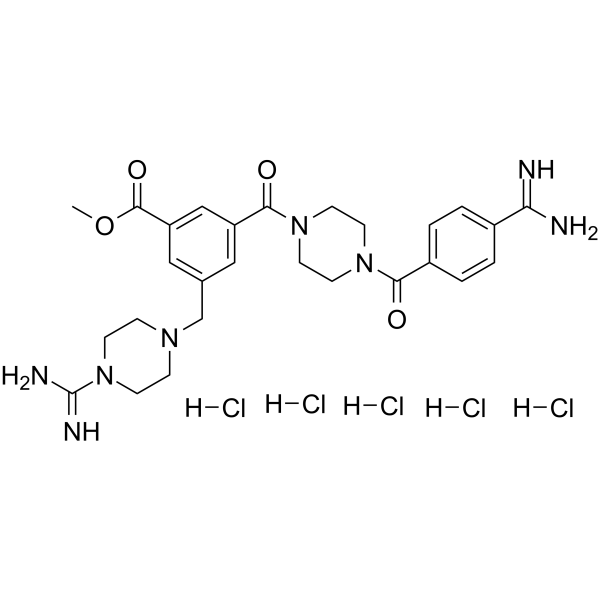
CBB1007 hydrochloride is a reversible and selective LSD1 inhibitor with an IC50 of 5.27 µM for human LSD1. CBB1007 hydrochloride significantly blocks the demethylase activity of LSD1 on H3K4Me2 and H3K4Me. CBB1007 hydrochloride shows selectivity for LSD1 over LSD2 or JARID1A, and induces differentiation-related genes in pluripotent cells. CBB1007 hydrochloride is studied in non-pluripotent cancer research, targeting teratocarcinoma, embryonic carcinoma, and seminoma [1] .
|
-
- HY-15313
-
|
|
Histone Demethylase
|
Metabolic Disease
Cancer
|
|
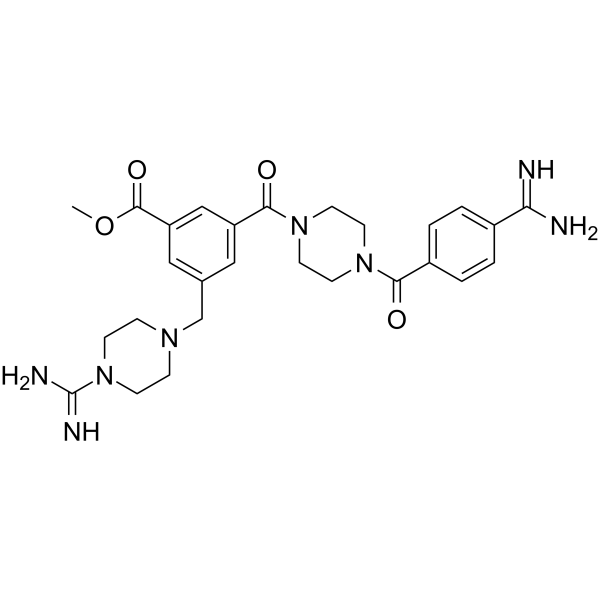
CBB1007 is a reversible and selective LSD1 inhibitor with an IC50 of 5.27 µM for human LSD1. CBB1007 significantly blocks the demethylase activity of LSD1 on H3K4Me2 and H3K4Me. CBB1007 shows selectivity for LSD1 over LSD2 or JARID1A, and induces differentiation-related genes in pluripotent cells. CBB1007 is studied in non-pluripotent cancer research, targeting teratocarcinoma, embryonic carcinoma, and seminoma [1] .
|
-
- HY-146440
-
|
|
Histone Demethylase
Estrogen Receptor/ERR
Apoptosis
|
Cancer
|
|
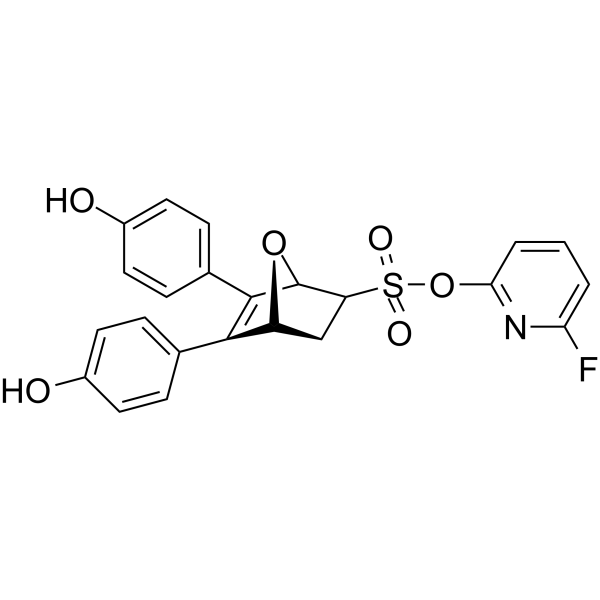
LSD1/ER-IN-1 (compound 11g) is a potent ER and LSD1 inhibitor, with an IC50 of 1.55 μM (LSD1). LSD1/ER-IN-1 has high affinity selectivity for ERα protein, with α/β ratio of 7.11. LSD1/ER-IN-1 shows good antiproliferative activity against MCF-7 breast cancer cells, with an IC50 of 8.79 μM [1].
|
-
- HY-168086
-
|
|
PD-1/PD-L1
Histone Demethylase
|
Infection
Inflammation/Immunology
|
|
LSD1-IN-35 (Compound Z-1) is a selective LSD1 Inhibitor (IC50: 108 nM). LSD1-IN-35 inhibits the demethylation on H3K4me1/2. LSD1-IN-35 is an immunomodulator. LSD1-IN-35 promotes response of gastric cancer cells to T-cell killing effect by decreasing PD-L1 expression and further attenuates the PD-1/PD-L1 interaction [1].
|
-

- HY-173123
-
|
|
Histone Demethylase
Apoptosis
|
Cancer
|
|
LSD1-IN-40 (Compound 9e) is a potent LSD1 inhibitor, with an IC50 of 9.85 nM. LSD1-IN-40 exhibits exceptional selectivity for LSD1 over both MAOs and hERG. LSD1-IN-40 exhibits significant inhibitory activity against leukemia cells (MV-4-11, HL-60, and THP-1 cells). LSD1-IN-40 can induce apoptosis in MV-4-11 cells. LSD1-IN-40 has the potential for the research of acute myeloid leukemia [1].
|
-

- HY-N2037AS1
-
|
Norcoclaurine-d4-1 hydrochloride; Demethyl-Coclaurine-d4-1 hydrochloride
|
Isotope-Labeled Compounds
MAP3K
MDM-2/p53
Apoptosis
ROS Kinase
|
Infection
Cardiovascular Disease
Endocrinology
Cancer
|
|
Higenamine-d4-1 (Norcoclaurine-d4-1) hydrochloride is deuterium labeled Higenamine (hydrochloride). Higenamine hydrochloride is a selective LSD1 inhibitor (IC50=1.47 μM) that can be isolated from aconite. Higenamine hydrochloride has anti-inflammatory and antibacterial activity. Higenamine (Norcoclaurine) can attenuate IL-1β-induced Apoptosis through ROS-mediated PI3K/Akt signaling pathway. Higenamine hydrochloride protects brain cells from oxygen deprivation. Higenamine can promote bone formation in osteoporosis through the SMAD2/3 pathway. Higenamine hydrochloride can be used to study cancer, inflammation, cardiorenal syndrome and other diseases [1] .
|
-

- HY-P10819
-
|
|
Histone Demethylase
Apoptosis
|
Cancer
|
|
S9-CMC1 TFA is a covalent peptide lysine-specific demethylase 1 (LSD1) inhibitor with an IC50 value of 2.53 μM. S9-CMC1 TFA specifically recognizes Cys360 in the enzyme-active region. S9-CMC1 TFA inhibits LSD1 activity, increasing H3K4me1 and H3K4me2 levels, leading to G1 cell cycle arrest and apoptosis and inhibiting cell proliferation. S9-CMC1 TFA significantly inhibits tumor growth in A549 xenograft animal models [1].
|
-

- HY-N2037AR
-
|
Norcoclaurine hydrochloride (Standard)
|
MAP3K
Reference Standards
MDM-2/p53
ROS Kinase
Apoptosis
|
Infection
Cardiovascular Disease
Endocrinology
Cancer
|
|
Higenamine (hydrochloride) (Standard) is the analytical standard of Higenamine (hydrochloride). This product is intended for research and analytical applications. Higenamine hydrochloride is a selective LSD1 inhibitor (IC50=1.47 μM) that can be isolated from aconite. Higenamine hydrochloride has anti-inflammatory and antibacterial activity. Higenamine (Norcoclaurine) can attenuate IL-1β-induced Apoptosis through ROS-mediated PI3K/Akt signaling pathway. Higenamine hydrochloride protects brain cells from oxygen deprivation. Higenamine can promote bone formation in osteoporosis through the SMAD2/3 pathway. Higenamine hydrochloride can be used to study cancer, inflammation, cardiorenal syndrome and other diseases [1] .
|
-

- HY-129127
-
|
|
Histone Demethylase
|
Others
|
|
rel-OG-L002 hydrochloride (compound OG-L002) is a selective arylcyclopropylamine-based LSD1 inhibitor [1].
|
-

- HY-172519
-
|
|
Histone Demethylase
|
Cancer
|
|
LSD1-IN-41 (compound 7) is a potent and selective LSD1 inhibitor. LSD1-IN-41 can be used for diffuse intrinsic pontine glioma (DIPG) research when combined with HDAC inhibitors [1].
|
-

- HY-103085R
-
|
|
Reference Standards
Histone Demethylase
|
Cancer
|
|
T-3775440 hydrochloride (Standard) is the analytical standard of T-3775440 hydrochloride (HY-103085). This product is intended for research and analytical applications. T-3775440 (hydrochloride) is an irreversible lysine-specific histone demethylase (LSD1) inhibitor with an IC50 value of 2.1 nM.
|
-

- HY-100546AR
-
|
|
Histone Demethylase
Reference Standards
Monoamine Oxidase
|
Cancer
|
|
GSK-LSD1 (dihydrochloride) (Standard) is the analytical standard of GSK-LSD1 (dihydrochloride) (HY-100546A). This product is intended for research and analytical applications. GSK-LSD1 dihydrochloride is a potent, selective and irreversible lysine specific demethylase 1 (LSD1) inhibitor with an IC50 of 16 nM.
|
-

- HY-155825
-
|
|
|
Cancer
|
|
LPE-1 is a lysine-specific demethylase 1 (LSD1) inhibitor with an IC50 of 0.65 μM. LPE-1 inhibits the proliferation of gastric cancer, liver cancer and prostate cancer cells, and shows no activity against a subset of gastric cancer cells. LPE-1 is applicable for the research of gastric cancer, liver cancer and prostate cancer [1].
|
-

- HY-141677C
-
|
|
Histone Demethylase
|
Cancer
|
|
INCB059872 TFA is a potent, orally active, selective and irreversible Lysine-Specific Demethylase 1 (LSD1) inhibitor that achieves inhibitory activity through the formation of covalent FAD-adducts. INCB059872 TFA can inhibit cell proliferation and induce cell differentiation by upregulating the expression of myeloid differentiation markers CD86 and CD11b. INCB059872 TFA can be used for the research of myeloid leukemia [1].
|
-

- HY-N18236
-
|
|
Histone Demethylase
|
Cancer
|
|
3β-Acetoxyl-atractylenolide I is a LSD1 inhibitor with an IC50 of 57 μM. 3β-Acetoxyl-atractylenolide I blocks tumor growth, metastasis and invasion. 3β-Acetoxyl-atractylenolide I is used in the research of various cancers including prostate cancer, breast cancer, neuroblastoma, gastric cancer, colon cancer, bladder cancer, esophageal cancer, acute myeloid leukemia and retinoblastoma [1].
|
-

- HY-103713AR
-
|
SP-2577 mesylate (Standard)
|
Reference Standards
Histone Demethylase
|
Cancer
|
|
Seclidemstat mesylate (Standard) is the analytical standard of Seclidemstat mesylate (HY-103713A). This product is intended for research and analytical applications. Seclidemstat (SP-2577) mesylate is a potent noncompetitive and reversible KDM1A (LSD1) inhibitor (Ki=31 nM, IC50=13 nM). Seclidemstat mesylate promotes antitumor immunity in switch/sucrose nonfermentable (SWI/SNF) complex mutated ovarian cancer, as well as inhibit virus production, viral DNA replication, and late gene expression. Seclidemstat mesylate can be used for the research of Ewing Sarcoma [1] .
|
-

- HY-103713R
-
|
SP-2577 (Standard)
|
Reference Standards
Histone Demethylase
|
Cancer
|
|
Seclidemstat (Standard) is the analytical standard of Seclidemstat (HY-103713). This product is intended for research and analytical applications. Seclidemstat is a potent noncompetitive and reversible KDM1A (LSD1) inhibitor (Ki=31 nM, IC50=13 nM). Seclidemstat promotes antitumor immunity in switch/sucrose nonfermentable (SWI/SNF) complex mutated ovarian cancer, as well as inhibit virus production, viral DNA replication, and late gene expression. Seclidemstat can be used for the research of Ewing Sarcoma [1] .
|
-

- HY-183202
-
|
|
Histone Demethylase
Apoptosis
|
Cancer
|
|
NCD38 is a Lysine-specific demethylase 1 (LSD1) inhibitor with a target IC50 of 0.59 μM. NCD38 selectively disrupts LSD1-GFI1B interactions, dissociates LSD1 and CoREST from the ERG super-enhancer. NCD38 increases apoptosis-related protein levels, induces apoptosis and reduces SOX2 and Oct4 levels. NCD38 can be used for the research of acute myeloid leukemia [1] .
|
-

- HY-183067
-
|
|
Histone Demethylase
TGF-beta/Smad
Notch
|
Cancer
|
|
TAS1440 is an orally active LSD1/KDM1A inhibitor with a human IC50 of 4.8 nM. TAS1440 non-covalently binds to the histone H3-binding pocket of LSD1, inhibiting demethylase activity and disrupting repressive complexes with INSM1 and SMAD2. TAS1440 activates tumor-suppressive TGF-β and NOTCH signaling pathways via transcriptional reprogramming. TAS1440 can be used for the research of small cell lung cancer, specifically the SCLC-A subtype [1].
|
-

- HY-183067A
-
|
|
Histone Demethylase
TGF-beta/Smad
Notch
|
Cancer
|
|
TAS1440 benzoate is an orally active LSD1/KDM1A inhibitor with a human IC50 of 4.8 nM. TAS1440 benzoate non-covalently binds to the histone H3-binding pocket of LSD1, inhibiting demethylase activity and disrupting repressive complexes with INSM1 and SMAD2. TAS1440 benzoate activates tumor-suppressive TGF-β and NOTCH signaling pathways via transcriptional reprogramming. TAS1440 benzoate can be used for the research of small cell lung cancer, specifically the SCLC-A subtype [1].
|
-

- HY-181781
-
|
|
Histone Demethylase
CD44
Apoptosis
|
Cancer
|
|
LSD1-IN-48 is a tranylcypromine-pyrimidine derivative and selective LSD1 inhibitor with a human IC50 of 7.87 nM. LSD1-IN-48 increases H3K4me1/2 histone methylation levels. LSD1-IN-48 induces apoptosis, upregulates CD86, downregulates SOX2 and CD44, inhibits proliferation in cancer cells. LSD1-IN-48 can be used for the research of acute myeloid leukemia [1].
|
-

- HY-183105
-
|
|
Histone Demethylase
Apoptosis
|
Cancer
|
|
DC551040 is an orally active and selective lysine demethylase 1 (LSD1) inhibitor with a human IC50 of 2.14 nM. DC551040 binds to LSD1 via π-π stacking with Trp552, polar interactions with Phe538, and covalent adduct formation with FAD, and disrupts the LSD1-GFI1B-CoREST complex. DC551040 induces H3K4me2 accumulation, apoptosis, and cell differentiation, activates STAT5, NF-κB, AKT, and IL6-STAT3 pathways, and upregulates IL6 expression. DC551040 can be used for the research of acute myeloid leukemia [1].
|
-

| Cat. No. |
Product Name |
Target |
Research Area |
-
- HY-P10819
-
|
|
Histone Demethylase
Apoptosis
|
Cancer
|
|
S9-CMC1 TFA is a covalent peptide lysine-specific demethylase 1 (LSD1) inhibitor with an IC50 value of 2.53 μM. S9-CMC1 TFA specifically recognizes Cys360 in the enzyme-active region. S9-CMC1 TFA inhibits LSD1 activity, increasing H3K4me1 and H3K4me2 levels, leading to G1 cell cycle arrest and apoptosis and inhibiting cell proliferation. S9-CMC1 TFA significantly inhibits tumor growth in A549 xenograft animal models [1].
|
| Cat. No. |
Product Name |
Category |
Target |
Chemical Structure |
| Cat. No. |
Product Name |
Chemical Structure |
-
- HY-17447SA
-
|
|
|
Tranylcypromine-d5 (hydrochloride) is a deuterium labeled (rel)-Tranylcypromine hydrochloride. Tranylcypromine hydrochloride is an irreversible, nonselective monoamine oxidase (MAO) inhibitor used in the treatment of depression. Tranylcypromine hydrochloride is also a lysine-specific demethylase 1 (LSD1) inhibitor, suppresses lesion growth and improves generalized hyperalgesia in mouse with induced endometriosis [1] .
|
-
-
- HY-N2037AS1
-
|
|
|
Higenamine-d4-1 (Norcoclaurine-d4-1) hydrochloride is deuterium labeled Higenamine (hydrochloride). Higenamine hydrochloride is a selective LSD1 inhibitor (IC50=1.47 μM) that can be isolated from aconite. Higenamine hydrochloride has anti-inflammatory and antibacterial activity. Higenamine (Norcoclaurine) can attenuate IL-1β-induced Apoptosis through ROS-mediated PI3K/Akt signaling pathway. Higenamine hydrochloride protects brain cells from oxygen deprivation. Higenamine can promote bone formation in osteoporosis through the SMAD2/3 pathway. Higenamine hydrochloride can be used to study cancer, inflammation, cardiorenal syndrome and other diseases [1] .
|
-
| Cat. No. |
Product Name |
|
Classification |
-
- HY-145259
-
|
|
|
Alkynes
|
|
HDAC6-IN-3 (Compound 14), an antiprostate cancer agent, is a potent, orally active HDAC6 inhibitor with IC50s ranging from 0.02-1.54 μM for HDAC1/2/3/6/8/10. HDAC6-IN-3 is also an effective MAO-A (IC50=0.79 μM) and LSD1 inhibitor [1]. HDAC6-IN-3 is a click chemistry reagent, it contains an Alkyne group and can undergo copper-catalyzed azide-alkyne cycloaddition (CuAAc) with molecules containing Azide groups.
|
-
- HY-175185
-
|
|
|
Alkynes
|
|
MC3935 is a LSD1 inhibitor with an IC50 of 0.52 μM for LSD1-CoREST enzymatic complex. MC3935 has significant antischistosomal activity against transformed schistosomula (NTS) and Schistosoma mansoni adult worms while showing a delayed onset of action towards juvenile forms. MC3935 has no significant toxicity to human cells. MC3935 can be used for schistosomiasis research [1].
|
Your information is safe with us. * Required Fields.
Inquiry Information
- Product Name:
- Cat. No.:
- Quantity:
- MCE Japan Authorized Agent:








