Delivery of temperature sensitive items including proteins and kits will be paused on 6/19 for the Juneteenth holiday. For urgent orders please contact customer service.
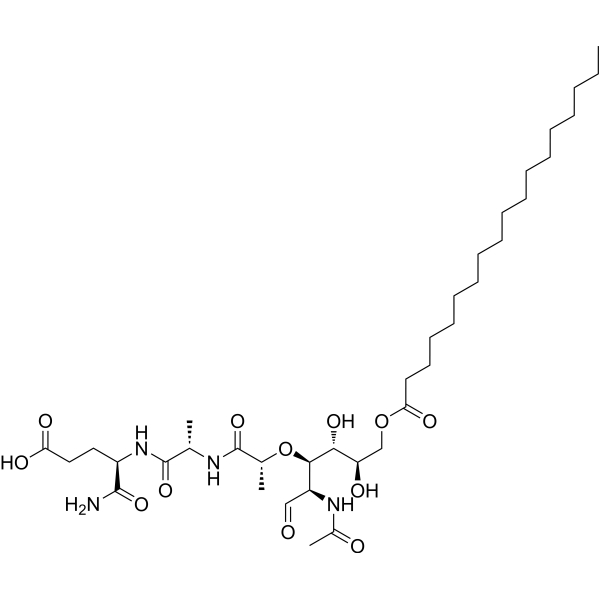
L18-MDP is a derivative of muramyl dipeptide, an antibacterial agent. L18-MDP has antibacterial activity and has potential applications in bacterial and fungal infections .
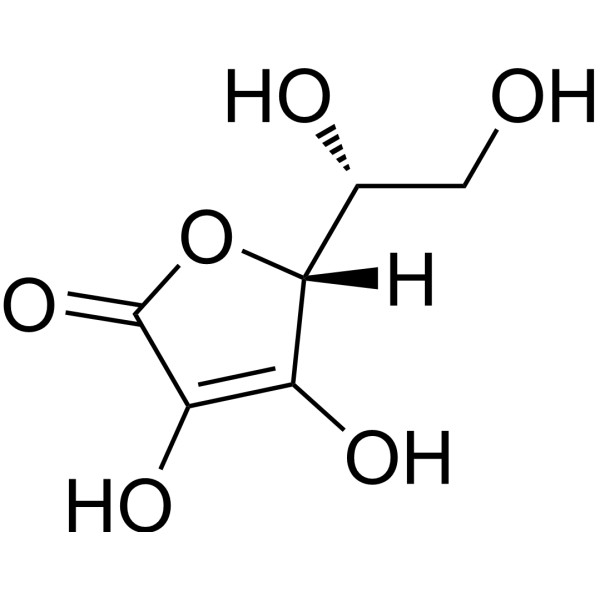
Erythorbic acid is an orally active compound. Erythorbic acid improves the radiation resistance of Listeriamonocytogenes. Erythorbic acid can react with free radicals and reduce oxidative damage. Erythorbic acid has weak antiscorbic activity. Erythorbic acid can prevent oxidative discoloration in meat products .
ISD sodium is an interferon-stimulatory DNA, a 45 bp non-CpG double-stranded oligonucleotide derived from the genome of Listeriamonocytogenes. ISD sodium potently induces type I interferon production via the cGAS‑STING‑TBK1‑IRF3 pathway .
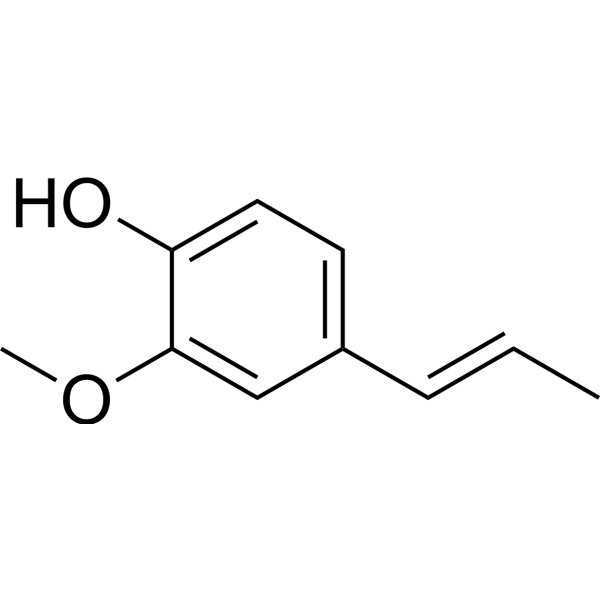
Isoeugenol is an essential oil constituent of nutmeg, clove, and cinnamon. Isoeugenol inhibits growth of Escherichia coli and Listeria innocua with MICs of 0.6 mg/mL and 1 mg/mL, respectively .
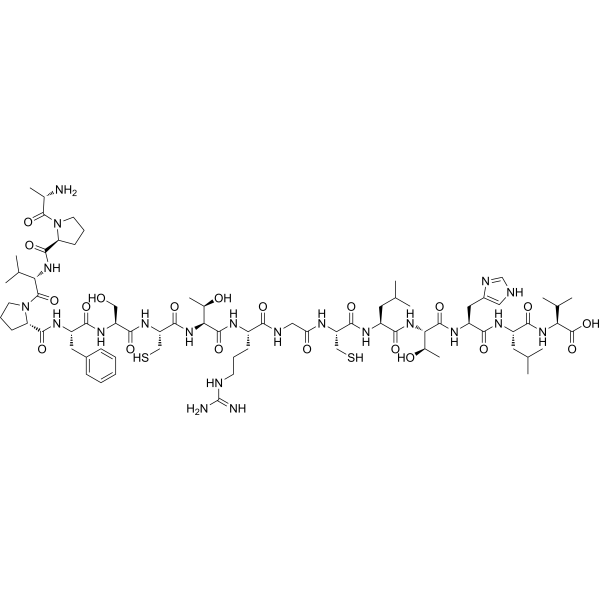
Pediocin PA-1 TFA is a class IIa bacteriocin that specifically binds to membrane proteins of susceptible Gram-positive bacteria (such as Listeriamonocytogenes) to form voltage-independent hydrophilic pores, leading to dissipation of proton motive force, ATP depletion and cell death. Pediocin PA-1 TFA shows no significant activity against intact Gram-negative bacteria, strains carrying immunity genes and obligate anaerobic commensal gut microbiota, and its bactericidal function depends on the integrity of disulfide bonds, with activity lost upon reduction. Pediocin PA-1 TFA can be used not only as a food biopreservative but also for research on listeriosis .
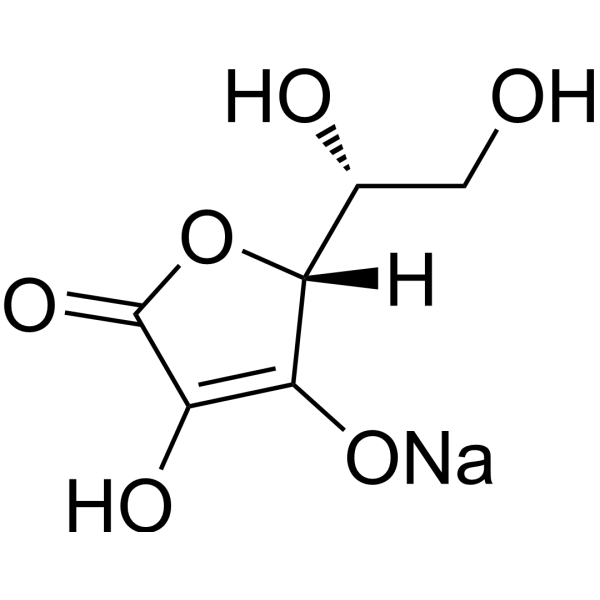
Sodium erythorbate is an orally active sodium salt form of isoascorbic acid. Sodium erythorbate improves the radiation resistance of Listeriamonocytogenes. Sodium erythorbate can react with free radicals and reduce oxidative damage. Sodium erythorbate has weak antiscorbic activity. Sodium erythorbate can prevent oxidative discoloration in meat products .
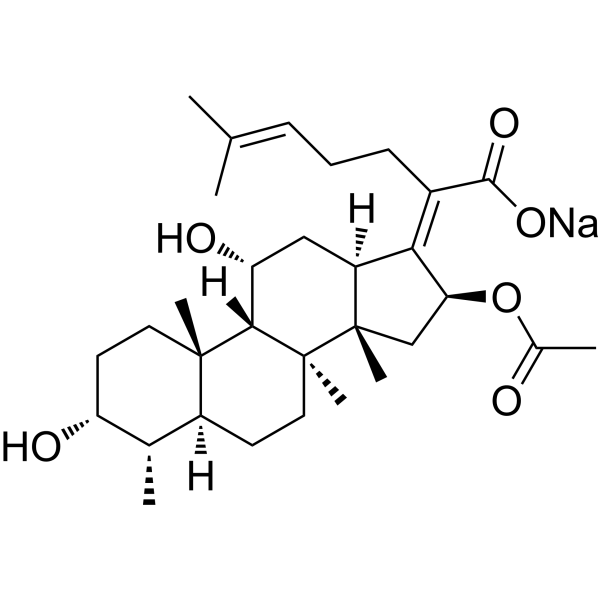
Fusidic acid sodium salt is an orally available antibacterial agent that inhibits bacterial protein synthesis by preventing the release of translation elongation factor G (EF-G) from ribosomes. Fusidic acid sodium salt inhibits the inhibitory and activating effects of interleukins IL-1 and IL-6 on glucose-induced insulin production and exhibits antidiabetic effects in a rat model. Fusidic acid sodium salt improves the symptoms of colitis in rats and inhibits the growth of Toxoplasma gondii and Listeriamonocytogenes EGD in vitro, but not in mice .
Fructooligosaccharides (Oligolevulose) are a class of orally active dietary fibers and prebiotics. Fructooligosaccharides exist in foods such as breast milk, wheat, honey, onions, garlic and bananas. Fructooligosaccharides resist hydrolysis by the body's digestive enzymes and stimulate the growth of beneficial intestinal bacteria through colonic fermentation. Fructooligosaccharides significantly prevent bone loss in the femur and lumbar spine .
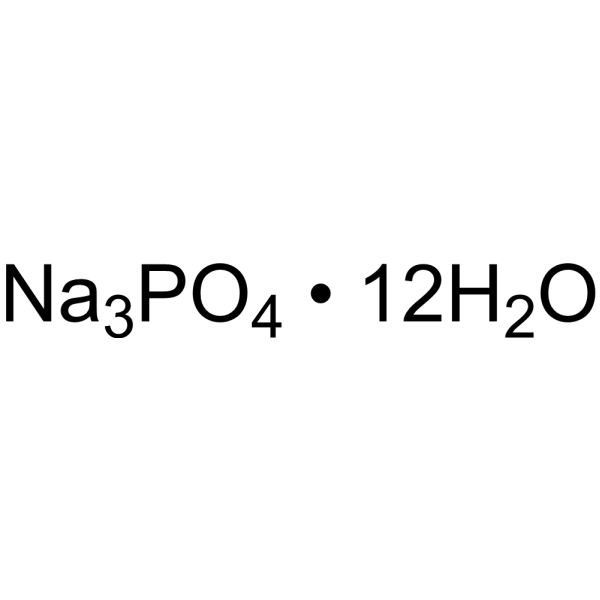
Trisodium phosphate dodecahydrate is an Antibacterial agent. Trisodium phosphate dodecahydrate reduces the counts of Escherichia coli O157:H7 and Salmonella typhimurium attached to the surfaces of beef fat and fascia. Trisodium phosphate dodecahydrate modulates the growth parameters of Listeriamonocytogenes in vitro: low concentrations shorten the lag phase and increase the maximum growth rate, while high concentrations prolong the lag phase and decrease the maximum growth rate. Trisodium phosphate dodecahydrate is used in poultry processing .
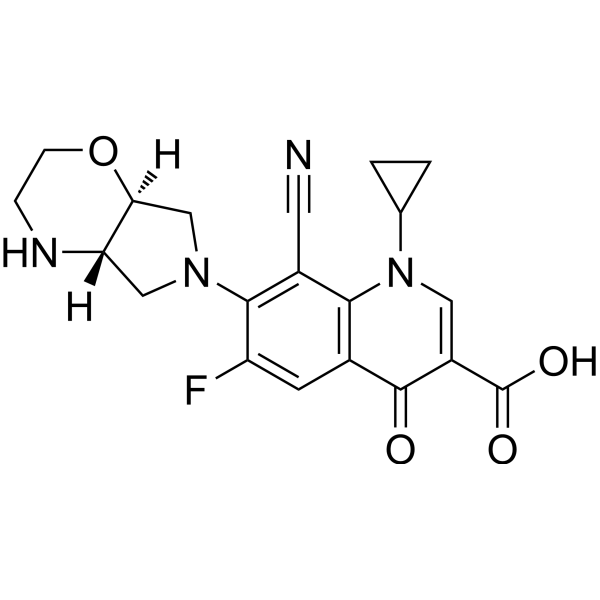
Finafloxacin is an orally active fourth-generation fluoroquinolone broad-spectrum antibiotic. Finafloxacin exhibits stronger antibacterial activity in acidic pH environments and is not easily affected by bacterial multidrug efflux transporters. Finafloxacin is effective against a variety of extracellular pathogenic bacteria, and can also accumulate in macrophages, showing excellent antibacterial activity against intracellular Staphylococcus aureus, Listeriamonocytogenes, Legionella pneumophila, Burkholderia pseudomallei, and other pathogens. Finafloxacin has been approved by the U.S. FDA for research on acute otitis externa mediated by Pseudomonas aeruginosa. Finafloxacin is also used in studies related to diseases such as melioidosis, inhalational tularemia, and inhalational plague .
Sodium diacetate (Sodium hydrogen diacetate) is a multifunctional biochemical reagent with antibacterial (bacteria) and antifungal (fungi) activities. Sodium diacetate exerts its antimicrobial effect mainly by effectively penetrating the cell walls of microorganisms and interfering with enzyme interactions. Sodium diacetate inhibits the growth and survival of fungi such as Botrytis cinerea, as well as bacteria such as Listeria and Escherichia coli. Sodium diacetate inhibits the growth of endothelial cells. Sodium diacetate can be used in the synthesis of food preservatives, flavoring agents and pH control additives .
Sucrose monolaurate is a glycolipid surfactant . Sucrose monolaurate interacts with bacterial DNA, disrupts cell membrane permeability, and exerts excellent inhibitory and bactericidal effects against a variety of foodborne pathogens (especially Gram-positive bacteria). Sucrose monolaurate significantly reduces liquid surface tension, and acts as a synergist for chlorine-based disinfectants in food cleaning and disinfection to improve the removal efficiency of pathogens on the surface of agricultural products .
Pediocin PA 1 is a class IIa bacteriocin that specifically binds to membrane proteins of susceptible Gram-positive bacteria (such as Listeriamonocytogenes) to form voltage-independent hydrophilic pores, leading to dissipation of proton motive force, ATP depletion and cell death. Pediocin PA 1 shows no significant activity against intact Gram-negative bacteria, strains carrying immunity genes and obligate anaerobic commensal gut microbiota, and its bactericidal function depends on the integrity of disulfide bonds, with activity lost upon reduction. Pediocin PA 1 can be used not only as a food biopreservative but also for research on listeriosis .
Sodium caseinates is a kind of sodium salts of major milk proteins, which act as protein-based biopolymers and innate immune system activators. Sodium caseinates induce granulopoiesis, activation and differentiation, promote the production of M-CSF, and increase serum levels of G-CSF and GM-CSF. Sodium caseinates inhibit the proliferation and reduce the viability of leukemia macrophage-like cells, thereby significantly improving the survival rate of mice inoculated with leukemia cells. Sodium caseinates can serve as carriers for probiotics in edible films and exhibit anti-Listeria activity. Sodium caseinates effectively protect vitamin A from degradation, enhance its stability, bioaccessibility and bioavailability, and regulate protein digestibility when complexed with vitamin A. Sodium caseinates can be applied to research related to acute monocytic leukemia and vitamin A deficiency .
Serratiopeptidase (Brasan; Dasen) is an orally active zinc-containing metalloprotease belonging to the serralysin family. Serratiopeptidase reduces the release of inflammatory mediators such as prostaglandins, thromboxanes and interleukins by inhibiting COX, thereby relieving pain, swelling and redness. Serratiopeptidase exhibits antibiofilm, mucolytic and wound-healing activities. As a serine protease, Serratiopeptidase has the ability to dissolve blood clots, fibrin and atherosclerotic plaques. Serratiopeptidase degrades amyloid fibrils and has potential anti-Alzheimer's effects. Serratiopeptidase shows cytotoxicity against colon cancer cells .
Dehydrozingerone is a ginger-derived component and cyclin D1 inhibitor that downregulates cyclin D1 expression and induces cell cycle G1 phase arrest. Dehydrozingerone reduces the proliferative capacity of castration-resistant prostate cancer cells under in vitro conditions. Dehydrozingerone reduces subcutaneous tumor growth by inhibiting cell proliferation and angiogenesis. Dehydrozingerone exerts antibacterial and antifungal activities via its α,β-unsaturated carbonyl conjugated system. Dehydrozingerone can be used in studies related to castration-resistant prostate cancer, bacterial infections, and food spoilage fungal infections .
LLO (91-99) (Listeriolysin O (91-99)) is an exotoxin and class I MHC-restricted T-cell epitope of listeriolysin (LLO). LLO (91-99) is processed by antigen-presenting cells, binds to MHC class I molecules and is presented to the cell surface. LLO (91-99) induces CTL responses and effectively eliminates Listeria from infected cells. LLO (91-99) can be used in the research of Listeria infections (e.g., listeriosis) .
Trisodium phosphate is a food additive. Trisodium phosphate affects the growth parameters (lag phase, maximum growth rate) of Listeriamonocytogenes and increases the sensitivity of Gram-negative bacteria to Lysozyme (HY-P1068) and Nisin (HY-P1607) .
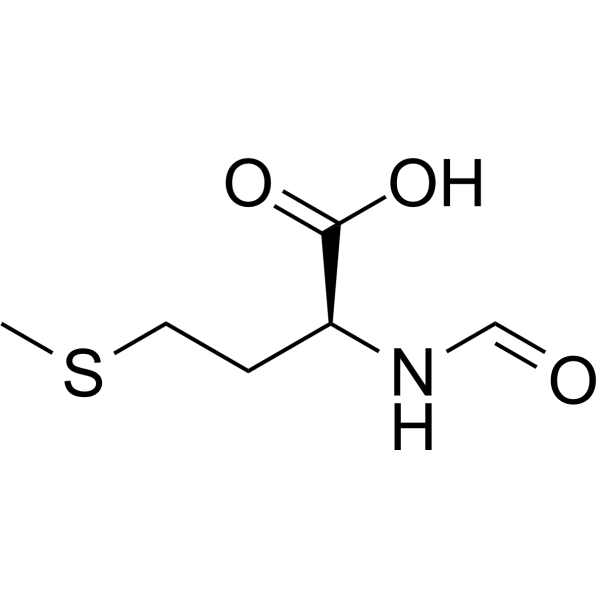
For-Met-OH (N-Formylmethionine) can be involved in the translation process of bacteria, chloroplasts, and mitochondria. For-Met-OH plays different roles in different species and organelles, such as promoting the formation of protein complexes in mitochondria and acting as a degradation signal in bacteria and yeast. The level of For-Met-OH is closely related to certain diseases, for example, For-Met-OH is a potential biomarker for metabolic disorders and poor prognosis in critically ill patients .
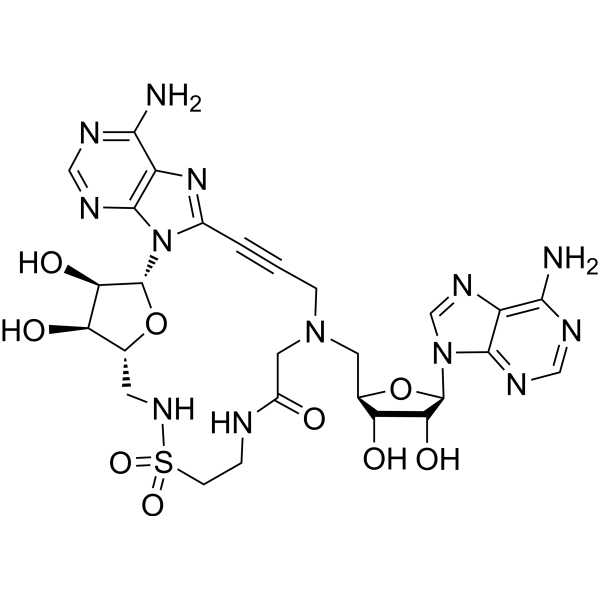
LmNADK1-IN-1 (compound MC1) is an inhibitor of nicotinamide adenine dinucleotide kinases (NADK1) from
L. monocytogenes with a Ki value of 54 nM. LmNADK1-IN-1 can be used for the research of bacterial infection . LmNADK1-IN-1 is a click chemistry reagent, it contains an Alkyne group and can undergo copper-catalyzed azide-alkyne cycloaddition (CuAAc) with molecules containing Azide groups.
Erythorbic acid (Standard) (D-Isoascorbic acid (Standard)) is the analytical standard of Erythorbic acid (HY-N7079). This product is intended for research and analytical applications. Erythorbic acid is an orally active compound. Erythorbic acid improves the radiation resistance of Listeriamonocytogenes. Erythorbic acid can react with free radicals and reduce oxidative damage. Erythorbic acid has weak antiscorbic activity. Erythorbic acid can prevent oxidative discoloration in meat products.
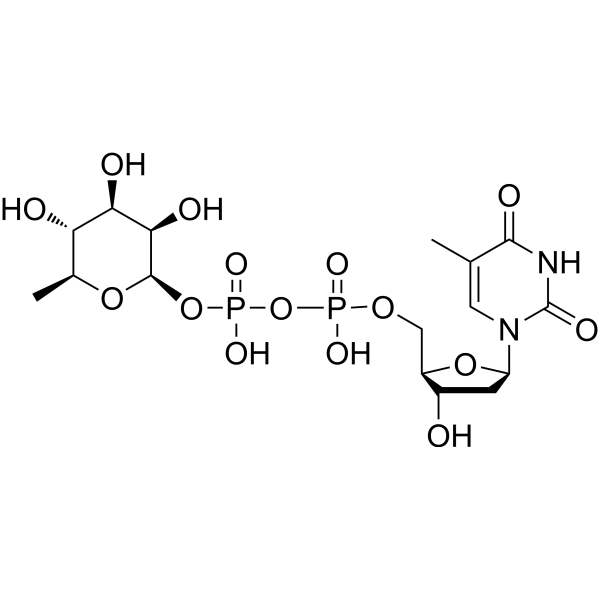
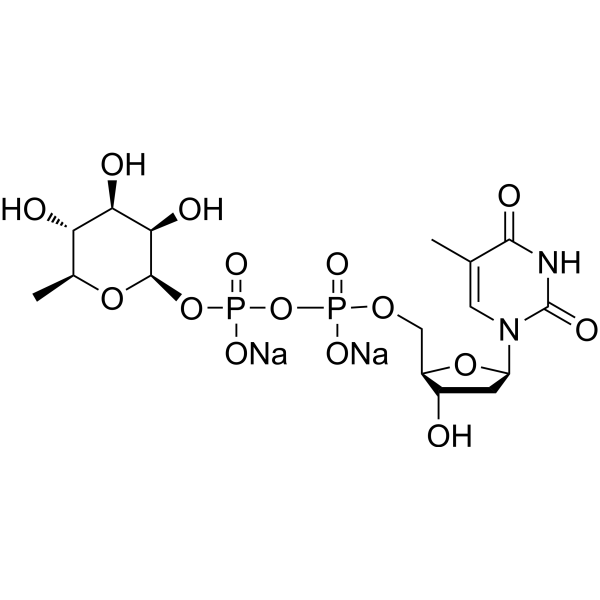
Thymidine-5'-diphosphate-L-rhamnose (dTDP-L-Rhamnose) is a key activated nucleotide sugar in bacteria, with a KD value of 13 μM for ListeriamonocytogenesRmlT. Thymidine-5'-diphosphate-L-rhamnose acts as a high-energy donor for L-Rhamnose (HY-N1420), and is specifically used for the synthesis of bacterial cell wall polysaccharides, capsules and virulence factors .
Sakacin P is an antimicrobial peptide that targets Gram-positive bacteria (such as Listeriamonocytogenes) and belongs to Class IIa bacteriocin. Sakacin P has almost no antimicrobial activity against Gram-negative bacteria. Sakacin P exerts its antimicrobial activity by interacting with bacterial cell membranes and destroying membrane integrity. Sakacin P can be used for the study of Listeria contamination and antimicrobial drugs in the food industry.
Centaurein, a flavonoid, is an IFN-γ promoter enhancer. Centaurein up-regulates the activity of NFAT and NF-κB enhancers. Centaurein increases the IFN-γ expression in T and NK cells and the serum IFN-γ level in mice. Centaureidin completely relaxes the contractions in intact rat aortic rings. Centaurein effectively protects mice against Listeria infection [1][2][3][4].
Trisodium phosphate dodecahydrate, 98% is an Antibacterial agent. Trisodium phosphate dodecahydrate, 98% reduces the counts of Escherichia coli O157:H7 and Salmonella typhimurium attached to the surfaces of beef fat and fascia. Trisodium phosphate dodecahydrate, 98% modulates the growth parameters of Listeriamonocytogenes in vitro: low concentrations shorten the lag phase and increase the maximum growth rate, while high concentrations prolong the lag phase and decrease the maximum growth rate. Trisodium phosphate dodecahydrate, 98% is used in poultry processing .
Salazinic acid has antibacterial activity against bacteria and fungi. Salazinic acid does not show antibacterial activity against Listeriamonocytogenes, Pseudomonas aeruginosa, Yersinia enterocolitica, and Enterococcus faecalis, but it does have antibacterial activity against Pseudomonas aeruginosa and Salmonella typhimurium .
Thymidine-5'-diphosphate-L-rhamnose (dTDP-L-Rhamnose) disodium is a key activated nucleotide sugar in bacteria, with a KD value of 13 μM for ListeriamonocytogenesRmlT. Thymidine-5'-diphosphate-L-rhamnose disodium acts as a high-energy donor for L-Rhamnose (HY-N1420), and is specifically used for the synthesis of bacterial cell wall polysaccharides, capsules and virulence factors .
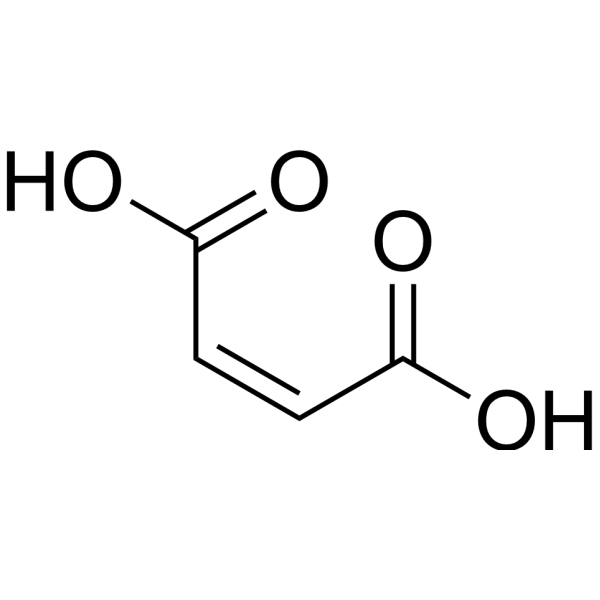
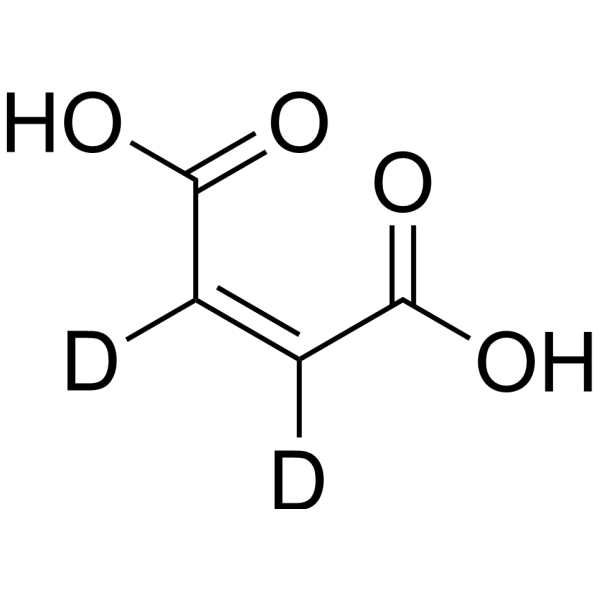
Maleic Acid (Standard) is the analytical standard of Maleic Acid. This product is intended for research and analytical applications. Maleic Acid is a Glutamate Decarboxylase (GAD) inhibitor of E. coli and L. monocytogenes.
IC50 & Target: GAD .
In Vitro: The MICs of WT 10403S for the acids (e.g., Maleic Acid) are 34 mM, 25 mM, 31 mM and 30 mM which correspond to pH values prior to growth of 4.84, 5.14, 5.32 and 5.02 respectively. Of all compounds tested, Maleic Acid is the least inhibitory despite acting at a lower pH (4.84). The most acid resistant (10403S) and the weakest (EGD-e) strain are challenged with 8.6 mM and 4.3 mM of each organic acid at pH 3 and 3.3 respectively. On both strains, Maleic Acid is the most bactericidal .
Salivaricin B is a broad-spectrum bacteriocin produced by Lactobacillus salivarius M7, capable of inhibiting the growth of Listeriamonocytogenes, Bacillus cereus, Brochothrix thermosphacta, Enterococcus faecalis, and various lactobacilli .
Antibacterial agent 253 (compound 7a) is a potent inhibitor of bacterial, with the MIC of 1.562 μg/mL for P. aeruginosa, S. aureus, L. monocytogenes, B. cereus, and S. typhi .
DNA Gyrase-IN-4 (compound 8p) is a potent DNA gyrase inhibitor, with an IC50 of 0.13 μM. DNA Gyrase-IN-4 shows excellent antibacterial activity against Staphylococcus aureus, Listeriamonocytogenes, Salmonella and Escherichia coli, with MIC values of 0.05, 0.05, 0.05, and 8 μg/mL, respectively .
LMW peptide is an antimicrobial peptide. LMW peptide is active against Gram-positive and Gram-negative bacterial, such as B. subtilis, L. monocytogenes, E. coli, P. aeruginosa, V. cholera .
Bactofencin A is a novel class IId bacteriocin. Bactofencin A can be produced by the intestinal isolate Lactobacillus salivarius DPC6502. Bactofencin A displays activity against S. aureus and Listeria spp .
Isoeugenol (Standard) is the analytical standard of Isoeugenol. This product is intended for research and analytical applications. Isoeugenol is an essential oil constituent of nutmeg, clove, and cinnamon. Isoeugenol inhibits growth of Escherichia coli and Listeria innocua with MICs of 0.6 mg/mL and 1 mg/mL, respectively .
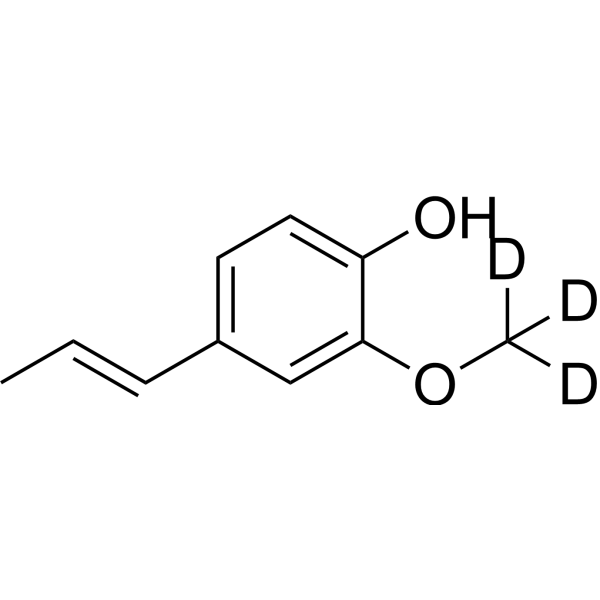
Isoeugenol-d3 is deuterated labeled Isoeugenol (HY-N1952). Isoeugenol is an essential oil constituent of nutmeg, clove, and cinnamon. Isoeugenol inhibits growth of Escherichia coli and Listeria innocua with MICs of 0.6 mg/mL and 1 mg/mL, respectively .
Anti-Mouse CD1d Antibody (20H2 (HB323)) is a rat-derived IgG1 κ type antibody inhibitor, targeting to mouse CD1d. Anti-Mouse CD1d Antibody (20H2 (HB323)) can block CD1d and neutralize invariant natural killer
T (iNKT) cells. Anti-Mouse CD1d Antibody (20H2 (HB323)) can be used for the researches of cancer, infection, inflammation and immunology, such as melanoma, L. monocytogenes infection and arthritis .
3-Oxobetulin acetate (28-O-Acetyl-3-Oxobetulin; 3-oxo-28-O-Acetylbetulin) is a derivative of betulin (HY-N0083), a cholesterol biosynthesis inhibitor. 3-Oxobetulin acetate inhibits the growth of P388 murine lymphocytic leukemia cells (EC50=0.12 μg/mL) and human MCF-7 breast cancer, SF-268 CNS cancer, H460 lung cancer, and KM20L2 colon cancer cells (GI50s=8, 10.6, 5.2, and 12.7 μg/mL), but not BxPC-3 pancreatic cancer cells or DU145 prostate cancer cells (GI50s=>10 μg/mL for both). 3-Oxobetulin acetate inhibits the replication of X4-tropic recombinant HIV (NL4.3-Ren) in MT-2 lymphoblastoid cells (IC50=13.4 μM). 3-Oxobetulin acetate is also effective against Listeria donovani amastigotes.
2-(p-Tolyl) propanoic acid (2-(4-methylphenyl) propionic acid) acts as an Antimicrobial agent intermediate. 2-(p-Tolyl) propanoic acid inhibits COX-1 and COX-2 enzymes, with IC50 values of 38.23 μM and 64.30 μM, respectively. 2-(p-Tolyl) propanoic acid is applicable to research on E. coli, Enterococcus faecalis, Listeriamonocytogenes, and Staphylococcus aureus .
Biotin-labeled ISD sodium is a biotin-labeled form of ISD sodium (HY-160225). ISD sodium is an interferon-stimulatory DNA, a 45 bp non-CpG double-stranded oligonucleotide derived from the Listeriamonocytogenes genome. ISD sodium can potently induce type I interferon production via the cGAS‑STING‑TBK1‑IRF3 pathway .
Sodium erythorbate (Standard) (D-Isoascorbic acid (sodium) (Standard)) is the analytical standard of Sodium erythorbate (HY-N7079A). This product is intended for research and analytical applications. Sodium erythorbate is an orally active sodium salt form of isoascorbic acid. Sodium erythorbate improves the radiation resistance of Listeriamonocytogenes. Sodium erythorbate can react with free radicals and reduce oxidative damage. Sodium erythorbate has weak antiscorbic activity. Sodium erythorbate can prevent oxidative discoloration in meat products .
Antibacterial agent 326 is a bactericide that inhibits the growth of various bacterial strains. Antibacterial agent 326 inhibits biofilm formation in Escherichia coli, disrupts bacterial cell membranes, induces oxidative stress and lipid peroxidation in Escherichia coli, increases ROS levels, and reduces GSH activity. Antibacterial agent 326 can be used in studies of bacterial infections, including those caused by Escherichia coli, Staphylococcus aureus, Enterococcus faecalis, Listeria spp., Bacillus subtilis, Serratia marcescens, Salmonella enteritidis and Acinetobacter calcoaceticus .
Koninginin D is a potent antifungal agent that can be isolated from fungi including Trichoderma applanatum. Koninginin D inhibits growth of various fungal species including Gaeumannomyces graminis var. tritici, Bipolaris sorokiniana and so on. Koninginin D can be used for the research of fungal infection .
Isoeugenol- 13C (Iso-Eugenol- 13C) is the 13C-labeled Isoeugenol (HY-N1952). Isoeugenol is an essential oil constituent of nutmeg, clove, and cinnamon. Isoeugenol inhibits growth of Escherichia coli and Listeria innocua with MICs of 0.6 mg/mL and 1 mg/mL, respectively
RFQF4 is a nanonet-forming peptide and antibacterial agent. RFQF4 exhibits excellent bacterial capture capability coupled with moderate antibacterial activity. RFQF4 shows bactericidal activity against E. coli, S. typhimurium, S. aureus, L. monocytogenes, and S. epidermidis (IC50: 4.89-21.85 μM) .
Bactofencin A acetate is a class IId bacteriocin and Antibacterial agent. Bactofencin A acetate is produced by Lactobacillus salivarius DPC6502, an isolate derived from the intestine. Bactofencin A acetate exhibits activity against Staphylococcus and Listeria species. Bactofencin A acetate slightly modulates the intestinal flora. Bactofencin A acetate can be used in research related to staphylococcal infections, listerial infections, and mastitis .
Antibacterial agent 331 is an antibacterial agent with anti-biofilm activity. Antibacterial agent 331 exhibits activity against a variety of Gram-positive and Gram-negative bacteria. Antibacterial agent 331 eliminates MRSE 62 and promotes the repair of infected wounds in mouse models. Antibacterial agent 331 can be used for research on infections .
Fructooligosaccharides (Oligolevulose) are a class of orally active dietary fibers and prebiotics. Fructooligosaccharides exist in foods such as breast milk, wheat, honey, onions, garlic and bananas. Fructooligosaccharides resist hydrolysis by the body's digestive enzymes and stimulate the growth of beneficial intestinal bacteria through colonic fermentation. Fructooligosaccharides significantly prevent bone loss in the femur and lumbar spine .
Sucrose monolaurate is a glycolipid surfactant . Sucrose monolaurate interacts with bacterial DNA, disrupts cell membrane permeability, and exerts excellent inhibitory and bactericidal effects against a variety of foodborne pathogens (especially Gram-positive bacteria). Sucrose monolaurate significantly reduces liquid surface tension, and acts as a synergist for chlorine-based disinfectants in food cleaning and disinfection to improve the removal efficiency of pathogens on the surface of agricultural products .
Sodium caseinates is a kind of sodium salts of major milk proteins, which act as protein-based biopolymers and innate immune system activators. Sodium caseinates induce granulopoiesis, activation and differentiation, promote the production of M-CSF, and increase serum levels of G-CSF and GM-CSF. Sodium caseinates inhibit the proliferation and reduce the viability of leukemia macrophage-like cells, thereby significantly improving the survival rate of mice inoculated with leukemia cells. Sodium caseinates can serve as carriers for probiotics in edible films and exhibit anti-Listeria activity. Sodium caseinates effectively protect vitamin A from degradation, enhance its stability, bioaccessibility and bioavailability, and regulate protein digestibility when complexed with vitamin A. Sodium caseinates can be applied to research related to acute monocytic leukemia and vitamin A deficiency .
Trisodium phosphate is a food additive. Trisodium phosphate affects the growth parameters (lag phase, maximum growth rate) of Listeriamonocytogenes and increases the sensitivity of Gram-negative bacteria to Lysozyme (HY-P1068) and Nisin (HY-P1607) .
Trisodium phosphate dodecahydrate, 98% is an Antibacterial agent. Trisodium phosphate dodecahydrate, 98% reduces the counts of Escherichia coli O157:H7 and Salmonella typhimurium attached to the surfaces of beef fat and fascia. Trisodium phosphate dodecahydrate, 98% modulates the growth parameters of Listeriamonocytogenes in vitro: low concentrations shorten the lag phase and increase the maximum growth rate, while high concentrations prolong the lag phase and decrease the maximum growth rate. Trisodium phosphate dodecahydrate, 98% is used in poultry processing .
L18-MDP is a derivative of muramyl dipeptide, an antibacterial agent. L18-MDP has antibacterial activity and has potential applications in bacterial and fungal infections .
Pediocin PA-1 TFA is a class IIa bacteriocin that specifically binds to membrane proteins of susceptible Gram-positive bacteria (such as Listeriamonocytogenes) to form voltage-independent hydrophilic pores, leading to dissipation of proton motive force, ATP depletion and cell death. Pediocin PA-1 TFA shows no significant activity against intact Gram-negative bacteria, strains carrying immunity genes and obligate anaerobic commensal gut microbiota, and its bactericidal function depends on the integrity of disulfide bonds, with activity lost upon reduction. Pediocin PA-1 TFA can be used not only as a food biopreservative but also for research on listeriosis .
Pediocin PA 1 is a class IIa bacteriocin that specifically binds to membrane proteins of susceptible Gram-positive bacteria (such as Listeriamonocytogenes) to form voltage-independent hydrophilic pores, leading to dissipation of proton motive force, ATP depletion and cell death. Pediocin PA 1 shows no significant activity against intact Gram-negative bacteria, strains carrying immunity genes and obligate anaerobic commensal gut microbiota, and its bactericidal function depends on the integrity of disulfide bonds, with activity lost upon reduction. Pediocin PA 1 can be used not only as a food biopreservative but also for research on listeriosis .
LLO (91-99) (Listeriolysin O (91-99)) is an exotoxin and class I MHC-restricted T-cell epitope of listeriolysin (LLO). LLO (91-99) is processed by antigen-presenting cells, binds to MHC class I molecules and is presented to the cell surface. LLO (91-99) induces CTL responses and effectively eliminates Listeria from infected cells. LLO (91-99) can be used in the research of Listeria infections (e.g., listeriosis) .
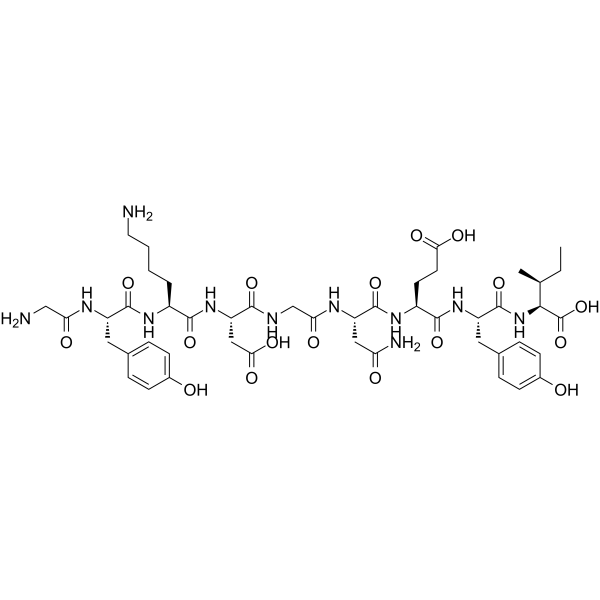
LLO (190-201) (Listeriolysin O 190 peptide) is a biological active peptide. (This peptide is a major histocompatibility complex class II (MHC-II)-restricted peptide, LLO190 (NEKYAQAYPNVS), from the listeriolysin O protein of Listeriamonocytogenes, which generates an LLO190-specific Th response. This peptide subsequently challenge recombinant L. monocytogenes expressing the MHC-I-restricted epitope of ovalbumin (Ova257, SIINFEKL).)
Sakacin P is an antimicrobial peptide that targets Gram-positive bacteria (such as Listeriamonocytogenes) and belongs to Class IIa bacteriocin. Sakacin P has almost no antimicrobial activity against Gram-negative bacteria. Sakacin P exerts its antimicrobial activity by interacting with bacterial cell membranes and destroying membrane integrity. Sakacin P can be used for the study of Listeria contamination and antimicrobial drugs in the food industry.
Salivaricin B is a broad-spectrum bacteriocin produced by Lactobacillus salivarius M7, capable of inhibiting the growth of Listeriamonocytogenes, Bacillus cereus, Brochothrix thermosphacta, Enterococcus faecalis, and various lactobacilli .
LMW peptide is an antimicrobial peptide. LMW peptide is active against Gram-positive and Gram-negative bacterial, such as B. subtilis, L. monocytogenes, E. coli, P. aeruginosa, V. cholera .
Bactofencin A is a novel class IId bacteriocin. Bactofencin A can be produced by the intestinal isolate Lactobacillus salivarius DPC6502. Bactofencin A displays activity against S. aureus and Listeria spp .
RFQF4 is a nanonet-forming peptide and antibacterial agent. RFQF4 exhibits excellent bacterial capture capability coupled with moderate antibacterial activity. RFQF4 shows bactericidal activity against E. coli, S. typhimurium, S. aureus, L. monocytogenes, and S. epidermidis (IC50: 4.89-21.85 μM) .
Bactofencin A acetate is a class IId bacteriocin and Antibacterial agent. Bactofencin A acetate is produced by Lactobacillus salivarius DPC6502, an isolate derived from the intestine. Bactofencin A acetate exhibits activity against Staphylococcus and Listeria species. Bactofencin A acetate slightly modulates the intestinal flora. Bactofencin A acetate can be used in research related to staphylococcal infections, listerial infections, and mastitis .
Anti-Mouse CD1d Antibody (20H2 (HB323)) is a rat-derived IgG1 κ type antibody inhibitor, targeting to mouse CD1d. Anti-Mouse CD1d Antibody (20H2 (HB323)) can block CD1d and neutralize invariant natural killer
T (iNKT) cells. Anti-Mouse CD1d Antibody (20H2 (HB323)) can be used for the researches of cancer, infection, inflammation and immunology, such as melanoma, L. monocytogenes infection and arthritis .
Erythorbic acid is an orally active compound. Erythorbic acid improves the radiation resistance of Listeriamonocytogenes. Erythorbic acid can react with free radicals and reduce oxidative damage. Erythorbic acid has weak antiscorbic activity. Erythorbic acid can prevent oxidative discoloration in meat products .
Isoeugenol is an essential oil constituent of nutmeg, clove, and cinnamon. Isoeugenol inhibits growth of Escherichia coli and Listeria innocua with MICs of 0.6 mg/mL and 1 mg/mL, respectively .
Sodium erythorbate is an orally active sodium salt form of isoascorbic acid. Sodium erythorbate improves the radiation resistance of Listeriamonocytogenes. Sodium erythorbate can react with free radicals and reduce oxidative damage. Sodium erythorbate has weak antiscorbic activity. Sodium erythorbate can prevent oxidative discoloration in meat products .
Fusidic acid sodium salt is an orally available antibacterial agent that inhibits bacterial protein synthesis by preventing the release of translation elongation factor G (EF-G) from ribosomes. Fusidic acid sodium salt inhibits the inhibitory and activating effects of interleukins IL-1 and IL-6 on glucose-induced insulin production and exhibits antidiabetic effects in a rat model. Fusidic acid sodium salt improves the symptoms of colitis in rats and inhibits the growth of Toxoplasma gondii and Listeriamonocytogenes EGD in vitro, but not in mice .
Finafloxacin is an orally active fourth-generation fluoroquinolone broad-spectrum antibiotic. Finafloxacin exhibits stronger antibacterial activity in acidic pH environments and is not easily affected by bacterial multidrug efflux transporters. Finafloxacin is effective against a variety of extracellular pathogenic bacteria, and can also accumulate in macrophages, showing excellent antibacterial activity against intracellular Staphylococcus aureus, Listeriamonocytogenes, Legionella pneumophila, Burkholderia pseudomallei, and other pathogens. Finafloxacin has been approved by the U.S. FDA for research on acute otitis externa mediated by Pseudomonas aeruginosa. Finafloxacin is also used in studies related to diseases such as melioidosis, inhalational tularemia, and inhalational plague .
For-Met-OH (N-Formylmethionine) can be involved in the translation process of bacteria, chloroplasts, and mitochondria. For-Met-OH plays different roles in different species and organelles, such as promoting the formation of protein complexes in mitochondria and acting as a degradation signal in bacteria and yeast. The level of For-Met-OH is closely related to certain diseases, for example, For-Met-OH is a potential biomarker for metabolic disorders and poor prognosis in critically ill patients .
Erythorbic acid (Standard) (D-Isoascorbic acid (Standard)) is the analytical standard of Erythorbic acid (HY-N7079). This product is intended for research and analytical applications. Erythorbic acid is an orally active compound. Erythorbic acid improves the radiation resistance of Listeriamonocytogenes. Erythorbic acid can react with free radicals and reduce oxidative damage. Erythorbic acid has weak antiscorbic activity. Erythorbic acid can prevent oxidative discoloration in meat products.
Thymidine-5'-diphosphate-L-rhamnose (dTDP-L-Rhamnose) is a key activated nucleotide sugar in bacteria, with a KD value of 13 μM for ListeriamonocytogenesRmlT. Thymidine-5'-diphosphate-L-rhamnose acts as a high-energy donor for L-Rhamnose (HY-N1420), and is specifically used for the synthesis of bacterial cell wall polysaccharides, capsules and virulence factors .
Centaurein, a flavonoid, is an IFN-γ promoter enhancer. Centaurein up-regulates the activity of NFAT and NF-κB enhancers. Centaurein increases the IFN-γ expression in T and NK cells and the serum IFN-γ level in mice. Centaureidin completely relaxes the contractions in intact rat aortic rings. Centaurein effectively protects mice against Listeria infection [1][2][3][4].
Salazinic acid has antibacterial activity against bacteria and fungi. Salazinic acid does not show antibacterial activity against Listeriamonocytogenes, Pseudomonas aeruginosa, Yersinia enterocolitica, and Enterococcus faecalis, but it does have antibacterial activity against Pseudomonas aeruginosa and Salmonella typhimurium .
Maleic Acid (Standard) is the analytical standard of Maleic Acid. This product is intended for research and analytical applications. Maleic Acid is a Glutamate Decarboxylase (GAD) inhibitor of E. coli and L. monocytogenes.
IC50 & Target: GAD .
In Vitro: The MICs of WT 10403S for the acids (e.g., Maleic Acid) are 34 mM, 25 mM, 31 mM and 30 mM which correspond to pH values prior to growth of 4.84, 5.14, 5.32 and 5.02 respectively. Of all compounds tested, Maleic Acid is the least inhibitory despite acting at a lower pH (4.84). The most acid resistant (10403S) and the weakest (EGD-e) strain are challenged with 8.6 mM and 4.3 mM of each organic acid at pH 3 and 3.3 respectively. On both strains, Maleic Acid is the most bactericidal .
Isoeugenol (Standard) is the analytical standard of Isoeugenol. This product is intended for research and analytical applications. Isoeugenol is an essential oil constituent of nutmeg, clove, and cinnamon. Isoeugenol inhibits growth of Escherichia coli and Listeria innocua with MICs of 0.6 mg/mL and 1 mg/mL, respectively .
Sodium erythorbate (Standard) (D-Isoascorbic acid (sodium) (Standard)) is the analytical standard of Sodium erythorbate (HY-N7079A). This product is intended for research and analytical applications. Sodium erythorbate is an orally active sodium salt form of isoascorbic acid. Sodium erythorbate improves the radiation resistance of Listeriamonocytogenes. Sodium erythorbate can react with free radicals and reduce oxidative damage. Sodium erythorbate has weak antiscorbic activity. Sodium erythorbate can prevent oxidative discoloration in meat products .
Koninginin D is a potent antifungal agent that can be isolated from fungi including Trichoderma applanatum. Koninginin D inhibits growth of various fungal species including Gaeumannomyces graminis var. tritici, Bipolaris sorokiniana and so on. Koninginin D can be used for the research of fungal infection .
Flagellin Protein is the subunit protein which polymerizes to form the filaments of bacterial flagella.It is a natural immune agonist that activates innate immunity and then stimulates the adaptive immune response.Flagellin directly activates a number of immune and non-immune cells through TLR5.In addition, it has anti-tumor and radioprotective activity and shows great potential in combating tumor growth and radiation-related tissue damage. Flagellin Protein, Listeria monocytogenes (His) is the recombinant Flagellin protein, expressed by E.coli , with N-6*His labeled tag.
Isoeugenol-d3 is deuterated labeled Isoeugenol (HY-N1952). Isoeugenol is an essential oil constituent of nutmeg, clove, and cinnamon. Isoeugenol inhibits growth of Escherichia coli and Listeria innocua with MICs of 0.6 mg/mL and 1 mg/mL, respectively .
Isoeugenol- 13C (Iso-Eugenol- 13C) is the 13C-labeled Isoeugenol (HY-N1952). Isoeugenol is an essential oil constituent of nutmeg, clove, and cinnamon. Isoeugenol inhibits growth of Escherichia coli and Listeria innocua with MICs of 0.6 mg/mL and 1 mg/mL, respectively
ISD sodium is an interferon-stimulatory DNA, a 45 bp non-CpG double-stranded oligonucleotide derived from the genome of Listeriamonocytogenes. ISD sodium potently induces type I interferon production via the cGAS‑STING‑TBK1‑IRF3 pathway .
Trisodium phosphate dodecahydrate is an Antibacterial agent. Trisodium phosphate dodecahydrate reduces the counts of Escherichia coli O157:H7 and Salmonella typhimurium attached to the surfaces of beef fat and fascia. Trisodium phosphate dodecahydrate modulates the growth parameters of Listeriamonocytogenes in vitro: low concentrations shorten the lag phase and increase the maximum growth rate, while high concentrations prolong the lag phase and decrease the maximum growth rate. Trisodium phosphate dodecahydrate is used in poultry processing .
Inquiry Online
Your information is safe with us. * Required Fields.
Western blot analysis of extracts from THP-1(lane 2(20μg), Jurkat (lane 3(20μg) and NIH3T3(lane 4(20μg) using FOXO1A (HY-P80132) Rabbit mAb. Proteins were transferred
to a PVDF membrane and blocked with 5% non-fat milk in TBST for 2 hour at room temperature. The primary antibody (1/1000) and Loading control antibody (Beta Actin, HY-P80438, 1/10000) was
used in 5% non-fat milk in TBST at 4°C overnight. Goat Anti-Mouse/Rabbit IgG-HRP Secondary Antibody (1/10000) was used for 1 hour at room temperature.
Western blot analysis of extracts from THP-1(lane 2(20μg), Jurkat (lane 3(20μg) and NIH3T3(lane 4(20μg) using FOXO1A (HY-P80132) Rabbit mAb. Proteins were transferred
to a PVDF membrane and blocked with 5% non-fat milk in TBST for 2 hour at room temperature. The primary antibody (1/1000) and Loading control antibody (Beta Actin, HY-P80438, 1/10000) was
used in 5% non-fat milk in TBST at 4°C overnight. Goat Anti-Mouse/Rabbit IgG-HRP Secondary Antibody (1/10000) was used for 1 hour at room temperature.
Western blot analysis of extracts from THP-1(lane 2(20μg), Jurkat (lane 3(20μg) and NIH3T3(lane 4(20μg) using FOXO1A (HY-P80132) Rabbit mAb. Proteins were transferred
to a PVDF membrane and blocked with 5% non-fat milk in TBST for 2 hour at room temperature. The primary antibody (1/1000) and Loading control antibody (Beta Actin, HY-P80438, 1/10000) was
used in 5% non-fat milk in TBST at 4°C overnight. Goat Anti-Mouse/Rabbit IgG-HRP Secondary Antibody (1/10000) was used for 1 hour at room temperature.
Western blot analysis of extracts from THP-1(lane 2(20μg), Jurkat (lane 3(20μg) and NIH3T3(lane 4(20μg) using FOXO1A (HY-P80132) Rabbit mAb. Proteins were transferred
to a PVDF membrane and blocked with 5% non-fat milk in TBST for 2 hour at room temperature. The primary antibody (1/1000) and Loading control antibody (Beta Actin, HY-P80438, 1/10000) was
MedchemExpress Validation 03
Western blot analysis of extracts from THP-1(lane 2(20μg), Jurkat (lane 3(20μg) and NIH3T3(lane 4(20μg) using FOXO1A (HY-P80132) Rabbit mAb. Proteins were transferred
MedchemExpress Validation 04
Western blot analysis of extracts from THP-1(lane 2(20μg), Jurkat (lane 3(20μg) and NIH3T3(lane 4(20μg) using FOXO1A (HY-P80132) Rabbit mAb. Proteins were transferred
to a PVDF membrane and blocked with 5% non-fat milk in TBST for 2 hour at room temperature. The primary antibody (1/1000) and Loading control antibody (Beta Actin, HY-P80438, 1/10000) was
used in 5% non-fat milk in TBST at 4°C overnight. Goat Anti-Mouse/Rabbit IgG-HRP Secondary Antibody (1/10000) was used for 1 hour at room temperature.
MedchemExpress Validation
Western blot analysis of extracts from THP-1(lane 2(20μg), Jurkat (lane 3(20μg) and NIH3T3(lane 4(20μg) using FOXO1A (HY-P80132) Rabbit mAb. Proteins were transferred
to a PVDF membrane and blocked with 5% non-fat milk in TBST for 2 hour at room temperature. The primary antibody (1/1000) and Loading control antibody (Beta Actin, HY-P80438, 1/10000) was
used in 5% non-fat milk in TBST at 4°C overnight. Goat Anti-Mouse/Rabbit IgG-HRP Secondary Antibody (1/10000) was used for 1 hour at room temperature.
Western blot analysis of extracts from THP-1(lane 2(20μg), Jurkat (lane 3(20μg) and NIH3T3(lane 4(20μg) using FOXO1A (HY-P80132) Rabbit mAb. Proteins were transferred
to a PVDF membrane and blocked with 5% non-fat milk in TBST for 2 hour at room temperature. The primary antibody (1/1000) and Loading control antibody (Beta Actin, HY-P80438, 1/10000) was
used in 5% non-fat milk in TBST at 4°C overnight. Goat Anti-Mouse/Rabbit IgG-HRP Secondary Antibody (1/10000) was used for 1 hour at room temperature.
MedchemExpress Validation
Western blot analysis of extracts from THP-1(lane 2(20μg), Jurkat (lane 3(20μg) and NIH3T3(lane 4(20μg) using FOXO1A (HY-P80132) Rabbit mAb. Proteins were transferred
to a PVDF membrane and blocked with 5% non-fat milk in TBST for 2 hour at room temperature. The primary antibody (1/1000) and Loading control antibody (Beta Actin, HY-P80438, 1/10000) was
used in 5% non-fat milk in TBST at 4°C overnight. Goat Anti-Mouse/Rabbit IgG-HRP Secondary Antibody (1/10000) was used for 1 hour at room temperature.
MedchemExpress Validation
Western blot analysis of extracts from THP-1(lane 2(20μg), Jurkat (lane 3(20μg) and NIH3T3(lane 4(20μg) using FOXO1A (HY-P80132) Rabbit mAb. Proteins were transferred
to a PVDF membrane and blocked with 5% non-fat milk in TBST for 2 hour at room temperature. The primary antibody (1/1000) and Loading control antibody (Beta Actin, HY-P80438, 1/10000) was
used in 5% non-fat milk in TBST at 4°C overnight. Goat Anti-Mouse/Rabbit IgG-HRP Secondary Antibody (1/10000) was used for 1 hour at room temperature.
MedchemExpress Validation
Western blot analysis of extracts from THP-1(lane 2(20μg), Jurkat (lane 3(20μg) and NIH3T3(lane 4(20μg) using FOXO1A (HY-P80132) Rabbit mAb. Proteins were transferred
to a PVDF membrane and blocked with 5% non-fat milk in TBST for 2 hour at room temperature. The primary antibody (1/1000) and Loading control antibody (Beta Actin, HY-P80438, 1/10000) was
used in 5% non-fat milk in TBST at 4°C overnight. Goat Anti-Mouse/Rabbit IgG-HRP Secondary Antibody (1/10000) was used for 1 hour at room temperature.
MedchemExpress Validation
Western blot analysis of extracts from THP-1(lane 2(20μg), Jurkat (lane 3(20μg) and NIH3T3(lane 4(20μg) using FOXO1A (HY-P80132) Rabbit mAb. Proteins were transferred
to a PVDF membrane and blocked with 5% non-fat milk in TBST for 2 hour at room temperature. The primary antibody (1/1000) and Loading control antibody (Beta Actin, HY-P80438, 1/10000) was
used in 5% non-fat milk in TBST at 4°C overnight. Goat Anti-Mouse/Rabbit IgG-HRP Secondary Antibody (1/10000) was used for 1 hour at room temperature.
MedchemExpress Validation
Western blot analysis of extracts from THP-1(lane 2(20μg), Jurkat (lane 3(20μg) and NIH3T3(lane 4(20μg) using FOXO1A (HY-P80132) Rabbit mAb. Proteins were transferred
to a PVDF membrane and blocked with 5% non-fat milk in TBST for 2 hour at room temperature. The primary antibody (1/1000) and Loading control antibody (Beta Actin, HY-P80438, 1/10000) was
used in 5% non-fat milk in TBST at 4°C overnight. Goat Anti-Mouse/Rabbit IgG-HRP Secondary Antibody (1/10000) was used for 1 hour at room temperature.
MedchemExpress Validation
Western blot analysis of extracts from THP-1(lane 2(20μg), Jurkat (lane 3(20μg) and NIH3T3(lane 4(20μg) using FOXO1A (HY-P80132) Rabbit mAb. Proteins were transferred
to a PVDF membrane and blocked with 5% non-fat milk in TBST for 2 hour at room temperature. The primary antibody (1/1000) and Loading control antibody (Beta Actin, HY-P80438, 1/10000) was
used in 5% non-fat milk in TBST at 4°C overnight. Goat Anti-Mouse/Rabbit IgG-HRP Secondary Antibody (1/10000) was used for 1 hour at room temperature.
MedChemExpress values your privacy and your trust is important to us. We use cookies to enhance your website experience. Some cookies are necessary to run the website.
Privacy and Cookie Policy