Search Result
Results for "
Mold Inhibitors
" in MedChemExpress (MCE) Product Catalog:
6
Biochemical Assay Reagents
6
Isotope-Labeled Compounds
| Cat. No. |
Product Name |
Target |
Research Areas |
Chemical Structure |
-
- HY-N6733
-
|
|
DNA/RNA Synthesis
HSV
Apoptosis
Antibiotic
Orthopoxvirus
|
Infection
Inflammation/Immunology
|
|
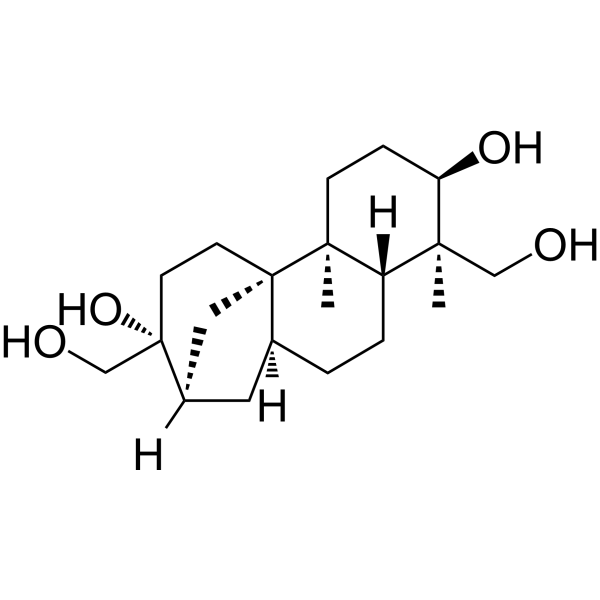
Aphidicolin is an inhibitor of DNA polymerase α and δ, prevents mitotic cell division by interfering DNA polymerase activity. Aphidicolin is an antibiotic produced by mold Cephalosporium aphidicola, inhibits cellular deoxyribonucleic acid synthesis and the growth of herpes simplex virus. Aphidicolin exhibits anti-orthopoxvirus activity and potentiates apoptosis induced by arabinosyl nucleosides in a human promyelocytic leukemia cell line .
|
-
-
- HY-W250308
-
|
Epsilon-polylysine (MW 3800-4200); ε-Polylysine (MW 3800-4200); ε-PL (MW 3800-4200)
|
Bacterial
|
Others
|
|
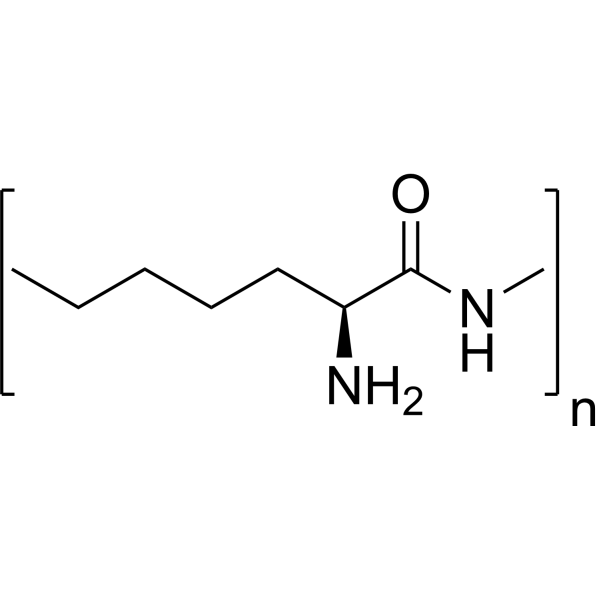
Epsilon-polylysine is an antimicrobial peptide that can be produced by bacteria such as Streptomyces. Epsilon-polylysine inhibits the growth of microorganisms such as bacteria, yeasts and molds and is therefore often used as a green food additive and preservative in various food and beverage products. Epsilon-polylysine has a variety of properties, including thermal stability, resistance to acidic conditions, and broad-spectrum antimicrobial activity. Epsilon-polylysine can be loaded on other materials to form nanoparticles or form nanofiber membranes for targeted delivery to exert sustained antibacterial efficacy. Epsilon-polylysine is also used as a liposome stabilizer .
|
-
-
- HY-14273
-
|
BAL-4815; RO-0094815
|
Fungal
Cytochrome P450
Antibiotic
|
Infection
Cancer
|
|
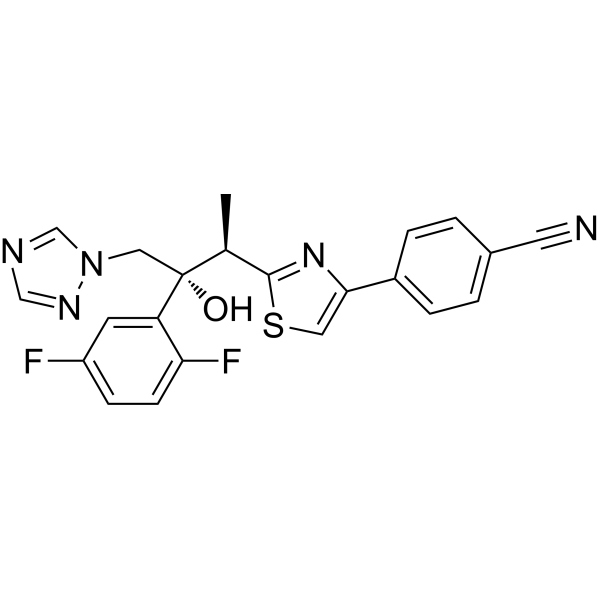
Isavuconazole (BAL-4815) is a triazole proagent with antifungal activity against yeasts, molds, and dimorphic fungi. Isavuconazole inhibits ergosterol biosynthesis and results in the disruption of fungal membrane structure and function. Isavuconazole is a moderate inhibitor of CYP3A4.
|
-
-
- HY-119976
-
|
|
Environmental Pollutants
Apoptosis
Fungal
Mitochondrial Metabolism
Succinate Dehydrogenase
|
Infection
|
|
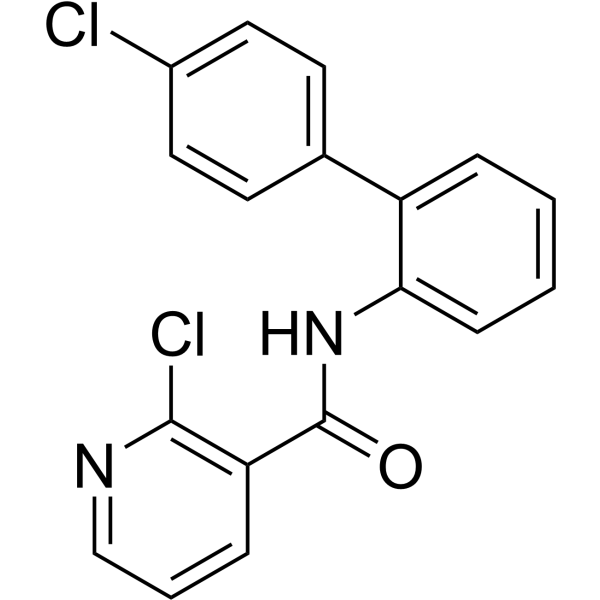
Boscalid is a succinate dehydrogenase (SDHI) inhibitor with antifungal activity. Boscalid binds to the ubiquinone-binding site of fungal mitochondrial complex II, blocks ATP production and aerobic respiration, exhibits good control efficacy against a variety of plant fungal diseases including gray mold, sclerotinia rot and powdery mildew, and is widely used for disease control in agriculture. Boscalid induces apoptosis, altered lipid metabolism, mitochondrial dysfunction, respiratory impairment, oxidative stress, ROS accumulation and neurodevelopmental disorders in zebrafish. Boscalid reduces foraging ability, shortens median death time and causes chronic toxicity in exposed honeybees. Boscalid also possesses genotoxicity, cytotoxicity, elevated mitochondrial superoxide levels and early-stage apoptosis .
|
-
-
- HY-B0450
-
|
HOE296b
|
Fungal
Bacterial
Ferroptosis
Autophagy
|
Infection
Inflammation/Immunology
Cancer
|
|
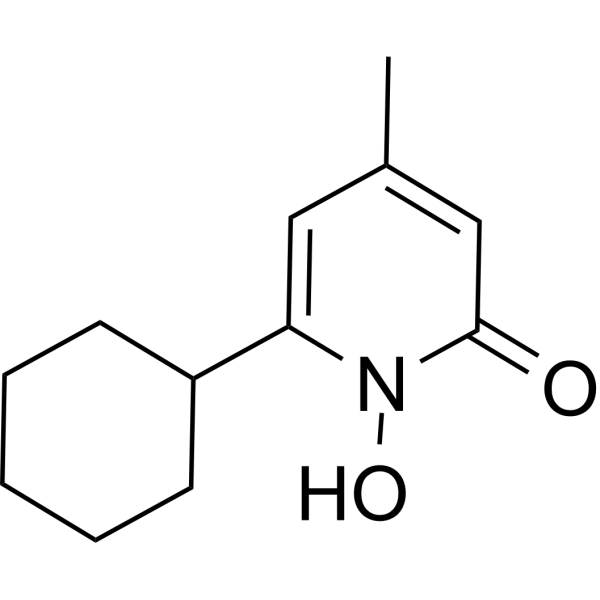
Ciclopirox (HOE296b) is a synthetic and orally active antifungal agent that can be used for superficial mycoses reseaech. Ciclopirox olamine has a very broad spectrum of activity and inhibits dermatophytes, yeasts, molds, and many Gram-positive and Gram-negative species pathogenic. Ciclopirox also has anticancer and anti-inflammatory effect .
|
-
-
- HY-W592871
-
|
10-HDA; Queen Bee Acid
|
mTOR
Apoptosis
ERK
MDM-2/p53
GSK-3
AMPK
Interleukin Related
TNF Receptor
Caspase
NF-κB
Bacterial
Fungal
|
Cardiovascular Disease
Neurological Disease
Inflammation/Immunology
Cancer
|
|
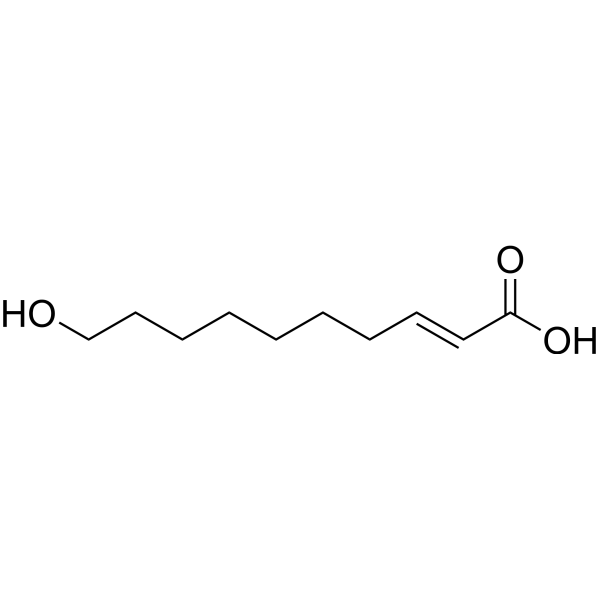
10-Hydroxy-2-decenoic acid (10-HDA) is an orally active unsaturated medium-chain fatty acid with various physiological activities. 10-Hydroxy-2-decenoic acid induces ROS-mediated apoptosis in A549 cells. 10-Hydroxy-2-decenoic acid inhibits VEGF-induced angiogenesis in human venous endothelial cells. 10-Hydroxy-2-decenoic acid alleviates non-alcoholic fatty liver disease (NAFLD) by activating the AMPK-α signaling pathway. 10-Hydroxy-2-decenoic acid protects against bone loss by inhibiting NF-κB signaling downstream of FFAR4. 10-Hydroxy-2-decenoic acid is an antibiotic against many bacteria and fungi, such as Neurospora sitophila, molds and Staphylococcus aureus. 10-Hydroxy-2-decenoic acid has longevity-promoting effects in C. elegans. 10-Hydroxy-2-decenoic acid prevents osteoarthritis by targeting aspartyl β hydroxylase and inhibiting chondrocyte senescence .
|
-
-
- HY-B0450A
-
|
Ciclopirox ethanolamine; HOE 296
|
Fungal
Bacterial
Ferroptosis
|
Infection
Cancer
|
|
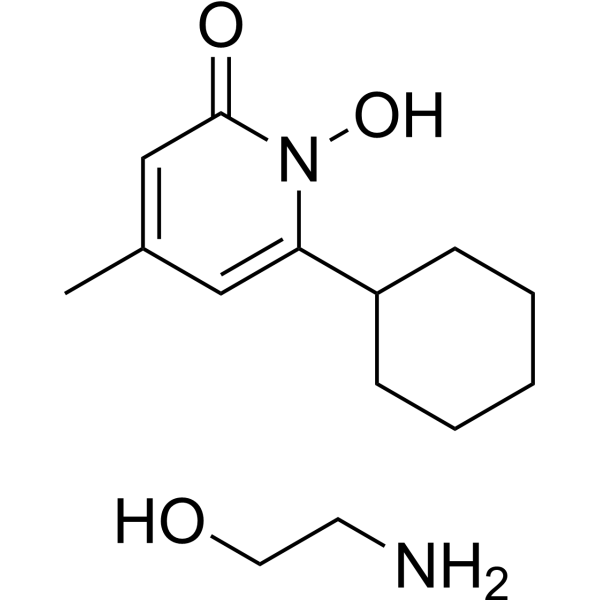
Ciclopirox olamine (Ciclopirox ethanolamine) is a synthetic and orally active antifungal agent that can be used for superficial mycoses reseaech. Ciclopirox olamine has a very broad spectrum of activity and inhibits dermatophytes, yeasts, molds, and many Gram-positive and Gram-negative species pathogenic. Ciclopirox olamine also has anticancer and anti-inflammatory effect .
|
-
-
- HY-N6641
-
|
|
Keap1-Nrf2
PPAR
|
Inflammation/Immunology
Cancer
|
|
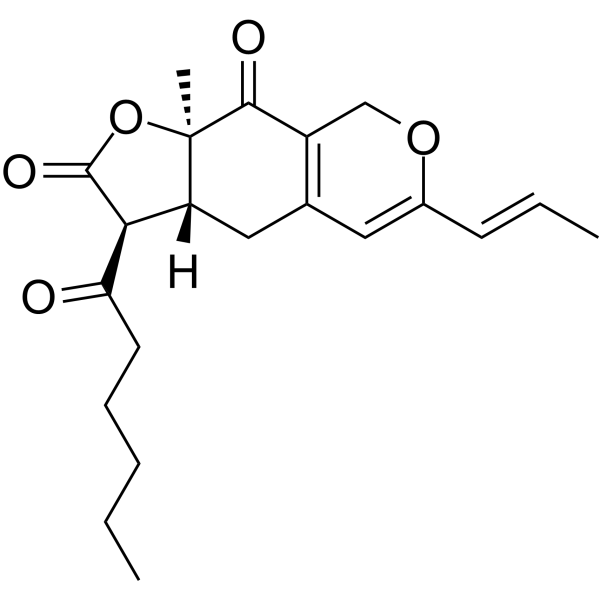
Monascin is a kind of azaphilonoid pigments extracted from Monascus pilosus-fermented rice (red-mold rice). Monascin also exhibits anti-tumor-initiating activity and anti-inflammatory activity with oral administration. Monascin inhibits the activation of NOR 1 (an NO donor). Monascin is a Nrf2 activator and PPARγ agonist .
|
-
-
- HY-W004263
-
|
Arachidyl alcohol
|
Environmental Pollutants
Fungal
|
Infection
|
|
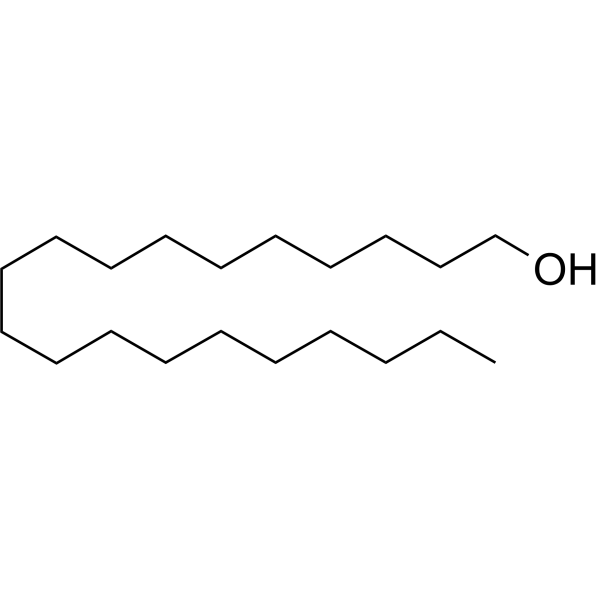
1-Eicosanol (Arachidyl alcohol) is a long-chain fatty alcohol and volatile organic compound that can be isolated from the leaves of Leea indica and produced by Bacillus velezensis ZJ1. 1-Eicosanol inhibits mycelial growth of Alternaria solani and Botrytis cinerea. 1-Eicosanol is applicable to research related to tomato early blight and tomato gray mold .
|
-
-
- HY-N0626
-
|
|
Environmental Pollutants
Bacterial
Endogenous Metabolite
Fungal
Antibiotic
|
Infection
Neurological Disease
Cancer
|
|
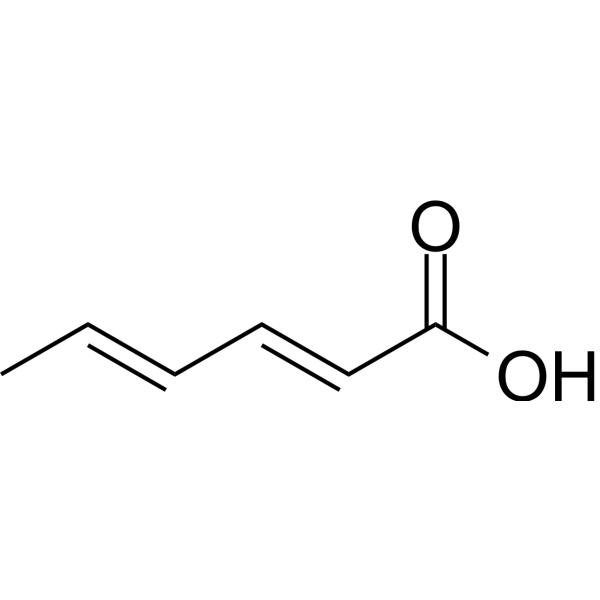
Sorbic acid is an antibacterial preservative effective against most molds, yeasts, and some bacterial species. Sorbic acid inhibits microbial growth. Sorbic acid suppresses the activity of intestinal microorganisms in zebrafish, alters the composition of intestinal flora, and reduces the levels of intestinal immune biomarkers, including IgG, IL-1β, and TNF-α. Sorbic acid can be used in research on the prevention and treatment of mold, yeast, and bacterial infections .
|
-
-
- HY-N0626A
-
|
Sorbic acid potassium
|
Environmental Pollutants
Endogenous Metabolite
Antibiotic
Bacterial
Fungal
|
Infection
|
|
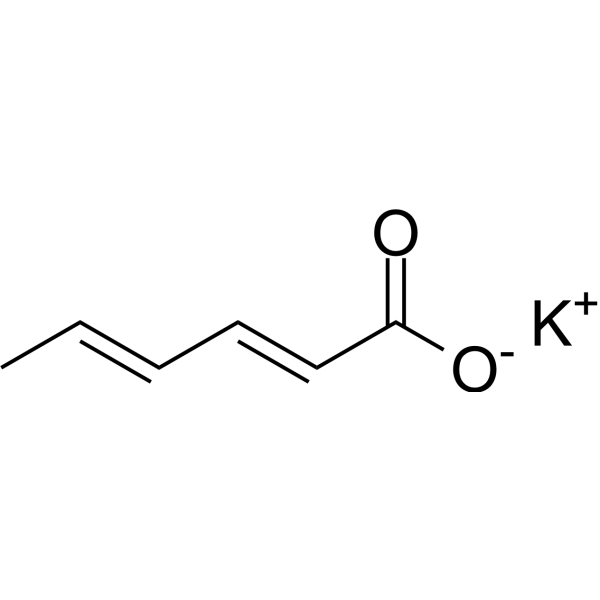
Potassium sorbate (Sorbic acid potassium) is an antibacterial preservative effective against most molds, yeasts, and some bacterial species. Potassium sorbate inhibits microbial growth. Potassium sorbate suppresses the activity of intestinal microorganisms in zebrafish, alters the composition of intestinal flora, and reduces the levels of intestinal immune biomarkers, including IgG, IL-1β, and TNF-α. Potassium sorbate can be used in research on the prevention and treatment of mold, yeast, and bacterial infections .
|
-
-
- HY-B1263
-
|
|
Environmental Pollutants
Bacterial
Fungal
|
Infection
Neurological Disease
|
|
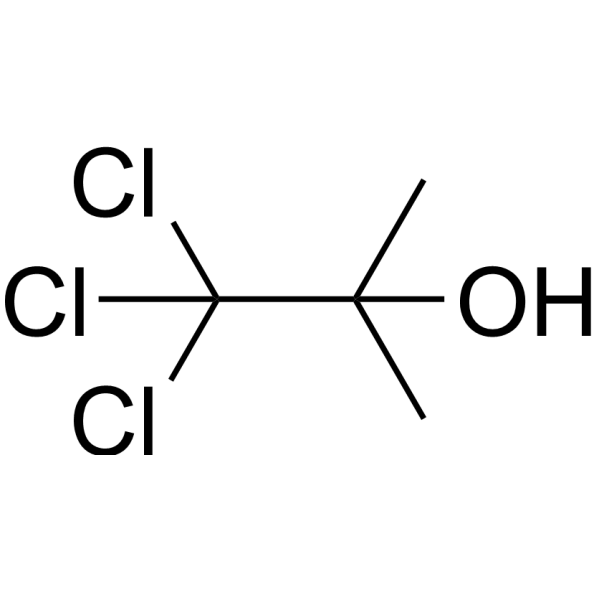
Chlorobutanol is an orally active and potent inhibitor of platelet aggregation and release and a pharmaceutical preservative with antibacterial activity. Chlorobutanol inhibits thromboxane B2 formation, ATP release, and elevation of cytosolic free calcium caused by collagen, ADP, epinephrine, arachidonic acid and thrombin. Chlorobutanol is active against a wide variety of Gram-positive and Gram-negative bacteria, and several mold spores and fungi. Chlorobutanol is widely used in food and cosmetic industry .
|
-
-
- HY-B1158
-
|
|
Environmental Pollutants
Mas-related G-protein-coupled Receptor (MRGPR)
Interleukin Related
Bacterial
|
Infection
|
|
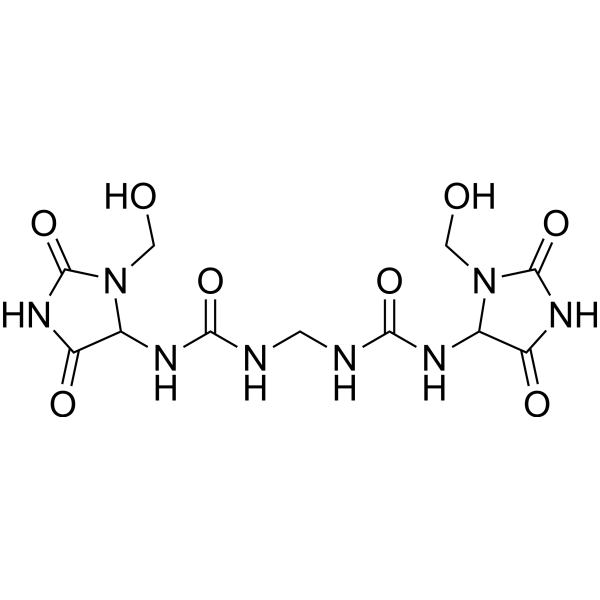
Imidazolidinyl urea is a commonly used antibacterial preservative in cosmetics and pharmaceuticals that releases formaldehyde through decomposition. Imidazolidinyl urea can also be used in the preparation of multifunctional hydrogels for the care of infectious wounds. Imidazolidinyl urea has broad-spectrum antibacterial activity, which mainly inhibits the reproduction of gram-negative bacteria and gram-positive bacteria, and restricts the growth of yeast and mold to a certain extent. Imidazolidinyl urea can induce non-histaminergic allergy by MRGPRX2 activation of mast cells .
|
-
-
- HY-N6784
-
|
|
ATP Synthase
Bacterial
Apoptosis
Antibiotic
|
Infection
Neurological Disease
|
|
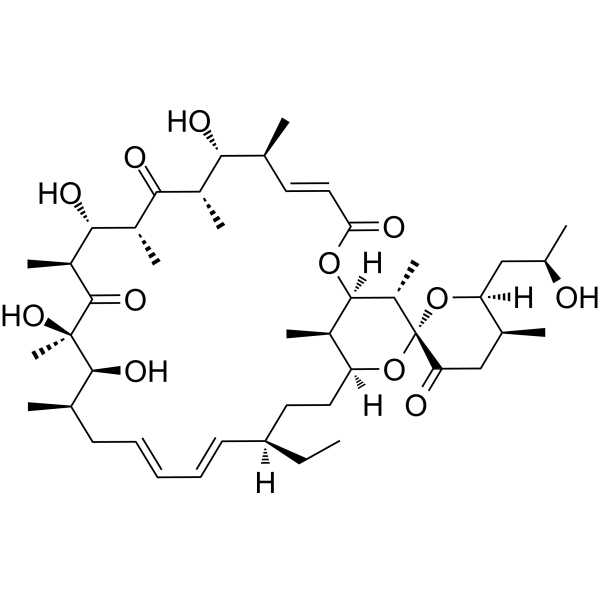
Oligomycin B is an antibiotic that acts as a non-selective inhibitor of ATP Synthase. Oligomycin B increases mitochondrial membrane potential. Oligomycin B induces apoptosis and necrosis. Oligomycin B impairs the motility of Plasmopara viticola zoospores and induces their lysis. Oligomycin B inhibits Magnaporthe oryzae (wheat blast fungus) and suppresses the development of wheat blast. Oligomycin B reduces hyphal growth and spore germination of Botrytis cinerea, and protects Arabidopsis thaliana against Botrytis cinerea infection. Oligomycin B exacerbates cytotoxic brain edema in rats with cerebral cortical contusion, increases intracranial pressure and brain water content, and aggravates mitochondrial damage in these rats. Oligomycin B is used in studies related to grape downy mildew, traumatic brain injury, wheat blast, and gray mold .
|
-
-
- HY-B2033
-
|
|
Environmental Pollutants
Fungal
|
Infection
|
|
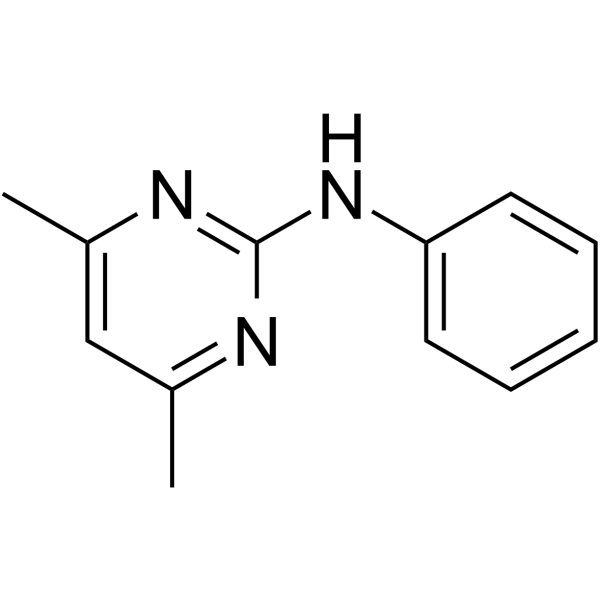
Pyrimethanil is an anilinopyrimidine and broad-spectrum contact fungicide for the control of Botrytis spp. on a wide variety of crops . Pyrimethanil inhibits the biosynthesis of methionine and other amino acids in Botrytis cinerea. Pyrimethanil can be used for the research of fungal diseases prevention on fruit, vegetable and ornamental plants with mold infection .
|
-
-
- HY-103382
-
|
|
Fungal
|
Cancer
|
|
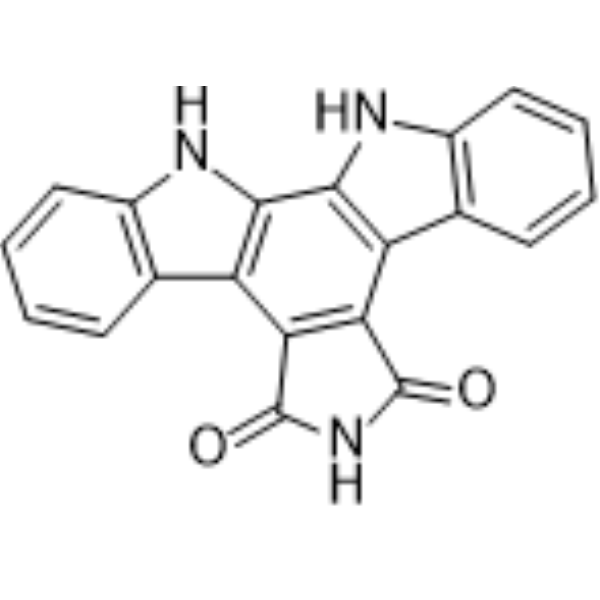
Arcyriaflavin A is an indolo[2,3-a]carbazole compound and also a cyclin D1/CDK4 inhibitor. Arcyriaflavin A exists in the marine ascidian Eudistoma sp. and the slime mold Arcyria denudata. Arcyriaflavin A is applicable to research related to colon cancer and lung cancer .
|
-
-
- HY-P10447
-
|
Fengycin IX; SNA-60-367-3
|
Phospholipase
Fungal
|
Infection
|
|
Plipastatin A1 (Fengycin IX; SNA-60-367-3) is a lipopeptide with phospholipase A2 inhibitory activity. Plipastatin A1 inhibits conidial germination of Botrytis cinerea in vitro and reduces the incidence of gray mold on tomato leaves. Plipastatin A1 is applicable to research related to gray mold [1][2].
|
-

-
- HY-N6725
-
-
-
- HY-125539
-
|
|
Antibiotic
Phosphatase
Fungal
|
Infection
|
|
Roridin E is a glucose-6-phosphatase (G6Pase) inhibitor and antibiotic, and is a metabolic byproduct of Roridin A (HY-N9599). Roridin E induces significant oxidative stress, characterized by depletion of glutathione in vivo, induction of hepatic lipid peroxidation, and inhibition of renal superoxide dismutase activity. Roridin E reduces blood glucose levels in rats, but exhibits acute toxicity (which is enhanced when co-administered with linoleic acid (HY-N0729)) and causes hepatotoxicity in male albino mice. Roridin E induces a decrease in total blood protein and increases in the levels of total lipids, γ-glutamyltransferase, alkaline phosphatase, and 5'-nucleotidase. Roridin E can be isolated from molds, and possesses cytostatic and antifungal activities similar to those of Verrucarin A (HY-107426) and Roridin A. Roridin E exhibits in vivo activity in rodents and is commonly used in hepatotoxicity-related studies .
|
-

-
- HY-W775091
-
|
IKF-5411
|
Fungal
Succinate Dehydrogenase
|
Infection
|
|
Isofetamid (IKF-5411) is a succinate dehydrogenase inhibitor and a fungicide. Isofetamid exhibits good control effects against various fungal diseases such as gray mold, white mold, and powdery mildew. Isofetamid is promising for research of plant fungal diseases .
|
-

-
- HY-N0626AR
-
|
Sorbic acid potassium (Standard)
|
Reference Standards
Environmental Pollutants
Bacterial
Endogenous Metabolite
Fungal
Antibiotic
|
Infection
|
|
Potassium sorbate (Standard) is the analytical standard of Potassium sorbate. This product is intended for research and analytical applications. Potassium sorbate (Sorbic acid potassium) is an antibacterial preservative effective against most molds, yeasts, and some bacterial species. Potassium sorbate inhibits microbial growth. Potassium sorbate suppresses the activity of intestinal microorganisms in zebrafish, alters the composition of intestinal flora, and reduces the levels of intestinal immune biomarkers, including IgG, IL-1β, and TNF-α. Potassium sorbate can be used in research on the prevention and treatment of mold, yeast, and bacterial infections .
|
-

-
- HY-14273R
-
|
BAL-4815 (Standard); RO-0094815 (Standard)
|
Reference Standards
Fungal
Cytochrome P450
Antibiotic
|
Infection
|
|
Isavuconazole (Standard) is the analytical standard of Isavuconazole. This product is intended for research and analytical applications. Isavuconazole (BAL-4815) is a triazole proagent with antifungal activity against yeasts, molds, and dimorphic fungi. Isavuconazole inhibits ergosterol biosynthesis and results in the disruption of fungal membrane structure and function. Isavuconazole is a moderate inhibitor of CYP3A4.
|
-

-
- HY-B2033R
-
|
|
Reference Standards
Fungal
|
Infection
|
|
Pyrimethanil (Standard) is the analytical standard of Pyrimethanil. This product is intended for research and analytical applications. Pyrimethanil is an anilinopyrimidine and broad-spectrum contact fungicide for the control of Botrytis spp. on a wide variety of crops . Pyrimethanil inhibits the biosynthesis of methionine and other amino acids in Botrytis cinerea. Pyrimethanil can be used for the research of fungal diseases prevention on fruit, vegetable and ornamental plants with mold infection .
|
-

-
- HY-B2033S
-
|
|
Isotope-Labeled Compounds
Fungal
|
Infection
|
|
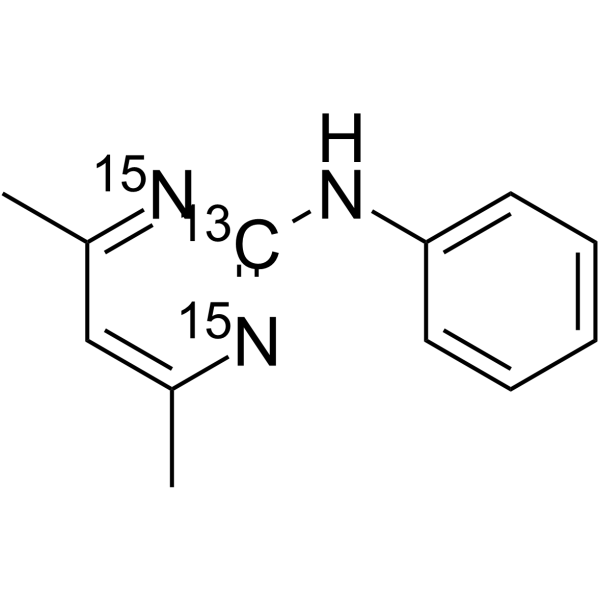
Pyrimethanil- 13C, 15N2 is the 13C-labeled and 15N-labeled Pyrimethanil. Pyrimethanil is an?anilinopyrimidine?and broad-spectrum?contact fungicide for the control of Botrytis spp. on a wide variety of crops . Pyrimethanil inhibits the biosynthesis of methionine and other amino acids in?Botrytis cinerea. Pyrimethanil can be used for the research of fungal diseases prevention on fruit, vegetable and ornamental plants with mold infection .
|
-
-
- HY-W250119
-
|
EDTA disodium calcium salt hydrate; Ethylenediaminetetraacetic acid disodium calcium salt hydrate
|
Biochemical Assay Reagents
Fungal
Mitochondrial Metabolism
|
Infection
|
|
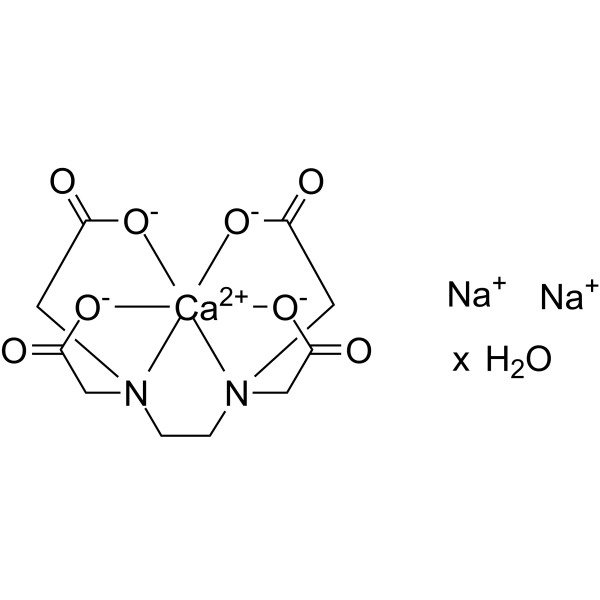
Calcium disodium edetate hydrate (EDTA disodium calcium salt hydrate) is a metal chelator and antifungal agent. Calcium disodium edetate hydrate chelates Mn 2+, damages mitochondria, and interferes with carbohydrate metabolic pathways, particularly the synthesis of pyruvate in glycolysis. Calcium disodium edetate hydrate inhibits Penicillium digitatum and delays conidial germination. Calcium disodium edetate (hydrate) enhances the host defense system of citrus fruits. Calcium disodium edetate hydrate is applicable to research related to citrus green mold .
|
-
-
- HY-N0626R
-
|
|
Reference Standards
Environmental Pollutants
Bacterial
Endogenous Metabolite
Fungal
Antibiotic
|
Infection
|
|
Sorbic acid (Standard) is the analytical standard of Sorbic acid (HY-N0626). This product is intended for research and analytical applications. Sorbic acid is an antibacterial preservative effective against most molds, yeasts, and some bacterial species. Sorbic acid inhibits microbial growth. Sorbic acid suppresses the activity of intestinal microorganisms in zebrafish, alters the composition of intestinal flora, and reduces the levels of intestinal immune biomarkers, including IgG, IL-1β, and TNF-α. Sorbic acid can be used in research on the prevention and treatment of mold, yeast, and bacterial infections .
|
-

-
- HY-133651
-
|
|
Fungal
|
Infection
|
|
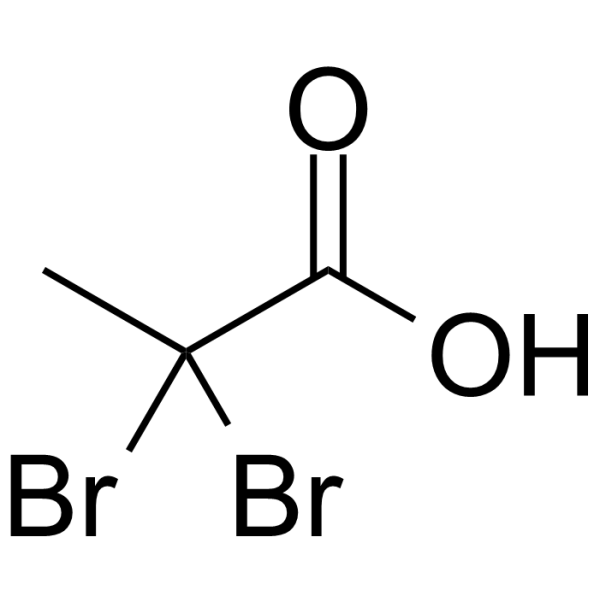
2,2-Dibromopropanoic acid is a dibromo product based on propionic acid. Propionic acid is a short chain fatty acid and acts as chemical intermediate. Propionic acid is also a mold inhibitor and widely used in food preservative .
|
-
-
- HY-D0008
-
|
|
Bacterial
Fungal
Parasite
|
Infection
|
|
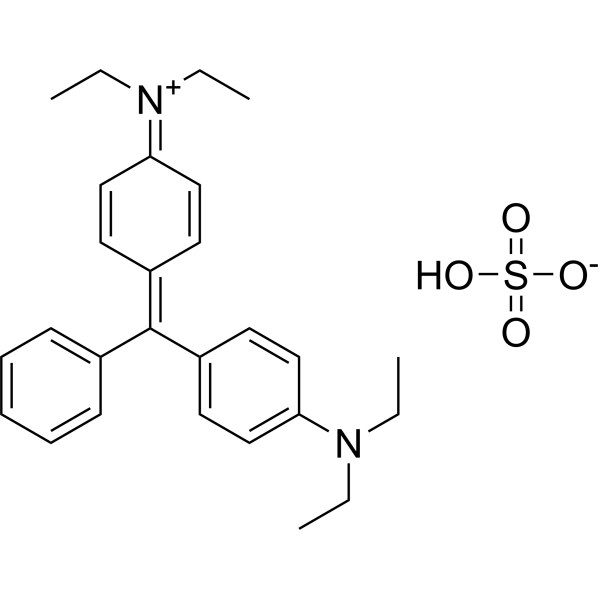
Brilliant green is a cationic dye used to color silk and wool. Brilliant green inhibits propagation of mold, intestinal parasites and fungus. Brilliant green is effective against Gram-positive bacteria .
|
-
-
- HY-W099569
-
|
Zinc octadecanoate
|
Biochemical Assay Reagents
Fungal
Bacterial
Parasite
|
Infection
|
|
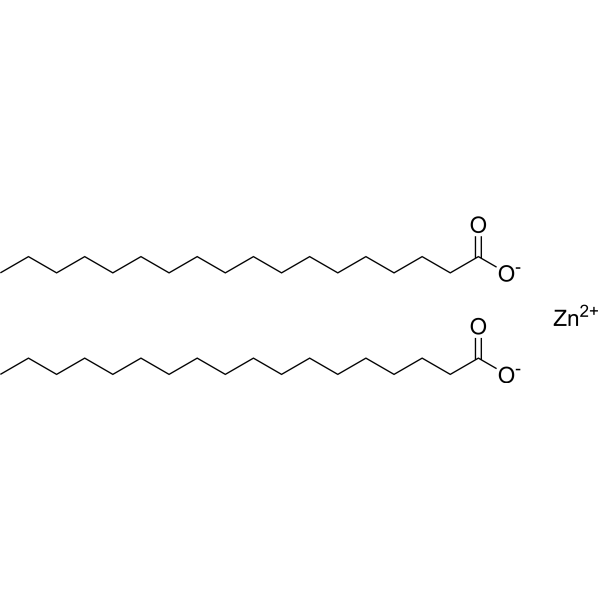
Zinc stearate is a metal stearate that acts as a preservative, bactericide, fungicide, and larvicide. Zinc stearate inhibits larval reproduction in animal feces. Zinc stearate exhibits extremely low systemic toxicity. Zinc stearate is a common component of pharmaceutical excipients, lubricants, mold release agents, polymer stabilizers, and coating matting agents .
|
-
-
- HY-N11546
-
|
|
Cytochrome P450
Bacterial
Fungal
|
Infection
Cancer
|
|
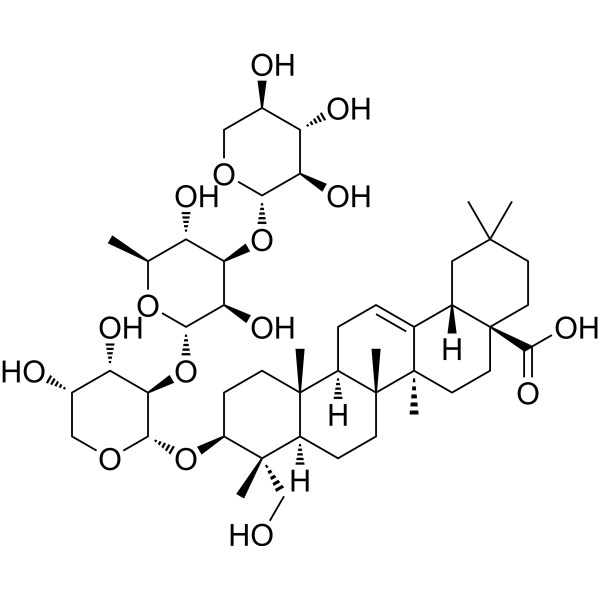
Sapindoside B is a substance with hepatoprotective activity, and also acts as a cytochrome P-450 (cytochrome P-450) inhibitor, antibacterial agent and membrane-disrupting agent. Sapindoside B reversibly inhibits the content of cytochrome P-450 in liver microsomes, suppresses the phenobarbital-induced increase in enzyme content, reduces the production of active metabolites mediated by cytochrome P-450, and alleviates hepatotoxic injury. Sapindoside B binds to Cutibacterium acnes lipase, reduces lipase activity, inhibits biofilm formation, and decreases bacterial adhesion. Sapindoside B exhibits cytotoxicity against human cancer, liver cancer, leukemia and glioblastoma cells. Sapindoside B inhibits mycelial growth of phytopathogenic fungal strains, possesses antibacterial activity against dermatophytes, and also has hemolytic/membrane-lytic activity. Sapindoside B can be used in research related to liver injury, Cutibacterium acnes biofilm-associated infections, gastric cancer, carcinoma, promyelocytic leukemia, glioblastoma, apple scab and grape gray mold .
|
-
-
- HY-W134163
-
|
trans-2-Octenal
|
Fungal
Reactive Oxygen Species (ROS)
Mitochondrial Metabolism
Phosphatase
Pyruvate Kinase
|
Infection
|
|
(E)-2-Octenal is an Antifungal agent. (E)-2-Octenal disrupts cell membrane integrity and causes ROS accumulation. (E)-2-Octenal decreases the activities of phosphofructokinase and pyruvate kinase. (E)-2-Octenal inhibits Neofusicoccum parvum growth by disrupting mitochondrial energy metabolism. (E)-2-Octenal suppresses the growth of a Prochloraz (HY-B0845)-resistant Penicillium italicum strain. (E)-2-octenal exerts a broad-spectrum and potent inhibitory effect on various fungi, including Sclerotium rolfsii, Metarhizium anisopliae sensu lato, and Aspergillus flavus, etc. (E)-2-Octenal can be used for the research of citrus blue mold and mango stem-end rot .
|
-

-
- HY-W009497
-
|
Quaternium-15
|
Environmental Pollutants
Bacterial
|
Infection
|
|
Dowicil 200 (Quaternium-15) is a skin toxin and allergen that inhibits the growth of Pinctada fucata cells. Dowicil 200 has antimicrobial activity and is more potent against fungi and molds than against fungi.
|
-

-
- HY-B0450S1
-
|
|
Isotope-Labeled Compounds
Fungal
Bacterial
Ferroptosis
Autophagy
|
Infection
Cancer
|
|
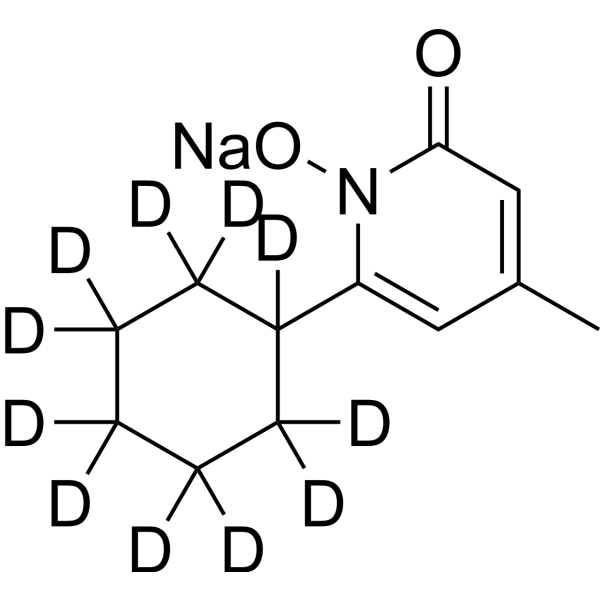
Ciclopirox-d11 (sodium) is deuterium labeled Ciclopirox. Ciclopirox (HOE296b) is a synthetic antifungal agent that can be used for superficial mycoses reseaech. Ciclopirox olamine has a very broad spectrum of activity and inhibits dermatophytes, yeasts, molds, and many Gram-positive and Gram-negative species pathogenic .
|
-
-
- HY-N6733R
-
|
|
Reference Standards
DNA/RNA Synthesis
HSV
Apoptosis
Antibiotic
Orthopoxvirus
|
Infection
Inflammation/Immunology
|
|
Aphidicolin (Standard) is the analytical standard of Aphidicolin. This product is intended for research and analytical applications. Aphidicolin is an inhibitor of DNA polymerase α and δ, prevents mitotic cell division by interfering DNA polymerase activity. Aphidicolin is an antibiotic produced by mold Cephalosporium aphidicola, inhibits cellular deoxyribonucleic acid synthesis and the growth of herpes simplex virus. Aphidicolin exhibits anti-orthopoxvirus activity and potentiates apoptosis induced by arabinosyl nucleosides in a human promyelocytic leukemia cell line .
|
-

-
- HY-B0450R
-
|
HOE296b (Standard)
|
Reference Standards
Fungal
Bacterial
Ferroptosis
Autophagy
|
Infection
Inflammation/Immunology
Cancer
|
|
Ciclopirox (Standard) is the analytical standard of Ciclopirox. This product is intended for research and analytical applications. Ciclopirox (HOE296b) is a synthetic and orally active antifungal agent that can be used for superficial mycoses reseaech. Ciclopirox olamine has a very broad spectrum of activity and inhibits dermatophytes, yeasts, molds, and many Gram-positive and Gram-negative species pathogenic. Ciclopirox also has anticancer and anti-inflammatory effect .
|
-

-
- HY-W592871R
-
|
10-HDA (Standard); Queen Bee Acid (Standard)
|
Reference Standards
mTOR
|
Cardiovascular Disease
Neurological Disease
Inflammation/Immunology
Cancer
|
|
10-Hydroxy-2-decenoic acid (Standard) is an analytical standard for 10-Hydroxy-2-decenoic acid (HY-W592871). This product is intended for research and analytical applications.10-Hydroxy-2-decenoic acid (10-HDA) is an orally active unsaturated medium-chain fatty acid with various physiological activities. 10-Hydroxy-2-decenoic acid induces ROS-mediated apoptosis in A549 cells. 10-Hydroxy-2-decenoic acid inhibits VEGF-induced angiogenesis in human venous endothelial cells. 10-Hydroxy-2-decenoic acid alleviates non-alcoholic fatty liver disease (NAFLD) by activating the AMPK-α signaling pathway. 10-Hydroxy-2-decenoic acid protects against bone loss by inhibiting NF-κB signaling downstream of FFAR4. 10-Hydroxy-2-decenoic acid is an antibiotic against many bacteria and fungi, such as Neurospora sitophila, molds and Staphylococcus aureus. 10-Hydroxy-2-decenoic acid has longevity-promoting effects in C. elegans. 10-Hydroxy-2-decenoic acid prevents osteoarthritis by targeting aspartyl β hydroxylase and inhibiting chondrocyte senescence .
|
-

-
- HY-N13154
-
|
|
Antibiotic
Fungal
|
Infection
|
|
Malolactomycin C (compound 1) is a macrolide antifungal antibiotic isolated from Streptomyces strain KP-3144. Malolactomycin C is an effective inhibitor of Botrytis cinerea and thus controls a variety of plant diseases including gray mold .
|
-

-
- HY-N6725R
-
|
|
Reference Standards
DNA/RNA Synthesis
Bacterial
Apoptosis
Antibiotic
Endogenous Metabolite
|
Infection
Cancer
|
|
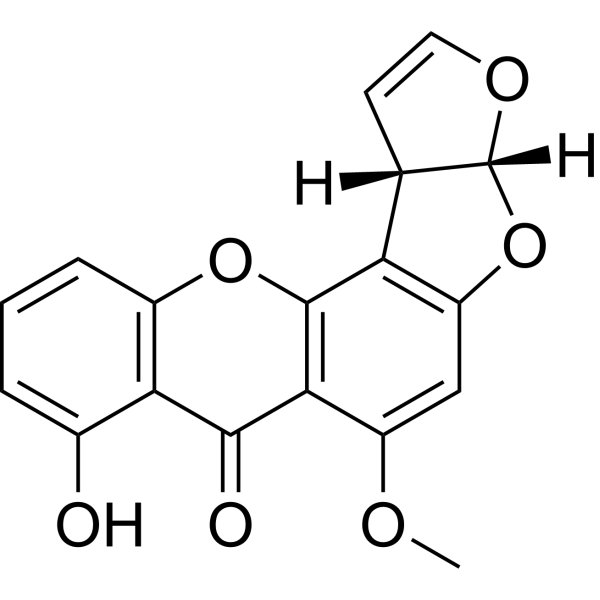
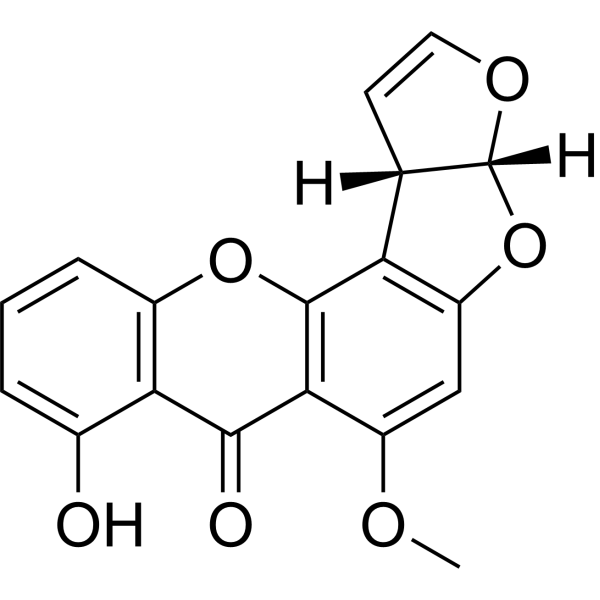
Sterigmatocystine (Standard) is the analytical standard of Sterigmatocystine. This product is intended for research and analytical applications. Sterigmatocystine is a precursor of aflatoxins and a mycotoxin produced by common mold strains from Aspergillus versicolor . Sterigmatocystine, a inhibitor of G1 Phase and DNA synthesis, is used to inhibit p21 activity. Sterigmatocystine has teratogenic, and carcinogenic effects in animals .
|
-
-
- HY-B0450S
-
|
HOE296b-d11
|
Fungal
Bacterial
Ferroptosis
Autophagy
|
Infection
Cancer
|
|
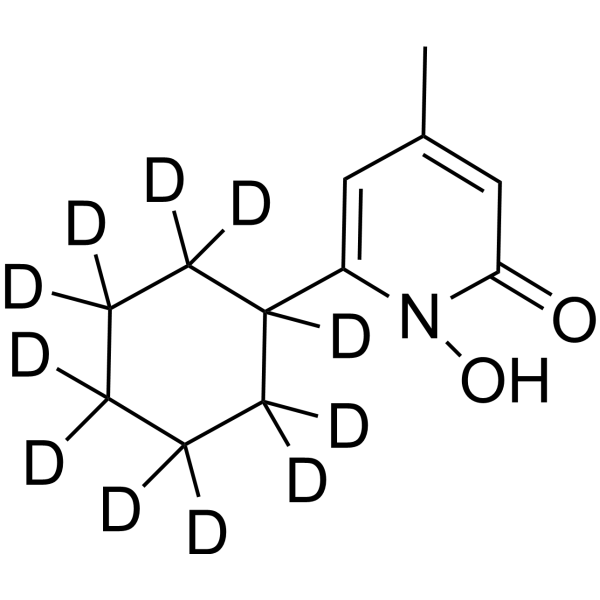
Ciclopirox-d11 is the deuterium labeled Ciclopirox. Ciclopirox (HOE296b) is a synthetic antifungal agent that can be used for superficial mycoses reseaech. Ciclopirox olamine has a very broad spectrum of activity and inhibits dermatophytes, yeasts, molds, and many Gram-positive and Gram-negative species pathogenic .
|
-
-
- HY-B1838A
-
|
|
Fungal
|
Infection
|
|
Asulam (potassium salt) is a chitin synthase inhibitor against plant pathogenic fungi. Asulam (potassium salt) interferes with the biosynthesis of chitin in the fungal cell wall to destroy the integrity and normal growth and reproduction of fungal cells, thereby exerting bacteriostatic activity. Asulam (potassium salt) is promising for research of fungal diseases such as downy mildew and gray mold in spinach, tulips, daffodils and lilies .
|
-

-
- HY-176746
-
|
|
Fungal
|
Infection
|
|
CMLD009688 is a cationic amphiphilic antifungal agent. CMLD009688 selectively inhibits plant pathogenic fungi such as Fusarium graminearum. CMLD009688 interacts with biological membranes, perturbing vacuolar and mitochondrial membrane structures to induce fungal cell death. CMLD009688 is promising for research of plant fungal diseases (e.g., wheat head blight, gray mold) .
|
-

-
- HY-B2033S1
-
|
|
Fungal
Isotope-Labeled Compounds
|
Others
|
|
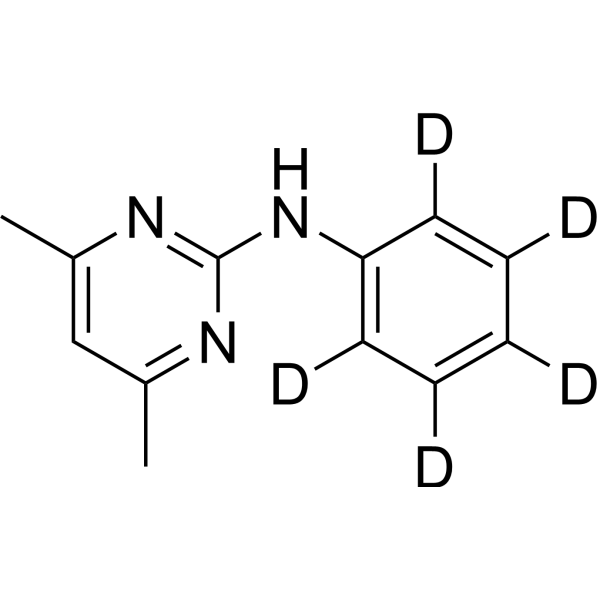
Pyrimethanil-d5 is the deuterium labeled Pyrimethanil (HY-B2033). Pyrimethanil is an anilinopyrimidine and broad-spectrum contact fungicide for the control of Botrytis spp. on a wide variety of crops . Pyrimethanil inhibits the biosynthesis of methionine and other amino acids in Botrytis cinerea. Pyrimethanil can be used for the research of fungal diseases prevention on fruit, vegetable and ornamental plants with mold infection .
|
-
-
- HY-N6641R
-
|
|
Reference Standards
Keap1-Nrf2
PPAR
|
Inflammation/Immunology
Cancer
|
|
Monascin (Standard) is the analytical standard of Monascin. This product is intended for research and analytical applications. Monascin is a kind of azaphilonoid pigments extracted from Monascus pilosus-fermented rice (red-mold rice). Monascin also exhibits anti-tumor-initiating activity and anti-inflammatory activity with oral administration. Monascin inhibits the activation of NOR 1 (an NO donor). Monascin is a Nrf2 activator and PPARγ agonist .
|
-

-
- HY-B0450AG
-
|
Ciclopirox ethanolamine; HOE 296
|
Bacterial
Fungal
Ferroptosis
|
Infection
|
|
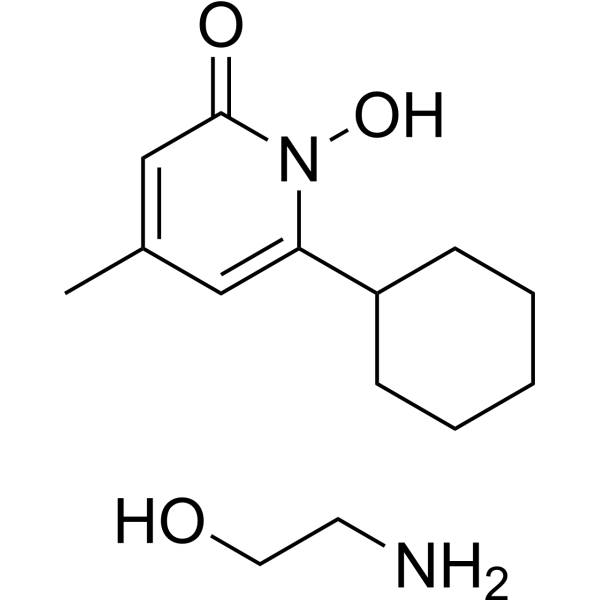
Ciclopirox (olamine) (GMP) is Ciclopirox olamine (HY-B0450A) produced by using GMP guidelines. GMP small molecules work appropriately as an auxiliary reagent for cell therapy manufacture. Ciclopirox (HOE296b) is a synthetic antifungal agent that can be used for superficial mycoses reseaech. Ciclopirox olamine has a very broad spectrum of activity and inhibits dermatophytes, yeasts, molds, and many Gram-positive and Gram-negative species pathogenic .
|
-
-
- HY-B0450AR
-
|
Ciclopirox ethanolamine (Standard); HOE 296 (Standard)
|
Reference Standards
Fungal
Bacterial
Ferroptosis
|
Infection
Cancer
|
|
Ciclopirox (olamine) (Standard) is the analytical standard of Ciclopirox (olamine). This product is intended for research and analytical applications. Ciclopirox olamine (Ciclopirox ethanolamine) is a synthetic and orally active antifungal agent that can be used for superficial mycoses reseaech. Ciclopirox olamine has a very broad spectrum of activity and inhibits dermatophytes, yeasts, molds, and many Gram-positive and Gram-negative species pathogenic. Ciclopirox olamine also has anticancer and anti-inflammatory effect .
|
-

-
- HY-120883
-
|
|
Others
|
Infection
|
|
Rhizopodin is a new cytostatic compound isolated from the culture fluid of the slime mold Myxococcus stipitatus. Rhizopodin inhibits the growth of various animal cell cultures without killing the cells, with an ID50 value of 12 to 30 ng/ml, depending on the cell line. In particular, fibroblast-like cells show typical morphological changes, with cells becoming larger and forming long branched reticular extensions within hours, and these morphological changes are irreversible. Rhizopodin inhibits bleb formation in K-562 cells, possibly through interaction with protein phosphorylation.
|
-

-
- HY-W747751
-
|
|
Isotope-Labeled Compounds
Fungal
IGF-1R
Bacterial
Endogenous Metabolite
Antibiotic
|
Infection
|
|
Sorbic acid- 13C2 is the 13C-labeled Sorbic acid (HY-N0626). Sorbic acid is an effective, safe, and non-toxic food preservative. It can effectively inhibit most molds, yeasts, and certain bacteria. Sorbic acid is orally active and can enhance the growth performance of economically important animals (Duroc × Landrace × Yorkshire piglets) by activating the insulin-like growth factor system (IGF), and it can also lead to lipid accumulation by disrupting lipid clearance pathways .
|
-

-
- HY-171541
-
|
|
Fungal
|
Infection
|
|
CDA-IN-1 (Compound vs#2-1) is an inhibitor of chitin deacetylase (CDA). CDA-IN-1 exhibits antifungal activity. It can inhibit fungal growth by suppressing the activity of fungal CDA, activating the plant immune response, and accumulating reactive oxygen species (ROS). At a concentration of 100 μM, CDA-IN-1 can achieve inhibition rates of 86.9% and 74.5% against PxCDA1 and PxCDA2 of P. xanthii, respectively. CDA-IN-1 can be applied to the research in the field of controlling plant fungal diseases, such as the research on diseases like cucurbit powdery mildew and tomato gray mold .
|
-

-
- HY-B1158R
-
|
|
Reference Standards
Bacterial
Mas-related G-protein-coupled Receptor (MRGPR)
Interleukin Related
|
Infection
|
|
Imidazolidinyl urea (Standard) is the analytical standard of Imidazolidinyl urea. This product is intended for research and analytical applications. Imidazolidinyl urea is a commonly used antibacterial preservative in cosmetics and pharmaceuticals that releases formaldehyde through decomposition. Imidazolidinyl urea can also be used in the preparation of multifunctional hydrogels for the care of infectious wounds. Imidazolidinyl urea has broad-spectrum antibacterial activity, which mainly inhibits the reproduction of gram-negative bacteria and gram-positive bacteria, and restricts the growth of yeast and mold to a certain extent. Imidazolidinyl urea can induce non-histaminergic allergy by MRGPRX2 activation of mast cells .
|
-

-
- HY-119976S
-
|
|
Isotope-Labeled Compounds
Apoptosis
Fungal
Mitochondrial Metabolism
Succinate Dehydrogenase
|
Others
|
|
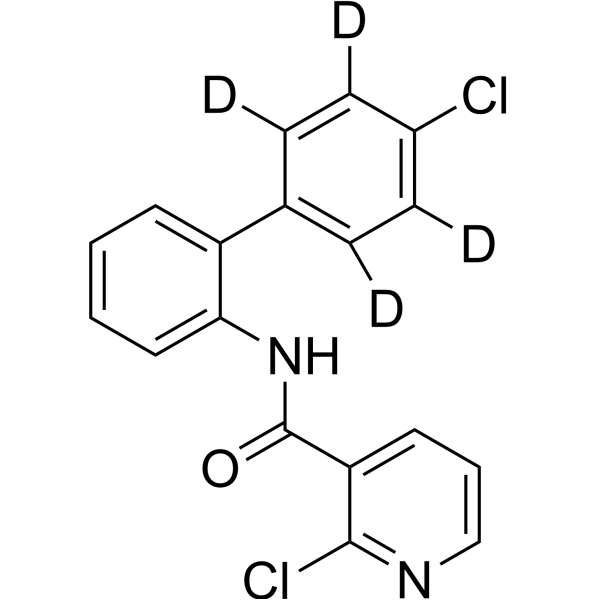
Boscalid-d4 is the deuterium labeled Boscalid. Boscalid is a succinate dehydrogenase (SDHI) inhibitor with antifungal activity. Boscalid binds to the ubiquinone-binding site of fungal mitochondrial complex II, blocks ATP production and aerobic respiration, exhibits good control efficacy against a variety of plant fungal diseases including gray mold, sclerotinia rot and powdery mildew, and is widely used for disease control in agriculture. Boscalid induces apoptosis, altered lipid metabolism, mitochondrial dysfunction, respiratory impairment, oxidative stress, ROS accumulation and neurodevelopmental disorders in zebrafish. Boscalid reduces foraging ability, shortens median death time and causes chronic toxicity in exposed honeybees. Boscalid also possesses genotoxicity, cytotoxicity, elevated mitochondrial superoxide levels and early-stage apoptosis .
|
-
- HY-119976R
-
|
|
Reference Standards
Apoptosis
Fungal
Mitochondrial Metabolism
Succinate Dehydrogenase
|
Infection
|
|
Boscalid (Standard) is the analytical standard of Boscalid. This product is intended for research and analytical applications. Boscalid is a succinate dehydrogenase (SDHI) inhibitor with antifungal activity. Boscalid binds to the ubiquinone-binding site of fungal mitochondrial complex II, blocks ATP production and aerobic respiration, exhibits good control efficacy against a variety of plant fungal diseases including gray mold, sclerotinia rot and powdery mildew, and is widely used for disease control in agriculture. Boscalid induces apoptosis, altered lipid metabolism, mitochondrial dysfunction, respiratory impairment, oxidative stress, ROS accumulation and neurodevelopmental disorders in zebrafish. Boscalid reduces foraging ability, shortens median death time and causes chronic toxicity in exposed honeybees. Boscalid also possesses genotoxicity, cytotoxicity, elevated mitochondrial superoxide levels and early-stage apoptosis .
|
-

- HY-182471
-
|
|
Fungal
|
Infection
|
|
Aminopyrifen is a GWT-1 inhibitor. Aminopyrifen inhibits the inositol acylation of phosphatidylinositol, disrupting the maturation process of GPI-anchored proteins and the integrity of fungal cell walls. Aminopyrifen strongly inhibits germ tube elongation of Botrytis cinerea, delays spore germination, prevents appressorium formation, and blocks the infection of plant tissues by pathogenic fungi. Aminopyrifen is effective against field populations of eggplant gray mold and cucumber powdery mildew, and can be used for research on various plant fungal diseases such as gray mold and powdery mildew .
|
-

- HY-183759
-
|
SYN551769
|
Fungal
|
Infection
|
|
Feneptamidoquin (SYN551769) is a quinoline Fungicide. The combination of Feneptamidoquin and Eugenol (HY-N0337) potently inhibits mycelial growth of Botrytis cinerea. Feneptamidoquin can be used in studies related to gray mold .
|
-

- HY-W748786
-
|
|
Fungal
|
Infection
|
|
Fenpyrazamine is an antifungal agent. Fenpyrazamine possesses antifungal, preventative, systemic, and lesion-inhibiting activities, as well as a long-lasting effect. Fenpyrazamine targets 3-keto reductase in the ergosterol biosynthesis pathway. Fenpyrazamine is effective against gray mold, stem rot, and brown rot .
|
-

- HY-W072994
-
|
|
Fungal
Insecticide
|
Infection
|
|
Copper naphthenate is an organocopper compound with the properties of a fungicide, preservative, oil-borne protectant, and toxicant. Copper naphthenate increases serum and urine copper levels in exposed populations, causes skin irritation, and induces intraperitoneal toxicity in rats. Copper naphthenate inhibits the growth of decay fungi and molds on moso bamboo, kills the free-living stages of Ichthyophthirius multifiliis, and controls wood-boring insects and termites .
|
-

- HY-181610
-
|
|
Succinate Dehydrogenase
Fungal
|
Infection
|
|
SDH-IN-45 is a succinate dehydrogenase BcSDH inhibitor and mycelial growth inhibitor targeting Botrytis cinerea, with an IC50 of 5.97 μg/mL against Botrytis cinerea. SDH-IN-45 inhibits succinate dehydrogenase, a component of the mitochondrial electron transport chain, via a unique binding mode, thereby regulating fungal energy metabolism. SDH-IN-45 causes morphological damage to Botrytis cinerea mycelia, leading to collapse and shrinkage of mycelial structures. SDH-IN-45 exhibits in vitro fungicidal activity against Botrytis cinerea. SDH-IN-45 can be used in research related to cucumber gray mold .
|
-

| Cat. No. |
Product Name |
Type |
-
- HY-B0450AG
-
|
Ciclopirox ethanolamine; HOE 296
|
Fluorescent Dyes
|
|
Ciclopirox (olamine) (GMP) is Ciclopirox olamine (HY-B0450A) produced by using GMP guidelines. GMP small molecules work appropriately as an auxiliary reagent for cell therapy manufacture. Ciclopirox (HOE296b) is a synthetic antifungal agent that can be used for superficial mycoses reseaech. Ciclopirox olamine has a very broad spectrum of activity and inhibits dermatophytes, yeasts, molds, and many Gram-positive and Gram-negative species pathogenic .
|
| Cat. No. |
Product Name |
Type |
-
- HY-W250308
-
|
Epsilon-polylysine (MW 3800-4200); ε-Polylysine (MW 3800-4200); ε-PL (MW 3800-4200)
|
Biochemical Assay Reagents
|
|
Epsilon-polylysine is an antimicrobial peptide that can be produced by bacteria such as Streptomyces. Epsilon-polylysine inhibits the growth of microorganisms such as bacteria, yeasts and molds and is therefore often used as a green food additive and preservative in various food and beverage products. Epsilon-polylysine has a variety of properties, including thermal stability, resistance to acidic conditions, and broad-spectrum antimicrobial activity. Epsilon-polylysine can be loaded on other materials to form nanoparticles or form nanofiber membranes for targeted delivery to exert sustained antibacterial efficacy. Epsilon-polylysine is also used as a liposome stabilizer .
|
-
- HY-119976
-
|
|
Biochemical Assay Reagents
|
|
Boscalid is a succinate dehydrogenase (SDHI) inhibitor with antifungal activity. Boscalid binds to the ubiquinone-binding site of fungal mitochondrial complex II, blocks ATP production and aerobic respiration, exhibits good control efficacy against a variety of plant fungal diseases including gray mold, sclerotinia rot and powdery mildew, and is widely used for disease control in agriculture. Boscalid induces apoptosis, altered lipid metabolism, mitochondrial dysfunction, respiratory impairment, oxidative stress, ROS accumulation and neurodevelopmental disorders in zebrafish. Boscalid reduces foraging ability, shortens median death time and causes chronic toxicity in exposed honeybees. Boscalid also possesses genotoxicity, cytotoxicity, elevated mitochondrial superoxide levels and early-stage apoptosis .
|
-
- HY-W250119
-
|
EDTA disodium calcium salt hydrate; Ethylenediaminetetraacetic acid disodium calcium salt hydrate
|
Biochemical Assay Reagents
|
|
Calcium disodium edetate hydrate (EDTA disodium calcium salt hydrate) is a metal chelator and antifungal agent. Calcium disodium edetate hydrate chelates Mn 2+, damages mitochondria, and interferes with carbohydrate metabolic pathways, particularly the synthesis of pyruvate in glycolysis. Calcium disodium edetate hydrate inhibits Penicillium digitatum and delays conidial germination. Calcium disodium edetate (hydrate) enhances the host defense system of citrus fruits. Calcium disodium edetate hydrate is applicable to research related to citrus green mold .
|
-
- HY-D0008
-
|
|
Biochemical Assay Reagents
|
|
Brilliant green is a cationic dye used to color silk and wool. Brilliant green inhibits propagation of mold, intestinal parasites and fungus. Brilliant green is effective against Gram-positive bacteria .
|
-
- HY-B0450AG
-
|
Ciclopirox ethanolamine; HOE 296
|
Biochemical Assay Reagents
|
|
Ciclopirox (olamine) (GMP) is Ciclopirox olamine (HY-B0450A) produced by using GMP guidelines. GMP small molecules work appropriately as an auxiliary reagent for cell therapy manufacture. Ciclopirox (HOE296b) is a synthetic antifungal agent that can be used for superficial mycoses reseaech. Ciclopirox olamine has a very broad spectrum of activity and inhibits dermatophytes, yeasts, molds, and many Gram-positive and Gram-negative species pathogenic .
|
-
- HY-119976R
-
|
|
Biochemical Assay Reagents
|
|
Boscalid (Standard) is the analytical standard of Boscalid. This product is intended for research and analytical applications. Boscalid is a succinate dehydrogenase (SDHI) inhibitor with antifungal activity. Boscalid binds to the ubiquinone-binding site of fungal mitochondrial complex II, blocks ATP production and aerobic respiration, exhibits good control efficacy against a variety of plant fungal diseases including gray mold, sclerotinia rot and powdery mildew, and is widely used for disease control in agriculture. Boscalid induces apoptosis, altered lipid metabolism, mitochondrial dysfunction, respiratory impairment, oxidative stress, ROS accumulation and neurodevelopmental disorders in zebrafish. Boscalid reduces foraging ability, shortens median death time and causes chronic toxicity in exposed honeybees. Boscalid also possesses genotoxicity, cytotoxicity, elevated mitochondrial superoxide levels and early-stage apoptosis .
|
| Cat. No. |
Product Name |
Target |
Research Area |
-
- HY-P10447
-
|
Fengycin IX; SNA-60-367-3
|
Phospholipase
Fungal
|
Infection
|
|
Plipastatin A1 (Fengycin IX; SNA-60-367-3) is a lipopeptide with phospholipase A2 inhibitory activity. Plipastatin A1 inhibits conidial germination of Botrytis cinerea in vitro and reduces the incidence of gray mold on tomato leaves. Plipastatin A1 is applicable to research related to gray mold [1][2].
|
| Cat. No. |
Product Name |
Category |
Target |
Chemical Structure |
-
- HY-N6733
-
-
-
- HY-W592871
-
|
10-HDA; Queen Bee Acid
|
Animals
Ketones, Aldehydes, Acids
Source Classification
|
mTOR
Apoptosis
ERK
MDM-2/p53
GSK-3
AMPK
Interleukin Related
TNF Receptor
Caspase
NF-κB
Bacterial
Fungal
|
|
10-Hydroxy-2-decenoic acid (10-HDA) is an orally active unsaturated medium-chain fatty acid with various physiological activities. 10-Hydroxy-2-decenoic acid induces ROS-mediated apoptosis in A549 cells. 10-Hydroxy-2-decenoic acid inhibits VEGF-induced angiogenesis in human venous endothelial cells. 10-Hydroxy-2-decenoic acid alleviates non-alcoholic fatty liver disease (NAFLD) by activating the AMPK-α signaling pathway. 10-Hydroxy-2-decenoic acid protects against bone loss by inhibiting NF-κB signaling downstream of FFAR4. 10-Hydroxy-2-decenoic acid is an antibiotic against many bacteria and fungi, such as Neurospora sitophila, molds and Staphylococcus aureus. 10-Hydroxy-2-decenoic acid has longevity-promoting effects in C. elegans. 10-Hydroxy-2-decenoic acid prevents osteoarthritis by targeting aspartyl β hydroxylase and inhibiting chondrocyte senescence .
|
-
-
- HY-N6641
-
-
-
- HY-W004263
-
-
-
- HY-N0626
-
|
|
Infection
Structural Classification
other families
Preservatives
Classification of Application Fields
Ketones, Aldehydes, Acids
Plants
Endogenous metabolite
Disease Research Fields
Source Classification
Food Research
|
Environmental Pollutants
Bacterial
Endogenous Metabolite
Fungal
Antibiotic
|
|
Sorbic acid is an antibacterial preservative effective against most molds, yeasts, and some bacterial species. Sorbic acid inhibits microbial growth. Sorbic acid suppresses the activity of intestinal microorganisms in zebrafish, alters the composition of intestinal flora, and reduces the levels of intestinal immune biomarkers, including IgG, IL-1β, and TNF-α. Sorbic acid can be used in research on the prevention and treatment of mold, yeast, and bacterial infections .
|
-
-
- HY-N0626A
-
|
Sorbic acid potassium
|
Structural Classification
Classification of Application Fields
Ketones, Aldehydes, Acids
Metabolic Disease
Endogenous metabolite
Disease Research Fields
Source Classification
|
Environmental Pollutants
Endogenous Metabolite
Antibiotic
Bacterial
Fungal
|
|
Potassium sorbate (Sorbic acid potassium) is an antibacterial preservative effective against most molds, yeasts, and some bacterial species. Potassium sorbate inhibits microbial growth. Potassium sorbate suppresses the activity of intestinal microorganisms in zebrafish, alters the composition of intestinal flora, and reduces the levels of intestinal immune biomarkers, including IgG, IL-1β, and TNF-α. Potassium sorbate can be used in research on the prevention and treatment of mold, yeast, and bacterial infections .
|
-
-
- HY-N6784
-
|
|
Structural Classification
Microorganisms
Antifungal
Macrolide Antibiotics
Antibiotics
Disease Research
Source Classification
|
ATP Synthase
Bacterial
Apoptosis
Antibiotic
|
|
Oligomycin B is an antibiotic that acts as a non-selective inhibitor of ATP Synthase. Oligomycin B increases mitochondrial membrane potential. Oligomycin B induces apoptosis and necrosis. Oligomycin B impairs the motility of Plasmopara viticola zoospores and induces their lysis. Oligomycin B inhibits Magnaporthe oryzae (wheat blast fungus) and suppresses the development of wheat blast. Oligomycin B reduces hyphal growth and spore germination of Botrytis cinerea, and protects Arabidopsis thaliana against Botrytis cinerea infection. Oligomycin B exacerbates cytotoxic brain edema in rats with cerebral cortical contusion, increases intracranial pressure and brain water content, and aggravates mitochondrial damage in these rats. Oligomycin B is used in studies related to grape downy mildew, traumatic brain injury, wheat blast, and gray mold .
|
-
-
- HY-103382
-
-
-
- HY-N6725
-
-
-
- HY-125539
-
|
|
Structural Classification
Natural Products
Microorganisms
Source Classification
|
Antibiotic
Phosphatase
Fungal
|
|
Roridin E is a glucose-6-phosphatase (G6Pase) inhibitor and antibiotic, and is a metabolic byproduct of Roridin A (HY-N9599). Roridin E induces significant oxidative stress, characterized by depletion of glutathione in vivo, induction of hepatic lipid peroxidation, and inhibition of renal superoxide dismutase activity. Roridin E reduces blood glucose levels in rats, but exhibits acute toxicity (which is enhanced when co-administered with linoleic acid (HY-N0729)) and causes hepatotoxicity in male albino mice. Roridin E induces a decrease in total blood protein and increases in the levels of total lipids, γ-glutamyltransferase, alkaline phosphatase, and 5'-nucleotidase. Roridin E can be isolated from molds, and possesses cytostatic and antifungal activities similar to those of Verrucarin A (HY-107426) and Roridin A. Roridin E exhibits in vivo activity in rodents and is commonly used in hepatotoxicity-related studies .
|
-
-
- HY-N0626AR
-
|
Sorbic acid potassium (Standard)
|
Structural Classification
other families
Ketones, Aldehydes, Acids
Plants
Endogenous metabolite
Source Classification
|
Reference Standards
Environmental Pollutants
Bacterial
Endogenous Metabolite
Fungal
Antibiotic
|
|
Potassium sorbate (Standard) is the analytical standard of Potassium sorbate. This product is intended for research and analytical applications. Potassium sorbate (Sorbic acid potassium) is an antibacterial preservative effective against most molds, yeasts, and some bacterial species. Potassium sorbate inhibits microbial growth. Potassium sorbate suppresses the activity of intestinal microorganisms in zebrafish, alters the composition of intestinal flora, and reduces the levels of intestinal immune biomarkers, including IgG, IL-1β, and TNF-α. Potassium sorbate can be used in research on the prevention and treatment of mold, yeast, and bacterial infections .
|
-
-
- HY-N0626R
-
|
|
Structural Classification
Microorganisms
other families
Ketones, Aldehydes, Acids
Plants
Endogenous metabolite
Source Classification
|
Reference Standards
Environmental Pollutants
Bacterial
Endogenous Metabolite
Fungal
Antibiotic
|
|
Sorbic acid (Standard) is the analytical standard of Sorbic acid (HY-N0626). This product is intended for research and analytical applications. Sorbic acid is an antibacterial preservative effective against most molds, yeasts, and some bacterial species. Sorbic acid inhibits microbial growth. Sorbic acid suppresses the activity of intestinal microorganisms in zebrafish, alters the composition of intestinal flora, and reduces the levels of intestinal immune biomarkers, including IgG, IL-1β, and TNF-α. Sorbic acid can be used in research on the prevention and treatment of mold, yeast, and bacterial infections .
|
-
-
- HY-N11546
-
|
|
Structural Classification
Eleutherococcus sieboldianus Makino
Terpenoids
Diterpenoids
Plants
Araliaceae
Source Classification
|
Cytochrome P450
Bacterial
Fungal
|
|
Sapindoside B is a substance with hepatoprotective activity, and also acts as a cytochrome P-450 (cytochrome P-450) inhibitor, antibacterial agent and membrane-disrupting agent. Sapindoside B reversibly inhibits the content of cytochrome P-450 in liver microsomes, suppresses the phenobarbital-induced increase in enzyme content, reduces the production of active metabolites mediated by cytochrome P-450, and alleviates hepatotoxic injury. Sapindoside B binds to Cutibacterium acnes lipase, reduces lipase activity, inhibits biofilm formation, and decreases bacterial adhesion. Sapindoside B exhibits cytotoxicity against human cancer, liver cancer, leukemia and glioblastoma cells. Sapindoside B inhibits mycelial growth of phytopathogenic fungal strains, possesses antibacterial activity against dermatophytes, and also has hemolytic/membrane-lytic activity. Sapindoside B can be used in research related to liver injury, Cutibacterium acnes biofilm-associated infections, gastric cancer, carcinoma, promyelocytic leukemia, glioblastoma, apple scab and grape gray mold .
|
-
-
- HY-W134163
-
-
-
- HY-N6733R
-
-
-
- HY-W592871R
-
|
10-HDA (Standard); Queen Bee Acid (Standard)
|
Structural Classification
Animals
Ketones, Aldehydes, Acids
Source Classification
|
Reference Standards
mTOR
|
|
10-Hydroxy-2-decenoic acid (Standard) is an analytical standard for 10-Hydroxy-2-decenoic acid (HY-W592871). This product is intended for research and analytical applications.10-Hydroxy-2-decenoic acid (10-HDA) is an orally active unsaturated medium-chain fatty acid with various physiological activities. 10-Hydroxy-2-decenoic acid induces ROS-mediated apoptosis in A549 cells. 10-Hydroxy-2-decenoic acid inhibits VEGF-induced angiogenesis in human venous endothelial cells. 10-Hydroxy-2-decenoic acid alleviates non-alcoholic fatty liver disease (NAFLD) by activating the AMPK-α signaling pathway. 10-Hydroxy-2-decenoic acid protects against bone loss by inhibiting NF-κB signaling downstream of FFAR4. 10-Hydroxy-2-decenoic acid is an antibiotic against many bacteria and fungi, such as Neurospora sitophila, molds and Staphylococcus aureus. 10-Hydroxy-2-decenoic acid has longevity-promoting effects in C. elegans. 10-Hydroxy-2-decenoic acid prevents osteoarthritis by targeting aspartyl β hydroxylase and inhibiting chondrocyte senescence .
|
-
-
- HY-N13154
-
-
-
- HY-N6725R
-
-
-
- HY-N6641R
-
-
-
- HY-120883
-
|
|
Microorganisms
Macrolide Antibiotics
Antibiotics
Source Classification
|
Others
|
|
Rhizopodin is a new cytostatic compound isolated from the culture fluid of the slime mold Myxococcus stipitatus. Rhizopodin inhibits the growth of various animal cell cultures without killing the cells, with an ID50 value of 12 to 30 ng/ml, depending on the cell line. In particular, fibroblast-like cells show typical morphological changes, with cells becoming larger and forming long branched reticular extensions within hours, and these morphological changes are irreversible. Rhizopodin inhibits bleb formation in K-562 cells, possibly through interaction with protein phosphorylation.
|
-
| Cat. No. |
Product Name |
Chemical Structure |
-
- HY-B2033S
-
|
|
|
Pyrimethanil- 13C, 15N2 is the 13C-labeled and 15N-labeled Pyrimethanil. Pyrimethanil is an?anilinopyrimidine?and broad-spectrum?contact fungicide for the control of Botrytis spp. on a wide variety of crops . Pyrimethanil inhibits the biosynthesis of methionine and other amino acids in?Botrytis cinerea. Pyrimethanil can be used for the research of fungal diseases prevention on fruit, vegetable and ornamental plants with mold infection .
|
-
-
- HY-B0450S1
-
|
|
|
Ciclopirox-d11 (sodium) is deuterium labeled Ciclopirox. Ciclopirox (HOE296b) is a synthetic antifungal agent that can be used for superficial mycoses reseaech. Ciclopirox olamine has a very broad spectrum of activity and inhibits dermatophytes, yeasts, molds, and many Gram-positive and Gram-negative species pathogenic .
|
-
-
- HY-B0450S
-
|
|
|
Ciclopirox-d11 is the deuterium labeled Ciclopirox. Ciclopirox (HOE296b) is a synthetic antifungal agent that can be used for superficial mycoses reseaech. Ciclopirox olamine has a very broad spectrum of activity and inhibits dermatophytes, yeasts, molds, and many Gram-positive and Gram-negative species pathogenic .
|
-
-
- HY-B2033S1
-
|
|
|
Pyrimethanil-d5 is the deuterium labeled Pyrimethanil (HY-B2033). Pyrimethanil is an anilinopyrimidine and broad-spectrum contact fungicide for the control of Botrytis spp. on a wide variety of crops . Pyrimethanil inhibits the biosynthesis of methionine and other amino acids in Botrytis cinerea. Pyrimethanil can be used for the research of fungal diseases prevention on fruit, vegetable and ornamental plants with mold infection .
|
-
-
- HY-W747751
-
|
|
|
Sorbic acid- 13C2 is the 13C-labeled Sorbic acid (HY-N0626). Sorbic acid is an effective, safe, and non-toxic food preservative. It can effectively inhibit most molds, yeasts, and certain bacteria. Sorbic acid is orally active and can enhance the growth performance of economically important animals (Duroc × Landrace × Yorkshire piglets) by activating the insulin-like growth factor system (IGF), and it can also lead to lipid accumulation by disrupting lipid clearance pathways .
|
-
-
- HY-119976S
-
|
|
|
Boscalid-d4 is the deuterium labeled Boscalid. Boscalid is a succinate dehydrogenase (SDHI) inhibitor with antifungal activity. Boscalid binds to the ubiquinone-binding site of fungal mitochondrial complex II, blocks ATP production and aerobic respiration, exhibits good control efficacy against a variety of plant fungal diseases including gray mold, sclerotinia rot and powdery mildew, and is widely used for disease control in agriculture. Boscalid induces apoptosis, altered lipid metabolism, mitochondrial dysfunction, respiratory impairment, oxidative stress, ROS accumulation and neurodevelopmental disorders in zebrafish. Boscalid reduces foraging ability, shortens median death time and causes chronic toxicity in exposed honeybees. Boscalid also possesses genotoxicity, cytotoxicity, elevated mitochondrial superoxide levels and early-stage apoptosis .
|
-
| Cat. No. |
Product Name |
|
Classification |
-
- HY-N0626A
-
|
Sorbic acid potassium
|
|
Others
|
|
Potassium sorbate (Sorbic acid potassium) is an antibacterial preservative effective against most molds, yeasts, and some bacterial species. Potassium sorbate inhibits microbial growth. Potassium sorbate suppresses the activity of intestinal microorganisms in zebrafish, alters the composition of intestinal flora, and reduces the levels of intestinal immune biomarkers, including IgG, IL-1β, and TNF-α. Potassium sorbate can be used in research on the prevention and treatment of mold, yeast, and bacterial infections .
|
-
- HY-W099569
-
|
Zinc octadecanoate
|
|
Others
|
|
Zinc stearate is a metal stearate that acts as a preservative, bactericide, fungicide, and larvicide. Zinc stearate inhibits larval reproduction in animal feces. Zinc stearate exhibits extremely low systemic toxicity. Zinc stearate is a common component of pharmaceutical excipients, lubricants, mold release agents, polymer stabilizers, and coating matting agents .
|
| Cat. No. |
Product Name |
Target |
Research Areas |
Chemical Structure |
-
- HY-B0450AG
-
|
Ciclopirox ethanolamine; HOE 296
|
Bacterial
Fungal
Ferroptosis
|
Infection
|
|
Ciclopirox (olamine) (GMP) is Ciclopirox olamine (HY-B0450A) produced by using GMP guidelines. GMP small molecules work appropriately as an auxiliary reagent for cell therapy manufacture. Ciclopirox (HOE296b) is a synthetic antifungal agent that can be used for superficial mycoses reseaech. Ciclopirox olamine has a very broad spectrum of activity and inhibits dermatophytes, yeasts, molds, and many Gram-positive and Gram-negative species pathogenic .
|
-
Your information is safe with us. * Required Fields.
Inquiry Information
- Product Name:
- Cat. No.:
- Quantity:
- MCE Japan Authorized Agent:








