



Brilliant green
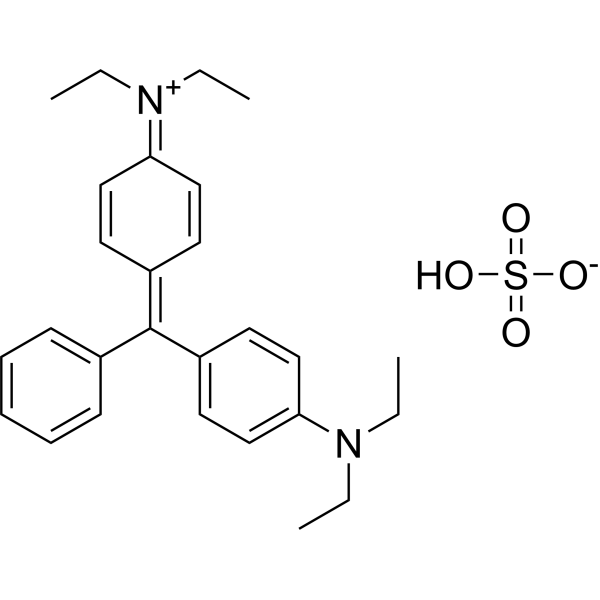
Brilliant green is a diaminotriphenylmethane compound and cationic dye that serves as a biological stain. Brilliant green exhibits strong antibacterial activity, with significant inhibitory effects on Gram-positive bacteria. The detection wavelength of Brilliant green is λmax = 625 nm.
For research use only. We do not sell to patients.
- CAS No.: 633-03-4
- Formula: C27H34N2O4S
- Molecular Weight:482.63
-
Storage:
Please store the product under the recommended conditions in the Certificate of Analysis.

To place orders, for customer services and technical support, please contact: MedChemExpress USA
Tel: 609-228-6898 E-mail: [email protected] [email protected]


-
 Biological Activity
-
Chemical Information
- Protocols
- Purity & Documentation
- References
-
 Help & FAQs


-
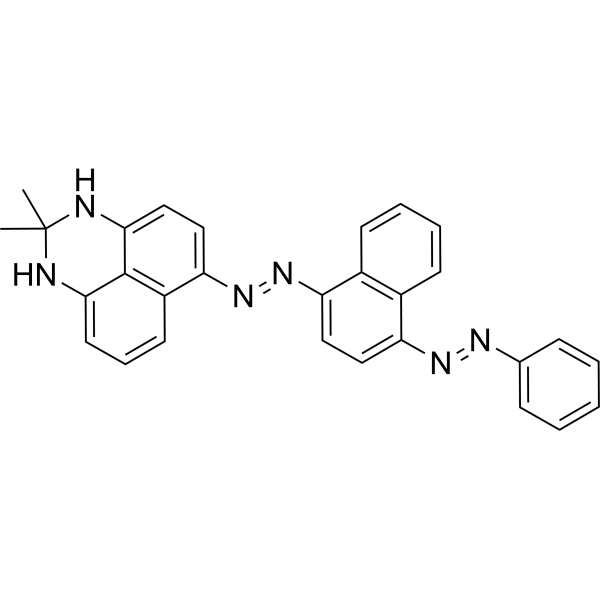
HY-D0213
Sudan Black BFat-soluble Diazo Dye -
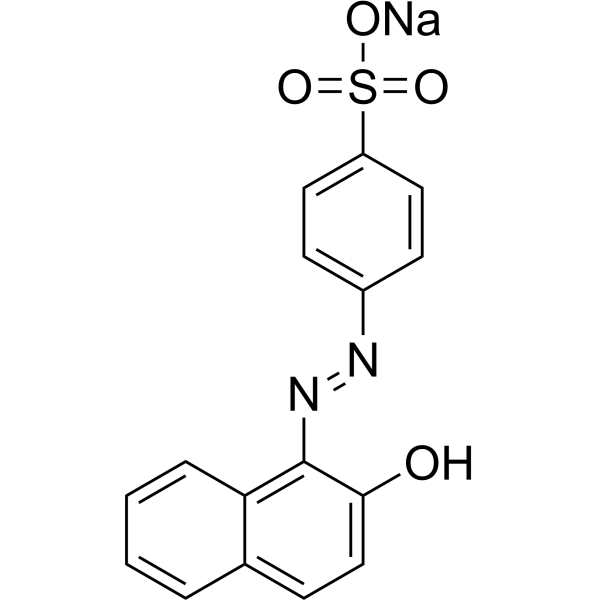
HY-N1442
Acid orange 7Azo Dye -
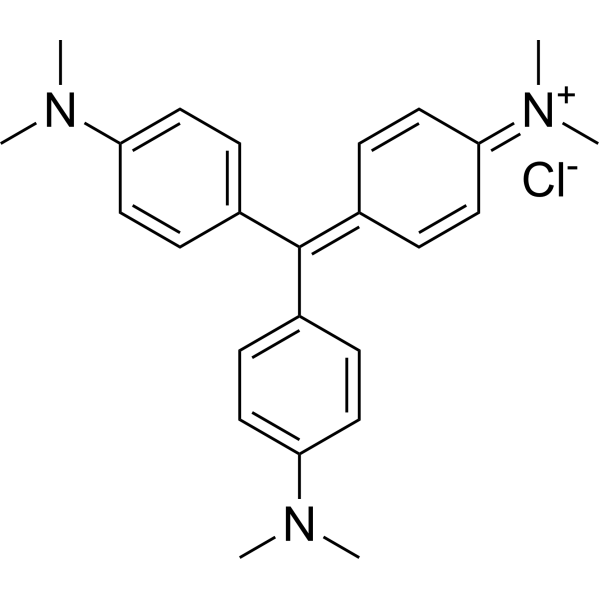
HY-B0324A
Crystal VioletFluorochrome -
HY-D0236
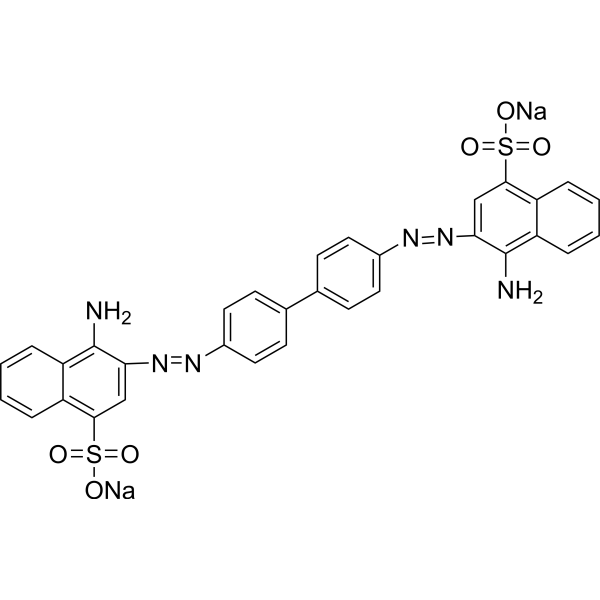
Congo RedAzo Dye -
HY-D0914
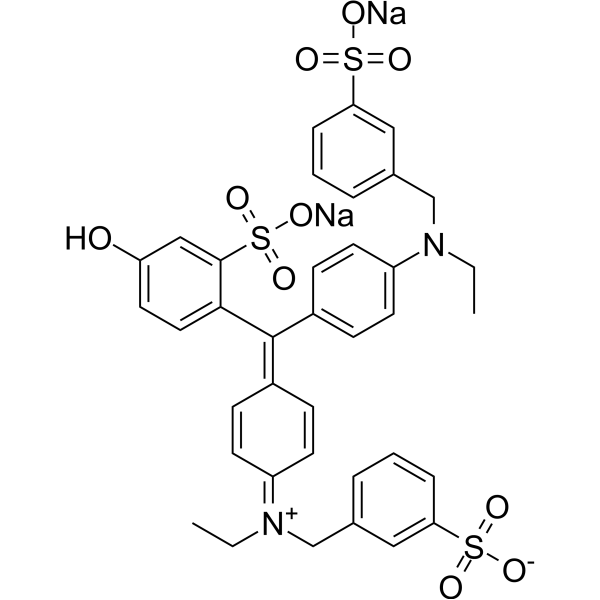
Fast Green FCFSea Green Triarylmethane Food Dye -
HY-D0932
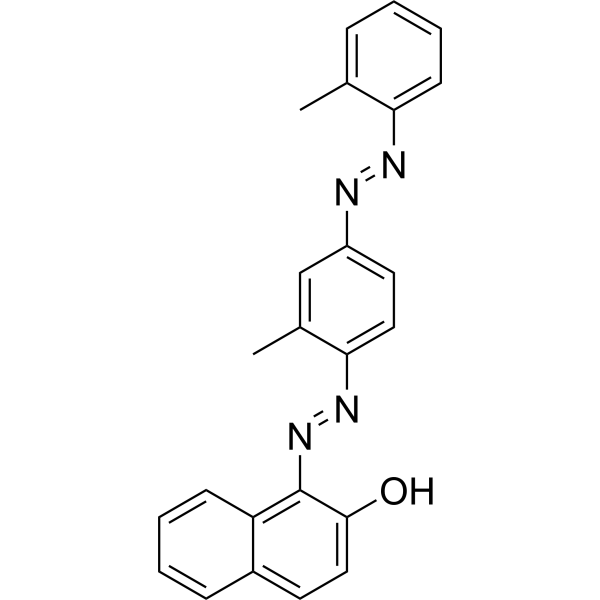
Sudan IVDisazo Dye -

HY-N1442R
Acid orange 7 (Standard)Azo Dye -

HY-DY2001
Crystal Violet (solution)Fluorochrome -
HY-W040226
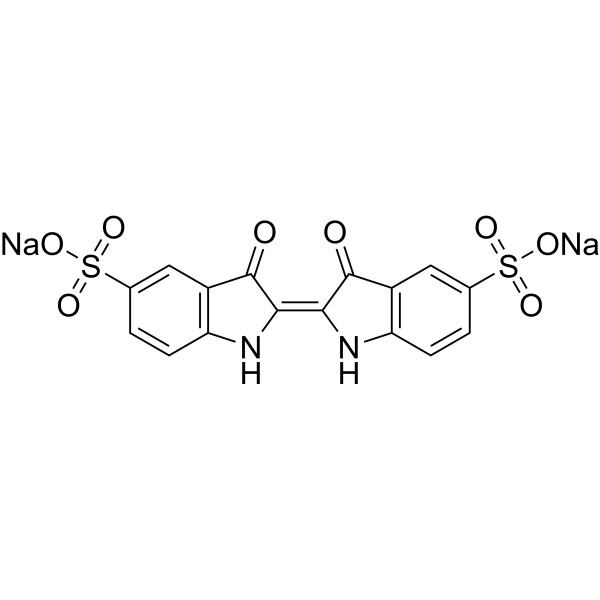
Indigo carmine -

HY-D0932R
Sudan IV (Standard)Standard of Sudan IV -
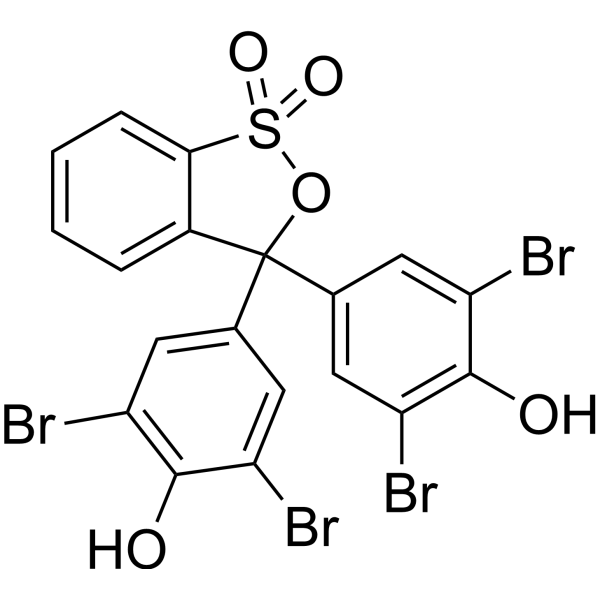
HY-B1571
Bromophenol bluepH Indicator -
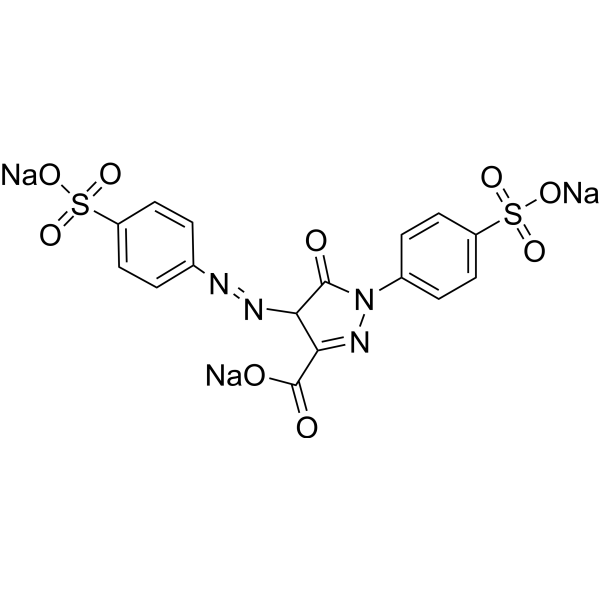
HY-D0257
TartrazineAzo Dye


Biological Activity
Description
In Vitro
Guidelines (The recommended experimental protocol below is for guidance only and should be adjusted according to your specific requirements)
1. Stock Solution Preparation
1.1 Solvent: Water or 60% ethanol. Aqueous solutions are unstable and require fresh preparation.
1.2 Concentration recommendation: It is generally recommended to prepare a high-concentration stock solution of 1-10 mM.
2. Working Solution Preparation
2.1 Diluent: Double-distilled water.
2.2 Working concentrations: 1% (based on 60% ethanol), 0.5% ethanol solution, 1:2000 (aqueous solution), 1:1000 (aqueous solution).
2.3 Notes: Adjust the working solution concentration as needed; prepare fresh before use.
3. Staining Procedures
3.1 Sample type description
3.1.1 Bacterial samples: Suitable for Gram-positive bacteria, with weak efficacy against *Escherichia coli* and Mycobacterium tuberculosis.
3.1.2 Skin/mucosa: 1% ethanol solution is used for skin disinfection; 0.5% solution is used for mucosa.
3.1.3 Adsorption experiment samples: Add 25 mg of PANI/Ag nanocomposite to 20 mL of BG solution (initial concentration 40-61.2 mg/L), shake at 30 °C and 120 rpm, and reach adsorption equilibrium within 120 min.
3.2 Incubation conditions
3.2.1 Antibacterial experiment: Apply to skin, mucosa or wounds at room temperature or body temperature; use warm aqueous solution for wet compresses.
3.2.2 Adsorption experiment: Shake at 30 °C and 120 rpm in the dark, with a contact time of 120 min.
3.3 Washing steps
3.3.1 Skin staining can be removed by vigorous wiping with alcohol or hydrogen peroxide.
4. Control Setup
4.2 Adsorption experiment controls: Comparison of adsorption efficiency under conditions of different initial concentrations (40-61.2 mg/L), different nanocomposite dosages (0.01-0.03 g), different temperatures (25-40 °C) and different pH values (2-12).
5. Detection and Analysis
5.1 Instrument type: Spectrophotometer.
5.2 Excitation/emission wavelength: 625 nm (detection wavelength).
5.3 Result analysis
5.3.1 Absorbance change: The absorbance at 625 nm decreases with the extension of adsorption time; the removal rate reaches 89.8% at an initial concentration of 40 mg/L and 75% at 61.2 mg/L; approximately 90% is removed within 120 min.
5.3.2 Antibacterial activity: The minimum inhibitory dilution against streptococci and pneumococci is 1:200,000, with weak efficacy against *Escherichia coli* and Mycobacterium tuberculosis.
5.3.3 Color change: Green dye. Adsorption is the lowest at pH 2; the removal rate increases from 61% to 85% at pH 4-12, reaching the maximum at pH 12; the pKa values are 4.93 and 2.26.
MedChemExpress (MCE) has not independently confirmed the accuracy of these methods. They are for reference only. Further protocols information, click here.


Chemical Information
-
CAS No. 633-03-4
-
Molecular Weight 482.63
-
Formula C27H34N2O4S
-
SMILES
CC/[N+](CC)=C1C=C/C(C=C/1)=C(C2=CC=C(N(CC)CC)C=C2)/C3=CC=CC=C3.O=S(O)([O-])=O
-
Shipping
Room temperature in continental US; may vary elsewhere.
-
Storage
Please store the product under the recommended conditions in the Certificate of Analysis.

Protocols
-
Research Protocol for Infectious Diseases
Infectious-disease experiments test how pathogens interact with host barriers, innate immune receptors, inflammatory signaling, pathogen replication, and tissue injury; pattern-recognition receptors such as TLRs, RIG-I-like receptors, NOD-like receptors, and inflammasomes detect microbial molecules and activate NF-κB, interferon, and cytokine responses. The central hypothesis is that infection severity reflects the balance between pathogen burden and host response: protective inflammation restricts pathogen growth, whereas excessive or mislocalized inflammation contributes to tissue damage and disease phenotype. Unresolved questions include which host pathways are protective versus pathogenic, why some infection models fail to translate to human disease, and which combined readouts best predict clinically relevant infection outcomes.
-
Gram Staining of Tissue Sections
Gram staining of tissue sections is a histochemical technique used to differentiate Gram-positive and Gram-negative bacteria within histological specimens based on differences in bacterial cell wall structure and dye retention, adapted from classical bacteriological Gram staining into tissue-compatible “histological Gram stain” variants. In tissue applications, modifications of the Brown-Hopps and Brown-Brenn methods are commonly used to improve differentiation of microorganisms embedded within host connective tissue and to reduce overstaining or loss of Gram-negative signal, which are known limitations of earlier approaches. The principle relies on crystal violet-iodine complex retention in Gram-positive organisms and subsequent decolorization and counterstaining steps that allow contrast visualization of Gram-negative organisms against tissue background.
-
Bacterial live/dead nucleic-acid viability staining
The LIVE/DEAD bacterial viability staining method is based on differential permeability of nucleic-acid-binding fluorescent dyes, most commonly SYTO 9 and propidium iodide (PI), which enables discrimination of bacterial populations with intact versus compromised cytoplasmic membranes. SYTO 9 penetrates both intact and damaged bacterial membranes and binds nucleic acids to produce green fluorescence, whereas propidium iodide penetrates only cells with compromised membranes and fluoresces red while also reducing SYTO 9 signal through competitive binding and fluorescence interactions. The resulting fluorescence pattern is interpreted as a proxy for membrane integrity, which is widely used as an indicator of bacterial viability in microscopy, flow cytometry, and spectroscopic platforms. However, mechanistic studies show that SYTO 9 and PI interactions involve displacement and fluorescence resonance energy transfer effects, which can influence signal interpretation depending on dye ratios a


Purity & Documentation
References

Calculators
Concentration (start) × Volume (start) = Concentration (final) × Volume (final)


Brilliant green Related Classifications
HY-D0008 Related Classifications
 Powered by Bioz